
Maximizing Efficiency And Safety In Steel Storage
By Tom Seest
At RackingWorld, we help guide you through selecting warehouse storage systems and racking.
Be sure to read our other related stories at RackingWorld to learn more about warehouse storage systems.
Cantilever Racks In the Steel Distribution Industry
In the bustling realm of the steel distribution industry, where raw metal transforms into the frameworks of our cities and structures, the unsung heroes are the cantilever racks. These towering marvels of engineering don’t just serve a purpose; they redefine our ability to manage the mighty materials that shape our world. Think about it: how many times have we walked past a warehouse, only to be mesmerized by the organized chaos of steel beams and sheets neatly tucked away, awaiting their next chapter? These racks embody a laborious love story—a relationship between man, machine, and material.
Emotionally, cantilever racks carry the weight of dreams. Behind every massive piece of metal on those shelves is a story of determination and hard work. Families and communities rely on the strength that comes from steel, and the proper racking systems ensure that these vital resources are not only stored safely but also accessible when the time comes to create. Picture the skilled hands of workers unloading, sorting, and stowing—each movement honed by experience, each choice informed by the wisdom gained from years of toil. There’s a sense of pride in knowing that every rack holds the promise of tomorrow’s skyscrapers, bridges, and more.
Rationally, the efficiency of cantilever racking cannot be overstated. It maximizes vertical space, opens up floor areas, and allows for better inventory management, which in turn streamlines the supply chain. When materials are organized and easy to retrieve, companies improve their bottom line and make better use of time and resources. It’s not just about steel; it’s about strategic planning, and that cuts to the core of any business model.
Ethically, investing in the right racking solutions showcases a commitment to workplace safety and employee well-being. These systems are built to handle heavy loads with stability and security, reducing accidents and ensuring that every worker leaves the site ready to tackle another day. As industries evolve, embracing innovation in storage solutions reflects a dedication to responsible practices.
In a world where connection often eludes us, the narratives held within these racking systems weave a tapestry of community, resilience, and unity. They symbolize the foundation upon which we build not just homes and businesses but futures. So next time you pass a steel warehouse, take a moment to appreciate the excellent engineering behind cantilever racks. They aren’t just metal structures; they are vital players in an intricate dance of industry and society, supporting the weight of our dreams.

Cantilever Racks In the Steel Distribution Industry
Cantilever Racks In the Steel Distribution Industry
- Cantilever racks are crucial in the steel distribution industry, transforming raw metal into structural frameworks.
- They represent a relationship between humans, machinery, and materials, embodying hard work and determination.
- Each cantilever rack symbolizes the dreams and aspirations of families and communities reliant on steel.
- Efficient racking systems maximize vertical space and enhance inventory management, streamlining supply chains.
- Investing in cantilever racks demonstrates a commitment to workplace safety and employee well-being.
- These racks weave narratives of community and resilience, symbolizing the foundation of future developments.
- Cantilever racks play a vital role in supporting the industry, making them integral to both business and societal growth.

Cantilever Racks In the Steel Distribution Industry
Table Of Contents
- Cantilever Racks In the Steel Distribution Industry
- What Emotional Impact Do Disorganized Warehouses Have on Your Team?
- Are You Aware Of the Safety Risks Associated with Poor Rack Placement?
- Which Industry Regulations Must You Follow for Steel Storage Safety?
- How Do You Feel About an Environmentally Friendly Approach to Storage?
- What Are the Long-Term Cost Benefits Of Investing In Quality Racks?
- Conclusion
- Other Resources
- Glossary Of Terms
- Other Questions
- Checklist
What Emotional Impact Do Disorganized Warehouses Have on Your Team?
Imagine walking into a warehouse where chaos reigns supreme. Racking systems are piled high with mismatched boxes, labels are faded or non-existent, and the air is thick with frustration. This disarray doesn’t just impede workflow; it seeps into the spirit of the team, creating an emotional landscape that’s anything but productive.
Your employees aren’t just cogs in a machine; they’re humans with dreams, aspirations, and the desire to excel. When faced with disorder, their motivation can dwindle. A disorganized warehouse is a breeding ground for confusion and stress, eroding the confidence of even the most diligent workers. Like a ship adrift at sea, they become lost, uncertain of their tasks and overwhelmed by the clutter that surrounds them. No one thrives in chaos; it gnaws at the gut, making every day feel like an uphill battle.
Consider the ethical implications of this. When you allow disorder to fester, you’re not just stifling productivity; you’re neglecting the well-being of your team. It’s our responsibility to cultivate an environment that respects their time and effort. Every misplaced item represents a therapy session lost, a family dinner disrupted, or a weekend spent in frustration rather than joy. Your team’s mental health and job satisfaction should be a priority, and a disorganized space actively works against that.
But there’s hope. The experience of transforming a chaotic warehouse into a well-oiled machine can be powerful. Picture your team rallying together, taking ownership of their space. Families come together to build a supportive work culture, fostering trust and camaraderie. Each carefully arranged item reflects their collective effort and dedication, revitalizing their sense of purpose. This isn’t just about improving efficiency; it’s about building a community where everyone feels valued.
Leadership plays a pivotal role here. As managers and team leaders, you have the power to inspire change. When you take the initiative to declutter and reorganize, you send a clear message: you care. You value your team’s time and effort, and you understand the emotional toll that disorganization can take. This is about much more than just maximizing output; it’s about cultivating a thriving workplace where individuals feel seen, heard, and empowered to succeed. The shift you create can ignite a heartfelt transformation, propelling your team toward unity and purpose, and ultimately, greater heights together.
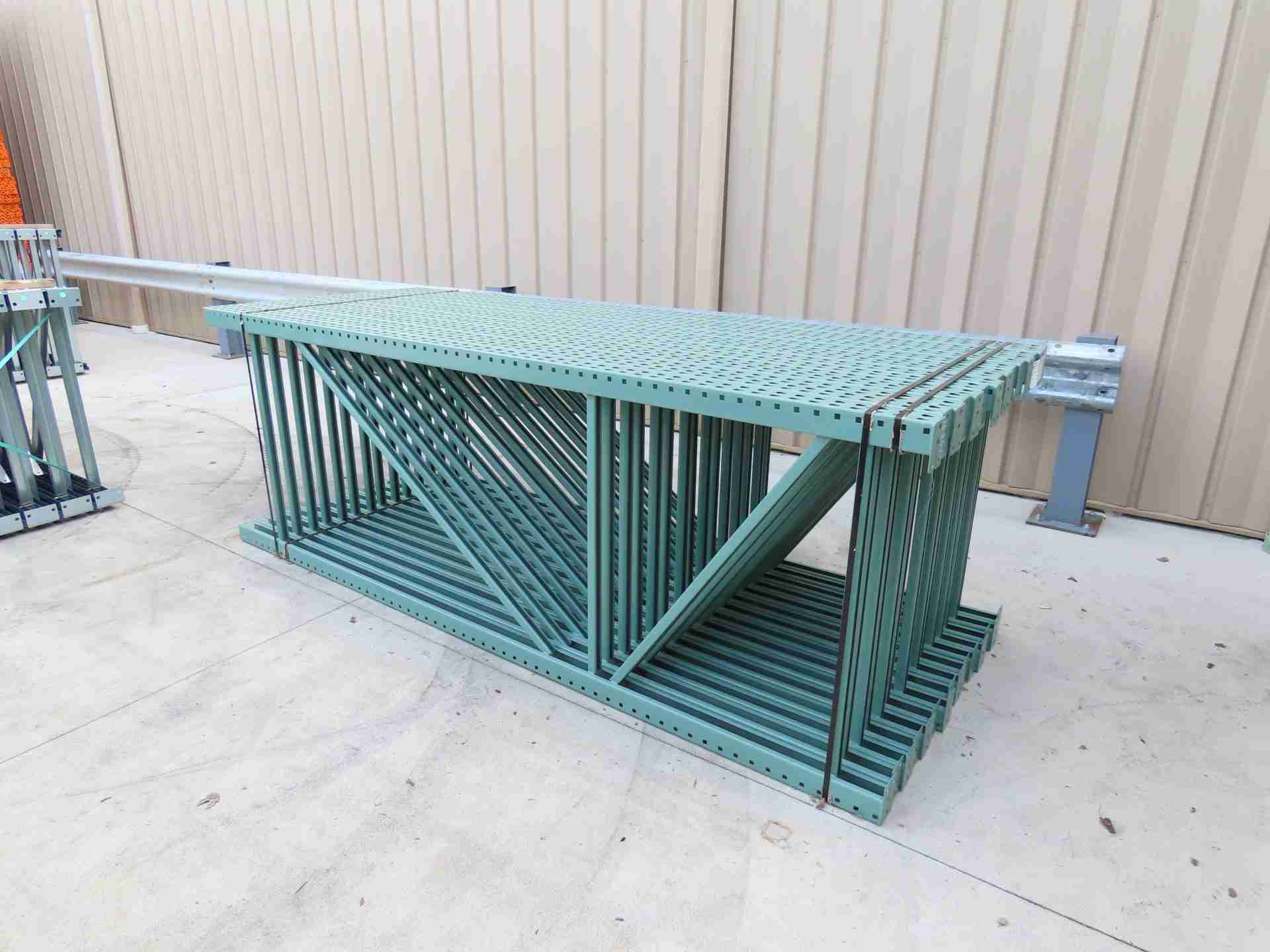
What Emotional Impact Do Disorganized Warehouses Have on Your Team?
What Emotional Impact Do Disorganized Warehouses Have on Your Team?
- A chaotic warehouse environment hampers workflow and lowers team morale.
- Employees are not just workers; they have dreams and aspirations that can fade in disarray.
- Disorganization leads to confusion and stress, undermining workers’ confidence.
- The emotional well-being of the team suffers when chaos is allowed to persist.
- Transforming a disorganized space into an efficient one fosters community and trust among employees.
- Leadership is crucial in inspiring change and demonstrating care for the team’s well-being.
- A decluttered environment promotes job satisfaction and a sense of purpose, enhancing productivity.
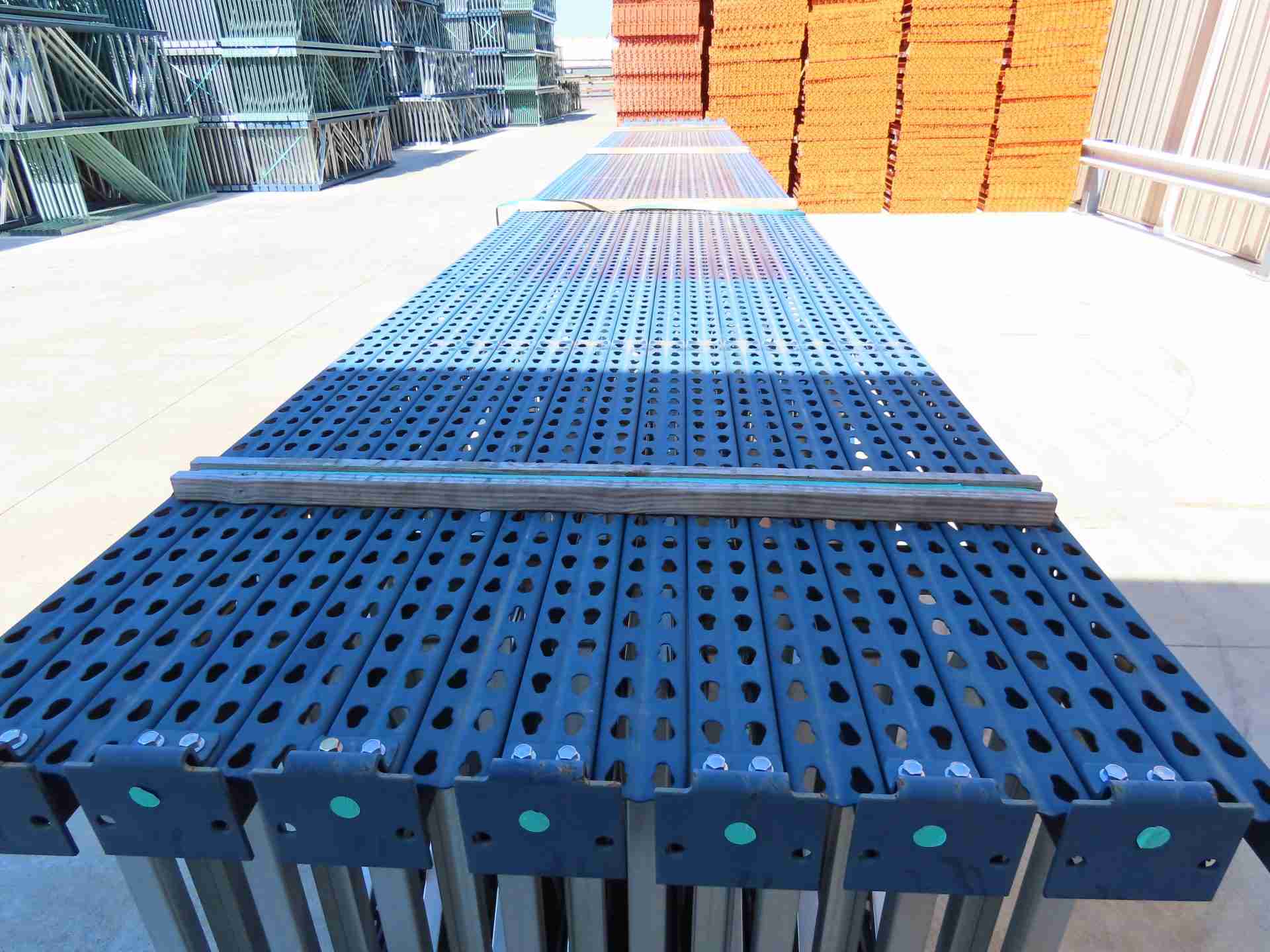
What Emotional Impact Do Disorganized Warehouses Have on Your Team?
Are You Aware Of the Safety Risks Associated with Poor Rack Placement?
When you step into a warehouse, it’s easy to get lost in the hustle and bustle—the smell of metal, the echo of machines, and the people in constant motion. But lurking beneath this industrious facade are risks that few consider, especially the dangers of poor rack placement. Racking systems are the backbone of any storage operation. They’re designed to keep everything in order and provide the access that facilitates efficiency. But when those racks are poorly placed, the safety of everyone in that space hangs in the balance.
Imagine for a moment a worker navigating through aisles stacked with heavy pallets, unaware that a misaligned rack just a few feet away could come crashing down with the slightest bump. This isn’t just a theoretical scenario; it’s a reality in many workplaces. A misplaced rack can lead to catastrophic accidents—not just injuries, but loss of life. There’s an undercurrent of tragedy that permeates stories of people being harmed by preventable accidents. Every life has value, and any day could bring a moment that changes that forever.
Let’s take a step back and engage the rational side of this issue. There’s an entire science behind warehouse safety, with guidelines and regulations designed to protect workers. A department of labor emphasizes the importance of correctly racking systems for the sake of operational efficiency, but more importantly, for the dignity of those who toil beneath those towering shelves. With clear strategies in place—like regularly checking weight limits and ensuring ample aisle space—we can foster environments that not only promote productivity but also safeguard lives.
Ethically, we owe it to ourselves and our colleagues to prioritize safety over convenience. Trust is built on the assurance that we care for one another. When we talk about workplace safety, let’s not forget it’s about people—mothers, fathers, brothers, and sisters who clock in every day, just trying to make a living.
And think about the power of community. Good practices in racking extend beyond the warehouse; they foster a culture of accountability. When one warehouse operates safely, it sets a standard for others. It invites dialogue, encourages improvement, and inspires a collective effort toward creating spaces where safety isn’t an afterthought, but a fundamental component.
Let’s champion a culture where safety is paramount. Embrace the responsibility to scrutinize the racks around you. Whether you’re a supervisor or a new hire, you have the power to make a difference. Don’t let complacency pave the way for disaster—take action today for a safer tomorrow.
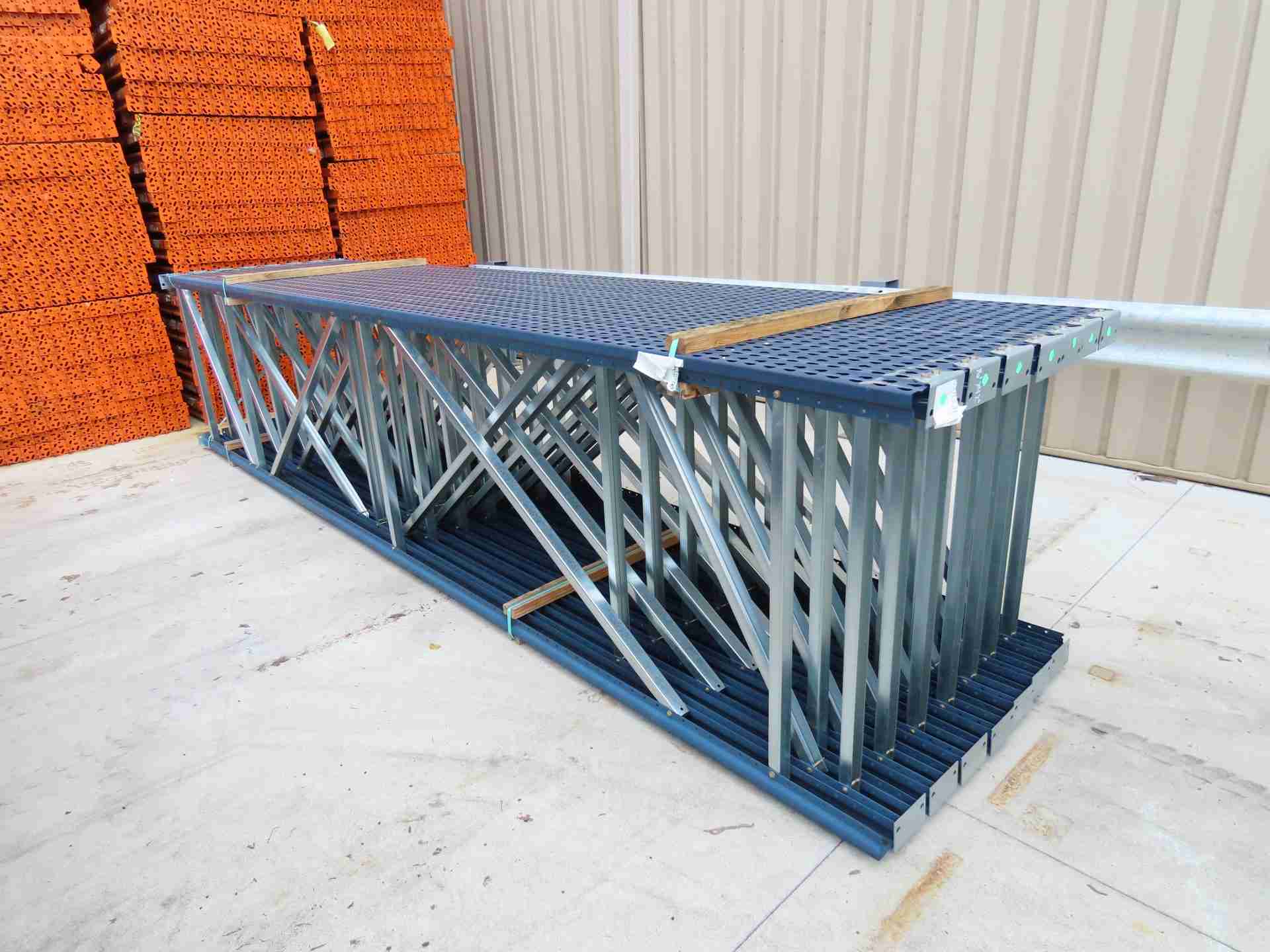
Are You Aware Of the Safety Risks Associated with Poor Rack Placement?
Are You Aware Of the Safety Risks Associated with Poor Rack Placement?
- The environment in a warehouse is bustling, with various sensory experiences and constant movement.
- Poor rack placement poses significant safety risks that are often overlooked, endangering workers.
- Misaligned racks can lead to serious accidents, including injuries and fatalities.
- Warehouse safety is governed by guidelines that emphasize operational efficiency and worker dignity.
- Regular checks on rack weight limits and aisle space are essential for fostering a safe work environment.
- Prioritizing safety over convenience builds trust and shows care for colleagues in the workplace.
- A safe warehouse culture inspires accountability, dialogue, and improvement within and beyond the industry.
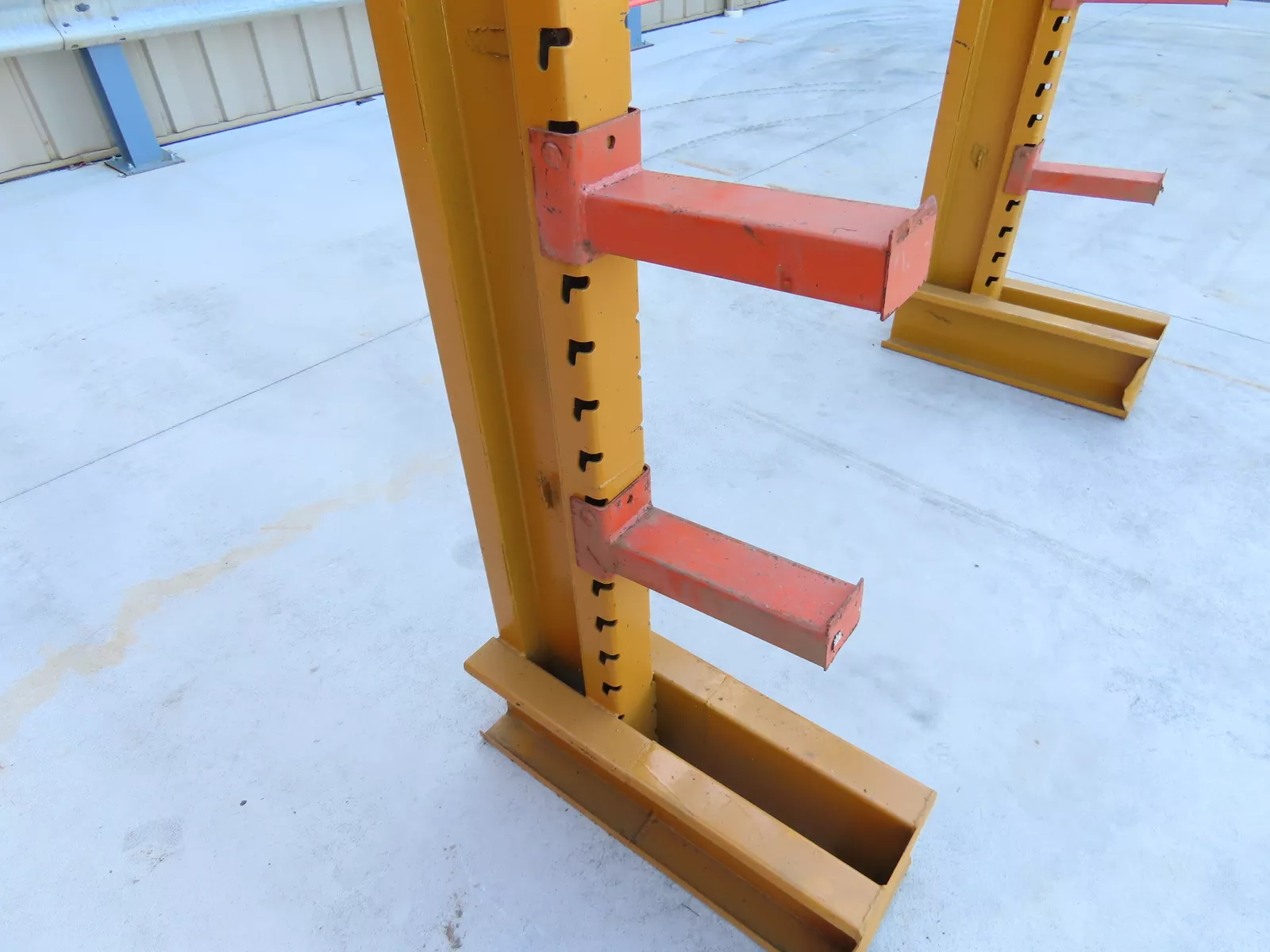
Are You Aware Of the Safety Risks Associated with Poor Rack Placement?
Which Industry Regulations Must You Follow for Steel Storage Safety?
When it comes to the robust world of steel storage, navigating industry regulations can feel like wrestling with a steel beam – heavy, challenging, and sometimes overwhelming. But here’s the thing: understanding and adhering to these regulations isn’t just a checklist for compliance; it’s a vital component of a safe work environment that protects your team and preserves your reputation.
First, let’s delve into the heart of the matter: safety isn’t just an obligation; it’s a commitment to your people. Imagine a worker, perhaps a mother or father, arriving at the facility every day, trusting that the racking systems holding thousands of pounds of steel are as secure as the love they feel for their family. That feeling of security stems from regulations established by authorities like OSHA and ANSI. These organizations aren’t just throwing out random guidelines; they are grounded in research, real-world incidents, and countless hours of expert analysis. Their expertise is your best ally in ensuring a safe work environment.
Now, let’s exercise the rational side of the equation. Compliance with established regulations allows you to avoid hefty fines and legal ramifications. It’s not just about financial implications; think about the impact on morale and productivity when employees feel safe in their environment. A well-implemented racking system reduces downtime, enhances workflow, and ultimately boosts your bottom line. The cost of neglecting safety regulations is far greater than the investment in ensuring adherence.
But there’s more at stake than just numbers. Ethically, it’s your responsibility to foster a culture of safety. Encouraging a conversation around compliance not only engages employees but empowers them, creating a sense of ownership in their work environment. Share stories of how small failures in safety can lead to catastrophic outcomes, not to frighten but to foster a collective sense of urgency. Think about the camaraderie of a team that rallies together to address potential hazards; that bond can be the cornerstone of your company’s culture.
Finally, remember that abiding by industry regulations isn’t just about following the letter of the law; it’s about setting an example. It shows that you care—not just about your bottom line, but about the people who make that bottom line possible. So, take a moment. Review your racking systems. Investigate your current practices. Embrace your role as a leader committed to safety and integrity. Your commitment could be the difference between a close call and a serious accident. It’s time to elevate the conversation around steel storage safety, for the well-being of your employees and the success of your organization.
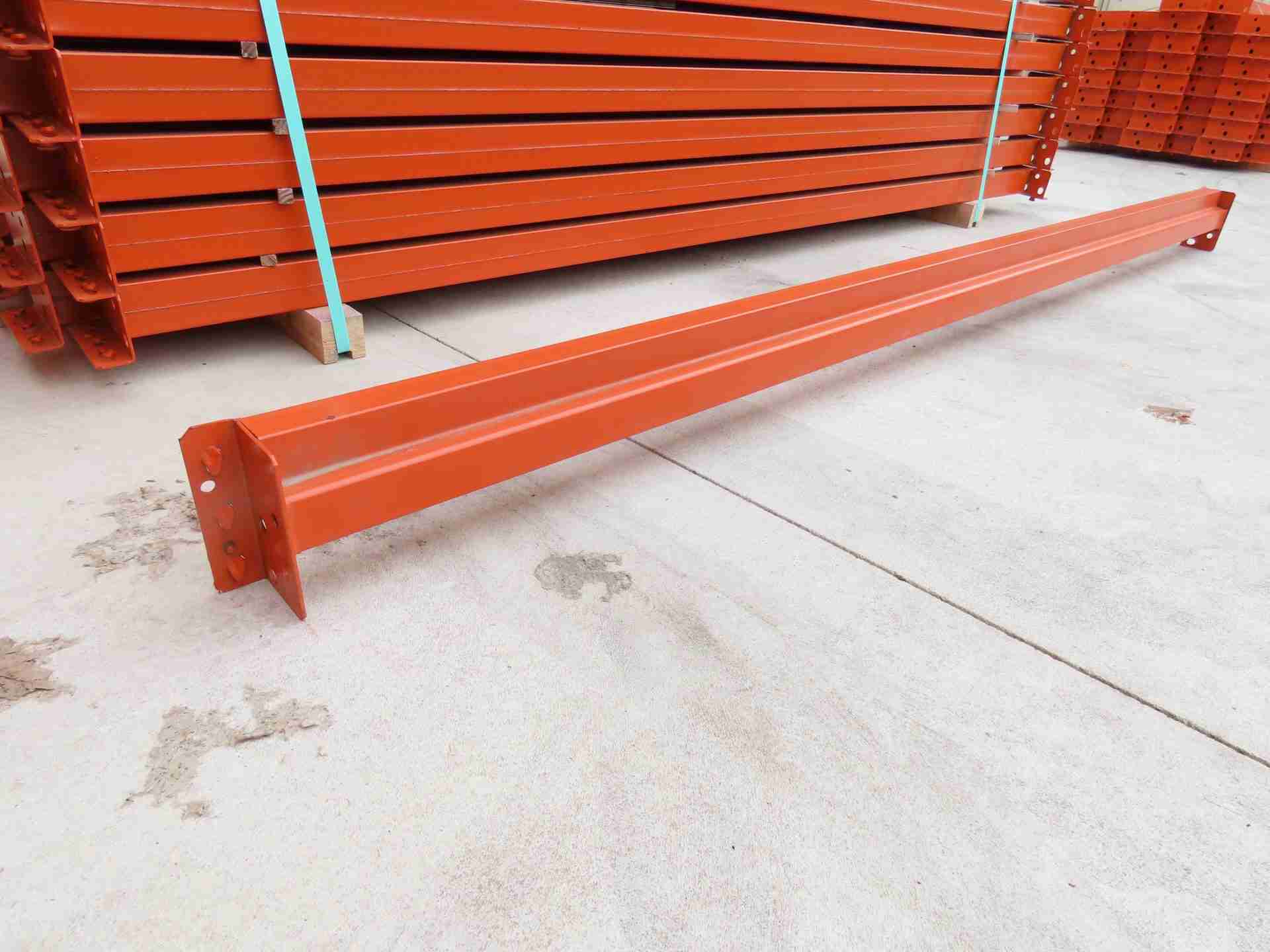
Which Industry Regulations Must You Follow for Steel Storage Safety?
Which Industry Regulations Must You Follow for Steel Storage Safety?
- Navigating steel storage regulations is crucial for a safe work environment.
- Safety is a commitment to employees and their trust in the racking systems.
- Regulations from OSHA and ANSI are based on research and expert analysis.
- Compliance helps avoid fines and positively impacts morale and productivity.
- Fostering a culture of safety empowers employees and enhances teamwork.
- Abiding by regulations demonstrates care for employees and company integrity.
- Reviewing practices and embracing safety leadership can prevent serious accidents.

Which Industry Regulations Must You Follow for Steel Storage Safety?
How Do You Feel About an Environmentally Friendly Approach to Storage?
When you walk into a storage facility, it’s easy to get swept up in the sheer scale of it all—the towering racking systems gleaming under fluorescent lights, the labyrinth of boxes and bins. But have you ever paused to consider the impact this sea of storage has on our planet? It’s a simple thought, yet it tugs at the core of our responsibility as stewards of the Earth. An environmentally friendly approach to storage isn’t just a trend; it’s a necessity that resonates deep within each of us.
Imagine a storage unit designed with sustainability in mind. The racking systems crafted from reclaimed materials, the proliferation of energy-efficient lighting, and the use of non-toxic, biodegradable packaging all come together to create a space that honors the very world we live in. This isn’t mere aesthetics—it’s a statement that when we store our belongings, we can do it without jeopardizing our planet’s resources. This realization is not only rational; it feels right. How can we justify compromising our environment for the sake of convenience?
We’ve all seen the effects of climate change, whether it’s the backyard that used to be green or the seasons that no longer follow their predictable patterns. Storing our possessions should not contribute to the unraveling of nature’s delicate balance. By choosing environmentally friendly options, each of us can play a part in the larger narrative of sustainability, ensuring future generations inherit a world worth living in.
Consider this: what if you could talk about your storage choices in a way that inspires others? What if every time you mentioned that your old cardboard boxes were made from recycled material or that the facility you chose is powered by renewable energy, you sparked a conversation about making greener choices? Suddenly, you’re not just storing your items; you’re joining a movement, fostering awareness, and, most significantly, making a difference.
This is where we stand at a crossroads. Embracing an environmentally friendly approach to storage isn’t just an ethical obligation; it’s an opportunity to redefine what it means to store our lives. So, let’s fill those racking systems with heart, integrity, and a profound respect for our planet. After all, it’s not just about what we store; it’s about how we choose to do it. Engage with this shift, and together we can foster a culture that values both our belongings and the world we inhabit.
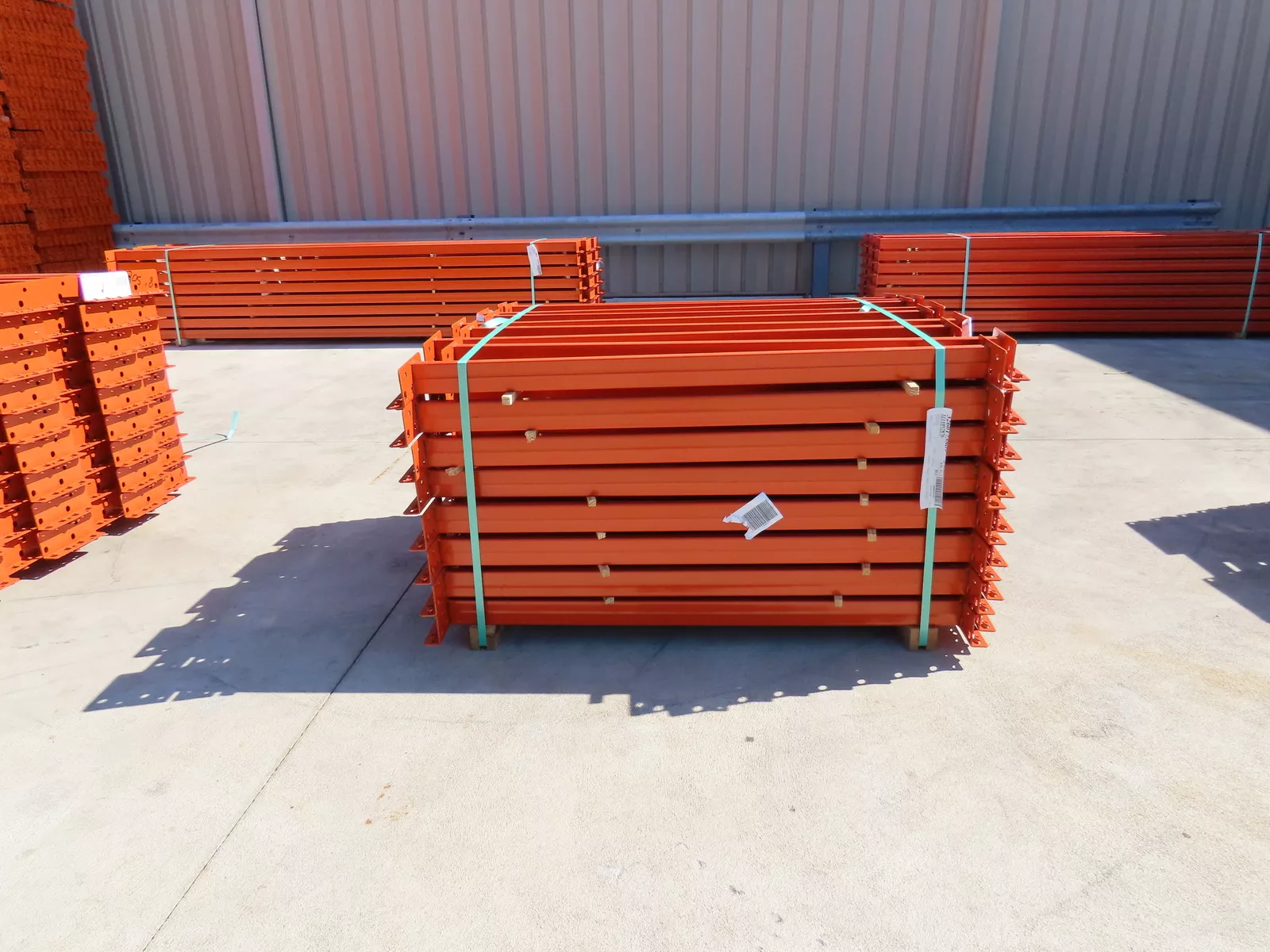
How Do You Feel About an Environmentally Friendly Approach to Storage?
How Do You Feel About an Environmentally Friendly Approach to Storage?
- The scale of storage facilities can overshadow their environmental impact.
- An eco-friendly approach to storage is essential for responsible stewardship of the Earth.
- Sustainable storage units can utilize reclaimed materials, energy-efficient lighting, and biodegradable packaging.
- Choosing eco-friendly storage options can help protect the planet’s resources and combat climate change.
- Discussing sustainable storage choices can inspire others to make greener decisions.
- Embracing environmentally friendly practices in storage is both an ethical obligation and an opportunity for positive change.
- We can foster a culture that values our belongings while respecting the environment.
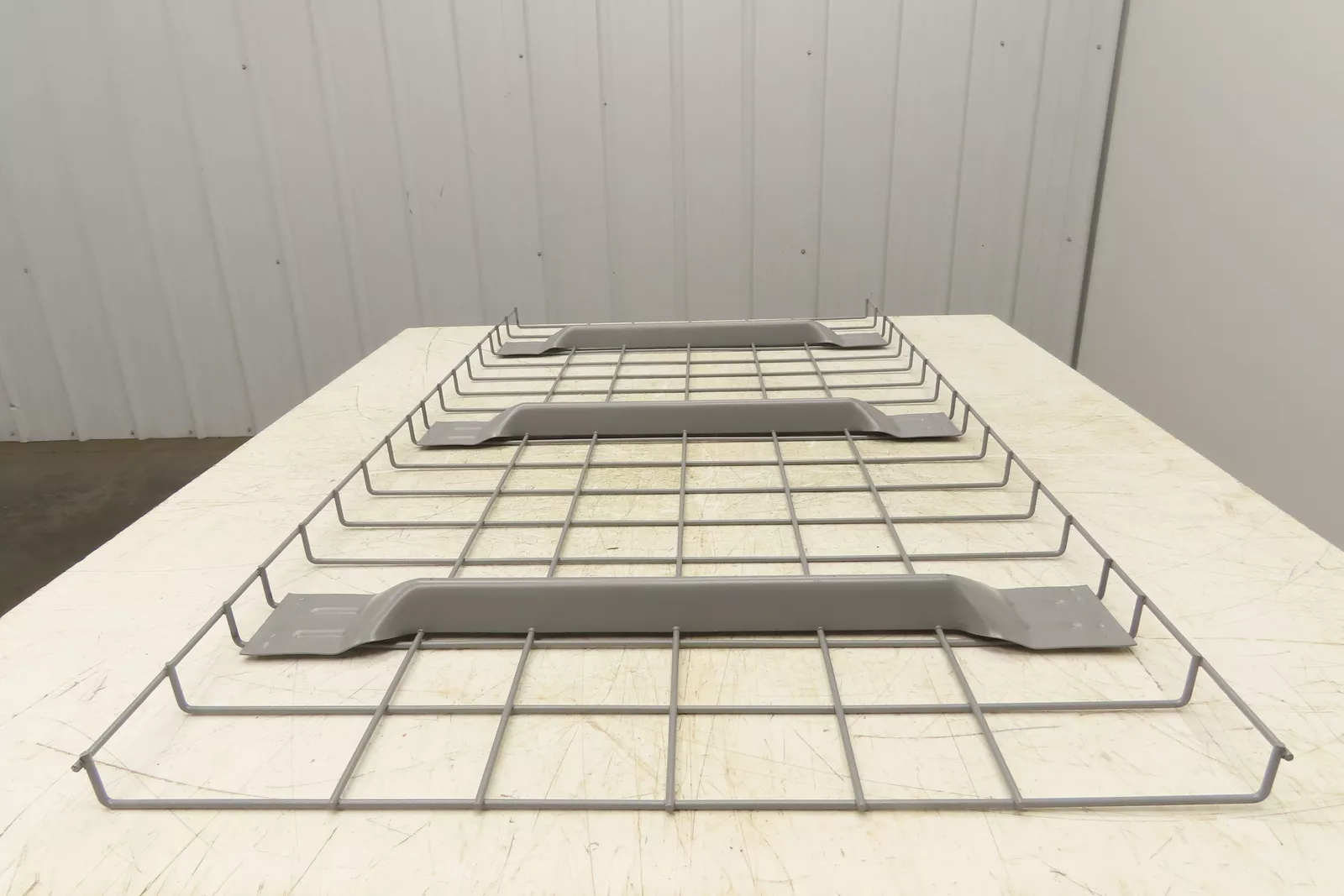
How Do You Feel About an Environmentally Friendly Approach to Storage?
What Are the Long-Term Cost Benefits Of Investing In Quality Racks?
When it comes to investing in quality racks, the long-term cost benefits are as straightforward as a well-structured system designed for effectiveness. Think about the athlete who pours time and effort into finding the right gear. Every time they step up to the plate with shabby equipment, they play with a weight on their conscience—knowing that some corners were cut. Racking is no different. Choosing quality means choosing reliability and, ultimately, your peace of mind.
Imagine the difference between a flimsy, subpar rack that groans under pressure and a robust, purpose-built system that stands the test of time. A sound investment in quality isn’t just an impulsive purchase; it’s a calculated decision that pays dividends down the line. On a rational level, consider your total cost of ownership. Cheap racks may save you a few bucks up front, but they’ll nickel-and-dime you with repairs, replacements, and lost productivity. When you add it all up, those shoddy choices become not just expensive, but downright irresponsible.
From an ethical standpoint, investing in quality means supporting companies that value craftsmanship and sustainability over quick profits. It’s a vote for integrity in industry. It’s not about stuffing your pockets with short-term gains; it’s about laying the groundwork for a future that benefits everyone. When you choose integrity, you build trust—not just with yourself, but with your community.
Think of the stories you’ve heard of businesses that reaped the rewards of making wise choices. A small gym that took the plunge into high-quality racking saw its member retention soar, thanks to a safe and reliable space. That’s not just smart business; that’s fostering a culture of excellence.
Moreover, there’s a social aspect at play here. When you invest in quality racks, you’re joining a community of like-minded individuals who value longevity, performance, and responsibility. You’ll find yourself sharing stories of triumph, bonding over the challenges faced, and celebrating the wins that follow a solid choice.
Every dollar spent on quality is a dollar invested in a future of safety, efficiency, and trust. So next time you consider where to put your hard-earned money, remember that a sturdy rack isn’t just a utility; it’s a testament to your commitment to excellence and a brighter tomorrow.
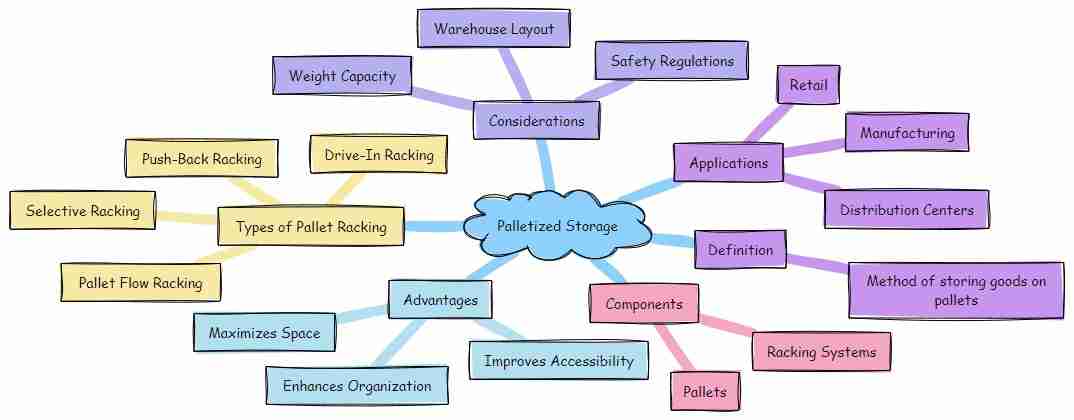
What Are the Long-Term Cost Benefits Of Investing In Quality Racks?
What Are the Long-Term Cost Benefits Of Investing In Quality Racks?
- Investing in quality racks provides long-term cost benefits and effectiveness.
- Using high-quality equipment leads to reliability and peace of mind for athletes.
- Cheap racks may save money initially but lead to increased repair and replacement costs.
- Investing in quality supports craftsmanship and sustainability over quick profits.
- Choosing quality fosters trust within the community and encourages integrity in business.
- High-quality investments can boost member retention and foster a culture of excellence in gyms.
- Every dollar spent on quality racks contributes to safety, efficiency, and a commitment to a better future.
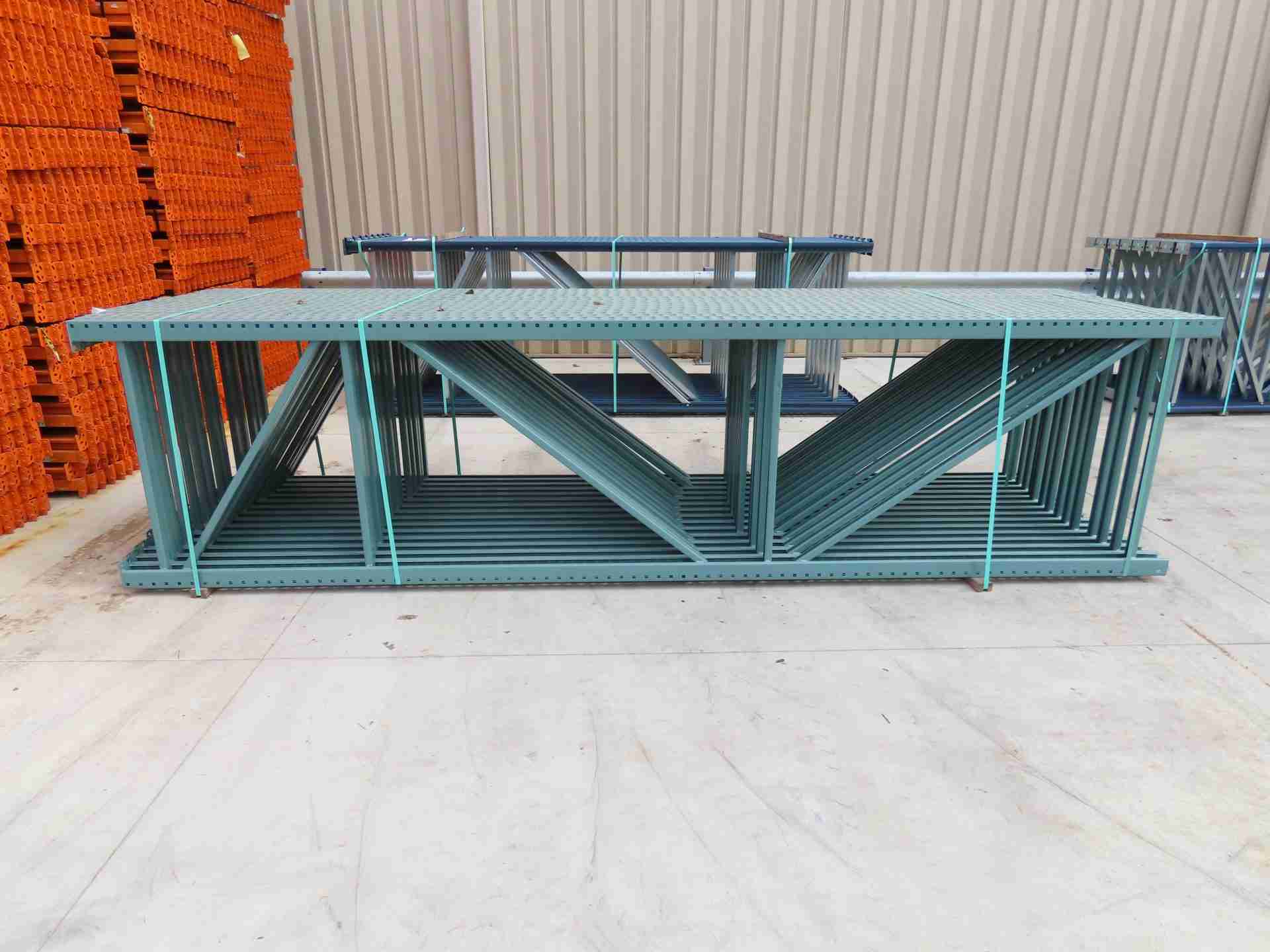
What Are the Long-Term Cost Benefits Of Investing In Quality Racks?
Conclusion
In the realm of steel distribution, cantilever racks aren’t merely utilitarian structures—they’re the backbone of an industry that shapes our world. They stand tall, silently elevating the dreams of workers and communities who depend on the strength of steel. Each rack tells a story—a tale of aspiration marked by labor and dedication, where every beam represents the hopes of families who will dwell beneath the towering skyscrapers made possible by this foundational material.
These racks deliver far more than just storage; they drive efficiency and safety. Imagine a well-organized warehouse, where workflows are seamless, and time is respected. This is the emotional and rational pivot we aim for—transforming chaos into order, frustration into clarity. Each meticulously arranged item fosters a culture of pride and accountability among workers, allowing them to thrive rather than merely survive. When disarray prevails, morale plummets, and every misplaced item becomes a hurdle to personal satisfaction and productivity.
Virtually every workplace bears the ethical obligation to guarantee safety. Properly placed racks are integral to reducing the risk of accidents, ensuring that every employee leaves work whole and healthy. This is where your commitment becomes crucial. Investment in quality storage solutions isn’t only about compliance; it’s a proactive step towards nurturing a community where every worker feels valued and cared for—a promise not just of productivity but of compassion.
Navigating industry regulations regarding racking and storage transcends simple checklist compliance; it’s an attitude that champions the dignity of labor. Safe practices in a warehouse are a testament to a company’s respect for its workforce. They show your team that their lives are valued, and that the promise of safety is as steadfast as the materials they work with.
Sustainability also calls for our attention. Beyond mere functionality, can we create a storage environment that respects the fragile ecosystem we inhabit? Racking systems designed with the planet in mind demonstrate a forward-thinking ethos, encouraging all of us to join a collective journey toward resilience and responsibility.
In the end, your choice of rack systems represents a commitment to excellence, safety, and community—values that harmonize together. Choosing quality leads to longevity, and in this journey, we’re not just building structures; we’re constructing a brighter future. Take these lessons to heart, and let’s spotlight the powerful role that each rack plays in not just storing steel but fostering the dreams and hopes that protect us all.
Conclusion
Conclusion:
- Cantilever racks are vital structures in the steel distribution industry, supporting the aspirations of workers and communities.
- They enhance efficiency and safety, transforming chaotic warehouses into organized and productive environments.
- Properly placed racks reduce the risk of accidents, ensuring employee wellbeing and fostering a sense of value.
- Adhering to industry regulations reflects a company’s respect for its workforce and their dignity.
- Innovative racking systems can contribute to sustainability and environmental responsibility.
- Choosing quality rack systems symbolizes a commitment to excellence, safety, and community values.
- Racks play a crucial role in not just storage but also in nurturing the dreams and hopes of everyone involved.
Conclusion
Other Resources
Other Resources
Here is a list of other resources you can review online to learn more:
- Wolter
- Rack Manufacturers Institute
- Illinois
- Teardrop Pallet Rack – Ridg-U-Rak
- Warehouse Racking Chicago, IL
- Teardrop Racks – Pallet Rack World
- Illinois Pallet Racking – WPRP
- Total Warehouse
- Storage Equipment Manufacturers’ Association
- Cantilever Racks Chicago
- National Safety Council
- Pallet Racking 101: A Comprehensive Guide & Options Explained
- Selective Pallet Racking Systems
- Logic Material Handling
- BMH Equipment LLC
- Cantilever Racking Specialists – Get the Right Racks
- NSC
- Used Pallet Rack for Sale in Illinois – American Surplus
- Material Handling Safety
- Material Handling Industry
Use This Prompt To Get More Resources With Your Favorite Online AI Tool: Please provide me with a list of online articles with their URLs in a bulleted list that I can read regarding Cantilever Racks In the Steel Distribution Industry
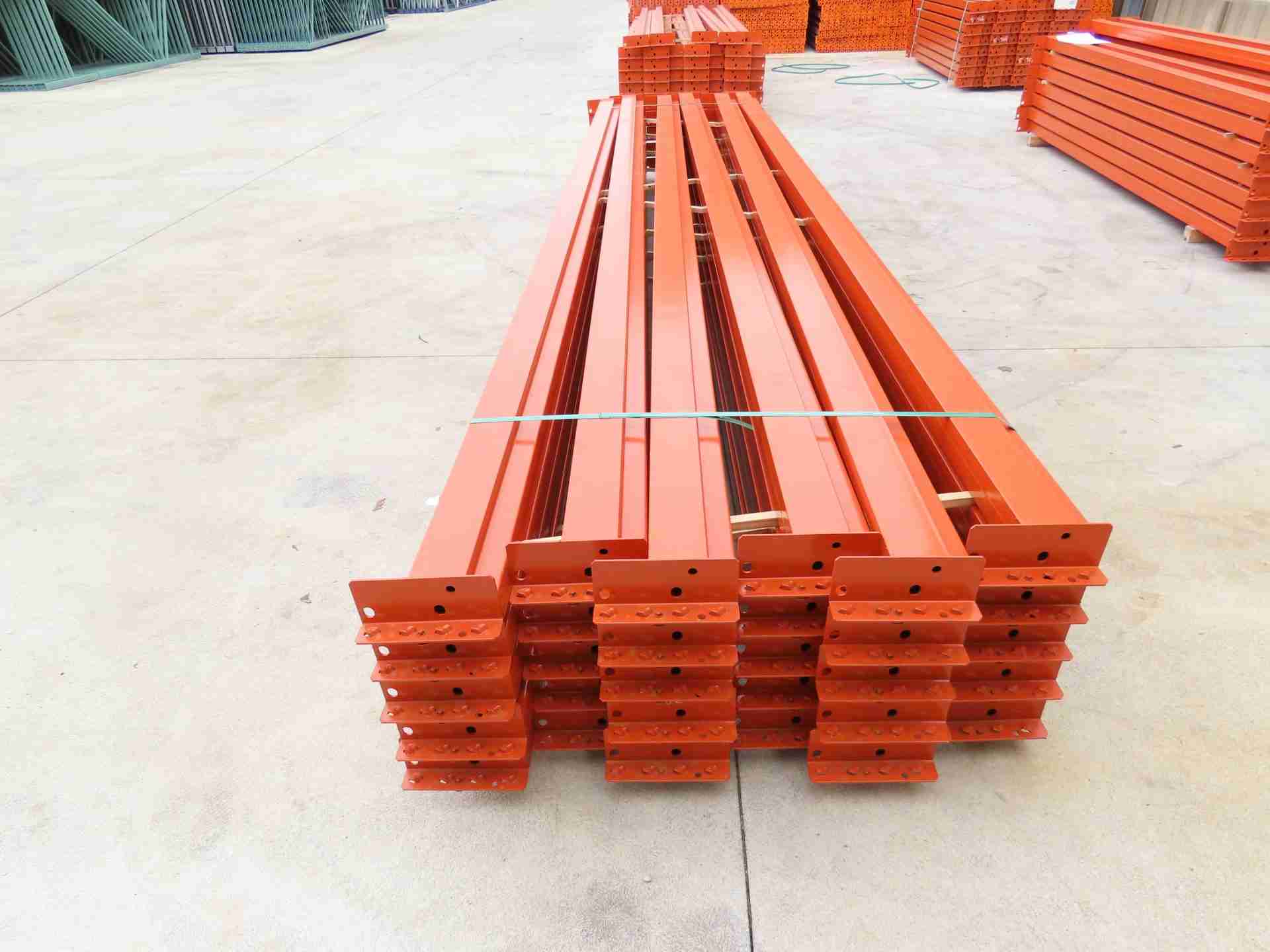
Other Resources
Glossary Terms
Cantilever Racks In the Steel Distribution Industry – Glossary Of Terms
1. Cantilever Rack: A storage system designed for storing long or bulky items, featuring arms that extend from a vertical structure.
2. Vertical Frame: The upright component of a cantilever rack that provides structural support and stability.
3. Arm: The horizontal component that extends from the vertical frame, designed to hold and support loads.
4. Base: The bottom part of the cantilever rack that provides stability and support for the vertical frame.
5. Load Capacity: The maximum weight that each arm or the entire rack can support safely.
6. Adjustability: The ability to change the height or positioning of the arms on the vertical frame to accommodate various load sizes.
7. Column: The vertical post in a cantilever rack that supports the arms and distributes weight.
8. Cross Bracing: Diagonal support elements that enhance the rack’s stability and prevent swaying.
9. Beam: A horizontal element that can connect two vertical frames to further increase stability and load-bearing capacity.
10. Garage Racking: A type of cantilever rack designed specifically for use in garages, often used for storing tools, equipment, and other long items.
11. Single-Sided Rack: A cantilever rack configuration that has arms extending on one side, ideal for wall-mounted storage.
12. Double-Sided Rack: A configuration with arms extending from both sides, allowing access from both directions for increased storage efficiency.
13. Heavy-Duty Cantilever Rack: A robust version of the cantilever rack designed to hold very heavy or bulky items.
14. Light-Duty Cantilever Rack: A smaller variant suited for lighter loads and shorter items.
15. Rack Accessories: Additional components that enhance functionality, such as dividers, bins, or safety guardrails.
16. Weight Distribution: The manner in which weight is spread across the arms and frames of the cantilever rack to ensure stability.
17. Safety Factor: A design principle that incorporates a margin of safety in the load-bearing capacity to prevent failures.
18. Forklift accessibility: The design consideration to allow forklifts easy access to load and unload materials from the cantilever rack.
19. Steel Distribution: The process of warehousing and supplying steel products, often utilizing cantilever racks for efficient storage.
20. Inventory Management: The practice of overseeing and controlling inventory levels, including the organization of materials within cantilever racks.
21. SKU (Stock Keeping Unit): A unique identifier for a product used in inventory management and tracking.
22. Loading Dock: The area where goods are loaded onto or unloaded from vehicles, often adjacent to storage areas with cantilever racks.
23. Pallet: A flat transport structure that supports goods in a stable fashion while being lifted by forklifts or pallet jacks.
24. Material Handling: The movement, protection, and storage of goods throughout the manufacturing, warehousing, and distribution process.
25. Aisle Width: The space between rows of racks, critical for forklift maneuverability and safety.
26. Rack Inspection: Regular assessments of cantilever racks to ensure structural integrity and safety compliance.
27. Overloading: Placing more weight on a rack than its designated load capacity, which can lead to structural failures.
28. Customization: The ability to modify cantilever rack designs to meet specific business needs, including height, length, and arm configurations.
29. Storage Density: The amount of storage space available in relation to the physical footprint of the rack, impacting efficiency.
30. Steel Grades: Different classifications of steel based on composition and strength, affecting the design and load capacity of cantilever racks.
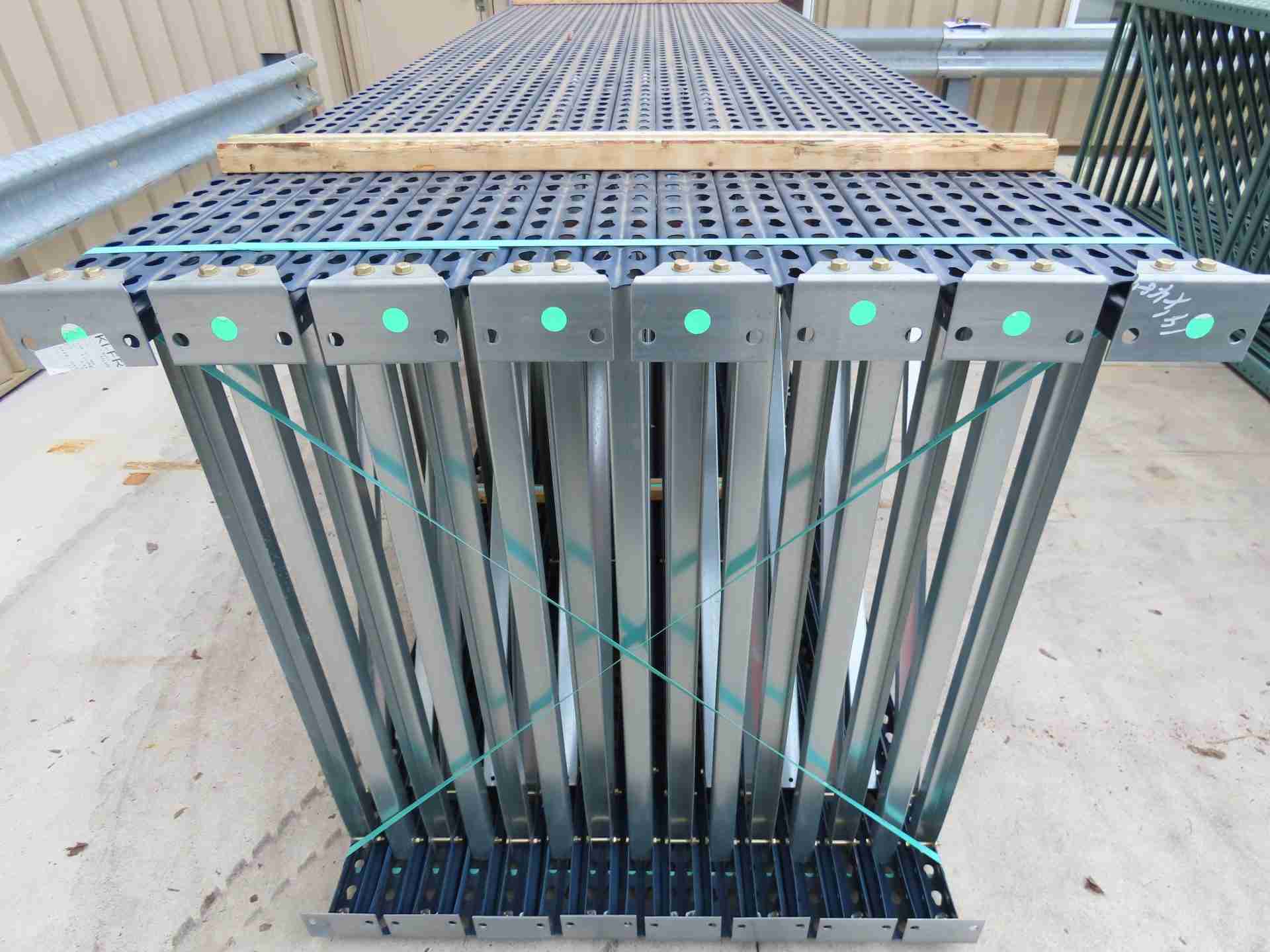
Glossary Of Terms
Other Questions
Cantilever Racks In the Steel Distribution Industry – Other Questions
If you wish to explore and discover more, consider looking for answers to these questions:
- What are the key features of cantilever racks?
- How do cantilever racks compare to other storage solutions?
- What are the best practices for maintaining cantilever racks?
- What are common mistakes to avoid when using cantilever racks?
- How can technology enhance the efficiency of cantilever racking systems?
- What specific safety training is required for employees using cantilever racks?
- How can companies assess the effectiveness of their current racking systems?
- What are the typical costs associated with installing cantilever racks?
- Are there any case studies showcasing successful implementation of cantilever racks?
- What are the environmental impacts of steel storage and how can they be mitigated?
- What role do ergonomics play in warehouse design with cantilever racks?
- How can businesses ensure compliance with industry regulations related to racking systems?
- What innovations are on the horizon for cantilever rack design and functionality?
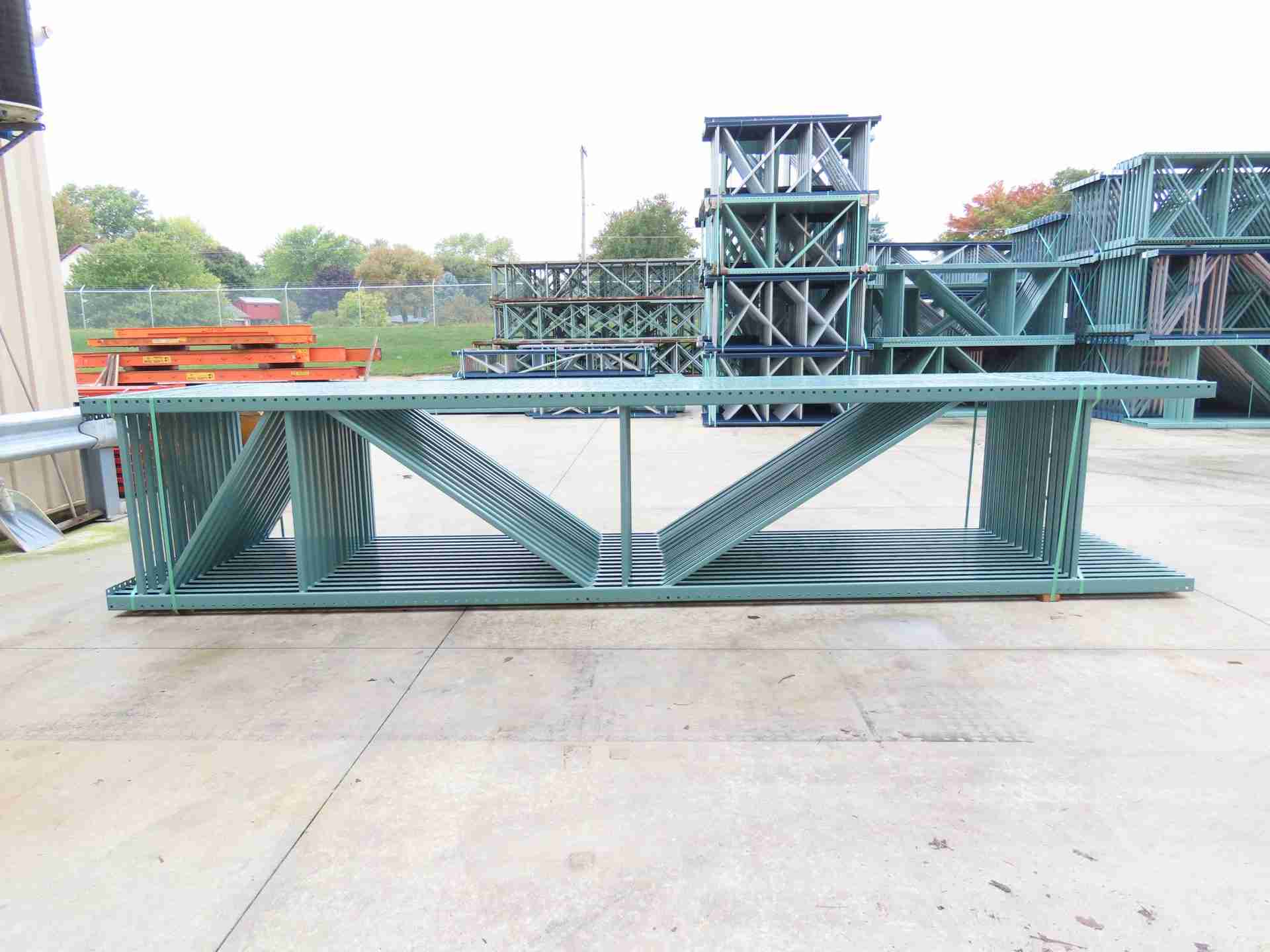
Other Questions
Checklist
Cantilever Racks In the Steel Distribution Industry – A Checklist
Emotional Appeals
_____ Reflect on the stories behind the steel stored on cantilever racks; how do they represent dreams and hard work?
_____ Consider the sense of pride in having a well-organized warehouse. How can your team create their legacy through careful storage?
Rational Appeals
_____ Assess the efficiency of your current racking system. Are you maximizing your vertical space and inventory management?
_____ Analyze the cost implications of disorganization versus efficiency. How can better organization improve your bottom line?
Ethical Appeals
_____ Evaluate your commitment to workplace safety. Are your current racking solutions upholding safety standards?
_____ Reflect on the ethical responsibility to provide a supportive environment. How does clutter affect your team’s mental health?
Authority Appeals
_____ Familiarize yourself with industry guidelines from organizations like OSHA and ANSI. How compliant is your warehouse with these standards?
_____ Engage with experts in steel storage safety to learn about best practices in maintaining racking systems.
Narrative Appeals
_____ Share stories of successful warehouse transformations. How did others overcome chaos to foster a collaborative work environment?
_____ Create a narrative around the importance of safety and community in your workplace. How does your team contribute to that story?
Social Appeals
_____ Discuss the impact of organization on team morale. How does a clutter-free space enhance collaboration and trust among coworkers?
_____ Celebrate the collective efforts of your team in maintaining organization. What traditions or practices can foster ongoing commitment to a well-structured environment?
Additional Reflections
_____ Think about how an environmentally friendly approach to storage can enhance your company’s reputation. What sustainable practices can you adopt?
_____ Investigate the long-term benefits of investing in quality racks. How can this decision build trust and exemplify integrity within your organization?
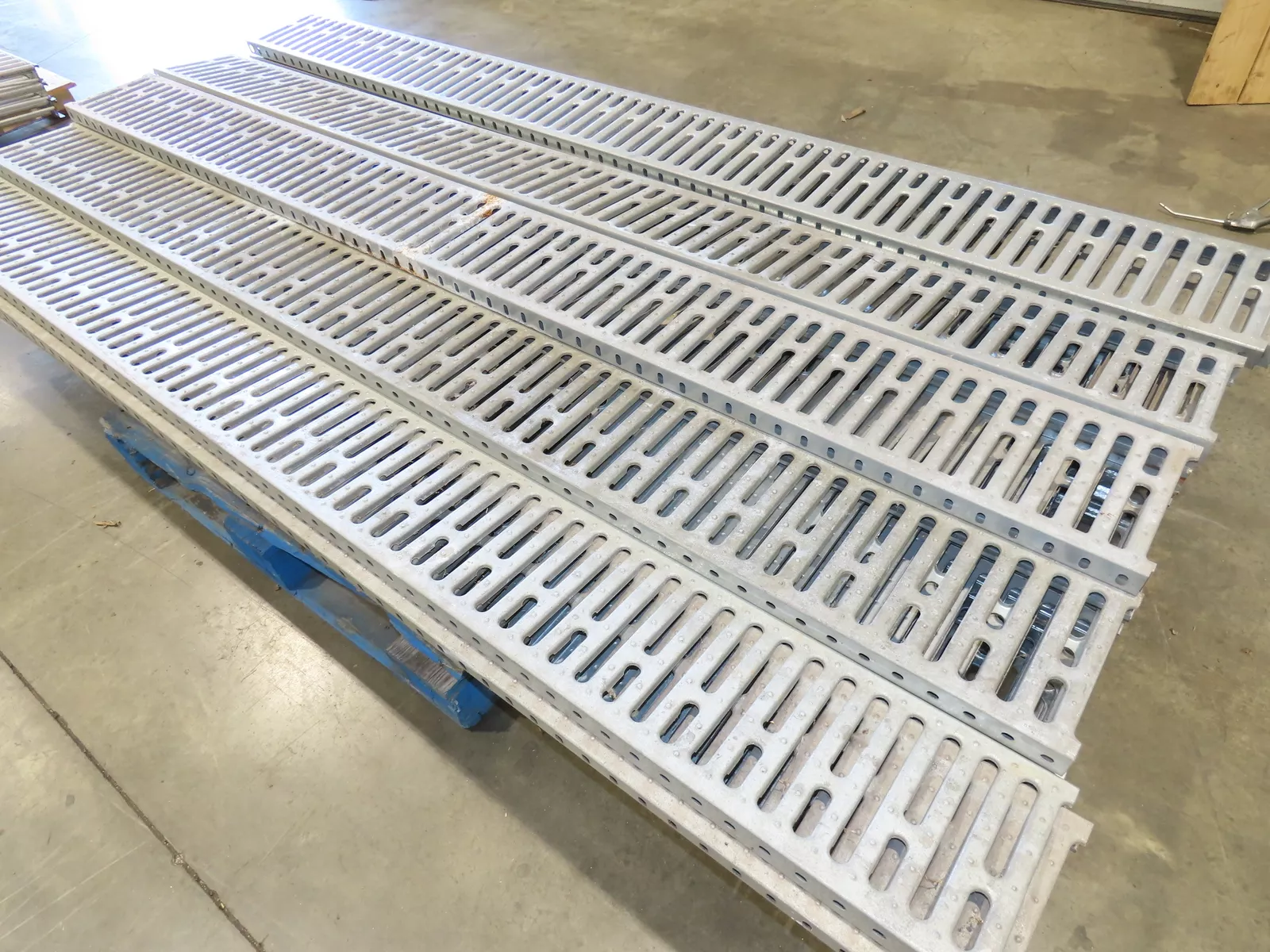
Checklist
At RackingWorld, we help guide you through selecting warehouse storage systems and racking.
Be sure to read our other related stories at RackingWorld to learn more about warehouse storage systems.
0 Comments