
Optimizing Warehouse Layout For Maximum Efficiency
By Tom Seest
At RackingWorld, we help guide you through selecting warehouse storage systems and racking.
Be sure to read our other related stories at RackingWorld to learn more about warehouse storage systems.
Top 5 Layout Mistakes That Hurt Rack Efficiency
When we think about a well-organized warehouse, we often picture an efficient, bustling space where every item has its rightful place. However, that ideal can quickly turn into a nightmare if the layout is flawed. Racking systems are the backbone of any storage operation, and yet they often suffer from layout mistakes that stifle efficiency. Let’s explore the top five blunders that could be holding your operation back.
First up is poor aisle width. This might not seem like a big deal—and yet, it can create chaos. If aisles are too narrow, they can bottleneck movement, leading to delays that translate to lost time and money. Imagine the frustration of a forklift driver trying to maneuver around a tight corner, only to find themselves stuck, wasting precious moments that could be spent fulfilling orders. The simple solution? Plan your aisles to accommodate the equipment in use, ensuring that product movement flows as smoothly as possible.
Next is the misplacement of heavy items. It’s a mistake often made by those who haven’t considered the physics of their layout. Storing heavy items at the wrong height can lead to injuries and inefficiencies. Think about it: Every time a worker has to stretch, lift, or struggle to access heavy boxes, risk and frustration climb. Ethically, it’s paramount to foster a safe working environment by placing heavy items at waist level, providing access that respects the well-being of your team.
Then there’s ignoring the principle of inventory turnover. If you’re stuffing those racks with products that move slower than molasses in January, you’re not just wasting space; you’re sacrificing cash flow. Rationally, every inch of racking should be a strategic decision, aligning with the movement of goods. Analyze sales data to ensure rapid-turn items are easily accessible, while slower stock can be tucked away.
The fourth mistake is lack of flexibility in your layout. Just like life, business is unpredictable. A racking system should adapt to change, whether it’s new products or seasonal demand spikes. Companies that fail to anticipate shifts can find themselves clinging to outdated structures, which only hurts their bottom line.
Lastly, there’s the dreaded clutter. Cleanup may seem like a mundane task, but fostering an organized space speaks volumes about your operation’s respect for its workforce. An orderly rack not only increases efficiency but also cultivates pride in where people work.
Eliminating these common pitfalls is more than just a tactical move; it’s a moral obligation to your team and your operation. Take action, revamp that racking layout, and watch as efficiency soars.

Top 5 Layout Mistakes That Hurt Rack Efficiency
Top 5 Layout Mistakes That Hurt Rack Efficiency
- Well-organized warehouses are efficient, but flawed layouts can disrupt operations.
- Poor aisle width can lead to movement bottlenecks, causing delays and lost time.
- Heavy items should be stored at waist level to prevent injuries and promote safety.
- Ignoring inventory turnover principles can waste space and compromise cash flow.
- Racking systems must be flexible to adapt to changes in product demand.
- Clutter can diminish workplace pride and efficiency; an orderly space is crucial.
- Addressing these layout issues is essential for improving both moral and operational efficiency.

Top 5 Layout Mistakes That Hurt Rack Efficiency
Table Of Contents
- Top 5 Layout Mistakes That Hurt Rack Efficiency
- How Can Optimizing Rack Layout Improve Your Operational Efficiency?
- Are You Aware Of the Hidden Costs Of Poor Rack Layouts?
- How Do Your Layout Choices Affect Employee Safety and Well-Being?
- What Stories From Your Team Illustrate the Impact Of Layout Failures?
- How Does Efficient Rack Layout Influence Customer Satisfaction?
- Conclusion
- Other Resources
- Glossary Of Terms
- Other Questions
- Checklist
How Can Optimizing Rack Layout Improve Your Operational Efficiency?
Optimizing your rack layout is an often-overlooked hero behind the curtain of operational efficiency. Picture a bustling warehouse, goods flying off the shelves, teams collaborating like a well-tuned orchestra—this doesn’t just happen by chance. It starts with meticulously designed racking systems that not only house your products but elevate your entire operation.
Think about the human element here. Each worker is not merely a cog in a machine; they are passionate people who value their time and effort. When a racking layout is thoughtfully structured, it minimizes unnecessary movement and makes retrieving items intuitive and quick. Imagine the frustration of a worker searching for a misplaced item, like trying to find a needle in a haystack. Now picture them breezing through their tasks, confidence surging with each efficiently completed order. This isn’t just about profits; it’s about instilling pride in the work being done.
From a rational standpoint, the numbers don’t lie. Streamlined racking encourages faster picking times and reduces labor costs, ultimately driving up your bottom line. Inefficiencies can drain resources like a sinkhole, and every second wasted is money slipped through your fingers. By employing strategic layout principles—like grouping similar products and keeping fast-moving items within easy reach—your operation transforms from chaotic to seamless. It’s not just about racks; it’s about building a system that works in harmony with your goals.
Ethically, we must consider the environmental impact. A well-organized warehouse can significantly reduce energy consumption, cutting down on the waste that clogs our landfills and spikes carbon footprints. By optimizing your rack layout, you’re not only improving your operation but contributing positively to the entire world around you. It’s a small step that echoes through the greater community.
Think about your competitive edge. Wouldn’t you want to be known as the company that got it right? By refining your racking strategy, you position yourself as a leader in operational excellence, inspiring others to follow suit. Each layout is part of your narrative, a testament to your commitment to improvement and excellence. The social implications are profound: when teams operate efficiently, morale soars. A team that knows they’re valued and empowered to perform their best isn’t just a workforce; it’s a family.
In this journey, remember that effective racking is not merely functional—it’s transformative. It builds connections, fosters trust, and drives action toward a more efficient and harmonious workspace.

How Can Optimizing Rack Layout Improve Your Operational Efficiency?
How Can Optimizing Rack Layout Improve Your Operational Efficiency?
- Optimizing rack layout is crucial for operational efficiency in busy warehouses.
- A well-designed racking system enhances workflow by reducing unnecessary movement and facilitating quick item retrieval.
- Streamlined racking leads to faster picking times, reduced labor costs, and increased profitability.
- Strategic layout principles, such as grouping similar products, can transform operations from chaotic to seamless.
- A well-organized warehouse minimizes energy consumption and contributes positively to the environment.
- Refining racking strategies can establish a company as a leader in operational excellence, inspiring competitors.
- Effective racking fosters team morale, creating a sense of family among workers who feel valued and empowered.
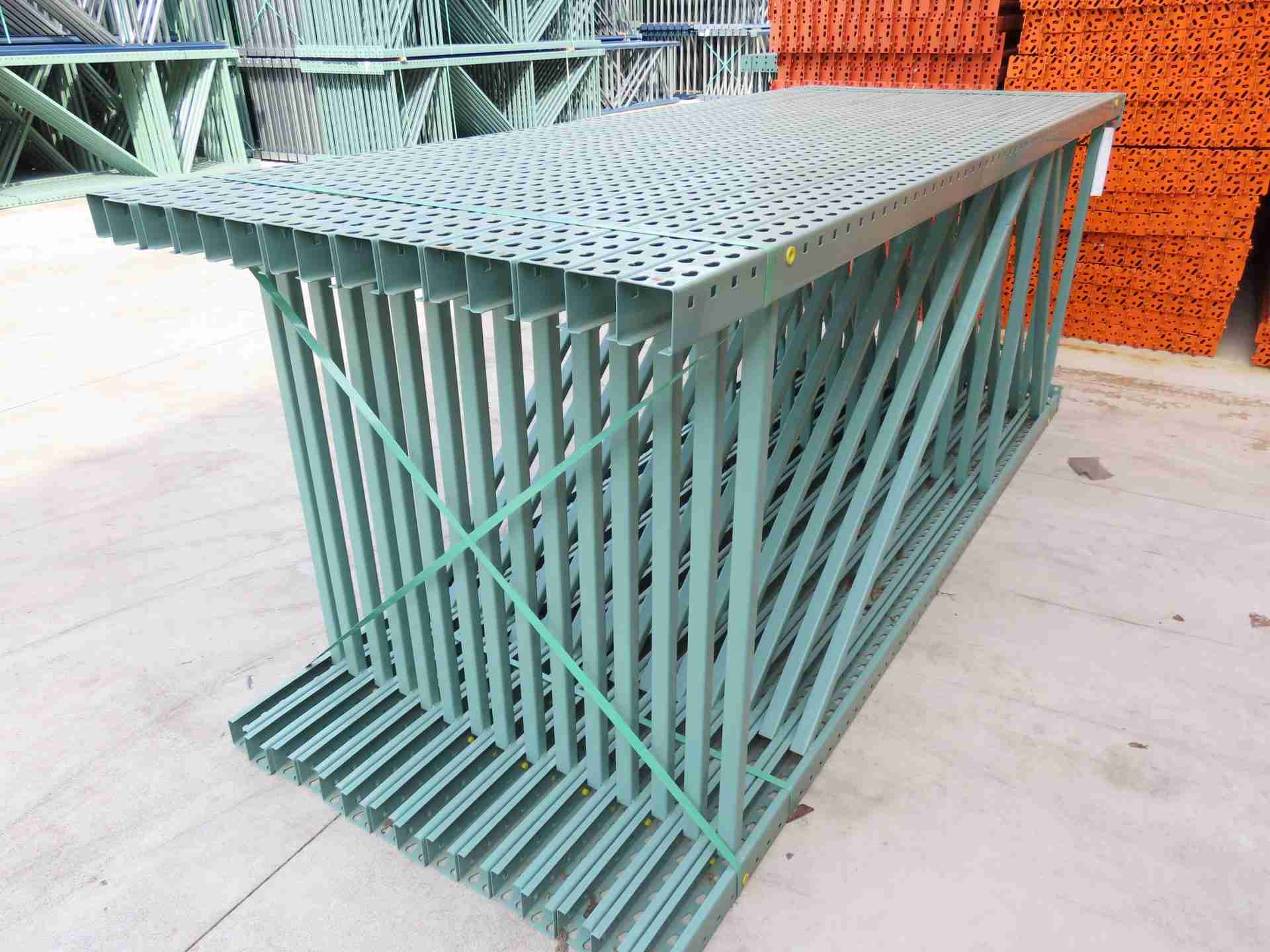
How Can Optimizing Rack Layout Improve Your Operational Efficiency?
Are You Aware Of the Hidden Costs Of Poor Rack Layouts?
When we think about warehouse efficiencies, it often boils down to one thing: racking. Yes, that seemingly innocuous system of shelves and structures holds the heartbeat of our operations. But consider this: every poorly designed rack layout creates a ripple effect of hidden costs that can drain productivity faster than a leaky faucet.
Picture this—the frantic employee scurrying through overcrowded aisles, trying to locate that one critical part, the frustration evident on their face. They’re under pressure to meet deadlines, but every minute wasted due to inefficient racking feels like an eternity. Emotionally, it’s a heavy weight to bear, both for them and the company. The motivation dwindles; morale takes a hit. It’s not just about products on shelves but human beings striving to perform.
From a rational standpoint, think of how a better racking layout can enhance not only space utilization but also accessibility. When parts and products are organized logically, employees work more efficiently; inventories can be processed faster, orders filled swiftly, and customer satisfaction skyrockets. Failing to optimize your racking layout isn’t just bad logistics; it’s a poor business decision that ultimately costs you more than you realize—not just in wasted time, but in dollars and cents.
Ethically, we must consider how a chaotic workspace reflects on our values. Are we respecting the time and efforts of our workforce? A well-planned racking system shows we care. It fosters a culture of order and teamwork where everyone feels valued and empowered to perform at their best.
And let’s not forget social appeal. As leaders, we have a responsibility to set a standard. When we invest in a smart racking layout, we’re signaling to our teams that we prioritize efficiency and care about their well-being. It inspires trust and confidence, garnering respect from our peers and competitors alike.
Ultimately, a poorly designed rack layout isn’t just an inconvenience; it’s a missed opportunity. We have the authority to transform our workspaces for the better, ensuring our teams can thrive. So, let’s take an honest look at our racking system. Because when it comes to organization, every detail matters—financially, emotionally, and ethically. Let’s ensure we’re building not just racks, but a solid foundation for future success.

Are You Aware Of the Hidden Costs Of Poor Rack Layouts?
Are You Aware Of the Hidden Costs Of Poor Rack Layouts?
- Racking systems are essential for warehouse efficiency and operations.
- Poorly designed rack layouts create hidden costs and drain productivity.
- Inefficient racking causes employee frustration, impacting morale and motivation.
- A better racking layout improves space utilization and accessibility.
- Optimizing racking is crucial not only for logistics but also for financial health.
- A well-organized workspace reflects ethical values and enhances teamwork.
- Investing in racking systems signals a commitment to employee well-being and organizational excellence.

Are You Aware Of the Hidden Costs Of Poor Rack Layouts?
How Do Your Layout Choices Affect Employee Safety and Well-Being?
When we walk into a workspace, what greets us? The cramped cubicles, the chaotic arrangement of desks, or the organized flow of open areas bathed in light? Layout choices aren’t just an afterthought—they hold powerful sway over employee safety and well-being. Imagine a warehouse filled with steel racking systems towering overhead, intimidating and hazardous. Now picture that same space redesigned, where pathways are clear, safety zones are obvious, and employees move freely, unhindered by clutter. It’s not just a nice idea; it’s a lifeline.
We often underestimate how environment shapes our day-to-day lives. For workers in high-stakes settings—let’s say a manufacturing floor or a healthcare facility—the layout dictates not only comfort but also efficiency. A poorly designed space can create blind spots where accidents are waiting to happen, breeding anxiety among workers who feel they’re navigating a gauntlet each day. Conversely, consider spaces designed with care, where ergonomic furniture and intuitive placement of tools foster an atmosphere of respect and empowerment. When employees feel valued through thoughtful design, their motivation skyrockets. They become more than just cogs in a machine; they’re engaged participants in a shared mission.
The ethical responsibility of a company to safeguard its employees cannot be overstated. By prioritizing layout choices, organizations send a clear message—every individual matters. This isn’t just about compliance with regulations; it’s about creating a culture where safety is seen as a fundamental right, not merely an afterthought. When workers believe that their well-being is prioritized, trust is forged, and people are more willing to speak up about hazards or inefficiencies.
And let’s not forget the social repercussions. A workplace that visibly invests in safety through its design creates a sense of community. Employees bond over shared experiences in a space that promotes collaboration rather than isolation. When layout choices lead to unhindered communication, both personal and professional relationships flourish.
So, next time you’re pondering how to arrange a workspace, think of the bigger picture. Every decision echoes through the lives of your employees. Smart design promotes safety, encourages well-being, and builds a foundation of trust. Let’s create environments where people can thrive, not merely survive, because when we elevate each other’s experiences, we not only enhance productivity but also crystallize a safer, more vibrant workplace for everyone.

How Do Your Layout Choices Affect Employee Safety and Well-Being?
How Do Your Layout Choices Affect Employee Safety and Well-Being?
- Workspace layout significantly impacts employee safety and well-being.
- Redesigned spaces with clear pathways and safety zones enhance mobility and reduce hazards.
- Comfort and efficiency are dictated by layout, especially in high-stakes environments.
- Poorly designed spaces can create anxiety and blind spots, leading to accidents.
- Thoughtful design fosters respect and empowerment, increasing employee motivation.
- Companies have an ethical obligation to prioritize workplace design for employee safety.
- A commitment to safety through design enhances community, trust, and collaboration among employees.

How Do Your Layout Choices Affect Employee Safety and Well-Being?
What Stories From Your Team Illustrate the Impact Of Layout Failures?
When we delve into the stories of teams grappling with layout failures, we uncover more than just the misalignment of racking systems or the mismanagement of resources. We find tales that resonate with the heart, stories of sweat, effort, and ambition met with the cruel twist of circumstance. Picture a small warehouse, where a team pours their soul into creating an efficient space, only to see their meticulous racking arrangements falter due to poor planning. The resulting chaos doesn’t just impact productivity; it pulls at the very fabric of camaraderie and shared purpose.
One warehouse manager recounted a frustrating day when a poorly designed layout led to product delays and missed shipments. Each missed deadline wasn’t just a number; it was a moment where teamwork felt undermined. The team, once unified by their shared goals, began to question their competence and whether they could trust the systems in place. They shouldered the weight of disappointment—disappointment not only in the miscalculated racking design but also in themselves. This emotional burden transformed a simple layout error into a significant hit to morale, illustrating the tangible impacts of planning gone awry.
But it’s not merely about feelings. The rational implications are staggering. When layout failures occur, time is wasted, and resources become stranded in a labyrinth of disorganization. The operating costs balloon, and profitability is threatened. Leaders often find themselves at a crossroads, needing to decide whether to invest in reconfiguring their space or to continue trudging through inefficiency. The ethical responsibility to ensure a functional workplace is an unwavering truth, yet many teams flirt with compromise, believing they can manage under adverse conditions.
In many cases, these interwoven narratives bring teams together, sparking conversations about accountability and innovation. They learn to address these hurdles collectively, engaging key stakeholders and celebrating small victories along the way. When teams begin advocating for better layout practices, they tap into their own, unyielding expertise and experiences, establishing a culture that values improvement and prevents history from repeating itself.
Empowered by these experiences, leaders can invoke a sense of resolve within their teams, transforming failures into stepping stones toward growth. The stories that emerge from this journey are not just about racking or layout—they’re about resilience, creativity, and the relentless pursuit of excellence. Each narrative draws a line of trust, inviting everyone along for a journey toward better solutions.

What Stories From Your Team Illustrate the Impact Of Layout Failures?
What Stories From Your Team Illustrate the Impact Of Layout Failures?
- Layout failures reveal deeper issues beyond racking systems and resource management.
- Teams face emotional challenges when planning errors disrupt productivity and camaraderie.
- Missed deadlines due to poor layout can undermine teamwork and lead to self-doubt.
- Disorganization from layout failures increases operating costs and threatens profitability.
- Leaders must choose between reconfiguring spaces or continuing with inefficiencies.
- Teams often unite through these challenges, fostering accountability and innovation.
- Experiences from failures empower teams to pursue excellence and build a culture of improvement.

What Stories From Your Team Illustrate the Impact Of Layout Failures?
How Does Efficient Rack Layout Influence Customer Satisfaction?
When you step into a store, a warehouse, or a distribution center, the first thing that greets you isn’t just a door or a checkout line; it’s the racking system. These humble metal frameworks, often overlooked, serve a monumental purpose. An efficient rack layout isn’t merely about storing products; it’s about crafting an experience. Picture your favorite shopping spot. What makes you return? It’s not just the selection or the prices; it’s the ease with which you navigate through it. An intuitive racking system invites you in, guiding you like a trusted friend on a well-trodden path.
Imagine walking into a space where products are meticulously organized, and everything has its place. This layout isn’t mere happenstance; it’s a deliberate design that caters to you — the customer. When items are easy to find, shoppers experience a rush of satisfaction. When happiness blooms, it doesn’t just stop at one visit; it plants seeds for loyalty. You want customers remembering their shopping journey not just for the products they bought, but for the ease with which they found them. It’s a bit like flipping through an old photo album; every glance evokes a story. In today’s saturated market, those stories matter.
Effective racking also speaks to a deeper, ethical responsibility. Companies have a duty to provide exceptional service, and that extends beyond the check-out counter. When you prioritize customer experience through a thoughtful layout, you foster trust. This isn’t just a numbers game; it’s about respect — respecting the customer’s time, energy, and choices. Efficiency isn’t just for the company’s bottom line; it’s about making customers feel valued.
Furthermore, this kind of layout resonates within communities. When shoppers feel satisfied, they spread the word. Social proof becomes a powerful tool. Friends and family share their experiences, and just like that, your establishment becomes the go-to spot for essentials. Communities thrive when places cater to their needs.
Ultimately, an efficient rack layout is a catalyst for a deeper connection. It transforms the mundane into extraordinary. It’s about creating a space where customers, regardless of their needs, can feel at home, and that is where customer satisfaction flourishes. Trust is built not just on products but on the experience of finding them, leading to action — to return, to recommend, and to resonate.

How Does Efficient Rack Layout Influence Customer Satisfaction?
How Does Efficient Rack Layout Influence Customer Satisfaction?
- Racking systems greet customers in stores and influence their shopping experience.
- An efficient rack layout enhances navigation, making it easy for customers to find products.
- Well-organized spaces foster customer satisfaction and encourage repeat visits.
- Effective racking reflects a company’s ethical responsibility to provide exceptional service.
- A thoughtful layout builds trust, valuing customers’ time and choices.
- Satisfied customers enhance community connections through positive word-of-mouth.
- Ultimately, a great racking system creates a welcoming environment that cultivates customer loyalty.

How Does Efficient Rack Layout Influence Customer Satisfaction?
Conclusion
A well-optimized warehouse layout is not just a matter of convenience—it’s the linchpin of operational success that garners respect, loyalty, and ultimately profit. Imagine walking into a space where everything is intuitively ordered; aisles are wide enough for forklifts to glide effortlessly, heavy items are easily accessible, and fast-moving products are at your fingertips. It’s like tuning a fine instrument—when every part is in sync, the result is a harmonious, efficient operation.
Wave goodbye to the days of bottlenecked aisles and misplaced inventory. These operational blunders don’t merely frustrate employees; they erode morale and impact job satisfaction, turning every shift into a gauntlet of stress. The moral responsibility lies with us as leaders to rethink our layouts, ensuring every worker feels valued and respected. Safety isn’t just compliance; it reflects a workplace culture that prioritizes its people and nurtures their well-being.
Think about what this means for your bottom line. Rationally, streamlined operations reduce labor costs and increase picking speed, which can make all the difference in a competitive market. When teams can move swiftly through an organized space, not only do they complete tasks quicker, but they also elevate customer satisfaction. Satisfied customers don’t just happen; they are cultivated by efficient interactions, where finding a product is as satisfying as the purchase itself.
Every detail counts—what might seem trivial to some can resonate deeply within a team. Each design decision and layout adjustment leads to greater trust and camaraderie among employees. The ripple effects of a thoughtful racking solution extend beyond the warehouse, impacting community engagement and fostering relationships built on trust.
Let’s talk about authority and leadership in this space. Organizations that invest in optimizing their layout don’t just keep pace; they set standards. They become the benchmarks others aspire to emulate. These aren’t just racks; they symbolize a commitment to excellence that resonates both internally among staff and externally with customers.
So take a moment to evaluate your layout. Are you merely shelving products or actively constructing an efficient ecosystem? It’s time to elevate the conversation around warehouse racking. By ensuring that each decision echoes through the veins of your operation, you’re setting the stage for a thriving, dynamic workplace where productivity, safety, and satisfaction soar. In the end, it’s more than just equipment; it’s about crafting an environment where every individual can excel and every operation can flourish. Let’s not just lay down racks; let’s build a legacy of success together.

Conclusion
Conclusion:
- A well-optimized warehouse layout is crucial for operational success and profitability.
- Efficient design leads to intuitive ordering, easy access to heavy items, and quick retrieval of fast-moving products.
- Poor layouts can frustrate employees and negatively impact morale and job satisfaction.
- Streamlined operations reduce labor costs and increase picking speed, enhancing customer satisfaction.
- Every design decision fosters trust and camaraderie among employees, impacting community engagement.
- Organizations that prioritize layout optimization set standards and become benchmarks in the industry.
- Investing in a thoughtful warehouse racking solution creates a thriving environment where productivity and safety enhance overall success.

Conclusion
Other Resources

Other Resources
Here is a list of other resources you can review online to learn more:
- Teardrop Racks – Pallet Rack World
- Pallet Rack Systems – New and Used Pallet Racking and Shelving Experts
- Used Pallet Rack for Sale in Illinois – American Surplus
- Shipping Boxes, Packaging Materials, Pallet Racking
- American Surplus
- Warehousing and Fulfillment
- Mustang Material Handling
- Pallet Racking systems in Illinois, Great Lakes
- Cantilever Rack Guide: Ordering Cantilever Racking
- Bradford Systems
- ASSP
- WERC
- BMH Equipment LLC
- IIWS Inc. Rack Installation Illinois & Rack Repairs Illinois
- Interlake Mecalux
- Teardrop Industrial Shelving Rack
- Cantilever Racks Chicago
- Pallet Racking systems in Illinois and Great Lakes
- New Cantilever Racks and Racking Kits
- Warehouse Racking Layout: The Ultimate Guide – Conger
Use This Prompt To Get More Resources With Your Favorite Online AI Tool: Please provide me with a list of online articles with their URLs in a bulleted list that I can read regarding Top 5 Layout Mistakes That Hurt Rack Efficiency

Other Resources
Glossary Terms
Top 5 Layout Mistakes That Hurt Rack Efficiency – Glossary Of Terms
1. Rack Layout: Arrangement and organization of storage racks in a warehouse or storage facility.
2. Aisle Width: The distance between rows of racks, which affects accessibility and movement of equipment.
3. SKU: Stock Keeping Unit; a unique identifier for each distinct product stored in the racks.
4. Utilization Rate: Percentage of warehouse capacity that is effectively used for storage.
5. Access Path: Designated routes for personnel and equipment to navigate through the storage area.
6. Overstock: Excess inventory that occupies valuable rack space, negatively impacting efficiency.
7. Understock: Insufficient inventory levels, leading to wasted space and potential lost sales.
8. Load Limits: Maximum weight capacity each rack can safely hold; exceeding this can cause structural failure.
9. Vertical Space: Unused height within the warehouse; inefficient use can lead to wasted capacity.
10. FIFO: First In, First Out; inventory management method that promotes rotation of stock.
11. LIFO: Last In, First Out; inventory management method where the most recently added items are sold first.
12. Cross-Docking: Process of unloading materials from incoming vehicles and loading directly onto outbound ones to minimize storage time.
13. Flow Rate: Speed at which inventory is brought in and out of the warehouse.
14. Picking Method: The strategy used to retrieve products from racks, such as batch or single order picking.
15. Storage Density: Measure of how much product can be stored in a given area; higher density improves space efficiency.
16. Ergonomics: Study of how workers interact with their environment, influencing layout decisions for efficiency and safety.
17. Inventory Turnover: Rate at which inventory is sold and replaced over a period, reflecting sales performance.
18. Warehouse Management System (WMS): Software that helps manage inventory levels, track shipments, and optimize layout.
19. Safety Standards: Regulations and procedures to ensure safe storage practices and reduce workplace accidents.
20. Bin Location: Specific position within the rack system assigned to each SKU for easy identification.
21. Replenishment: Process of restocking items on shelves or racks to prevent stockouts.
22. Layout Design: Strategic arrangement of storage units, pathways, and operational areas for optimal flow.
23. Batch Picking: Collecting multiple orders simultaneously to streamline picking processes.
24. Hot Zones: Areas in a warehouse designated for high-demand items to reduce travel time.
25. Dynamic Slotting: Continuous reassignment of pick locations based on real-time inventory movement to enhance efficiency.
26. Peak Season: Specific times of year (e. g. , holidays) when demand for products significantly increases, impacting layout.
27. Technology Integration: Implementation of tools and systems, such as RFID or barcode scanners, to improve efficiency.
28. Material Handling Equipment: Tools and machines, like forklifts and pallet jacks, used to move goods around the warehouse.
29. Trailing Edge: The area in a layout where items are less frequently accessed, often leading to inefficiencies.
30. Space Optimization: Techniques used to maximize storage capabilities while minimizing wasted space and resources.

Glossary Of Terms
Other Questions
Top 5 Layout Mistakes That Hurt Rack Efficiency – Other Questions
If you wish to explore and discover more, consider looking for answers to these questions:
- What are the specific metrics to measure warehouse efficiency improvements following layout optimization?
- How often should warehouse layouts be reviewed and updated for maximum efficiency?
- What are some cost-effective strategies for planning aisle width in existing warehouses?
- How can technology assist in optimizing racking systems and layouts?
- What training is necessary for staff to adapt to a revised warehouse layout?
- How do seasonal demand fluctuations affect racking system design?
- What examples exist of companies successfully transforming their warehouse layouts?
- How can worker input be incorporated into layout design decisions?
- What are the best practices for maintaining organized racking systems over time?
- What industries can benefit the most from optimizing their warehouse layouts?

Other Questions
Checklist
Top 5 Layout Mistakes That Hurt Rack Efficiency – A Checklist
Rack Efficiency Improvement Checklist
Heart Appeals
_____ Employee Safety Focus: Ensure heavy items are placed at waist level to promote safety and minimize injury risks.
_____ Foster Team Pride: Create an organized and clutter-free workspace that instills a sense of pride among employees.
_____ Empower Through Design: Invest in thoughtful layout choices that show employees they are valued and considered.
Head Appeals
_____ Measure Aisle Widths: Evaluate aisle widths to prevent bottlenecks and ensure smooth movement of goods and personnel.
_____ Analyze Inventory Turnover: Regularly review sales data to place high-turnover items within easy reach for optimized picking times.
_____ Plan for Flexibility: Design a layout that can adapt to changes in inventory and seasonal demands, reducing future inefficiencies.
Gut Appeals
_____ Address Hidden Costs: Acknowledge how poor rack layout can contribute to lost time, decreased morale, and increased operating costs.
_____ Protect Your Team: Understand that a poorly designed space can lead to accidents and a stressful work environment.
_____ Cultivate a Culture of Communication: Design spaces that encourage collaboration and open dialogue among team members.
Ethical Appeals
_____ Prioritize Safety and Well-Being: Commit to creating a workspace that respects the safety of all employees and complies with regulations.
_____ Emphasize Environmental Responsibility: Consider how layout efficiencies can reduce energy consumption and promote sustainability.
_____ Lead by Example: Set a standard of operational excellence that inspires others in the industry to invest in efficient layouts.
Authority Appeals
_____ Consult Layout Experts: Seek advice from professionals familiar with optimal warehouse design and racking systems.
_____ Utilize Data-Driven Decisions: Rely on empirical evidence and case studies to inform your layout choices and strategies.
Narrative Appeals
_____ Share Success Stories: Collect and share narratives from employees about how a new layout has improved their workflows and teamwork.
_____ Engage Employees in the Process: Involve team members in discussions about layout changes, empowering them to share their experiences and suggestions.
Social Appeals
_____ Create a Community Environment: Foster a sense of community through layout designs that promote collaboration and interaction.
_____ Encourage Team Accountability: Establish group responsibilities to maintain organizational standards, motivating individuals to care for their workspace.
_____ Build Customer Relationships: Ensure that layout improvements also enhance customer experience, leading to higher satisfaction and loyalty.

Checklist
At RackingWorld, we help guide you through selecting warehouse storage systems and racking.
Be sure to read our other related stories at RackingWorld to learn more about warehouse storage systems.
0 Comments