
Optimizing Storage For Fluctuating Demand
By Tom Seest
At RackingWorld, we help guide you through selecting warehouse storage systems and racking.
Be sure to read our other related stories at RackingWorld to learn more about warehouse storage systems.
How Can Seasonal Demand Impact Your Warehouse Storage Strategy?
When you’re in the business of managing a warehouse, one thing becomes crystal clear: seasons come with their own rhythms and demands. The fluctuations in consumer behavior based on seasonal trends can be as predictable as the changing of the leaves or the arrival of the first warm sun. Understanding these changes isn’t just about keeping your stock levels in check; it’s about crafting a robust storage strategy that responds intelligently to these ebbs and flows.
Consider the peak seasons—be it holidays, back-to-school rushes, or summer sales—as times when the stakes are inexplicably high. These periods can transform ordinary inventory levels into a frantic dance of demanding customers and overflowing stock. If you’re caught unprepared, the consequences can be severe, leading to lost sales, frustrated clients, and a warehouse that feels more like a chaotic jungle than a well-oiled machine. That’s where your approach to pallet racking becomes pivotal.
Pallet racking isn’t just a method of storing goods; it’s your silent partner in navigating the complexities of fluctuating demand. With the right pallet racking systems in place, you can maximize your available space and ensure that even during peak season, you can respond quickly and efficiently. Think about how a well-structured racking system not only optimizes your storage capacity but also makes it easier to sort and retrieve products based on their seasonal relevance.
As seasons shift and trends change, being able to reorganize your warehouse efficiently is vital. Flexibility in your storage layout means that you can move faster than your competitors and seize opportunities when they arise. By implementing adjustable pallet racking solutions, you can strategically prepare for seasonal spikes, creating an agile environment that keeps you steps ahead of dull inventory management practices that could trap you.
Moreover, fostering a connection with your team is essential. When your employees are trained to understand the implications of seasonal demand and are equipped to utilize the pallet racking effectively, you build not just a team, but a responsive, informed force that generates confidence in your organizational capabilities.
Being proactive rather than reactive is what sets successful warehouse managers apart. Allow seasonal demand to guide your storage strategy, and watch how a thoughtful approach can lead to not only increased efficiency but improved customer satisfaction. Embrace the change, adapt your racking solutions, and maximize every season!
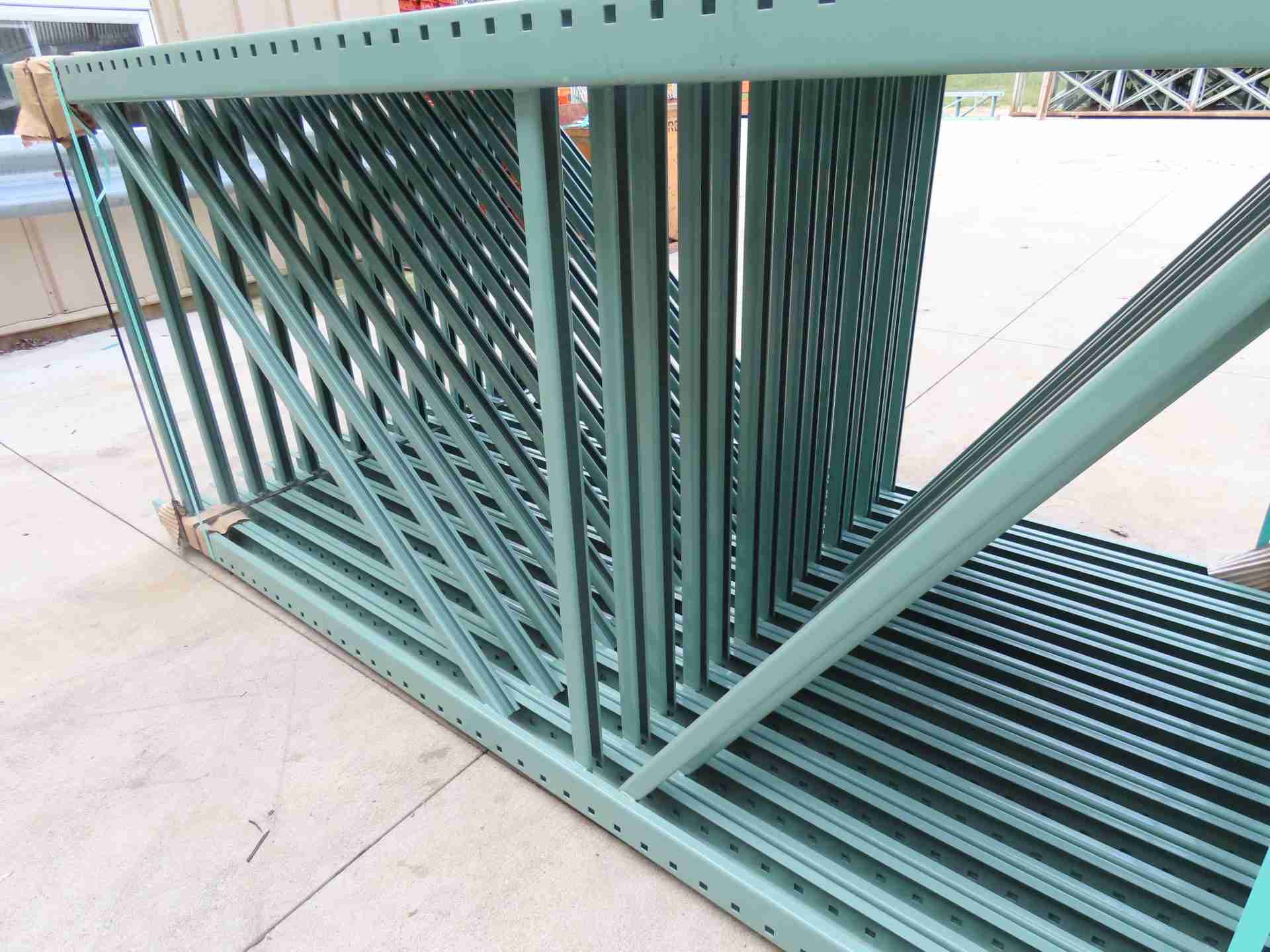
How Can Seasonal Demand Impact Your Warehouse Storage Strategy?
How Can Seasonal Demand Impact Your Warehouse Storage Strategy?
- Seasons significantly influence warehouse management through predictable changes in consumer behavior.
- Peak seasons, like holidays and summer sales, increase inventory demands and necessitate readiness to avoid lost sales and customer frustration.
- Pallet racking serves as a crucial component for efficiently managing fluctuating demands by maximizing storage space.
- A well-structured racking system enhances the ease of sorting and retrieving seasonal products.
- Flexibility in the storage layout allows swift reorganization in response to seasonal changes, giving a competitive edge.
- Employee training on seasonal demand enhances teamwork and builds a responsive workforce capable of effective pallet racking use.
- Proactive management of storage strategies based on seasonal demand improves overall efficiency and customer satisfaction.
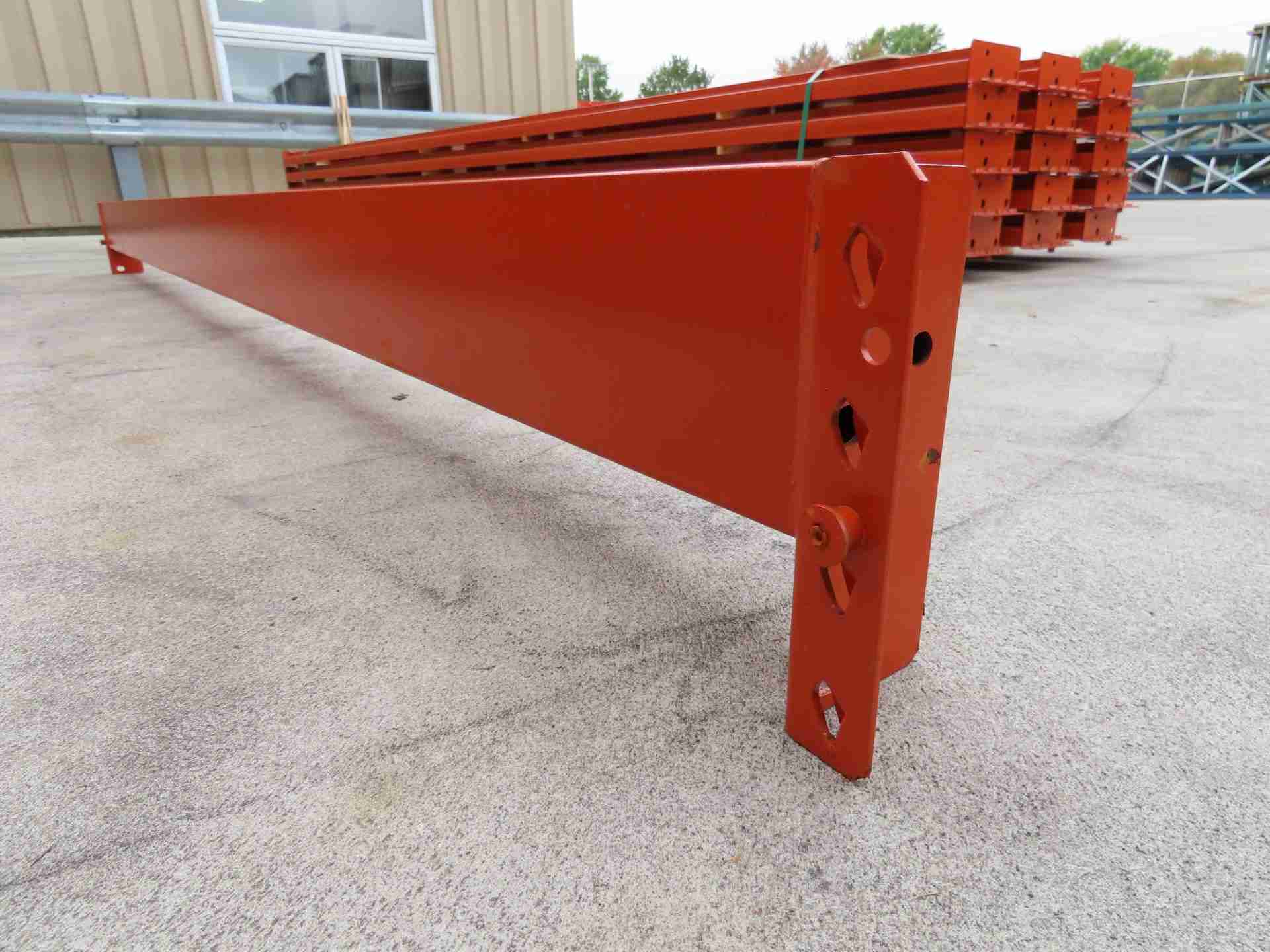
How Can Seasonal Demand Impact Your Warehouse Storage Strategy?
Table Of Contents
- How Can Seasonal Demand Impact Your Warehouse Storage Strategy?
- What Is Seasonal Demand And Why Does It Matter?
- How Can I Forecast Seasonal Demand?
- What Are The Key Indicators Of Seasonal Demand?
- How Does Seasonal Demand Affect Inventory Levels?
- Should I Adjust My Warehouse Layout For Seasonal Fluctuations?
- What Storage Solutions Are Best For Fluctuating Demand?
- Conclusion
- Other Resources
- Glossary Of Terms
- Other Questions
- Checklist
What Is Seasonal Demand And Why Does It Matter?
Every business, big or small, must navigate the ebb and flow of demand. If you’ve ever wondered why certain products fly off the shelves during particular times of the year, you’re not alone. Enter the concept of seasonal demand. This phenomenon refers to the predictable surges and dips in consumer interest that correlate with specific seasons or events — think holidays, summer vacations, or back-to-school shopping.
Understanding seasonal demand isn’t just a nice-to-know—it’s vital to your business’s success. The ability to anticipate when your customers are going to need your products or services allows you to strategize effectively. You wouldn’t want to be scrambling at the last minute to stock up on that hot-selling item, only to find your warehouse empty, or worse—saddled with excess inventory when interest wanes. This isn’t a game of chance; it’s about making informed decisions that build confidence in your brand.
For instance, if your business involves retail or e-commerce, acknowledging seasonal demand can lead you to make wise investments in resources like pallet racking. By optimizing your storage space during peak seasons, you can cater to increased demand without sacrificing operational efficiency. Imagine being able to swiftly accommodate a spike in inventory without chaos in your storage area. That’s the power of being prepared.
But it goes beyond just storage. By recognizing patterns in seasonal demand, you can optimize your marketing strategies, tailoring promotions and communications to resonate with your audience at the right moment. When consumers see that you understand their needs based on seasonal trends, they’re more likely to trust your brand and become repeat customers.
Now, consider the alternative: neglecting seasonal demand. You could miss out on crucial sales opportunities while your competitors scoop up eager customers. Or worse, you might alienate those same customers with empty shelves or overcrowded aisles during peak times.
In today’s fast-paced market, it’s about more than just responding; it’s about anticipating. By embracing the nuances of seasonal demand, you set your business on a path toward sustainability and growth. So take a moment to review your sales trends, prepare your storage solutions, and craft your marketing messages. You’ll not only stand out in your industry but also forge lasting connections with your customers. The time to act is now—don’t let seasonal demand pass you by!

What Is Seasonal Demand And Why Does It Matter?
What Is Seasonal Demand And Why Does It Matter?
- Seasonal demand refers to predictable surges and dips in consumer interest linked to specific seasons or events.
- Understanding seasonal demand is crucial for business success, enabling effective strategy formulation.
- Proactive management of seasonal demand helps avoid stock shortages or excess inventory.
- Businesses can make informed investments, like optimizing storage solutions for peak seasons, ensuring operational efficiency.
- Recognizing patterns in seasonal demand allows for tailored marketing strategies that resonate with consumers.
- Neglecting seasonal demand can lead to missed sales opportunities and customer alienation during peak times.
- Anticipating seasonal demand fosters sustainability and growth, encouraging businesses to review sales trends and prepare effectively.
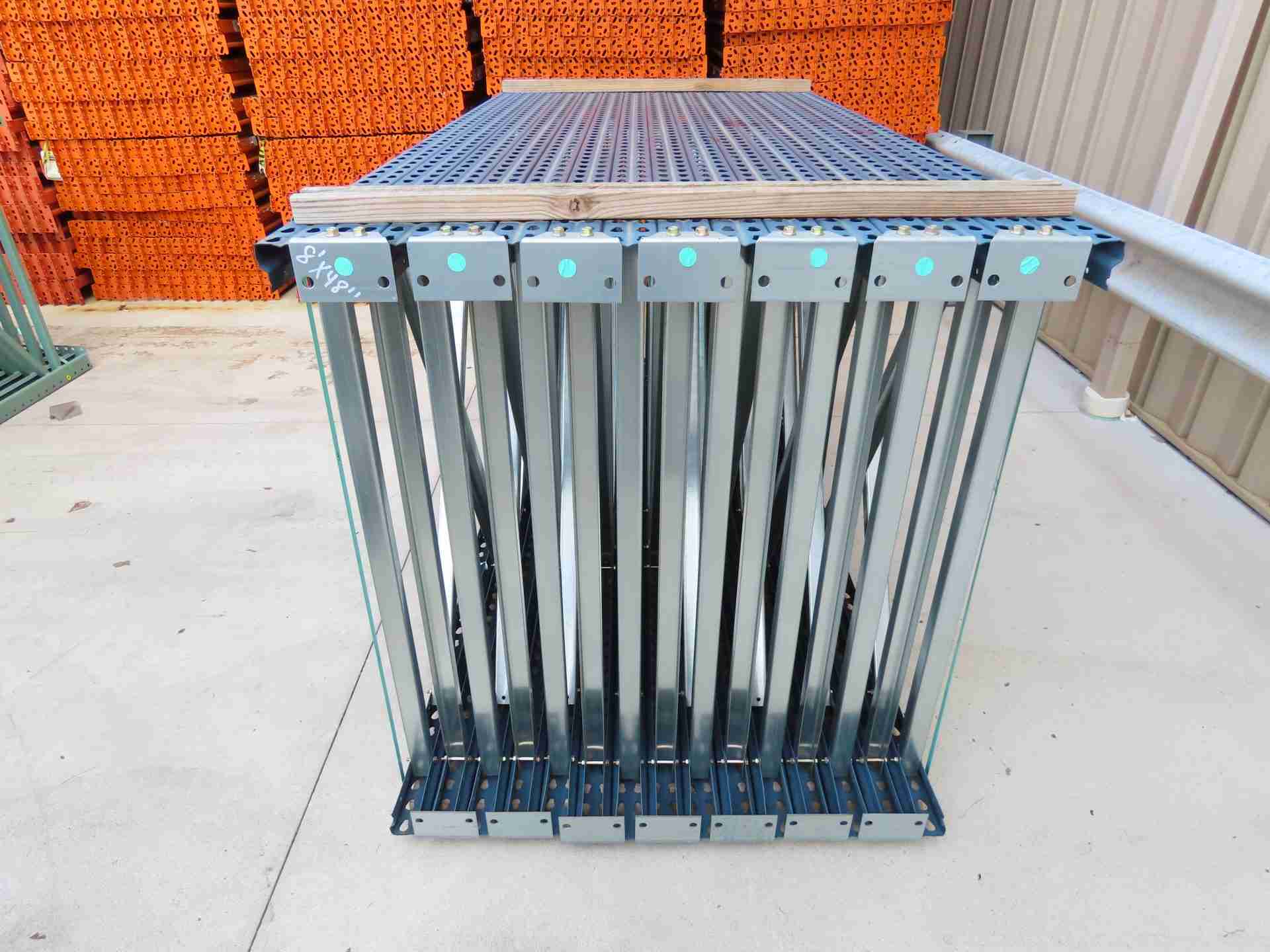
What Is Seasonal Demand And Why Does It Matter?
How Can I Forecast Seasonal Demand?
When it comes to forecasting seasonal demand, the best approach isn’t simply crunching numbers; it’s about understanding your audience and the patterns that drive their buying behavior. Think of it this way: just as you wouldn’t set up a warehouse without incorporating the right Pallet Racking to maximize space and efficiency, you can’t effectively anticipate demand without a solid structure in place for your analysis.
Start by looking at your historical sales data. What were your sales like last year during the same season? Did certain promotions trigger a surge? Perhaps you noticed that certain products just flew off the shelves during a specific holiday. This is the foundation upon which your forecasting will rest.
Next, consider external factors. Is there a consistent trend in consumer behavior during the season you’re analyzing? Are there economic indicators that could impact spending patterns? Engage with your customers on social media or via surveys. Their insights can be incredibly revealing. People love to share their preferences, and tapping into their sentiments can give you a significant edge.
Now, let’s talk about technology. There are various tools available that can simplify your forecasting process. Use analytics software that can interpret complex data sets and unveil hidden patterns. These tools can help visualize demand cycles, which makes the task not just manageable but also exciting. Imagine having data at your fingertips that enables you to make informed, well-timed decisions that can drive sales.
Moreover, implement a flexible approach. Forecasting isn’t an exact science, and the best organizations are those that can pivot with changing consumer needs. When you set up your strategies, make room for adjustments based on real-time data and market trends. Much like the strategic arrangement of Pallet Racking in a warehouse, your forecasting model should be adaptable and efficient.
Finally, embrace collaboration. Share your insights with your team. Get their input and experience. By uniting your perspectives, you’re not just forecasting demand; you’re building a framework for success that everyone believes in. Trust your instincts, lean into your analytics, and watch as your confidence in forecasting grows, leading to smoother operations and increased customer satisfaction.
Seize the opportunity to master seasonal demand forecasting, and you’ll find yourself not just keeping up but ahead of the curve!
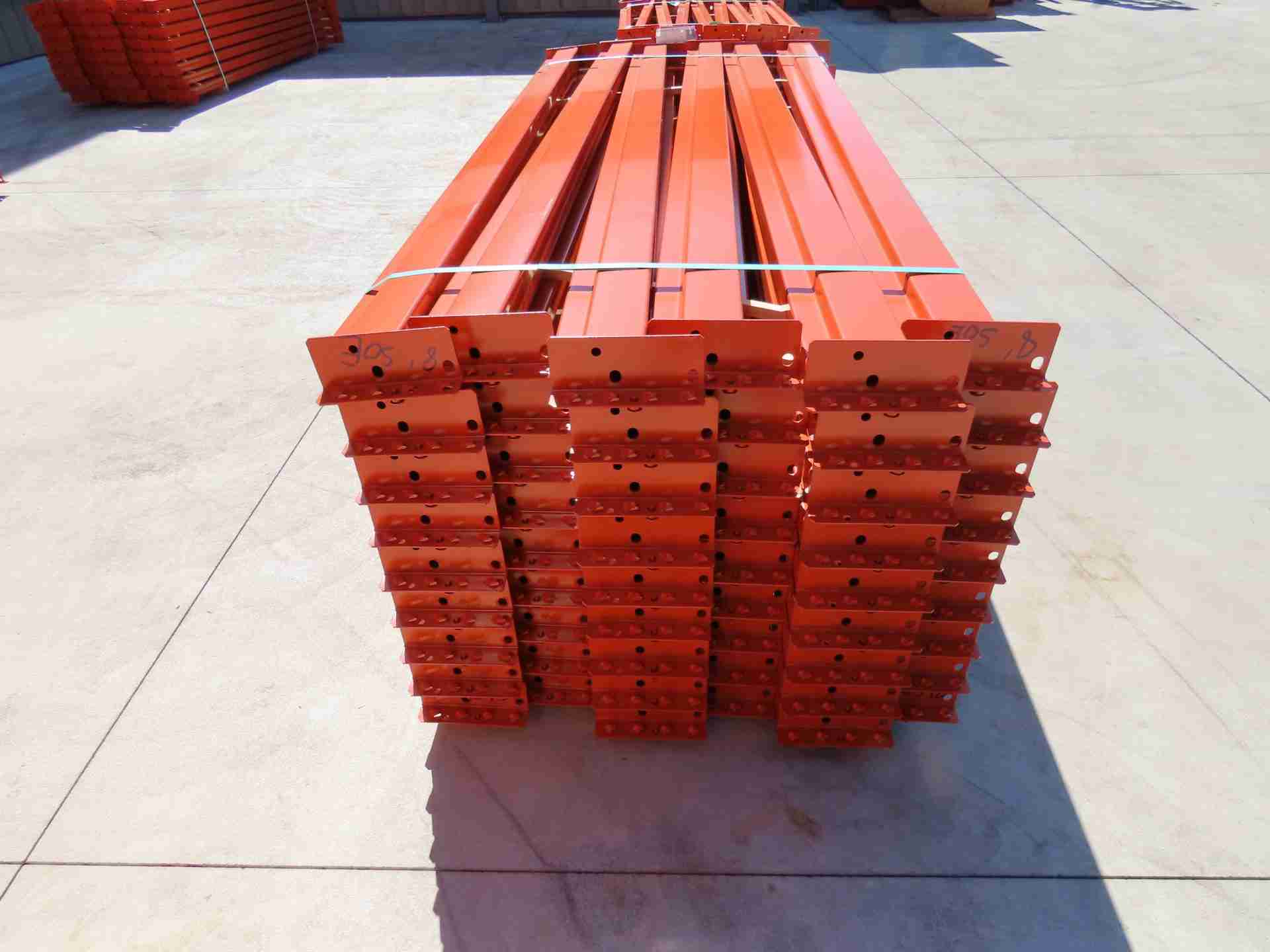
How Can I Forecast Seasonal Demand?
How Can I Forecast Seasonal Demand?
- Effective seasonal demand forecasting involves understanding customer behavior and buying patterns, not just analyzing data.
- Historical sales data serves as the foundational reference for forecasting; consider past sales trends, promotions, and product performance during similar seasons.
- External factors like consumer behavior trends and economic indicators should be analyzed to enhance forecasting accuracy.
- Technology, such as analytics software, can help uncover hidden patterns and visualize demand cycles, aiding informed decision-making.
- Adopt a flexible forecasting approach to adapt quickly to changing consumer needs and real-time market trends.
- Collaboration with team members enhances insights and builds a unified framework for successful demand forecasting.
- Mastering seasonal demand forecasting can lead to smoother operations and improved customer satisfaction.

How Can I Forecast Seasonal Demand?
What Are The Key Indicators Of Seasonal Demand?
Understanding seasonal demand can feel like deciphering a complex puzzle. But fear not, because once you grasp the key indicators, it becomes not only manageable but also an exhilarating opportunity for growth. Picture this: your business is like a finely tuned machine, and recognizing these indicators is the equivalent of having your finger on its pulse.
First off, let’s talk about consumer behavior. Pay close attention to purchasing patterns during various times of the year; this is your golden ticket. For instance, could you anticipate spikes during the holiday season or summer months? Keep an eye on social media trends and public sentiment that coincide with certain periods. These nuances can guide your marketing decisions and help you prepare your inventory efficiently.
Another important signal is your sales data. Dive deep into your analytics. Compare year-over-year data to identify patterns; this is where the real insights lie. Maybe you notice a surge in demand for certain pallet racking solutions just before back-to-school season. Recognizing these trends can empower you to optimize your stock levels and reach consumers when they’re most willing to buy.
Then, consider your industry’s seasonality. Some products naturally have a rhythm—like outdoor furniture peaking in spring or winter gear flying off the shelves in fall. This seasonality is often predictable, allowing you to align your supply chain and marketing strategies accordingly. If you notice that inventory for certain pallet racking systems tends to dwindle in summer, you can plan promotions or campaigns that create urgency, encouraging customers to act quickly.
A subtler yet crucial factor is external economic conditions. Track economic indicators like consumer confidence, employment rates, and inflation. These forces can significantly impact your clients’ purchasing power and their readiness to invest in new pallet racking solutions. Understanding these dynamics allows you to advocate for the solutions your clients need when they need them most.
Ultimately, leveraging these indicators not only requires keen observation but also a willingness to adapt and innovate. Your ability to read these signals will enhance your strategies and make you more attuned to your customers. Embrace these insights; they are your compass in navigating seasonal demand. By staying ahead of the curve, your business won’t just survive; it will thrive, creating lasting connections with your clientele. Take action today, and prepare to ride the wave of seasonal demand like a pro!

What Are The Key Indicators Of Seasonal Demand?
What Are The Key Indicators Of Seasonal Demand?
- Understanding seasonal demand is crucial for business growth and management.
- Consumer behavior, including purchasing patterns and social media trends, is key to anticipating seasonal spikes.
- Analyzing sales data year-over-year can uncover valuable demand patterns for strategic inventory management.
- Recognize the natural seasonality of products to align supply chain and marketing strategies effectively.
- Monitor external economic conditions like consumer confidence and inflation, as they affect purchasing power.
- Being adaptable and innovative in response to these indicators enhances business strategies and customer alignment.
- Embracing these insights can help businesses thrive and create lasting customer connections.
What Are The Key Indicators Of Seasonal Demand?
How Does Seasonal Demand Affect Inventory Levels?
When the seasons change, so do your customers’ preferences—and this can create a whirlwind for your inventory levels. Just imagine the frenzy of holiday shoppers, or the surges in demand during back-to-school season. Your ability to navigate these fluctuations with finesse can make all the difference between a booming month and one that leaves you scratching your head.
Picture this: You’re a retailer looking to stock your shelves with the hottest toys for the holiday season. If you wait too long to ramp up your inventory, you might find yourself staring at empty pallets where your products should be. Conversely, overestimating demand can leave you with excess stock that clutters your warehouse and drains your resources. The key is in the timing, and a keen understanding of how seasonal demand affects your inventory.
A pivotal element of this strategy lies in the organization of your storage solutions. Robust pallet racking allows you to maximize space and efficiently manage inventory levels. When you have the right layout, you can quickly adapt to incoming stock and outgoing orders. This means you can be agile in responding to market demands—ensuring that your essentials are front and center when your customers need them most.
But let’s make it personal. Think about your own shopping habits: “When I see something I want, I want it now.” Your customers think the same way. They’re not going to wait around while you scramble to fill your shelves. By proactively analyzing sales patterns and consumer behavior as the seasons change, you can ensure that you have precise inventory levels ready to meet the charge.
Also consider the role of regular communication with your suppliers. Establishing strong relationships can help you secure additional products right when you need them, easing the burden on your storage solutions. When your suppliers trust you, they’ll prioritize your needs during peak seasons, which means you can keep those pallets moving in and out effortlessly.
By honing in on seasonal demand, you empower your business to thrive. You’ll not only meet customer expectations but exceed them, turning casual shoppers into loyal advocates. Embrace the fluctuations, employ strategic pallet racking, and watch as your business flourishes, no matter the season. Your customers are counting on you to deliver excellence consistently—are you ready to rise to the challenge?
How Does Seasonal Demand Affect Inventory Levels?
How Does Seasonal Demand Affect Inventory Levels?
- Customer preferences fluctuate with the changing seasons, impacting inventory levels.
- Timing is crucial; late inventory ramp-up can lead to empty shelves, while overestimation can cause excess stock.
- Organizing storage solutions with robust pallet racking maximizes space and efficiently manages inventory.
- Agility in responding to market demands is essential to keep essential products available for customers.
- Understand customer urgency; they prefer immediate availability of desired items.
- Regular communication and strong relationships with suppliers can ease inventory burdens and ensure timely restocking.
- Strategically managing seasonal demand can exceed customer expectations and build loyalty.
How Does Seasonal Demand Affect Inventory Levels?
Should I Adjust My Warehouse Layout For Seasonal Fluctuations?
Every savvy business owner grapples with the question of whether to adjust their warehouse layout to accommodate seasonal fluctuations. Imagine your warehouse like a living organism, constantly adapting and evolving to meet the demands of a changing environment. Seasonal shifts can greatly impact inventory levels, order volumes, and even the logistics of getting products from point A to point B. That’s where a well-thought-out adjustment in your layout comes into play.
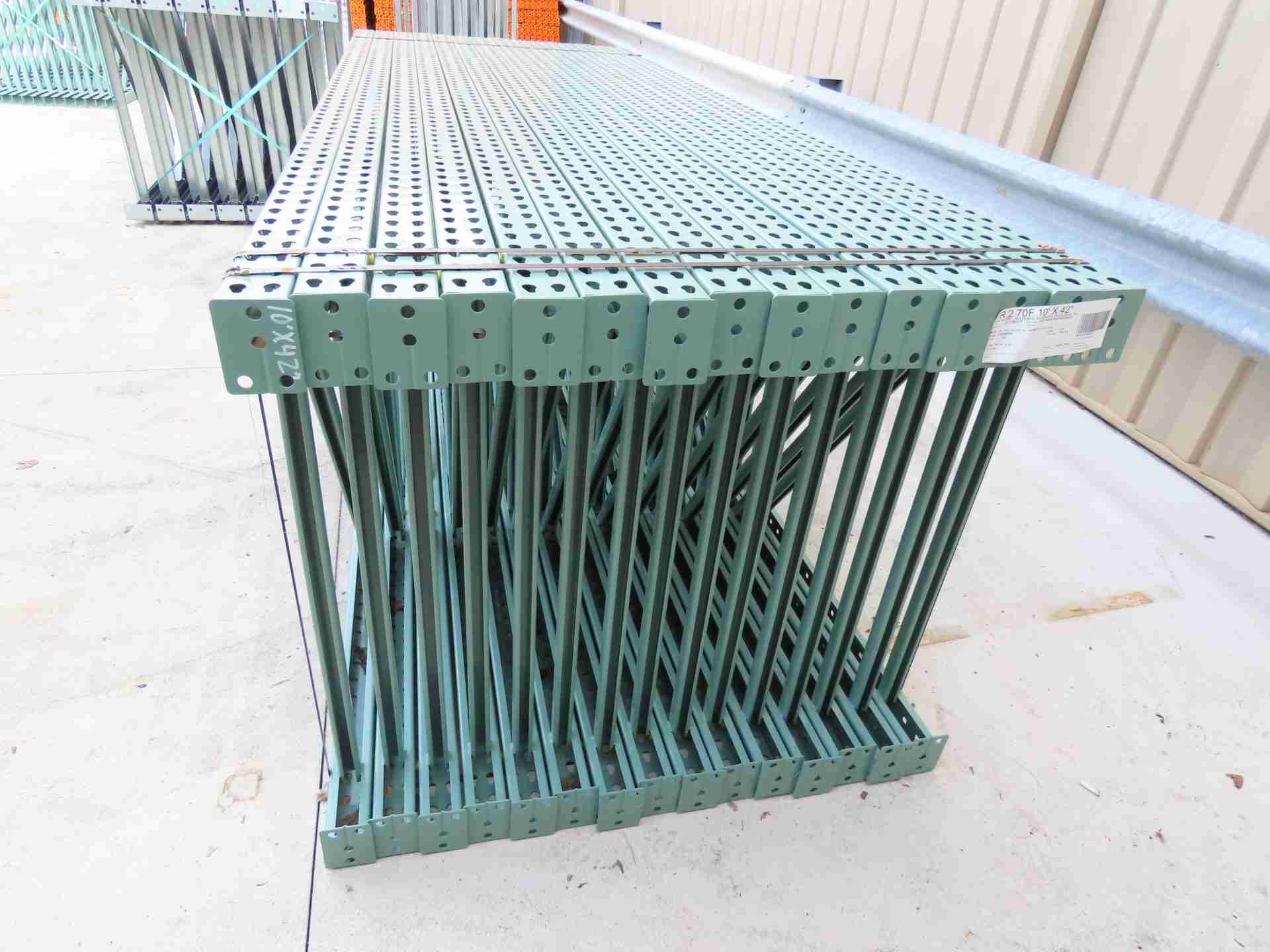
Let’s start with the essentials: your pallet racking. Effective pallet racking not only ensures physical products are stored efficiently but also significantly influences the speed and accuracy of order fulfillment. During peak seasons—think holidays or special sales—the risk of bottlenecking increases, and time becomes a precious commodity. By reevaluating your racking system, you can optimize space and make it easier for your team to locate and pick items swiftly. Consider adding adjustable pallet racking options that allow for flexible configuration when demand surges. It’s all about creating a fluid environment that leads to greater productivity.
But it doesn’t end there. You need to consider your warehouse’s flow. During slower periods, it might make sense to minimize aisle space and maximize storage density. However, during peak seasons, a more expansive setup can facilitate quicker access to inventory, preventing unnecessary delays. The aim should be to create a seamless operation, where transitions from receiving to picking are as smooth as possible.
Have you ever experienced that heart-sinking feeling when orders are delayed? Your reputation is on the line, and trust becomes the currency of your business. Adjusting your warehouse layout is not just about efficiency; it’s about delivering on your promises and nurturing customer satisfaction. When your clients see that you can handle their needs, whether they buy one item or a hundred, you cultivate loyalty that drives repeat business.
So, take charge. Don’t wait for the next seasonal wave to catch you unprepared. Schedule a time to assess the flow of your operations, and don’t hesitate to pivot your layout for those busy months ahead. Your warehouse is an asset—treat it as such. With the right adjustments now, you’ll reap the benefits during those peak times, transforming seasonal challenges into opportunities for growth. Remember, adaptability is the hallmark of a thriving business!
Should I Adjust My Warehouse Layout For Seasonal Fluctuations?
Should I Adjust My Warehouse Layout For Seasonal Fluctuations?
- Adjusting warehouse layout is essential for accommodating seasonal fluctuations in inventory and order volume.
- Effective pallet racking enhances storage efficiency and influences order fulfillment speed and accuracy.
- Reevaluating the racking system can help optimize space and facilitate quicker item picking during peak seasons.
- Warehouse flow should be considered; minimizing aisle space during slow periods can maximize storage density.
- A flexible setup during peak seasons allows for quicker inventory access, preventing delays in order fulfillment.
- Adjusting layout is vital for maintaining customer satisfaction and building loyalty through timely service.
- Proactively assessing and adapting your warehouse can turn seasonal challenges into growth opportunities.
Should I Adjust My Warehouse Layout For Seasonal Fluctuations?
What Storage Solutions Are Best For Fluctuating Demand?
In today’s rapidly changing market, businesses must be agile to meet fluctuating demand. The question looms: what storage solutions can adapt as swiftly as your business does? One effective strategy lies in implementing versatile storage systems. At the forefront of these systems is pallet racking—a reliable and efficient way to maximize storage space while ensuring easy access to your inventory.
Imagine walking into a warehouse that feels chaotic, where products are stacked haphazardly, making it a logistical nightmare. It’s overwhelming, isn’t it? This is where pallet racking shines. It offers a systematic approach, transforming that chaos into order. Just picture how a meticulously organized pallet racking system can streamline operations, allowing your team to grab what they need without sifting through piles of stock. This enhanced efficiency is crucial when demand spikes unexpectedly or during peak seasons—like Black Friday or holiday sales.
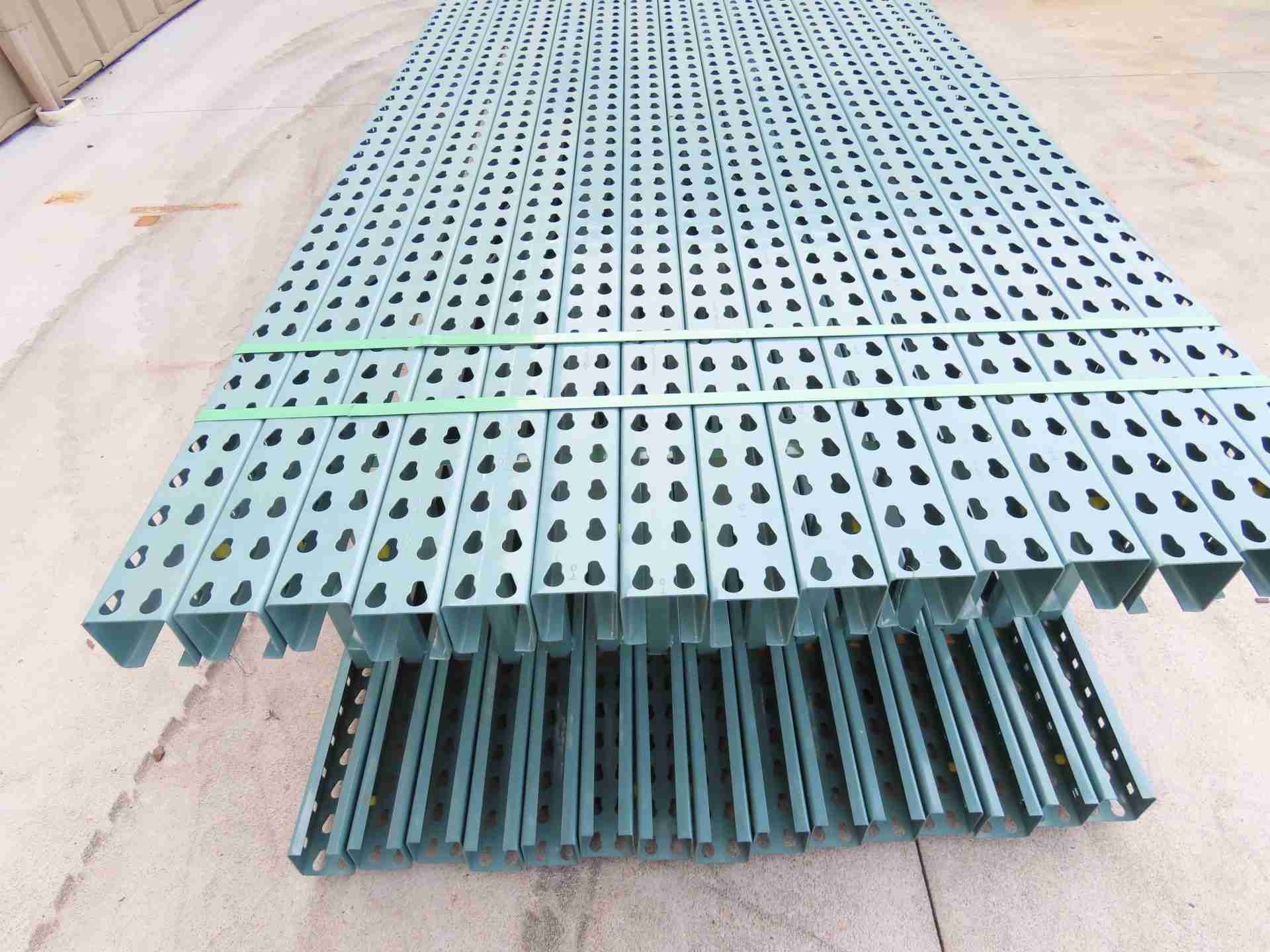
But it’s not just about physical space; it’s also about peace of mind. With a flexible pallet racking system, you can adjust the height and layers according to your changing inventory needs. Say goodbye to wasted space and hello to a dynamic environment that can shift in alignment with your business’s growth and customer demands. It’s this combination of adaptability and accessibility that builds trust—not just in your warehouse setup, but in your entire supply chain process.
When you invest in a reliable pallet racking system, you’re not just improving your storage; you’re enhancing your responsiveness to market changes. In a world where every second counts, having immediate access to your products can give you the competitive edge you need. Imagine your team confidently navigating the aisles, ready to fulfill orders without any hiccups, empowering you to focus on what really matters—growing your business.
Moreover, choosing the right materials can also enhance durability, ensuring that your solution stands the test of time. When you partner with a reputable supplier who understands the fluctuating needs of your industry, you’re setting your business up for success. This choice cultivates trust, knowing that your investment in pallet racking is an investment in your future.
For businesses grappling with fluctuating demand, effective storage solutions like pallet racking not only optimize space but also inspire confidence in your operations. Take the leap—embrace change, and let your storage evolve alongside your business!
What Storage Solutions Are Best For Fluctuating Demand?
What Storage Solutions Are Best For Fluctuating Demand?
- Agility is crucial for businesses in a rapidly changing market to meet fluctuating demand.
- Implementing versatile storage systems, specifically pallet racking, maximizes storage space and ensures easy inventory access.
- Pallet racking transforms chaotic storage environments into organized, efficient systems.
- Enhanced efficiency is vital during demand spikes or peak seasons like Black Friday and holidays.
- Flexible pallet racking systems allow adjustments in height and layers to accommodate changing inventory needs.
- Investing in a reliable pallet racking system improves responsiveness to market changes and provides a competitive edge.
- Choosing quality materials and reputable suppliers enhances durability and cultivates trust in your storage solutions.

What Storage Solutions Are Best For Fluctuating Demand?
Conclusion
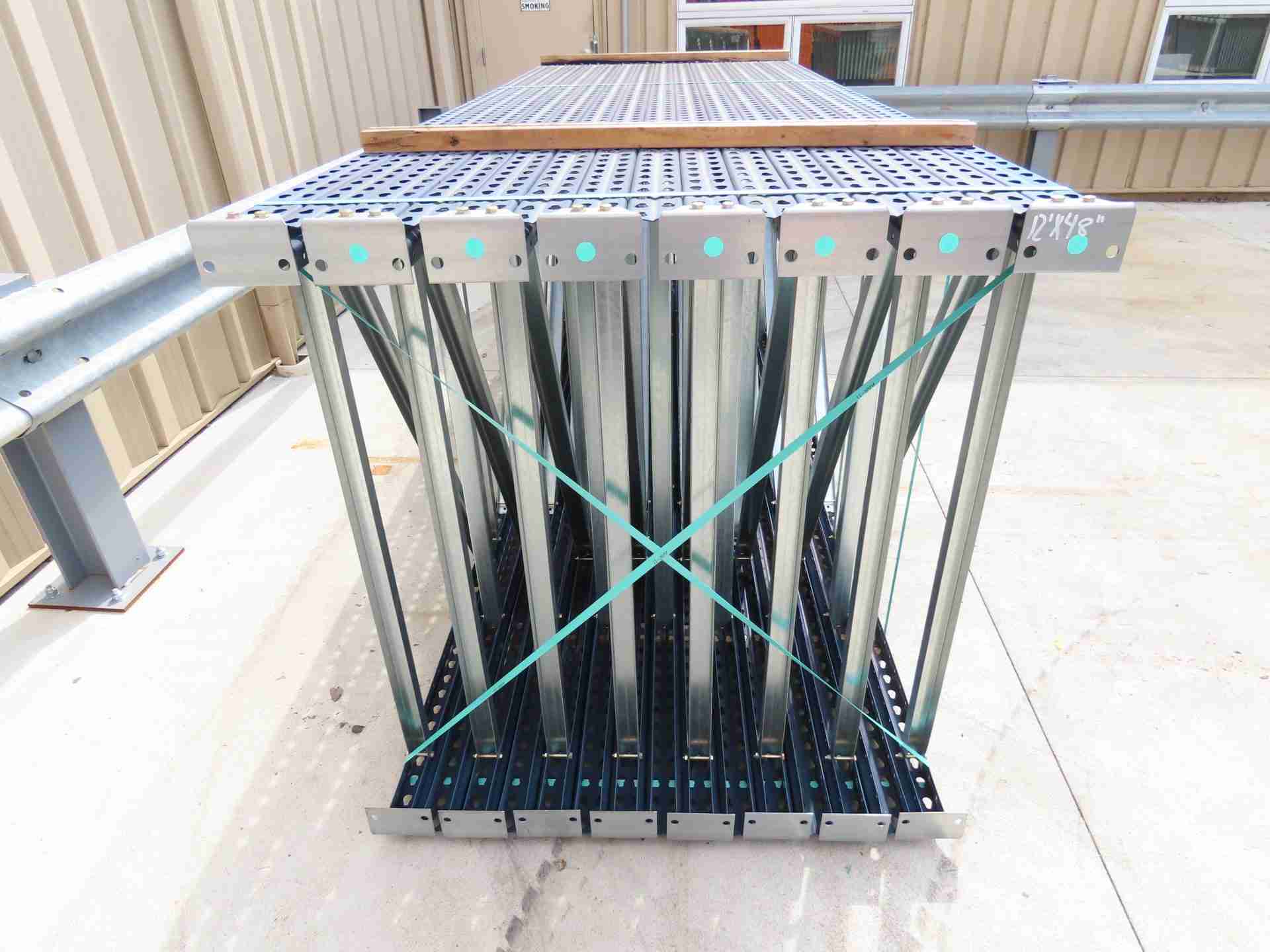
In the fast-paced world of warehouse management, understanding and adapting to seasonal demand can make the difference between thriving and merely surviving. As we’ve explored, the fluctuations in consumer behavior tied to seasons and events can significantly impact your storage strategy, inventory levels, and ultimately, customer satisfaction. When you harness the power of an effective storage solution, like adjustable pallet racking, you don’t just meet these challenges—you anticipate them.
By keeping your organization agile, you enable yourself to respond swiftly to changing market demands, maximizing your available space while ensuring that your operations remain efficient and responsive. This adaptability isn’t simply about managing inventory; it shapes your entire customer experience. A flexible racking system allows you to adjust quickly, ensuring that your most sought-after products are always readily available, enhancing consumer trust and driving repeat business.
However, being proactive requires more than just a great storage solution. It calls for a comprehensive strategy that includes diligent forecasting, constant communication with suppliers, and a keen awareness of market trends. Learning to interpret key indicators of seasonal demand can help you stay one step ahead in your industry. By leveraging historical sales data and actively engaging with your customer base, you can position your business to capitalize on demand spikes and dial down during slower periods, preventing the chaos that often accompanies seasonal shifts.
Moreover, don’t underestimate the necessity of a well-planned warehouse layout. Streamlining the flow of operations is crucial during peak seasons; by optimizing your space and improving order fulfillment processes, you can transform your warehouse from a potential bottleneck into a well-oiled machine. The right layout doesn’t just improve efficiency—it fortifies your reputation in the market, forging loyalty with clients who value dependable service.
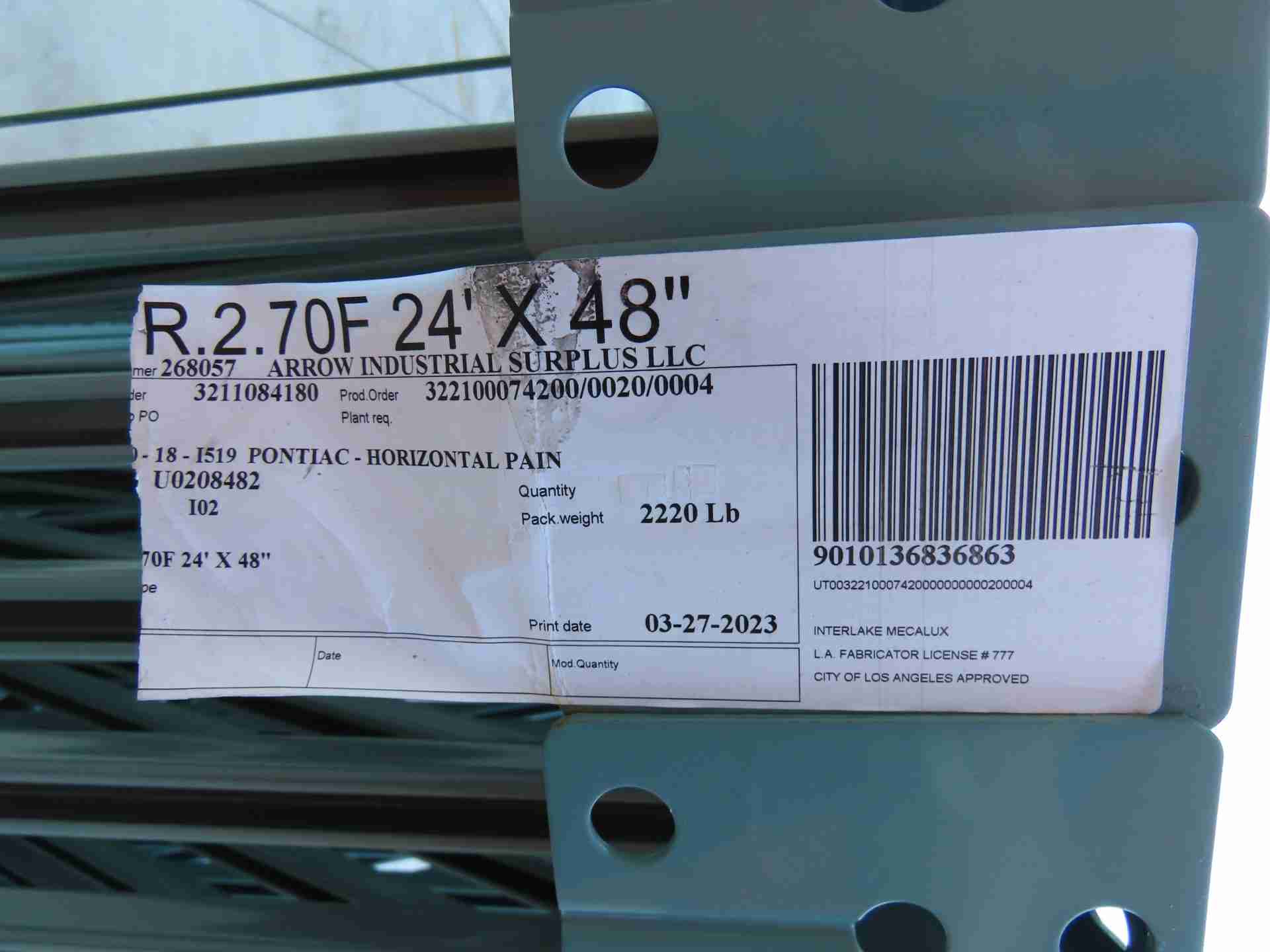
Now is the moment to take action. Don’t let seasonal demand catch you off guard—call Arrow Industrial Sales at (574) 349-6575. They are uniquely positioned to equip you with the pallet racking solutions you need to navigate these seasonal shifts effortlessly. The opportunities are vast, but they won’t wait for you to catch up. Gear up your warehouse, embrace the challenges of seasonal demand, and watch your business not just endure but excel!
Conclusion
Conclusion:
- Understanding seasonal demand is crucial for effective warehouse management.
- Adjustable pallet racking helps anticipate fluctuations in consumer behavior, enhancing storage strategy and inventory management.
- Agility in operations allows quick responses to changing market demands, maximizing space utilization and operational efficiency.
- A flexible racking system ensures high-demand products are always available, boosting customer satisfaction and loyalty.
- Proactive inventory management requires diligent forecasting and communication with suppliers, along with awareness of market trends.
- A well-planned warehouse layout streamlines operations during peak seasons and enhances order fulfillment processes.
- Contact Arrow Industrial Sales for effective pallet racking solutions to meet seasonal challenges.
Conclusion
Other Resources

Other Resources
Here is a list of other resources you can review online to learn more:
- New Cantilever Racks and Racking Kits
- SEMA
- CA Wire
- Warehouse Racking Chicago, IL
- Teardrop Pallet Rack – Ridg-U-Rak
- Logic Material Handling
- Teardrop Industrial Shelving Rack
- Pallet Racking systems in Illinois and Great Lakes
- CMMA
- Cantilever Racks Chicago
Use This Prompt To Get More Resources With Your Favorite Online AI Tool: Please provide me with a list of online articles with their URLs in a bulleted list that I can read regarding How Can Seasonal Demand Impact Your Warehouse Storage Strategy?
Other Resources
Glossary Terms
How Can Seasonal Demand Impact Your Warehouse Storage Strategy? – Glossary Of Terms
1. Seasonal Demand: Fluctuations in consumer demand that occur at specific times of the year, often influenced by holidays, climate, or events.
2. Inventory Management: The process of overseeing and controlling the ordering, storage, and use of a company’s inventory.
3. Peak Season: The time of year when demand is at its highest due to seasonal trends, leading to increased sales volumes.
4. Off-Season: Periods when demand is lower than average, often requiring different storage strategies and resource allocation.
5. Warehouse Optimization: Strategies and processes aimed at enhancing the efficiency of warehouse operations, including layout, equipment, and workforce utilization.
6. Stocking Strategy: The method of determining how much inventory to hold in stock to meet customer demand effectively.
7. Space Utilization: The percentage of available storage space that is effectively used, influencing operational efficiency and costs.
8. Versatile Storage Solutions: Flexible storage options, such as modular racking or mobile shelving, that can adapt to changing inventory needs.
9. Inventory Turnover: A measure of how fast inventory is sold and replaced over a specific period, indicating demand level.
10. Order Fulfillment: The process of receiving, processing, and delivering customer orders, which can be impacted by seasonal demand.
11. Replenishment Strategies: Methods used to restock inventory after sales to prevent shortages during peak seasons.
12. Lead Time: The time between ordering inventory and receiving it, which can be critical in managing seasonal ramp-up.
13. Forecasting: The process of predicting future demand based on historical data, trends, and seasonal patterns.
14. Safety Stock: Extra inventory held to prevent stockouts during unexpected demand surges or supply chain disruptions.
15. Cross-Docking: A logistics practice where incoming shipments are directly transferred to outgoing shipments with minimal storage time.
16. Product Lifecycle: The stages a product goes through from introduction to decline, affecting inventory levels at different times.
17. SKU (Stock Keeping Unit): A unique identifier for each distinct product or item that is accounted for in inventory management.
18. Flexible Labor Force: An adaptable workforce that can scale up or down based on seasonal needs, ensuring efficiency during peak times.
19. Warehouse Layout: The design and arrangement of physical warehouse space, which can be influenced by seasonal storage requirements.
20. Returns Management: The process of handling returned products, which may increase during and after peak seasons.
21. Just-In-Time Inventory: An inventory strategy that aims to reduce waste by receiving goods only as they are needed in the production process.
22. Third-Party Logistics (3PL): The use of external service providers to manage logistics and transportation needs, often used to mitigate seasonal spikes.
23. Demand Planning: The process of forecasting and preparing for future customer demand based on trends, including seasonal variations.
24. Capacity Planning: The process of determining the production capacity needed to meet changing demands, impacted by seasonal trends.
25. Seasonal Stock: Inventory specifically held to meet expected demand during peak seasons or special occasions.
26. Cold Storage: Refrigerated warehouse spaces specifically designed for storing perishable goods needed during high-demand periods.
27. Lead Capacity: The ability of a warehouse to increase its output during peak demand periods, considering available resources.
28. Distribution Center: A specialized warehouse for storing and distributing goods efficiently, particularly during seasonal demand spikes.
29. E-commerce Fulfillment: The entire process of handling online orders and logistics, which can be heavily influenced by seasonal shopping trends.
30. Performance Metrics: Quantitative measures used to assess the efficiency of warehouse operations, vital for adapting strategies to seasonal changes.
Glossary Of Terms
Other Questions
How Can Seasonal Demand Impact Your Warehouse Storage Strategy? – Other Questions
If you wish to explore and discover more, consider looking for answers to these questions:
- What are the most effective pallet racking systems for seasonal demand?
- How can I better train my team to handle seasonal fluctuations in demand?
- What are some common mistakes to avoid when managing seasonal demand?
- How does technology play a role in optimizing warehouse operations during peak seasons?
- What specific strategies can improve customer satisfaction during busy times?
- How can I better analyze historical sales data to predict future seasonal demand?
- What external factors should I consider when forecasting seasonal demand?
- How often should I review and adjust my warehouse layout?
- What tools are available for real-time inventory management during seasonal peaks?
- How can I build stronger relationships with suppliers to ensure timely stock replenishment?
- What impact does seasonal demand have on pricing strategies?
- How can businesses in different industries adapt their storage strategies for fluctuating demand?
Other Questions
Checklist
How Can Seasonal Demand Impact Your Warehouse Storage Strategy? – A Checklist
Checklist: Optimizing Your Warehouse Storage Strategy for Seasonal Demand
Understanding Seasonal Demand
_____ Identify peak seasons and their associated products.
_____ Analyze historical sales data for seasonal trends.
_____ Recognize patterns in consumer behavior relevant to your market.
Forecasting Seasonal Demand
_____ Review last year’s sales data for the same seasonal period.
_____ Consider external factors that may influence consumer behavior (e. g. , economic indicators).
_____ Utilize analytics tools to forecast demand effectively.
Key Indicators of Seasonal Demand
_____ Monitor changes in consumer purchasing patterns throughout the year.
_____ Follow industry-specific seasonality trends (e. g. , outdoor furniture in spring).
_____ Keep track of economic conditions that may impact purchasing power.
Managing Inventory Levels
_____ Plan inventory adjustments ahead of peak seasons.
_____ Establish strong relationships with suppliers for timely stock replenishment.
_____ Utilize pallet racking systems to maximize storage and inventory accessibility.
Adjusting Warehouse Layout
_____ Assess and reevaluate the warehouse layout based on seasonal needs.
_____ Implement adjustable pallet racking to enhance flexibility.
_____ Ensure efficient flow from receiving to picking areas in the warehouse.
Effective Storage Solutions
_____ Incorporate versatile pallet racking systems that allow for easy reconfiguration.
_____ Optimize storage density during slower periods and adjust for quick access during busy times.
_____ Regularly review and update storage strategies based on market changes.
Training and Team Empowerment
_____ Train staff on seasonal demand implications for better preparedness.
_____ Foster a culture of responsiveness to changing inventory and customer needs.
_____ Encourage team input on system improvements for efficiency.
Customer Engagement
_____ Tailor marketing strategies based on identified seasonal trends.
_____ Communicate stock availability to build customer trust.
_____ Gather customer insights through surveys or social media to refine product offerings.
Continuous Improvement
_____ Schedule regular reviews of inventory and storage strategies post-season.
_____ Stay informed about new storage technologies and practices.
_____ Treat your warehouse as an evolving asset that adapts to market demands.
By following this checklist, you can proactively manage seasonal demand and create a well-structured storage strategy that enhances efficiency and boosts customer satisfaction.

Checklist
At RackingWorld, we help guide you through selecting warehouse storage systems and racking.
Be sure to read our other related stories at RackingWorld to learn more about warehouse storage systems.
0 Comments