
Unlocking The Power Of Beams For Safe And Efficient Warehouse Operations
By Tom Seest
At RackingWorld, we help guide you through selecting warehouse storage systems and racking.
Be sure to read our other related stories at RackingWorld to learn more about warehouse storage systems.
How Beams Impact Rack Stability and Load Ratings
When it comes to racking systems, the difference between stability and disaster often comes down to beams. These unassuming structures, engineered to support weight and distribute forces, are the unsung heroes of warehouses and storage facilities. But let’s take a moment to reflect on what these beams really represent: safety, reliability, and the hard work that keeps our economy moving.
Imagine a bustling distribution center filled with pallets stacked high, each one loaded with products that thousands depend on. Now picture a moment of tension when one racking system, without the right beams in place, begins to buckle under pressure. In that split second, lives, livelihoods, and the integrity of a business hang in the balance. The right beams, precisely designed and installed, do more than just hold weight—they uphold trust. They ensure that the workers who rely on them to support their jobs can do so without fear.
From an engineering perspective, load ratings tell a numerical story of a racking system’s capability. These ratings, carefully calculated using the properties of the beams, communicate the safe limits of what can be stored. Overloading a system is like ignoring the warning signs of a storm brewing—it’s a gamble that can turn catastrophic. Rationally, understanding the specs behind the beams isn’t just good practice; it’s essential for maintaining efficiency and preventing costly accidents.
Ethically, making educated choices about beam selection and installation is a responsibility that every business must bear. After all, the lives of employees who spend hours in these environments are worth more than quick savings on inferior materials. A decision made with care might just save a life or prevent an injury. That’s a powerful legacy to uphold.
Socially, reinforcing good practices around racking systems fosters a culture of safety and accountability. When teams collaborate to prioritize structural integrity, they reinforce a collective commitment to one another’s well-being. It creates a workplace where everyone feels valued and protected, where there’s no room for corners to be cut.
So, the next time you walk through a warehouse or a retail space, take a moment to appreciate the beams. They are not just iron and steel; they embody the hard work, dedication, and ethics that underpin our daily lives. Choosing the right design and ensuring robust load ratings isn’t just a technicality; it’s an act of care for the people who make the system work. This is what true stability feels like.
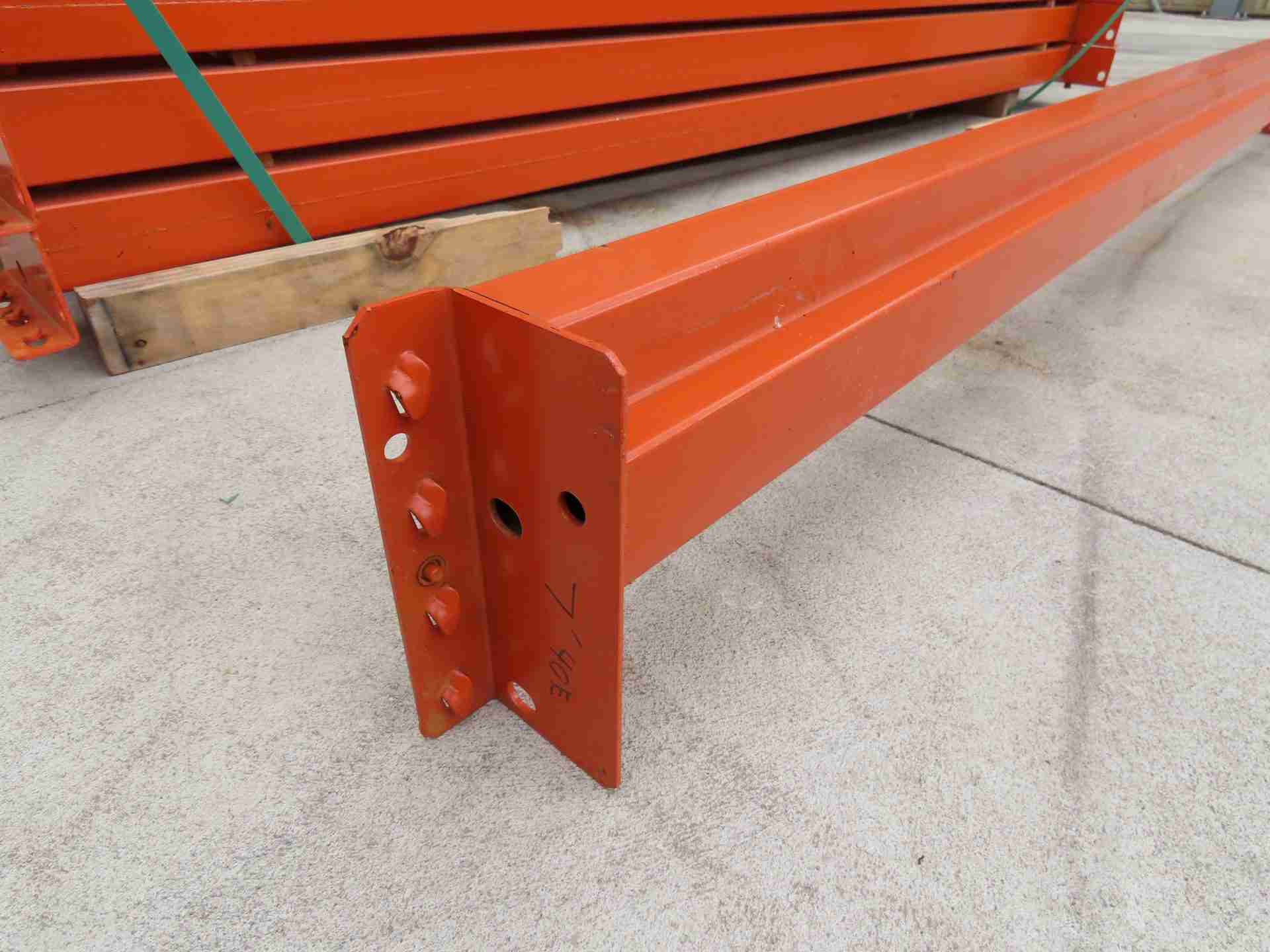
How Beams Impact Rack Stability and Load Ratings
How Beams Impact Rack Stability and Load Ratings
- Beams are crucial for the stability of racking systems in warehouses and storage facilities.
- They symbolize safety, reliability, and essential support for the economy.
- Inadequate beams can lead to catastrophic failures, threatening lives and business integrity.
- Load ratings provide essential information about the maximum safe limits for storage capabilities.
- Making informed choices about beam selection is an ethical responsibility that impacts employee safety.
- Promoting safe practices around racking systems fosters a culture of accountability and well-being.
- Beams represent more than just materials; they reflect the dedication and care required in workplace safety.
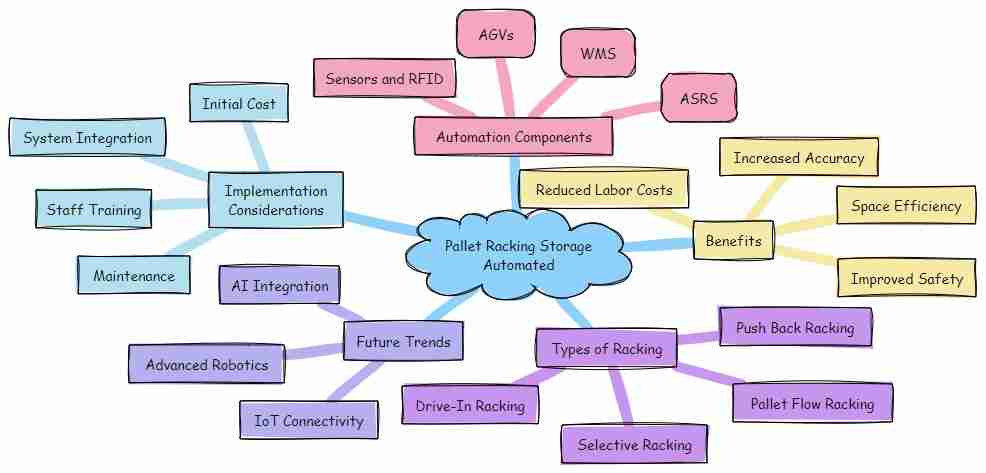
How Beams Impact Rack Stability and Load Ratings
Table Of Contents
- How Beams Impact Rack Stability and Load Ratings
- What Emotional Connection Do You Have with Your Storage System?
- How Do You Feel When You Question the Safety Of Your Equipment?
- How Does Your Choice Of Beams Reflect Your Values and Priorities?
- Are You Certain Your Storage Solutions Can Handle Your Growing Needs?
- What Expert Advice Have You Sought for Optimizing Load Ratings?
- Conclusion
- Other Resources
- Glossary Of Terms
- Other Questions
- Checklist
What Emotional Connection Do You Have with Your Storage System?
When you think about your storage system, what feelings spring forth? It might seem mundane at first glance—just shelves and racking designed to hold your belongings—but take a moment to peel back the layers, and there’s a depth to it that is undeniably profound. Our surroundings reflect our lives, and often our storage systems are the unsung heroes of our daily chaos.
Consider the hours we spend organizing, packing, and searching for that one item tucked away in the back. Every time you reach for something stored on that sturdy racking, you’re not merely retrieving an object; you’re revisiting memories, practicality, and even aspirations. The boxes labelled with the scribbles of a child’s handwriting or the antique china stacked carefully amidst modern appliances tell tales of family, heritage, and the timeline of a life lived in full.
On a rational level, an effective storage system serves as an anchor, maintaining order in a world that can feel chaotic. There’s a certain peace that comes with knowing everything has its place. Imagine the tranquility that washes over you when you effortlessly locate that seldom-used tool or the favorite game. It’s a small victory, one that can shift a day from frustration to clarity.
Ethically, in a world fixated on consumption, having a well-thought-out storage system symbolizes responsibility. It reflects a commitment to sustainability, efficiency, and even respect for our environment. By being intentional about our belongings and how we manage them, we cultivate a space that is grounded and mindful, paving the way for future generations to appreciate the value of what they have.
Socially, think about the connections that stem from your storage solutions. A well-organized garage may host gatherings sparked by a shared hobby among friends, or perhaps your neat basement holds family game nights—moments of laughter echoing off well-spaced racking. These systems become a backdrop for our lives, enhancing our experiences and fostering relationships.
The next time you open that storage door, ask yourself: what stories await? Is it a mere utility, or could it be a catalyst for deeper connections? Dive into those emotions, let them inspire you to create an organized sanctuary that resonates with your life, your memories, and your values. Your storage system is more than just racking; it’s a reflection of who you are. Harness its potential and cultivate a space that enriches your life and the lives of those around you.
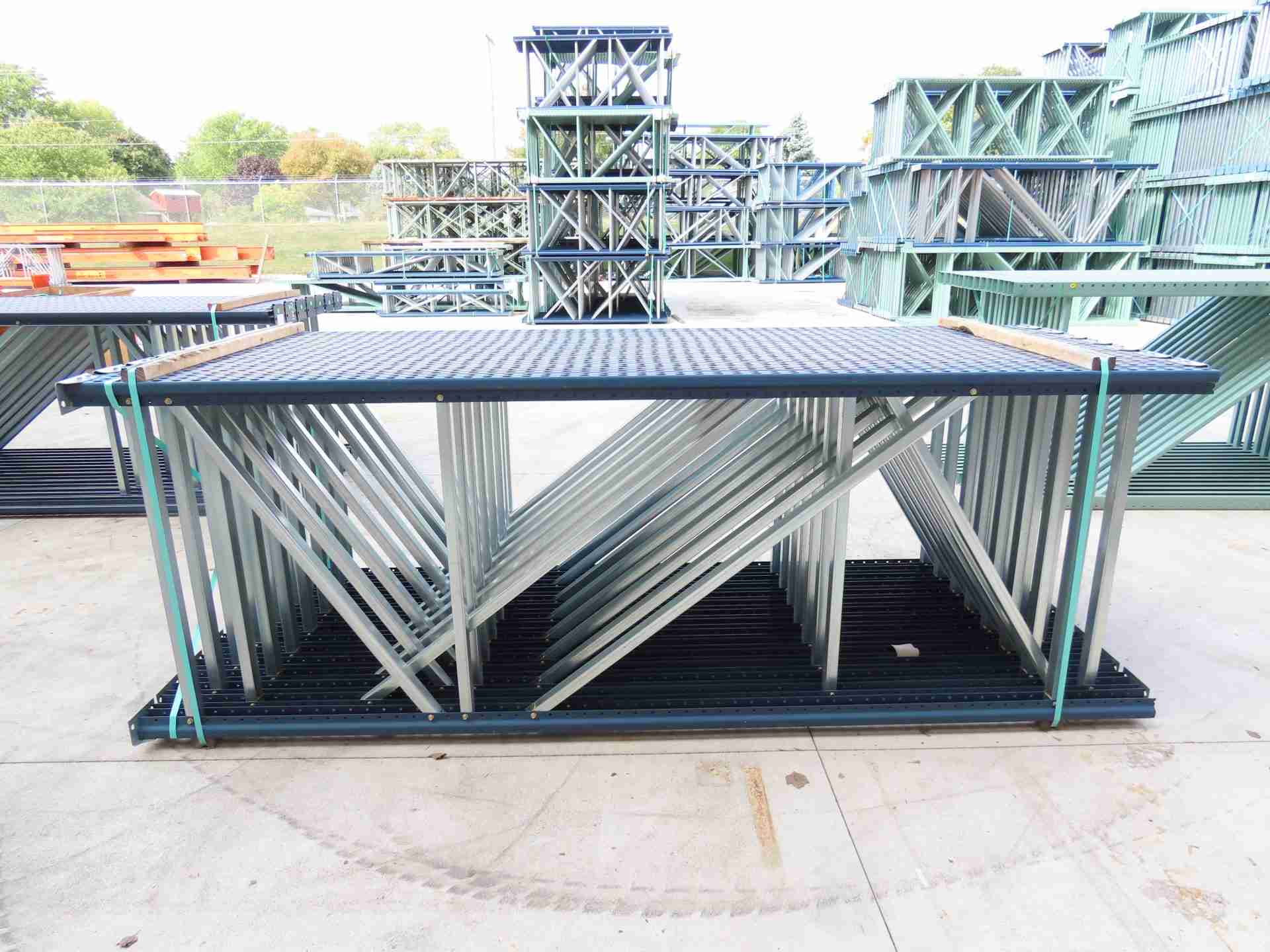
What Emotional Connection Do You Have with Your Storage System?
What Emotional Connection Do You Have with Your Storage System?
- Storage systems reflect our lives, serving as unsung heroes of daily chaos.
- Organizing and retrieving items evokes memories, practicality, and aspirations.
- An effective storage system creates order and peace amidst chaos.
- Simplifying the search for items enhances clarity and reduces frustration.
- Well-thought-out storage symbolizes responsibility, sustainability, and intention.
- Organized spaces foster social connections and memorable experiences.
- Your storage system is a reflection of your identity; embrace its potential.

What Emotional Connection Do You Have with Your Storage System?
How Do You Feel When You Question the Safety Of Your Equipment?
When faced with that gut-wrenching feeling of doubting the safety of your equipment, it’s as if time stands still. Picture this: you’re gearing up to tackle the day’s challenges, but a nagging thought creeps in, whispering questions about the very tools you depend on. The racking of weights, the hum of machinery—these are the sounds of productivity and progress, but when doubt permeates the air, they transform into a symphony of anxiety.
You may find yourself standing there, heart racing, as your mind races through the implications. What if this piece of equipment were to fail? What consequences would that have for you, your team, or even those who rely on your work? The sheer weight of responsibility can be heavy, an existence that shines a light on the ethical dimensions of safety. In our pursuit of progress, we cannot afford to overlook our commitment to safeguard not just our own well-being but the lives of others entwined in our work.
As you analyze the situation, the rational part of you kicks in. You recall the training sessions, the safety protocols, and the routine inspections that are supposed to provide that peace of mind. But in the silence of doubt, logic can sometimes feel like a faint echo. This is where the connection to your colleagues comes into play. Sharing that sense of uncertainty fosters camaraderie, revealing that you’re not alone in these feelings. Perhaps your peers have faced similar dilemmas; their experiences can offer insights and reaffirm the shared values of safety and accountability.
The narrative of our lives is shaped by moments like these. Every time we question the reliability of our tools, we’re brought face-to-face with the truth: equipment is only as good as the care and attention we give it. We learn that safety isn’t merely a checkbox; it’s the backbone of our endeavors, the very foundation on which we build success. When you speak up about your concerns, you’re not just voicing doubts; you’re advocating for a culture of transparency and trust.
It’s about action. Whether it means conducting a thorough inspection, reaching out for expertise, or initiating a safety conversation, every step you take not only protects yourself but also fortifies the trust that binds your team. Embrace that moment of questioning as an opportunity—a call to reinforce a commitment to safety, together.
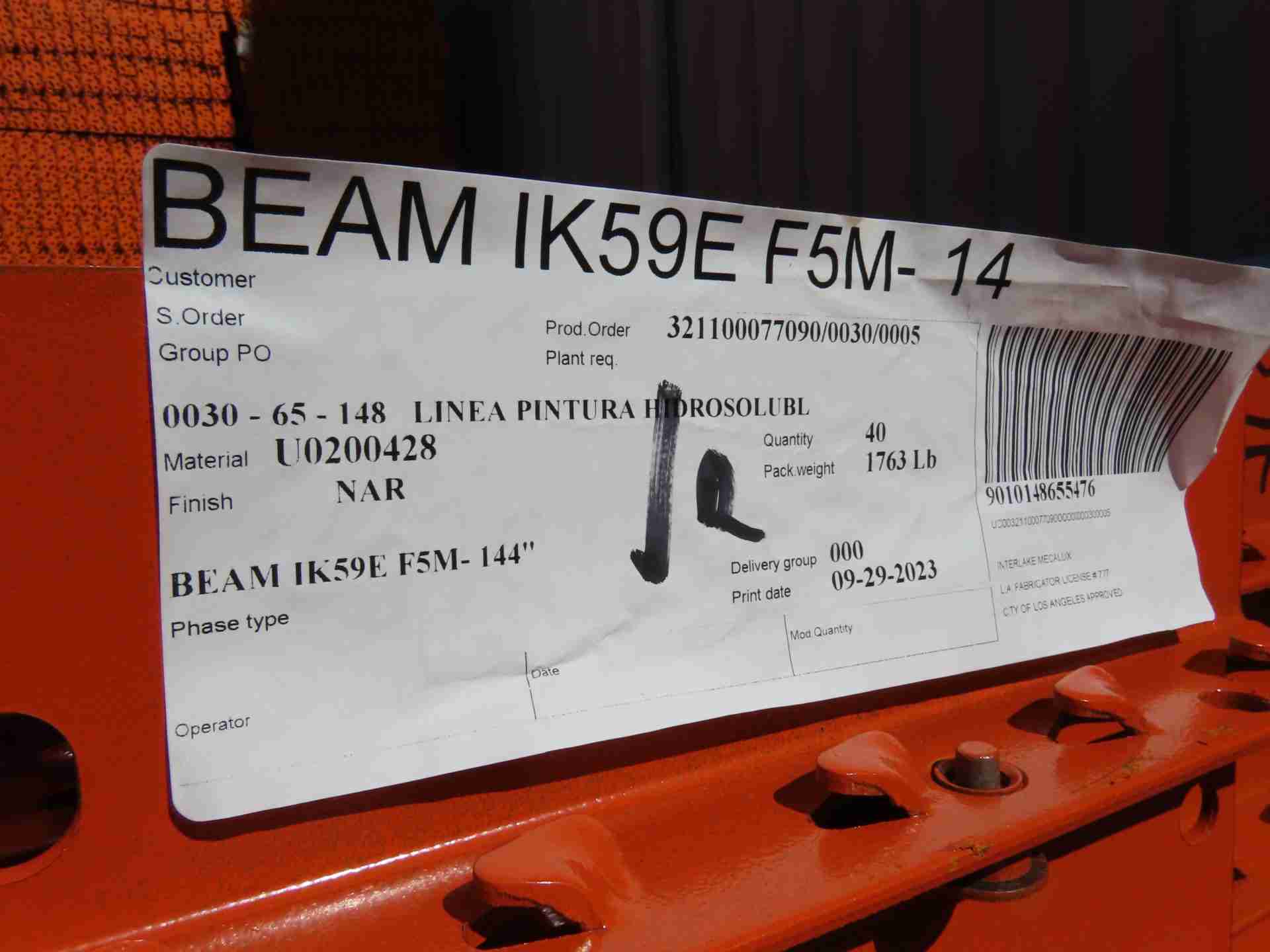
How Do You Feel When You Question the Safety Of Your Equipment?
How Do You Feel When You Question the Safety Of Your Equipment?
- Feelings of doubt regarding equipment safety can create anxiety and halt productivity.
- The potential consequences of equipment failure weigh heavily on one’s sense of responsibility.
- Recognition of the ethical obligation to ensure safety for oneself and others is paramount.
- Training, safety protocols, and routine inspections provide a sense of security, yet doubt can linger.
- Sharing concerns with colleagues fosters camaraderie and highlights common challenges in maintaining safety.
- Understanding that equipment reliability relies on care and attention underscores the importance of safety.
- Taking proactive steps towards safety strengthens team trust and promotes a culture of transparency.
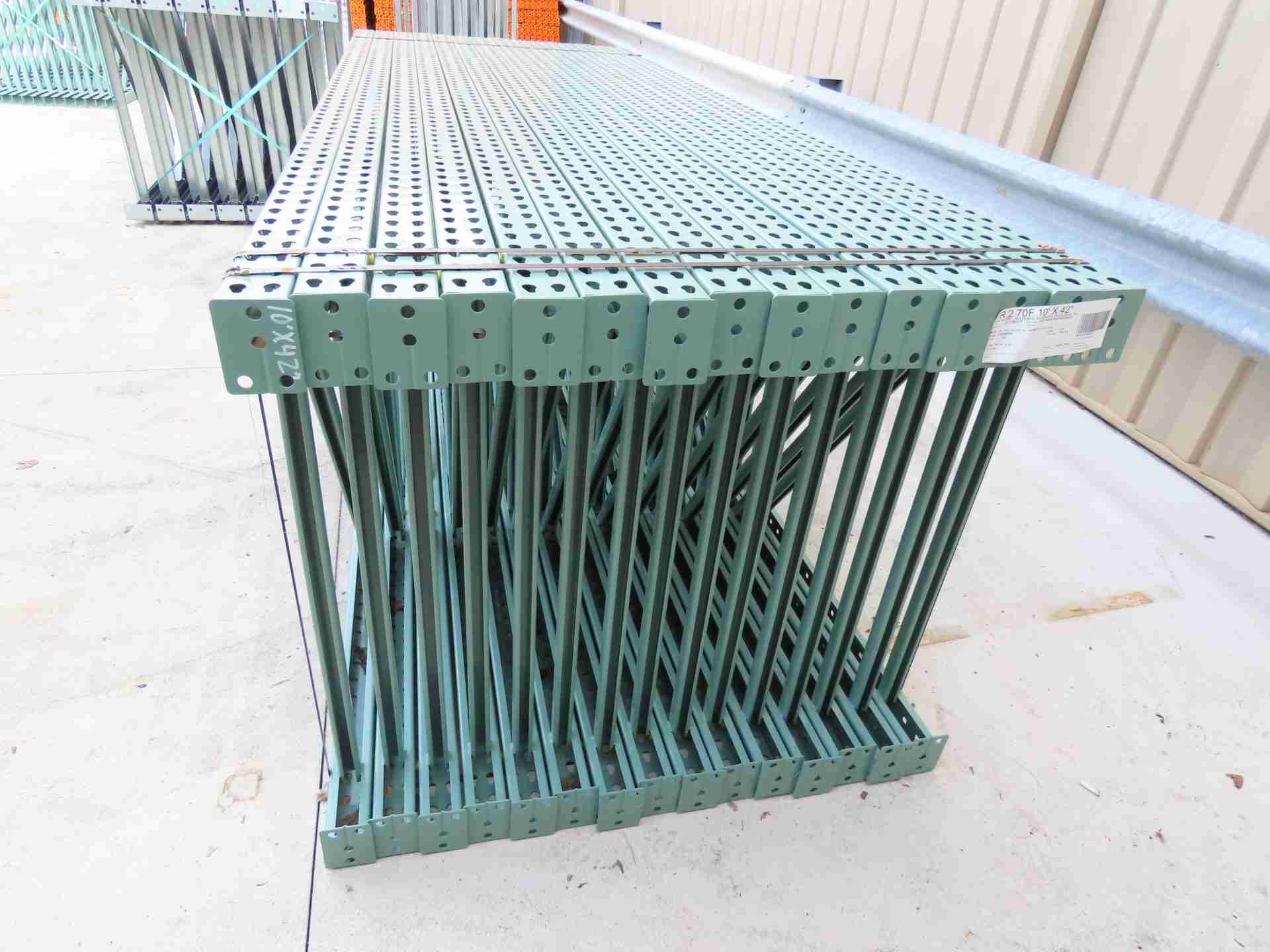
How Do You Feel When You Question the Safety Of Your Equipment?
How Does Your Choice Of Beams Reflect Your Values and Priorities?
When it comes to your choice of beams, it’s not just about choosing materials for a structure; it’s a reflection of your values and priorities woven deep within your character. Think about it. Every beam you select tells a story that resonates not only with your wallet but with your purpose, your conscience, and your vision of the future.
Imagine strolling through a construction site, surrounded by the smell of fresh wood and the clanging of metal against metal. You see beams being racked into place—those sturdy connections forming the backbone of a building. But those beams do more than just support; they symbolize strength, resilience, and commitment to building something that lasts. This isn’t just about architecture; it’s about anchoring your beliefs in the projects you undertake.
Choosing sustainable materials isn’t just a trend; it’s a declaration of your ethical stance. It shows you care not just about immediate aesthetics, but about the future of our planet and the legacy you leave behind. Are you inclined towards local sourcing? That’s a choice steeped in community values, echoing a narrative that celebrates craftsmanship over mass production. It’s a conversation starter—inviting others to join you on a journey to choose quality over convenience, to choose integrity over expediency.
Consider the story of the old oak beams salvaged from a historic warehouse, each one carrying memories and history. In repurposing them, you’re sustainability-minded, actively choosing to promote a cycle of reuse. You’re not just building a structure; you’re creating a harmony between the past and the present, demonstrating respect for your roots and the environment.
Connect on a deeper level with the people you collaborate with and the community that will inhabit the space you build. Are your choices about beauty and innovation leading to a statement of pride? Are you fostering a sense of belonging and identity? Your priorities shape your actions and the materials you choose—the beams you select speak volumes about who you are.
So the next time you rack those beams into place, take a moment to consider not just the job at hand but the ethos behind it. Your decisions hold weight; let them be a testament to your values, guiding you toward a brighter, more honest, and connected future. Be deliberate, be intentional, and choose wisely—because every beam has the potential to become part of something greater than itself.
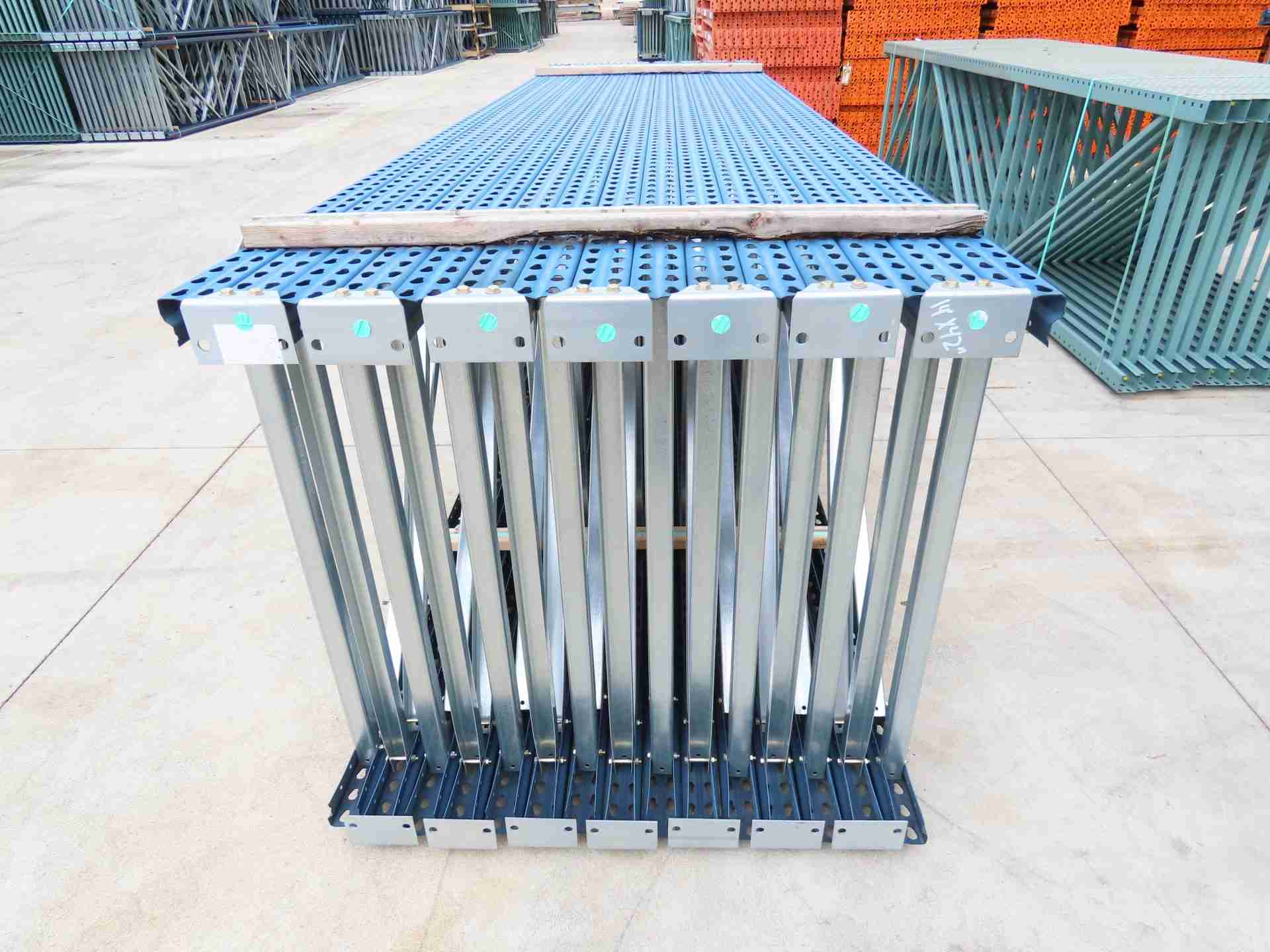
How Does Your Choice Of Beams Reflect Your Values and Priorities?
How Does Your Choice Of Beams Reflect Your Values and Priorities?
- Your choice of beams reflects your values and priorities.
- Every beam tells a story related to your purpose and vision for the future.
- Beams symbolize strength, resilience, and commitment to lasting structures.
- Choosing sustainable materials indicates an ethical stance and care for the planet’s future.
- Local sourcing celebrates community values and craftsmanship over mass production.
- Repurposing old oak beams demonstrates respect for history and the environment.
- Your decisions in material selection reflect your identity and contribute to a connected future.
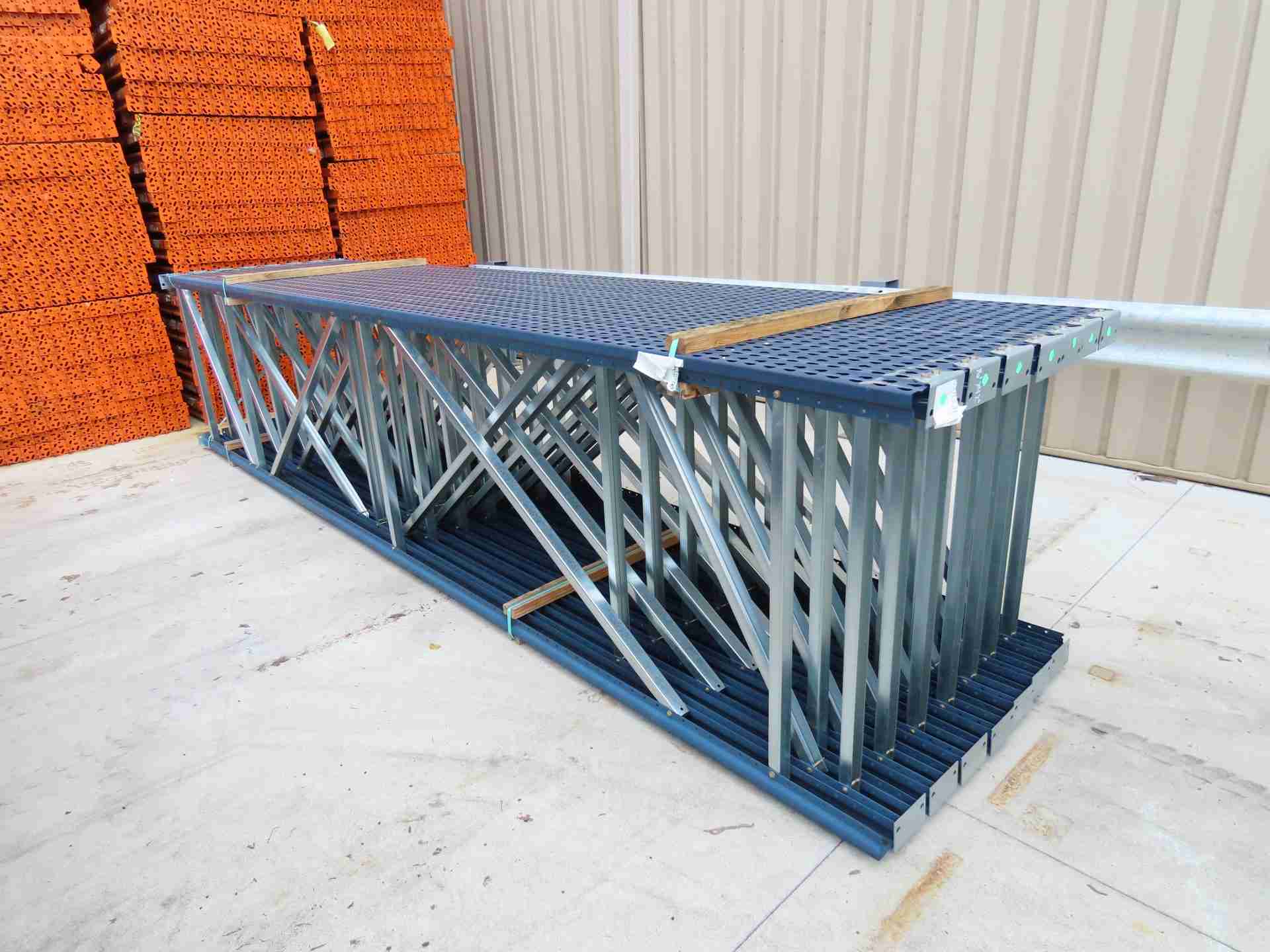
How Does Your Choice Of Beams Reflect Your Values and Priorities?
Are You Certain Your Storage Solutions Can Handle Your Growing Needs?
When you look around your home or workplace, what do you see? Is it a testament to your ambition, a cluttered chaos of dreams still waiting to be realized? Storage solutions are not just about putting things away; they’re about creating an environment where your life, your work, and your passions can thrive. But as you step forward into a future of growing needs, have you ever stopped to think if your current setup is up to the challenge?
Imagine this: you’ve just landed a significant client, or maybe your family is expanding. Your success, while exhilarating, reveals a critical flaw in your infrastructure—a lack of adequate storage. Is your racking system simply not cutting it? Are boxes piled high, teetering on the edge of disaster, waiting for the moment they come crashing down? The reality is that you’re not just storing items; you’re hoarding potential and opportunity, burying your aspirations under layers of disorganization.
Rationally, it’s clear that proper storage is not just a luxury; it’s a necessity. Efficient racking systems can declutter your space, making it easier to find the tools and resources necessary for your next big project. Time spent rummaging through disarray is time stolen from progress, and that’s a currency we simply can’t afford to waste. Think of how much better you’ll feel when every item has a designated space and can be accessed without the stress of a small avalanche.
Ethically, investing in adequate storage solutions is an act of respect—for yourself and for those who depend on you. It reflects a commitment to efficiency and care in your environment. When you create an organized space, you send a message, not just to yourself, but to your family, colleagues, and even clients: you mean business.
And it’s a narrative that resonates with all of us. We’ve all been there—shuffling through clutter, feeling the weight of disorganization bearing down on us. But there’s power in change. When you take the step to invest in smart storage solutions, you’re not just making a choice; you’re making a statement. You’re saying, “I am ready for growth. I’m prepared for what’s next.”
Let’s get real. If you want to succeed, you need to equip yourself properly. Every square foot counts. Reflect on your needs, challenge the status quo, and take action. The road to achievement starts with a space that’s ready for it. So, ask yourself: is your storage ready for the journey ahead?

Are You Certain Your Storage Solutions Can Handle Your Growing Needs?
Are You Certain Your Storage Solutions Can Handle Your Growing Needs?
- Storage solutions create an environment that fosters life, work, and passion.
- Success can reveal flaws in infrastructure, particularly in storage.
- Disorganized storage buries potential and opportunities.
- Efficient racking systems help declutter space and improve access to resources.
- Investing in storage is a commitment to respect for oneself and others.
- Organized spaces signal professionalism and readiness for growth.
- Evaluate your storage to ensure it meets your needs for a successful future.
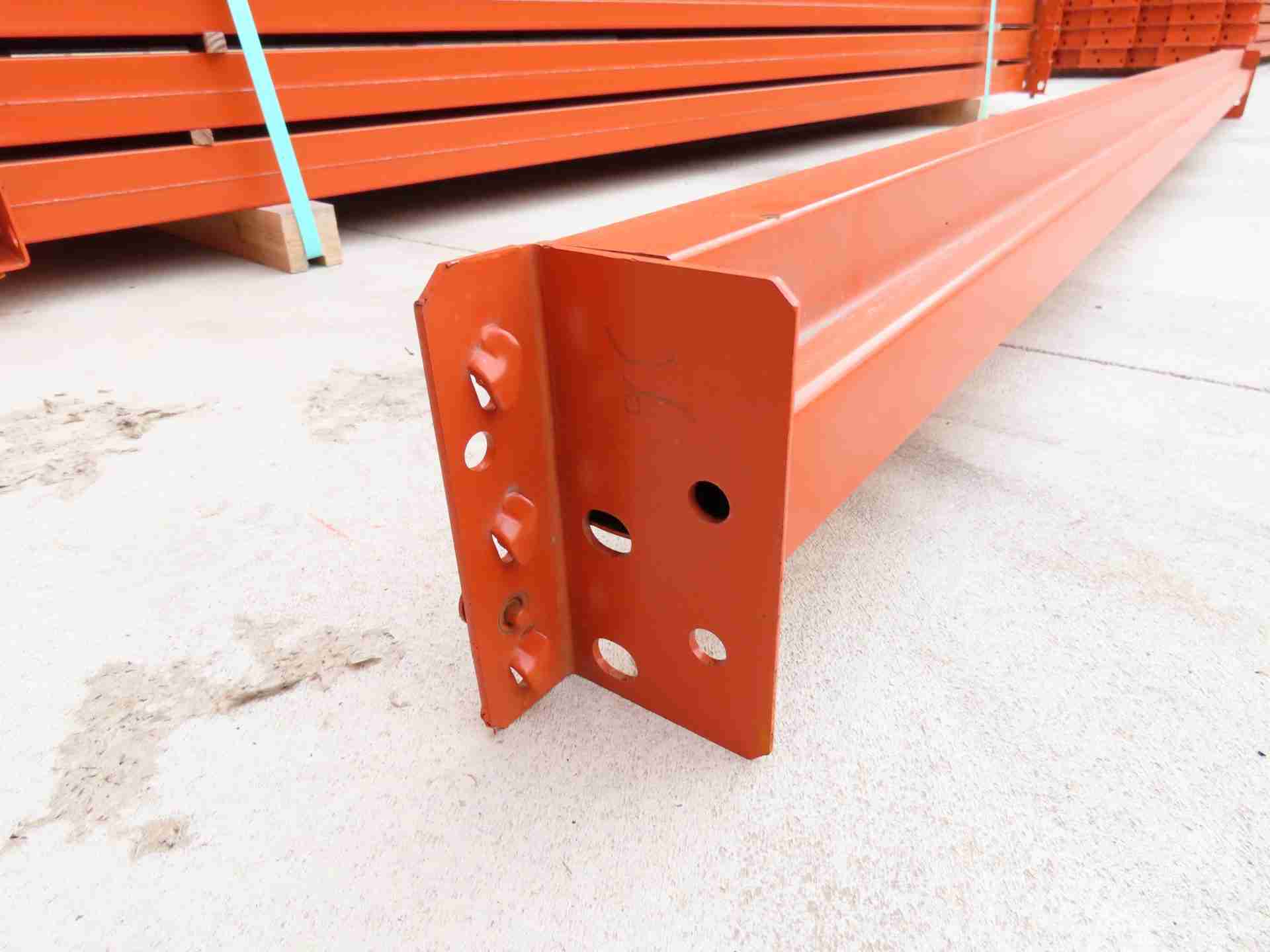
Are You Certain Your Storage Solutions Can Handle Your Growing Needs?
What Expert Advice Have You Sought for Optimizing Load Ratings?
When it comes to optimizing load ratings, racking isn’t just an afterthought; it’s a lifeline for countless businesses and families that rely on the safety and security of their goods. There’s an undeniable weight to this conversation—literally and figuratively. You could say that every beam and bolt holds a story, carrying the dreams and ambitions of individuals and organizations yearning to keep their hard work intact.
I remember chatting with an engineer who had spent decades perfecting racking systems. He talked about the moment he first stepped onto a warehouse floor and saw shelves buckling under the pressure of poor load ratings. His heart raced as he witnessed firsthand the potential disaster that could unfold. This wasn’t just about structural integrity; it was about people’s livelihoods. Each racking system had to not only support weight but inspire confidence, allowing people to do their jobs without looking over their shoulder at a looming catastrophe.
Now, you might think that consulting an expert in racking design entails lofty jargon and complex equations, but the truth is far more accessible. It begins with understanding your unique needs. That means asking the right questions. What are the typical loads? How often do they change? A seasoned pro will remind you that it isn’t just about numbers; it’s about understanding the rhythm of your operation.
Let’s talk ethics for a moment. Working with someone who shares your commitment to safety and reliability makes a world of difference. Those thorough consultations aren’t just a checkmark on a to-do list; they signify a shared responsibility. It’s your duty to ensure that every load is calculated, every risk assessed. Surrounding yourself with experts who place integrity at the forefront fosters a collective trust.
But it doesn’t stop there. In a community where you interact with suppliers and stakeholders, sharing knowledge about optimal racking and load ratings can engage others. Picture a workshop: warehouse managers exchanging practical tips, best practices, and recent innovations. It’s inspiring to see businesses uplift one another in the name of safety.
So, as you ponder optimizing those load ratings, remember it’s not just an engineering task; it’s about connection. It’s about ensuring that everyone involved feels secure, understood, and prepared to face the demands of their day with confidence—because, in the end, every load carries with it a piece of all of us.
What Expert Advice Have You Sought for Optimizing Load Ratings?
What Expert Advice Have You Sought for Optimizing Load Ratings?
- Racking systems are essential for the safety and security of goods for businesses and families.
- Each element of racking, like beams and bolts, carries the ambitions and hard work of individuals and organizations.
- An engineer’s experience highlights the risks posed by poor load ratings, emphasizing the impact on livelihoods.
- Consulting with racking design experts begins with understanding your specific needs and typical load variations.
- Ethics play a crucial role in ensuring safety and reliability, fostering collective trust through responsible practices.
- Sharing knowledge about optimal racking and load ratings among warehouse managers can promote a safe environment.
- Optimizing load ratings is not just an engineering task; it’s about building connections and ensuring confidence among all stakeholders.

What Expert Advice Have You Sought for Optimizing Load Ratings?
Conclusion
In the ever-busy world of warehouses and distribution centers, the tale of beams serves as a poignant reminder of what truly underpins our operations. These seemingly simple structural elements do more than just support the weight of stored goods; they hold the fabric of our livelihoods together. Every moment spent in these towering structures is a testament to the hard work and dedication of countless individuals who place their trust in the safety and reliability of these beams. Each carefully engineered load rating is a story all its own, speaking to the importance of knowing exactly what that racking can handle.
Imagine the palpable tension as one of these systems starts to falter under pressure. Here lies a stark truth: a minor oversight can lead to significant consequences, jeopardizing not just loads but lives and careers. This is where the heart meets the head—understanding that a solid foundation isn’t just good practice; it’s vital for both efficiency and safety. Ethically speaking, choosing quality beams is a commitment to the well-being of workers who spend their days navigating these spaces. It’s a choice that directly reflects our values and our moral obligation to protect those who contribute tirelessly to our economy.
In considering your own storage solutions, it’s essential to recognize that they can serve as more than mere utility; they stand as a reflection of who you are and what you value. Every item organized, every beam secured, is part of a larger narrative—one that speaks to personal responsibility and the connections we foster within our communities. An efficient and safe storage system echoes the principles of respect and accountability, showcasing the care put into our spaces.
As you think about optimizing load ratings and seeking expert advice, remember that doing so is rooted in collaboration and transparency. It’s about fostering a culture of safety where questions are welcomed, lessons are learned, and knowledge flows freely. Each consultation with an industry expert is an opportunity to build a safer environment, affirming a general understanding that we are all in this together.
Whether you’re contemplating the stability of a racking system or the organization of your own garage, it’s clear: every choice you make carries weight. The responsibility lies not just with the materials we select but with the heart and intention behind those selections. Your storage solutions can be much more than practical frameworks; they can be pathways to growth, safety, and community. In embracing this, we not only uphold stability but also create environments where dreams can take flight.
Conclusion
Conclusion:
- Beams in warehouses and distribution centers are vital for safety and operational integrity.
- Minor oversights regarding load ratings can lead to significant consequences, impacting lives and careers.
- Choosing quality beams demonstrates a commitment to worker safety and reflects our ethical values.
- Storage solutions represent personal responsibility and community connections beyond mere utility.
- Safe and efficient storage systems embody principles of respect and accountability.
- Collaboration and transparency are essential for optimizing load ratings and fostering a culture of safety.
- Every choice in storage solutions can lead to growth, safety, and a supportive community environment.
Conclusion
Other Resources
Other Resources
Here is a list of other resources you can review online to learn more:
- Interlake Mecalux
- The Complete Pallet Rack Guide – Simply Rack
- WERC
- BMH
- ASSP
- Storage Equipment Manufacturers Association
- Total Warehouse
- Warehouse Storage Racks
- Warehouse Racking System: Powerful Guide to Optimise, 2024
- Bradford Systems
- Pallet Racks, Pallet Racking, Pallet Shelves in Stock – ULINE
- American Surplus
- SEMA
- What is Cantilever Racking? – AK Material Handling Systems
- Racking World
- Warehouse Storage Racking in Illinois
- National Safety Council
- Teardrop Industrial Shelving Rack
- Used Pallet Rack for Sale in Illinois – American Surplus
Use This Prompt To Get More Resources With Your Favorite Online AI Tool: Please provide me with a list of online articles with their URLs in a bulleted list that I can read regarding How Beams Impact Rack Stability and Load Ratings
Other Resources
Glossary Terms
How Beams Impact Rack Stability and Load Ratings – Glossary Of Terms
1. Beam: A structural element that supports loads and spans between supports, critical for distributing weight in a racking system.
2. Load Rating: A quantified value indicating the maximum weight a racking system is designed to safely support.
3. Rack Stability: The ability of a racking system to maintain its structural integrity under various loading conditions without collapsing or tipping.
4. Vertical Load: The downward force exerted on the racking system by the weight of stored items.
5. Horizontal Load: Lateral forces acting on a racking system, which can come from wind, seismic activity, or operational impacts.
6. Tipping Point: The angle or condition at which a racking system begins to lose stability and may fall over.
7. Lateral Support: Mechanisms or features that provide horizontal stabilization to prevent rack movement or tipping.
8. Deflection: The degree to which a beam or rack system bends under load, an important factor in assessing structural integrity.
9. Material Strength: The capacity of the materials used in beams and racks to withstand applied loads without failure.
10. Load Distribution: The manner in which weight is spread across a racking system, impacting overall stability and performance.
11. Bracing: Structural supports added to a racking system to enhance stability and resist lateral movement.
12. Studs: Vertical components of a racking system that support beams and provide additional stability.
13. Cross-Section: The shape of a structural element that determines its strength and load capacity.
14. Moment: The tendency of a force to cause an object to rotate about a point or axis, relevant in analyzing rack stability.
15. Shear Force: Forces that cause parts of a structure to slide past each other, impacting the overall stability of racks.
16. Load Center: The point on a rack where the total weight is considered to be concentrated, crucial for assessing stability.
17. Overloading: Placing more weight on a racking system than its designed load rating, which can compromise stability.
18. Rack Design: The planning and engineering process to ensure that a racking system meets required load ratings and stability standards.
19. Dynamic Load: Loads that change over time, such as from moving equipment or shifting items, affecting rack stability.
20. Static Load: Constant loads that do not change, critical for determining a racking system’s load rating and stability.
21. Foundation: The ground support on which a racking system is built, significant for overall stability and load-bearing capacity.
22. Failure Mode: Specific ways in which a racking system can fail under load, often analyzed in engineering assessments.
23. Vertical Frames: The upright structures of a rack that support horizontal beams, contributing to overall stability.
24. Column Strength: The load-bearing capacity of vertical members in a racking system, crucial for maintaining stability.
25. Pendulum Effect: A swinging motion that can occur in unstable racks when subjected to lateral forces, impacting load ratings.
26. Load-Bearing Capacity: The maximum load a beam or rack can safely hold without risk of failure.
27. Pallet Rack: A type of racking system specifically designed for storage of palletized goods, requiring careful load rating assessment.
28. Safety Factor: A design consideration that provides a margin of safety beyond the calculated load ratings to account for uncertainties.
29. Wind Loading: Evaluation of forces exerted on a racking system by wind, essential for stability in outdoor storage environments.
30. Inspection Procedures: Regularly scheduled evaluations of a racking system to ensure compliance with safety and load capacity standards.
Glossary Of Terms
Other Questions
How Beams Impact Rack Stability and Load Ratings – Other Questions
If you wish to explore and discover more, consider looking for answers to these questions:
- What are the different types of beams used in racking systems?
- How can one determine the right load ratings for different types of goods?
- What are the common causes of racking system failures?
- How often should racking systems be inspected for safety?
- What regulations govern the design and installation of racking systems?
- What safety precautions can be taken to prevent overloading racking systems?
- What are the best practices for installing beams in a racking system?
- How can companies ensure their racking systems are compliant with safety standards?
- What innovative materials are being used in modern racking systems?
- How can technology like load sensors improve racking safety?
- What role do employee training and awareness play in maintaining rack safety?
- How can businesses foster a culture of safety in warehouse operations?
- What impact does beam choice have on the overall sustainability of a warehouse?
- How can one effectively manage and optimize storage space in a facility?
- What are the financial implications of investing in high-quality racking systems?
Other Questions
Checklist
How Beams Impact Rack Stability and Load Ratings – A Checklist
Checklist for Safe and Efficient Warehouse Operations: Beams and Load Ratings
Emotional Appeals:
_____ Reflect on the significance of beams in your operations. What emotions do they evoke regarding your workforce’s safety and productivity?
_____ Identify personal stories or experiences tied to your storage systems. What memories do your materials and organization represent?
_____ Consider the fears and anxieties associated with equipment reliability and safety. How can addressing these improve workplace morale?
Rational Appeals:
_____ Review your load ratings. Are they clearly documented and regularly assessed?
_____ Assess whether your current racking systems can support your anticipated growth. Have you projected future storage needs?
_____ Create a maintenance schedule for routine inspections of beams and racking systems to prevent catastrophic failures.
Ethical Appeals:
_____ Evaluate your choices in materials and design. Are you prioritizing sustainability and employee safety over cost-saving tactics?
_____ Reflect on whether your storage solutions reflect a commitment to safety, efficiency, and respect for your workforce.
_____ Consider the impact of your decisions on the long-term well-being of your employees and the environment. What legacy do you wish to create?
Authority Appeals:
_____ Have you consulted experts in racking systems for guidance? What lessons or strategies have they shared that can enhance safety and functionality?
_____ Stay updated with best practices from industry leaders and safety regulations. Are you participating in relevant workshops or training?
Narrative Appeals:
_____ Share stories within your team about successful safety practices and experiences with racking failures. How did these shape your current practices?
_____ Develop a narrative framework that promotes a culture of safety and mutual accountability in your organization.
Social Appeals:
_____ Foster open communication about safety concerns among colleagues. Are you encouraging a team environment where worries can be shared without judgment?
_____ Create opportunities for collaboration on safety initiatives and operational improvements. How often do you engage your team in discussions about racking and storage systems?
_____ Celebrate successes together when load ratings and safety practices are optimized. How can you recognize and reward commitment to safety in your workplace?
Use this checklist to assess your workspace and operations, ensuring that your commitment to safety, efficiency, and ethics resonates throughout your warehouse practices.
Checklist
At RackingWorld, we help guide you through selecting warehouse storage systems and racking.
Be sure to read our other related stories at RackingWorld to learn more about warehouse storage systems.
0 Comments