
Navigating The Terrain Of Used Rack Auctions
By Tom Seest
At RackingWorld, we help guide you through selecting warehouse storage systems and racking.
Be sure to read our other related stories at RackingWorld to learn more about warehouse storage systems.
Pros and Cons Of Used Rack Auctions and Liquidations
When it comes to the world of used rack auctions and liquidations, the pros and cons are as intricate as the systems they sell. Like the intricacies of a well-oiled machine—one that can either help you soar or send you spiraling—understanding this landscape is essential for anyone in the market for racking solutions.
On the emotional side, buying used racks at auction feels like a treasure hunt; there’s an undeniable thrill in the chase. Picture a room full of hopeful bidders: a sense of community lingers in the air as everyone eyes the same coveted equipment. You can feel the collective energy as bidders rally behind their dreams, whether it’s expanding a small business or finding the perfect racking solution for a bustling warehouse. This human connection fosters camaraderie—it’s you against the auctioneer, and may the best bid win!
On the rational front, auctions can offer incredible savings. A frugal entrepreneur knows the value of stretching every dollar. Used racks can be significantly cheaper—often a fraction of the retail cost—allowing businesses to invest in their growth elsewhere. However, always remember to perform due diligence. Inspect the racks before you bid and understand their condition; you want a solid investment, not a headache waiting to happen.
Ethically, purchasing used can significantly reduce waste. By choosing gently-used racking systems, you’re participating in a movement toward sustainability. The very act of benefiting from what others no longer need not only eases your budget but also lessens the burden on the planet. Consider that narrative: every rack has stories, textures, and lessons embedded in its very frame, and every purchase contributes to a cycle of reuse and revitalization.
However, conducting business in the used auction market isn’t without its pitfalls. There’s uncertainty about the quality and reliability of what you’re buying. Connecting with seasoned professionals through trusted networks can significantly increase your chances of finding a gem rather than a burdensome relic. By fostering these relationships, you build not just a strategy, but a support system.
So, whether you’re feeling that stirring excitement, crunching the numbers, or weighing the ethical implications, remember: diving into used rack auctions and liquidations is an adventure filled with potential. Approach it with an open heart, a sharp mind, and the confidence that you can turn these opportunities into something great.

Pros and Cons Of Used Rack Auctions and Liquidations
Pros and Cons Of Used Rack Auctions and Liquidations
- Used rack auctions and liquidations offer a mix of emotional excitement and rational savings.
- Participating in auctions creates a community atmosphere among hopeful bidders, fostering camaraderie.
- Used racks can save businesses significant costs, allowing investment in other growth areas.
- It’s vital to perform due diligence by inspecting racks before bidding to ensure a solid investment.
- Buying used contributes to sustainability by reducing waste and promoting a cycle of reuse and revitalization.
- There are risks involved, such as uncertainty about the quality of items; connecting with professionals can help mitigate this.
- Approach used rack auctions with excitement and confidence to maximize potential opportunities.

Pros and Cons Of Used Rack Auctions and Liquidations
Table Of Contents
- Pros and Cons Of Used Rack Auctions and Liquidations
- What Emotional Ties Do You Have to Your Current Warehouse Setup?
- How Does Investing In Used Racks Affect Your Bottom Line?
- Are You Confident In the Quality Of Used Racks You Purchase?
- What Ethical Considerations Come Into Play with Liquidation Sales?
- Can You Recall a Story Of Success From a Used Rack Auction?
- Conclusion
- Other Resources
- Glossary Of Terms
- Other Questions
- Checklist
What Emotional Ties Do You Have to Your Current Warehouse Setup?
When you take a moment to survey your current warehouse setup, what emotions flood your senses? Beyond the steel racking that holds your inventory together, there are layers of memories, triumphs, and challenges etched into the very foundation of your operation. This isn’t just about efficiency or productivity; it’s about the heartbeat of your business, the people who hustle within those walls, and the dreams that fuel those early mornings and late nights.
Think about it. Each piece of racking carries with it a story—the first shipment that went out to a loyal customer, the late nights spent organizing, the small victories celebrated as your team found innovative solutions to previously insurmountable problems. Those aren’t just metal shelves; they’re the backbone of your organization’s journey, representing the sweat and determination of every person who has ever worked in that space. You can almost hear the echoes of conversations about how to maximize space or streamline processes. These discussions foster not just camaraderie but a shared commitment to excellence.
But emotions aside, let’s engage the head. Strategically designed racking isn’t just about hugging the floor space; it’s a critical player in the logistics game. An optimal layout can streamline workflows, drastically cut down retrieval times, and minimize errors. When you think of your current setup, are you making the most out of your footprint? What if there’s a more efficient way to harness your resources, not just for profit but for service to your community?
From an ethical standpoint, there’s an undeniable obligation to your employees and customers. It’s about providing a safe, organized environment that allows your team to thrive, while also ensuring that orders are fulfilled correctly and promptly. Happy employees make for happy customers, and happy customers foster loyalty.
Socially, we’re all in this together. As you reflect on your current setup, you’re not alone; there’s a network of industry peers navigating similar challenges. Don’t shy away from sharing your experiences, learning from others, and perhaps even sparking collaboration within your community.
It’s not just racking or organizational systems; it’s about how you honor the emotional ties that could transform your warehouse from a mere space into a hub of inspiration and efficiency. Embrace what you have and envision what it could be. Let’s get to work.

What Emotional Ties Do You Have to Your Current Warehouse Setup?
What Emotional Ties Do You Have to Your Current Warehouse Setup?
- Surveying your warehouse setup evokes emotions linked to memories, triumphs, and challenges.
- Each piece of racking represents stories of early shipments, team efforts, and innovative problem-solving.
- Strategically designed racking optimizes floor space, streamlines workflows, and reduces retrieval times.
- Consider whether your current layout utilizes resources efficiently for both profit and community service.
- Providing a safe, organized work environment is essential for employee wellbeing and customer satisfaction.
- Sharing experiences and collaborating with industry peers can address common challenges among warehouses.
- Transform your warehouse from a mere space into a hub of inspiration and efficiency by embracing its potential.

What Emotional Ties Do You Have to Your Current Warehouse Setup?
How Does Investing In Used Racks Affect Your Bottom Line?
When you’re running a business, every dollar counts. It’s not just about the products you sell or the services you offer — it’s also about the health of your operations. Investing in used racks can be a game-changer. On the surface, it might seem like a simple purchase, but dig a little deeper, and you’ll find it’s about maximizing efficiency, cutting costs, and unlocking potential.
Imagine the first day you set foot in your warehouse. It was a blank canvas, waiting for you to paint your vision. Now, fast forward to today. You’ve got products spilling over, orders stacking up, yet the chaos feels stifling. That’s where proper racking comes into play. Used racks, specifically, give you the chance to optimize your space smartly. Not only do they reduce clutter, but they also allow for smoother operations — a win-win that affects your bottom line in ways you may not even realize.
Let’s talk numbers for a moment. Purchasing used over new can save you a significant amount of cash — money that can be reinvested into staff, marketing, or enhancing your product line. The financial implications are clear: being resourceful with your equipment means improving your margins. But beyond that, think about the ethical choice you’re making. Buying used racks supports sustainability. It’s kind of like rescuing a perfectly good bike from a dusty garage instead of buying a brand-new one — you’re making a responsible choice that echoes your values.
And then, there’s the emotional aspect. You remember those late nights, crafting your vision. You’ve put in the sweat, the heartache, and the triumphs. Racking up savings through smart choices enhances not just your profitability but also reinforces the trust of your team and stakeholders. They see that you’re making wise decisions, and that builds confidence across the board.
Moreover, there’s a community of like-minded business owners who have successfully transitioned to used racks, and their stories inspire. Their experiences remind us that we’re part of a larger narrative — one where smart choices today pave the way for tomorrow’s successes. Investing in used racks isn’t just a practical decision; it’s a testament to your commitment to growth, sustainability, and solid, responsible business practices.

How Does Investing In Used Racks Affect Your Bottom Line?
How Does Investing In Used Racks Affect Your Bottom Line?
- Every dollar counts in business operations, highlighting the importance of efficiency and cost-cutting.
- Investing in used racks can maximize space, reduce clutter, and enhance operational efficiency.
- Buying used racks offers significant cost savings compared to new, allowing for reinvestment in other business areas.
- Purchasing used equipment supports sustainability, reflecting ethical business practices.
- Smart financial choices build trust and confidence among team members and stakeholders.
- Many successful business owners share inspirational stories about transitioning to used racks.
- Investing in used racks signifies a commitment to growth, sustainability, and responsible business practices.

How Does Investing In Used Racks Affect Your Bottom Line?
Are You Confident In the Quality Of Used Racks You Purchase?
When you’re eyeing that used racking system, there’s a whole lot more at stake than just the price tag. You might be tempted to save a few bucks, but let’s pause and consider what’s truly involved in your decision. Sure, that price point looks appealing, but what’s beneath the surface? It’s more than just metal and bolts; it’s about trust, integrity, and, ultimately, the safety of those who rely on it.
Picture this: your hardworking team is buzzing around the warehouse, confidence in their stride, knowing that the racking they’re working with is solid and dependable. You want to create an environment where people feel secure, where they can go about their tasks without the specter of racking collapse hanging over them. It’s not just about the ROI on your investment; it’s about valuing your people. You owe it to them to ensure that each rack is in perfect condition, capable of withstanding the rigors of daily operations. The heart of your operation deserves nothing less.
From a rational standpoint, ensuring quality should be paramount. You don’t want an accident to occur because you cut corners on a used racking system. Besides, there are reputable suppliers out there who have built their business on trust and transparency. Dig in and ask the right questions. Understand the history of the racks you’re considering; learn about previous usage, inspections, and whether they’ve been reconditioned properly. When you arm yourself with knowledge, you safeguard not only your investment but your employees’ safety and well-being.
Ethically, there’s a sense of responsibility that comes with your decisions. You’re part of a community that extends beyond your immediate operation, touching the lives of those who depend on these systems. Transparent transactions foster goodwill and encourage a culture of safety, reliability, and respect. By choosing to invest in quality used racking, you’re not just making a transaction; you’re sending a message that echoes throughout your industry.
Finally, share your experiences. Engage with your peers in discussions about racking that resonates far beyond just metal frameworks. By nurturing a dialogue about safe practices, quality assurance, and supplier accountability, you help foster a network where everyone can thrive. So, when you’re contemplating that used racking purchase, remember: what’s on the line is more than just business—it’s about the people who keep that business running. Embrace the challenge, invest wisely, and let integrity be your guiding principle.
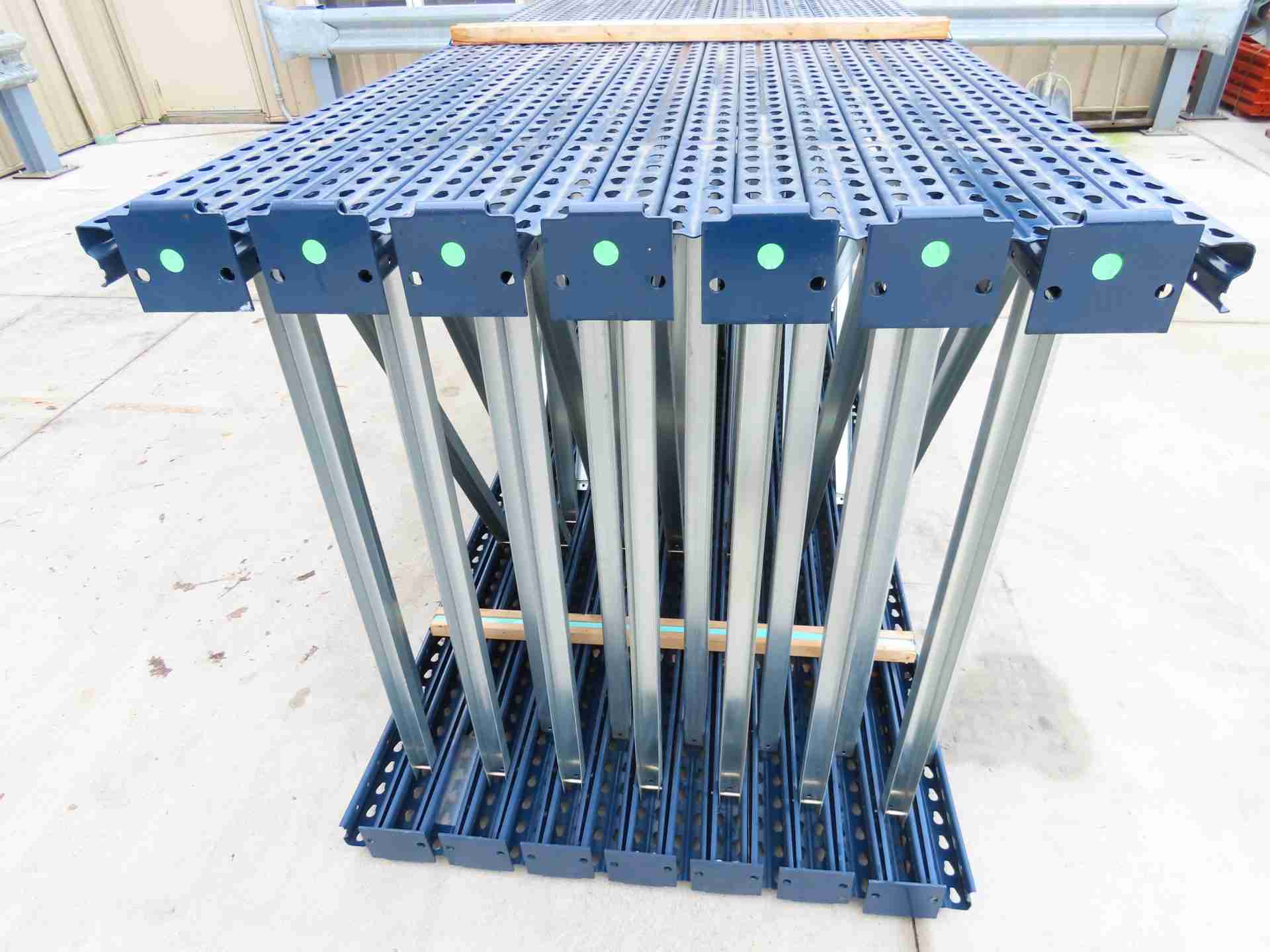
Are You Confident In the Quality Of Used Racks You Purchase?
Are You Confident In the Quality Of Used Racks You Purchase?
- Consider the implications of purchasing a used racking system beyond just the price.
- Prioritize the safety and confidence of your workforce by investing in reliable racking.
- Understand that the quality of your racking impacts not just ROI, but also employee well-being.
- Research the history and condition of used racking systems from reputable suppliers.
- Make ethical decisions that contribute to community trust and safety within your industry.
- Engage with peers to share experiences and foster a culture of safety and accountability.
- Embrace the challenge of making informed, principled investments for the benefit of your team.

Are You Confident In the Quality Of Used Racks You Purchase?
What Ethical Considerations Come Into Play with Liquidation Sales?
When we think about liquidation sales, it’s easy to get lost in the deals that scream “buy me!” like a siren calling from the shores of frugality. But let’s pause and consider the ethical implications that come rushing in like a tide beneath that glossy façade. These sales aren’t just about slashing prices; they often represent the fallout of failed businesses, dreams dashed, and livelihoods disrupted. Our collective responsibility as consumers comes into play here, urging us to look beyond the sticker price and engage our minds, hearts, and guts.
From the emotional standpoint, think about the hardworking individuals behind those closed doors. Each liquidation isn’t just a sale; it’s a story of someone who put their heart and soul into something that didn’t pan out. Do you remember your first job? The pride you felt? Now imagine losing that, and here we are, racking up bargains while those dreams swirl in the dust of a shuttered store. It’s a sobering reminder that every markdown carries the weight of someone’s effort, anxiety, and, yes, perhaps even despair.
On the rational side, consider the true cost of those staggering discounts. Is it worth it if it further inflates a culture of disposability? When we snag that great deal, we might be feeding a cycle that encourages businesses to overextend themselves, hoping fervently to catch the consumer’s fleeting eye. Recognizing our role in this cycle invites a more responsible approach to shopping, cultivating awareness over impulsivity.
Ethically, we must grapple with the balance between getting a good deal and showing empathy towards those who lost much more than we’ll ever understand. Are we prioritizing savings over sentiment? Our choices define not just the moment but the market itself. Each time we make a purchase, we’re casting a vote on what kind of economy we support.
As we navigate these sales, let’s forge a path that’s conscious and compassionate—one that fosters connection to each other, to the community, and to the values we hold dear. By opting for mindful purchasing, we transform liquidation sales into opportunities for not just ourselves, but for a more thoughtful marketplace. So, let’s shop with intention, knowing that while we fill our carts, we can also choose to honor the human stories behind the deals.

What Ethical Considerations Come Into Play with Liquidation Sales?
What Ethical Considerations Come Into Play with Liquidation Sales?
- Liquidation sales offer enticing deals but carry ethical implications of failed businesses and disrupted livelihoods.
- These sales often reflect the hard work and dreams of individuals who faced business failures.
- Each markdown represents someone’s effort and can evoke feelings of anxiety and despair.
- Staggering discounts may encourage a culture of disposability and overextension in businesses.
- Consumers must balance finding good deals with empathy for those impacted by business closures.
- Our purchasing choices influence the market and the economy, reflecting our values.
- Mindful shopping can transform liquidation sales into opportunities for positive community impact.

What Ethical Considerations Come Into Play with Liquidation Sales?
Can You Recall a Story Of Success From a Used Rack Auction?
In the world of used rack auctions, success stories often spring from places where dreams meet opportunity. Take, for example, the journey of a small business owner named Sarah. With a vision of creating a community hub for artisans, she found herself navigating the hurdles of starting her own craft studio. The problem? She needed affordable storage solutions to house the materials—wood, fabric, paint—that would bring local talents together. One fateful afternoon at a used rack auction changed everything.
As Sarah walked through rows of industrial-grade racking systems, the scent of aged metal and possibility hung in the air. With each step, her gut told her she was on the verge of something transformative. She watched seasoned bidders engage in spirited negotiations, caught up in the thrill of competition. Yet, for Sarah, this was not merely a contest of dollars and cents; it was about building a space where creativity could flourish.
When she finally won her bid on a set of sturdy racks at a fraction of the retail price, a sense of triumph washed over her. With that single decision, she was not just acquiring furniture; she was laying the foundation for a dream. The racks became symbols of her believe that community could thrive through shared talents, resources, and passions. The ethical responsibility of fostering this space for local artists weighed heavily on her heart, but it also ignited her enthusiasm.
Months down the line, Sarah’s craft studio became a buzz of activity. Artists who once worked in isolation now came together, surrounded by the very racks that supported their creations. As word spread, a dedicated following emerged, driven by the desire to support local talent. It was more than just a woodworking shop or a painting studio; it was a movement rooted in community, family, and shared success.
Sarah’s story is a compelling reminder of what can happen when tenacity meets opportunity in unexpected places. A mere transaction at a used rack auction transformed not just her life, but the lives of countless individuals seeking their own expressions of art and craft. If you’ve ever felt that familiar drive to chase a dream, remember: sometimes, success starts at a used rack auction, waiting for someone brave enough to seize it.

Can You Recall a Story Of Success From a Used Rack Auction?
Can You Recall a Story Of Success From a Used Rack Auction?
- Sarah, a small business owner, aimed to create a community hub for artisans.
- She faced challenges in finding affordable storage solutions for her craft studio.
- A used rack auction became a pivotal moment in her journey.
- Amidst experienced bidders, Sarah was focused on building a creative space, not just winning bids.
- Winning the auction for sturdy racks symbolized the foundation of her dream.
- Her craft studio flourished with collaboration among local artists, fostering a sense of community.
- Her story exemplifies how opportunity can lead to transformative success, emphasizing the importance of seizing chances.

Can You Recall a Story Of Success From a Used Rack Auction?
Conclusion
Navigating the world of used rack auctions and liquidations is a journey that transcends the mere act of purchasing equipment; it’s an adventure steeped in emotion, reason, and ethics, all wrapped up in the complexities of commerce. This landscape is vibrant and full of life, mirroring the pulse of the businesses and dreams it supports. From the thrill of the auction, where camaraderie and competition mingle, to the heart-pounding moments of bidding, each bid represents more than just a price—it’s a beacon of hope for entrepreneurs eager to expand their horizons.
Purchasing used racks offers significant savings, allowing businesses to allocate precious resources elsewhere. This financial wisdom is not only smart; it’s necessary. But the rational approach comes with an ethical layer: choosing used racking helps combat waste, reducing our footprint on this planet. Each used rack carries with it a story—a narrative of resilience that resonates with those who appreciate the value of what’s been repurposed.
But let’s not shy away from the heart of the matter—safety and reliability. Investing in quality is crucial; it’s about more than just securing a deal. It’s about safeguarding the lives of employees who depend on a sound working environment. Knowing you’ve made an informed, ethical choice reinforces trust within your team and the broader community. It’s an opportunity to forge connections, reinforcing the notion that when one of us succeeds, we all thrive.
As you explore the potential hidden within these auctions, remember that every used rack is a piece of the larger tapestry of commerce. It’s about fostering relationships with seasoned professionals, sharing experiences, and supporting one another through the challenges of business. This mutual aid weaves a safety net that encourages risk-taking and innovation.
Ultimately, the decision to engage with used rack auctions is a narrative steeped in possibility. As the stories unfold—like Sarah, who found her community hub through a simple yet transformative auction purchase—they remind us that success is not just a destination but a collective journey ignited by vision, tenacity, and a willingness to embrace the opportunities that lie ahead. So take that leap, showcase your values, and remember that each choice in this space, no matter how small, contributes to a bigger picture, one where community and commerce flourish together. The choice is yours—embrace it with open arms.

Conclusion
Conclusion:
Here’s a bulleted summary of the provided text formatted as an HTML list:
- Navigating used rack auctions combines emotion, reason, and ethics in the commercial landscape.
- Bidding at auctions fosters camaraderie and represents hope for entrepreneurs.
- Purchasing used racks offers financial savings and is an ethical choice that reduces waste.
- Each used rack carries a narrative of resilience, highlighting repurposed value.
- Safety and reliability are paramount, affecting employee well-being and organizational trust.
- Engagement in auctions encourages relationships and support among business professionals.
- Success in used rack auctions is a collective journey, fostering community and opportunity.

Conclusion
Other Resources

Other Resources
Here is a list of other resources you can review online to learn more:
- Teardrop Industrial Shelving Rack
- Cantilever Rack Guide: Ordering Cantilever Racking
- IIWS Inc. Rack Installation Illinois & Rack Repairs Illinois
- Logic Material Handling
- Bradford Systems
- The Ultimate Pallet Racking Guide – Speedrack West
- Teardrop Industrial Shelving Rack
- RMI
- Interlake
- Interlake Mecalux
- Selective Rack – Raymond West
- BMH Equipment LLC
- Shipping Boxes, Packaging Materials, Pallet Racking
- Overhead Lifting
- Cantilever Rack Configuration & Installation: A Comprehensive Guide – BMH
- The Complete Pallet Rack Guide – Simply Rack
- American Surplus
- New Cantilever Racks and Racking Kits
- Warehouse Storage Racking in Illinois
- Warehousing and Fulfillment
Use This Prompt To Get More Resources With Your Favorite Online AI Tool: Please provide me with a list of online articles with their URLs in a bulleted list that I can read regarding Pros and Cons Of Used Rack Auctions and Liquidations

Other Resources
Glossary Terms
Pros and Cons Of Used Rack Auctions and Liquidations – Glossary Of Terms
1. Auction: A public sale in which items are sold to the highest bidder, often conducted online or in person.
2. Liquidation: The process of selling off assets, often due to business closure or financial distress, to pay off debts.
3. Used Racks: Pre-owned storage or display racks, typically used in warehouses or retail environments.
4. Bidding: The action of offering a price for an item in an auction, where participants compete to secure the item.
5. Reserve Price: The minimum price that a seller is willing to accept in an auction; if bids do not meet this price, the item may not be sold.
6. No-Reserve Auction: An auction where there is no minimum price requirement, and the item is sold regardless of the highest bid.
7. Buyer’s Premium: An additional fee charged by the auction house, calculated as a percentage of the final bid price, that goes to the auctioneer.
8. Condition Report: A detailed description or assessment of the item’s state, often provided by auction houses to inform potential buyers of its quality.
9. Inspection Period: A designated timeframe before the auction begins during which potential buyers can physically examine items.
10. Market Value: The estimated price at which an item would sell in a competitive auction setting, reflecting current demand.
11. Online Auction: A digital platform where bidding occurs via the internet, allowing wider participation and convenience.
12. Transparent Pricing: Clear disclosure of all fees and costs associated with the bidding process, helping buyers make informed decisions.
13. Sales Tax: A government-imposed charge on sales transactions that may be added on top of the final bid price.
14. Buyer’s Responsibility: The obligation of the buyer to understand and meet all conditions of sale, including load-out and transportation logistics.
15. Inventory Liquidation: The act of selling off remaining stock, often at reduced prices, to quickly convert it to cash.
16. Seller’s Market: A market condition characterized by high demand and low supply, often leading to higher auction prices.
17. Buyback Guarantee: A promise by the auction house to repurchase an item under certain conditions, providing buyers with added security.
18. Termination Clause: A provision in auction contracts that allows parties to exit the agreement under specified circumstances.
19. Sealed Bid: An auction format where bids are submitted confidentially, and the highest bid is revealed at the end.
20. Payment Terms: The conditions under which buyers must submit payment, including timelines and acceptable payment methods.
21. Shipping Costs: Expenses associated with transporting purchased items, which may be the buyer’s responsibility.
22. Due Diligence: The research and analysis buyers perform prior to bidding, such as understanding item condition and market trends.
23. Resale Value: The potential price a purchased item could fetch if resold, often influenced by condition and demand.
24. Liquidator: A business or individual specializing in the sale of goods from a liquidation process, facilitating transactions for sellers.
25. Reservation Fees: Charges that may be applied to hold items or secure bidding positions, often non-refundable.
26. Asset Recovery: The process of reclaiming and selling assets that can generate funds for creditors or shareholders.
27. Bid Increment: The minimum amount by which a new bid must exceed the previous bid during an auction.
28. Auction Catalog: A detailed list of items available for auction, including descriptions, starting bids, and relevant information.
29. Exit Strategy: A plan outlining how sellers will navigate the liquidation process, including timelines and desired outcomes.
30. Market Trends: Current patterns and shifts in consumer demand that can influence the pricing and desirability of auctioned items.

Glossary Of Terms
Other Questions
Pros and Cons Of Used Rack Auctions and Liquidations – Other Questions
If you wish to explore and discover more, consider looking for answers to these questions:
- What are the key factors to consider before participating in a used rack auction?
- How can one effectively inspect used racks before making a purchase?
- What are the risks associated with buying used racks at auction?
- How do used rack prices typically compare to new racks?
- What are the best practices for participating in liquidation sales?
- How can businesses ensure they are purchasing high-quality used racks?
- What resources are available for connecting with other professionals in the used rack industry?
- Are there specific types of used racks that are more reliable than others?
- What impact do liquidation sales have on local businesses and the community?
- How can investing in used racks contribute to a company’s sustainability goals?
- What should one know about the history of used racks being purchased?
- Can you share more success stories from used rack auctions beyond the example provided?
- What trends are emerging in the used rack auction market?
- Are there specific legal or ethical standards that must be adhered to in liquidation sales?

Other Questions
Checklist
Pros and Cons Of Used Rack Auctions and Liquidations – A Checklist
Checklist for Navigating Used Rack Auctions and Liquidations
Emotional Appeals
_____ Reflect on your current warehouse setup and the emotional ties to its role in your business journey.
_____ Identify the stories associated with your equipment: what victories or challenges have they witnessed?
_____ Visualize the excitement of participating in an auction and the potential community experience it fosters.
Rational Appeals
_____ Analyze the financial benefits: compare costs of used racks versus new, noting potential savings.
_____ Assess how improved racking can optimize your warehouse space and operations.
_____ Investigate the quality and condition of potential purchases—ensure due diligence is performed.
Ethical Appeals
_____ Consider the environmental impact of purchasing used racks instead of new—embrace sustainability.
_____ Acknowledge the human stories behind liquidation sales and make mindful purchasing decisions.
_____ Evaluate your responsibility as a consumer in supporting businesses and communities.
Authority Appeals
_____ Research reputable suppliers and their track records for quality assurance in used racks.
_____ Consult industry experts or networks to gather insights on best practices and potential pitfalls in auctions.
_____ Engage with other business owners to learn from their experiences with used rack purchases.
Narrative Appeals
_____ Reflect on success stories, like that of Sarah, to understand the potential impact and opportunities at auctions.
_____ Create your own vision of what success looks like for your business and how used racks can support that vision.
_____ Share your journey and connect with others in the community to foster collaboration and collective growth.
Social Appeals
_____ Network with fellow entrepreneurs at auctions to create camaraderie and a support system.
_____ Participate in discussions around best practices for purchasing used racks and safety considerations.
_____ Encourage dialogue within your community to raise awareness of responsible purchasing and the ethical implications of liquidation sales.
Utilize this checklist as a guide to help you navigate your experiences with used racks thoughtfully and responsibly.

Checklist
At RackingWorld, we help guide you through selecting warehouse storage systems and racking.
Be sure to read our other related stories at RackingWorld to learn more about warehouse storage systems.
0 Comments