
The Ethical, Efficient, And Expert Approach
By Tom Seest
At RackingWorld, we help guide you through selecting warehouse storage systems and racking.
Be sure to read our other related stories at RackingWorld to learn more about warehouse storage systems.
Should You Dismantle and Move Used Racks Yourself?
When considering whether to dismantle and move used racking systems yourself, it’s vital to weigh the pros against the potential pitfalls. Sure, it might seem like a money-saver at first glance. You’re thinking, “Why pay a professional when I can do this myself?” But let’s be honest here: there’s a fine line between ambition and misadventure.
First off, let’s touch on the emotional aspect. Picture this: you’re sweating in a cramped warehouse, fumbling with bolt cutters and heavy metal beams. Frustration mounts as you realize the intricacies of racking systems require more than muscle—experience matters. It’s moments like these that can transform a cost-saving venture into a chaotic conundrum. You might end up with nothing but a headache and a possible injury. Or worse, a half-assembled rack that’s dangerous to you and your coworkers.
Now, let’s engage the rational mind. Racking systems, while seemingly straightforward, often have many components that need to be correctly identified and managed during disassembly. Mishandling any part could compromise your entire racking system’s safety when it’s reassembled. You know those statistics about workplace injuries? They spike dramatically when people tackle projects they’re not qualified for. Saving a dime today could cost you dearly later.
Ethically, consider the impact of your decision not just on yourself but also on your team. Do you really want your colleagues to feel uneasy or endangered because someone opted to play handyman? It’s not just about you anymore; it’s about their safety, too. Hiring pros ensures that everyone benefits from a secure environment.
Moreover, there’s something to be said for the authority and knowledge that comes from the experts in the field. They’ve dedicated their time to mastering the art of dismantling and moving racking systems. Inviting them into the process doesn’t just ease your burden; it also elevates your entire operation.
Moving used racking yourself may bring temporary satisfaction, but it often comes at a steep price. So before you roll those sleeves up, consider the costs—emotional, rational, and ethical. Because it’s not just about racks; it’s about respect for safety, trust in your team, and ultimately, achieving a more seamless transition. Embrace the power of collaboration, and you’ll find the journey is just as rewarding as the destination.
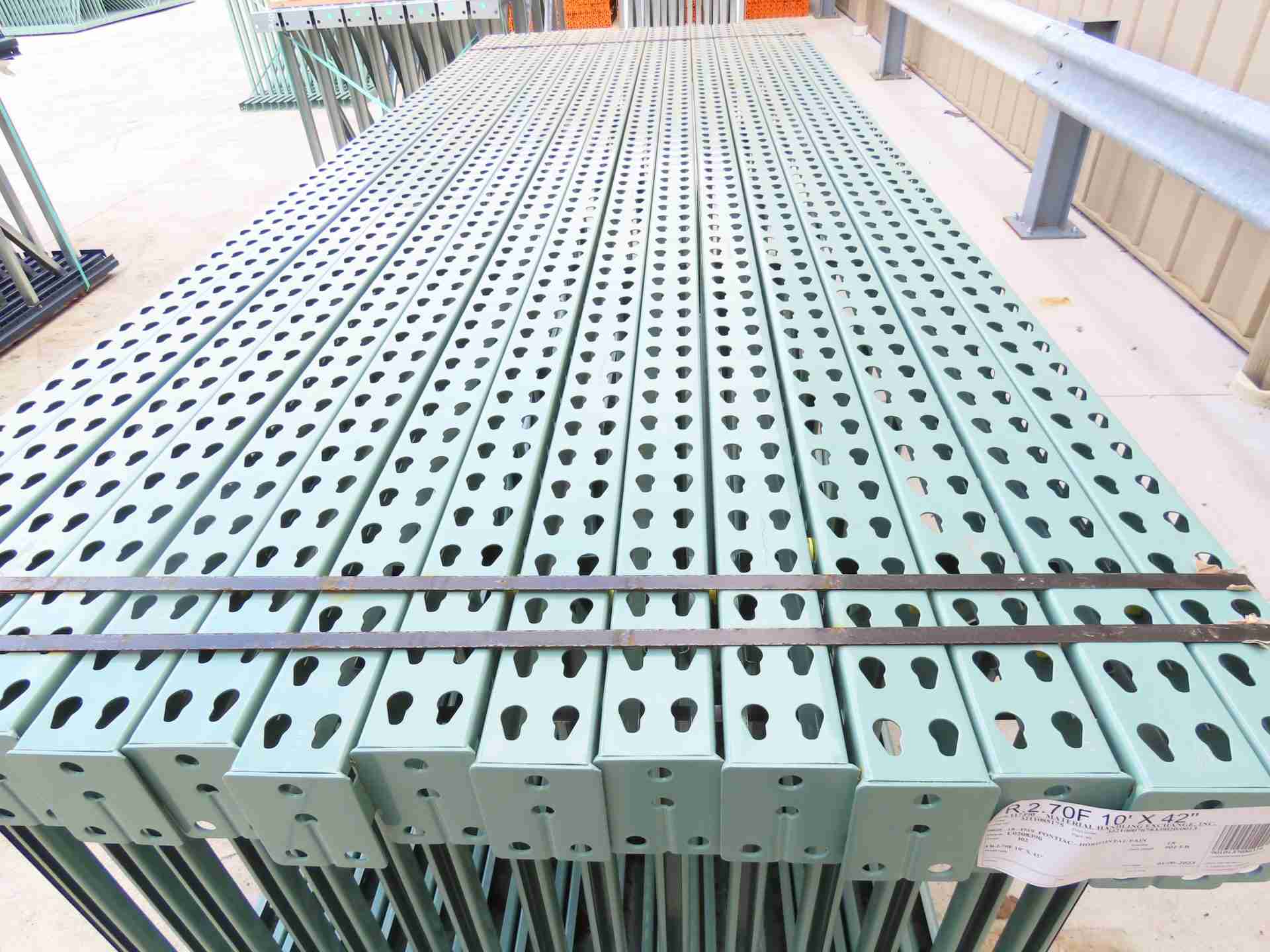
Should You Dismantle and Move Used Racks Yourself?
Should You Dismantle and Move Used Racks Yourself?
- Weigh the pros and cons of moving used racking systems yourself versus hiring professionals.
- Emotional aspects include physical strain and frustration from complex racking system intricacies.
- Mishandling racking components during disassembly can lead to safety issues when reassembled.
- Statistics show increased workplace injuries when unqualified individuals tackle complex projects.
- Consider the safety of your team, as their well-being is impacted by your decision to DIY.
- Hiring experts ensures a safer environment and demonstrates respect for safety and trust among colleagues.
- Value collaboration to make the process smoother and more beneficial for the entire team.
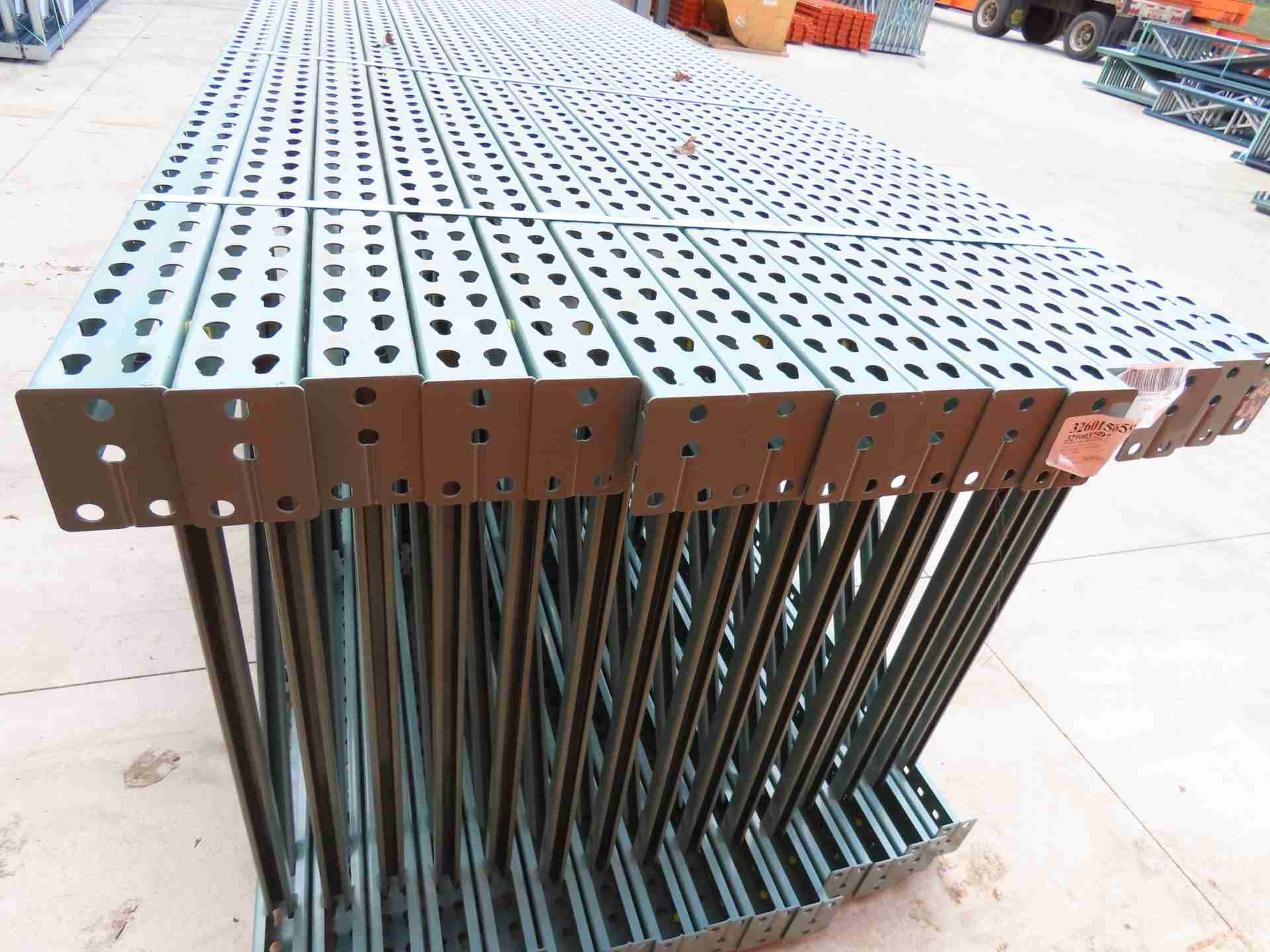
Should You Dismantle and Move Used Racks Yourself?
Table Of Contents
- Should You Dismantle and Move Used Racks Yourself?
- What Emotional Stories Can Inspire You to Take on This Challenge?
- How Can the Potential Cost Savings Affect Your Decision?
- What Ethical Considerations Arise When Reusing Old Racks?
- Who Can You Consult for Expert Advice on Dismantling and Moving Racks?
- How Can Sharing Your Experience with Friends Ease the Process?
- Conclusion
- Other Resources
- Glossary Of Terms
- Other Questions
- Checklist
What Emotional Stories Can Inspire You to Take on This Challenge?
Every day, countless individuals face their own personal challenges. Picture a mother, racking her brain as she juggles two jobs while caring for her three children. Each evening, she stays up late, pouring over bills, all while wishing she could give her kids more than just a roof over their heads. She dreams of a better life, not just for herself, but for them. In moments of despair, she finds strength in her determination and the small victories that often go unnoticed—a smile from her child, a moment of laughter over a shared meal. It’s these simple joys that remind us of why we must persevere.
Now, think of a young man who chose to embrace responsibility instead of retreating into the shadows of doubt. He could have followed the crowd, but instead, he stepped up to care for his ailing father, sacrificing his own ambitions. As he learned to navigate this new path, he discovered qualities within himself: resilience, compassion, and a sense of purpose. This journey, riddled with late nights and hard choices, shaped him into a leader in his community. His story resonates because it reflects a greater truth: our greatest challenges can forge our most profound strengths.
Now, consider the courage it takes to change. When we hear tales of ordinary folks rising to extraordinary occasions—whether it’s fighting for justice, advocating for those without a voice, or simply lending a helping hand to a neighbor—we’re reminded that we’re not alone. These narratives reveal deep-seated values of empathy and solidarity, linking us to something larger than ourselves. The voice of community rings loud in these moments, a reminder that we belong to a collective endeavor where every effort counts.
Each of these stories ignites a fire in us. They remind us that behind every struggle lies a lesson and an opportunity for growth. We are all capable of taking on challenges that seem insurmountable. They beckon us not only to reflect on our personal battles but to connect with the narratives of others, learning, adapting, and ultimately transforming. As we step outside our comfort zones, fueled by the tales of resilience that surround us, we find that we can indeed rise to the occasion—together.
What Emotional Stories Can Inspire You to Take on This Challenge?
What Emotional Stories Can Inspire You to Take on This Challenge?
- Individuals face personal challenges daily, such as a mother balancing two jobs and caring for her children.
- This mother dreams of providing more for her kids and finds strength in small victories, like shared moments of joy.
- A young man embraces responsibility by caring for his ailing father, sacrificing his ambitions in the process.
- Through his challenges, he discovers resilience, compassion, and a sense of purpose, ultimately becoming a community leader.
- Stories of ordinary people overcoming obstacles remind us of our shared values of empathy and solidarity.
- Each struggle presents lessons and opportunities for growth, emphasizing our capability to face tough challenges.
- By connecting with others’ narratives, we can transform and rise to challenges together, fueled by shared resilience.

What Emotional Stories Can Inspire You to Take on This Challenge?
How Can the Potential Cost Savings Affect Your Decision?
When you’re standing at the crossroads of a big decision, the potential cost savings can feel like a beacon, guiding you toward a brighter, more secure future. Picture it: every dollar saved isn’t just a number; it’s an opportunity waiting to unfold. It’s the difference between a family outing and another month of groceries. You often hear the term “Racking,” and it’s easy to dismiss it as just a technicality. But in reality, it’s about finding efficiency in your life, about hanging your future on the well-designed structure of financial responsibility.
Imagine you’re a hardworking parent, juggling the daily grind, and you notice a chance to save significantly on your monthly expenses. That’s not just money in your pocket; that’s a chance to breathe a little easier, to indulge the things that spark joy—a weekend trip, a little something special for the kids. The gut instinct tells us to chase after that relief because it means security. When we save, we create room for the unexpected, a cushion for life’s hurdles that always seem to emerge out of nowhere.
Of course, there’s the rational side of things. Taking a step back, you can analyze the figures. The cold, hard numbers can sometimes paint a clearer picture than any emotional appeal. A well-calculated budget could show you exactly how much the savings will amount to over the next few years. And yet, those facts alone don’t inspire action. They don’t send shivers down your spine or bring warmth to your heart. That’s where the narrative kicks in: stories of others who’ve made the leap, transforming their lives by simply reconsidering their expenses. They took the plunge and discovered the profound truth that savings can change lives.
Ethically, there’s a certain responsibility we bear—to not only secure our future but to do so in a way that doesn’t shortchange others. Aligning our financial choices with our values can redefine what success looks like. It’s about community, shared experiences, and understanding that you aren’t merely a number in a ledger; you’re part of something bigger—a tapestry woven by choices that resonate through time.
Ultimately, the choice you make isn’t just about spreadsheets or savings; it’s an act that echoes through your family, friends, and beyond. The potential cost savings can open doors you didn’t know existed. Trust in that possibility, and you’ll find your path illuminated in wonderfully unexpected ways.
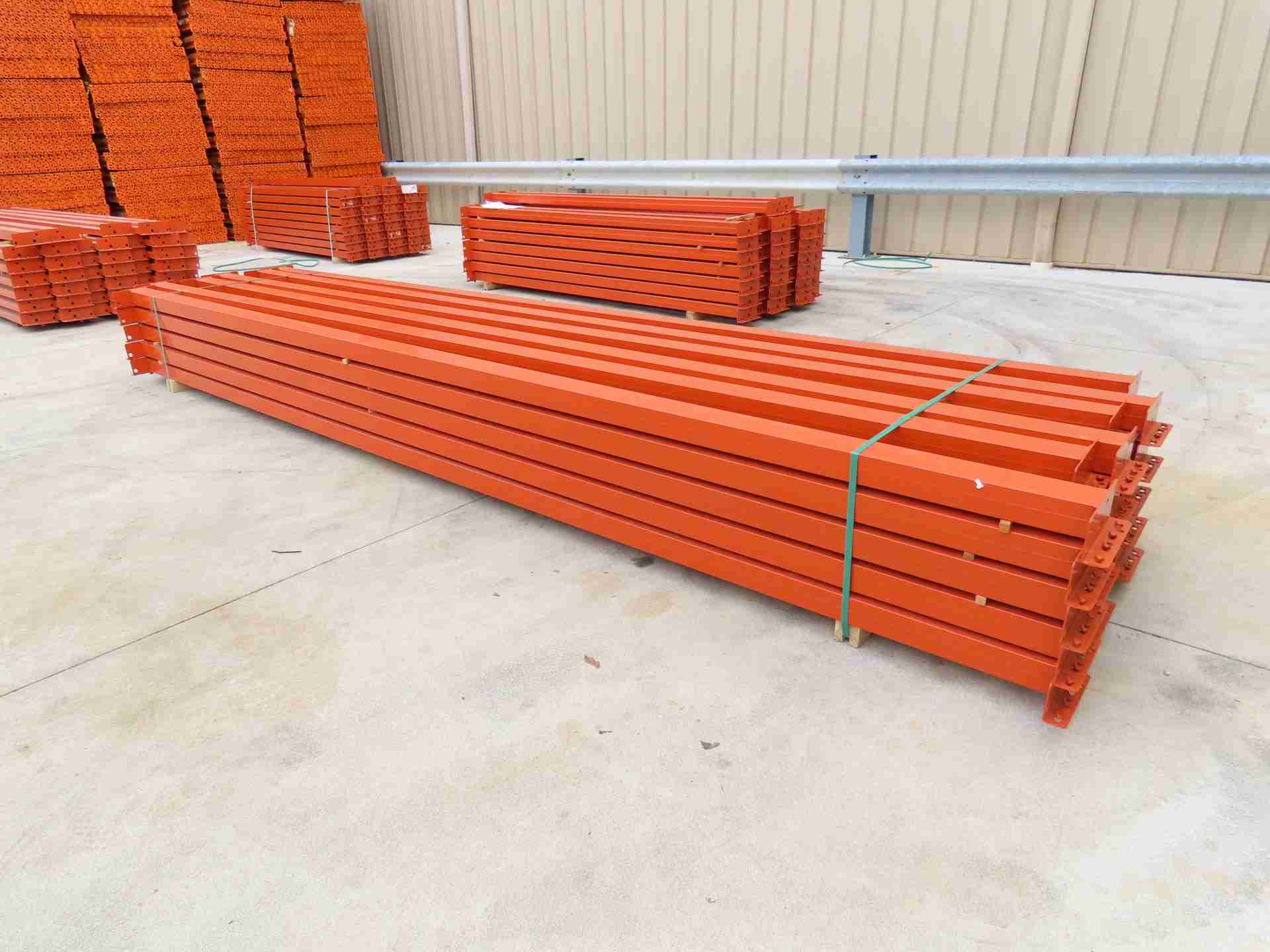
How Can the Potential Cost Savings Affect Your Decision?
How Can the Potential Cost Savings Affect Your Decision?
- Big decisions often prompt a focus on potential cost savings as a guide to a more secure future.
- Every dollar saved represents an opportunity, impacting choices like family outings and groceries.
- The concept of “Racking” emphasizes efficiency and the importance of financial responsibility.
- Significant savings can lead to a relaxing lifestyle, allowing for indulgences and unexpected joys.
- Rational analysis of savings and budgets can clarify potential financial benefits over time.
- Success in saving not only benefits individuals but should also align with ethical responsibilities to the community.
- Personal financial choices can create broader impacts, illuminating unexpected paths and opportunities.
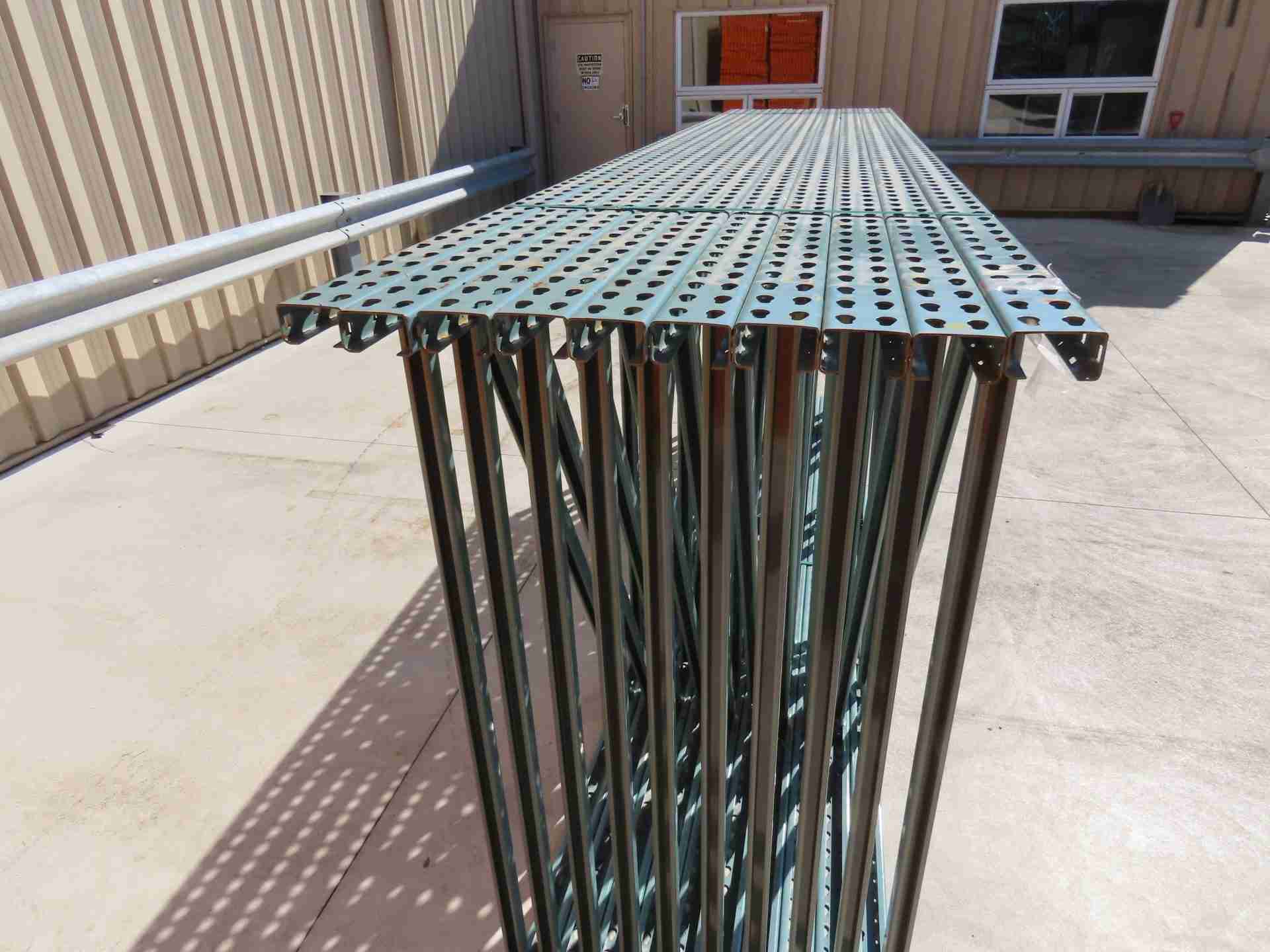
How Can the Potential Cost Savings Affect Your Decision?
What Ethical Considerations Arise When Reusing Old Racks?
When it comes to racking, there’s a lot more at stake than just the steel and wood beneath our products. Old racks carry stories—each dent and scratch a testament to years of hard work and commerce. But as we consider reusing these heaps of history, we must confront the ethical considerations that loom large over their revival.
First, there’s the emotional weight of reuse. Those racks have held more than just inventory; they’ve cradled dreams, aspirations, and even livelihoods. Imagine the small business owner who relied on them during tough times. Choosing to give these old racks a new life can feel like giving those stories a second shot, honoring the labor and ingenuity of the people who once relied on them. But, in doing so, we must ask ourselves: are we upholding the integrity that those stories represent?
Then, there’s the rational aspect. Are these racks still safe for use? Just because something can be reused doesn’t mean it should be. Inspecting them for wear and tear is essential not just for compliance but for the safety of those who interact with them daily. A well-thought-out decision can prevent accidents that have severe repercussions. It’s not just about ticking boxes; it’s about being a responsible steward of safety, ensuring that every lift and every load is secure.
Ethically speaking, what about the environmental implications? By repurposing old racks, we’re reducing waste and minimizing our carbon footprint. But let’s be careful: if we cut corners on quality or craftsmanship, we negate those eco-friendly gains. It’s a delicate balance, but one that can be achieved with conscientious effort.
Beyond individuals and businesses, there’s a broader social responsibility. When we opt for reuse over new manufacturing, we’re supporting a culture that values sustainability and mindfulness. We’re saying yes to a shared future and connecting with a community that prioritizes conscious choices.
Making ethical choices about reusing old racks is about respect—respect for the past, for the people involved, and for the environment we inhabit. Every choice we make has ripple effects. So, as we stand at the crossroads of practicality and responsibility, let’s choose not only what serves us best but what serves our community, our planet, and our conscience.

What Ethical Considerations Arise When Reusing Old Racks?
What Ethical Considerations Arise When Reusing Old Racks?
- Old racks carry stories of hard work, reflecting the history and experiences tied to them.
- Reusing these racks honors the aspirations and livelihoods they once supported.
- It’s essential to evaluate the safety of reused racks to prevent possible accidents.
- Inspection for wear and tear is crucial for compliance and safety of users.
- Repurposing racks can reduce waste and minimize our carbon footprint, but quality must not be compromised.
- Choosing reuse promotes sustainability and supports a community mindful of its environmental impact.
- Making ethical choices in reusing racks reflects respect for the past, individuals involved, and the environment.
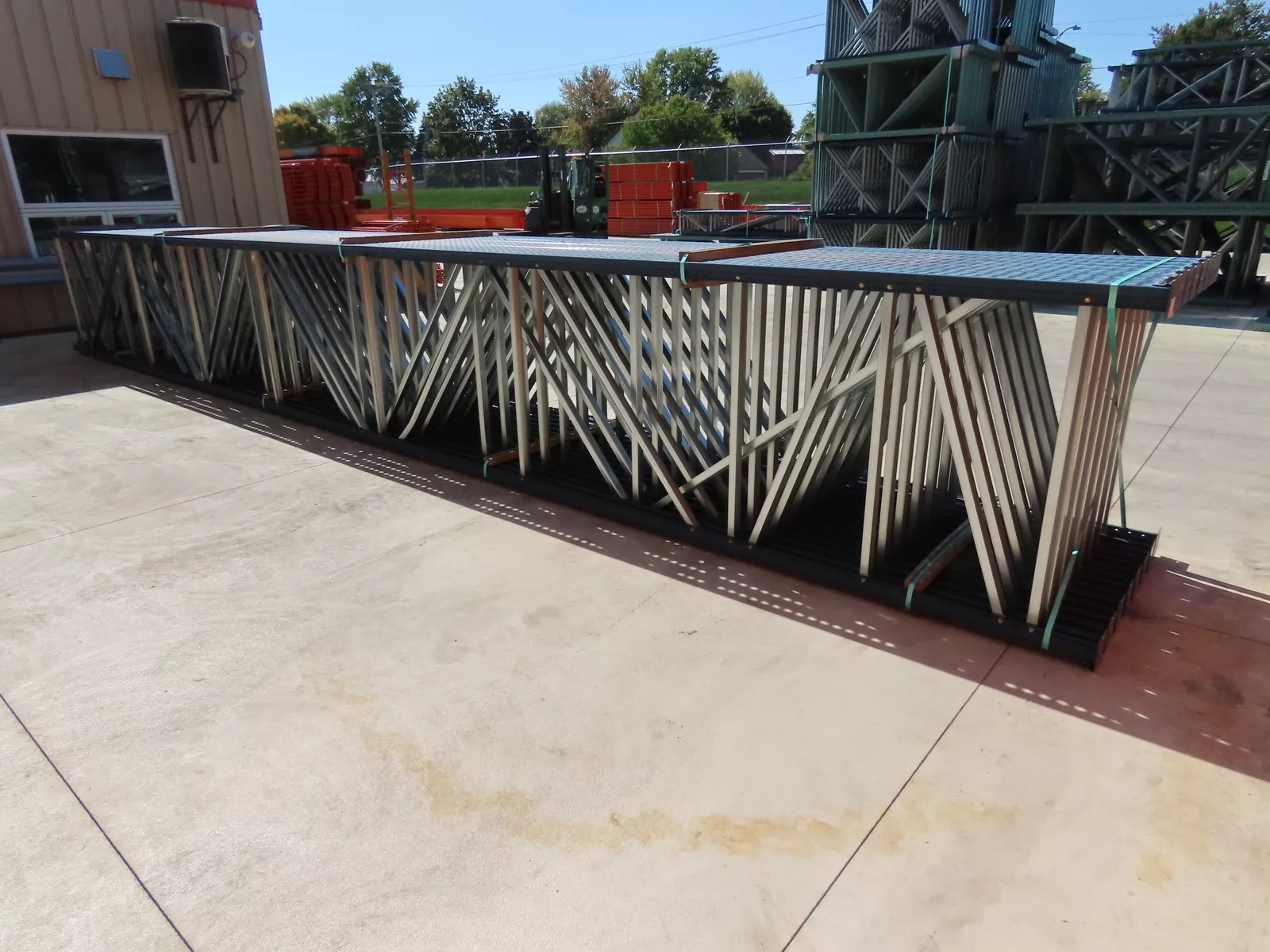
What Ethical Considerations Arise When Reusing Old Racks?
Who Can You Consult for Expert Advice on Dismantling and Moving Racks?
When it comes to dismantling and moving racking systems, the quest for expert advice can feel like navigating a maze. Whether you’re a small business owner or in charge of a large warehouse, knowing who to turn to isn’t just about solving a logistical puzzle—it’s about safeguarding your investment and ensuring a smooth transition.
Start with equipment manufacturers. If there’s anyone who understands the ins and outs of racking systems, it’s the folks who build them. These experts possess not only technical knowledge but also an ethical obligation to guide you through the dismantling process. They can provide essential insights into the structural integrity of your racks and offer advice on the safest practices for disassembly. By consulting them, you’re not just getting information; you’re forming a partnership based on trust and expertise.
Next, consider industry consultants. These veterans may not have built your specific racking, but they’ve spent years immersed in the world of warehousing. Their experience can help you create a roadmap for dismantling and relocating your racks. With their ability to assess your space and evaluate your needs, they can tailor strategies that resonate with your business goals. You’re not just tapping into a wealth of knowledge; you’re engaging with people who genuinely care about the success of your operation.
And let’s not forget the power of community. Local businesses and industry forums can be a goldmine of firsthand experiences. Reach out to peers who’ve gone through similar processes; they often have a treasure trove of wisdom to share. It’s in these conversations that you might discover innovative solutions that make your racking relocation smoother and less daunting.
If you’re looking for a bit more muscle, professional rigging and relocation services are an option worth exploring. These teams bring not just hands-on experience but also the authority that comes from years of navigating the complexities of moving heavy equipment. They understand the emotional stakes of your project—protecting your inventory and ensuring minimal downtime speaks to the heart of every business operation.
At the end of the day, dismantling and moving racking systems isn’t just a task; it’s a journey. By consulting the right experts, you’re taking crucial steps to protect your investment, foster your business’s future, and embrace the challenges ahead. Let their insights light the way, and turn what could be a daunting process into a seamless transition.
Who Can You Consult for Expert Advice on Dismantling and Moving Racks?
Who Can You Consult for Expert Advice on Dismantling and Moving Racks?
- Navigating expert advice for dismantling and moving racking systems is crucial for small business owners and warehouse managers.
- Consult equipment manufacturers for technical knowledge and safe disassembly practices related to structural integrity.
- Engage with industry consultants to create tailored strategies based on years of warehousing experience.
- Utilize community resources, such as local businesses and forums, for firsthand wisdom and innovative solutions.
- Consider professional rigging and relocation services for hands-on experience and streamlined moving processes.
- Recognize that dismantling and moving racking systems is a journey that requires careful planning and support.
- Expert insights are essential to protect investments, minimize downtime, and ensure a seamless transition.
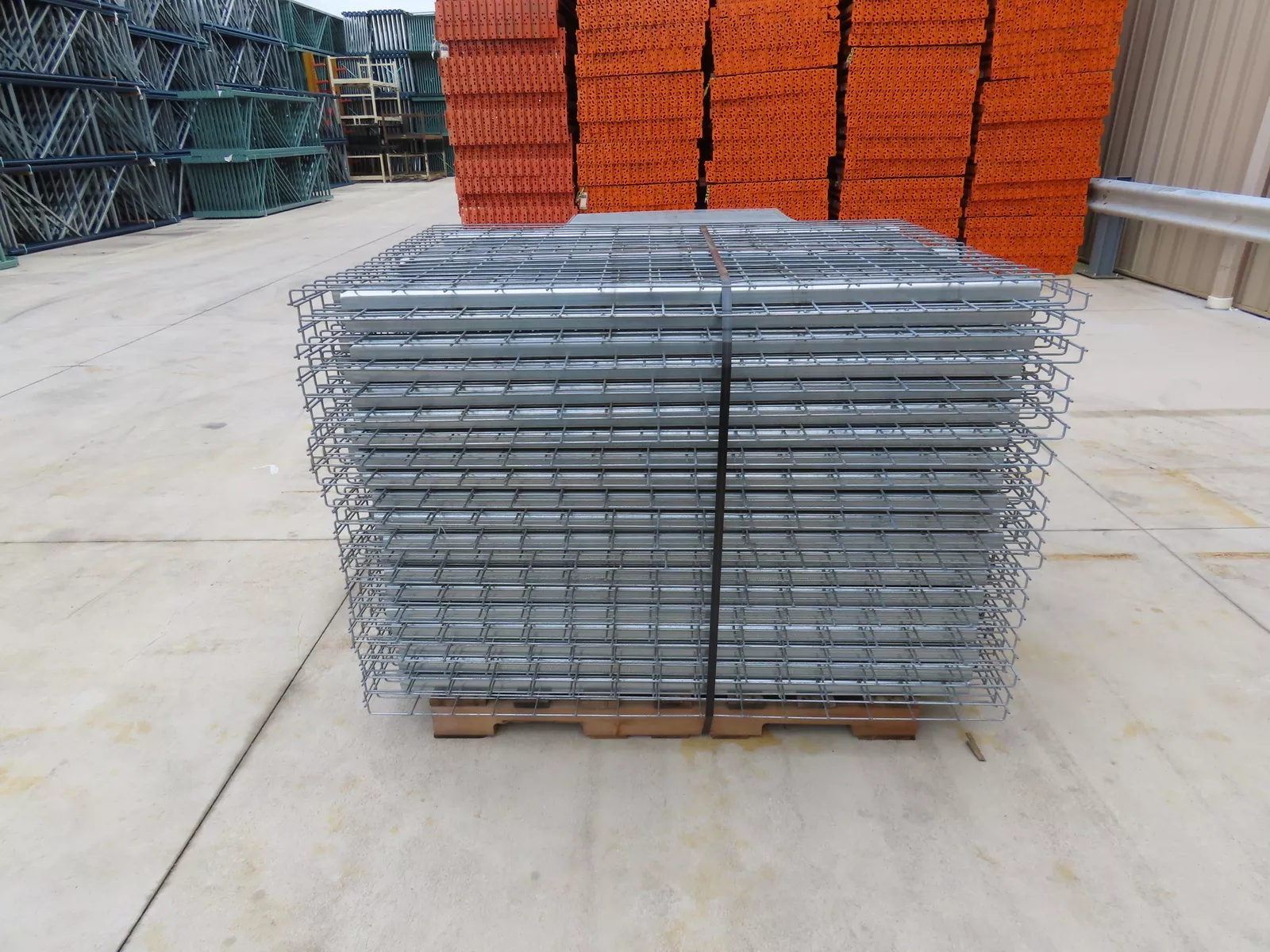
Who Can You Consult for Expert Advice on Dismantling and Moving Racks?
How Can Sharing Your Experience with Friends Ease the Process?
When we find ourselves facing life’s tougher moments—whether it’s a career change, loss, or personal challenge—sharing those experiences with friends can feel like racking off a heavy burden. Think about it: when you lay out your struggles in the company of trusted companions, you’re not just venting; you’re forging a connection. You’re reaching out and saying, “I’m human, and I need a little help.”
From an emotional standpoint, there’s a catharsis in vocalizing our feelings. It’s as if saying the words gives them less power over us. Friends provide a sounding board, offering perspectives that we might not see through our own fog of worries—this taps into both our vulnerability and our resilience. When we share our stories, we also invite others to share theirs. It’s a reciprocal act, creating a bond that’s strengthened by mutual experience.
Let’s be rational for a moment. Sharing often results in practical advice or insights that can be incredibly valuable. Friends may have been through similar situations, and their hard-earned lessons can serve as a roadmap through our own difficult terrain. They help in traversing the twists and turns of life, shedding light on paths we hadn’t yet noticed. This sharing can lead to solutions or clarifications that ease our journey, both mentally and emotionally.
On an ethical level, being open about our struggles encourages a culture of honesty and empathy. It’s a call to foster understanding rather than judgment, where vulnerability is met with support rather than disdain. Here, the weight we carry becomes lighter, not just for ourselves but for those around us. It cultivates a community where people feel valued for their struggles, and thus more likely to give back in turn.
When friends engage in dialogue about challenges, they establish an environment that inspires action. If someone steps forward and admits to feeling lost, it opens the floor for others who might be feeling the same way but haven’t found the courage to speak up. So gather your friends, share your stories, racking up the emotional bonds that will guide you through life. The next time you feel overwhelmed, remember that you’re not alone—reach out. You might be surprised how much easier the journey becomes when you’ve got people beside you, cheering you on or simply listening as you navigate the rocky road ahead.
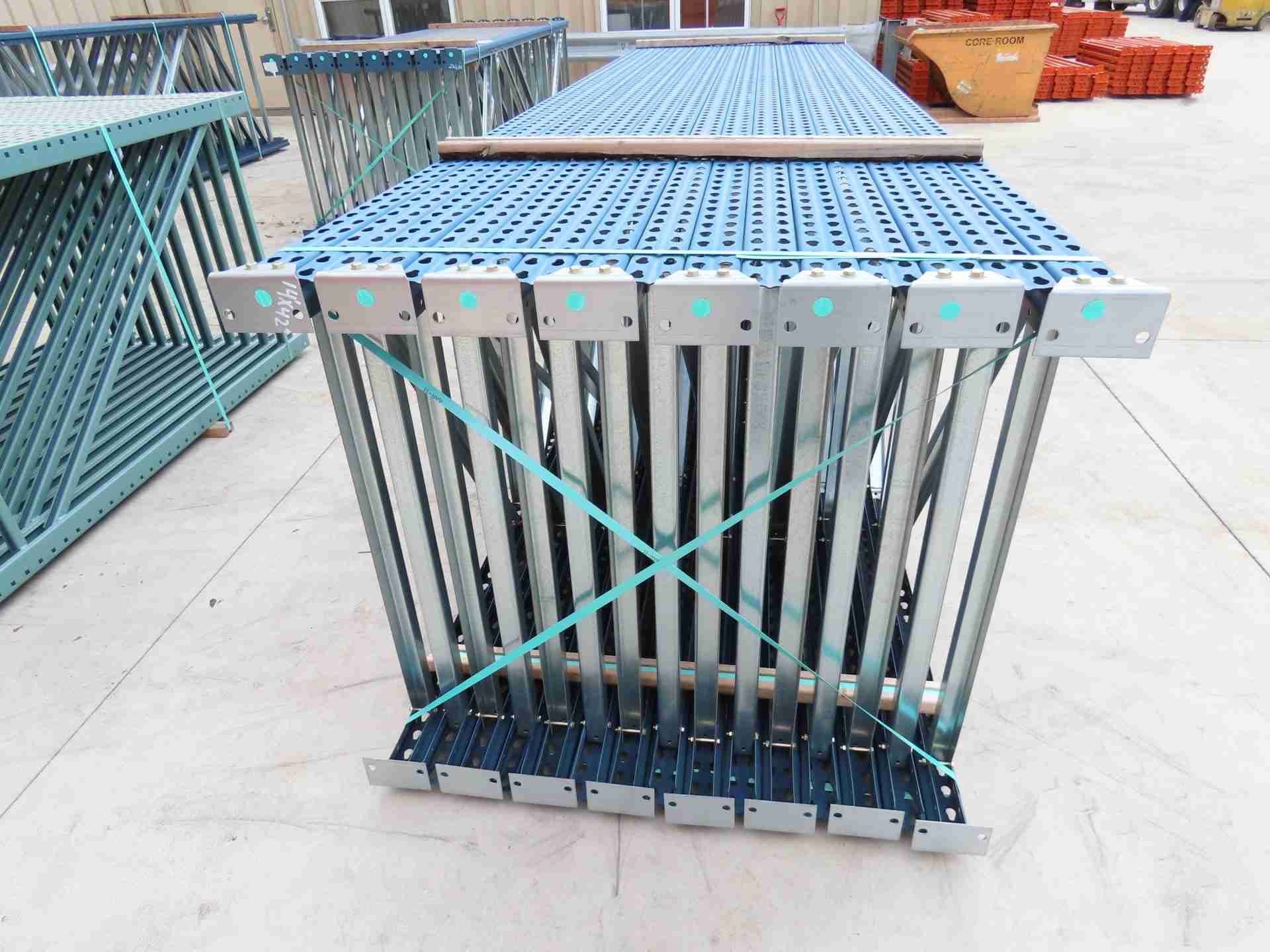
How Can Sharing Your Experience with Friends Ease the Process?
How Can Sharing Your Experience with Friends Ease the Process?
- Facing life’s challenges (career change, loss, personal issues) can feel burdensome.
- Sharing experiences with friends fosters connections and provides support.
- Vocalizing feelings can reduce their power and promote emotional catharsis.
- Friends offer valuable perspectives and advice based on their own experiences.
- Openness about struggles encourages a culture of honesty, empathy, and support.
- Engaging in dialogue about challenges inspires action and motivates others.
- Reaching out to friends can make navigating difficult times more manageable.
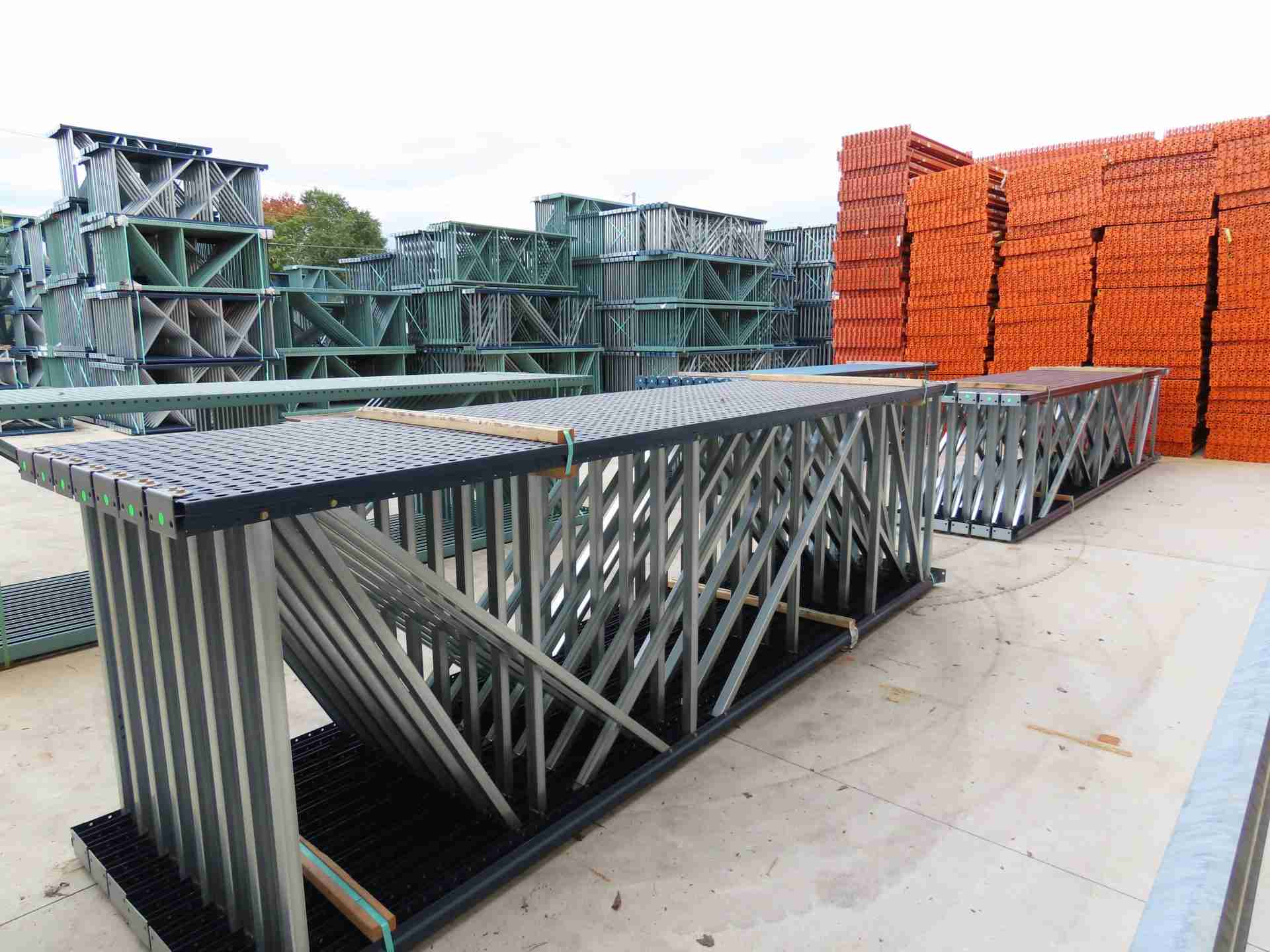
How Can Sharing Your Experience with Friends Ease the Process?
Conclusion
Dismantling and moving used racking systems might appear to be a straightforward endeavor, especially with the enticing prospect of saving money. But before grabbing those tools and diving headlong into what could be a massive undertaking, it’s crucial to take a step back and evaluate the broader implications of your actions. Sure, it’s tempting to think that you can manage this task solo, motivated by a sense of independence and cash conservation. Yet, consider the emotional weight of such a decision. The image of you struggling under the weight of metal beams—and the potential for injury—should give anyone pause. This journey isn’t merely physical; it becomes a reflection of your commitment to safety, not only for yourself but for your entire team.
From a rational perspective, racking systems are complex assemblies that require careful handling and expertise during disassembly. A mistake in judgment or a mishandled component could compromise safety, transforming an effort to save money into a costly mistake, one that could have serious ramifications. By hiring professionals, you’re not just ensuring that the job gets done; you’re prioritizing the safety of everyone involved, engaging in a responsible act that recognizes the shared well-being of your colleagues.
Ethically, the implications extend beyond your immediate environment. We all share a responsibility to create safe workspaces. Allowing experts to manage the disassembly reinforces a culture of accountability and teamwork, reflecting your commitment to the welfare of those around you. Moreover, bringing in seasoned specialists who have dedicated their careers to this work fosters a spirit of collaboration. You’re not merely outsourcing a task; you’re inviting knowledge and experience into your space that elevates the entire operation.
The stories and struggles that unite us as individuals are woven throughout our decisions, each challenge presenting a unique opportunity for growth. By choosing collaboration over individualism, we acknowledge the strength found in community. The investment in professional help is not just an expense but an impactful decision that resonates through time, shaping a safer, more efficient environment.
Embrace the idea of transformation—not just of racks and systems but of how we approach challenges together. Ultimately, it’s about honoring the stories, the burden of choice, and the triumphs of a shared journey. When it comes to dismantling and moving racks, trust the experts and watch your operation thrive in ways you hadn’t imagined.
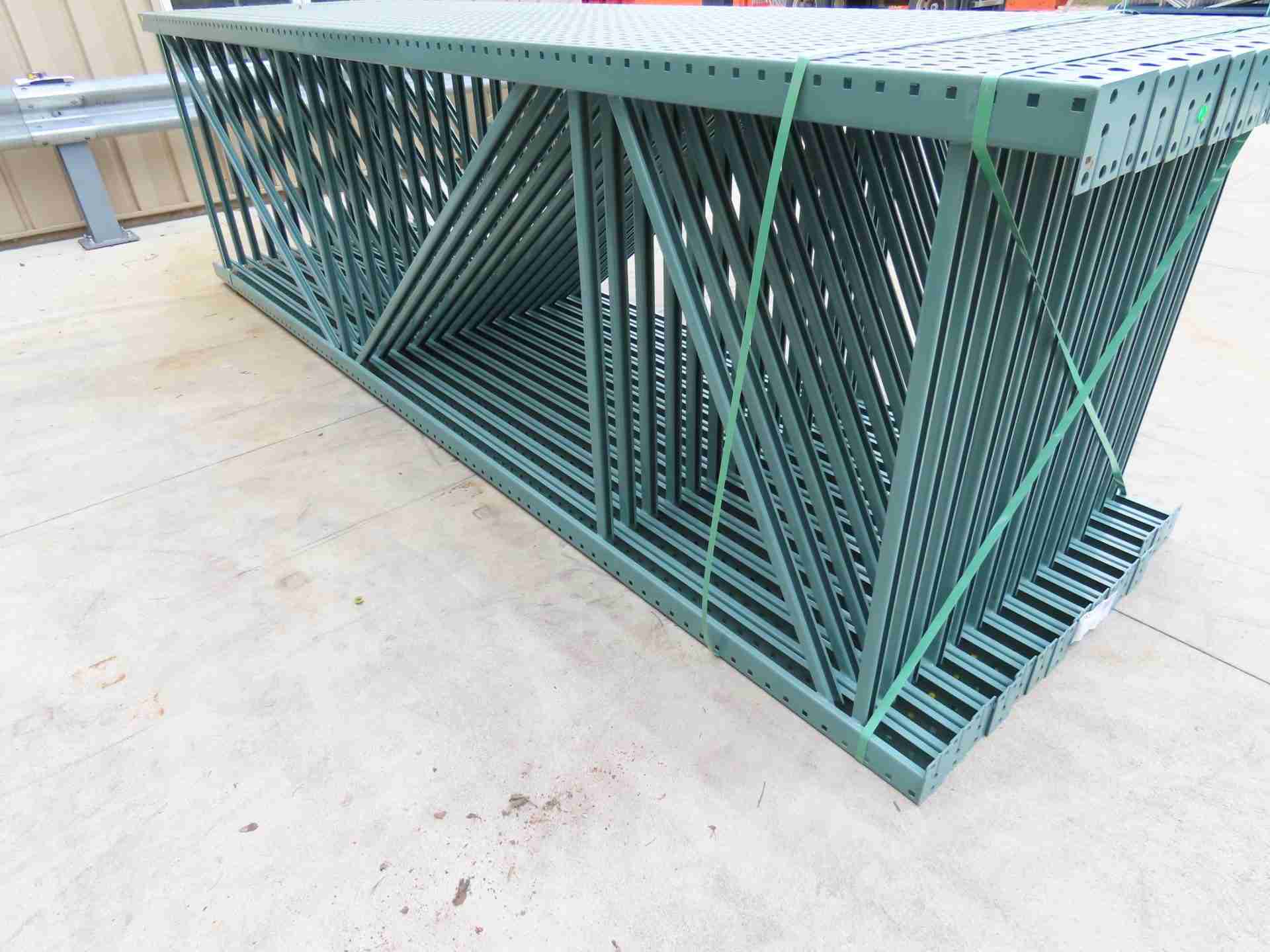
Conclusion
Conclusion:
- Dismantling used racking systems may seem straightforward, but it requires careful evaluation of safety and teamwork.
- Attempting the task solo can lead to physical strain and potential injuries, impacting your safety and your team’s wellbeing.
- Racking systems are complex and require expertise for safe disassembly; mistakes can lead to costly consequences.
- Hiring professionals prioritizes safety and reflects a commitment to the wellbeing of all team members.
- Engaging experts fosters a culture of accountability and teamwork, enhancing the overall work environment.
- Choosing collaboration over individualism transforms challenges into opportunities for growth and community strength.
- Investing in professional help is an impactful decision that promotes a safer and more efficient work environment.
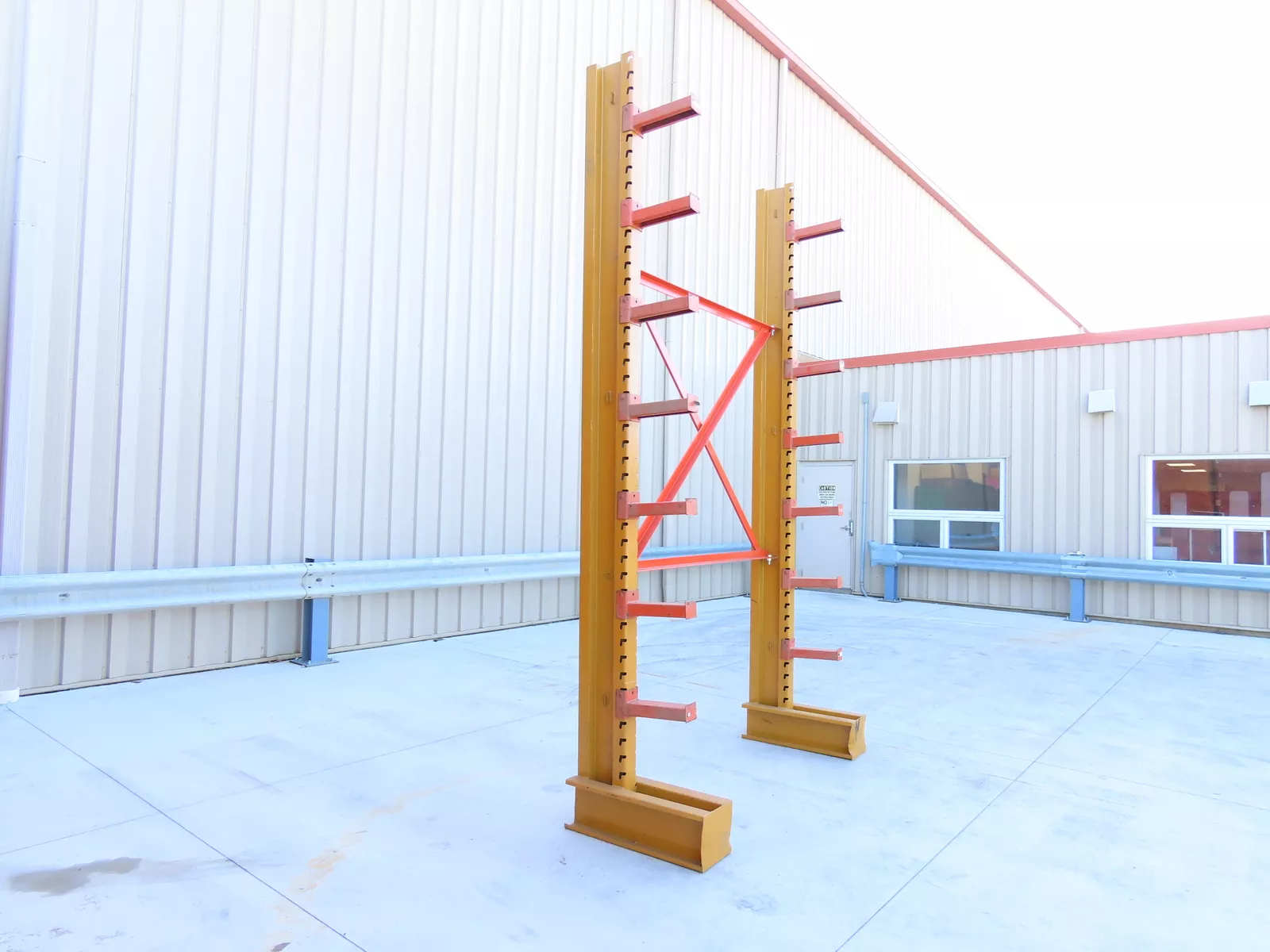
Conclusion
Other Resources
Other Resources
Here is a list of other resources you can review online to learn more:
- Interlake
- Arrow Industrial Sales
- Selective Pallet Racking Systems – Container Systems
- Mustang Material Handling
- MHI
- Pallet Racking systems in Illinois and Great Lakes
- What is Selective Racking: Understanding Benefits & Options
- Pallet Rack Systems – New and Used Pallet Racking and Shelving Experts
- BMH
- Illinois Pallet Racking – WPRP
- Selective Rack – Raymond West
- American Society of Safety Professionals
- Cantilever Racks Chicago
- Storage Equipment Manufacturers Association
- Warehouse Storage Racks
- Illinois
- IIWS Inc. Rack Installation Illinois & Rack Repairs Illinois
- Warehouse Racks, Warehouse Racking in Stock – ULINE
- Interlake Mecalux
- Warehouse Racking Systems: Beginner’s Guide to Rack Systems
Use This Prompt To Get More Resources With Your Favorite Online AI Tool: Please provide me with a list of online articles with their URLs in a bulleted list that I can read regarding Should You Dismantle and Move Used Racks Yourself?
Other Resources
Glossary Terms
Should You Dismantle and Move Used Racks Yourself? – Glossary Of Terms
1. Dismantle: The process of taking apart equipment or structures, often for transport or storage.
2. Racks: Frameworks used for supporting, storing, or displaying items, commonly found in warehouses or retail settings.
3. Self-Moving: The act of relocating items or equipment without professional assistance.
4. Logistics: The planning and execution of transporting items, including packing, loading, and delivery.
5. Structural Integrity: The ability of a structure, like a rack, to hold its shape and support weight without collapsing.
6. Safety Equipment: Gear such as gloves, helmets, and protective footwear to ensure safety during dismantling and moving.
7. Tools: Instruments used for dismantling, such as wrenches, screwdrivers, and crowbars.
8. Cost-Benefit Analysis: A method for evaluating the financial pros and cons of self-moving versus hiring professionals.
9. Inventory Assessment: The process of reviewing and cataloging items to determine what needs to be moved or discarded.
10. Disassembly Instructions: Guidelines provided by manufacturers on how to properly take apart racks without damage.
11. Transport: The act of moving items from one location to another, which may require vehicles and equipment.
12. Weight Capacity: The maximum load that a rack can safely hold without risk of failure.
13. Assembly: The opposite of dismantling; the process of putting the rack back together after moving.
14. Pallets: Flat transport structures used to store goods for easy movement, often placed on racks.
15. Equipment Rental: Securing tools or vehicles temporarily for the purpose of moving or dismantling.
16. Time Management: Planning and organizing how to efficiently complete the dismantling and moving process.
17. Permits: Official approvals required for moving large structures, especially in commercial settings.
18. Transport Insurance: Coverage that protects against loss or damage to items while in transit.
19. Ergonomics: The study of people’s efficiency in their working environment, important for safe lifting techniques.
20. Damage Assessment: Evaluating the condition of racks and equipment before and after the move to determine any impairment.
21. Team Coordination: Organizing a group of individuals to work together effectively during the dismantling and moving process.
22. Packing Materials: Supplies such as bubble wrap, boxes, and shrink wrap used to protect items during transport.
23. Moving Checklist: A comprehensive list outlining tasks and items needed for a successful move.
24. Replacement Parts: New components that may be necessary if existing parts are damaged during dismantling.
25. Moving Plan: A step-by-step strategy detailing how the racks will be dismantled, moved, and reassembled.
26. Transport Vehicles: Trucks or vans specifically suited for carrying large or heavy items during relocation.
27. Site Preparation: The process of getting both the origin and destination sites ready for the move.
28. Professional Movers: Experienced individuals or companies that specialize in relocating equipment and furniture.
29. Load Distribution: The method of organizing items on a transport vehicle to ensure balanced weight and stability.
30. Post-Move Evaluation: A review conducted after the move to assess the successful relocation and identify any issues.
Glossary Of Terms
Other Questions
Should You Dismantle and Move Used Racks Yourself? – Other Questions
If you wish to explore and discover more, consider looking for answers to these questions:
- What are the specific risks associated with dismantling racks without professional help?
- How can I ensure the safety of my coworkers when moving racking systems?
- What are the legal implications of moving used racks myself?
- What signs should I look for to determine if old racks are still safe for reuse?
- What are the environmental benefits of reusing old racks?
- How can I find reliable professional services for dismantling and moving racks?
- What tools and equipment are necessary for safely dismantling racks myself?
- What are the cost differences between DIY rack dismantling and hiring professionals?
- How can emotional stories motivate me to take on this challenge?
- What should I consider when evaluating the expertise of industry consultants?
Other Questions
Checklist
Should You Dismantle and Move Used Racks Yourself? – A Checklist
Checklist for Dismantling and Moving Racking Systems: Balancing Heart, Head, and Gut
Emotional Appeals:
_____ Reflect on your motivations: Why do you feel the need to move racks yourself?
_____ Visualize the impact on your team’s safety: How would their well-being affect your workplace environment?
_____ Consider the stories behind the old racks: What memories or values do they hold?
Rational Appeals:
_____ Evaluate the complexity of the racking systems: Can you identify all components needed for safe disassembly?
_____ Assess potential costs vs. risks: What would be the financial impact of potential errors or injuries?
_____ Review statistics on workplace injuries: Are you aware of the numbers relating to DIY projects in your industry?
Ethical Appeals:
_____ Think about your responsibilities to your colleagues: How might your choice affect their job security and safety?
_____ Consider the environmental implications of reusing old racks: Are you contributing positively to sustainability?
_____ Reflect on the legacy of past users of the racks: Are you honoring their efforts by ensuring safety and integrity?
Authority Appeals:
_____ Identify equipment manufacturers and industry consultants: Have you reached out for their expert advice?
_____ Consider professional rigging and relocation services: Are you aware of reputable companies that can assist you?
_____ Seek wisdom from local businesses or forums: Have you tapped into community knowledge and experiences?
Narrative Appeals:
_____ Share your experiences with others: Have you conveyed the challenges of dismantling and moving racks to friends or colleagues?
_____ Gather stories of others who’ve faced similar decisions: What lessons can you learn from their successes or mistakes?
_____ Reflect on your personal journey: What challenges have shaped your approach to this task?
Social Appeals:
_____ Reach out to peers for support: Who in your network has faced similar challenges that you could consult?
_____ Foster a culture of shared experiences: How can you encourage open dialogue about safety and efficiency among your team?
_____ Build a sense of community: Are there local groups that prioritize collaboration in moving and warehouse operations?
Use this checklist as a guide to navigate the decision-making process of dismantling and moving racking systems, ensuring a balance between emotional, rational, ethical, authority, narrative, and social perspectives.
Checklist
At RackingWorld, we help guide you through selecting warehouse storage systems and racking.
Be sure to read our other related stories at RackingWorld to learn more about warehouse storage systems.
0 Comments