
Maximizing Efficiency Through Flexible Warehouse Storage
By Tom Seest
At RackingWorld, we help guide you through selecting warehouse storage systems and racking.
Be sure to read our other related stories at RackingWorld to learn more about warehouse storage systems.
Is Flexibility The Key to Striking Balance with Warehouse Storage?
In today’s fast-paced business environment, the ability to adapt is crucial—especially when it comes to warehouse storage solutions. The question looms: Is flexibility the real secret sauce for a thriving supply chain? Absolutely. When you embrace flexible options, you arm your business with the agility needed to respond to ever-evolving market demands.
Let’s examine a staple of effective warehouse storage: Pallet Racking. Imagine the sheer efficiency unleashed when you invest in a storage system designed not only for today’s inventory but also adaptable for tomorrow’s needs. With a well-implemented pallet racking system, you can easily adjust the height or configuration as product sizes and quantities fluctuate. It’s not just about fitting more stuff into less space; it’s about creating a tailored storage solution that expands and contracts as your business does.
One of the most compelling benefits of flexibility in warehouse storage is its direct correlation with cost savings. Think about it—each time you need to overhaul your storage setup to accommodate a change in stock, you’re not just spending money on new racking; you’re losing precious time and resources in the process. Flexible storage solutions—like modular pallet racking—allow you to reconfigure your layout with minimal disruption, keeping your operations smooth and costs down.
Moreover, fostering a culture of flexibility in your warehouse enhances both employee morale and productivity. Workers prefer a functional, organized space that’s designed for efficiency. When your pallet racking systems can adjust to their needs, employees feel valued and empowered. After all, when your team can find the right product in record time, they’re not just contributing to the bottom line—they’re contributing to a culture of success.
In a marketplace where change is the only constant, having a flexible warehouse solution is not just a nice-to-have; it’s a must. It positions your business to capitalize on opportunities while mitigating risks. If you’re ready to move beyond static storage solutions, embrace the power of flexibility. Transform your pallet racking setup into a dynamic asset that supports your operational goals and future growth.
Take the leap. Explore how flexible warehouse storage can revolutionize your logistics and watch your business thrive!
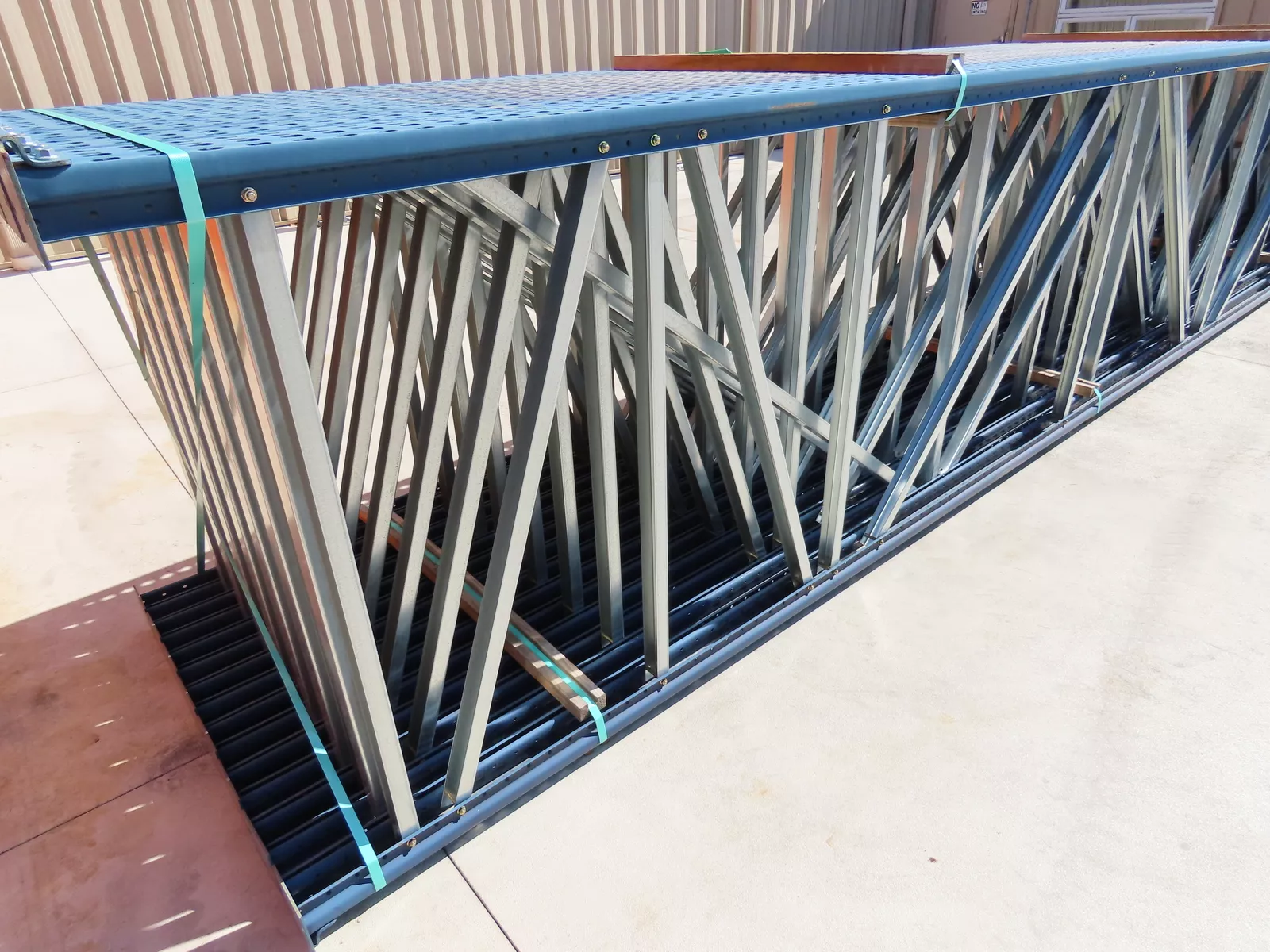
Is Flexibility The Key to Striking Balance with Warehouse Storage?
Is Flexibility The Key to Striking Balance with Warehouse Storage?
- Flexibility in warehouse storage is crucial for adapting to market demands.
- Pallet racking systems enhance efficiency and can be adjusted for varying inventory needs.
- Investing in flexible storage solutions saves time and reduces costs during inventory changes.
- Modular pallet racking allows for easy reconfiguration with minimal disruption to operations.
- A flexible warehouse environment boosts employee morale and productivity.
- Dynamic storage solutions help businesses capitalize on opportunities and mitigate risks.
- Embracing flexible warehouse storage is essential for future growth and operational success.

Is Flexibility The Key to Striking Balance with Warehouse Storage?
Table Of Contents
- Is Flexibility The Key to Striking Balance with Warehouse Storage?
- What Are The Benefits Of Flexible Warehouse Storage Solutions?
- How Can Flexibility Improve Inventory Management?
- What Strategies Enhance Space Utilization In Warehouses?
- How Does Technology Support Flexibility In Storage Systems?
- What Are Common Challenges In Implementing Flexible Storage?
- How Can Businesses Assess Their Storage Flexibility Needs?
- Conclusion
- Other Resources
- Glossary Of Terms
- Other Questions
- Checklist
What Are The Benefits Of Flexible Warehouse Storage Solutions?
In the fast-paced world of logistics and supply chain management, the ability to adapt and pivot isn’t just a luxury—it’s a necessity. Enter flexible warehouse storage solutions, a game-changer for businesses of all sizes looking to maximize efficiency and minimize costs. Imagine walking into your warehouse, not feeling the constraint of traditional setups but instead seeing an intelligently designed space that caters to your unique inventory needs. Does that spark your curiosity? Let’s delve into the benefits.
First and foremost, one of the standout features of flexible storage solutions is adaptable pallet racking systems. Whether your goods vary from oversized materials to intricate components, these systems provide an agile structure that can be modified as your inventory evolves. Instead of squeezing products into a rigid framework, you can customize your setup to maximize vertical space and enhance accessibility. This flexibility isn’t just about saving a few square feet; it’s about optimizing your entire operational workflow.
Efficiency in operations is another hallmark of flexible storage. When your warehouse is tailored to meet the specific demands of your inventory, you reduce the time spent on picking and packing. Streamlined processes lead to quicker turnaround times, which means happier customers and ultimately, a healthier bottom line. Who wouldn’t want to improve their productivity while freeing up valuable time and resources?
Additionally, these solutions often come with the flexibility to scale up or down based on market conditions. For growing businesses, an infrastructure that accommodates fluctuating inventory levels without requiring a complete overhaul is invaluable. Say goodbye to the days of overcommitting to a rigid storage solution that could stifle your growth potential. Instead, enjoy the confidence of knowing your warehouse can pivot as your needs change, allowing you to seize new opportunities without a hitch.
Moreover, flexible warehouse storage solutions foster a sense of trust and reliability. By fostering a dynamic and responsive environment, you signal to clients and partners that you are not just prepared for today but are ready to evolve with the future.
So, if you’re seeking a way to enhance your warehouse operations, consider investing in flexible storage solutions that incorporate innovative features like pallet racking. You’ll not only improve operational efficiency but also create a responsive, customer-focused environment that drives business success. Adapt, thrive, and watch your company ascend to new heights!
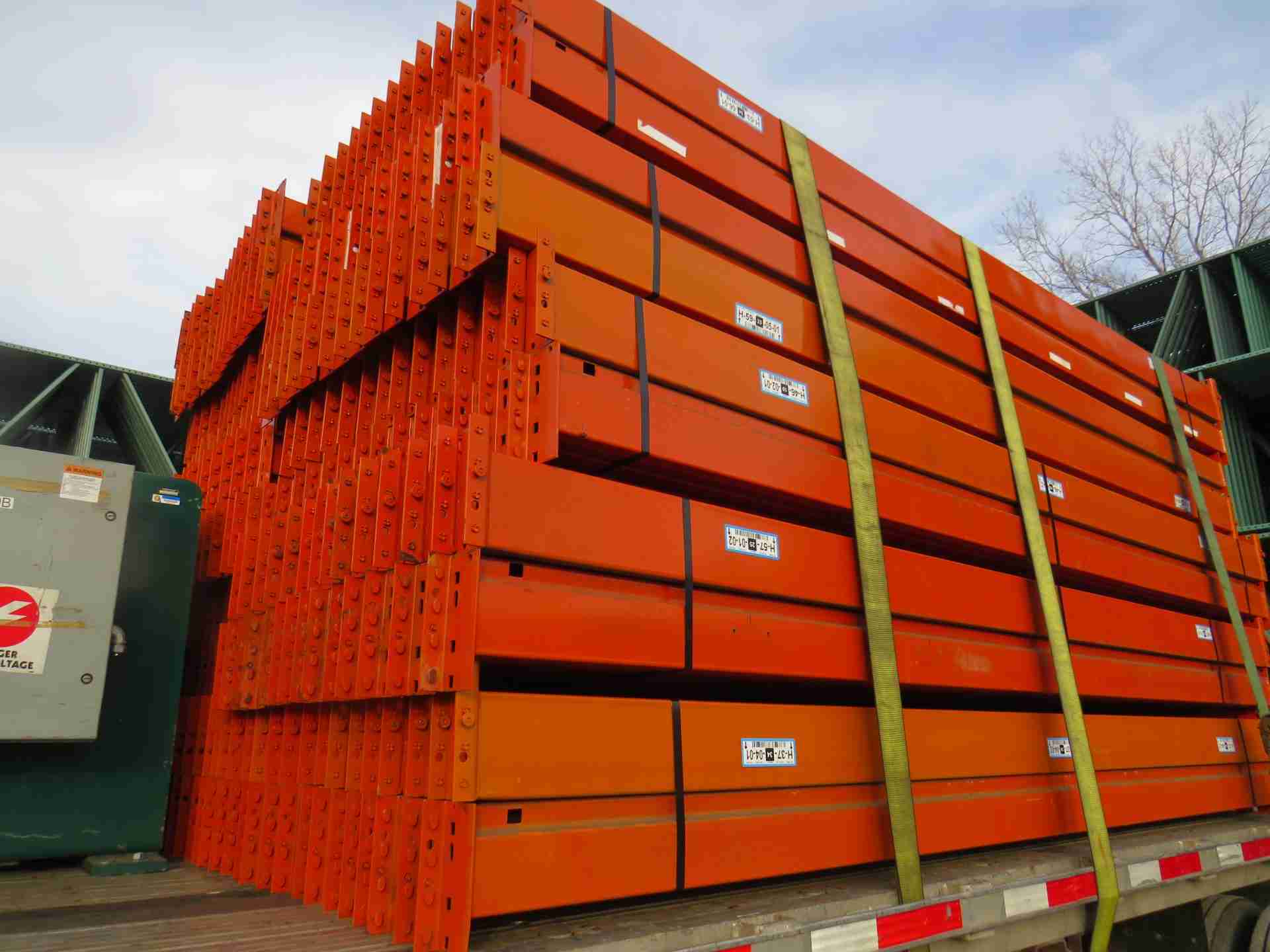
What Are The Benefits Of Flexible Warehouse Storage Solutions?
What Are The Benefits Of Flexible Warehouse Storage Solutions?
- Flexible storage solutions are essential in logistics and supply chain management for adapting to changing needs.
- Adaptable pallet racking systems allow customization based on unique inventory requirements.
- These systems optimize vertical space and enhance accessibility, improving operational workflow.
- Streamlined processes lead to quicker turnaround times, resulting in happier customers and a healthier bottom line.
- Flexible storage allows businesses to easily scale operations up or down based on market conditions.
- Creating a dynamic environment signals to clients that the business is prepared for future challenges.
- Investing in flexible storage solutions can enhance efficiency and foster a customer-focused business success.
What Are The Benefits Of Flexible Warehouse Storage Solutions?
How Can Flexibility Improve Inventory Management?
When it comes to inventory management, the word “flexibility” is more than just a buzzword—it’s a vital strategy that can mean the difference between thriving and just surviving in today’s fast-paced business landscape. Imagine a scenario where your inventory system is so rigid that it stifles creativity and responsiveness. The truth is, businesses that embrace flexibility empower themselves to adapt seamlessly to market fluctuations, customer demands, and even seasonal trends.
Think about your current setup. Are your storage solutions, such as pallet racking, tailored to your evolving needs? Flexibility in your inventory management allows you to reinvent these systems, creating customized layouts that optimize space and accessibility. This means you can easily reconfigure your pallet racking to accommodate new product lines or to make room for a seasonal surge in inventory. Embracing this adaptive mindset can lead to a dramatic increase in efficiency, reducing the time and resources spent on managing stock.
Now let’s consider the human element. Your team is your greatest asset, and a flexible inventory management system can create a more engaged and motivated workforce. By allowing employees to dictate workflows and make real-time decisions based on changing circumstances, you’re fostering an environment where innovation can flourish. It’s not just about the shelves; it’s about empowering people to think critically and act swiftly.
Moreover, a flexible approach to inventory management builds trust with your customers. In an era where consumer demands can shift overnight, companies that can pivot quickly are more likely to retain loyal clients. If a product suddenly spikes in popularity or a new trend emerges, having a flexible inventory solution can help you capitalize on those opportunities efficiently.
But flexibility should not be mistakenly viewed as chaos. It’s about creating structure within adaptability—implementing systems that are robust enough to handle change, yet agile enough to embrace it. When laying out your inventory with versatile solutions like adjustable pallet racking, for instance, you create a dynamic environment that can respond to both anticipated and unanticipated demands.
The bottom line? Flexibility is key to modern inventory management. By understanding and implementing adaptive strategies, you not only optimize your space and processes, but you also inspire a culture of resilience and responsiveness that can elevate your entire operation. Start thinking flexibly today, and watch how it transforms your inventory management from a necessity into a competitive advantage.

How Can Flexibility Improve Inventory Management?
How Can Flexibility Improve Inventory Management?
- Flexibility in inventory management is essential for success in today’s fast-paced business environment.
- Rigid inventory systems can hinder creativity and responsiveness to market changes.
- Customizing storage solutions, like pallet racking, enhances space optimization and accessibility.
- Empowering employees to make real-time decisions fosters engagement and innovation.
- A flexible inventory management approach builds customer trust and loyalty by enabling quick adaptation to changing demands.
- Flexibility should incorporate structured systems that balance robustness and agility.
- Adopting flexible strategies transforms inventory management into a competitive advantage.
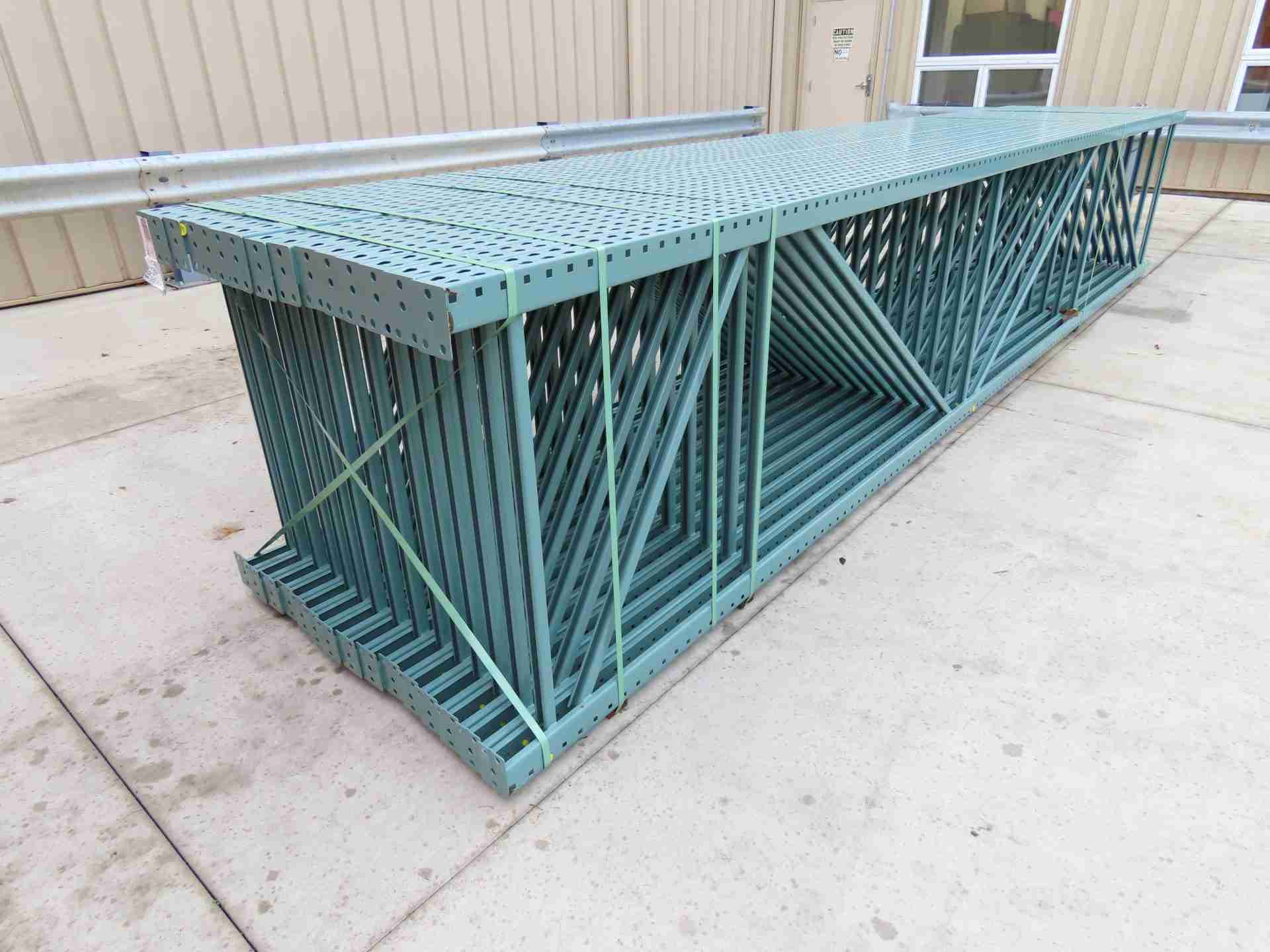
How Can Flexibility Improve Inventory Management?
What Strategies Enhance Space Utilization In Warehouses?
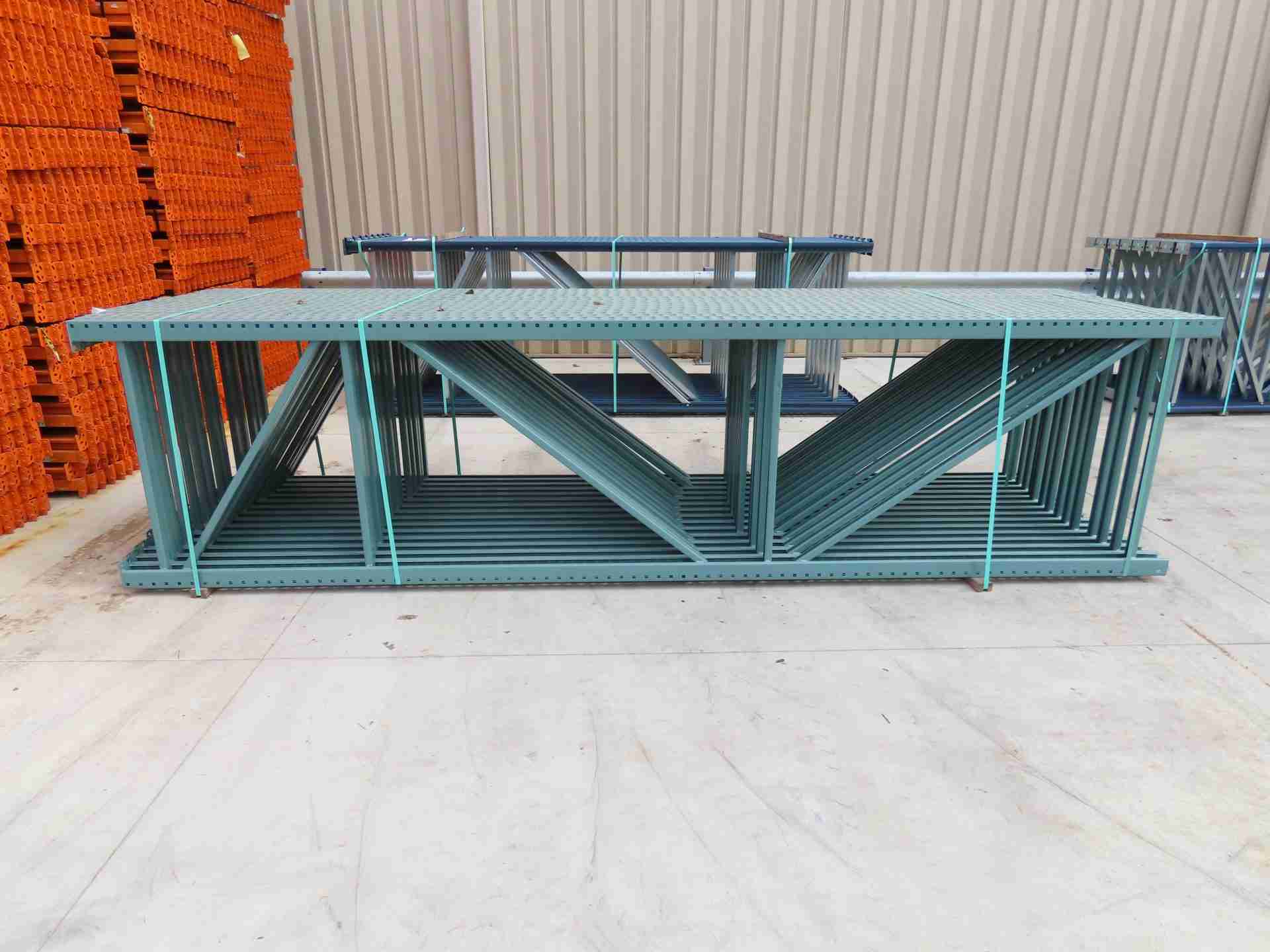
Every inch of space in a warehouse is precious, akin to gold in the world of logistics. If you’re navigating the labyrinth of warehousing, understanding how to maximize that space isn’t just important; it’s mission-critical. One of the most transformative strategies for enhancing space utilization is through innovative Pallet Racking systems. Rather than letting your inventory languish in disarray, consider how vertical storage can catapult your efficiency and organization.
The appeal of modern pallet racking goes beyond mere availability of space; it’s about unlocking your warehouse’s full potential. Think of pallet racks as the backbone of your storage solution. These versatile systems allow for the efficient stacking of materials, elevating your stock (literally and figuratively!) to dizzying heights. This clears valuable floor space for movement and reduces the risk of damage due to overcrowding.
But it’s not just about cramming more goods into the same space – that’s a rookie error! Instead, let’s talk about smart inventory management. By utilizing Pallet Racking, you can implement a First-In-First-Out (FIFO) strategy, ensuring that older products are picked before newer ones. This diminishes waste, keeps your inventory fresh, and ultimately boosts customer satisfaction. When clients receive the highest quality products, their loyalty skyrockets; and who wouldn’t want that?
Now, let’s delve deeper. Have you considered the importance of height? Many businesses shy away from utilizing the vertical space they have. By installing adjustable pallet racks, you gain the flexibility to adapt your storage as your inventory changes. Like a well-tailored suit, your warehouse should fit your unique needs comfortably. You can up your game by consolidating products in an organized way that matches your operation’s rhythm.
Moreover, integrating technologies like Warehouse Management Systems (WMS) can elevate your insights and efficiency even further. With real-time tracking, you’ll know exactly where everything is located, preventing costly mistakes and wasted time. Plus, a neat, organized warehouse sends a strong signal to clients and partners about how you operate—professionalism builds trust, and trust drives business.
In today’s competitive environment, optimizing your warehouse isn’t merely an option; it’s essential. By leveraging strategies like Pallet Racking and embracing a space-conscious mentality, you’ll inspire confidence not just in your operations, but also in your brand. So, roll up your sleeves and start transforming that warehouse into a powerhouse of efficiency today!
What Strategies Enhance Space Utilization In Warehouses?
What Strategies Enhance Space Utilization In Warehouses?
- Every inch of warehouse space is valuable and must be optimized for efficiency.
- Innovative Pallet Racking systems enhance space utilization by enabling vertical storage.
- Pallet racks serve as the foundation for effective organization, improving stock stacking and reducing floor congestion.
- Implementing a First-In-First-Out (FIFO) inventory strategy through Pallet Racking minimizes waste and enhances customer satisfaction.
- Adjustable pallet racks offer flexibility, allowing businesses to adapt storage based on changing inventory needs.
- Integrating Warehouse Management Systems (WMS) improves tracking and organization, fostering professionalism and trust with clients.
- Optimizing warehouse space is essential in today’s competitive environment to boost both operational efficiency and brand confidence.
What Strategies Enhance Space Utilization In Warehouses?
How Does Technology Support Flexibility In Storage Systems?
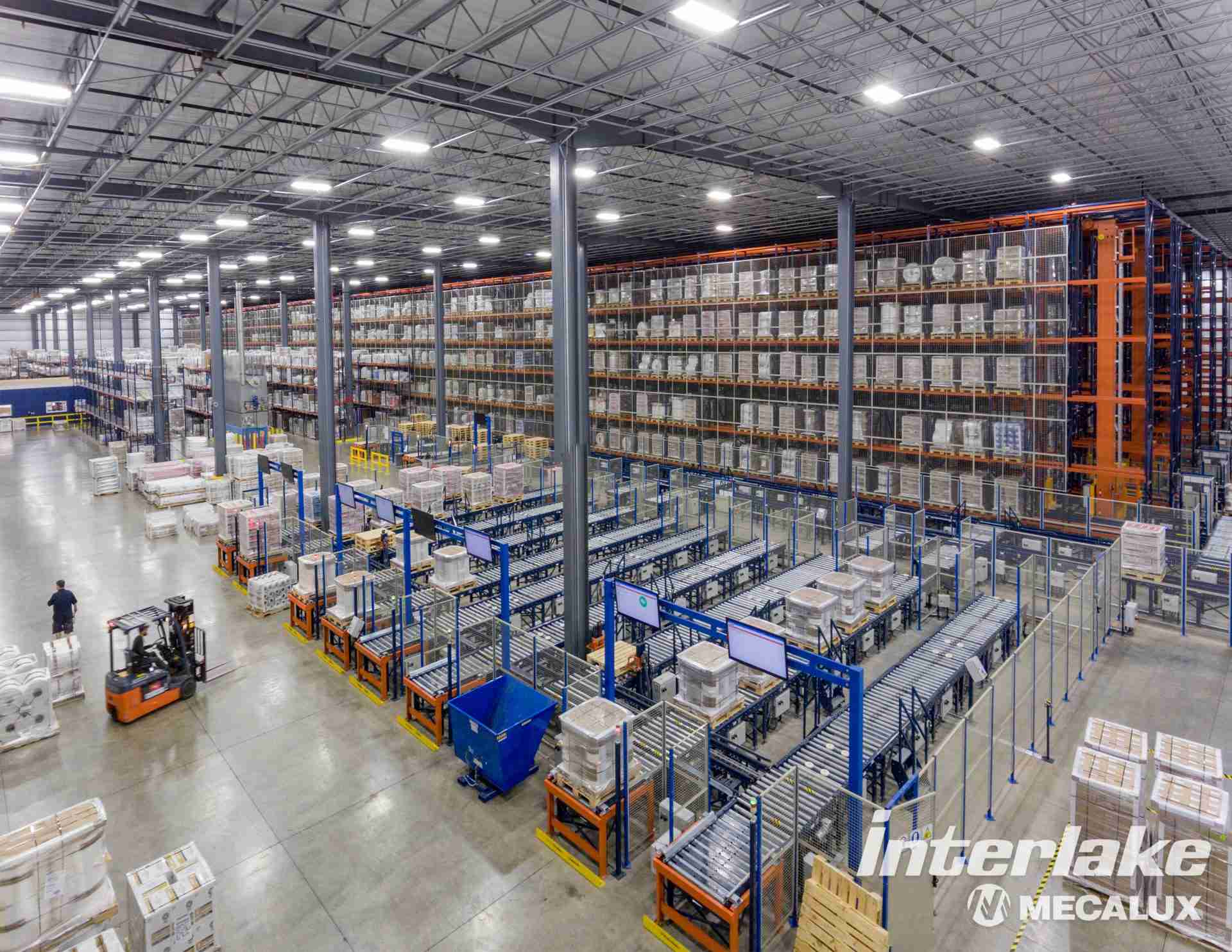
Imagine walking into a warehouse where every inch is optimized, where flexibility reigns, and strategic storage solutions are just a click away. The modern world of storage systems, especially with technologies like pallet racking, has evolved well beyond the traditional methods we once relied upon. Today, innovation paves the way for a smarter, more adaptable approach to managing your inventory and maximizing space.
At the heart of this transformation lies technology that streamlines operations and enhances efficiency. Advanced pallet racking systems equipped with integrated smart sensors can track inventory levels in real time, eliminating the guesswork and allowing for seamless operations. Picture this: instead of running out of space or scrambling to find a product, you’re immediately alerted when your inventory drops below a set threshold. That’s the kind of proactive management technology inspires!
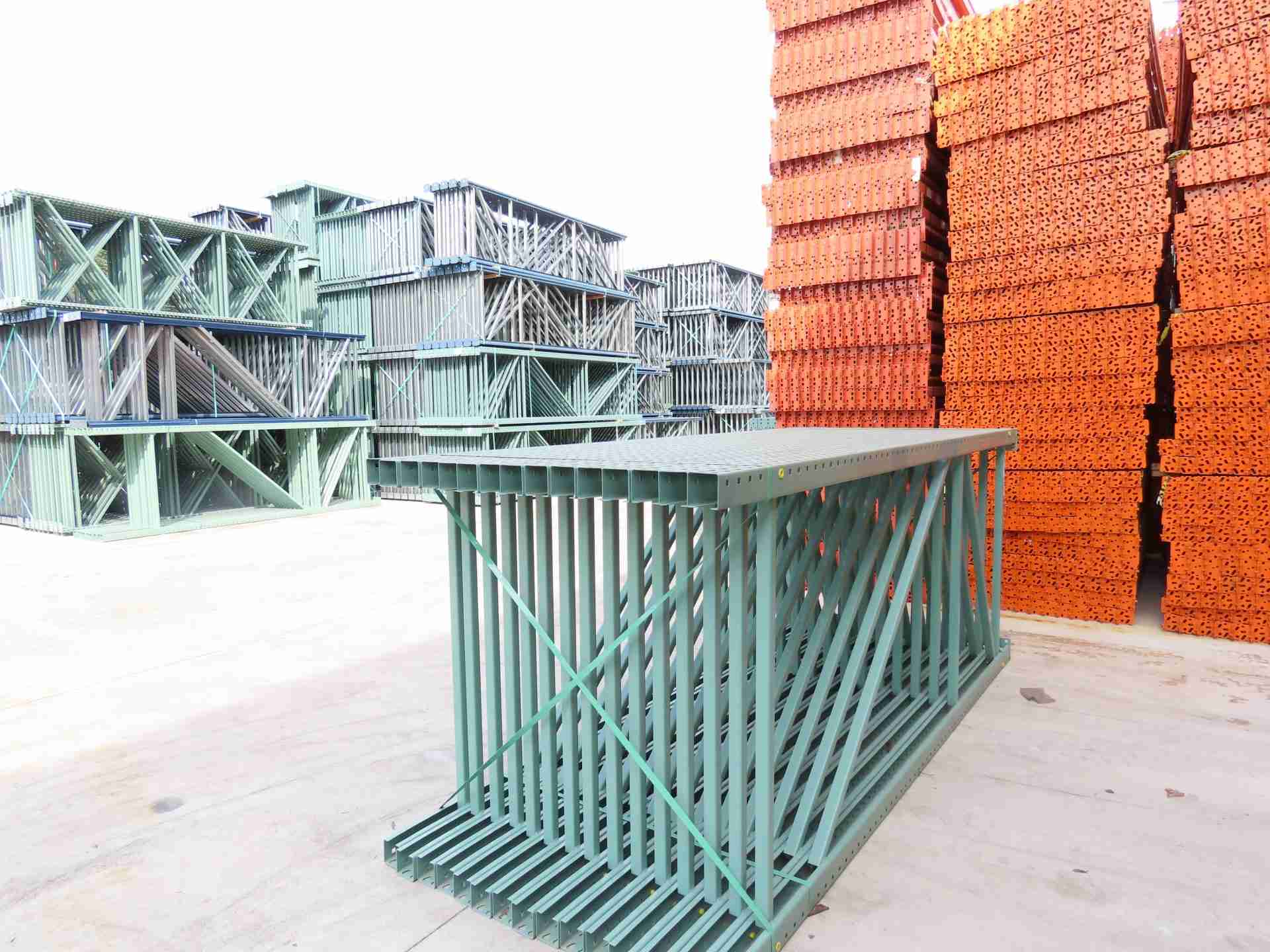
Moreover, the flexibility offered by technology doesn’t just stop at monitoring—it’s about adapting your storage to meet ever-evolving business demands. As your products change, so too can your storage systems. Imagine a pallet racking setup that can be easily reconfigured to accommodate new merchandise or seasonal items. This level of adaptiveness means your operation can grow and pivot without the major investments or headaches that traditionally accompany such shifts.
Furthermore, technology enables you to embrace a hybrid storage solution. Combining pallet racking with automated retrieval systems enhances speed and efficiency. You can save valuable time when it matters most and significantly reduce labor costs. You’re not just storing goods; you’re enhancing operations!
Join the ranks of savvy business owners who understand the undeniable connection between technology and flexibility in storage systems. When you invest in these smart solutions, you are not just buying equipment; you’re investing in peace of mind, operational efficiency, and the ability to pivot in an ever-changing market landscape. And more importantly, you’re laying the groundwork for future growth and success.
So, the next time you rethink your storage needs, consider technology’s role in elevating your pallet racking systems. Embrace this journey of transformation and watch as your storage flexibility catapults your business to new heights. After all, a flexible storage system isn’t just an operational advantage; it’s the heartbeat of a responsive and resilient enterprise ready to meet the future head-on. Make that leap—your business deserves it!
How Does Technology Support Flexibility In Storage Systems?
How Does Technology Support Flexibility In Storage Systems?
- Modern storage systems, like pallet racking, have evolved to prioritize flexibility and innovation.
- Advanced pallet racking technologies enhance efficiency with integrated smart sensors for real-time inventory tracking.
- Proactive management alerts users when inventory levels drop below a set threshold.
- Storage systems can easily adapt to changing business demands and product types, allowing for reconfiguration.
- Combining pallet racking with automated retrieval systems boosts speed, efficiency, and reduces labor costs.
- Investing in smart storage solutions offers peace of mind and operational efficiency amidst market changes.
- Embracing flexible storage systems positions businesses for future growth and resilience.
How Does Technology Support Flexibility In Storage Systems?
What Are Common Challenges In Implementing Flexible Storage?
When it comes to implementing flexible storage solutions, businesses often find themselves faced with a series of hurdles that can make or break their operations. Picture this: your warehouse is bustling, but the space feels cramped and chaotic. You know that flexible storage could be the answer, yet the road to achieving it is riddled with challenges. Let’s explore some of these hurdles so you can navigate them with confidence and emerge victorious.
One major issue is selecting the right type of storage system. With options ranging from pallet racking to vertical lift modules, choosing the right fit for your space can feel overwhelming. Not every solution will suit your specific needs, and hastily implemented systems can lead to inefficiencies. It’s not just about fitting items onto shelves; it’s about optimizing your workflow to enhance productivity.
Another common challenge lies in employee training. Investing in a flexible storage solution means that your team must adapt to new systems and processes. If you rush this training, you run the risk of employees becoming frustrated and resistant to change. A well-structured training program can mitigate this issue, instilling confidence and efficiency in your workforce. Consider involving them in the selection process; they’ll have insights that could inform your choices, fostering buy-in and accountability.
Moreover, integrating existing inventory into a new flexible storage framework can pose logistical problems. The transition phase can disrupt operations and throw a wrench into your workflow. Have a meticulously crafted plan that sequences each aspect of the transition, from inventory assessment to relocating items into the new pallet racking system. This foresight will enhance trust in the implementation process, letting your team know they’re part of a cohesive plan rather than an afterthought.
Then there’s the inevitable challenge of ongoing maintenance. Flexible storage systems require regular check-ups for safety and functionality. Neglecting this aspect can lead to greater issues down the line. By establishing a commitment to routine maintenance, you are not just protecting your investment but also demonstrating long-term reliability to your stakeholders.
Ultimately, addressing these common challenges head-on builds a foundation for success. As you navigate the complexities of flexible storage implementation, embrace these obstacles as opportunities for growth. With careful planning, open communication, and a commitment to continuous improvement, you’ll not only overcome these challenges but emerge stronger than ever—ready to handle whatever the future throws your way.

What Are Common Challenges In Implementing Flexible Storage?
What Are Common Challenges In Implementing Flexible Storage?
- Businesses face hurdles when implementing flexible storage solutions, impacting operations.
- Selecting the right type of storage system is crucial, as options like pallet racking can be overwhelming.
- Investing in flexible storage requires effective employee training to ensure adaptation and minimize frustration.
- Involving employees in the selection process can help foster buy-in and improve operational efficiency.
- Logistical challenges can arise when integrating existing inventory into new storage frameworks; meticulous planning is essential.
- Ongoing maintenance is necessary to ensure safety and functionality of flexible storage systems, protecting investments.
- Addressing challenges head-on fosters growth; with careful planning, businesses can navigate complexities and improve resilience.
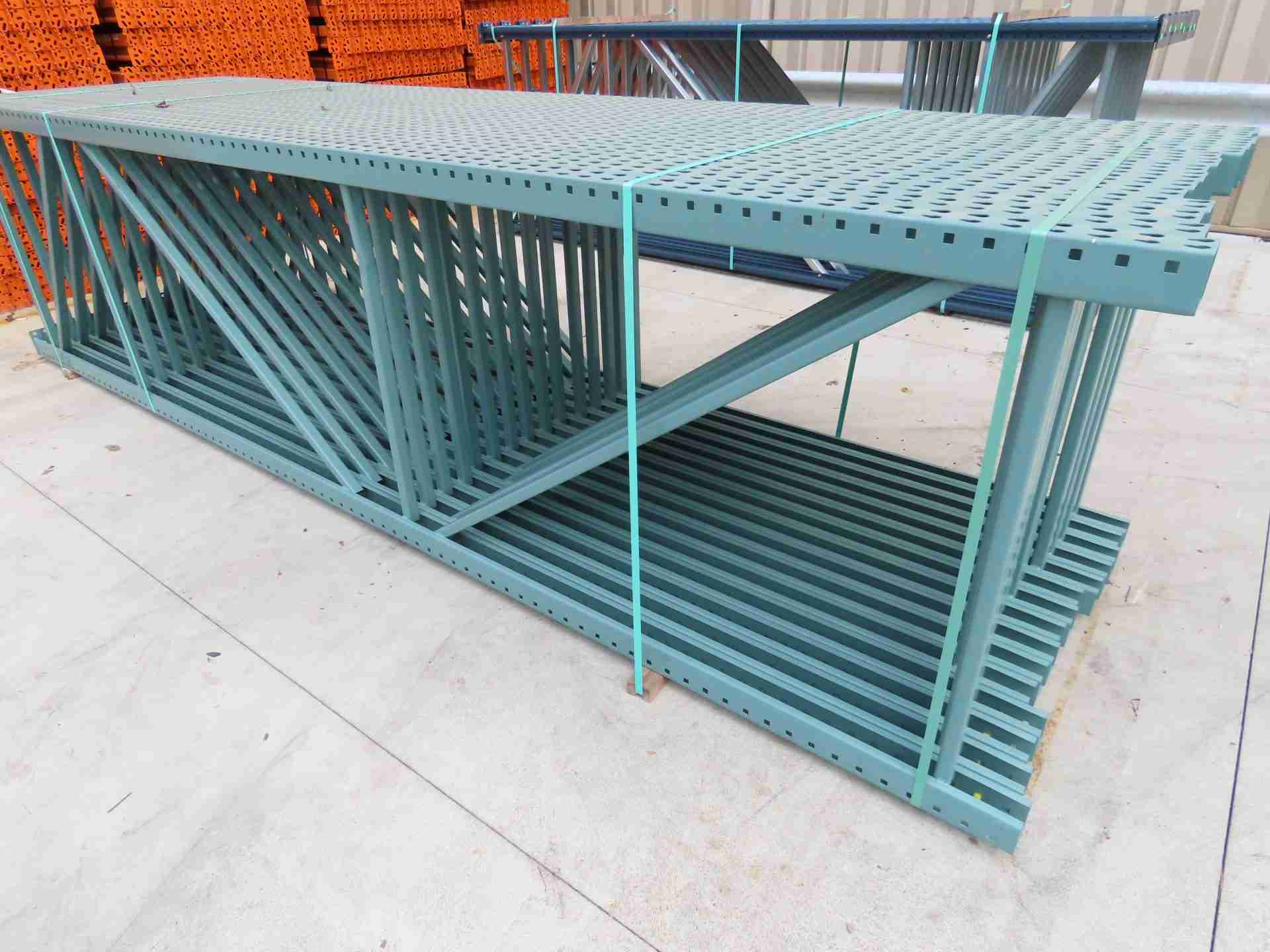
What Are Common Challenges In Implementing Flexible Storage?
How Can Businesses Assess Their Storage Flexibility Needs?
In today’s fast-paced marketplace, the ability to adapt is paramount. Businesses often find themselves grappling with fluctuating inventory levels, seasonal demand spikes, or even unexpected disruptions. Enter the crucial concept of storage flexibility—your ability to pivot effortlessly. One of the best ways to enhance this flexibility is through effective storage solutions like pallet racking. But how do you assess your true storage needs?
Start by taking a good, hard look at your current operations. What is your inventory turnover rate? Are there certain products that take up more space than they should? By analyzing these metrics, you’ll gain insight into whether your storage solution is truly meeting your needs or simply cramping your style.
Next, visualize your space. A well-organized warehouse isn’t just about finding items quickly; it’s about maximizing your potential for growth. Consider how pallet racking can free up that coveted floor space. Imagine your products ascending vertically, neatly arranged and easily accessible. With this approach, not only will you save space for future inventory, but also create an efficient workflow that fosters productivity.
Moreover, evaluate your forecast. Is your business poised for expansion? If so, assess how your storage needs will evolve accordingly. A flexible storage system, particularly one leveraging pallet racking, can easily accommodate shifts in inventory size and volume. Have confidence in knowing that the right storage setup can adapt to those twists and turns—whether it’s accommodating an influx of holiday stock or adapting to newly launched products.
Let’s not forget about safety and compliance. A well-structured storage solution is a safeguard against accidents and helps maintain regulatory standards. Assessing your current system can reveal potential hazards or inefficiencies. A solid pallet racking system not only optimizes space but ensures that your business is operating as safely as possible.
Lastly, don’t underestimate the power of consultation. Engage with storage and logistics experts who can provide personalized assessments tailored to your unique circumstances. Their insights can empower you to make decisions that lead to long-term flexibility and growth.
Ultimately, the key is to remain proactive. By regularly assessing your storage flexibility needs, especially through systems like pallet racking, you not only enhance operational efficiency but also position your business for success across market fluctuations. Embrace the journey of discovery and take that first step today!
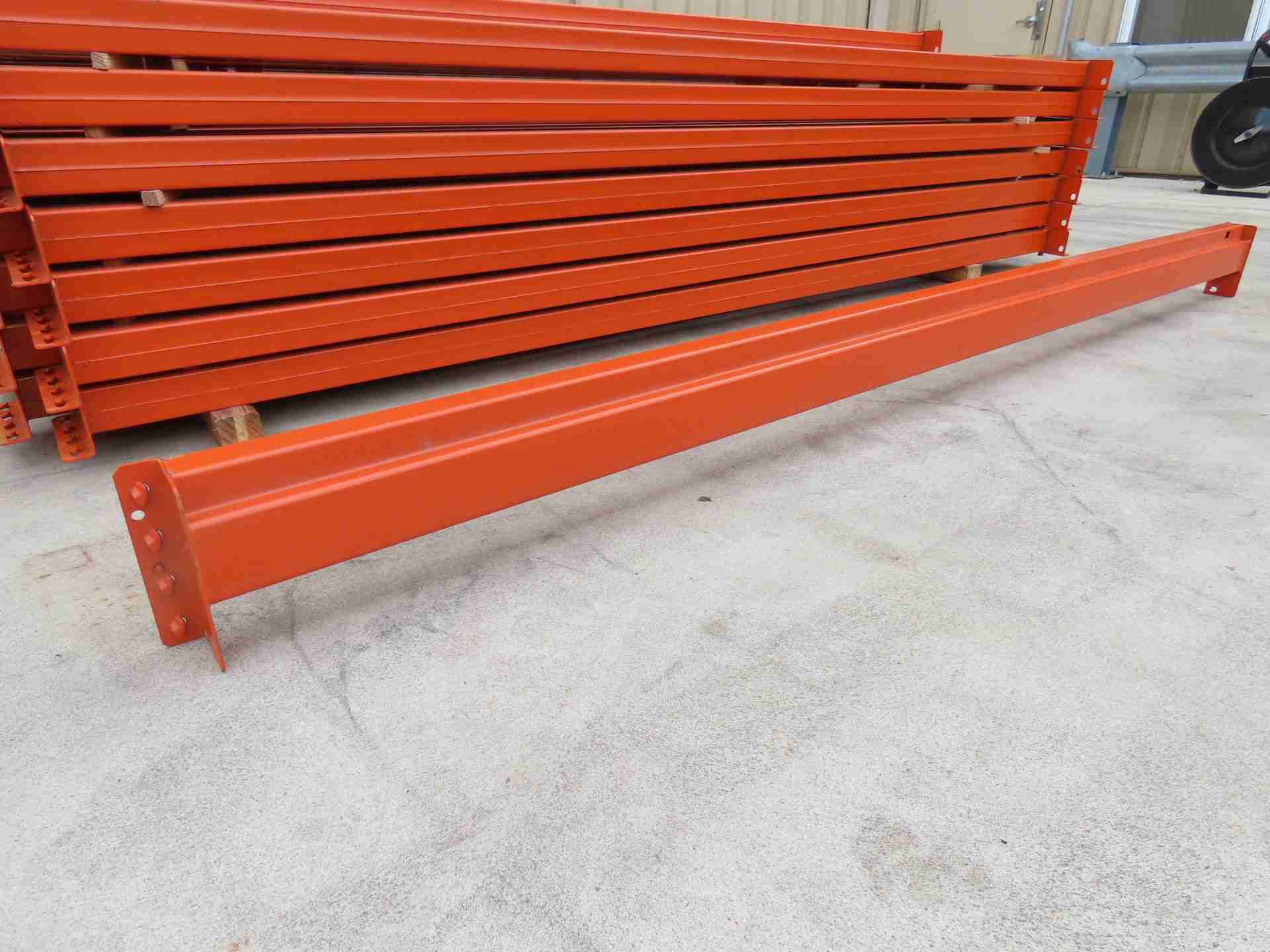
How Can Businesses Assess Their Storage Flexibility Needs?
How Can Businesses Assess Their Storage Flexibility Needs?
- Adaptability is crucial for businesses facing fluctuating inventory levels and unexpected disruptions.
- Storage flexibility, such as through pallet racking, enhances operational agility and space efficiency.
- Assess current operations by evaluating inventory turnover rates and space utilization for better storage solutions.
- Visualize space organization to maximize growth potential and foster productivity through efficient workflows.
- Anticipate future storage needs by evaluating business forecasts and ensuring flexibility to accommodate changes.
- Prioritize safety and compliance by regularly assessing storage systems to identify potential hazards and inefficiencies.
- Consult with storage and logistics experts for tailored assessments to improve long-term flexibility and growth.

How Can Businesses Assess Their Storage Flexibility Needs?
Conclusion
In the ever-evolving landscape of modern warehousing, the question of flexibility has emerged as a critical pillar for success. The focus of this discussion is not merely on adapting but on thriving amidst change. Embracing flexible storage solutions like adjustable pallet racking can significantly enhance operational efficiency, reduce costs, and foster employee satisfaction. If you’ve been wrestling with the challenge of rigid storage systems that stifle growth, it’s time to pivot your approach.
Flexible warehouse storage empowers businesses to swiftly respond to fluctuating market demands and ever-changing inventory levels. Imagine a setup where your storage can adapt—where you can easily reconfigure your pallet racking to accommodate new products or seasonal surges without the chaos of a complete overhaul. This adaptability doesn’t just save valuable time; it also bolsters your bottom line by minimizing disruption to operations and maximizing space utilization.
Moreover, the benefits of flexibility extend beyond mere storage capabilities. A well-structured, dynamic environment enhances employee morale and productivity. Workers thrive in organized spaces that promote efficiency, which translates into quicker turnaround times and happier customers. The customer relationship itself is fortified when businesses demonstrate their ability to pivot and meet demands without hesitation.
The advantages of investing in flexible storage solutions are undeniable, yet many businesses hesitate due to common misconceptions about complexity and cost. By consulting with experts like Arrow Industrial Sales, you can demystify these concerns and find tailored solutions that align with your unique needs. The right guidance can turn potential challenges into opportunities for growth, ultimately helping you streamline your operations while ensuring a safe and compliant environment.
As your competitors scramble to keep up with the relentless pace of change, seize this moment to innovate and enhance your warehouse strategies. If you’re ready to break free from static storage constraints, the time to act is now. Reach out to Arrow Industrial Sales at (574) 349-6575 to explore how flexible storage solutions can transform your operation. Don’t let this opportunity pass you by—embrace the flexibility that can position your business for present and future success. The world of warehousing is at your fingertips; it’s time to unlock its full potential and watch your business skyrocket!

Conclusion
Conclusion:
- Flexibility is crucial for success in modern warehousing, enabling businesses to thrive amidst change.
- Adopting flexible storage solutions, such as adjustable pallet racking, can enhance operational efficiency and reduce costs.
- Flexible warehouse storage allows quick adaptation to fluctuating market demands and changing inventory levels.
- Dynamic storage setups save time and maximize space utilization, ultimately bolstering profit margins.
- Organized and flexible environments boost employee morale and productivity, resulting in quicker turnaround times and happier customers.
- Many businesses hesitate to invest in flexible solutions due to misconceptions regarding complexity and cost, but expert consultation can help.
- Taking action now to embrace flexible storage can position your business for current and future success, helping you stay ahead of competitors.
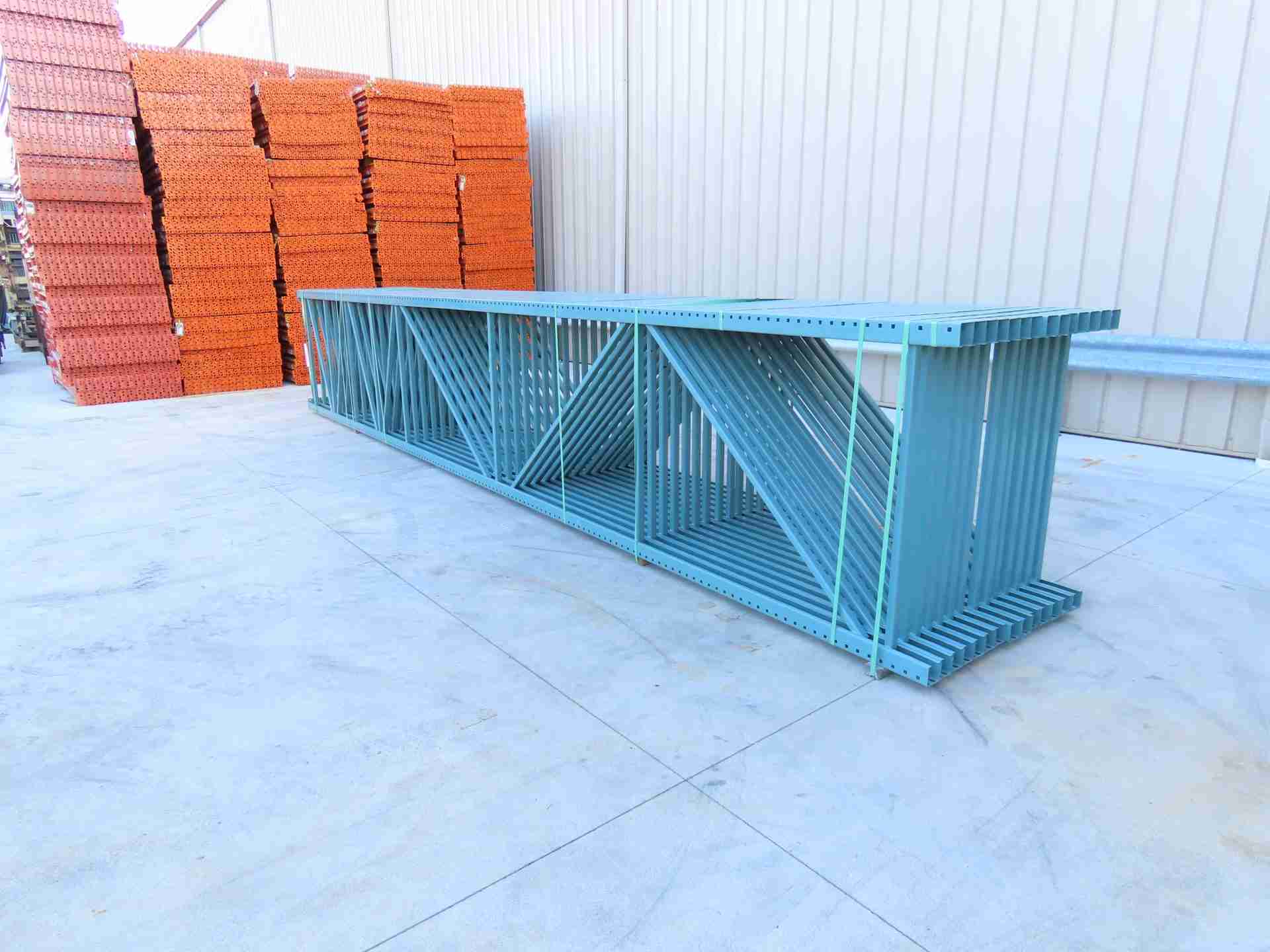
Conclusion
Other Resources
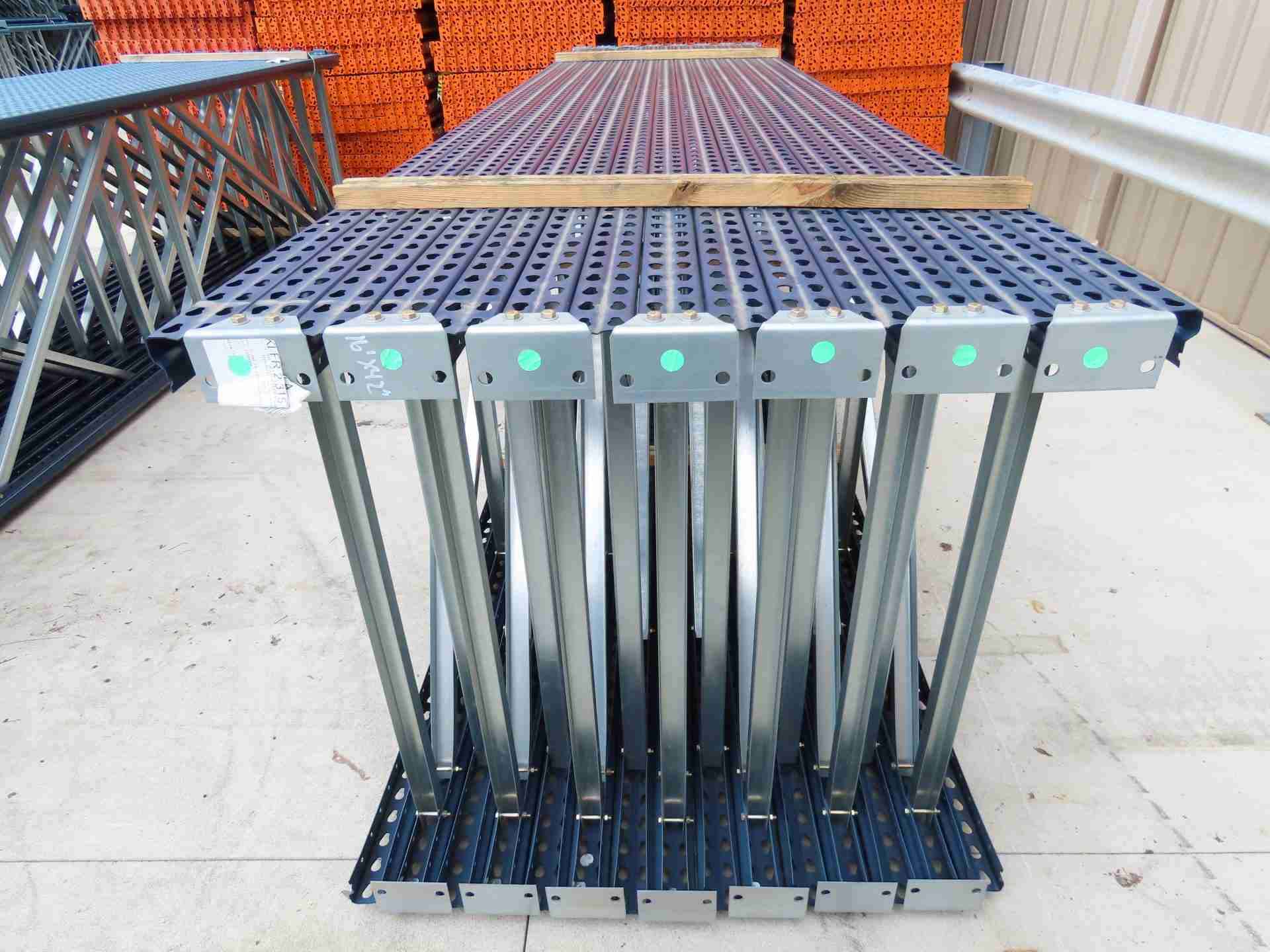
Other Resources
Here is a list of other resources you can review online to learn more:
- IIWS Inc. Rack Installation Illinois & Rack Repairs Illinois
- What is Selective Racking: Understanding Benefits & Options
- Interlake Mecalux
- New Cantilever Racks and Racking Kits
- Warehouse Racking Layout: The Ultimate Guide – Conger
- Illinois Pallet Racking – Storage Solutions
- Teardrop Industrial Shelving Rack
- Teardrop Industrial Shelving Rack
- Warehousing and Fulfillment
- Interlake
Use This Prompt To Get More Resources With Your Favorite Online AI Tool: Please provide me with a list of online articles with their URLs in a bulleted list that I can read regarding Is Flexibility The Key to Striking Balance with Warehouse Storage?
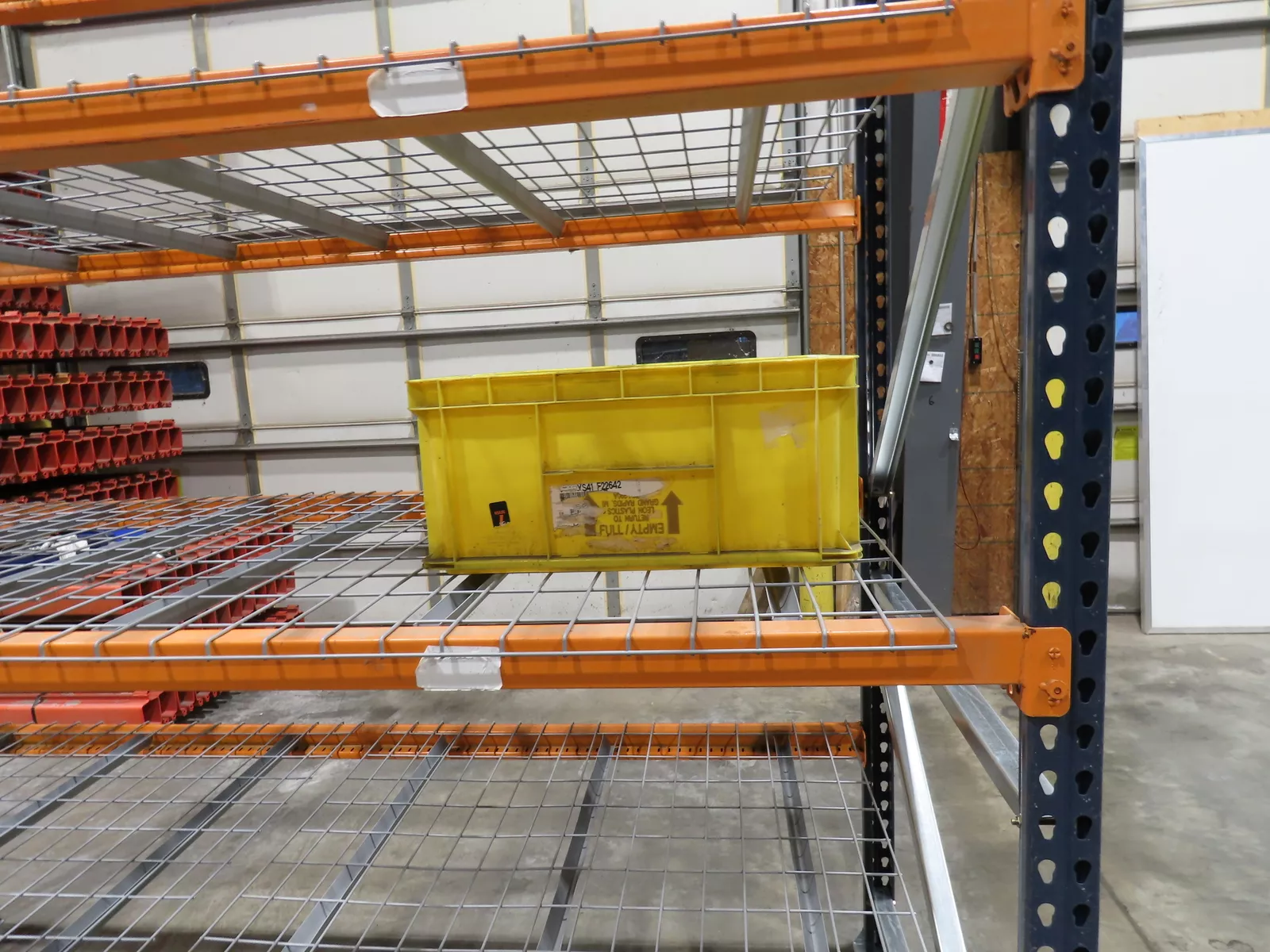
Other Resources
Glossary Terms
Is Flexibility The Key to Striking Balance with Warehouse Storage? – Glossary Of Terms
1. Flexibility: The ability to adapt and shift storage solutions to changing needs and demands in a warehouse environment.
2. Warehouse Management System (WMS): Software designed to optimize warehouse functionality and supply chain operations by enabling efficient management of inventory and storage resources.
3. Inventory Management: The process of overseeing and controlling stock levels, ensuring that the right amount of inventory is available without excess storage costs.
4. Scalability: The capacity of a warehouse system to grow and adjust its operations in response to varying levels of demand.
5. Automated Storage and Retrieval System (AS/RS): A system that uses automated equipment to store and retrieve products efficiently, enhancing flexibility in warehouse operations.
6. Just-in-Time (JIT): An inventory strategy that helps businesses increase efficiency by receiving goods only as they are needed in the production process.
7. Lean Warehousing: A method that focuses on minimizing waste, streamlining processes, and maximizing productivity in warehouse operations.
8. Dynamic Racking: A flexible storage solution that allows for adjusting shelf heights and layouts based on inventory size and turnover rates.
9. Cross-Docking: A logistics practice where incoming goods are directly transferred to outbound shipments, minimizing storage time and enhancing flexibility.
10. Value-Added Services: Additional services offered by warehouses, such as packing, labeling, or assembly, that enhance the value of stored products.
11. Data Analytics: The process of analyzing warehouse data to make informed decisions, optimize storage solutions, and improve overall efficiency.
12. Omnichannel Fulfillment: A strategy that enables sales and operations across multiple channels (e. g. , online, stores) while maintaining inventory flexibility.
13. FIFO (First In, First Out): An inventory management method where the oldest stock is sold or used first, promoting efficiency in rotation and reducing waste.
14. LIFO (Last In, First Out): An inventory method where the newest stock is used first, often used for products that may expire or become obsolete.
15. Safety Stock: Extra inventory held to prevent stockouts during unexpected demand surges or supply chain disruptions.
16. High-Density Storage: A storage system designed to maximize space efficiency through vertical or compact storage solutions.
17. Mobile Shelving: Shelving units that can be moved to create additional space or accessibility, enhancing flexibility within a warehouse.
18. Load Optimization: The practice of arranging inventory in a way that maximizes space efficiency and minimizes transportation costs.
19. Supplier Collaboration: Partnerships with suppliers to improve supply chain efficiency and performance, facilitating flexibility in inventory management.
20. Order Picking: The process of selecting and gathering products from storage to fulfill customer orders, which can be optimized for flexibility.
21. Returns Management: The process of handling returned products, which requires flexibility to address customer needs and minimize losses.
22. Cold Storage: Specialized storage for temperature-sensitive products, emphasizing the need for flexibility in managing varying inventory types.
23. Inventory Turnover: A measure of how quickly inventory is sold and replaced, which can be influenced by flexible inventory management strategies.
24. Real-Time Tracking: The ability to monitor inventory levels and locations in real-time, supporting improved decision-making and responsiveness.
25. Warehouse Layout: The arrangement of storage areas, shelving, and pathways that can be adjusted to optimize space and workflow.
26. Capacity Planning: The process of determining the production capacity needed to meet changing demand, essential for flexible warehouse operations.
27. Fulfillment Center: A type of warehouse focused on processing and shipping orders directly to customers, requiring flexibility in inventory management.
28. Sustainability: Incorporating environmentally-friendly practices into warehouse operations, which can also promote flexibility in material use and processes.
29. Modular Storage Solutions: Storage systems designed for easy expansion or reconfiguration, allowing warehouses to adapt quickly to changing needs.
30. Kitting: The process of assembling individual items into ready-to-sell sets, providing flexibility in fulfilling diverse customer orders.
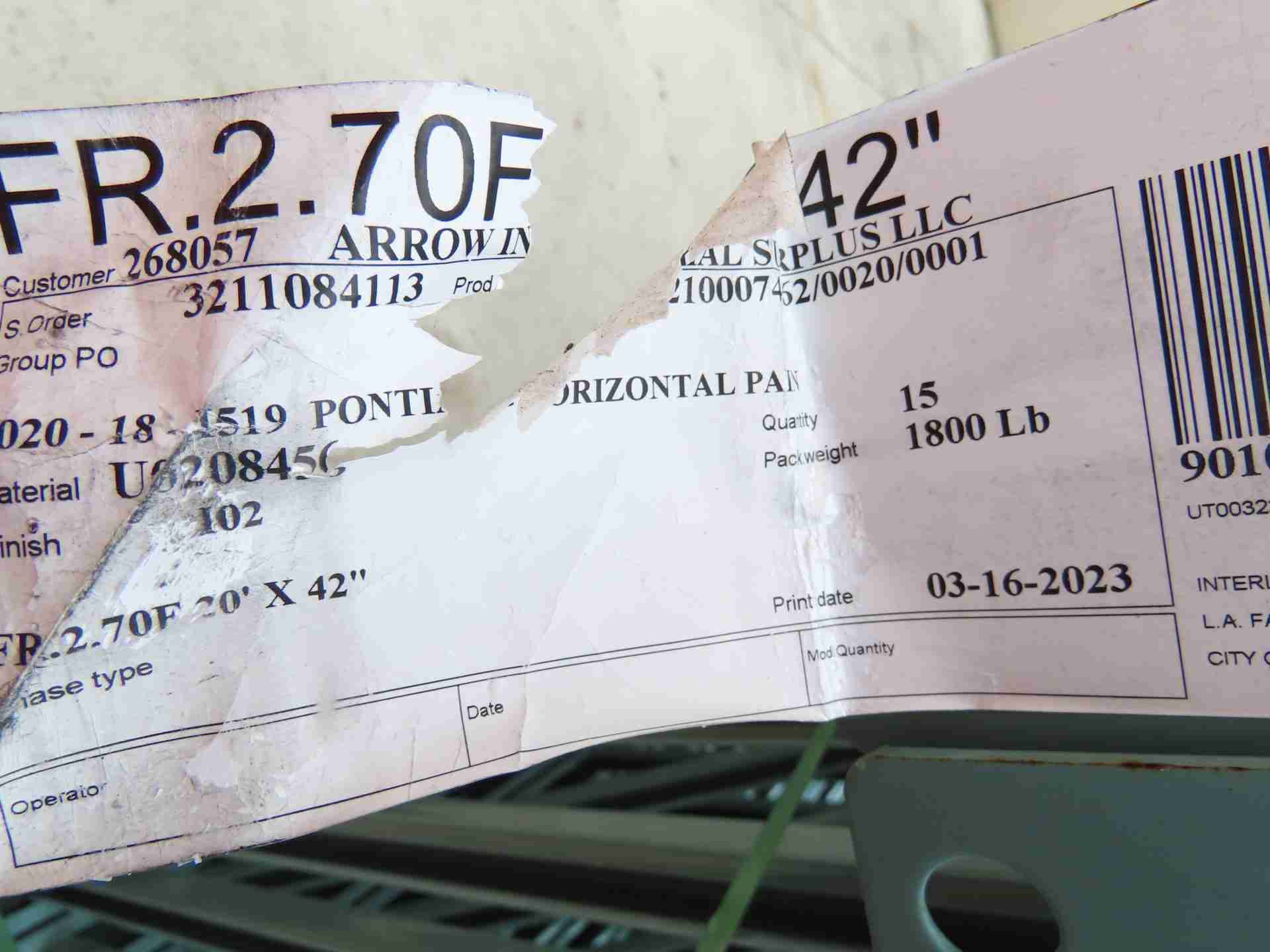
Glossary Of Terms
Other Questions
Is Flexibility The Key to Striking Balance with Warehouse Storage? – Other Questions
If you wish to explore and discover more, consider looking for answers to these questions:
- What are the different types of flexible warehouse storage solutions available?
- How do modular pallet racking systems differ from traditional racking systems?
- What factors should businesses consider when choosing a flexible storage solution?
- How can businesses calculate the return on investment for flexible warehouse storage?
- What role does employee training play in successful implementation of flexible storage systems?
- How can technology integrate with flexible storage systems to enhance functionality?
- What are some best practices for maintaining flexible storage systems over time?
- How can companies prepare for unexpected disruptions in inventory levels?
- What tips are there for visualizing and planning an efficient warehouse layout?
- How do businesses measure the success of their flexible storage strategies?
- What safety regulations should be considered when implementing flexible storage solutions?
- How can businesses handle the transition from a rigid to a flexible storage system?
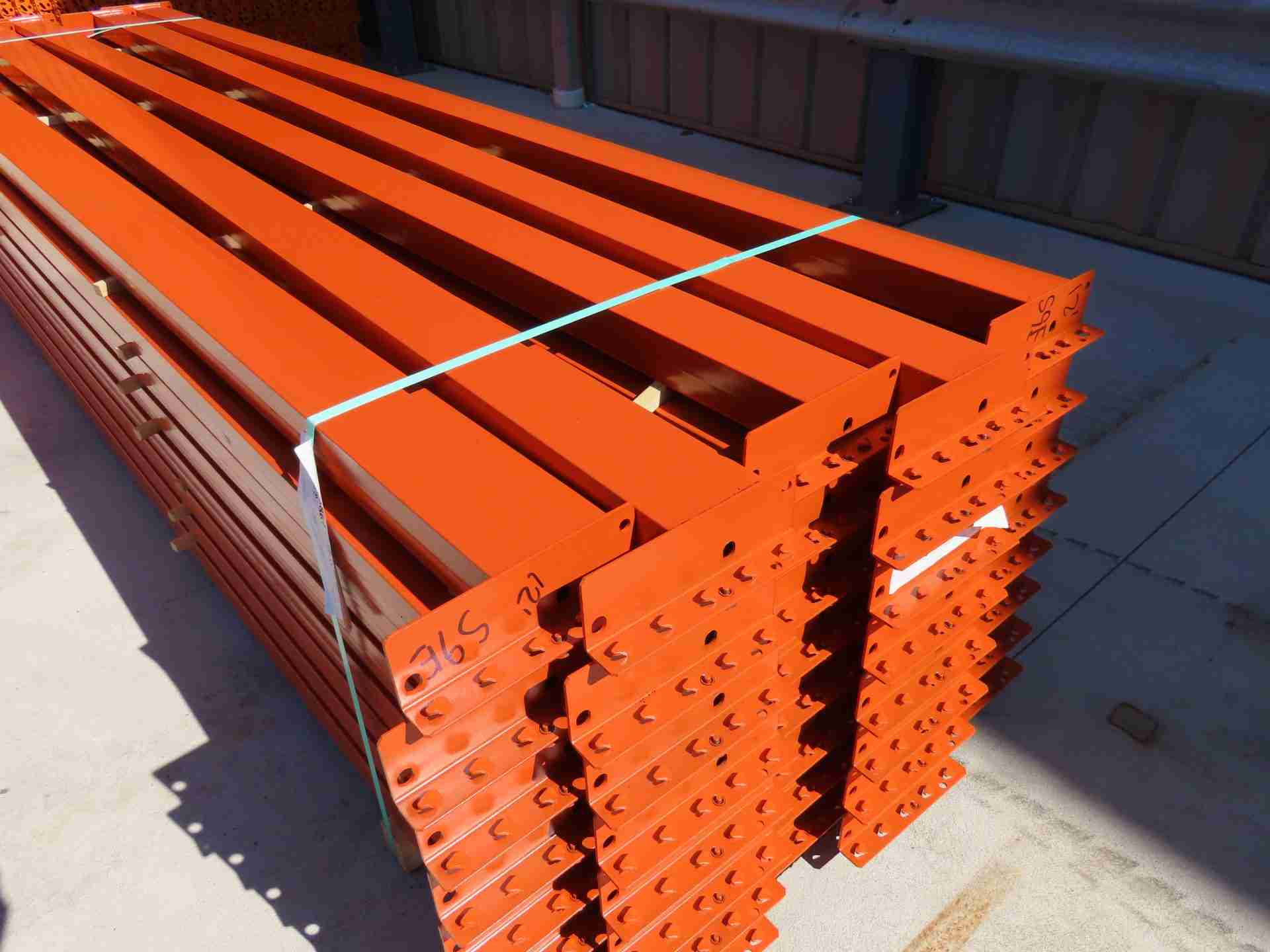
Other Questions
Checklist
Is Flexibility The Key to Striking Balance with Warehouse Storage? – A Checklist
Checklist: Maximizing Warehouse Storage Flexibility
1. Assess Current Storage Solutions
_____ Review your existing warehouse layout and storage systems.
_____ Analyze your inventory turnover rates.
_____ Identify space constraints and areas for improvement.
2. Explore Flexible Storage Options
_____ Investigate modular pallet racking systems.
_____ Consider vertical storage solutions for maximizing height.
_____ Evaluate technology integration, such as Warehouse Management Systems (WMS).
3. Implement Adaptable Layouts
_____ Design a flexible layout that can be reconfigured as needed.
_____ Create designated areas for seasonal and fluctuating inventory.
_____ Utilize strategies like FIFO to optimize inventory management.
4. Foster Employee Engagement
_____ Involve team members in the decision-making process regarding storage systems.
_____ Conduct training sessions on using new flexible storage technologies.
_____ Encourage feedback from employees on workflow and storage setup.
5. Plan for Implementation
_____ Develop a detailed action plan for transitioning to flexible storage.
_____ Sequence the transition process to minimize disruptions.
_____ Designate a team to oversee the implementation and address challenges.
6. Establish Maintenance Protocols
_____ Schedule regular check-ups for safety and functionality of storage systems.
_____ Create a maintenance log for tracking inspections and repairs.
_____ Ensure compliance with safety regulations in warehouse operations.
7. Monitor and Evaluate Efficiency
_____ Track productivity metrics post-implementation.
_____ Gather data on picking/packing times before and after changes.
_____ Continuously assess inventory management effectiveness.
8. Prepare for Future Growth
_____ Review market trends to anticipate shifts in demand or inventory needs.
_____ Develop scalable storage solutions for potential business expansion.
_____ Consult with storage experts to refine your flexibility strategy.
9. Communicate with Stakeholders
_____ Keep clients and partners informed of new operational capabilities.
_____ Build trust by showcasing your commitment to adaptability.
_____ Share success stories and metrics that demonstrate improvements.
10. Stay Proactive
_____ Regularly revisit your storage strategy to adapt to changing circumstances.
_____ Seek out new technologies and methods for enhancing flexibility.
_____ Foster a culture of innovation to continuously improve warehouse operations.
By following this checklist, you can effectively leverage flexibility in your warehouse storage solutions and enhance your overall operational efficiency.
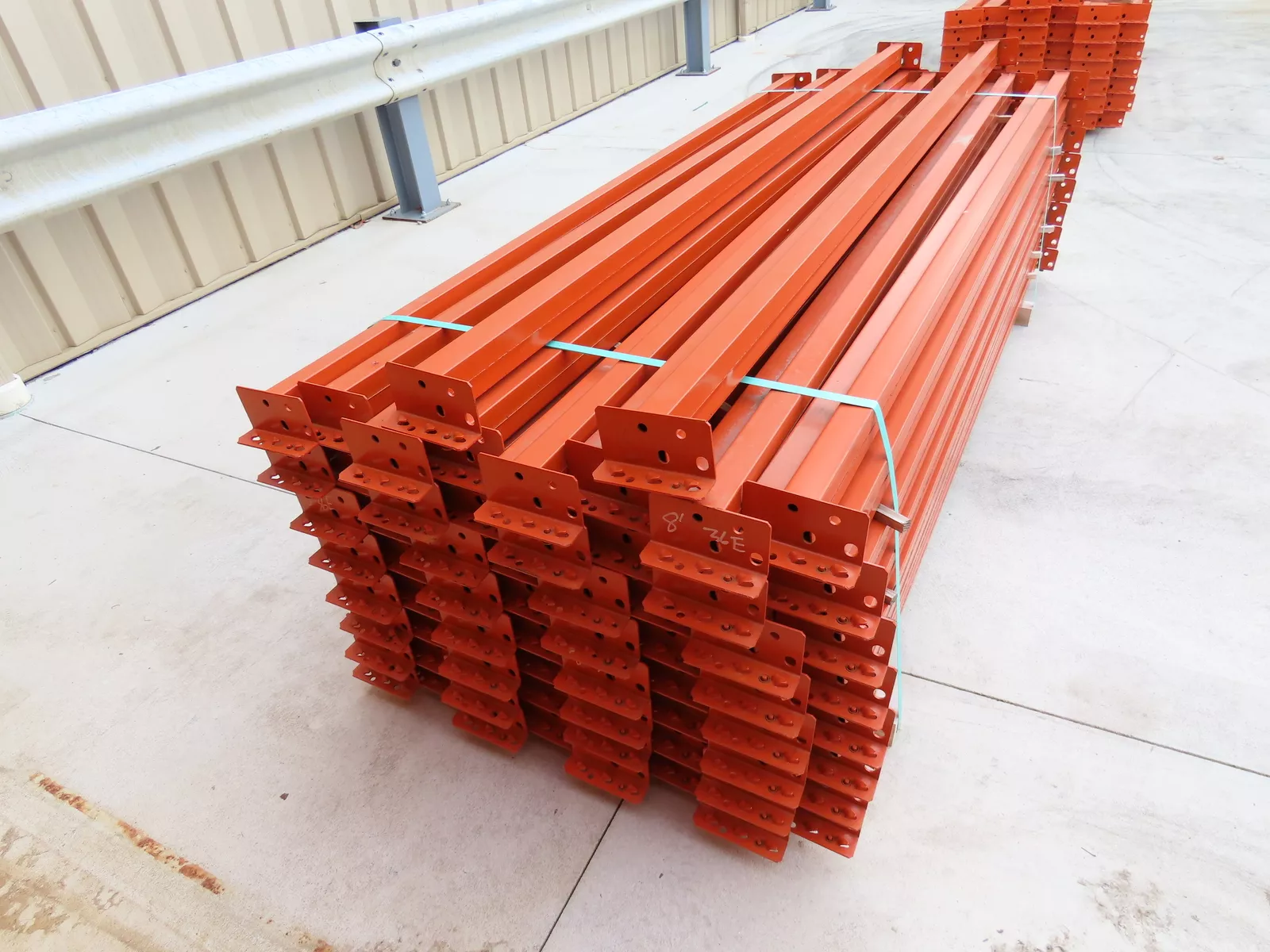
Checklist
At RackingWorld, we help guide you through selecting warehouse storage systems and racking.
Be sure to read our other related stories at RackingWorld to learn more about warehouse storage systems.
0 Comments