
The Complete Guide To Making The Right Decision
By Tom Seest
At RackingWorld, we help guide you through selecting warehouse storage systems and racking.
Be sure to read our other related stories at RackingWorld to learn more about warehouse storage systems.
Diy Vs. Professional Rack Repairs: Pros and Cons
When it comes to racking repairs, the question hangs in the air like a weighty dumbbell: Should you roll up your sleeves and tackle it yourself, or call in the pros? That decision is as personal as the story of how you got those racks in the first place. There’s a tug-of-war between the satisfaction of a job well done and the nagging fear of uncertainty. Let’s break it down, heart by heart.
On the one hand, DIY repairs bring a rush of adrenaline and a sense of triumph. There’s a narrative here about resilience and taking ownership—after all, you built your empire with your own two hands, didn’t you? You know your racking system better than anyone. Engaging in repairs can be not just a task, but a way to connect deeper with your space. It’s about pride, the stories of sweat and determination that echo in the walls. Plus, doing it yourself can be easier on the wallet, granting you more control over costs.
But wait—let’s not get lost in the romance! Racking systems aren’t just an assembly of metal parts; they are the backbone of safety for your operation. A misstep here could lead to disastrous consequences. That fear creeps in when you consider galvanizing bolts and load-bearing weights. The stakes are high, and so is the knowledge required to navigate repairs effectively. Bringing in the professionals means not only leveraging their expertise but also ensuring that the work is done swiftly and, more importantly, correctly. These experts don’t just bring tools and experience; they bring authority, verified with real-world business outcomes and solid reputations.
The emotional pull of professional repairs extends to the community you’re building. When you choose to hire local, you’re investing in someone’s livelihood. It’s about fostering a network of support, a connection that runs deeper than mere transactions. And if something goes awry down the line, remember: you won’t be left holding the bag. Professionals stand behind their work—this fosters a sense of trust that’s invaluable in today’s world.
Ultimately, the choice between DIY and professional rack repairs boils down to your values, goals, and comfort levels. Whether you choose to get your hands dirty or lean on the pros, what matters most is that you’re making an informed decision for your safety and success—a question of integrity that resonates in every fiber of your operation.
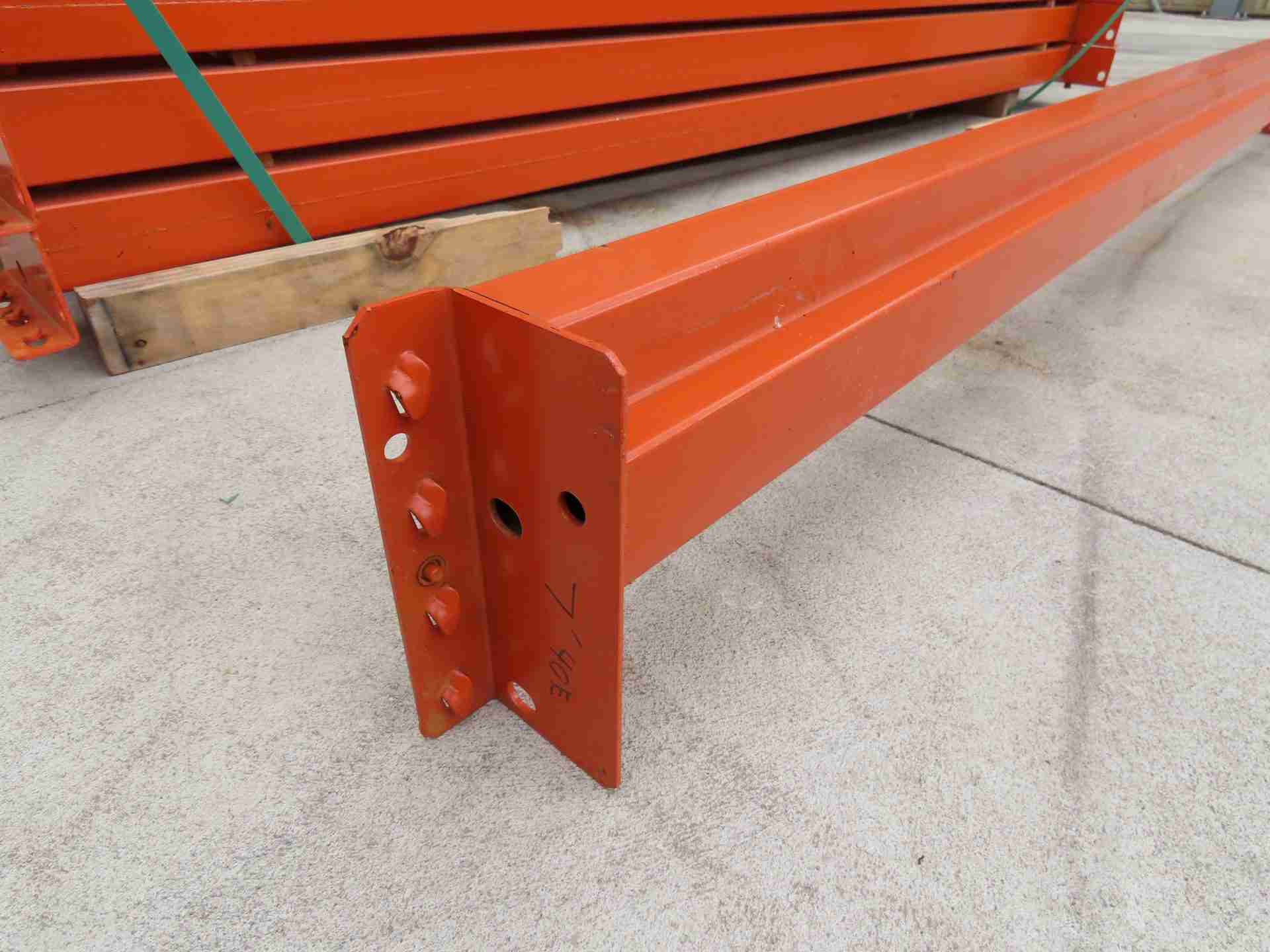
Diy Vs. Professional Rack Repairs: Pros and Cons
Diy Vs. Professional Rack Repairs: Pros and Cons
- The decision to DIY rack repairs or hire professionals is personal and reflective of individual experiences.
- DIY repairs offer a sense of pride, resilience, and opportunity for a deeper connection with your space, often at a lower cost.
- Racking systems are critical for safety; improper repairs can have serious consequences.
- Hiring professionals ensures repairs are done correctly and swiftly, leveraging their expertise and experience.
- Choosing local professionals supports community connections and fosters trust, with professionals backing their work.
- Ultimately, the choice between DIY and professional repairs hinges on personal values, goals, and comfort levels.
- Making an informed decision is vital for ensuring safety and success within your operation.
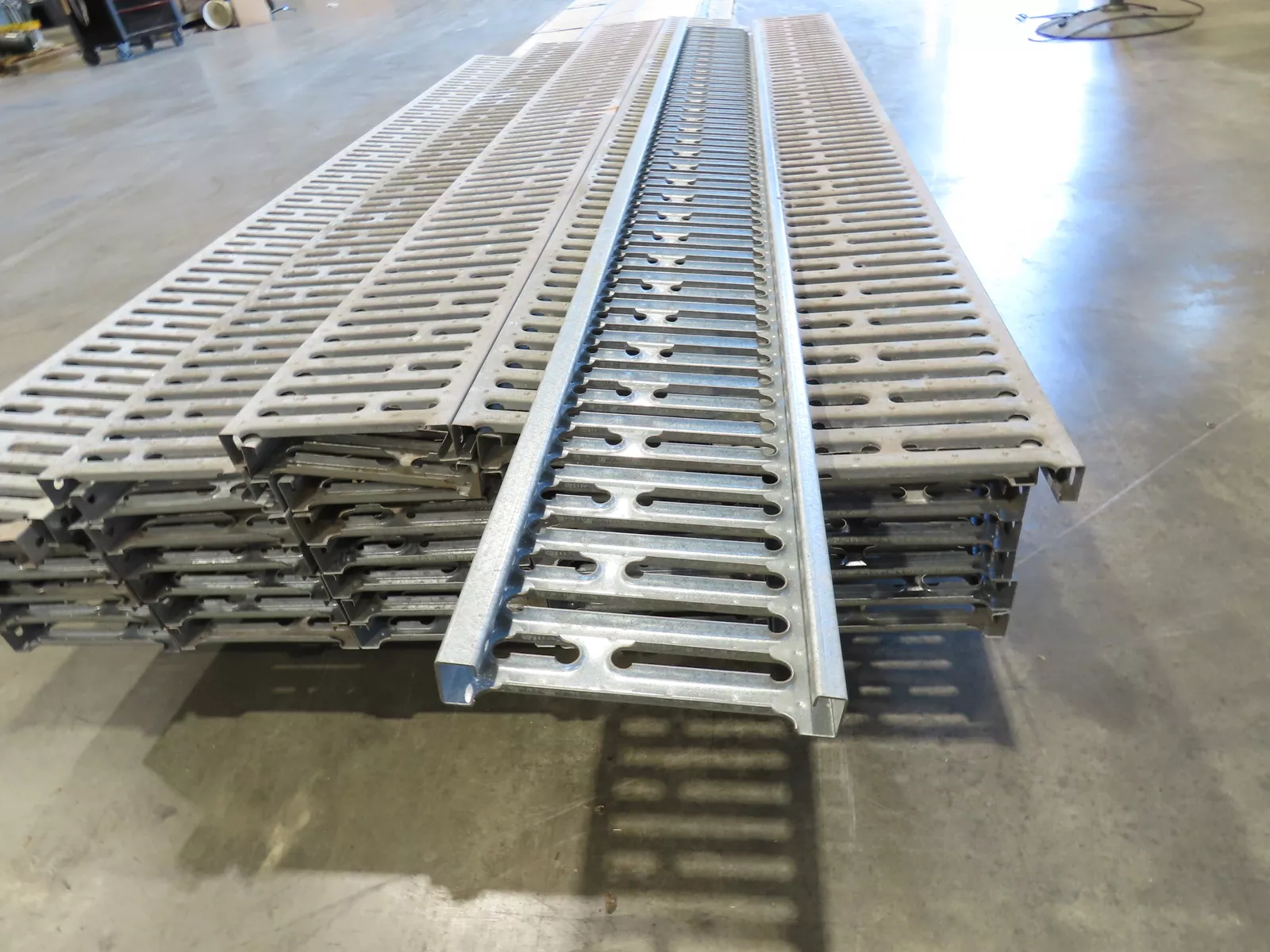
Diy Vs. Professional Rack Repairs: Pros and Cons
Table Of Contents
- Diy Vs. Professional Rack Repairs: Pros and Cons
- What Emotional Risks Do You Face When Choosing Diy Repairs?
- How Can Professional Repairs Save You Money In the Long Run?
- Are Diy Repairs a Testament to Your Skills, Or Just a Gamble?
- How Do You Weigh the Value Of Convenience Against Effort In Repairs?
- What Ethical Considerations Should You Make About Diy Safety?
- Conclusion
- Other Resources
- Glossary Of Terms
- Other Questions
- Checklist
What Emotional Risks Do You Face When Choosing Diy Repairs?
Choosing DIY repairs can feel like stepping onto a rickety bridge, swaying between the promise of self-sufficiency and the lurking shadows of uncertainty. Sure, the allure of saving a few bucks tugs at the heartstrings, echoing the age-old ethos of “if you want it done right, do it yourself.” Yet, let’s take a moment to unpack the emotional risks nestled within that well-intentioned decision.
Imagine the scene: you’re elbow-deep in a racking pile of tools, wearing the battle scars of past endeavors. You’ve watched the tutorials, scribbled notes on the back of a grocery list, and your optimism is buzzing like a power tool. But then, mid-repair, reality hits. Whether it’s the suddenly stripped screw or an unexpected leak, the weight of frustration settles in. Anxiety rises like a tide, whispering, “What if I can’t fix this?” Here’s the kicker: those moments of doubt can lead to a cascade of feelings—from embarrassment at the thought of asking for help to shame for not measuring up to the rugged ingenuity we often glorify.
And that’s just the tip of the emotional iceberg. Picture standing on that metaphorical bridge, worried not just about the chaotic mess you might be creating, but also the impact on your relationships. We often undertake DIY projects to impress family or friends, but what happens when our intent turns to disaster? It can create tension, fostering a sense of isolation instead of the camaraderie we desire. We fear judgment, uncertain if the support network around us truly understands the complexities of our aspirations.
Then there’s the ethical conundrum. Every day, we are bombarded with images of immaculate homes and flawless renovations. It’s easy to feel obligated to conform to those standards, leading to a performance-driven mindset rather than one grounded in genuine connection and shared experience. It dare not forget the power of storytelling. Sharing the flops and triumphs of our DIY endeavors could indeed inspire others to embrace vulnerability, making failures a stepping stone rather than a stumbling block.
So, as you weigh the emotional costs against the satisfaction of tackling repairs on your own, remember that this journey isn’t just about the end result. It’s an opportunity to embrace the human experience, to build resilience, and perhaps most importantly, to forge deeper connections with those around you. Trust yourself, but also, don’t be afraid to open up. Every racked tool and misstep tells a story worth sharing.
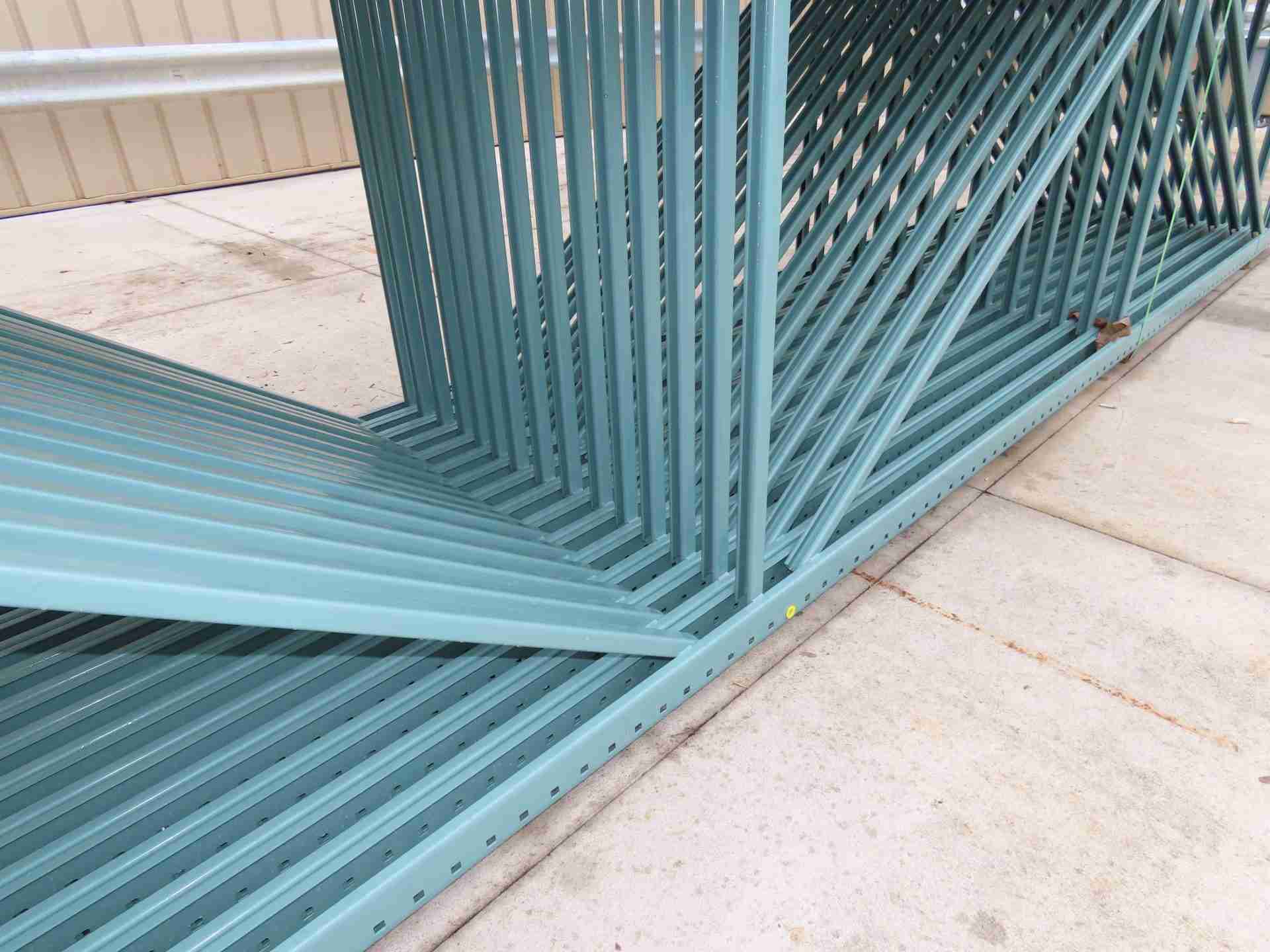
What Emotional Risks Do You Face When Choosing Diy Repairs?
What Emotional Risks Do You Face When Choosing Diy Repairs?
- Choosing DIY repairs involves a balance between self-sufficiency and uncertainty.
- There’s an allure to saving money, but emotional risks can overshadow this promise.
- Frustration can arise mid-repair, leading to anxiety about one’s capabilities.
- Feelings of embarrassment and shame may emerge when facing challenges.
- DIY efforts can impact relationships, particularly when projects don’t go as planned.
- There’s societal pressure to conform to ideal standards of home renovations.
- Sharing both DIY successes and failures can foster vulnerability and deeper connections.
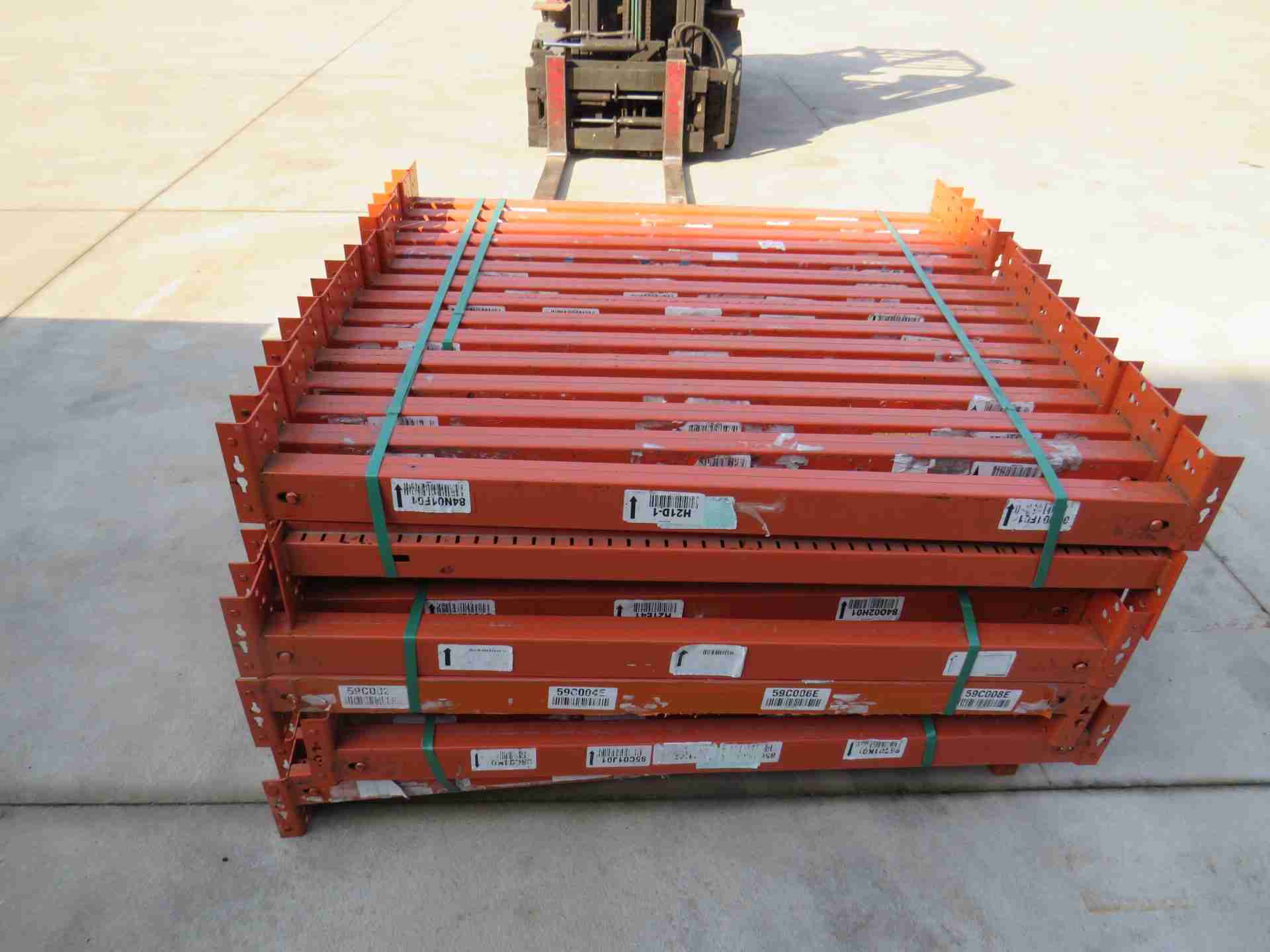
What Emotional Risks Do You Face When Choosing Diy Repairs?
How Can Professional Repairs Save You Money In the Long Run?
In the hustle of our daily lives, we often overlook the hidden costs of neglecting repairs. Think about that leaky faucet—looks harmless enough, right? Just a little drip, drip, drip. But here’s the kicker: that tiny annoyance can morph into a waterfall of expenses if left to its own devices. Racking up those water bills is the least of your worries. What happens when the constant moisture leads to mold? Suddenly, your cozy home turns into a breeding ground for allergens, potentially impacting not only health but also home value.
When you engage a professional for repairs, you’re not merely paying for a quick fix; you’re investing in peace of mind. Picture this: a trained technician arrives, armed with tools and expertise, ready to tackle what you might’ve ignored. They don’t just patch up the problem—they dig deep, letting their experience guide them through layers of unseen issues, ensuring that what was broken gets fixed once and for all. It’s about more than plaster and nails; it’s a commitment to preserving your living environment.
Now, let’s get down to brass tacks. Hiring a professional can seem like an expense you’d prefer to avoid, but consider the long-game. Repairs executed by the right hands can prevent complications that lead to frequent breakdowns, costly replacements, and regret over decisions made during a hasty moment. The numbers speak for themselves: a little bit of investment today can save you thousands tomorrow. That’s not just math; it’s wisdom.
Ethically, we must ask ourselves: why gamble with our homes and our health? When we hire skilled professionals, we’re supporting those who’ve spent years honing their craft, those who respect their trade and care about their community. You’re not just calling a handyman; you’re inviting someone who lives and breathes repairs into your life. This shared respect fosters a connection, and in that space, a sense of trust blossoms.
And let’s not forget the social aspect. Imagine gathering friends for dinner, proud to showcase your well-maintained home, free from the embarrassment of those crowdsourcing “quick fixes” that often lead to hellish stories and shared laughs that are anything but funny. By choosing to invest in professional repairs, you’re not just protecting your property; you’re building a legacy of care, responsibility, and strength in your community. So, let’s roll up our sleeves (or let the pros do it) and embrace the profound impact of investing in quality repairs. Your future self will thank you.
How Can Professional Repairs Save You Money In the Long Run?
How Can Professional Repairs Save You Money In the Long Run?
- Neglecting small repairs, like a leaky faucet, can lead to larger problems and increased costs over time.
- Moisture from leaks can cause mold growth, impacting health and lowering home value.
- Hiring professionals for repairs ensures thorough fixes, preventing overlooked issues from becoming major headaches.
- Investing in skilled repairs can save money in the long run by avoiding frequent breakdowns and costly replacements.
- Choosing professionals supports experienced tradespeople and fosters community trust and respect.
- Well-maintained homes can boost pride and social gatherings, avoiding embarrassment from temporary fixes.
- Investing in quality repairs builds a legacy of care and responsibility for future generations.
How Can Professional Repairs Save You Money In the Long Run?
Are Diy Repairs a Testament to Your Skills, Or Just a Gamble?
There you are, standing in your garage, tools in hand, staring down a pile of parts that used to be your washing machine. You can feel the weight of that DIY spirit pressing against your chest, pushing you toward action. But is that excitement pure genius or a gamble with consequences?
Every DIY project begins with a rush of adrenaline, a feeling that holds the promise of independence. You’re not just fixing a machine; you’re racking up skills, building a sense of self-sufficiency that you can proudly share with friends and family. There’s nothing quite like the feeling of accomplishment when you step back to admire your handiwork. It’s a rush that speaks to the gut, igniting the belief that you can tackle anything.
Yet, let’s take a breath and engage the head for a moment. Are you truly equipped to take this on? DIY repairs can either save you a chunk of change or turn into a financial black hole, dragging you down into a mire of costs that, in hindsight, might seem avoidable. Each part you buy, each wrong turn you make serves as a reminder that not all repairs come with a guarantee of success. Here’s where the ethical angle comes into play. Is it right to plunge into a project you might not be ready for? Or, sometimes, is calling for professional help the most responsible thing to do?
Remember, you’re not alone in this quest. Countless others have booted up their own YouTube channels, sharing their triumphs and tribulations. Stories of others—how they nearly set their kitchen on fire using the wrong tool or how a simple fix turned into an epic saga—remind us that every hero has their hurdles. These social narratives can encourage you to either take the plunge or rethink your approach.
So, before you dive headfirst into your next DIY adventure, grasp that emotional call to skill and flexibility but keep a level head. Balance the thrill of potential success against the reality of what can go wrong. Assess your know-how, check the instruction manuals, and maybe call a buddy who’s tackled this volcano before. You’ll not only inspire confidence in your abilities but also build a community that champions both the thrill of trying and the wisdom of knowing your limits.
Are Diy Repairs a Testament to Your Skills, Or Just a Gamble?
Are Diy Repairs a Testament to Your Skills, Or Just a Gamble?
- Standing in front of a pile of washing machine parts evokes both excitement and uncertainty about DIY projects.
- DIY projects foster skills and self-sufficiency that can be proudly showcased to friends and family.
- Accomplishment from completing a project can boost confidence and encourage tackling future challenges.
- DIY repairs can either save money or lead to unexpected expenses, emphasizing the need for careful consideration.
- Ethical questions arise regarding readiness for DIY versus knowing when to call for professional help.
- Many people share their DIY experiences online, providing relatable stories that can inspire or caution others.
- Before starting a DIY project, balance the thrill of success with realistic self-assessment and seek guidance if needed.
Are Diy Repairs a Testament to Your Skills, Or Just a Gamble?
How Do You Weigh the Value Of Convenience Against Effort In Repairs?
When it comes to weighing the value of convenience against effort in repairs, we often find ourselves at a crossroads—a familiar racking of gears in our minds. On one hand, the allure of calling a professional or replacing an item entirely can seem like the easy way out. It’s tempting to swipe a card, relish in the immediate gratification, and move on with life. But pause for a moment. What does that choice say about us? Are we merely consumers in a world that constantly pushes for speed and ease? Or can we be craftsmen, taking pride in our ability to fix what’s broken?
Think of those small, everyday repairs—the leaky faucet, the squeaky door. They are more than just nuisances; they are opportunities to engage with our surroundings, to take control in a world that often feels chaotic. Tackling these tasks requires some effort, yes, but it also cultivates a sense of mastery, a reassurance that we have the skills to handle life’s little bumps. Each repair is an ethical choice steeped in respect for resources. By fixing what we already own, we honor the value of hard work while reducing waste. That’s not just a win for us, but for our planet too.
Rationally speaking, investing time and effort can lead to deeper understanding. When we roll up our sleeves, we learn about mechanics, systems, and maybe even a little about ourselves. Get your hands dirty, and you’ll gain more than just a repaired object; you’ll garner confidence and a sense of accomplishment that no quick fix can replicate.
Consider the stories we tell ourselves about capability. Each repair serves as a narrative that shapes our identity and connects us to a larger community of makers and doers. When we share our wins and lessons with others, we build a tapestry of shared knowledge.
Ultimately, the choice is yours. Will you put in the effort to repair, to connect with yourself and the world around you? Or will you take the easy road, leaving behind an opportunity for growth? Trust in your ability to fix, to create, and to engage. Every small act of repair is not just about convenience—it’s a testament to our resilience and commitment to living thoughtfully. So, the next time something breaks, consider reaching for your toolbox, not your wallet.

How Do You Weigh the Value Of Convenience Against Effort In Repairs?
How Do You Weigh the Value Of Convenience Against Effort In Repairs?
- Choosing between convenience and effort in repairs poses a dilemma that requires reflection.
- Relying solely on professionals or replacements may signify consumerism rather than craftsmanship.
- Everyday repairs, like fixing a leaky faucet or squeaky door, provide valuable engagement with our surroundings.
- Investing effort in repairs fosters a sense of mastery and respect for resources, benefiting both individuals and the planet.
- Hands-on repairs lead to improved understanding of mechanics and personal growth, offering confidence and accomplishment.
- Repairs contribute to our identities and connect us to a community of makers, sharing knowledge and experiences.
- The choice between making repairs or opting for convenience reflects our commitment to resilience and thoughtful living.
How Do You Weigh the Value Of Convenience Against Effort In Repairs?
What Ethical Considerations Should You Make About Diy Safety?
When you decide to tackle a DIY project, you’re not just rolling up your sleeves and getting down to work; you’re embarking on a journey that involves more than just tools and materials—you’re entering a realm filled with responsibility and ethical considerations. Visualize this scenario: you’re racking your brain for the right approach to a plumbing problem in your home. Before you grab that wrench, let’s pause and consider what’s at stake.
First off, safety isn’t just a personal affair. It’s a communal one. Your DIY adventures can directly impact the safety of loved ones, neighbors, and even unsuspecting visitors. Think about this: what if that handywork you fancy to be simple ends up creating a hazard, like an electrical failure? To put it bluntly, your choices reverberate beyond your four walls. Each action has a ripple effect, and the last thing you want is to start a wave that leads to injury or damage.
Feeling confident you can tackle any project? That’s fantastic. But let’s ground that enthusiasm with a bit of humility. Research your task—consult experts or online forums to glean insights that could save you a world of trouble. Relying on your instincts alone can be tempting, but sometimes, that gut feeling should come with a side of due diligence. A quick phone call to a professional can be the difference between a project going smoothly and a minor disaster.
Ethically speaking, transparency is vital. Share your DIY project progress with friends or family. They can offer support and, equally importantly, serve as a sounding board for your ideas. This process fosters connection and invites input that can enhance your project. Plus, it cultivates a culture of accountability. When you know others are watching, it pushes you to uphold safety standards that you might otherwise overlook.
At the end of the day, your DIY projects can be a source of pride, but they also carry an ethical mantle. When you engage thoughtfully in your endeavors, you’re not just creating; you’re weaving a safety net for yourself and others. By taking these ethical considerations into account, you not only enrich your work but also elevate your community, turning your humble project into a universal masterpiece. Remember, it’s not just about building something new; it’s about building a safer, more conscientious world.
What Ethical Considerations Should You Make About Diy Safety?
What Ethical Considerations Should You Make About Diy Safety?
- DIY projects involve responsibility and ethical considerations beyond just tools and materials.
- Safety is a communal concern; your work can affect loved ones, neighbors, and visitors.
- A DIY project has the potential to create hazards, particularly if not done correctly.
- Researching the project and consulting experts can prevent accidents and ensure success.
- Transparency in sharing your project with friends and family invites support and feedback.
- Being accountable to others helps maintain safety standards and enhances your project.
- Thoughtful engagement in DIY endeavors contributes to personal pride and community wellbeing.
What Ethical Considerations Should You Make About Diy Safety?
Conclusion
Diving into the world of racking repairs presents a pivotal decision: do you boldly take on the task yourself or trust in the pros? This question transcends mere practicality; it’s deeply tied to our personal stories, values, and the very essence of who we are as individuals.
When you opt for DIY repairs, there’s an exhilarating sense of autonomy involved. With every tool in hand, you swim in waves of empowerment, pride, and nostalgia for the hard work that built your operation. Yet, this journey isn’t without peril. It’s crucial to recognize that racking systems aren’t just metal structures; they’re integral to safety, with risks looming if repairs falter. That leads us to the cold reality: a small mistake can snowball into dire consequences—safety hazards, financial strain, and the emotional toll of second-guessing yourself.
On the flip side, enlisting professionals may feel like a retreat from that DIY spirit, but it’s often a strategic investment, not merely an expense. Professionals wield the power of expertise, ensuring repairs are not only swift but fortified with trust. They hold a community inside their businesses, a network that thrives on reliability and accountability. Choosing local talent empowers those who’ve cultivated their skills over years, creating a tapestry of connections that enriches your community.
The emotional tapestry woven through these choices speaks volumes. While DIY might scratch that itch of self-sufficiency, it might also evoke isolation and anxiety, particularly when things go off-script. Our shared stories of triumph and failure echo through every hammer knock or misstep. It’s more than repairing; it’s about resilience, honesty, and engaging with those around us.
Moreover, professional repairs are not just about immediate gratification; they offer long-term wisdom. A well-executed repair prevents costly complications down the line, fostering the health of your space. Ethical considerations loom large here; choosing professionals can also feel like an act of responsibility, recognizing the value of skilled labor while ensuring your repairs preserve the integrity of your environment.
Ultimately, whether you take the plunge into DIY repairs or connect with seasoned experts, make the choice grounded in knowledge, community, and a genuine quest for safety and quality. The journey is what matters most, filled with lessons that shape not just our surroundings but our very identities—one repair at a time. Engage with the process, and embrace the profound impact your choice carries—because, after all, building a legacy of care and responsibility is the real masterpiece worth crafting.
Conclusion
Conclusion:
- Deciding between DIY racking repairs or hiring professionals is a significant personal choice tied to values and identity.
- DIY repairs offer a sense of autonomy and empowerment but come with safety risks and potential for costly mistakes.
- Enlisting professionals may seem like a retreat from DIY but is often a strategic investment in quality and safety.
- Professionals bring expertise and reliability, creating a sense of community and accountability through their networks.
- Engaging in DIY can foster feelings of isolation and anxiety if things don’t go as planned, highlighting the emotional stakes involved.
- Professional repairs provide long-term benefits by preventing future complications and emphasizing ethical labor practices.
- Your choice in repairs should be informed by knowledge and community values, creating a legacy of care and responsibility.
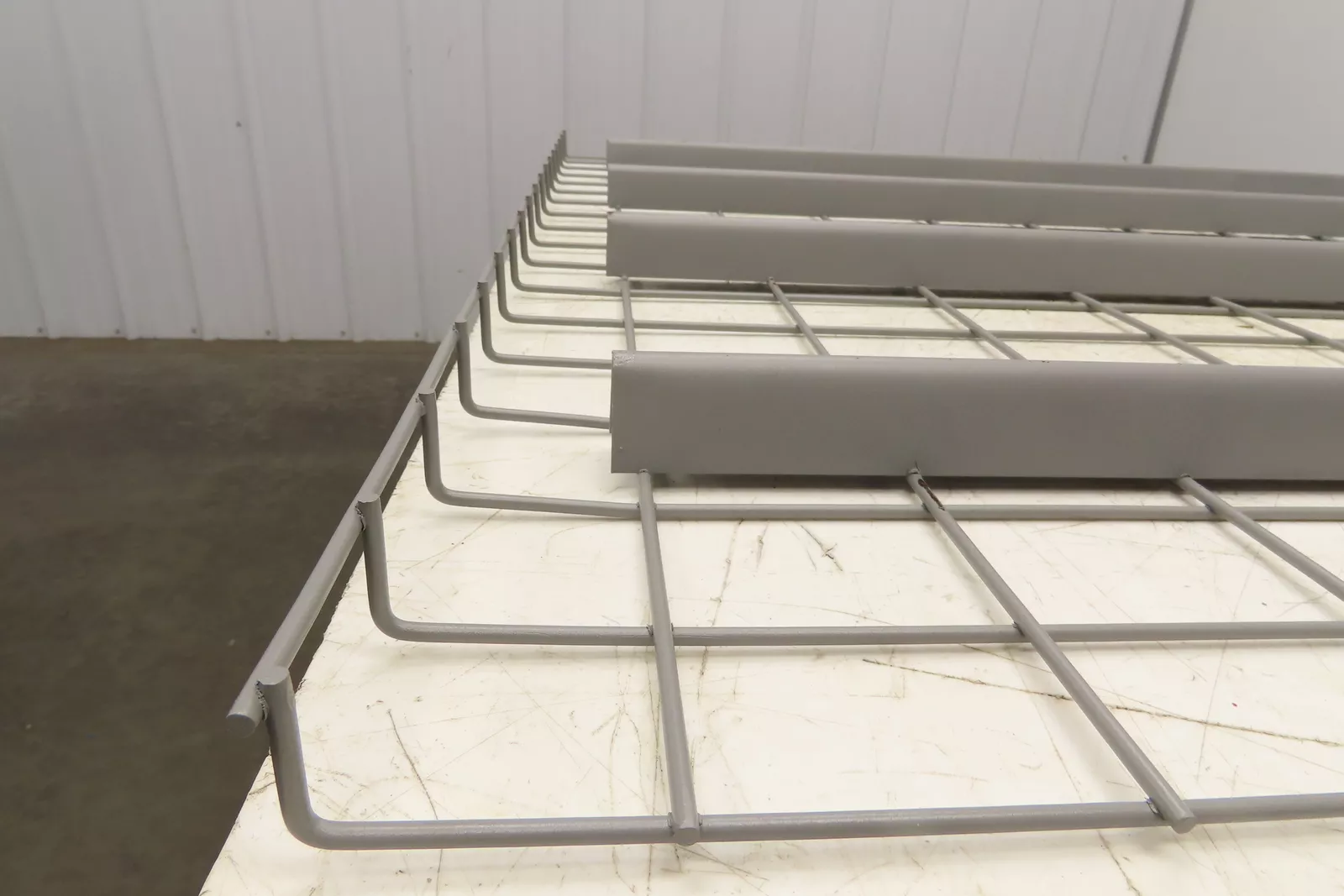
Conclusion
Other Resources
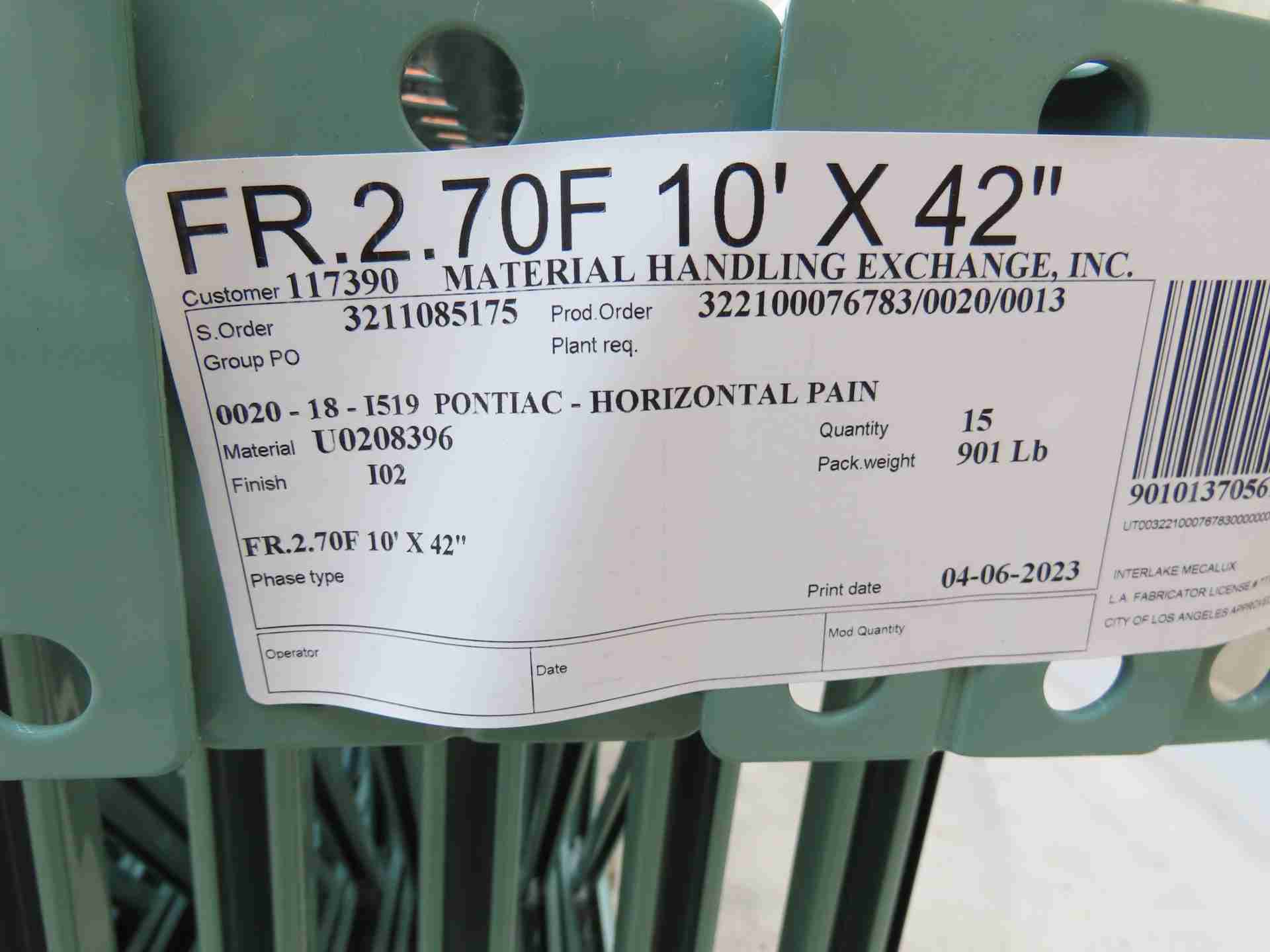
Other Resources
Here is a list of other resources you can review online to learn more:
- CMMA
- Selective Rack – Raymond West
- Warehouse Racking Chicago, IL
- Rack Manufacturers Institute
- Pallet Racking systems in Illinois and Great Lakes
- Used Pallet Rack for Sale in Illinois – American Surplus
- CA Wire
- Chicago Pallet Racking
- Warehouse Storage Racks
- Illinois Pallet Racking – Storage Solutions
- Cantilever Racks Chicago
- Material Handling Safety
- Intro to Warehouse Racks & Warehouse Racking Systems – ShipBob
- SEMA
- IWLA
- IIWS Inc. Rack Installation Illinois & Rack Repairs Illinois
- Cantilever Rack Guide: Ordering Cantilever Racking
- Interlake
- Teardrop Pallet Rack – Ridg-U-Rak
- Warehouse Automation
Use This Prompt To Get More Resources With Your Favorite Online AI Tool: Please provide me with a list of online articles with their URLs in a bulleted list that I can read regarding Diy Vs. Professional Rack Repairs: Pros and Cons
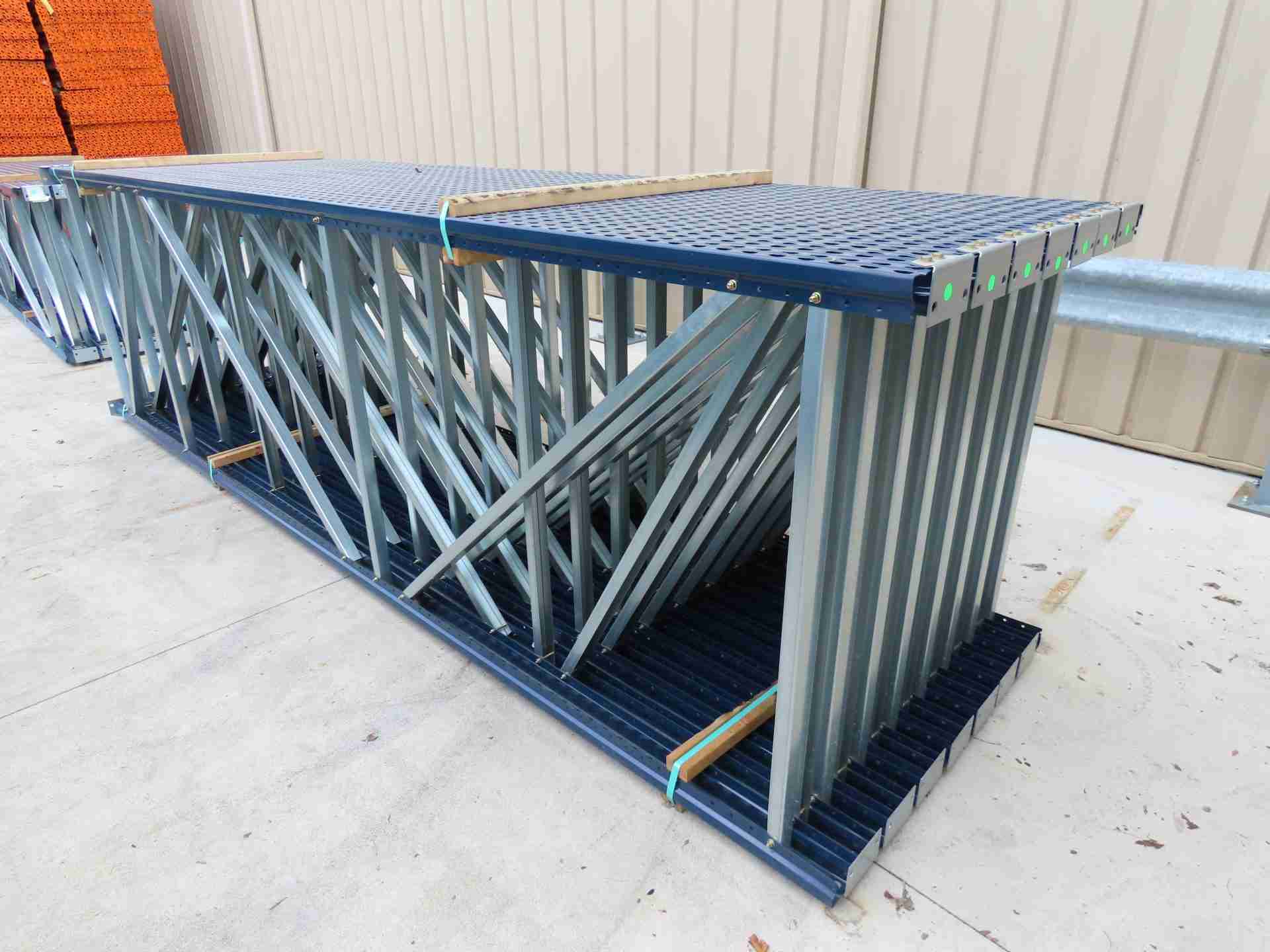
Other Resources
Glossary Terms
Diy Vs. Professional Rack Repairs: Pros and Cons – Glossary Of Terms
1. DIY (Do It Yourself): Refers to the practice of repairing or building something by oneself, without professional assistance.
2. Professional Repair: Services provided by trained experts who have specific skills and experience in repairing equipment or structures.
3. Rack: A framework or structure used for storing or displaying items, often found in warehouses, garages, or retail environments.
4. Repair: The act of fixing or restoring something that is damaged or malfunctioning.
5. Cost: The monetary expense associated with either DIY repairs or hiring a professional.
6. Time Investment: The amount of time required to complete a repair; can vary significantly between DIY and professional approaches.
7. Skill Level: The degree of expertise possessed by an individual in carrying out repairs, influencing DIY success.
8. Tools: Instruments or devices required to perform repairs; may vary based on whether the work is DIY or professional.
9. Warranty: A guarantee provided by a manufacturer or service provider regarding the repair or product quality.
10. Safety Standards: Regulatory guidelines ensuring safety during the repair process; critical in both DIY and professional settings.
11. Quality of Work: The standard to which repairs are completed, potentially higher with professionals due to their training.
12. Risks: Potential dangers or problems that may arise from DIY repairs, such as injury or improper fixes.
13. Budget: A financial plan that outlines the expected costs associated with repairs, affecting decision-making between DIY and professional services.
14. Materials: Supplies or components needed for repair work, which can differ in cost and quality based on the repair approach.
15. Complexity: Refers to the level of difficulty involved in a repair task, influencing whether it is better suited for DIY or professional handling.
16. Maintenance: Regular care or servicing required to keep a rack in functional condition, applicable to both DIY and professional contexts.
17. Inspection: The process of examining a rack for damage or wear before deciding on repair methods.
18. Efficiency: The effectiveness of the repair process in terms of time and resource utilization; often higher with professionals.
19. Learning Curve: The period required for an individual to become proficient in DIY repairs, which may vary based on complexity.
20. Support: Guidance or assistance available for DIY projects, such as tutorials, forums, and community resources.
21. Documentation: Manuals or guides that provide instructions for repairs, useful for both DIY and professional contexts.
22. Scalability: The ability to adjust repair efforts based on the size or scope of the project; relevant in both DIY and professional scenarios.
23. Return on Investment (ROI): The value gained from spending money on repairs, affecting decisions to DIY or hire professionals.
24. Alternative Solutions: Different methods or approaches available for repairing racks, including both DIY ideas and professional services.
25. Durability: The lifespan of a repair, influenced by the quality of workmanship and materials used.
26. Customization: Adjusting or modifying repairs to suit specific needs or preferences, often more feasible in DIY projects.
27. Regulations: Legal requirements governing safety and building practices that must be followed during repairs.
28. Feedback: Opinions or reviews from customers regarding the quality of professional repairs or the outcomes of DIY efforts.
29. Toolshed: A space or storage area in which tools for DIY projects are kept, often influencing the feasibility of the DIY approach.
30. Informed Decision: A choice made based on thorough consideration of the pros and cons of DIY versus professional repairs.
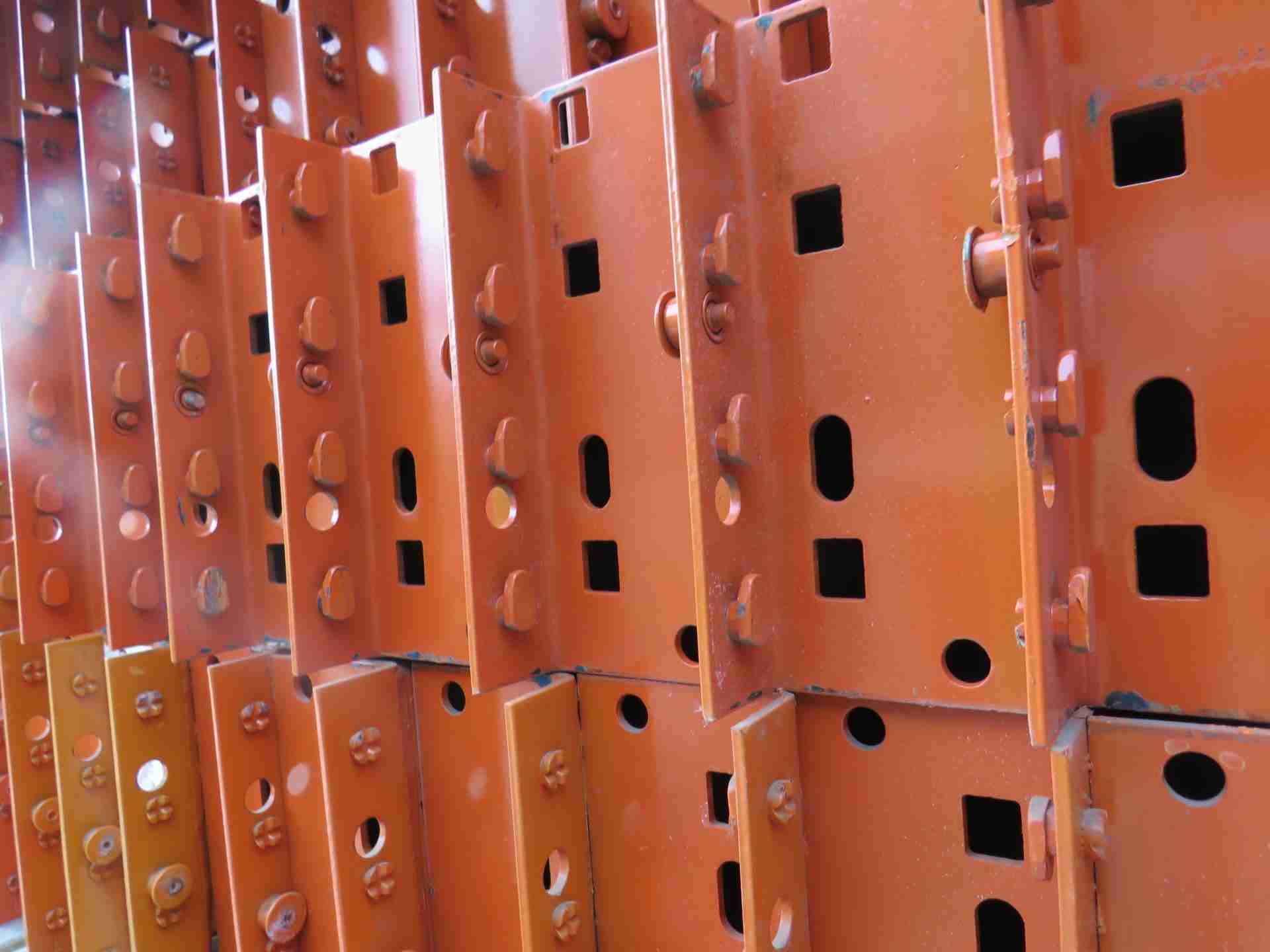
Glossary Of Terms
Other Questions
Diy Vs. Professional Rack Repairs: Pros and Cons – Other Questions
If you wish to explore and discover more, consider looking for answers to these questions:
- What are the most common types of rack repairs one can do themselves?
- How can I determine if my racking system needs repairs?
- What tools are essential for DIY rack repairs?
- Can I find tutorials or resources for learning how to repair racks?
- What signs indicate that I need to hire a professional for rack repairs?
- What questions should I ask a professional before hiring them for rack repairs?
- Are there safety certifications I should look for when hiring a professional?
- What is the average cost of professional rack repairs compared to DIY expenses?
- How can I assess my own skill level for DIY repairs?
- What are some risks associated with DIY repairs that professionals might mitigate?
- What ethical considerations should I keep in mind when hiring local professionals?
- What impact does DIY work have on the value of my property?
- What are some success stories of DIY rack repairs that inspire others?
- How can I build a support network for my DIY projects?
- What are the long-term implications of choosing DIY vs. professional repairs on safety and function?
Other Questions
Checklist
Diy Vs. Professional Rack Repairs: Pros and Cons – A Checklist
DIY vs. Professional Rack Repairs Checklist: Making the Right Decision
Emotional Appeals:
_____ Reflect on your personal story with your racking system.
_____ Consider the pride and satisfaction you feel when completing a project.
_____ Evaluate the emotional risks: What will it feel like if the DIY project fails?
_____ Think about how your choice might impact your relationships with friends and family.
Rational Appeals:
_____ Assess your skills and knowledge about racking repairs.
_____ Calculate the potential costs versus savings of DIY vs. hiring a professional.
_____ Research safety standards and repair techniques relevant to your project.
_____ Consider the long-term benefits of investing in quality repairs.
Ethical Appeals:
_____ Reflect on the responsibility of ensuring safety—not just for yourself but for others.
_____ Evaluate the ethical implications of your repair choices. Are you making a responsible decision?
_____ Consider the impact of supporting local professionals and the community.
_____ Think about reducing waste by preserving what you already have.
Authority Appeals:
_____ Seek advice or consultation from trusted professionals or experienced friends.
_____ Look for verified resources (tutorials, forums, articles) that can guide your decisions.
_____ Honor the expertise that comes with years of professional training in racking repairs.
Narrative Appeals:
_____ Connect your experience with others by sharing your DIY success or failure stories.
_____ Explore narratives of others who have made the same decision and the outcomes they faced.
_____ Use storytelling to inspire or caution yourself about potential pitfalls.
Social Appeals:
_____ Engage with others: Share your plans or progress with friends or online communities for support.
_____ Reflect on how your decision may influence and inspire others in your network.
_____ Build relationships through collaboration on repairs or discussions about the process.
Use this checklist to guide your decision-making process in choosing between DIY and professional rack repairs. Each point encourages you to consider the broader implications of your choice while strengthening your connection to yourself, your community, and your values.
Checklist
At RackingWorld, we help guide you through selecting warehouse storage systems and racking.
Be sure to read our other related stories at RackingWorld to learn more about warehouse storage systems.
0 Comments