
Maximizing Efficiency And Minimizing Waste In Inventory Management
By Tom Seest
At RackingWorld, we help guide you through selecting warehouse storage systems and racking.
Be sure to read our other related stories at RackingWorld to learn more about warehouse storage systems.
How Pallet Racks Help with Fifo and Lifo Inventory
When we think of managing inventory, terms like FIFO (First In, First Out) and LIFO (Last In, First Out) sound almost academic, don’t they? Yet, these methods are lifelines in the world of warehouses, and at the heart of it all is the often-overlooked hero: racking systems. Picture a sprawling warehouse, rows upon rows of neatly organized pallets, creating a symphony of order in a chaotic environment. This is where the magic happens, where every pallet, every box, has a purpose, a place, and a plan.
Using pallet racks goes beyond mere organization; it’s an ethical commitment to efficiency and accountability. In a world where quality matters, FIFO ensures that the freshest goods are used first, reducing waste and ensuring your customers are always satisfied with their purchases. Think of the families enjoying fresh food from your store or businesses thriving because of your products. Each decision you make in your warehouse can ripple outwards, affecting communities and lives. With LIFO, on the other hand, you can effectively manage items that may be time-sensitive or fluctuating in value—this adaptability keeps your business relevant in ever-changing markets.
Emotionally, these structured systems provide peace of mind. No one wants to navigate a maze of disorganized inventory, filled with uncertainty. When you invest in robust racking solutions, you’re investing in a clutter-free mindset. It’s a profound relief to walk into a space where everything has its rightful place. Friendships and professional relationships can thrive in such environments, where trust is built on reliability and transparency.
From a practical standpoint, enhancing your inventory management with pallet racks saves not just time but money—less time searching for the right item means more time spent on growth and innovation. When your team can find what they need quickly, they feel empowered, and their morale rises. Imagine camaraderie growing as colleagues work together, knowing that the racking system has their backs, that it’s more than just steel; it’s a partner in progress.
So, when you think about the role of pallet racks in FIFO and LIFO inventory methods, remember: they’re not just tools; they’re the backbone of efficient operations and community welfare. Take pride in your racking, and together, we can build a future where efficiency and ethics go hand in hand, one pallet at a time.
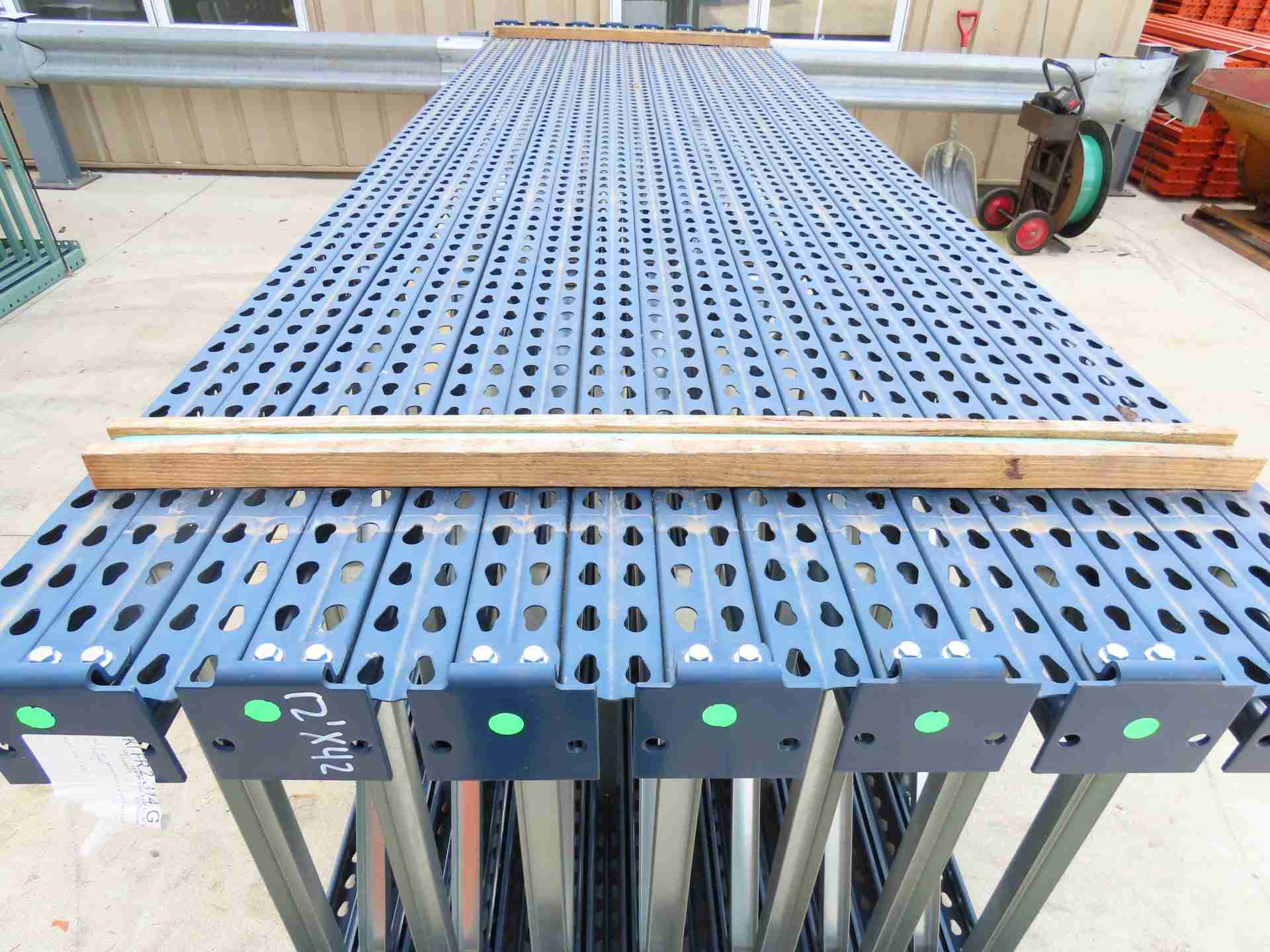
How Pallet Racks Help with Fifo and Lifo Inventory
How Pallet Racks Help with Fifo and Lifo Inventory
- FIFO (First In, First Out) and LIFO (Last In, First Out) are crucial inventory management methods in warehousing.
- Pallet racking systems create organized environments that enhance operational efficiency.
- Utilizing FIFO helps reduce waste by ensuring the freshest goods are used first, boosting customer satisfaction.
- LIFO allows for better management of time-sensitive inventory, keeping businesses adaptable in changing markets.
- Structured racking systems contribute to peace of mind, reducing uncertainty and fostering a clutter-free mindset.
- Efficient inventory management with pallet racks saves time and money, empowering employees and improving morale.
- Pallet racks are essential not just as tools, but as the backbone of operational efficiency and community welfare.
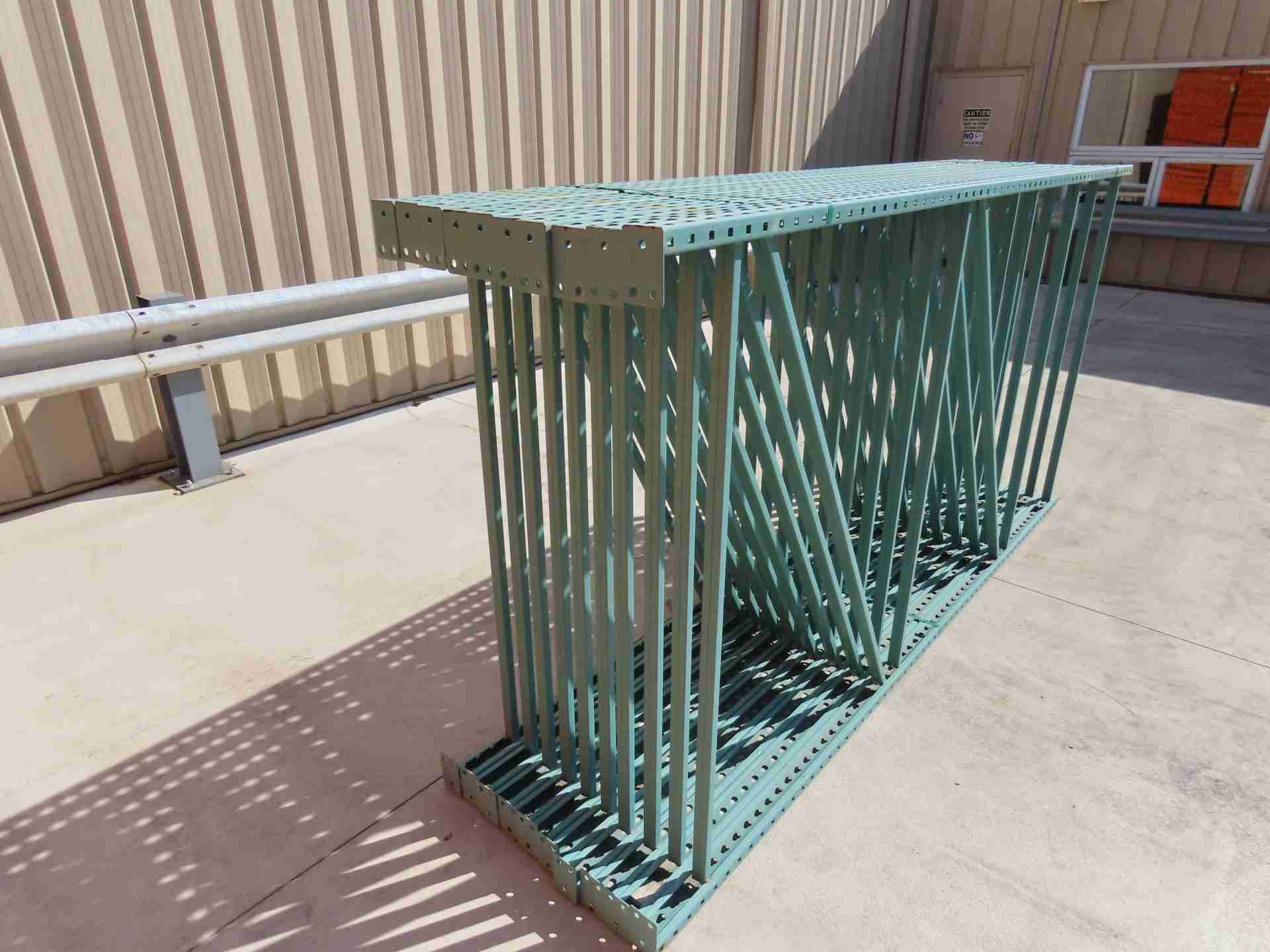
How Pallet Racks Help with Fifo and Lifo Inventory
Table Of Contents
- How Pallet Racks Help with Fifo and Lifo Inventory
- What Emotions Drive Your Need for Efficient Inventory Management?
- What Social Pressures Influence Your Inventory Management Decisions?
- How Can Pallet Racks Alleviate the Stress Of Managing Diverse Stock?
- In What Ways Do Customers Respond to Companies Using Fifo Or Lifo?
- What Facts Support the Financial Benefits Of Proper Inventory Systems?
- Conclusion
- Other Resources
- Glossary Of Terms
- Other Questions
- Checklist
What Emotions Drive Your Need for Efficient Inventory Management?
Efficient inventory management isn’t just about numbers or systems; it’s the heartbeat of any thriving business. Imagine a warehouse, shelves lined with racking that gleam under the fluorescent lights—each slot holding not just products, but promises. The promise of meeting a customer’s need, of delivering on time, and, ultimately, of achieving success. When you think of your inventory, think of the emotions behind it: the urgency, the fear of stockouts, the relief of a perfectly executed shipment.
At the gut level, inefficiency breeds anxiety. Picture a frantic call from a customer seeking that one item you should have had on hand. The disappointment echoes through the phone, a stark reminder of lost sales and tarnished relationships. Every empty shelf is a missed opportunity, a chance for connection slipping away. But when you conquer that chaos with efficient management, the relief that washes over you is palpable. You find confidence not just in your capabilities but in your team’s ability to deliver.
Rationally, consider the cost: excess stock ties up cash and space, while shortages lead to lost revenue. The numbers speak a language all their own—decisions anchored in facts and figures that outline more than just profit and loss; they outline a path toward growth. It’s about protecting your bottom line while nurturing your brand’s reputation. Each successful transaction builds trust, not just in your inventory, but in your entire operation.
Ethically, as a business leader, there’s an unspoken contract with your customers. They trust you to provide what they need when they need it. Meeting that expectation isn’t just a business strategy; it’s an obligation that fosters loyalty and respect. It’s a commitment that binds you to your community and sets a standard among your competitors.
Finally, consider the stories behind every item that moves through your inventory. Each product has a journey, and so does your business. Sharing these tales, connecting with your audience on a personal level, can turn a simple purchase into a shared experience. Imagine celebrating a milestone with loyal customers because you kept your promises. That’s the power of efficient inventory management—a blend of heart, head, and gut, driving not just efficiency, but connection. With every item moved efficiently through your system, you reinforce the values of trust, reliability, and community.

What Emotions Drive Your Need for Efficient Inventory Management?
What Emotions Drive Your Need for Efficient Inventory Management?
- Efficient inventory management is vital for business success, symbolizing promises and customer satisfaction.
- Inefficient inventory causes anxiety, leading to customer disappointment and missed sales opportunities.
- Proper management fosters team confidence and hones delivery capabilities.
- Excess stock consumes cash and space, while shortages result in lost revenue, impacting overall growth.
- Maintaining an effective inventory protects the bottom line and enhances brand reputation through successful transactions.
- There is an ethical obligation to meet customer needs, fostering loyalty and setting industry standards.
- Connecting stories behind each product creates shared experiences, reinforcing trust and community values in efficient inventory practices.

What Emotions Drive Your Need for Efficient Inventory Management?
What Social Pressures Influence Your Inventory Management Decisions?
Every day, tucked away in back rooms and warehouses, countless decisions are made about inventory management. But what really influences those choices? It’s about more than just numbers; it’s a dance between the tangible and intangible.
Picture this: a manager stands in front of shelves racking filled with merchandise. Each box represents not just a product, but a promise—an expectation from customers and a livelihood for employees. The weight of responsibility hangs in the air. It’s not just about stock levels; it’s about the people who rely on those decisions. The mom who needs that size 3T winter coat for her child or the small business owner counting on their suppliers to deliver on time. Those moments matter.
And let’s face it: social pressures are everywhere. Friends, colleagues, and industry peers often set the bar high. That unspoken competition keeps you on your toes, nudging you towards perfection. The fear of falling behind can lead to overstocking or stockouts—a delicate balance that feels like walking a tightrope. You’re constantly weighing the gut feeling that says, “I need more,” against that rational little voice reminding you of cash flow and storage costs.
Ethically, there’s a code of conduct at play. You don’t just want to meet a demand; you want to meet it responsibly. The environment, community impact, and fair labor practices tug at your conscience. How do you manage inventory with a societal lens, ensuring your choices are sustainable? It turns out that your decisions echo far beyond the spreadsheet. They ripple into the community and can transform lives for the better.
Authority, in this realm, matters. Your suppliers, industry experts, and mentors shape your strategies. You look to the successful leaders around you, absorbing insights like a sponge. Their experiences guide you, reminding you that even the best-laid plans can go awry. Yet, their failures also serve as teachable moments, grounding your approach with humility and resilience.
Finally, let’s not underestimate the power of narrative. Every warehouse has a story—the late nights, the last-minute orders, the triumphs and trials. Sharing these experiences fosters a connection with others facing the same challenges. It’s an invitation into the struggles and victories of inventory management, reminding you that you’re not alone in navigating these pressures.
Ultimately, these elements intertwine, creating a tapestry of decision-making that is as complex as it is impactful. Your choices shape not just your business, but the lives around it. It’s a responsibility worth embracing.
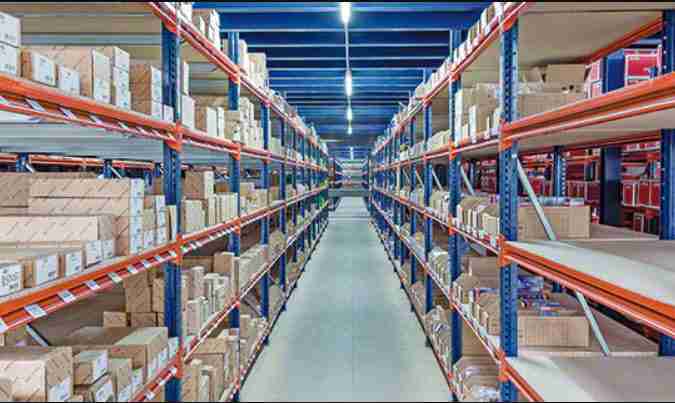
What Social Pressures Influence Your Inventory Management Decisions?
What Social Pressures Influence Your Inventory Management Decisions?
- Inventory management decisions are influenced by both tangible and intangible factors.
- Managers face significant responsibility, balancing product availability with customer expectations and employee livelihoods.
- Social pressures from peers and industry create competition, affecting stock levels and the balance between overstocking and stockouts.
- Ethical considerations, including environmental impact and fair labor practices, play a crucial role in inventory management decisions.
- Authority figures such as suppliers and industry experts provide guidance and insights that shape strategies in inventory management.
- Sharing narratives from real experiences in inventory management fosters connection and community among those facing similar challenges.
- The complexity of decision-making in inventory management creates a significant impact not only on businesses but also on the surrounding community.
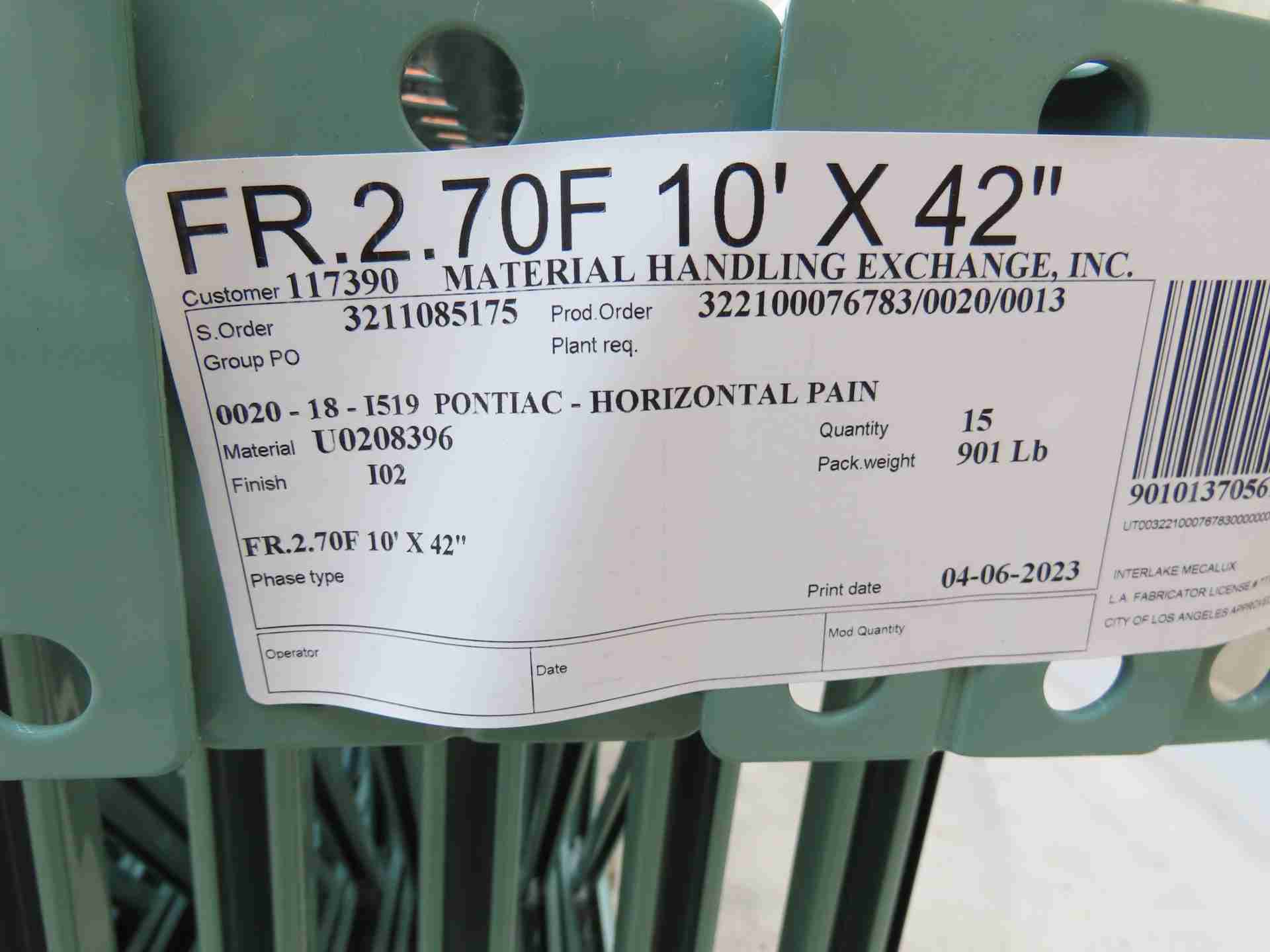
What Social Pressures Influence Your Inventory Management Decisions?
How Can Pallet Racks Alleviate the Stress Of Managing Diverse Stock?
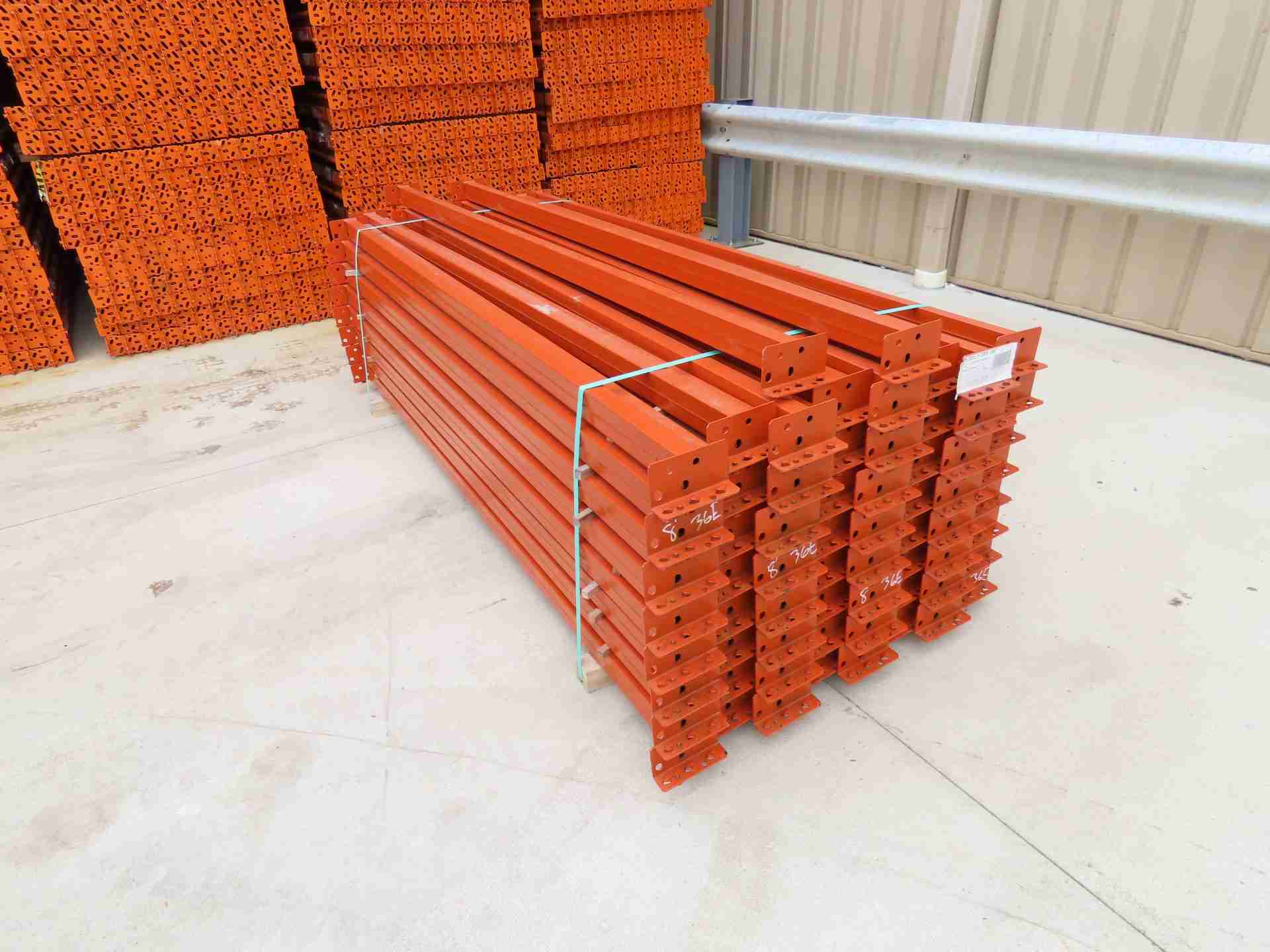
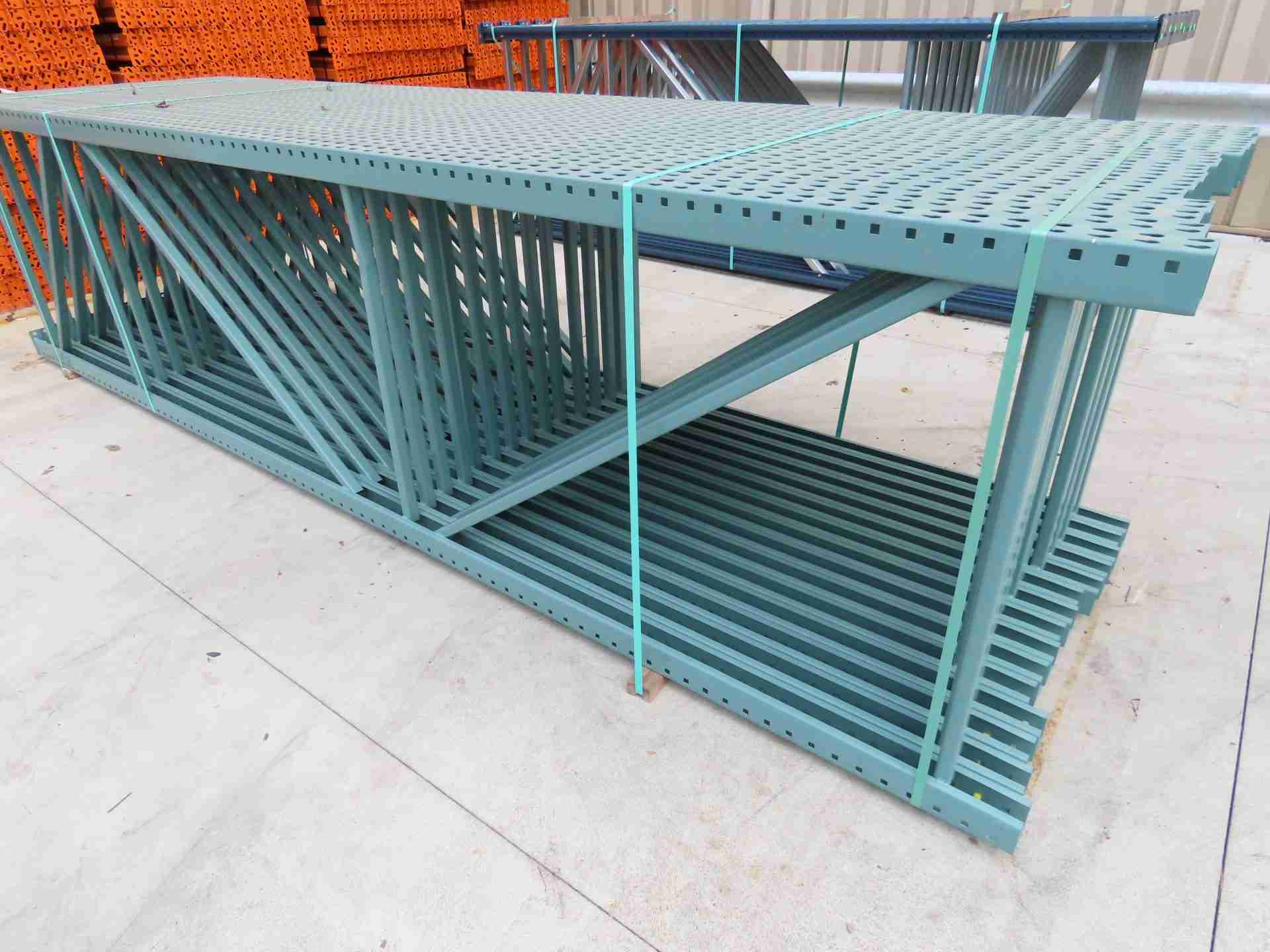
When we think about the chaos of managing diverse stock, it’s easy to feel overwhelmed. Picture this: a warehouse with towering mountains of goods, each one representing a different customer expectation, each a piece of someone’s story. Here’s where pallet racking comes into play—a true unsung hero in the world of logistics. Not just steel and bolts, these systems are the backbone of efficient inventory management, standing ready to transform disorder into organization.
At first glance, racking might appear as just another tool in a warehouse’s toolkit. But consider the emotional weight carried in that space. Every item on those shelves isn’t just merchandise; it’s a positive experience waiting to be unfurled, promises kept or broken. By providing a structured, spacious way to store diverse products, pallet racking alleviates the fear of stock mismanagement and delays that can lead to missed opportunities. Imagine the sigh of relief when a worker, instead of searching through a labyrinth of confusion, finds exactly what they need in a matter of seconds. That sense of control is empowering, uplifting not only the workplace morale but also ensuring customer satisfaction.
From a rational perspective, effective racking systems maximize vertical space and streamline processes. Think about it! How often have you seen products gathering dust in the corners of a disorganized warehouse? With pallet racking, every square foot is utilized, improving accessibility and efficiency. This isn’t just a logistical win—it’s a financial one as well. The more organized your stock, the more orders you can fulfill swiftly, leading to happier customers and better cash flow.
Then there’s the ethical side, urging us to be responsible stewards of our resources. Using pallet racking minimizes waste, encouraging a culture where companies prioritize sustainability and smart use of space. It resonates with a growing societal demand for accountability in business practices.
In the hustle and bustle of everyday operations, it’s easy to forget the human element at play. Stories abound of overwhelmed employees which can lead to burnout and decreased productivity. But with pallet racking, they’re not just managing stock; they’re enjoying a more fulfilling work experience, contributing meaningfully to something bigger.
So, let’s not see racking as just equipment. Let’s recognize it as a vital partner in the journey towards a smoother, more effective operation. When you invest in smart storage solutions, you’re investing in the heart of your business—and the people who keep it running.
How Can Pallet Racks Alleviate the Stress Of Managing Diverse Stock?
How Can Pallet Racks Alleviate the Stress Of Managing Diverse Stock?
- Pallet racking is crucial in managing diverse stock and alleviating chaos in warehouse management.
- Each item stored represents customer expectations and experiences, highlighting the emotional aspect of inventory.
- Effective racking systems minimize stock mismanagement and enhance operational efficiency.
- Maximizes vertical space and improves accessibility, transforming disorganized warehouses into structured environments.
- Promotes sustainability by minimizing waste and encouraging responsible resource management.
- Enhances employee morale by providing an organized workspace, reducing burnout and improving productivity.
- Pallet racking should be viewed as a vital partner in business operations, benefiting both the company and its employees.
How Can Pallet Racks Alleviate the Stress Of Managing Diverse Stock?
In What Ways Do Customers Respond to Companies Using Fifo Or Lifo?
The debate between FIFO (First In, First Out) and LIFO (Last In, First Out) isn’t just an accounting issue; it strikes at the very heart of how a company interacts with its customers. Picture this: you walk into a store, and instead of neatly racking fresh stock at the front, the shelves are filled with old merchandise that’s been pushed to the back. It’s like finding expired pasta in your pantry – disappointing. When customers sense a company isn’t efficiently managing its inventory, trust falters. This isn’t just about profits; it’s about the emotional connection between a business and its patrons.
Let’s delve into the math behind these methods. FIFO allows business owners to sell their oldest stock first, meaning fresher, often newer products make their way to the customer. This can result in happier patrons who expect quality – a human desire that goes beyond just price and availability. Now, LIFO, while sometimes beneficial in a tax context during inflation, can lead to customers receiving products that feel off the shelf, or worse yet, out of style. Would you buy a gadget that’s been languishing in storage for years? It’s a visceral “no” from the gut.
Ethically, businesses should prioritize delivering quality. Transparency is key here. When customers know a company uses FIFO, they feel assured that their needs are being respected. They see that the company cares about them—not just the bottom line. And in today’s socially conscious market, that symbiosis between trust and product quality fuels not only customer loyalty but can also drive word-of-mouth recommendations.
When a company embraces FIFO, it can tell a rich narrative to its customers: “We promise freshness.” This sounds simple, but it resonates. Consumers like to know they’re making choices that benefit not only themselves but also support companies that value integrity and care. It’s a confident statement that there’s a purpose behind every decision made.
Ultimately, customers are not just buying a product; they’re investing in a relationship. They’re looking for authenticity and respect in their interactions. Therefore, how a company chooses to handle its inventory becomes more than just a logistical issue; it’s a major touchpoint in a broader conversation about trust, quality, and mutual respect. Companies employing FIFO are not just selling goods; they’re building connections that thrive on transparency and care. That’s the kind of relationship that makes us all feel good about where we spend our hard-earned money.
In What Ways Do Customers Respond to Companies Using Fifo Or Lifo?
In What Ways Do Customers Respond to Companies Using Fifo Or Lifo?
- The FIFO vs. LIFO debate impacts customer relationships beyond accounting.
- Companies using FIFO present fresher products, reinforcing customer trust and satisfaction.
- LIFO may benefit tax situations but can lead to outdated or inferior products being offered.
- Ethics and transparency in inventory management enhance customer loyalty and word-of-mouth referrals.
- Embracing FIFO allows companies to convey a commitment to quality and integrity to customers.
- Customers seek authentic relationships and respect in their interactions with businesses.
- Inventory management is a critical aspect of building trust, quality, and mutual respect in customer relationships.

In What Ways Do Customers Respond to Companies Using Fifo Or Lifo?
What Facts Support the Financial Benefits Of Proper Inventory Systems?
When it comes to managing a business, the heartbeat of operations often rests within the inventory. Think about it: inventory systems don’t just track goods; they symbolize the pulse of productivity, the lifeblood of profitability, and ultimately the dreams of every entrepreneur. It’s not just about bits of data; it’s about building a bridge from aspiration to achievement.
Picture this: a warehouse filled with neatly organized racking systems. Each shelf, each pallet holds the promise of revenue or the potential downfall of waste. A proper inventory system transforms chaos into clarity—like turning a messy garage into a well-ordered workshop where every tool has its place. Without it, you’re left stumbling through the darkness, hoping to find what you need when you need it. Emotionally, this generates anxiety, uncertainty, and, let’s face it, sleepless nights. But when your inventory glows with precision, you cultivate peace of mind, allowing you to focus on what truly matters: growing your business.
From a rational standpoint, studies reveal that businesses leveraging efficient inventory systems witness a remarkable reduction in overhead costs—up to 30% in some cases. That’s not just a statistic; it translates directly to saved dollars that can be reinvested into innovation, staff training, or new opportunities. Who doesn’t want to be part of something that allows you to breathe easier and expand your horizons?
Ethically, adopting proper inventory management is about doing right by your team and your community. By minimizing waste, you’re not only managing resources intelligently but also acting as a responsible steward of the environment. It fosters a culture of respect, ensuring that every decision contributes to a larger narrative of sustainability. From a social perspective, showing your employees that you prioritize efficiency and organization instills confidence. They feel empowered, knowing they’re part of a machine that operates smoothly and advances a common goal.
And let’s not forget the power of storytelling within your business. How often have you entered a poorly organized space, felt overwhelmed, and walked right out? Now imagine entering a well-oiled operation, where every piece of inventory tells a story of success and collaboration. That emotional connection fosters loyalty, both from your employees and your customers.
Ultimately, the benefits of a proper inventory system resonate on multiple levels. It’s not just smart business; it’s a transformational journey toward a future where efficiency, responsibility, and passion walk hand in hand. Take the leap. Your inventory isn’t just stock; it’s your story waiting to be told.

What Facts Support the Financial Benefits Of Proper Inventory Systems?
What Facts Support the Financial Benefits Of Proper Inventory Systems?
- Inventory systems symbolize the pulse of productivity and profitability for businesses.
- A proper inventory system transforms chaos into clarity, enhancing operational efficiency.
- Efficient inventory management reduces overhead costs by up to 30%, allowing for reinvestment.
- Sound inventory practices promote environmental sustainability and responsible resource management.
- Prioritizing organization in inventory fosters employee confidence and a culture of respect.
- A well-managed inventory tells a story of success that builds emotional connections with employees and customers.
- A transformative inventory system merges efficiency, responsibility, and passion for business growth.
What Facts Support the Financial Benefits Of Proper Inventory Systems?
Conclusion
Managing inventory isn’t merely a logistical task; it’s a profound commitment to efficiency and community impact. Picture a warehouse filled with pallet racks, each one storing not just products, but the hopes and expectations of customers and employees alike. In this bustling space, the methods of FIFO (First In, First Out) and LIFO (Last In, First Out) stand as pillars of responsible inventory management, crucial for ensuring that our businesses thrive while serving our communities.
Emotionally, the stakes are high. Every product on those shelves represents a promise kept or broken. A customer who finds fresh milk instead of sour is not just receiving a product; they’re experiencing care and reliability. When companies prioritize FIFO, they embrace a narrative that emphasizes quality. They aren’t just selling goods—they’re fostering trust and connection with families, knowing that even the smallest details matter. This emotional engagement can lead to customer loyalty, driving sales through satisfied relationships.
From a rational perspective, the numbers speak volumes. Businesses that adopt robust inventory systems can reduce overhead costs significantly, allowing for greater investment in innovation and employee welfare. Organizational efficiency leads to quick turnarounds, which can mean the difference between meeting customer demands or falling short, creating anxiety not just for managers but for the entire team involved.
Ethically, wielding inventory management responsibly means recognizing the obligation to act as stewards of community welfare and environmental resources. It’s a testament to sustainability and accountability, ensuring that companies don’t merely focus on profits but also consider their impact on the world around them. When operations run smoothly, it breeds a sense of pride among employees, boosting morale and cultivating a culture of collaboration.
And let’s not overlook social pressures; the expectations of peers and customers can be formidable. The narratives that arise from our collective experiences in inventory management intertwine individual struggles with broader challenges. A well-organized warehouse isn’t just efficient; it’s a compelling story of perseverance, teamwork, and dedication.
In the end, pallet racks embody more than just storage solutions; they represent a transformative force in the business landscape. They empower us to turn chaos into order, stress into tranquility, and inefficiency into growth. By recognizing the values embedded in effective inventory management, we not only enhance our operations but also enrich our communities, one carefully managed pallet at a time.
Conclusion
Conclusion:
- Managing inventory is a commitment to efficiency and community impact, not just logistics.
- Methods like FIFO and LIFO are essential for responsible inventory management and business success.
- Each product reflects a promise to customers, linking quality with trust and loyalty.
- Robust inventory systems can significantly lower overhead costs, promoting innovation and employee welfare.
- Ethical inventory management supports sustainability and community welfare, prioritizing accountability over profit.
- A well-organized warehouse reflects teamwork and perseverance, impacting employee morale positively.
- Pallet racks symbolize a transformative force, turning chaos into order and fostering community enrichment.
Conclusion
Other Resources
Other Resources
Here is a list of other resources you can review online to learn more:
- New Cantilever Racks and Racking Kits
- What is Selective Racking: Understanding Benefits & Options
- Pallet Racking systems in Illinois, Great Lakes
- WERC
- Warehouse Racks, Warehouse Racking in Stock – ULINE
- CA Wire
- Warehouse Storage Racking in Illinois
- RMI
- Bradford Systems
- Selective Pallet Racking Systems
- Material Handling Safety
- Material Handling Industry
- Interlake Mecalux
- Storage Equipment Manufacturers’ Association
- Racking World
- Rack Manufacturers Institute
- The Ultimate Pallet Racking Guide – Speedrack West
- Teardrop Uprights
- Chicago Pallet Racking
Use This Prompt To Get More Resources With Your Favorite Online AI Tool: Please provide me with a list of online articles with their URLs in a bulleted list that I can read regarding How Pallet Racks Help with Fifo and Lifo Inventory
Other Resources
Glossary Terms
How Pallet Racks Help with Fifo and Lifo Inventory – Glossary Of Terms
1. Pallet Rack: A storage system made up of vertical frames and horizontal beams designed to hold pallets of goods.
2. FIFO (First In, First Out): An inventory management strategy where the first items placed in storage are the first to be picked and sold.
3. LIFO (Last In, First Out): An inventory management strategy where the last items placed in storage are the first to be picked and sold.
4. Inventory Management: The process of ordering, storing, and using a company’s inventory efficiently.
5. SKU (Stock Keeping Unit): A unique identifier for each distinct product and service that can be purchased.
6. Warehouse: A large building used for storing goods before they are distributed or sold.
7. Load Capacities: The maximum weight that a pallet rack or its components can safely hold.
8. Pallet: A flat structure used to support goods in a stable arrangement while being lifted by a forklift or other machinery.
9. FIFO Rack: A specialized rack system designed to facilitate the FIFO inventory management technique.
10. LIFO Rack: A rack system that supports the LIFO inventory management method, typically featuring sliding or push-back functionality.
11. Accessibility: The ease with which products can be reached and retrieved from storage locations.
12. Storage Density: The amount of product that can be stored in a given space, often enhanced by efficient rack systems.
13. Traffic Flow: The planned movement patterns within a warehouse to optimize picking and restocking processes.
14. Pallet Flow Rack: A type of storage system that uses gravity to move pallets in a FIFO manner.
15. Push-Back Rack: A storage system that allows pallets to be pushed back for LIFO inventory management.
16. Visual Management: Techniques used to provide visual cues for easier inventory tracking and organization within warehouse systems.
17. Selective Racking: A pallet racking system that allows for easy access to all pallets, suited for customized inventory strategies.
18. Slotting: The process of organizing products within a warehouse to maximize efficiency and minimize travel times for picking.
19. Replenishment: The process of restocking items in a warehouse to ensure continued availability.
20. Cycle Counting: An inventory auditing procedure that involves counting a portion of the inventory on a specific day to ensure accuracy.
21. Bulk Storage: A method of storing large quantities of goods in a warehouse, often using pallet racks for organization.
22. Order Picking: The process of selecting items from inventory to fulfill customer orders.
23. Cross-Docking: A logistics practice where incoming goods are directly transferred to outgoing shipments with minimal or no storage time.
24. First Expiry, First Out (FEFO): An inventory strategy prioritizing products nearing expiration, commonly used in food and pharmaceutical industries.
25. Shelf Life: The length of time that a product remains usable or saleable, critical for managing perishable goods.
26. Inventory Turnover: A measure of how many times inventory is sold or used in a given period, indicating efficiency.
27. Distribution Center: A facility designed to receive, store, and redistribute products efficiently.
28. Weight Distribution: The process of balancing the load evenly on a pallet to prevent tipping or collapsing in storage.
29. Safety Stock: Extra inventory kept on hand to prevent stockouts due to unpredictable demand.
30. Barcoding: The use of barcodes to track inventory and streamline the picking and replenishment processes.
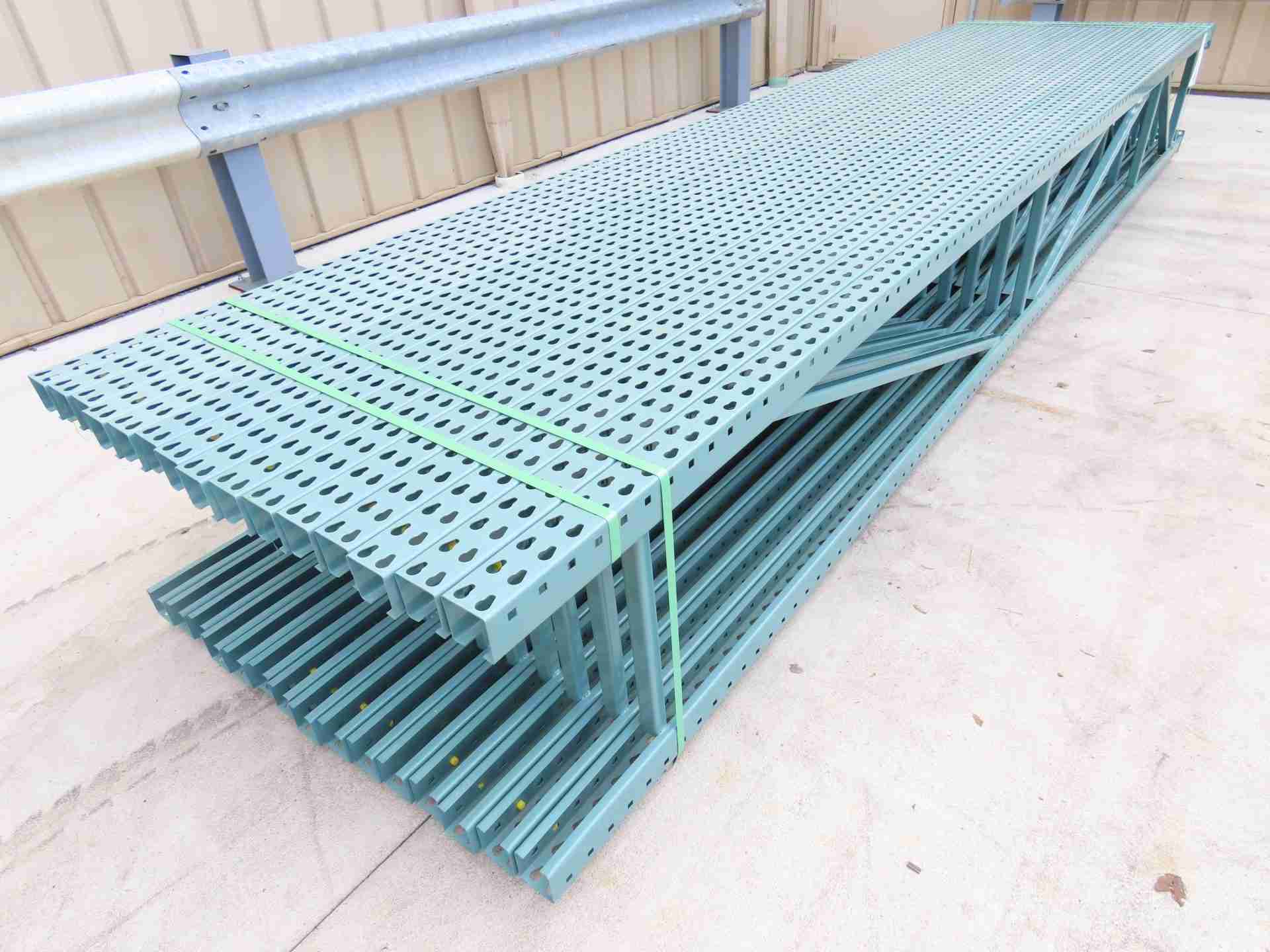
Glossary Of Terms
Other Questions
How Pallet Racks Help with Fifo and Lifo Inventory – Other Questions
If you wish to explore and discover more, consider looking for answers to these questions:
- What are the main differences between FIFO and LIFO inventory methods?
- How can businesses decide which inventory method to use?
- What types of products are best suited for FIFO versus LIFO?
- What are the potential drawbacks of using FIFO and LIFO?
- How do pallet racks compare to other storage systems?
- What are the cost implications of investing in pallet racks?
- How can businesses measure the effectiveness of their inventory management systems?
- What role do technology and software play in inventory management?
- How can training employees improve inventory management processes?
- What are some case studies of companies that improved efficiency using pallet racks?
- How can businesses ensure ethical inventory practices?
- What impact does proper inventory management have on customer satisfaction?
- What should companies consider when choosing warehouse locations?
- How can inventory management affect supply chain dynamics?
- What trends are emerging in warehouse and inventory management practices?
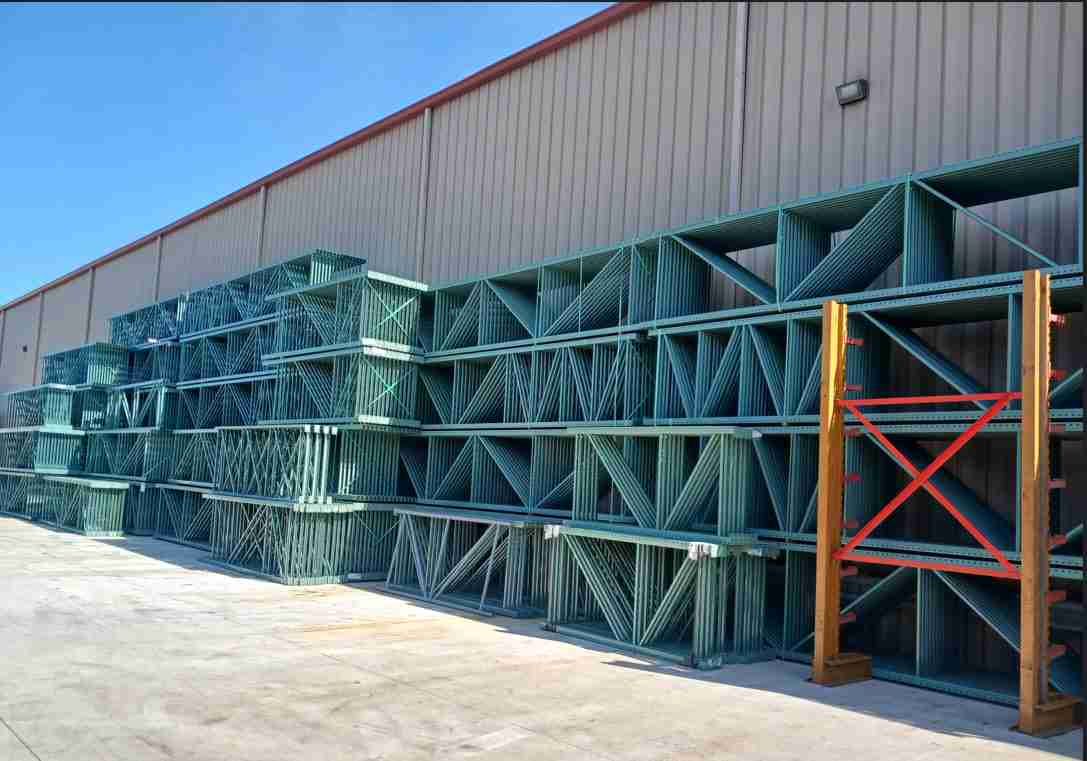
Other Questions
Checklist
How Pallet Racks Help with Fifo and Lifo Inventory – A Checklist
Pallet Rack Inventory Management Checklist
Emotional Appeals
_____ Reflect on how efficient inventory management impacts customer satisfaction and community trust.
_____ Consider the emotional experience of your employees navigating an organized vs. chaotic warehouse.
_____ Visualize the positive change in morale when everyone knows what to expect from your inventory system.
Rational Appeals
_____ Review the financial benefits: aim for a reduction in overhead costs by optimizing inventory systems.
_____ Assess your current inventory turnover rates and set benchmarks for improvement.
_____ Analyze the time saved in locating products and how it correlates to overall productivity.
Ethical Appeals
_____ Establish a commitment to using FIFO and LIFO methods responsibly to minimize waste and maximize product freshness.
_____ Consider how your inventory management practices impact not just profits but also customers’ lives and the environment.
_____ Engage your team in discussions about ethical responsibilities in inventory management.
Authority Appeals
_____ Research and learn from industry best practices related to efficient inventory management.
_____ Seek mentorship or guidance from experts who have successfully implemented robust racking systems.
_____ Utilize authoritative statistics to inform decisions regarding investment in inventory technology.
Narrative Appeals
_____ Share success stories of how effective racking transformed your operations in the past.
_____ Craft narratives around the impact of efficient inventory management on customer relationships and employee satisfaction.
_____ Encourage employees to share their experiences with inventory challenges and improvements.
Social Appeals
_____ Foster a team spirit by encouraging teamwork and collaboration in maintaining an organized inventory.
_____ Network with peers in your industry to stay informed about innovative inventory management strategies.
_____ Create a culture of accountability where everyone feels responsible for maintaining an efficient inventory system.
Use this checklist to transform your inventory management processes, harnessing the power of emotional, rational, ethical, authority, narrative, and social influences to create a harmonious and efficient environment.

Checklist
At RackingWorld, we help guide you through selecting warehouse storage systems and racking.
Be sure to read our other related stories at RackingWorld to learn more about warehouse storage systems.
0 Comments