
Maximizing Efficiency And Performance Through Innovative Warehouse Racking
By Tom Seest
At RackingWorld, we help guide you through selecting warehouse storage systems and racking.
Be sure to read our other related stories at RackingWorld to learn more about warehouse storage systems.
The Role Of Racking In Warehouse Automation
In the bustling heart of a warehouse, racking systems are more than just steel frames; they are the backbone of modern logistics and a silent partner in the dance of automation. Picture this: rows upon rows of products, neatly organized, each shelf a testament to efficiency. This isn’t just a utilitarian setup—it’s a carefully orchestrated symphony that harmonizes human effort with machine precision. Here lies the role of racking in warehouse automation, a role that resonates on every level—emotional, rational, and ethical.
Think about the people who work in these warehouses. Every day, countless individuals greet the dawn with purpose, knowing that their roles are integral to the supply chain that feeds our families, delivers our necessities, and fuels our economies. Racking systems enhance their work environment—eliminating chaos and confusion, reducing physical strain, and ultimately fostering a sense of pride in their workspace. This isn’t merely about achieving targets; it’s about cultivating a community that thrives on collective efficiency and shared success.
From a rational perspective, the math is simple. Implementing a sophisticated racking system allows warehouses to maximize storage space, streamline workflows, and minimize retrieval times. With automation peeking from every corner—conveyor belts, robots, drones—these racking systems give sophisticated technology something solid to grab hold of. They provide an architecture for automation to flourish, ensuring that logistics can flow as unimpeded as a river carving through the landscape. This isn’t just smart; it’s necessary in a world where speed and precision often dictate success.
Ethically, investing in effective racking solutions shows a commitment to safety and sustainability. By optimizing space and reducing waste, companies not only enhance their operational efficiencies but also take steps toward more responsible resource management. It reflects a corporate ethos that values both people and planet, appealing to the socially conscious consumer and building trust in a brand.
Together, let’s extend the narrative of racking beyond the warehouse walls. It’s a story of human ingenuity, of machines working hand-in-hand with workers to cultivate a brighter future. Every piece of racking tells a story—of dedication, innovation, and the collective power of those who strive, every day, to turn the wheels of progress. When we recognize the vital role of racking in this automated landscape, we’re not just acknowledging metal and bolts; we’re celebrating the spirit of cooperation driving it all forward.
The Role Of Racking In Warehouse Automation
The Role Of Racking In Warehouse Automation
- Racking systems in warehouses serve as essential components for modern logistics and automation.
- They organize products efficiently, blending human effort with machine precision.
- Racking enhances the work environment, reducing chaos and physical strain, while fostering community pride.
- Effective racking maximizes storage, streamlines workflows, and minimizes retrieval times.
- These systems provide a stable foundation for automation technologies like conveyor belts and drones.
- Investing in racking solutions promotes safety, sustainability, and responsible resource management.
- The narrative of racking reflects human ingenuity and cooperation between workers and technology.
The Role Of Racking In Warehouse Automation
Table Of Contents
- The Role Of Racking In Warehouse Automation
- What Is the Impact Of Racking Solutions on Employee Safety and Morale?
- How Do Racking Solutions Influence Inventory Management and Accuracy?
- What Role Does Expert Guidance Play In Racking System Selection?
- How Can Collaboration with Peers Lead to Better Racking Solutions?
- How Does Racking Design Impact the Workflow Of Warehouse Operations?
- Conclusion
- Other Resources
- Glossary Of Terms
- Other Questions
- Checklist
What Is the Impact Of Racking Solutions on Employee Safety and Morale?
When you walk into a warehouse, what do you see? Rows of products stacked on shelves, a symphony of moving parts, and people working diligently to get the job done. But beneath that surface lies something more profound—something that resonates deeply with the very fabric of the workplace: the impact of racking solutions on employee safety and morale.
Consider the employee, maybe Joe, who spends his days picking orders and navigating through tightly arranged racking systems. If that racking is poorly designed or suddenly unstable, Joe faces potential injury with every movement. The emotional weight of that fear can weigh heavily, eroding his focus and diminishing his will to engage fully in his work. A well-thought-out racking system doesn’t just organize space; it organizes the very mindset of the workforce. When employees feel secure in their environment, their confidence soars. They step into their roles with purpose, knowing that their safety is the priority of the company.
Now think about morale. A workspace that prioritizes safety through efficient racking solutions sends a powerful message: “We value you; your well-being matters.” This kind of ethical commitment cultivates a sense of belonging. Joe’s not just another cog in the wheel; he feels seen and appreciated, which ignites a spark of pride in his work. That connection translates into better performance, reduced turnover, and a thriving workplace culture.
From a rational standpoint, consider the implications of investing in quality racking solutions. Less workplace injury means lower medical costs, reduced downtime, and fewer workers’ comp claims. It’s not just a feel-good strategy; it’s a smart move for the bottom line. But beyond the numbers, it reflects a company that understands its responsibility to its employees.
As you ponder the racking solutions in your operation, tap into the narrative of your workforce. Engage with them, solicit their feedback, and involve them in the process of creating a safer environment. When they see their input valued, their loyalty deepens. Suddenly, you’re not just determining the design of a racking system; you’re shaping a culture of safety and respect.
Racking systems serve much more than a physical purpose. They weave the story of your company—one where safety meets empowerment, and morale flourishes. And that, my friends, is the foundation of a successful, thriving workplace.
What Is the Impact Of Racking Solutions on Employee Safety and Morale?
What Is the Impact Of Racking Solutions on Employee Safety and Morale?
- Warehouse environments often involve complex racking systems and diligent employees.
- Poorly designed racking can lead to safety concerns, impacting employee focus and morale.
- A well-designed racking system fosters employee confidence and prioritizes safety.
- Prioritizing safety communicates to employees that their well-being is valued, enhancing morale.
- A positive workplace culture leads to better performance, reduced turnover, and increased pride in work.
- Investing in quality racking solutions can lower medical costs and enhance overall operational efficiency.
- Engaging employees in racking design fosters loyalty and creates a culture of safety and respect.
What Is the Impact Of Racking Solutions on Employee Safety and Morale?
How Do Racking Solutions Influence Inventory Management and Accuracy?
When we think about racking solutions, we often picture steel beams and shelves neatly lined with boxes. But behind that seemingly simple structure lies a complex web of inventory management—a crucial lifeline for any operation that deals with stock. Racking isn’t just about organizing space; it’s about creating a framework for success. When you choose the right racking system, you’re not just optimizing your warehouse; you’re powering your entire operation, boosting accuracy and making a tangible difference in the lives of your team and customers.
Let’s get real here: an efficient warehouse is like a well-oiled machine. Each rack and shelf is a cog that contributes to the whole, ensuring that every item is in its rightful place, ready for action. This isn’t just numbers on a spreadsheet; it’s about trust—the trust your customers have in your ability to deliver, and the trust your employees have in the system that supports them. Imagine a warehouse where the flow is seamless, where workers navigate racks with the confidence that they can find what they need at a moment’s notice. That confidence translates directly into customer satisfaction, and trust me, there’s nothing more satisfying than seeing a happy customer walk out the door.
Racking solutions also play a role in the ethical fabric of inventory management. By implementing efficient storage systems, you reduce waste and ensure that products are utilized effectively, aligning with a greater mission of sustainability. You’re not just moving boxes; you’re putting responsibility into action, ensuring what you have is used wisely and as it should be.
Think about the stories that come from a well-racked warehouse. There’s the team member who no longer spends hours searching for misplaced stock, or the manager whose stress levels drop significantly because orders are fulfilled accurately and on time. These are the everyday victories that racking solutions provide.
And as you consider your own operation, remember that choosing a racking system isn’t just a financial decision; it’s a moral obligation to your employees, customers, and even your community. The right choice leads to better inventory management and greater accuracy, demonstrating that you care enough to invest in solutions that will elevate everyone involved. In a world that thrives on connection and trust, let your racking system tell the story of your commitment to excellence.
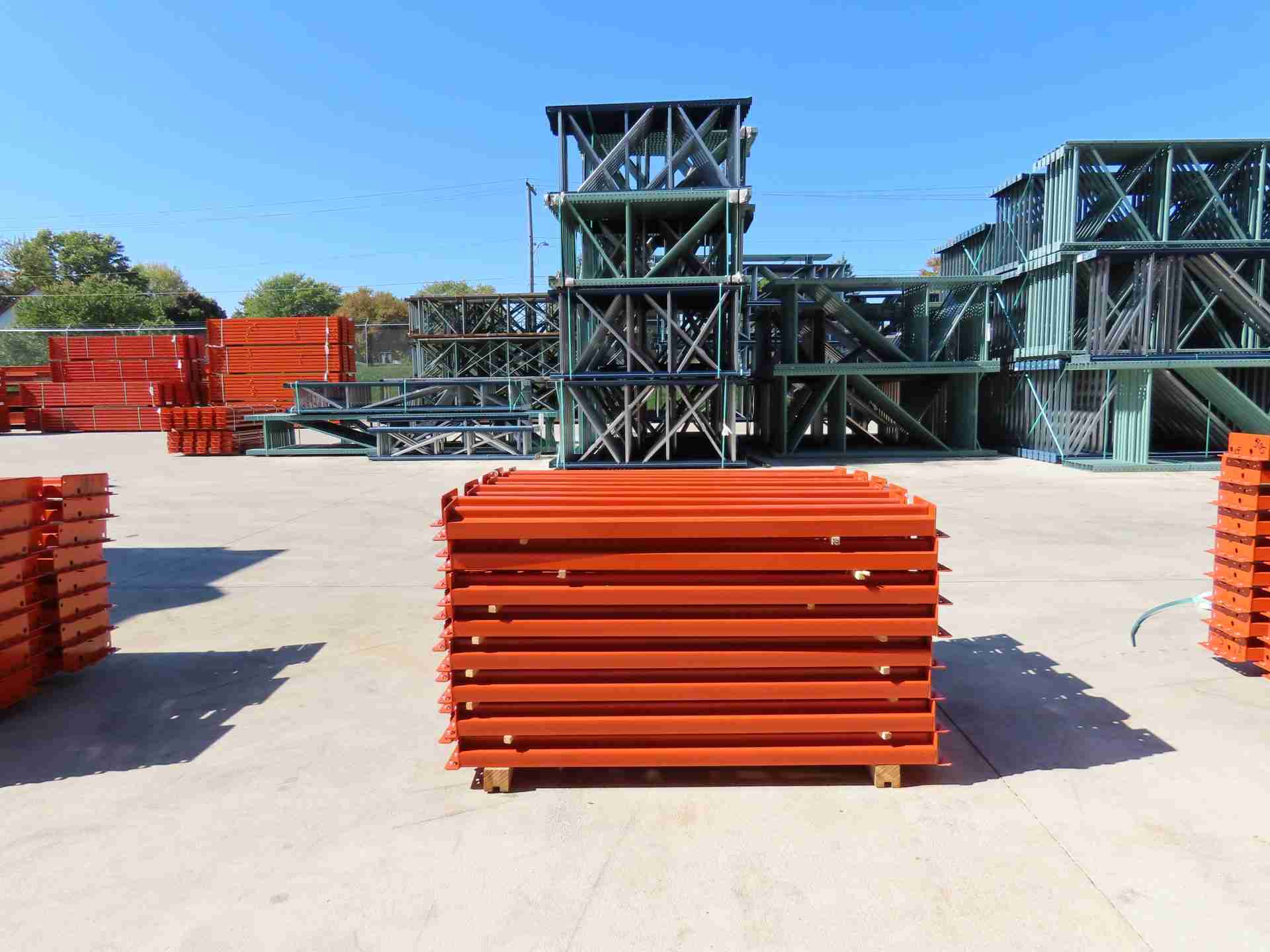
How Do Racking Solutions Influence Inventory Management and Accuracy?
How Do Racking Solutions Influence Inventory Management and Accuracy?
- Racking solutions go beyond simple organization, serving as a complex web of inventory management essential for operations dealing with stock.
- Choosing the right racking system optimizes warehouses, boosts operational efficiency, and enhances accuracy.
- An efficient warehouse functions as a well-oiled machine, enhancing employee and customer trust in the operation.
- Seamless flow in a warehouse boosts worker confidence, directly impacting customer satisfaction.
- Effective racking solutions contribute to sustainability by reducing waste and ensuring product utilization.
- Implementing these solutions leads to everyday victories, such as improved stock retrieval and timely order fulfillment.
- Investing in the right racking system is a moral obligation to employees, customers, and the community, showcasing a commitment to excellence.
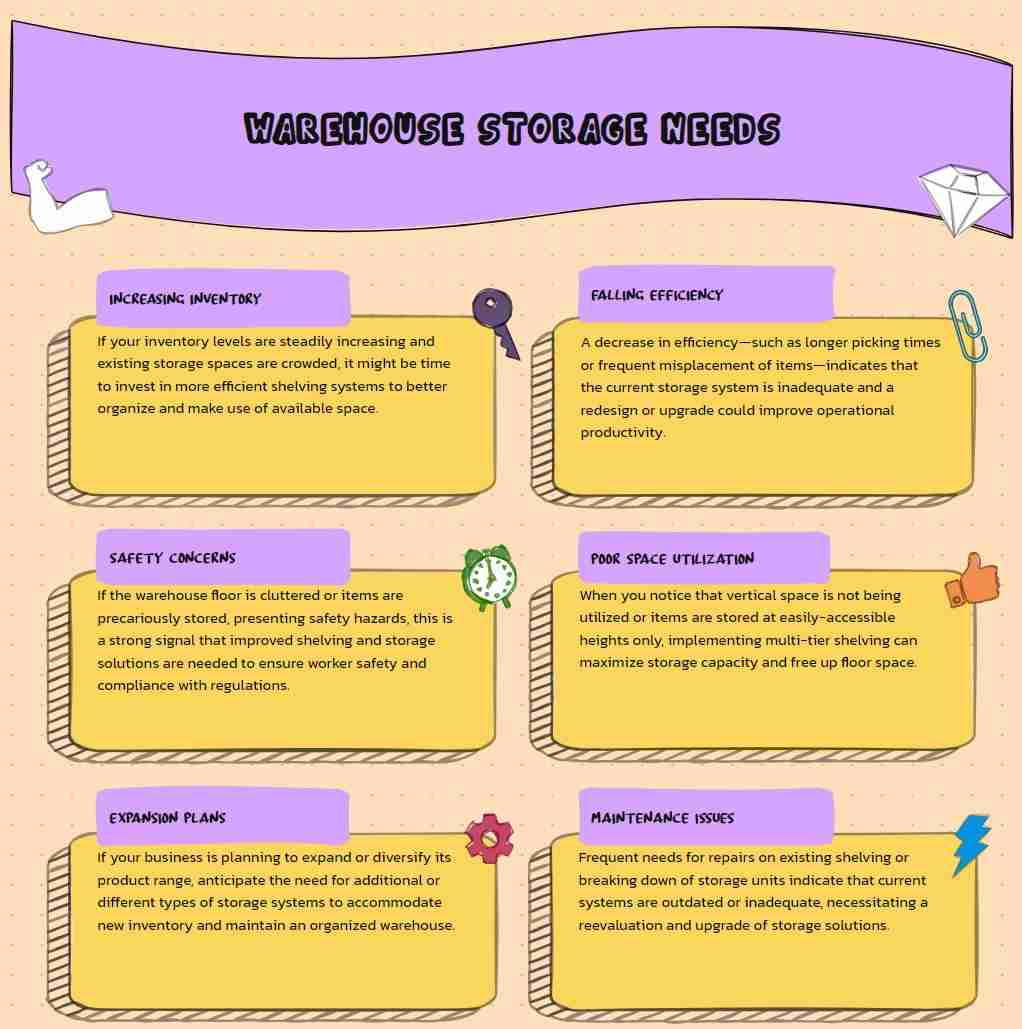
How Do Racking Solutions Influence Inventory Management and Accuracy?
What Role Does Expert Guidance Play In Racking System Selection?
When it comes to selecting the right racking system for your warehouse or storage facility, the weight of that decision is more significant than it might first appear. It’s a maze of options that can leave anyone dizzy—each plan promising the ability to maximize space, improve safety, and enhance efficiency. Yet, navigating this labyrinth without expert guidance can lead to costly missteps. That’s where the wisdom of seasoned professionals comes into play.
Imagine loading products onto a racking system that doesn’t fit your specific needs. Products can topple, workflows become chaotic, and what seemed like a cost-saving dream quickly spirals into a logistical nightmare. Experts bring an understanding that transcends mere calculations. They grasp the nuances of your industry, the unique challenges you face, and how to address them without breaking a sweat. This isn’t just about cubic feet or load capacities; it’s personal.
These professionals are not just voices in suits; they are practitioners who have stood where you stand, faced what you face. They have lived out the trials and tribulations of storage solutions and emerged with the knowledge to help you avoid pitfalls. They inspire trust, tapping into a shared human experience that resonates deeply. “I’ve been there,” they say, “and I know what works.”
Racking systems often involve a hefty investment, both financially and emotionally. You want to ensure that the time, money, and resources you pour into choosing the right system won’t go to waste. Engaging with experts allows you to leverage their authority. They can guide you through factors you might never have considered, from compliance with safety regulations to the intricacies of inventory flow. This rational approach complements your gut instinct, leading to well-informed, ethical decisions that prioritize safety and efficiency.
More than just problem-solving, expert guidance creates a narrative of success—one where increased productivity and profitability are not just dreams but tangible outcomes. Think of the people in your operation, from the warehouse floor to the executive offices. How will their lives improve with a thoughtfully-designed racking system? The social impact is profound, fostering a culture of collaboration and innovation.
Selecting a racking system is not just about storage; it’s about building a foundation for growth. Trust the experts to help you forge that path, and you’ll find yourself standing on solid ground, ready to expand into a brighter future.
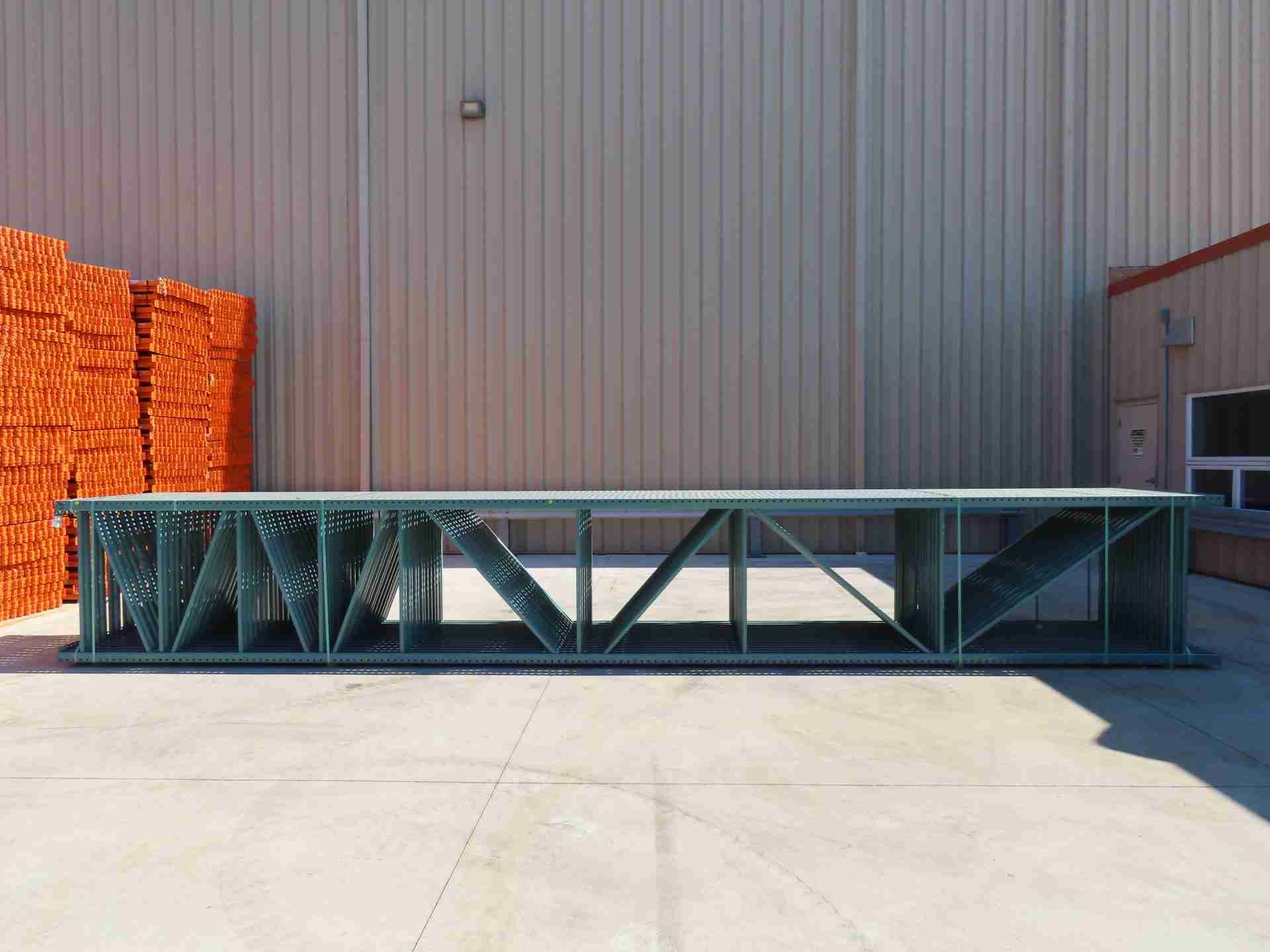
What Role Does Expert Guidance Play In Racking System Selection?
What Role Does Expert Guidance Play In Racking System Selection?
- Selecting the right racking system for a warehouse is a crucial decision with significant implications.
- Choosing poorly can lead to safety issues, workflow chaos, and increased logistical challenges.
- Expert guidance is essential for navigating the complex array of options available in racking systems.
- Professionals possess deep industry knowledge and can offer tailored solutions that address unique challenges.
- Investment in racking systems is substantial; expert advice ensures that these resources are used effectively.
- Expert guidance fosters a culture of collaboration and innovation, leading to improved productivity and profitability.
- Choosing the right racking system lays a foundation for growth and prepares a business for future expansion.
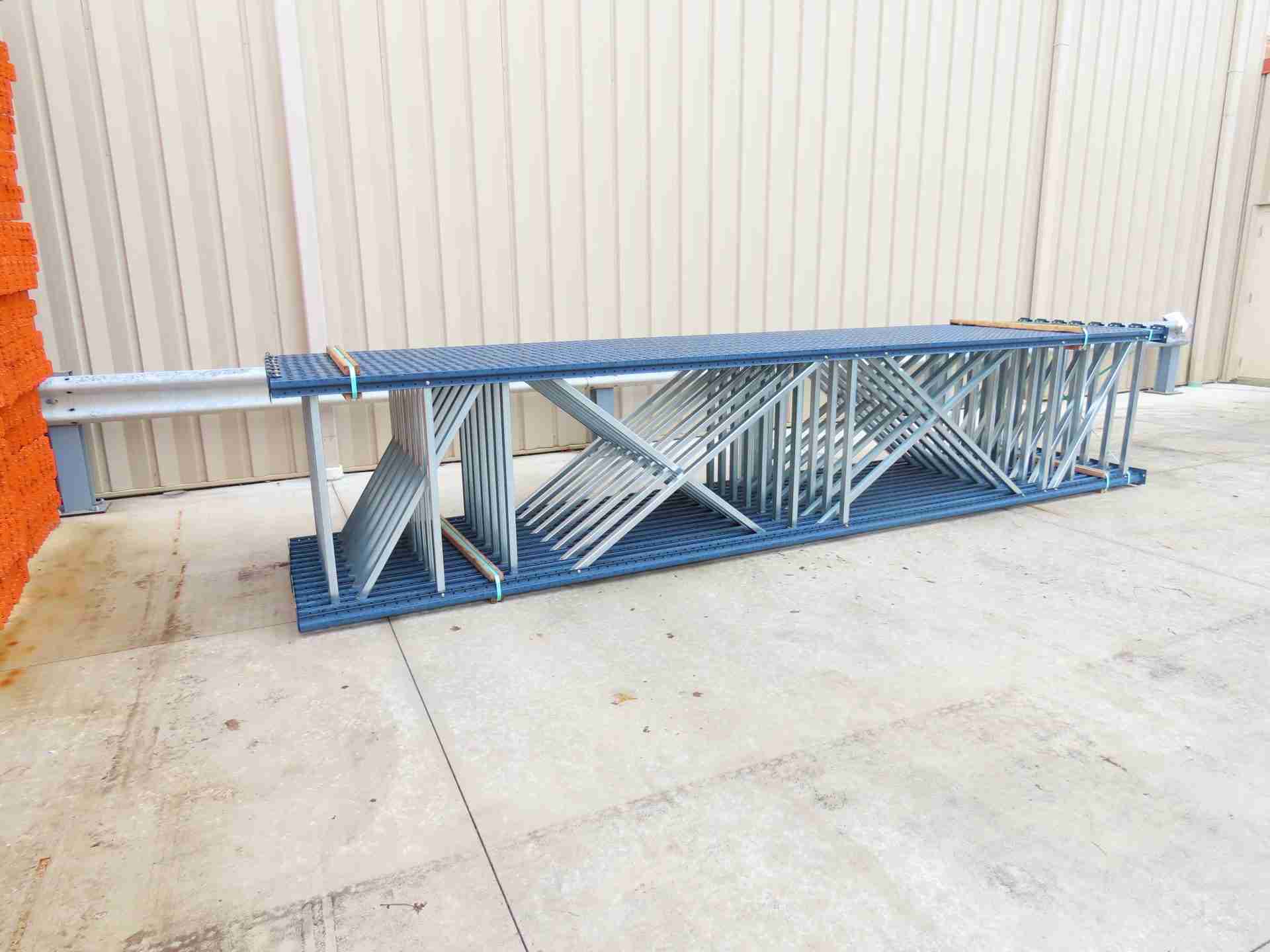
What Role Does Expert Guidance Play In Racking System Selection?
How Can Collaboration with Peers Lead to Better Racking Solutions?
Collaboration with peers can drive innovation in racking solutions, transforming a straightforward task into a shared journey of discovery and mutual respect. Imagine a group of individuals, each with unique skills and backgrounds, gathering around a table. They come together not just with their minds but with their hearts. As they share stories of challenges faced and victories won, a palpable energy crackles in the air. It’s in these moments of connection that the best ideas emerge.
When tackling racking solutions, collaboration allows for the blending of diverse perspectives. An engineer, armed with technical expertise, can team up with a warehouse manager who understands the day-to-day hurdles. The heart of the matter lies in empathy; those who face the struggles understand what works—and what doesn’t. Knowledge is power, but wisdom is forged in the fires of shared experience. Through open dialogue, teams can identify flaws in existing racking designs, address safety concerns, and brainstorm creative solutions that no single person would have concocted alone.
Rationally, collaboration reduces the risk of costly mistakes. Engaging multiple voices in the design phase leads to thorough vetting of ideas before they hit the warehouse floor. Peers can critique and refine each concept, leading to more efficient and effective racking solutions that maximize space utilization and minimize retrieval times. This isn’t just about profits; it’s about creating an environment where everyone feels they have a stake in the outcome.
Ethics play a role, too. Engaging in collaborative efforts fosters a sense of responsibility among all team members. When people feel accountable to each other and the shared goal, the commitment to finding the best racking solutions strengthens. Everyone understands that the final result impacts their colleagues, families, and communities.
Additionally, collaboration builds authority. When a team successfully implements a new racking system, they don’t just celebrate a project completed; they earn credibility as problem solvers. This reputation can attract new partnerships, inviting others to the table for future projects, thus creating an ever-expanding web of collaboration.
Ultimately, the magic of collaboration thrives on connection. Each challenge tackled together forms the fabric of a community. The more people engage with each other, the more robust and resilient their solutions become. In this shared journey, every voice matters, and every solution becomes a testament to the power of working together. So let’s roll up our sleeves, talk, listen, and find our best racking solutions—together.

How Can Collaboration with Peers Lead to Better Racking Solutions?
How Can Collaboration with Peers Lead to Better Racking Solutions?
- Collaboration among peers enhances innovation in racking solutions, transforming the process into a shared journey of discovery.
- Diverse perspectives, such as those from engineers and warehouse managers, lead to better understanding of challenges and creative solutions.
- Empathy plays a crucial role in identifying flaws and addressing safety concerns in racking designs.
- Collaborative efforts reduce the risk of costly mistakes by thoroughly vetting ideas before implementation.
- A sense of responsibility and accountability among team members strengthens commitment to finding optimal solutions.
- Successful collaboration builds authority and credibility, attracting new partnerships for future projects.
- The underlying theme of connection fosters a resilient community where every voice matters and solutions reflect collective effort.
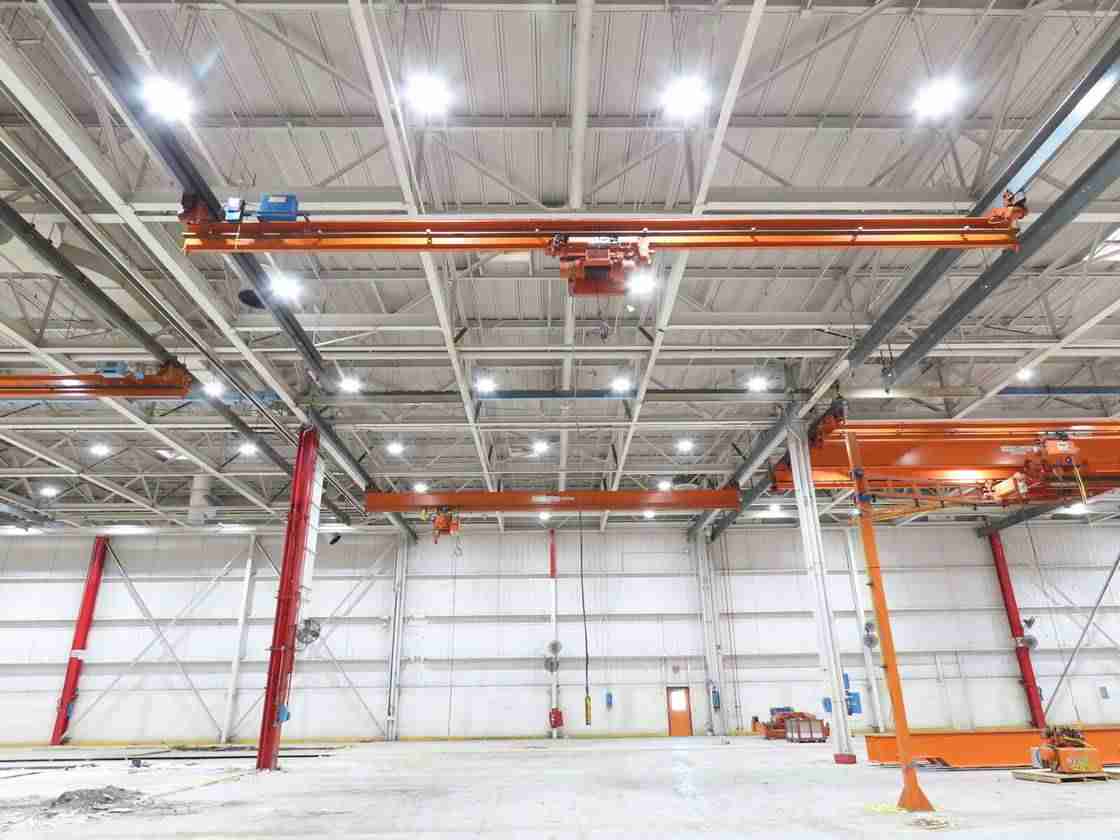
How Can Collaboration with Peers Lead to Better Racking Solutions?
How Does Racking Design Impact the Workflow Of Warehouse Operations?
When it comes to the inner workings of a warehouse, racking design isn’t just a matter of steel beams and shelving; it’s the backbone of an operational symphony that can either crescendo into seamless efficiency or flatline into chaos. Picture this: a bustling warehouse, the hum of forklifts zipping through aisles, the satisfying sound of boxes hitting their designated spots—this is the dream. Yet, without the right racking system, that dream can quickly turn into a logistical nightmare.
It’s not simply about storing products; it’s about workflow and the people behind it. Employees rely on intuitively designed racking systems to navigate their daily tasks with ease and precision. When racks are organized optimally, picking, packing, and shipping become a rhythmic dance, where every move feels effortless. But flip the script—imagine a disorganized maze of shelves that force workers to waste precious time just locating what they need. This inefficiency doesn’t just drain productivity; it drains morale. Workers want to feel like their efforts matter, that they’re contributing to something bigger than themselves. A well-designed racking system acknowledges that sentiment, empowering employees to perform at their best.
From a financial perspective, the benefits of smart racking design are crystal clear. An optimized layout minimizes wasted space and improves inventory turnover rates—which in turn boosts profitability. It’s an economic no-brainer; the right racking can make or break the financial health of an operation. Invest in a setup that makes sense, and you’re not just spending; you’re laying the groundwork for future growth.
Ethically, we have to consider the working conditions created by our design choices. A good racking system doesn’t just cater to the bottom line; it prioritizes safety, ensuring that employees can work without fear of accidents due to overcrowded aisles or unstable shelves. When you think about it, creating a safe environment is not only the right thing to do, it’s a critical responsibility for any operation striving for excellence.
As we reflect on the impact of racking on warehouse workflow, remember: it’s not just about the racks themselves; it’s about the people, the processes, and the purpose behind them. When every item has its place, everyone benefits—workers, employers, and ultimately, customers. Let’s embrace the power of effective racking design, not just as a blueprint for efficiency but as a commitment to human connection and operational integrity. After all, when we build with intention, everyone wins.
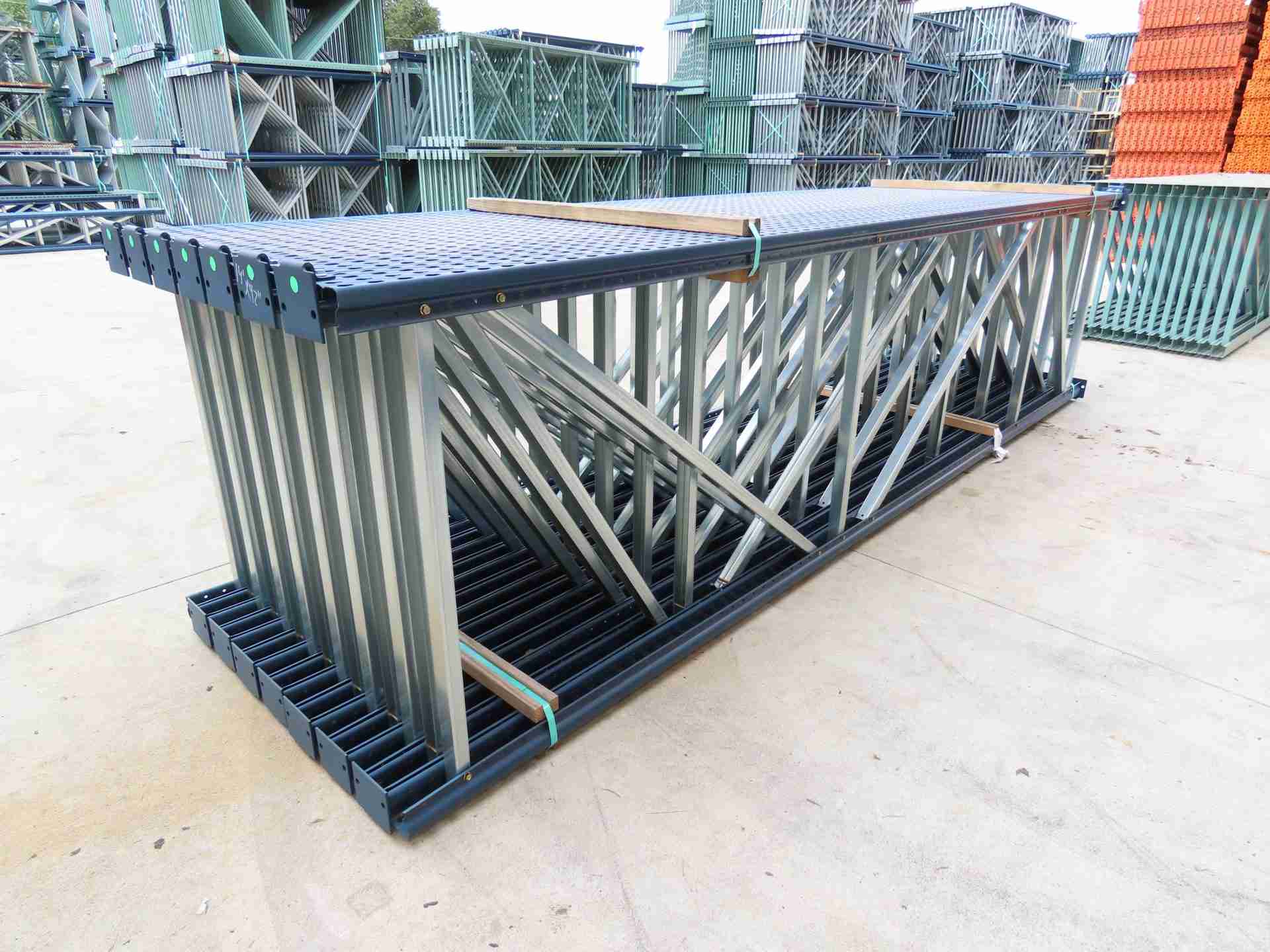
How Does Racking Design Impact the Workflow Of Warehouse Operations?
How Does Racking Design Impact the Workflow Of Warehouse Operations?
- Racking design is crucial for warehouse efficiency and can significantly impact operations.
- Well-organized racking systems enable smooth workflow, making tasks like picking and packing more efficient.
- Disorganized racking leads to wasted time and low employee morale, affecting productivity.
- Smart racking design improves inventory turnover and boosts profitability for businesses.
- A good racking system prioritizes safety and creates a secure working environment for employees.
- The success of a warehouse relies on the synergy between people, processes, and racking systems.
- Effective racking design fosters human connection and operational integrity, benefiting everyone involved.
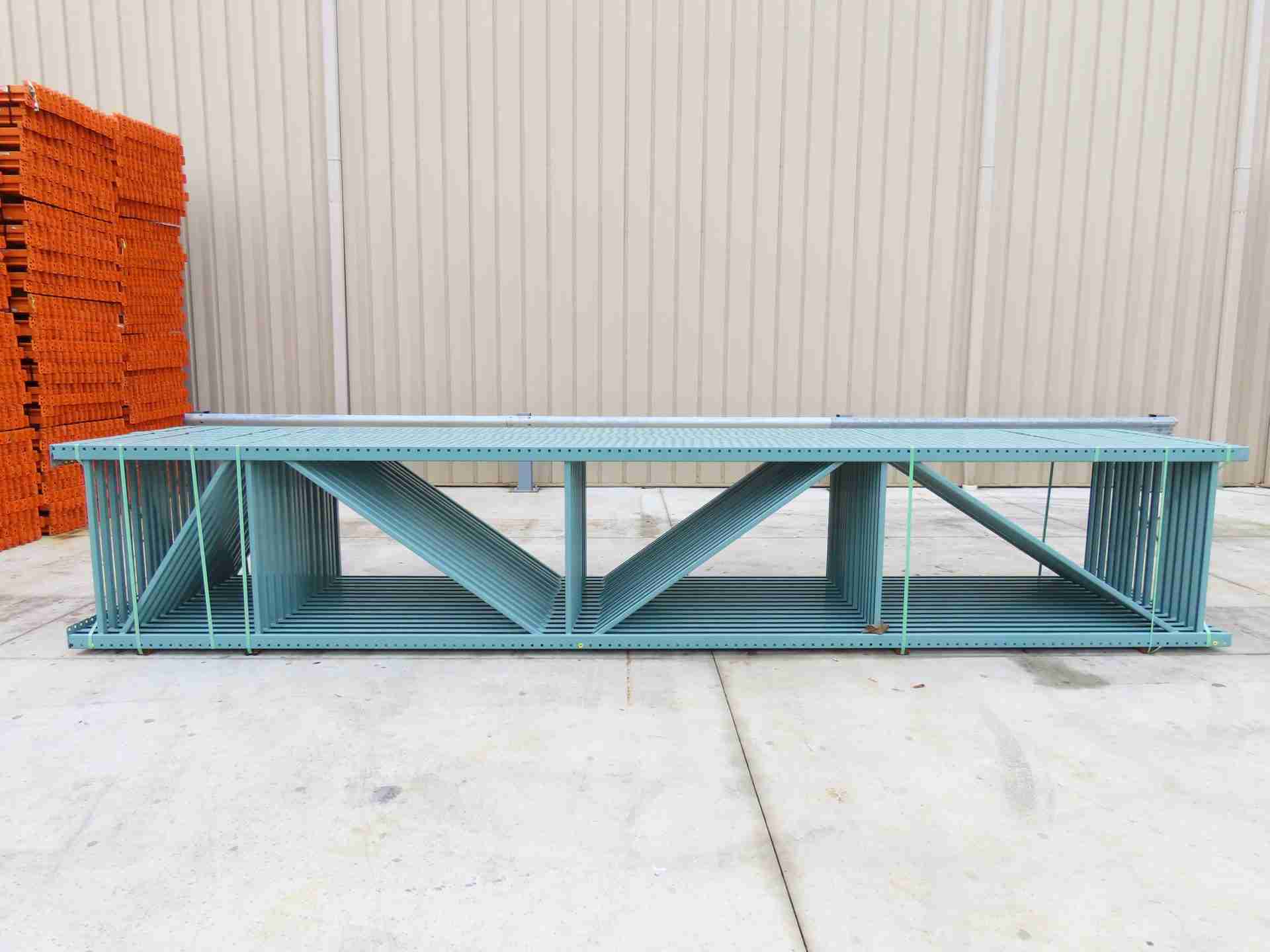
How Does Racking Design Impact the Workflow Of Warehouse Operations?
Conclusion
In the world of warehouses, racking systems are often overlooked, yet they are the unsung heroes of automation, directly impacting efficiency, safety, and morale. These structures do more than just support inventory; they create a dynamic environment where human effort and technology intertwine, enabling every worker to play a crucial role in a larger mission—delivering goods that sustain our lives. As employees like Joe navigate these well-designed racking systems, their safety and morale flourish. A thoughtfully structured racking solution alleviates the fear of injury and promotes confidence, transforming a mundane job into a fulfilling endeavor. When workers recognize that their safety is prioritized, their sense of belonging, and thus their productivity, dramatically increases.
Racking systems also convey an ethical commitment to sustainability and responsibility. By investing in ability-driven designs, companies not only minimize waste but also demonstrate care for their workforce and the planet. This approach resonates with consumers who value brands that take a stand, building trust and loyalty in the process. For team members navigating these environments, improved workflow isn’t just about efficiency; it’s about dignity. A well-organized space allows for seamless operations, sparing them from the frustration of inefficiency. When inventory management is streamlined, customer satisfaction naturally follows, enhancing loyalty and driving profits.
Choosing the right racking solution is an arduous task, one best tackled with expert guidance. Experienced professionals bring invaluable insights that save time and resources, leading to choices that enhance operational integrity while avoiding common pitfalls. Just as vital is collaboration among peers. When teams come together, pooling their unique insights, they can craft innovative designs that reflect collective wisdom—strengthening both the system and camaraderie.
Ultimately, racking solutions are more than metal frameworks; they are the fabric of a thriving workplace culture, promoting a narrative where every endeavor contributes to a shared purpose. When we embrace this perspective, we acknowledge that effective racking is not just about logistics. It’s about the people who work tirelessly behind the scenes, their safety, their satisfaction, and their success. So let’s not just think about racking as a PVC or steel structure; let’s recognize it as a testament to human ingenuity and cooperation, driving progress for everyone involved. When done right, it becomes a foundational pillar of not just operational success, but also of community and trust.
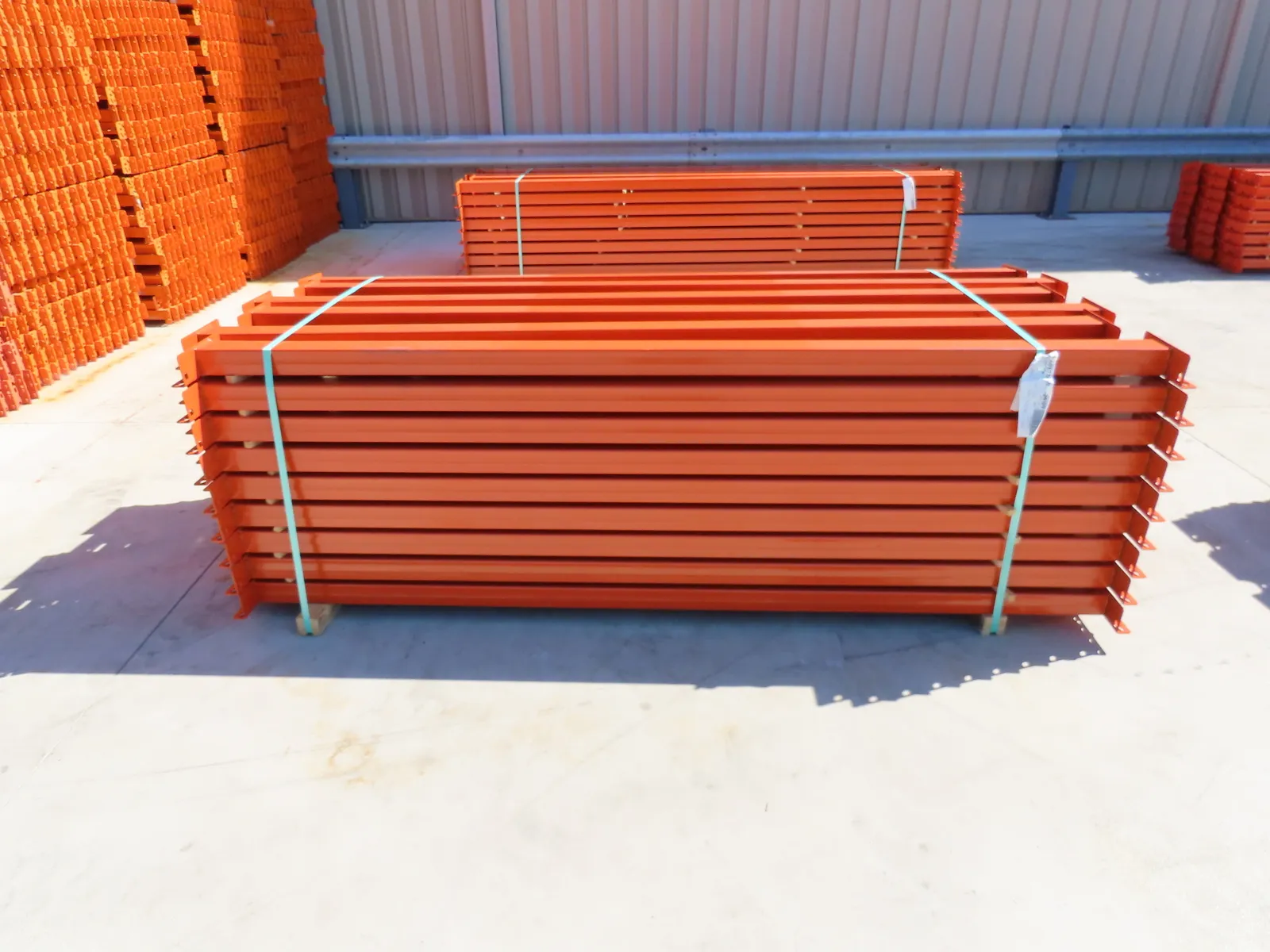
Conclusion
Conclusion:
- Racking systems are essential to warehouse automation, impacting efficiency, safety, and employee morale.
- Well-designed racking solutions help employees feel safe and confident, enhancing their job satisfaction and productivity.
- Investing in sustainable racking designs minimizes waste and demonstrates corporate responsibility toward both the workforce and the environment.
- Improved workflow from organized racking systems leads to higher customer satisfaction, loyalty, and profit.
- Choosing the right racking solution requires expert guidance to save time and resources while maintaining operational integrity.
- Collaboration among team members fosters innovative racking designs that reflect collective expertise and strengthen workplace camaraderie.
- Effective racking is a foundation for workplace culture, emphasizing safety, satisfaction, and shared community goals in operational success.
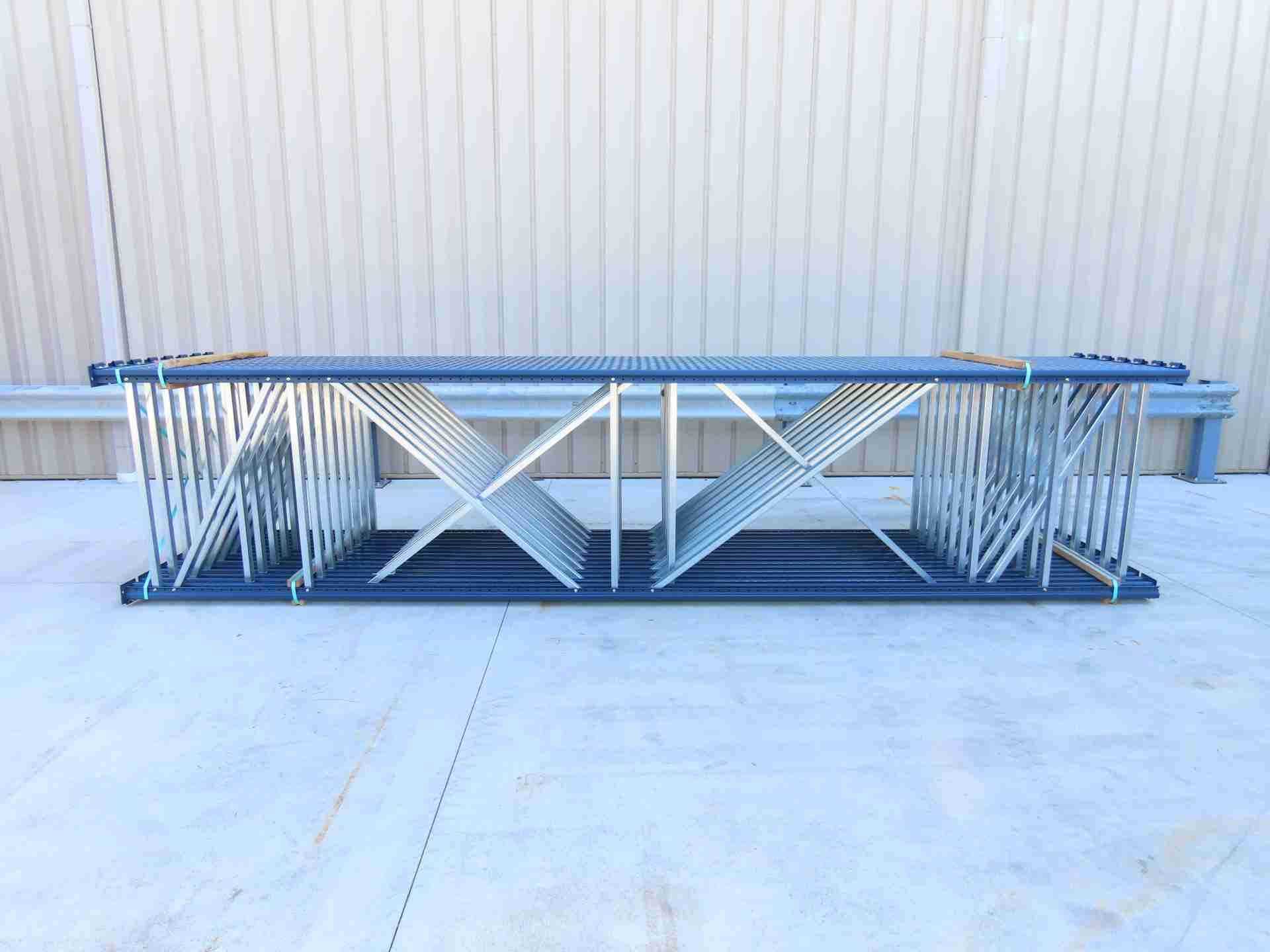
Conclusion
Other Resources
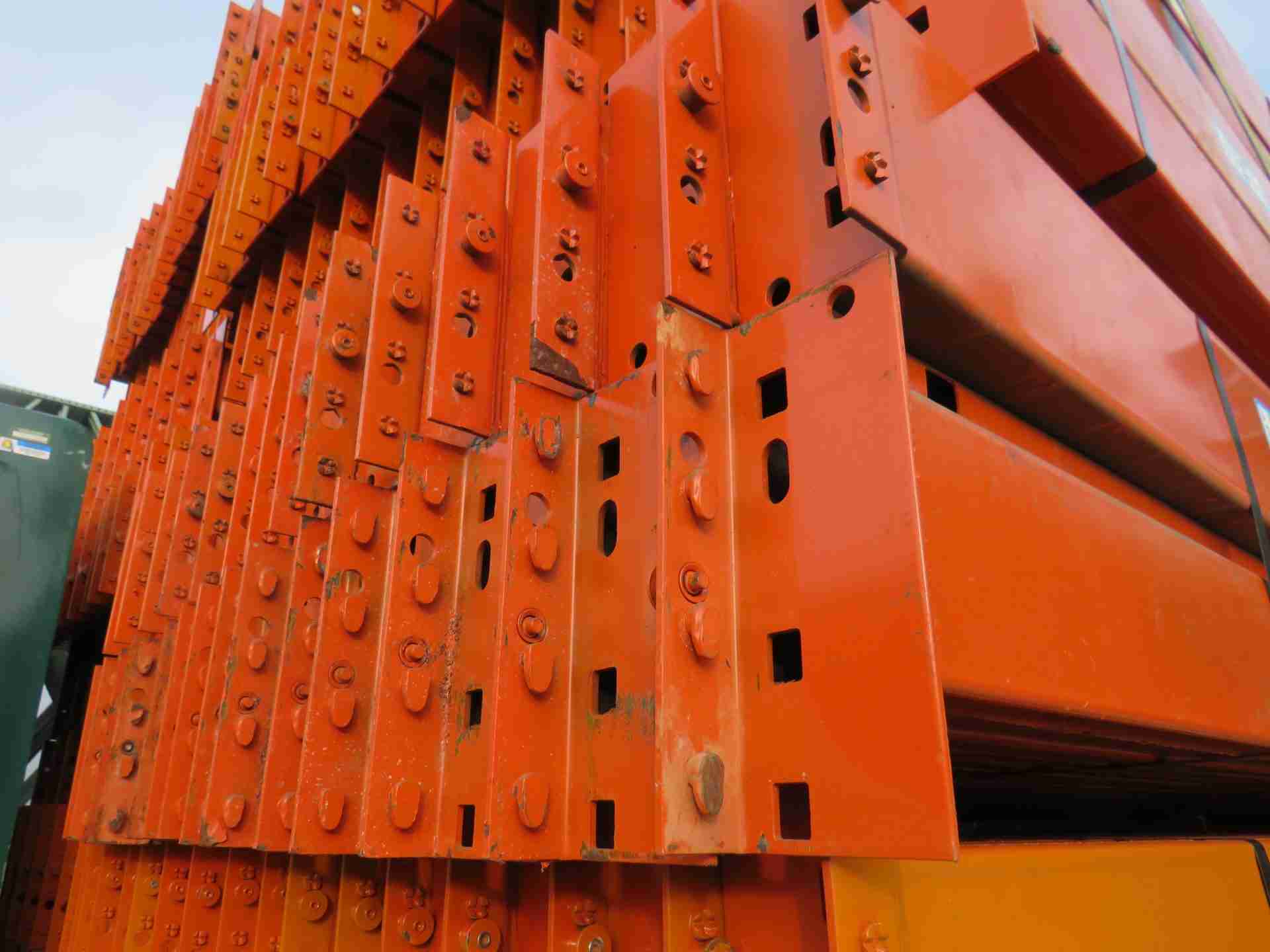
Other Resources
Here is a list of other resources you can review online to learn more:
- Teardrop Industrial Shelving Rack
- Selective Rack – Raymond West
- New Cantilever Racks and Racking Kits
- IWLA
- International Warehouse Logistics Association
- Selective Racking
- Interlake Mecalux
- ASSP
- Rack Manufacturers Institute
- Selective Pallet Racking Systems
- Overhead Lifting
- Total Warehouse
- BMH
- American Surplus
- Cantilever Rack Guide: Ordering Cantilever Racking
- What is Selective Pallet Racking
- CMMA
- Pallet Racks, Pallet Racking, Pallet Shelves in Stock – ULINE
- Used Pallet Rack for Sale in Illinois – American Surplus
Use This Prompt To Get More Resources With Your Favorite Online AI Tool: Please provide me with a list of online articles with their URLs in a bulleted list that I can read regarding The Role Of Racking In Warehouse Automation

Other Resources
Glossary Terms
The Role Of Racking In Warehouse Automation – Glossary Of Terms
1. Racking: A system of vertical storage structures that supports goods in a warehouse, facilitating efficient storage and retrieval.
2. Warehouse Automation: The use of technology to improve warehouse operations, including robotics, automated storage, and handling systems.
3. Vertical Space Utilization: The efficient use of height in warehouses to maximize storage capacity, often achieved through multi-level racking systems.
4. Pallet Racking: A type of racking system designed specifically for storing palletized goods, allowing easy access and organization.
5. Selectivity: The ability to access a wide variety of products quickly within a racking system, crucial for efficient inventory management.
6. Throughput: The rate at which goods are processed or moved through the warehouse, impacting overall efficiency and productivity.
7. SKU (Stock Keeping Unit): A unique identifier for each distinct product or item in inventory, essential for tracking and management.
8. FIFO (First In, First Out): An inventory management strategy where the oldest stock is sold or used first, minimizing spoilage and obsolescence.
9. LIFO (Last In, First Out): An inventory management strategy where the newest stock is sold or used first, often used for perishable items.
10. Automated Guided Vehicles (AGVs): Robotic vehicles that transport materials within a warehouse without human intervention, improving efficiency.
11. Inventory Management System: Software used to track inventory levels, orders, sales, and deliveries, often integrated with racking systems.
12. Dynamic Racking: A racking design that adjusts to changes in inventory levels and types, optimizing storage density and retrieval efficiency.
13. Ergonomics: The study of people’s efficiency in their working environment, important in warehouse design to reduce strain and injury.
14. Lean Warehousing: A methodology focused on minimizing waste and maximizing value by optimizing processes, including racking configuration.
15. Cycle Counting: A periodic auditing process where a subset of inventory is counted to ensure accuracy, often facilitated by efficient racking systems.
16. Cross-Docking: A logistics practice where incoming goods are directly transferred to outgoing shipments, reducing storage time and improving efficiency.
17. Load Capacity: The maximum weight or volume a racking system can safely support, crucial for safety and operational efficiency.
18. Pick and Pack: A fulfillment process where items are picked from storage and packed for shipment, often utilizing racking systems for organization.
19. Safety Regulations: Standards and guidelines ensuring the safe design and operation of racking systems to prevent accidents and injuries.
20. Modular Racking: A flexible racking design that can be easily rearranged or expanded, accommodating changing inventory needs.
21. Stackability: The ability of racking components to be stacked on top of each other, optimizing space efficiency.
22. Warehouse Management System (WMS): A software application that supports warehouse operations, including racking management, inventory control, and order fulfillment.
23. Cold Storage Racking: Specialized racking systems designed for use in temperature-controlled environments to store perishable goods.
24. High-Bay Racking: A tall racking system designed for storing a large number of goods in a limited floor space, often used with automated retrieval systems.
25. Barcoding: The use of barcodes for labeling inventory items, streamlining tracking and retrieval processes within racking systems.
26. Automation Integration: The process of incorporating automated technologies and systems into existing warehouse operations and racking designs.
27. Bulk Storage: A method for storing large quantities of similar items in a single area of racking, often used for non-perishable goods.
28. Order Picking: The process of selecting items from storage to fulfill customer orders, requiring an efficient racking arrangement for speed and accuracy.
29. Space Optimization: The strategic arrangement of goods within a warehouse to make full use of available space, often through advanced racking techniques.
30. Real-Time Inventory Tracking: The capability to monitor inventory levels as they change, ensuring accurate stock levels and facilitating efficient warehouse operations.
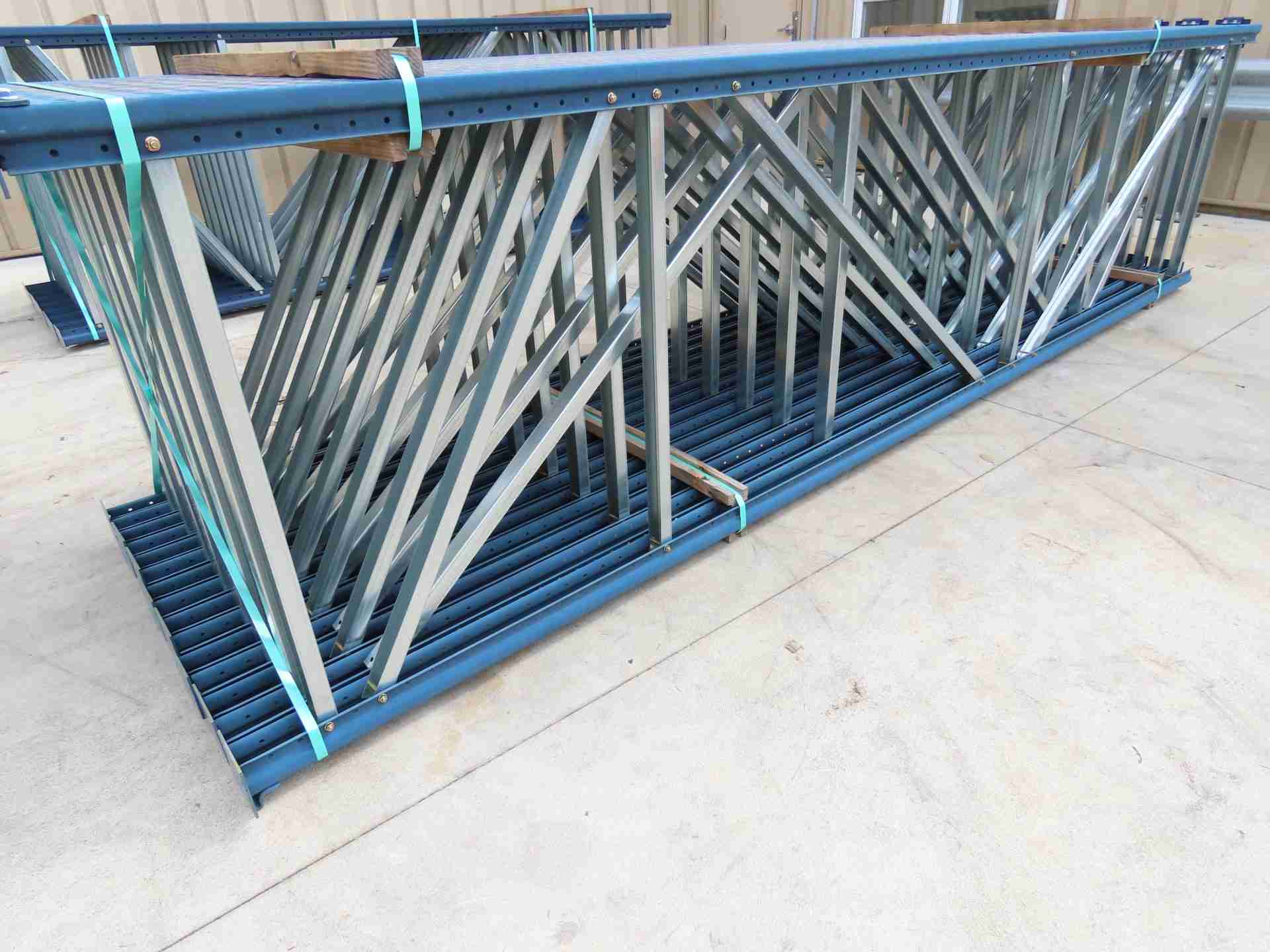
Glossary Of Terms
Other Questions
The Role Of Racking In Warehouse Automation – Other Questions
If you wish to explore and discover more, consider looking for answers to these questions:
- What are the different types of racking systems available for warehouses?
- How can racking systems be customized for specific warehouse needs?
- What factors should be considered when choosing a racking system?
- What are the latest trends in warehouse racking technology?
- How does racking design impact inventory accuracy?
- What safety regulations must be followed in racking system design?
- Can racking systems be easily reconfigured as business needs change?
- What role does training play in the effective use of racking systems?
- How does racking affect inventory turnover and logistics expenses?
- What are the long-term benefits of investing in high-quality racking systems?
- How do racking systems contribute to sustainability efforts in warehouses?
- What common mistakes should be avoided when implementing new racking solutions?
- How can technology be integrated with racking systems for improved efficiency?
- What metrics should be used to evaluate the performance of racking systems?

Other Questions
Checklist
The Role Of Racking In Warehouse Automation – A Checklist
Racking System Implementation Checklist
Heart (Emotional Appeal)
_____ 🌟 What stories can we share about employees’ experiences with the current racking system?
_____ 🌟 How can we highlight the emotional benefits of improved safety and morale for the workforce?
_____ 🌟 In what ways can we emphasize pride in the workplace through effective racking solutions?
Head (Rational Appeal)
_____ 📊 Have we assessed the space utilization of our current racking system?
_____ 📊 What metrics are we using to measure workflow efficiency and retrieval times?
_____ 📊 How does our current racking design impact inventory accuracy and management?
Gut (Ethical Appeal)
_____ 🤝 Are we providing a safe environment that prioritizes employee well-being?
_____ 🤝 How can our racking solutions reflect our commitment to sustainability?
_____ 🤝 Are we engaging employees in the decision-making process regarding racking design?
Authority (Expert Guidance)
_____ 🔍 Have we consulted with racking system experts to guide our selection process?
_____ 🔍 What insights from industry professionals can we leverage to avoid common pitfalls?
_____ 🔍 Are we staying updated on the latest innovations in warehouse racking technology?
Narrative (Storytelling Appeal)
_____ 📖 What inspiring stories can we share about teamwork and collaboration in racking solutions?
_____ 📖 How can we document the journey of selecting and implementing our new racking system?
_____ 📖 Are we capturing the positive impacts of the new racking layout on the workflow?
Social (Collaborative Appeal)
_____ 🤝 Who are the key stakeholders we need to involve in discussions about racking design?
_____ 🤝 How can we facilitate open communication among team members regarding their racking system needs?
_____ 🤝 Are we fostering a culture of collaboration to encourage innovative solutions in racking?
This checklist aims to guide you in implementing effective warehouse racking systems while considering emotional, rational, ethical, authoritative, narrative, and social components.
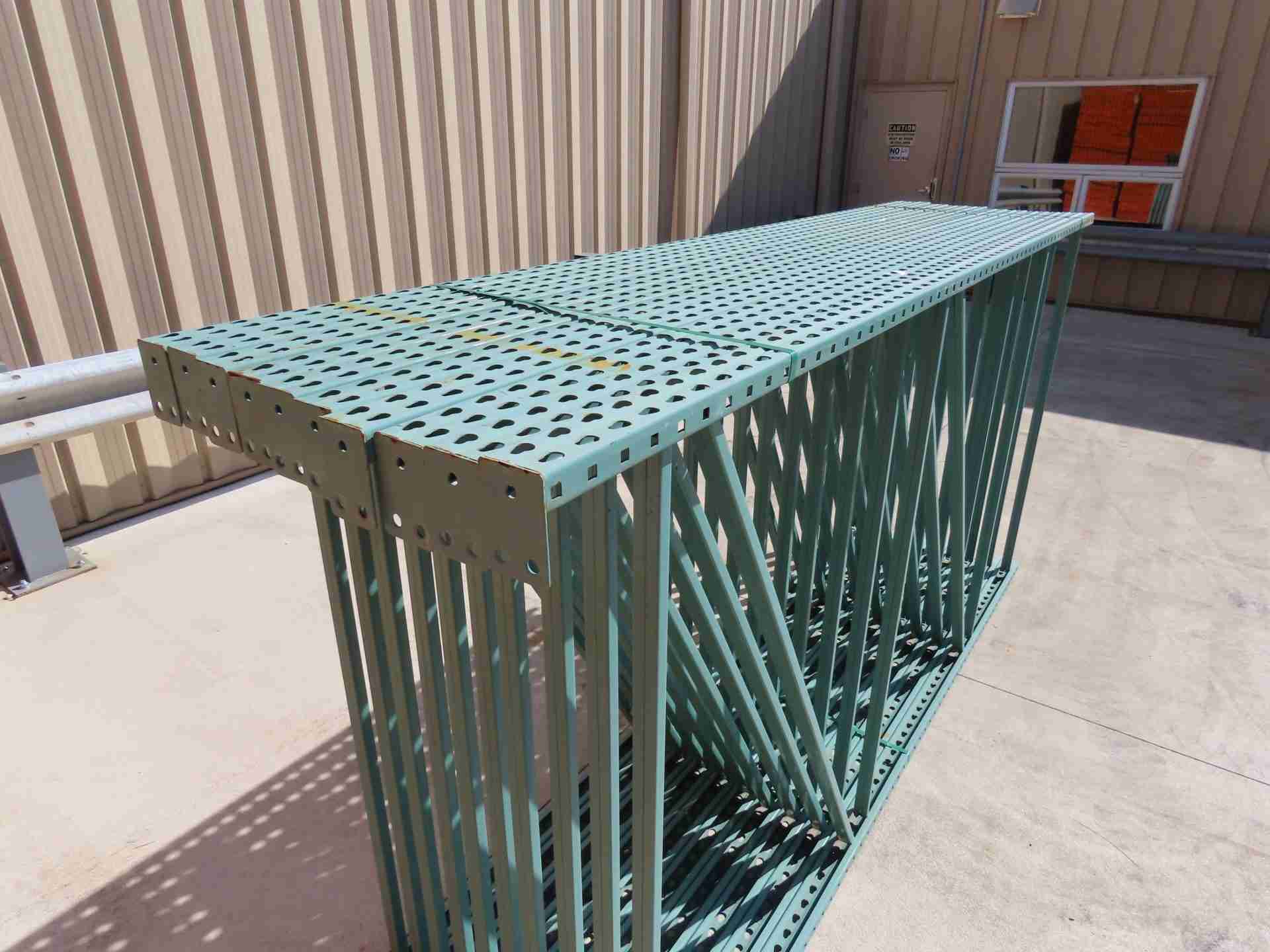
Checklist
At RackingWorld, we help guide you through selecting warehouse storage systems and racking.
Be sure to read our other related stories at RackingWorld to learn more about warehouse storage systems.
0 Comments