
Maximizing Storage with Vertical Pallet Racking
By Tom Seest
At RackingWorld, we help guide you through selecting warehouse storage systems and racking.
Be sure to read our other related stories at RackingWorld to learn more about warehouse storage systems.
How Can Vertical Pallet Racking Space Optimization Boost Storage Capacity?
Vertical pallet racking space optimization is the key to maximizing storage capacity in warehouses and distribution centers. By utilizing the vertical space available in your facility, you can create a more efficient storage system that allows you to store more inventory in a smaller footprint. This not only helps you make the most of your available space, but also improves productivity and overall efficiency in your operations.
One of the main benefits of vertical pallet racking space optimization is the ability to increase storage capacity without expanding your facility. This is especially important in today’s competitive market, where every square foot of space is valuable. By using taller racks and maximizing the vertical space in your warehouse, you can store more inventory without having to invest in costly expansion projects.
For example, a recent study found that companies utilizing vertical pallet racking systems saw a 30% increase in storage capacity compared to traditional shelving systems. This allowed them to store more inventory in the same amount of space, ultimately saving them time and money in the long run.
Additionally, vertical pallet racking space optimization can also help improve organization and accessibility in your warehouse. By stacking pallets vertically, you can easily see and access each item in your inventory, making it easier to pick and pack orders quickly and accurately. This can help reduce picking errors and improve order fulfillment rates, ultimately leading to higher customer satisfaction and repeat business.
In today’s fast-paced and increasingly competitive business landscape, it’s more important than ever to make the most of your available space. By optimizing the vertical space in your warehouse with pallet racking systems, you can increase storage capacity, improve organization, and boost overall efficiency in your operations. This can give you a competitive edge in the market and help you stay ahead of the competition.
Vertical pallet racking space optimization is a proven strategy for maximizing storage capacity in warehouses and distribution centers. By utilizing the vertical space available in your facility, you can store more inventory, improve organization, and increase efficiency in your operations. Don’t let valuable vertical space go to waste – optimize it with pallet racking systems today!

How Can Vertical Pallet Racking Space Optimization Boost Storage Capacity?
How Can Vertical Pallet Racking Space Optimization Boost Storage Capacity?
- Vertical pallet racking space optimization is the key to maximizing storage capacity in warehouses and distribution centers.
- By utilizing the vertical space available, you can create a more efficient storage system.
- This helps store more inventory in a smaller footprint, improving productivity and efficiency.
- It allows increasing storage capacity without expanding the facility, saving time and money.
- Companies using vertical pallet racking systems saw a 30% increase in storage capacity.
- Optimization can also improve organization and accessibility in the warehouse.
- By stacking pallets vertically, orders can be picked and packed quickly and accurately, leading to higher customer satisfaction.

How Can Vertical Pallet Racking Space Optimization Boost Storage Capacity?
Table Of Contents
- How Can Vertical Pallet Racking Space Optimization Boost Storage Capacity?
- How Does Vertical Pallet Racking Maximize Storage Space?
- What Are The Benefits Of Optimizing Vertical Pallet Racking?
- Can Vertical Pallet Racking Accommodate Various Pallet Sizes?
- How Does Vertical Pallet Racking Improve Warehouse Efficiency?
- Are There Any Disadvantages To Vertical Pallet Racking Optimization?
- How Does Vertical Pallet Racking Save Floor Space?
- What Are The Benefits Of Utilizing Vertical Space For Storage?
- How Can Vertical Pallet Racking Increase Warehouse Efficiency?
- What Factors Should Be Considered When Implementing Vertical Racking?
- Are There Drawbacks To Vertical Pallet Racking?
- How Does Vertical Racking Compare To Other Storage Solutions?
- What Industries Can Benefit Most From Vertical Storage Optimization?
- Conclusion
- Other Resources
- Glossary Of Terms
- Other Questions
- Checklist
How Does Vertical Pallet Racking Maximize Storage Space?
Vertical pallet racking is a highly efficient and cost-effective storage solution that can maximize the storage space in your warehouse. By utilizing vertical space and stacking pallets on top of each other, businesses can significantly increase their storage capacity without sacrificing accessibility or organization.
One key way that vertical pallet racking maximizes storage space is by allowing businesses to take advantage of their warehouse’s vertical space. Instead of only utilizing the floor space for storage, businesses can stack pallets upwards, taking advantage of the full height of their warehouse. This means that businesses can store more inventory in the same footprint, ultimately increasing their storage capacity without needing to expand their warehouse.
For example, imagine a warehouse that currently has traditional shelving units storing inventory on the floor. By switching to vertical pallet racking, the warehouse can double or even triple its storage capacity by stacking pallets vertically. This not only optimizes the use of space but also allows businesses to store more inventory and increase their overall efficiency.
Additionally, vertical pallet racking can also help businesses better organize their inventory, making it easier to locate and access specific items quickly. By organizing inventory vertically, businesses can easily see and access all of their products, reducing the time spent searching for specific items. This ultimately improves workflow and efficiency in the warehouse, leading to increased productivity and profitability.
In the current global economic climate, where businesses are facing challenges such as supply chain disruptions and increased demand for e-commerce fulfillment, maximizing storage space is more important than ever. With vertical pallet racking, businesses can increase their storage capacity and better manage their inventory, helping them meet the demands of their customers and stay competitive in the market.
Vertical pallet racking is a powerful tool for businesses looking to maximize their storage space and increase their efficiency. By utilizing vertical space, businesses can store more inventory in the same footprint, improve organization, and streamline their workflow. In today’s competitive business landscape, maximizing storage space is key to success, and vertical pallet racking is a proven solution to help businesses achieve that goal.

How Does Vertical Pallet Racking Maximize Storage Space?
How Does Vertical Pallet Racking Maximize Storage Space?
- Vertical pallet racking maximizes storage space in warehouses.
- Allows businesses to utilize vertical space efficiently.
- Increases storage capacity without needing to expand warehouse.
- Helps businesses better organize inventory for quick access.
- Improves workflow and efficiency in the warehouse.
- Important tool in current global economic climate.
- Key to success in competitive business landscape.

How Does Vertical Pallet Racking Maximize Storage Space?
What Are The Benefits Of Optimizing Vertical Pallet Racking?
Vertical pallet racking is a highly efficient storage solution that offers a wide range of benefits for businesses looking to maximize their warehouse space and streamline their operations. By optimizing vertical pallet racking, companies can increase their storage capacity, improve accessibility to products, and enhance overall productivity.
One of the key benefits of optimizing vertical pallet racking is the ability to maximize storage space. By utilizing the vertical space in a warehouse, businesses can store more products in a smaller footprint, making it easier to keep inventory organized and easily accessible. This can help reduce clutter and improve safety in the workplace, as well as make it easier for employees to locate and retrieve items quickly.
For example, during peak shopping seasons like Black Friday and Cyber Monday, retailers need to have quick access to their inventory to fulfill customer orders. By optimizing their vertical pallet racking, retailers can ensure that their products are easily accessible and ready to ship out to customers, helping them keep up with demand and maximize their sales.
Additionally, optimizing vertical pallet racking can help businesses improve their workflow and increase efficiency. By organizing products vertically, companies can reduce the time it takes for employees to locate and retrieve items, leading to faster order fulfillment and shorter lead times. This can help businesses operate more smoothly and meet customer demands more effectively.
Furthermore, optimizing vertical pallet racking can also help businesses save money in the long run. By maximizing storage space and improving accessibility to products, companies can reduce the need for additional storage solutions and eliminate the cost of renting external storage facilities. This can lead to significant cost savings over time and help businesses increase their bottom line.
Optimizing vertical pallet racking offers a wide range of benefits for businesses looking to improve their storage capabilities and streamline their operations. By maximizing storage space, improving workflow, and saving money in the long run, companies can achieve greater efficiency and profitability. With the increasing demand for online shopping and fast delivery services, optimizing vertical pallet racking has become more important than ever for businesses looking to stay competitive in today’s market.

What Are The Benefits Of Optimizing Vertical Pallet Racking?
What Are The Benefits Of Optimizing Vertical Pallet Racking?
- Vertical pallet racking is a highly efficient storage solution that offers a wide range of benefits for businesses.
- Optimizing vertical pallet racking can increase storage capacity and improve accessibility to products.
- Maximizing storage space helps keep inventory organized, reduces clutter, and improves safety in the workplace.
- During peak shopping seasons, vertical pallet racking ensures quick access to inventory for order fulfillment.
- Organizing products vertically can reduce retrieval time, leading to faster order fulfillment and shorter lead times.
- Optimizing vertical pallet racking can help save money by eliminating the need for additional storage solutions.
- Businesses can achieve greater efficiency, profitability, and competitiveness by optimizing vertical pallet racking.

What Are The Benefits Of Optimizing Vertical Pallet Racking?
Can Vertical Pallet Racking Accommodate Various Pallet Sizes?
Vertical pallet racking is a versatile storage solution that can easily accommodate various pallet sizes, making it a popular choice for warehouses and distribution centers. With adjustable shelf heights and depths, vertical pallet racking can be customized to fit the specific needs of your facility.
Whether you’re storing standard pallets, oversized pallets, or irregularly shaped pallets, vertical racking can be adjusted to accommodate them all. This flexibility allows you to maximize your storage space and make the most of your vertical space. For example, if you need to store different sized pallets in the same rack, vertical pallet racking can easily be adjusted to accommodate them without wasting any space.
In addition to accommodating various pallet sizes, vertical racking also offers other benefits such as improved visibility and accessibility. With vertical pallet racking, you can easily see and access all of your inventory, making it easier to locate and retrieve items quickly. This can help improve efficiency and productivity in your warehouse operations.
Furthermore, vertical racking can also help you optimize your storage space and increase your storage capacity. By utilizing your vertical space effectively, you can store more inventory in a smaller footprint, saving you space and money in the long run. This can be especially important in today’s competitive market, where warehouse space is at a premium.
In light of recent events such as the global pandemic, many businesses are looking for ways to optimize their warehouse operations and maximize their storage space. Vertical pallet racking offers a solution that can help businesses adapt to changing circumstances and improve their efficiency and productivity.
Overall, vertical pallet racking is a versatile and efficient storage solution that can accommodate various pallet sizes and help businesses optimize their storage space. Whether you’re storing standard pallets, oversized pallets, or irregularly shaped pallets, vertical racking can be customized to fit your needs and improve your warehouse operations. If you’re looking for a storage solution that offers flexibility, visibility, and space-saving benefits, vertical pallet racking may be the perfect choice for your facility.

Can Vertical Pallet Racking Accommodate Various Pallet Sizes?
Can Vertical Pallet Racking Accommodate Various Pallet Sizes?
- Vertical pallet racking is a versatile storage solution that can easily accommodate various pallet sizes, making it popular for warehouses and distribution centers.
- Adjustable shelf heights and depths allow vertical pallet racking to be customized to fit the specific needs of your facility.
- Vertical racking can be adjusted to store standard pallets, oversized pallets, or irregularly shaped pallets, maximizing storage space and vertical space utilization.
- Vertical racking offers improved visibility and accessibility, allowing for quick retrieval of items and increased efficiency in warehouse operations.
- Utilizing vertical space effectively with vertical racking can help optimize storage space and increase storage capacity, saving space and money in the long run.
- Vertical pallet racking can help businesses adapt to changing circumstances and improve efficiency and productivity, especially in today’s competitive market.
- If you’re looking for flexibility, visibility, and space-saving benefits in a storage solution, vertical pallet racking may be the perfect choice for your facility.

Can Vertical Pallet Racking Accommodate Various Pallet Sizes?
How Does Vertical Pallet Racking Improve Warehouse Efficiency?
Vertical pallet racking is a game-changer for warehouse efficiency. By utilizing vertical space, warehouses can maximize storage capacity and streamline operations, ultimately leading to increased productivity and cost savings. So, how exactly does vertical pallet racking improve warehouse efficiency?
First and foremost, vertical pallet racking allows warehouses to make the most of their available space. With the rising cost of real estate and the increasing demand for storage solutions, utilizing vertical space is essential for maximizing efficiency. By stacking pallets vertically, warehouses can store more inventory in the same footprint, making it easier to keep track of inventory levels and minimize wasted space.
Additionally, vertical pallet racking can improve accessibility and organization within the warehouse. By stacking pallets vertically, it becomes easier for warehouse staff to locate and retrieve inventory quickly and efficiently. This not only speeds up order fulfillment but also reduces the risk of errors and delays in the supply chain.
Furthermore, vertical pallet racking can enhance safety in the warehouse. By storing pallets vertically, warehouses can minimize the risk of accidents and injuries caused by improperly stored inventory. This can help reduce workers’ compensation claims and improve overall employee morale and satisfaction.
In today’s fast-paced world, where e-commerce is booming and customer expectations are higher than ever, efficiency in the warehouse is crucial. Vertical pallet racking can help warehouses meet the growing demands of the market by enabling them to store more inventory, increase productivity, and reduce costs.
For example, during the COVID-19 pandemic, many warehouses experienced a surge in demand for essential goods. Vertical pallet racking allowed these warehouses to quickly adapt to the increased volume of orders and maintain efficiency in a challenging environment. By maximizing storage capacity and improving organization, warehouses were able to meet the needs of customers and keep the supply chain running smoothly.
Vertical pallet racking is a powerful tool for improving warehouse efficiency. By maximizing storage capacity, enhancing organization, and increasing safety, warehouses can streamline operations and meet the demands of the market. In today’s competitive landscape, investing in vertical pallet racking is essential for staying ahead of the competition and delivering exceptional service to customers.

How Does Vertical Pallet Racking Improve Warehouse Efficiency?
How Does Vertical Pallet Racking Improve Warehouse Efficiency?
- Vertical pallet racking allows warehouses to maximize storage capacity and streamline operations.
- Utilizing vertical space is essential for efficiency, especially with rising real estate costs.
- Stacking pallets vertically helps warehouses store more inventory and minimize wasted space.
- Improved accessibility and organization enable quicker inventory retrieval and order fulfillment.
- Enhanced safety in the warehouse by minimizing accidents and injuries caused by improperly stored inventory.
- Vertical pallet racking helps warehouses meet the demands of the market, increase productivity, and reduce costs.
- During times of high demand, like the COVID-19 pandemic, vertical pallet racking enables warehouses to adapt quickly and maintain efficiency.

How Does Vertical Pallet Racking Improve Warehouse Efficiency?
Are There Any Disadvantages To Vertical Pallet Racking Optimization?
Vertical pallet racking optimization is a highly effective way to maximize storage space and increase efficiency in warehouses and distribution centers. However, like any solution, there are potential drawbacks to consider when implementing this type of system.
One disadvantage of vertical pallet racking optimization is the initial cost. Installing a vertical pallet racking system can be a significant investment, especially for large warehouses or facilities. This cost includes not only the racks themselves, but also installation, maintenance, and potential upgrades in the future. While the long-term benefits of increased storage capacity and improved workflow may outweigh this initial expense, it is important to factor in the upfront cost when considering implementing a vertical pallet racking system.
Another potential disadvantage of vertical pallet racking optimization is the need for specialized equipment and training. In order to fully take advantage of the vertical space in a warehouse, employees may need to operate forklifts or other machinery at elevated heights. This can require specialized training to ensure the safety of workers and prevent accidents. Additionally, maintenance and repairs to equipment used for vertical pallet racking may be more complex and require specialized knowledge or expertise.
Furthermore, vertical pallet racking optimization may not be suitable for all types of products or inventory. Items that are bulky, irregularly shaped, or have specific storage requirements may not fit well within a vertical racking system. In these cases, alternative storage solutions may be more appropriate to ensure efficient and organized inventory management.
In light of recent events such as the COVID-19 pandemic, another potential disadvantage of vertical pallet racking optimization is its impact on social distancing measures. With workers needing to operate machinery at elevated heights in close proximity to each other, maintaining a safe distance may be a challenge. Companies implementing vertical pallet racking systems should consider how they can adjust their workflows and safety protocols to ensure the well-being of their employees in these situations.
While vertical pallet racking optimization offers many benefits in terms of increased storage capacity and improved efficiency, there are potential disadvantages to consider. By weighing the costs and requirements of implementing a vertical racking system against the benefits it can provide, companies can make an informed decision about whether this solution is the right fit for their warehouse or distribution center.

Are There Any Disadvantages To Vertical Pallet Racking Optimization?
Are There Any Disadvantages To Vertical Pallet Racking Optimization?
- Vertical pallet racking optimization is a highly effective way to maximize storage space and increase efficiency in warehouses.
- Initial cost can be a significant investment, including installation, maintenance, and potential upgrades.
- Specialized equipment and training may be required for operating at elevated heights.
- Not suitable for all types of products or inventory.
- Impact on social distancing measures, especially in light of events like the COVID-19 pandemic.
- Companies should consider adjusting workflows and safety protocols to ensure employee well-being.
- It is important to weigh the costs and requirements against the benefits when considering implementing a vertical racking system.

Are There Any Disadvantages To Vertical Pallet Racking Optimization?
How Does Vertical Pallet Racking Save Floor Space?
Vertical pallet racking is a game-changer for businesses looking to maximize their storage capacity without sacrificing valuable floor space. By utilizing vertical space rather than spreading out horizontally, businesses can drastically increase the amount of inventory they can store within the same footprint.
One key way that vertical pallet racking saves floor space is by stacking pallets on top of each other, rather than side by side. This vertical storage solution allows businesses to reach new heights – literally – when it comes to storing goods. By going vertical, businesses can make use of ceilings and tall warehouse spaces that would otherwise go untouched. This can be especially beneficial in cities where land is at a premium, as it allows businesses to make the most of their existing square footage without needing to expand outward.
In addition to going vertical, vertical pallet racking also allows for better organization and streamlined access to inventory. By stacking pallets one on top of the other, businesses can keep similar items together and easily locate them when needed. This can save valuable time and improve efficiency in the warehouse, leading to cost savings and increased productivity.
Furthermore, the utilization of vertical pallet racking can also lead to a safer and more organized warehouse environment. By keeping inventory off the floor and neatly stacked in racks, businesses can reduce the risk of accidents and injuries caused by cluttered aisles and disorganized storage areas. This is particularly important in light of recent workplace safety regulations and the need for businesses to prioritize employee well-being.
Overall, vertical pallet racking is a smart investment for businesses looking to make the most of their available space. By going vertical, businesses can increase their storage capacity, improve organization, and create a safer work environment – all while maximizing their floor space. With the potential for significant cost savings and efficiency gains, vertical pallet racking is a solution that businesses of all sizes can benefit from. So why limit your storage capabilities to just the ground level? Embrace the heights with vertical pallet racking and watch your business rise to new heights of success.

How Does Vertical Pallet Racking Save Floor Space?
How Does Vertical Pallet Racking Save Floor Space?
- Vertical pallet racking maximizes storage capacity without sacrificing floor space.
- Stacking pallets vertically saves floor space by utilizing height.
- Allows businesses to make use of ceilings and tall warehouse spaces.
- Improves organization and streamlined access to inventory.
- Creates a safer and more organized warehouse environment.
- Smart investment for businesses of all sizes.
- Maximizes storage capacity, improves organization, and creates a safer work environment.

How Does Vertical Pallet Racking Save Floor Space?
What Are The Benefits Of Utilizing Vertical Space For Storage?
Utilizing vertical space for storage can provide numerous benefits for businesses looking to maximize their storage capacity and efficiency. By taking advantage of unused vertical space in your facility, you can free up valuable floor space for other purposes and increase the overall organization and accessibility of your inventory.
One of the key benefits of utilizing vertical space for storage is the ability to store a larger quantity of items in a smaller footprint. Instead of spreading your inventory out horizontally across the floor, vertical storage solutions such as tall shelving units or mezzanine levels allow you to stack items high without taking up as much floor space. This can be especially beneficial for businesses operating in smaller warehouse or retail spaces, helping them make the most of their limited square footage.
Additionally, utilizing vertical space for storage can improve the overall organization and accessibility of your inventory. By implementing a vertical storage system, you can categorize and label items more effectively, making it easier for employees to locate and retrieve items quickly when needed. This can help streamline your operations and reduce the time spent searching for specific items, ultimately improving overall productivity and efficiency.
Furthermore, by utilizing vertical space for storage, businesses can enhance their safety measures and optimize their workflow. Vertical storage solutions can help reduce clutter and congestion on the warehouse floor, minimizing the risk of accidents and injuries caused by tripping or falling over misplaced items. Additionally, by stacking items vertically, you can create designated pathways and work zones that allow for smoother and more efficient movement of goods throughout the facility.
The benefits of utilizing vertical space for storage are numerous and can have a significant impact on a business’s overall operations and efficiency. By taking advantage of vertical storage solutions, businesses can maximize their storage capacity, improve organization and accessibility, enhance safety measures, and optimize their workflow. In today’s competitive marketplace, where companies are constantly looking for ways to improve their bottom line and stay ahead of the competition, utilizing vertical space for storage can be a game-changer that helps businesses succeed and thrive in the long run.
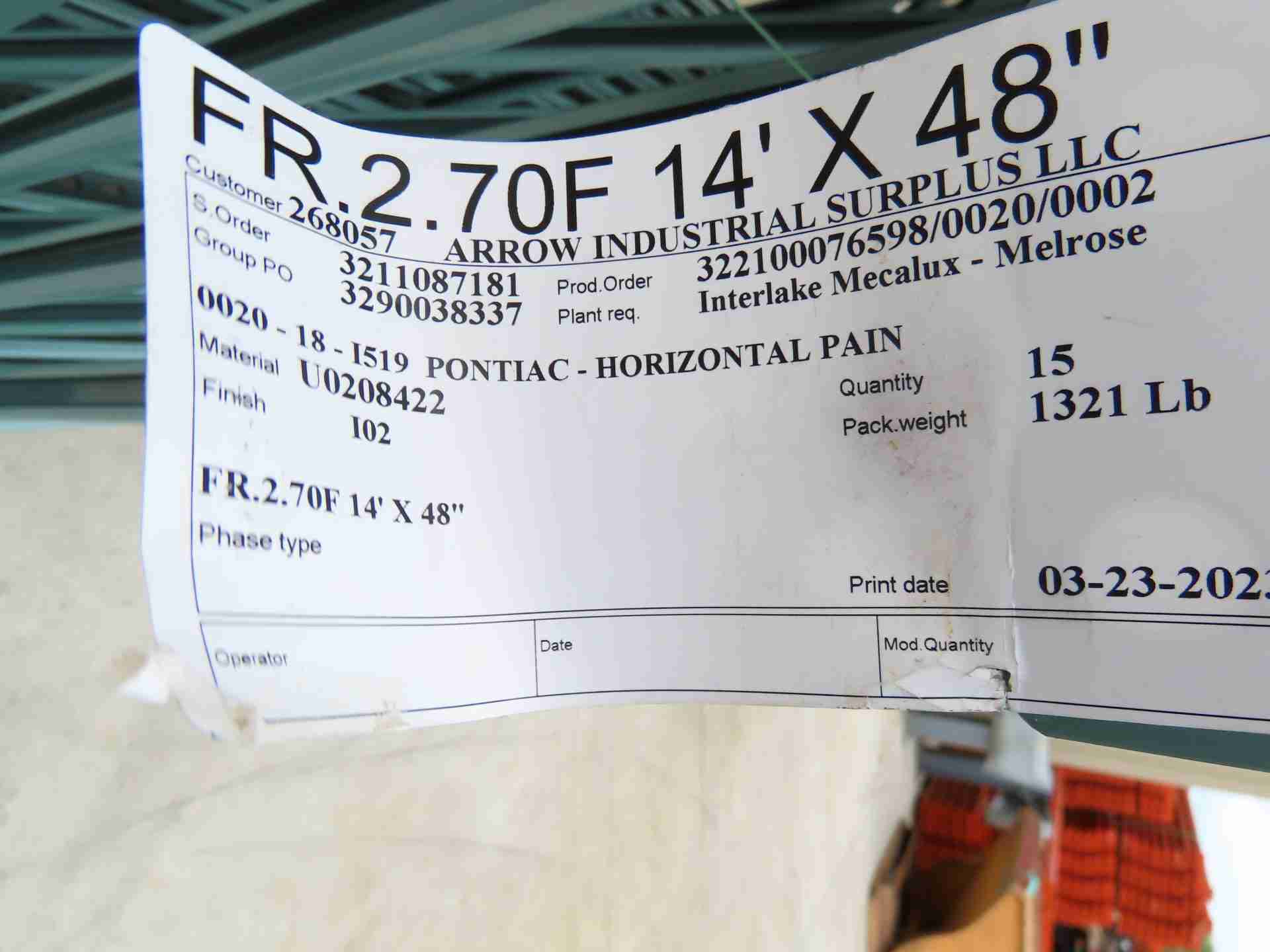
What Are The Benefits Of Utilizing Vertical Space For Storage?
What Are The Benefits Of Utilizing Vertical Space For Storage?
- Utilizing vertical space for storage can provide numerous benefits for businesses looking to maximize their storage capacity and efficiency.
- By taking advantage of unused vertical space, businesses can free up valuable floor space for other purposes.
- One key benefit of vertical storage is the ability to store a larger quantity of items in a smaller footprint.
- Vertical storage solutions, such as tall shelving units or mezzanine levels, allow for stacking items high without taking up as much floor space.
- Vertical storage can improve organization and accessibility of inventory by categorizing and labeling items more effectively.
- Utilizing vertical space for storage can enhance safety measures by reducing clutter and congestion on the warehouse floor.
- Businesses can optimize workflow and improve overall efficiency by utilizing vertical storage solutions.

What Are The Benefits Of Utilizing Vertical Space For Storage?
How Can Vertical Pallet Racking Increase Warehouse Efficiency?
Vertical pallet racking is a powerful tool that can significantly boost warehouse efficiency and maximize storage capacity. By utilizing vertical space effectively, businesses can streamline operations, improve inventory management, and ultimately increase productivity. Here are some key ways in which vertical pallet racking can revolutionize your warehouse:
1. Maximizing Storage Capacity: Vertical pallet racking allows businesses to take full advantage of the vertical space in their warehouse, optimizing storage capacity and reducing clutter on the warehouse floor. By stacking pallets vertically, businesses can store more inventory in a smaller footprint, freeing up valuable floor space for other operations. This can help businesses accommodate growth and expansion without the need for costly warehouse extensions or relocations.
2. Improved Accessibility: Vertical pallet racking enables businesses to organize inventory in a way that makes it easier to access and retrieve items quickly. By grouping similar products together and labeling shelves clearly, employees can locate items more efficiently, reducing picking and packing times. This can lead to faster order fulfillment and improved customer satisfaction, particularly in the age of e-commerce where speedy deliveries are paramount.
3. Enhanced Safety: Properly installed and maintained vertical pallet racking systems can help businesses minimize safety risks in the warehouse. By securing pallets in place and preventing them from falling or shifting, businesses can reduce the likelihood of accidents or injuries caused by unstable stacks of inventory. This not only protects employees but also helps prevent damage to valuable inventory, saving businesses time and money in the long run.
4. Streamlined Operations: Vertical pallet racking can streamline warehouse operations by creating a more organized and efficient workflow. With inventory neatly arranged and easily accessible, employees can pick and pack orders more quickly and accurately, reducing errors and delays. This can lead to faster turnaround times, improved inventory control, and ultimately, a more cost-effective operation.
Vertical pallet racking is a versatile solution that can revolutionize your warehouse and improve overall efficiency. By maximizing storage capacity, improving accessibility, enhancing safety, and streamlining operations, businesses can reap the benefits of a more organized and productive warehouse environment. Embracing vertical pallet racking can help businesses stay competitive in today’s fast-paced business landscape and position themselves for future growth and success.

How Can Vertical Pallet Racking Increase Warehouse Efficiency?
How Can Vertical Pallet Racking Increase Warehouse Efficiency?
- Maximizing Storage Capacity: Vertical pallet racking allows businesses to take full advantage of the vertical space in their warehouse, optimizing storage capacity and reducing clutter on the warehouse floor.
- Improved Accessibility: Vertical pallet racking enables businesses to organize inventory in a way that makes it easier to access and retrieve items quickly.
- Enhanced Safety: Properly installed and maintained vertical pallet racking systems can help businesses minimize safety risks in the warehouse.
- Streamlined Operations: Vertical pallet racking can streamline warehouse operations by creating a more organized and efficient workflow.
- Cost-Effective Solution: Vertical pallet racking can help businesses accommodate growth and expansion without the need for costly warehouse extensions or relocations.
- Improved Customer Satisfaction: Faster order fulfillment and improved inventory control can lead to improved customer satisfaction, particularly in the age of e-commerce.
- Competitive Advantage: Embracing vertical pallet racking can help businesses stay competitive in today’s fast-paced business landscape and position themselves for future growth and success.

How Can Vertical Pallet Racking Increase Warehouse Efficiency?
What Factors Should Be Considered When Implementing Vertical Racking?
When considering the implementation of vertical racking in your warehouse or storage facility, there are several key factors that should be taken into account to ensure its success.
First and foremost, it is important to evaluate the available space in your facility and determine if vertical racking is the most efficient use of that space. Vertical racking is ideal for maximizing vertical storage space, which can help to increase storage capacity without the need for additional floor space. For example, if your facility has high ceilings but limited floor space, vertical racking may be the perfect solution to make the most of that unused vertical space.
Another important factor to consider is the type of products or items that will be stored on the vertical racking system. Certain items may not be suitable for vertical storage due to their size, weight, or fragility. It is crucial to assess the characteristics of the items being stored and ensure that the vertical racking system can safely and securely accommodate them. For instance, if you are storing heavy equipment or machinery, you will need to choose a vertical racking system with a high weight capacity and sturdy construction to prevent any accidents or damage.
Additionally, it is essential to consider the accessibility of the vertical racking system. Will your warehouse staff be able to easily access and retrieve items from the vertical racks? If not, it may be necessary to incorporate features such as sliding shelves or automated retrieval systems to improve efficiency and productivity.
Furthermore, it is important to take into account any legal or safety regulations that may impact the implementation of vertical racking in your facility. For example, OSHA regulations regarding the safe handling and storage of materials should be carefully considered to ensure compliance and avoid any potential liabilities.
When implementing vertical racking in your warehouse or storage facility, it is critical to carefully evaluate factors such as available space, types of items being stored, accessibility, and safety regulations. By taking these key factors into consideration, you can ensure the successful implementation of a vertical racking system that maximizes space, improves efficiency, and enhances overall productivity.

What Factors Should Be Considered When Implementing Vertical Racking?
What Factors Should Be Considered When Implementing Vertical Racking?
- Evaluate available space in facility.
- Consider type of products/items to be stored.
- Assess accessibility of vertical racking system.
- Check for legal and safety regulations.
- Choose system with high weight capacity for heavy items.
- Incorporate features like sliding shelves for easy access.
- Ensure compliance to OSHA regulations.

What Factors Should Be Considered When Implementing Vertical Racking?
Are There Drawbacks To Vertical Pallet Racking?
When considering vertical pallet racking for your warehouse storage needs, it is important to weigh the benefits against any potential drawbacks. While vertical pallet racking offers numerous advantages in terms of maximizing space efficiency and ease of access to inventory, there are some potential drawbacks to keep in mind.
One drawback to vertical pallet racking is the initial investment required. Setting up a vertical pallet racking system can be costly, especially if you opt for high-tech features such as automated retrieval systems. However, it is important to consider this investment as a long-term solution that will ultimately save you money by maximizing your storage capacity and improving efficiency in your warehouse operations.
Another potential drawback of vertical pallet racking is the limited accessibility to individual pallets. In a traditional warehouse layout, it may be easier to access specific pallets without having to move other pallets out of the way. However, with vertical pallet racking, this may require more time and effort to access items stored on higher shelves. This can be mitigated by careful planning and organizing your inventory in a way that minimizes the need to frequently access items on higher shelves.
Additionally, the safety considerations of vertical pallet racking should not be overlooked. Proper installation and maintenance of the racking system is crucial to prevent accidents and injuries in the warehouse. Regular inspections and training for employees on safe handling of pallets is essential to ensure a safe working environment.
Despite these drawbacks, vertical pallet racking remains a popular choice for many warehouse operators due to its ability to maximize storage space and improve overall efficiency. By carefully considering the potential drawbacks and implementing strategies to address them, you can take advantage of the benefits that vertical pallet racking has to offer.
While there are some drawbacks to vertical pallet racking, the benefits far outweigh the potential challenges. By investing in a well-designed system and implementing proper safety measures, you can transform your warehouse operations and increase productivity. Don’t let the drawbacks hold you back from exploring the possibilities that vertical pallet racking can bring to your business.

Are There Drawbacks To Vertical Pallet Racking?
Are There Drawbacks To Vertical Pallet Racking?
- Vertical pallet racking offers benefits like maximizing space efficiency and ease of access to inventory.
- Initial investment required for vertical pallet racking can be costly, especially with high-tech features.
- Limited accessibility to individual pallets is a potential drawback of vertical pallet racking.
- Safety considerations are important for proper installation and maintenance of vertical pallet racking.
- Despite drawbacks, vertical pallet racking is popular for maximizing storage space and efficiency.
- Benefits of vertical pallet racking outweigh potential challenges with proper planning and safety measures.
- Investing in a well-designed system can transform warehouse operations and increase productivity.

Are There Drawbacks To Vertical Pallet Racking?
How Does Vertical Racking Compare To Other Storage Solutions?
Vertical racking stands head and shoulders above other storage solutions for a multitude of reasons. When comparing vertical racking to traditional shelving units or horizontal racking systems, the benefits of vertical racking become abundantly clear.
One major advantage of vertical racking is its space-saving capabilities. By utilizing the vertical space in a warehouse or storage facility, businesses can optimize their storage capacity and increase efficiency. This is especially crucial in today’s competitive market, where every square foot of space counts. With vertical racking, businesses can store more inventory in less space, ultimately saving on costs and maximizing profitability.
In addition to its space-saving benefits, vertical racking also offers superior organization and accessibility. With vertical racking, inventory is stored in a more organized and structured manner, making it easier for warehouse personnel to locate and retrieve items quickly. This can significantly reduce the time and labor required to fulfill orders, leading to improved productivity and customer satisfaction. In contrast, traditional shelving units or horizontal racking systems can often lead to clutter and disorganization, making it more challenging to find and retrieve items efficiently.
Furthermore, vertical racking is a versatile solution that can be customized to fit the specific needs of a business. Whether storing heavy-duty equipment or small parts and components, vertical racking can be tailored to accommodate a wide range of inventory items. This level of flexibility sets vertical racking apart from other storage solutions, offering businesses a versatile and adaptable storage solution that can evolve with their needs.
Ultimately, the benefits of vertical racking make it a smart investment for businesses looking to streamline their operations and maximize their storage capabilities. By choosing vertical racking over other storage solutions, businesses can gain a competitive edge in today’s fast-paced market, where efficiency and organization are paramount.
Vertical racking is the clear choice for businesses seeking to optimize their storage space, improve organization, and enhance productivity. With its space-saving capabilities, superior organization, and versatility, vertical racking outshines other storage solutions in today’s competitive market. Make the smart choice and invest in vertical racking for your business today.

How Does Vertical Racking Compare To Other Storage Solutions?
How Does Vertical Racking Compare To Other Storage Solutions?
- Vertical racking stands head and shoulders above other storage solutions for several reasons.
- Space-saving capabilities help optimize storage capacity and increase efficiency.
- Superior organization and accessibility make inventory easy to locate and retrieve quickly.
- Customizable to fit the specific needs of a business, accommodating a wide range of inventory items.
- Smart investment for businesses looking to streamline operations and maximize storage capabilities.
- Outshines other storage solutions with its space-saving capabilities, superior organization, and versatility.
- Investing in vertical racking can help businesses gain a competitive edge in today’s market.

How Does Vertical Racking Compare To Other Storage Solutions?
What Industries Can Benefit Most From Vertical Storage Optimization?
Vertical storage optimization can benefit a wide range of industries by maximizing space efficiency and improving workflow. However, certain industries stand to gain even more from implementing this strategy due to their unique storage needs and challenges.
One industry that can benefit greatly from vertical storage optimization is the e-commerce sector. With the rise of online shopping, businesses are facing increasing demands for faster order fulfillment and delivery. By utilizing vertical storage systems, e-commerce companies can improve inventory management and reduce picking and packing times. This can lead to more efficient operations and ultimately, higher customer satisfaction. Companies like Amazon have already embraced vertical storage in their fulfillment centers, enabling them to process thousands of orders accurately and efficiently.
Another industry that can benefit from vertical storage optimization is the automotive industry. Car dealerships and auto repair shops often have large and heavy parts that need to be stored in a way that maximizes space and accessibility. Vertical storage systems can help these businesses organize their inventory and provide quick access to parts when needed. This can lead to faster repairs, increased customer satisfaction, and ultimately, higher profits. Companies like Ford and Toyota have implemented vertical storage solutions in their warehouses to improve efficiency and reduce costs.
The healthcare industry is another sector that can benefit greatly from vertical storage optimization. Hospitals and medical facilities often struggle with limited storage space and the need to store a wide variety of supplies and equipment. By using vertical storage systems, healthcare providers can maximize their storage capacity and improve inventory control. This can lead to better patient care, reduced waste, and lower costs. With the ongoing COVID-19 pandemic putting additional strain on healthcare facilities, the need for efficient storage solutions has never been greater.
Ultimately, any industry that relies on efficient inventory management and quick access to materials can benefit from vertical storage optimization. By utilizing vertical storage systems, businesses can streamline their operations, improve productivity, and ultimately, increase their bottom line. With advancements in technology and the increasing demand for fast and reliable service, vertical storage optimization is becoming essential for industries looking to stay competitive in today’s fast-paced market.
Vertical storage optimization can benefit a variety of industries by improving space efficiency and workflow. By identifying the unique storage needs and challenges of their sector, businesses can implement vertical storage solutions to enhance their operations and gain a competitive edge in the market.

What Industries Can Benefit Most From Vertical Storage Optimization?
What Industries Can Benefit Most From Vertical Storage Optimization?
- Vertical storage optimization can benefit a wide range of industries by maximizing space efficiency and improving workflow.
- The e-commerce sector can greatly benefit from vertical storage optimization to improve inventory management, reduce picking and packing times, and enhance customer satisfaction.
- The automotive industry can benefit from vertical storage systems to organize inventory, provide quick access to parts, and increase customer satisfaction and profits.
- The healthcare industry can benefit greatly from vertical storage optimization to maximize storage capacity, improve inventory control, and enhance patient care while reducing waste and costs.
- Any industry that relies on efficient inventory management and quick access to materials can benefit from vertical storage optimization.
- By utilizing vertical storage systems, businesses can streamline their operations, improve productivity, and increase their bottom line.
- Vertical storage optimization is becoming essential for industries looking to stay competitive in today’s fast-paced market.

What Industries Can Benefit Most From Vertical Storage Optimization?
Conclusion
Are you looking to boost your storage capacity and maximize efficiency in your warehouse or distribution center? Look no further than vertical pallet racking space optimization! By utilizing the vertical space available in your facility, you can store more inventory, improve organization, and increase overall efficiency in your operations.
Why waste valuable vertical space when you can optimize it with pallet racking systems today? Vertical pallet racking is a proven strategy for maximizing storage capacity, improving organization, and boosting productivity in warehouses. With the ability to increase storage capacity without expanding your facility, you can save time and money in the long run.
Don’t miss out on the opportunity to make the most of your available space and stay ahead of the competition. Call Arrow Industrial Sales at (574) 349-6575 today to learn more about how vertical pallet racking space optimization can benefit your business. Take action now and optimize your vertical space to see the difference it can make in your operations!

Conclusion
Conclusion:
- Boost storage capacity and maximize efficiency with vertical pallet racking space optimization.
- Utilize vertical space to store more inventory, improve organization, and increase efficiency.
- Proven strategy for maximizing storage capacity, improving organization, and boosting productivity.
- Increase storage capacity without expanding your facility, saving time and money.
- Stay ahead of competition by optimizing available space with pallet racking systems.
- Contact Arrow Industrial Sales at (574) 349-6575 to learn more about vertical pallet racking.
- Take action now to optimize your vertical space and see the difference in your operations.

Conclusion
Other Resources
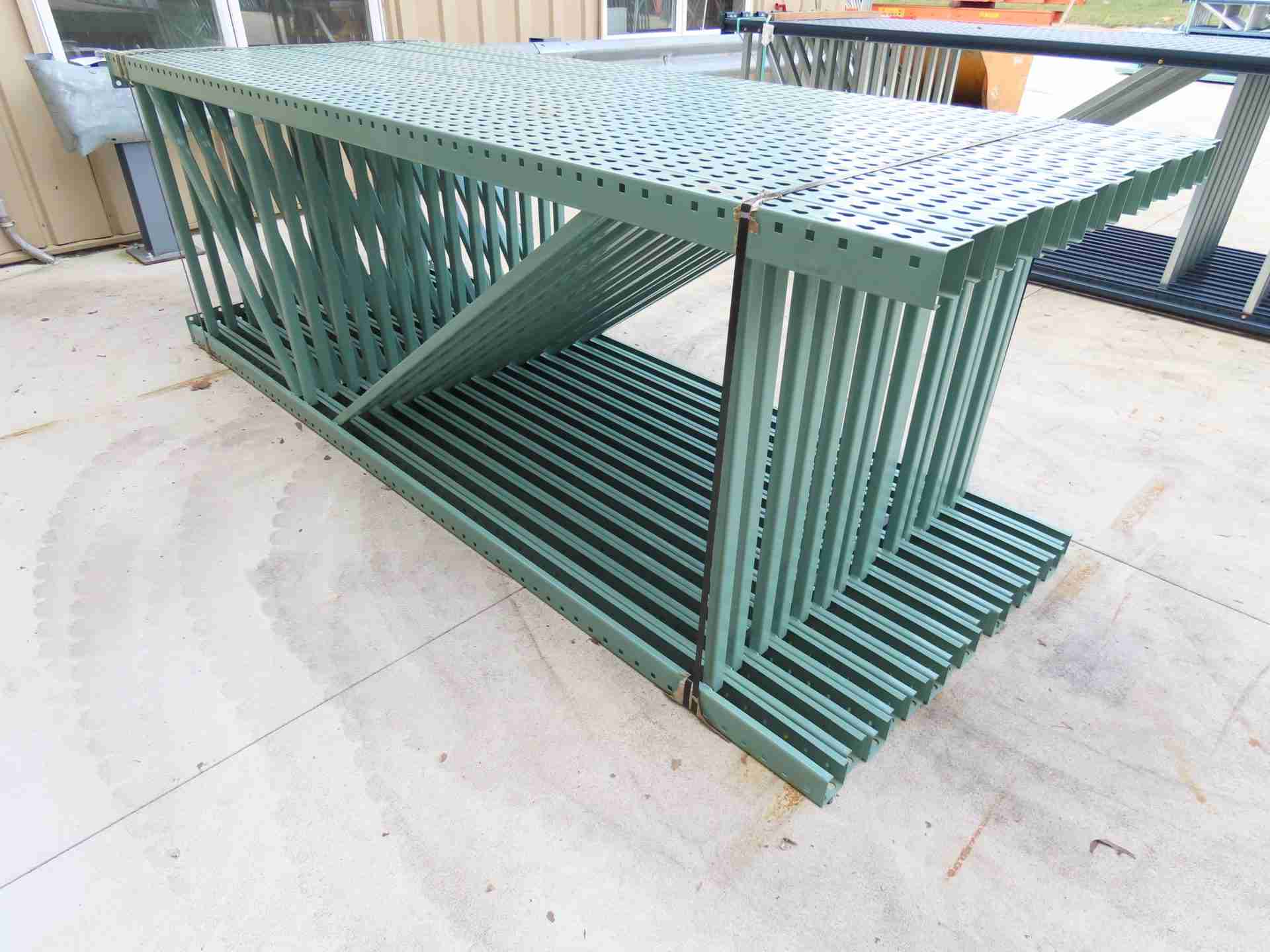
Other Resources
Here is a list of other resources you can review online to learn more:
- “Can Pallet Racking Improve Efficiency for Your Business?”
- “Pallet Racking (Selective Storage Racks)”
- “Pallet Racking Systems: Optimizing Warehouse Efficiency …”
- “How to Implement Industrial Racking Systems in Your …”
- “The Future of Pallet Racking: Trends and Innovations”
- “Unlocking Efficiency & Productivity With Warehouse Racking”
- “Industrial Pallet Racking Systems | Check Point Group”
- “Complete Guide to Optimizing Your Pallet Warehouse …”

Other Resources
Glossary Terms
How Can Vertical Pallet Racking Space Optimization Boost Storage Capacity? – Glossary Of Terms
1. Vertical Space Utilization: Maximizing the use of overhead space to store inventory, minimizing floor space use, and increasing storage capacity.
2. Pallet Racking: Structural framework designed to hold materials on pallets or skids, enabling organized vertical storage.
3. Selective Racking: A type of racking system that allows for easy access to each pallet position, optimizing picking efficiency.
4. Double-Deep Racking: A storage method where two pallets are stored deep, back-to-back, doubling storage density without doubling aisle count.
5. Push-Back Racking: A system where pallets are placed on nested carts that move along inclined rails, optimizing space while allowing first-in, last-out (FILO) access.
6. Drive-In Racking: High-density storage where forklifts drive into the racking structure to place and retrieve items, making efficient use of space.
7. FIFO (First-In, First-Out): Inventory management principle ensuring that the oldest inventory is used first, frequently applied in food and pharmaceuticals.
8. Cantilever Racking: Racking system with horizontal arms, ideal for storing long items like lumber, pipes, or metal bars.
9. Load Capacity: The maximum weight that a racking system or individual shelf can safely hold.
10. Beam Levels: Horizontal support components in racking systems that bear the weight of stored pallets.
11. Aisle Spacing: The distance between racking units, critical for optimizing space and allowing forklift maneuverability.
12. Pallet Dimensions: Standard sizes of pallets, typically 48” x 40”, that dictate the design and spacing of racking systems.
13. Warehouse Management System (WMS): Software that helps manage inventory, streamline operations, and optimize storage locations.
14. Mezzanine Floors: Intermediate floor systems installed between the main floors of a warehouse to increase vertical storage space.
15. Automated Storage and Retrieval System (AS/RS): Technology-driven systems that automatically place and retrieve loads, maximizing space and efficiency.
16. Shelf Utilization Rate: The percentage of available shelf space that is effectively used for inventory storage.
17. Bay Widths: The horizontal distance within the racking framework where pallets are stored, customizable based on pallet size and load requirements.
18. Rack Safety Inspections: Regular checks conducted to ensure the integrity and safety of racking systems.
19. Dynamic Racking Systems: Adjustable storage solutions that adapt to varying inventory shapes and sizes, enhancing efficiency.
20. Cross-Docking: A logistics practice where products are directly transferred from inbound to outbound transport, minimizing storage time.
21. Pallet Flow Racking: A gravity-fed system that moves pallets one at a time from the loading side to the picking side, ideal for FIFO management.
22. Pick-and-Pack: A warehousing process where products are picked from racking systems and packed for shipment, requiring efficient space management.
23. Overhead Clearance: The vertical distance above the highest stored items, ensuring safe operation and storage compliance.
24. Structural Racking: Heavier-duty racking used to support greater weights and larger items, often used in industrial applications.
25. Rolling Ladders: Mobile, standalone ladders that provide access to high shelves, crucial for vertical space optimization.
26. HVLS Fans: High Volume, Low Speed fans used for enhancing warehouse airflow, improving energy efficiency, and maintaining inventory conditions at elevated heights.
27. Vertical Lift Modules (VLMs): Automated systems that store products vertically in trays, significantly increasing storage density.
28. Slotting Optimization: The strategic placement of inventory within a warehouse to minimize travel time and maximize storage space utilization.
29. Pallet Jacks: Manual tools used to lift and move pallets, necessitating adequate aisle space within optimized racking configurations.
30. Material Handling Equipment: Machinery such as forklifts and conveyors used to transport items within a warehouse, essential for efficient racking operations.
This glossary covers the essential terms and concepts needed to understand the intricacies of vertical pallet racking space optimization and its impact on storage capacity.

Glossary Of Terms
Other Questions
How Can Vertical Pallet Racking Space Optimization Boost Storage Capacity? – Other Questions
If you wish to explore and discover more, consider looking for answers to these questions:
- What is vertical pallet racking, and how is it different from traditional shelving systems?
- How can vertical pallet racking systems be customized for different warehouse sizes and requirements?
- What types of businesses can benefit most from vertical pallet racking optimization?
- What are the safety measures that need to be implemented when using vertical pallet racking systems?
- How does vertical pallet racking improve inventory management and order fulfillment?
- What are the initial costs involved in setting up a vertical pallet racking system, and is it worth the investment?
- How can vertical pallet racking help businesses deal with seasonal demand spikes, such as during Black Friday or holiday seasons?
- What maintenance is required for vertical pallet racking systems to ensure they remain safe and efficient?
- How does vertical pallet racking accommodate various types of inventory, including oversized or irregularly shaped items?
- What are the possible disadvantages of vertical pallet racking, and how can they be mitigated?
- Can vertical pallet racking systems be automated, and what are the benefits of automation?
- Are there specific industries where vertical pallet racking is not advisable or less effective?
- What are the latest trends and technologies in vertical pallet racking and warehouse storage solutions?
- How does vertical pallet racking impact warehouse layout and overall facility design?
- What regulatory requirements need to be met when installing vertical pallet racking systems?
- How can businesses calculate the ROI (Return on Investment) of implementing vertical pallet racking?
- Are there any case studies or examples of companies significantly benefiting from vertical pallet racking systems?
- What are the common challenges businesses face when transitioning to vertical pallet racking systems, and how can they be overcome?
- How does vertical pallet racking compare cost-wise and efficiency-wise to other advanced storage solutions like compact shelving or carousels?
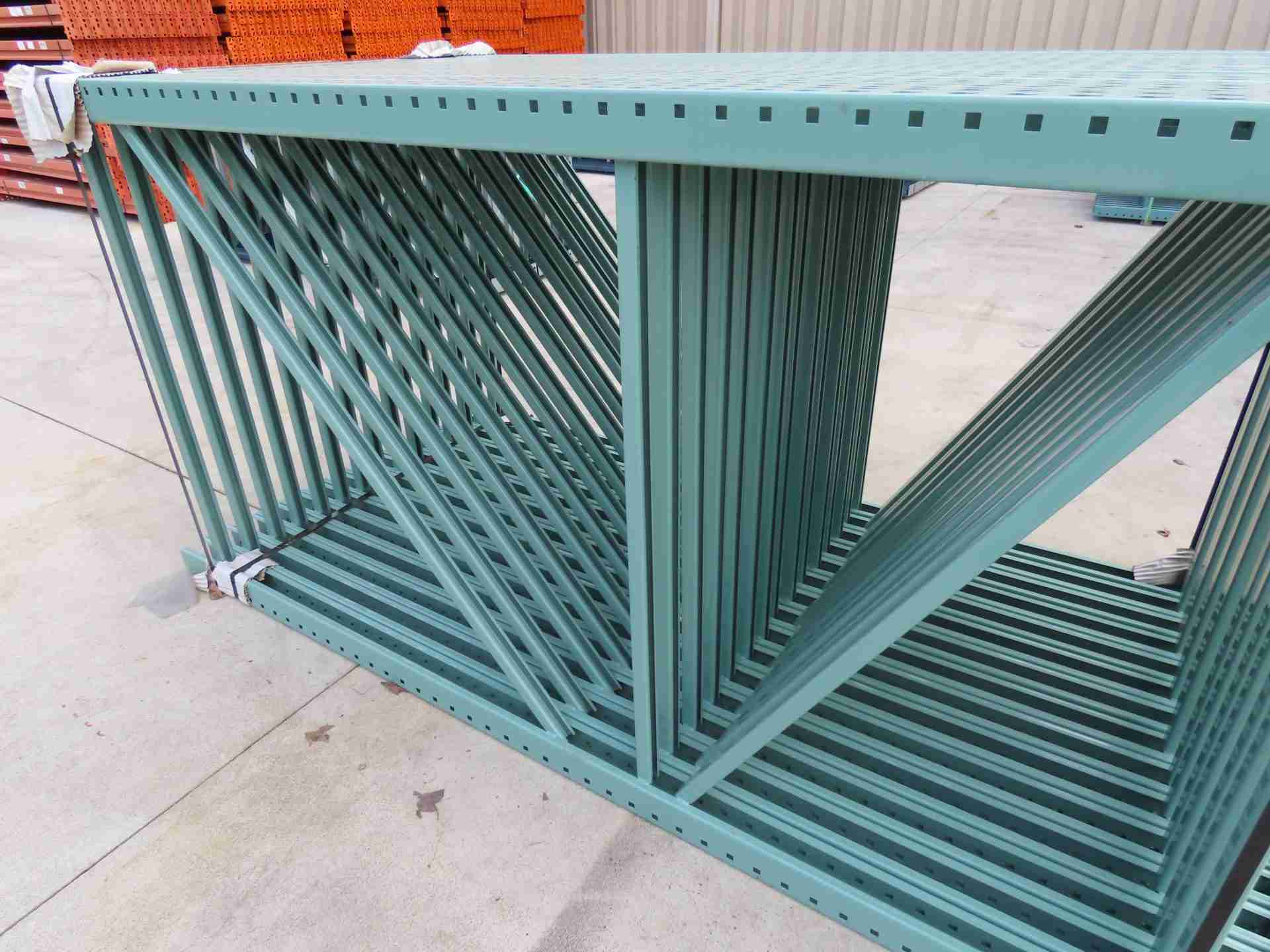
Other Questions
Checklist
How Can Vertical Pallet Racking Space Optimization Boost Storage Capacity? – A Checklist
1. Assess Available Space:
_____ Measure ceiling heights and floor dimensions.
_____ Identify areas with unused vertical space.
2. Evaluate Storage Needs:
_____ Determine the types of items to be stored.
_____ Assess inventory volume and turnover rate.
3. Choose the Right Racking System:
_____ Select racks based on weight capacity needs.
_____ Opt for adjustable racks for diverse pallet sizes.
4. Plan Layout:
_____ Organize items for easy access and efficient workflow.
_____ Designate specific zones for different inventory categories.
5. Safety Inspection:
_____ Ensure racks are securely anchored.
_____ Regularly inspect for damages or instability.
6. Evaluate Cost:
_____ Compare initial investment vs. long-term benefits.
_____ Factor in installation, maintenance, and potential upgrades.
Optimization Checklist
1. Maximize Vertical Space:
_____ Stack pallets to full height capability.
_____ Use overhead space effectively.
2. Enhance Accessibility:
_____ Implement clear labeling and categorization.
_____ Consider sliding shelves or automated systems for higher racks.
3. Improve Organization:
_____ Group similar items together.
_____ Ensure clear pathways for staff and machinery.
4. Increase Efficiency:
_____ Use vertical space to reduce floor congestion.
_____ Train employees on new systems and workflow.
5. Safety Measures:
_____ Provide safety training for operating at heights.
_____ Implement regular maintenance and safety checks.
Customization Checklist
1. Adjust Rack Height and Depth:
_____ Customize for standard, oversized, or irregularly shaped pallets.
2. Adapt to Changing Needs:
_____ Easily modify racks as inventory changes.
3. Special Equipment:
_____ Ensure you have the appropriate forklifts or machinery.
_____ Train staff on specialized equipment.
Efficiency Improvement Checklist
1. Streamline Workflow:
_____ Optimize inventory retrieval times.
_____ Reduce errors through better organization.
2. Enhance Safety:
_____ Minimize risks by securing inventory and clear labeling.
_____ Regularly update safety protocols and training.
3. Space Utilization:
_____ Free up floor space for other uses.
_____ Avoid costly warehouse expansions.
Industry-Specific Checklist
1. E-commerce Sector:
_____ Optimize for fast picking and packing.
_____ Maximize storage while ensuring item accessibility.<
2. Automotive Industry:
_____ Store heavy and large parts efficiently.
_____ Ensure quick access for repairs and service.
3. Healthcare Sector:
_____ Utilize space for medical supplies and equipment.
_____ Improve inventory control and reduce waste.
Troubleshooting Checklist
1. Addressing Initial Costs:
_____ Calculate ROI based on increased storage and efficiency.
2. Training and Equipment Needs:
_____ Provide necessary training for using vertical racking systems.
_____ Have specialized equipment for high-reach areas.
3. Managing Complex Inventory:
_____ Use clear labeling and organization for complex items.
_____ Plan layout to minimize the need for accessing hard-to-reach items frequently.
By following this checklist and referring to specific sections relevant to your industry and needs, you can efficiently implement and take full advantage of vertical pallet racking systems to maximize your storage capacity and streamline your warehouse operations.

Checklist
At RackingWorld, we help guide you through selecting warehouse storage systems and racking.
Be sure to read our other related stories at RackingWorld to learn more about warehouse storage systems.
0 Comments