
Maximizing Efficiency Through Seasonal Inventory Management
By Tom Seest
At RackingWorld, we help guide you through selecting warehouse storage systems and racking.
Be sure to read our other related stories at RackingWorld to learn more about warehouse storage systems.
How Do Seasonal Inventory Fluctuations Impact Pallet Racking Strategy?
Seasonal inventory fluctuations can have a significant impact on your Pallet Racking strategy. As the seasons change, so do consumer demand and purchasing habits, leading to fluctuations in the amount and types of products stored in your warehouse.
When it comes to Pallet Racking, it’s important to have a flexible strategy that can adapt to these changes. During peak seasons, such as the holidays or back-to-school time, you may need to store larger quantities of certain products. This could mean reorganizing your Pallet Racking to accommodate the extra inventory, making sure you have enough space to meet customer demand.
Conversely, during slower seasons, you may find yourself with excess space in your Pallet Racking. This is where a strategic approach to inventory management comes into play. By reorganizing your Pallet Racking to optimize space usage, you can better utilize your warehouse capacity and reduce wasted space.
In addition to space considerations, seasonal inventory fluctuations can also impact the flow of products through your warehouse. For example, during peak seasons, you may need to access certain products more frequently than others. By strategically placing these high-demand items in easily accessible locations within your Pallet Racking system, you can improve efficiency and reduce picking time.
On the flip side, during slower seasons, you may have more time to organize your inventory in a way that makes sense for your business. This could involve reorganizing your Pallet Racking to group similar products together or reevaluating your storage methods to maximize efficiency.
Ultimately, the key to managing seasonal inventory fluctuations lies in having a flexible and strategic approach to Pallet Racking. By staying ahead of changes in demand and optimizing your warehouse space, you can ensure that your business is prepared to handle whatever the season brings. Whether it’s peak holiday shopping or a slower summer season, having the right Pallet Racking strategy in place can make all the difference in keeping your operations running smoothly.
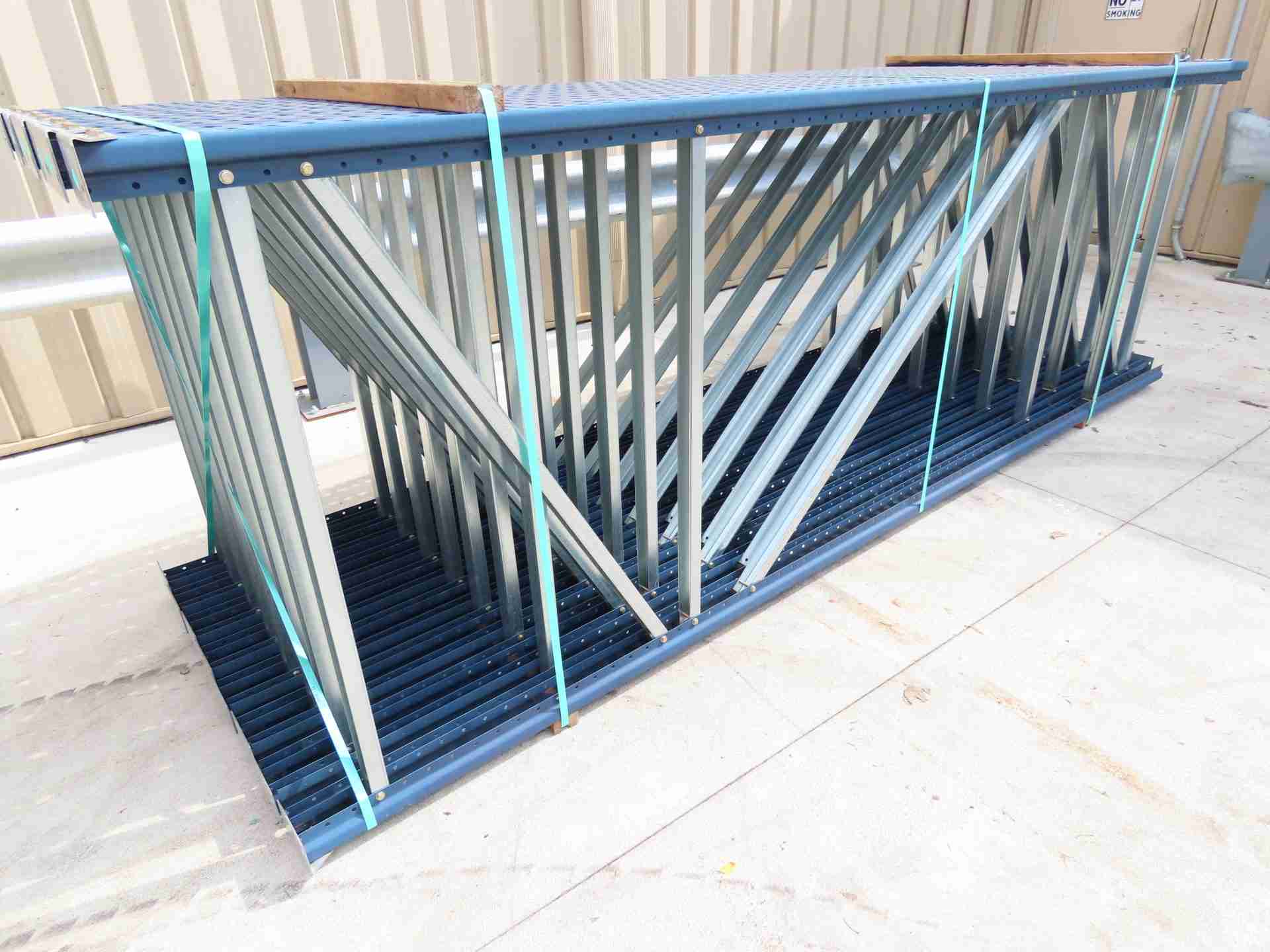
How Do Seasonal Inventory Fluctuations Impact Pallet Racking Strategy?
How Do Seasonal Inventory Fluctuations Impact Pallet Racking Strategy?
- Seasonal inventory fluctuations can impact Pallet Racking strategy.
- Flexible strategy needed to adapt to changes in consumer demand.
- Reorganizing Pallet Racking to accommodate peak season inventory.
- Strategic approach to inventory management during slower seasons.
- Optimizing space usage to reduce wasted space in Pallet Racking.
- Strategically placing high-demand items for efficiency during peak seasons.
- Having a flexible and strategic approach is key to managing seasonal inventory fluctuations.
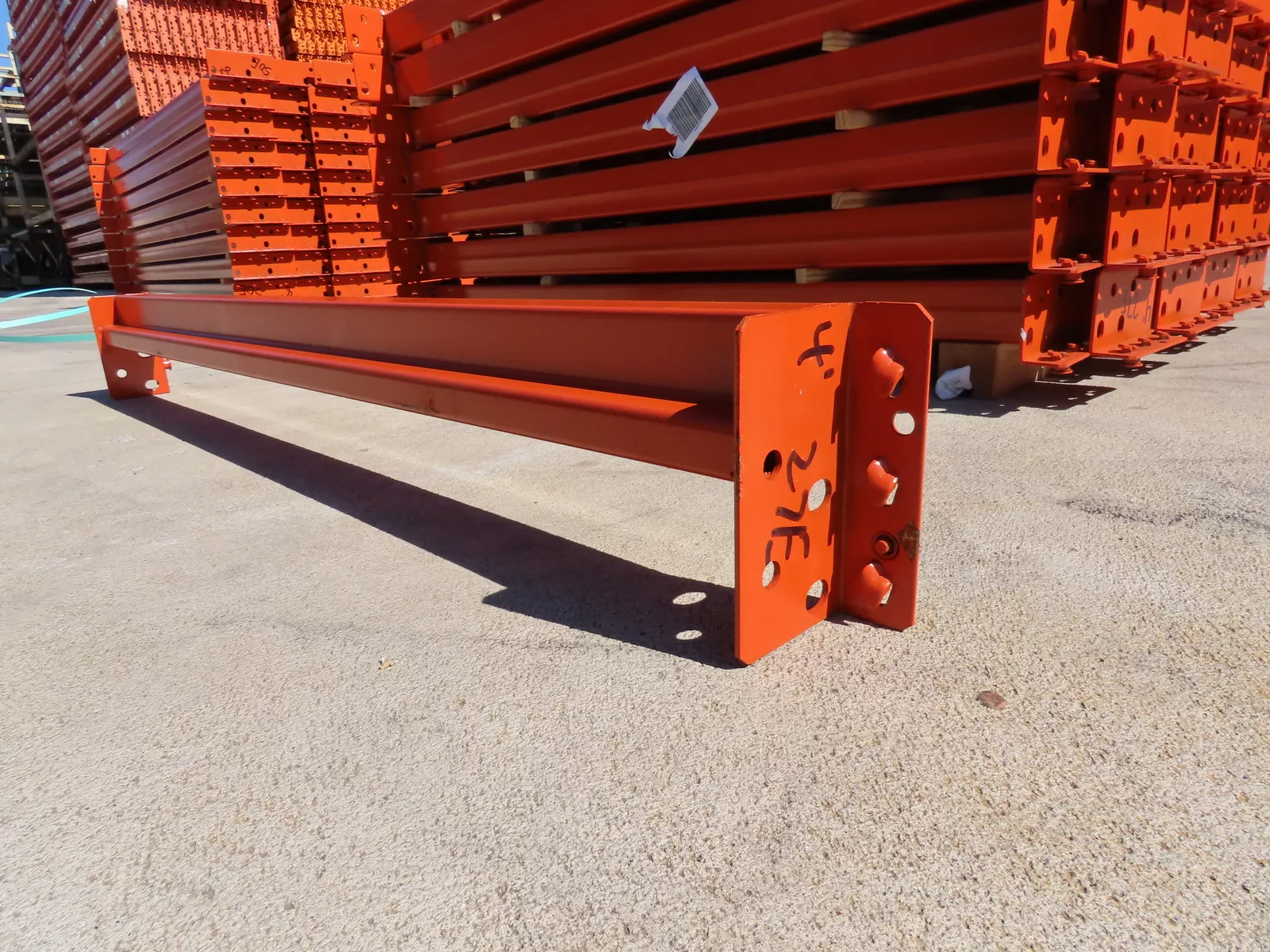
How Do Seasonal Inventory Fluctuations Impact Pallet Racking Strategy?
Table Of Contents
- How Do Seasonal Inventory Fluctuations Impact Pallet Racking Strategy?
- What Are The Key Considerations For Optimizing Storage Space?
- Are There Specialized Solutions For Handling Seasonal Fluctuations?
- How Does Efficient Pallet Racking Contribute To Cost Savings?
- What Role Does Technology Play In Managing Inventory Variances?
- Can Automation Help To Streamline Pallet Racking Adjustments?
- What Are Common Challenges Faced With Seasonal Inventory Shifts?
- How Can Businesses Prevent Damage To Goods During Reorganization?
- Are There Best Practices For Reconfiguring Pallet Racking Systems?
- Conclusion
- Other Resources
- Glossary Of Terms
- Other Questions
- Checklist
What Are The Key Considerations For Optimizing Storage Space?
When it comes to optimizing storage space in a warehouse or distribution center, there are several key considerations to keep in mind. The first and most important aspect to consider is the type of storage system that will work best for your needs. Pallet racking is a popular choice for many businesses because it allows for efficient use of vertical space while also providing easy access to inventory.
Another important consideration is the layout of your warehouse. It’s important to think about how the storage system will fit within the overall design of the space. You want to make sure that there is enough room for aisles between racks for forklifts and other equipment to maneuver.
When determining the best way to optimize storage space, it’s also important to consider the type of products you will be storing. Some items may be better suited for certain types of storage systems, such as bulk storage racks for large, heavy items or narrow aisle racking for smaller, lightweight products.
In addition to the type of storage system and layout of your warehouse, it’s important to consider how you will organize and label your inventory. Proper labeling and organization can help ensure that items are easily located and that inventory counts are accurate.
Maintenance and regular inspections of your storage system are also key considerations for optimizing storage space. Making sure that racks are properly maintained and repaired when needed can help prevent accidents and damage to inventory.
Overall, optimizing storage space in a warehouse or distribution center requires careful planning and consideration of factors such as the type of storage system, layout of the space, type of products being stored, organization and labeling of inventory, and maintenance of the storage system. By taking these key considerations into account, you can maximize the efficiency of your storage space and improve overall operations.
What Are The Key Considerations For Optimizing Storage Space?
What Are The Key Considerations For Optimizing Storage Space?
- The type of storage system is important for optimizing space.
- Pallet racking allows for efficient use of vertical space.
- Consider the layout of the warehouse for equipment maneuverability.
- Choose storage systems based on the type of products being stored.
- Proper organization and labeling of inventory is crucial.
- Maintenance and regular inspections are key for preventing accidents.
- Careful planning is necessary for maximizing storage space efficiency.
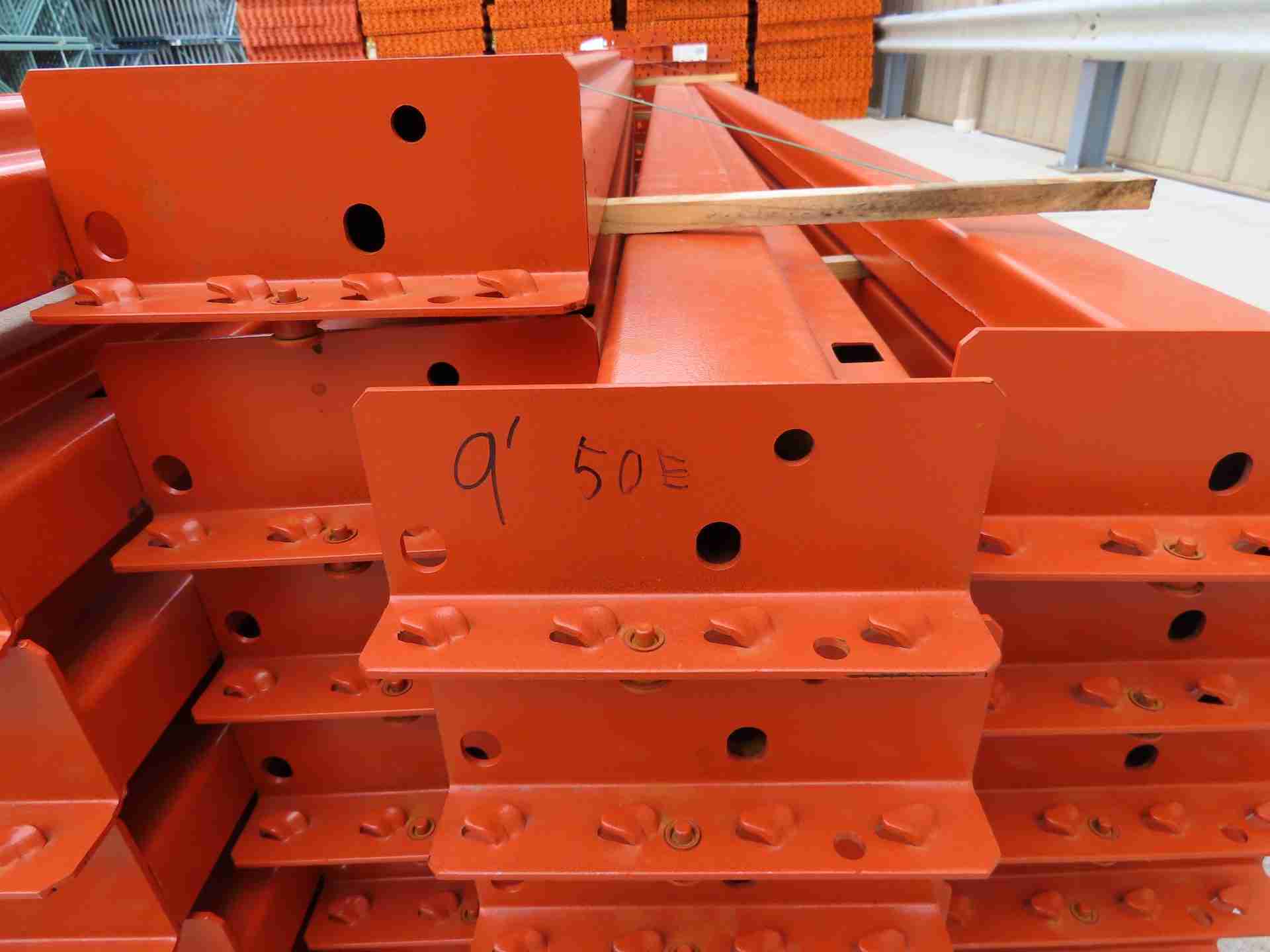
What Are The Key Considerations For Optimizing Storage Space?
Are There Specialized Solutions For Handling Seasonal Fluctuations?
Seasonal fluctuations can pose a unique challenge for businesses when it comes to handling inventory. Many companies find themselves grappling with a sudden increase in demand during certain times of the year, only to be left with excess stock once the season passes. This can result in wasted resources, inefficiencies in storage, and ultimately, a strain on the bottom line.
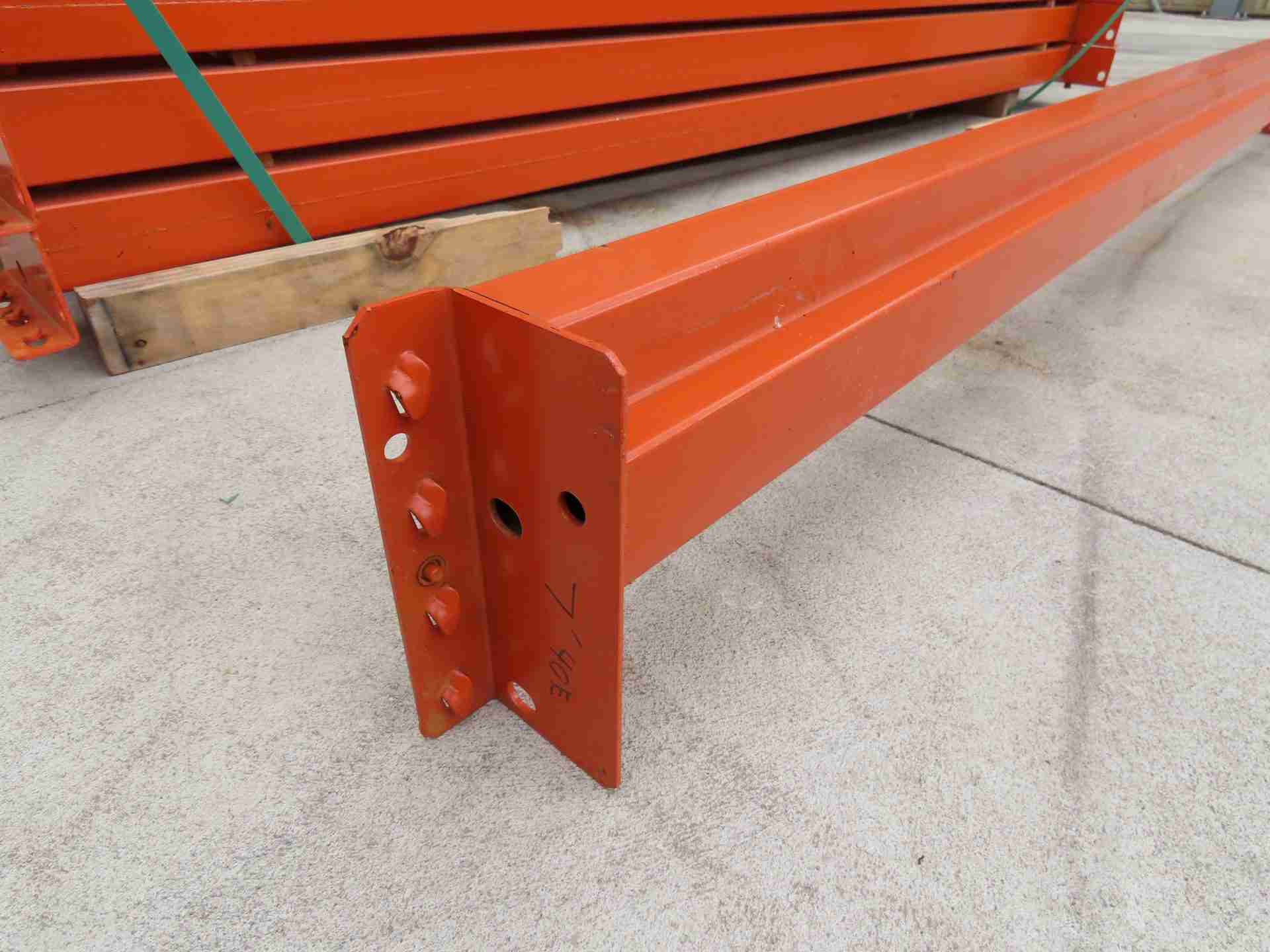
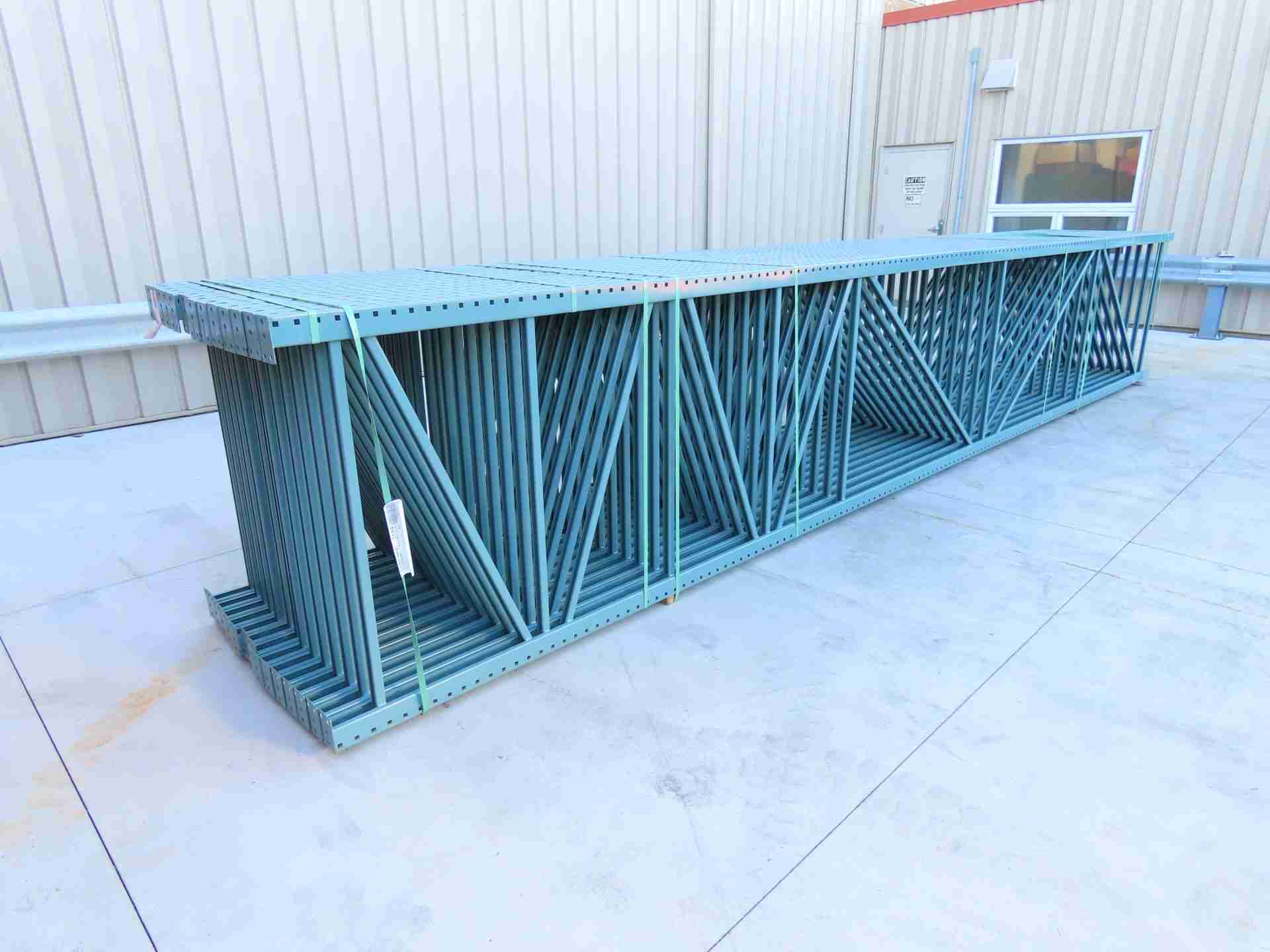
One specialized solution for handling these seasonal fluctuations ispallet racking. Pallet racking systems are designed to maximize warehouse space by vertically storing goods on pallets. By utilizing the vertical space in a warehouse, businesses can effectively adjust their storage capacity to accommodate fluctuations in inventory levels. This means that during peak seasons, companies can easily expand their storage capabilities to meet increased demand, and then scale back down once the season is over.
Another benefit of pallet racking systems is their versatility. These systems come in a variety of configurations, from selective racking for easy access to specific products, to drive-in racking for high-density storage. This flexibility allows businesses to customize their storage solutions based on their unique needs and the types of products they are storing.
In addition to pallet racking, companies can also consider implementing other specialized solutions for handling seasonal fluctuations. For example, some businesses may opt for mobile racking systems that can be moved around to accommodate changing inventory levels. Others may invest in adjustable shelving units that can be easily reconfigured to maximize space efficiency.
Ultimately, the key to successfully managing seasonal fluctuations lies in having a well-thought-out storage strategy in place. By leveraging specialized solutions like pallet racking, businesses can optimize their warehouse space, improve inventory management, and ensure that they are prepared to handle fluctuations in demand throughout the year.
While seasonal fluctuations can present challenges for businesses, there are specialized solutions available to help mitigate these issues. By investing in pallet racking and other innovative storage solutions, companies can effectively manage their inventory levels, increase operational efficiency, and ultimately, drive success in today’s dynamic marketplace.
Are There Specialized Solutions For Handling Seasonal Fluctuations?
Are There Specialized Solutions For Handling Seasonal Fluctuations?
- Seasonal fluctuations can pose a unique challenge for businesses when it comes to handling inventory.
- One specialized solution for handling these seasonal fluctuations is pallet racking.
- Pallet racking systems are designed to maximize warehouse space by vertically storing goods on pallets.
- Another benefit of pallet racking systems is their versatility.
- In addition to pallet racking, companies can also consider implementing other specialized solutions for handling seasonal fluctuations.
- Ultimately, the key to successfully managing seasonal fluctuations lies in having a well-thought-out storage strategy in place.
- While seasonal fluctuations can present challenges for businesses, there are specialized solutions available to help mitigate these issues.
Are There Specialized Solutions For Handling Seasonal Fluctuations?
How Does Efficient Pallet Racking Contribute To Cost Savings?
Pallet racking systems play a crucial role in the efficient operation of a warehouse or distribution center. By utilizing pallet racking, businesses can maximize their storage capacity and improve accessibility to inventory, ultimately leading to significant cost savings.
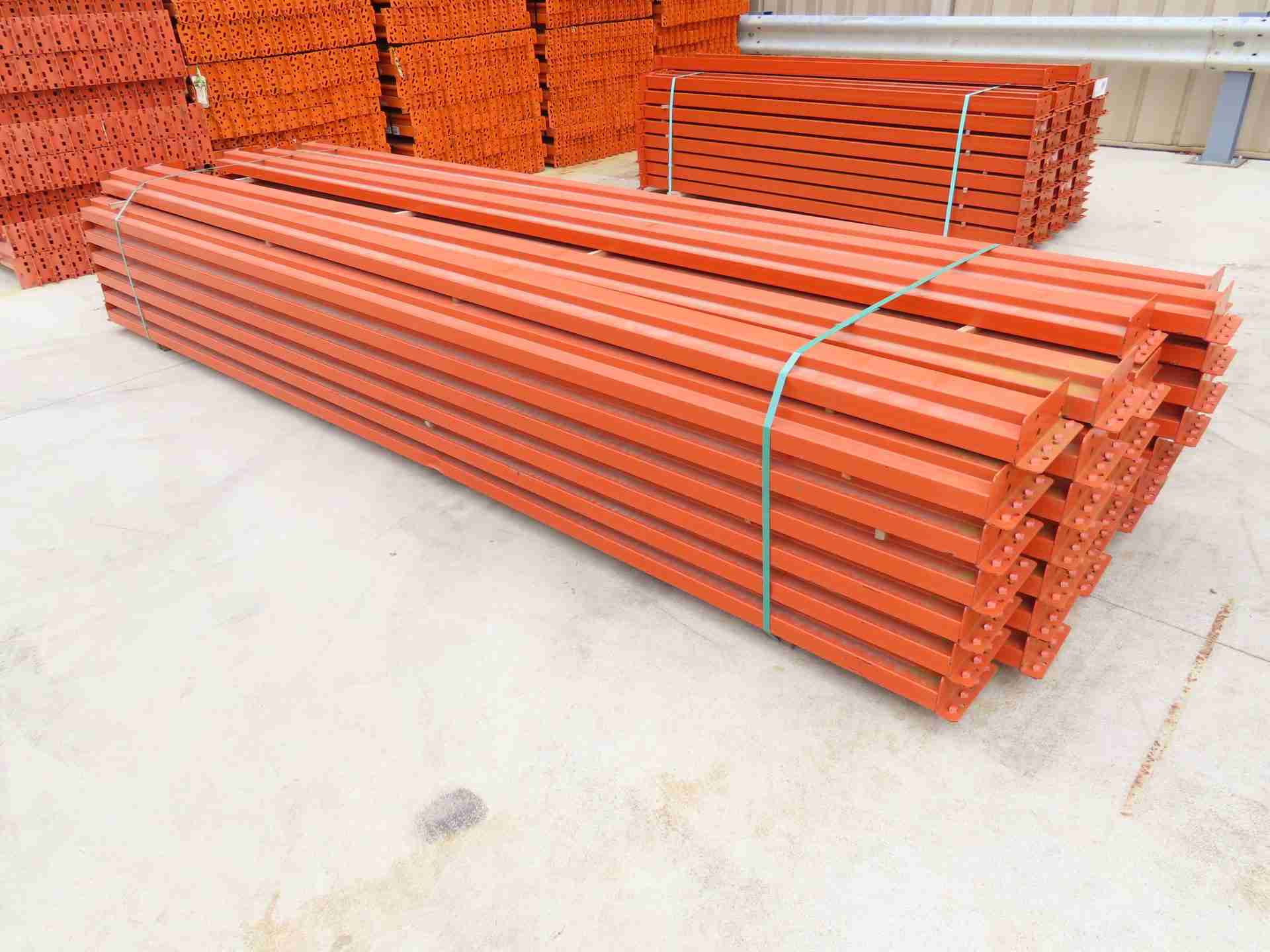
One key way pallet racking contributes to cost savings is by optimizing space utilization. By stacking pallets vertically, businesses can make the most of their available floor space and reduce the need for additional storage facilities. This not only saves on rent or construction costs but also minimizes the distance traveled by workers picking orders, leading to higher productivity levels.
In addition, pallet racking systems help improve inventory management and organization. By storing items in a structured manner, businesses can easily locate and access products, reducing the risk of misplaced or lost inventory. This streamlined approach to storage can also enhance inventory accuracy and prevent overstocking, which can result in reduced carrying costs and less waste.
Furthermore, pallet racking systems contribute to cost savings by increasing workplace safety. By securely storing heavy pallets on stable racks, businesses can minimize the risk of accidents and injuries caused by falling items. This can lead to lower insurance premiums, reduced worker compensation claims, and a more efficient operation overall.
Another way pallet racking contributes to cost savings is by improving the efficiency of inventory management processes. With items organized and easily accessible, businesses can quickly fulfill customer orders, reducing lead times and increasing customer satisfaction. This can lead to repeat business and referrals, ultimately driving revenue and profitability.
Overall, investing in a high-quality pallet racking system can have a substantial impact on a company’s bottom line. By optimizing space utilization, improving inventory management, enhancing workplace safety, and increasing operational efficiency, businesses can realize significant cost savings that can positively impact their overall financial health. So, whether you’re a small business looking to expand your operations or a large corporation aiming to streamline your logistics, consider the benefits of efficient pallet racking when planning your warehouse strategy.
How Does Efficient Pallet Racking Contribute To Cost Savings?
How Does Efficient Pallet Racking Contribute To Cost Savings?
- Pallet racking systems maximize storage capacity and improve inventory accessibility.
- Optimizing space utilization reduces the need for additional storage facilities.
- Structured storage improves inventory management and organization.
- Enhanced inventory accuracy prevents overstocking and reduces carrying costs.
- Increased workplace safety leads to lower insurance premiums and worker compensation claims.
- Efficient inventory management processes result in quicker order fulfillment and increased customer satisfaction.
- Investing in high-quality pallet racking systems can lead to significant cost savings and improved financial health.

How Does Efficient Pallet Racking Contribute To Cost Savings?
What Role Does Technology Play In Managing Inventory Variances?
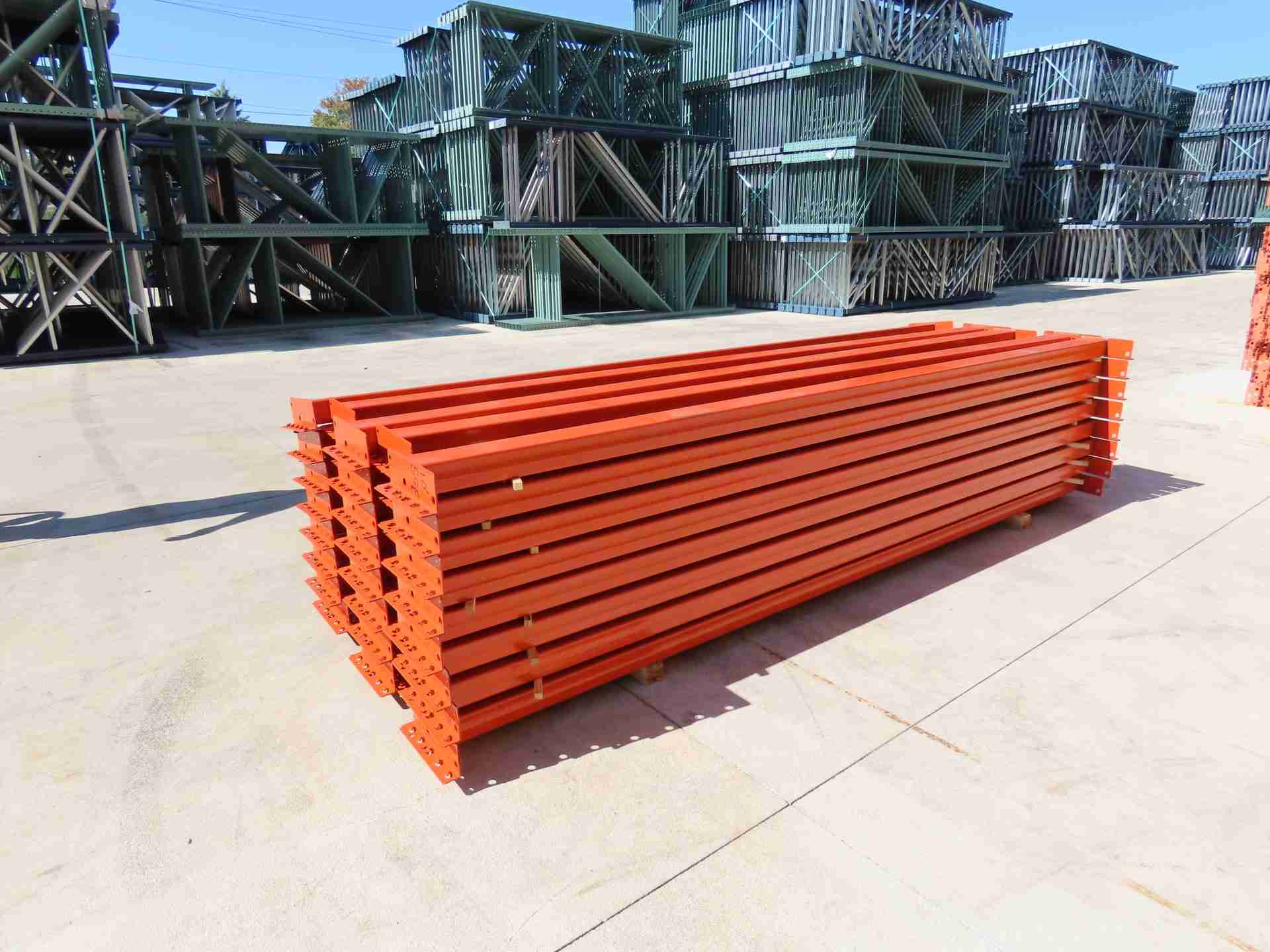
When it comes to managing inventory variances, technology plays a crucial role in ensuring accuracy and efficiency. One key aspect of inventory management is utilizing Pallet Racking systems, which are designed to store items in a organized and accessible manner. With the help of technology, businesses can track inventory levels in real-time, reducing the likelihood of discrepancies and errors.
One way technology contributes to managing inventory variances is through the use of barcode scanning systems. By scanning barcodes on items as they are moved in and out of Pallet Racking, businesses can keep a detailed record of inventory levels. This not only streamlines the process of updating inventory counts, but also minimizes the risk of human error when manually entering data.
In addition, technology allows businesses to implement automated systems for inventory management. These systems can generate reports on inventory levels, track product movement, and even provide alerts when stock levels are running low. By leveraging technology in this way, businesses can proactively address variances in inventory before they become a larger issue.
Another benefit of technology in managing inventory variances is the ability to analyze trends and patterns. By using inventory management software, businesses can identify areas of improvement and address any discrepancies that may be causing variances. This data-driven approach allows businesses to make informed decisions about inventory levels and optimize their Pallet Racking systems for maximum efficiency.
Furthermore, technology enables businesses to integrate their inventory management systems with other aspects of their operations, such as sales and procurement. This connectivity allows for a more holistic approach to managing variances in inventory, ensuring that all departments are working together towards a common goal.
Technology plays a vital role in managing inventory variances by providing businesses with the tools they need to track, analyze, and optimize their inventory levels. From barcode scanning systems to automated inventory management software, technology offers a wide range of solutions that can help businesses maintain accurate and efficient inventory practices. By embracing technology in their operations, businesses can not only reduce variances in inventory, but also improve overall productivity and profitability.
What Role Does Technology Play In Managing Inventory Variances?
What Role Does Technology Play In Managing Inventory Variances?
- Technology is crucial for managing inventory variances.
- Utilize Pallet Racking systems for organized storage.
- Barcode scanning systems aid in tracking inventory levels in real-time.
- Automated inventory systems generate reports, track movement, and provide alerts.
- Analysis of trends and patterns helps improve inventory management.
- Integration of inventory management with other operations for a holistic approach.
- Embracing technology improves accuracy, efficiency, and profitability.

What Role Does Technology Play In Managing Inventory Variances?
Can Automation Help To Streamline Pallet Racking Adjustments?
When it comes to pallet racking adjustments, efficiency is key. Whether you’re reorganizing your warehouse layout or simply trying to maximize storage space, the process of moving and adjusting pallet racking can be time-consuming and labor-intensive. But what if there was a way to streamline these adjustments and make the whole process more efficient?
Enter automation. With the help of technology, companies can now automate many aspects of pallet racking adjustments, saving time and reducing the need for manual labor. Automated systems can help with tasks such as moving pallets, adjusting shelving heights, and even reorganizing entire sections of your warehouse with just the push of a button.
One of the key benefits of automation when it comes to pallet racking adjustments is the speed at which tasks can be completed. With automated systems, adjustments that would normally take hours or even days to complete manually can now be finished in a fraction of the time. This not only saves time and money, but it also allows companies to be more agile and responsive to changing business needs.
In addition to saving time, automation can also help to improve safety in the warehouse. Manual pallet racking adjustments can be dangerous, with the risk of injury or damage to goods always present. By automating these tasks, companies can reduce the need for workers to be in potentially hazardous situations, ultimately creating a safer work environment for all involved.
Furthermore, automation can help to reduce errors and inconsistencies in pallet racking adjustments. Human error is a common problem when it comes to manual adjustments, leading to misplaced pallets, uneven shelving, and other issues that can impact productivity and efficiency. By automating these tasks, companies can ensure that adjustments are made accurately and consistently every time.
Overall, automation has the potential to revolutionize the way companies approach pallet racking adjustments. By streamlining the process, improving speed and efficiency, enhancing safety, and reducing errors, automated systems can help companies to maximize their storage space and optimize their warehouse layout with ease. So if you’re looking to make your pallet racking adjustments quicker, safer, and more precise, it may be time to consider the benefits of automation.
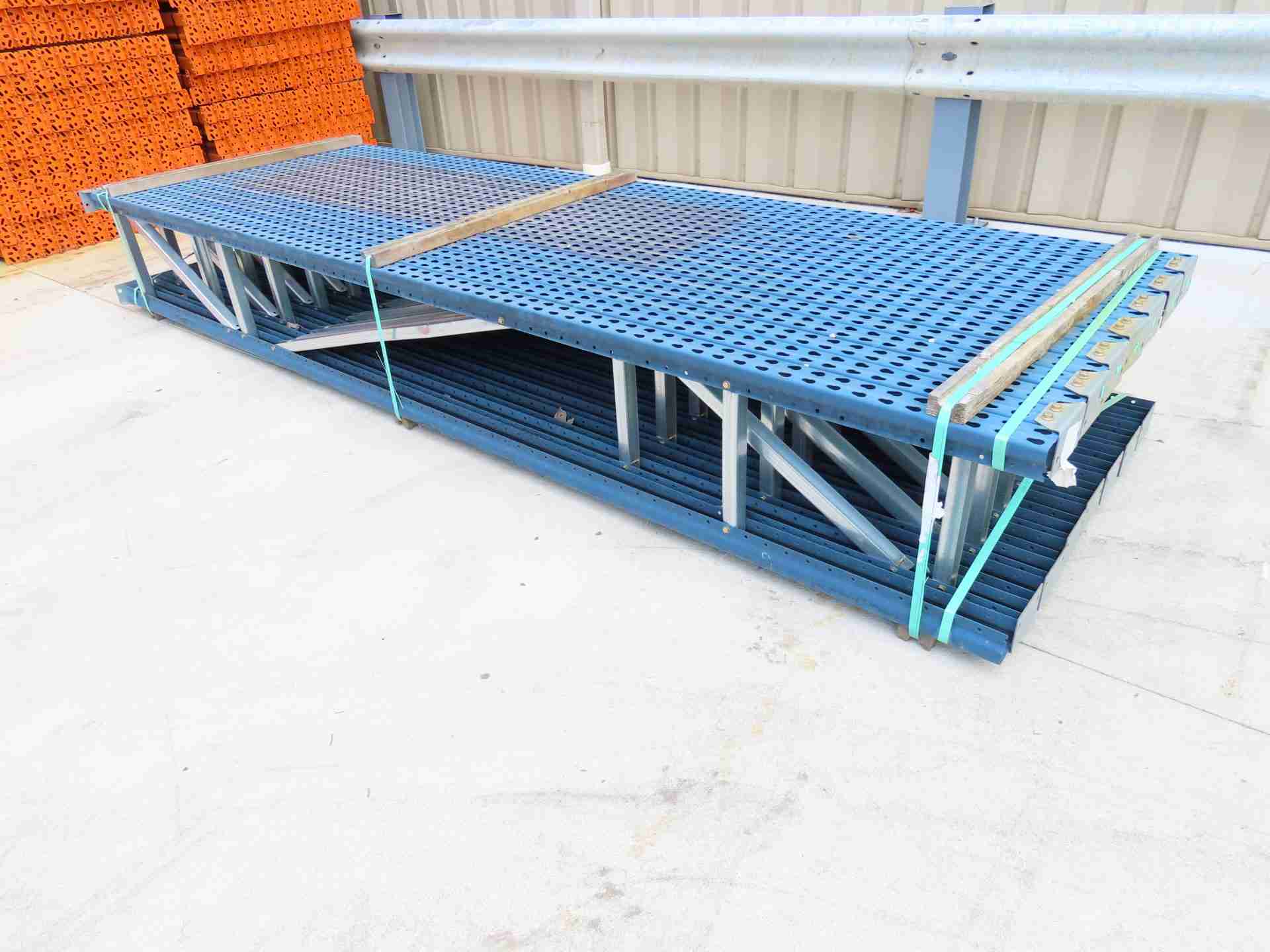
Can Automation Help To Streamline Pallet Racking Adjustments?
Can Automation Help To Streamline Pallet Racking Adjustments?
- Efficiency is key when it comes to pallet racking adjustments.
- Automation can streamline adjustments and make the process more efficient.
- Automated systems can help with moving pallets, adjusting shelving heights, and reorganizing warehouse sections.
- Automation speeds up the completion of tasks that would normally take hours or days.
- Automation improves safety by reducing the need for workers in hazardous situations.
- Automation reduces errors and inconsistencies in pallet racking adjustments.
- Overall, automation revolutionizes the approach to pallet racking adjustments, maximizing storage space and optimizing warehouse layout.
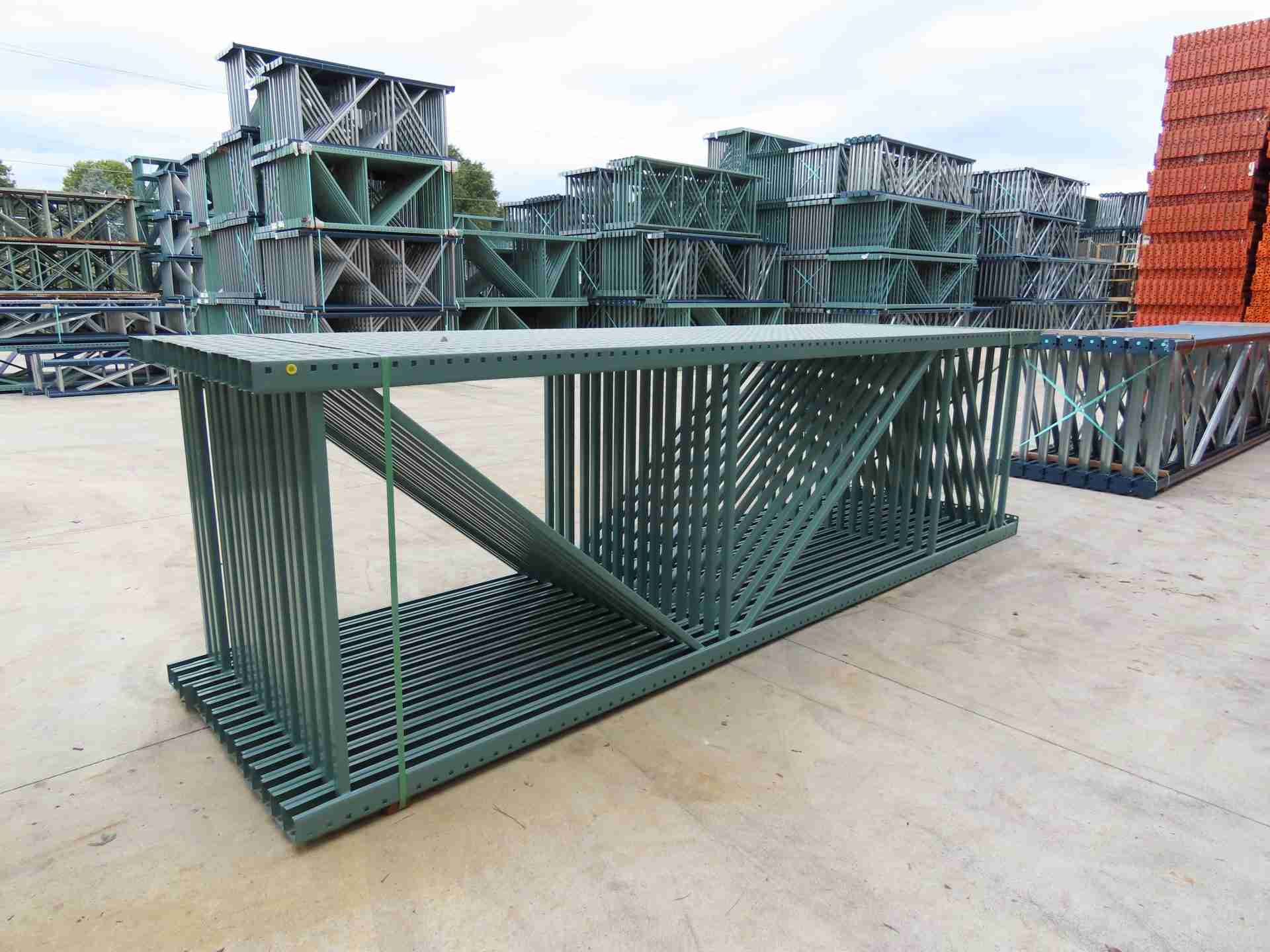
Can Automation Help To Streamline Pallet Racking Adjustments?
What Are Common Challenges Faced With Seasonal Inventory Shifts?
Seasonal inventory shifts can present a variety of challenges for warehouses and distribution centers alike. One common issue that arises during these shifts is the need to reorganize and optimize pallet racking to accommodate the influx of new products. This can be a time-consuming and labor-intensive process, requiring careful planning and coordination to ensure that inventory is stored efficiently and safely.
Another challenge that often arises with seasonal inventory shifts is the need for additional storage space. As new products arrive and older ones are moved out, it’s essential to have enough room to accommodate everything effectively. This may involve rearranging existing storage areas, investing in temporary storage solutions, or even expanding the warehouse’s footprint altogether.
Maintaining accurate inventory levels can also be a significant challenge during seasonal shifts. With a high volume of products coming in and out, it’s essential to keep track of what’s on hand, what needs to be restocked, and what can be phased out. Failure to do so can result in stockouts, overstocking, or inaccurate order fulfillment, all of which can have a detrimental impact on customer satisfaction and overall operational efficiency.
Additionally, managing the logistics of receiving, storing, and shipping seasonal inventory can be a logistical nightmare. Coordinating inbound shipments, prioritizing storage space, and ensuring timely outbound deliveries all require careful planning and coordination. Without a well-defined process in place, warehouses can quickly become overwhelmed by the chaos of seasonal inventory shifts.
Lastly, seasonal shifts can also put a strain on workforce resources. With increased demand for labor during peak seasons, warehouses must ensure they have enough staff on hand to handle the influx of products efficiently. This may involve hiring temporary workers, implementing additional shifts, or cross-training existing employees to handle multiple tasks.
Seasonal inventory shifts present a host of challenges for warehouses and distribution centers. From reorganizing pallet racking to managing inventory levels and coordinating logistics, there’s a lot that goes into successfully navigating these transitions. By identifying potential obstacles and implementing proactive solutions, warehouses can minimize disruptions and maximize efficiency during seasonal shifts.
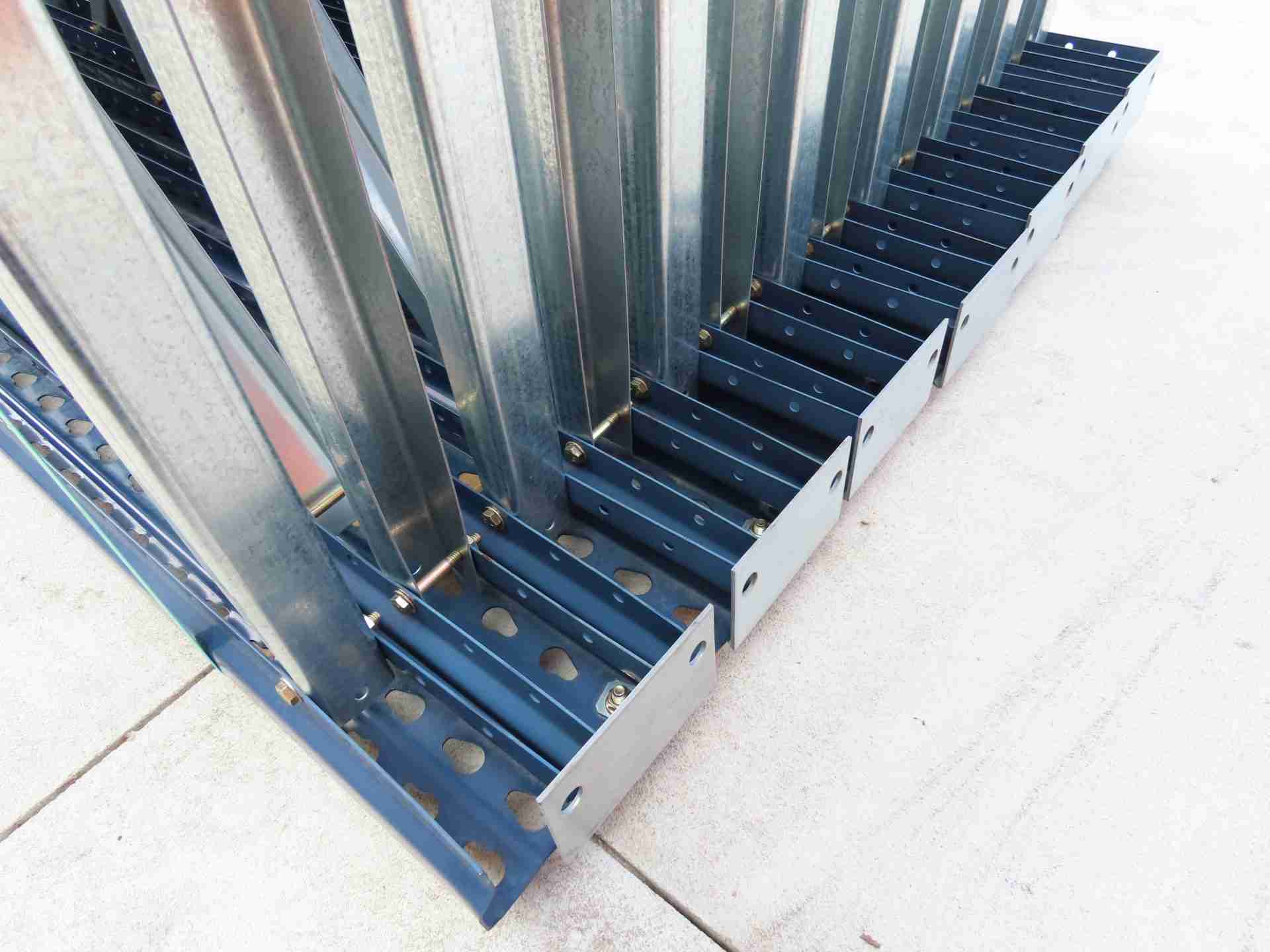
What Are Common Challenges Faced With Seasonal Inventory Shifts?
What Are Common Challenges Faced With Seasonal Inventory Shifts?
- Seasonal inventory shifts can present a variety of challenges for warehouses and distribution centers.
- The need to reorganize and optimize pallet racking to accommodate new products.
- Challenges with additional storage space for incoming seasonal inventory.
- Importance of maintaining accurate inventory levels during shifts.
- Managing logistics of receiving, storing, and shipping seasonal inventory.
- Strain on workforce resources with increased labor demand.
- Identifying obstacles and implementing proactive solutions for successful transitions.

What Are Common Challenges Faced With Seasonal Inventory Shifts?
How Can Businesses Prevent Damage To Goods During Reorganization?
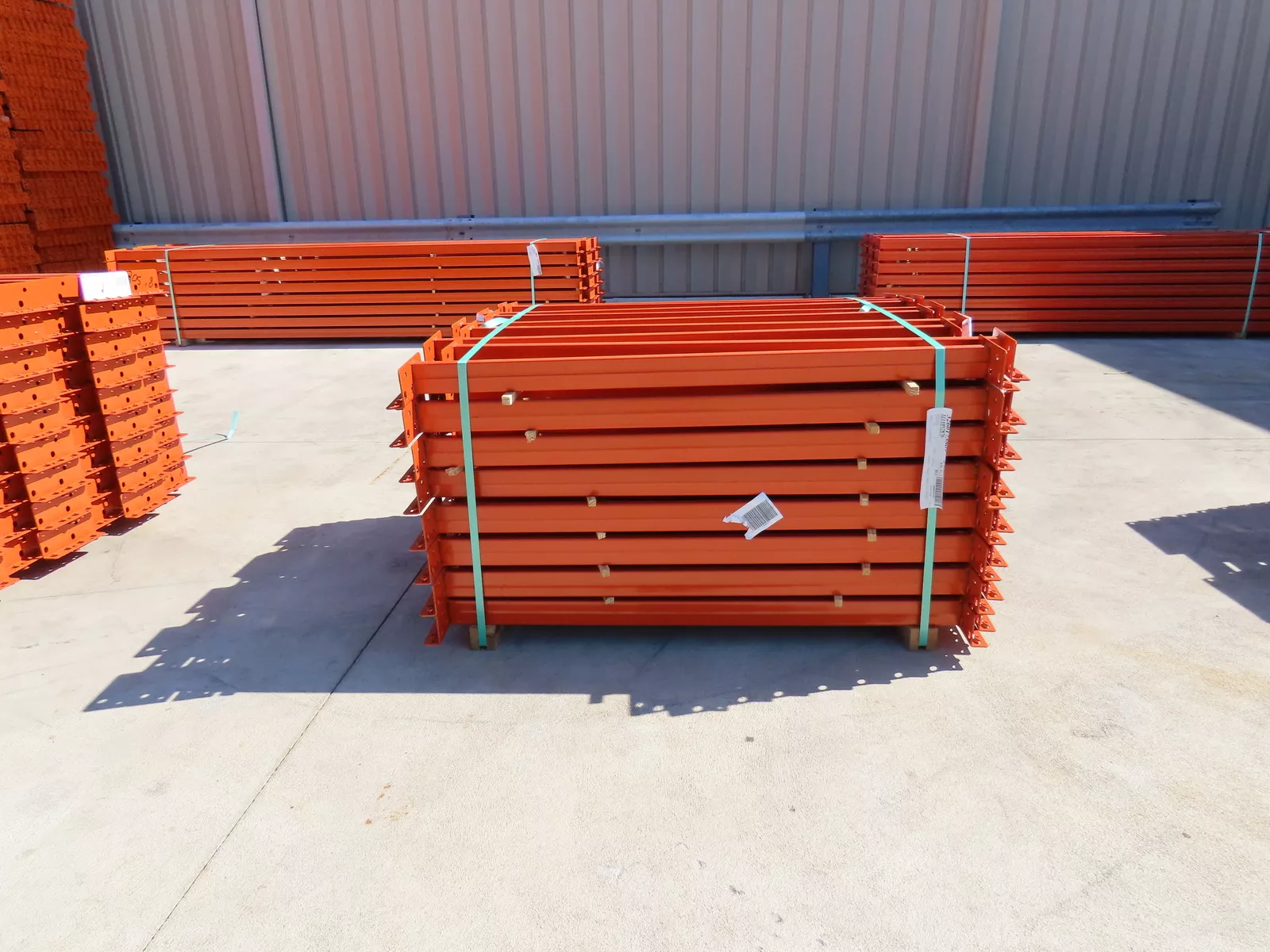
When it comes to reorganizing a warehouse or storage facility, one of the most crucial aspects to consider is how to prevent damage to goods during the process. Properly organizing and securing items on pallet racking is key to avoiding costly mishaps.
One important step in preventing damage to goods during reorganization is to assess the current state of the pallet racking system. Check for any signs of wear and tear, including rust, cracks, or bent beams. It’s essential to repair or replace any damaged components before proceeding with the reorganization to ensure the safety of both the goods and the workers.
Another crucial aspect to consider is the weight capacity of the pallet racking. It’s imperative to follow the manufacturer’s guidelines and not exceed the maximum weight limit for each shelf. Overloading the shelves can lead to structural damage and potential collapse, resulting in damaged goods and serious injuries.
Properly organizing goods on the pallet racking is also vital in preventing damage. Ensure that heavy items are placed on the lower shelves to maintain stability and prevent top-heavy loads. Utilize protective measures, such as pallet guards or safety netting, to prevent items from falling off the shelves and sustaining damage.
During the reorganization process, make sure to use proper equipment, such as pallet jacks or forklifts, to move heavy items safely. Improper handling of goods can lead to accidents and damage both to the items and the pallet racking system.
Regular inspections and maintenance of the pallet racking system are essential for ensuring its integrity and preventing damage to goods. Inspect the system for any signs of wear or damage on a routine basis and address any issues promptly. Additionally, make sure to train employees on proper handling techniques to minimize the risk of accidents and damage.
Preventing damage to goods during reorganization involves careful planning, proper assessment of the pallet racking system, adherence to weight limits, proper organization of items, and regular maintenance and inspections. By following these guidelines, businesses can ensure the safety of their goods and employees during the reorganization process, ultimately saving time and money in the long run.
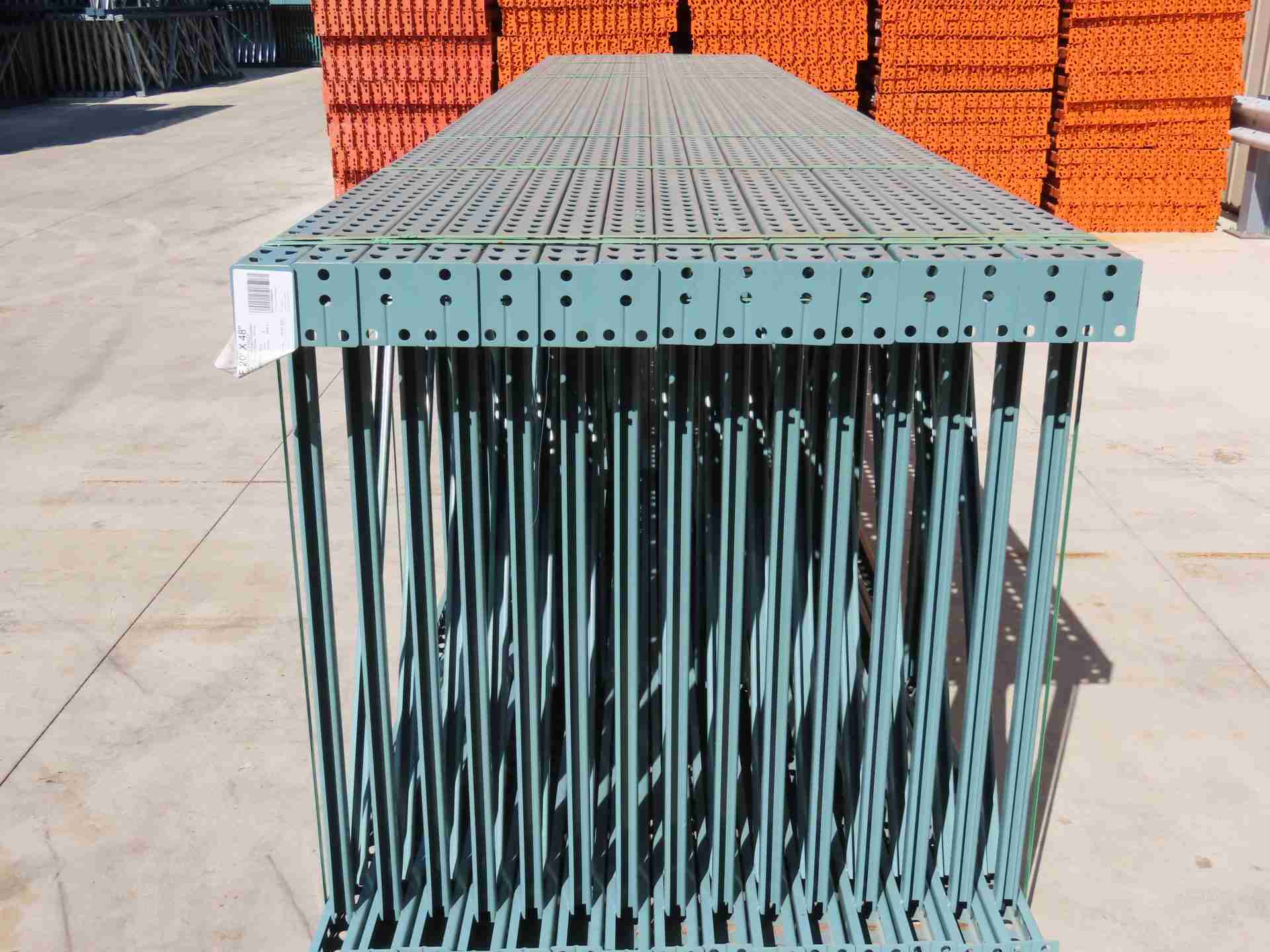
How Can Businesses Prevent Damage To Goods During Reorganization?
How Can Businesses Prevent Damage To Goods During Reorganization?
- Assess the current state of the pallet racking system for wear and tear.
- Repair or replace any damaged components before reorganizing.
- Follow weight capacity guidelines to prevent structural damage.
- Organize goods properly on pallet racking to prevent damage.
- Use proper equipment during the reorganization process.
- Regularly inspect and maintain the pallet racking system.
- Train employees on proper handling techniques to prevent accidents.
How Can Businesses Prevent Damage To Goods During Reorganization?
Are There Best Practices For Reconfiguring Pallet Racking Systems?
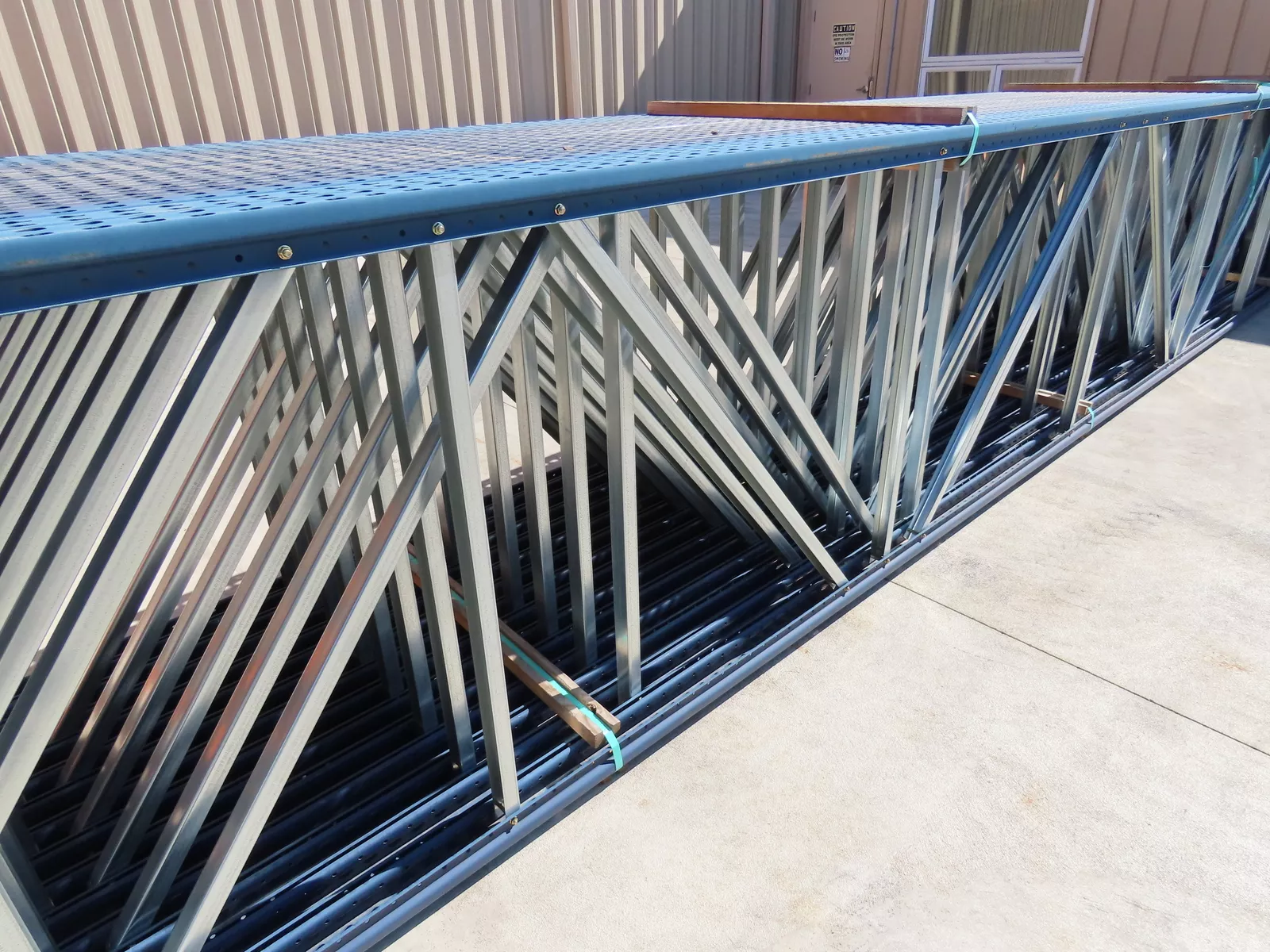
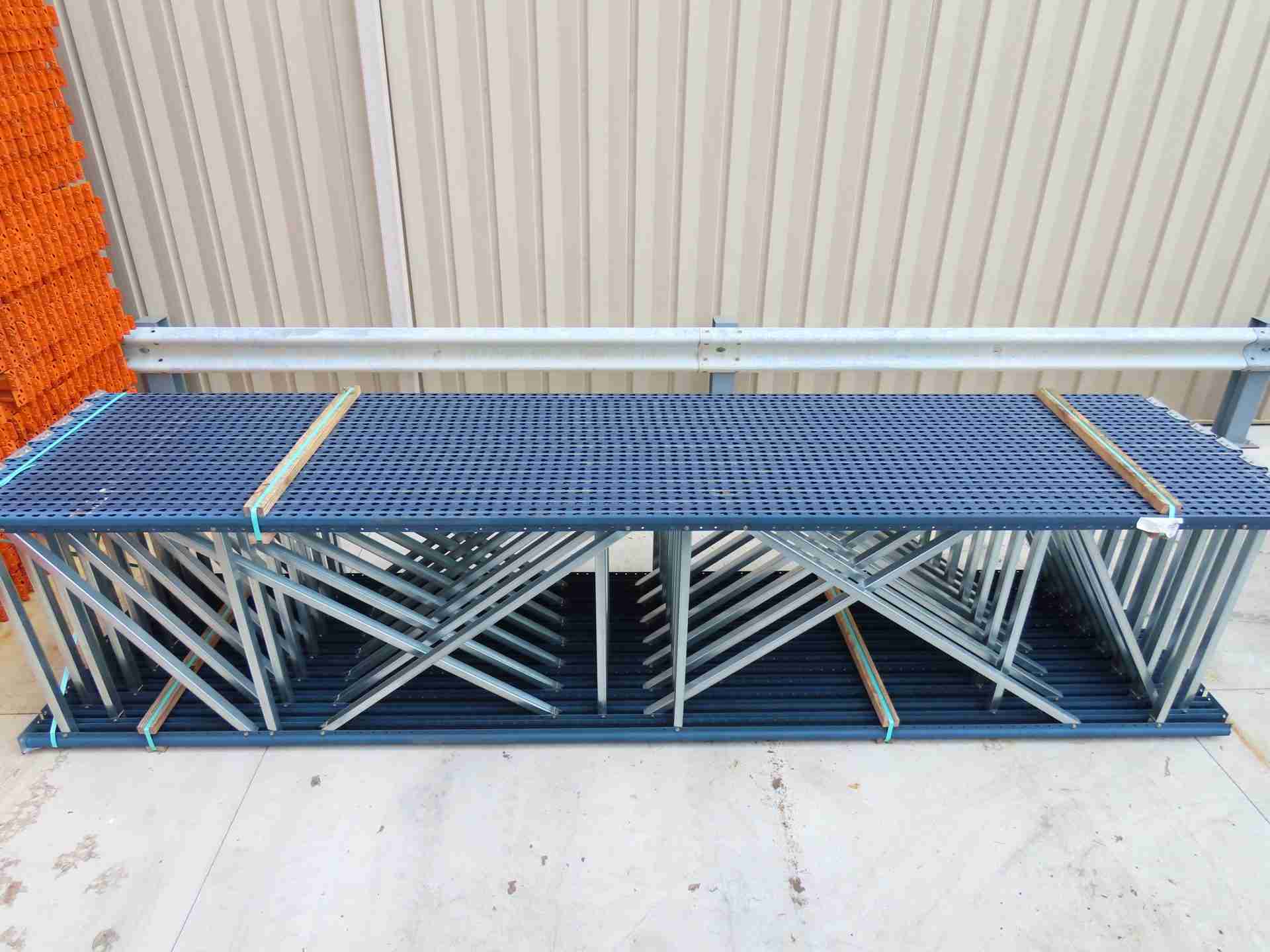
When it comes to pallet racking, there are definitely some key considerations to keep in mind when reconfiguring your system. While there may not be a one-size-fits-all approach, there are certainly some best practices that can help guide you in the right direction.
First and foremost, it’s important to carefully assess your current pallet racking setup. Take note of any potential safety hazards, such as damaged beams or improperly secured loads. This will give you a clear picture of what needs to be addressed during the reconfiguration process.
Next, it’s crucial to consider the layout of your pallet racking system. Are you making the most efficient use of space? Could you potentially reconfigure the racks to allow for more storage capacity? These are all important questions to ask as you plan out your new setup.
Another key aspect to consider is the weight capacity of your pallet racking system. Make sure that you’re not exceeding the load limits of your racks, as this can lead to serious safety issues. If needed, invest in additional support beams or reinforcements to ensure that your racks can handle the weight of your products.
Additionally, think about the accessibility of your pallet racking system. Are there any areas that are difficult to reach or navigate? By optimizing the layout of your racks, you can make it easier for workers to retrieve and store items, ultimately improving efficiency in your warehouse.
Lastly, don’t forget about proper maintenance and upkeep of your pallet racking system. Regular inspections and repairs are essential to ensure the safety and longevity of your racks. By staying on top of these tasks, you can avoid costly repairs down the line and keep your warehouse running smoothly.
While there may not be a one-size-fits-all approach to reconfiguring a pallet racking system, following these best practices can help you make informed decisions and maximize the efficiency and safety of your warehouse. Remember to assess your current setup, consider layout and weight capacity, prioritize accessibility, and prioritize maintenance to ensure that your racks are in top-notch condition.
Are There Best Practices For Reconfiguring Pallet Racking Systems?
Are There Best Practices For Reconfiguring Pallet Racking Systems?
- Assess your current pallet racking setup for safety hazards.
- Consider the layout of your system for efficient use of space.
- Check the weight capacity of your racks and invest in additional support if needed.
- Think about the accessibility of your pallet racking system.
- Maintain and upkeep your system to ensure safety and longevity.
- Following these best practices can help maximize efficiency and safety.
- Remember to assess, consider layout and weight capacity, prioritize accessibility, and maintenance.
Are There Best Practices For Reconfiguring Pallet Racking Systems?
Conclusion
In conclusion, managing seasonal inventory fluctuations can be a challenge, but having a flexible and strategic pallet racking strategy in place can make all the difference. By optimizing storage space, considering the type of products being stored, and implementing specialized solutions like pallet racking, businesses can navigate seasonal shifts successfully. Technology also plays a crucial role in managing inventory variances, offering tools like barcode scanning systems and automated inventory management to improve accuracy and efficiency. Additionally, automation can streamline pallet racking adjustments, saving time and improving safety in the warehouse. Challenges like reorganizing pallet racking, preventing damage to goods, and reconfiguring systems can be addressed by following best practices, such as assessing the current setup, considering weight capacity, optimizing layout, ensuring accessibility, and prioritizing maintenance. By taking these key considerations into account, businesses can maximize efficiency, reduce costs, and improve overall operations when tackling seasonal inventory fluctuations and managing pallet racking strategy. So remember, whether you’re gearing up for peak holiday shopping or navigating a slower season, having the right pallet racking strategy in place can help you stay ahead of the curve and keep your operations running smoothly.

Conclusion
Conclusion:
- Flexible and strategic pallet racking strategy can help manage seasonal inventory fluctuations.
- Optimizing storage space and considering the type of products being stored is essential.
- Implementing specialized solutions like pallet racking can help navigate seasonal shifts successfully.
- Technology, such as barcode scanning systems and automated inventory management, plays a crucial role in managing inventory variances.
- Automation can streamline pallet racking adjustments, saving time and improving safety in the warehouse.
- Best practices include assessing current setup, considering weight capacity, optimizing layout, ensuring accessibility, and prioritizing maintenance.
- Having the right pallet racking strategy in place can maximize efficiency, reduce costs, and improve overall operations during seasonal inventory fluctuations.

Conclusion
Other Resources
Other Resources
Here is a list of other resources you can review online to learn more:
- “Very Narrow Aisle Racking (VNA)”
- “Intro to Warehouse Racks & Warehouse Racking Systems”
- “Pallet Racking & Shelving – BLS Racking Systems”
- “Pallet Racking (Selective Storage Racks)”
- “Used Pallet Racking for Sale”
- “5 Benefits of Warehouse Storage Racks”
- “Multi-bay racking narrow aisle”
- “Pallet racking fact sheet | SafeWork NSW”
- “Pallet Racking: 5 Key Benefits to Boost Warehouse Storage”
Other Resources
Glossary Terms
How Do Seasonal Inventory Fluctuations Impact Pallet Racking Strategy? – Glossary Of Terms
1. Seasonal Inventory: Inventory levels that vary at different times of the year due to seasonality in demand.
2. Pallet Racking: A material handling storage aid system designed to store materials on pallets in horizontal rows with multiple levels.
3. Demand Forecasting: Predicting future inventory requirements based on historical data and market analysis.
4. Lead Time: The time elapsed between the ordering of inventory and its arrival in the warehouse.
5. Stockout: A situation where the desired inventory is not available, often due to inaccurate forecasting of seasonal demand.
6. Overstock: Excess inventory beyond the optimal levels, often due to poor demand forecasting, leading to higher storage costs.
7. Just-in-Time (JIT): Inventory management strategy where goods are received only when they are needed, reducing storage costs and inventory levels.
8. Safety Stock: Extra inventory kept to avoid stockouts caused by unforeseen demand fluctuations or supply chain interruptions.
9. Warehouse Capacity: The maximum amount of inventory that can be stored in a warehouse efficiently.
10. SKU (Stock Keeping Unit): A unique identifier for each distinct product and service that can be purchased.
11. Slotting: The process of organizing product locations within a warehouse for optimal efficiency and space utilization.
12. FIFO (First In, First Out): Inventory management practice where the oldest inventory items are used or sold first.
13. LIFO (Last In, First Out): Inventory management method where the most recently produced or purchased items are used or sold first.
14. Picking Efficiency: The measure of how effectively and efficiently inventory items can be picked from the racking system to fulfill orders.
15. Warehouse Management System (WMS): Software used to manage the day-to-day operations of a warehouse, including inventory location and movement.
16. Pallet Loads: The amount of a product or products loaded onto a pallet, which impacts how it is stored and retrieved in a racking system.
17. Capacity Utilization: The proportion of the warehouse capacity that is actually used at any given time.
18. Dynamic Slotting: Adjusting the location of products within the warehouse to meet changing seasonal demand patterns.
19. Cycle Count: A periodic inventory counting strategy to verify accuracy without shutting down operations.
20. Space Optimization: Maximizing the usable space in a warehouse to accommodate changing inventory levels.
21. Pallet Jack: A tool used to lift and move pallets within the warehouse.
22. Cross-Docking: A logistics practice where products received in a warehouse are not stored but are immediately prepared for shipment.
23. Load Distribution: Evenly spreading the weight on the racking system to prevent collapse and ensure safety.
24. Inventory Turnover: The rate at which inventory is sold and replaced over a specific period.
25. Seasonal Peaks: Times of the year when inventory levels and activity surge due to increased demand.
26. Vertical Storage: Utilizing vertical space in a warehouse to store inventory, especially important during high-demand seasons.
27. Bulk Storage: Storing large quantities of a single product, often required during peak seasons.
28. FIFO Racking: A racking system design that facilitates a First In, First Out inventory approach.
29. Climate Control: Managing the warehouse environment to protect inventory, crucial during seasonal changes.
30. Load Stability: Ensuring that loads on pallets are secure and stable to prevent accidents and damage, especially important during peak season fluctuations.
These terms and descriptions should provide a comprehensive framework for understanding how seasonal inventory fluctuations impact pallet racking strategy.
Glossary Of Terms
Other Questions
How Do Seasonal Inventory Fluctuations Impact Pallet Racking Strategy? – Other Questions
If you wish to explore and discover more, consider looking for answers to these questions:
- What are the main factors that cause seasonal inventory fluctuations?
- How can businesses forecast seasonal demand more accurately?
- What types of pallet racking systems are best suited for handling seasonal inventory changes?
- How do peak and off-peak seasons differ in terms of storage space requirements?
- What are some common mistakes businesses make when reorganizing pallet racking during seasonal shifts?
- How can real-time inventory tracking improve the efficiency of managing seasonal inventory fluctuations?
- What are the benefits of using adjustable shelving units for seasonal inventory management?
- How does poor inventory management during peak seasons impact customer satisfaction?
- Are there any specific software solutions designed to help manage seasonal inventory fluctuations?
- What safety measures should be in place when making adjustments to pallet racking systems?
- How often should businesses review and update their pallet racking strategy to account for seasonal changes?
- What are the financial implications of not adapting your pallet racking strategy to seasonal inventory fluctuations?
- How does optimizing warehouse layout contribute to better handling of seasonal inventory?
- What role does workforce training play in successfully reconfiguring pallet racking during seasonal shifts?
- What are some innovative technologies emerging in the field of pallet racking and seasonal inventory management?
- How can businesses balance the need for more storage space during peak seasons with the cost of additional infrastructure?
- What are the signs that a warehouse needs to invest in new pallet racking solutions due to seasonal growth?
- How do businesses handle the excess space resulting from a drop in inventory during off-peak seasons?
- How can businesses ensure that their reorganization efforts do not disrupt daily operations?
- What are the environmental benefits of efficiently managing seasonal inventory fluctuations?
Other Questions
Checklist
How Do Seasonal Inventory Fluctuations Impact Pallet Racking Strategy? – A Checklist
Assessing Inventory Requirements:
1. Identify Peak Seasons:
_____ Determine high demand periods (e. g. , holidays, back-to-school).
_____ Forecast inventory needs based on historical data.
2. Identify Off-Peak Seasons:
_____ Assess slower periods.
_____ Plan for excess inventory space.
Optimizing Pallet Racking System:
3. Flexible Racking Strategy:
_____ Implement adjustable racking systems.
_____ Consider mobile or modular racking options.
4. Space Utilization:
_____ Reorganize racking to maximize space during peak seasons.
_____ Consolidate inventory to optimize space during off-peak periods.
5. Accessibility:
_____ Place high-demand items in easily accessible locations.
_____ Reevaluate layout for quick access to frequently picked items.
Storage Space Optimization:
6. Choose Appropriate Storage System:
_____ Select racking systems based on product size and weight.
_____ Consider bulk storage for large items and narrow aisle racking for smaller items.
7. Warehouse Layout:
_____ Plan adequate aisle space for equipment maneuvering.
_____ Optimize layout for efficient traffic flow.
8. Inventory Organization and Labeling:
_____ Implement a structured labeling system.
_____ Group similar products together logically.
Specialized Solutions:
9. Scalable Solutions:
_____ Employ racking systems that allow easy expansion or contraction.
_____ Use adjustable shelving units as needed.
10. Innovative Storage Solutions:
_____ Consider specialized racking configurations (e. g. , selective or drive-in racking).
_____ Explore mobile racking systems for flexibility.
Cost Savings through Efficient Pallet Racking:
11. Maximize Vertical Space:
_____ Utilize vertical storage to reduce floor space usage.
_____ Implement double-deep racking if appropriate.
12. Enhanced Inventory Management:
_____ Implement systems for easy access and reduced misplacement.
_____ Maintain accurate inventory counts to avoid overstocking and stockouts.
13. Safety Measures:
_____ Regularly inspect and maintain racking systems.
_____ Ensure compliance with weight limits and safety standards.
Technology Integration:
14. Automated Inventory Tracking:
_____ Use barcode scanning for accurate tracking.
_____ Employ inventory management software for real-time data.
15. Automated Systems:
_____ Implement automation for pallet moving and racking adjustments.
_____ Use technology to analyze inventory trends.
Handling Seasonal Fluctuation Challenges:
16. Plan for Additional Storage:
_____ Arrange for temporary storage solutions if needed.
_____ Consider expanding warehouse space during peak seasons.
17. Logistical Coordination:
_____ Streamline inbound and outbound logistics.
_____ Schedule reorganization activities during low-activity periods.
Preventing Damage During Reorganization:1
8. Assess Racking Condition:
_____ Inspect for wear, rust, or damage before reorganization.
_____ Repair or replace defective components.
19. Weight Management:
_____ Ensure compliance with weight limits.
_____ Organize heavy items on lower shelves.
20. Protective Measures:
_____ Use pallet guards or safety netting to prevent falling items.
_____ Employ proper equipment for moving heavy items.
Best Practices for Reconfiguration:
21. Safety Assessment:
_____ Prioritize safety in reconfiguration plans.
_____ Regularly inspect and maintain the racking system.
22. Space Efficiency:
_____ Optimize the layout for increased storage capacity.
_____ Minimize redundant spaces and streamline access routes.
23. Regular Maintenance:
_____ Conduct routine inspections and repairs.
_____ Train employees on safe handling and storage practices.
By adopting these strategies and measures, businesses can effectively handle seasonal inventory fluctuations and ensure an efficient, safe, and cost-effective pallet racking system.
Checklist
At RackingWorld, we help guide you through selecting warehouse storage systems and racking.
Be sure to read our other related stories at RackingWorld to learn more about warehouse storage systems.
0 Comments