
Maximize Your Warehouse Space with The Right Rack Upright Sizes
By Tom Seest
At RackingWorld, we help guide you through selecting warehouse storage systems and racking.
Be sure to read our other related stories at RackingWorld to learn more about warehouse storage systems.
What Are The Standard Sizes for Warehouse Rack Uprights?
Have you ever wandered down the aisles of a warehouse, marveling at the towering shelves that seem to go on forever? If so, you may have wondered how those massive racks are constructed and what the standard sizes are for their uprights.
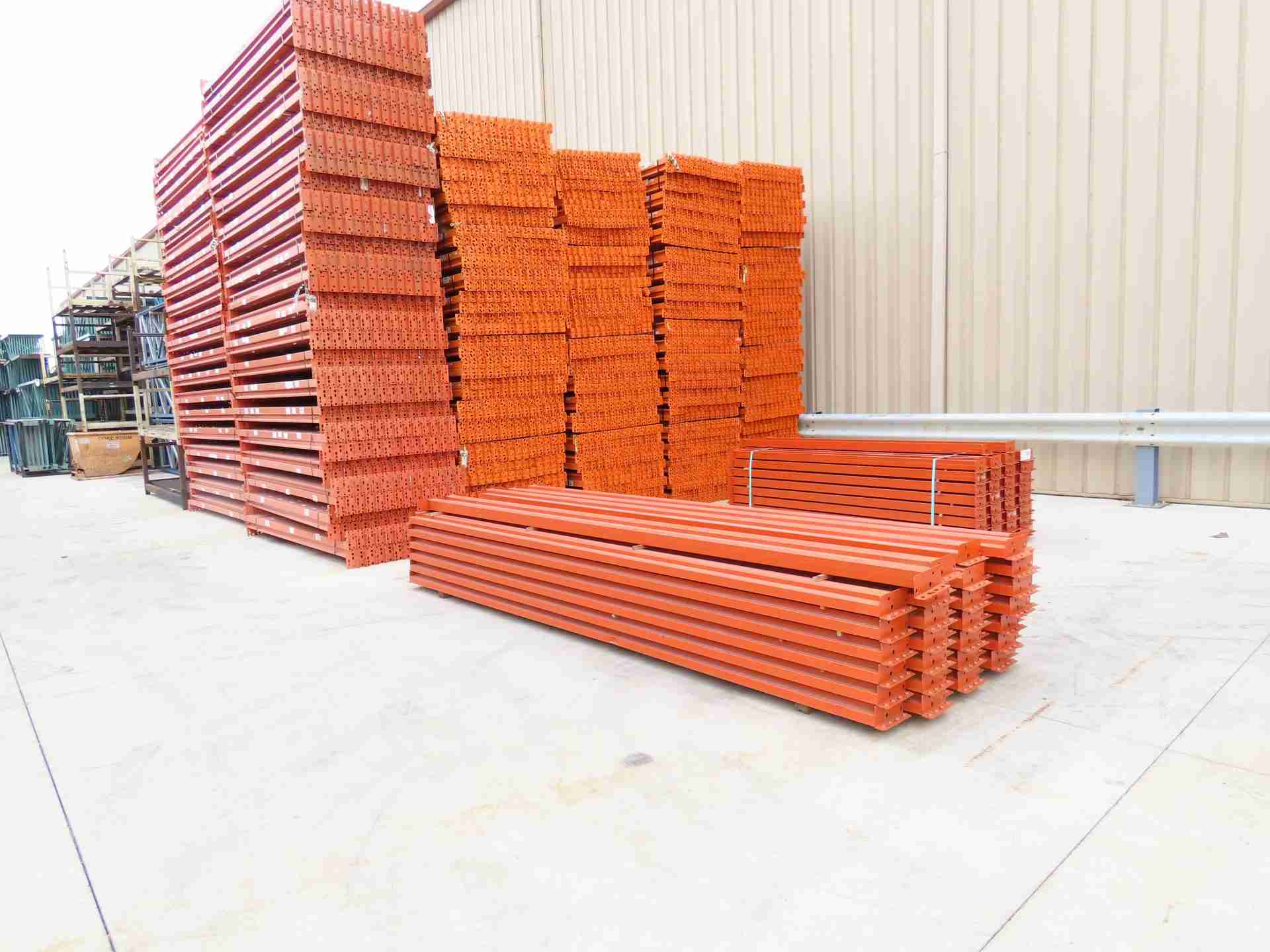
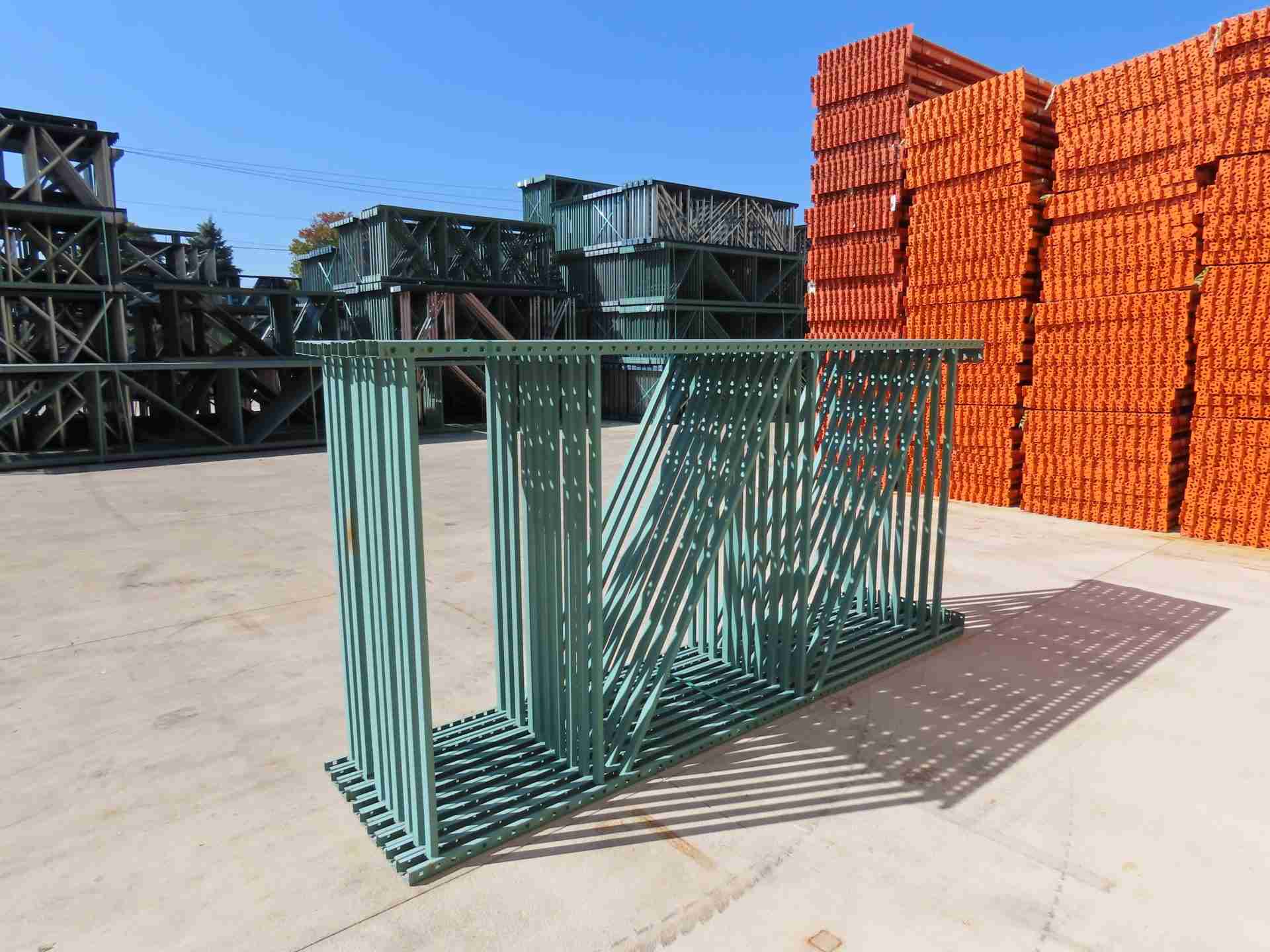
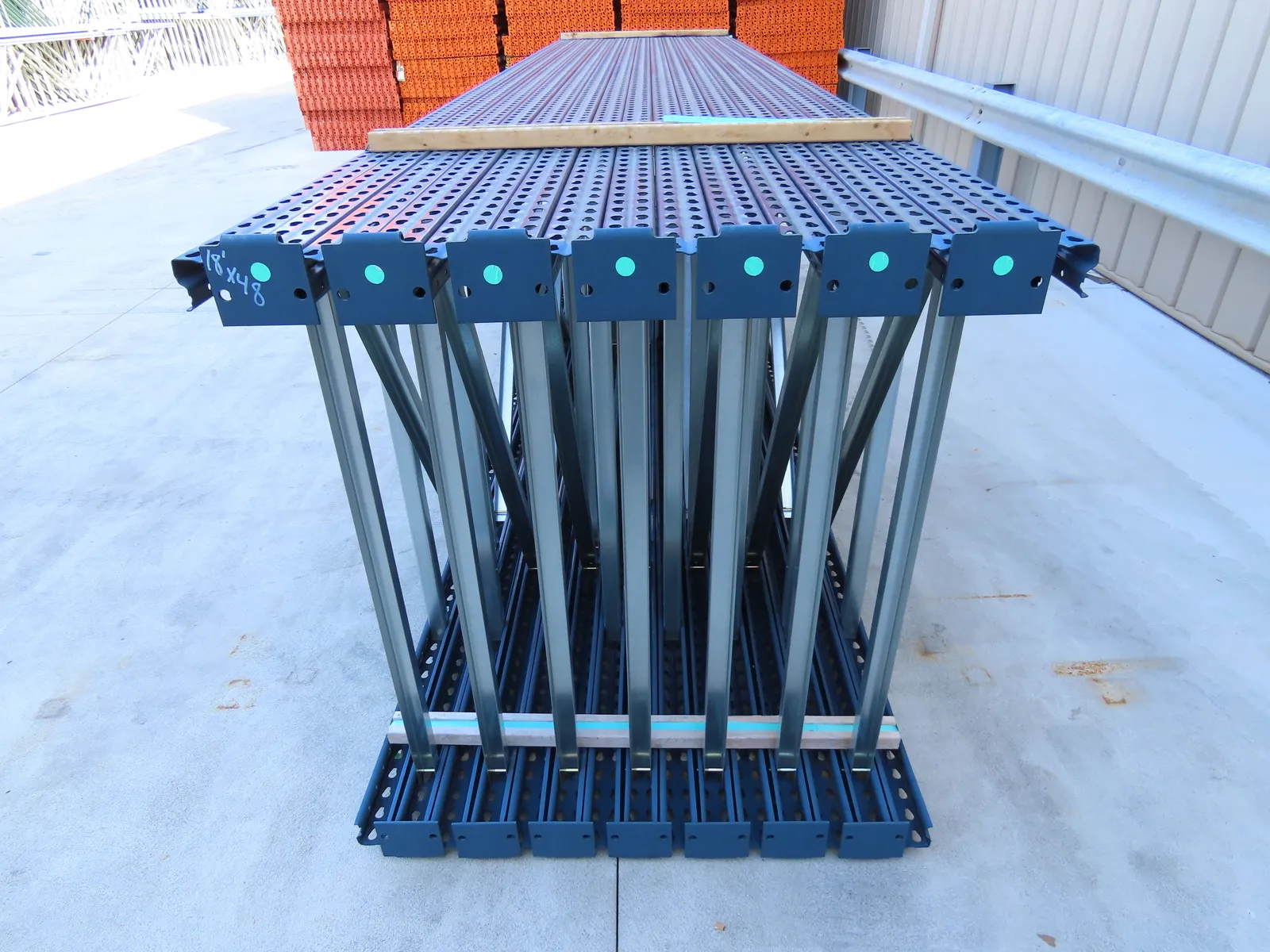
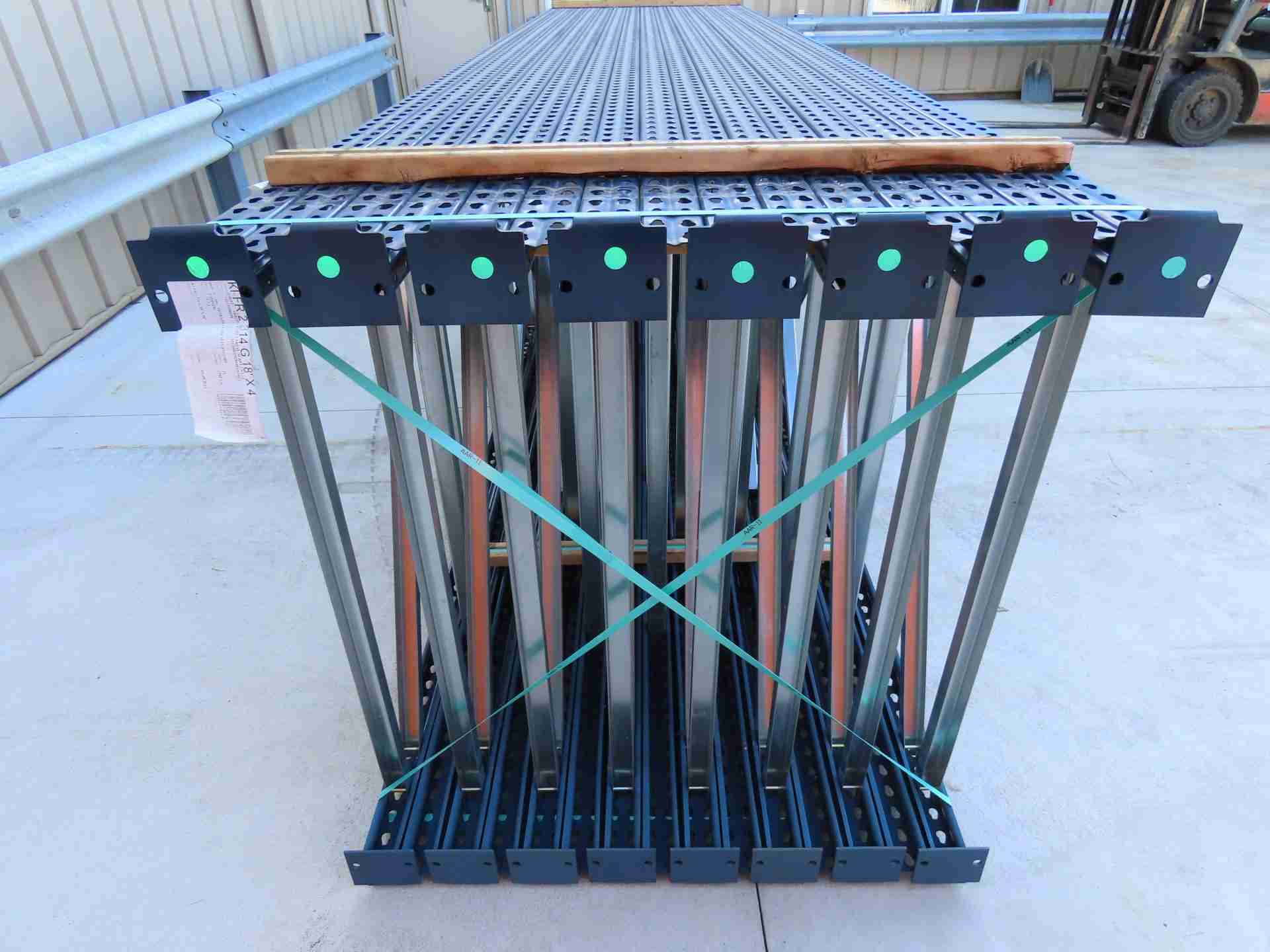
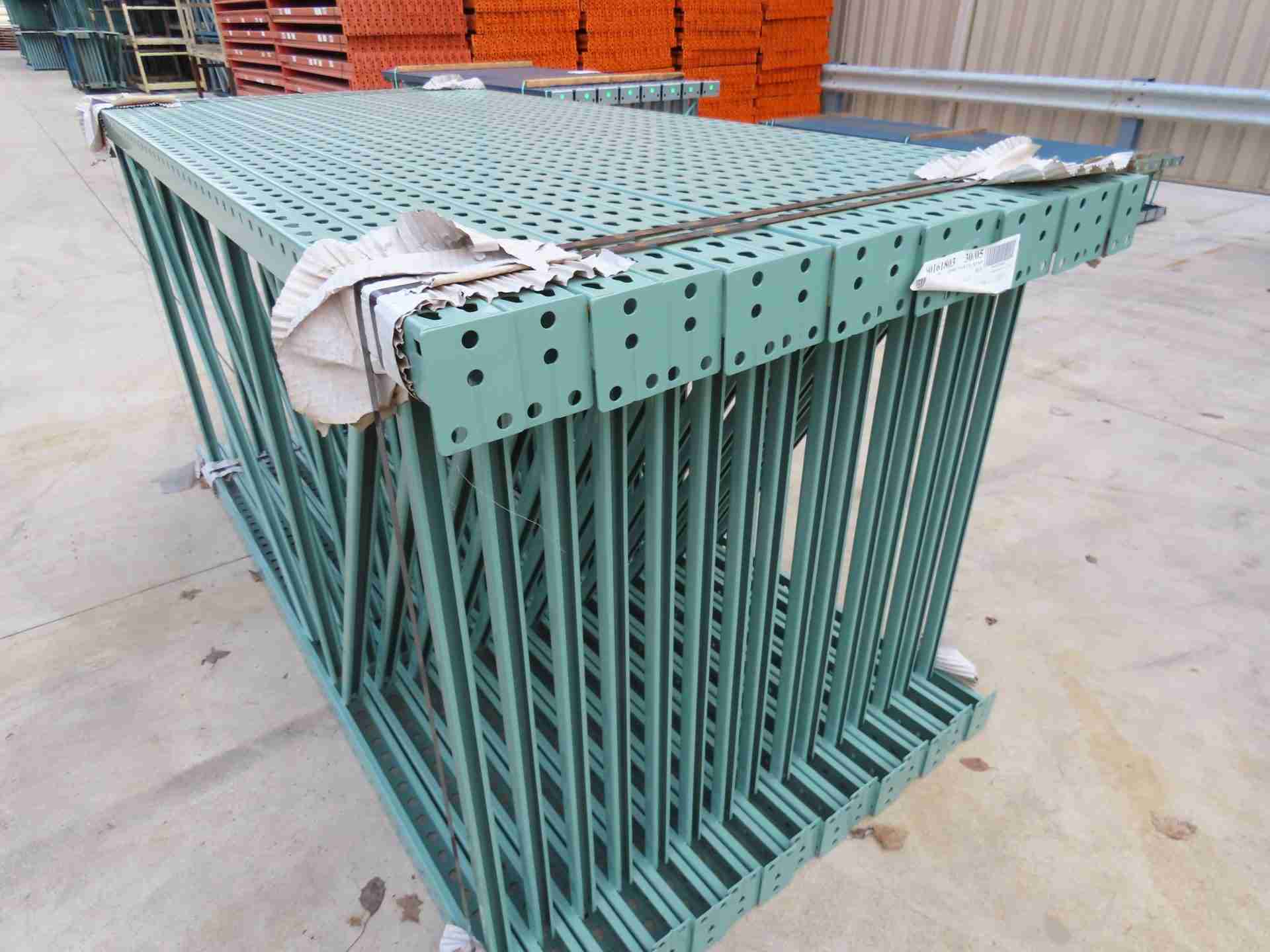
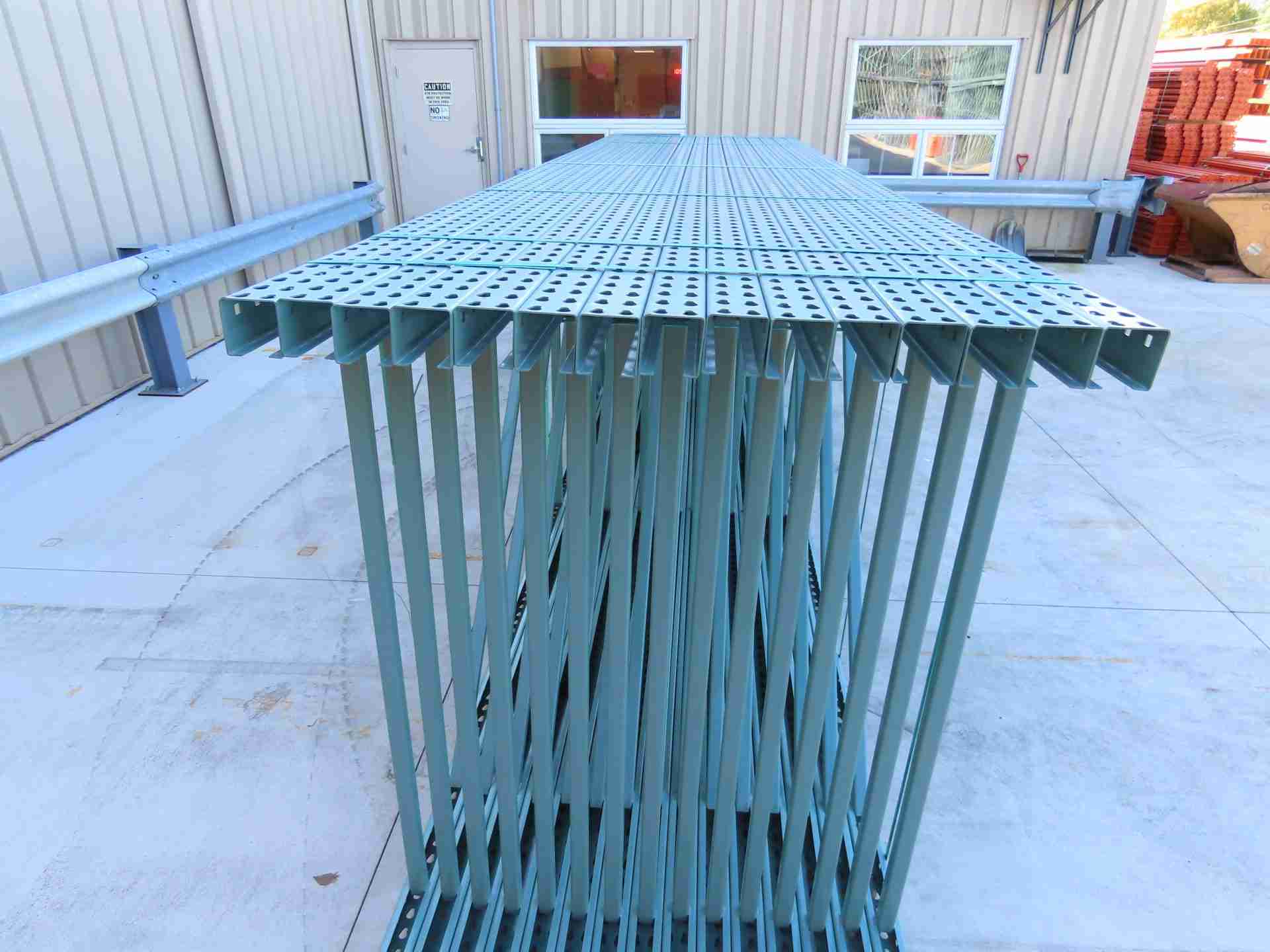
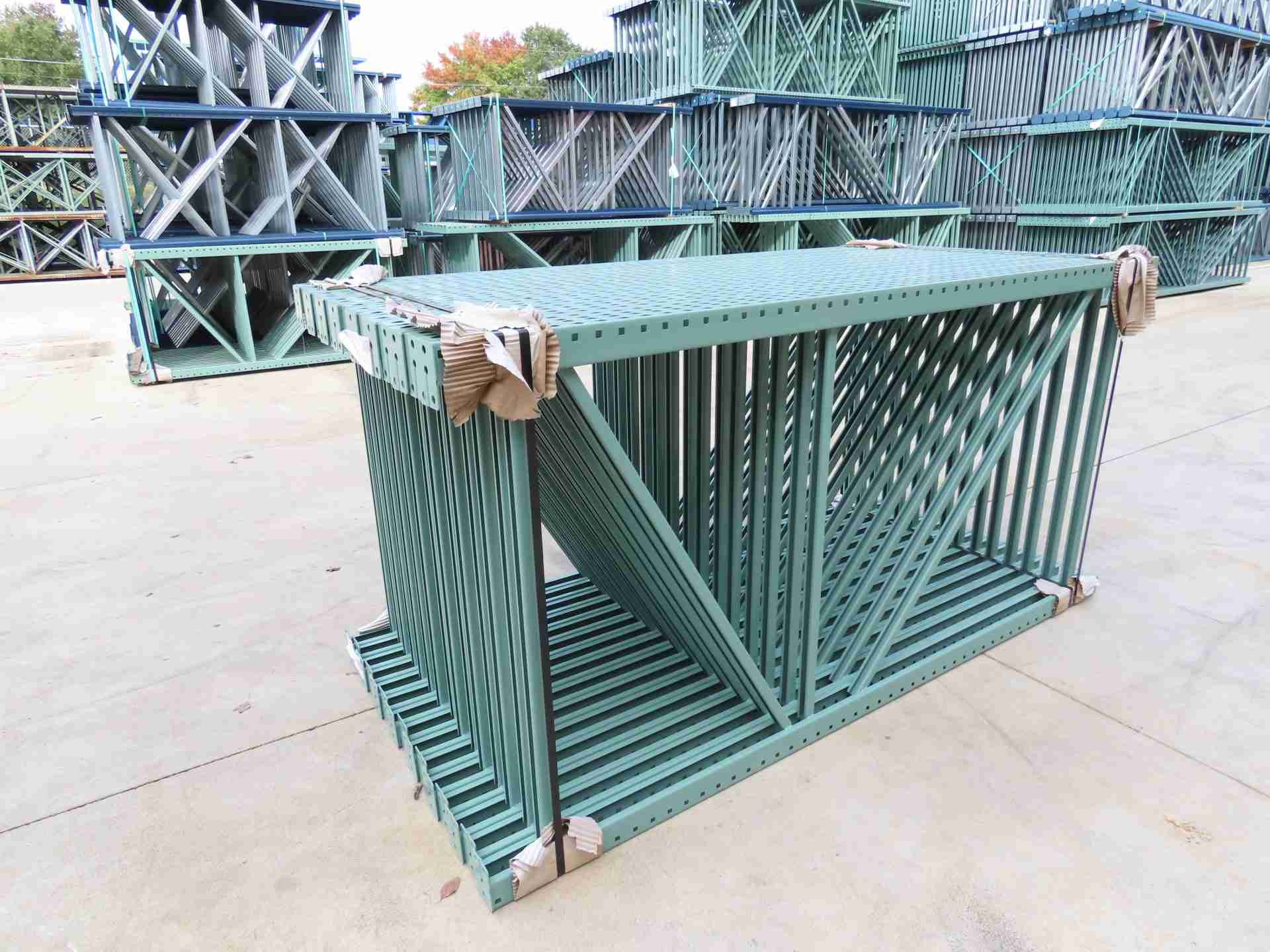
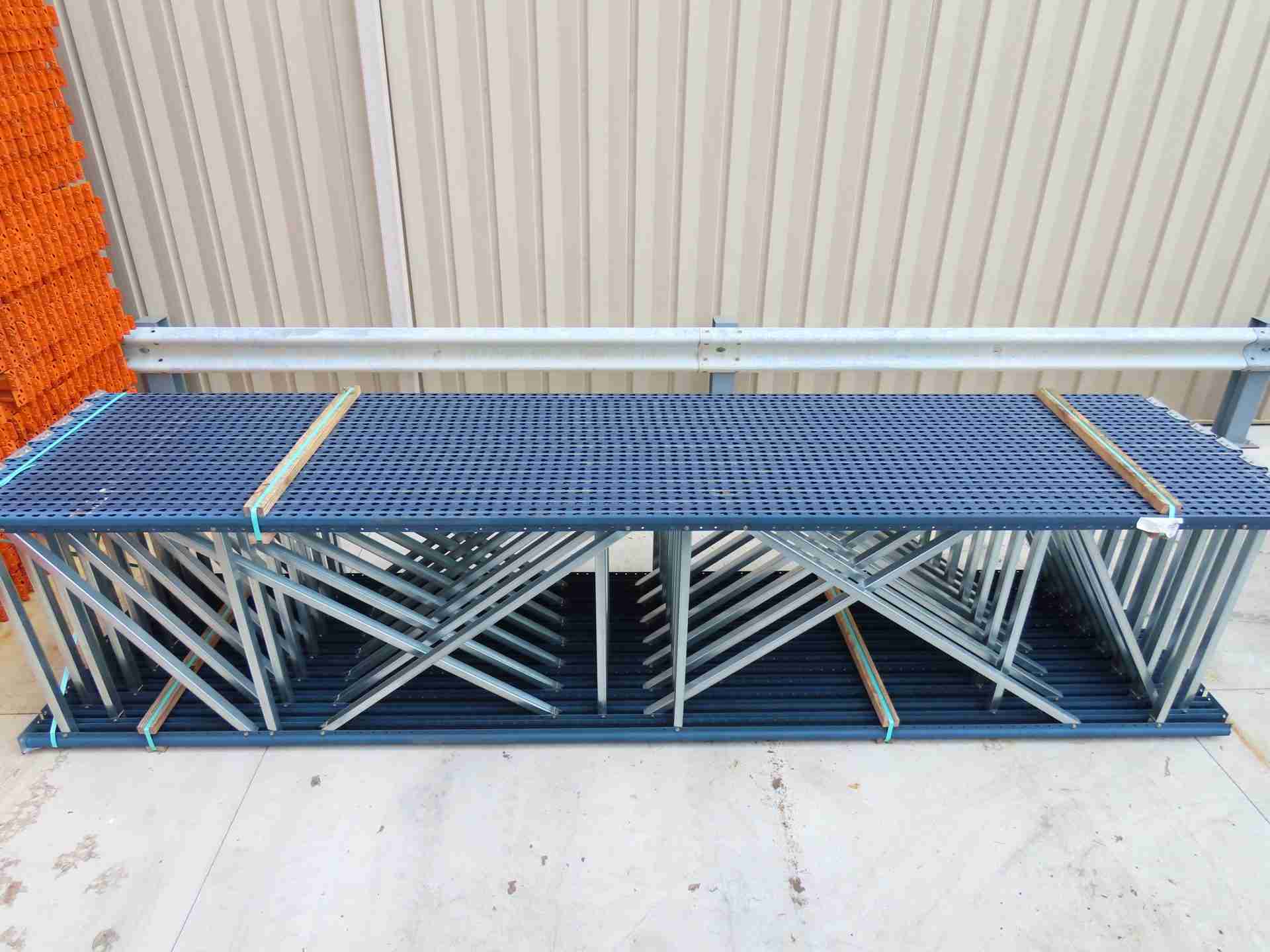
Warehouse rack uprights, also known as vertical frames or uprights, are the vertical components of a pallet racking system that provide structural support and stability for storing goods. These uprights come in a variety of sizes to accommodate different warehouse layouts and storage needs.
The standard sizes for warehouse rack uprights typically range from 8 feet to 24 feet in height, with depths varying between 24 inches to 48 inches. The width of the uprights can also vary, but most are designed to accommodate standard pallet sizes of 40 inches by 48 inches.
When determining the size of the uprights needed for your warehouse, it’s important to consider the weight and size of the items being stored, as well as the layout of the warehouse itself. If you are storing heavy items, you will want to ensure that the uprights are sturdy enough to bear the weight without buckling or collapsing. Additionally, the height of the uprights should be tall enough to maximize vertical storage space while still allowing forklifts or other machinery to easily access and retrieve items.
It’s also important to consider the spacing between uprights when designing a pallet racking system. The distance between uprights, also known as the bay spacing, will depend on the size of the items being stored and the weight capacity of the racks. For heavier items, closer spacing may be necessary to distribute the weight evenly and prevent overloading.
In addition to the standard upright sizes, warehouse rack manufacturers also offer custom sizes and configurations to meet specific storage needs. Custom uprights can be designed to accommodate non-standard pallet sizes, unique warehouse layouts, or specialized storage requirements.
Overall, the standard sizes for warehouse rack uprights provide a solid foundation for constructing reliable and efficient storage systems. By carefully selecting the right size uprights for your warehouse and considering factors such as weight capacity, spacing, and customization options, you can create a storage solution that maximizes space, improves organization, and enhances productivity in your warehouse.
What Are The Standard Sizes for Warehouse Rack Uprights?
What Are The Standard Sizes for Warehouse Rack Uprights?
- Warehouse rack uprights are vertical components of a pallet racking system that provide structural support and stability for storing goods.
- Standard sizes for warehouse rack uprights range from 8 feet to 24 feet in height, with depths varying between 24 inches to 48 inches.
- Uprights are designed to accommodate standard pallet sizes of 40 inches by 48 inches.
- Consider weight and size of items being stored, as well as warehouse layout when determining upright size.
- Spacing between uprights, known as bay spacing, is important for even weight distribution.
- Custom upright sizes and configurations are available to meet specific storage needs.
- Choosing the right size uprights can maximize space, improve organization, and enhance productivity in the warehouse.
What Are The Standard Sizes for Warehouse Rack Uprights?
Table Of Contents
- What Are The Standard Sizes for Warehouse Rack Uprights?
- What Are The Weight Capacities For Different Rack Upright Sizes?
- How Do I Determine The Right Upright Size For My Warehouse?
- Are There Adjustable Rack Uprights Available On The Market?
- What Are The Advantages Of Using Larger Rack Uprights In A Warehouse?
- What Factors Should Be Considered When Choosing Rack Upright Sizes?
- What Materials Are Warehouse Rack Uprights Typically Made From?
- What Factors Should Be Considered When Selecting Upright Sizes?
- How Does The Height Of Uprights Impact Warehouse Storage Capacity?
- Are There Any Industry Standards For Rack Upright Sizes?
- How Can Adjusting Upright Sizes Lead To Better Warehouse Organization?
- How Do Load Capacity Requirements Influence Upright Size Selection?
- Conclusion
- Other Resources
- Glossary Of Terms
- Other Questions
- Checklist
What Are The Weight Capacities For Different Rack Upright Sizes?
When it comes to choosing the right rack upright size for your storage needs, it’s important to consider the weight capacity of each option. Different rack upright sizes have varying weight capacities, so it’s crucial to select the one that can safely and securely hold the items you need to store.
For pallet racking systems, the weight capacity of the rack uprights can vary depending on their size. Typically, the weight capacity of a rack upright is determined by the manufacturer and is based on factors such as the material of the upright, the design of the rack, and the distance between the uprights.
In general, larger rack upright sizes have higher weight capacities than smaller sizes. For example, a 4-inch rack upright may have a weight capacity of 15,000 pounds per pair, while an 8-inch rack upright may have a weight capacity of 25,000 pounds per pair. This means that if you need to store heavier items, opting for a larger rack upright size is the way to go.
It’s also important to consider the spacing between rack uprights when determining weight capacity. The closer together the uprights are, the higher the weight capacity will be. This is because the weight is distributed more evenly across a smaller area, reducing the risk of the rack collapsing under the weight of heavy items.
When determining the weight capacity of rack uprights for your storage needs, it’s essential to consult with a professional to ensure that you are selecting the right size and configuration for your specific requirements. They can help you calculate the necessary weight capacity based on the items you need to store and recommend the appropriate rack upright size to safely accommodate your storage needs.
When choosing rack upright sizes for your storage facility, it’s important to consider the weight capacities of each option. By selecting the right size and configuration based on the weight of the items you need to store, you can ensure that your racks are safe and secure for all your storage needs. Partnering with a professional can help you make informed decisions and select the best rack upright sizes for your facility.
What Are The Weight Capacities For Different Rack Upright Sizes?
What Are The Weight Capacities For Different Rack Upright Sizes?
- Consider weight capacity when choosing rack upright size for storage needs.
- Weight capacity varies with different rack upright sizes.
- Larger rack upright sizes generally have higher weight capacities.
- Spacing between rack uprights affects weight capacity.
- Consult with a professional to determine the right size and configuration.
- Choose the right size based on weight of items to ensure safety and security.
- Partnering with a professional can help make informed decisions.
What Are The Weight Capacities For Different Rack Upright Sizes?
How Do I Determine The Right Upright Size For My Warehouse?
When it comes to choosing the right upright size for your warehouse, there are a few key factors to consider. The height of your warehouse ceilings, the weight and size of your inventory, and the layout of your shelving all play a role in determining the best upright size for your needs.
First and foremost, you need to take a good look at the height of your warehouse ceilings. If you have tall ceilings, you may be able to take advantage of higher upright sizes to maximize your storage space. However, if your ceilings are on the lower side, you’ll need to consider a shorter upright size to ensure that your shelves can be safely and efficiently accessed.
Next, consider the weight and size of your inventory. If you’re storing heavy items, you’ll want to choose upright sizes that can support the weight without risk of collapsing. Similarly, if you have particularly large items, you’ll need to make sure that the upright sizes are wide enough to accommodate them without compromising stability.
Another important factor to consider is the layout of your shelving. If you have a lot of narrow aisles in your warehouse, you may need to choose upright sizes that allow for easy navigation between shelves. On the other hand, if you have a more open layout, you may be able to opt for taller upright sizes to maximize your storage capacity.
Ultimately, the right upright size for your warehouse will depend on a combination of these factors. It’s important to carefully assess your specific needs and take into account the unique characteristics of your space before making a decision.
Choosing the right upright size for your warehouse is crucial for optimizing your storage space and ensuring the safety of your inventory. By considering factors such as ceiling height, inventory weight and size, and shelving layout, you can make an informed decision that will benefit your business in the long run. Remember, the right upright size is not a one-size-fits-all solution – take the time to assess your needs and choose wisely.
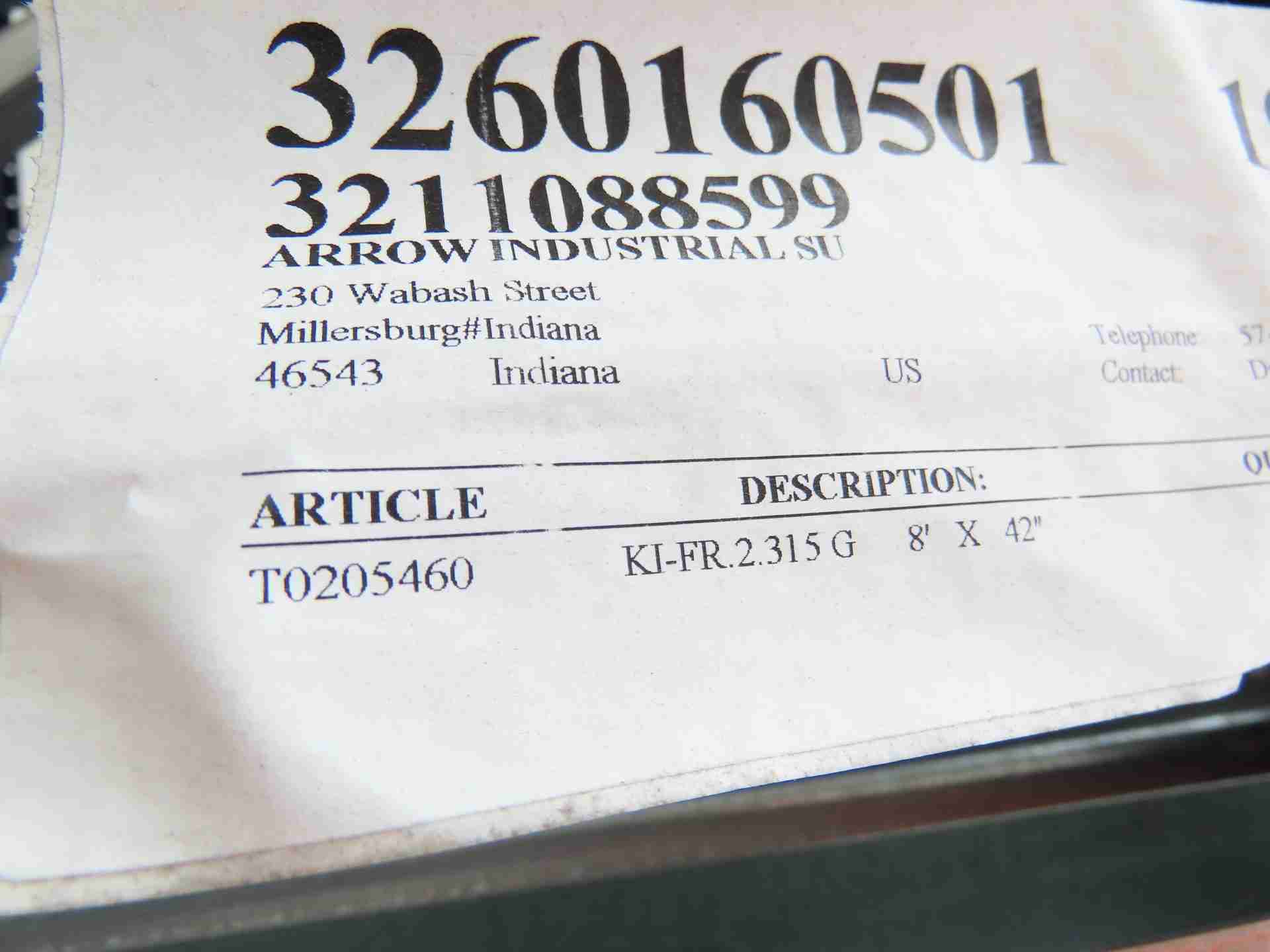
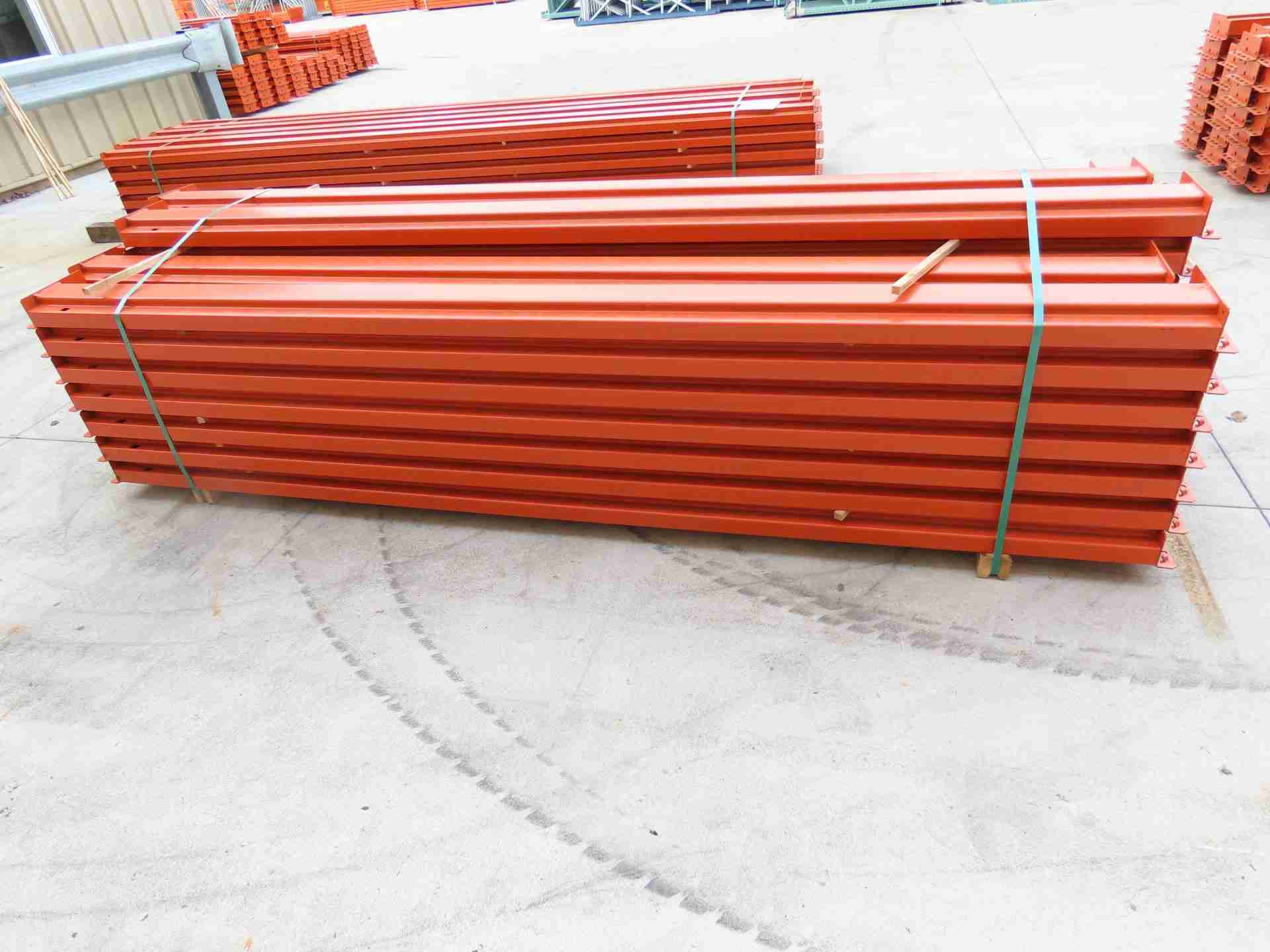
How Do I Determine The Right Upright Size For My Warehouse?
How Do I Determine The Right Upright Size For My Warehouse?
- Consider the height of your warehouse ceilings to determine the best upright size for maximizing storage space.
- Take into account the weight and size of your inventory when choosing upright sizes to ensure safety.
- Think about the layout of your shelving, especially if you have narrow aisles, to make navigation easier.
- Choose upright sizes that can accommodate the unique characteristics of your space for optimal storage capacity.
- Assess your specific needs and factors such as inventory weight, ceiling height, and shelving layout before making a decision.
- Optimizing your storage space and ensuring inventory safety are crucial when selecting the right upright size for your warehouse.
- Remember that the right upright size is not a one-size-fits-all solution – take the time to choose wisely based on your needs.
How Do I Determine The Right Upright Size For My Warehouse?
Are There Adjustable Rack Uprights Available On The Market?
If you’ve ever spent any time in a warehouse or storage facility, you know just how important it is to have adjustable rack uprights that can accommodate a variety of different sizes and shapes. But are there options available on the market that can meet these demands?
The short answer is yes. There are plenty of adjustable rack uprights available on the market that can provide the flexibility and adaptability that you need in your storage space. These adjustable rack uprights come in a variety of shapes, sizes, and configurations, allowing you to customize your storage solution to fit your specific needs.
One popular option is the adjustable pallet rack upright. These uprights feature a series of slots that allow you to easily adjust the height of the shelves to accommodate different size pallets or products. This can be especially useful if you have a wide range of items that need to be stored on your racks.
Another option is the adjustable cantilever rack upright. These uprights feature a series of arms that can be easily moved up or down to accommodate different lengths of materials. This is particularly useful for storing long or awkwardly shaped items, such as lumber or pipes.
In addition to these adjustable rack uprights, there are also options available that allow you to customize the width of your racks. This can be useful if you have limited space or need to store items of varying sizes side by side.
When it comes to choosing the right adjustable rack uprights for your needs, there are a few things to keep in mind. First and foremost, consider the weight capacity of the uprights to ensure that they can safely support the items you need to store.
Additionally, think about the configuration of your space and how the adjustable rack uprights will fit into it. You’ll want to make sure that the uprights can be easily adjusted without interfering with other equipment or structures in the area.
Ultimately, having adjustable rack uprights in your storage facility can help you maximize your space and increase your efficiency. With so many options available on the market, you’re sure to find the perfect solution for your storage needs.
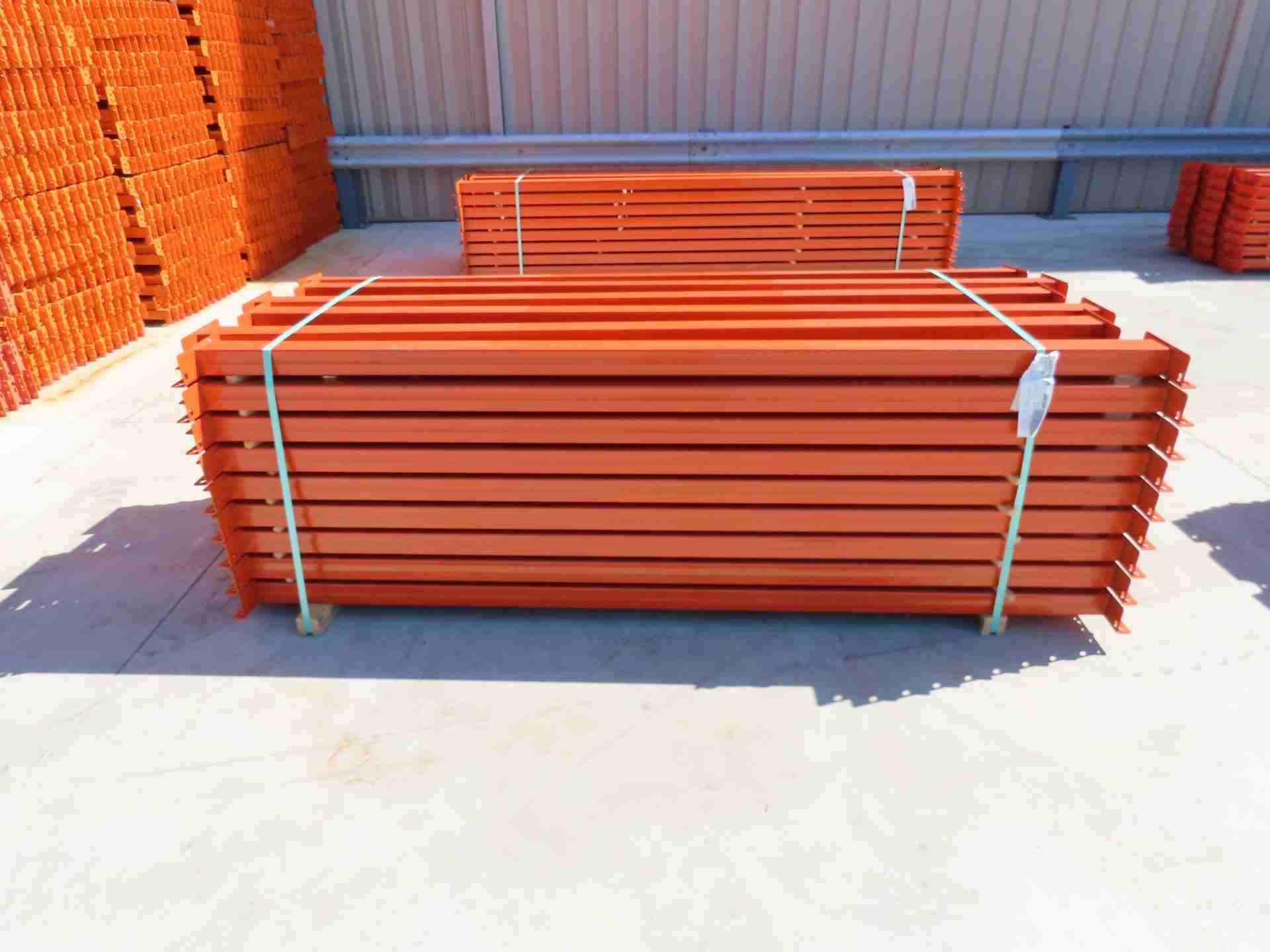
Are There Adjustable Rack Uprights Available On The Market?
Are There Adjustable Rack Uprights Available On The Market?
- There are plenty of adjustable rack uprights available on the market.
- Adjustable rack uprights come in a variety of shapes, sizes, and configurations.
- One popular option is the adjustable pallet rack upright.
- Another option is the adjustable cantilever rack upright.
- Options available that allow you to customize the width of your racks.
- Consider the weight capacity of the uprights.
- Think about the configuration of your space and how the adjustable rack uprights will fit into it.
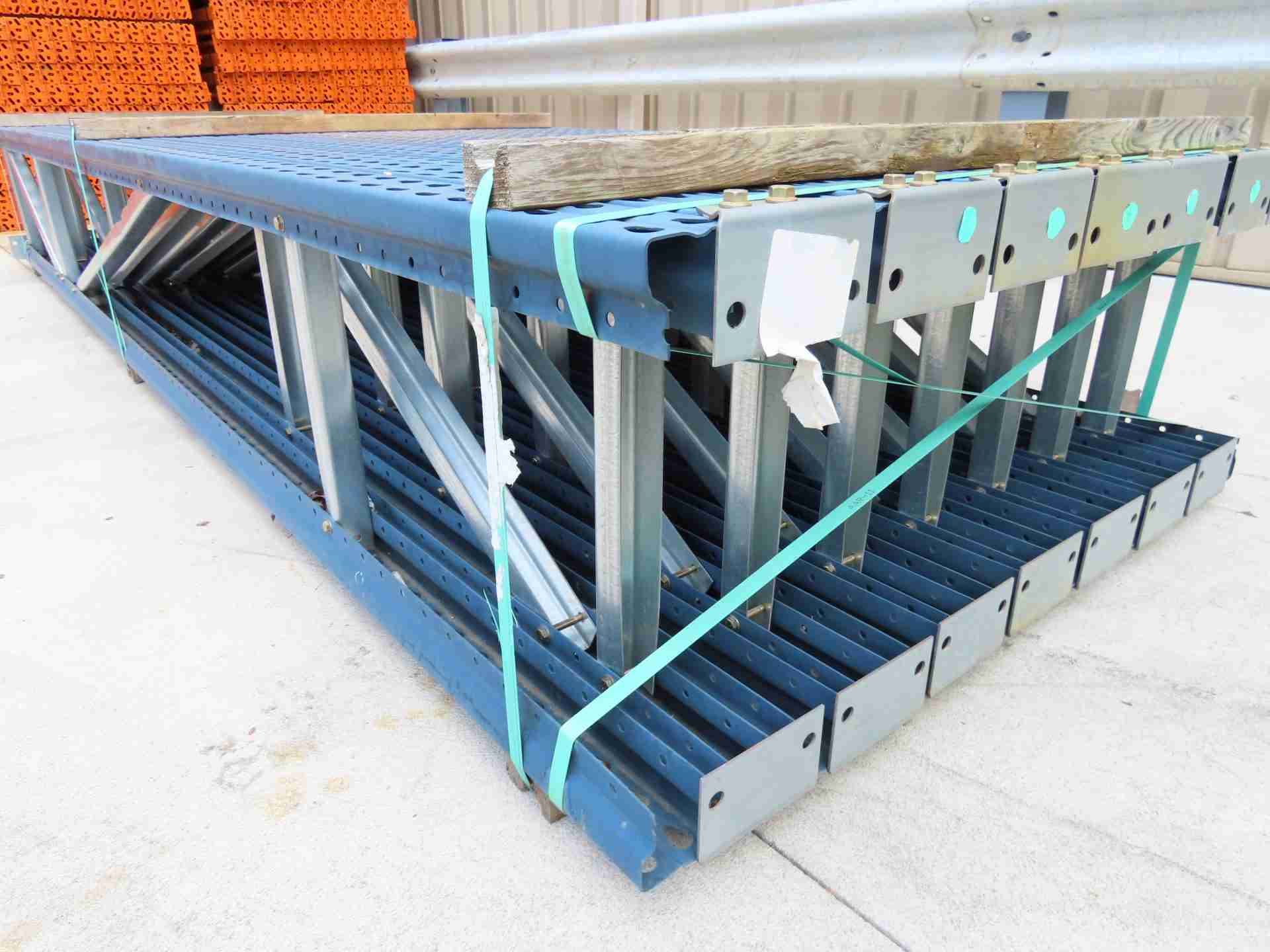
Are There Adjustable Rack Uprights Available On The Market?
What Are The Advantages Of Using Larger Rack Uprights In A Warehouse?
When it comes to maximizing storage space in a warehouse, opting for larger rack uprights can provide a number of advantages. These sturdy vertical support structures play a crucial role in the layout and organization of a warehouse, and choosing larger uprights can have a significant impact on efficiency and functionality.
One of the main advantages of using larger rack uprights is increased storage capacity. By opting for taller uprights, you can take full advantage of vertical space in your warehouse and maximize the amount of inventory that can be stored. This can help to optimize warehouse space and make more efficient use of the available square footage. With larger rack uprights, you can store more products without the need for additional floor space, allowing you to make the most of your warehouse’s footprint.
In addition to increased storage capacity, larger rack uprights can also provide greater durability and stability. The larger the uprights, the more support they can provide for heavy loads. This can help to prevent damage to both the racks and the stored inventory, reducing the risk of accidents and injuries in the warehouse. By investing in larger rack uprights, you can ensure that your warehouse storage system is strong, secure, and able to withstand the demands of day-to-day operations.
Another advantage of using larger rack uprights is improved versatility. Taller uprights can accommodate a wider range of shelving configurations and storage options, allowing you to customize your warehouse layout to better suit your specific needs. Whether you need to store bulky items, long materials, or a mix of different products, larger rack uprights can provide the flexibility to adapt to changing storage requirements. This can help to optimize workflow and make it easier to access and manage inventory in the warehouse.
Overall, opting for larger rack uprights in a warehouse can offer a range of benefits, from increased storage capacity and durability to improved versatility and efficiency. By choosing the right uprights for your warehouse’s needs, you can create a storage system that is both functional and cost-effective. So, next time you’re looking to optimize your warehouse storage space, consider the advantages of using larger rack uprights to help you get the most out of your facility.
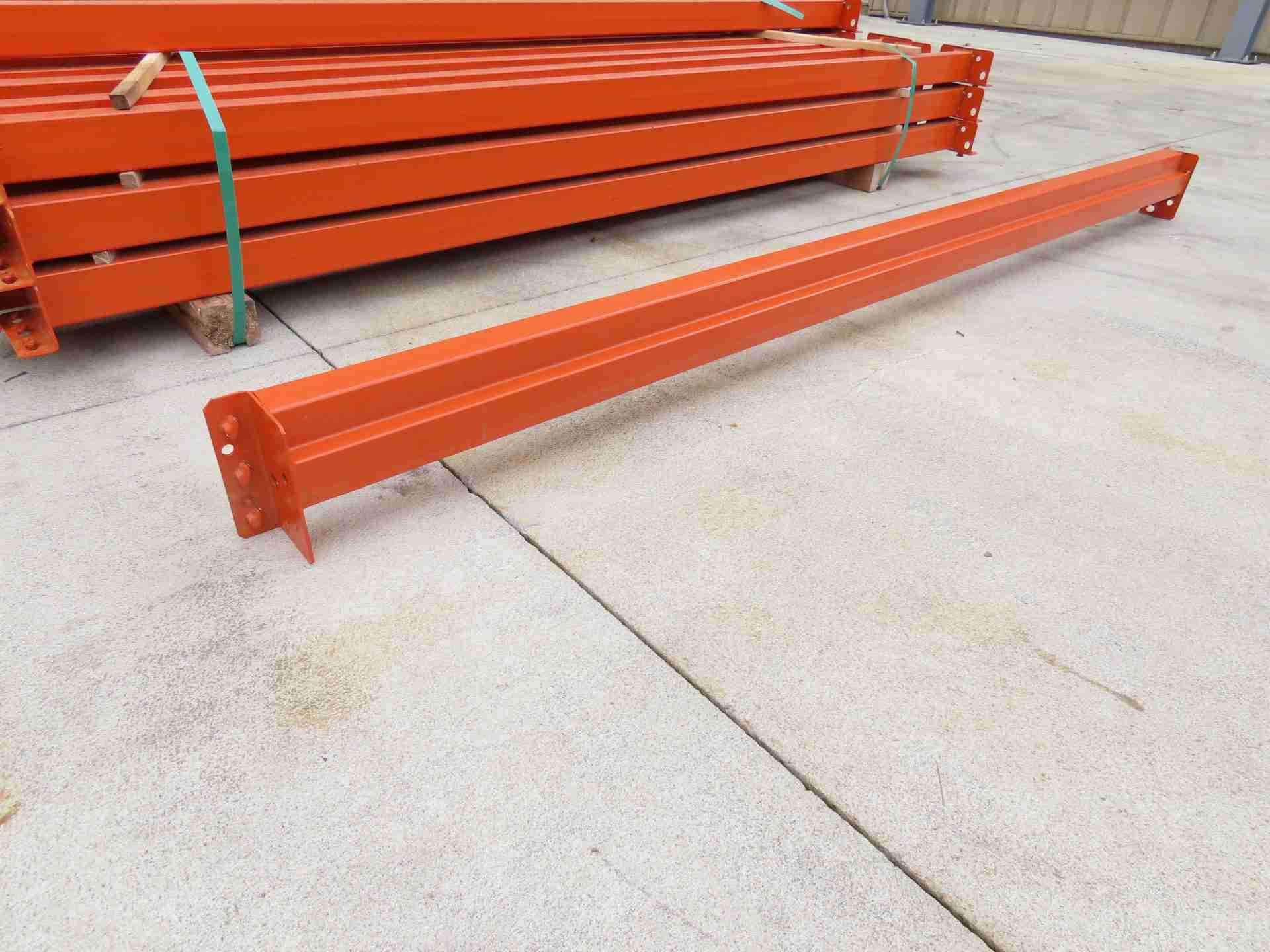
What Are The Advantages Of Using Larger Rack Uprights In A Warehouse?
What Are The Advantages Of Using Larger Rack Uprights In A Warehouse?
- Increased storage capacity by taking advantage of vertical space.
- Optimizes warehouse space and makes efficient use of square footage.
- Provides greater durability and stability for heavy loads.
- Reduces risk of damage, accidents, and injuries in the warehouse.
- Improved versatility with a wider range of shelving configurations.
- Customizable layout to better suit specific storage needs.
- Offers increased efficiency and cost-effectiveness in warehouse operations.
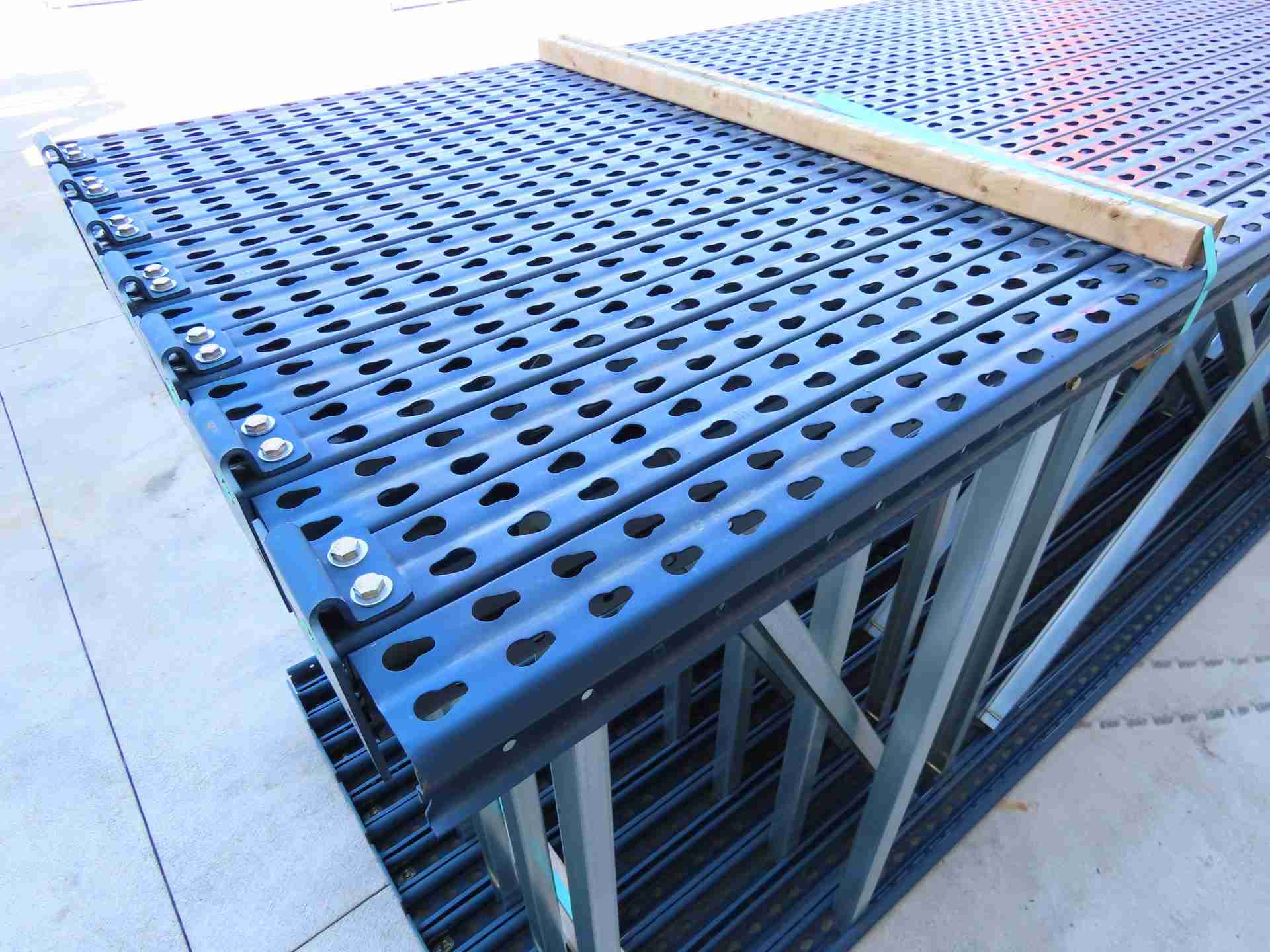
What Are The Advantages Of Using Larger Rack Uprights In A Warehouse?
What Factors Should Be Considered When Choosing Rack Upright Sizes?
When it comes to choosing rack upright sizes, there are a few factors to consider that can make all the difference in your storage solution. First and foremost, you’ll want to take into account the size and weight of the items you’ll be storing on the racks. If you plan on storing heavy items, opting for thicker, sturdier uprights is crucial to ensure the safety and stability of your storage system.
Another important factor to consider is the overall height of your storage facility. If you have limited vertical space, you may need to opt for shorter uprights to maximize your storage capacity. On the other hand, if you have plenty of room to spare, taller uprights can help you make the most of your vertical space.
Additionally, consider the layout of your storage facility. If you have narrow aisles or limited space between racks, choosing narrower uprights can help you optimize your storage layout and make it easier to access your items. Conversely, if you have wide aisles or ample space, wider uprights may be a better choice to maximize your storage capacity.
It’s also important to consider the overall weight capacity of your rack system. Make sure to choose uprights that can support the weight of your heaviest items without compromising the integrity of the system. Opting for heavier gauge steel uprights or additional reinforcements can help ensure the safety and stability of your storage solution.
Lastly, think about the future growth and expansion of your storage needs. Choosing rack upright sizes that can accommodate future additions and changes to your inventory will save you time and money in the long run. Investing in adjustable uprights or modular rack systems can help you adapt to changing storage requirements without having to replace your entire system.
When choosing rack upright sizes, it’s important to consider the size and weight of your items, the height and layout of your facility, the weight capacity of the system, and your future growth and expansion needs. By carefully evaluating these factors, you can select rack upright sizes that will best suit your storage requirements and provide a safe, efficient, and flexible storage solution for years to come.

What Factors Should Be Considered When Choosing Rack Upright Sizes?
What Factors Should Be Considered When Choosing Rack Upright Sizes?
- Consider the size and weight of items being stored.
- Take into account the height of the storage facility.
- Evaluate the layout of the storage facility.
- Consider the weight capacity of the rack system.
- Think about future growth and expansion needs.
- Choose rack upright sizes that can accommodate changes.
- Select sizes that will provide a safe, efficient, and flexible storage solution.
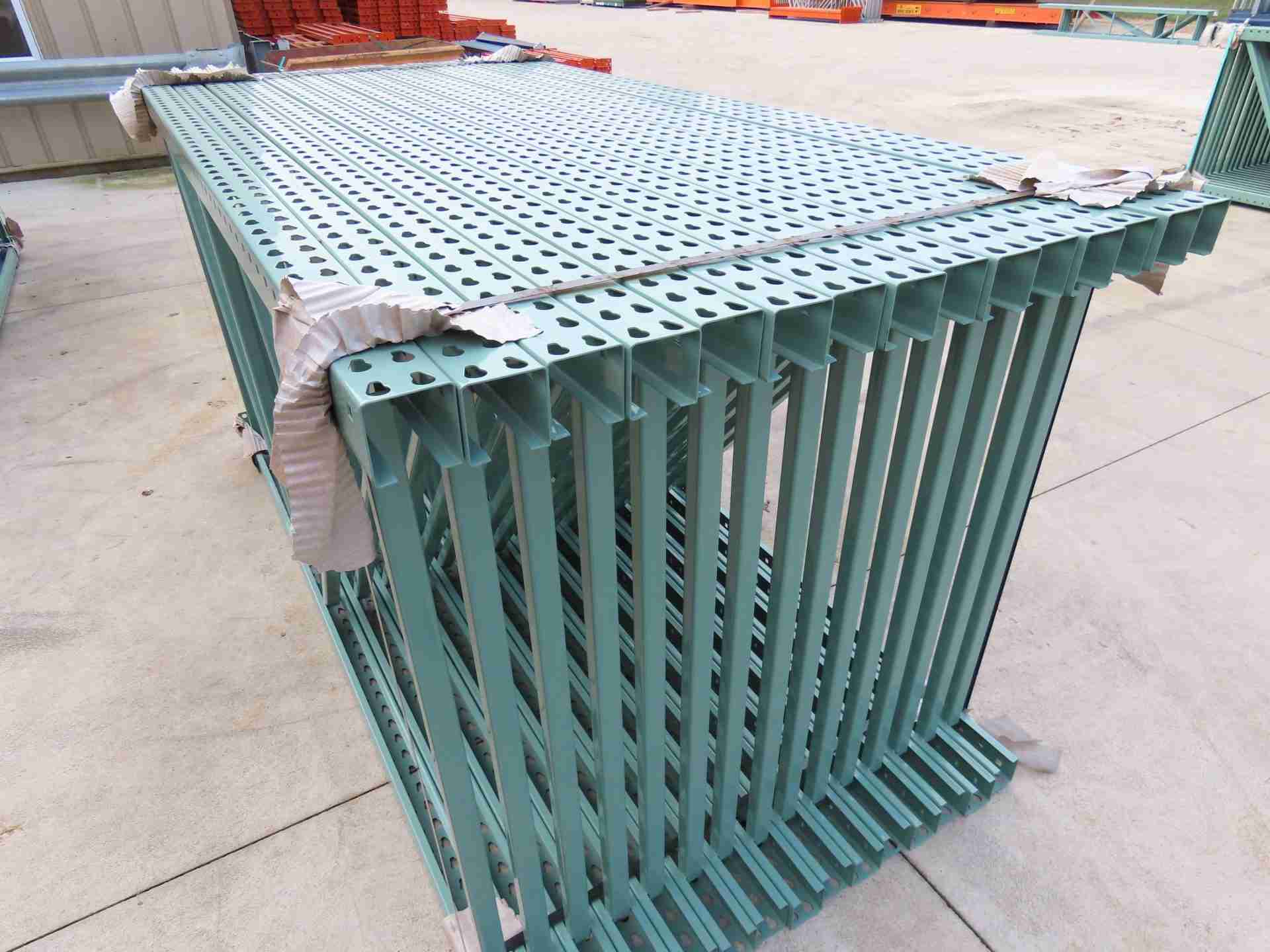
What Factors Should Be Considered When Choosing Rack Upright Sizes?
What Materials Are Warehouse Rack Uprights Typically Made From?
When it comes to warehouse rack uprights, there’s a wide variety of materials to choose from. The material used for these uprights plays a crucial role in the overall strength and durability of the storage system. Let’s take a closer look at some of the common materials used for warehouse rack uprights.
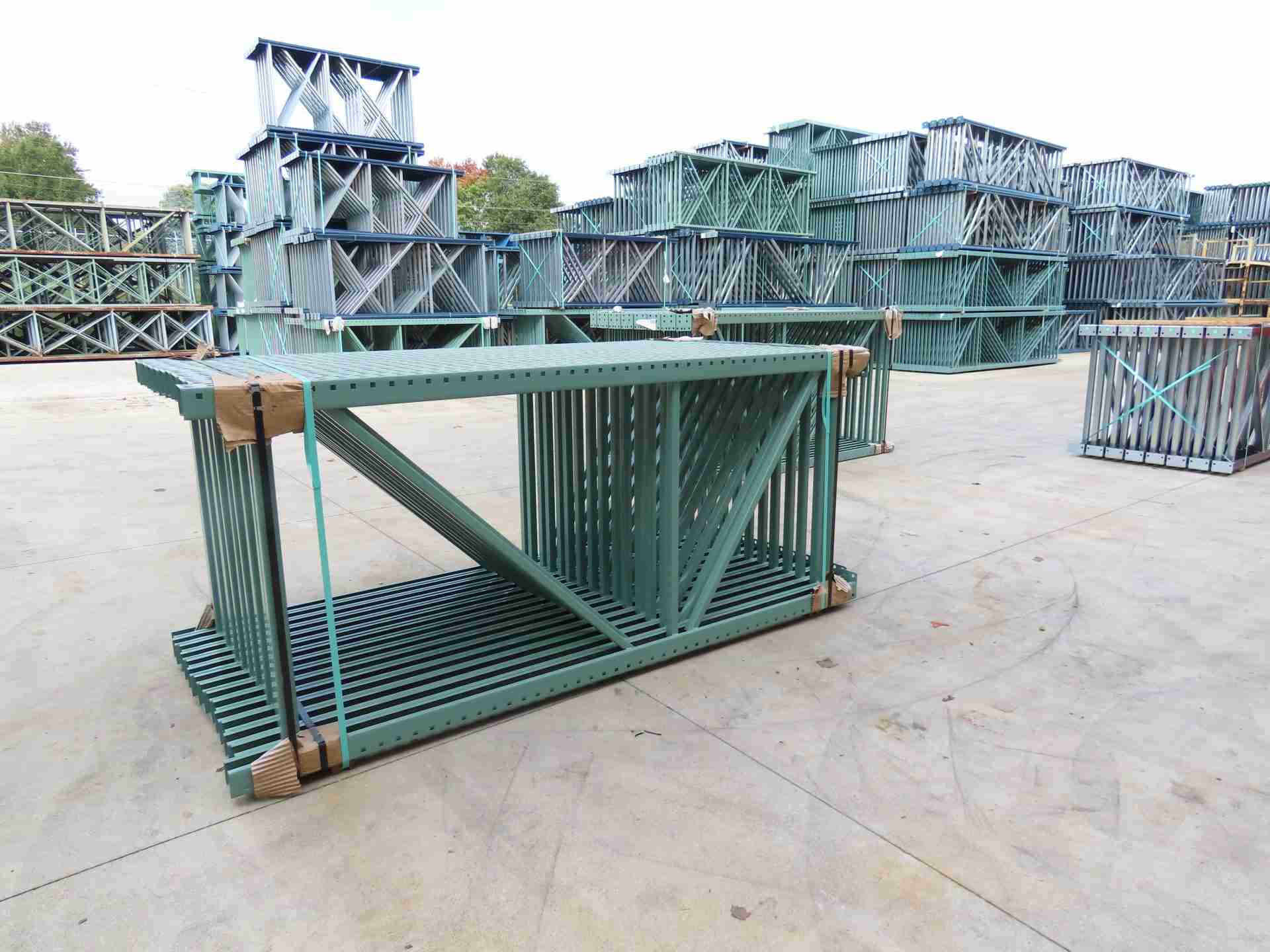
One of the most popular materials for warehouse rack uprights is steel. Steel uprights are known for their strength and durability, making them an ideal choice for heavy-duty storage applications. Steel uprights come in various thicknesses and load capacities, allowing you to customize your storage system to meet your specific needs. These uprights can withstand the rigors of daily warehouse operations, including frequent loading and unloading of heavy pallets.
Another common material used for warehouse rack uprights is aluminum. Aluminum uprights offer a lightweight alternative to steel, making them easier to install and move around. Despite their lighter weight, aluminum uprights are still incredibly strong and can support heavy loads. Additionally, aluminum is resistant to corrosion, making it a great option for warehouses with high humidity levels or exposure to moisture.
Some warehouse rack uprights are constructed from a combination of materials, such as steel and wood. These hybrid uprights offer the strength and durability of steel, combined with the natural aesthetics of wood. Wood uprights are often used in retail environments or other settings where appearance is important. While not as common as steel or aluminum, wood uprights can still provide reliable support for storage racks.
Fiberglass is another material that is sometimes used for warehouse rack uprights. Fiberglass uprights are lightweight, yet incredibly strong, making them a suitable option for environments where weight is a concern. Additionally, fiberglass is resistant to corrosion and can withstand exposure to harsh chemicals, making it an excellent choice for warehouses with specific storage requirements.
Warehouse rack uprights are typically made from a variety of materials, each offering its own benefits and advantages. Whether you choose steel for its strength, aluminum for its lightweight properties, or a hybrid material for a combination of both, the material of your uprights will play a significant role in the performance and longevity of your storage system. Consider your specific storage needs and environmental factors when selecting the material for your warehouse rack uprights to ensure optimal performance and durability.
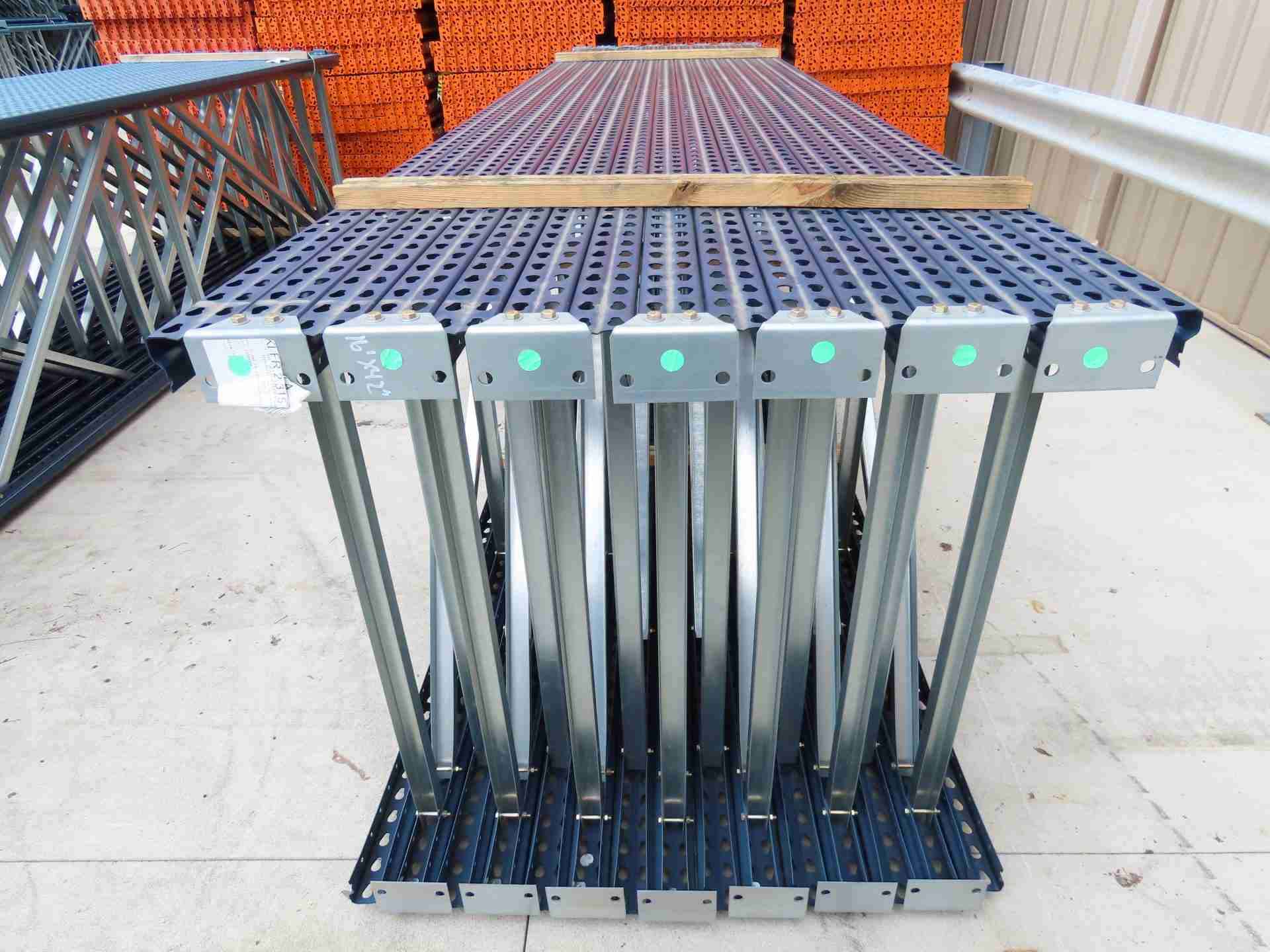
What Materials Are Warehouse Rack Uprights Typically Made From?
What Materials Are Warehouse Rack Uprights Typically Made From?
- Steel uprights are known for their strength and durability, ideal for heavy-duty storage.
- Aluminum uprights offer a lightweight alternative to steel, still strong and resistant to corrosion.
- Hybrid uprights combine the strength of steel with the aesthetics of wood, suitable for retail environments.
- Fiberglass uprights are lightweight, strong, corrosion-resistant, and suitable for environments with specific storage requirements.
- Choosing the right material for warehouse rack uprights is crucial for performance and longevity.
- Consider specific storage needs and environmental factors when selecting the material.
What Materials Are Warehouse Rack Uprights Typically Made From?
What Factors Should Be Considered When Selecting Upright Sizes?
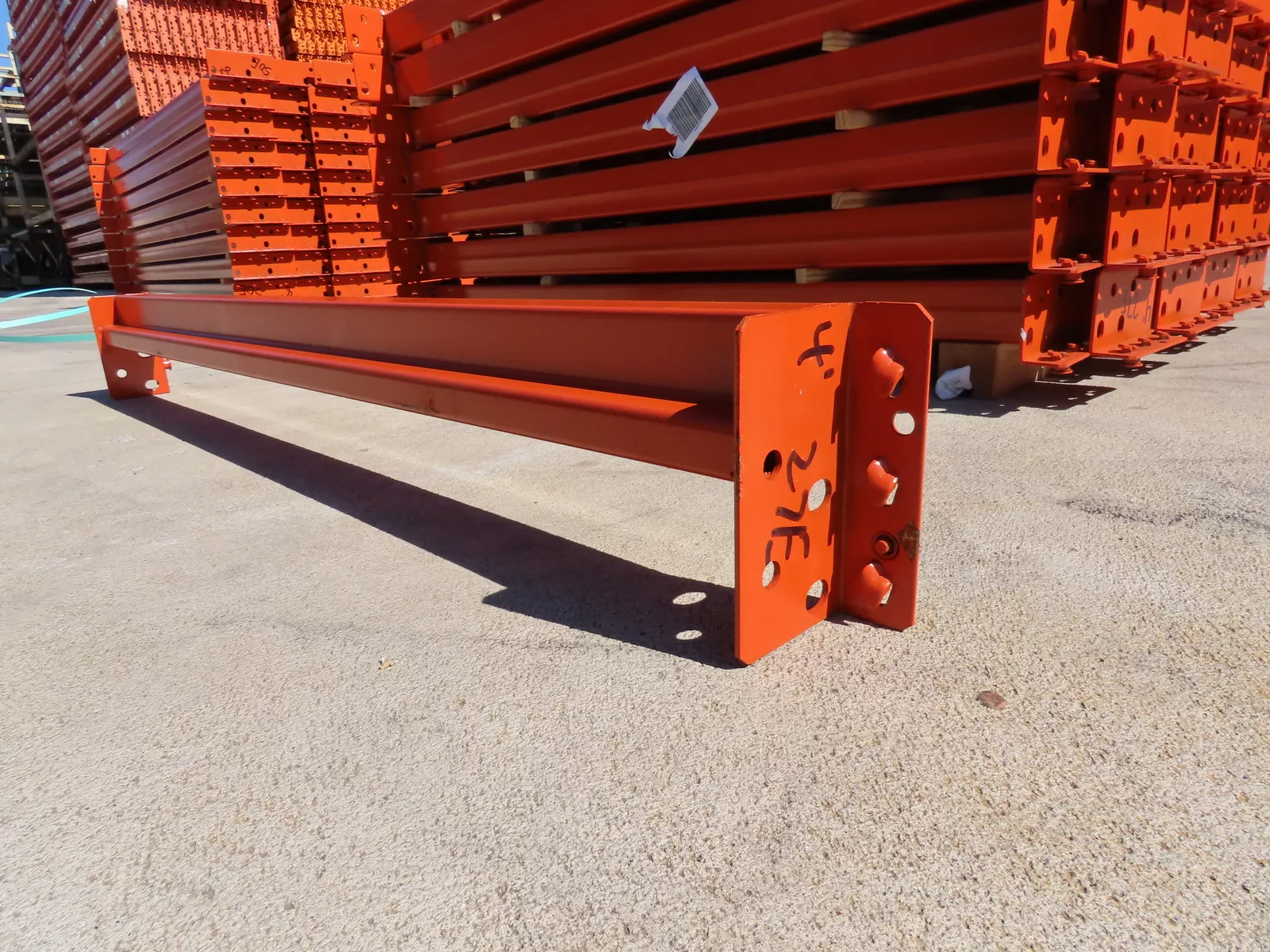
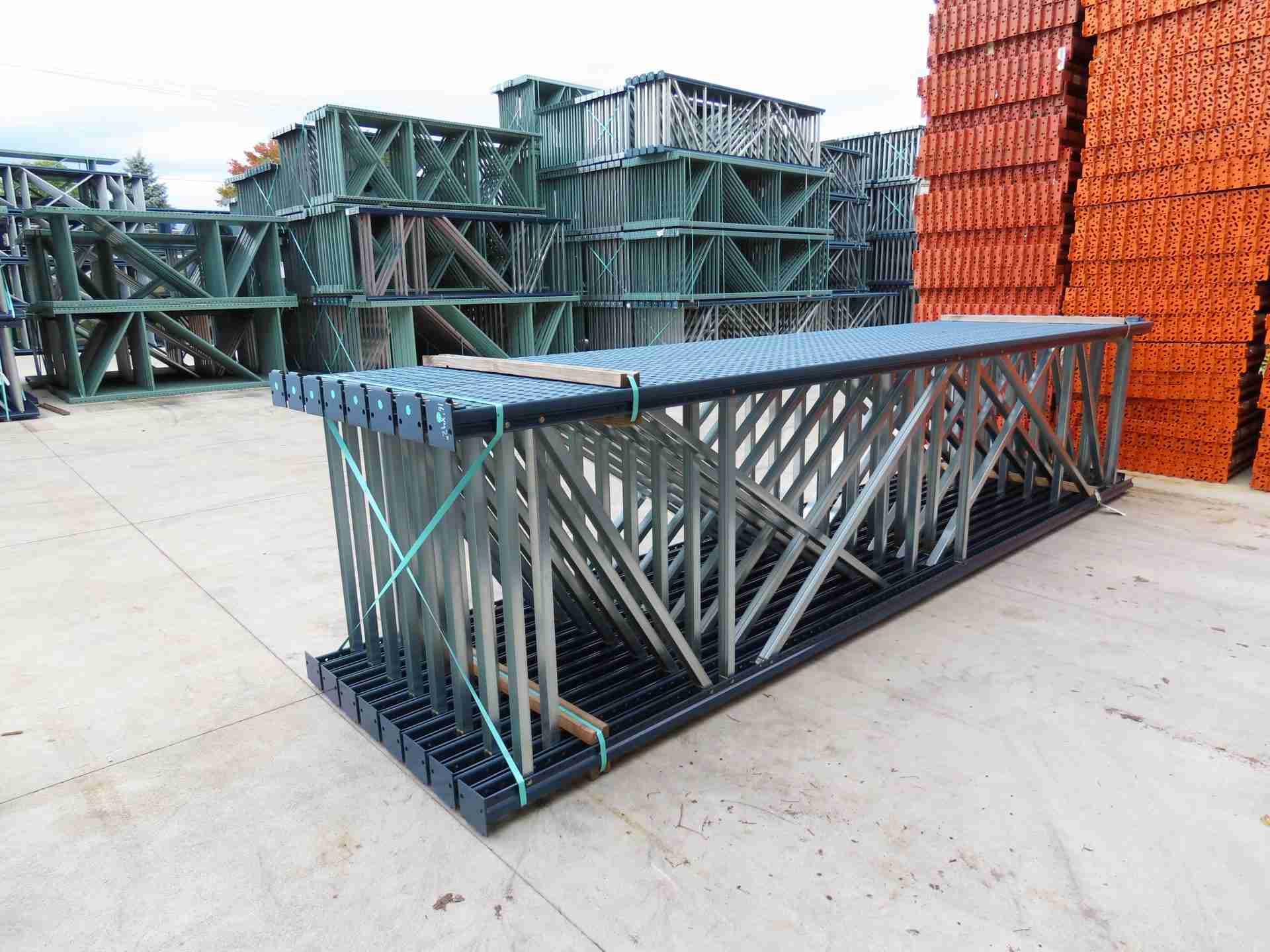
When it comes to selecting upright sizes, there are a few key factors that should be taken into consideration to ensure you are getting the right fit for your needs.
First and foremost, you’ll want to think about the size of the space where the upright will be placed. It’s important to measure the height, width, and depth of the area to ensure that the upright will fit without obstructing any doorways or walkways. You don’t want to end up with a piece of furniture that overwhelms the room or makes it difficult to move around comfortably.
Next, think about the capacity of the upright and how much weight it will be expected to hold. If you plan on storing heavy items like books or electronics, you’ll want to make sure the shelves are sturdy enough to support the weight without bowing or collapsing. Look for uprights that are made from durable materials like solid wood or metal for added strength and stability.
Consider the number and size of the items you will be storing on the upright. If you have a large collection of books, for example, you may want to look for an upright with adjustable shelves to accommodate different sizes. If you plan on displaying decorative items like vases or framed photos, you’ll want to make sure there is enough space between each shelf to showcase your belongings without overcrowding them.
Think about the style and aesthetic of the room where the upright will be placed. You’ll want to choose a design that complements the existing décor and adds to the overall ambiance of the space. Whether you prefer a modern minimalist look or a more traditional feel, there are uprights available in a wide range of styles and finishes to suit your personal taste.
Overall, selecting the right upright size involves a careful balance of practical considerations and personal preferences. By taking the time to think about the dimensions of the space, the weight capacity, the storage needs, and the style of the room, you can ensure that you choose an upright that not only fits perfectly but also enhances the functionality and look of your home.
What Factors Should Be Considered When Selecting Upright Sizes?
What Factors Should Be Considered When Selecting Upright Sizes?
- Consider the size of the space where the upright will be placed.
- Measure the height, width, and depth to ensure proper fit.
- Check capacity and weight-bearing capabilities.
- Look for sturdy materials like solid wood or metal.
- Think about the number and size of items to be stored.
- Consider the style and aesthetic of the room.
- Balance practical considerations and personal preferences for the best fit.
What Factors Should Be Considered When Selecting Upright Sizes?
How Does The Height Of Uprights Impact Warehouse Storage Capacity?
Have you ever stopped to consider just how important the height of the uprights in a warehouse can be when it comes to maximizing storage capacity? It might seem like a small detail, but in reality, it can make a significant difference in the overall efficiency of your operation.
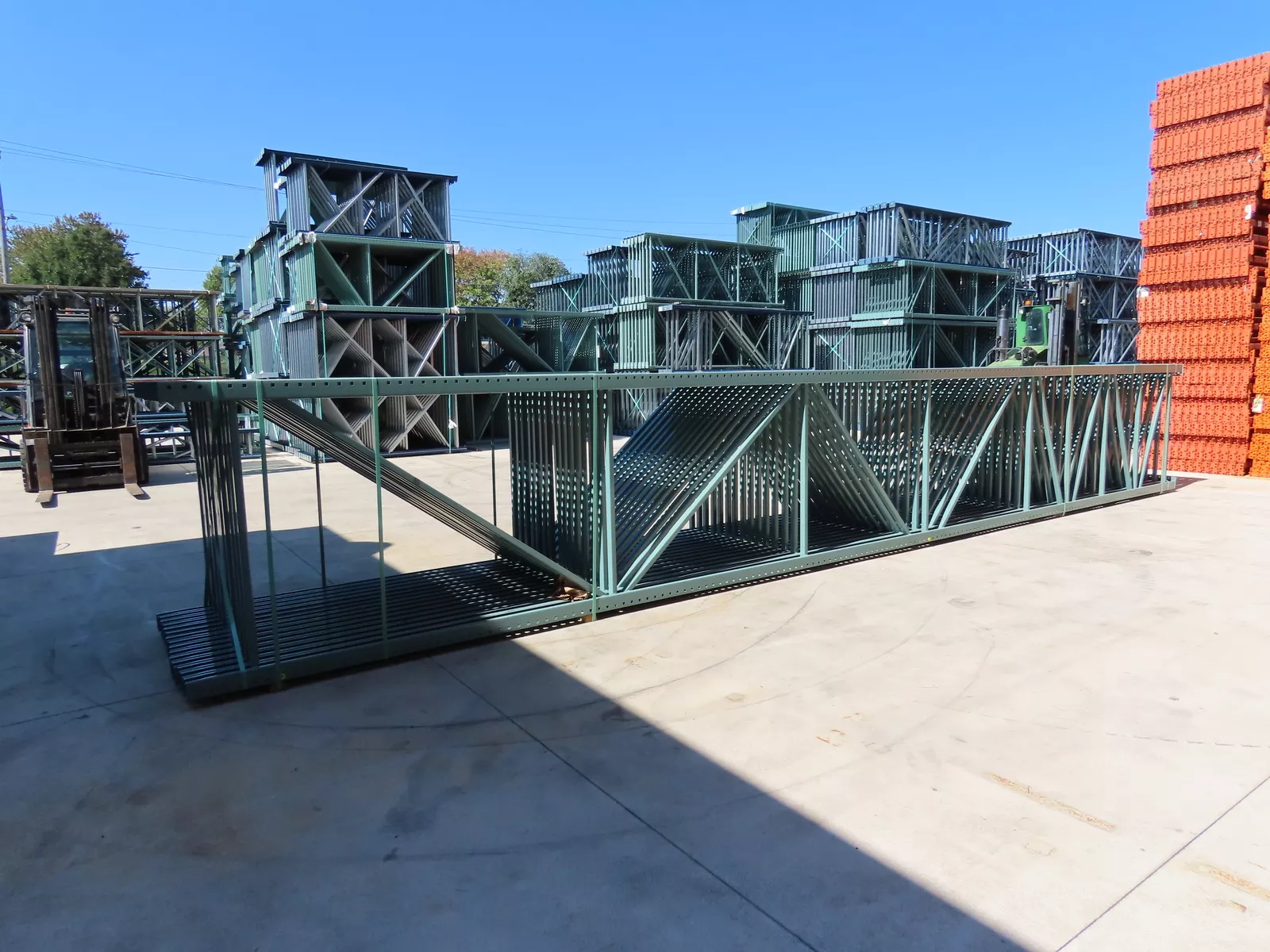
When it comes to warehouse storage, every inch counts. The height of the uprights in your warehouse not only determines how many shelves you can stack on top of each other, but it also plays a crucial role in determining the overall storage capacity of your facility. Simply put, taller uprights mean more vertical space for storage.
By using taller uprights, you can take advantage of all available space in your warehouse, from floor to ceiling. This means you can maximize the use of your vertical space and store more products or inventory in the same footprint. With rising real estate costs and the constant pressure to increase storage capacity, utilizing the vertical space in your warehouse is essential.
But, it’s important to remember that simply raising the height of your uprights isn’t the only factor to consider when looking to increase storage capacity. You’ll also need to take into account the weight-bearing capacity of your shelves and the overall stability of your racking system. After all, the last thing you want is for your shelves to collapse due to overloading.
Additionally, taller uprights can also impact the efficiency of your warehouse operations. With taller storage shelves, you may need specialized equipment or additional safety measures to access higher shelves. This can result in increased time and labor costs, as well as potential safety concerns.
Ultimately, the height of the uprights in your warehouse is a crucial element to consider when it comes to maximizing storage capacity. By carefully evaluating the benefits and limitations of taller uprights, you can make informed decisions that will help you make the most of your warehouse space.
So, next time you’re evaluating your warehouse storage capacity, don’t overlook the importance of the height of your uprights. By finding the right balance between height, stability, and efficiency, you can create a storage system that not only maximizes space but also helps streamline your operations.

How Does The Height Of Uprights Impact Warehouse Storage Capacity?
How Does The Height Of Uprights Impact Warehouse Storage Capacity?
- The height of the uprights in a warehouse is crucial for maximizing storage capacity.
- Every inch counts when it comes to warehouse storage.
- Taller uprights allow for more vertical space for storage.
- Using taller uprights helps maximize the use of vertical space in a warehouse.
- Consider weight-bearing capacity and stability when increasing storage capacity.
- Taller uprights may require specialized equipment and safety measures for accessing higher shelves.
- Balance height, stability, and efficiency to create an effective storage system.
How Does The Height Of Uprights Impact Warehouse Storage Capacity?
Are There Any Industry Standards For Rack Upright Sizes?
When it comes to the sizes of rack uprights in the industrial storage industry, there are no strict industry standards that dictate a specific size for every rack. Instead, the size of the rack uprights can vary depending on the manufacturer, the type of rack being used, and the specific storage needs of the warehouse or facility.
That being said, there are some common sizes that are often used in the industry. The most common widths for rack uprights are 3 inches, 3.5 inches, and 4 inches, with the height of the uprights typically ranging from 8 feet to 30 feet. These sizes provide a good balance between strength and durability, while still allowing for flexibility in storage configurations.
However, it’s important to note that these are just common sizes, and there are many variations available depending on the specific requirements of the storage system. Some racks may require thicker uprights for increased load capacity, while others may need shorter uprights to fit in a confined space. Ultimately, the size of the rack uprights should be determined based on the specific needs of the facility and the type of products being stored.
One important factor to consider when selecting the size of rack uprights is the load capacity of the racks. The size and thickness of the uprights will play a key role in determining how much weight the racks can safely support. It’s important to choose uprights that are strong enough to support the weight of the products being stored, while also ensuring that the racks are stable and secure.
In addition to load capacity, the size of the rack uprights can also impact the overall layout and efficiency of the storage system. Smaller uprights may allow for more shelves to be added to the racks, increasing the storage capacity of the system. On the other hand, larger uprights may provide more stability and durability, especially for heavier loads.
While there are no strict industry standards for rack upright sizes, there are common sizes that are often used in the industrial storage industry. The size of the rack uprights should be determined based on the specific needs of the facility, including load capacity, space constraints, and storage requirements. By selecting the right size of rack uprights, businesses can ensure that their storage system is safe, efficient, and optimized for their unique storage needs.
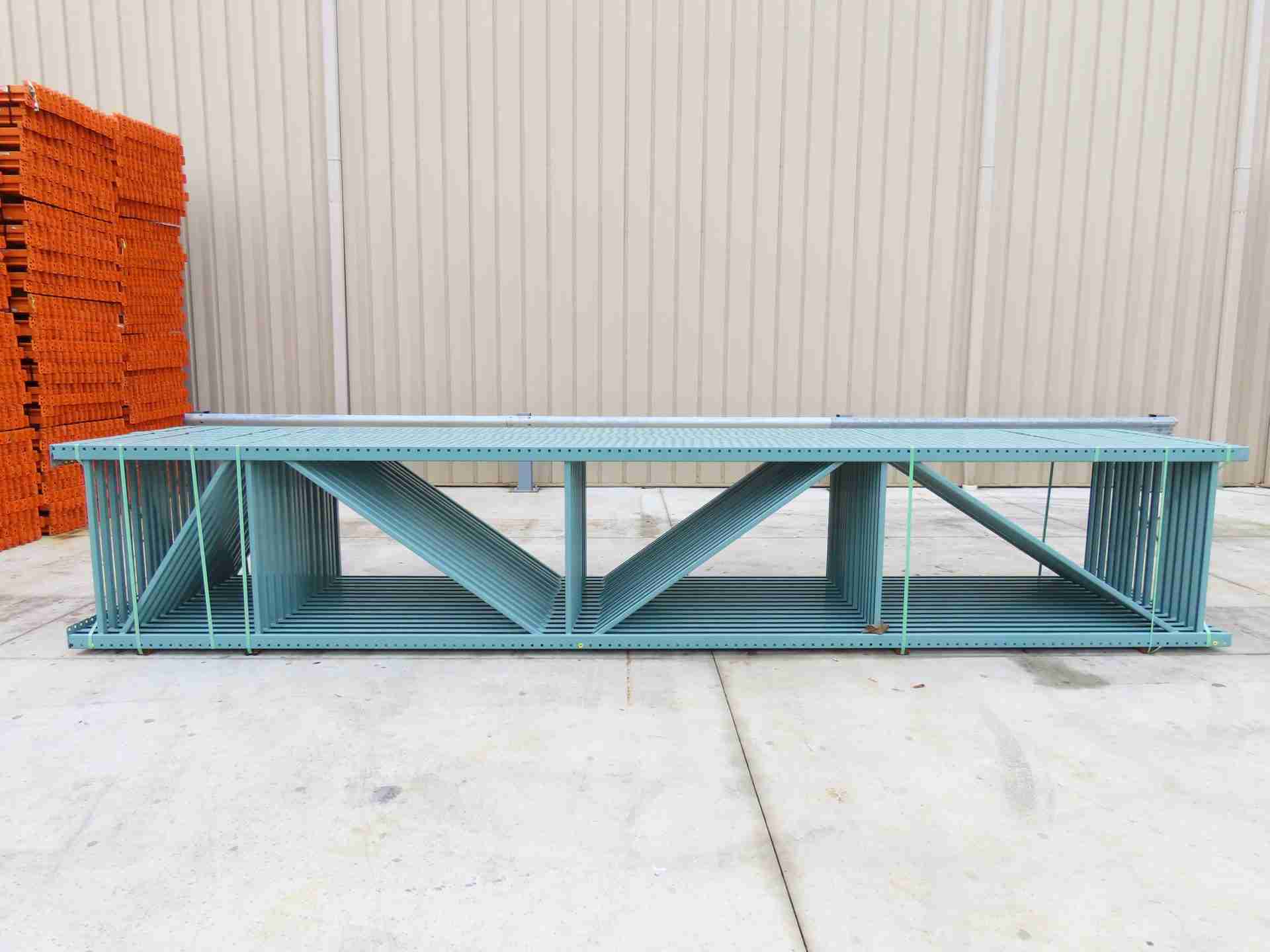
Are There Any Industry Standards For Rack Upright Sizes?
Are There Any Industry Standards For Rack Upright Sizes?
- There are no strict industry standards for rack upright sizes.
- Common widths for rack uprights are 3 inches, 3.5 inches, and 4 inches.
- Height of uprights typically ranges from 8 feet to 30 feet.
- Upright sizes balance strength and durability while allowing for flexibility.
- Size of rack uprights should be determined based on specific needs of facility and products being stored.
- Uprights’ size and thickness play a key role in determining load capacity.
- Choosing the right size of rack uprights ensures safety, efficiency, and optimization of storage system.
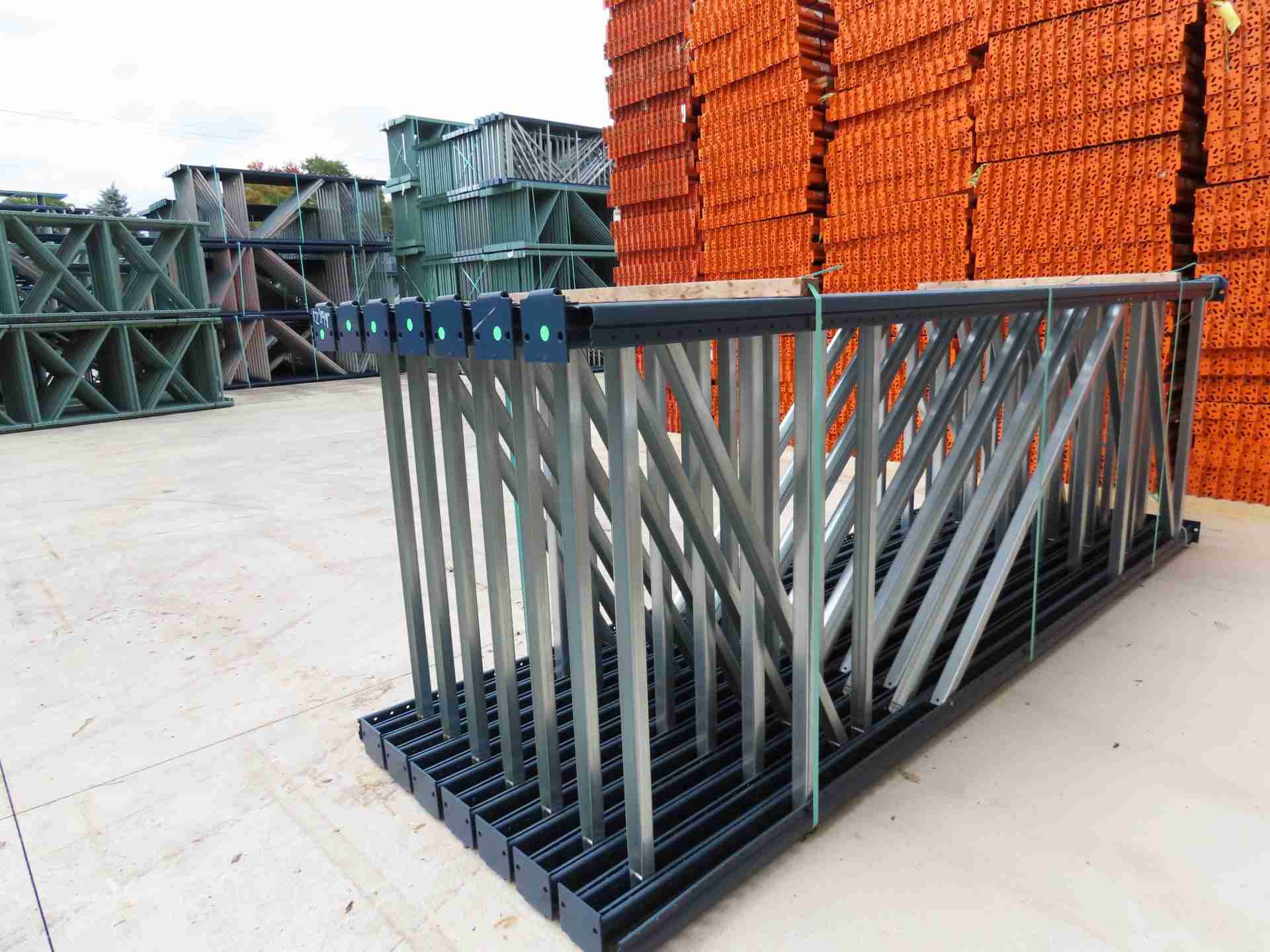
Are There Any Industry Standards For Rack Upright Sizes?
How Can Adjusting Upright Sizes Lead To Better Warehouse Organization?
Have you ever walked into a warehouse and felt overwhelmed by the chaotic jumble of products stacked haphazardly on shelves of varying heights? It’s a common sight in many warehouses, but it doesn’t have to be that way. One simple solution that can make a world of difference in warehouse organization is adjusting the sizes of uprights.
When upright sizes are uniform throughout the warehouse, it not only creates a cleaner and more visually appealing space, but it also leads to better organization and efficiency. Think of it like organizing your closet – when you have shelves of the same height, it’s much easier to keep things neat and tidy. The same principle applies in a warehouse setting.
By standardizing upright sizes, you create a more uniform and streamlined appearance. This makes it easier for workers to quickly locate and retrieve items, reducing the time spent searching for products. It also makes it easier to implement labeling systems and other organizational tools, further improving efficiency and reducing errors.
In addition, adjusting upright sizes can maximize the use of vertical space in the warehouse. By ensuring that shelves are at the optimal height for storing products, you can make the most of the available space and increase storage capacity. This can be particularly beneficial for warehouses that are tight on space or looking to expand their storage capabilities without needing to move to a larger facility.
Furthermore, standardized upright sizes can improve safety in the warehouse. When shelves are all at the same height, it reduces the risk of items falling or shelves collapsing due to uneven weight distribution. This creates a safer working environment for employees and reduces the potential for accidents or injuries.
Overall, adjusting upright sizes may seem like a small and simple change, but it can have a big impact on warehouse organization. By creating a more uniform and efficient layout, you can improve productivity, reduce errors, maximize space, and enhance safety. So, next time you walk into a warehouse and see a disorganized mess, remember that a few adjustments to upright sizes could make all the difference.
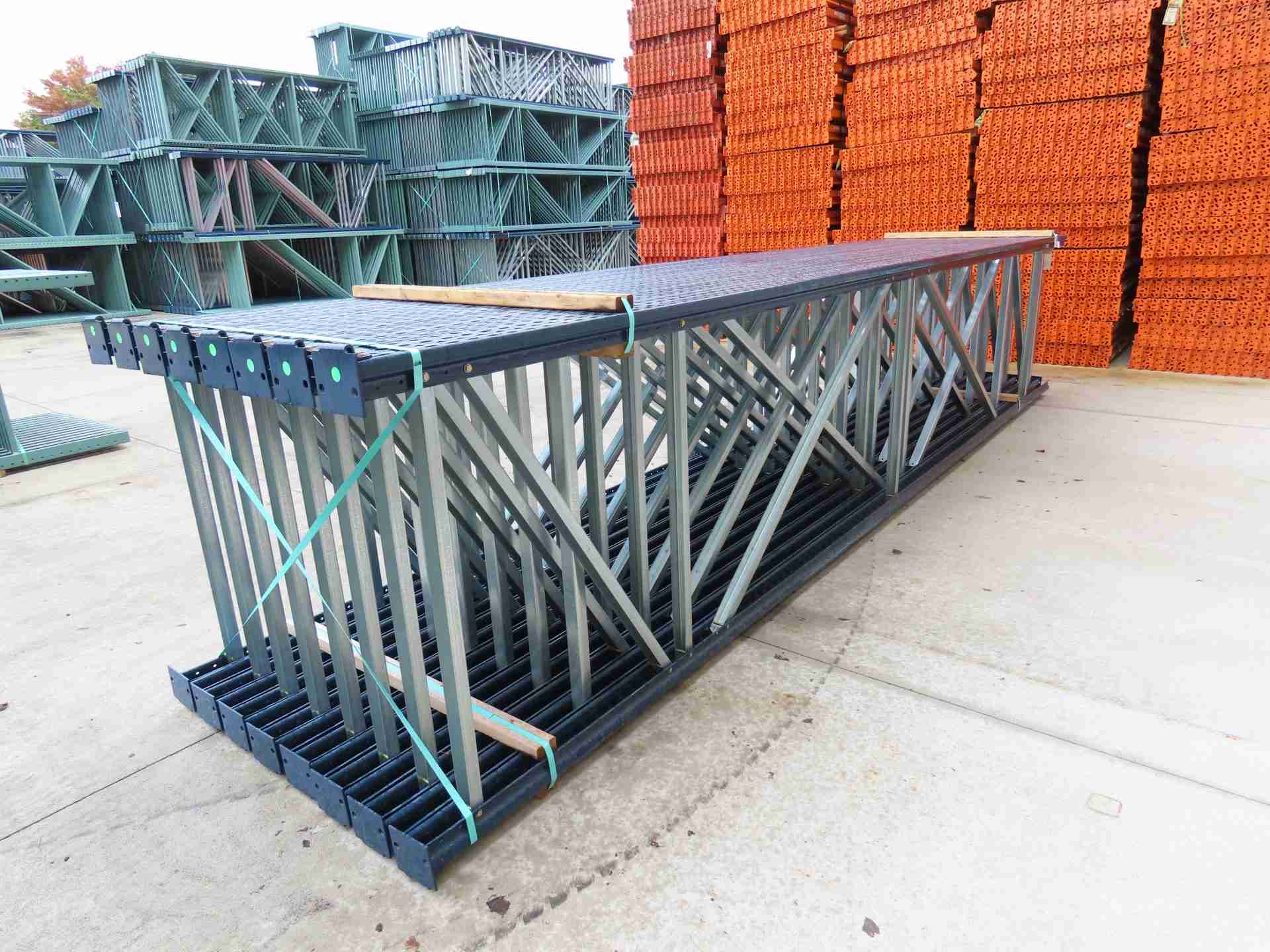
How Can Adjusting Upright Sizes Lead To Better Warehouse Organization?
How Can Adjusting Upright Sizes Lead To Better Warehouse Organization?
- Adjusting the sizes of uprights can improve warehouse organization.
- Uniform upright sizes create a cleaner and more visually appealing space.
- Standardizing upright sizes leads to better organization and efficiency.
- Standardized upright sizes make it easier to locate and retrieve items.
- Maximizing vertical space by adjusting upright sizes increases storage capacity.
- Standardized upright sizes improve safety by reducing the risk of accidents.
- Adjusting upright sizes can have a big impact on warehouse organization, improving productivity, reducing errors, maximizing space, and enhancing safety.
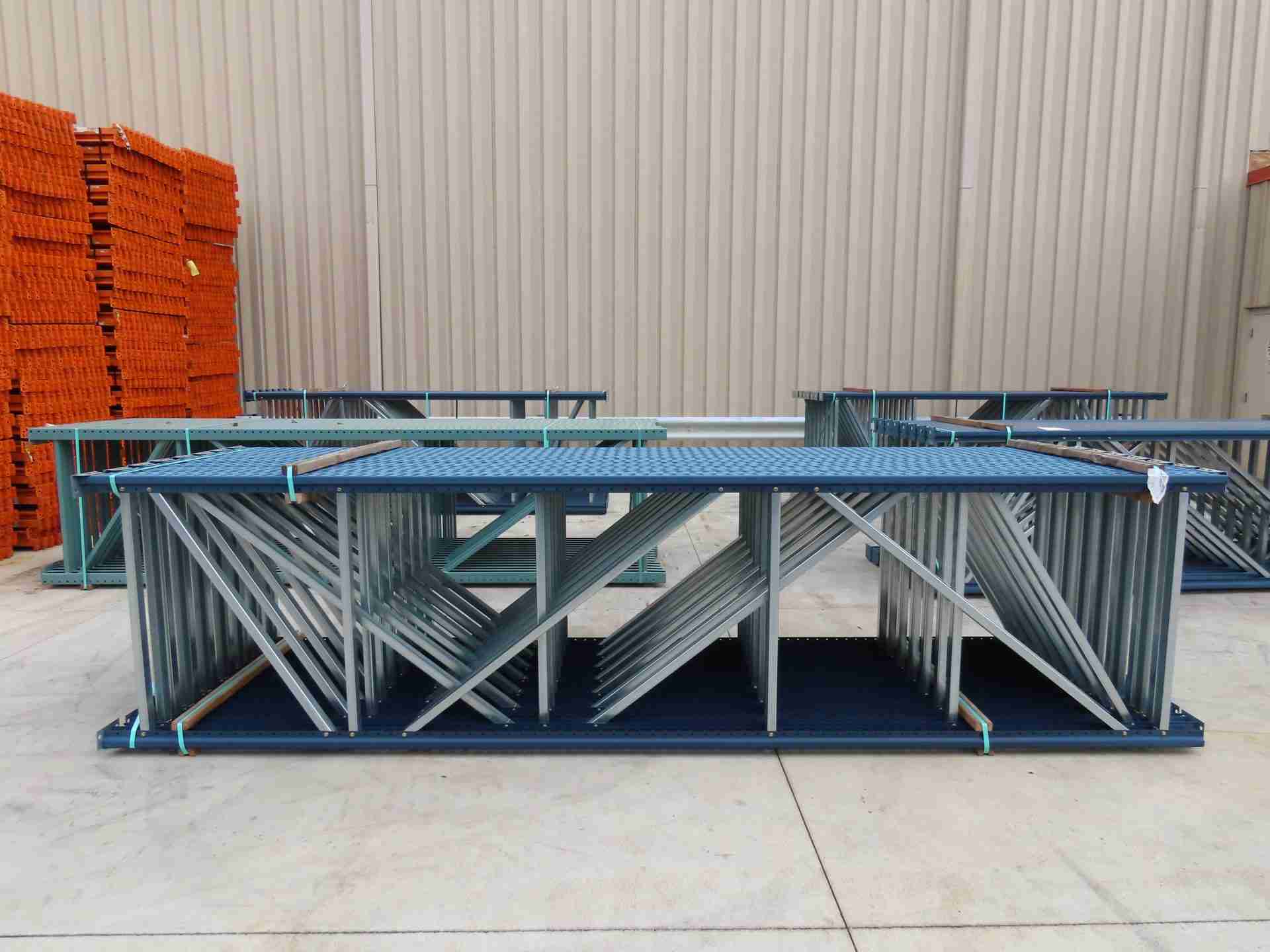
How Can Adjusting Upright Sizes Lead To Better Warehouse Organization?
How Do Load Capacity Requirements Influence Upright Size Selection?
When it comes to selecting the right upright size for your shelving unit, one of the most important factors to consider is the load capacity requirements. Simply put, the load capacity refers to the maximum amount of weight that the shelving unit can safely hold without risk of collapsing or causing damage.
It’s crucial to carefully assess the load capacity requirements for your specific storage needs in order to avoid potential safety hazards and ensure the longevity of your shelving unit. Overloading a shelving unit can result in it bending, buckling, or even collapsing under the weight, which can not only damage your stored items but also pose a serious risk to anyone in the vicinity.
When determining the appropriate upright size for your shelving unit based on its load capacity requirements, there are a few key things to consider. First and foremost, you’ll need to take into account the weight of the items you plan to store on the unit. This includes not only the weight of the individual items but also the total weight of all items combined. It’s always a good idea to err on the side of caution and choose an upright size that can safely accommodate a higher load capacity than you initially anticipate needing.
Additionally, it’s important to consider the distribution of weight on the shelves. Unevenly distributed weight can put undue stress on certain parts of the shelving unit, potentially compromising its structural integrity. Be sure to evenly distribute weight across the shelves and avoid placing heavy items on only one side of the unit.
Another factor to keep in mind when selecting an upright size based on load capacity requirements is the material and construction of the shelving unit. Different materials have different weight capacities, so be sure to choose a material that can safely support the weight of your items. Additionally, consider the overall design and construction of the unit, as this can also impact its load capacity.
When it comes to selecting the right upright size for your shelving unit, load capacity requirements play a critical role. By carefully assessing your storage needs, distributing weight evenly, and choosing a sturdy material and construction, you can ensure that your shelving unit is safely and effectively able to meet your needs for years to come.
How Do Load Capacity Requirements Influence Upright Size Selection?
How Do Load Capacity Requirements Influence Upright Size Selection?
- Load capacity is crucial when selecting upright size for shelving units.
- Assess load capacity requirements to avoid safety hazards and damage.
- Consider weight of items, distribution of weight, and material/construction of unit.
- Choose an upright size that can safely accommodate higher load capacity.
- Evenly distribute weight across shelves to ensure structural integrity.
- Choose a material that can safely support the weight of stored items.
- By carefully assessing storage needs and selecting a sturdy unit, ensure longevity and safety.
How Do Load Capacity Requirements Influence Upright Size Selection?
Conclusion
In conclusion, the standard sizes for warehouse rack uprights play a crucial role in maximizing storage space and efficiency in any warehouse setting. By carefully considering factors such as weight capacity, spacing, and customization options, businesses can create reliable and efficient storage systems that meet their specific needs. From determining the right upright size for your warehouse to understanding how load capacity requirements influence selection, every decision plays a part in creating a safe and organized storage solution.
Adjusting upright sizes can lead to better warehouse organization, improve safety, and maximize vertical space utilization. By standardizing upright sizes, businesses can create a more uniform and visually appealing space, making it easier to locate and retrieve items quickly. Additionally, load capacity requirements are essential in selecting the appropriate upright size to ensure the shelving unit can safely support the weight of stored items.
While there are no strict industry standards for rack upright sizes, common sizes such as 3 inches, 3.5 inches, and 4 inches are often used in the industrial storage industry. However, the specific sizing should be based on the facility’s requirements and the type of products being stored. By carefully evaluating the benefits and limitations of different sizes, businesses can create a well-organized, efficient, and safe storage system that meets their unique storage needs. Remember, even small adjustments to upright sizes can have a significant impact on warehouse efficiency and organization. So, next time you’re considering your warehouse storage capacity, take the time to evaluate the upright sizes and make informed decisions that will benefit your business in the long run.
Conclusion
Conclusion:
- The standard sizes for warehouse rack uprights are crucial for maximizing storage space and efficiency.
- Carefully considering factors such as weight capacity, spacing, and customization options is important.
- Adjusting upright sizes can lead to better warehouse organization, improved safety, and maximize vertical space utilization.
- Standardizing upright sizes can create a more uniform and visually appealing space.
- Load capacity requirements are essential in selecting the appropriate upright size.
- Common sizes such as 3 inches, 3.5 inches, and 4 inches are often used in the industrial storage industry.
- Small adjustments to upright sizes can have a significant impact on warehouse efficiency and organization.

Conclusion
Other Resources

Other Resources
Here is a list of other resources you can review online to learn more:
- “BR Interlock Pallet Racking 2009 en PDF”
- “Storage Solutions Catalog – V E S T I L D O”
- “Experimental assessment of the seismic behavior …”
- “Untitled – Untitled”
- “Assessment of the seismic behaviour of braced steel …”

Other Resources
Glossary Terms
What Are The Standard Sizes for Warehouse Rack Uprights? – Glossary Of Terms
1. Upright: Vertical support structure in a warehouse rack system that bears the load from shelves and items.
2. Beam: Horizontal component that connects uprights and holds the shelving or pallets.
3. Depth: Measurement from the front to the back of an upright, typically ranging from 24 to 60 inches.
4. Height: Vertical measurement of an upright, ranging from 8 feet to over 30 feet.
5. Width: The horizontal distance between the outside edges of the upright columns, often between 36 and 144 inches.
6. Frame: Entire upright structure including columns and bracing.
7. Column: Individual vertical elements of an upright, usually made from steel.
8. Gusset Plate: Reinforcing plate used to strengthen the connection between beams and uprights.
9. Load Capacity: Maximum weight an upright can support, typically measured in pounds (lbs) or kilograms (kg).
10. Gauge: Thickness of steel used in uprights; lower gauge numbers denote thicker steel (e. g. , 12 gauge).
11. Footplate: Base plate that anchors uprights to the floor for stability.
12. Pallet Rack: Type of rack used primarily for storing palletized goods.
13. Teardrop Design: Common hole punching pattern in uprights for easy adjustment and compatibility with beams.
14. Boltless Rack: Rack system assembled without the need for nuts and bolts, allowing for easier setup.
15. Roll-Formed Upright: Lighter weight but strong upright, made from continuous sheet metal formed into shape.
16. Structural Upright: Heavy-duty upright, made by welding thick steel sections together, for robust applications.
17. Wire Decking: Metal grid used on beams to support non-palletized goods.
18. Mezzanine: Elevated platform creating additional storage levels above the warehouse floor.
19. Aisle Width: Space between parallel rows of racks, affects forklift accessibility.
20. Bay: Section of racking between two uprights.
21. Cross Bracing: Diagonal supports within the frame to prevent rack swaying.
22. Safety Pin: Device used to lock beams into place on uprights, preventing accidental dislocation.
23. Backer: Additional vertical support placed behind the main upright for reinforcement.
24. Step Beam: Type of beam with a ledge to support wire decking or shelf panels.
25. Clip: Fastening device used to connect beams to uprights.
26. Cantilever Rack: Rack with arms extending out from a support frame, used for storing long items like lumber.
27. Frame Depth: Distance the upright frame extends from the front to the rear.
28. Rack Height: Total vertical dimension of the assembled rack.
29. Bolt-In Rack: Rack system assembled with bolts for a stronger, more permanent installation.
30. Zinc Coating: Protective layer applied to steel uprights to prevent rust and corrosion, enhancing durability.
These terms provide a foundational understanding of the components and dynamics involved in warehouse rack uprights and their various sizes and configurations.

Glossary Of Terms
Other Questions
What Are The Standard Sizes for Warehouse Rack Uprights? – Other Questions
If you wish to explore and discover more, consider looking for answers to these questions:
- What are some common brands or manufacturers of warehouse rack uprights?
- How do custom sizes for rack uprights impact the overall cost of a pallet racking system?
- What safety considerations should be taken into account when selecting rack upright sizes?
- How does the thickness of a rack upright affect its load-bearing capacity?
- Are there any regulations or guidelines for warehouse rack installation and safety?
- What tools or machinery are needed to install warehouse rack uprights?
- Can the height of existing rack uprights be extended or modified?
- How do environmental factors, such as humidity and temperature, affect the choice of materials for rack uprights?
- What are the typical lifespans of different materials used for warehouse rack uprights?
- How can the layout of a warehouse be optimized using different upright sizes?
- Are there specific maintenance tips for ensuring the longevity of warehouse rack uprights?
- What are the most common issues that arise with warehouse rack uprights, and how can they be prevented?
- How does seismic activity influence the selection of uprights in earthquake-prone areas?
- Can different types of uprights be used together in the same racking system?
- What are the best practices for evenly distributing weight on warehouse racks?
Other Questions
Checklist
What Are The Standard Sizes for Warehouse Rack Uprights? – A Checklist
Before Selecting Upright Sizes
_____ Measure the height, width, and depth of the warehouse.
_____ Identify the height of warehouse ceilings.
_____ Note the size, weight, and type of items to be stored.
_____ Assess the layout of the warehouse and potential interference with machinery.
_____ Consider future growth and expansion plans.
Understanding Standard Sizes
_____ Familiarize yourself with standard upright heights (8 feet to 24 feet).
_____ Understand typical upright depths (24 inches to 48 inches).
_____ Confirm that upright widths can accommodate standard pallet sizes (40 inches by 48 inches).
Weight Capacities
_____ Determine the weight capacity needed for each rack upright.
_____ Consult manufacturer specifications for weight capacity information.
_____ Factor in spacing between uprights for weight distribution.
_____ Consider consulting a professional for weight capacity calculations.
Customization Options
_____ Explore options for custom upright sizes.
_____ Ensure custom uprights align with non-standard pallet sizes or unique layouts.
_____ Check availability of adjustable rack uprights for flexibility.
Material Considerations
_____ Choose between steel, aluminum, hybrid (steel and wood), or fiberglass uprights.
_____ Factor in durability, lightweight properties, and resistance to corrosion.
_____ Match material strengths to warehouse environment (humidity, chemicals, etc. ).
Height and Efficiency
_____ Analyze the impact of upright height on storage capacity.
_____ Ensure shelves are accessible by forklifts or other machinery.
_____ Balance upright height with overall stability and load capacity.
Safety Factors
_____ Ensure uprights can support heavy loads without buckling.
_____ Confirm stability of the racking system.
_____ Address potential safety concerns with taller uprights and specialized equipment.
Layout and Organization
_____ Standardize upright sizes for a cleaner and more organized space.
_____ Utilize vertical space efficiently.
_____ Consider the aesthetic impact of upright design on warehouse organization.
Industry Standards and Guidelines
_____ Understand there are common sizes but no strict industry standards.
_____ Consider the specific load capacity and storage needs of the facility.
_____ Regularly inspect and maintain racking systems for safety compliance.
Expert Consultation
_____ Partner with a warehouse storage professional.
_____ Verify custom requirements and get expert recommendations.
_____ Regularly update storage solutions to adapt to changing needs.
By following this checklist, you can ensure a well-organized, safe, and efficient warehouse racking system that maximizes storage capacity and improves overall productivity.
Checklist
At RackingWorld, we help guide you through selecting warehouse storage systems and racking.
Be sure to read our other related stories at RackingWorld to learn more about warehouse storage systems.
0 Comments