
The Hidden Costs Of Neglecting Rack Design
By Tom Seest
At RackingWorld, we help guide you through selecting warehouse storage systems and racking.
Be sure to read our other related stories at RackingWorld to learn more about warehouse storage systems.
Why Many Warehouses Underinvest In Rack Design
In the intricate dance of warehouse operations, the unassuming racking system often stands in the shadows, overlooked by those who should champion its importance. Imagine walking into a warehouse filled to the brim, a chaotic symphony of beeping forklifts and bustling employees, all working hard to reach their goals. But what if I told you that the very backbone of this operation—the racking—could be a hero in disguise? It’s time to shine a light on this underappreciated aspect of logistics.
You see, racking isn’t just a collection of metal beams and shelves; it’s a strategic foundation on which productivity stands. Yet, many warehouses continue to underinvest in this crucial area, and it’s a puzzling choice that oftentimes comes from sheer myopia. Decision-makers may cling to the belief that cutting costs in racking will save the day, but in reality, this short-sightedness can lead to far greater expenses down the road. Inefficient storage can result in delays, damaged goods, and ultimately, unhappy customers.
From a rational perspective, investing in innovative rack design pays dividends. Companies that prioritize robust, flexible racking systems experience improved efficiency, quicker turnaround times, and reduced labor costs. It’s not just about stacking boxes; it’s about creating an agile environment where employees can thrive, maneuver, and feel empowered. And isn’t that what any responsible warehouse manager should aspire to achieve?
On an ethical level, consider the human element. Employees flourish in safe, well-designed workspaces that prioritize their physical well-being. Unstable or poorly designed racking systems don’t just invite inefficiencies; they introduce risks that can jeopardize safety. When a warehouse invests in quality racking, it sends a powerful message: We care about you.
This topic is also deeply relatable. Many of us have walked into a place where we felt the stress of disorganization weighing down on us. A well-structured environment alleviates that burden, fostering a sense of clarity and purpose.
As leaders in the warehouse industry, we have a duty to challenge the status quo. To acknowledge that investing in racking is not merely an expense, but an investment in our people, our efficiency, and our future. The time has come to rethink and re-evaluate our principles when it comes to racking systems. When we do this, we’re not just laying down shelves—we’re building a culture.

Why Many Warehouses Underinvest In Rack Design
Why Many Warehouses Underinvest In Rack Design
- The racking system is a crucial yet often overlooked component of warehouse operations.
- Underinvesting in racking can lead to inefficiencies, delays, and customer dissatisfaction.
- Investing in innovative rack design enhances productivity, efficiency, and employee morale.
- Quality racking systems promote safety and well-being for warehouse employees.
- Organized environments contribute to clarity and purpose in the workplace.
- Warehouse leaders should view racking investments as essential for people, efficiency, and future growth.
- Rethinking racking principles helps build a positive workplace culture.

Why Many Warehouses Underinvest In Rack Design
Table Of Contents
- Why Many Warehouses Underinvest In Rack Design
- What Financial Losses May Result From Poor Rack Design Decisions?
- Are You Aware Of How Rack Design Affects Your Supply Chain Efficiency?
- How Can Investing In Rack Design Enhance Your Customer Satisfaction?
- What Expertise Should You Seek When Evaluating Rack Design Solutions?
- In What Ways Does Rack Design Influence Your Environmental Footprint?
- Conclusion
- Other Resources
- Glossary Of Terms
- Other Questions
- Checklist
What Financial Losses May Result From Poor Rack Design Decisions?
When it comes to racking design, overlooking the details can lead to financial consequences that reverberate beyond spreadsheets. Imagine a warehouse, bustling with activity, where every product has its place, and you can hear the hum of efficiency. But what happens when that well-oiled machine encounters the clang of poorly designed racking? It’s not just a minor hiccup; it’s a dance with disaster that can unfurl into significant financial losses.
A poorly designed rack can lead to operational inefficiencies. Each awkwardly placed shelf could slow down inventory retrieval, creating bottlenecks that frustrate staff and delay deliveries. Your customers, the lifeblood of your business, don’t have time for these delays. When they look elsewhere because you can’t meet their needs promptly, your bottom line takes a hit, and it stings.
Beyond mere delays, consider the cost of damaged goods. An unstable racking system can lead to products spilling over or shelves collapsing. Each broken item is a direct financial loss—money that has already been spent and can’t be recovered. Moreover, this kind of oversight doesn’t just cost you; it chips away at your reputation. In the marketplace, perception is reality, and word travels quickly. Customers talk, and soon enough, your once-glorified status as a reliable supplier could become a cautionary tale.
There’s an ethical dimension here, too. As a leader, you have a duty not only to your shareholders but to your employees. Sending them into a workspace fraught with danger is a violation of trust and responsibility. Safety should be a priority, and poor rack design compromises that security. When your people feel at risk, their morale drops, leading to even more turnover and associated training costs—an unseen ripple effect that widens the financial drain.
Remember that racking doesn’t just hold products; it holds your business together. Each inch of space utilized effectively translates to opportunities gained. Powering through with thoughtful design can transform your operations from a potential wreck to a reliable success story. It’s not just about avoiding losses—it’s about fostering a culture of excellence and trust that will attract clients and employees alike. The right rack design isn’t just an investment in your operations; it’s a testament to your commitment to enduring success. So take the time to get it right. Your bottom line, your workforce, and your customers will thank you.

What Financial Losses May Result From Poor Rack Design Decisions?
What Financial Losses May Result From Poor Rack Design Decisions?
- Overlooking racking design details can result in significant financial consequences.
- Poorly designed racks lead to operational inefficiencies, slowing down inventory retrieval.
- Delays in inventory handling can drive customers to competitors, impacting the bottom line.
- An unstable racking system can cause damaged goods, resulting in unrecoverable financial losses.
- Damage to reputation occurs when service delays and product damage affect customer perception.
- Poor rack design compromises safety, risking employee morale and increasing turnover costs.
- Effective racking design maximizes space utilization, fosters excellence, and supports enduring success.

What Financial Losses May Result From Poor Rack Design Decisions?
Are You Aware Of How Rack Design Affects Your Supply Chain Efficiency?
When you step into a warehouse, the ordered chaos of racking systems can either inspire awe or induce anxiety. Those towering shelves aren’t just a practical solution; they’re the backbone of your supply chain, a critical piece of the puzzle that can make or break efficiency. Think about it: every item resting on those racks represents a promise fulfilled or a sale waiting to be closed. Poor racking design can mean wasted space, delayed deliveries, and frustrated customers, hurting not just your bottom line but also your company’s reputation.
Visualize a worker navigating a labyrinth of shelves, squinting to identify the product buried at the back. What should be a seamless operation turns into a frustrating search, costing time and energy. This kind of inefficiency doesn’t just affect the daily grind; it strikes at the heart of what businesses strive for—a commitment to service, reliability, and excellence. Racking can either empower your team or hinder them. Which would you choose?
From a rational standpoint, effective racking systems can optimize your layout, maximize storage, and reduce picking times. Studies show that a well-designed warehouse can enhance throughput by up to 30 percent. That’s money in your pocket and time saved for your team. Imagine the ripple effect—faster sales, happier clients, and maybe even a bonus on the horizon.
Ethically, investing in the right racking signifies a commitment to your workforce. When shelves are organized and accessible, employees feel valued and safe, allowing them to work with confidence rather than dread. It’s a simple choice with profound implications—showing that you care about your people as much as your profits.
But let’s not forget the social aspect. When you share successful strategies with peers, you cultivate a culture of collaboration. Share your stories about how rethinking your racking transformed your supply chain, and others may follow suit. You could inspire others to take action, creating a community that values efficiency and innovation.
So, the next time you think about your racking, remember: it’s more than storage. It’s a reflection of your values, a vehicle for efficiency, and a testament to your commitment to excellence. Trust in your design, and let it drive your success.

Are You Aware Of How Rack Design Affects Your Supply Chain Efficiency?
Are You Aware Of How Rack Design Affects Your Supply Chain Efficiency?
- Warehouse racking systems are vital for supply chain efficiency and impact overall business performance.
- Poor design leads to wasted space, inefficiencies, delayed deliveries, and customer dissatisfaction.
- Effective racking can optimize layout, maximize storage, and reduce picking times, enhancing throughput by up to 30%.
- Investing in proper racking systems shows commitment to employee safety and productivity.
- Organized and accessible storage fosters a positive work environment, boosting employee morale.
- Sharing successful racking strategies promotes collaboration and can inspire others in the industry.
- The design of racking systems reflects company values and commitment to excellence.
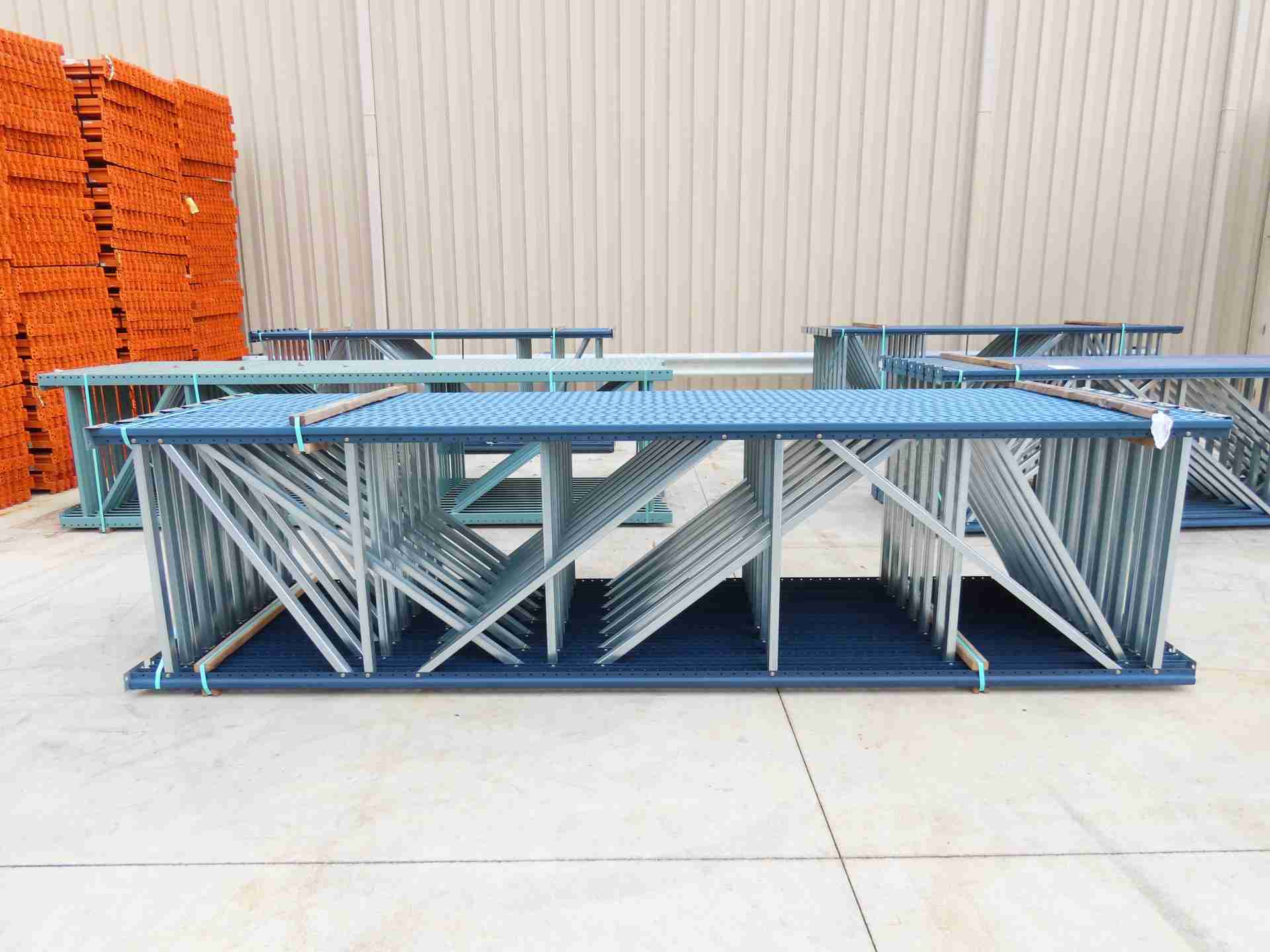
Are You Aware Of How Rack Design Affects Your Supply Chain Efficiency?
How Can Investing In Rack Design Enhance Your Customer Satisfaction?
When it comes to running a successful business, you might not realize it, but racking can be the unsung hero of your operation. Think about it: those sturdy structures holding your products aren’t just a necessity—they’re a manifestation of your brand’s promise to your customers. Investing in quality rack design does more than just organize inventory; it shapes the entire shopping experience.
Picture this: a customer walks into your space, greeted not by chaos, but by a seamless arrangement of products, each item easily accessible. Their journey through your store becomes a pleasure, not a chore. That’s the kind of impression that sticks. It’s not just about steel and shelves; it’s about crafting an inviting atmosphere—one that whispers, “We care about your experience.” Emotionally, this connection can turn a first-time buyer into a loyal advocate for your brand.
From a rational standpoint, consider the numbers. Efficient racking solutions can improve space utilization by up to 40%. That’s not just maximizing room; it’s maximizing potential revenue. Plus, effective design minimizes product retrieval time, which can translate to increased sales during peak hours. This isn’t just smart; it’s savvy. And who wouldn’t feel a sense of pride knowing that their investment is not only practical but also profitable?
Ethically, a well-designed racking system promotes safety. It reduces the risk of accidents and injuries, showing your commitment to your employees and customers alike. When they feel safe in your environment, trust builds, and that trust enhances satisfaction.
Socially, consider narrative. Share stories of how your racking design allowed a customer to find exactly what they needed in moments—how it led to that unexpected upsell. It’s these moments of connection, both big and small, that build a community around your brand.
Invest in racking and watch as it transforms your customer’s experience. The message is clear: you value their time, safety, and satisfaction. Give your customers something to talk about—the joy of a well-organized space, the thrill of an easy shopping journey. So, if you want your customers to come back, remember this: it’s the racks that make the experience, and it’s the experience that wins your customers’ hearts. Trust in your racking, and they’ll trust in you.

How Can Investing In Rack Design Enhance Your Customer Satisfaction?
How Can Investing In Rack Design Enhance Your Customer Satisfaction?
- Racking is essential for business success, serving as a foundation of product organization.
- Quality rack design enhances the shopping experience, creating a seamless and inviting atmosphere for customers.
- Well-arranged products can turn a shopping trip into a pleasurable experience, fostering brand loyalty.
- Efficient racking solutions can improve space utilization by up to 40%, maximizing potential revenue.
- Effective racking reduces product retrieval time, increasing sales during peak hours.
- A well-designed racking system enhances safety, building trust among employees and customers.
- Investing in racking systems promotes community through shared positive shopping experiences and narratives.

How Can Investing In Rack Design Enhance Your Customer Satisfaction?
What Expertise Should You Seek When Evaluating Rack Design Solutions?
When it comes to evaluating rack design solutions, the expertise you seek can make all the difference. Picture a warehouse—rows upon rows of racks standing tall, ready to hold the weight of productivity. But how do you choose the right expert to guide you through this maze? First, look for seasoned professionals who breathe racking solutions. These individuals don’t just know the ins and outs of design; they’ve lived it. They’ve made mistakes, learned from them, and perfected their craft. Their experience brings an invaluable layer of insight to the table, allowing you to avoid pitfalls and maximize efficiency.
Think about the impact of your decision on your entire operation. The right rack design gets more than just boxes off the floor; it optimizes workflow, minimizes downtime, and saves money in the long run. Seek out experts who can provide hard data, backed by case studies and statistics. Maybe they can show you how a simple adjustment in racking layout led to a 30% increase in output for another company. That’s not just numbers—it’s about creating a thriving workplace where employees feel motivated and confident in their environment.
On the ethical front, consider the sustainability of the racking solutions. Engaging consultants who prioritize green designs helps you contribute to a better world while ensuring your rack systems are responsible for both the bottom line and the planet. Look for certifications and recommendations from recognized industry authorities. If they’ve been endorsed by leading associations in storage and warehousing, you can trust that you’re not just getting good advice—you’re getting the best advice, tailored to your unique needs.
Don’t forget the social aspect. Connect with peers who have faced similar challenges. Ask them about their experiences and the experts they chose to guide them. Their stories can serve as a compass as you chart your own course.
Ultimately, choosing the right expertise in rack design isn’t just a practical decision; it’s a transformative journey toward efficiency, sustainability, and success. Trust your gut. Find professionals who embody passion and integrity. Together, you can elevate your storage solution from a basic necessity to a critical element of your business strategy.

What Expertise Should You Seek When Evaluating Rack Design Solutions?
What Expertise Should You Seek When Evaluating Rack Design Solutions?
- Evaluate rack design solutions by seeking seasoned professionals with extensive experience in racking solutions.
- Choose experts who have learned from their mistakes, bringing valuable insights to avoid pitfalls and enhance efficiency.
- Understand how the right rack design can optimize workflow, minimize downtime, and save money in the long run.
- Look for data-backed evidence, such as case studies that demonstrate significant improvements in productivity.
- Consider sustainability by engaging consultants who prioritize green designs and have relevant industry certifications.
- Connect with peers for firsthand experiences and recommendations on experts in rack design to guide your decision.
- Recognize that choosing the right expertise is a transformative journey towards efficiency, sustainability, and success.

What Expertise Should You Seek When Evaluating Rack Design Solutions?
In What Ways Does Rack Design Influence Your Environmental Footprint?
Racking systems are more than just a series of steel beams and shelves; they are the backbone of warehouses, distribution centers, and manufacturing facilities. But have you ever stopped to think about how the design of these structures affects our world? The truth is, the way we choose to rack can influence our environmental footprint in ways that might surprise you.
Consider the amount of energy it takes to operate a facility. A well-designed racking system can maximize storage capacity while minimizing wasted space, leading to more efficient use of resources. That efficiency translates to lower energy consumption, reducing greenhouse gas emissions. It’s like having a well-oiled machine where every part works in harmony, rather than a jumbled mess that chokes workflow. By optimizing how we arrange goods, we not only boost productivity but also take meaningful steps toward reducing our collective carbon impact.
Now, let’s talk about ethics. When you think about where your goods come from and how they’re stored, it’s easy to overlook the underlying choices. The materials used in racking—steel, wood, or even recycled composites—can carry significant environmental consequences. Opting for sustainable materials isn’t just a nice-to-have; it’s a responsibility we bear. Each choice sends ripples through our supply chains, influencing everything from resource extraction to waste management. By investing in greener racking options, we can advocate for practices that respect our planet and promote a healthier future.
Relating to others in the workforce, think about how your decisions about racking can foster a sense of community responsibility. It’s about being a good neighbor—for the planet, for future generations, and for the local economy. By sharing insights and best practices around efficient rack design, you empower your colleagues and competitors alike to follow suit, creating a new standard in the industry.
At the end of the day, our racking choices can resonate far beyond the warehouse walls. They can echo in the conversations we have about sustainability, ethics, and responsibility. When we choose thoughtfully, we inspire confidence in our commitment to the environment, proving that every small decision counts. After all, it’s not just about storing products; it’s about protecting our planet for those who come after us. So let’s rack it right and make every square foot count!

In What Ways Does Rack Design Influence Your Environmental Footprint?
In What Ways Does Rack Design Influence Your Environmental Footprint?
- Racking systems are essential components of warehouses, distribution centers, and manufacturing facilities.
- Design decisions for racking can significantly impact energy efficiency and environmental footprint.
- A well-designed racking system maximizes storage and minimizes wasted space, reducing energy consumption and greenhouse gas emissions.
- Choosing sustainable materials for racking—such as steel or recycled composites—has important environmental implications.
- Investing in sustainable racking promotes ethical practices and encourages responsibility throughout supply chains.
- Decisions about racking can foster community responsibility and empower others in the industry to adopt best practices.
- Thoughtful racking choices resonate beyond warehouses, inspiring conversations about sustainability and environmental commitment.

In What Ways Does Rack Design Influence Your Environmental Footprint?
Conclusion
In the bustling heart of any warehouse, amidst the beeping forklifts and frantic staff, lies the unsung hero—the racking system. This seemingly mundane structure is more than just metal beams; it represents a pivotal investment in operational efficiency and employee safety. Yet, too many warehouses underestimate its importance, leading to costly mistakes that echo throughout their business. This oversight is not merely an operational hiccup; it can result in financial chaos. Poorly designed racking systems create bottlenecks, leading to inventory retrieval delays and customer dissatisfaction. A warehouse striving for excellence can’t afford that kind of inefficiency.
Consider the rational choice: investing in an innovative racking design pays dividends. Improved efficiency translates directly into faster turnaround times and minimized labor costs. When your warehouse is equipped with a thoughtful racking system, it empowers employees, fosters a productive atmosphere, and enhances motivation in ways that unoptimized systems never could.
On an ethical level, there’s a profound human element at play. Every time a warehouse prioritizes rack safety and accessibility, it sends a clear message to its employees: “We value your well-being.” In a well-structured space, workers operate with confidence, reducing the risk of accidents and injuries while building trust in their leadership. The environment matters; it can clear mental clutter and provide employees a strong sense of purpose.
But let’s also reflect on the broader impact—how investing in racking can improve the customer experience. Imagine walking into a place where products are organized with clarity and purpose, making every visit a delightful experience. This sense of order not only catches eyes but builds brand loyalty. Happy customers are return customers, and efficiency in the back end translates into profit on the front end.
Ultimately, embracing effective rack design means stepping up as leaders in the warehouse industry. It powers a culture of excellence, trust, and responsibility. Just look around; shared stories of success can inspire entire communities. By reevaluating racking choices and seeking expert advice, warehouse leaders can transform this fundamental aspect into a strategic advantage that endures, demonstrating a commitment to operational success and community values. So let’s rack it right—not just for productivity, but for the people and principles that underpin our businesses and our world.

Conclusion
Conclusion:
- The racking system in warehouses is crucial for operational efficiency and employee safety.
- Underestimating racking systems can lead to financial chaos and customer dissatisfaction.
- Investing in innovative racking designs leads to faster turnaround times and lower labor costs.
- A well-structured racking system enhances employee motivation and fosters a productive atmosphere.
- Prioritizing rack safety conveys to employees that their well-being is valued, reducing accident risks.
- Organized racking improves the customer experience, builds brand loyalty, and boosts profits.
- Effective rack design empowers warehouse leaders to foster a culture of excellence and community commitment.

Conclusion
Other Resources

Other Resources
Here is a list of other resources you can review online to learn more:
- Warehouse Racking Chicago, IL
- Teardrop Racks – Pallet Rack World
- Warehouse Racking Systems: Beginner’s Guide to Rack Systems
- Chicago Pallet Racking
- Rack Manufacturers Institute
- Total Warehouse
- What is Selective Racking: Understanding Benefits & Options
- Shipping Boxes, Packaging Materials, Pallet Racking
- Selective Racking
- The Complete Pallet Rack Guide – Simply Rack
- Arrow Industrial Sales
- Mustang Material Handling
- Pallet Rack Systems – New and Used Pallet Racking and Shelving Experts
- SEMA
- Illinois Pallet Racking – WPRP
- Interlake Mecalux
- IWLA
- Storage Equipment Manufacturers’ Association
- Used Teardrop Pallet Rack – American Surplus
Use This Prompt To Get More Resources With Your Favorite Online AI Tool: Please provide me with a list of online articles with their URLs in a bulleted list that I can read regarding Why Many Warehouses Underinvest In Rack Design

Other Resources
Glossary Terms
Why Many Warehouses Underinvest In Rack Design – Glossary Of Terms
1. Rack Design: The structural framework used to store goods in a warehouse, impacting efficiency and accessibility.
2. Underinvestment: Insufficient financial resources allocated towards essential rack infrastructure and improvements.
3. Warehouse Efficiency: The effectiveness of space utilization and operations within a warehouse to maximize productivity.
4. Space Optimization: Strategies employed to make the best use of available warehouse space, including rack configuration.
5. Inventory Management: The process of overseeing stock levels, ensuring the right products are available in the right quantities.
6. Capital Expenditure (CapEx): Funds used by a warehouse to purchase or upgrade fixed assets such as racks.
7. Return on Investment (ROI): A financial metric used to evaluate the profitability gained from investments in rack systems.
8. Operational Costs: Ongoing expenses for running a warehouse, which can be affected by rack design and space utilization.
9. Aisle Width: The distance between racks that affects accessibility and movement of goods within the warehouse.
10. Load Capacity: The maximum weight that a rack can safely hold, critical for preventing structural failures.
11. Heavy-Duty Racks: Industrial shelving units designed to support larger weights and bulky goods, often underutilized.
12. Vertical Space: The height of the warehouse that can be utilized with proper rack design to increase storage.
13. Custom Racking: Tailored shelving solutions designed to meet specific storage needs, enhancing efficiency.
14. Modular Racking: A flexible racking system that allows for customization and reconfiguration as inventory needs change.
15. Pallet Racking: A storage system specifically for pallets that enhances warehouse organization and accessibility.
16. FIFO (First In, First Out): An inventory management method that utilizes rack design to ensure older stock is sold first.
17. Safety Regulations: Guidelines and standards that govern the design and construction of warehouse racking systems to prevent accidents.
18. Maintenance: Regular inspections and repairs necessary for rack systems to ensure safety and performance over time.
19. Automation: The use of technology in warehouses that can influence rack design by reducing the need for manual handling.
20. Space Planning: The strategic layout of racks and aisles within a warehouse to maximize storage and operational flow.
21. Supply Chain: The entire process of production, delivery, and inventory management that can be affected by rack design.
22. Inventory Turnover: A measure of how quickly inventory is sold and replaced, influenced by effective rack systems.
23. Durability: The ability of rack systems to withstand frequent use and heavy loads without significant wear.
24. Warehouse Layout: The overall design of a warehouse, including the arrangement of racks, workstations, and pathways.
25. User Training: Education provided to warehouse staff on how to safely and effectively utilize racking systems.
26. Stock Keeping Units (SKUs): Individual items in inventory, which require adequate space and organization facilitated by racks.
27. Binning: The practice of assigning specific spots within racks for items to enhance organization and retrieval.
28. Warehouse Management System (WMS): Software used to manage inventory and optimize warehouse operations, including rack utilization.
29. Cost-Benefit Analysis: An assessment that compares the costs of new racking systems against the potential savings and benefits.
30. Lean Warehousing: A philosophy focused on minimizing waste and maximizing efficiency, often requiring effective rack design strategies.

Glossary Of Terms
Other Questions
Why Many Warehouses Underinvest In Rack Design – Other Questions
If you wish to explore and discover more, consider looking for answers to these questions:
- What are the key features of an effective racking system?
- How can I assess the current efficiency of my warehouse’s racking design?
- What are the industry standards for warehouse rack design?
- How does rack design impact employee safety and productivity?
- What common mistakes should I avoid in rack design?
- How can technology improve warehouse racking systems?
- What are the best practices for maintaining racking systems?
- How can racking design influence order fulfillment speed?
- What role does rack design play in reducing operational costs?
- Are there specific racking solutions for different types of products?
- How can I calculate the return on investment for improved racking systems?
- What certifications should I look for in racking design consultants?
- How can rack design contribute to a more sustainable warehouse operation?
- What insights do industry leaders have regarding rack design trends?

Other Questions
Checklist
Why Many Warehouses Underinvest In Rack Design – A Checklist
Rack Design Investment Checklist
Emotional Appeals
_____ Employee Well-being: Does the racking design prioritize safety and accessibility for employees?
_____ Customer Experience: How does your racking design make the shopping experience more enjoyable and efficient for customers?
Rational Appeals
_____ Efficiency Metrics: Have you analyzed how the current racking system impacts workflow and turnaround times?
_____ Cost-Benefit Analysis: What long-term savings can be realized by investing in a better rack design?
Ethical Appeals
_____ Safety Standards: Are safety regulations and standards factored into your racking design decisions?
_____ Sustainability Practices: Does your racking system utilize sustainable materials and promote eco-friendly practices?
Authority Appeals
_____ Expert Consultation: Have you consulted with industry professionals who have proven track records in racking design?
_____ Peer Recommendations: What do other businesses or colleagues say about their experiences with specific racking solutions?
Narrative Appeals
_____ Success Stories: Can you share examples of how a well-designed racking system turned around a struggling warehouse operation?
_____ Community Engagement: How can your investment in racking inspire others in your industry to prioritize efficient systems?
Social Appeals
_____ Staff Involvement: Are employees included in discussions about racking design to ensure their insights and needs are considered?
_____ Industry Standards: How does your racking design compare to industry best practices, and are you fostering a culture of collaboration to improve overall standards?
Use this checklist to examine your warehouse’s current racking design and consider the broader implications of your investment decisions.

Checklist
At RackingWorld, we help guide you through selecting warehouse storage systems and racking.
Be sure to read our other related stories at RackingWorld to learn more about warehouse storage systems.
0 Comments