
Maximizing Efficiency, Minimizing Waste: The Impact Of Racking Optimization
By Tom Seest
At RackingWorld, we help guide you through selecting warehouse storage systems and racking.
Be sure to read our other related stories at RackingWorld to learn more about warehouse storage systems.
What Is Racking Optimization, and Why Does It Matter?
Racking optimization is an unsung hero in the world of logistics and warehousing; it’s the art and science of arranging products in a manner that not only maximizes space but also heightens efficiency. Think about the chaos of a cluttered warehouse, the frustration of endless searching, and the time wasted ambling down aisles that feel like they’ll never end. Now, picture a world where every item is in its rightful place, easily accessible, and neatly organized. That’s the promise of racking optimization. It’s not just about squeezing in a few more products; it’s about creating a system that works for everyone involved—from the warehouse staff to the end customers relying on timely deliveries.
Emotions may not seem like the first thing that comes to mind when discussing racks and shelves, but consider the impact on the people behind the scenes. A well-optimized racking system leads to a smooth workflow and fewer mistakes. It fosters morale among workers who can do their jobs efficiently without the frustrations of disorganization. When a team feels supported by their environment, they’re not just more productive; they’re more engaged and empowered.
From a rational standpoint, racking optimization directly correlates to a company’s bottom line. When space is utilized to its fullest, it allows for greater inventory without the need for larger facilities, cutting overhead costs. It’s a no-brainer—more products fitting in less space means increased profit potential. And let’s not forget about sustainability; optimizing racking systems reduces resource waste, making it not just smart but ethical. At a time when many companies preach sustainability, an optimized storage system is an actionable step in the right direction.
Socially, it’s an opportunity to show customers that you care about quality and efficiency. A well-organized operation earns trust in a world eager for transparency. Businesses thrive when they can demonstrate that they value every step of their supply chain, from sourcing materials to delivery.
Racking optimization isn’t just a strategy; it’s a commitment to excellence that resonates on every level—emotionally, rationally, and ethically. Whether you’re in a bustling warehouse or a small business, taking the time to rethink how you stack and store items can lead to profound changes. So, let’s embrace the principles of racking optimization and reinvigorate our approach to logistics. The results may just surprise you.

What Is Racking Optimization, and Why Does It Matter?
What Is Racking Optimization, and Why Does It Matter?
- Racking optimization involves arranging products to maximize space and efficiency in logistics and warehousing.
- A well-organized racking system reduces chaos, simplifies searching, and saves time for warehouse staff.
- It enhances workflow, boosts worker morale, and minimizes mistakes in operations.
- Optimizing racking systems can significantly reduce overhead costs by allowing more inventory without needing larger facilities.
- It promotes sustainability by reducing resource waste and aligns with ethical business practices.
- Efficient racking demonstrates value to customers, building trust in a transparent supply chain.
- Racking optimization is a holistic commitment to excellence that can lead to significant improvements in logistics.

What Is Racking Optimization, and Why Does It Matter?
Table Of Contents
- What Is Racking Optimization, and Why Does It Matter?
- How Does Optimizing Racking Improve Overall Supply Chain Efficiency?
- Can Racking Optimization Enhance Customer Satisfaction and Loyalty?
- How Do Case Studies Demonstrate the Value Of Racking Optimization?
- How Can You Engage Your Team In the Racking Optimization Process?
- What If Optimizing Racking Could Save Your Business Money?
- Conclusion
- Other Resources
- Glossary Of Terms
- Other Questions
- Checklist
How Does Optimizing Racking Improve Overall Supply Chain Efficiency?
When you walk into a warehouse, the vast expanse of racking can be both astonishing and overwhelming. Each steel beam tells a story—of hard work, of efficiency, of the relentless pursuit of progress. Optimizing racking is like fine-tuning a well-loved instrument; it transforms chaos into harmony.
Imagine a busy supply chain. Products are moving in and out, and every second counts. Yet, if your racking system is disorganized and clunky, the flow of materials becomes a bottleneck. Workers shuffle about, searching for items like detectives on a missing persons case. Frustration rises, productivity wanes, and your supply chain’s heart begins to falter. By optimizing racking, you breathe new life into that heartbeat. It’s more than just placing things neatly; it’s about creating a rhythm that allows goods to glide effortlessly from point A to point B.
Now, let’s think practically. An optimized racking system means efficient space utilization. More products can be stored without expanding your warehouse. It reduces overhead costs, making your operation leaner. Less space wasted also means fewer resources consumed. When you fine-tune your racking, you’re not just cutting costs; you’re fostering an ethical responsibility to use your resources wisely. It resonates with our duty to conserve and nurture.
But let’s get a bit more personal. Picture the employees, the backbone of your operation. When sorting through a cluttered racking system, morale takes a hit. Confusion reigns, and the value of every hardworking individual feels diminished. By optimizing racking, you communicate that their time and effort matter. You prioritize their experience, fostering an environment where they can take pride in their work and feel empowered to contribute meaningfully.
You can’t overlook the social aspect either. Supply chain efficiency ripples outward. A seamless operation affects customers, suppliers, and the entire ecosystem. When your racking helps products reach consumers more efficiently, you build a narrative of trust. Every order fulfilled on time reinforces your reliability in a competitive marketplace, establishing your authority in the industry.
So, as you ponder the effectiveness of your supply chain, remember this: a small change in racking could spark a wave of transformation. This isn’t just about shelves and beams; it’s about people, processes, and purpose. Optimizing racking isn’t a mere suggestion; it’s a call to action. Embrace it, and watch your supply chain thrive.

How Does Optimizing Racking Improve Overall Supply Chain Efficiency?
How Does Optimizing Racking Improve Overall Supply Chain Efficiency?
- Warehouse racking systems represent hard work and efficiency, impacting the overall flow of operations.
- A disorganized racking system can become a bottleneck, leading to frustration and decreased productivity.
- Optimizing racking improves space utilization, allowing for more products to be stored without expanding the warehouse.
- An efficient racking system reduces overhead costs and promotes resource conservation, aligning with ethical responsibilities.
- Improving racking creates a better working environment for employees, enhancing morale and empowering them in their roles.
- Supply chain efficiency positively affects customers and suppliers, building trust and reliability in the marketplace.
- Optimizing racking is a vital call to action that can lead to significant transformations in supply chain performance.

How Does Optimizing Racking Improve Overall Supply Chain Efficiency?
Can Racking Optimization Enhance Customer Satisfaction and Loyalty?
When we think about customer satisfaction, it often boils down to one core principle: understanding what people really want. Behind that seemingly simple concept lies a sprawling maze of logistics, inventory management, and—believe it or not—racking optimization. Yes, racking, those steel structures that keep our favorite products organized and easily accessible. It sounds mundane, but it plays a vital role in ensuring your shopping experience is smooth and enjoyable.
Imagine this: You walk into a store or log onto a website, and everything you need is right there, perfectly organized and ready for you. No more wandering the aisles like a lost soul or endlessly scrolling through pages of unrelated products. This isn’t just about saving time; it’s about confidence—a gut feeling that you’ll find what you need without frustration. That confidence translates into loyalty; when customers know they can count on a straightforward experience, they’re more likely to return time and again.
The ethical side of this discussion can’t be overlooked. Businesses that invest in optimizing their racking systems often reduce waste and streamline operations, allowing them to pass those savings on to consumers. It’s a win-win situation—customers get better prices, and the company fosters a reputation for sustainability and responsibility. By prioritizing organization, businesses contribute positively to the environment while enhancing the shopping experience.
Let’s not ignore the authority aspect; companies that understand how to optimize racking are often seen as leaders in their industry. Their expertise translates into a deep understanding of how to meet customer demands efficiently. This know-how gives customers peace of mind, knowing they’ve chosen a brand that’s proficient and dedicated.
A narrative unfolds when you consider the relationships fostered through effective racking systems. Think of your favorite local grocery store that knows your preferences and always has your go-to items in stock. That personalized touch isn’t by accident; it’s the result of careful planning and racking optimization that keeps everything organized.
Harnessing these organizational strategies has a ripple effect. It inspires trust as customers appreciate the effort behind a seamless shopping experience. It encourages them to share their positive experiences with friends and family—creating a community that thrives on shared values and reliable service. So, yes, racking optimization can enhance customer satisfaction and loyalty, and it begins with a simple, yet profound, understanding of customer needs.

Can Racking Optimization Enhance Customer Satisfaction and Loyalty?
Can Racking Optimization Enhance Customer Satisfaction and Loyalty?
- Customer satisfaction centers around understanding what people truly want.
- Racking optimization plays a crucial role in creating a smooth shopping experience.
- Well-organized products enhance customer confidence and loyalty.
- Investing in optimized racking reduces waste and allows businesses to offer better prices.
- Companies that excel in racking optimization are viewed as industry leaders.
- Effective racking fosters personalized relationships, improving customer experience.
- Organizational strategies build trust and encourage sharing of positive shopping experiences.
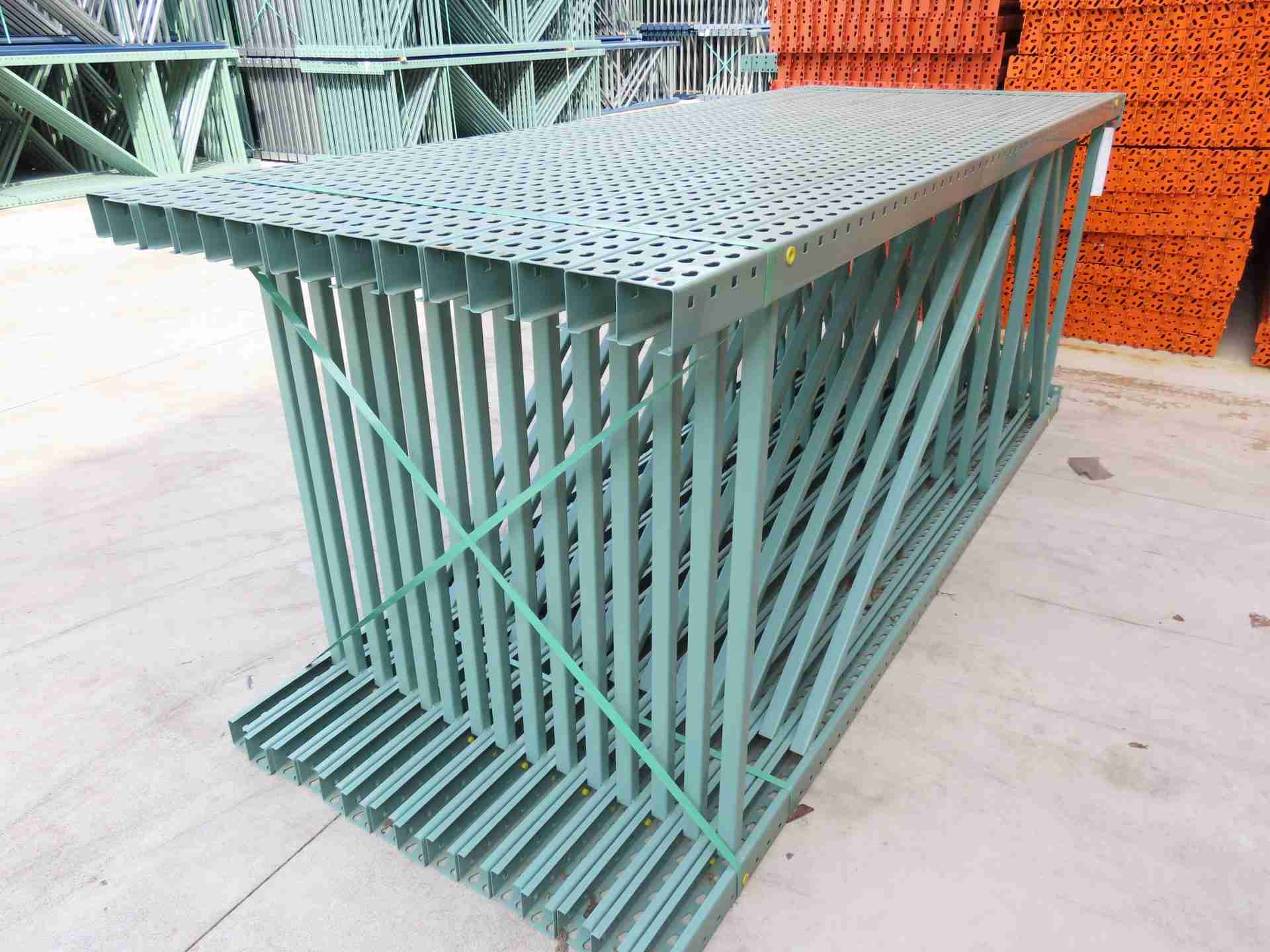
Can Racking Optimization Enhance Customer Satisfaction and Loyalty?
How Do Case Studies Demonstrate the Value Of Racking Optimization?
In the world of warehousing, racking isn’t just about storing products; it’s about crafting a symphony of efficiency that strikes a chord with every aspect of a business. Imagine a case study where a struggling distribution center was drowning in inefficiencies, losing money like sand slipping through fingers. They called in experts, and what did they find? A simple racking optimization could turn the tide.
The data told a compelling story. By strategically redesigning their racking systems, the center increased their storage capacity by 30% without expanding their footprint. Picture that moment when a CEO, once overwhelmed by logistics nightmares, sees a clear and organized racking system. It’s not just numbers on a balance sheet; it’s the relief of knowing their team can now work smarter, not harder. Employees can locate items with precision, transforming what used to be a chaotic hunt into a streamlined retrieval process. With every saved minute, confidence builds, instilling a profound sense of purpose and accountability among the workers.
Consider the ethical implications—when a business operates more efficiently, it has the power to give back to the community. When that distribution center got its racking optimized, it could now serve its clients faster, reducing lead times and increasing customer satisfaction. A happy customer is more than just a number; it’s a relationship built on trust. These case studies reveal the core ethos of racking optimization: it’s not just about the bottom line; it’s about nurturing a network of connections that uplift everyone involved.
The stories don’t just end with improved performance; they ripple outward. A well-optimized racking system can inspire other businesses, creating a culture that values innovation and best practices. Each success story encourages others to take a leap towards improvement. Feel that tug in your gut? That’s the call to action. Racking optimization is no longer just a technical necessity; it’s a lifeline thrown to fellow businesses caught in the throes of inefficiency.
So, let’s embrace the potential for change. When we look closely, we see that racking isn’t just metal and shelves; it embodies commitment, growth, and resilience. The journey to optimization starts with an understanding that through these case studies, we learn that every rack holds a promise—an opportunity to connect, innovate, and advance.

How Do Case Studies Demonstrate the Value Of Racking Optimization?
How Do Case Studies Demonstrate the Value Of Racking Optimization?
- Racking in warehousing is essential for enhancing efficiency across businesses.
- A case study highlights a distribution center transforming inefficiencies through racking optimization.
- Strategic redesign of racking increased storage capacity by 30% without needing additional space.
- Improved organization alleviated logistics challenges, allowing teams to work smarter and locate items easily.
- Efficient operations enhance community service capabilities, boosting customer satisfaction and trust.
- Success stories from optimized racking systems foster a culture of innovation in businesses.
- Racking optimization symbolizes commitment, growth, and resilience, creating opportunities for advancement.

How Do Case Studies Demonstrate the Value Of Racking Optimization?
How Can You Engage Your Team In the Racking Optimization Process?
When it comes to racking optimization, getting your team involved is not just a good idea, it’s essential. Picture this: a bustling warehouse transforming into a well-oiled machine, where every team member feels not just like a cog in the wheel, but an essential part of the engine driving improvements. Engaging your crew in the racking process effectively means creating a culture where everyone’s voice counts.
Start by inviting your team into the innovating phase. This isn’t just a management directive; it’s an open invitation to share insights—the kind of stuff that only those on the floor truly understand. When workers see their input valued, it creates a ripple effect, fostering connection and collaboration. There’s magic in inclusivity. It sparks creativity and leads to practical, on-the-ground solutions that cold spreadsheets can’t account for.
Next, bring data to the conversation. Empower your team with insights about how racking optimization affects productivity and efficiency. Share real-world examples, the kind that make the numbers jump off the page and hit you right in the gut. Explain how a minor adjustment in racking strategy can boost output, save money, or even improve safety. When you connect these dots, your team isn’t just following orders—they become invested stakeholders in the organization’s success.
Moreover, let’s not forget the ethical dimension. Show how optimizing racking isn’t merely about increasing profit margins; it’s about improving the working conditions for everyone involved. A well-organized space reduces stress, minimizes accidents, and promotes wellbeing. You’re creating an environment where people can take pride in their work—where they belong, and where their contributions have tangible impacts.
Lastly, tap into the power of storytelling. Share narratives of successful transformations, not just in your organization but across the industry. Let your team see how others faced similar challenges and triumphed through collaboration and clever thinking. Highlighting these stories can inspire action and instill a sense of purpose.
As you navigate the racking optimization process, remember that each voice on your team adds a unique note to the symphony of success. By engaging the heart, head, and gut of your collective workforce, you’re not merely optimizing racking—you’re instilling confidence, uniting your team, and setting the stage for a brighter, more efficient future.

How Can You Engage Your Team In the Racking Optimization Process?
How Can You Engage Your Team In the Racking Optimization Process?
- Team involvement in racking optimization is essential for success.
- Encouraging team participation fosters a culture of inclusivity and collaboration.
- Engaging floor workers in the innovation phase leverages their unique insights.
- Sharing data on productivity and efficiency helps the team understand the impact of their contributions.
- Optimizing racking enhances working conditions, reduces stress, and promotes well-being.
- Storytelling about successful transformations can inspire and motivate the team.
- Collective engagement builds confidence and sets a foundation for a more efficient future.

How Can You Engage Your Team In the Racking Optimization Process?
What If Optimizing Racking Could Save Your Business Money?
Picture this: a bustling warehouse, humming with the rhythm of productivity. Pallets stacked high, boxes lining the aisles, and workers moving with purpose. Now, imagine if this place was running on all cylinders—not a single inch of space wasted, not a minute of time lost. What if optimizing your racking could save your business money? It’s an enticing notion and one worth exploring.
Let’s start with the heart. Every day, hardworking folks clock in, giving their all to keep the wheels of industry turning. They pour passion into their tasks, but when a warehouse is disorganized and cluttered, that energy gets drained. Employees are frustrated, their potential stifled by chaos. By optimizing racking and creating an efficient layout, you’re not just maximizing storage; you’re fostering a workplace where people feel valued. They see a commitment to efficiency, recognizing that their time and effort are being respected. And that? That builds loyalty.
Now, let’s engage the head. Racking optimization isn’t merely about aesthetics—though a clean, organized space does look good. It’s about logic and rationality. Are you aware that poor use of space can lead to unnecessary expenses? Inventory loss, delayed shipments, and wasted labor hours add up quickly. By taking a hard look at your racking systems, you could save thousands—money that could be better spent on innovation, employee training, or even corporate social responsibility initiatives.
And don’t forget the gut. In good business, there’s an ethical dimension at play. Every time you maximize your racking efficiency, you’re leveraging resources wisely. That’s not just good for profits; it’s good for the planet. Reducing waste means less landfill, fewer cardboard boxes, and ultimately, a greener future. It’s a smart move that speaks volumes about your values as a business.
Lastly, consider the narrative. Stories have power. When stakeholders see your commitment to optimizing operations through efficient racking, they see a leader—someone willing to evolve, adapt, and improve. It’s a chance to embody the ethos of continuous improvement. It’s not just about saving a buck; it’s about inspiring others to think differently about their operations, to embrace innovation.
So, why not take the plunge? Optimize your racking. Save your business money. Create a better working environment. Be a trailblazer. The journey is as rewarding as the destination.

What If Optimizing Racking Could Save Your Business Money?
What If Optimizing Racking Could Save Your Business Money?
- A bustling warehouse thrives on productivity with organized layouts and efficient use of space.
- Optimizing racking fosters a positive work environment, increasing employee satisfaction and loyalty.
- Disorganization drains energy and potential; effective racking layouts respect employees’ time and efforts.
- Poor space utilization can lead to increased expenses, including inventory loss and wasted labor hours.
- Maximizing racking efficiency can result in substantial cost savings that can be reinvested in innovation and training.
- Optimized racking contributes to sustainability by reducing waste, showcasing a company’s commitment to ethical practices.
- Demonstrating a commitment to continuous improvement through racking optimization can inspire stakeholders and foster innovation.

What If Optimizing Racking Could Save Your Business Money?
Conclusion
Racking optimization, often overlooked, is a game-changer in logistics and warehousing. It’s about more than just neatly arranging products; it’s an essential strategy that maximizes space, increases efficiency, and minimizes waste. Imagine a warehouse where every item is in its designated place, allowing workers to navigate smoothly without the frustration of chaos. That organized layout transforms not only the workflow but also the morale of the staff who navigate it daily. When your environment supports efficient operation, the results reverberate—boosting productivity and engagement among team members.
From a rational perspective, optimized racking speaks directly to the bottom line. Efficient use of space means more inventory without the need for expanded facilities, ultimately driving profit margins higher. This operating efficiency leads to reduced overhead costs and fosters responsible resource consumption. In an era where sustainability is a hot topic, maximizing storage through smart design represents a tangible commitment to reducing waste and protecting the planet.
The ethical side of racking optimization shouldn’t be ignored. By ensuring smoother operations, businesses can provide better service, faster lead times, and ultimately improve customer satisfaction. The ripple effect of satisfied customers extends beyond sales; it builds loyalty and trust, enhancing the brand’s reputation in an increasingly transparent marketplace. Companies that prioritize effective racking systems are viewed as leaders, showcasing their dedication to customer experience and organizational efficiency.
As you consider the importance of racking optimization, take note of the narratives that surround it. Each case of improved efficiency and innovative solutions contributes to a broader story of progress in the supply chain. Engaging your team in this process transforms them from mere employees into invested contributors—empowering them to share insights from the ground floor, thereby generating solutions that are practical and informed.
Finally, optimizing your racking can certainly lead to significant cost savings. Every inch and every minute counts in a busy warehouse; by refining your operations, you not only enhance profitability but also create a more meaningful work environment. This approach underscores a narrative of continuous improvement, inspiring other businesses to follow suit.
Racking optimization is more than just a pragmatic approach to logistics; it’s a commitment to harnessing every resource you have. It’s a call to action for businesses to embrace innovation, evolve their processes, and ultimately, create a thriving ecosystem where efficiency and morale skyrocket together. Don’t overlook this vital opportunity—embrace racking optimization and watch your operation flourish.

Conclusion
Conclusion:
- Racking optimization transcends neat arrangement; it’s a strategy that maximizes space, increases efficiency, and minimizes waste.
- An organized warehouse layout promotes smooth navigation and enhances staff morale, boosting productivity and engagement.
- Efficient use of racking allows for more inventory without needing expanded facilities, improving profit margins and reducing overhead costs.
- Smart design in racking systems reflects a commitment to sustainability by minimizing waste and responsible resource consumption.
- Better organization leads to improved customer service, faster lead times, and higher customer satisfaction, fostering loyalty and trust.
- Involving team members in racking optimization transforms them into invested contributors, empowering them to provide valuable insights.
- Optimizing racking results in significant cost savings and cultivates a positive work environment, encouraging continuous improvement across businesses.

Conclusion
Other Resources

Other Resources
Here is a list of other resources you can review online to learn more:
- Rack Manufacturers Institute
- Teardrop Pallet Rack – Ridg-U-Rak
- Overhead Lifting
- Used Pallet Rack for Sale in Illinois – American Surplus
- Warehousing and Fulfillment
- Cantilever Rack Guide: Ordering Cantilever Racking
- Arrow Industrial Sales
- Warehouse Racking Chicago, IL
- Total Warehouse
- IIWS Inc. Rack Installation Illinois & Rack Repairs Illinois
- Pallet Racking systems in Illinois and Great Lakes
- Warehouse Racking Systems: Beginner’s Guide to Rack Systems
- WERC
- Selective Pallet Racking Systems – Container Systems
- Mustang Material Handling
- Chicago Pallet Racking
- CMMA
- CA Wire
- Warehouse Automation
Use This Prompt To Get More Resources With Your Favorite Online AI Tool: Please provide me with a list of online articles with their URLs in a bulleted list that I can read regarding What Is Racking Optimization, and Why Does It Matter?

Other Resources
Glossary Terms
What Is Racking Optimization, and Why Does It Matter? – Glossary Of Terms
1. Racking: The process of storing materials, products, or equipment in a systematic manner using racks or shelving units.
2. Optimization: The act of making something as effective or functional as possible by improving processes or resource allocation.
3. Warehouse Management: The coordination and overseeing of warehouse operations, including inventory management, fulfillment, and logistics.
4. Space Utilization: The efficient use of available space in a warehouse or storage facility to maximize storage capacity and improve accessibility.
5. SKU (Stock Keeping Unit): A unique identifier for each distinct product and service that can be purchased, used for inventory management.
6. Inventory Turnover: The rate at which inventory is sold and replaced over a period, indicating the efficiency of inventory management.
7. Lean Warehousing: A systematic approach to identifying and eliminating waste in warehouse processes, improving efficiency and reducing costs.
8. Palletization: The practice of stacking products on pallets for easier movement and storage, improving handling efficiency.
9. Throughput: The amount of material or items passing through a system or process, indicating operational efficiency.
10. Slotting: The process of strategically placing products within a warehouse to enhance accessibility and minimize picking time.
11. FIFO (First In, First Out): An inventory management method where the oldest stock is sold first to minimize waste and obsolescence.
12. LIFO (Last In, First Out): An inventory method where the most recently manufactured or received items are sold first, often used for perishable goods.
13. Cross-Docking: A logistics practice where incoming goods are directly transferred to outgoing shipments, reducing storage time and improving efficiency.
14. Picking Efficiency: The effectiveness of the order-picking process, often measured by the speed and accuracy of retrieving items from storage.
15. Cycle Counting: An inventory auditing process where a subset of inventory is counted on a specific day to ensure accuracy and improve stock management.
16. SKU Rationalization: The process of analyzing product performance to eliminate underperforming SKUs and optimize inventory.
17. Storage Density: The amount of product stored per unit of space, a critical factor in maximizing warehouse capacity.
18. Material Handling: The movement, protection, and control of materials and products throughout the manufacturing, warehousing, distribution, and disposal stages.
19. Automation: The use of technology and machinery to perform tasks with minimal human intervention, increasing efficiency in warehousing operations.
20. RFID (Radio Frequency Identification): A technology that uses electromagnetic fields to automatically identify and track tags attached to objects, enhancing inventory accuracy.
21. Barcoding: The process of using printed labels with barcodes to facilitate tracking and management of inventory items.
22. Lead Time: The amount of time between the initiation of a process and its completion, crucial in supply chain and inventory management.
23. Demand Forecasting: The practice of predicting future customer demand for products to optimize inventory levels and supply chain planning.
24. Order Picking: The process of retrieving items from warehouse locations to fulfill customer orders, impacting delivery speed and accuracy.
25. Backorder: An order for a product that is temporarily out of stock, highlighting issues in inventory management and demand planning.
26. Warehouse Layout: The physical arrangement of a warehouse, including the design of aisles, storage locations, and workstations, impacting efficiency.
27. Supply Chain Management: The coordination of all activities involved in sourcing, procurement, conversion, and logistics management.
28. Optimization Software: Technology used to analyze warehousing processes and recommend improvements for efficiency and cost-effectiveness.
29. Technology Integration: The seamless incorporation of various technological systems into warehouse operations to enhance performance and data analysis.
30. Safety Standards: Regulations and practices aimed at ensuring safe working conditions within warehouse facilities, protecting employees and minimizing accidents.

Glossary Of Terms
Other Questions
What Is Racking Optimization, and Why Does It Matter? – Other Questions
If you wish to explore and discover more, consider looking for answers to these questions:
- What are the key principles of racking optimization?
- What industries benefit the most from racking optimization?
- How do different types of racking systems impact efficiency?
- What are the common challenges faced during racking optimization?
- How can technology aid in the racking optimization process?
- What metrics should be used to measure the success of racking optimization?
- Are there specific case studies that highlight successful racking optimization?
- What role do employees play in the racking optimization process?
- How can businesses ensure sustainability in their racking optimization efforts?
- What are the financial implications of racking optimization beyond immediate savings?
- How can racking optimization contribute to safety in the workplace?
- What training might be necessary for staff to implement racking optimization effectively?
- How often should businesses review and update their racking systems?
- What are the best practices for maintaining an optimized racking system?

Other Questions
Checklist
What Is Racking Optimization, and Why Does It Matter? – A Checklist
Racking Optimization Checklist
Emotional Appeals
_____ Create a Positive Work Environment: Implement racking optimization strategies to foster worker morale and satisfaction.
_____ Empower Employees: Engage team members in the racking optimization process to ensure they feel their contributions are valued.
Rational Appeals
_____ Maximize Space Utilization: Analyze current racking systems to increase storage capacity without expanding facilities.
_____ Cost Analysis: Calculate potential savings from improved efficiency, reduced labor hours, and minimized inventory loss.
Ethical Appeals
_____ Sustainability Commitment: Evaluate how racking optimization can reduce waste and contribute to environmental sustainability.
_____ Improve Working Conditions: Consider how an organized racking system can enhance employee safety and wellbeing.
Authority Appeals
_____ Research Best Practices: Investigate industry case studies to understand successful racking optimization implementations.
_____ Expert Consultations: Seek advisement from logistics and warehousing authorities on the best racking solutions.
Narrative Appeals
_____ Share Success Stories: Collect and share narratives of organizations that have successfully implemented racking optimization.
_____ Develop a Vision Narrative: Craft a compelling story around your company’s commitment to efficiency and customer satisfaction through optimized racking.
Social Appeals
_____ Foster Team Collaboration: Invite team input on racking configurations to promote inclusivity and shared ownership of the process.
_____ Build Customer Trust: Communicate the benefits of an optimized racking system to customers, showcasing your commitment to quality and reliability.

Checklist
At RackingWorld, we help guide you through selecting warehouse storage systems and racking.
Be sure to read our other related stories at RackingWorld to learn more about warehouse storage systems.
0 Comments