
Protecting People And Property: Fire Code Requirements For Rack Decking
By Tom Seest
At RackingWorld, we help guide you through selecting warehouse storage systems and racking.
Be sure to read our other related stories at RackingWorld to learn more about warehouse storage systems.
What Are the Fire Code Requirements for Rack Decking?
When it comes to warehouse safety, the robust world of racking systems stands as the backbone of efficient storage and distribution. But what many overlook in their quest for organization and productivity are the crucial fire code requirements for rack decking. This isn’t just a box to check on a safety audit; it’s a matter of life and death—our lives, our coworkers’ lives, and the community around us.
Imagine a bustling warehouse, filled with the hum of machinery and the laughter of diligent workers. Now, picture that same space engulfed in flames, everything you’ve built up reduced to ash if a single detail is overlooked. Proper rack decking is like a guardian angel, quietly doing its job, ensuring that fire doesn’t have a chance to spread unchecked. Enforcing these fire codes isn’t merely bureaucratic red tape; it’s a lifeline, a promise to protect the very heart of your business.
The National Fire Protection Association (NFPA) and local fire marshals have established stringent standards for rack decking to help safeguard against catastrophe. This means understanding the flame spread rating of materials used, ensuring that your racking systems allow adequate airflow for fire suppression systems to function effectively, and guaranteeing that all components are installed and maintained according to code. This is not just an ethical responsibility—it’s your obligation to every employee who walks through those doors every day.
But let’s get rational for a moment. Non-compliance can lead to hefty fines, increased insurance premiums, or even the dreaded shutdown of operations while adjustments are made. The bottom line is affected not just by the products you store but by the very structure in which they’re housed. Racking systems must be engineered for safety and standards.
And here’s the emotional kicker: think of the stories behind every item stored on those shelves. They represent dreams, hard work, and hours invested. A warehouse isn’t just a building; it’s the lifeblood of families relying on the company for their livelihood. Choosing to adhere to fire code requirements for rack decking is a commitment not just to compliance, but to the values of safety, community, and integrity.
When you invest in your racking safety infrastructure, you’re not just checking off a regulatory requirement. You’re actively participating in a culture of care—a culture that values lives over profits, safety over convenience. This is your chance to lay the foundation for something great, linking the spirit of teamwork with the principles of reliability. Embrace it. Your employees, your community, and you deserve nothing less.

What Are the Fire Code Requirements for Rack Decking?
What Are the Fire Code Requirements for Rack Decking?
- Warehouse safety relies heavily on proper racking systems for efficient storage and distribution.
- Fire code requirements for rack decking are critical for protecting lives and property.
- Proper rack decking prevents the spread of fire and functions as a protective measure.
- Compliance with standards set by the National Fire Protection Association (NFPA) is essential.
- Non-compliance can result in fines, higher insurance premiums, or business shutdowns.
- Every item stored represents hard work and dreams, emphasizing the importance of safety in warehouses.
- Investing in racking safety fosters a culture of care that prioritizes employee and community well-being.

What Are the Fire Code Requirements for Rack Decking?
Table Of Contents
- What Are the Fire Code Requirements for Rack Decking?
- How Do Fire Codes Impact the Design Of Your Warehouse Storage Systems?
- How Can Proper Rack Decking Reduce Fire Hazards and Protect Lives?
- What Consequences Could Arise From Ignoring Fire Code Requirements?
- How Does Rack Decking Influence Insurance Premiums for Businesses?
- How Can You Create a Safe Environment with the Right Decking Choices?
- Conclusion
- Other Resources
- Glossary Of Terms
- Other Questions
- Checklist
How Do Fire Codes Impact the Design Of Your Warehouse Storage Systems?
When it comes to warehouse storage systems, fire codes are more than just bureaucratic red tape; they’re the unsung heroes that protect lives, businesses, and communities. Imagine a bustling warehouse, filled to the brim with goods, each shelf meticulously organized on racking systems that seem to scrape the sky. But behind that visually impressive facade is a framework built upon strict fire regulations—regulations that take into account everything from the spacing of goods to the materials used in construction.
At first glance, these codes might seem restrictive, perhaps even an inconvenience. Yet, when you dig deeper, you see their true value—a commitment to safety. Every racking system must not only support the weight of the goods but also allow for a safe passage in emergencies. Think about it: a fire can turn that organized paradise of inventory into a chaotic inferno in seconds. The layout of your storage system— which items are stored where, how far apart they stand— is not just a design choice; it’s a lifeline.
Fire codes are built on lessons learned from past tragedies, grounding them in a rich history of hard-earned wisdom. They demand that you consider not only your bottom line but the lives of the workers who navigate those aisles daily. Choosing to comply isn’t merely a legal obligation; it’s an ethical responsibility to ensure that every person leaves the warehouse at the end of the day, unscathed. It fosters a culture of accountability, where both employers and employees work together to prioritize safety.
Moreover, understanding and adhering to these codes promotes a sense of community. When businesses take fire safety seriously, it builds trust with customers and partners alike, reinforcing that this isn’t just about profit—this is about people. It’s about creating an environment where everyone feels valued and safe.
Imagine standing in your warehouse, confident that each racking system is more than just a structure; it’s a promise—one to keep your employees safe and your company thriving. By embracing fire codes as part of your storage design, you’re not just following rules; you’re crafting a legacy of responsibility and care. Let’s foster that spirit and connect it to the very foundation of what makes us human: the desire to protect and serve, both our enterprises and the people who make them possible. Invest in safety, and you invest in your workforce—today and for the future.

How Do Fire Codes Impact the Design Of Your Warehouse Storage Systems?
How Do Fire Codes Impact the Design Of Your Warehouse Storage Systems?
- Fire codes are critical for protecting lives, businesses, and communities in warehouse settings.
- They regulate aspects like spacing of goods and construction materials for safety.
- Strict adherence to fire codes transforms warehouses from chaotic infernos during emergencies to organized environments.
- Compliance is not just a legal requirement, but an ethical responsibility towards worker safety.
- Fire codes foster a culture of accountability and collaboration among employers and employees.
- Adherence to fire codes promotes community trust and underscores that safety is as important as profit.
- Investing in fire safety creates a legacy of responsibility, ensuring worker protection and business sustainability.

How Do Fire Codes Impact the Design Of Your Warehouse Storage Systems?
How Can Proper Rack Decking Reduce Fire Hazards and Protect Lives?
When you step into a warehouse, what do you see? Rows upon rows of racking, towering high, holding countless products that fuel our economy and our daily lives. But behind that impressive display lies a sobering truth: improper rack decking can turn a routine workplace into a potential fire trap. Picture this—fire igniting in a busy warehouse. Panic sets in, lives are at stake, and the stakes couldn’t be higher.
Proper rack decking plays a critical role in reducing these fire hazards. Racking systems designed with the right materials and structural integrity are not just about holding weight; they’re about holding lives. Imagine the responsibility of a warehouse manager who recognizes the weight of that duty, understanding that every piece of decking can mean the difference between safety and disaster. It’s a tough reality—one that we often take for granted until it’s too late.
Rationally speaking, appropriate decking materials have been engineered not just to support heavy loads but to prevent flames from spreading rapidly. You want to create a safe environment, and research backs that up—fire-resistant materials can buy precious seconds in an emergency, giving workers a fighting chance to escape and firefighters a better shot at extinguishing the flames. It’s a no-brainer; a couple of extra dollars spent on quality decking can save lives and protect livelihoods.
But let’s not ignore the ethical dimension here. Every time you hear about warehouse fires, think of the families involved, the workers who clock in every day, armed only with a belief that their workplace is safe. Choosing proper rack decking is not just a business decision; it’s a moral obligation. It shows that you care about your workers, that their lives matter beyond the bottom line.
And let’s not forget the power of community. When businesses invest in safety, it sends a remarkable message. It says, “We’re in this together.” It fosters a culture where safety and solidarity thrive, creating an atmosphere of trust—trust in leadership and camaraderie among coworkers.
So, take action. Talk to your suppliers, assess your racking, invest in proper decking. It’s not merely about compliance; it’s about integrity. Creating a safe workspace is a choice that echoes beyond the walls of that warehouse, touching lives in ways we may never fully comprehend. Stand up; safeguard those who bring your operations to life, because at the end of the day, we’re all part of the same team.

How Can Proper Rack Decking Reduce Fire Hazards and Protect Lives?
How Can Proper Rack Decking Reduce Fire Hazards and Protect Lives?
- Warehouses contain rows of racking that hold vital products for the economy.
- Improper rack decking can create significant fire hazards in the workplace.
- Proper rack decking is essential for safety, impacting both structural integrity and fire prevention.
- Quality decking materials can delay fire spread, giving workers time to escape and aiding firefighters.
- Choosing the right decking is both a business responsibility and a moral obligation toward employee safety.
- Investing in safety fosters community, trust, and solidarity among workers and leadership.
- Creating a safe workspace goes beyond compliance; it reflects integrity and care for employees.

How Can Proper Rack Decking Reduce Fire Hazards and Protect Lives?
What Consequences Could Arise From Ignoring Fire Code Requirements?
Ignoring fire code requirements is like playing a game of Russian roulette with the lives and livelihoods of everyone around you. Picture this: a warehouse filled with racking that’s not up to spec, loaded with flammable materials. You may think it’s just another day at the office, but the stark reality is that your negligence could have devastating consequences.
Each fire code is crafted with one goal: to keep people safe. Think about a bustling shopping mall. Families are enjoying a weekend, unaware that a hidden flaw in fire safety measures could turn a fun outing into a life-or-death struggle. Emotionally, the impact of such a tragedy resonates far and wide, affecting not just the victims, but entire communities who rally in support. The loss of life, property, and peace of mind leaves scars that run deep.
Rationally speaking, ignoring these codes can lead to hefty fines and legal ramifications that could cripple your business. Regulations are enforced for a reason—protecting lives and mitigating risk. The investment into compliance now can save you countless dollars and heartache later. Ethical leaders have a responsibility to prioritize safety over cost-cutting measures. Skipping fire code adherence for a quick dollar is not only short-sighted; it could ultimately lead to heartbreaking outcomes, where mistakes cost lives.
We look to authorities in building safety for guidance. They’ve walked the path of experience and understand the dangers lurking beneath the surface of complacency. Their wisdom serves as a shield, providing a robust framework to protect us all. By engaging with these regulations, you’re partnering with experienced guardians whose mission is clear.
Now, consider your own social environment—who do you care for? Friends, family, employees? Each one is a link in a chain of responsibility. Disregarding fire codes doesn’t just affect one entity; it can reverberate through families who lose someone they love due to preventable tragedy. Your choice to comply can be the difference between life and death.
The consequences of ignoring fire code requirements extend far beyond fines or legal battles. They shake the very foundation of trust we build in our communities. Embrace the call to action. Stand on the side of safety, not just as a leader, but as a protector of lives. Because when we do our part, we forge connections that can withstand even the fiercest of flames.

What Consequences Could Arise From Ignoring Fire Code Requirements?
What Consequences Could Arise From Ignoring Fire Code Requirements?
- Ignoring fire code requirements jeopardizes lives and livelihoods.
- Fire codes are designed to ensure safety and prevent tragedies.
- Negligence can lead to devastating consequences for families and communities.
- Non-compliance can result in significant fines and legal challenges for businesses.
- Ethical leadership prioritizes safety over profit margins.
- Engaging with fire safety regulations provides a framework for protection.
- Your choice to comply can impact the safety of your social environment and community.
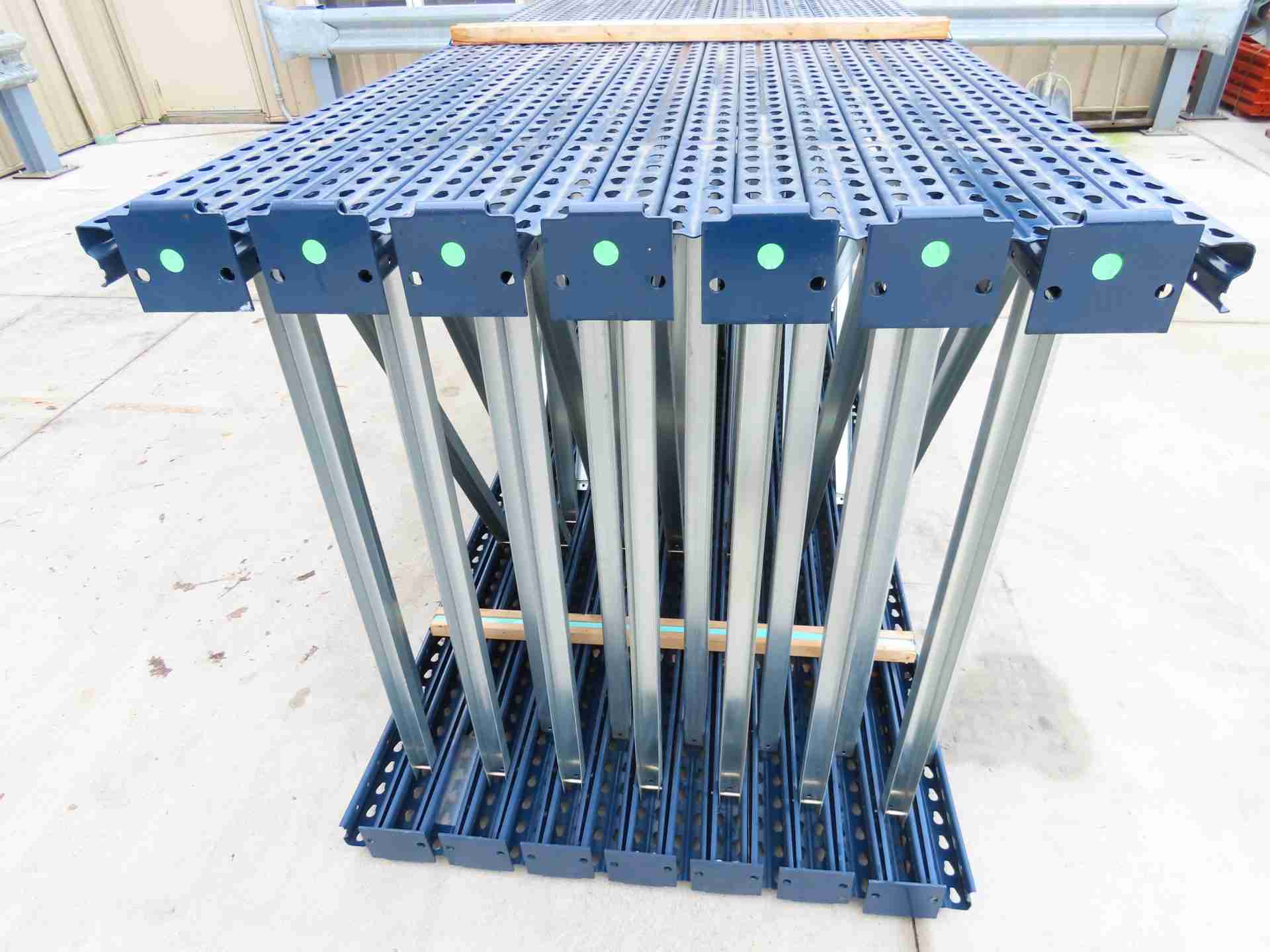
What Consequences Could Arise From Ignoring Fire Code Requirements?
How Does Rack Decking Influence Insurance Premiums for Businesses?
When it comes to running a business, every decision carries weight — including something as seemingly mundane as rack decking. Yet, behind that unassuming veneer lies a pivotal influence on your insurance premiums. Think of racking not as mere metal shelves, but as the backbone of your operation, vital for efficiency and safety. When you invest in high-quality rack decking, you’re not just ensuring your products are stored securely; you’re actively reducing risk and enhancing your bottom line.
Picture a warehouse bustling with energy. Employees maneuvering through aisles, pallets neatly stacked, and inventory in perfect order. Here is where rack decking plays its unsung hero role. Solid, well-designed decking means fewer accidents and a safer work environment for your employees—a clear signal to your insurance provider that you prioritize safety. When insurers see that your racking systems are up to standard, they are likely to lower your premiums. This isn’t just a win for your finances; it’s a testament to your commitment to your team.
Data backs this up: companies that implement robust decking systems report significantly fewer claims. This isn’t merely a statistic; it’s a narrative of responsible leadership, a reflection of your ethical duty to protect your workforce and assets. By mitigating risks, you’re not just safeguarding your business; you’re fostering a culture of trust among your employees, showing them you care.
Social proof also plays a role here. Other businesses within your industry that prioritize proper racking often find themselves rewarded with lower insurance rates and a more favorable relationship with insurers. They become beacons of stability, and you can follow in those footsteps. The story of a company that cut its premiums simply by upgrading to high-quality decking isn’t just heartening; it’s relatable and actionable.
It boils down to this: investing in your rack decking is investing in your future. When you choose the right products, you embrace a foundation built not only for today’s needs but for tomorrow’s challenges. So take a stand for reliability, prioritize safety, and watch as the careful choices you make ripple out to create a safer, more profitable business environment. Your approach to rack decking can be transformative, leading to a cascading effect that inspires trust and sets the stage for growth.

How Does Rack Decking Influence Insurance Premiums for Businesses?
How Does Rack Decking Influence Insurance Premiums for Businesses?
- Rack decking influences insurance premiums significantly, impacting business operations.
- High-quality rack decking enhances efficiency and safety, leading to reduced risk.
- Solid decking promotes a safer work environment, reducing the likelihood of accidents.
- Insurance providers often reward businesses with lower premiums for robust racking systems.
- Implementing effective decking systems correlates with fewer claims, demonstrating responsible leadership.
- Prioritizing safety through proper racking builds trust among employees and fosters a positive culture.
- Investing in quality rack decking prepares businesses for future challenges while promoting growth.
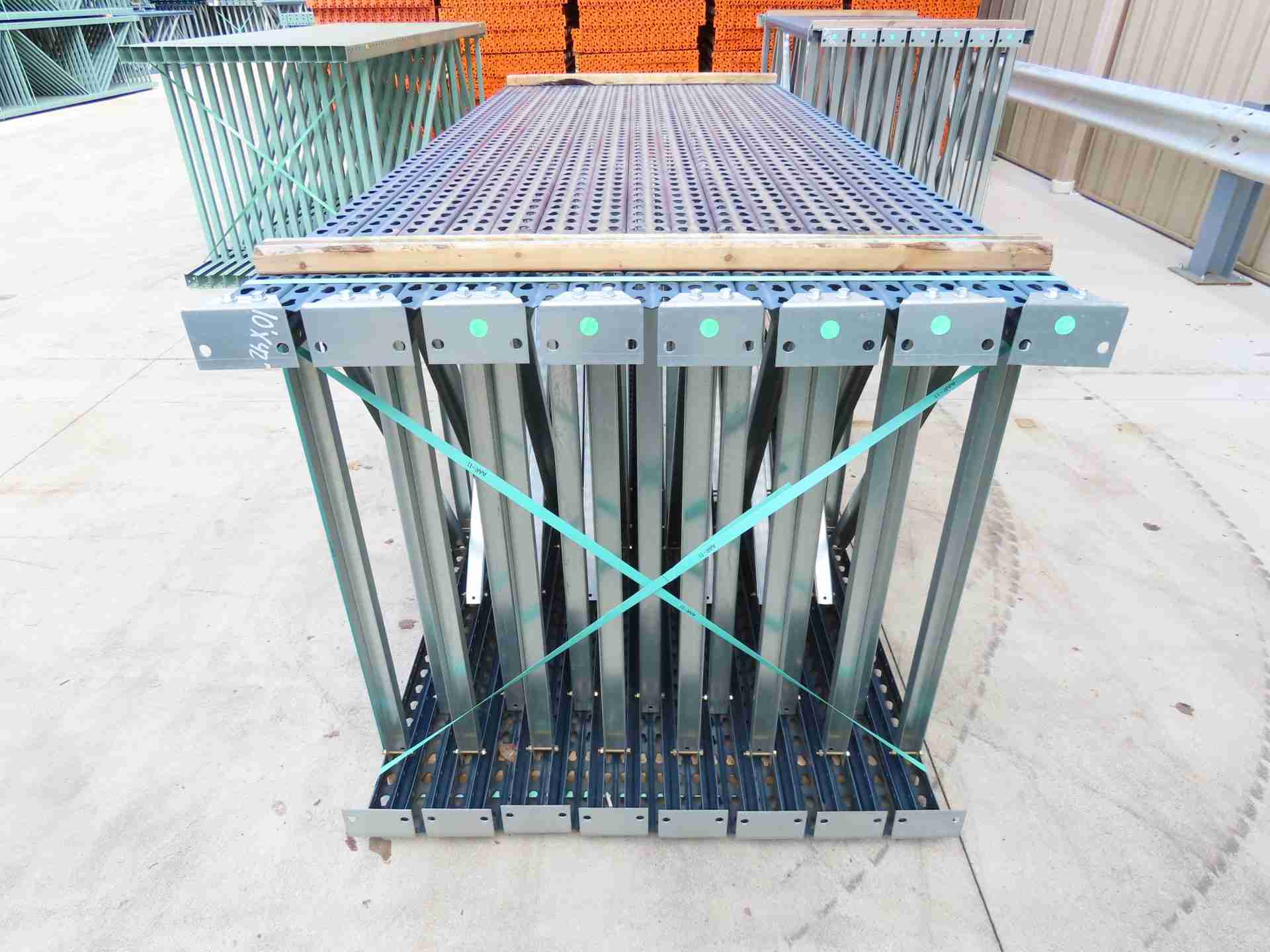
How Does Rack Decking Influence Insurance Premiums for Businesses?
How Can You Create a Safe Environment with the Right Decking Choices?
Creating a safe environment for your outdoor space starts with the right decking choices, and let’s be honest—this isn’t just about aesthetics or making your neighbors envious. It’s about ensuring that every step taken on that deck, whether by little feet running freely or wise ones lingering in reflection, is grounded in safety.
Imagine your children laughing as they chase each other, and then picture that moment of horror if a board gives way beneath them. The last thing you want is a scene where joy turns to fear. That’s why choosing durable materials designed to resist racking and wear is crucial. Not only does it ensure longevity, but it also encapsulates an ethical commitment to the people you care about. You wouldn’t settle for anything less than a sturdy ship to carry your family across the waters, so why should a deck be any different?
Let’s talk wood, composite, or even PVC—each has its perils and promises. Wooden decks, while charming, need constant vigilance against rot and splinters. Composite materials offer a reliable alternative, one that demands less care while providing durability in the face of weathering. When you think of all those Sunday barbeques and family gatherings, consider how peace of mind complements the laughter echoing in your backyard.
Walking on a safely constructed deck isn’t just a rational choice; it’s an emotional one. It’s about creating a haven—a place where genuine connections are strengthened over shared meals, heartfelt conversations under the stars, or simply enjoying a moment of solitude. By investing in quality materials, you’re not just enhancing your space; you’re crafting memories that resonate for lifetimes.
And when it comes to social responsibility, consider the environmental impact of your choices. Sustainable decking options can reduce your carbon footprint, proving that safety doesn’t have to sacrifice ethics. Aligning with eco-friendly practices enhances your standing within the community; people notice when you care about the environment and the well-being of those around you.
Building a safe deck goes beyond what’s beneath your feet. It’s about confidence in your decisions and creating a sanctuary where life is embraced fully. Choose wisely, build safely, and watch those you love grow, laugh, and thrive in that beautiful space. It’s not just a deck; it’s the foundation of your family’s experiences, and you deserve only the best.

How Can You Create a Safe Environment with the Right Decking Choices?
How Can You Create a Safe Environment with the Right Decking Choices?
- Choosing the right decking materials ensures the safety of your outdoor space, prioritizing functionality over aesthetics.
- Durable materials should resist racking and wear, providing longevity and safety for all who use the deck.
- Consider the pros and cons of wood, composite, and PVC decking for safety and maintenance needs.
- Investing in quality materials enhances not just the deck but also strengthens emotional connections with family and friends.
- Sustainable decking options can reduce your carbon footprint, aligning safety with environmental ethics.
- Building a safe deck fosters confidence in your choices and creates a welcoming sanctuary for memorable experiences.
- Your deck serves as the foundation for family gatherings and cherished moments in your outdoor space.

How Can You Create a Safe Environment with the Right Decking Choices?
Conclusion
In the realm of warehouse safety, fire code requirements for rack decking serve as unsung heroes, crucial not just for operational efficiency, but the very lives of those who walk those aisles every day. Picture this: a vibrant warehouse filled with dedicated workers, a place of camaraderie and hard work. Yet, lurking beneath that bustling surface is a profound truth—every choice we make regarding rack decking carries the weight of responsibility. As the National Fire Protection Association sets stringent standards, it becomes clear that these regulations are not mere bureaucratic hurdles but essential lifelines. Failure to comply isn’t just a matter of fines; it risks lives, livelihoods, and the heart of our communities.
Emotionally, think about those products on the shelves; each item represents dreams, jobs, and the families that rely on them. Investing in proper rack decking is a powerful statement. It reflects a commitment to ethical responsibility that prioritizes safety above convenience and profit. By adhering to fire codes, you’re actively choosing to protect not only your business assets but the individuals who bring them to life.
On the rational side, the implications of ignoring these codes are stark. Non-compliance can mean crippling fines and increased insurance premiums. Businesses that embrace robust racking systems often see a reduction in claims, reflecting a narrative of responsible stewardship that resonates well with insurers. This isn’t just smart business; it’s an ethical obligation. Choosing the right materials and ensuring proper installation and maintenance of racking systems can make all the difference in mitigating risks during emergencies.
Socially, there’s a profound connection. When companies prioritize safety, they foster trust among employees and instill a shared sense of accountability. This community mindset doesn’t just contribute to a positive work culture; it strengthens the bonds that hold us all together. We need to remember that our actions echo beyond the confines of our warehouses—they impact families, neighborhoods, and industries.
Ultimately, choosing compliance isn’t about simply checking boxes; it’s about creating a legacy of care and responsibility. Stand up and advocate for the safety of your team and your community. Embrace these fire code requirements as a vital part of your operations, and in doing so, lay the groundwork for an environment where lives are prioritized, and businesses thrive amidst the flames of uncertainty. Invest in safety today, and cultivate a culture that champions the human spirit at its core.

Conclusion
Conclusion:
- Fire code requirements for rack decking are crucial for operational efficiency and safety in warehouses.
- Adhering to these regulations reflects a commitment to ethical responsibility and protects workers’ lives.
- Failure to comply can result in fines, increased insurance premiums, and jeopardized lives and livelihoods.
- Investing in proper rack decking promotes a narrative of responsible stewardship and can reduce insurance claims.
- Prioritizing safety creates trust among employees and strengthens community bonds within the workplace.
- Choosing compliance fosters a culture of care and responsibility that impacts families and neighborhoods.
- Embracing fire code requirements is essential for creating a safe environment where businesses and communities can thrive.

Conclusion
Other Resources

Other Resources
Here is a list of other resources you can review online to learn more:
- Used Pallet Rack for Sale in Illinois – American Surplus
- Wolter
- Material Handling Safety
- Teardrop Pallet Rack – Ridg-U-Rak
- Iowa Illinois Warehouse Racking
- Intro to Warehouse Racks & Warehouse Racking Systems – ShipBob
- Teardrop Industrial Shelving Rack
- Cantilever Rack Guide: Ordering Cantilever Racking
- Chicago Pallet Racking
- Overhead Lifting
- Illinois Pallet Racking – Storage Solutions
- IWLA
- MHI
- Teardrop Pallet Rack – Ridg-U-Rak
- Racking World
- Selective Pallet Racking Systems
- American Society of Safety Professionals
- What is Selective Racking: Understanding Benefits & Options
- Pallet Rack Systems – New and Used Pallet Racking and Shelving Experts
- Cantilever Rack Configuration & Installation: A Comprehensive Guide – BMH
Use This Prompt To Get More Resources With Your Favorite Online AI Tool: Please provide me with a list of online articles with their URLs in a bulleted list that I can read regarding What Are the Fire Code Requirements for Rack Decking?

Other Resources
Glossary Terms
What Are the Fire Code Requirements for Rack Decking? – Glossary Of Terms
1. Rack Decking: The material used to create a surface on storage racks for holding goods.
2. Fire Code: Legal regulations that set minimum safety standards for fire prevention and protection.
3. Flame Spread Index: A rating that measures how quickly flames spread across a surface material.
4. Combustible Material: Substances that can ignite and burn, posing a fire risk in storage facilities.
5. Non-combustible Material: Materials that do not ignite or burn, often required for fire safety compliance.
6. NFPA: National Fire Protection Association, an organization that provides codes and standards for fire safety.
7. IBC: International Building Code, establishing safety standards for building construction, including fire requirements.
8. Type of Rack: Categories of storage racks (e. g. , pallet racks, cantilever racks) affecting fire protection requirements.
9. Sprinkler System: An automatic fire suppression system utilizing water to control or extinguish fires.
10. Fire Barrier: A fire-resistant partition designed to prevent the spread of fire.
11. Flammable Liquids: Liquids with a flash point below a specific temperature; stringent storage conditions are mandated.
12. Fire Safety Plan: A document detailing procedures and strategies for fire prevention and safety in a facility.
13. Storage Configuration: The arrangement of items on racks, influencing the fire safety measures needed.
14. Aisle Space: The width of pathways between storage racks, critical for firefighting access.
15. Fire Retardant Coating: A chemical treatment applied to materials to reduce flammability.
16. Material Safety Data Sheet (MSDS): Documentation that provides information on handling hazardous materials safely.
17. Occupancy Classification: Categories of building use, impacting which fire codes apply.
18. Fire Load: The maximum potential heat release from burning materials in a designated area.
19. Storage Height: The vertical limit of materials stacked on racks, influencing fire safety measures.
20. Clearance: The space between stored items and the ceiling or sprinkler head, crucial for effective fire suppression.
21. Heat Release Rate: The speed at which heat is emitted during a fire, determining fire intensity and spread.
22. Code Compliance: Adherence to established fire safety codes and regulations in rack design and material use.
23. Inspection Requirements: Regular checks mandated by fire codes to ensure safety measures are in place.
24. Emergency Evacuation Plan: A strategy to safely evacuate personnel in the event of a fire.
25. Fire Rating: A measure indicating how long a material can withstand fire exposure before failing.
26. Hazardous Material Storage: Guidelines for safe storage of materials deemed dangerous due to fire risks.
27. Automatic Fire Detection: Systems designed to identify smoke or heat and alert occupants of a fire.
28. Fire Department Access: Regulations ensuring that firefighters can reach fire hazards easily.
29. Employee Training: Programs aimed at educating staff on fire safety practices and emergency procedures.
30. Load Capacity: The maximum weight a rack can safely hold, relevant for fire and structural safety.

Glossary Of Terms
Other Questions
What Are the Fire Code Requirements for Rack Decking? – Other Questions
If you wish to explore and discover more, consider looking for answers to these questions:
- What specific materials are recommended for compliant rack decking?
- How can businesses ensure their racking systems meet fire code requirements?
- What steps should be taken if a warehouse is found to be non-compliant with fire codes?
- What are the common fire code violations related to racking systems?
- How frequently should fire code compliance checks be conducted in a warehouse?
- What training should employees receive regarding fire safety in the warehouse?
- Are there different fire code requirements for different types of products stored?
- What role do local fire marshals play in enforcing fire code compliance?
- How do fire codes vary from state to state or region to region?
- What are the financial implications of investing in compliant rack decking versus penalties for non-compliance?

Other Questions
Checklist
What Are the Fire Code Requirements for Rack Decking? – A Checklist
Checklist for Warehouse Rack Decking Fire Safety Compliance
Emotional Appeals
_____ Reflect on the lives at stake: Consider your employees and their families. Are you creating a safe work environment that protects them?
_____ Visualize potential tragedies: Picture the dire consequences of neglecting fire safety. What’s the human cost of non-compliance?
Rational Appeals
_____ Assess your materials: Check the flame spread ratings of your rack decking materials. Are they compliant with NFPA standards?
_____ Evaluate airflow: Ensure your racking systems allow proper ventilation for fire suppression systems. Is your layout conducive to safety?
Ethical Appeals
_____ Commit to safety standards: Acknowledge your moral obligation to protect your employees. How do your decisions reflect your values surrounding safety?
_____ Foster accountability: Promote a culture where safety is everyone’s responsibility. Have you engaged your team in recognizing and upholding safety standards?
Authority Appeals
_____ Review regulatory guidance: Familiarize yourself with NFPA guidelines and local fire codes. Are you in compliance?
_____ Consult experts: Have you enlisted fire safety professionals to evaluate your racking systems and provide recommendations?
Narrative Appeals
_____ Share safety success stories: Collect and share testimonials from businesses that prioritized fire safety and avoided disasters. Are you spreading awareness of good practices?
_____ Document your journey: Create a narrative of your commitment to safety in your warehouse. How will you communicate your improvements to your team and community?
Social Appeals
_____ Build community trust: Emphasize the importance of safety to build relationships with your employees, customers, and stakeholders. Are you recognized as a safety leader in your community?
_____ Encourage teamwork: Cultivate a culture where everyone feels responsible for fire safety. How can you invite your team to contribute ideas for improving safety measures?
Action Steps
_____ Conduct a thorough safety audit of your racking systems. What areas need immediate attention?
_____ Develop an ongoing fire safety training program for employees. Are your team members equipped to respond in an emergency?
_____ Invest in high-quality rack decking materials. What budget allocations can be made for improving safety infrastructure?
Ensure compliance and foster a culture of safety and care in your warehouse. Your commitment can save lives and build lasting trust within your community.

Checklist
At RackingWorld, we help guide you through selecting warehouse storage systems and racking.
Be sure to read our other related stories at RackingWorld to learn more about warehouse storage systems.
0 Comments