
Unseen Struggles: How Warehouse Disorder Impacts Your Bottom Line
By Tom Seest
At RackingWorld, we help guide you through selecting warehouse storage systems and racking.
Be sure to read our other related stories at RackingWorld to learn more about warehouse storage systems.
The Hidden Cost Of Warehouse Chaos
Warehouse chaos doesn’t just create confusion; it exacts a heavy toll on both the bottom line and the people pushing the carts. Picture this: a bustling warehouse floor where racking systems stand like tired soldiers, yet space is cluttered with misplaced items and bottlenecks. It’s a scene all too familiar—workers scrambling to find a critical part or struggling to keep up with demands. This frantic pace, while seeming a typical day at the grind, hides a cost that can break even the hardiest of operations.
Every misplaced box or unorganized shelf isn’t just a moment wasted; it’s a dollar lost. When employees can’t locate inventory quickly, it leads to delays in order fulfillment, impacting customer satisfaction. Customers don’t just want their products, they expect them. And when expectations aren’t met, trust erodes like rust on an old truck. The emotional weight of these missed promises can sour relationships that took years to build. For every frustrated customer, there’s an employee feeling the pinch too—watching their hard work go unnoticed or underappreciated.
And let’s not forget the safety implications. Working in chaos increases the risk of accidents. Workers might brush off minor hazards, but a slip or drop can lead to serious injury, which in turn drives up costs and lowers morale. No one wants to worry constantly about safety; when the environment feels disorganized, the mental strain becomes real. It’s about more than just avoiding accidents; it’s about creating a workplace where everyone feels valued and safe.
A well-organized warehouse isn’t just a pipe dream. Racking systems can streamline operations, making it easy to find what you need when you need it. When everything has a designated spot, efficiency soars, and workers can focus on what really matters—getting products out the door and ensuring customers are happy. This isn’t about complicating workflows; it’s about simplifying them.
Embrace the idea that chaos has a cost, both in dollars and in human capital. An organized warehouse isn’t just a matter of aesthetics; it’s a fundamental shift that acknowledges the value of every worker and every customer. It builds a foundation of trust and accountability, ensuring that when the dust settles, everyone walks away satisfied—workers and customers alike. So, let’s take a hard look at the chaos. It’s time to bring some order back to the warehouse.

The Hidden Cost Of Warehouse Chaos
The Hidden Cost Of Warehouse Chaos
- Warehouse chaos can heavily impact finances and employee morale.
- Cluttered spaces make finding critical inventory difficult, leading to delays in order fulfillment.
- Customer expectations are high; missed timelines can erode trust and sour relationships.
- Disorganized environments increase safety risks, potentially causing serious injuries and raising costs.
- A well-organized warehouse enhances efficiency, allowing workers to focus on productivity.
- Organizational strategies, like effective racking systems, simplify workflows and improve operations.
- Recognizing chaos as costly fosters a culture of trust and value for both workers and customers.

The Hidden Cost Of Warehouse Chaos
Table Of Contents
- The Hidden Cost Of Warehouse Chaos
- What Are the True Financial Impacts Of Warehouse Disorganization?
- How Does Chaos In a Warehouse Affect Employee Morale?
- Can Improved Organization Lead to Better Customer Satisfaction?
- What Are the Safety Risks Associated with Warehouse Chaos?
- How Does a Cluttered Warehouse Hinder Operational Efficiency?
- What Stories Of Success Come From Organized Warehouses?
- Conclusion
- Other Resources
- Glossary Of Terms
- Other Questions
- Checklist
What Are the True Financial Impacts Of Warehouse Disorganization?
Warehouse organization isn’t just about aesthetics; it’s a matter of dollars and cents. Picture the scene: cramped aisles crammed with products strewn about like a teenager’s bedroom. A racking system forgotten in the chaos, hiding valuable inventory and creating frustration among workers. When things are disorganized, it not only dampens morale but directly hits the bottom line.
First off, inefficiency reigns supreme in a cluttered space. Workers spend precious minutes—often turning into hours—hunting down items that should have clear locations. Every minute wasted equates to dollars lost. Imagine the freight costs when shipments are delayed because a crucial part was buried under piles of boxes. For businesses trying to stay competitive, these delays can feel like tossing money out the window.
Then there’s the implication of safety, which cannot be sidelined. Heavy items teetering on unstable racks or cluttered walkways create an environment ripe for accidents. When safety protocols are ignored, it’s not just worker’s comp claims that add up—there’s also the cost of lost trust from employees. They want to feel secure on the job, and when that’s compromised, you risk losing your best talent to competitors who prioritize their people.
Moreover, the growth potential of a disorganized warehouse is stifled. Companies that fail to invest in efficient racking systems and clear workflows miss out on the chance to scale operations. They might find themselves outbid on contracts because they simply can’t deliver on time. In the long run, a disorganized operation not only leads to lost sales but also damages relationships with partners, suppliers, and customers who value reliability.
Picture a different scene: a well-organized warehouse where racking systems efficiently display inventory. Workers glide through aisles, their day structured and purposeful. Everything in its place means fewer headaches, quicker service, and enhanced productivity. This isn’t just about cleaning up; it’s about instilling pride in the workplace, maintaining standards that speak to the value of hard work.
Caring about organization isn’t a luxury; it’s a necessity. It fosters an environment of respect—for the people doing the work and for the business itself. By investing in organization, you’re not just making a tactical shift; you’re fostering a culture rooted in responsibility and excellence. A well-ordered warehouse isn’t just a more effective one; it’s a foundation built for growth, trust, and lasting success.

What Are the True Financial Impacts Of Warehouse Disorganization?
What Are the True Financial Impacts Of Warehouse Disorganization?
- Warehouse organization impacts financial performance, not just aesthetics.
- Cluttered spaces lead to inefficiency, causing workers to waste time searching for items.
- Delays in shipments due to disorganization result in increased freight costs.
- Safety risks increase with disorganized environments, potentially leading to accidents.
- Ignoring organization stifles growth potential, affecting contract bids and delivery reliability.
- A well-organized warehouse enhances productivity and instills pride among workers.
- Investing in organization promotes a culture of responsibility and excellence, foundational for success.

What Are the True Financial Impacts Of Warehouse Disorganization?
How Does Chaos In a Warehouse Affect Employee Morale?
In the heart of a bustling warehouse, the chaos can feel palpable. The racking systems, meant to streamline operations, can sometimes devolve into a labyrinth of disarray. This isn’t just about boxes and pallets strewn about; it’s about the people who work among them. When there’s a lack of organization, employee morale takes a hit. Workers feel like they’re navigating a minefield rather than a well-oiled machine, and that can grind down even the most seasoned hands.
Imagine walking into a workplace where everyday tasks feel like an uphill battle. You hear the frustration in the voices, see the stress etched on the faces of your coworkers. Supplies are misplaced, safety hazards lurk in the clutter, and deadlines become distant mirages. It’s hard to stay motivated when the environment feels unstable. A chaotic warehouse creates a sense of unease, leaving employees questioning their own efficiency.
Rationally, there’s an undeniable connection between order and productivity. A well-organized racking system can increase workflow, making it easier for workers to access what they need without unnecessary delays. Ethically, fostering a streamlined environment shows respect for employees’ time and efforts. It signals that their well-being matters, and that you value the hard work they put in day in and day out. When workers feel valued, they naturally want to contribute more.
Narratively speaking, think of the camaraderie that builds in a space where everyone knows their role and where to find what they need. The stories shared over coffee breaks become less about the latest mishap and more about triumphs—like that time the team pulled together to overcome a scheduling crisis because they knew their space. In a warehouse dominated by chaos, those stories shift from frustration to resilience, fostering a stronger bond among employees.
Socially, a chaotic environment affects team dynamics. Employees may feel isolated in their struggles, leading to a decline in collaborative spirit. When everyone is on edge, trust erodes, and so does teamwork. Conversely, an organized workspace sends the message that everyone is in this together. It inspires confidence—not just in the systems in place but in each other.
In this way, chaos in a warehouse isn’t just a logistical issue; it’s an emotional and social one that impacts everyone from the ground up. By prioritizing order and efficiency, we can nurture an atmosphere where people feel good about coming to work, fostering not just productivity but pride in a job well done.

How Does Chaos In a Warehouse Affect Employee Morale?
How Does Chaos In a Warehouse Affect Employee Morale?
- The chaotic environment in a warehouse affects both operations and employee morale.
- Lack of organization makes daily tasks feel overwhelming and stressful, impacting motivation.
- There’s a clear link between organization and productivity; efficient racking systems enhance workflow.
- A streamlined workspace demonstrates respect for employees’ time and contributes to their well-being.
- Organized environments foster camaraderie and resilience among employees, improving team bonding.
- Disorder erodes trust and teamwork, while organization cultivates a sense of unity and confidence.
- Addressing chaos is essential for creating a positive work atmosphere and promoting employee pride.

How Does Chaos In a Warehouse Affect Employee Morale?
Can Improved Organization Lead to Better Customer Satisfaction?
In the fast-paced world of business, it’s often the little things that make a big difference. Picture a warehouse filled with racking systems, where every inch of space is methodically planned. When a customer walks in expecting a product, that first impression matters. A disorganized space can leave folks frustrated, but a well-organized environment tells a different story. It shows that you care, and that attention to detail can transform a simple transaction into a memorable experience.
Think about it. When a company is organized, it operates smoothly. Orders get processed faster, product availability is clearer, and customers don’t have to deal with unnecessary hurdles. This translates to less waiting time and more reliable service—a rational appeal that resonates with anyone who’s waited far too long for something as simple as a delivery. A well-run organization doesn’t just keep the wheels turning; it builds confidence in the customer. They feel secure knowing that their needs are taken seriously and met promptly.
But it’s not just about the numbers and schedules; it’s also about trust. A well-organized company reflects reliability and accountability. When employees take pride in their racking systems, it fosters a sense of community. Everyone is on the same page, and this shared commitment shines through in customer interactions. When customers sense that level of integrity, they’re more likely to return, knowing they’re not just another faceless transaction. This relationship is personal.
Let’s dive a bit deeper. A narrative often shared among workers in the backrooms is about a customer who arrives last minute, needing something crucial for an event. When every part of the racking systems is optimized, that item is easy to find. The look of relief on the customer’s face when they realize they can depend on you? That’s pure gold. It now becomes a story they tell their friends, creating a social proof that resonates wider than any advertisement can.
Improved organization isn’t just a box to check off. It’s an embodiment of values, showing that you respect not only your product but also the people who consume it. By investing in organization, you’re investing in a better experience for your customers, one that keeps them coming back, satisfied and confident in your ability to deliver.
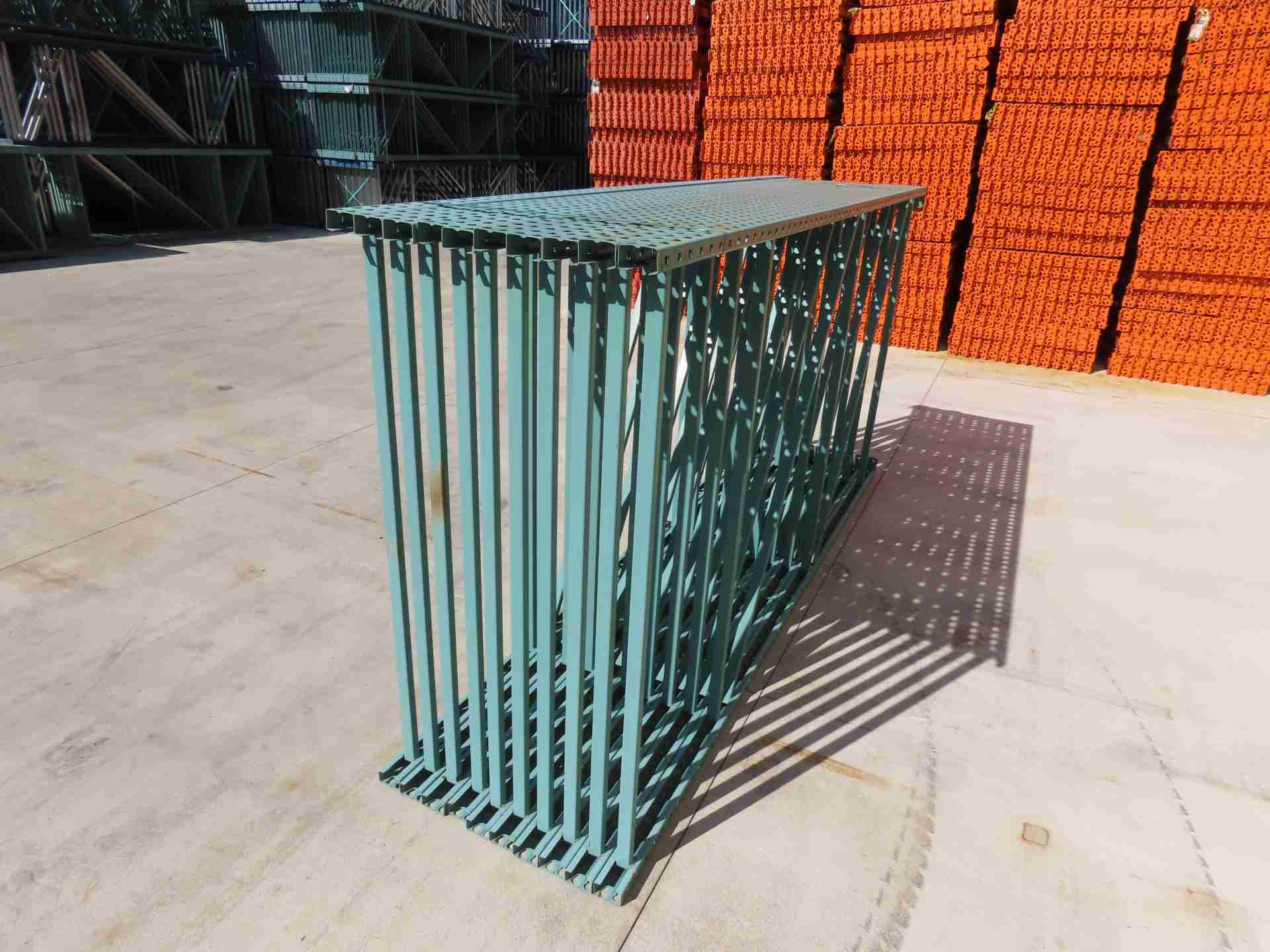
Can Improved Organization Lead to Better Customer Satisfaction?
Can Improved Organization Lead to Better Customer Satisfaction?
- Attention to detail in business environments significantly impacts customer satisfaction.
- A well-organized warehouse enhances efficiency, leading to faster order processing and clearer product availability.
- Reduced waiting times and reliable service help build customer confidence and trust.
- A culture of organization fosters community and pride among employees, impacting customer interactions positively.
- Customers who experience reliable service are more likely to return and share their positive experiences.
- Optimized racking systems allow quick access to products, creating memorable customer moments.
- Investing in organization reflects a company’s values, enhancing customer relationships and loyalty.

Can Improved Organization Lead to Better Customer Satisfaction?
What Are the Safety Risks Associated with Warehouse Chaos?
In the heart of every warehouse, racking systems stand tall, but amidst chaos, they become silent witnesses to potential disasters. Picture a bustling space where forklifts zoom by, workers hustle to meet deadlines, and boxes are stacked high. It’s the lifeblood of commerce, but when order turns to disorder, the risks escalate, threatening the very people who keep the wheels turning.
A cluttered warehouse is a recipe for accidents. When the aisles are cluttered with misplaced pallets and tools are strewn about, they turn into obstacle courses. Workers navigating through these impromptu mazes face a higher chance of tripping or colliding with equipment. Just one moment of distraction can lead to serious injuries, not just to the individual but to their teammates who may be caught in the crossfire.
Think about the heavy equipment that operators rely on every day. In an environment of chaos, the risk of equipment failure increases. Poorly maintained racking systems can buckle under pressure, leading not only to injuries but also to the loss of valuable inventory. The financial impact is significant—lost productivity, replacement costs, and potential legal ramifications can pile up faster than those boxes.
Beyond the physical dangers, there’s a psychological toll. Workers need to feel safe to perform their best, yet chaos breeds anxiety. When your environment feels unsteady, focus is split, and the fear of injury creeps into every task. Trust erodes, not just in the equipment but in the very systems that are supposed to support them. That sense of dread can drop morale faster than a falling box from an unstable racking system.
Ethically, we owe it to our teams to create a safe working environment. Every worker deserves to clock in knowing that their safety is a priority. A culture of safety encourages not just compliance but commitment—a shared responsibility to look out for one another.
Creating order from chaos fosters a sense of community. When teams rally around safety protocols and good practices, they empower one another to speak up about hazards and hold each other accountable. This camaraderie transforms the workplace from a mere job site into a team effort, where every member plays a role in ensuring everyone goes home safe.
The stakes are too high to ignore the risks associated with warehouse chaos. When we prioritize safety over the scramble for productivity, we save lives and build a better, more trustworthy workplace for everyone involved.

What Are the Safety Risks Associated with Warehouse Chaos?
What Are the Safety Risks Associated with Warehouse Chaos?
- Racking systems in warehouses are crucial but can pose risks in chaotic environments.
- A cluttered warehouse increases the likelihood of accidents, posing hazards for workers navigating obstacles.
- Poorly maintained racking can lead to equipment failure, causing injuries and inventory loss.
- The financial implications of chaos include lost productivity, replacement costs, and legal issues.
- Chaos in the workplace creates psychological stress, undermining worker morale and trust.
- It is ethically important to prioritize safety, fostering a culture of responsibility within teams.
- Implementing safety protocols enhances community and accountability among workers, ensuring a safer environment.

What Are the Safety Risks Associated with Warehouse Chaos?
How Does a Cluttered Warehouse Hinder Operational Efficiency?
A cluttered warehouse isn’t just a minor inconvenience; it’s a silent thief that robs operational efficiency. Picture this: workers navigate through narrow aisles, dodging overstuffed pallets and tangled materials. Every trip to locate a racking system or retrieve an item becomes a mini odyssey, wasting valuable time that could be spent on tasks that really matter. When chaos reigns in storage, productivity plummets, and orders delay. Customers are left waiting, and soon enough, so are profits.
Rationally speaking, a disorganized warehouse leads to errors. Picking the wrong item or misplacing inventory becomes all too common. When paperwork gets lost in the shuffle, those few seconds of searching can snowball into hours at the end of the week. That mess not only impacts efficiency; it weighs heavily on the bottom line. Think of the costs associated with replacing lost stock or rectifying errors.
Ethically, how does a manager sleep at night knowing their team is struggling against a tide of disorder? Everyone deserves a workspace that promotes safety and efficiency. Workers want to feel valued, not like they’re digging through a junkyard every day. They thrive when they can respect their tools, from forklifts to racking systems, knowing that they support their mission, not hinder it.
Narratively, consider a day in the life of your average warehouse worker. Morning starts with optimism, coffee in hand, ready to tackle the day ahead. But as soon as they step inside, that hope deflates into frustration. It’s hard to inspire dedication when the environment is a battlefield of obstacles. Team morale suffers, and soon, you’ve got good workers feeling defeated and disengaged.
Socially, the word spreads; chaos in one warehouse reflects poorly on the entire operation. Customers talk, vendors notice, and soon, even your best partners reconsider their commitments. A clean, organized warehouse creates a ripple effect, where trust is built not just among employees but throughout the entire supply chain.
Streamlining a cluttered space doesn’t just mean tossing stuff out; it’s about making room for clarity, efficiency, and purpose. By investing in thoughtful organization, including proper racking systems, you’re not just clearing space; you’re cultivating an atmosphere where pride and productivity flourish. When everything has a place, what flourishes is not just a functional environment, but a thriving business ready to take on any challenge.

How Does a Cluttered Warehouse Hinder Operational Efficiency?
How Does a Cluttered Warehouse Hinder Operational Efficiency?
- A cluttered warehouse reduces operational efficiency and wastes time.
- Disorganization leads to increased errors and lost productivity.
- A chaotic environment negatively affects team morale and worker engagement.
- Lack of organization reflects poorly on the entire operation and affects relationships with customers and vendors.
- Investing in organization enhances workplace safety and efficiency, making workers feel valued.
- A clean warehouse fosters trust throughout the supply chain and promotes a thriving business environment.
- Streamlining operations encourages clarity and purpose, benefiting both employees and the bottom line.

How Does a Cluttered Warehouse Hinder Operational Efficiency?
What Stories Of Success Come From Organized Warehouses?
In the bustling world of logistics, organized warehouses stand as the backbone of efficiency and productivity. The stories of success emerging from these environments often revolve around one unifying theme: the power of structure and teamwork. When a warehouse is equipped with effective racking systems, it not only enhances the flow of goods but also transforms the workforce’s experience, creating a ripple effect of achievement.
Consider a small family-owned business struggling to keep pace with growing demands. Their initial storage method—stacking boxes haphazardly—resulted in lost time and frustrated employees. After investing in targeted racking systems, they uncovered a newfound ability to access inventory quickly, reducing retrieval times and improving order accuracy. The gradual smiles replacing frowns in the warehouse marked a shift not just in productivity but in morale. Workers began to take pride in their environment, feeling valued and part of something bigger than just moving boxes from Point A to Point B.
This transformation isn’t just about efficiency in numbers; it’s about the heart of the workforce. An organized warehouse fosters a sense of belonging. Employees relate to one another as they navigate structured aisles, celebrating small victories together, like completing a challenging order on time or mastering a new inventory system. These day-to-day successes create a culture of support and camaraderie, where workers motivate each other to go the extra mile.
Rationally, the financial benefits speak volumes. Companies who overhaul their warehouse organization see a significant return on investment. Time saved is money earned, but more than that, it’s about the trust built within the team and with the customers. When clients receive their orders as promised and on time, confidence grows—and eventually, so does business. Ethically, warehouses that prioritize worker safety and efficient design demonstrate respect for their employees, showing that a commitment to both productivity and wellbeing yields success all around.
In the grander narrative of any successful business, organized warehouses stand as a testament to practical wisdom. They encapsulate a blend of hard work, strategic planning, and shared victories. Each story from these spaces echoes a simple truth: when people come together in an environment that respects their efforts and enhances their capabilities, remarkable things happen. It’s no coincidence that the best warehouse success stories emerge not just from good management, but from good people.

What Stories Of Success Come From Organized Warehouses?
What Stories Of Success Come From Organized Warehouses?
- Organized warehouses are crucial for efficiency and productivity in logistics.
- Successful warehouses exemplify the significance of structure and teamwork.
- Targeted racking systems improve inventory access, reduce retrieval times, and boost order accuracy.
- Employee morale and pride increase alongside productivity in an organized environment.
- Structured warehouses foster a sense of belonging and encourage a culture of support among workers.
- Companies experience significant returns on investment from improved warehouse organization.
- Prioritizing worker safety and effective design demonstrates respect for employees, contributing to overall success.

What Stories Of Success Come From Organized Warehouses?
Conclusion
Warehouse chaos extends beyond simple disorder; it has profound implications for the people working in these environments and the financial health of a business. A cluttered warehouse creates inefficiencies that cost both time and money. Workers often spend excessive amounts of time searching for misplaced items, leading to delays in order fulfillment and diminishing customer satisfaction. As expectations rise, so does the pressure on employees—frustration mounts when teams are unable to meet customer demands, eroding trust that takes years to develop.
Moreover, the safety risks associated with a disorganized workspace cannot be overlooked. An environment filled with potential hazards can lead to accidents that compromise the well-being of employees and increase operational costs. Safe workplaces foster employee morale; when workers feel secure, they are more likely to be productive. Chaos, on the other hand, breeds anxiety and disengagement, creating a cycle of discontent that can be difficult to break.
Investing in organization isn’t merely an aesthetic choice; it significantly influences operational efficiency and employee satisfaction. Clear, systematized racking and workflows allow personnel to move swiftly and accurately. This increased efficiency isn’t just beneficial for productivity; it reflects respect for the workforce. When employees perceive that their time and safety are valued, they become more invested in their work, cultivating a sense of pride and teamwork.
Additionally, a streamlined operation enhances customer interactions. Quick, reliable service builds confidence and fosters loyalty among clients. When teams work harmoniously within an organized setup, the positive energy transcends into customer service, leading to repeat business. It’s through these narratives of success that the necessity of an organized warehouse becomes evident. Workers feel a new sense of purpose, camaraderie grows, and operational efficiency soars.
In essence, overcoming warehouse chaos is about acknowledging the hidden costs it brings—not just to the company’s financial ledger but to the community of employees and customers. By prioritizing organization and investing in efficient systems, companies don’t just enhance their bottom lines; they create workplaces where respect, safety, and pride thrive. Amid the bustle and grind of daily operations, creating order is a fundamental step toward long-term success for everyone involved. When chaos turns to clarity, both businesses and their people can flourish, paving the way for growth and resilience in an ever-evolving industry.

Conclusion
Conclusion:
- Warehouse chaos leads to inefficiencies, costing time and money.
- Disorganized spaces result in delays and decreased customer satisfaction.
- Safety risks increase in cluttered environments, potentially harming employees.
- Investing in organization improves operational efficiency and boosts employee morale.
- Streamlined operations enhance customer interactions and foster loyalty.
- Organization contributes to a culture of respect, safety, and teamwork.
- Addressing chaos in warehouses is essential for long-term business success and employee well-being.

Conclusion
Other Resources

Other Resources
Here is a list of other resources you can review online to learn more:
- Warehouse Storage Racks
- Warehouse Storage Racking in Illinois
- Pallet Racking systems in Illinois and Great Lakes
- Warehouse Racking Chicago, IL
- Cantilever Racking Specialists – Get the Right Racks
- Interlake
- Teardrop Racks – Pallet Rack World
- Used Teardrop Pallet Rack – American Surplus
- Wolter
- WERC
- Selective Pallet Racking Systems
- Racking World
- Intro to Warehouse Racks & Warehouse Racking Systems – ShipBob
- Illinois
- Pallet Racking 101: A Comprehensive Guide & Options Explained
- Iowa Illinois Warehouse Racking
- Total Warehouse
- RMI
- Interlake Mecalux
Use This Prompt To Get More Resources With Your Favorite Online AI Tool: Please provide me with a list of online articles with their URLs in a bulleted list that I can read regarding The Hidden Cost Of Warehouse Chaos

Other Resources
Glossary Terms
The Hidden Cost Of Warehouse Chaos – Glossary Of Terms
1. Warehouse: A large building used for storing goods, materials, or products.
2. Chaos: A state of complete disorder and confusion, often resulting in inefficiencies.
3. Inventory: The complete list of items or products stored in a warehouse.
4. Organization: The arrangement of items in a systematic way to enhance efficiency and accessibility.
5. Logistics: The detailed coordination of complex operations involving people, facilities, and supplies.
6. Supply Chain: The entire system that moves a product from supplier to consumer, including warehousing.
7. Overhead: Ongoing expenses that are not directly tied to producing goods, affecting profit margins.
8. Efficiency: The ability to achieve maximum productivity with minimum wasted effort or expense.
9. Productivity: The effectiveness of productive effort, often measured in output per hour.
10. Automation: The use of technology to perform tasks without human intervention, improving efficiency.
11. Pallet: A flat transport structure that stores and supports goods in a warehouse.
12. SKU: Stock Keeping Unit; a unique identifier for each product or item in inventory.
13. Fulfillment: The process of receiving, packing, and shipping orders to customers.
14. Picking: The process of selecting items from inventory to fulfill orders.
15. Safety Stock: Extra inventory kept on hand to prevent stockouts caused by unforeseen demand.
16. Cycle Count: A process of counting a portion of inventory on a regular basis to ensure accuracy.
17. WMS: Warehouse Management System; software used to manage warehouse operations efficiently.
18. Space Utilization: The effective use of warehouse space to maximize storage capacity.
19. Lead Time: The amount of time taken from placing an order to receiving it.
20. Backorder: An order for a product that is temporarily out of stock.
21. Shrinkage: The loss of inventory due to theft, damage, or accounting errors.
22. Workflows: The sequence of processes through which a piece of work passes from initiation to completion.
23. Inventory Turnover: A ratio showing how many times inventory is sold and replaced over a period.
24. Cross-Docking: A logistics practice where products are directly transferred from incoming to outgoing shipping with minimal storage time.
25. Picking Accuracy: The degree to which the items selected for an order match what was ordered.
26. Returns Management: The process of handling returned items efficiently and effectively.
27. Dock Scheduling: Planning the arrival and departure of trucks at a warehouse loading dock to optimize operations.
28. Fulfillment Center: A specialized warehouse focused on storing and shipping orders directly to customers.
29. FIFO: First In, First Out; a method of inventory management where the oldest stock is sold first.
30. Batch Picking: A fulfillment method where multiple orders are picked simultaneously to improve efficiency.

Glossary Of Terms
Other Questions
The Hidden Cost Of Warehouse Chaos – Other Questions
If you wish to explore and discover more, consider looking for answers to these questions:
- How do I calculate the actual financial cost of warehouse disorganization for my business?
- What key performance indicators (KPIs) should I track to measure warehouse efficiency?
- What is the expected ROI and payback period for investing in racking systems and organization?
- Which types of racking systems are best for different inventories and workflows?
- How do I choose between manual, semi-automated, and fully automated storage solutions?
- What role should a warehouse management system (WMS) play in reducing chaos?
- How can technologies like barcode scanning, RFID, and IoT improve accuracy and speed?
- What is the cost range for implementing basic organizational improvements versus full automation?
- How long does it typically take to reorganize a warehouse and see measurable benefits?
- What are the most common safety hazards caused by poor organization, and how can they be mitigated?
- What inspection and maintenance schedules are required to keep racking systems safe and compliant?
- Which regulatory standards and insurance requirements relate to warehouse storage and racking?
- How does clutter specifically contribute to incident frequency and workers’ compensation claims?
- What are best practices for space optimization and slotting to maximize throughput?
- How should I redesign layout and flow to reduce picking distances and bottlenecks?
- What picking strategies (zone, batch, wave, pick-to-light) work best in organized warehouses?
- How should inventory be categorized, labeled, and documented to prevent misplacements?
- What training programs and behavioral changes are most effective at improving organization and morale?
- How can managers measure and improve employee morale tied to warehouse conditions?
- What incentive or recognition programs help sustain good organizational habits?
- How do seasonal peaks and rapid growth affect organizational needs and capacity planning?
- What are the common implementation pitfalls when reorganizing a warehouse and how can they be avoided?
- How do returns, damaged goods, and quarantine areas impact overall warehouse order and how should they be handled?
- What continuous improvement frameworks (5S, Lean, Kaizen) are most applicable to warehouses?
- How should internal audits, cycle counts, and reconciliation be structured to maintain inventory accuracy?
- What metrics indicate improvements in customer satisfaction directly attributable to better warehouse organization?
- How does better organization affect delivery lead times, order accuracy, and on-time performance?
- What vendor selection criteria and procurement processes should be used when buying racking or automation?
- How much ongoing maintenance and replacement budgeting should be planned for racking and equipment?
- How can small or budget-constrained operations implement low-cost organizational improvements quickly?
- What case studies or success stories show concrete savings and improved morale after reorganizing?
- How do ergonomic considerations and equipment choice reduce injury risk and improve productivity?
- How should emergency routes, fire safety, and spill control be factored into warehouse organization?
- What impact does warehouse organization have on sustainability, waste reduction, and energy use?
- How should communication and change-management be handled during a reorganization to minimize disruption?

Other Questions
Checklist
The Hidden Cost Of Warehouse Chaos – A Checklist
Readiness Checklist
✅______ Facility
✅______ Date
✅______ Auditor
Space, Layout, and Flow
✅______ Documented floor plan with defined zones (Receiving, QC, Storage, Picking, Packing, Staging, Shipping)
✅______ Aisles clear and unobstructed to required width; no temporary storage in walkways
✅______ One-way equipment routes marked; pedestrian and forklift paths separated
✅______ High-velocity SKUs positioned near packing and shipping
✅______ Inbound and outbound staging areas clearly marked and sized for peak volume
✅______ Minimal cross-traffic between receiving and shipping
✅______ Visual signage guides flow and location identification
Racking and Storage
✅______ Racks inspected; no damage, rust, or bent beams or uprights
✅______ Rack load ratings posted and followed
✅______ Beams locked; anchors installed; row spacers used where required
✅______ Backstops or netting installed to prevent push-through
✅______ Heavy or bulky items stored at lower levels
✅______ Pallets in good condition; no overhang or broken boards
✅______ Locations labeled with consistent, scannable addresses
Inventory Accuracy and Control
✅______ Every SKU has a designated primary location; no orphan stock
✅______ ABC analysis completed within the last six months
✅______ Slotting optimized by velocity, size, and pick method
✅______ Barcode labels verified for readability at point of use
✅______ Cycle counting program active with documented targets and results
✅______ Root cause analysis performed on inventory discrepancies
✅______ Quarantine and returns areas clearly defined and access-controlled
✅______ Obsolete or slow-moving inventory identified with a disposition plan
✅______ Reorder points and min/max levels reviewed and updated routinely
✅______ Kitting and BOM (bill of materials) accuracy verified for assembled SKUs
Order Fulfillment and Efficiency
✅______ Standard pick methods defined and followed (for example, batch, wave, zone)
✅______ Optimized pick paths used; travel minimized
✅______ Scan-to-confirm at pick and pack to prevent errors
✅______ Pack stations organized; right-sized packaging readily available
✅______ Address and carrier validation in the shipping workflow
✅______ Order accuracy rate meets target (for example, ≥ 99.5%)
✅______ Order cycle time meets service-level agreements
✅______ Backorders tracked with clear recovery plans
✅______ Daily cutoff times posted and consistently met
Safety and Compliance
✅______ Daily MHE/forklift inspections logged; defects addressed promptly
✅______ PPE available, in good condition, and consistently used
✅______ Emergency exits clear, lit, and signed; evacuation routes posted
✅______ Fire extinguishers and first aid kits accessible and inspected
✅______ Spill kits present; hazardous materials stored per requirements
✅______ Housekeeping standards (5S) executed on a set cadence
✅______ Ergonomic aids available; training provided for safe lifting
✅______ Incident and near-miss reporting active; corrective actions closed
✅______ SDS (safety data sheets) accessible; chemical areas labeled
✅______ Pedestrian crossings and hazard zones floor-marked
People, Training, and Morale
✅______ Role-specific SOPs current and accessible at point of use
✅______ New hire onboarding covers safety, SOPs, and systems
✅______ Cross-training matrix maintained; coverage for absences ensured
✅______ Daily stand-ups share priorities, hazards, and KPIs
✅______ Feedback loop in place; improvement ideas captured and acted on
✅______ Staffing levels aligned to demand; overtime monitored
✅______ Break areas clean and adequate; climate and hydration addressed
✅______ Recognition for accuracy, safety, and productivity milestones
✅______ Periodic morale or pulse checks conducted
Technology and Data
✅______ WMS in place and integrated with ERP/e-commerce platforms
✅______ Real-time scanning at receive, move, pick, pack, and ship
✅______ ASN (advance ship notice) process used to speed receiving and reduce errors
✅______ GS1 or equivalent labeling standards implemented
✅______ CMMS tracks preventive maintenance for racks, MHE, and conveyors
✅______ Wi‑Fi coverage validated in all aisles and dock areas
✅______ Dashboards monitor accuracy, throughput, dwell time, and space use
Inbound, Receiving, and Putaway
✅______ Dock appointments scheduled to level-load arrivals
✅______ Inbound QC with damage capture and vendor feedback
✅______ Putaway time from receipt within target
✅______ OS&D (over, short, and damaged) process defined and consistently executed
✅______ Vendor compliance guidelines enforced; scorecards maintained
Outbound, Shipping, and Carrier Management
✅______ Staging lanes organized by carrier and departure window
✅______ Cartonization rules reduce dimensional weight and damage risk
✅______ Correct service levels selected per SLAs and cost targets
✅______ Bill of lading (BOL) accuracy verified; trailer seals and counts documented
✅______ On-time departure performance tracked and reviewed
Continuous Improvement and Cost
✅______ Weekly 5S audits with visible scorecards and owners
✅______ Regular Kaizen events focused on bottlenecks and waste
✅______ Value stream map updated at least annually
✅______ Space utilization monitored; target range maintained to avoid congestion
✅______ Cost per order/line and labor productivity tracked
✅______ Customer complaints analyzed; corrective actions implemented
✅______ Waste, recycling, and energy usage measured
Risk and Resilience
✅______ Peak-season capacity plan with labor and space contingencies
✅______ Approved alternates for critical suppliers and carriers
✅______ Critical spare parts for MHE and IT maintained
✅______ Backup power and data recovery tested on schedule
✅______ Security, fire, and weather risk assessments current; mitigations in place
Action Plan
✅______ Top five issues to address this month
✅______ 1.
✅______ 2.
✅______ 3.
✅______ 4.
✅______ 5.
✅______ Owners and due dates
✅______ Item — Owner — Due date
✅______ Item — Owner — Due date

Checklist
At RackingWorld, we help guide you through selecting warehouse storage systems and racking.
Be sure to read our other related stories at RackingWorld to learn more about warehouse storage systems.
0 Comments