
Maximizing Customer Trust Through Efficient Warehouse Organization
By Tom Seest
At RackingWorld, we help guide you through selecting warehouse storage systems and racking.
Be sure to read our other related stories at RackingWorld to learn more about warehouse storage systems.
Is Your Lack Of Warehouse Organization Costing Valuable Customer Trust?
Picture this: a customer places an order, eagerly anticipating the delivery of their favorite product. Days roll by, excitement turns to anxiety, and before long, the trust they placed in your business begins to wane. The culprit? A disorganized warehouse that hampers efficiency and accuracy. It’s a bitter pill to swallow, but poor warehouse organization can be a silent assassin of customer trust—leaving you to ask, is it time to reevaluate your operations?
You might believe that an organized warehouse is merely a functional necessity, but let’s delve deeper. The backbone of your logistics isn’t just about moving goods; it’s about creating a seamless experience for your customers. When your inventory is haphazard—think misplaced items and overflowing shelves—the repercussions can be dire. Late shipments, inaccurate tracking, and mixed-up products can all stem from a lack of strategic planning. Would you feel confident placing your order knowing that pallet racking and smart organization were mere afterthoughts in the big picture?
It comes down to this: every time you miss a promise, you erode your customer’s confidence in your brand. Trust, once lost, is arduous to regain, and lost trust can translate directly to that dwindling bottom line. Imagine a world where your warehouse doesn’t just function but thrives—where every item sits in its designated place, easily accessible on sturdy pallet racking. This isn’t just about order fulfillment; it’s about reinforcing the relationship between you and your customers.
By investing in organized systems, such as effective pallet racking solutions that maximize space and efficiency, you’re not just addressing logistics; you’re actively nurturing customer loyalty. The impact resonates through every aspect—from timely deliveries to clear communications. When customers see that you care about organization, they see you care about them. It’s a simple formula: happy customers spread the word, secure repeat business, and bolster your reputation.
So, take a moment and evaluate your warehouse. How does its organization—or lack thereof—reflect on the trust your customers place in you? Because when you prioritize the order within your operations, you’re prioritizing their confidence in your brand. Let’s turn that lack of organization into a pillar of strength, ensuring every promise you make translates into unparalleled customer satisfaction. Ready to take action?
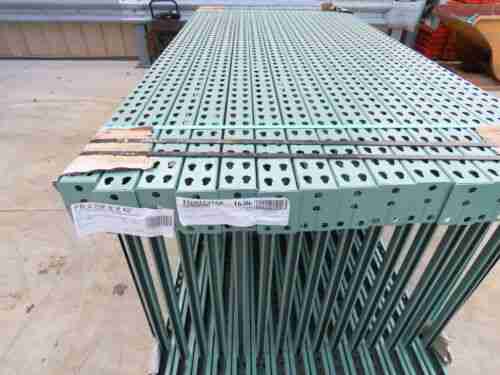
Is Your Lack Of Warehouse Organization Costing Valuable Customer Trust?
Is Your Lack Of Warehouse Organization Costing Valuable Customer Trust?
- A disorganized warehouse can erode customer trust and lead to anxiety about order delivery.
- Warehouse organization is essential for creating a seamless customer experience, not just for moving goods.
- Poor organization can result in late shipments, inaccurate tracking, and mixed-up products.
- Missing promises can significantly damage customer confidence and impact overall profitability.
- Investing in organized systems, like pallet racking, enhances both logistics and customer loyalty.
- An organized warehouse contributes to timely deliveries and clear communication with customers.
- Prioritizing warehouse organization helps reinforce trust and ensures customer satisfaction.
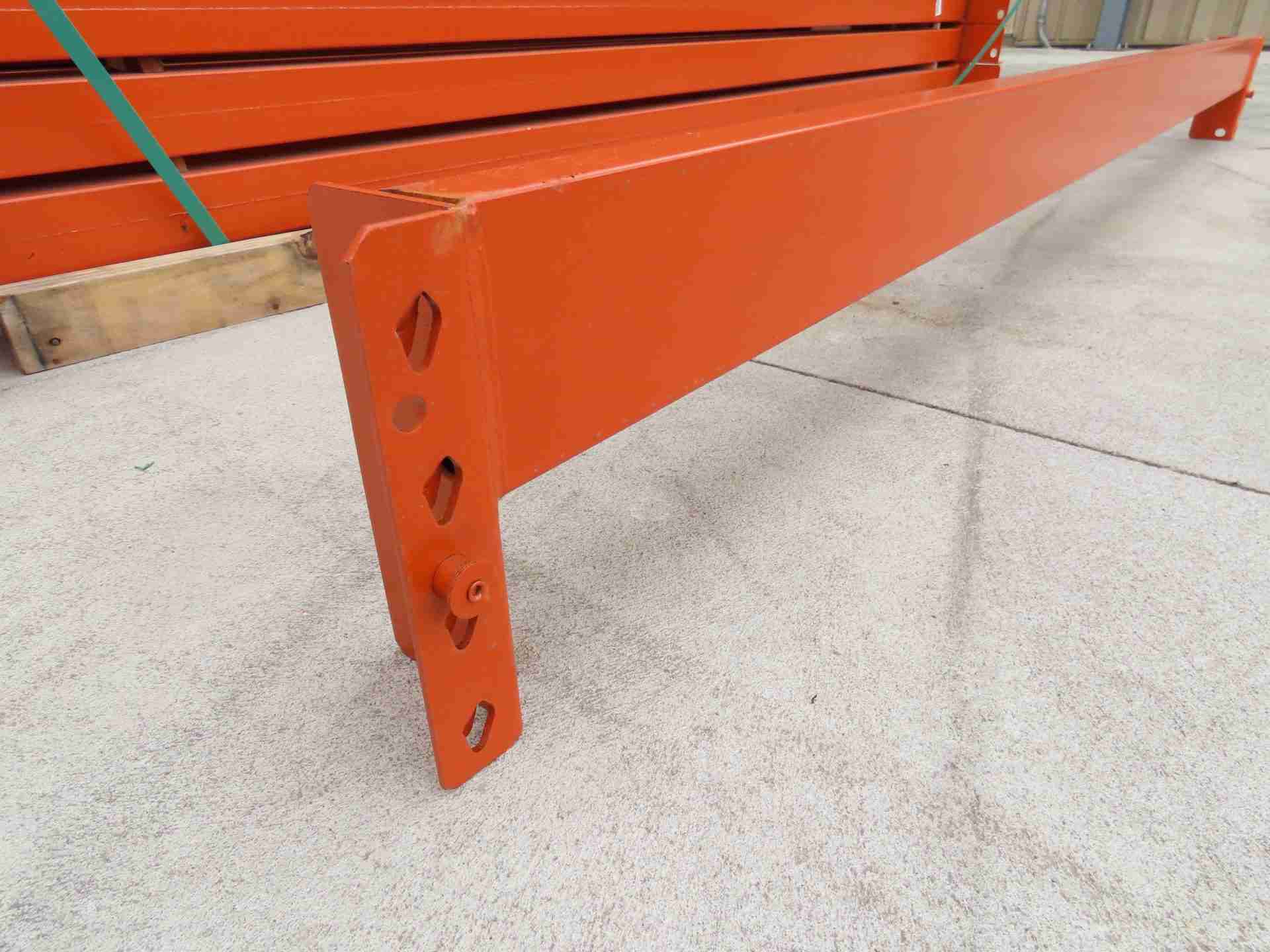
Is Your Lack Of Warehouse Organization Costing Valuable Customer Trust?
Table Of Contents
- Is Your Lack Of Warehouse Organization Costing Valuable Customer Trust?
- Are You Tracking Inventory Accurately?
- How Often Do You Conduct Inventory Audits?
- Is Your Staff Trained In Warehouse Organization?
- Are Orders Fulfilled In A Timely Manner?
- Do You Have A Clear System For Order Picking?
- Are Returns Processed Quickly And Efficiently?
- Conclusion
- Other Resources
- Glossary Of Terms
- Other Questions
- Checklist
Are You Tracking Inventory Accurately?
Let’s get real: if you’re not tracking your inventory with precision, you’re throwing money out the window. For many businesses, inventory represents one of the largest assets on the balance sheet. Yet so often, the systems to manage these assets are unpolished or, worse, nonexistent! You wouldn’t drive a car with a foggy windshield—you need a clear view of your inventory landscape.
Consider the role of your storage systems, like pallet racking. Yes, we know it’s not the most glamorous discussion topic, but pallet racking is the backbone of your inventory management. The efficiency of how you organize your products directly impacts your sales and profits. If your pallet racks are not utilized correctly, you may encounter lost items and miscounted stock. The inevitable result? A frustrating guessing game when it comes to fulfilling orders.
Imagine a scenario where your team can walk into your warehouse, scan a barcode, and instantly know how many units are available, where they’re located, and when they need to be reordered. This isn’t a pipe dream—it’s within reach with the right inventory tracking system in place. The technology exists to empower you to see your stock levels at a glance, ensuring that every item is accounted for. By leveraging smart tracking, your teams can focus on what they do best: driving sales and enhancing customer satisfaction.
Let’s evoke a common misstep: being overstocked or understocked. Both are detrimental to your bottom line. Overstocking leads to increased holding costs, wasted cash flow, and in the worst-case scenario, product obsolescence. On the flip side, understocking sends customers running to your competitors, a sure-fire way to lose trust and revenue.
Investing time in rethinking your inventory management processes—including optimizing your pallet racking—can yield remarkable dividends. A solid inventory system allows you to minimize stress, maximize cash flow, and fosters a proactive rather than reactive business stance. Begin today. Review your current methods, crunch your numbers, and reach out to inventory management specialists to align yourself with the tools you need.
In a world where efficiency and customer satisfaction reign supreme, there’s no better time to take inventory accuracy seriously. When you do, you’re not just preserving your assets; you’re enhancing your reputation and paving the way to sustained profitability. Let’s get that inventory in check!

Are You Tracking Inventory Accurately?
Are You Tracking Inventory Accurately?
- Accurate inventory tracking is crucial for avoiding financial losses.
- Inventory is a significant business asset often managed ineffectively.
- Pallet racking systems play a vital role in efficient inventory management.
- Improper organization can lead to lost items and stock miscounts.
- Implementing an inventory tracking system allows for real-time stock visibility.
- Both overstocking and understocking can negatively impact profits and customer trust.
- Optimizing inventory processes can enhance cash flow and reduce stress in business operations.

Are You Tracking Inventory Accurately?
How Often Do You Conduct Inventory Audits?
Imagine this: your inventory shelves, perhaps lined with Pallet Racking, are overflowing with products that promise growth and profitability. Yet, amidst the tall stacks and vibrant colors, uncertainty lurks. Are you truly aware of what’s in there? How often do you conduct inventory audits? If you’ve been putting this off, consider the potential losses—lost sales, unnecessary overstock, and missed opportunities that can silently drain your bottom line.
Conducting regular inventory audits is not just a chore; it’s an essential strategy for success. Think of it as a health check for your business. Just as you wouldn’t ignore a persistent cough, you shouldn’t overlook the value of knowing exactly what you have. Trust us, your bottom line will thank you.
So, how often should you dive deep into your inventory? Well, it depends on various factors: the size of your operation, the variety of products you offer, and how rapidly those products move in and out of your warehouse. For some businesses, quarterly audits might work wonders, while others may need a more rigorous monthly approach to keep the wheels turning smoothly.
Consider conducting spot checks weekly, especially if you manage high-traffic products or seasonal items. This allows you to catch discrepancies early, preventing bigger headaches down the line. With Pallet Racking systems, the potential for human error increases as your team juggles multiple SKUs. A little vigilance now can save you from making catastrophic decisions later.
Now, let’s create a connection here: picture yourself standing in front of your shelves, confidently knowing exactly what you have in stock. Your inventory. Your pride. You’re not in the dark; you’re empowered. You can make data-driven decisions that catapult your business forward.
If this sounds appealing—and it should—consider establishing a regimented schedule for your inventory audits. Create a system that accommodates your operational rhythms. Don’t shy away from utilizing technology, either. Inventory management software can streamline the process, making it less burdensome and far more effective.
Your business deserves to flourish, and accurate inventory management is a cornerstone of that success. Trust yourself and your operations. Take action now, audit regularly, and watch as clarity leads to greater profitability. After all, a well-managed inventory is not just about what’s on the shelves; it’s about how well you navigate your path to success.
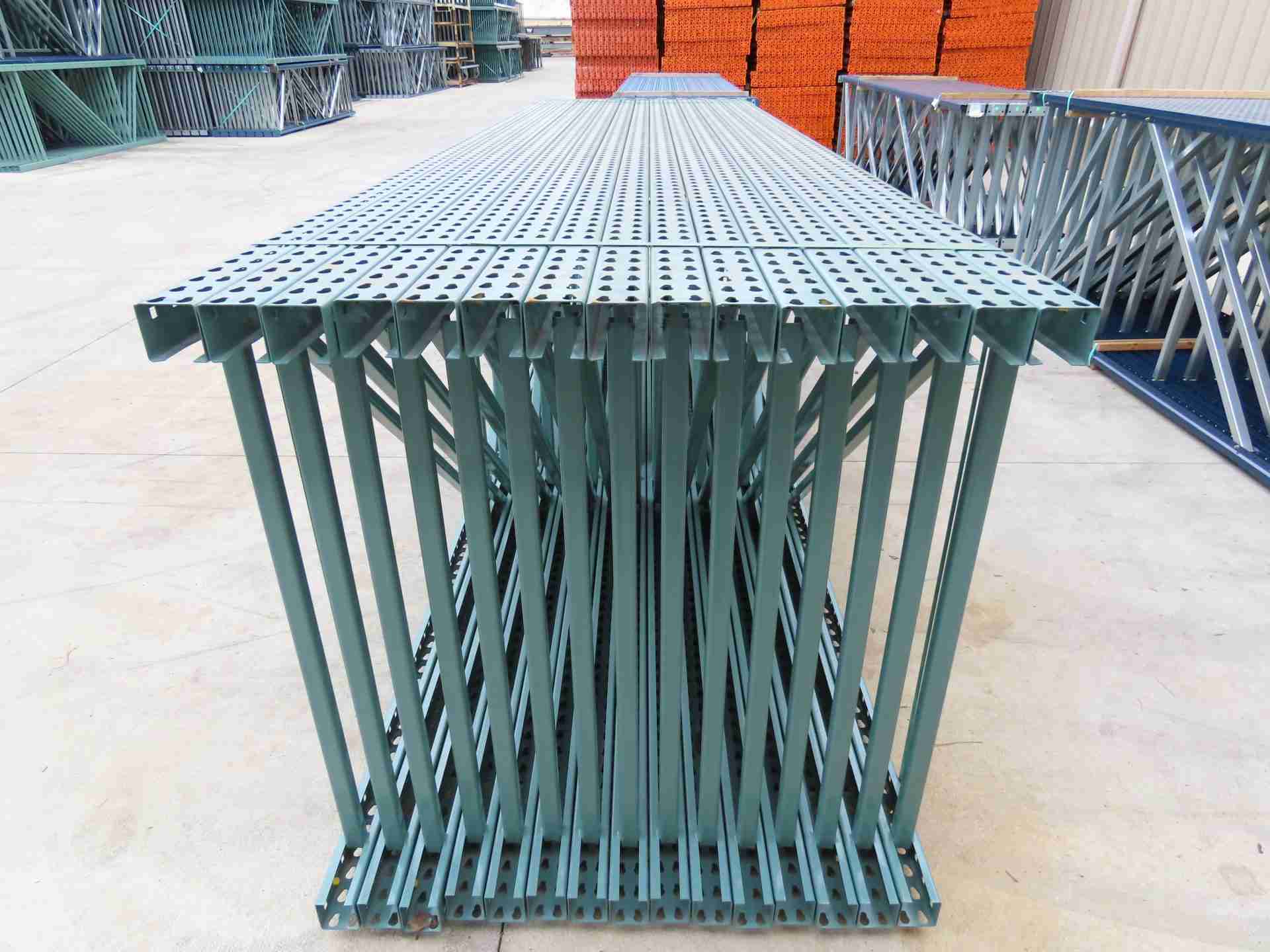
How Often Do You Conduct Inventory Audits?
How Often Do You Conduct Inventory Audits?
- Overflowing inventory can lead to uncertainty and potential losses like missed sales and overstock.
- Regular inventory audits are essential for business success, acting as a health check for operations.
- The frequency of audits depends on factors such as the size of the operation and product turnover rates.
- Consider weekly spot checks for high-traffic or seasonal products to catch discrepancies early.
- With complex Pallet Racking systems, human error can increase, stressing the importance of vigilant audits.
- Establish a regimented audit schedule and utilize inventory management software to enhance efficiency.
- Accurate inventory management is crucial for navigating a path to greater profitability and business growth.
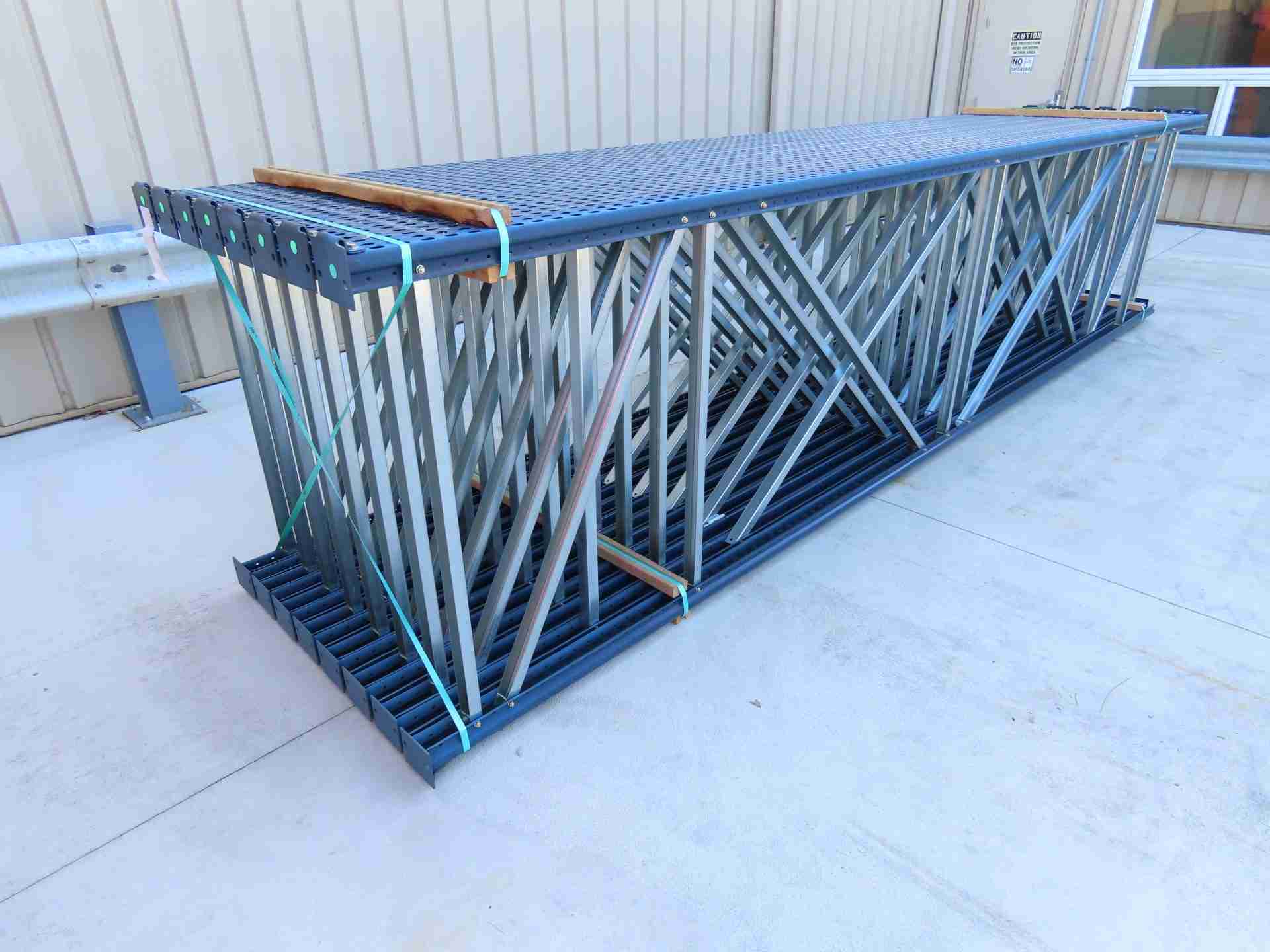
How Often Do You Conduct Inventory Audits?
Is Your Staff Trained In Warehouse Organization?
Every day, the efficiency of your warehouse hinges on one critical element: your staff’s training in warehouse organization. Think about it—when employees know how to navigate your storage systems, such as Pallet Racking, your operations become smoother, faster, and significantly more cost-effective. Unfortunately, many companies overlook this essential aspect, assuming that on-the-job experience alone suffices. But that assumption can stifle productivity and increase operational costs.
Imagine a well-organized warehouse, where every item is placed strategically, ensuring quick access and effective retrieval. This isn’t just a dream; it’s entirely achievable with a team that understands the value of systematic organization. When your staff is trained to optimize the use of shelving, including Pallet Racking, they can create an environment where chaos is minimized and efficiency is maximized.
Effective training programs are not just educational; they imbue a sense of confidence in your team. Employees who understand the principles of warehouse organization feel empowered to take ownership of their workspaces. They are able to quickly identify issues, suggest improvements, and maintain an orderly environment that supports heady productivity levels. It’s not just about fitting items onto shelves; it’s about cultivating a culture of excellence—one that starts with well-trained personnel.
Let’s address a common misconception: some businesses believe that a quick orientation is sufficient for training. In reality, successful training goes beyond simple introductions. It should be comprehensive, covering everything from the fundamentals of Pallet Racking to advanced inventory management techniques. This investment in knowledge pays dividends in reduced errors and increased speed, as employees are equipped to handle challenges without hesitation.
Consider the costs associated with disorganized warehouses: lost items, prolonged search times, even workplace accidents. The stakes are simply too high to leave staff training to chance. By prioritizing structured training in warehouse organization, you not only enhance productivity but also foster trust and loyalty among your team.
Isn’t it time to invest in the foundation of your warehouse operations? Your staff holds the keys to unleashing your warehouse’s true potential. Training is not an expense; it’s an investment in efficiency, profitability, and workplace satisfaction. By committing to a comprehensive training program, you empower your employees, solidify your operations, and ultimately drive your business forward.
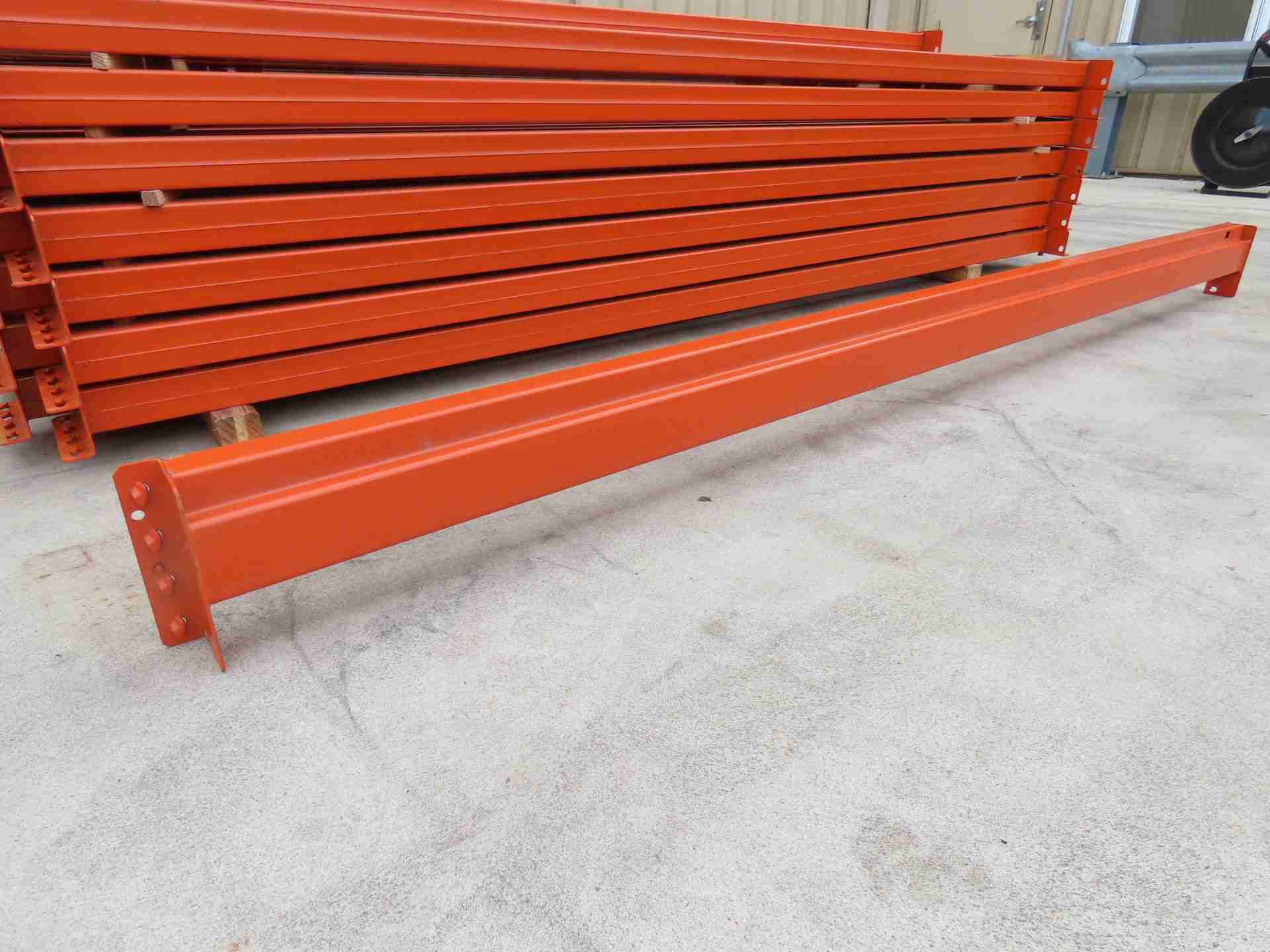
Is Your Staff Trained In Warehouse Organization?
Is Your Staff Trained In Warehouse Organization?
- Staff training in warehouse organization is crucial for operational efficiency.
- Knowledgeable employees navigate storage systems like Pallet Racking, leading to cost-effective operations.
- A well-organized warehouse enables quick access and effective retrieval of items.
- Effective training programs boost employee confidence and ownership of workspaces.
- Comprehensive training is necessary—simple orientations are insufficient for success.
- Disorganized warehouses incur costs from lost items and accidents, making training imperative.
- Investing in training enhances productivity, profitability, and workplace satisfaction.
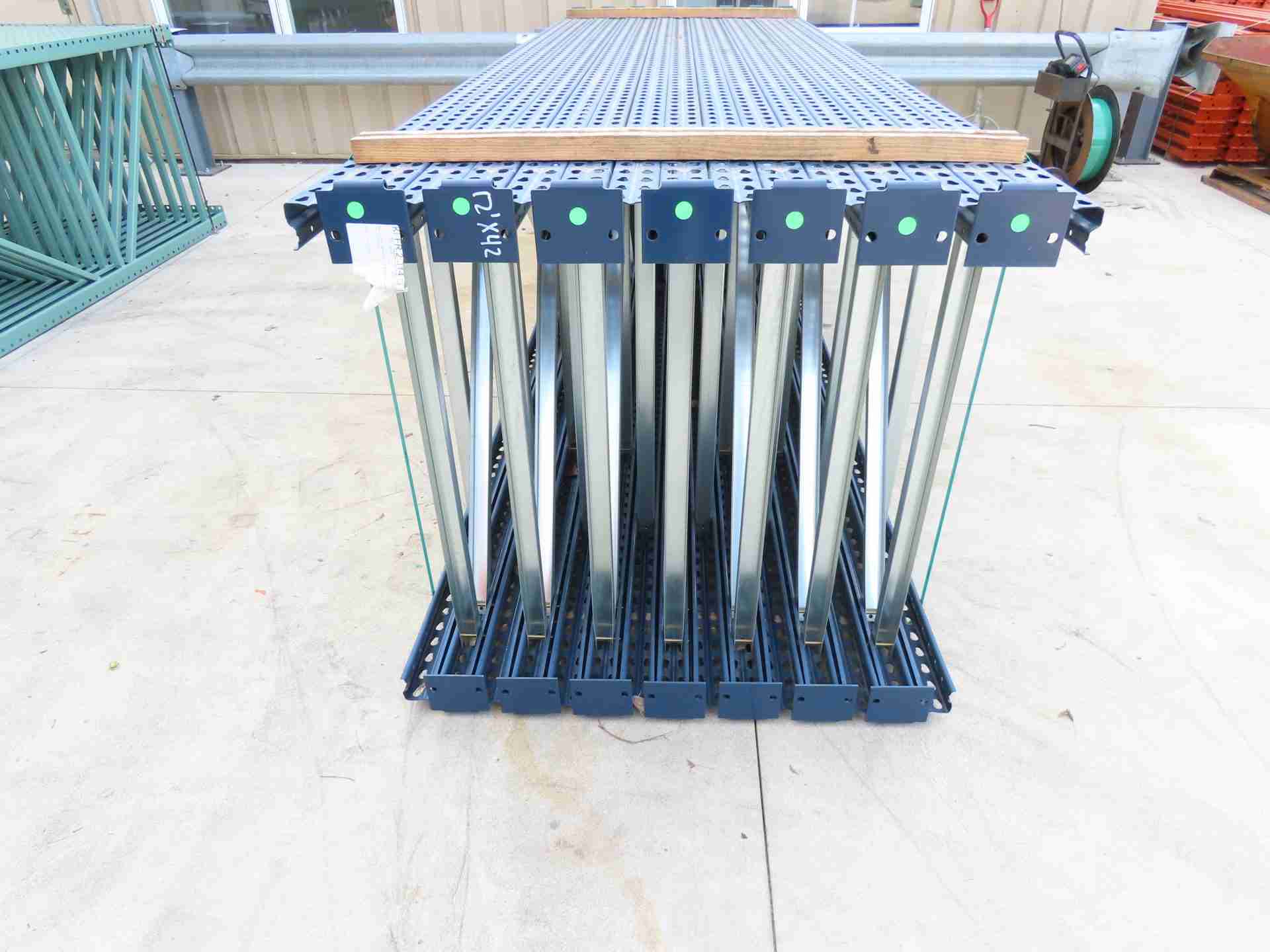
Is Your Staff Trained In Warehouse Organization?
Are Orders Fulfilled In A Timely Manner?
In the fast-paced world of commerce, time is undeniably of the essence. When you place an order—whether it’s a single item or a truckload of pallet racking—you want to know that it will arrive promptly and without hassle. After all, your business operations depend on efficiency and reliability. Have you ever experienced the frustration of delayed orders? It can lead to missed deadlines, angry customers, and lost revenue. That’s why ensuring orders are fulfilled in a timely manner is not just a luxury—it’s a necessity.
Imagine, for a moment, that you’re gearing up for a major project, and you need that pallet racking to organize your warehouse effectively. The anticipation builds as you await delivery, but when it’s delayed, your plans come to a standstill. We’ve all been there, and it’s never a good feeling. That’s why choosing a partner for your logistics needs is crucial. You want to work with someone who values your time as much as you do—a partner who understands that every minute counts.
When it comes to order fulfillment, trust and reliability are keys to successful partnerships. A stellar supplier doesn’t just sell you pallet racking; they become an extension of your operation, committed to ensuring that your orders arrive exactly when promised. When you hear stories of how a company went above and beyond to meet tight deadlines or rapidly addressed unforeseen issues, it fosters confidence. That’s the kind of connection you want to forge with your suppliers.
Moreover, clear communication throughout the order process can make all the difference. When suppliers keep you in the loop—offering updates on shipping status and delivery timelines—it builds that essential trust. You should never feel left in the dark or as if your order is just another number in a massive system. Ensure you’re partnering with suppliers who prioritize transparency and accountability, as this can dramatically reduce anxiety associated with order fulfillment.
So, if you’re tired of business interruptions due to delayed shipments, take a proactive approach now. Seek out suppliers who share your commitment to timeliness, and watch as your operations transform for the better. Because when orders are fulfilled in a timely manner, it doesn’t just strengthen your bottom line—it enhances your reputation and paves the way for growth. In this competitive landscape, every little advantage counts, and timely fulfillment can be your secret weapon.
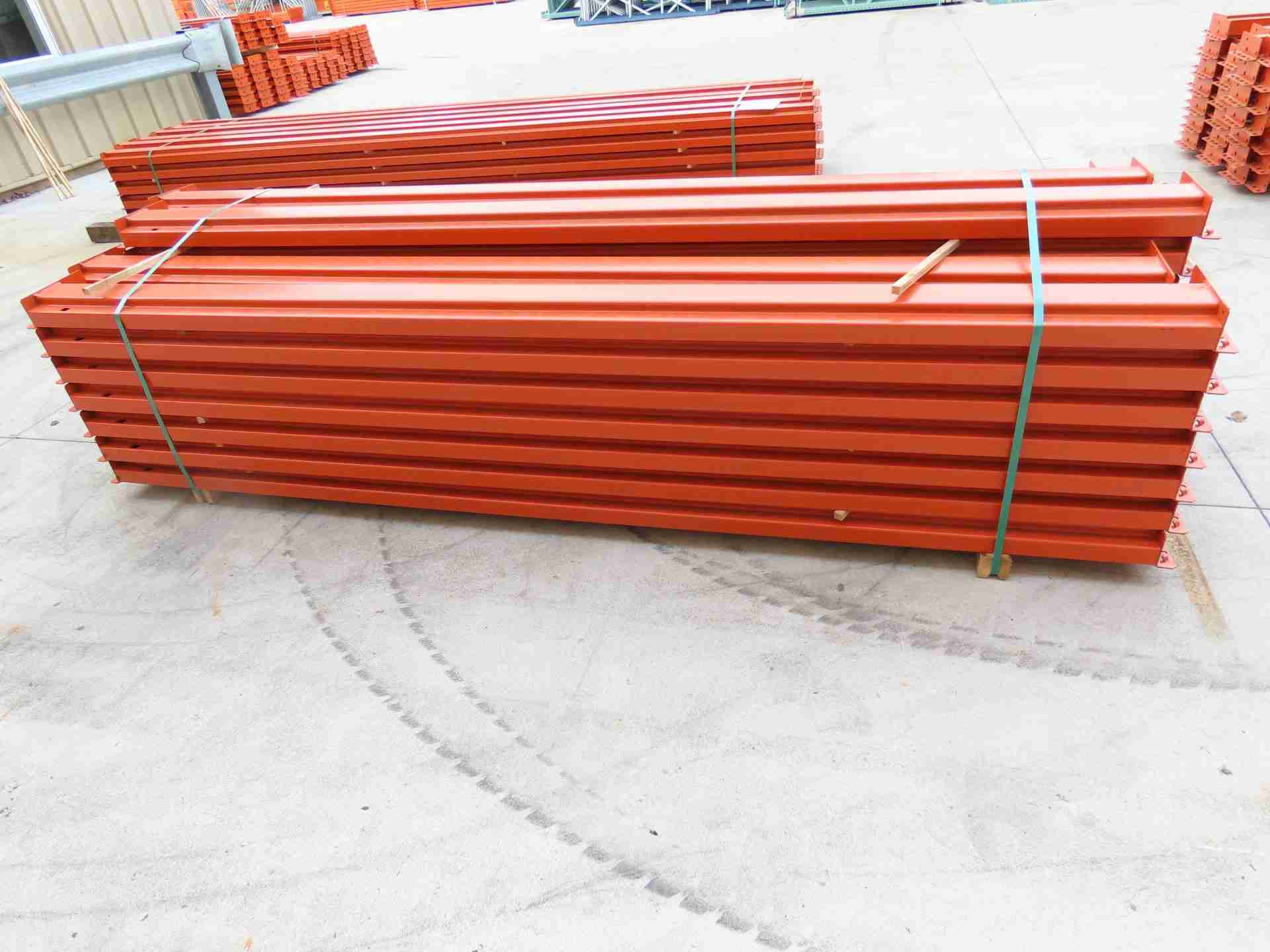
Are Orders Fulfilled In A Timely Manner?
Are Orders Fulfilled In A Timely Manner?
- Time is critical in commerce; timely order fulfillment is essential for business efficiency.
- Delayed orders can result in missed deadlines, frustrated customers, and lost revenue.
- Choosing a reliable logistics partner is crucial for effective order fulfillment.
- Trust and reliability are vital elements of successful supplier relationships.
- Effective communication from suppliers, including shipping updates, fosters trust.
- Prioritizing partnerships with suppliers committed to timeliness can improve operations.
- Timely fulfillment enhances not just the bottom line but also business reputation and growth potential.

Are Orders Fulfilled In A Timely Manner?
Do You Have A Clear System For Order Picking?
In the fast-paced world of logistics and fulfillment, order picking isn’t just a necessity; it’s a critical touchpoint that can make or break your business. Imagine your operations humming like a well-tuned engine, where every item flows seamlessly from the pallet racking to the shipping dock. This isn’t just a dream; it’s entirely possible with a clear and efficient system in place.
Let’s face it: complexity can breed chaos. Without a well-defined picking strategy, you risk costly delays, errors, and unhappy customers. Remember the last time you received an order that was missing items, or worse—incorrect items? It’s frustrating, and it leaves a lingering doubt in the customer’s mind about your reliability. The simple truth is that clarity fosters trust. When your team knows precisely where to find items stored on pallet racking, confusion and mistakes diminish significantly.
Now, picture this: your warehouse is laid out with purpose—pallet racking organized to perfection, with frequently picked items at your team’s fingertips. This means less time wandering through aisles searching for products and more time fulfilling orders efficiently. You want your staff to feel empowered, not overwhelmed. The key to this transformation lies in crafting a simple, standardized process for order picking. By doing so, you’re not only streamlining operations but also boosting morale and productivity.
So, how do you achieve this? Start by mapping out the inventory flow. Identify high-demand items and position them in accessible locations within your pallet racking. Utilize technology to track orders and create a systematic approach that eliminates redundancies. And don’t forget the importance of training your staff. A well-informed team is confident and capable—ready to tackle every order with precision.
But it doesn’t stop there. Regularly assess and refine your system, adapting to the ever-changing landscape of your business and customer needs. An agile approach not only enhances efficiency but also positions you as a responsive and customer-centric operation.
Your goal is clear: transform order picking from a necessary chore into a competitive advantage. Start today, and watch your operations soar to new heights, garnering confidence and trust from your customers with every order they receive. Remember, a clear system is not just about processes; it’s about building a reputation that customers can rely on.
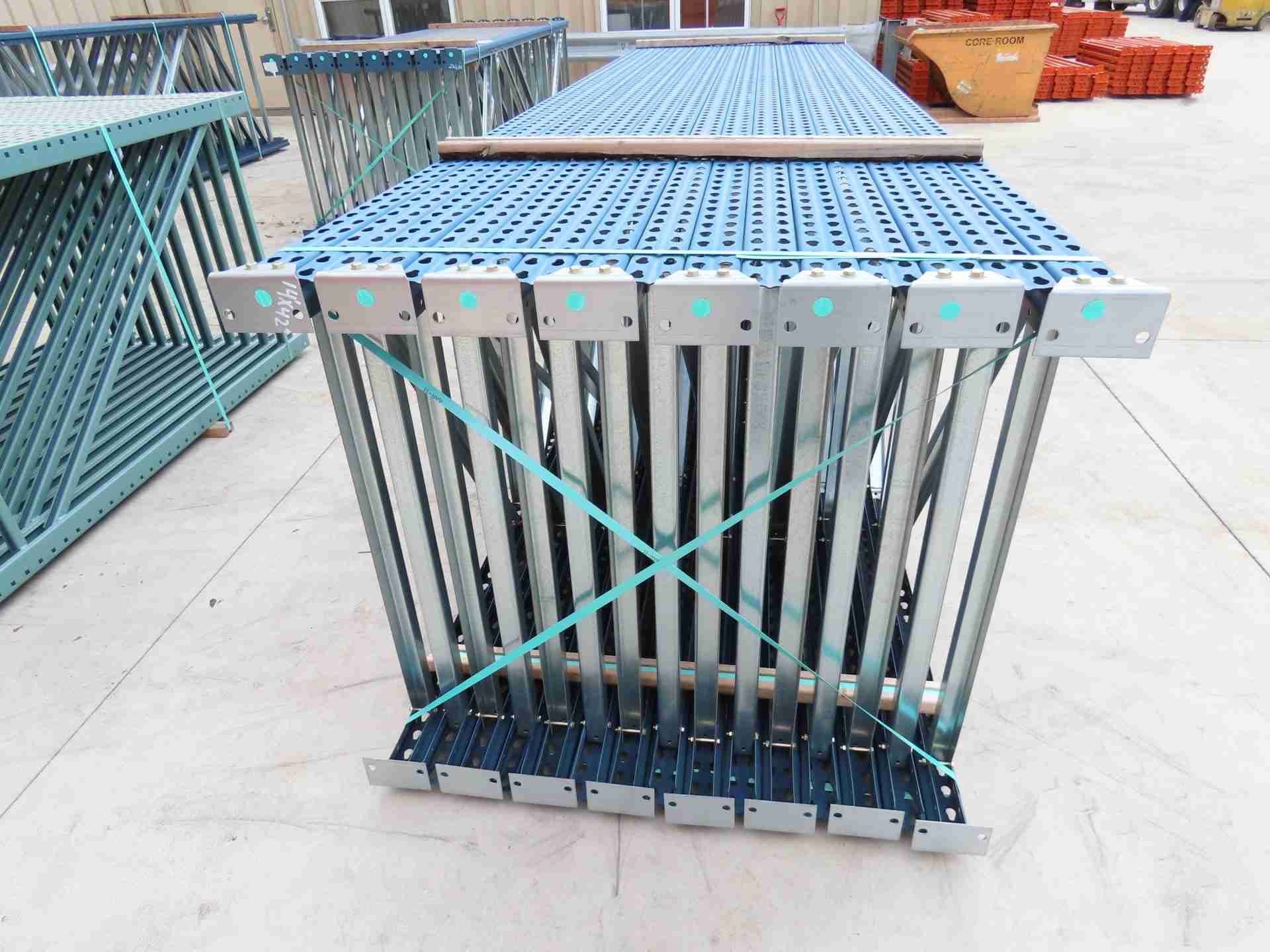
Do You Have A Clear System For Order Picking?
Do You Have A Clear System For Order Picking?
- Order picking is crucial in logistics and can significantly impact business success.
- A well-defined picking strategy prevents costly delays, errors, and customer dissatisfaction.
- Organized pallet racking allows easy access to frequently picked items, improving efficiency.
- Implementing a standardized process for order picking boosts staff morale and productivity.
- Map out inventory flow and position high-demand items strategically in the warehouse.
- Utilize technology for tracking orders and continuously assess and improve the picking system.
- A clear order picking system builds customer trust and transforms logistics into a competitive advantage.
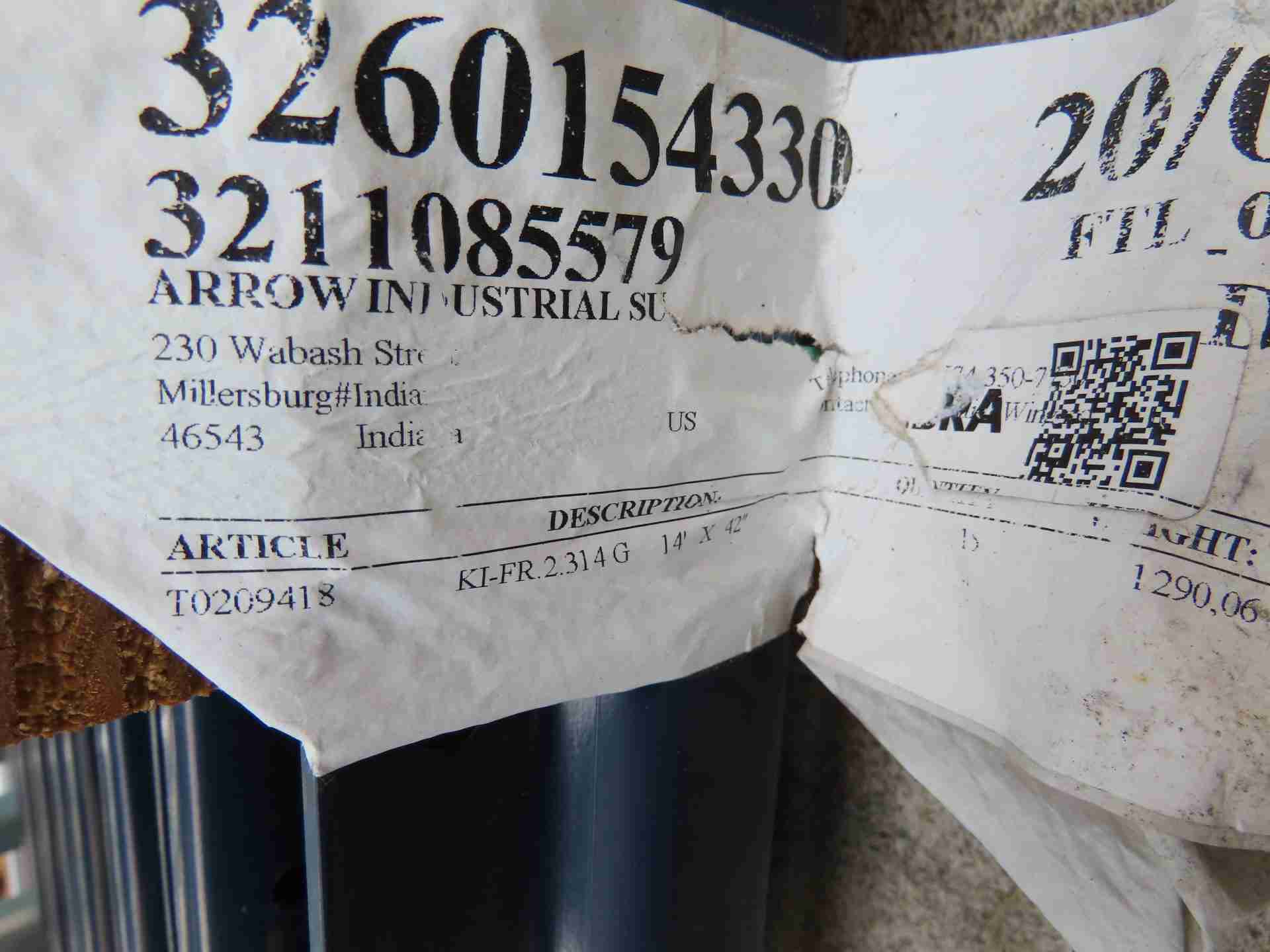
Do You Have A Clear System For Order Picking?
Are Returns Processed Quickly And Efficiently?
In today’s world, where time is of the essence, one of the pressing questions in any shopping experience revolves around the returns process. When you purchase a product, especially something as bulky as pallet racking for your warehouse or workshop, you want assurance that if things don’t go as planned, you won’t be left in a lurch. Here, we focus on how our returns process stands as a pillar of our commitment to customer satisfaction, ensuring a seamless experience that keeps you coming back.
Picture this: you ordered your pallet racking with excitement, envisioning how it will transform your space, only to discover it doesn’t fit your needs as you imagined. The last thing you want is to face long delays or complicated procedures to return the items. With us, you’ll find that our returns process has been streamlined and simplified to turn your frustration into relief almost instantly.
We believe that an efficient, hassle-free return process is a vital part of your post-purchase experience. Upon initiating a return, our dedicated customer service team springs into action, backing you in every step of the way. From the moment you fill out our easy online return form to the moment your replacement or refund is in your hands, we prioritize speed and clarity to ensure that you are never left guessing.
Efforts run deeper than just addressing returns. We listen to your feedback, continuously refining our policies not only to meet but exceed your expectations. Why? Because your trust is our most valuable asset. When we promise a quick turnaround, we don’t merely wish for it—we deliver with unwavering commitment.
Additionally, our returns process is designed with transparency at its core. You’ll be updated at every stage, from receiving your return request to tracking your refund or new shipment. No one likes being left in the dark, and we understand that better than anyone. You should know precisely what to expect, and that’s exactly what we provide.
So, when you entrust us with your business—whether you’re equipping a warehouse with durable pallet racking or making that small home office more efficient—you can feel confident that if anything goes amiss, we are here to rectify it efficiently and effortlessly. After all, we’re not just selling products; we’re building lasting relationships based on trust and satisfaction. And that, dear customer, is our promise to you!

Are Returns Processed Quickly And Efficiently?
Are Returns Processed Quickly And Efficiently?
- The returns process is a critical component of customer satisfaction in shopping experiences.
- Customers can feel assured about returns when purchasing bulky items like pallet racking.
- The returns process is streamlined to minimize frustration and simplify returns.
- Dedicated customer service assists customers throughout the return process.
- Feedback from customers is used to continually refine return policies for better service.
- The returns process emphasizes transparency, keeping customers informed at every stage.
- The company aims to build lasting relationships with customers through trust and efficient resolutions.
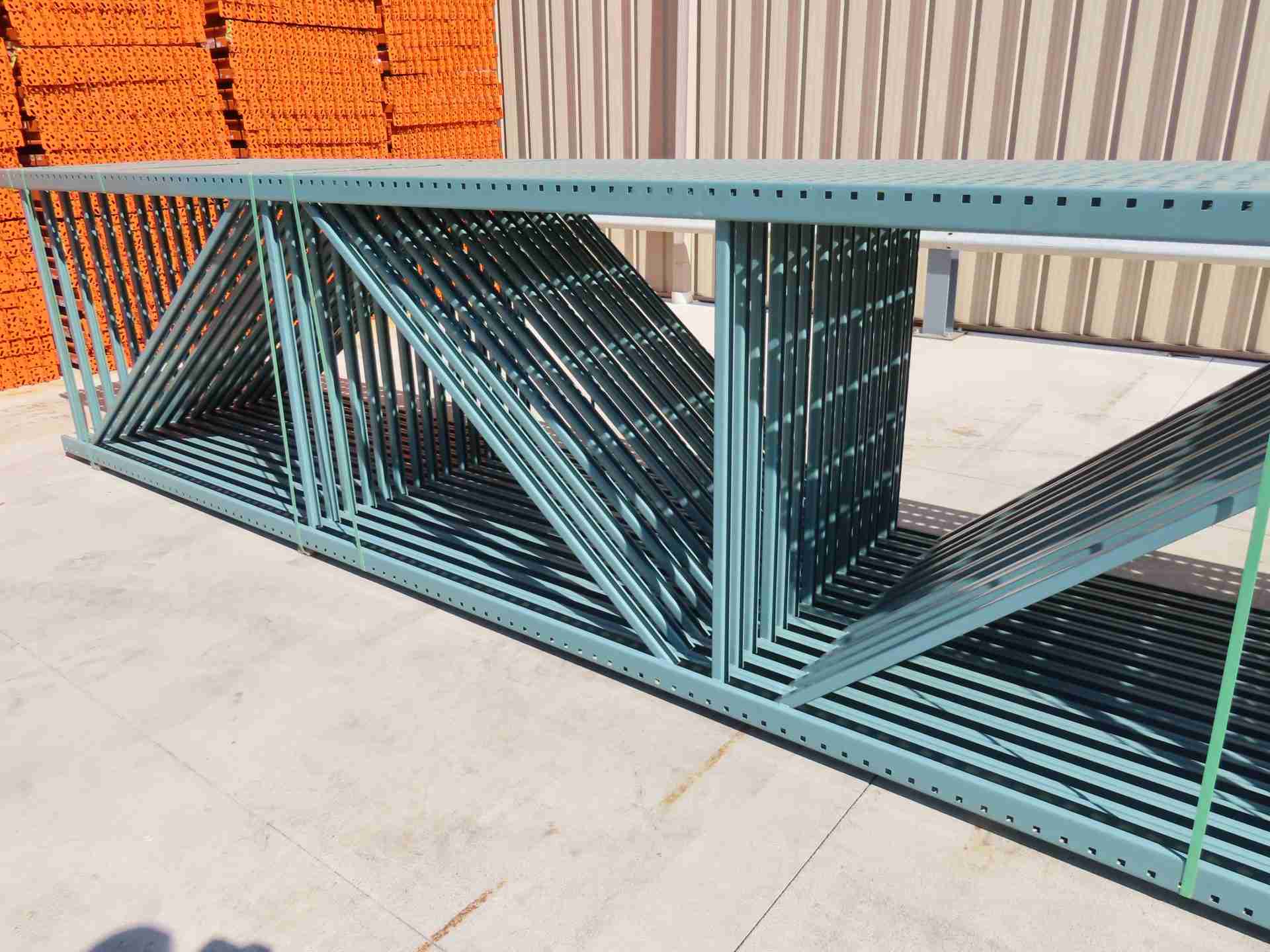
Are Returns Processed Quickly And Efficiently?
Conclusion
Conclusion: Elevate Your Operations, Earn Customer Trust
In a competitive marketplace, the interplay between warehouse organization and customer trust cannot be overstated. Your warehouse is not merely a space for storing products; it is the pulse of your business. If disorganization leads to missed deadlines and product inaccuracies, it simultaneously erodes trust and damages your brand reputation. The reality is that every order fulfilled on time reinforces your commitment to your customers, transforming a mundane task into an opportunity for building loyalty and credibility.
The solutions to bolstering your organization are readily available. Investing in proper storage systems, such as state-of-the-art pallet racking, and implementing efficient inventory tracking not only enhance fulfillment speed but also safeguard your financial assets. Think about the ramifications of being overstocked or understocked; both scenarios drain resources and alienate customers. By establishing regular inventory audits and embracing technology, you can maintain a clear view of your stock levels, preventing costly miscalculations.
Moreover, the effectiveness of your operations depends heavily on well-trained staff. Providing comprehensive training in warehouse management ensures consistency and empowers your employees. With a confident team operating within a well-defined structure, your warehouse will morph into a hub of efficiency, reducing operational costs while enhancing speed. When your staff understands their role in your customer’s satisfaction, they become ambassadors of your brand, directly contributing to trust-building.
Let’s not forget the significance of timely order fulfillment and streamlined returns processing. Every minute matters; late deliveries can lead to lost customers and diminished loyalty. By establishing robust systems for order picking and returns, you elevate the customer experience to one that fosters ongoing relationships. Customers are more likely to return to a business that not only meets but exceeds their expectations regarding speed and ease of service.
In summation, the value of organized warehousing extends far beyond operational efficiency. It encompasses every aspect of your business, from customer relationships to profit margins. Are you ready to transform your warehouse into a beacon of reliability and trust? Don’t wait any longer. Call Arrow Industrial Sales at (574) 349-6575 today. Act swiftly—your customers are counting on you to deliver excellence in organization and efficiency, and the time to solidify their trust is now. Let’s turn that potential into a thriving reality!
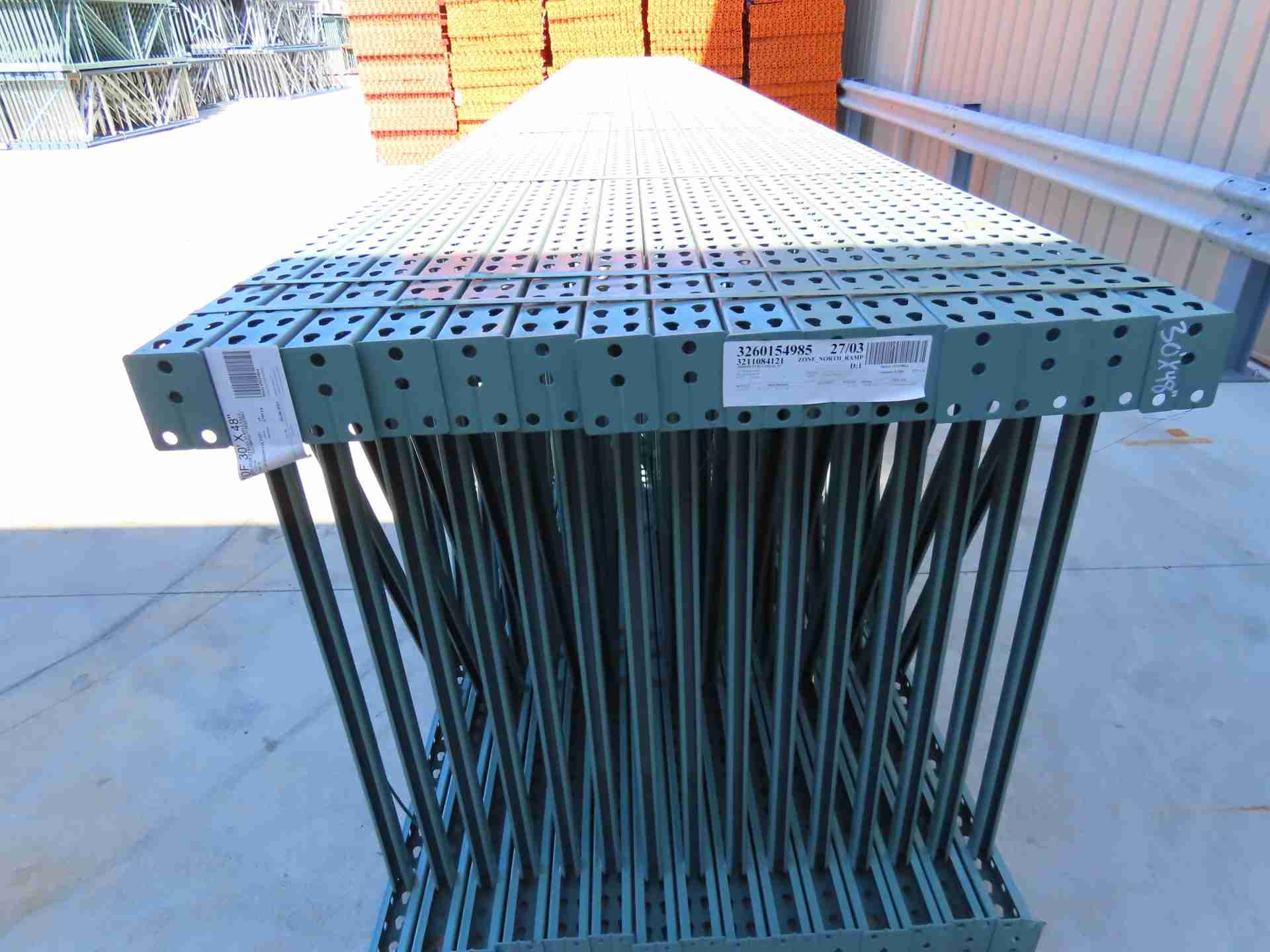
Conclusion
Conclusion:
- Warehouse organization significantly impacts customer trust and brand reputation.
- Timely order fulfillment is crucial for building customer loyalty and credibility.
- Investing in advanced storage systems and inventory tracking enhances fulfillment speed and financial protection.
- Regular inventory audits and technology can help prevent overstock and understock situations.
- Well-trained staff contribute to operational efficiency and act as brand ambassadors, fostering trust.
- Robust systems for order picking and returns processing improve customer experience and satisfaction.
- Organized warehousing benefits all aspects of the business, from customer relationships to profit margins.
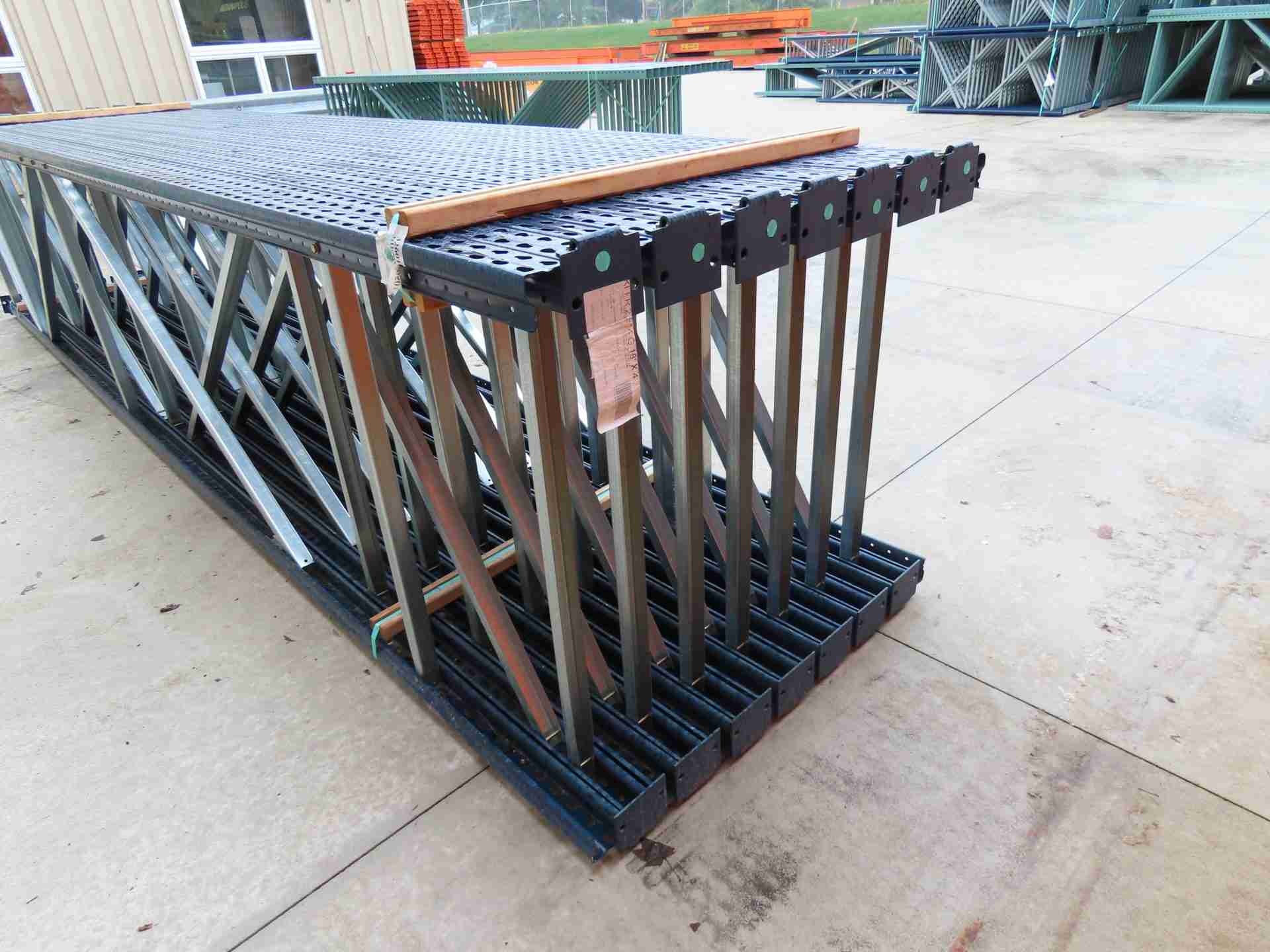
Conclusion
Other Resources

Other Resources
Here is a list of other resources you can review online to learn more:
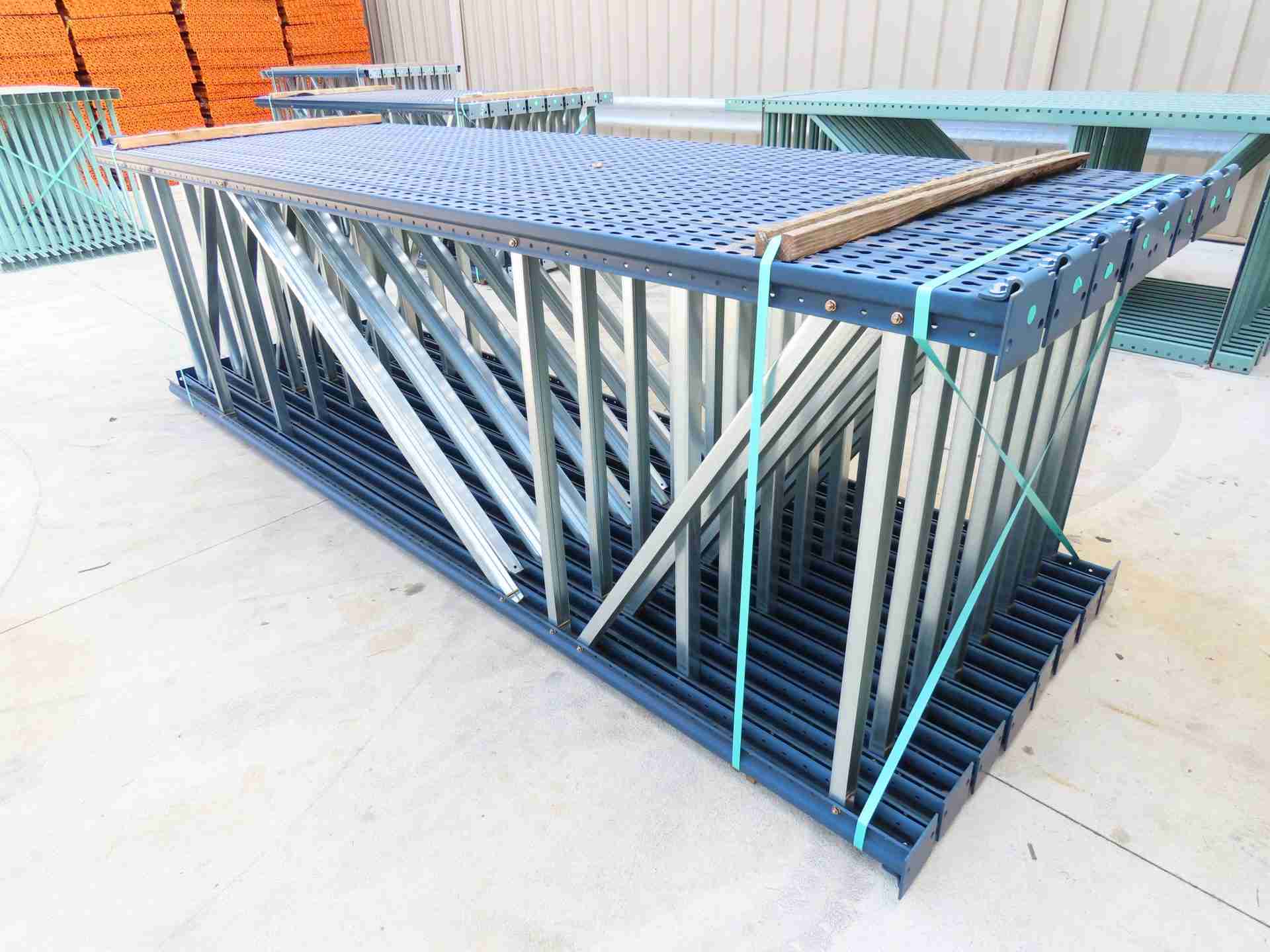
- Pallet Racking 101: A Comprehensive Guide & Options Explained
- Warehouse Racking Chicago, IL
- Warehouse Storage Racking in Illinois
- Iowa Illinois Warehouse Racking
- Selective Pallet Racking Systems – Container Systems
- Teardrop Racks – Pallet Rack World
- Storage Equipment Manufacturers Association
- Rack Manufacturers Institute
- Mustang Material Handling
- Arrow Industrial Sales
Use This Prompt To Get More Resources With Your Favorite Online AI Tool: Please provide me with a list of online articles with their URLs in a bulleted list that I can read regarding Is Your Lack Of Warehouse Organization Costing Valuable Customer Trust?
Other Resources
Glossary Terms
Is Your Lack Of Warehouse Organization Costing Valuable Customer Trust? – Glossary Of Terms
1. Warehouse: A large building where goods are stored before being distributed to retailers or customers.
2. Inventory Management: The process of overseeing and controlling inventory levels, to ensure that stock is sufficient but not excessive.
3. Order Fulfillment: The complete process from when a customer places an order to when they receive their goods.
4. SKU (Stock Keeping Unit): A unique identifier for each distinct product and service that can be purchased, used for inventory management.
5. Pick and Pack: The method of selecting items from inventory and packing them for shipment to customers.
6. Layout Optimization: The strategic arrangement of storage systems and inventory in a warehouse to maximize efficiency and reduce errors.
7. Lead Time: The time taken from the placement of an order to the delivery of goods, heavily influenced by warehouse organization.
8. Just-in-Time (JIT): An inventory strategy that aligns raw-material orders with production schedules to minimize storage costs.
9. Barcoding: The use of barcodes to track inventory and facilitate quick, accurate item retrieval.
10. Cycle Counting: An inventory auditing procedure that involves counting a portion of inventory in cycles rather than at once.
11. Safety Stock: Extra inventory kept on hand to prevent stockouts and maintain customer satisfaction during fluctuations in demand.
12. Fulfillment Center: A type of warehouse designed to receive and ship products directly to customers, emphasizing efficiency.
13. Inventory Turnover: A measure of how many times inventory is sold or used in a period, reflecting how well it is managed.
14. Warehouse Management System (WMS): Software that helps manage warehouse operations, including inventory tracking, order processing, and shipping.
15. Returns Processing: Handling product returns efficiently to ensure customer satisfaction and minimize losses.
16. Packing Efficiency: The effectiveness of the packaging process, which affects shipping costs and customer experience.
17. Quality Control: The process of ensuring that products meet certain standards before they are sent to customers.
18. Time Management: The strategic use of time within warehouse operations to enhance overall efficiency.
19. Customer Experience: The overall impression and interaction a customer has with a company during the buying process.
20. Trust Factor: The degree of confidence a customer has in a company’s ability to deliver quality products on time.
21. Product Traceability: The ability to track a product through all stages of production, processing, and distribution.
22. Real-Time Inventory Tracking: The ability to monitor inventory levels and locations in real-time for accurate stock management.
23. Space Utilization: The efficient use of available warehouse space to store products, affecting capacity and organization.
24. Order Accuracy: The measure of how correctly orders are picked and packed, directly impacting customer satisfaction.
25. Customer Communication: The interaction and information shared with customers regarding order status, which can build trust.
26. E-commerce Fulfillment: The process of storing, packing, and shipping products sold online, where organization is crucial for success.
27. Lean Warehousing: A methodology aimed at minimizing waste within warehouse processes for improved efficiency and cost savings.
28. Shipment Tracking: The ability for customers to track the progress of their orders during transit, enhancing transparency.
29. Employee Training: Educating warehouse staff on operational best practices, which can significantly improve organization and efficiency.
30. Customer Loyalty: The commitment of customers to continue buying from a company, often influenced by their experiences and trust.
Glossary Of Terms
Other Questions
Is Your Lack Of Warehouse Organization Costing Valuable Customer Trust? – Other Questions
If you wish to explore and discover more, consider looking for answers to these questions:
- What specific organizational strategies can improve warehouse efficiency?
- How do poor warehouse practices affect overall business operations?
- What inventory tracking technologies are available?
- How can I implement an effective inventory audit schedule?
- What training programs are best for warehouse staff?
- What are the keys to ensuring timely order fulfillment?
- How can technology streamline the order picking process?
- What metrics should I track to assess warehouse performance?
- How do customer perceptions of warehouse organization impact brand loyalty?
- What common mistakes should I avoid in warehouse organization?
- How can I enhance communication with suppliers regarding orders?
- What are the legal implications of inaccurate inventory tracking?
- How often should I reassess my warehouse layout and systems?
- What role does customer feedback play in refining warehouse processes?
- What are best practices for handling product returns efficiently?
Other Questions
Checklist
Is Your Lack Of Warehouse Organization Costing Valuable Customer Trust? – A Checklist
Checklist for Maximizing Customer Trust Through Efficient Warehouse Organization
Warehouse Organization Evaluation
1. Inventory Tracking
_____ Are you accurately tracking all inventory items?
_____ Is there a barcode or inventory management system in place?
_____ How often do you update inventory counts?
2. Conducting Inventory Audits
_____ How frequently do you perform inventory audits?
_____ Monthly
_____ Quarterly
_____ Annually
_____ Are spot checks part of your regular inventory process?
3. Staff Training
_____ Do your staff receive comprehensive training on warehouse organization?
_____ Is there an ongoing training program for updates and new best practices?
_____ Are employees familiar with the proper use of pallet racking and storage systems?
4. Order Fulfillment Timeliness
_____ Are you meeting shipment deadlines consistently?
_____ Do you have a reliable partner for logistics?
_____ How do you communicate order statuses to customers?
5. Order Picking System
_____ Is there a clear system in place for order picking?
_____ Are frequently picked items easily accessible?
_____ Do you utilize technology to enhance the picking process?
6. Returns Processing
_____ Is your returns process clear and transparent for customers?
_____ How quickly do you process returns?
_____ Are customers kept updated throughout the returns process?
Action Plan for Improvement
_____ Schedule a review of current inventory systems and processes.
_____ Create a structured training schedule for staff.
_____ Develop or refine your order picking strategy for efficiency.
_____ Establish regular communication channels with suppliers and customers regarding order fulfillment.
_____ Gather customer feedback on your returns process for continual improvement.
Reflect on Customer Trust
_____ Are you regularly assessing how your warehouse operations impact customer satisfaction?
_____ How can you better engage with customers to rebuild and maintain their trust?
By completing this checklist and addressing any areas of concern, you can enhance your warehouse organization and, ultimately, the trust your customers place in your business.

Checklist
At RackingWorld, we help guide you through selecting warehouse storage systems and racking.
Be sure to read our other related stories at RackingWorld to learn more about warehouse storage systems.
0 Comments