
Elevating Operations With Smart Storage Solutions
By Tom Seest
At RackingWorld, we help guide you through selecting warehouse storage systems and racking.
Be sure to read our other related stories at RackingWorld to learn more about warehouse storage systems.
Warehouse Intelligence: Where Racking Meets Ai
In the shadowy expanse of a warehouse, where order meets chaos, the hum of machinery weaves a narrative of innovation. It’s a realm where racking systems stand as silent sentinels, holding the weight not just of products, but of dreams, livelihoods, and aspirations. Imagine for a moment, a dedicated worker, slick with sweat, maneuvering through towering shelves, scanning barcodes and moving boxes with the precision of a surgeon. This isn’t just a job; it’s a lifeline to families, communities, and businesses striving to keep pace in an ever-changing economy.
Enter artificial intelligence— the game changer. It’s more than just data crunching; it’s about learning patterns, optimizing workflows, and anticipating needs. When a strong racking system syncs with AI, something incredible happens. A once labor-intensive process transforms into a dance of efficiency. Inventory is no longer an afterthought; it becomes a finely tuned instrument, each part playing its role to maximize productivity. Workers can focus on what truly matters: delivering value, fostering relationships, and innovating solutions that make a difference.
But let’s think about this ethically. In an age where automation threatens jobs, the goal isn’t to replace workers but to elevate them. Combining intelligent racking with AI isn’t about making labor obsolete; it’s about empowering the workforce to evolve. New roles and responsibilities emerge, creating opportunities for growth and development. With a heart-led approach, warehouses become not just places of storage, but environments of learning, collaboration, and respect.
Now, let’s talk about trust. When systems operate seamlessly, the confidence of your team soars. They know the AI is not just an algorithm but a partner—a resource that helps them shine. Good leadership comes from understanding that every box moved, every order filled, depends not just on technology, but on the human spirit striving to be better.
In this tale of racking and AI, there’s a powerful social thread that binds us together. The efficiency gained benefits everyone—from the warehouse workers who take pride in their craft to customers who receive their products with delight. We’re all in this dance together. And when we begin to see warehouses not just as functional spaces but as thriving ecosystems of human ingenuity and technological prowess, we inspire action, connection, and a hopeful vision for the future. So, let’s embrace the union of racking and AI, and weave a new story of productivity, purpose, and pride.
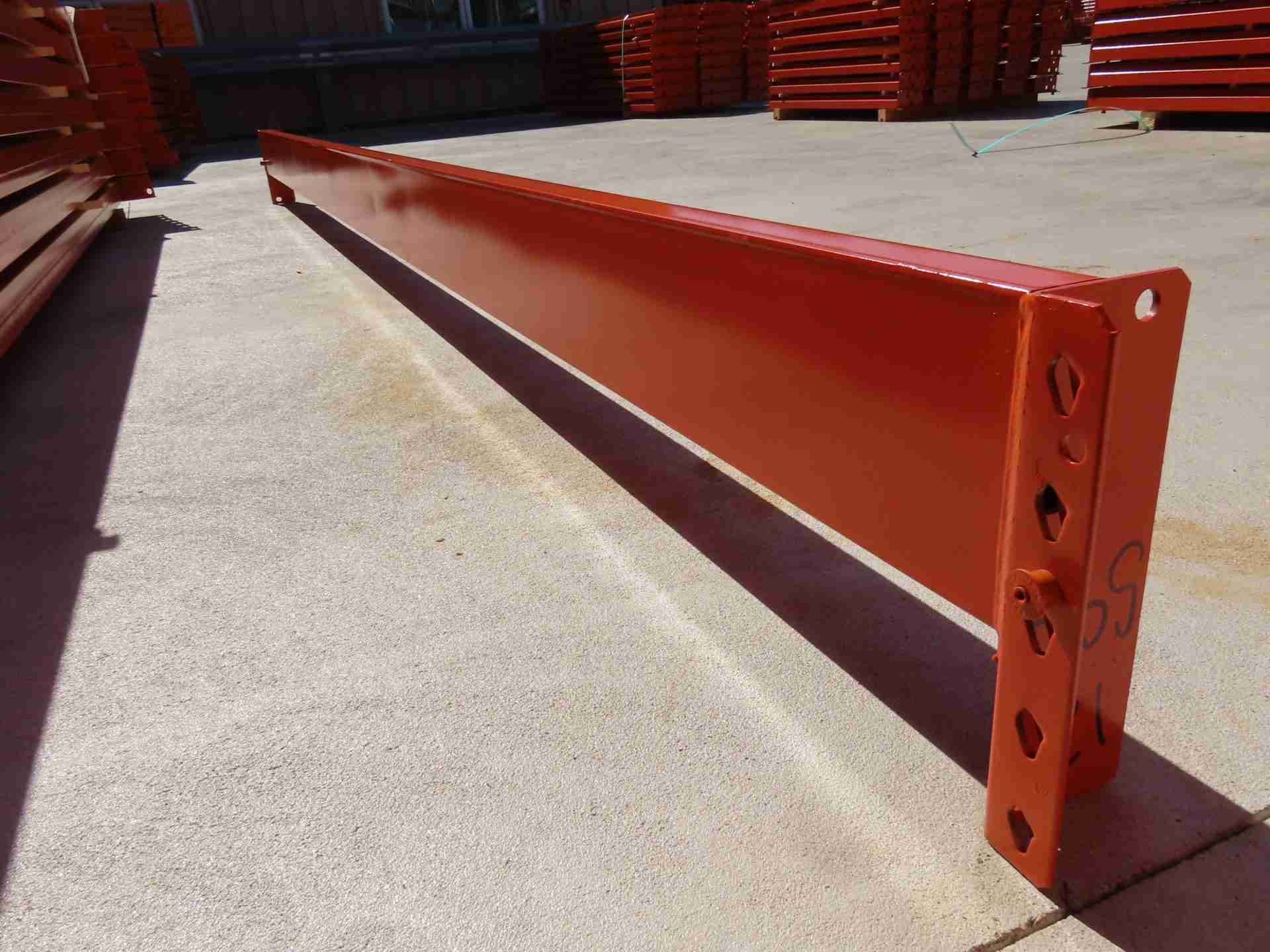
Warehouse Intelligence: Where Racking Meets Ai
Warehouse Intelligence: Where Racking Meets Ai
- Warehouses symbolize a blend of order and chaos, where machinery drives innovation.
- Racking systems support not just products, but dreams and livelihoods of communities.
- Workers play a critical role in inventory management, vital for families and businesses.
- Artificial intelligence enhances workflows by learning patterns and anticipating needs.
- The integration of AI with racking systems transforms labor-intensive processes into efficient operations.
- This synergy empowers workers, creating new opportunities and fostering learning within warehouses.
- A strong partnership between technology and the human spirit drives trust, pride, and collective success in the workplace.

Warehouse Intelligence: Where Racking Meets Ai
Table Of Contents
- Warehouse Intelligence: Where Racking Meets Ai
- What If AI Could Reduce Warehouse Errors By 50%?
- How Does Racking Efficiency Impact Your Bottom Line?
- Can AI Empower Your Workforce to Make Smarter Decisions?
- What Ethical Standards Should We Maintain In AI-Driven Warehousing?
- How Can Storytelling Improve Understanding Of Warehouse AI Benefits?
- Conclusion
- Other Resources
- Glossary Of Terms
- Other Questions
- Checklist
What If AI Could Reduce Warehouse Errors By 50%?
Imagine walking into a warehouse humming with the rhythm of efficiency. Picture the towering racks of inventory, each box stacked precisely, each item in its rightful place. Now, what if I told you that artificial intelligence could slash errors in this space by a staggering 50%? It’s not just numbers on a screen; it’s a fundamental shift in how we think about work, trust, and human ingenuity.
When you step back and consider the implications, it hits you in the gut. Every misplaced item not only costs time but can derail entire operations, leading to chaos that ripples through supply chains. But with AI, we can transform that chaos into harmony. Better inventory management means fewer mistakes, and fewer mistakes mean less stress for everyone involved—from the warehouse staff juggling a hectic floor to the customer anxiously awaiting their order. Imagine fewer late deliveries, happier customers, and employees relieved of the pressure that comes from constant errors.
Engaging with AI isn’t just a technological upgrade; it’s an ethical responsibility. We owe it to our workforce to provide them with the tools that not only make their jobs easier but safer and more fulfilling. Why struggle under the weight of human error when we can harness intelligent systems to support our teams? This isn’t about replacing jobs; it’s about enhancing roles, ensuring that humans can focus on the creative, strategic aspects of their work rather than the mundane tasks that often lead to pitfalls.
To trust in this shift, we need visible outcomes from others who’ve embraced this change. Companies leveraging AI are reporting significant reductions in error rates and higher employee satisfaction. This isn’t just innovative—it’s becoming the standard, and that’s a narrative we can all connect to.
When we collectively embrace tools that enhance our work lives, we aren’t just blending technology with tradition; we’re creating a legacy of efficiency and care. So, next time you think of racking these items on a warehouse floor, remember: it’s not just about space management. It’s about empowering people, fostering connections, and ultimately, driving success through shared responsibility. AI can be the ally we need to redefine this space—and it’s time we open our doors wide to welcome that change.
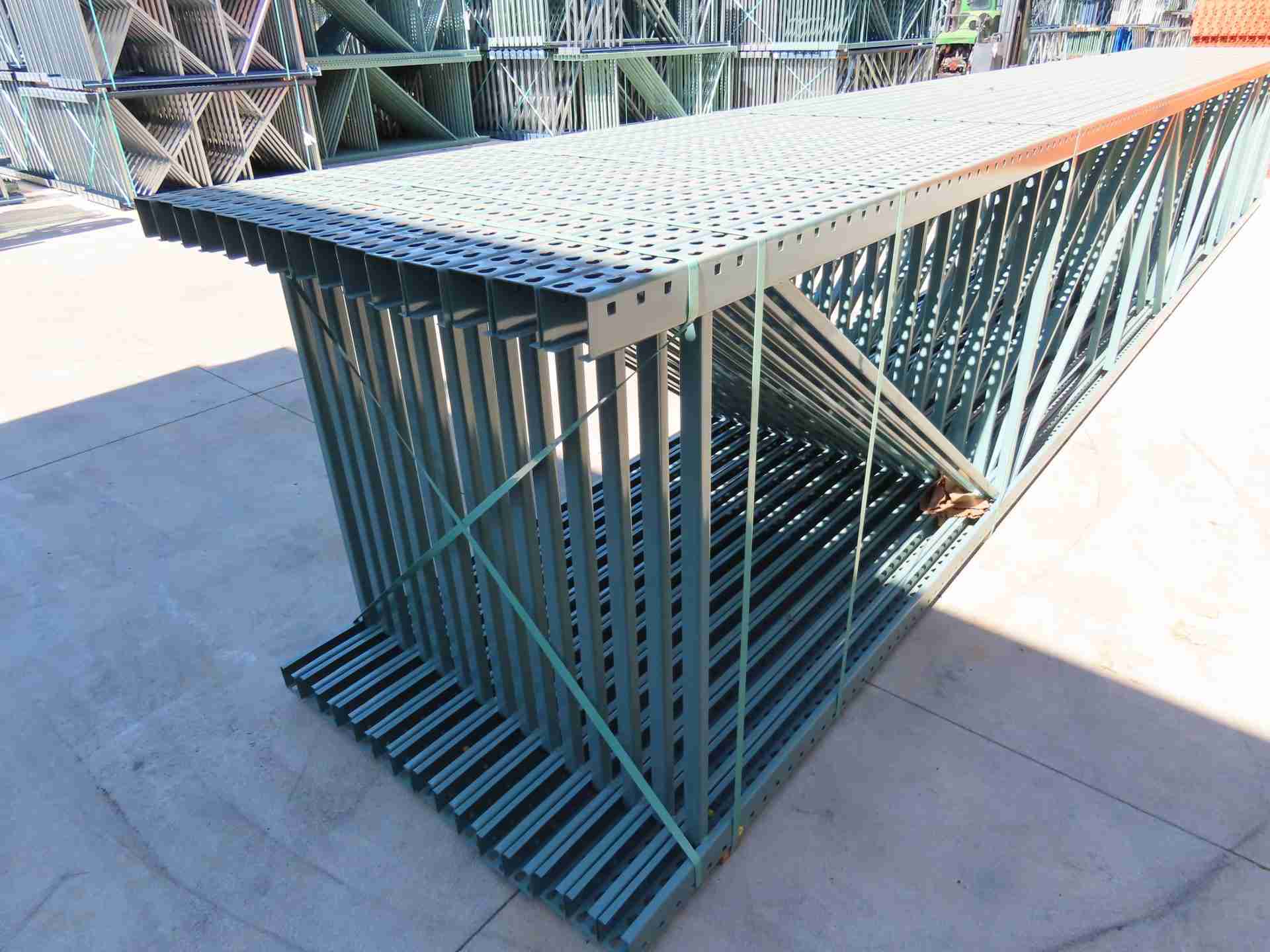
What If AI Could Reduce Warehouse Errors By 50%?
What If AI Could Reduce Warehouse Errors By 50%?
- AI can reduce errors in warehouse operations by up to 50%, revolutionizing efficiency.
- Misplaced items can disrupt supply chains, causing chaos and increased stress for employees and customers.
- Better inventory management through AI leads to fewer mistakes and happier customers.
- Engaging with AI is an ethical responsibility to improve job safety and fulfillment for the workforce.
- This technology is not about job replacement, but enhancing roles to focus on creative and strategic tasks.
- Companies using AI report lower error rates and higher employee satisfaction, highlighting its effectiveness.
- Embracing AI transforms work environments, fostering empowerment and responsibility for collective success.
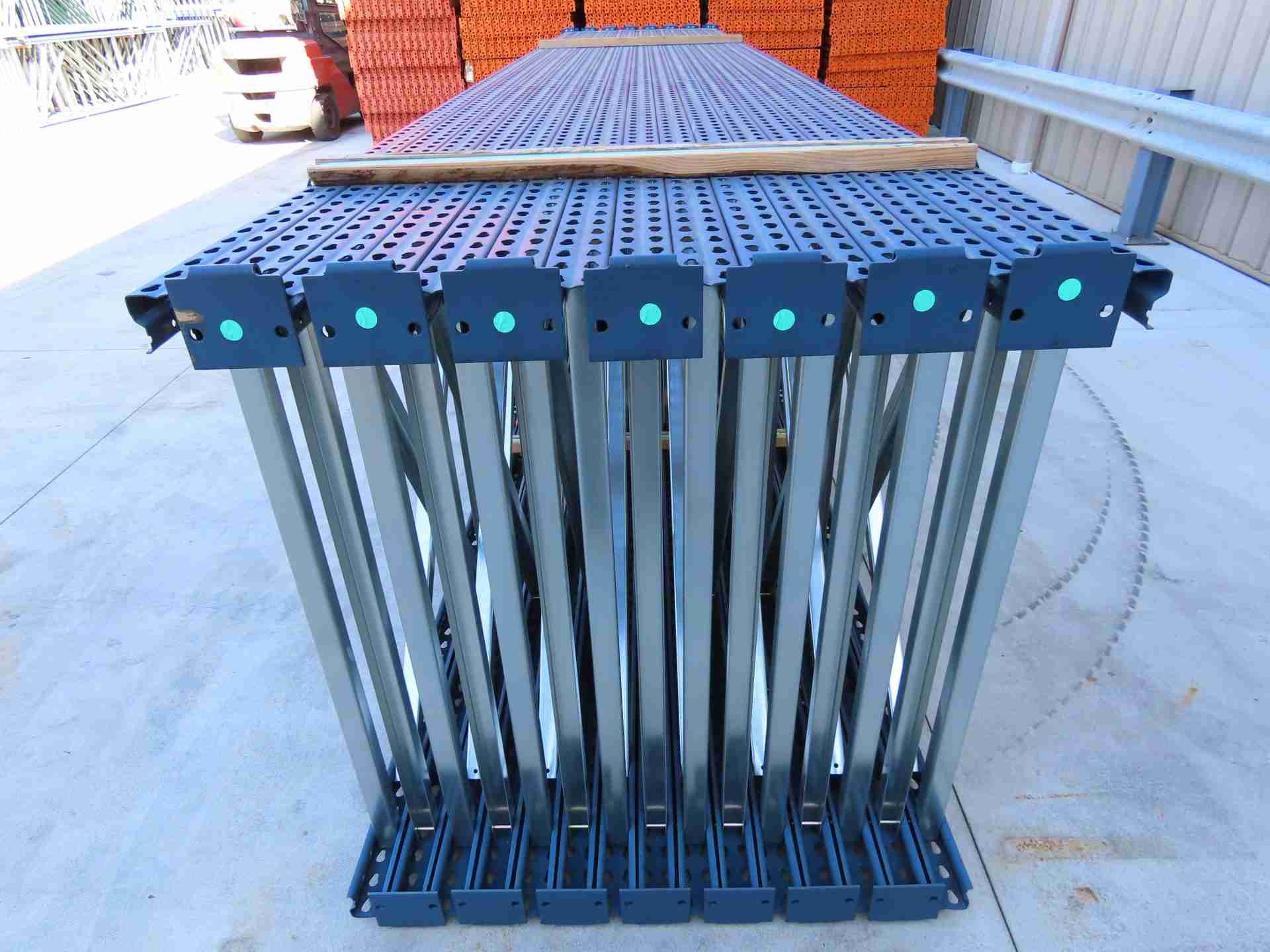
What If AI Could Reduce Warehouse Errors By 50%?
How Does Racking Efficiency Impact Your Bottom Line?
When tackling the intricacies of warehouse operations, one might not initially consider how racking efficiency shapes the bottom line. But let’s dive deeper into this tangled web of economics, logistics, and human effort, connecting the dots between stacks of product and stacks of cash.
Picture this: a farmer rises before dawn, tending to his fields with hard-earned dedication. Each row of crops stands tall, vibrant, and healthy, thanks largely to careful planning and arrangement. Similarly, in the world of warehousing, effective racking is not just about storing goods; it’s about orchestrating a symphony of organization that influences productivity and, ultimately, profitability. The sheer act of optimizing racking systems can lead to significant reductions in labor costs. When items are easy to access, time spent locating and retrieving products diminishes, and that translates to dollars saved.
From an image of the bustling warehouse floor to a boardroom discussion, the conversation pivots toward efficiency. Imagine a team working like a well-oiled machine, gliding seamlessly through aisles instead of stumbling over misplaced products or inefficient layouts. This is where racking becomes a silent yet powerful partner in the mission for success, allowing companies to process orders faster and meet customer expectations head-on.
Now, let’s appeal to our better nature. In an era where sustainability isn’t just a buzzword but a necessity, maximizing warehouse space through innovative racking solutions can reduce waste and resource consumption. Ethical operations often translate to consumer goodwill. Customers are more likely to engage with brands that stay true to their values, and when they see a company operating responsibly, it nurtures a sense of community and trust.
Engaging with expertise—think of the seasoned professionals who have spent decades honing their craft in logistics and warehousing. Their knowledge shows us that investing in racking solutions isn’t an expense; it’s a smart move that pays dividends over time. When businesses prioritize efficiency, not only do they sustain their operations, they forge a connection with their workforce, fostering loyalty and shared purpose.
So when you find yourself staring at those towering shelves, remember: racking efficiency isn’t just about space; it’s about vision, commitment, and ultimately, how well you can serve your customers while keeping your business thriving. Make that investment, and watch your bottom line blossom.
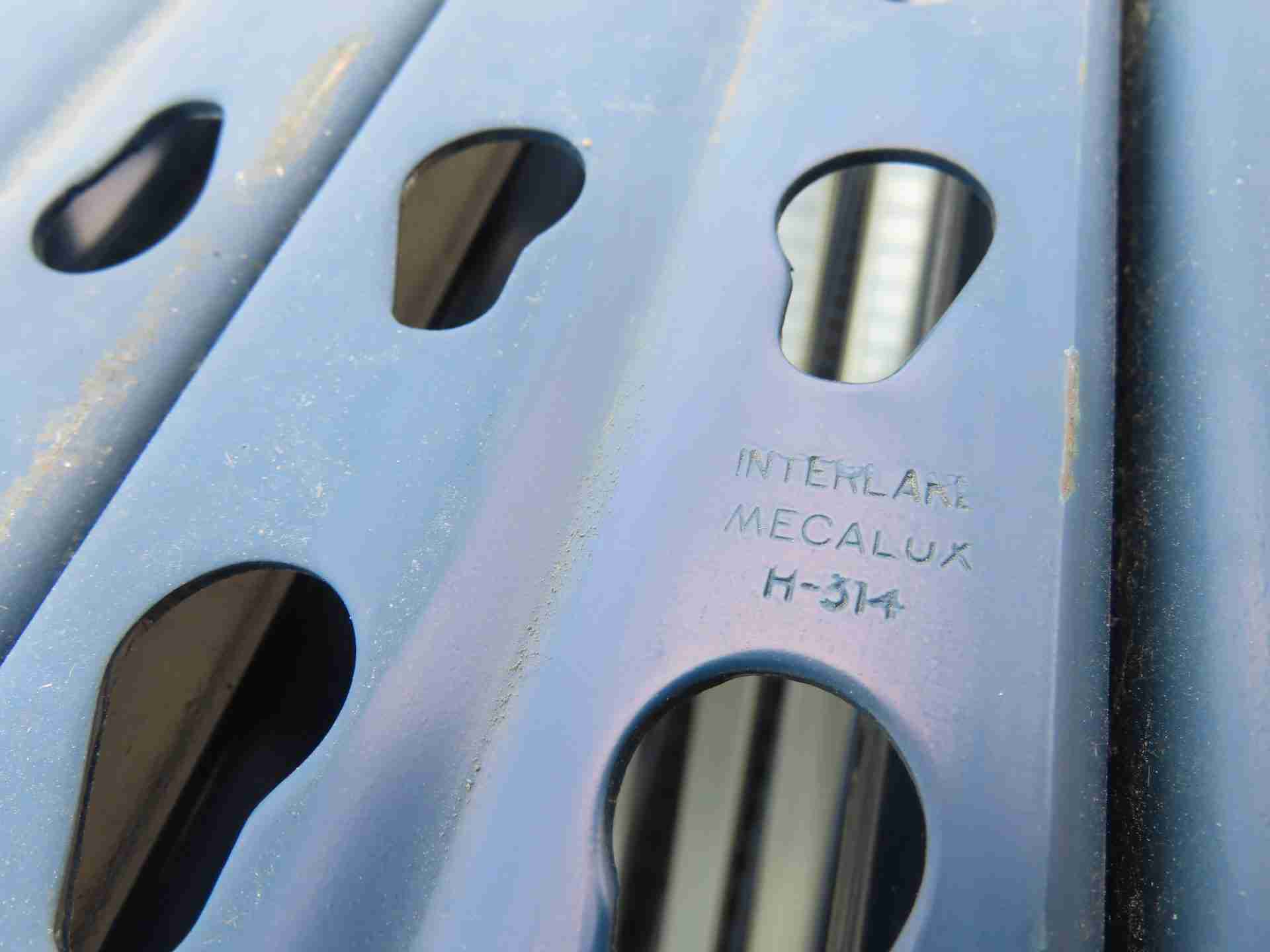
How Does Racking Efficiency Impact Your Bottom Line?
How Does Racking Efficiency Impact Your Bottom Line?
- Racking efficiency significantly impacts warehouse operations and overall profitability.
- Effective racking systems can lead to reduced labor costs by making products easier to access.
- Optimized racking contributes to seamless operations, enhancing productivity and order processing speed.
- Innovative racking solutions promote sustainability by maximizing warehouse space and reducing waste.
- Companies that operate responsibly often gain consumer goodwill, fostering trust and community relationships.
- Investing in racking solutions is a strategic decision that yields long-term benefits and workforce loyalty.
- Racking efficiency embodies vision and commitment, directly affecting customer service and business health.

How Does Racking Efficiency Impact Your Bottom Line?
Can AI Empower Your Workforce to Make Smarter Decisions?
In the world of work, decisions are the racking point; they can lift us to extraordinary heights or, in a single misstep, bring us crashing down. Picture your team, a group of skilled individuals, each uniquely talented. They are like cars revving their engines, ready to tear down the proverbial racetrack. But without the right guidance, they may veer off course. Enter AI—a powerful tool that acts as both a mechanic and a co-pilot, able to offer insights that guide your team towards smarter, data-driven decisions.
Imagine this: a manufacturing plant buzzing with activity. Workers on the floor are skilled, but when it comes to making strategic choices about production rates or supply chain logistics, the pressure is on. The stakes are high, and mistakes are costly. Just like a seasoned mechanic knows how to tune an engine for optimal performance, AI analyzes data patterns and offers recommendations grounded in real-time insights. This is not just about efficiency; it’s about peace of mind. When your team is equipped with these tools, they operate from a position of confidence rather than uncertainty, securing both profits and pride.
Now, let’s not lose sight of the human element. Decisions aren’t made in vacuums; they are influenced by emotions, passions, and ethics. When AI supplements human judgment, it becomes a bridge—connecting hard data with the heart. Leaders can rely on AI analytics to reveal not just trends, but also the story behind the numbers, fostering a culture where decisions are made collectively and inclusively.
Workers feel empowered when they know their voices matter. They start to think of themselves as part of a larger mission, driving innovations while minimizing risks. It’s a profound transformation that galvanizes teams to collaborate, sparking creativity and camaraderie in the workplace.
This isn’t just a tech upgrade; it’s a cultural shift. By integrating AI, we build a foundation of trust—between team members and with the technology itself. Confidence flourishes when individuals know they’re making informed choices, backed by the authority of solid data. As social creatures, we thrive on connection, and shared victories create a bond that propels organizations forward.
It’s time to embrace the future—a future where AI and human ingenuity collide to create smarter, wiser decisions. Together, we can conquer fears and thrive in uncertainty. Your workforce is ready; empower them to seize the moment.
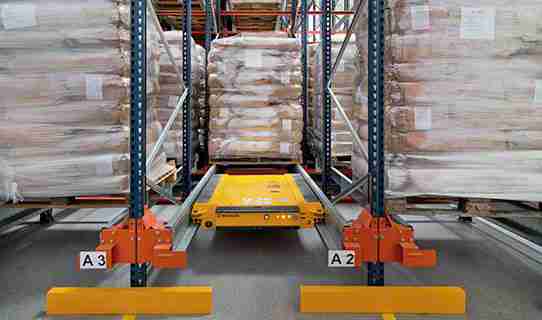
Can AI Empower Your Workforce to Make Smarter Decisions?
Can AI Empower Your Workforce to Make Smarter Decisions?
- Decisions in the workplace can lead to significant success or failure.
- A skilled team resembles cars ready for a race, needing guidance to stay on course.
- AI serves as a mechanic and co-pilot, providing insights for data-driven decision-making.
- In high-stakes environments, AI aids in optimizing production and logistics through data analysis.
- AI complements human judgment, connecting data with emotional and ethical considerations.
- Empowered workers feel part of a larger mission, fostering collaboration and innovation.
- Integrating AI fosters trust, enabling informed decisions that create strong team connections.
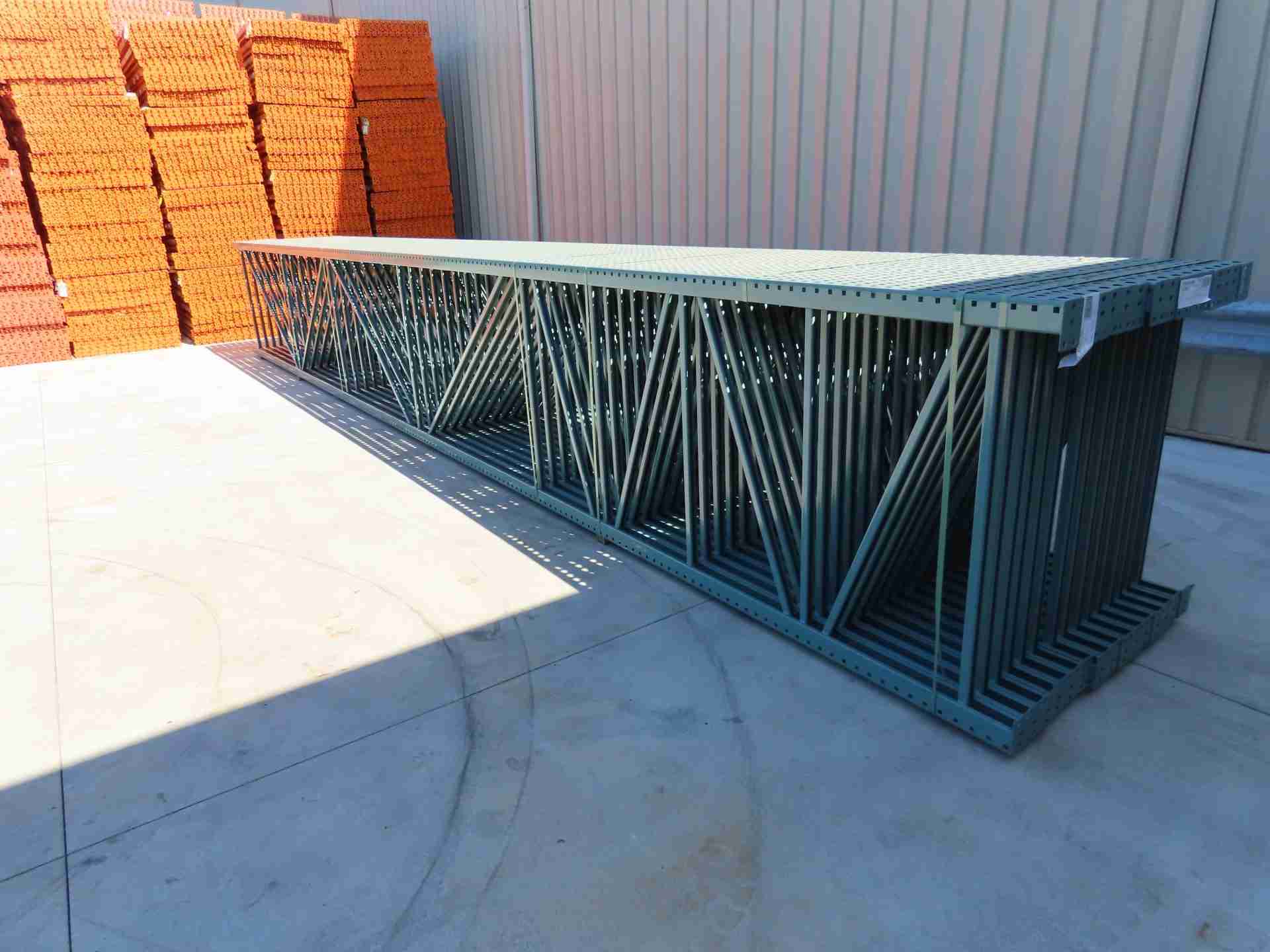
Can AI Empower Your Workforce to Make Smarter Decisions?
What Ethical Standards Should We Maintain In AI-Driven Warehousing?
In the bustling world of AI-driven warehousing, where robots whir and shelves stretch towards the clouds, we often miss the humanity at the core of the industry. It’s not just about racking up efficiency and productivity; it’s about the people whose lives intertwine with these systems. The implications of our choices extend beyond the bottom line, reaching deep into the community and the very fabric of our ethical obligations.
Picture a young mother working late into the night, packing orders to provide for her children. Every package she sends out is not just a product but a promise—of security, a better life, of hope. When AI tools are rolled out, they should enhance her work, not replace it. This is where our ethical compass must guide us. We have the responsibility to ensure that technology augments human capability instead of diminishing it.
Rationally speaking, adhering to ethical standards in AI isn’t just altruism; it drives sustainable business practices. When employees feel secure and valued, turnover decreases. They become invested in the company’s success, resulting in higher productivity and morale. So, let’s champion transparency—it’s vital. Workers need to know how AI is influencing their jobs. By fostering an environment where folks can voice their concerns and share their stories, we don’t just build trust; we create a library of narratives that reflect our commitment to ethical principles.
Ethics isn’t a buzzword; it’s a badge of honor. When we incorporate fairness, accountability, and inclusivity into our AI strategies, we’re sending a message that we value human dignity as much as efficiency. This is critical in an industry that thrives on collaboration—between machines and humans.
We wield a power that extends beyond the warehouse doors, echoing into the very communities that support us. Our choices affect local economies and uphold social structures. By making ethical decisions today, we build a future where technology serves as a partner in progress, not a rival.
Let’s embrace these standards as not just necessary but vital, inviting everyone—engineers, managers, and yes, warehouse workers—to join the conversation. The path forward is paved with trust, and it starts with recognizing and respecting the heart and soul of the human spirit in everything we do. Together, we can ensure that AI in warehousing isn’t just smart; it’s also wise.
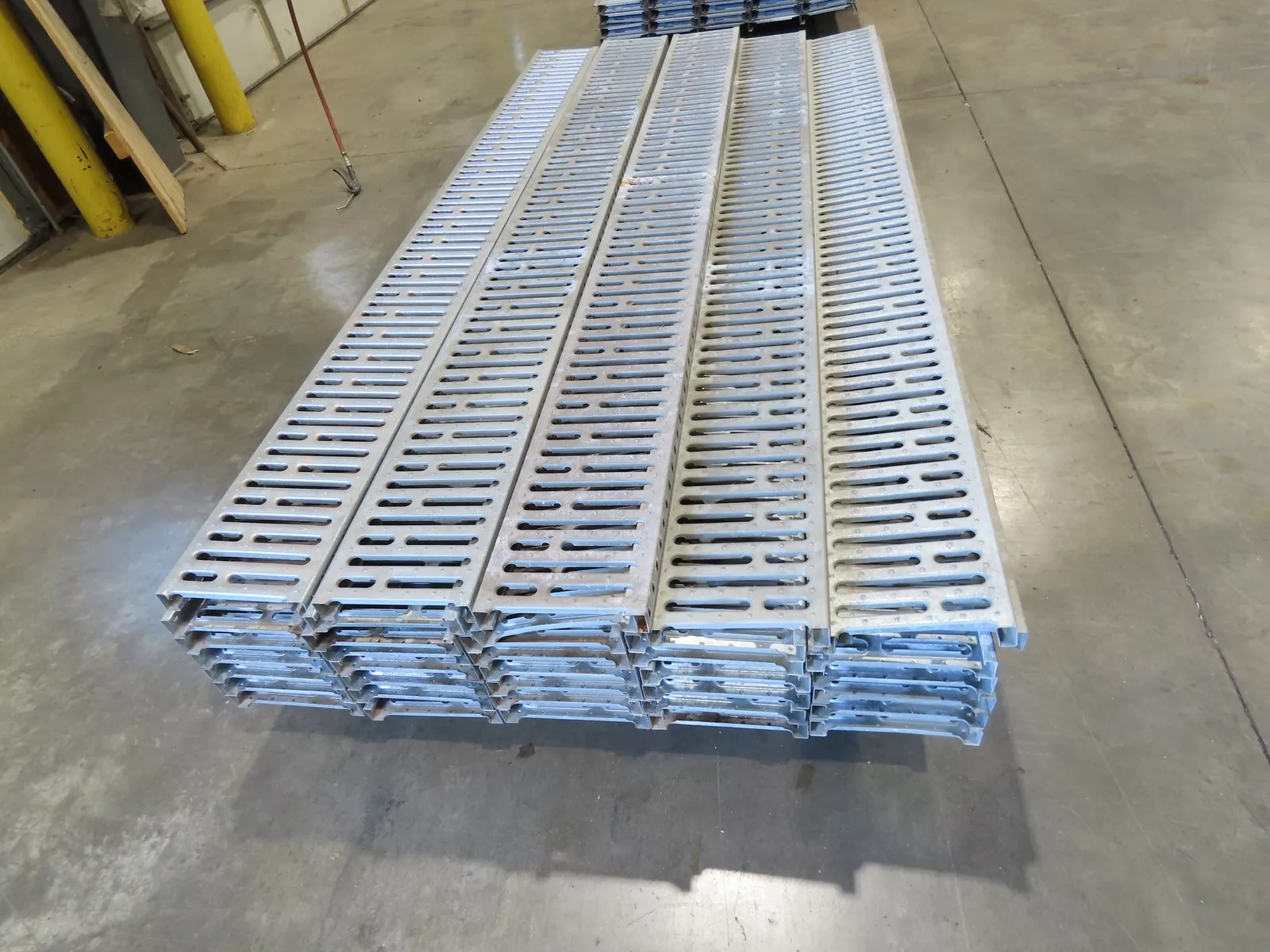
What Ethical Standards Should We Maintain In AI-Driven Warehousing?
What Ethical Standards Should We Maintain In AI-Driven Warehousing?
- The AI-driven warehousing industry must prioritize the humanity behind the technology, acknowledging how human lives intertwine with it.
- AI tools should enhance human work, such as that of a mother packing orders at night, rather than replacing it.
- Adhering to ethical standards in AI fosters sustainable business practices, leading to reduced turnover and increased employee morale.
- Transparency is crucial; workers need to understand how AI affects their jobs to build trust and an environment for shared stories.
- Incorporating ethics into AI strategies, including fairness and inclusivity, signals a commitment to valuing human dignity along with efficiency.
- Ethical decisions not only impact the workplace but also affect local economies and community structures.
- Collaboration among engineers, managers, and warehouse workers is essential for creating a wise and effective AI-driven future.
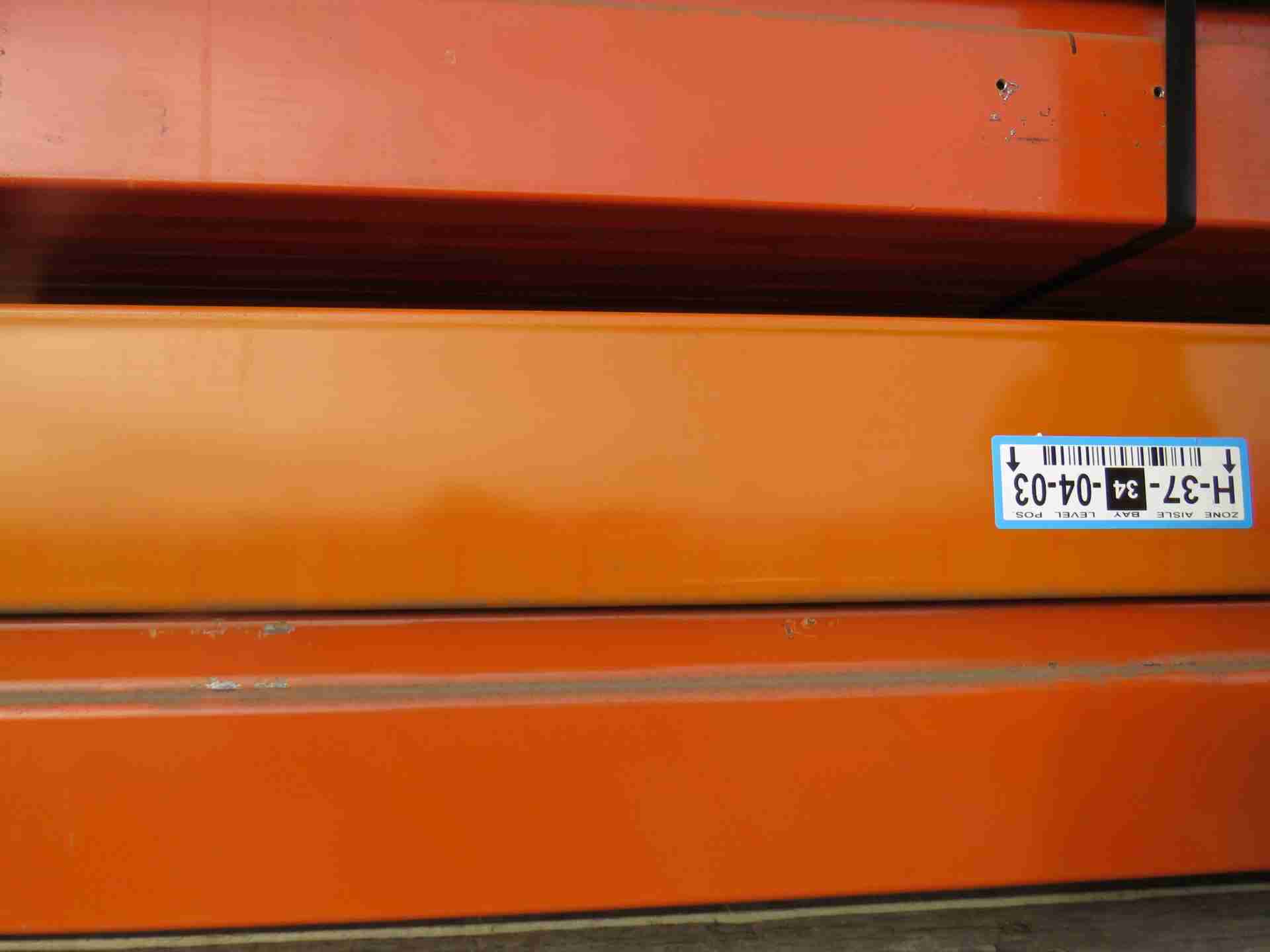
What Ethical Standards Should We Maintain In AI-Driven Warehousing?
How Can Storytelling Improve Understanding Of Warehouse AI Benefits?
In the vast and sometimes chaotic world of warehouse operations, where steel beams and Racking create a bustling labyrinth, the introduction of artificial intelligence can feel like an impersonal intrusion. But our story doesn’t have to be about cold, hard tech. Instead, it’s about what that tech can do for real people—humans just like you and me, working tirelessly to operate a critical backbone of our economy.
Imagine a bustling warehouse at dawn. The doors slide open, revealing rows of products, each one with a purpose and a promise. Employees navigate the aisles, executing a well-rehearsed ballet of fulfillment and delivery, but here comes the twist: AI enters the frame, not to take away the jobs of these dedicated workers, but to enhance their capabilities. This narrative turns cold facts into familiar faces, making it easier to understand the profound benefits of AI.
Take Alice, a warehouse manager who once spent hours manually tracking inventory. The tension was palpable as she juggled spreadsheets and tangled numbers. The ethical dilemma lay heavy; was she failing her team by not providing them the most efficient tools? Enter AI, which not only streamlined inventory tracking but also provided actionable insights, allowing Alice to focus on what mattered most—her people. Imagine the sigh of relief and confidence that washed over her when she could finally spend her time developing her team and improving training programs instead of wrestling with data.
Now, think about the family of every worker in that warehouse. Each team member’s excellence contributes to the livelihood of someone at home. When AI optimizes shipping routes or predicts inventory needs, those shifts directly affect earnings and job security for families within the community. The socio-economic ripple effect is profound, fostering a sense of mutual benefit that transcends the walls of the warehouse.
So, what’s the call to action here? It’s simple: embrace the narrative of AI in warehousing. Encourage open discussions about its role, its benefits, and its limitations. Stories create connections that resonate; they dissolve the skepticism, elevate the understanding, and inspire all stakeholders to consider how these advancements can work harmoniously with human effort. By championing these tales, you’ll empower not just your warehouse, but your entire community. Trust in the process, believe in the technology, and let’s navigate the future together.

How Can Storytelling Improve Understanding Of Warehouse AI Benefits?
How Can Storytelling Improve Understanding Of Warehouse AI Benefits?
- The world of warehouse operations is a complex environment where AI can enhance rather than replace human roles.
- AI improves efficiency, allowing managers like Alice to focus on team development instead of manual data tracking.
- The implementation of AI offers actionable insights that improve workplace efficiency and employee job satisfaction.
- AI’s impact extends beyond warehouses, positively affecting the livelihoods of employees’ families through enhanced job security.
- Embracing the narrative of AI fosters open discussions about its role and benefits in warehouse operations.
- Sharing stories about AI can dissolve skepticism and build stronger connections among stakeholders.
- Encouraging acceptance of AI can empower the entire community, promoting a collaborative future in warehouse management.
How Can Storytelling Improve Understanding Of Warehouse AI Benefits?
Conclusion
Warehouse operations stand at a pivotal crossroads, where the strains of daily tasks meet the transformative potential of artificial intelligence. In this dynamic environment, racking systems do more than simply hold inventory; they embody the aspirations and livelihoods of dedicated individuals working tirelessly to keep the wheels of our economy turning. Picture the scenario: workers maneuvering through sprawling aisles, each barcode scanned fueling a lifeline for families and communities alike. This isn’t just about logistics; it’s about dignity, purpose, and the human spirit.
Enter AI—often seen as a harbinger of change—yet, it’s not here to replace workers but to elevate them. The marriage of intelligent racking and artificial intelligence ignites a revolution in efficiency, seamlessly converting manual chaos into orchestrated movements. When inventory management transforms into a finely tuned process, it empowers workers to focus on what truly matters—creating value and nurturing relationships. This nuanced partnership fosters an environment where employees are not just cogs in a machine but pivotal players shaping the success of the entire operation.
While advancing technology can sometimes evoke feelings of trepidation, we must remember the ethical responsibility that accompanies it. AI should serve as a companion to the workforce, enhancing roles rather than erasing them. Companies that embrace this ethical framework not only enhance worker satisfaction but also foster loyalty, cultivating a culture of collaboration. Trust grows when employees can see tangible benefits in their daily roles, with machines handling the mundane, safeguarding against human error, and allowing creativity to flourish.
Beyond individual benefits lies the broader narrative of community impact. Efficient systems reduce waste and promote sustainable practices, winning the hearts of consumers while respecting the environment. When businesses thrive, they contribute to the well-being of their local economies, echoing a commitment to social responsibility that resonates deeply with customers.
Now, let’s not overlook the power of storytelling to bridge the gap between technology and humanity. The stories of your team, the triumphs achieved through efficiency gains, and the community impact fostered by these advancements are fundamentally what connect us all. By championing these narratives—sharing the triumphs and the transformations—we can foster acceptance and excitement around integrating AI into warehousing.
So let’s open our doors to the future, where racking systems and artificial intelligence coalesce into a tapestry of productivity, purpose, and pride. Harnessing this union, we can collectively create a narrative of success, one that underscores the intrinsic value of our workforce and the promise of a brighter, more efficient tomorrow.
Conclusion
Conclusion:
- Warehouse operations are at a crossroads between daily tasks and the transformative potential of artificial intelligence (AI).
- Racking systems represent both inventory management and the aspirations of dedicated workers supporting the economy.
- AI aims to elevate rather than replace workers, promoting efficiency and orchestrated movements within operations.
- This partnership allows workers to focus on creating value and nurturing relationships, rather than merely performing manual tasks.
- Embracing AI ethically can enhance worker satisfaction, foster loyalty, and promote a collaborative culture.
- Efficient systems contribute to community well-being by reducing waste and promoting sustainable practices, benefiting local economies.
- Storytelling around team achievements and technological advancements can bridge the gap between technology and humanity, encouraging acceptance of AI in warehousing.

Conclusion
Other Resources
Other Resources
Here is a list of other resources you can review online to learn more:
- Interlake Mecalux
- Total Warehouse
- Cantilever Rack Guide: Ordering Cantilever Racking
- Overhead Lifting
- Pallet Racks, Pallet Racking, Pallet Shelves in Stock – ULINE
- Logic Material Handling
- Pallet Racking systems in Illinois, Great Lakes
- IIWS Inc. Rack Installation Illinois & Rack Repairs Illinois
- American Society of Safety Professionals
- Illinois
- Selective Rack – Raymond West
- Interlake Mecalux
- International Warehouse Logistics Association
- Chicago Pallet Racking
- MHI
- Warehousing and Fulfillment
- Warehousing Education and Research Council: https://www.werc.org/
- Used Pallet Rack for Sale in Illinois – American Surplus
- Pallet Racking systems in Illinois and Great Lakes
- Pallet Racking 101: A Comprehensive Guide & Options Explained
Use This Prompt To Get More Resources With Your Favorite Online AI Tool: Please provide me with a list of online articles with their URLs in a bulleted list that I can read regarding Warehouse Intelligence: Where Racking Meets Ai
Other Resources
Glossary Terms
Warehouse Intelligence: Where Racking Meets Ai – Glossary Of Terms
1. Warehouse Intelligence: The integration of data analytics and artificial intelligence in warehouse operations to enhance efficiency and decision-making.
2. Racking: The framework or shelves used in warehouses to store goods vertically, optimizing space utilization.
3. Artificial Intelligence (AI): Computer systems designed to perform tasks that typically require human intelligence, such as visual perception and decision-making.
4. Automation: The use of technology to perform tasks with minimal human intervention, often enhancing speed and accuracy in warehouse operations.
5. Inventory Management: The process of overseeing and controlling the ordering, storage, and use of inventory to ensure adequate supply and minimize costs.
6. Data Analytics: The quantitative and qualitative techniques used to analyze raw data to derive actionable insights for business operations.
7. Supply Chain Optimization: Strategies and practices aimed at improving the efficiency of the supply chain from production to delivery.
8. Machine Learning: A subset of AI involving algorithms that allow systems to learn and improve from experience without explicit programming.
9. Predictive Analytics: Techniques that use historical data to forecast future outcomes, helping businesses make informed decisions.
10. Real-time Data: Information that is available as soon as it is generated, crucial for timely decision-making in warehouse operations.
11. Warehouse Management System (WMS): Software used to manage warehouse operations efficiently and optimize storage and retrieval processes.
12. Smart Racking: Advanced racking systems equipped with sensors and IoT technology to monitor and manage inventory levels and logistics.
13. Automation Robotics: Robotics systems used in warehouses to automate tasks such as picking, packing, and sorting items.
14. End-to-End Visibility: The ability to track and monitor product movement throughout the supply chain, essential for transparency and efficiency.
15. Internet of Things (IoT): A network of interconnected devices that collect and exchange data, enhancing warehouse operations through smart technology.
16. Order Fulfillment: The process of preparing and delivering customer orders, involving picking, packing, and shipping.
17. SKU (Stock Keeping Unit): A unique identifier for a product that helps in tracking inventory levels and sales.
18. Cycle Counting: An inventory auditing process where a subset of inventory is counted on a specific day, helping maintain accurate stock records.
19. Phantom Inventory: Inventory that is recorded in stock levels but is either lost, miscounted, or not physically available.
20. Safety Stock: Additional inventory kept on hand to prevent stockouts caused by demand fluctuations or supply chain delays.
21. Lead Time: The amount of time between the initiation and completion of a process, particularly in order fulfillment.
22. Cross-docking: A logistics practice where incoming goods are directly transferred to outbound trucks with minimal storage time.
23. Batch Processing: The method of processing data in groups rather than individually, often used in picking and sorting operations.
24. User Interface (UI): The means through which users interact with a digital system or software, critical for effective use of warehouse management systems.
25. Data Integration: The process of combining data from different sources into a unified view to facilitate comprehensive analysis.
26. Cloud Computing: The delivery of computing services over the internet, allowing for scalable storage and processing of warehouse data.
27. Dynamic Slotting: A method of optimizing the location of products within a warehouse based on real-time data and demand patterns.
28. Reverse Logistics: The process of moving goods from their final destination back to the manufacturer or retailer for returns, refurbishing, or recycling.
29. Capacity Planning: The process of determining the production capacity needed to meet changing demands for products.
30. Data Visualization: The representation of data in graphical formats to help users understand complex information easily and make informed decisions.
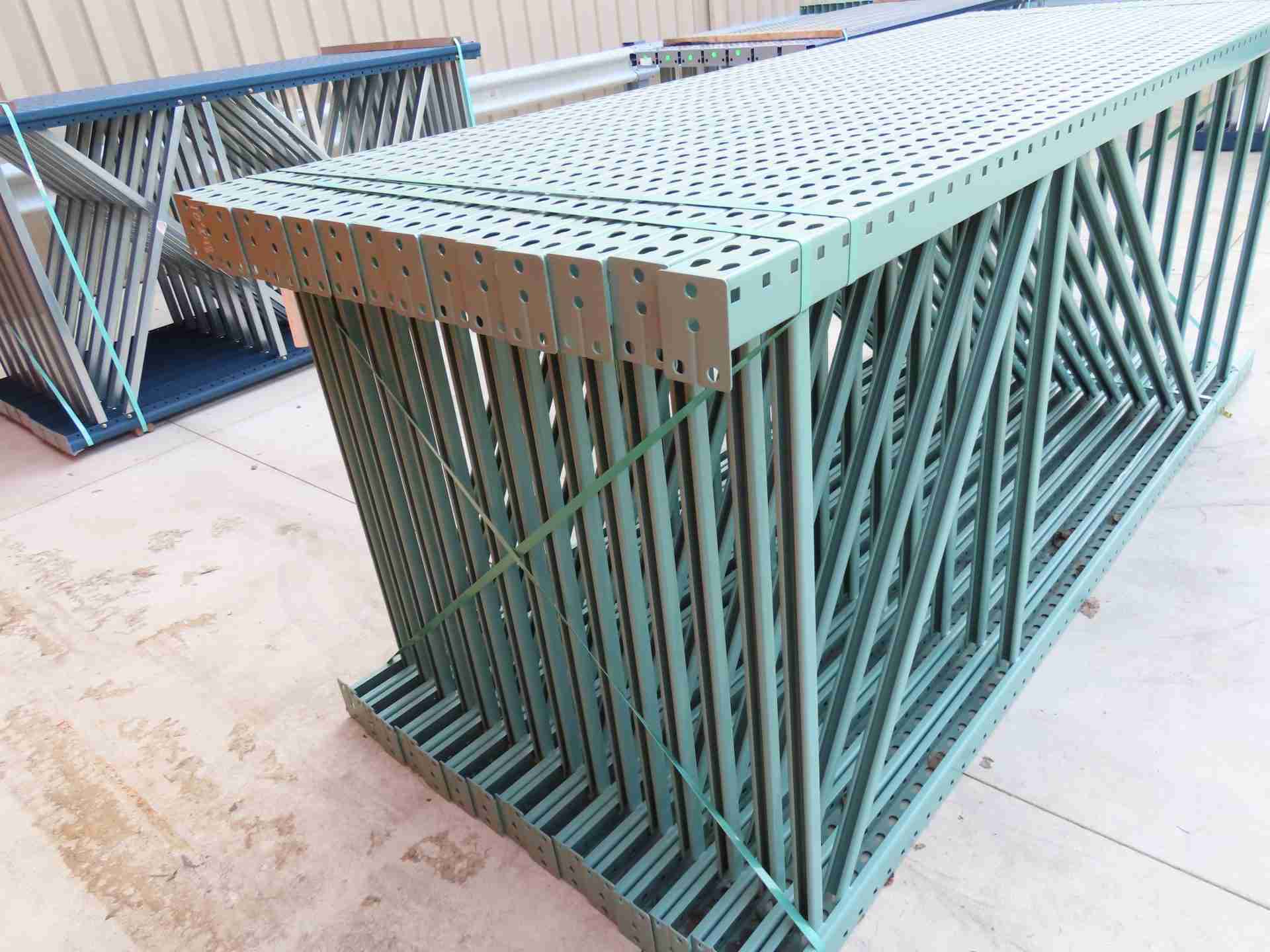
Glossary Of Terms
Other Questions
Warehouse Intelligence: Where Racking Meets Ai – Other Questions
If you wish to explore and discover more, consider looking for answers to these questions:
- What are the specific advantages of using AI in warehouse management?
- How can AI integration impact workforce morale and job satisfaction?
- What potential risks are associated with increasing automation in warehouses?
- How do companies measure the effectiveness of AI in reducing errors?
- What best practices exist for implementing AI in warehousing?
- How can businesses ensure ethical AI use in their operations?
- What role does training play in the transition to AI-assisted workflows?
- What success stories exist of companies that have effectively integrated AI?
- How can storytelling be used to further facilitate the acceptance of AI in the workplace?
- What are the future trends in warehouse technology related to AI?
- How should warehouses balance productivity with ethical considerations in technology adoption?
- What are the costs associated with transitioning to AI-enhanced operations?
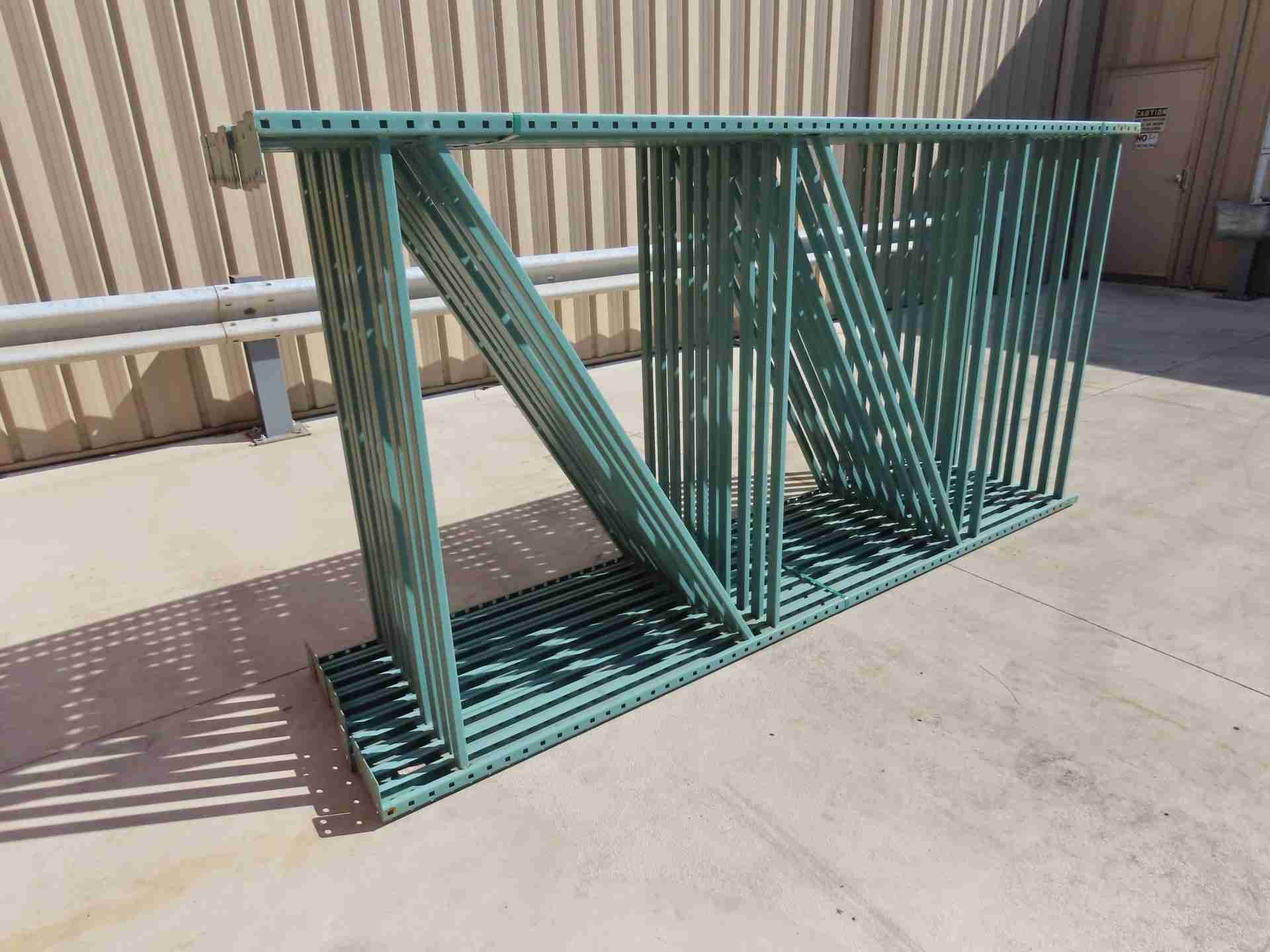
Other Questions
Checklist
Warehouse Intelligence: Where Racking Meets Ai – A Checklist
Warehouse Intelligence: Smart Storage Solutions Checklist
Heart: Emotional Appeals
_____ Reflect on the community impact: How does your warehouse empower families and contribute to local livelihoods?
_____ Acknowledge the human element: Consider the dedication of your workers and the pride they take in their work.
_____ Foster a culture of collaboration: How can you enhance teamwork and morale within your warehouse?
Head: Rational Appeals
_____ Analyze the benefits of AI: What are the specific ways AI can reduce errors and improve inventory management in your operations?
_____ Evaluate your current processes: Are there inefficiencies in your racking systems that could be optimized for better productivity?
_____ Explore data-driven decision-making: How can AI insights guide your team in making smarter business choices?
Gut: Ethical Appeals
_____ Commit to ethical standards: What measures are you taking to ensure AI enhances, rather than replaces, human roles in your warehouse?
_____ Prioritize transparency: Are you communicating clearly with your employees about how AI impacts their jobs?
_____ Cultivate an inclusive environment: How can you ensure all voices are heard in the decision-making process around technology implementation?
Authority: Expert Insights
_____ Leverage industry experience: Seek guidance from professionals who have successfully implemented AI in warehousing. What best practices can you adopt?
_____ Research success stories: What companies have effectively utilized AI to enhance their operations, and what can you learn from their experiences?
Narrative: Storytelling Techniques
_____ Share success stories: Can you highlight examples of employees whose jobs have been enhanced through AI?
_____ Create relatable narratives: How can you communicate the benefits of AI through the experiences of your team members?
_____ Foster engagement: Encourage discussions about the advancements AI brings to your warehouse story.
Social: Community Connections
_____ Build a supportive network: How can you connect with other warehouses to share knowledge and experiences regarding AI and efficiency?
_____ Encourage employee advocacy: Can your workers become ambassadors for the positive changes AI brings to the warehouse environment?
_____ Highlight community benefits: What are the broader societal impacts of your warehouse’s efficiency and ethical practices?
Utilize this checklist to foster a deeper understanding and engagement with AI-driven changes in your warehousing operations.
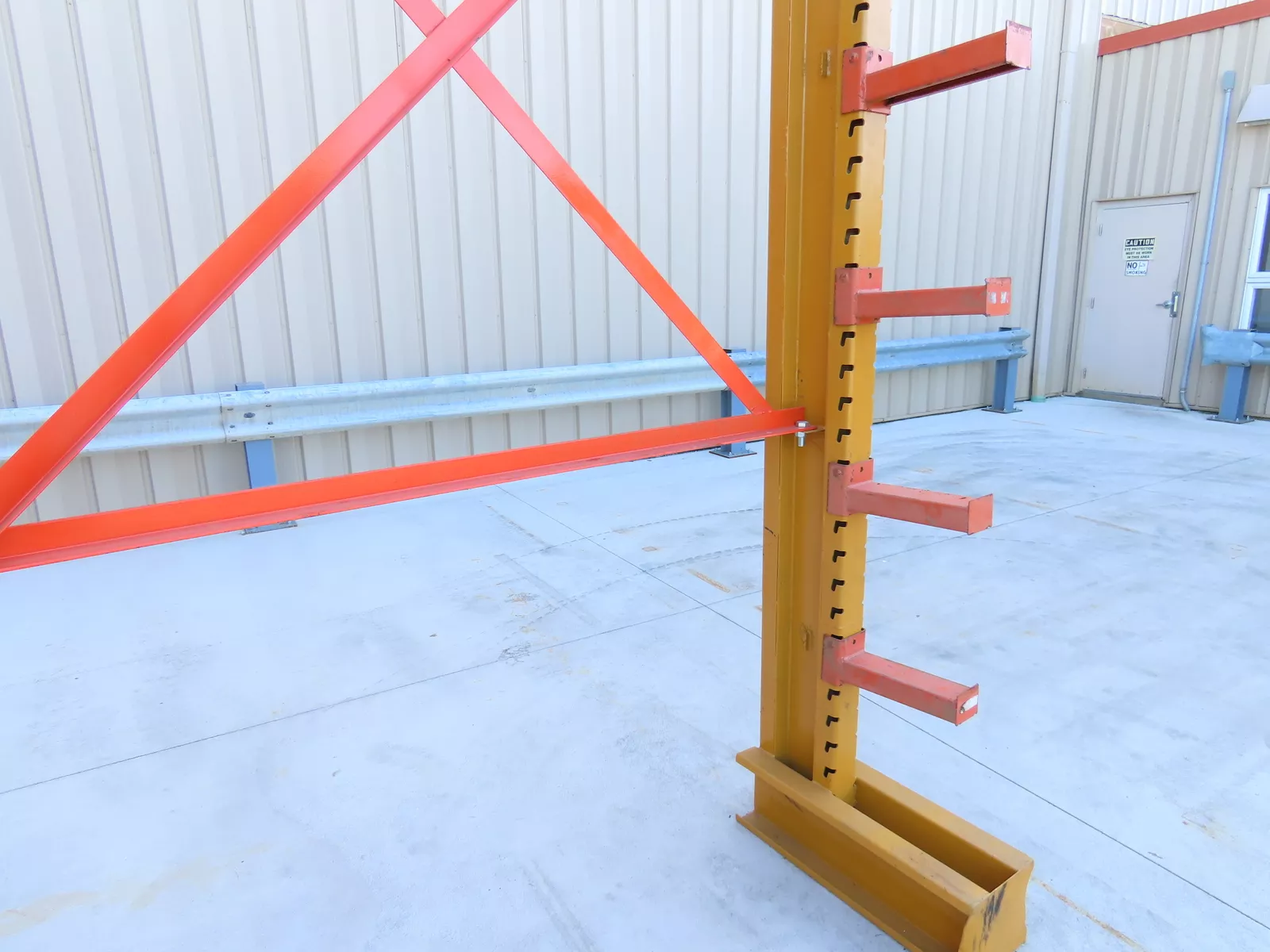
Checklist
At RackingWorld, we help guide you through selecting warehouse storage systems and racking.
Be sure to read our other related stories at RackingWorld to learn more about warehouse storage systems.
0 Comments