
Choosing The Right Rack Repair Contractor
By Tom Seest
At RackingWorld, we help guide you through selecting warehouse storage systems and racking.
Be sure to read our other related stories at RackingWorld to learn more about warehouse storage systems.
Hiring a Rack Repair Contractor: What to Look For
Hiring a rack repair contractor is no small feat. It might seem like just another checkbox on your facility maintenance list, but let’s pause for a moment. Picture this: a bustling warehouse filled with the hustle of employees, machinery, and, most importantly, the racking systems that hold your products. These structures are more than just metal; they are the backbone of your operation. When they fail, chaos can ensue.
So, what do you look for in a contractor to repair these essential components? First and foremost, experience matters. You want someone who understands the ins and outs of racking systems, who can recognize potential issues before they escalate into costly disasters. Ask about their track record. Do they have testimonials from previous clients who can vouch for their expertise? Look for case studies that demonstrate their ability to identify and resolve problems effectively. This isn’t just about repairs; it’s about preventing future headaches.
Do your homework on their credentials. Ethical practices matter in this industry—ensure that your contractor follows industry standards and safety regulations. Any professional worth their salt will be proud to share this information. Trust is established when you see a commitment not just to repairing but also to upholding safety for everyone in your facility. This isn’t just a job for them; it’s about doing right by you and your people.
But beyond qualifications, listen to your gut. Walk through the doors of communication. Are they forthcoming with information? Do they listen to your concerns? A good contractor will take the time to understand your unique situation and tailor their approach accordingly. They should make you feel heard and supported. After all, the relationship you establish with them can lead to enduring benefits for your operation.
Lastly, consider the human element. A contractor’s reputation is built on relationships. Ask for references and take the time to speak with their past clients. You want to know not just about their technical skills but about their commitment to service and support. In the world of rack repair, it’s the connection that often counts as much as the craftsmanship.
In a landscape of choices, remember: you’re not just hiring a contractor; you’re entrusting your business’s safety and efficiency to them. Choose wisely, and you’ll find a partner who not only fixes racking systems but fortifies your operation for years to come.
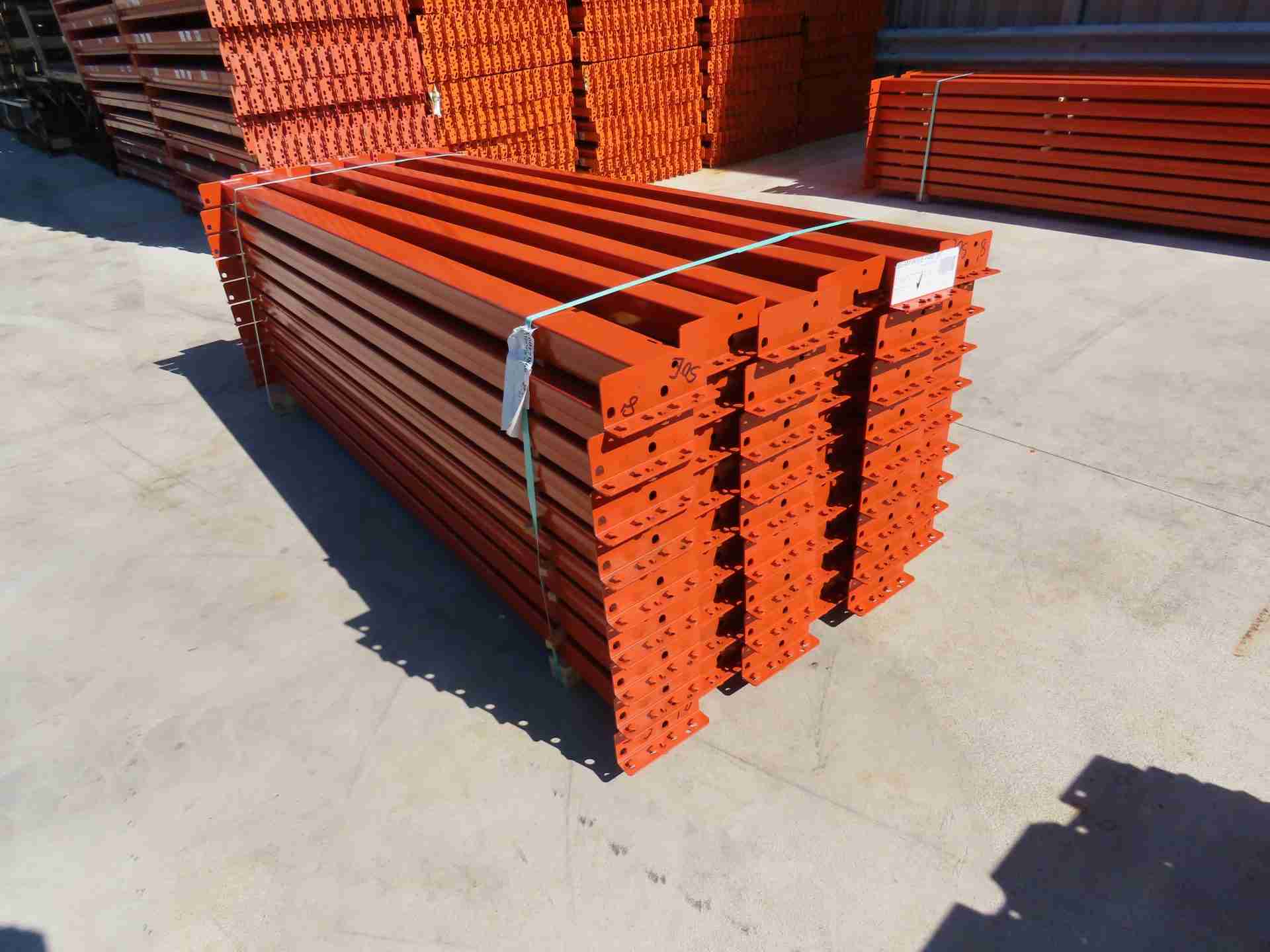
Hiring a Rack Repair Contractor: What to Look For
Hiring a Rack Repair Contractor: What to Look For
- Hiring a rack repair contractor is crucial for warehouse operations, as racking systems are essential for product management.
- Experience is important; look for contractors familiar with racking systems and able to identify potential issues before they escalate.
- Check their track record, including testimonials and case studies, to ensure their problem-solving capabilities.
- Verify their credentials and ensure they adhere to industry standards and safety regulations.
- Assess their communication skills; a good contractor should listen to your concerns and provide tailored solutions.
- Consider the human element by asking for references to understand their commitment to service and support.
- Choose a contractor wisely to ensure the safety and efficiency of your business for the long term.
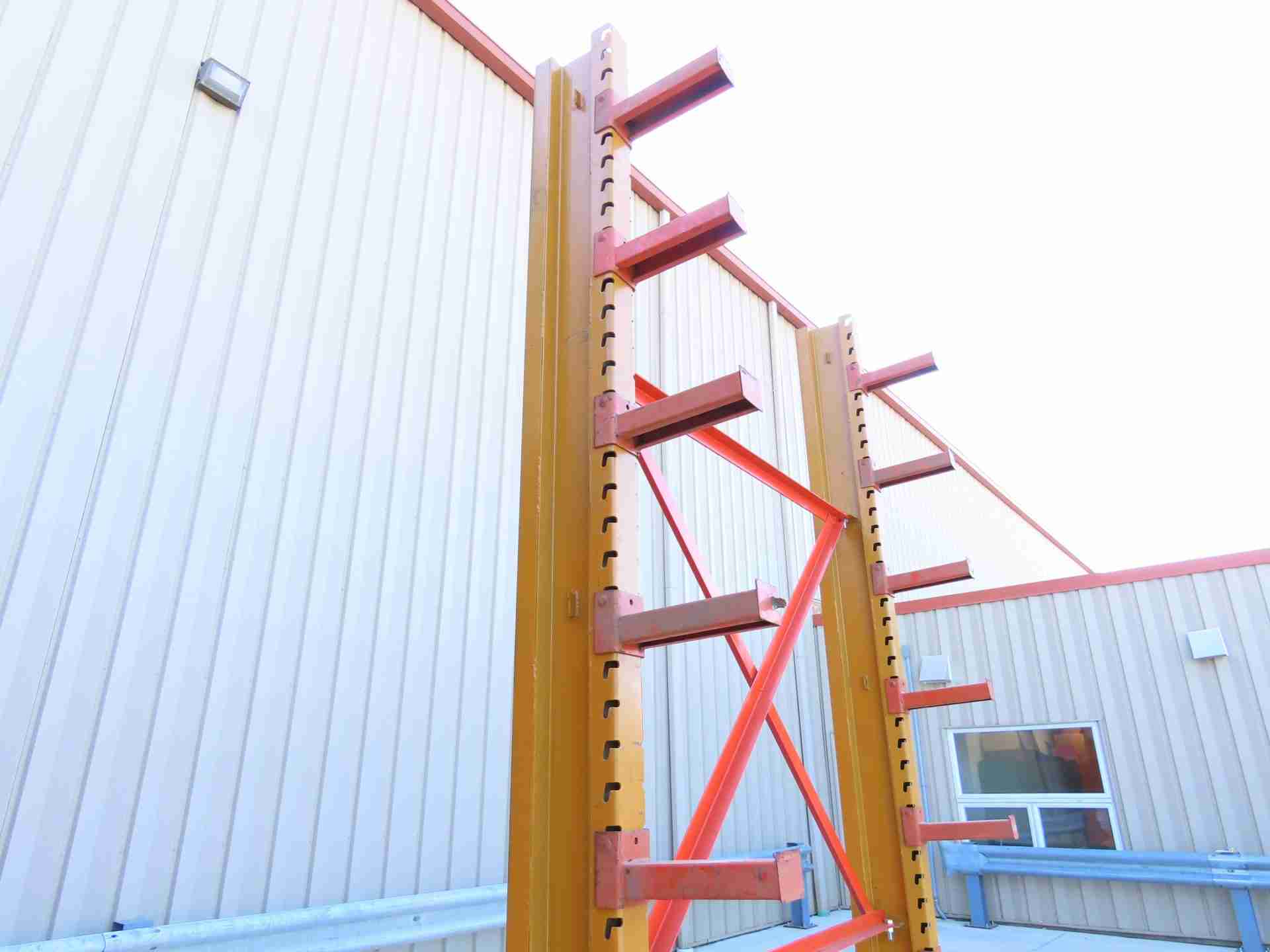
Hiring a Rack Repair Contractor: What to Look For
Table Of Contents
- Hiring a Rack Repair Contractor: What to Look For
- What Experience Do You Have with Similar Rack Repair Projects?
- How Do You Ensure the Safety and Quality Of Your Repairs?
- Can You Provide References From Past Clients?
- What Certifications Do Your Contractors Hold In Rack Repair?
- How Do You Approach Finding the Root Cause Of Rack Damage?
- Conclusion
- Other Resources
- Glossary Of Terms
- Other Questions
- Checklist
What Experience Do You Have with Similar Rack Repair Projects?
When it comes to projects involving racking systems—be it in warehouses, distribution centers, or cold storage facilities—experience isn’t just a matter of credentials or time spent on the job. It’s the countless hours spent problem-solving, the challenges faced under pressure, and the lessons learned from both successes and failures. Huge as these racking structures may seem, the real weight often lies in the people and stories behind them.
Consider the day a client called, their racking had collapsed, sending product crashing to the ground like an avalanche. It was more than just metal and shelves; it was livelihoods at stake. In that moment, you realize the deep responsibility tied to the work we do. Our hands may be on the tools, but our hearts are in the details. Understanding the emotional toll on those affected is what drives us to ensure safety, quality, and reliability in every repair. We’re not just fixing racks; we’re protecting dreams, maintaining jobs, and supporting communities.
On a more practical level, experience in racking repair brings clarity to the chaos. It’s about applying a wealth of knowledge to understand what went wrong and how to address it effectively. Each project teaches you something. For instance, studying the stress points and wear patterns can unveil potential future failures, which allows us to take proactive measures rather than reactive ones. When you’ve walked the line between risk and safety multiple times, you build a keen eye. This isn’t just theory; it’s a balanced equation based on diligent observation and rational decision-making.
Ethically, you’re part of a community that values not just profits, but integrity. You owe it to the workers to provide solutions that they can trust. When clients call us in for sought-after expertise, they’re not just looking for fixers; they’re looking for partners who genuinely care about their well-being and their business. They want reassurance that their racking will stand the test of time.
Every interaction, every project, makes us a part of something larger—an interconnected web of folks striving towards safety and efficiency. This is where trust is cultivated. Each successful repair becomes a thread in a story shared with colleagues and friends, reaffirming that we’re all in this together. When it comes to rack repair, let’s do it right, not just once but always, because we’ve seen what’s at stake. Here’s to keeping the heart, head, and gut in the game.
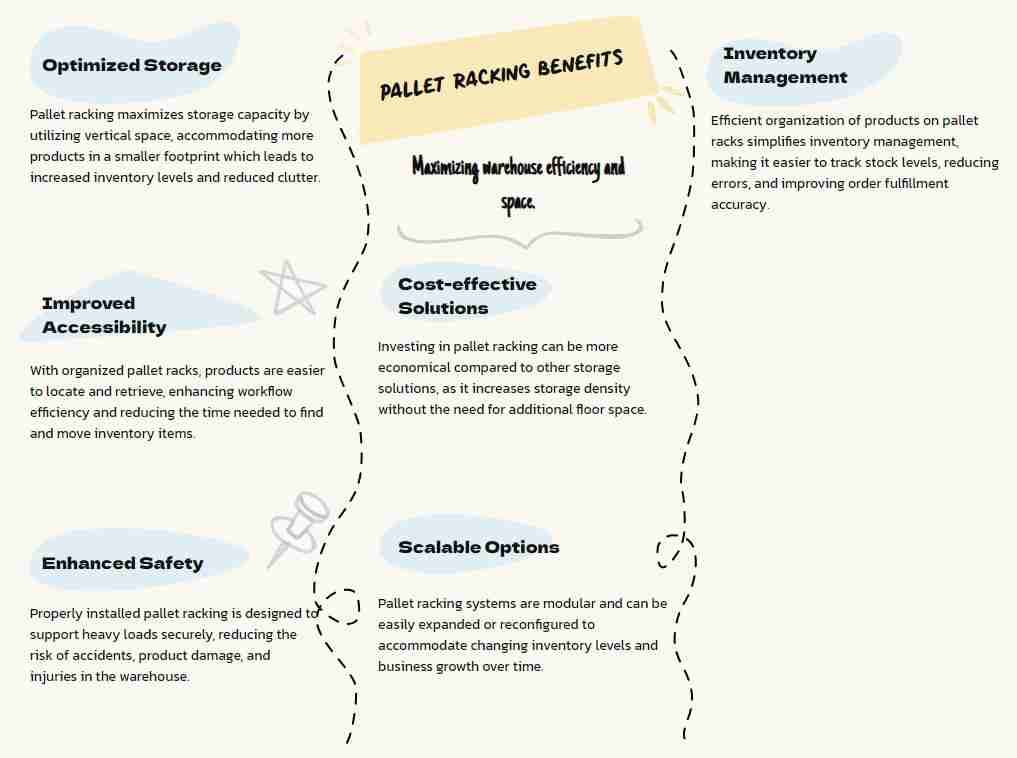
What Experience Do You Have with Similar Rack Repair Projects?
What Experience Do You Have with Similar Rack Repair Projects?
- Experience in racking systems goes beyond credentials, encompassing problem-solving and lessons learned from successes and failures.
- The implications of racking system failures are profound, impacting livelihoods and highlighting the responsibility involved in the work.
- Every repair is motivated by a commitment to safety, quality, and reliability, recognizing the emotional toll on those affected.
- Experience brings clarity to chaos, enabling proactive measures by understanding stress points and wear patterns in racking systems.
- Professionals in this field prioritize integrity, providing trustworthy solutions to ensure client safety and business continuity.
- Each project fosters trust and builds a community focused on safety and efficiency in racking system maintenance.
- The goal is to approach repairs with a holistic mindset, ensuring ongoing commitment to excellence in every interaction.
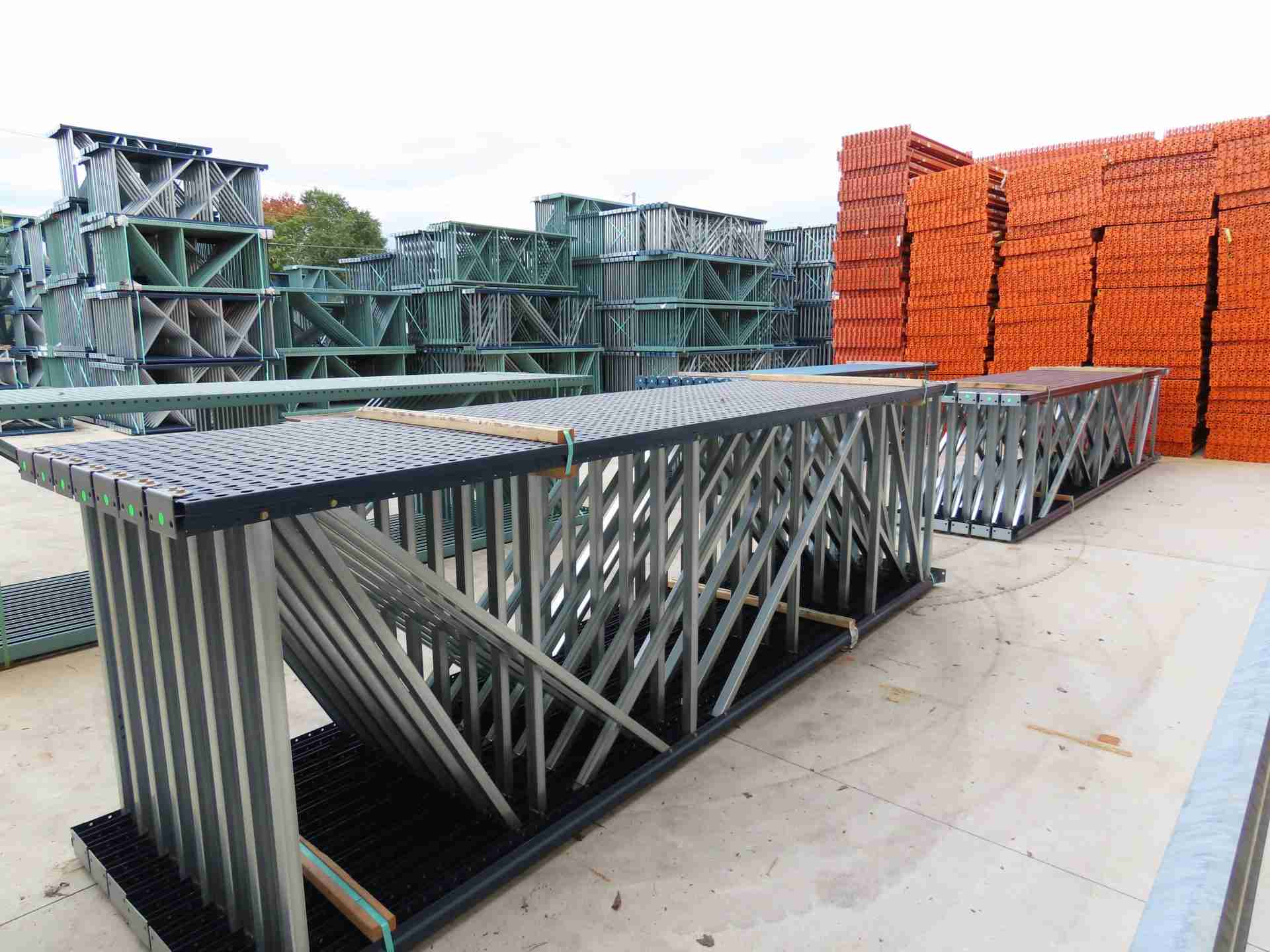
What Experience Do You Have with Similar Rack Repair Projects?
How Do You Ensure the Safety and Quality Of Your Repairs?
When it comes to repair work, the stakes are higher than you might think. Imagine for a moment that you’re standing in front of a racked shelf, the weight of countless items resting precariously on its beams. Each piece tells a story, whether it’s a cherished family heirloom or gear essential for your business. Now, think about what it would mean if that repair didn’t hold up. The potential for disaster—harm to people, loss of treasured belongings, and the economic impact—is enough to make your gut tighten.
Ensuring the safety and quality of repairs is not just a technical obligation; it’s a moral one. Every time you pick up a tool or inspect a structure, you’re making a decision. You can look at it as just another job, or you can take a stand for the safety of those who will rely on your work. It’s a commitment to the people around you, a pledge that echoes through families and communities. This ethical approach fosters trust and connection; it transforms a simple repair into a commitment to excellence.
From a rational standpoint, employing the best practices in repair work makes all the difference. This isn’t just about slapping a Band-Aid on a problem; it’s about understanding the nuances of materials, loads, and environments. Every joint fastened, every measurement taken, is a testament to years of craftsmanship and knowledge. Utilizing high-quality materials and ensuring the right techniques are applied can mean the difference between a quick fix and a long-lasting solution. This is your authority as a skilled professional, and it’s where your pride should lie.
Moreover, don’t underestimate the social aspect. When you take pride in the quality of your repairs, you’re sending a message. A message that says you care, that you’re not just in it for a paycheck but for the well-being of your community. Your reputation will spread, and soon your neighbors and clients will begin to recognize not just your work, but your dedication to doing it well.
In every racking support, every anchored beam, lies not just a job well done, but a legacy of responsibility and integrity. So next time you consider a repair, think about the profound impact of your choices. After all, safety is not just a protocol; it is the foundation upon which trust is built. This is your opportunity—grab it and show the world what true quality looks like.
How Do You Ensure the Safety and Quality Of Your Repairs?
How Do You Ensure the Safety and Quality Of Your Repairs?
- The stakes of repair work are significant, affecting personal safety, cherished belongings, and economic stability.
- Ensuring safety and quality is a moral obligation, reflecting a commitment to those who rely on your work.
- An ethical approach fosters trust and connection within families and communities.
- Best practices in repair involve understanding materials, loads, and environments for effective solutions.
- Your expertise and pride as a skilled professional hinge on using high-quality materials and correct techniques.
- Quality repairs communicate care for the community and enhance your reputation as a dedicated professional.
- Your repair choices impact legacy, responsibility, and integrity, establishing safety as the foundation of trust.
How Do You Ensure the Safety and Quality Of Your Repairs?
Can You Provide References From Past Clients?
When facing a crucial decision, hearing from those who’ve walked the path before you can be the light that guides your steps. It’s not just about credentials on a piece of paper; it’s about the real stories, the shared experiences, and the racking moments when the pressure was high, and the stakes were even higher. You’re not just choosing a service; you’re investing in a relationship built on trust and integrity.
Think about it for a moment. When was the last time you made a significant decision without consulting someone who had been there before? Whether it’s finding a contractor to repair your roof or hiring a financial advisor, good references don’t just validate a candidate’s skills; they weave a narrative of reliability and success. Each testimonial is a thread in the fabric of their reputation, a testament to times when they went above and beyond, turning uncertainty into confidence.
Listening to past clients is stepping onto common ground. Their voices resonate with authenticity, sharing their triumphs and challenges. They might tell you how a service provider transformed a daunting task into a moment of victory, or how a challenge was met with innovative solutions. Isn’t that the kind of story you want to hear? One that speaks to the heart, telling you that you’re not alone in your journey?
Moreover, it’s about accountability. By inviting feedback from previous clients, a service provider reveals their commitment to ethical practices. It’s a bold statement, an assurance that they genuinely care about the experience you’ll have. This isn’t just business; it’s about creating relationships based on trust and mutual respect.
And let’s face it; we’re social creatures. When you hear a neighbor rave about their positive experiences with a service, it stirs something deep within—a desire to belong to a community of satisfied customers. You want to share in that goodness, to step into a circle where trust and excellence go hand in hand.
Seeking references isn’t merely a procedural step; it’s an emotional journey. It’s about assuring yourself that you’re doing right by your investment—one where every conversation you have with past clients echoes with honesty, hope, and possibility. That’s the kind of confidence we all crave. So, take that step, connect the dots, and let those stories pave the way to your next decision.
Can You Provide References From Past Clients?
Can You Provide References From Past Clients?
- Hearing from those with similar experiences can guide crucial decisions.
- Real stories and shared experiences matter more than just credentials.
- Good references validate skills and build trust in relationships.
- Testimonials create a narrative of reliability and success.
- Listening to past clients provides a sense of authenticity and connection.
- Seeking feedback shows a service provider’s commitment to ethical practices.
- Gathering references is an emotional journey towards building confidence in decisions.
Can You Provide References From Past Clients?
What Certifications Do Your Contractors Hold In Rack Repair?
When it comes to rack repair, it’s essential to know what certifications your contractors hold. These certifications aren’t just pieces of paper; they represent knowledge, skill, and a commitment to safety. Think about it—every time you see a sturdy racking system filled to the brim with products, remember it’s not just steel and bolts; it’s a promise. A promise that the racking will hold up under pressure, allowing businesses to thrive and employees to work safely.
Let’s talk about the heart of the matter. Imagine a family-owned business relying on their racking system to store goods that keep their doors open and their employees fed. When a contractor walks into that scenario, armed with certifications in rack repair, they’re not just fixing an issue—they’re safeguarding livelihoods. This emotional connection underscores the real-world impact of their work. Knowing that your contractors have undergone extensive training and evaluation gives you confidence. You’re not just hiring someone with a tool belt; you’re bringing on a skilled craftsman whose expertise can make or break your operations.
From a rational perspective, certifications are the evidence of capability. A contractor certified in rack repair has gone through rigorous training, learning best practices, and safety standards crucial for ensuring that the racks will withstand the test of time. This experience doesn’t just boost their credentials; it equips them with the critical thinking required to tackle unique challenges you might face in the field. So, when you see those certification logos, you know they didn’t just read a manual—they’ve been tested under real-world scenarios, and they’ve come out on top.
Ethically speaking, it’s vital to choose contractors who value the importance of these certifications. They understand that every beam they touch and every joint they reinforce represents a life-sustaining infrastructure. Contractors who prioritize maintaining these standards show they care about the broader consequences of their work.
Moreover, there’s authority in choosing certified professionals. These individuals have embraced a body of knowledge that puts them ahead of the pack. They’re the leaders, setting examples in a community that seeks reliability and care in their construction practices.
Ultimately, when your racks are repaired by skilled, certified hands, you’re not just investing in metal and labor—you’re investing in peace of mind. When the need for repair arises, align yourself with contractors who wear their certifications like badges of honor, ensuring that your racking solutions embody strength, ethics, and trustworthiness.
What Certifications Do Your Contractors Hold In Rack Repair?
What Certifications Do Your Contractors Hold In Rack Repair?
- Understanding contractors’ certifications is crucial in rack repair, reflecting knowledge, skill, and safety commitment.
- Sturdy racking systems symbolize promises of safety and functionality for businesses and employees.
- Certified contractors safeguard livelihoods by ensuring reliable racking systems for family-owned businesses.
- Certifications represent rigorous training in best practices and safety standards necessary for durable racking systems.
- Ethically responsible contractors prioritize the importance of certifications, understanding their impact on safety and infrastructure.
- Certified professionals hold authority in the field, showcasing leadership and reliability in construction practices.
- Investing in certified contractors offers peace of mind, ensuring racking solutions are strong, ethical, and trustworthy.
What Certifications Do Your Contractors Hold In Rack Repair?
How Do You Approach Finding the Root Cause Of Rack Damage?
When you walk through a warehouse, you’re surrounded by towering racking systems, each an unsung hero that holds the weight of countless products and dreams. But as sturdy as they may seem, racking can suffer from damage, which often tells a story of neglect, miscommunication, or just plain human error. Finding the root cause of that damage isn’t just a matter of fixing what’s broken; it’s about understanding the fabric of your operations and the people who make them tick.
Imagine for a moment the day-to-day hustle: employees whizzing past with forklifts, an electric buzz of ambition in the air. But then comes a loud crash! A moment after, there’s an uneasy silence. A racking system is compromised, goods spill onto the floor, and time slows down. It’s in these moments that the heart of your operation is put to the test. This is where you must step in, not just as a leader, but as a compassionate observer who seeks to grasp the underlying story behind that damage.
To get to the truth, one has to balance the head and the gut. Start by gathering data. Is it a recurring issue? Are certain areas more prone to mishaps? This is where your analytical brain comes into play. Don’t shy away from analyzing reports, talking to staff, and going through maintenance logs. But don’t forget the human element—check in with your employees. Ask them about their experiences. Create an environment where they feel safe sharing incidents without fear of consequences. You’ll often find that people are aware of the problems but feel powerless to voice them.
With this understanding comes the ethical responsibility to act. Why let racking damage become a ticking time bomb when the solution can often be found in your own backyard? Safety training, better equipment, and improved communication are just a few steps that can eliminate risk and boost employee morale.
At the end of the day, your racking systems illustrate your dedication to efficiency and safety. By investing time and resources in discovering the root causes of their damage, you contribute not only to the health of your operations but also to the well-being of your workforce. You transform the warehouse from a mere storage facility into a thriving community where trust, confidence, and teamwork ensure that every rack stands proudly, ready to support your shared vision.
How Do You Approach Finding the Root Cause Of Rack Damage?
How Do You Approach Finding the Root Cause Of Rack Damage?
- Warehouse racking systems are crucial for holding products but can suffer damage due to neglect or human error.
- Damage incidents highlight the need for a deeper understanding of operational dynamics and employee interactions.
- Accidents, like a racking collapse, can disrupt workflow and reveal underlying issues within the operation.
- Investigating the root causes of racking damage requires a combination of analytical data and employee insights.
- Creating an open and safe environment for employees to discuss issues is vital for identifying problems.
- Addressing these issues ethically can prevent future incidents and enhance safety and morale through training and communication.
- Investing in the health of racking systems reflects a commitment to operational efficiency and employee well-being, fostering a positive workplace culture.
How Do You Approach Finding the Root Cause Of Rack Damage?
Conclusion
When it comes to selecting a rack repair contractor, the heart of your decision-making should be driven by more than just the bottom line. Picture this: your racks are the silent sentinels of your warehouse, holding not just products but the livelihoods and dreams of everyone who depends on them. A failure in this critical infrastructure could send shockwaves through your operations, affecting employees and their families. This reality underscores the importance of hiring a contractor who doesn’t just ‘fix’ but genuinely cares about safeguarding your business.
Experience is paramount in this world. It’s not merely about having credentials or a lengthy resume; it’s about the stories behind those experiences—times when a contractor has expertly navigated chaos and emerged with solutions that not only resolved issues but also averted future disasters. Seek out contractors who come equipped with a proven track record, testimonials, and case studies that reveal their ability to tackle complex challenges. This is your assurance that you’re partnering with someone who understands the weight of responsibility tied to every project.
Yet, credentials aren’t the whole picture. Trust and communication are equally vital. A good contractor will listen to your concerns and personalize their approach based on your specific needs. Your gut plays a crucial role here—if something doesn’t feel right, it probably isn’t. Relationship-building is key in this space; past clients’ references can illuminate the contractor’s commitment to service and ethical practices. These insights are a flavor of comfort in a chaotic world, reminding you that you’re joining a community that values integrity and collaboration.
On the practical side, always verify the certifications that a contractor holds. These aren’t just pieces of paper; they signify a dedication to quality and safety standards that are essential for ensuring the longevity of your racks. When you align yourself with certified professionals, you establish a foundation built on trust, authority, and ethical responsibility.
Finally, excavate the root causes of any rack issues you encounter. A thoughtful analysis involves collecting data and seeking input from your employees who navigate your warehouse daily. Understanding the human element here can lead to lasting, beneficial changes that enhance safety and efficiency.
In the world of rack repair, you’re not just making a choice; you’re committing to a partnership that fortifies your operations for years ahead. So, step carefully—choose not just a contractor, but a dedicated ally who understands that behind every repair is a story worthy of protection.
Conclusion
Conclusion:
- Choosing a rack repair contractor involves more than just cost considerations; it affects the livelihoods of all who depend on the warehouse.
- Experience is crucial; look for contractors with a proven track record and real-life stories of effective problem-solving.
- Trust and communication are essential; a good contractor listens to your concerns and customizes their approach accordingly.
- Past client references can provide insights into a contractor’s commitment to service and ethics.
- Verify certifications held by contractors, as they demonstrate adherence to quality and safety standards.
- Analyze the root causes of rack issues by gathering input from employees to foster long-term safety and efficiency improvements.
- Choosing the right contractor is about forming a partnership that strengthens your operations and protects critical infrastructure.
Conclusion
Other Resources

Other Resources
Here is a list of other resources you can review online to learn more:
- Mustang Material Handling
- Interlake Mecalux
- Pallet Racking systems in Illinois, Great Lakes
- MHI
- Used Pallet Rack for Sale in Illinois – American Surplus
- Cantilever Racking Specialists – Get the Right Racks
- Overhead Lifting
- Selective Pallet Racking Systems
- The Complete Pallet Rack Guide – Simply Rack
- Teardrop Uprights
- Rack Manufacturers Institute
- Warehouse Storage Racks
- Pallet Racking systems in Illinois and Great Lakes
- Pallet Racking 101: A Comprehensive Guide & Options Explained
- New Cantilever Racks and Racking Kits
- CA Wire
- BMH Equipment LLC
- Teardrop Racks – Pallet Rack World
- What is Cantilever Racking? – AK Material Handling Systems
- Total Warehouse
Use This Prompt To Get More Resources With Your Favorite Online AI Tool: Please provide me with a list of online articles with their URLs in a bulleted list that I can read regarding Hiring a Rack Repair Contractor: What to Look For

Other Resources
Glossary Terms
Hiring a Rack Repair Contractor: What to Look For – Glossary Of Terms
1. Rack Repair: The process of fixing damaged storage racks to ensure safety and functionality.
2. Contractor: A professional or company hired to perform specific tasks, such as rack repair.
3. Inspection: A thorough examination of racks to identify damage or wear.
4. Certification: Recognition that a contractor meets industry standards and regulations for safety and repair practices.
5. Licensing: Legal authorization allowing a contractor to provide repair services in a specific location.
6. Insurance: Coverage that protects against liability and damages during the repair process.
7. Estimates: Preliminary calculations of the costs associated with the repair work, typically provided before services begin.
8. Warranty: A guarantee offered by the contractor assuring the quality of their repair work for a certain period.
9. Damage Assessment: The evaluation process to determine the extent of damage to the racks.
10. Load Capacity: The maximum weight a rack can safely support without risking structural integrity.
11. Compliance: Adherence to local, state, and federal regulations regarding rack safety and maintenance.
12. Safety Standards: Established guidelines that ensure the safe operation of storage equipment.
13. Preventive Maintenance: Regular upkeep activities aimed at minimizing the risk of future rack damage.
14. Structural Integrity: The ability of a rack to maintain its shape and support loads without failure.
15. Load Distribution: The arrangement of weight across a rack to ensure stability and prevent tipping.
16. Reinforcement: Additional support added to racks to enhance strength and prolong lifespan.
17. Repairs: Actions taken to restore function or integrity to damaged racks.
18. Replacement Components: New parts that may be installed to replace broken or compromised sections of a rack.
19. Access Control: Procedures implemented to ensure only authorized personnel can operate or access repair locations.
20. Quality Assurance: Processes to ensure that the repair work meets established standards of quality.
21. Timeline: The schedule indicating when repair work is expected to start and be completed.
22. Project Scope: The range of work to be completed during the repair project, including specific tasks and objectives.
23. References: Recommendations or testimonials from past clients attesting to a contractor’s quality of work.
24. Cost-Benefit Analysis: An evaluation of the potential benefits of rack repairs compared to the costs incurred.
25. Communication: The exchange of information between the contractor and client about the project.
26. Red Flags: Warning signs indicating potential issues with a contractor, such as lack of responsiveness or unclear terms.
27. Post-Repair Inspection: A follow-up assessment conducted after repairs are completed to ensure quality and safety.
28. Emergency Repairs: Urgent restoration work needed due to unforeseen damage or accidents.
29. Documentation: Written records of all assessments, repairs, and warranties for future reference.
30. Service Agreement: A contract outlining the terms and conditions of the repair services provided by the contractor.
Glossary Of Terms
Other Questions
Hiring a Rack Repair Contractor: What to Look For – Other Questions
If you wish to explore and discover more, consider looking for answers to these questions:
- What are the typical costs associated with hiring a rack repair contractor?
- How long does a typical rack repair take?
- What types of racking systems do you specialize in?
- What kind of warranty do you provide for your repair services?
- How often should racking systems be inspected for safety?
- Can you provide examples of past successful rack repair projects?
- What are the most common causes of rack damage?
- Do you offer emergency repair services?
- How do you keep up with industry standards and regulations?
- What safety protocols do you follow during repairs?
- Can you assist with preventive maintenance plans for racking systems?
- What are the signs that indicate a racking system needs repair?
- Do you provide training for staff regarding rack safety and maintenance?
- How do you handle communication during the repair process?
- What is your approach to new technology and innovations in rack repair?
Other Questions
Checklist
Hiring a Rack Repair Contractor: What to Look For – A Checklist
Checklist for Hiring a Rack Repair Contractor: Heart, Head, and Gut
Emotional Appeals:
_____ Consider the emotional impact of racking failures on your team and operations. How will the contractor’s work affect the livelihood and safety of your employees?
_____ Reflect on the narratives shared by former clients. Are there stories of reliability that resonate with you?
Rational Appeals:
_____ Evaluate the contractor’s experience with similar racking systems. What specific projects can they share that demonstrate their expertise?
_____ Review their certifications. Are they up-to-date with the latest industry standards and practices?
Ethical Appeals:
_____ Investigate their commitment to safety and ethical practices. Do they adhere to industry regulations and prioritize the well-being of your workforce?
_____ Ask how they ensure a fair and transparent pricing structure. Are there hidden costs that you should be aware of?
Authority Appeals:
_____ Request references from past clients. What do others say about their professionalism and quality of work?
_____ Assess the contractor’s reputation within the industry. Are they recognized as a leader by their peers?
Narrative Appeals:
_____ Request case studies that illustrate how they’ve successfully handled difficulties in similar projects. What can you learn from their past experiences?
_____ Look for testimonials that convey the emotional journey of working with the contractor. Do these stories inspire confidence in their ability to deliver?
Social Appeals:
_____ Consider the contractor’s presence within the community. Are they engaged in initiatives that reflect a commitment to local safety and standards?
_____ Check if they have built strong relationships with clients. Can you find any reviews that emphasize their customer service and support?
Final Considerations:
_____ Trust your instincts during your conversations. Do you feel heard and understood by the contractor?
_____ Assess the contractor’s willingness to communicate openly. Are they approachable and responsive to your questions and concerns?
By using this checklist, you ensure that you select a rack repair contractor who resonates with your values and supports the integrity of your operations.
Checklist
At RackingWorld, we help guide you through selecting warehouse storage systems and racking.
Be sure to read our other related stories at RackingWorld to learn more about warehouse storage systems.
0 Comments