
Ensuring Safe Storage: The Complete Guide
By Tom Seest
At RackingWorld, we help guide you through selecting warehouse storage systems and racking.
Be sure to read our other related stories at RackingWorld to learn more about warehouse storage systems.
How to Document and Certify Used Rack Safety
When it comes to ensuring the safety of used racking, the importance of thorough documentation and certification can’t be overstated. Think about it: every rack is not just a piece of metal but a promise—a promise that it can hold what we entrust to it safely and effectively. Racking is the backbone of countless warehouses and distribution centers, a silent hero holding everything from precious ingredients to vital equipment. But like any unsung hero, its safety often goes unnoticed until something goes wrong.
Start with a comprehensive inspection. Every scratch, dent, or rust spot tells a story, and those tales could mean the difference between a safe work environment and a disaster waiting to happen. Document each finding meticulously. Beyond just ticking boxes, this process is about fostering trust—not only in the racking but in the people who rely on it. It’s about taking the time to listen to what these structures whisper and ensuring they are up to the standards we expect and deserve.
Next, bring in the experts. Certified professionals wield knowledge forged from experience and stern lessons learned the hard way. Having an authority validate your findings adds legitimacy to your documentation. Their stamp of approval is more than just ink on paper; it’s a shield that protects your workforce and your operation. It’s about ethical responsibility, ensuring the safety of those who work in close proximity to these racks, putting people first.
Share your findings with your team—social transparency is key. Invite discussion; let everyone weigh in. After all, safety isn’t just a top-down directive; it’s a collective responsibility. When your workers understand the rationale behind safety measures, it fosters camaraderie and a culture of safety. They become advocates for their own well-being and that of their colleagues.
Finally, keep a written record available and up to date. This isn’t just about compliance; it’s about setting a precedent. By showing that safety is an ongoing commitment, you create an environment where trust flourishes. Everyone has a role in safety, and every piece of documentation helps build a fortress around your operation that stands strong against negligence. It’s about more than racking—it’s about creating a commitment to safety that resonates deeply in all aspects of the workplace. When safety is prioritized, everyone wins.
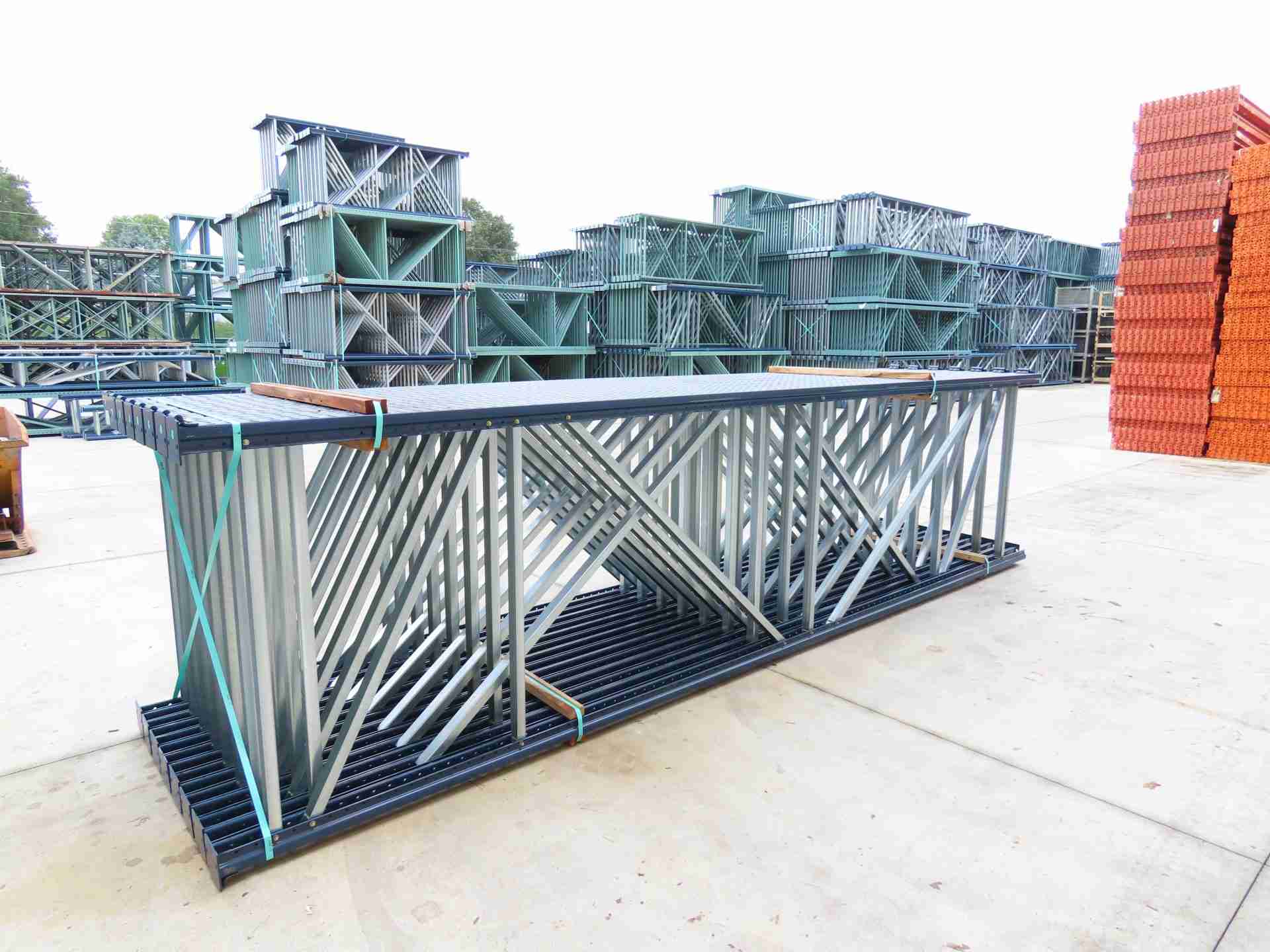
How to Document and Certify Used Rack Safety
How to Document and Certify Used Rack Safety
- Thorough documentation and certification are vital for ensuring the safety of used racking.
- Racking serves as the backbone of warehouses, holding essential items and equipment safely.
- Comprehensive inspections reveal potential issues; documenting findings is crucial for safety.
- Involve certified professionals to validate inspections and enhance the legitimacy of documentation.
- Share inspection findings with the team to foster social transparency and a culture of safety.
- Maintain updated written records to demonstrate ongoing commitment to safety at the workplace.
- Prioritizing safety benefits everyone, reinforcing the idea that it’s a collective responsibility.

How to Document and Certify Used Rack Safety
Table Of Contents
- How to Document and Certify Used Rack Safety
- How Can We Ensure Our Used Racks Are Safe and Reliable?
- What Documentation Is Essential for Rack Safety Certification?
- Who Can Verify the Safety Of Used Racking Systems Effectively?
- How Do We Maintain Trust In the Used Rack Certification Process?
- What Guidelines Should We Follow for Ethical Rack Safety Practices?
- Conclusion
- Other Resources
- Glossary Of Terms
- Other Questions
- Checklist
How Can We Ensure Our Used Racks Are Safe and Reliable?
When it comes to ensuring the safety and reliability of our used racking, we’re talking about more than just beams and shelves; we’re discussing the very backbone of our operations. Think about it: every time you walk into a warehouse, there’s a veritable cathedral of racking systems, quietly holding up not just products but livelihoods. It’s like an unspoken pact between provider and user—the promise that what’s stored within those frames is secure, that every item, from the smallest trinket to heavy machinery, is cradled with care.
To establish that absolute trust, we must first adopt rigorous inspection protocols. Dive headfirst into the nitty-gritty of racking systems. Check for signs of wear and tear, such as dents or rust. Inspect the structural integrity of each component—these thorough evaluations might seem tedious, but they are nothing short of vital. A few minutes spent looking for cracks can save countless hours of anguish down the line. It’s the kind of commitment that starts in your gut: knowing you’ve done everything possible to keep people safe is a foundation you can rely on.
Next, consider the source of your racking. Partnering with reputable suppliers who champion quality—these are the individuals and organizations committed to their craft. They share your values and understand the risks and responsibilities that come with their products. Reach out to industry experts, attend workshops, and engage with the community. Building relationships with knowledgeable personnel not only fosters a sense of camaraderie but also establishes a support network to lean on when questions arise.
Proactive training is another cornerstone in this endeavor. Remember, every employee who interacts with racking has a role in this system. Instilling a culture of safety must permeate through all levels—from the manager to the warehouse crew. When someone understands the why behind their actions, their engagement shifts from mere obligation to genuine commitment. This is where heart and head converge: it’s not just about following rules; it’s about safeguarding each other.
Lastly, share your knowledge. Foster an environment where team members feel confident to speak up about concerns or suggest improvements. This open dialogue not only strengthens the social fabric of your workplace but also enhances your collective responsibility towards safety. Because at the end of the day, it’s not just about racking; it’s about the people who interact with it, the lives you protect, and the businesses you support. Let’s build a legacy of safety together—one reliable rack at a time.
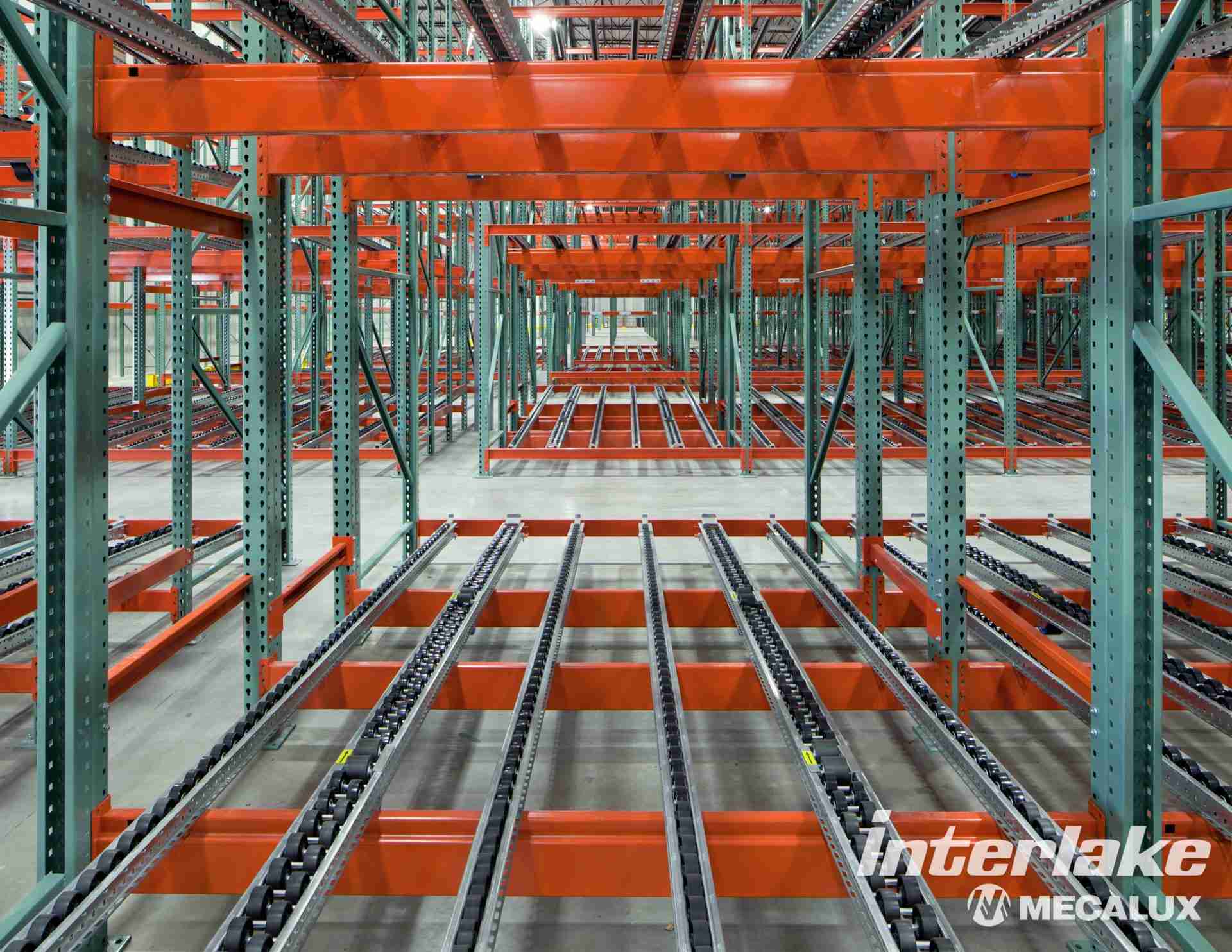
How Can We Ensure Our Used Racks Are Safe and Reliable?
How Can We Ensure Our Used Racks Are Safe and Reliable?
- Used racking systems are crucial to warehouse operations, supporting both products and livelihoods.
- Establishing safety requires rigorous inspection protocols to identify wear, tear, and structural integrity issues.
- Partner with reputable suppliers focused on quality and share your values regarding safety and responsibility.
- Engage with industry experts and the community to build a supportive network for knowledge sharing.
- Proactive training instills a culture of safety among all employees, enhancing their engagement and commitment.
- Encourage open dialogue for sharing concerns and suggestions to strengthen workplace safety.
- Ultimately, fostering safety is about protecting people, their interactions with racking, and the businesses served.
How Can We Ensure Our Used Racks Are Safe and Reliable?
What Documentation Is Essential for Rack Safety Certification?
When it comes to the heavy lifting of life and safety, racking systems are the unsung heroes in warehouses and distribution centers. These vertical titans hold our stock and support our workflows, but just like any cornerstone of productivity, they need the right documentation to prove their mettle. It’s not just about ticking boxes; it’s about setting up a foundation of trust, safety, and integrity that everyone in the company, from the newbie to the seasoned manager, can count on.
At the heart of rack safety certification lies essential documentation. First up, we have the engineering specifications. This is your blueprints—hard facts that detail how your racking systems are designed to handle weight, resist external forces, and maintain stability. Providing these technical documents gives confidence to both your employees and inspectors. You’re showing you didn’t just wing it; you consulted experts who knew what they were doing.
Next in line is the risk assessment report. Think of this as a safety net. It’s where you identify potential hazards and outline the steps you’ve taken to mitigate risks. Employees want to know they are working in a secure environment, and you owe it to them to be transparent about what you’ve done to keep them safe while they navigate through towering shelves of inventory.
Also on the docket is the inspection records. Regular inspections don’t just keep you compliant; they create a culture of accountability. When everything is logged and timestamped, it tells the story of a company that doesn’t take shortcuts. It shows that you value life and limb over convenience.
Then there are the training records—proof that your team is not just well-equipped with tools but also knowledge. Employees who understand their environment, protocols, and the importance of safety become your most formidable asset. They will carry that awareness into their day-to-day tasks, creating a ripple effect that fosters a safety-first mentality.
Finally, the certification itself is the crown jewel. It’s the badge of honor, the validation that your racking systems meet industry standards. Having this document visible not only reassures your workforce but also builds trust with clients and partners who rely on your systems to deliver what matters—safely.
When the papers are in order, you aren’t just crossing off a checklist; you’re building a legacy of safety. In a world crowded with uncertainty, let’s be the ones who stand taller together, grounded in trust and excellence.
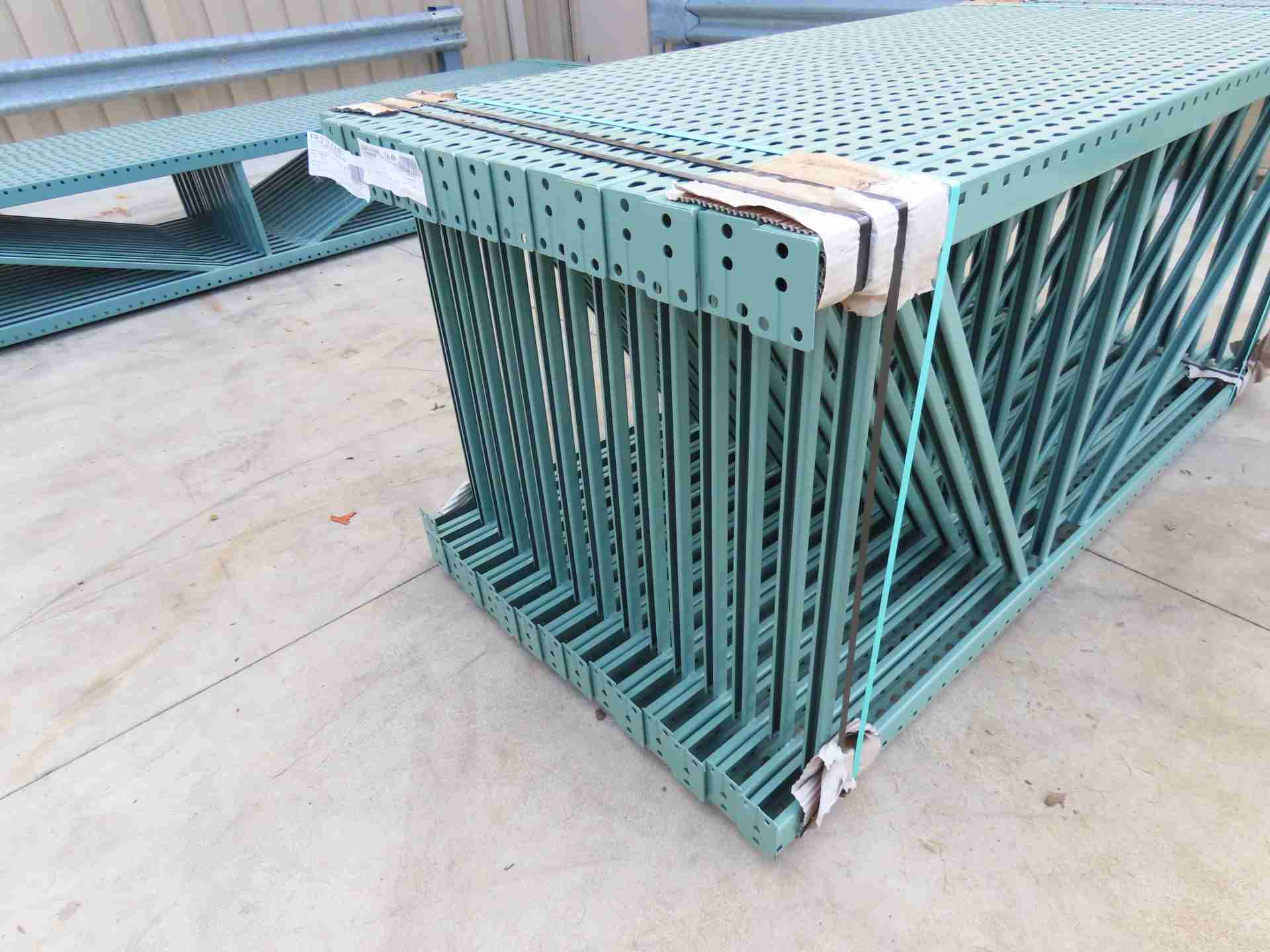
What Documentation Is Essential for Rack Safety Certification?
What Documentation Is Essential for Rack Safety Certification?
- Racking systems are crucial for safety and productivity in warehouses and distribution centers.
- Essential documentation for rack safety certification includes engineering specifications, risk assessments, inspection records, and training records.
- Engineering specifications provide detailed designs that ensure stability and safety, instilling confidence in employees and inspectors.
- A risk assessment report identifies potential hazards and outlines risk mitigation strategies, promoting a secure work environment.
- Regular inspection records create accountability and demonstrate commitment to safety over convenience.
- Training records indicate that employees are knowledgeable about safety protocols, fostering a safety-first mentality.
- The certification serves as validation that racking systems meet industry standards, reinforcing trust with clients and partners.
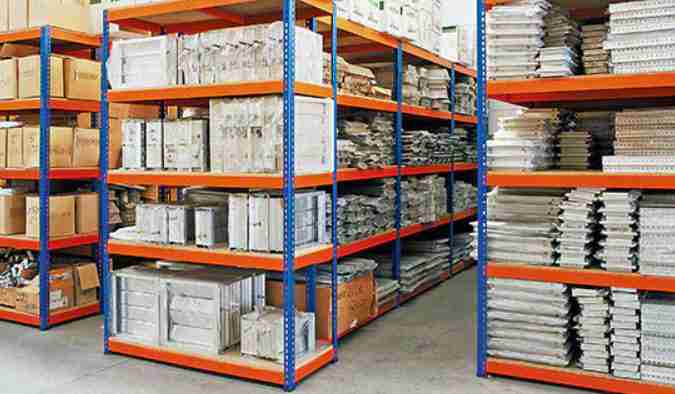
What Documentation Is Essential for Rack Safety Certification?
Who Can Verify the Safety Of Used Racking Systems Effectively?
When it comes to ensuring the safety of used racking systems, there’s a story that needs to be told, a narrative that resonates with heart, head, and gut. Picture this: a warehouse bustling with energy, workers moving swiftly among rows of towering racks. Each shelf cradles the products that fuel our economy and support our families. But beneath that vibrant façade lies a critical question: who verifies the integrity of these reused systems?
The truth is, not just anyone can assess the safety of these racking structures. It requires skilled professionals, often seasoned engineers or certified safety inspectors with boots on the ground. These individuals bring a wealth of experience and knowledge, using their authority to ensure that what is reused isn’t just safe on paper but can stand the test of real-world demands. They understand the complexities of steel fatigue, the weight distribution of pallets, and the intricacies of compliance—all crucial pieces of the safety puzzle.
As we navigate the fine line between cost-effectiveness and safety, it becomes clear that the stakes are high. Ethically, we owe it to our workers, our communities, and ourselves to guarantee that every racking system we utilize is sound. After all, what is behind that warehouse door could either foster prosperity or lead to disaster. It’s a visceral truth; the crunching sound of a structural failure is one nobody wants to experience.
Moreover, we’re not just dealing with metal and bolts; we’re talking about lives. Each racking system holds the potential for injury if not thoroughly inspected and certified. This brings an ethical responsibility to the forefront—making sure that safety inspections are not brushed over for the sake of saving a few bucks. Trust your gut; hiring the right experts to verify the safety of used racking systems is not only a wise investment but a moral imperative.
Consider the broader impact too. When businesses prioritize safety and engage professional inspectors, they foster a culture of care and diligence that ripples through their entire organization. Employees feel valued, appreciated, and ultimately safer in their work environments. This sparks a powerful connection rooted in trust, not just in the racking they depend on but also in the people leading the charge to protect them.
In a world where we often rush for the lowest bid or the fastest solution, let’s take a step back and ask ourselves: Is that really enough? Engage with those who understand the intricacies of racking systems, and invest in the safety that keeps our communities thriving.
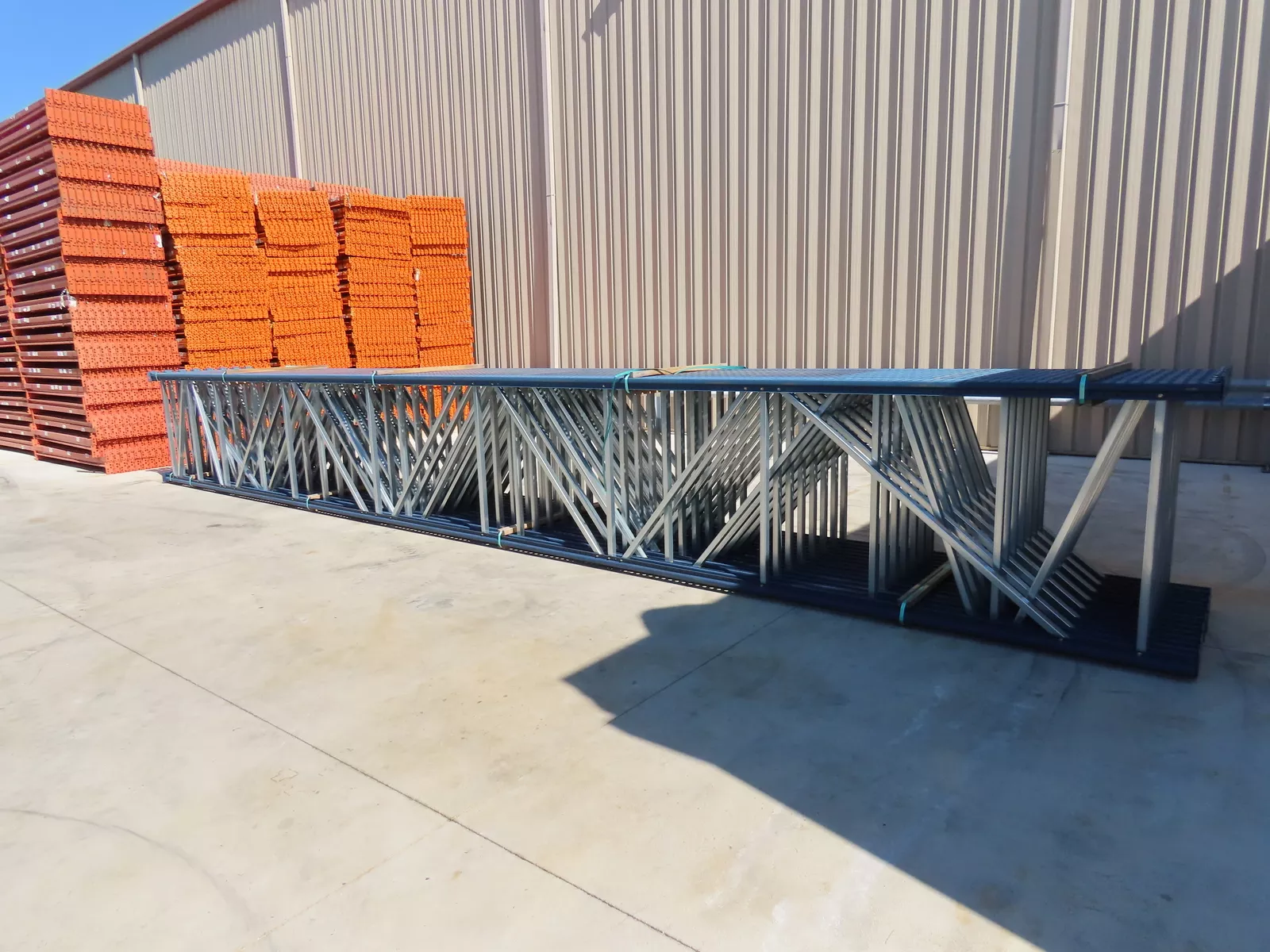
Who Can Verify the Safety Of Used Racking Systems Effectively?
Who Can Verify the Safety Of Used Racking Systems Effectively?
- Ensuring the safety of used racking systems is critical and requires a compelling narrative.
- Skilled professionals, like seasoned engineers or certified safety inspectors, are essential for assessing racking integrity.
- These experts possess the experience to handle complexities such as steel fatigue and compliance.
- There is an ethical responsibility to guarantee the safety of racking systems for the well-being of workers and communities.
- Thorough inspections are vital to prevent potential injuries related to faulty racking systems.
- Prioritizing safety creates a culture of care within organizations, boosting employee trust and safety.
- Investing in safety inspections is a wise and moral imperative, ensuring the sustainability of communities.

Who Can Verify the Safety Of Used Racking Systems Effectively?
How Do We Maintain Trust In the Used Rack Certification Process?
Trust isn’t just a word we toss around in the warehouse; it’s the foundation of everything we do, especially when it comes to the used rack certification process. Think about it: every day, countless lives depend on the integrity of warehouse racking systems. From the workers who navigate bustling aisles, to the managers overseeing inventory, and even the customers waiting for their orders. Each piece of racking holds stories of ambition, resilience, and in many cases, sheer grit. It’s that human connection, that shared responsibility, which breathes life into the very essence of what racking means.
Now, how do we maintain that trust? First, let’s engage our heads with solid, rational reasoning. The certification process isn’t a mere rubber stamp; it’s a meticulous examination of every component. Rigorous standards ensure that these racks can withstand the demands of daily use. When we certify used racks, we’re not just assessing their utility; we’re verifying that they are up to code, safe, and capable of supporting the weight of expectations—from full pallets of goods to the livelihoods of workers. It’s a lifeline, and it’s vital we don’t overlook the importance of details.
Ethically, we have a duty to our fellow workers. Imagine a world where shortcuts are taken; a scenario where a compromised rack ends up costing not just products, but lives. Our commitment to the certification process is an embodiment of our collective values; we ensure the highest standards because we care. It’s about ensuring everyone makes it home safely at the end of their shift, and that’s a responsibility we can’t afford to take lightly.
Authority plays a significant role here, too. Industry experts—a blend of engineers, safety officers, and seasoned professionals—contribute to the certification process. Their knowledge and experience give weight to our claims, establishing protocols that we can all stand behind. When we know that there are stringent checks and balances performed by qualified individuals, it breeds a sense of confidence and reliability.
However, let’s not forget the social aspect. Each of us has a role to play in maintaining that trust. It’s a community effort, where transparency is paramount. When we share our stories, discuss our challenges, and celebrate our successes, we foster a bond that goes beyond the warehouse walls… one that’s grounded in trust and mutual respect. That’s how we keep the heart of our operations beating—strong and unwavering. Trust isn’t given; it’s earned. And together, we can ensure that the used rack certification process continues to be a beacon of safety, quality, and respect within our industry.

How Do We Maintain Trust In the Used Rack Certification Process?
How Do We Maintain Trust In the Used Rack Certification Process?
- Trust is the foundation of the warehouse operations, especially in the used rack certification process.
- The integrity of warehouse racking systems impacts the safety of workers, managers, and customers.
- The certification process involves a meticulous examination of every component to ensure safety and reliability.
- There is an ethical obligation to ensure the highest safety standards to protect lives and products.
- Industry experts contribute their knowledge to the certification process, enhancing its credibility and reliability.
- Maintaining trust is a communal effort that requires transparency and open communication among all stakeholders.
- Trust in the certification process is earned through commitment to safety, quality, and mutual respect within the industry.
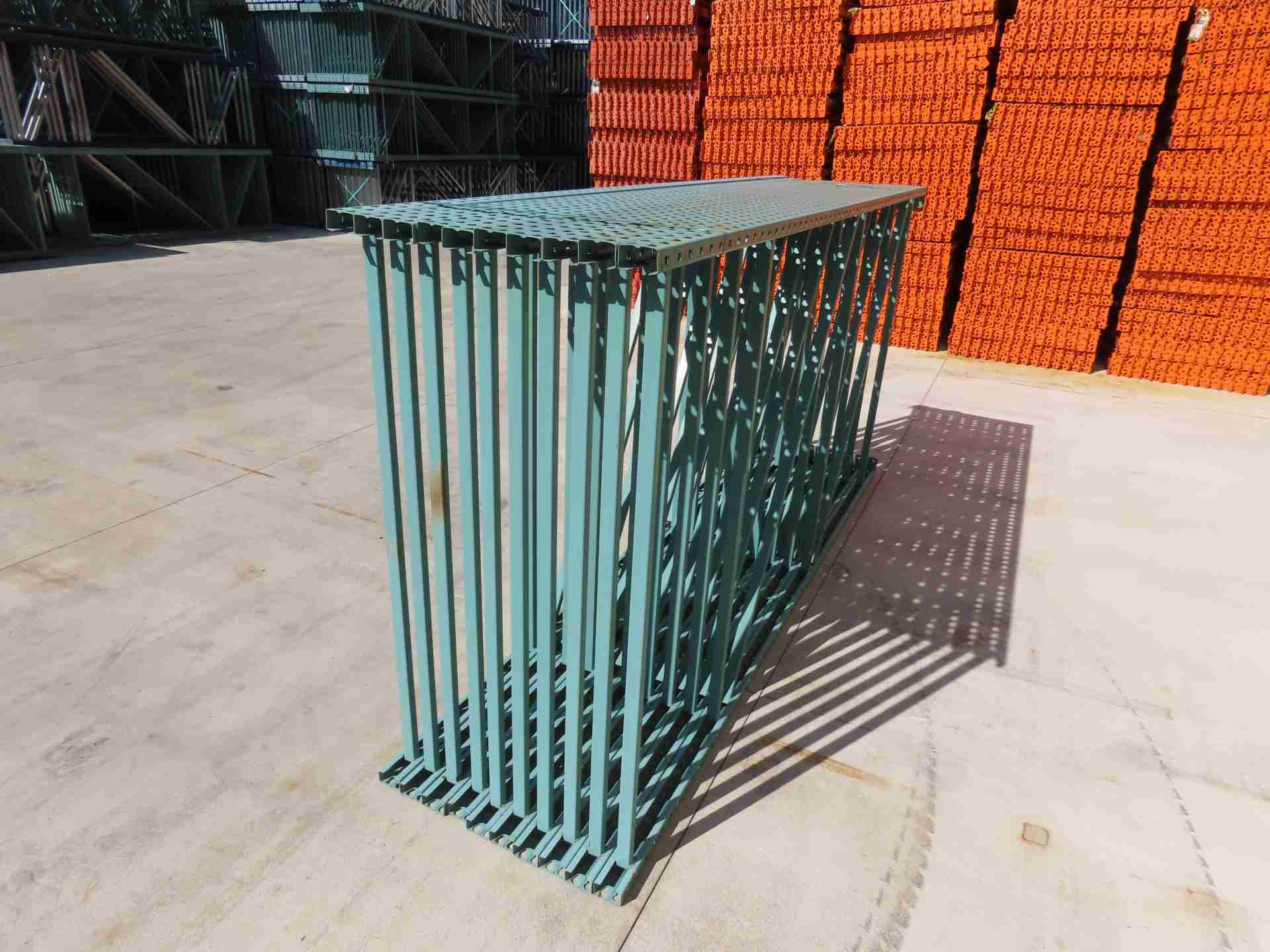
How Do We Maintain Trust In the Used Rack Certification Process?
What Guidelines Should We Follow for Ethical Rack Safety Practices?
When it comes to racking systems in warehouses, the safety of your workforce is a promise we make to ourselves and each other. Every time we rack up a load, we’re not just stacking boxes; we are taking responsibility for the lives of our colleagues who will navigate through those aisles. So, what guidelines should we follow for ethical rack safety practices?
First and foremost, proper training is the cornerstone of a successful operation. Take a moment to reflect on how many of us have been thrown into tasks without adequate preparation. It’s a setup for failure that can lead to disastrous consequences. Ensuring every employee is well-versed in racking techniques is not just a regulatory checkbox; it’s an ethical commitment to workplace safety. Knowledge is power—and it empowers workers to recognize potential hazards and respond appropriately.
Next, regular inspections can’t be overlooked. Imagine a car getting outdated with no maintenance; eventually, it breaks down. The same goes for racking systems. Schedule routine checks, and when issues arise, address them immediately. Allowing a safety hazard to linger is an ethical failing that can cost more than money—it can cost lives. Maintaining a culture of integrity and vigilance fosters an environment where everyone feels valued and protected.
Now, let’s talk about communication. Create an atmosphere where workers feel comfortable voicing their concerns—no suggestion is too small when safety is on the line. This kind of open dialogue not only strengthens relationships among team members but cultivates an ethical culture where everyone is invested in the common good. Remember, it’s much easier to prevent a tragedy than to manage one.
Consider also the equipment you’re using. Just like relationships, racking systems need reliable support. Invest in quality materials; this is not just a cost—it’s an investment in your workforce. Utilizing the right tools fosters confidence among your team, showing them that you care about their safety and wellbeing.
Finally, lead by example. Supervisors and managers must model ethical behavior, demonstrating commitment to safety practices—because when leadership takes safety seriously, it reinforces the message that everyone’s well-being matters. By embracing these guidelines, you’re not just ensuring compliance; you’re building a foundation of trust, connection, and shared responsibility that transforms work into a collaborative mission for safety.
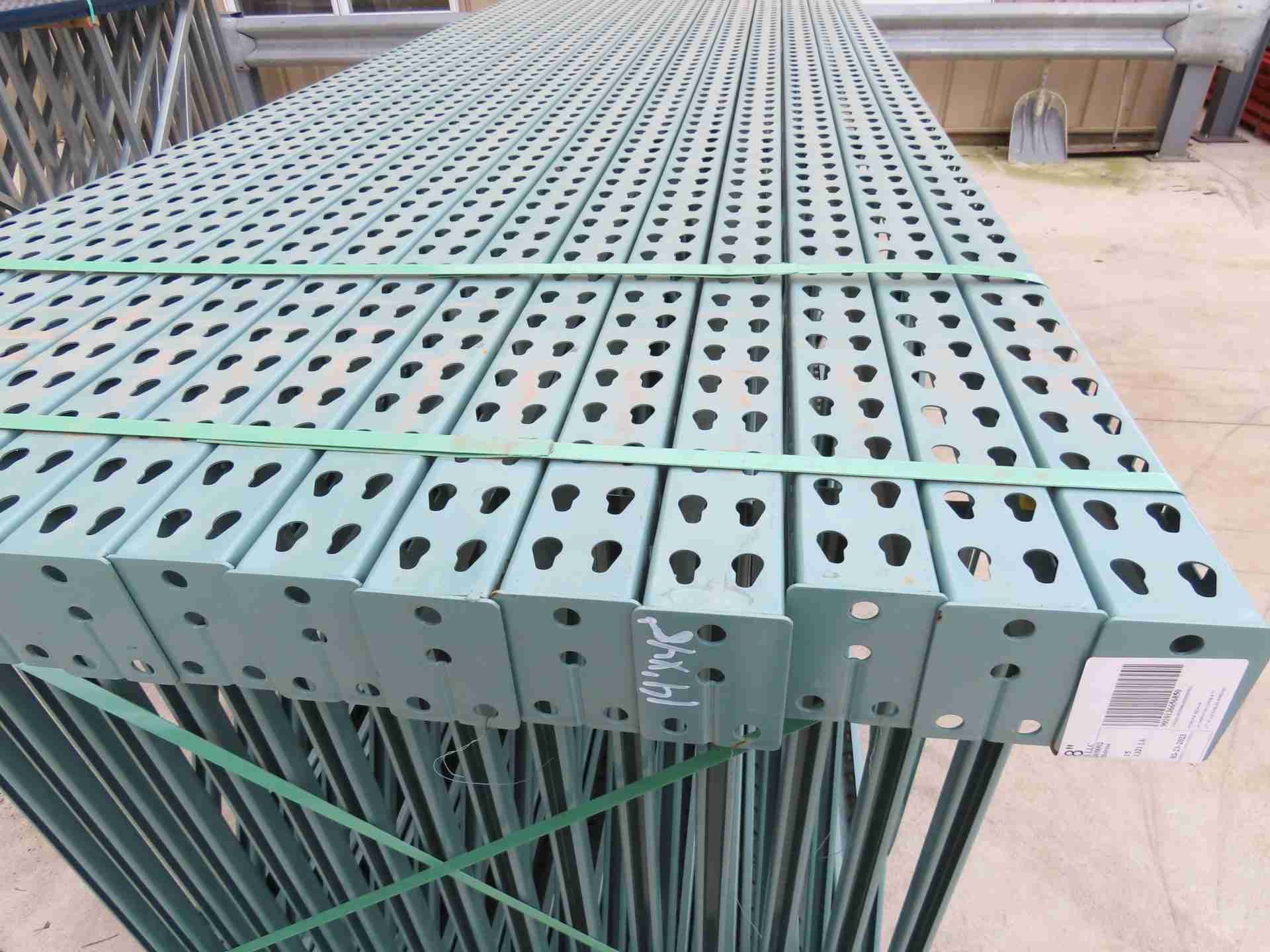
What Guidelines Should We Follow for Ethical Rack Safety Practices?
What Guidelines Should We Follow for Ethical Rack Safety Practices?
- Prioritize workforce safety as a shared commitment in warehouse operations.
- Ensure proper training for employees to equip them with racking techniques and hazard recognition.
- Conduct regular inspections of racking systems to identify and address safety issues promptly.
- Foster open communication where workers feel safe voicing safety concerns.
- Invest in quality racking equipment as a commitment to employee safety and wellbeing.
- Encourage supervisors and managers to lead by example in safety practices.
- Build a culture of trust and shared responsibility for safety within the workplace.
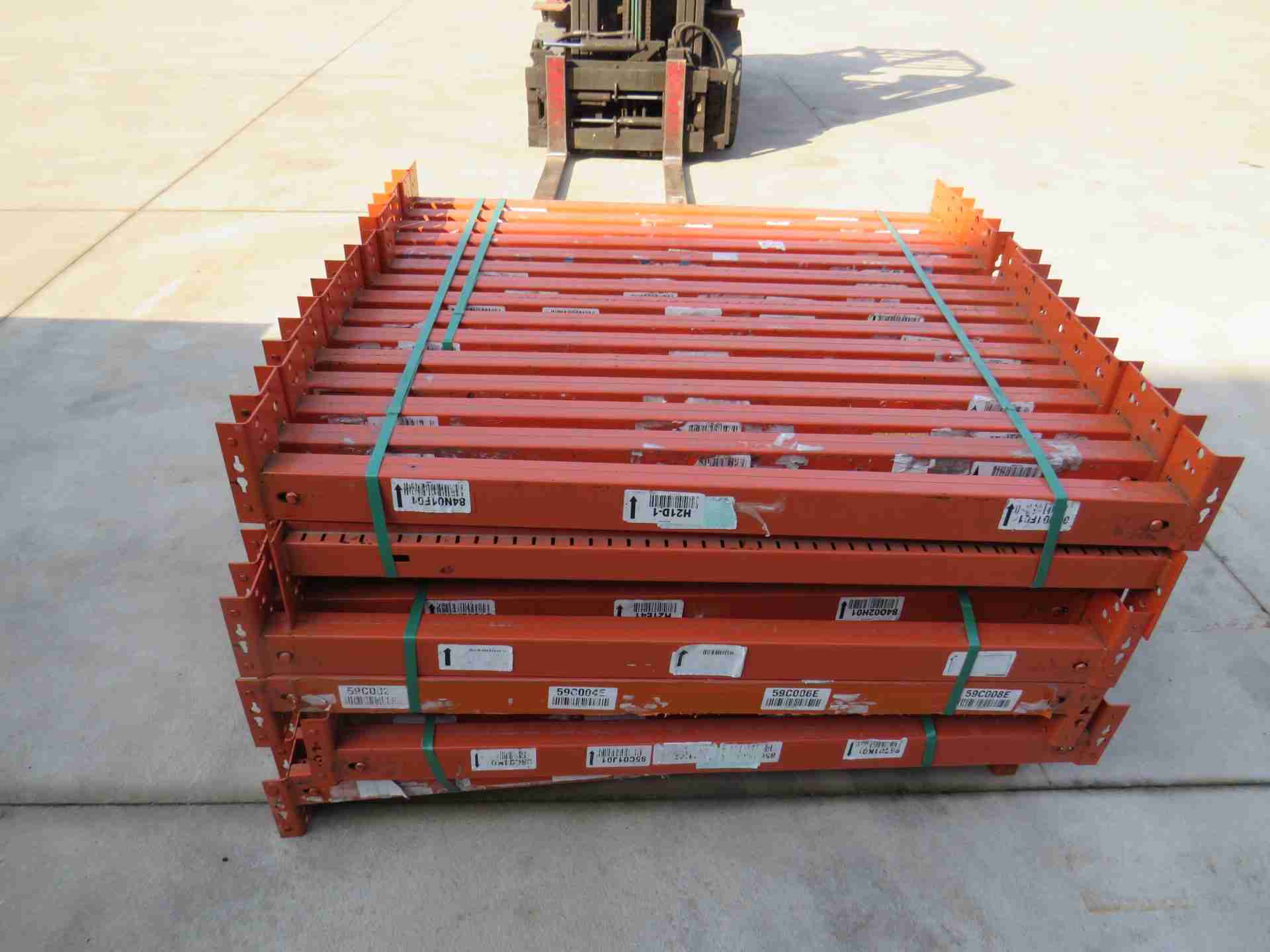
What Guidelines Should We Follow for Ethical Rack Safety Practices?
Conclusion
Safety in the world of warehouses is not just a checklist item—it’s a promise we make to one another. Each rack, standing tall and sturdy, is a silent spectator to the ebb and flow of work, cradling the items that fuel our livelihoods. Every dent or scratch tells a story, whispering caution to those who take the time to listen. The path to safety begins with rigorous inspections—an outward commitment that demands attention and care. Think about the implications: a few minutes spent examining racking systems today can save countless hours of heartache tomorrow.
When it comes to certification, we’re not just crossing off boxes; we are laying down a foundation of trust. The documentation process—engineering specs, risk assessments, inspection records—is more than procedural; it’s an ethical obligation that shows your team and clients that safety isn’t just a word, but a way of life. It acknowledges every individual in your operation, showcasing that their safety and well-being are paramount.
This journey hinges on collaboration, drawing on the insights of certified professionals. Their experience is invaluable, transforming safety from abstract guidelines into a tangible reality we can all depend on. It’s about recognizing that each of these experts shares a collective responsibility to protect lives on the warehouse floor. This is not just business; it is fundamentally a moral duty.
Having a transparent dialogue with your team amplifies this commitment. An environment where every voice matters creates solidarity and encourages shared accountability for safety. When workers feel valued and included in the conversation, they become champions of their own well-being and that of their peers. Each inspection and each training session builds a community united in purpose—an imperative for every workplace.
Trust is the heartbeat of safety. It is cultivated with every documented finding, with each conversation about improvements, and through the actions of leaders who exemplify what it means to prioritize people over profits. In the end, safety is not a tick box; it’s a culture—a legacy built one inspected rack at a time. Prioritizing safety is about embracing our duty to protect lives, ensuring that everyone returns home, not just with products, but with the assurance that each item was stored responsibly and with care. Together, let’s build that legacy—a promise that resonates deeply, fostering an environment where trust thrives, and safety is paramount.
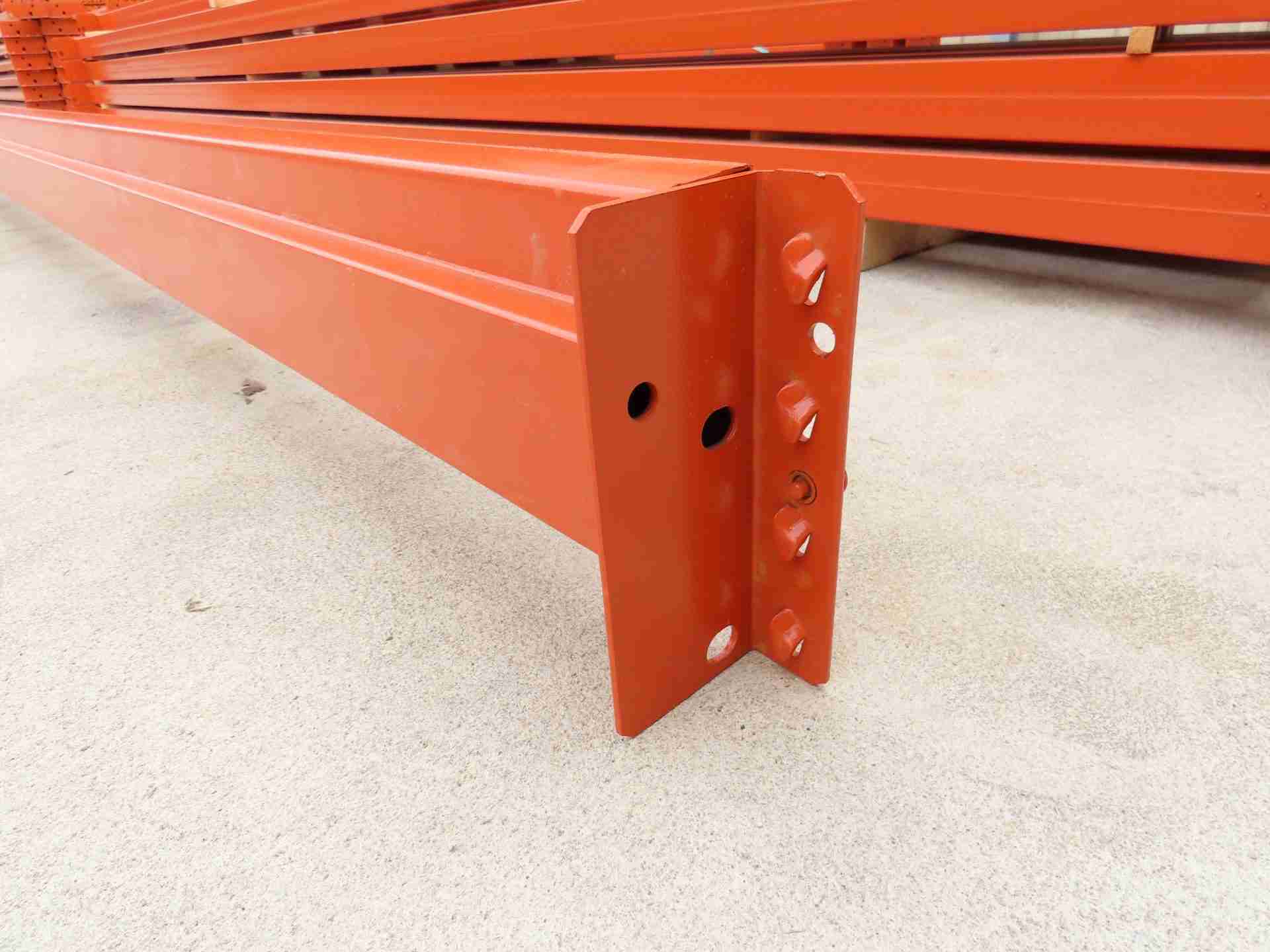
Conclusion
Conclusion:
- Safety in warehouses is a promise rather than just a checklist item.
- Every rack tells a story, emphasizing the importance of caution and attention.
- Rigorous inspections are crucial, potentially saving time and preventing accidents.
- Certification builds trust and showcases commitment to safety as an ethical obligation.
- Collaboration with certified professionals transforms safety from guidelines into tangible practices.
- Transparent dialogue with the team fosters solidarity and shared accountability for safety.
- Safety is a culture and legacy, emphasizing the duty to protect lives and prioritize well-being over profits.
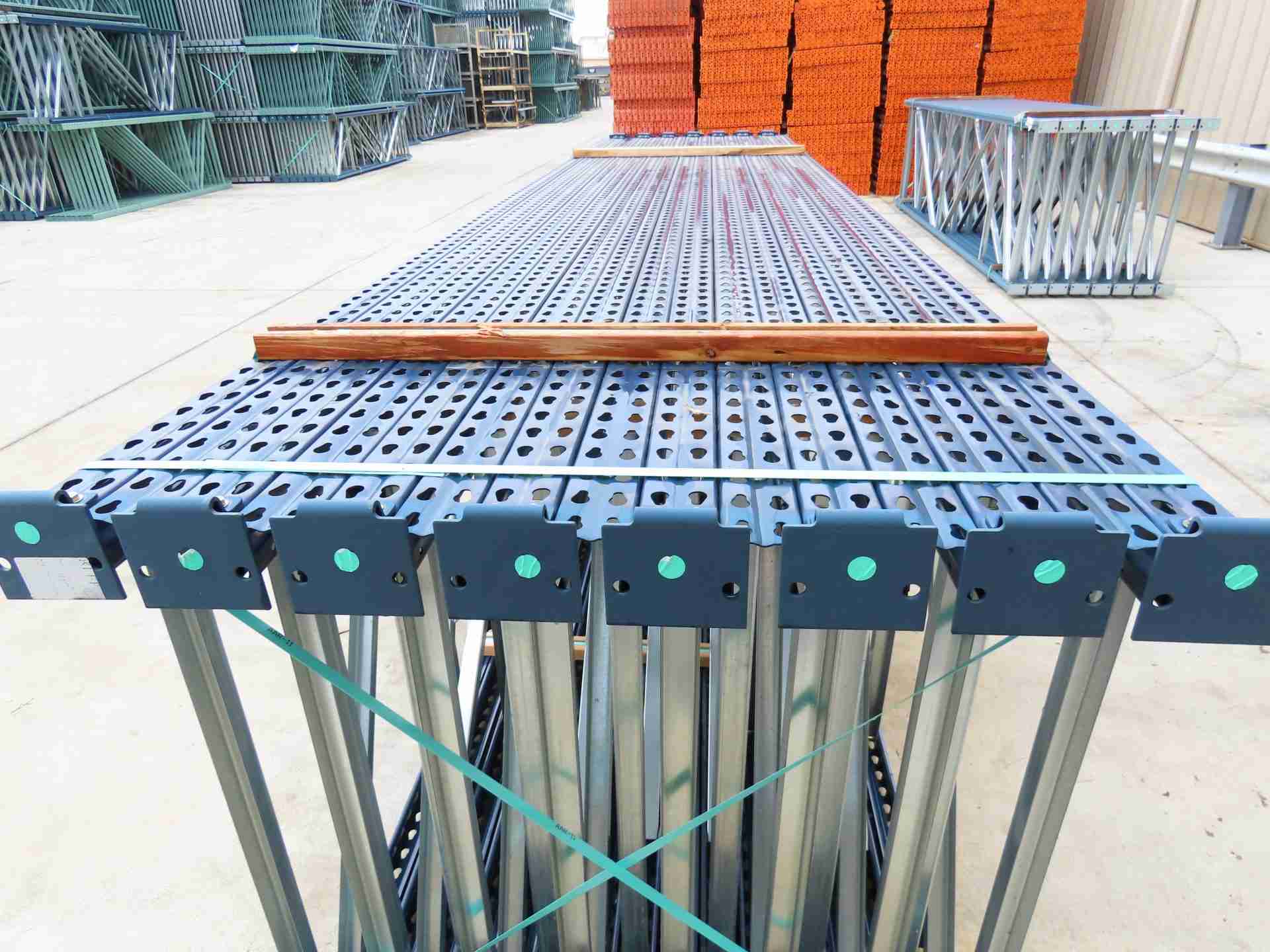
Conclusion
Other Resources

Other Resources
Here is a list of other resources you can review online to learn more:
- Pallet Rack Systems – New and Used Pallet Racking and Shelving Experts
- American Surplus
- Cantilever Racks Chicago
- International Warehouse Logistics Association
- RMI
- Teardrop Pallet Rack – Ridg-U-Rak
- Total Warehouse
- Racking World
- Warehouse Racking Systems: Beginner’s Guide to Rack Systems
- Pallet Racking systems in Illinois, Great Lakes
- Illinois
- What is Selective Racking: Understanding Benefits & Options
- Chicago Pallet Racking
- Overhead Lifting
- CMMA
- Warehouse Storage Racks
- Rack Manufacturers Institute
- Illinois Pallet Racking – WPRP
- Teardrop Industrial Shelving Rack
- Used Teardrop Pallet Rack – American Surplus
Use This Prompt To Get More Resources With Your Favorite Online AI Tool: Please provide me with a list of online articles with their URLs in a bulleted list that I can read regarding How to Document and Certify Used Rack Safety
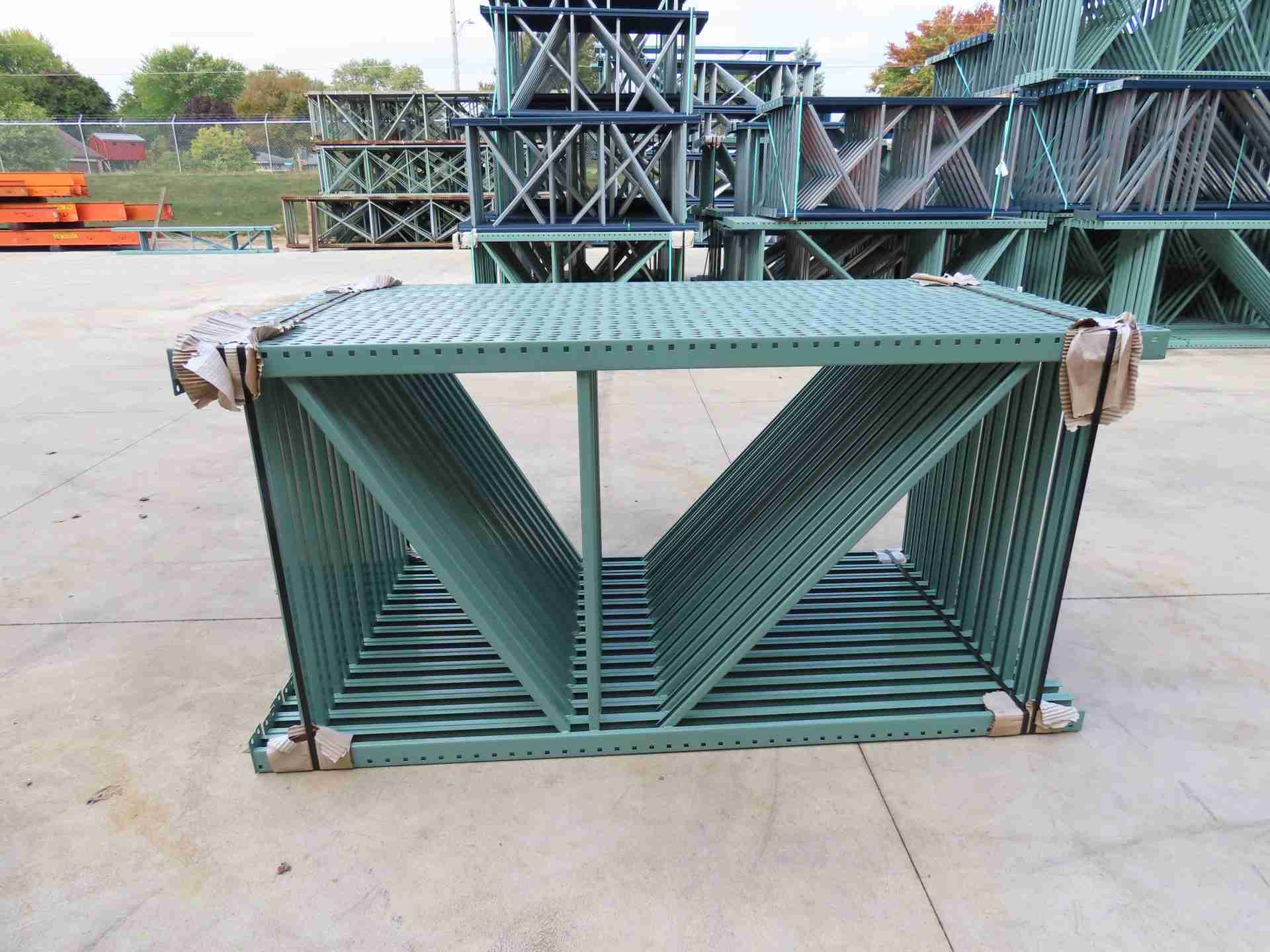
Other Resources
Glossary Terms
How to Document and Certify Used Rack Safety – Glossary Of Terms
1. Documentation: The process of recording essential information regarding the condition and certification status of used racks.
2. Certification: A formal verification process that confirms used racks meet safety and compliance standards.
3. Inspection: A thorough examination of racks to identify any signs of damage, wear, or safety concerns.
4. OSHA: Occupational Safety and Health Administration; the agency responsible for enforcing safety regulations in workplaces, including rack systems.
5. Standards: Established guidelines that used racks must meet to ensure safety and structural integrity, such as those from ANSI or RMI.
6. Load Capacity: The maximum weight a rack can safely support, which must be marked and adhered to.
7. Structural Integrity: The ability of a rack to support loads without bending, collapsing, or sustaining damage.
8. Recycling: The process of repurposing or repackaging used racks for future use after ensuring they meet safety standards.
9. Maintenance: Routine checks and repairs performed to keep racks in safe working condition.
10. Defect: Any noticeable flaw or damage, such as bends, cracks, or rust, that may compromise rack safety.
11. Logbook: A written record of inspections, maintenance, and alterations made to used racks over time.
12. Audit: A systematic review of rack safety documentation and compliance with regulatory standards.
13. Governing Body: An organization that oversees and sets safety standards for the use of industrial equipment, including racks.
14. Load Distribution: The method of evenly spreading the weight of items stored on racks to prevent overloading.
15. Safety Labels: Stickers or tags affixed to racks that display essential safety information, including load limits and inspection dates.
16. Training: Educational programs designed to inform workers about proper handling and safety protocols for using racks.
17. Risk Assessment: The process of evaluating potential hazards associated with used racks and implementing measures to mitigate them.
18. Re-certification: The periodic process of re-evaluating the safety and compliance status of racks to ensure they remain safe for use.
19. Compliance: Adhering to established guidelines and regulations regarding rack safety and usage.
20. Manufacturer’s Guidelines: Instructions and specifications provided by the rack’s manufacturer that detail safe usage and maintenance.
21. Emergency Procedures: Established protocols to follow in case of a rack failure or safety incident.
22. Load Testing: An assessment method where racks are tested under controlled conditions to ensure they can support specified loads.
23. Inventory Management: The systematic tracking and organizing of stored items, ensuring racks are not overloaded.
24. Damage Assessment: Evaluating the extent of damage to a rack in order to determine its safety and usability.
25. Safety Audit: A comprehensive evaluation of the safety practices in place concerning the use of racks.
26. Workspace Design: The strategic layout of storage spaces that incorporates rack systems for optimal safety and efficiency.
27. Worker Safety: Measures and practices aimed at protecting employees from hazards associated with rack usage.
28. Incident Reporting: The procedure for documenting any accidents or safety breaches related to rack use.
29. Decommissioning: The process of taking a used rack out of service, ensuring it is done safely and in compliance with regulations.
30. Best Practices: Recommended safety practices and protocols that promote efficient and safe use of racks.
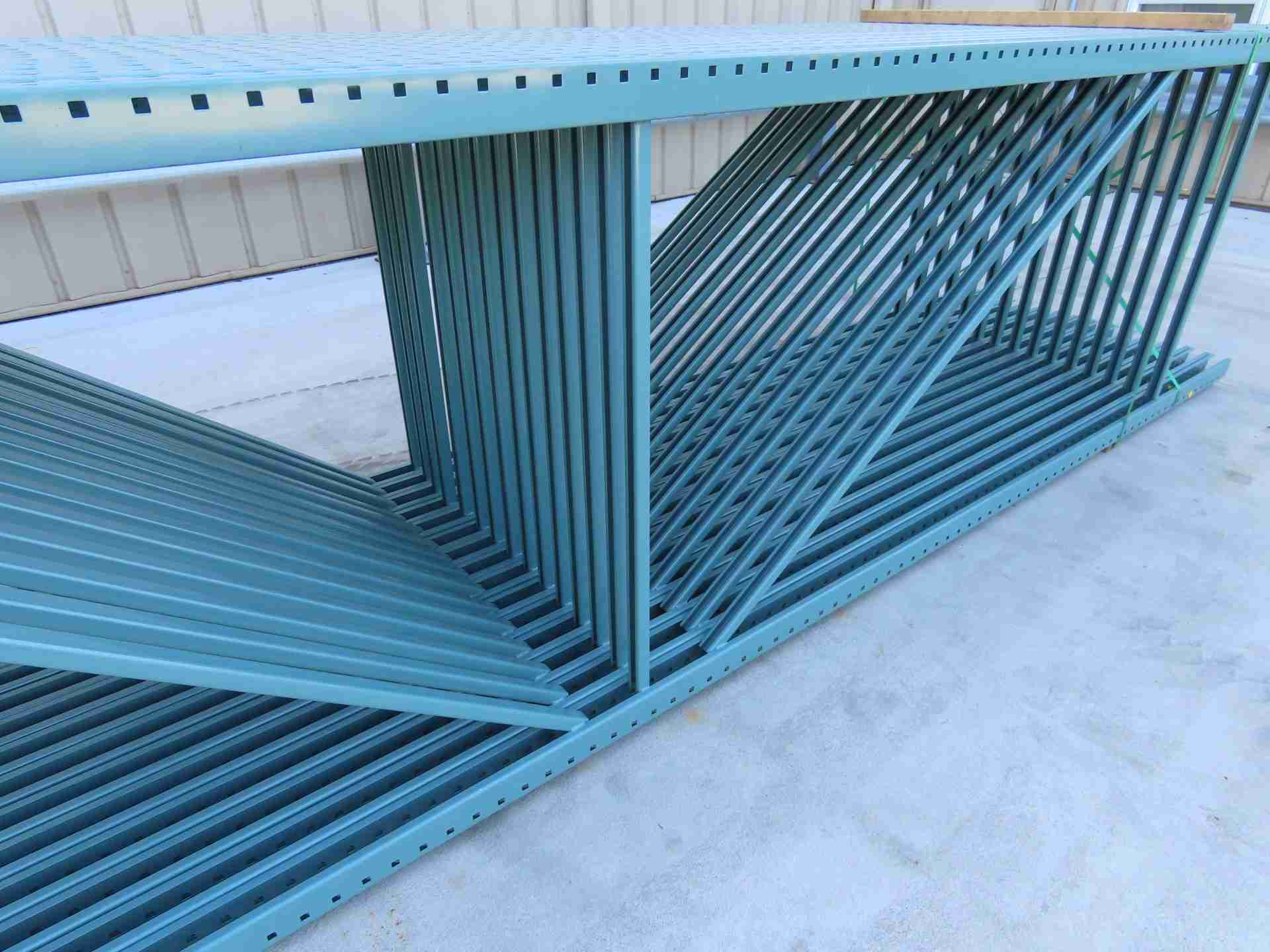
Glossary Of Terms
Other Questions
How to Document and Certify Used Rack Safety – Other Questions
If you wish to explore and discover more, consider looking for answers to these questions:
- What are the common signs of wear and tear to look for in used racking systems?
- How often should inspections of racking systems be conducted?
- What qualifications should safety inspectors have to certify racking systems?
- What specific documents are required for rack safety certification?
- How can we effectively train employees on rack safety protocols?
- What steps should be taken if a safety hazard is identified in a racking system?
- What are the legal regulations surrounding used rack safety certification?
- How can we promote a culture of safety within our warehouse team?
- What role does employee feedback play in improving rack safety practices?
- Can technology be used to enhance safety and documentation in racking systems?
- How can we build better relationships with suppliers of racking systems?
- What are the ethics of using reconditioned vs. new racking systems?
- How do different industries approach rack safety differently?
- What are the costs associated with maintaining safe racking systems?
- What are the consequences of neglecting racking system safety?

Other Questions
Checklist
How to Document and Certify Used Rack Safety – A Checklist
Rack Safety Documentation & Certification Checklist
Heart Appeals (Emotional)
_____ Reflect on the importance of safety for your team’s well-being and morale.
_____ Share personal stories or experiences related to safety in the workplace to foster connection.
_____ Create a culture of care by encouraging team members to express concerns about safety.
Head Appeals (Rational)
_____ Conduct a comprehensive inspection of all racking systems, checking for damage and structural integrity.
_____ Document each inspection finding meticulously, including photos and detailed notes.
_____ Ensure all necessary engineering specifications and risk assessment reports are completed and accessible.
_____ Verify that all inspection records and training records are up-to-date and filed systematically.
Gut Appeals (Visceral)
_____ Trust your instincts when choosing certified professionals for safety inspections; prioritize experience and reputation.
_____ Schedule regular maintenance checks for racking systems—don’t wait for an issue to arise.
_____ Assess the quality of materials when acquiring racks; choose suppliers known for their commitment to safety.
Ethical Appeals
_____ Promote ethical practices by ensuring every employee receives proper racking safety training.
_____ Foster an environment where open dialogue about safety concerns is encouraged.
_____ Commit to transparent communication regarding safety measures taken within the facility.
Authority Appeals
_____ Engage certified professionals to validate findings and certify racking systems.
_____ Consult industry experts for best practices and attend safety workshops regularly.
_____ Display safety certifications prominently in the workplace to reinforce trust with employees and clients.
Narrative Appeals
_____ Share success stories of improved safety practices from other warehouses or teams.
_____ Encourage team members to contribute their own safety experiences to build a cohesive narrative.
Social Appeals
_____ Establish a safety committee with representatives from different teams to promote collective responsibility.
_____ Host regular safety meetings to keep everyone informed and involved in safety discussions.
_____ Celebrate safety milestones and improvements as a team to boost morale and commitment.
Use this checklist to guide your safety documentation and certification efforts, fostering a culture of safety that resonates throughout your organization.
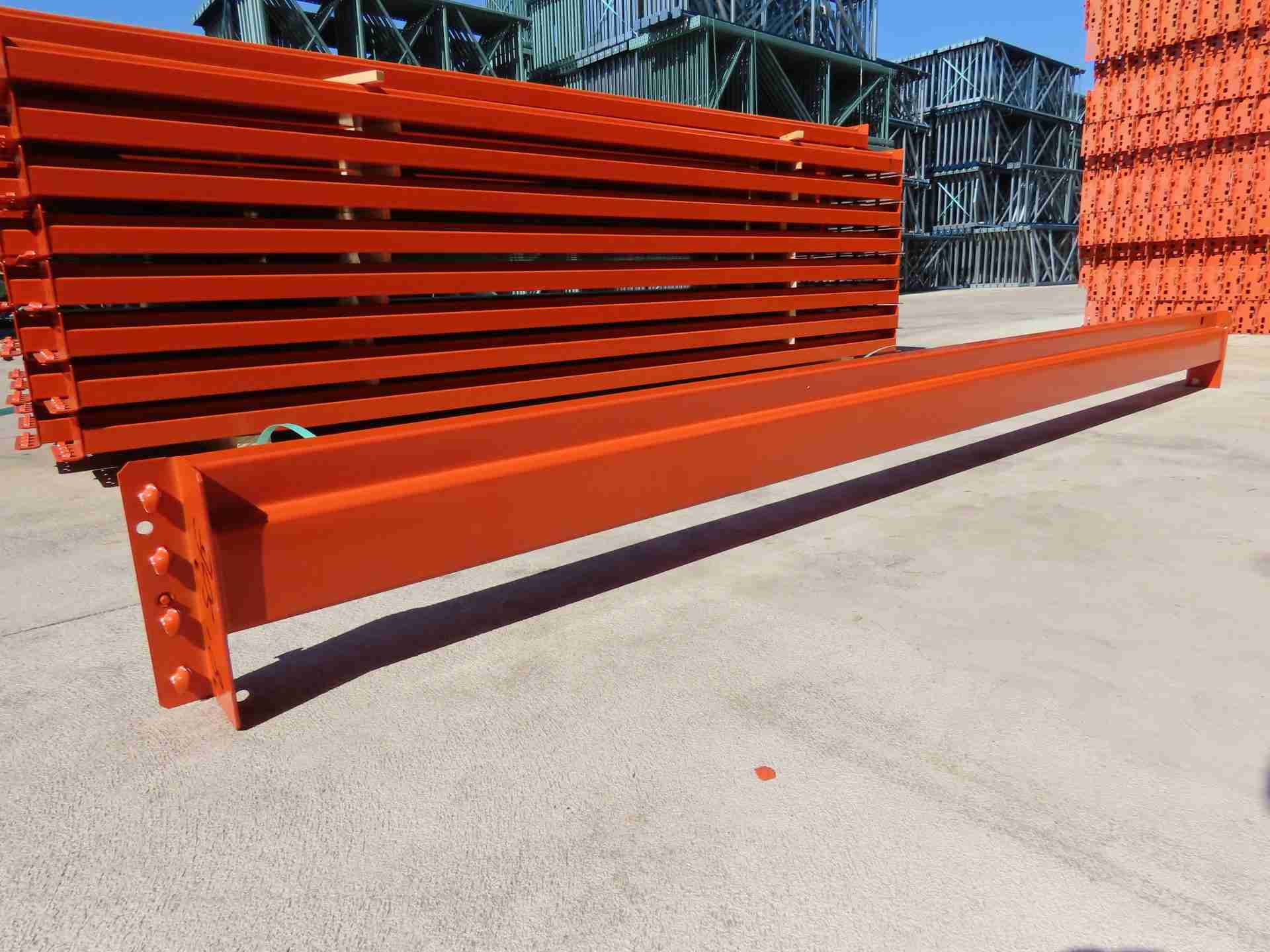
Checklist
At RackingWorld, we help guide you through selecting warehouse storage systems and racking.
Be sure to read our other related stories at RackingWorld to learn more about warehouse storage systems.
0 Comments