
Efficiently Designing Warehouse Space With Cad Technology
By Tom Seest
At RackingWorld, we help guide you through selecting warehouse storage systems and racking.
Be sure to read our other related stories at RackingWorld to learn more about warehouse storage systems.
Using Cad Tools to Plan Warehouse Rack Layouts
When you walk into a warehouse, the first thing you might notice is the rows of towering racking systems, a silent yet powerful testament to careful planning and strategic thinking. Using CAD tools to design a rack layout isn’t just about maximizing space; it’s about optimizing the life of every product that flows through the facility. Imagine the satisfaction of a meticulously organized warehouse, where every item has its place, and every inch of space is utilized efficiently. It’s not just logistics; it’s an art form, blending creativity with calculation.
Picture a busy day at your warehouse. Forklifts hum through aisles, workers darting from one task to another, flowing seamlessly like a well-rehearsed dance. When you have a thoughtfully designed racking system, that rhythm is effortless. Think about the impact on your workforce’s morale and productivity. A clever layout means reduced strain and increased safety, allowing your team to function at their best. In a world where efficiency is paramount, that’s not just smart; it’s a moral responsibility to create a healthy work environment.
The beauty of advanced CAD tools lies in their power to bring visions to life. Imagine brainstorming sessions where ideas flow unimpeded, each rack taking shape on the screen ahead of transformation into steel and wood. No more guesswork or trial and error; you’re armed with data-driven designs that save time and dollars. Decisions can be made with confidence, backed by real-time simulations that speak louder than any casual assumption.
And let’s not forget the camaraderie that emerges from this collaborative design process. Engaging with your team not only fosters connection but cultivates a shared commitment to excellence. Everyone is invested in the outcome, rooting for success, knowing that the rack layout is a direct reflection of their collective effort. You’re not just building a system; you’re shaping a culture of accountability and pride.
So, the next time you consider your warehouse layout, remember: it’s more than just racking. It’s about creating a space where efficiency and happiness meet, where your products flow smoothly, and your team thrives. With CAD tools, you hold the blueprints of a future that unites form and function, heart and head, in the pursuit of operational excellence.
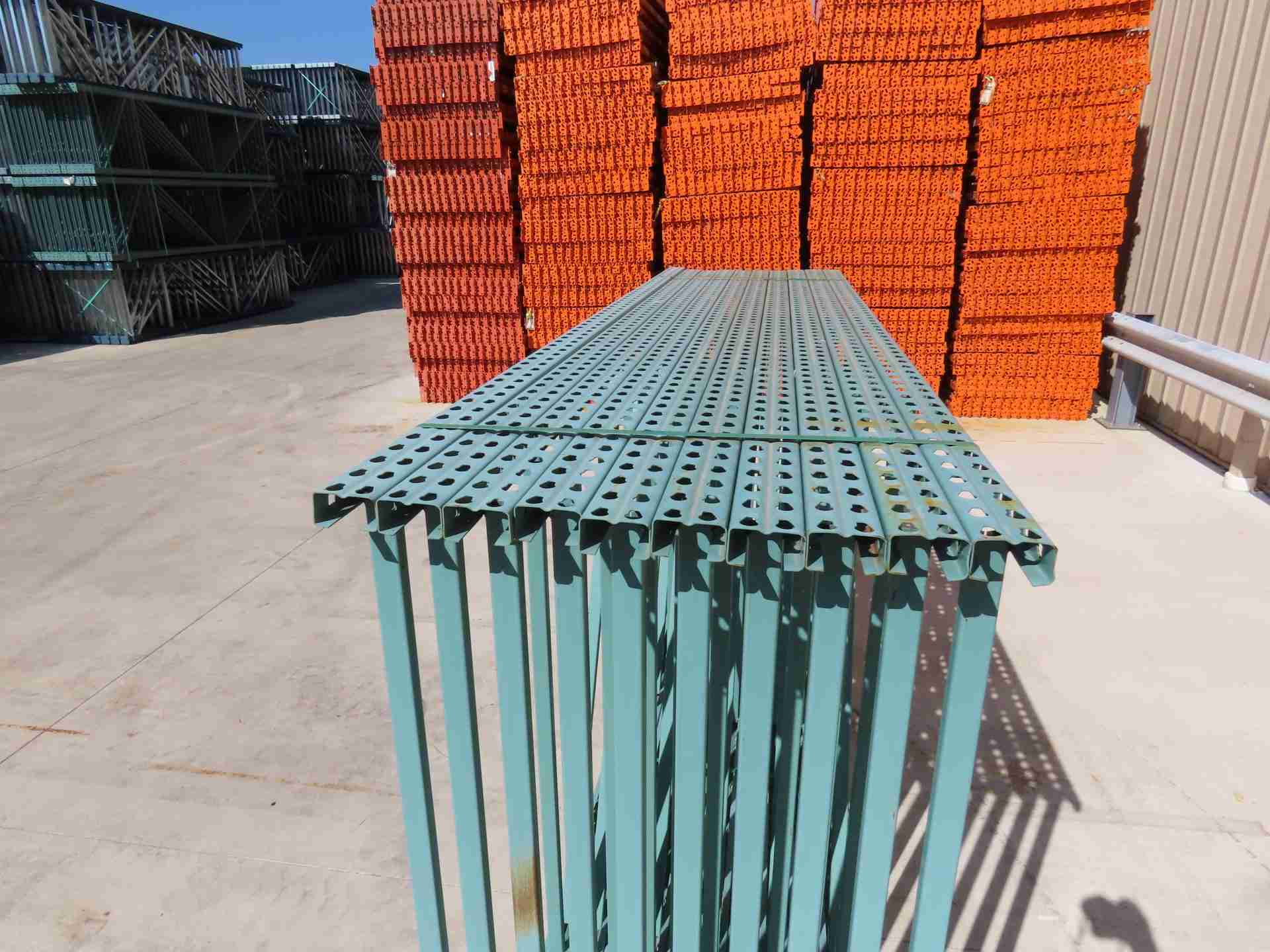
Using Cad Tools to Plan Warehouse Rack Layouts
Using Cad Tools to Plan Warehouse Rack Layouts
- Warehouse racking systems reflect careful planning and strategic thinking.
- Using CAD tools improves space optimization and product lifecycle management.
- A well-organized warehouse enhances operational efficiency and visual appeal.
- Thoughtful racking designs improve workforce morale and productivity while ensuring safety.
- Advanced CAD tools facilitate data-driven designs and eliminate guesswork.
- The collaborative design process fosters camaraderie and shared commitment among team members.
- Creating an effective warehouse layout enhances both efficiency and employee happiness.
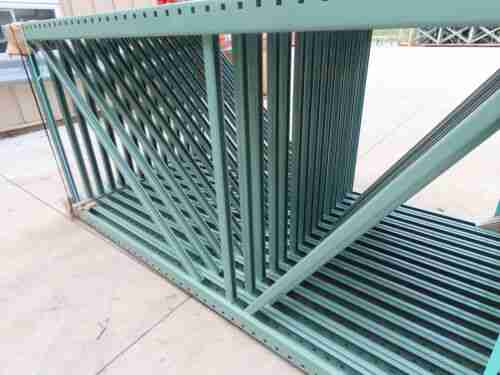
Using Cad Tools to Plan Warehouse Rack Layouts
Table Of Contents
- Using Cad Tools to Plan Warehouse Rack Layouts
- What Dreams Can a Well-Planned Warehouse Layout Help Fulfill?
- How Can Cad Tools Enhance the Efficiency Of Rack Layouts?
- What Ethical Implications Arise From Poor Warehouse Organization?
- How Do You Measure the Success Of Your Warehouse Planning Strategy?
- Could Better Organization Lead to a Happier Workplace Atmosphere?
- Conclusion
- Other Resources
- Glossary Of Terms
- Other Questions
- Checklist
What Dreams Can a Well-Planned Warehouse Layout Help Fulfill?
A well-planned warehouse layout serves as the backbone of a thriving business, paving the way for dreams that extend far beyond mere profit margins. It’s the silent architect behind every successful operation, a hidden hero that empowers the workforce, inspires ingenuity, and fosters a sense of purpose. It’s not just about strategically placed racking systems; it’s about creating an environment where people can thrive.
Picture this. You walk into a warehouse organized like a finely tuned machine. Every aisle is wide open, every feature designed to enhance productivity and reduce chaos. Employees glide effortlessly from one task to another, their movements choreographed by a plan that values their time and effort. There’s a rhythm—a heartbeat—pulsing through the space, and it’s empowering. When workers feel valued, they become more than just cogs in a wheel; they transform into advocates, creators, and innovators. They dream bigger dreams for themselves and the company they belong to.
From a rational perspective, an efficient layout minimizes waste. Reduced travel time, improved inventory accuracy, and streamlined processes are not just numbers on a spreadsheet; they represent real dollars saved and resources optimized. Managers can rest easy knowing that each square foot is working as hard as their team, fostering a culture where everyone contributes toward a shared goal. It’s a matter of ethics, too—respecting employees’ time and harnessing their potential creates an environment where loyalty flourishes.
Moreover, when you invest in a smart warehouse layout, you’re building a solid foundation for sustainable growth. Consider the narrative of businesses that have taken this leap—they’ve cut unnecessary costs, capacity has soared, and morale skyrocketed. Those stories don’t just circulate through the industry; they become a beacon of hope for aspiring leaders, illustrating a path forward that others can follow.
Social dynamics shift in such spaces. With clarity comes camaraderie, fostering a community that collaborates seamlessly. Break down the walls of isolation and let teamwork thrive. Employees who trust their surroundings are more likely to speak up, share ideas, and support one another.
So, as you contemplate your warehouse design, remember: it’s about more than just racking; it’s about creating a thriving ecosystem where dreams are not only envisioned but realized. A well-planned layout is a promise—a promise that you believe in your team, their aspirations, and the limitless potential that lies within a well-organized space. Are you ready to turn those dreams into reality?
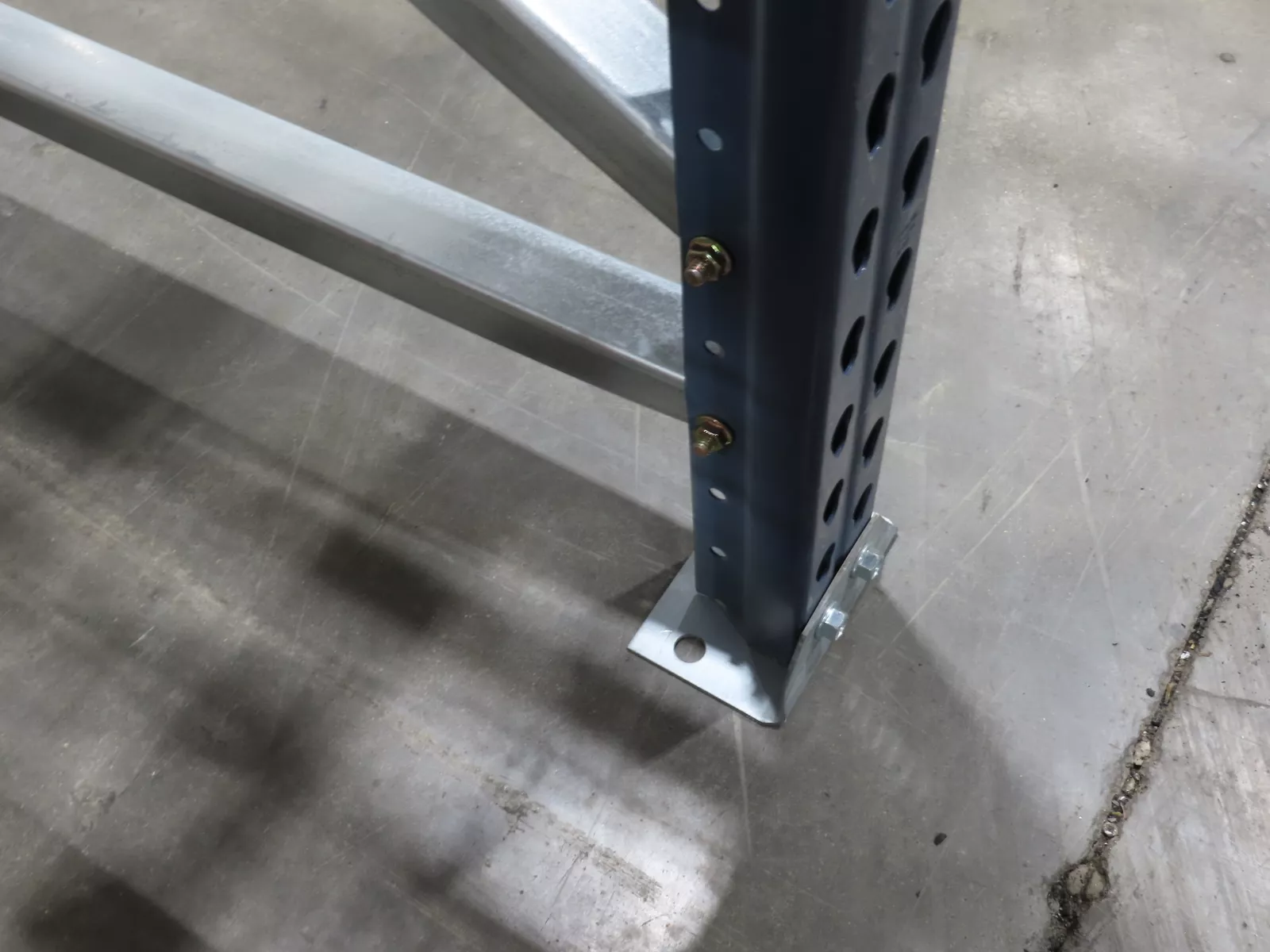
What Dreams Can a Well-Planned Warehouse Layout Help Fulfill?
What Dreams Can a Well-Planned Warehouse Layout Help Fulfill?
- A well-planned warehouse layout is crucial for business success, fostering a productive environment beyond profit margins.
- Efficient design enhances productivity, reduces chaos, and empowers employees, making them advocates and innovators.
- An effective layout minimizes waste, optimizes resources, and translates to cost savings for the business.
- Investing in a smart warehouse contributes to sustainable growth, improved morale, and increased operational capacity.
- The right space fosters collaboration and trust, encouraging employees to share ideas and support one another.
- Consider warehouse design as an opportunity to create an ecosystem where dreams are envisioned and realized.
- A well-organized layout symbolizes belief in the team’s potential and aspirations.
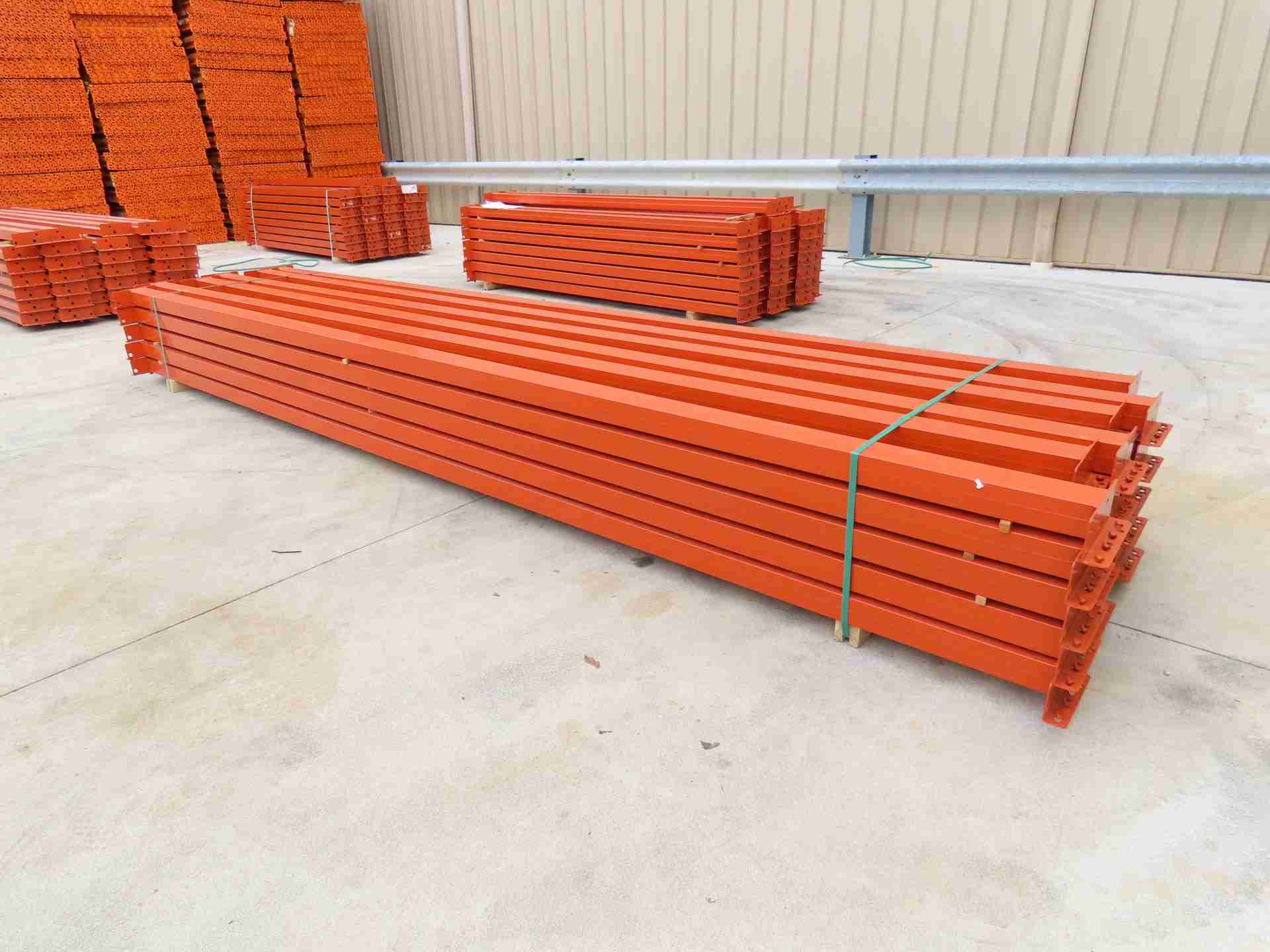
What Dreams Can a Well-Planned Warehouse Layout Help Fulfill?
How Can Cad Tools Enhance the Efficiency Of Rack Layouts?
When it comes to designing rack layouts, the difference between a cluttered mess and an efficient masterpiece often comes down to one critical tool: CAD software. Imagine standing in a space filled with racks, each one a testament to hard work and long hours. Now picture how, with the right CAD tools at your fingertips, you can transform chaos into order. This isn’t just about tidying up; it’s about optimizing the very heart of your operation.
We all know the headaches that come with manual planning. It’s a trial-and-error process that can drain both time and resources. CAD tools bring clarity and precision to the forefront, allowing you to visualize your racking systems before a single bolt is tightened. With a simple click, you can adjust the layout to accommodate shifts in inventory or changes in workflow. This isn’t just efficiency, folks; it’s smart and strategic thinking, ensuring that every square foot of space serves a purpose.
Ethically, employing these tools means you’re investing your resources wisely. It’s not merely about maximizing profit—it’s about fostering a culture of respect for your team’s time and effort. When employees can easily access what they need, their work becomes a fluid dance rather than a frustrating slog through crowded aisles. This investment in efficiency sends a powerful message: you care about their experience.
Let’s not forget the narrative component. Picture telling the story of your space to colleagues or stakeholders: how you unraveled the complexities of racking design, enhancing workflow and safety in one seamless swoop. Using CAD is like wielding a magic wand; it empowers you to craft your ideal operational environment. With precision and foresight, you pull together disparate elements into a cohesive whole that speaks to your commitment to excellence.
And on the social front, sharing these innovations creates an atmosphere of collaboration and creativity. Teamwork thrives when everyone feels included in the design process, and encouraging those dialogues enriches the workplace culture. Trust builds when they see tangible improvements emerging from collective input, fostering an environment where everyone feels valued.
So, as you consider your next steps in rack layout design, remember that implementing CAD tools isn’t just a smart choice—it’s a leap toward a brighter, more efficient future for your team and your organization. Embrace the change, and watch how it elevates not just your space, but the very spirit of your operation.
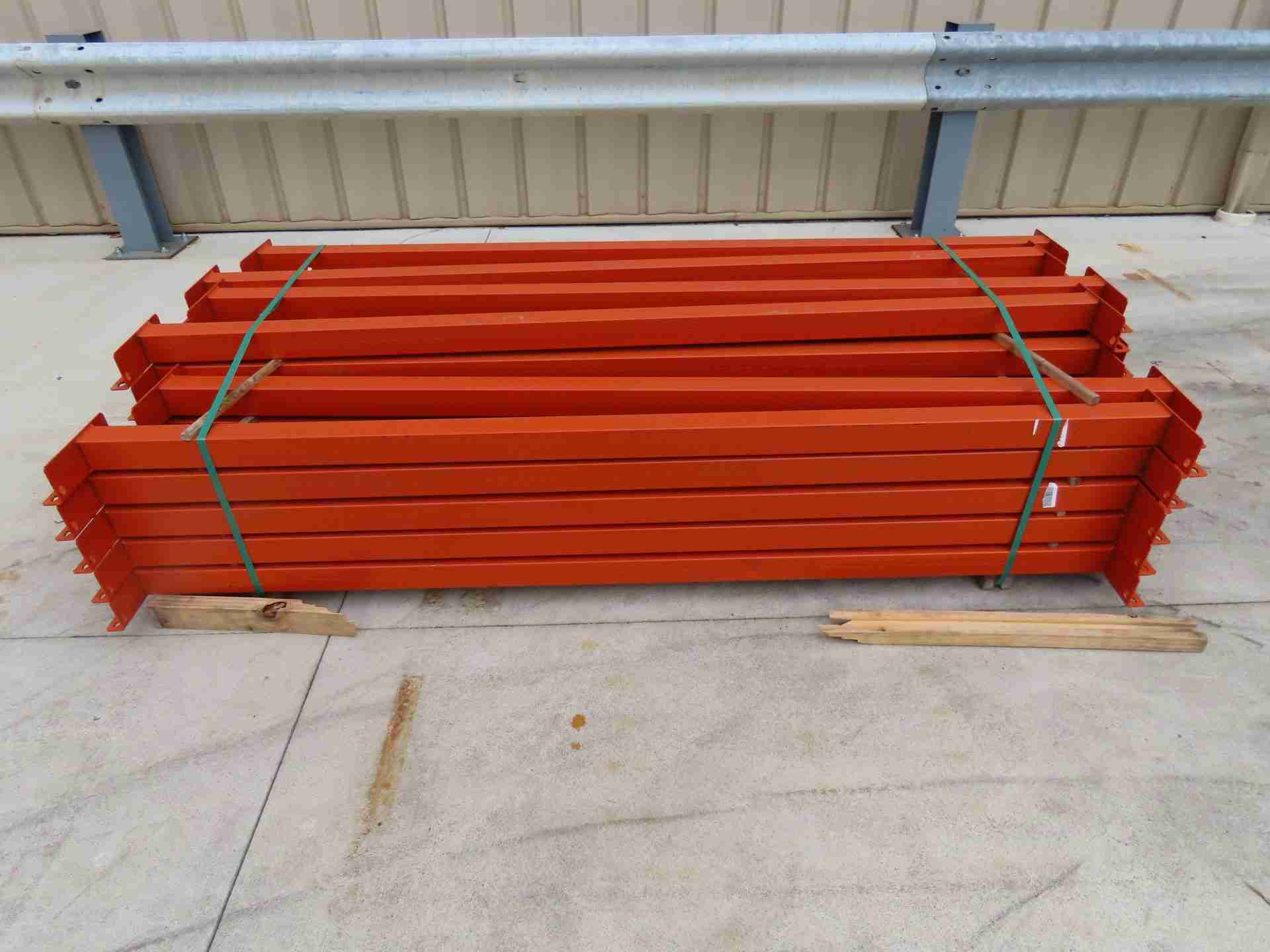
How Can Cad Tools Enhance the Efficiency Of Rack Layouts?
How Can Cad Tools Enhance the Efficiency Of Rack Layouts?
- CAD software is essential for transforming chaotic rack layouts into efficient designs.
- Manual planning can be time-consuming and resource-draining, while CAD tools provide clarity and precision.
- With CAD, layouts can be easily adjusted to accommodate inventory shifts and workflow changes.
- Investing in CAD tools reflects a commitment to enhancing employee experiences and productivity.
- Using CAD enables effective communication of design improvements to colleagues and stakeholders.
- Encouraging collaboration in the design process fosters a positive workplace culture.
- Implementing CAD tools represents not just practical efficiency, but also a cultural shift towards valuing teamwork and innovation.

How Can Cad Tools Enhance the Efficiency Of Rack Layouts?
What Ethical Implications Arise From Poor Warehouse Organization?
When we think about warehouses, we often picture unending rows of shelves, brimming with products destined for homes, businesses, and lives. Behind those walls lies a bustling world bound by the very foundations of organization. Yet, when warehouse organization falters—when racking systems crumble under the weight of neglect—we confront ethical implications that ripple beyond the concrete and metal.
First, consider the workers. They are the unsung heroes of this logistics ballet, maneuvering through crowded aisles, navigating hazards that arise from poor organization. Simplistic as it seems, a disordered environment can lead to injuries, accidents, and a palpable sense of unease. The heartache that accompanies an employee’s injury is not solely a personal tragedy; it reverberates through families, communities, and entire operational structures. This raises an important question: as stewards of this ecosystem, do we not bear a moral responsibility to provide a safe workplace?
From a rational standpoint, the costs of poor organization are staggering. Inefficiencies mount like a tower of improperly placed boxes, taking a toll on productivity and profitability. When missed deadlines and lost products add up, it’s not just the bottom line that suffers; it’s also the trust our clients and consumers place in us. Every misstep in a warehouse echoes in the marketplace, transforming a supply chain issue into an ethical dilemma.
Then there’s the ethical obligation that comes with leadership. Each decision made in a warehouse is a reflection of an organization’s values. Choices about how to manage inventory, how to train staff, and how to address issues of safety and efficiency speak volumes about our commitment to ethical practices. Ignoring the chaos means neglecting the people who believe in the mission, leading to an erosion of morale and a breakdown of trust.
Finally, think about the broader social implications. Disorganized warehouses impact not just those who work within them, but the surrounding community and economy. They create a sense of instability and uncertainty. People want to purchase from companies that value their employees and their safety, establishing a standard of excellence built on trust and accountability.
So, as we walk through those aisles, let’s remember that ethics aren’t just guidelines; they are a guiding light. It’s time to invest in better racking systems, in safety protocols, and in the very heart of our operations—the people. The return on that investment? A strengthened community, healthier relationships, and a legacy we can all stand proudly behind.
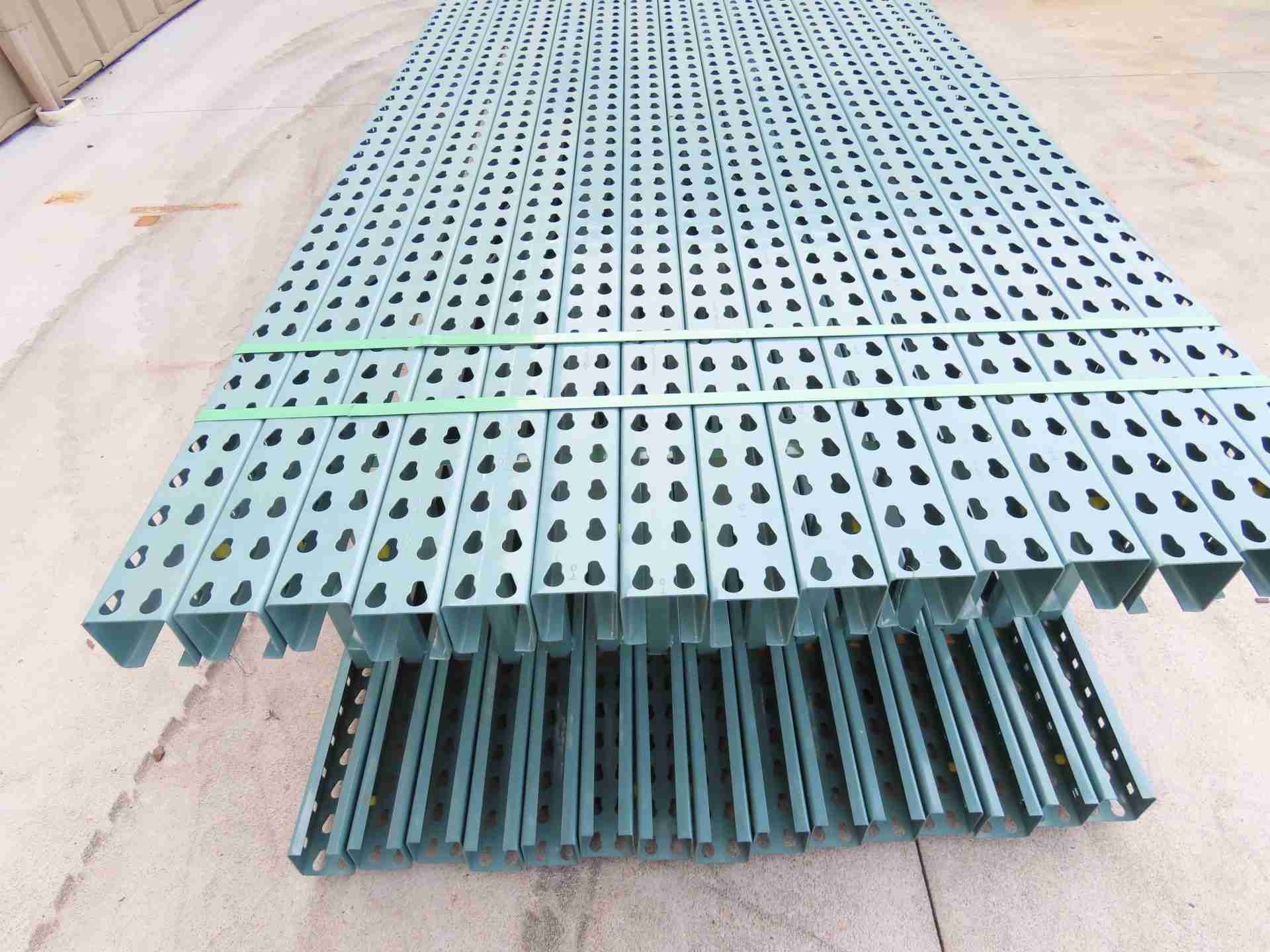
What Ethical Implications Arise From Poor Warehouse Organization?
What Ethical Implications Arise From Poor Warehouse Organization?
- Warehouses often symbolize organization but can reveal ethical implications when disordered.
- Poor organization poses risks to workers, leading to injuries and a negative impact on morale.
- The costs of poor organization include inefficiencies that detract from productivity and profitability.
- Trust from clients and consumers can erode due to missed deadlines and disorganization.
- Leadership choices in managing inventory and safety reflect an organization’s ethical values.
- Disorganized warehouses negatively affect not just employees, but also surrounding communities and the economy.
- Investing in organization and safety protocols strengthens relationships and fosters a positive legacy.
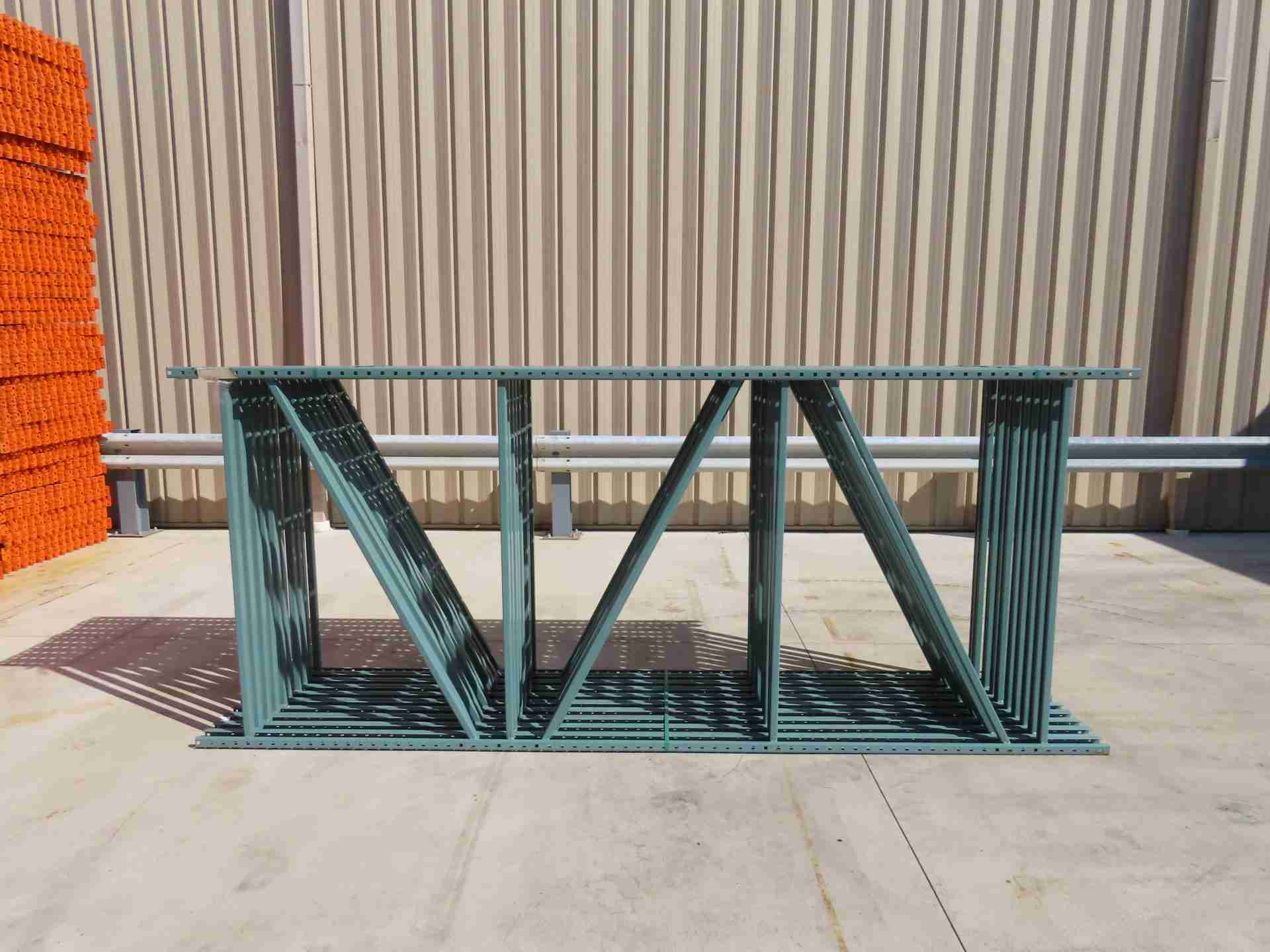
What Ethical Implications Arise From Poor Warehouse Organization?
How Do You Measure the Success Of Your Warehouse Planning Strategy?
When you think about measuring the success of your warehouse planning strategy, consider it like a well-oiled machine, a rhythm that beats steadily with purpose. A successful strategy doesn’t just check boxes; it shapes lives, impacts livelihoods, and drives progress. We often get caught up in metrics, focusing on KPIs and inventory turnover rates, and while those numbers matter, true success resonates deeper.
Imagine standing in a warehouse, surrounded by towering racking systems, expertly organized and precisely utilized. Each shelf tells a story—of late nights, teamwork, and shared commitment to a common goal. Think about the individuals who rely on that structure to fulfill not just orders, but their sense of accomplishment. The heart of warehouse planning isn’t just efficiency; it’s the connection between people and purpose.
Engaging your team in the planning process fosters a sense of ownership. They aren’t just following orders; they’re part of something bigger. When employees feel their voices are heard, their morale skyrockets, improving your success beyond the numbers. This human element is often overlooked, yet it is what transforms a strategy from functional to flourishing.
Now, let’s turn to the numbers. Metrics like order accuracy, storage utilization, and labor productivity are your guiding stars. They help you see the forest for the trees, and when you consistently hit those marks, it’s a clear indication that your planning is hitting its stride. But it’s crucial to pair these stats with qualitative feedback. Listen to your team, gather insights, and evolve your strategy.
Ethically, there’s a responsibility to make informed decisions—both about your resources and your team’s well-being. A warehouse that thrives isn’t just about profit margins; it’s about creating sustainable practices that respect both the environment and the people operating within it.
So, let’s talk about authority. Industry best practices can provide a roadmap, but don’t forget the invaluable lessons learned on the ground. Every warehouse has its unique challenges and opportunities; embrace them. Your narrative becomes part of a larger conversation in which every improvement advances not just your business, but the industry as a whole.
By measuring success through an emotional lens—recognizing the heartbeats of the people and the stories behind every operation—you build a more resilient and effective warehouse. Trust in your strategy, inspire confidence in your team, and take action that resonates. In this collaborative effort, you’ll not only succeed, but you’ll also engage in something truly worthy—a thriving community of shared success.
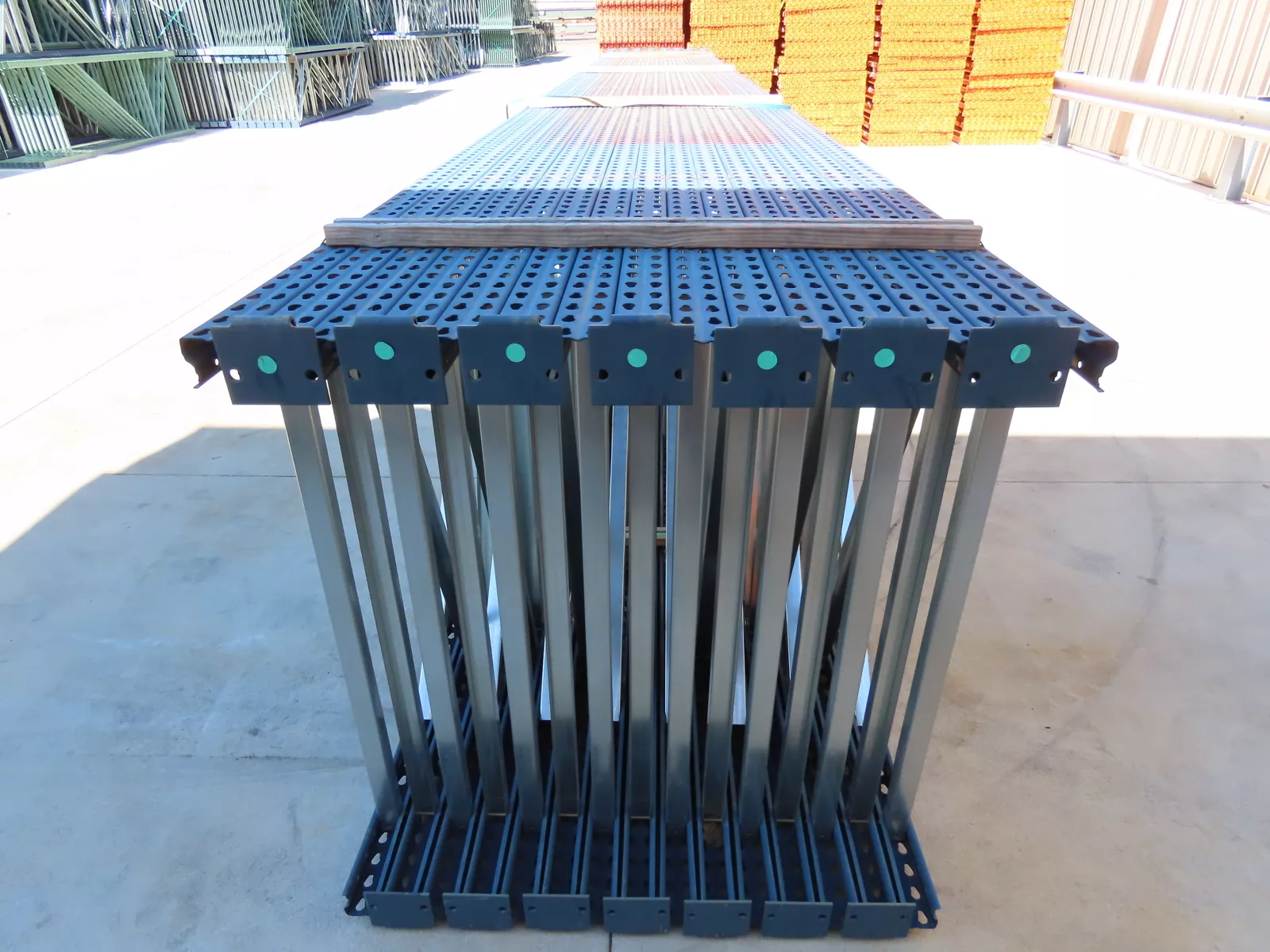
How Do You Measure the Success Of Your Warehouse Planning Strategy?
How Do You Measure the Success Of Your Warehouse Planning Strategy?
- View warehouse planning success as a purposeful rhythm, not just a series of metrics.
- The impact of a successful strategy goes beyond numbers, affecting livelihoods and driving progress.
- Team engagement in planning fosters ownership and boosts morale, transforming strategy from functional to flourishing.
- Key metrics like order accuracy and labor productivity serve as guiding stars for successful planning.
- Pair quantitative metrics with qualitative feedback from the team to continuously evolve your strategy.
- Prioritize ethical decision-making by creating sustainable practices that benefit both the environment and workforce.
- Embrace unique challenges and lessons learned on the ground for a more resilient and effective warehouse operation.
How Do You Measure the Success Of Your Warehouse Planning Strategy?
Could Better Organization Lead to a Happier Workplace Atmosphere?
When you walk into a workforce that’s buzzing with energy and purpose, it’s hard not to feel a surge of excitement. Yet, when you step into a chaotic environment cluttered with untreated projects and disorganized tools, you’re met with a palpable tension that can drag down even the most enthusiastic team. Organization isn’t just about racking things neatly on a shelf or scheduling tasks into a planner—it’s about crafting a space where people feel valued and empowered.
Imagine a workplace where everyone knows their role, where tasks are clearly defined, and where the chaos of disorganization doesn’t loom over them like a dark cloud. This sense of order can transform not just individual productivity, but collective morale. A well-organized work environment fosters a culture of accountability and teamwork, allowing individuals to shine and collaborate effectively.
It’s not merely a matter of aesthetics; it’s about ethics too. People want to feel like they belong and contribute meaningfully to a greater purpose. When workers have the tools they need—physically and metaphorically—they’re less likely to feel overwhelmed or lost in the shuffle. Each member of the organization is like a cog in a well-oiled machine, and when everyone knows how to play their part, it breeds trust. You can feel that trust in the air, and when people trust each other, they support each other.
From the backend to the front lines, a structured approach can ignite passion across departments. Just imagine telling a story about a team that transformed its outlook simply by treating organization as a priority. Workers become advocates for the culture they create; when they see the results of their efforts, their hearts swell with pride. Colleagues become friends, and friendships deepened in a well-run environment create an incredible bond.
The heart of a workplace thrives on relationships nurtured by clarity and support. When people feel respected and organized, they’re more inclined to take the initiative, to innovate, and to bring forth ideas that could redefine success. So the challenge is simple: embrace the power of better organization. Let’s make the workplace a sanctuary of inspiration and connection, a place where individuals flourish together. After all, a streamlined approach is more than just a method; it’s foundational to building not just a happier workplace, but a thriving community.
Could Better Organization Lead to a Happier Workplace Atmosphere?
Could Better Organization Lead to a Happier Workplace Atmosphere?
- A vibrant workplace enhances excitement and morale among the team.
- Chaos and disorganization create tension and can undermine enthusiasm.
- Organization promotes a space where employees feel valued and empowered.
- Clear roles and task definitions foster productivity and teamwork.
- A well-organized environment breeds accountability and trust among colleagues.
- Strong workplace relationships, nurtured by clarity and support, drive innovation.
- Embracing better organization contributes to a happier, thriving workplace community.
Could Better Organization Lead to a Happier Workplace Atmosphere?
Conclusion
Walking through a well-organized warehouse is like stepping into a symphony—each racking system an instrument harmonizing with the rhythm of productivity. It’s not just a warehouse; it’s a carefully crafted environment where creativity meets calculation, and efficiency merges with employee well-being. Using CAD tools to design and optimize warehouse layouts transcends basic logistics; it’s an ethical commitment to respecting the time and safety of every worker. Picture the satisfied faces of employees who glide effortlessly through wide aisles, unhindered by clutter, as they tackle their tasks with confidence, not chaos.
This is about more than just a clean workspace; it fosters a culture where people are valued, ideas flow, and contributions matter. When employees are brought into the design process, they become invested. Their voices aren’t just heard—they’re celebrated. This camaraderie fosters teamwork, transforming a warehouse from a mere structure into a vibrant community where everyone feels accountable for success. The emotional impact of such an environment can’t be overstated. When employees see tangible improvements in their workspace, they experience a renewed sense of purpose. Their productivity spikes, their morale soars, and they become advocates for the organization, each individual’s personal dreams linking inextricably to the success of the collective.
From a rational standpoint, this approach makes absolute sense. Efficient layouts reduce waste and streamline processes, ultimately translating to real dollars saved and resources optimized. It’s a strategy where the ethics of efficiency meet the economics of success, creating a healthier bottom line and, importantly, a healthier workplace culture. You’re not just making a savvy business decision; you’re fulfilling a moral obligation to ensure safety and efficiency.
However, it’s crucial to remember that the implications of poor organization ripple outward. A chaotic space fosters accidents and inefficiencies that can erode not just the warehouse floor but the trust of the workforce and customers alike. Leadership carries the weight of responsibility; every choice reflects a commitment to ethics, to employees, and to community reliability.
The next time you think about optimizing your warehouse layout, look beyond the logistics. Think about the people whose lives and livelihoods depend on that space. Invest in those robust CAD tools. Build the kind of environment that encourages dreams—where every rack and aisle speaks to a vision of excellence, unity, and genuine respect. Through intentional planning, you’re shaping a future that’s not only about profits but about pride, productivity, and a purpose-filled workplace. Now, that’s a legacy worth building.

Conclusion
Conclusion:
- Well-organized warehouses function like a symphony, enhancing productivity and employee well-being.
- Using CAD tools for layout design is an ethical commitment to worker safety and efficiency.
- A clutter-free workspace promotes a culture where employees feel valued, fostering creativity and teamwork.
- Involving employees in the design process increases their investment and accountability within the organization.
- Improvements in workspace lead to increased productivity and employee morale, making them advocates for the organization.
- Efficient warehouse layouts reduce waste and optimize processes, benefiting both the bottom line and workplace culture.
- Poor organization can lead to chaos, inefficiencies, and erosion of trust, highlighting the importance of leadership in ethical decision-making.
Conclusion
Other Resources
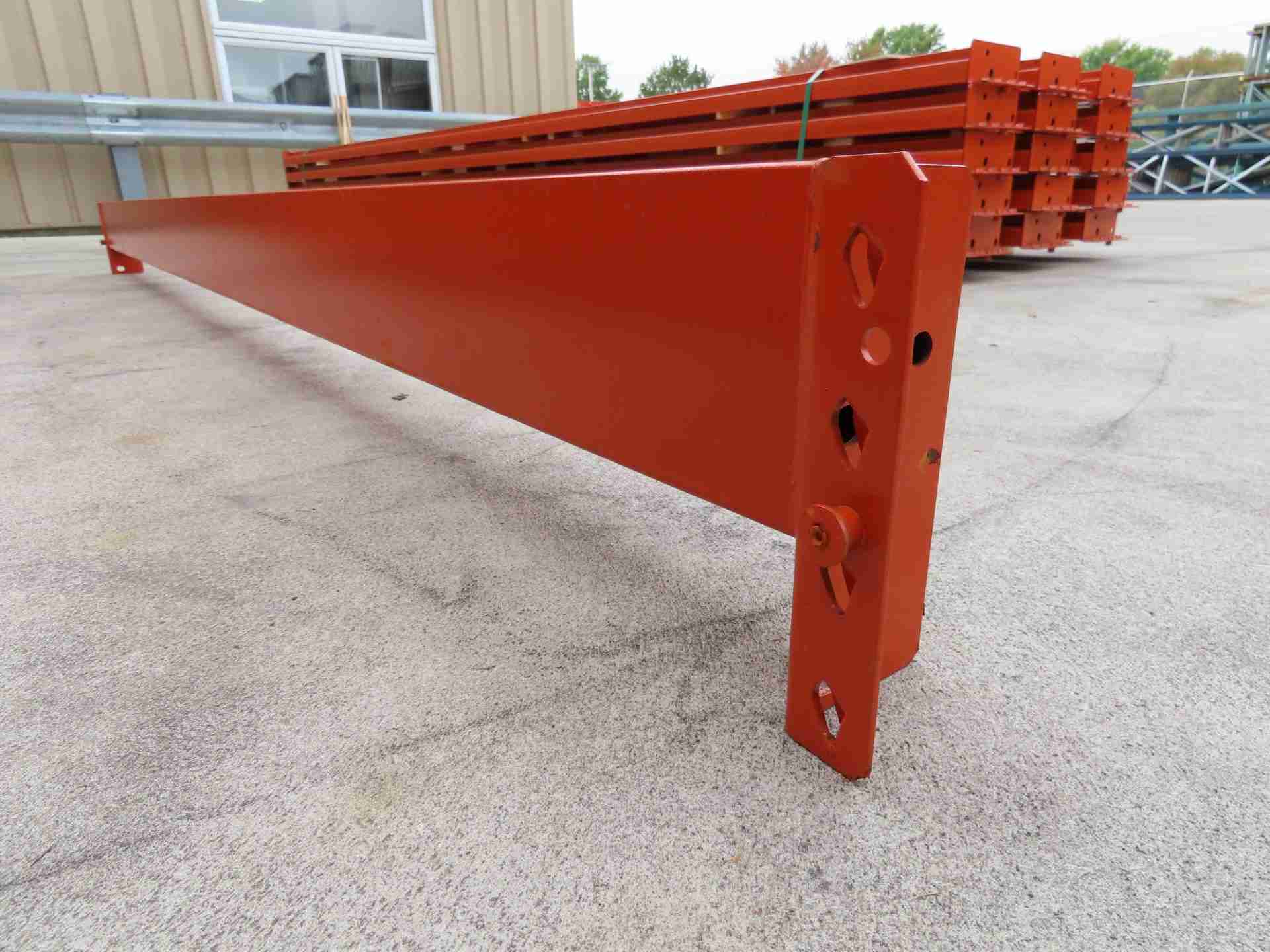
Other Resources
Here is a list of other resources you can review online to learn more:
- Arrow Industrial Sales
- Illinois
- Pallet Racks, Pallet Racking, Pallet Shelves in Stock – ULINE
- What is Selective Pallet Racking
- Chicago Pallet Racking
- Rack Manufacturers Institute
- BMH Equipment LLC
- Pallet Rack Systems – New and Used Pallet Racking and Shelving Experts
- Shipping Boxes, Packaging Materials, Pallet Racking
- Pallet Racking systems in Illinois, Great Lakes
- Interlake Mecalux
- National Safety Council
- Selective Rack – Raymond West
- Warehouse Storage Racks
- Cantilever Rack Guide: Ordering Cantilever Racking
- Teardrop Pallet Rack – Ridg-U-Rak
- Iowa Illinois Warehouse Racking
- Wolter
- Storage Equipment Manufacturers’ Association
- IIWS Inc. Rack Installation Illinois & Rack Repairs Illinois
Use This Prompt To Get More Resources With Your Favorite Online AI Tool: Please provide me with a list of online articles with their URLs in a bulleted list that I can read regarding Using Cad Tools to Plan Warehouse Rack Layouts
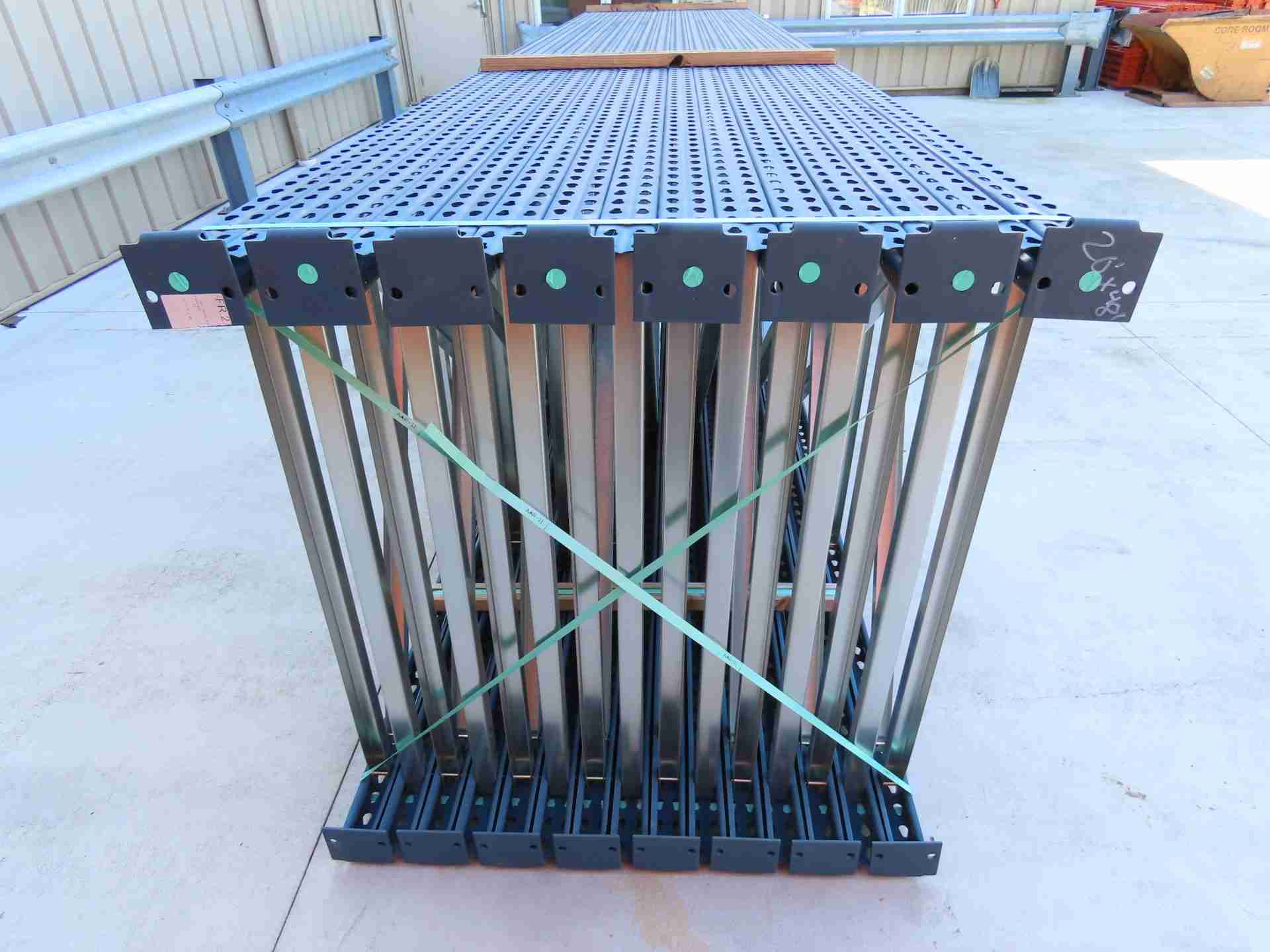
Other Resources
Glossary Terms
Using Cad Tools to Plan Warehouse Rack Layouts – Glossary Of Terms
1. CAD: Computer-Aided Design software used to create detailed diagrams and layouts.
2. Warehouse: A facility used for the storage of goods and materials.
3. Rack Layout: The configuration of shelving systems within a warehouse for optimized storage and accessibility.
4. 3D Modeling: The creation of a three-dimensional representation of warehouse layouts for visualization.
5. Footprint: The area occupied by a rack or shelving unit within a warehouse, crucial for space planning.
6. Inventory Management: The process of tracking and controlling stock levels in a warehouse.
7. Load-Bearing Capacity: The maximum weight a rack can safely support, essential for safe storage.
8. Aisle Width: The space between racks that allows forklifts and individuals to navigate easily.
9. Clearance Height: The vertical space between the top of a rack and the warehouse ceiling, important for safety and storage optimization.
10. Forklift Path: Designated routes for forklifts to maneuver safely and efficiently through the warehouse.
11. Shelf Depth: The distance from the front to the back of a rack shelf, affecting how products are arranged.
12. FIFO: First In, First Out; an inventory management principle ensuring older stock is used before newer stock.
13. LIFO: Last In, First Out; an inventory method that prioritizes the use of the most recently added stock.
14. Beam: A horizontal support used in rack systems to hold shelves in place.
15. Column: A vertical support component in a racking system that helps bear weight.
16. Design Template: A pre-defined layout used as a starting point for creating custom warehouse designs.
17. Spatial Optimization: The process of efficiently using available warehouse space to maximize storage capacity.
18. Material Handling: The movement, protection, and control of materials throughout the warehouse.
19. Safety Regulations: Standards that ensure a safe working environment and prevent accidents related to rack systems.
20. Rack Types: Various designs of storage racks, including selective, drive-in, and pallet flow racks.
21. Adjustable Shelving: Racks with customizable shelf heights to accommodate different merchandise sizes.
22. Modular Design: A system that allows for easy configuration and reconfiguration of racks to adapt to changing needs.
23. Scalability: The ability to expand warehouse operations and rack systems as demand increases.
24. Workflow Optimization: Enhancing operational efficiency by analyzing and improving processes within the warehouse.
25. Load Distribution: The method of spreading weight evenly across a rack to prevent tipping and collapse.
26. Access Point: Designated locations for workers to retrieve items quickly and safely from racks.
27. Digital Twin: A virtual replica of the physical warehouse used for simulation and planning.
28. BIM: Building Information Modeling; a digital representation of physical and functional characteristics of a facility.
29. Site Plan: A detailed layout showing the specific arrangement of racks and storage areas within the warehouse.
30. Performance Metrics: Measurements used to assess the efficiency and effectiveness of warehouse operations and rack layouts.

Glossary Of Terms
Other Questions
Using Cad Tools to Plan Warehouse Rack Layouts – Other Questions
If you wish to explore and discover more, consider looking for answers to these questions:
- What are the key features of effective CAD tools for warehouse design?
- How can a well-structured warehouse impact customer satisfaction?
- What steps can be taken to ensure a safe working environment in warehouses?
- How do different industries utilize CAD tools for warehouse planning?
- What are the long-term benefits of investing in warehouse organization?
- How can you involve employees in the warehouse design process?
- What specific metrics should be tracked to measure warehouse efficiency?
- What are common challenges in implementing a warehouse layout redesign?
- How can CAD tools help in adapting to industry changes or trends?
- What role does technology play in the future of warehouse management?
- How do you balance cost with efficiency in warehouse layout planning?
- What are the best practices for training staff in warehouse organization and safety?
- How can communication be improved between teams in a warehouse setting?
- What impact does warehouse design have on environmental sustainability?
- How do cultural aspects influence warehouse organization and design?
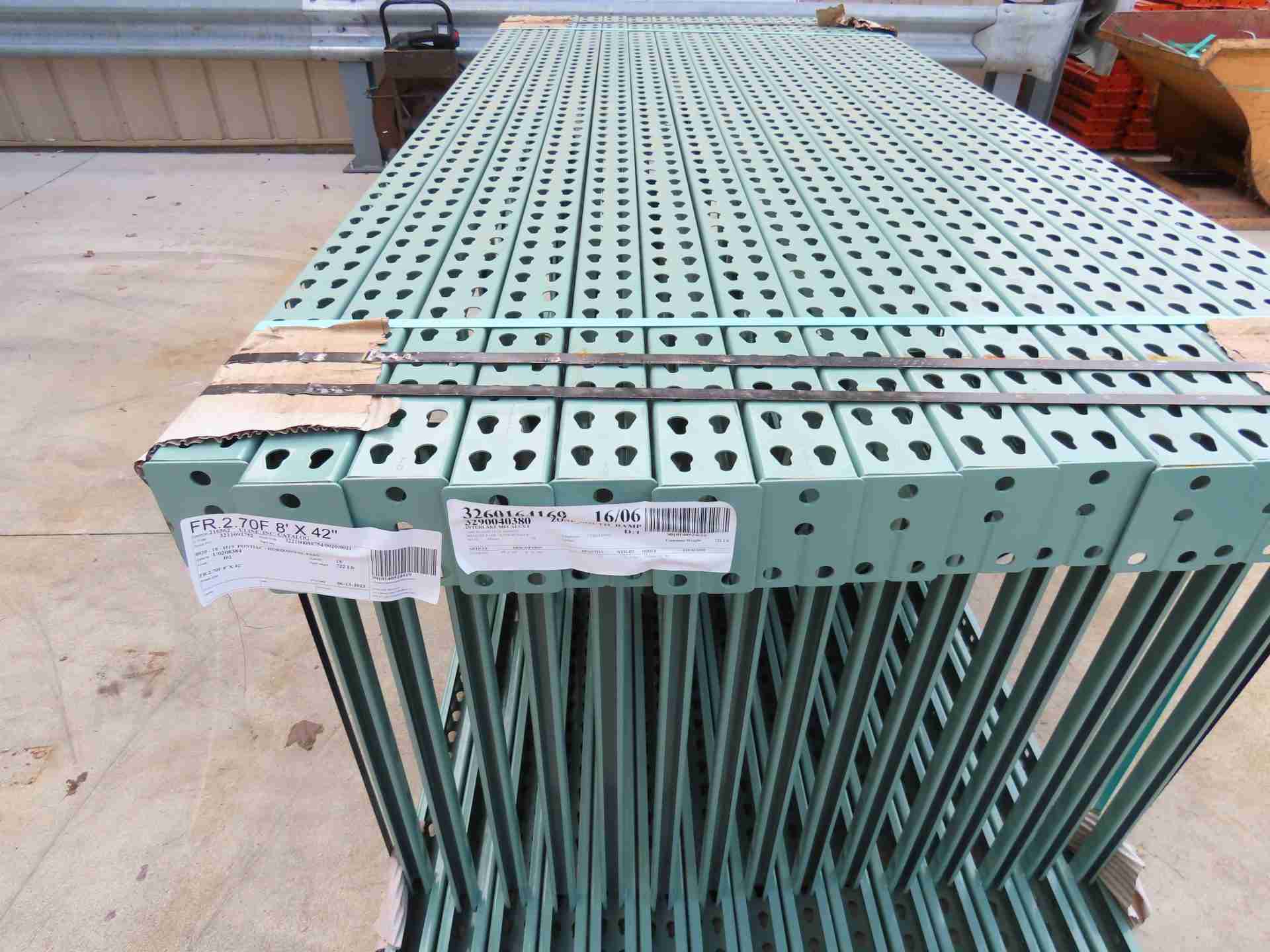
Other Questions
Checklist
Using Cad Tools to Plan Warehouse Rack Layouts – A Checklist
Warehouse Rack Layout Planning Checklist
Emotional Appeals
_____ Imagine the satisfaction of walking into a meticulously organized warehouse.
_____ Visualize the positive impact an efficient layout has on staff morale and productivity.
_____ Reflect on how improved organization can lead to a workplace atmosphere that fosters pride and innovation.
Rational Appeals
_____ Assess potential time and resource savings by minimizing travel time within the warehouse.
_____ Analyze how a well-planned layout can reduce inventory inaccuracies and streamline processes.
_____ Consider metrics such as order accuracy, storage utilization, and labor productivity as indicators of success.
Ethical Appeals
_____ Ask yourself if your current layout respects your employees’ time and safety.
_____ Evaluate the moral responsibility to create a safe and efficient work environment.
_____ Think about the broader implications of workplace organization on community trust and loyalty.
Authority Appeals
_____ Research industry best practices for warehouse layout design.
_____ Consult CAD tool recommendations from leading experts in logistics and space optimization.
_____ Review success stories of businesses that have transformed their operations using innovative designs.
Narrative Appeals
_____ Create a compelling story about how a well-organized warehouse transformed your team’s productivity.
_____ Share anecdotes of employees whose roles flourished due to an efficient racking system.
_____ Document the journey of your warehouse renovation as a narrative of collaboration and success.
Social Appeals
_____ Encourage team engagement in the design process to foster a sense of ownership.
_____ Promote a culture where employees feel valued and supported in their roles.
_____ Share the results of improvements with the team to build camaraderie and inspire further innovation.
By following this checklist, you can create a warehouse environment that not only optimizes space but also enhances employee well-being and operational efficiency.
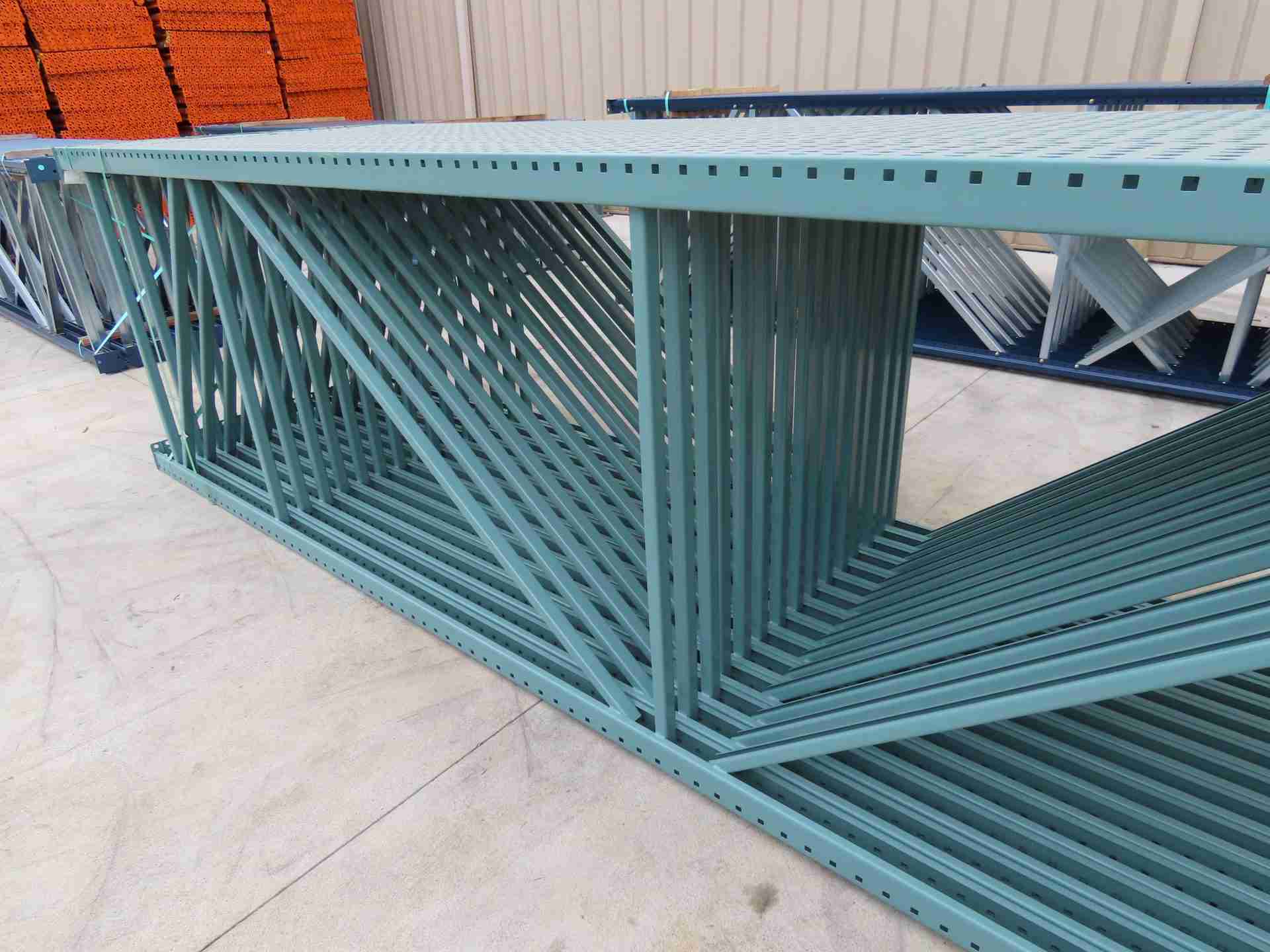
Checklist
At RackingWorld, we help guide you through selecting warehouse storage systems and racking.
Be sure to read our other related stories at RackingWorld to learn more about warehouse storage systems.
0 Comments