
Ensuring Compliance: Proven Methods For Reporting Racking Damage
By Tom Seest
At RackingWorld, we help guide you through selecting warehouse storage systems and racking.
Be sure to read our other related stories at RackingWorld to learn more about warehouse storage systems.
How to Report Racking Damage to Stay Compliant
When it comes to reporting racking damage, it’s essential to recognize the gravity of the situation. Imagine walking into your warehouse each day, surrounded by towering structures that hold the weight of both inventory and livelihoods. That racking isn’t just metal and wire; it’s a heartbeat of your operation, a lifeline of your business. Ignoring damage can be a ticking time bomb, both for the safety of your team and the integrity of your assets.
Start with a commitment to transparency. No matter how minor the racking damage seems, addressing it head-on establishes a culture of accountability. Remember, every dent, every scratch, is a warning sign, a silent plea for attention. When you notice a problem, whether it’s a bent beam or a loose connection, take immediate action. Document it with photographs, and even more importantly, write a detailed account of what happened. That written record isn’t just for compliance; it’s an essential part of maintaining your ethical obligation to your employees and customers.
Now, let’s talk about compliance. Reporting racking damage isn’t just best practice—it’s the law. Your organization has a responsibility to protect its workforce. Harmful accidents can cost lives, and litigation can cost you everything. When you report racking damage promptly, you’re not just ticking a box; you’re showing your team that their well-being matters. They’re more than cogs in a machine; they’re individuals with families and dreams. Foster an environment where safety is prioritized, and watch morale soar.
And let’s not forget your peers in the industry. By making racking damage reporting a priority, you’re setting a standard, perhaps even leading the way for others to follow. Imagine the ripple effect: other businesses seeing your commitment to safety and compliance and deciding to step up their game too. This isn’t just about your space; it’s about elevating the entire industry, creating a safer working environment for everyone.
So, the next time you notice racking damage, channel that gut feeling to act. Use your head to navigate the reporting process diligently, and allow your heart to drive your passion for safety. Your decision today could prevent an accident tomorrow, turning compliance into a significant act of care. Trust yourself; take that step.
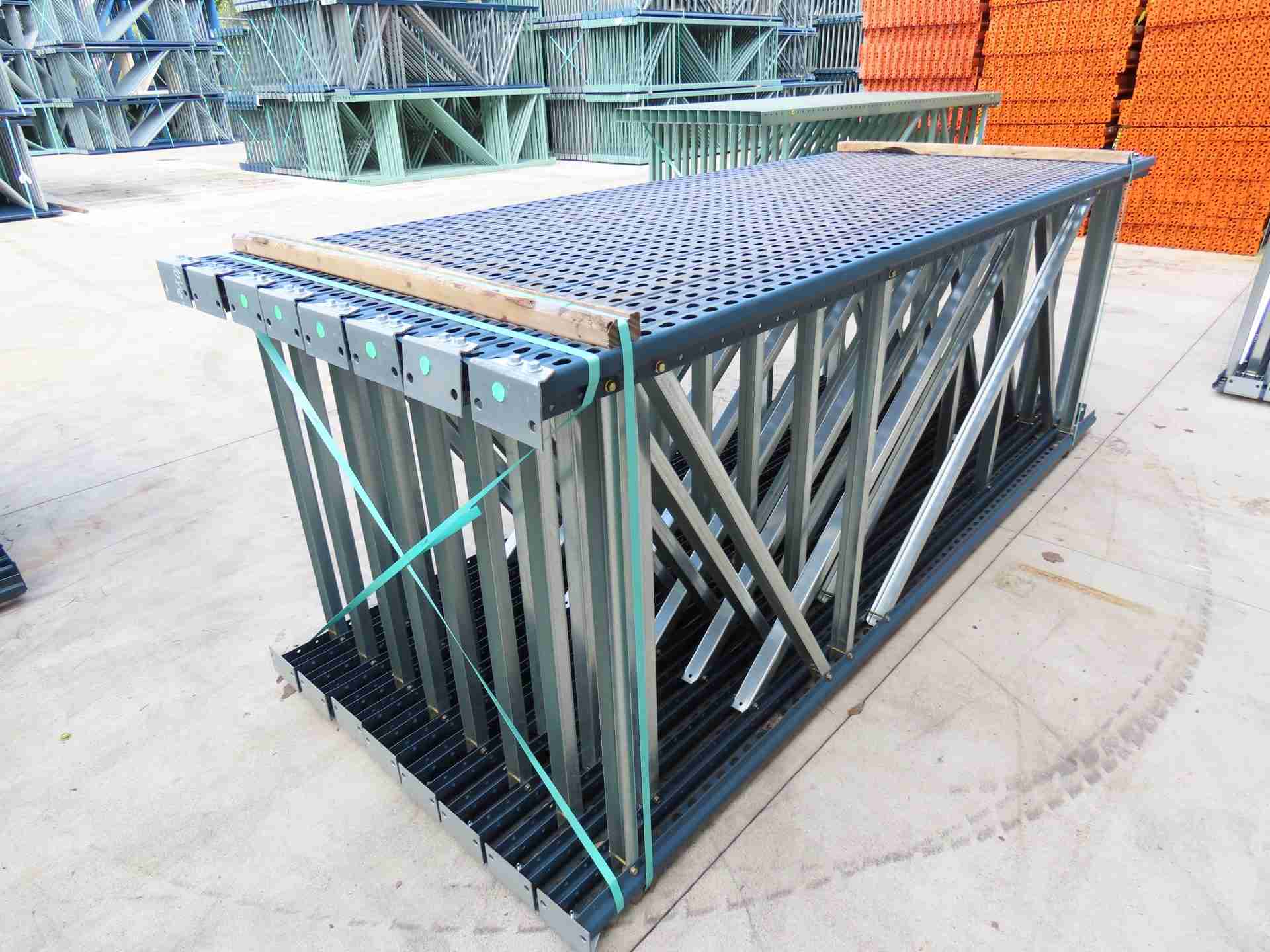
How to Report Racking Damage to Stay Compliant
How to Report Racking Damage to Stay Compliant
- Recognize the importance of racking in warehouse operations; it supports both inventory and livelihood.
- Commit to transparency by addressing all racking damage, regardless of perceived severity.
- Document all incidents of racking damage with photographs and detailed accounts for compliance and ethical obligations.
- Reporting racking damage is not just best practice, but a legal requirement to protect the workforce.
- Foster a culture of safety to enhance employee morale and demonstrate care for their well-being.
- Prioritize racking damage reporting to set industry standards and positively influence others in the field.
- Your proactive approach to reporting can prevent future accidents and promote a safer working environment.
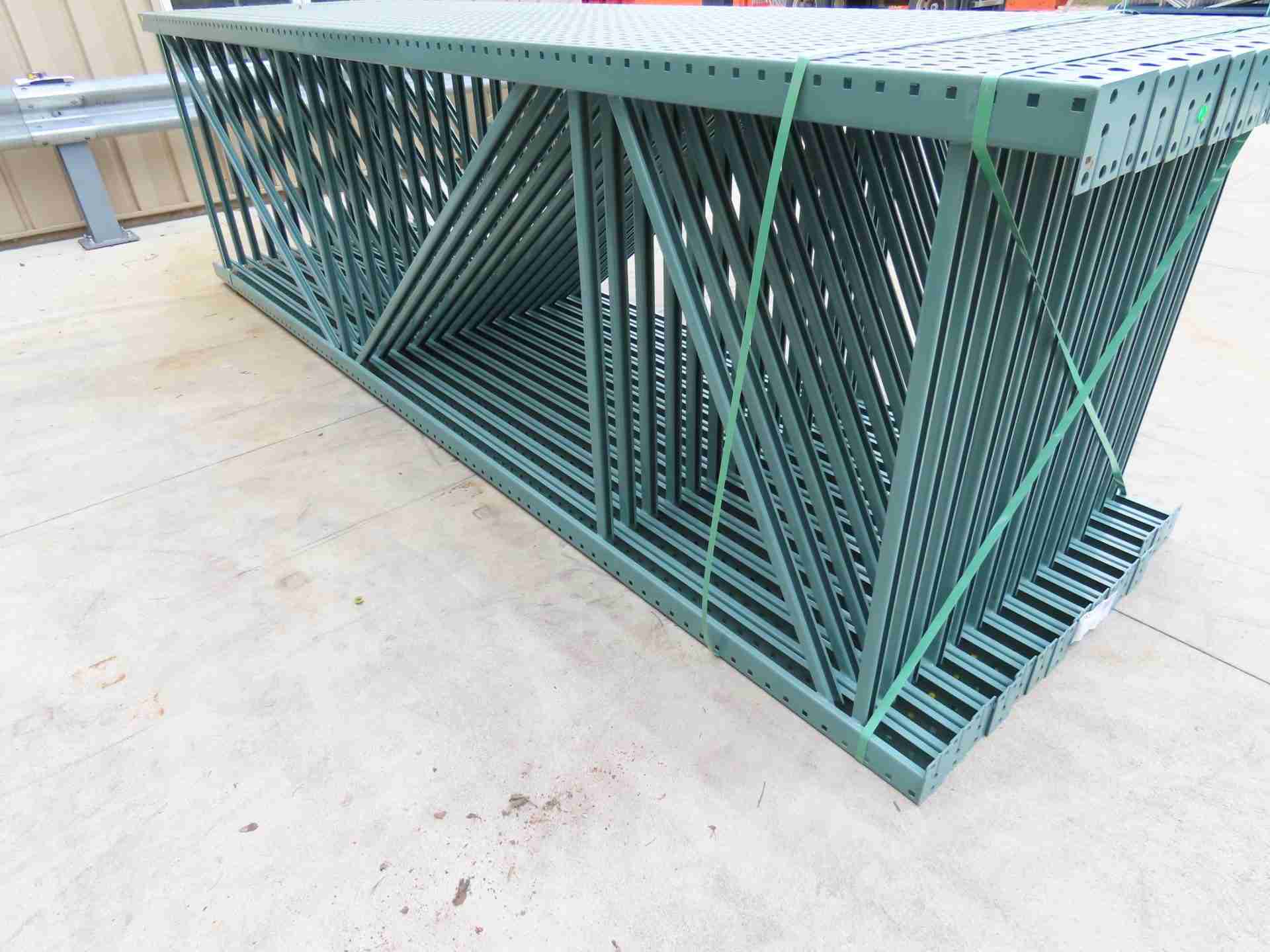
How to Report Racking Damage to Stay Compliant
Table Of Contents
- How to Report Racking Damage to Stay Compliant
- What Are the Potential Risks Of Ignoring Racking Damage?
- How Can Racking Damage Impact Employee Safety?
- What Steps Ensure Accurate Reporting Of Racking Issues?
- Why Is It Vital to Maintain Compliance In Racking Inspections?
- How Does Timely Reporting Improve Workplace Safety Culture?
- Conclusion
- Other Resources
- Glossary Of Terms
- Other Questions
- Checklist
What Are the Potential Risks Of Ignoring Racking Damage?
Ignoring racking damage in warehouses or storage facilities might seem like a minor oversight, but trust me when I say that the consequences can ripple through your operation like a pebble tossed into a pond. When racking is compromised, it’s not just metal and bolts at stake; it involves the very foundation of safety and efficiency in your workplace. Every manager and employee deserves peace of mind knowing that when they walk through those aisles, there’s no looming risk of disaster.
Consider the impact of a single buckled support beam in a racking system. It might look innocuous from the outside, but underneath, stress fractures could be forming. One day, that weak link could lead to a catastrophic collapse, putting your team in harm’s way and jeopardizing your inventory. You’re not only risking physical damage. You’re risking lives. The ethical obligation to ensure a safe working environment is not just the law; it’s the right thing to do.
Now let’s talk about the financial repercussions. When racking damage is ignored, the costs can balloon unexpectedly. A small repair today turns into a massive liability tomorrow. Lost inventory and work stoppages can snuff out profit margins faster than you can say “safety inspection.” It’s a tough pill to swallow, as the dollars lost aren’t just numbers on a balance sheet—they translate into missed bonuses, layoffs, and declining morale among your workforce.
But it’s not just about the money; it’s also about the culture you cultivate. A workplace that tolerates damaged racking sends a message that safety is secondary. Team members may feel undervalued or unsafe, and trust deteriorates like rust on neglected metal. When employees see that their well-being is prioritized, they’re not just more productive; they’re also more engaged and loyal.
So, how do you instill safety into the very fabric of your operation? Start by addressing that racking damage head-on. Pay attention to the details and foster a culture of accountability. Create an environment where everyone feels empowered to voice their concerns.
Remember, the implications of neglecting racking damage reach far beyond the warehouse floor. They touch lives, affect families, and ripple out into the community. If safety is a cornerstone of your values, it’s time to act. Don’t let a small oversight become a massive regret.

What Are the Potential Risks Of Ignoring Racking Damage?
What Are the Potential Risks Of Ignoring Racking Damage?
- Ignoring racking damage in warehouses can lead to serious safety and efficiency risks.
- A compromised racking system may appear minor, but hidden stress fractures can lead to catastrophic failures.
- Neglecting racking issues risks not only inventory but also employee safety, creating ethical and legal obligations for employers.
- Financially, ignoring racking damage can result in excessive costs, loss of inventory, and work stoppages that hurt profit margins.
- A workplace that tolerates damaged racking undermines safety and can negatively impact employee morale and trust.
- Promoting a culture of safety involves addressing racking damage, paying attention to detail, and encouraging accountability among employees.
- The consequences of neglecting racking issues extend beyond the workplace, affecting families and the wider community.
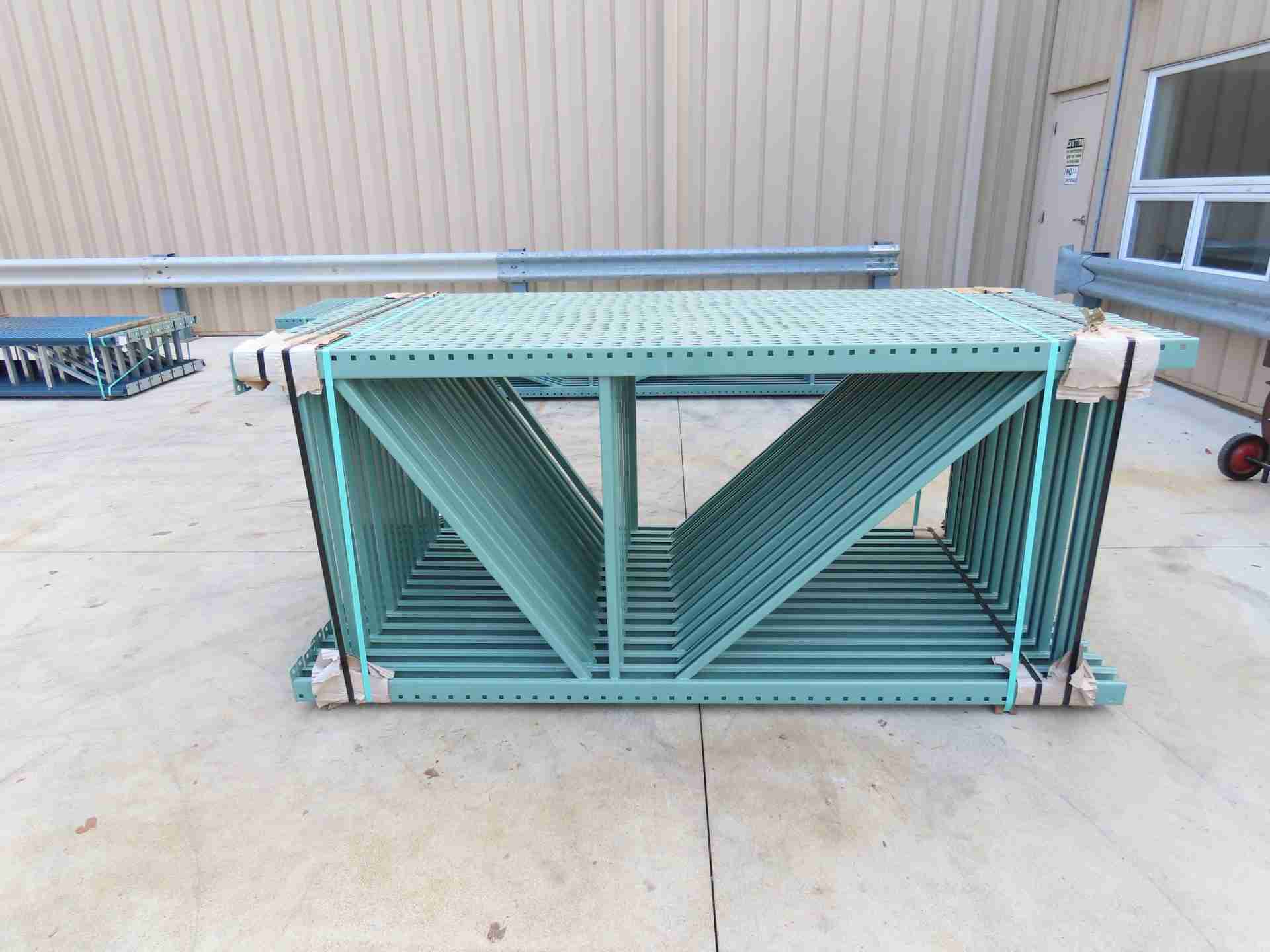
What Are the Potential Risks Of Ignoring Racking Damage?
How Can Racking Damage Impact Employee Safety?
When it comes to warehouses and distribution centers, racking systems are essential. But they’re not just metal structures loaded with product; they are the backbone of operational efficiency and, more importantly, employee safety. When we ignore racking damage, we’re not just jeopardizing inventory—we’re tampering with the safety of every person who walks through those aisles.
Imagine a dedicated warehouse worker, Joe, pushing a heavy pallet jack filled with goods. As he maneuvers, he glances at the racking towering high above him. If that racking is damaged—whether it’s bent beams, loose screws, or shattered braces—Joe is walking under a ticking time bomb. One slip, one miscalculation, and that structure can come crashing down, turning an ordinary day at work into a moment of chaos. It’s not just metal and merchandise at stake; it’s a safety net woven from our collective responsibility to protect each other.
The head understands the statistics: injuries from racking failures can lead to lost workdays, financial burdens, and in the worst cases, life-altering consequences. According to safety standards, a damaged racking system is a risk multiplier. That’s not just abstract data; it’s a reminder that every dent or chip could signify a deeper flaw that’s waiting to manifest at the expense of someone’s well-being.
Let’s also consider the ethical implications. We owe it to our teammates—not just because it’s mandated by law, but because it’s morally right. Every employee deserves a safe working environment. By maintaining our racking systems, we’re making a clear statement: we value lives over profits, safety over shortcuts.
Think about the stories that ripple through a workplace. When you have a culture of safety, employees feel empowered, supported, and connected. They share in the pride of a well-maintained environment where risks are minimized. And when incidents do occur, they become teachable moments rather than tragic tales.
In the gut, there’s a visceral truth: we all want to go home safe at the end of the day. The clicking of racking systems, the rhythm of work, all of it hinges on trust—trust in the equipment, trust among coworkers, and trust in the leadership who ensures safety is a priority. Let’s not discover the hard way that racking damage is more than just a maintenance issue; it’s a call to action. Let’s put safety first, because together, we can create a warehouse that not only gets the job done, but also protects the heartbeat behind that work: the people.

How Can Racking Damage Impact Employee Safety?
How Can Racking Damage Impact Employee Safety?
- Racking systems are crucial for warehouses and distribution centers, contributing to operational efficiency and employee safety.
- Ignoring racking damage jeopardizes inventory and the safety of personnel working in the area.
- Damaged racking poses serious risks, as even minor faults can lead to potentially catastrophic accidents.
- Statistics highlight that injuries from racking failures can result in lost workdays and severe consequences for individuals.
- Ethically, maintaining racking systems is essential for ensuring a safe working environment for all employees.
- A culture of safety fosters employee empowerment and minimizes risks, transforming incidents into learning opportunities.
- Prioritizing safety reinforces trust among employees and leadership, emphasizing the importance of protecting individuals in the workplace.
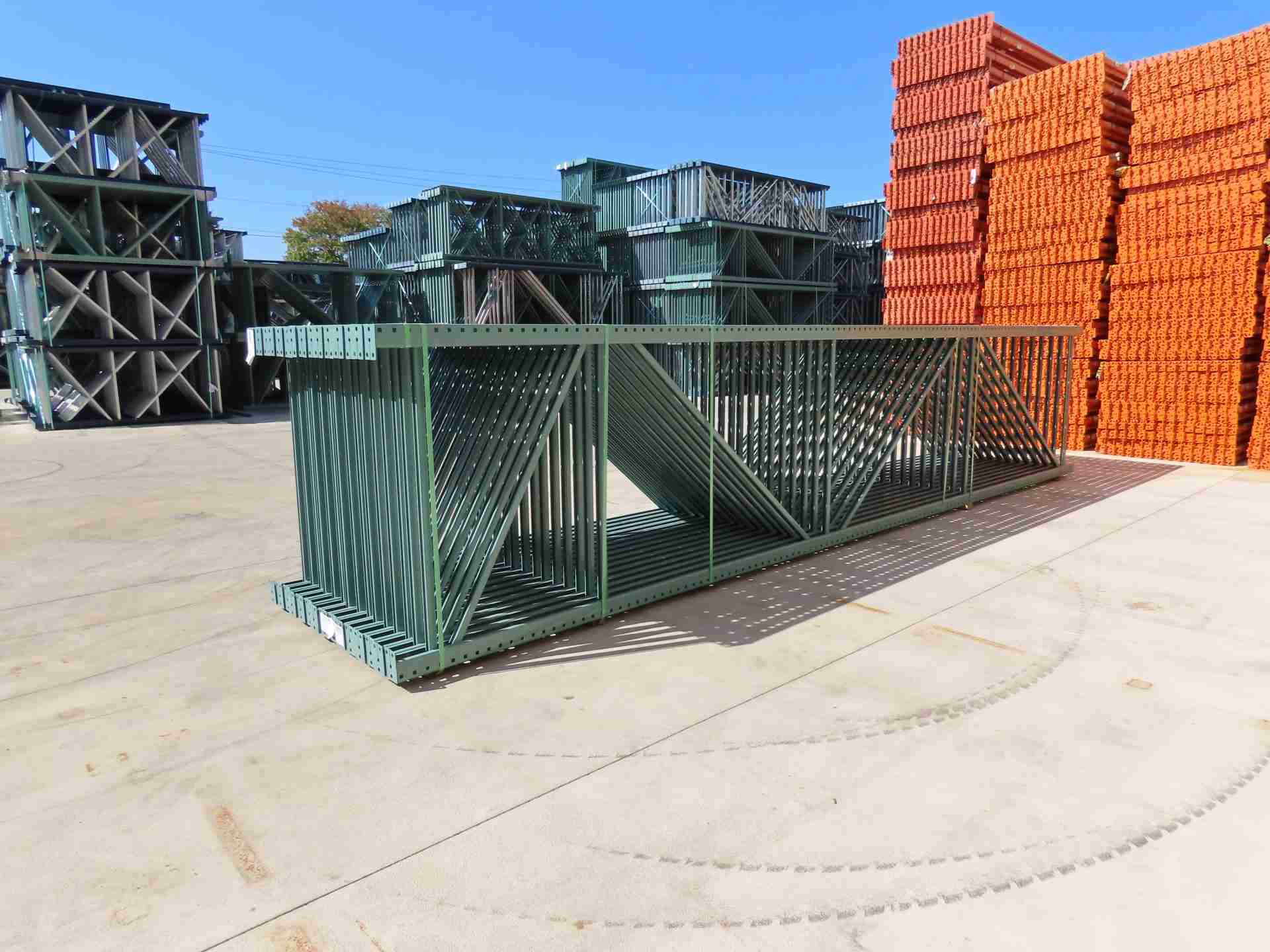
How Can Racking Damage Impact Employee Safety?
What Steps Ensure Accurate Reporting Of Racking Issues?
When it comes to racking issues, getting the reporting right isn’t just a matter of protocol; it’s about safety, efficiency, and accountability. Picture this: every time a worker steps onto that floor, they are placing their trust in the systems we’ve built. And just like a skilled craftsman who takes pride in his work, we must be diligent in how we report problems that arise within those systems.
To ensure accurate reporting, the first step is to cultivate awareness. Train your team to recognize the signs of racking issues, whether they be misaligned shelves or damaged beams. This awareness isn’t just a checkbox to tick; it can save lives. Every individual must feel empowered to speak up. When a team member reports a potential hazard, it reflects their responsibility to their coworkers and the company, showcasing integrity that goes beyond their daily tasks.
Next, embrace a culture of open communication. When racking problems are reported, they should be approached as opportunities for growth rather than reasons for reprimand. Encourage dialogue where everyone feels valued—hearing different perspectives can shine a light on issues that might otherwise go unnoticed. This does not only foster a sense of community but builds a solid foundation of trust, allowing everyone to feel part of a collective mission to safeguard one another.
Then, adopt a clear, systematic methodology for reporting issues. Use straightforward language and standardized forms; this eliminates confusion and lays the groundwork for effective follow-up. This isn’t just about ticking boxes; it’s about creating a paper trail that leaders can rely on to make informed decisions. And when management commits to transparently addressing these reports, it solidifies a partnership rooted in mutual respect between workers and leaders.
Finally, encourage accountability. Implement a feedback loop for reported issues. If a problem is flagged, ensure your team knows how it was resolved and what preventive measures have been put in place. Sharing the outcomes reinforces a shared sense of ownership and a tangible commitment to continuous improvement.
The accurate reporting of racking issues isn’t merely a responsibility; it’s a testament to our values as a workplace. Each report we file doesn’t just contribute to compliance metrics; it shapes a safer environment, unifying us in our mission: to work diligently, keep one another safe, and cultivate a culture where every voice matters. Let’s take these steps together, not just to check a box, but to embody a standard that echoes our commitment to excellence.
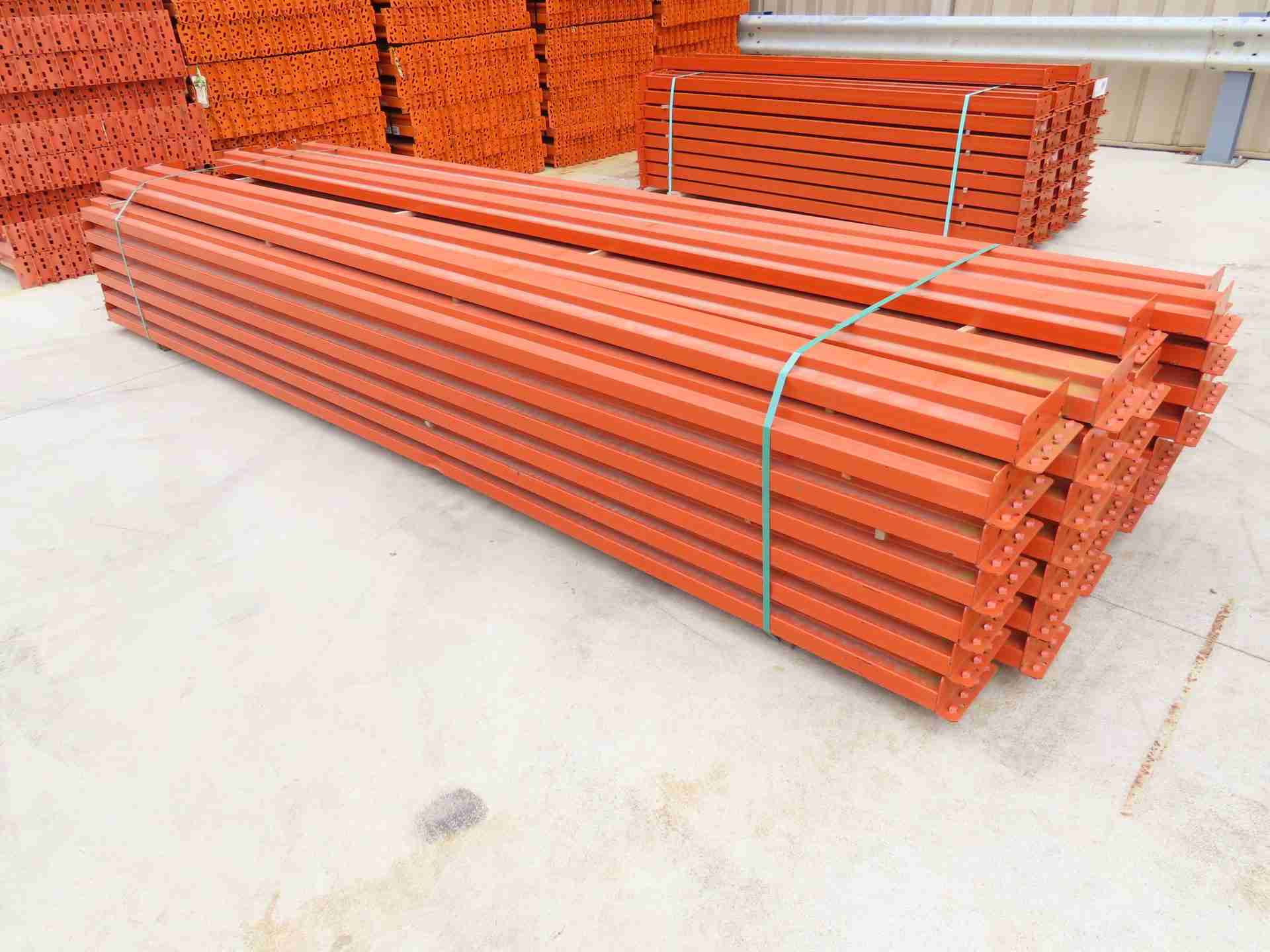
What Steps Ensure Accurate Reporting Of Racking Issues?
What Steps Ensure Accurate Reporting Of Racking Issues?
- Proper reporting of racking issues is essential for safety, efficiency, and accountability.
- Cultivate awareness among workers to recognize signs of racking issues, empowering them to report hazards.
- Foster a culture of open communication, treating reported problems as growth opportunities rather than punishments.
- Adopt a clear reporting methodology with straightforward language and standardized forms for effective follow-up.
- Management should commit to transparently addressing reports, reinforcing mutual respect between workers and leaders.
- Encourage accountability by implementing a feedback loop on resolved issues and preventive measures taken.
- Accurate reporting contributes to a safer work environment and reinforces the workplace values of safety and excellence.
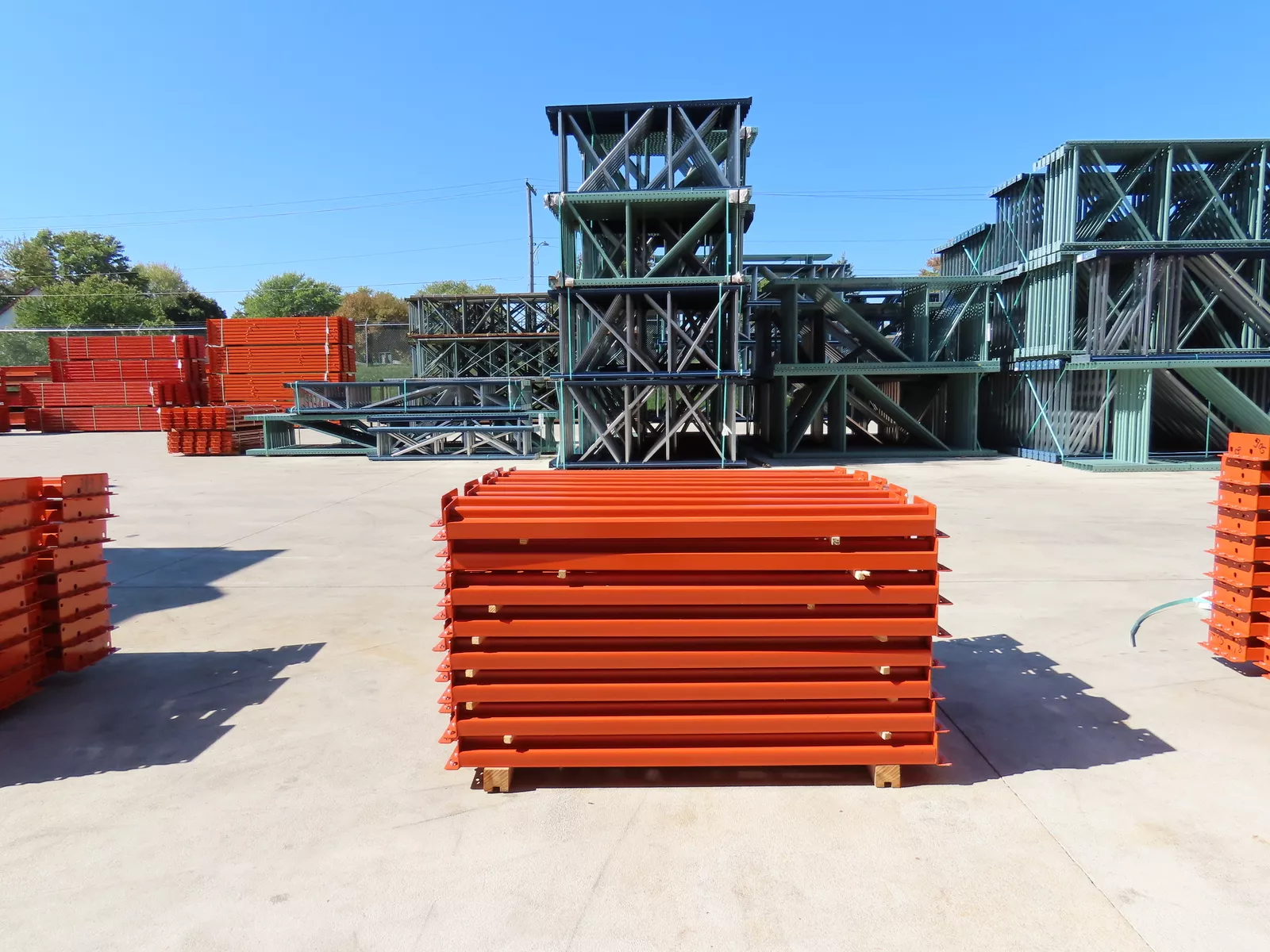
What Steps Ensure Accurate Reporting Of Racking Issues?
Why Is It Vital to Maintain Compliance In Racking Inspections?
When you think of a warehouse, what’s the first thing that comes to mind? The bustle of hard work? The clatter of machinery? But lurking among those daily operations is something vital: the integrity of the racking systems that hold everything together. Maintaining compliance in racking inspections isn’t just a box to check; it’s the backbone of safety and productivity, a guardian against chaos.
Picture it: a seemingly ordinary day at work. The team loads pallets high into the racking, unaware that a small crack in the frame—a overlooked sign of wear and tear—could spell disaster. A racking inspection isn’t merely a formality; it’s a lifeline. It’s your safety net, ensuring that every screw and beam is battle-tested, ready to stand against the weight of both product and potential calamity. When regulations are followed, you’re not just following the law; you’re honoring the commitment to protect every member of your team who walks through that warehouse door.
On a rational level, compliance saves money. Accidents can lead to lost productivity, damaged goods, and, worse, injuries to your workforce. One incident can cost tens of thousands—not just in repairs but in damage to morale, trust, and your company’s reputation. Respecting compliance isn’t just smart; it’s sound business. It says, “We care about our people, our bottom line, and our responsibility.” That reputation brings an air of authority, a badge of honor that draws in clients who want to work with someone they can trust.
Now, consider the emotional aspect. Every time you step into that warehouse, think about the stories behind the faces. It might be a single parent’s efforts to provide for their family, or a young worker aiming to build a career. Each one deserves a safe space to do their job. By adhering to racking regulations, you’re taking a stand for their well-being, saying, “You matter. Your safety matters.” It’s more than just compliance; it’s a commitment to community and care.
Socially, being known for maintaining rigorous compliance boosts team pride. Your workforce will stand behind a company that values safety and invests in proper procedures. It creates an environment where everyone looks out for one another, rallying together to ensure that those racks don’t just hold goods, but also stand tall for the people who depend on them. Remember, when it comes to racking inspections, it’s about building a solid foundation—not just for your warehouse, but for every life that enters it.
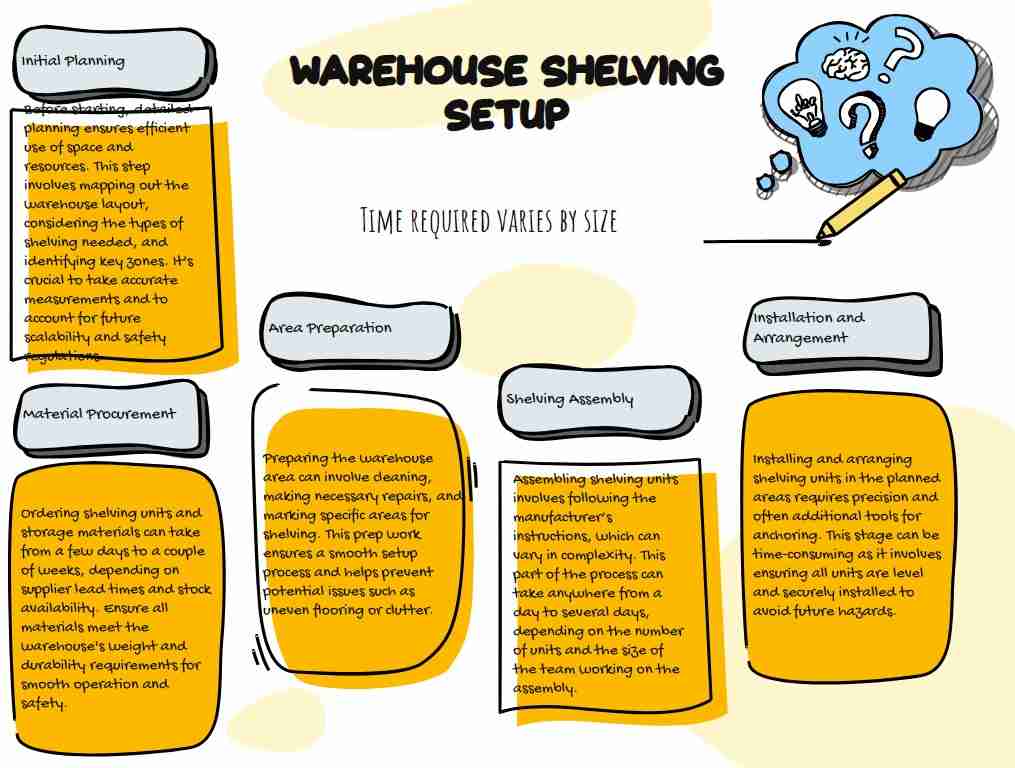
Why Is It Vital to Maintain Compliance In Racking Inspections?
Why Is It Vital to Maintain Compliance In Racking Inspections?
- The integrity of racking systems is crucial for safety and productivity in warehouses.
- Regular racking inspections are essential to prevent potential disasters, ensuring that all components are secure and reliable.
- Compliance with racking regulations protects team members and aligns with legal safety commitments.
- Maintaining compliance can save money by preventing accidents that lead to lost productivity and damaged goods.
- Respecting compliance fosters a positive reputation, promoting trust and attracting clients.
- Adhering to safety regulations shows commitment to the well-being of all warehouse employees, recognizing their value.
- Effective compliance boosts team pride, fostering a supportive work environment where safety is prioritized.

Why Is It Vital to Maintain Compliance In Racking Inspections?
How Does Timely Reporting Improve Workplace Safety Culture?
In every workplace, safety isn’t just a policy; it’s a commitment to one another as human beings. When something goes wrong, it’s rarely an isolated incident but echoes through the lives of everyone involved. Imagine a warehouse, bustling with activity, where the stakes are high, and lives are on the line. That’s where timely reporting becomes more than a procedure—it becomes the lifeline for cultivating a robust safety culture.
Consider the moment a worker notices an unsafe racking condition. It’s easy to write it off as someone else’s responsibility or to think, “It’s not my job.” But here’s the truth: every report filed, every concern voiced reverberates across the entire team. It is a powerful act of solidarity, an acknowledgment that we are all in this together, and that collective responsibility fosters a community where each person is valued.
This isn’t just about compliance or ticking boxes; it’s about instilling a sense of ethics among colleagues. When employees feel empowered to speak up, it creates an environment that respects their voice. That’s where trust blooms—when individuals know that their contributions are significant, that their observations can lead to life-saving changes. Each report shapes safer work environments, reflecting a workplace that cares profoundly about its people.
From a rational standpoint, timely reporting minimizes the risk of accidents, saving not only lives but also costs associated with injuries. Companies with robust safety cultures significantly reduce injuries on the job. There’s a practical, bottom-line argument to be made here—an emotionally intelligent workforce isn’t just safer; it’s more productive. Every time a shift supervisor takes action on a report, they demonstrate leadership; they show that they prioritize the well-being of their team, creating a cycle of encouragement that inspires others to do the same.
And let’s face it, there’s a narrative here that we can all relate to. Who hasn’t had a moment where they put their gut feelings aside, only to regret it later? When we share our stories—stories of near misses or lessons learned—we create a bond. It’s through these shared experiences that a safety-focused community emerges. Each report isn’t merely paperwork; it’s an opportunity to connect, to learn, and to grow together, making safety culture not just a policy, but a badge of honor we wear as employees dedicated to one another’s success. So, let’s step up, report timely, and forge a workplace where safety truly matters.

How Does Timely Reporting Improve Workplace Safety Culture?
How Does Timely Reporting Improve Workplace Safety Culture?
- Workplace safety is a collective commitment, impacting everyone when incidents occur.
- Timely reporting transforms from a procedure to a vital aspect of a strong safety culture.
- Every report signifies a shared responsibility, fostering solidarity among team members.
- Empowering employees to voice concerns builds trust and enhances workplace ethics.
- Timely reporting not only reduces accidents but also contributes to improved productivity.
- Leadership shown by acting on reports creates a positive cycle of encouragement among workers.
- Sharing stories of safety experiences helps to establish a supportive, safety-focused community.
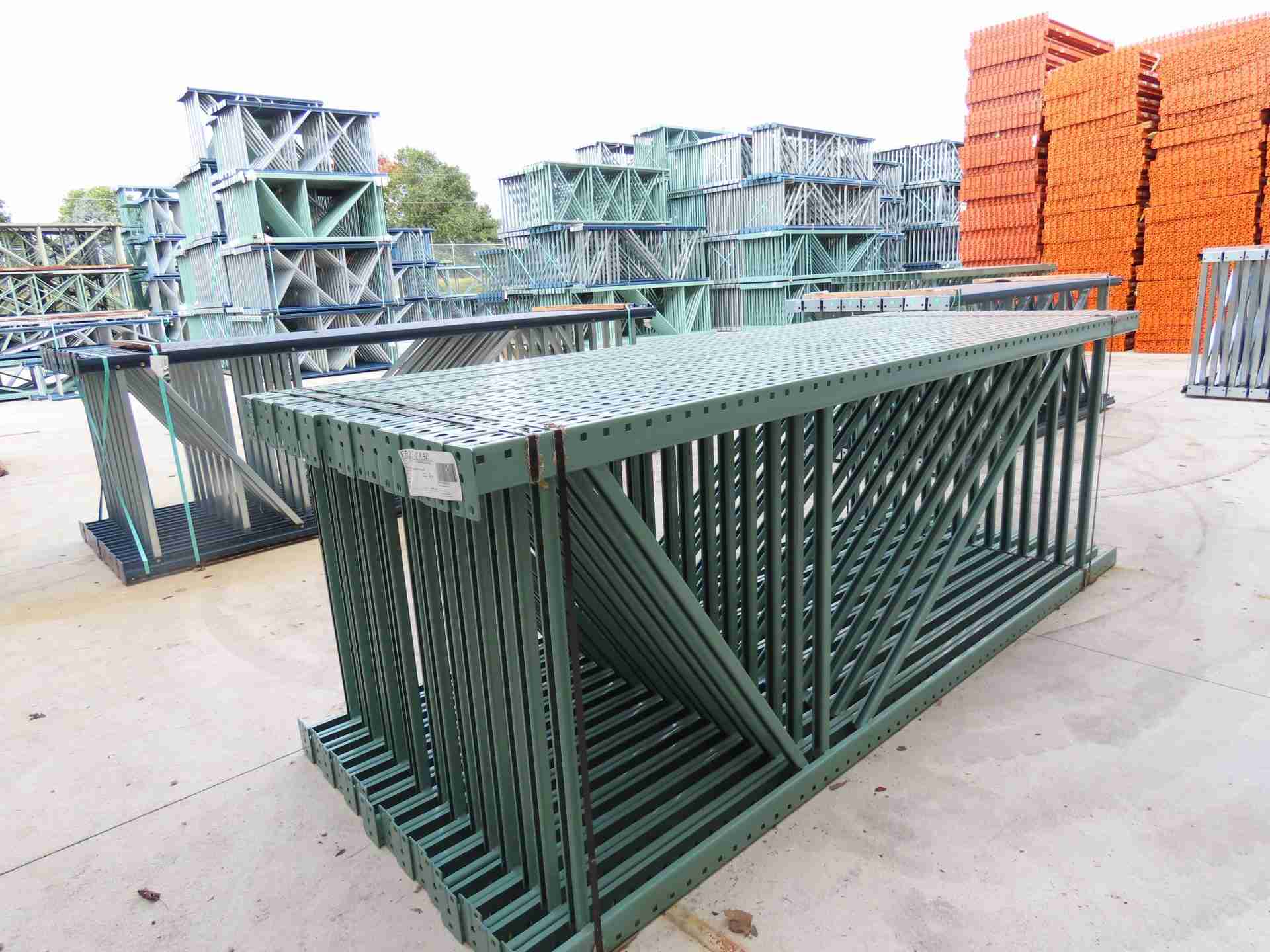
How Does Timely Reporting Improve Workplace Safety Culture?
Conclusion
In the complex world of warehousing, where safety is paramount, the issue of racking damage demands our unwavering attention. Imagine the daily hustle—workers maneuvering through aisles, each relying on structures that loom above them not just to store goods, but to ensure their well-being. Recognizing the gravity of racking damage underscores an ethical obligation that extends beyond the warehouse floor. A bent beam or scratched support isn’t merely an aesthetic flaw; it’s a critical juncture that could lead to devastating consequences if ignored. As custodians of our teammates’ safety, the responsibility to report even the slightest damage isn’t just best practice—it’s a non-negotiable commitment.
Promoting transparency cultivates an atmosphere where accountability reigns supreme. Every small report of damage serves not only as documentation but as a clarion call to prioritize the health and safety of our workforce. Each action we take builds trust and strengthens the foundation of our community. It’s about more than compliance; it’s a moral duty, a declaration that lives matter more than profit margins.
Think of the ripple effect. By making timely reporting of racking issues a standard, we set a benchmark for others in the industry to emulate. This shared commitment to safety creates an environment where each employee feels valued and empowered—where they know they can voice concerns without fear of repercussions, thus knitting a safety-first culture that benefits all. When everyone plays a part, morale skyrockets, and productivity follows suit.
Let’s not overlook the economic implications, either. Ignoring racking damage can lead to costly accidents that disrupt operations and erode profit margins. On a logical level, compliance isn’t just about adhering to regulations; it’s a safeguard against financial instability. When you prioritize safety, you communicate to your team that their well-being transcends mere operational metrics.
So, the next time you face the decision to report racking damage, listen to that gut feeling. Utilize your intellect to navigate the reporting process rigorously, and let your heart guide your passion for creating a safe workplace. The path to a resilient, empowered, and safe working environment is paved with each report filed, each concern addressed. By committing to safety today, you safeguard the lives and livelihoods of your team tomorrow. This isn’t just compliance; it’s a collective commitment to excellence and humanity.
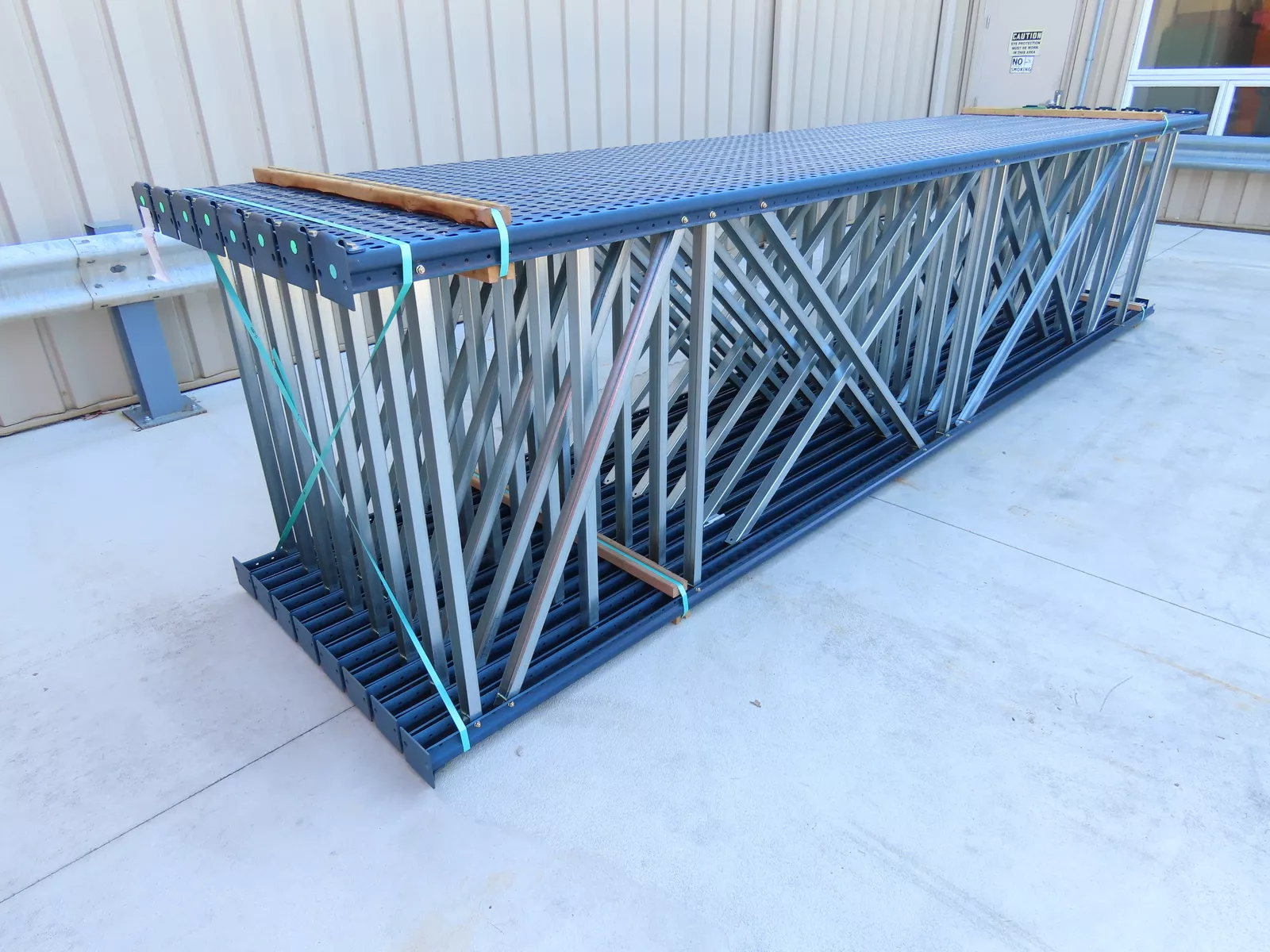
Conclusion
Conclusion:
- Racking damage in warehousing poses serious safety risks and must be addressed diligently.
- Every report of damage, no matter how minor, is critical for the well-being of workers.
- Promoting transparency and accountability fosters a safety-centered workplace culture.
- Timely reporting of racking issues sets industry standards and empowers employees.
- Neglecting racking damage can lead to accidents, operational disruptions, and financial losses.
- Prioritizing safety over profit reinforces the message that employee well-being is paramount.
- Commitment to safety is a shared responsibility that enhances morale and productivity.
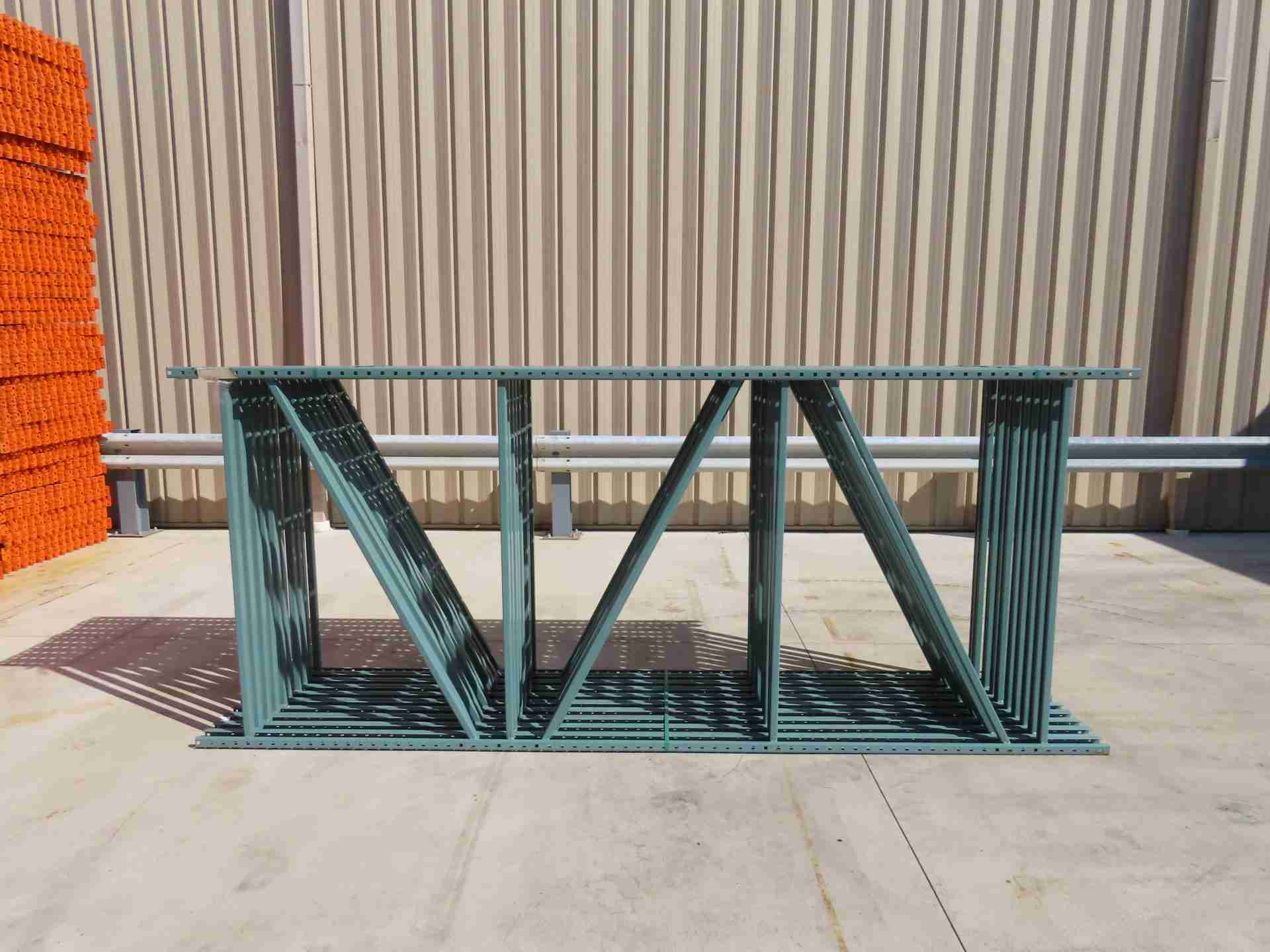
Conclusion
Other Resources
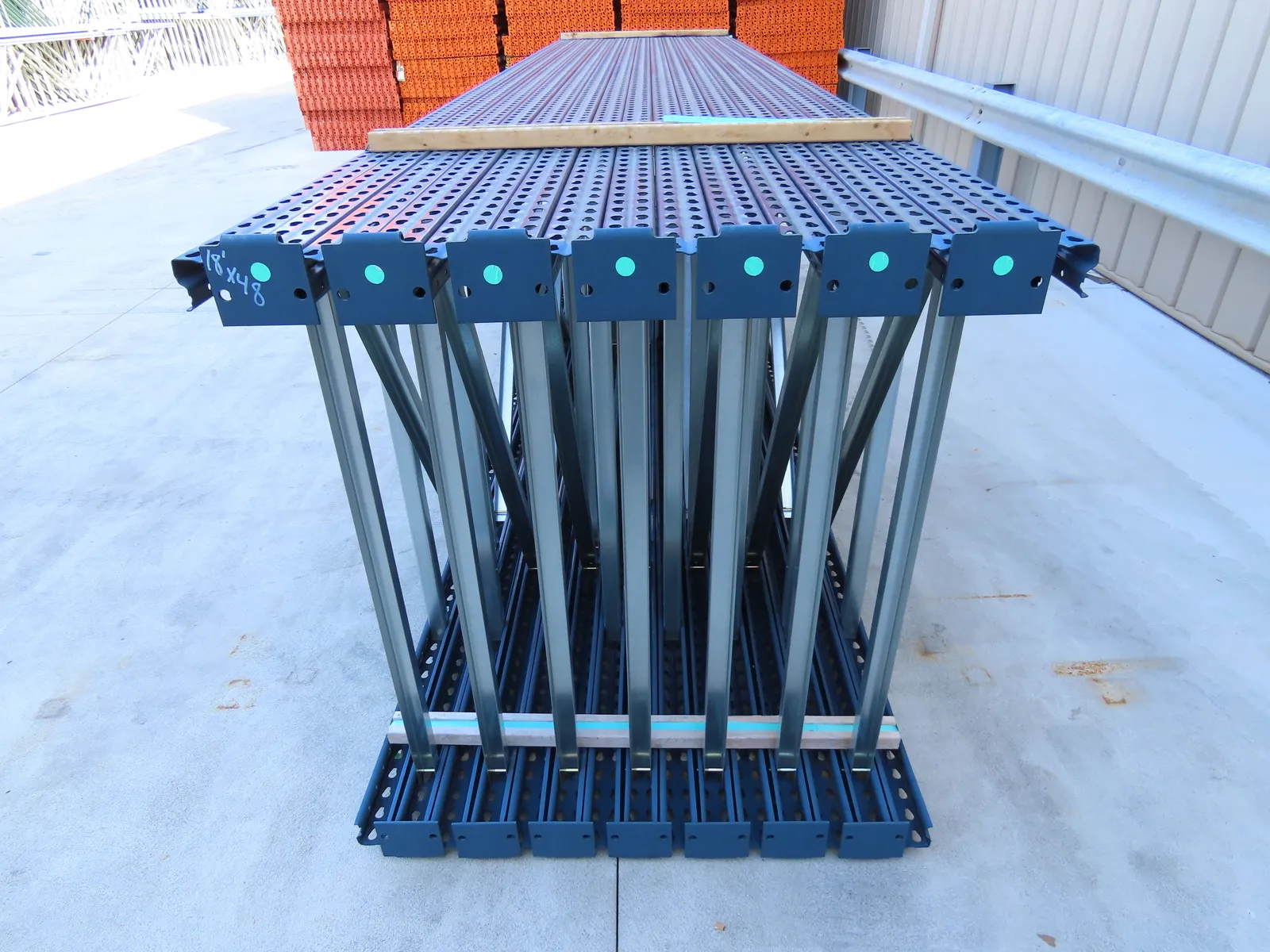
Other Resources
Here is a list of other resources you can review online to learn more:
- Cantilever Rack Guide: Ordering Cantilever Racking
- RMI
- Warehouse Storage Racks
- Crane Manufacturers Association Of America Inc.
- Interlake Mecalux
- Pallet Rack Systems – New and Used Pallet Racking and Shelving Experts
- Selective Rack – Raymond West
- Illinois Pallet Racking – Storage Solutions
- Storage Equipment Manufacturers Association
- Cantilever Rack Configuration & Installation: A Comprehensive Guide – BMH
- Wolter
- National Safety Council
- Warehouse Racking Layout: The Ultimate Guide – Conger
- Warehouse Racking System: Powerful Guide to Optimise, 2024
- Pallet Racking 101: A Comprehensive Guide & Options Explained
- Rack Manufacturers Institute
- IIWS Inc. Rack Installation Illinois & Rack Repairs Illinois
- Warehouse Racking Chicago, IL
- Teardrop Pallet Rack – Ridg-U-Rak
- Cantilever Rack Guide: Ordering Cantilever Racking
Use This Prompt To Get More Resources With Your Favorite Online AI Tool: Please provide me with a list of online articles with their URLs in a bulleted list that I can read regarding How to Report Racking Damage to Stay Compliant
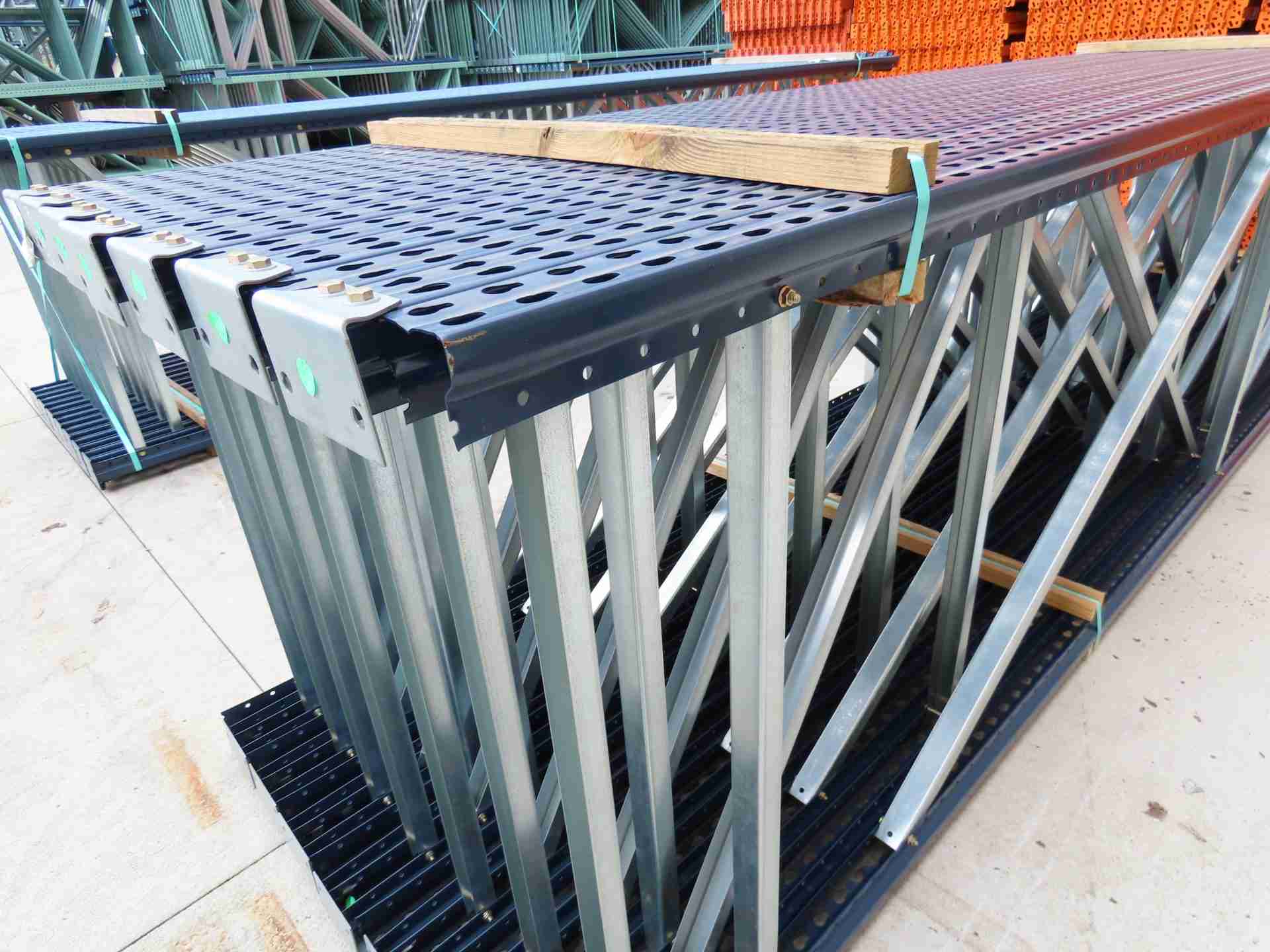
Other Resources
Glossary Terms
How to Report Racking Damage to Stay Compliant – Glossary Of Terms
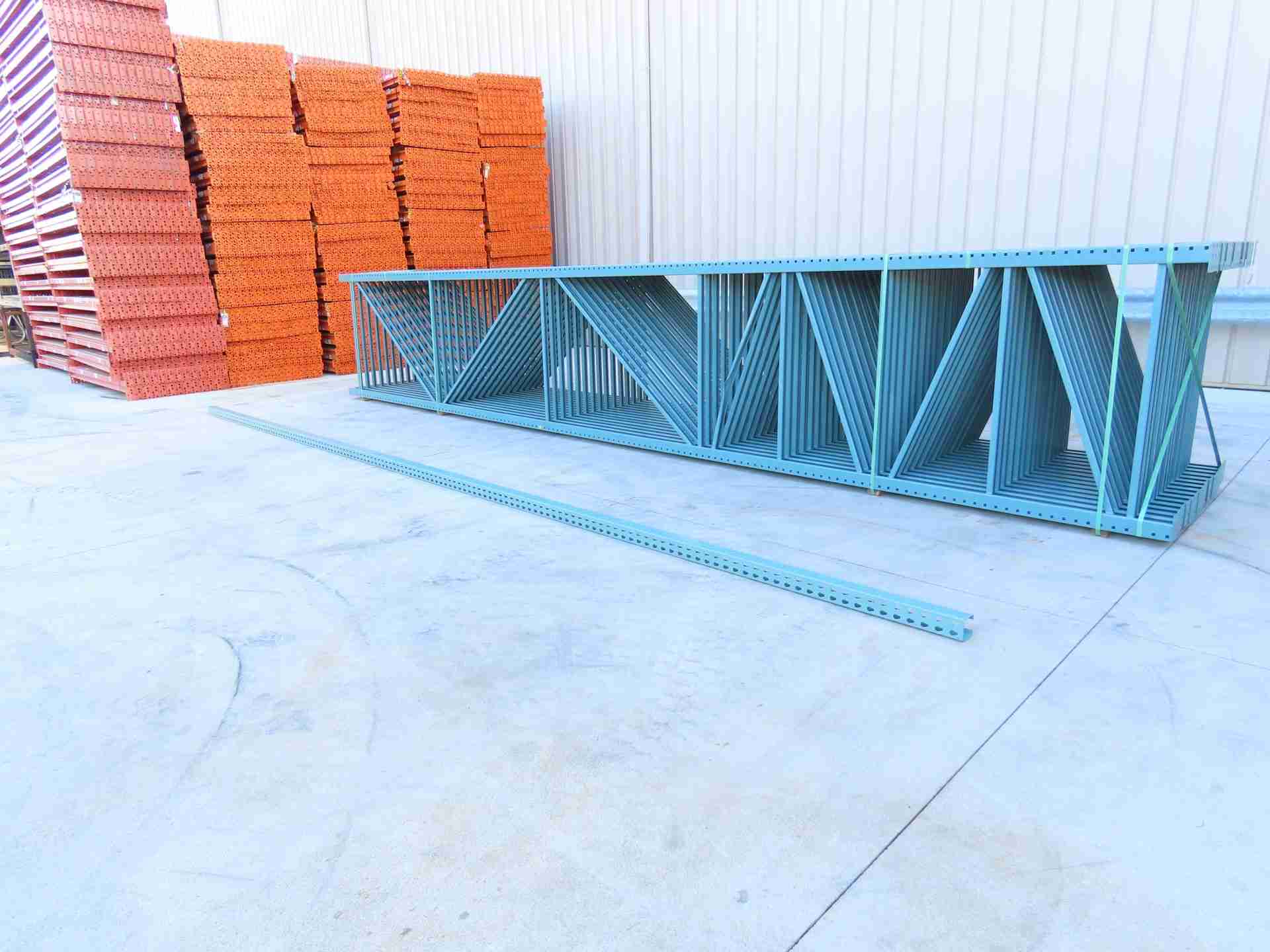
1. Racking: Framework used for storing goods in warehouses, typically consisting of vertical frames and horizontal beams.
2. Damage Report: A formal document outlining the details of damage observed, including description, location, and extent.
3. Compliance: Adherence to regulations and standards set by authorities regarding safety and operational practices in warehouses.
4. Safety Standards: Guidelines established to ensure the safe operation and maintenance of warehouse equipment and structures.
5. Inspection: Systematic examination of racking systems to identify any damage, wear, or violations of safety standards.
6. Deficiency: A failure or shortfall in the racking system’s integrity or compliance with safety regulations.
7. Load Capacity: The maximum weight that a racking system can safely support according to its design specifications.
8. Incident Report: A detailed account of an event causing damage or risk, including potential causes and witnessed observations.
9. Photographic Evidence: Images taken to document the current state of racking damage, used for reporting and analysis.
10. Maintenance: Routine actions taken to keep racking systems in good condition, preventing deterioration.
11. Signage: Visual indicators placed on or around racking to communicate safety information or load limits.
12. Risk Assessment: Evaluation process to identify potential hazards associated with racking systems and implement appropriate control measures.
13. Repair Protocol: Procedures established for addressing and fixing racking damage to ensure safety compliance.
14. Warehouse Audit: An official review of warehouse operations, including racking systems, for compliance with industry standards.
15. Regulatory Agency: An official body that sets and enforces rules and standards for warehouse safety and operations.
16. Warehouse Management System (WMS): Software used to manage and optimize warehouse operations, including inventory and racking management.
17. Structural Integrity: The ability of the racking system to maintain its intended load-bearing capabilities without failure.
18. Vertical Load: The force exerted on racking from items stacked vertically, crucial for assessing load capacity.
19. Horizontal Force: Lateral forces acting on racking systems, often due to shifting loads or environmental factors.
20. Forklift Operations: Activities involving forklifts for loading and unloading goods, essential for understanding potential impact on racking.
21. Training Program: Educational course designed to instruct warehouse personnel on safe racking practices and compliance standards.
22. Notification: The act of informing relevant parties about damage observed in the racking system.
23. Standard Operating Procedure (SOP): Formalized guidelines detailing the steps required for everyday functions in warehouse operations.
24. Manufacturer’s Guidelines: Documentation provided by the racking system manufacturer detailing safe usage, load limits, and maintenance requirements.
25. Post-incident Review: A meeting or evaluation following a damage occurrence to analyze the event and improve future compliance.
26. Preventive Maintenance: Scheduled maintenance tasks performed to prevent future damage and ensure compliance.
27. Reporting Chain: The hierarchy or sequence of individuals responsible for reporting and addressing racking damage.
28. Compliance Checklist: A list of items to verify adherence to safety standards and regulations regarding racking systems.
29. Insurance Claim: A formal request submitted to an insurance provider for compensation due to damages incurred in the racking system.
30. Emergency Procedures: Established actions to be taken in the event of significant racking damage that poses safety risks.
Glossary Of Terms
Other Questions
How to Report Racking Damage to Stay Compliant – Other Questions
If you wish to explore and discover more, consider looking for answers to these questions:
- What are the most common types of racking damage to look for?
- How often should racking inspections be conducted?
- What specific laws govern the reporting of racking damage?
- What fines or penalties can result from failing to report racking damage?
- How can employees be trained to identify racking issues effectively?
- What should be included in the documentation of racking damage?
- Who is responsible for addressing reported racking issues?
- What are the best practices for maintaining racking systems?
- How can technology assist in monitoring racking integrity?
- What role does leadership play in promoting a safety culture related to racking?
- How can companies measure the effectiveness of their safety reporting procedures?
- What resources are available for companies to stay compliant with racking safety standards?
- Are there specific training programs or certifications for warehouse safety?
- How can businesses encourage employees to report racking issues without fear of reprisal?
- What steps can be taken if a racking system is found to be critically damaged?

Other Questions
Checklist
How to Report Racking Damage to Stay Compliant – A Checklist
Racking Damage Reporting Checklist: Ensuring Safety & Compliance
Heart Appeals: Emotional & Ethical
_____ Recognize the Stakes: Reflect on the real impact of racking damage—consider the lives and families that depend on workplace safety.
_____ Foster a Safety Culture: Encourage open discussions about safety and value the voices of all team members.
_____ Act on Gut Feelings: Trust your instincts; if something feels off, report it immediately.
Head Appeals: Rational & Authority
_____ Know the Rules: Familiarize yourself with compliance regulations related to racking systems in your industry.
_____ Document Everything: Take photographs and write detailed account of any racking damage observed.
_____ Standardize Reporting: Use clear, straightforward language and procedures for reporting issues to ensure understanding and accountability.
Gut Appeals: Narrative & Social
_____ Empower Your Team: Ensure every employee feels obligated and confident to report safety concerns without fear of repercussions.
_____ Share Stories: Create a narrative by sharing past experiences of near misses or lessons learned to emphasize the importance of reporting.
_____ Celebrate Safety Wins: Acknowledge and reward timely reporting and proactive safety measures to motivate continued vigilance among all employees.
Create a Safe Environment:
_____ Lead by Example: Management should exemplify a strong commitment to safety and compliance.
_____ Establish Feedback Loops: Ensure that team members know how reported issues were resolved and what measures have been implemented.
_____ Regularly Review Protocols: Continuously refine and improve your reporting processes based on feedback and evolving standards.
By utilizing this checklist, you can help shape a robust safety culture that prioritizes compliance, protects your workforce, and fosters a sense of community and responsibility.
Checklist
At RackingWorld, we help guide you through selecting warehouse storage systems and racking.
Be sure to read our other related stories at RackingWorld to learn more about warehouse storage systems.
0 Comments