
Maximize Efficiency: Transform Space Into Profit With Smart Solutions
By Tom Seest
At RackingWorld, we help guide you through selecting warehouse storage systems and racking.
Be sure to read our other related stories at RackingWorld to learn more about warehouse storage systems.
How to Increase Pallet Positions Without Expanding Your Footprint
Increasing pallet positions without expanding your footprint is like a craftsman finding more ways to use his tools without acquiring more space. It’s about maximizing what you have to work with, ensuring every square inch counts. Racking systems serve as your trusty toolbox. Investing in efficient racking systems can elevate your storage game significantly. These systems allow you to stack pallets higher and make the most of vertical space, giving your inventory breathing room without sacrificing floor area.
Consider a warehouse bustling with activity. It’s not just steel and wood; it’s a team of dedicated folks working hard to put bread on the table. When they see that their hard work can lead to better organization and increased pallet positions, their morale lifts. Implementing better racking systems isn’t just a technical improvement; it tells your team that their efforts matter. You respect their hard work and want to make it easier for them.
From a rational standpoint, optimizing existing space is often more cost-effective than relocating. Working within your current footprint means lowering logistics costs, reducing downtime, and minimizing disruptions. It’s common sense; why move when you can make smart adjustments that yield high returns? By analyzing your operations, assessing product flow, and rethinking product placement, you can uncover hidden potential.
Ethically, managing space wisely aligns with sustainable practices. It minimizes waste and maximizes output, creating a workplace that values resources. This kind of responsibility fosters a culture of respect—for both employees and the environment.
Utilizing narrative, think about the local company that started in a tiny garage but now stands proud with a streamlined warehouse. They faced the same challenges but chose to embrace innovative racking solutions. Their story echoes through the workforce, inspiring others to follow suit and think creatively about their spaces.
Finally, on a social note, sharing successes with peers can foster a sense of community and collaboration. When you openly discuss achieving more with less, you inspire others in your industry to do the same. It’s about building connections and encouraging a culture of growth, where everyone can benefit. This journey is not just about shelves and pallets; it’s about people coming together to create smarter, more efficient workspaces, yielding a shared harvest of achievement.

How to Increase Pallet Positions Without Expanding Your Footprint
How to Increase Pallet Positions Without Expanding Your Footprint
- Maximize existing pallet positions without expanding physical space.
- Efficient racking systems allow for higher stacking and better vertical space use.
- Improved organization boosts employee morale and shows respect for their efforts.
- Enhancing existing space is often more cost-effective than relocating.
- Wise space management aligns with sustainability, minimizing waste and maximizing output.
- Narratives of local success inspire creative approaches to space utilization.
- Sharing achievements fosters community and collaboration within the industry.
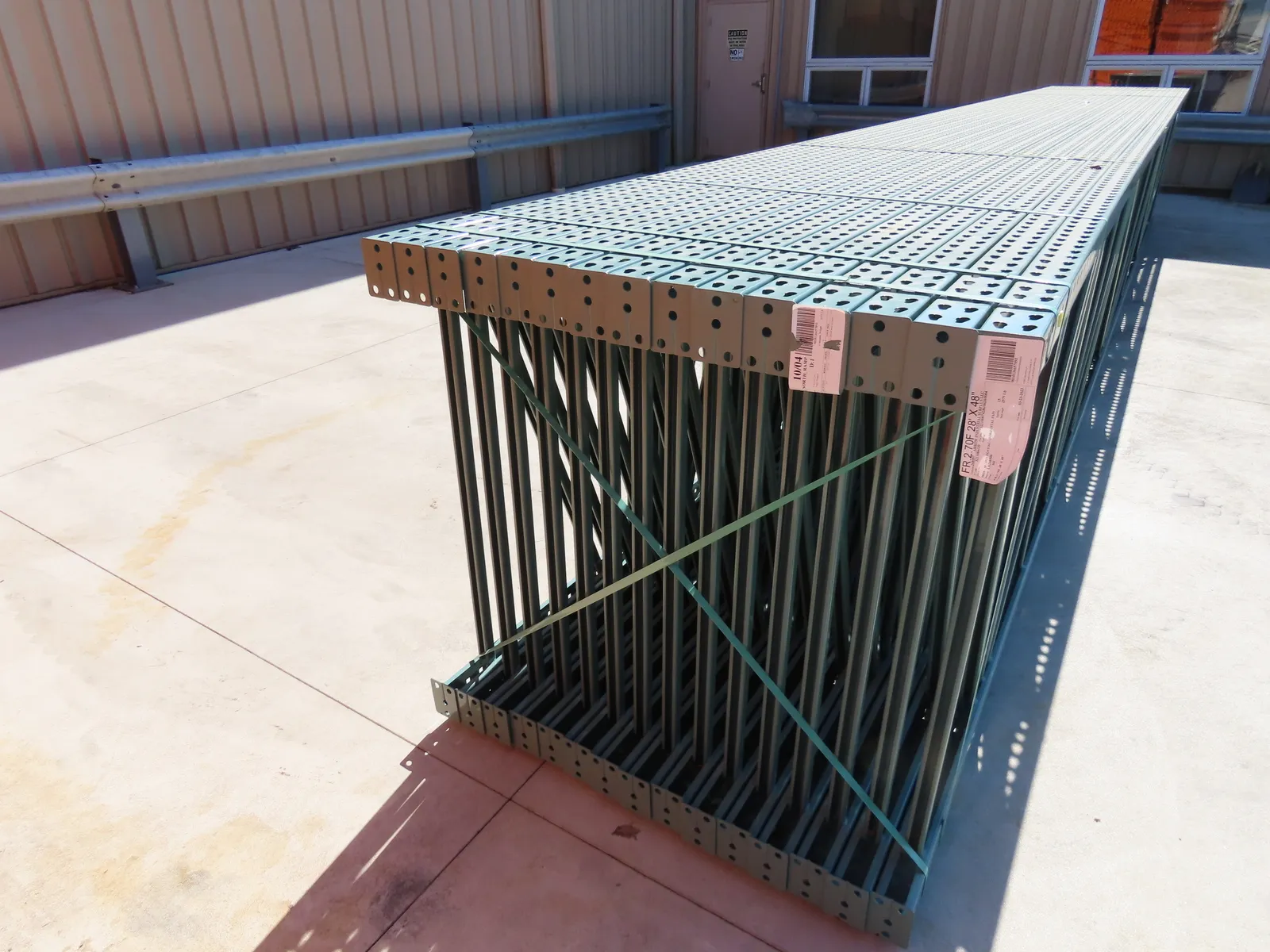
How to Increase Pallet Positions Without Expanding Your Footprint
Table Of Contents
- How to Increase Pallet Positions Without Expanding Your Footprint
- How Can We Maximize Space Without Costly Expansions?
- What Strategies Boost Pallet Efficiency?
- How Can Technology Enhance Our Pallet Positioning?
- What Common Mistakes Hinder Optimal Pallet Management?
- How Does Employee Training Impact Pallet Organization?
- What Metrics Should We Track for Pallet Efficiency?
- Conclusion
- Other Resources
- Glossary Of Terms
- Other Questions
- Checklist
How Can We Maximize Space Without Costly Expansions?
Maximizing space without costly expansions is a challenge that many face, whether it’s in warehouses, workshops, or even homes. It’s a puzzle that requires a mix of ingenuity, practicality, and a good dose of elbow grease. The key lies in rethinking how we use what we already have.
Take a look around. How often do we overlook vertical space? Racking systems provide a simple yet impactful solution. By utilizing the height of your building, you can multiply your storage capacity without so much as a hammer-driven nail into new walls. Those high shelves, often deemed too high to reach, can turn into a goldmine when you implement proper racking systems. These allow for organized storage of everything from tools to inventory, ensuring that every square foot serves a purpose. It’s about creating an environment where things are easy to find and use, rather than having your materials scattered across the floor like forgotten treasures.
But it’s not just about fixtures and fittings—it’s also about changing mindsets. Embracing creativity in our workspace isn’t merely practical; it speaks to a deeper cultural shift toward efficiency and resourcefulness. Think about gathering your team for a brainstorming session, where everyone can share ideas on using existing space more effectively. When the entire crew feels involved in this mission—bouncing ideas off one another and unified in the goal of maximizing space—it builds a sense of camaraderie and ownership. It’s not just about square footage; it’s about fostering a community that cares about improvement and finds joy in optimizing.
Don’t forget that efficiency is also a matter of ethics. By maximizing existing space, you’re not just saving money; you’re making a responsible choice that minimizes waste and the environmental impact of expansion. It’s a choice that showcases your values, proving that you care about sustainability while maintaining productivity.
Remember the old saying: Don’t waste space; it’s a valuable resource. Space is not empty; it’s full of potential waiting to be tapped. Make the most of what you have, and empower your team to be part of the solution. Before you know it, what seemed like a limitation could turn into a launchpad for innovation and growth. Embrace these strategies, trust in the process, and watch your business—or home—transform into a lean, mean, efficient machine.
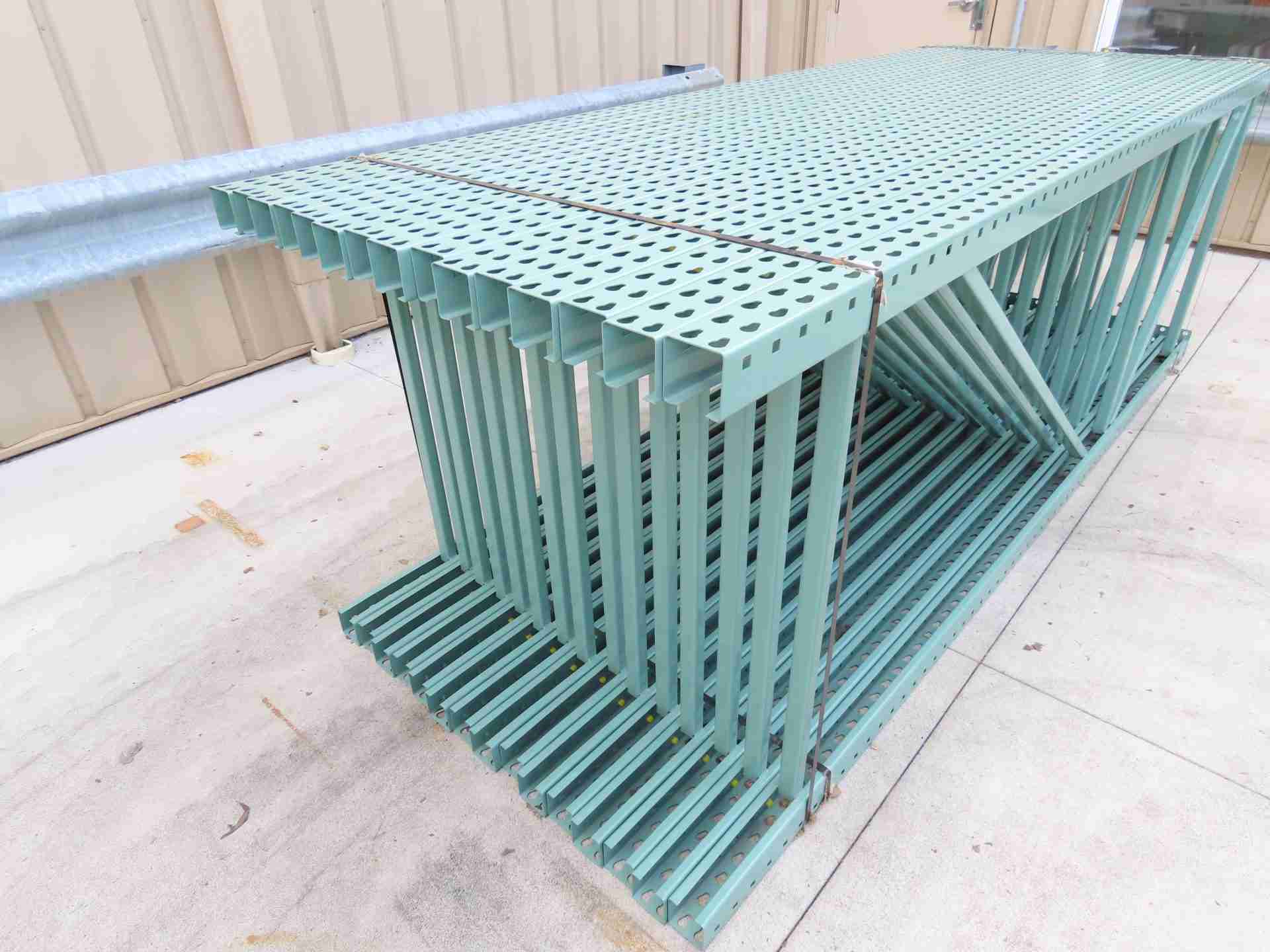
How Can We Maximize Space Without Costly Expansions?
How Can We Maximize Space Without Costly Expansions?
- Maximizing space without costly expansions is a common challenge across various settings.
- Utilizing vertical space through racking systems can significantly increase storage capacity.
- Proper racking systems allow for organized storage, making items easy to find and use.
- Changing mindsets and encouraging creativity fosters a culture of efficiency and resourcefulness.
- Team involvement in brainstorming for space optimization builds camaraderie and ownership.
- Maximizing existing space is an ethical choice that reduces waste and environmental impact.
- Empowering teams to optimize space transforms limitations into opportunities for innovation.
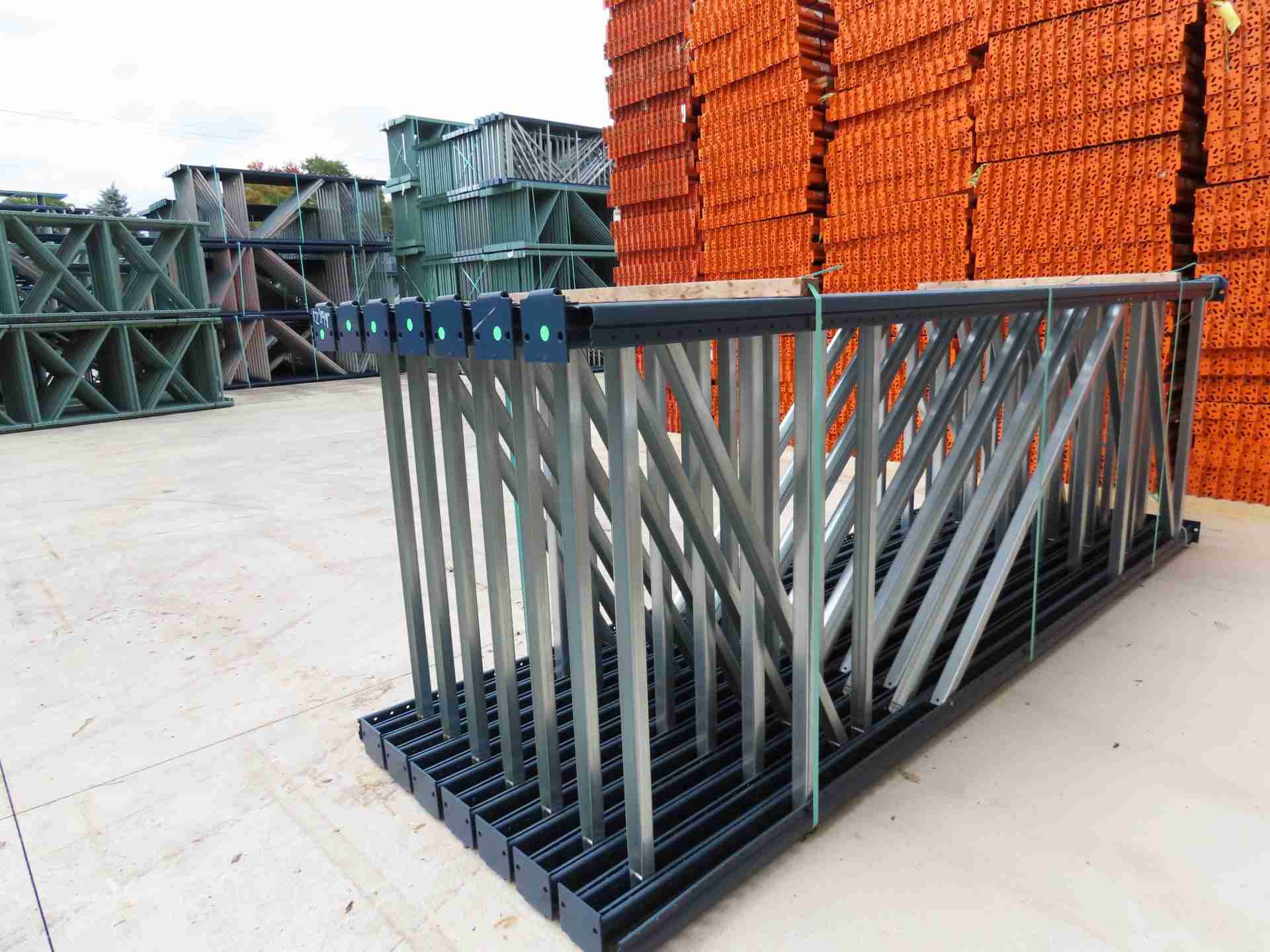
How Can We Maximize Space Without Costly Expansions?
What Strategies Boost Pallet Efficiency?
When it comes to boosting pallet efficiency, it’s all about getting down and dirty with practical solutions that actually work. Nothing fancy here—just some good old-fashioned strategies that have proven themselves in the warehouse trenches.
First up, consider the backbone of any good system: racking systems. These aren’t just metal shelves; they’re the lifeline of your operation. Using the right racking system can change the game entirely. Think about it: the vertical space in a warehouse is often underutilized. By optimizing your racking with adjustable or specialized systems, you maximize that vertical space and free up room on the floor. It’s about being smart with what you’ve got and keeping everything organized.
Next, let’s talk about layout. A well-thought-out warehouse layout reduces the time spent in search of pallets and decreases the chances of accidents. Streamlining your picking paths means fewer steps and less time wasted. No one wants to slog through a maze when they could be moving quickly and efficiently. This simple shift is not just a matter of speed—it’s about making every second count and ensuring that your crew can focus on what truly matters: getting the job done.
Now, it’s not just the systems or layout, but also the people. Foster a culture of communication and teamwork. Regular training sessions can build confidence among staff and ensure everyone knows the best practices for handling and storing pallets. When the team feels empowered, it translates into smoother operations and fewer mistakes. This is where trust comes into play. Workers who feel valued and informed are more likely to take pride in their work, leading to a more efficient operation.
Let’s not forget about maintenance. Regular checks on your racking systems and equipment go a long way in preventing issues down the line. It’s the difference between a small hiccup and a major setback. Keeping everything in tip-top shape means fewer delays and a smoother flow of goods.
Lastly, keep an eye on inventory management. Utilizing technology, like inventory tracking software, can provide real-time data on stock levels and help make informed decisions. This is not just about preventing overstock; it’s about ensuring you have the right products available when needed—boosting customer satisfaction while maintaining operational efficiency.
By prioritizing racking systems, smart layouts, a strong team ethos, vigilant maintenance, and effective inventory management, you’re setting the stage for heightened pallet efficiency. It’s not just business—it’s about building a reliable operation that everyone can trust, a system where every pallet counts, and every worker feels appreciated.

What Strategies Boost Pallet Efficiency?
What Strategies Boost Pallet Efficiency?
- Optimize racking systems to utilize vertical space, improving organization and efficiency.
- Implement a strategic warehouse layout to minimize search time and reduce accidents.
- Streamline picking paths to enhance speed and workflow for warehouse staff.
- Foster team communication and conduct regular training to empower employees.
- Regular maintenance of racking systems and equipment to prevent operational delays.
- Utilize inventory tracking software for real-time data on stock levels to enhance decision-making.
- Prioritize a reliable operation by valuing each pallet and each worker’s contributions.
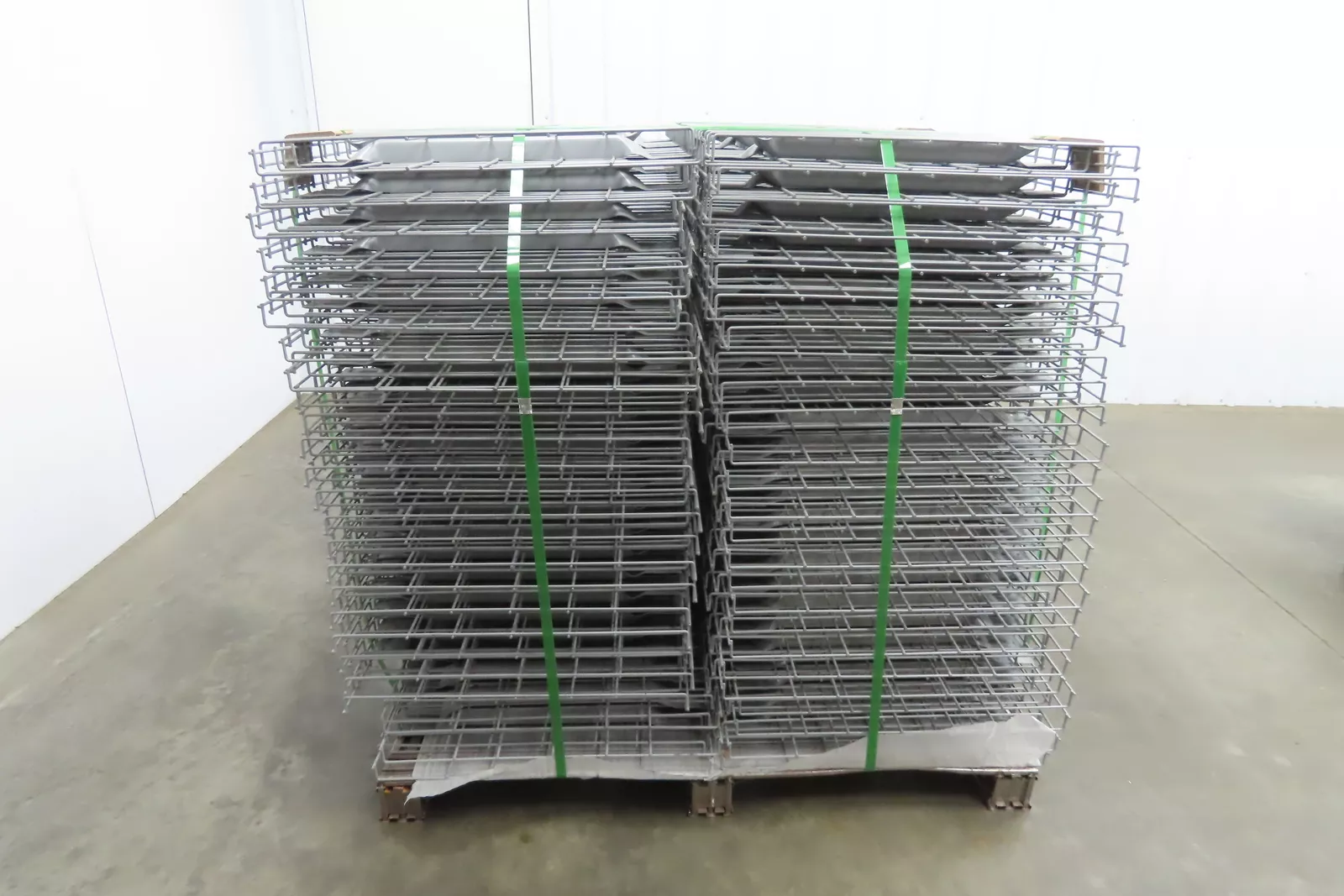
What Strategies Boost Pallet Efficiency?
How Can Technology Enhance Our Pallet Positioning?
In the world of warehousing and logistics, every inch matters. Picture a bustling warehouse, where workers are darting between towering shelves, grabbing pallets to fulfill orders. When it comes to the efficient use of space, technology serves as the unsung hero, quietly and effectively transforming the chaos into an organized symphony. One way this happens is through advanced racking systems. These systems help maximize vertical space that many warehouses overlook, allowing more pallets to be stored without spilling into the aisles. As fatigue sets in from lifting, a well-designed racking system reduces physical strain, ensuring that employees can work smarter, not harder.
Engaging with technology goes beyond shiny screens and flashy gadgets. It’s about real people—your colleagues—who feel the impact of these enhancements every day. Imagine reducing the number of trips needed to access a pallet, all thanks to smart software that directs workers to the most efficient path to retrieve their goods. This not only saves time but boosts morale when workers can see the fruits of their labor bearing results. It’s this kind of efficiency that creates a sense of pride and camaraderie among the team, showing that everyone plays a role in the bigger picture.
Rationally speaking, the numbers speak volumes. Companies that implement tech-driven pallet positioning see significant increases in productivity. When pallets are organized and easily accessible, operational costs drop, and profit margins widen. That’s not just good business sense; it’s a lifeline in today’s competitive market where every second counts.
Ethically, investing in technology demonstrates a commitment to worker safety and job satisfaction. When we prioritize the well-being of our employees by utilizing better systems for pallet placement, we create environments where they can thrive. This is about establishing trust within our workforce—when employees feel valued, they are more likely to stay and contribute positively, creating a ripple effect of loyalty.
Finally, think of the community aspect. When a warehouse operates at peak efficiency, it leads to timely deliveries, satisfied customers, and a reputation built on reliability. Technology isn’t just a tool; it’s a bridge that connects workers to their mission, customers to their needs, and businesses to their goals. By embracing advances like racking systems, we enhance not just our operations but the relationships and experiences that ripple outward from those initial moments in the warehouse.
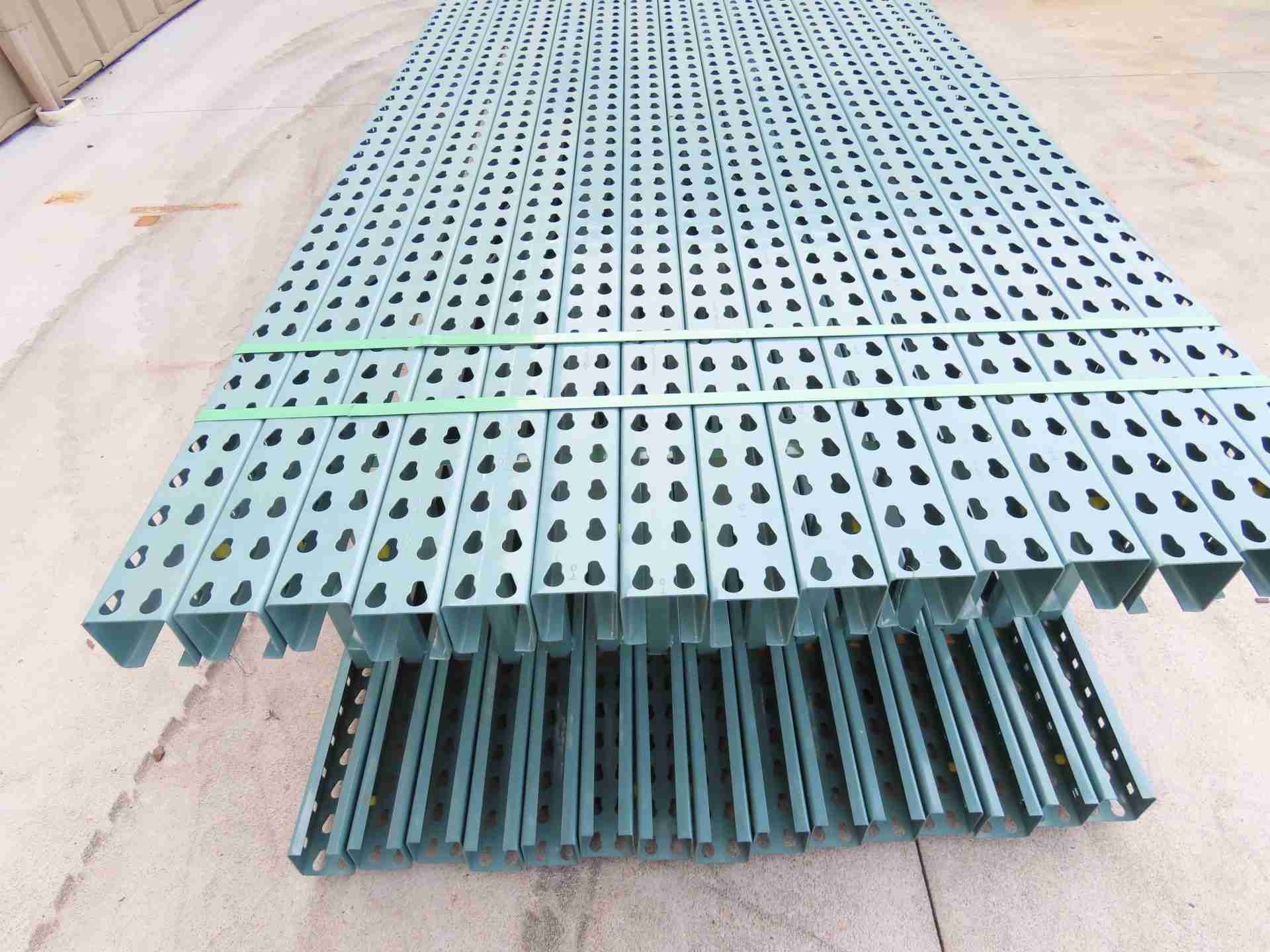
How Can Technology Enhance Our Pallet Positioning?
How Can Technology Enhance Our Pallet Positioning?
- Efficient space use in warehouses is crucial, with technology playing a key role in organization.
- Advanced racking systems maximize vertical space, allowing for more pallets without obstructing aisles.
- Smart software reduces trips to access pallets, improving efficiency and boosting team morale.
- Companies utilizing tech-driven pallet positioning experience increased productivity and reduced operational costs.
- Investing in technology reflects a commitment to worker safety and enhances job satisfaction.
- Efficient warehouse operations lead to timely deliveries and a strong reputation for reliability.
- Technology fosters connections between workers, customers, and business goals, enhancing overall operations.

How Can Technology Enhance Our Pallet Positioning?
What Common Mistakes Hinder Optimal Pallet Management?
Every operator in the warehouse knows that thriving operations are like well-oiled machines, but it’s the little mistakes in pallet management that bog us down and lead to costly inefficiencies. When it comes to maximizing the use of racking systems, overlooking the basics can drastically affect productivity and morale. Picture a cramped aisle, pallets stacked haphazardly, a formidable barrier in the path of a hardworking crew trying to get their job done.
One common pitfall is underestimating the importance of a well-organized racking system. When pallets are misaligned, it’s more than just an eyesore; it creates confusion and leads to a waste of time. Workers find themselves searching for the right product amidst a chaotic sea of stored goods. A little bit of forethought in layout and labeling can save countless hours, fostering a smoother workflow. It’s a rational choice that pays off in dividends.
Mistakes also come from failing to engage team members who interact closely with the system daily. Leverage their insights. They see the bottlenecks firsthand. By including their input in decisions regarding pallet placement and flow, you cultivate a culture of teamwork and accountability—making the process not only more efficient but also more enjoyable.
On an ethical level, neglecting training can have dire consequences. It’s important to ensure that everyone is educated about safe stacking practices to prevent injuries. The safety and well-being of your team should always come first. A strong center of authority within management can make sure that such standards are upheld, building trust among employees that their safety is valued.
Furthermore, another overlooked aspect is failing to maintain the equipment used in pallet management. Regular maintenance of racking systems can prevent accidents and extend the lifespan of valuable assets. Ignoring this is like ignoring the engine light on your truck; it’s a disaster waiting to happen.
Ultimately, in the hands of those managing pallets, there’s an opportunity to create something remarkable. When you fix those common mistakes—organizing racking systems, including team feedback, providing ample training, and ensuring equipment reliability—you don’t just streamline the process, you enhance worker pride and inspire confidence in the entire operation. Everyone walks a bit taller, knowing they’re a part of an efficient, well-run team.

What Common Mistakes Hinder Optimal Pallet Management?
What Common Mistakes Hinder Optimal Pallet Management?
- Little mistakes in pallet management can lead to inefficiencies in warehouse operations.
- A well-organized racking system is essential for productivity and worker morale.
- Misaligned pallets create confusion and waste time, hindering workflow.
- Engaging team members’ insights can help identify bottlenecks and improve efficiency.
- Training in safe stacking practices is crucial for preventing injuries and ensuring team safety.
- Regular maintenance of pallet management equipment is necessary to avoid accidents.
- Addressing common mistakes enhances worker pride and confidence in the operation.
What Common Mistakes Hinder Optimal Pallet Management?
How Does Employee Training Impact Pallet Organization?
Employee training plays a crucial role in optimizing pallet organization, which might seem like a simple task at first glance, but it impacts the entire workflow of any warehouse. When employees know the ins and outs of the racking systems, the entire team operates like a well-oiled machine. Training isn’t just about learning the ropes; it’s about fostering confidence and consistency. It’s the kind of thing that makes even the toughest days feel manageable.
Picture this: a crew that’s been properly trained can tackle challenges head-on, rather than scrambling when problems arise. They understand how to maximize space in those racking systems, ensuring that pallets are stacked efficiently. This isn’t just a numbers game; it’s about creating a safe and organized environment where everyone can breathe a little easier. When pallets are organized, it reduces the chances of accidents and damage, keeping the workforce safe and the inventory intact. It’s about being responsible.
Moreover, there’s a narrative that unfolds with every training session. Employees become more than just workers; they become stewards of the space they occupy. They take pride in their ability to maintain order in the racking systems, sharing tips and tricks among themselves. Lastly, there’s a social aspect that can’t be overlooked. When employees engage in training, they bond over shared challenges and victories, ultimately forming a tighter-knit community. This camaraderie is vital; it boosts morale, lessens turnover, and cultivates a work atmosphere that feels supportive and encouraging.
The benefits extend beyond the warehouse floor. Efficient pallet organization reflects the company’s commitment to excellence, sending a message to clients that they can trust you to deliver. When employees are trained well and take ownership of their role in maintaining organization, they’re more likely to go the extra mile. That’s what leads to turnarounds in productivity and satisfaction—both for the workers and the customers. Engaging in thorough training doesn’t just check a box on a list; it builds a foundation for a culture of excellence where everyone thrives.
Investing in employee training isn’t an expense; it’s one of the smartest investments a company can make. It creates a ripple effect that transforms the work environment, instills pride, and has the power to elevate a company’s reputation—all starting from the seemingly simple act of organizing pallets.
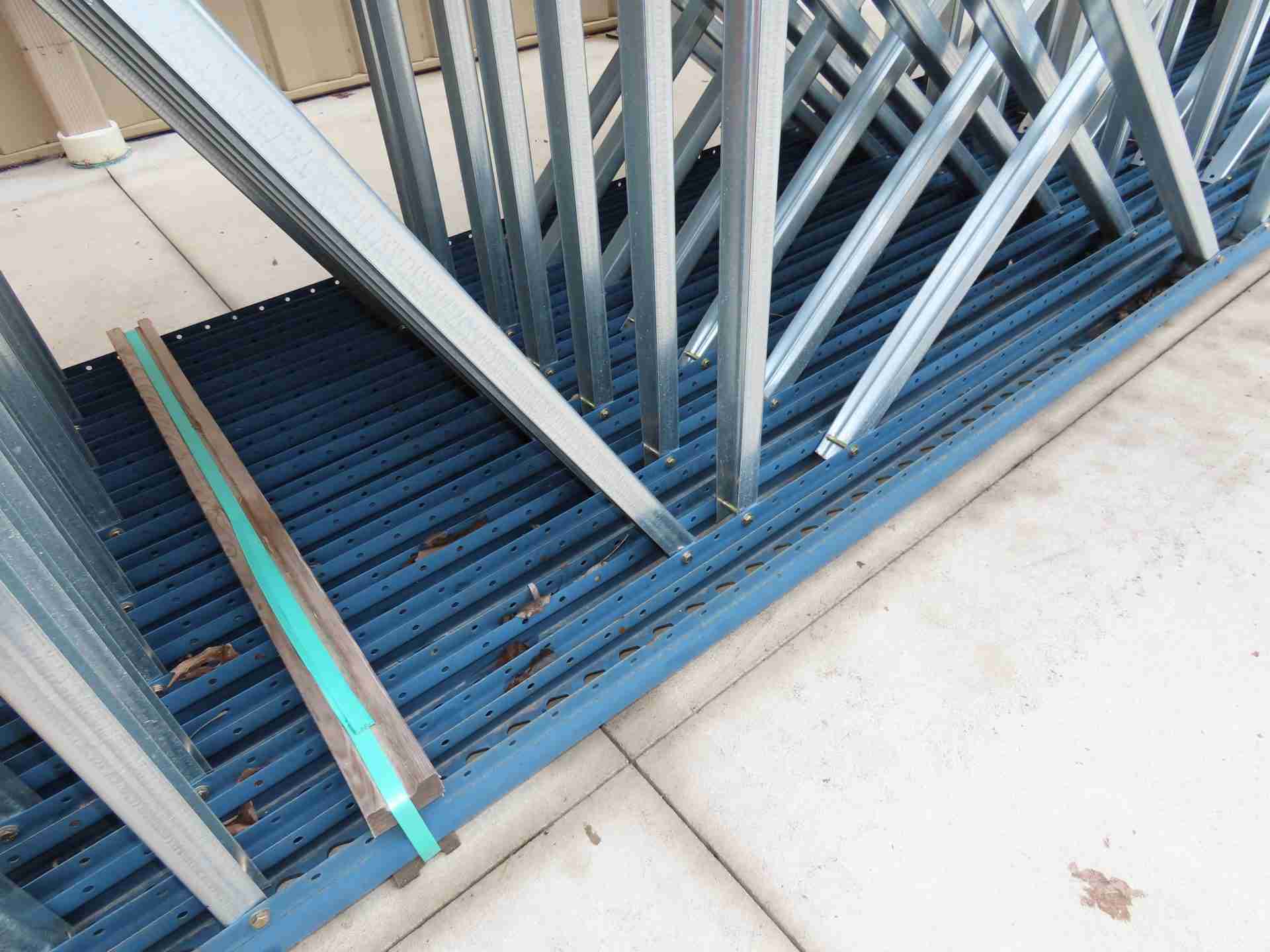
How Does Employee Training Impact Pallet Organization?
How Does Employee Training Impact Pallet Organization?
- Employee training is essential for optimizing pallet organization in warehouses.
- Understanding racking systems enables teams to operate efficiently and confidently.
- Proper training helps address challenges proactively, rather than reactively.
- Well-organized pallets contribute to workplace safety and reduce accidents and inventory damage.
- Training fosters a sense of responsibility and pride among employees in maintaining order.
- Social bonding during training enhances team morale and reduces turnover rates.
- Investing in training improves productivity, client trust, and overall company reputation.

How Does Employee Training Impact Pallet Organization?
What Metrics Should We Track for Pallet Efficiency?
When it comes to pallet efficiency, it’s not just about moving goods; it’s about keeping the wheels of industry turning smoothly. Think of your racking systems as the backbone of your operation. Tracking the right metrics can help you spot issues before they snowball into costly problems. Start with inventory turnover. This metric tells you how often you’re selling your stock, ensuring that you’re not just sitting on pallets collecting dust. A high turnover rate means your racking systems are being put to good use, giving you confidence that your products are flying off the shelves.
Next up is the pallet utilization rate. This one’s straightforward—measuring how effectively you’re using your space. Every square foot counts, so if you’re cramming too many or too few pallets onto your racking systems, it’s time to reevaluate. Efficient layout means that every inch is optimized for what you can squeeze in without compromising safety or accessibility. Nobody wants to risk a workplace accident because they tried to save a little space.
Then there’s your picking accuracy. This metric gets to the heart of operational performance. Fewer mistakes mean happy customers and less wasted time correcting errors. Tracking how often your team hits the mark can shine a light on their training needs or even your systems’ design. The real-world impact here isn’t just numbers—it’s about the connection you build with your clients when they know they can trust you to deliver what they ordered.
Let’s talk about cycle time. This metric gives you the guts of your operational flow. How quickly are you getting products from storage to delivery? If it’s dragging, you might have bottlenecks in your processes or in your racking systems. By identifying slowdowns, you can take action to streamline workflow, meaning faster service and happier customers.
Finally, remember to keep an eye on employee feedback. You’re the boss, but on the ground, your team knows the ins and outs better than you ever could. By fostering a culture where they feel comfortable sharing insights about the racking systems or workflow, you not only inspire trust and confidence but also root out inefficiencies before they become major issues.
By tracking these metrics with purpose, you not only boost efficiency but foster a sense of pride within your team that can resonate through every level of your operation, making your workplace not just efficient but a community worth being a part of.

What Metrics Should We Track for Pallet Efficiency?
What Metrics Should We Track for Pallet Efficiency?
- Pallet efficiency is essential for smooth industrial operations.
- Inventory turnover indicates how often stock is sold, reflecting the use of racking systems.
- Pallet utilization rate measures effective space usage; optimal layouts enhance safety and accessibility.
- Picking accuracy reduces errors, increasing customer satisfaction and highlighting training needs.
- Cycle time measures product flow from storage to delivery; identifying bottlenecks can improve service speed.
- Employee feedback is crucial for uncovering inefficiencies and fostering a collaborative culture.
- Tracking these metrics enhances overall efficiency and builds team pride, creating a positive workplace environment.

What Metrics Should We Track for Pallet Efficiency?
Conclusion
Maximizing pallet positions without expanding your footprint is a critical strategy in today’s competitive logistics landscape. This approach emphasizes the value of leveraging existing resources through smart solutions rather than incurring the heavy costs of physical expansion. Central to this effort is the use of efficient racking systems that allow for optimal use of vertical space, ensuring that each square foot is utilized to its fullest potential. This isn’t merely about storage; it’s about cultivating a workforce that feels supported, valued, and part of a larger mission.
Rationally, optimizing current layouts can lead to decreased logistics costs, streamlined operations, and reduced downtime. Every warehouse employee knows that fewer disruptions lead to better productivity. By engaging in thorough operational assessments, businesses can uncover inefficiencies that, once addressed, lead to significant gains. Ethically, maximizing existing space aligns with sustainable practices, demonstrating a commitment to responsible resource management and fostering a culture of respect for both the workforce and the environment.
From a narrative standpoint, think of inspiring stories from local companies that have excelled by making small yet impactful changes in their warehousing strategies. These stories serve as motivation, encouraging others in the industry to rethink their approach to space and pallet management. The social dimension of these improvements cannot be overlooked; by sharing successes, organizations contribute to a broader community that values collaboration and innovation.
Equipping employees through training plays a vital role in this process. Skilled workers are key to achieving organizational goals—and when they understand the intricacies of pallet management, it leads to safer and more efficient workplaces. The camaraderie built through shared learning experiences enhances morale, creating an environment where everyone is invested in the collective success of their operations.
Keeping an eye on critical metrics such as inventory turnover and pallet utilization further underscores the importance of tracking performance. These indicators help businesses stay agile, adapt to changing demands, and maintain a level of service that builds trust with customers. Ultimately, the journey toward increasing pallet positions without expanding may seem daunting, but it’s about channeling ingenuity and teamwork into creating smarter, more efficient workplaces. The result is a thriving environment where every pallet counts, every worker feels valued, and every company can benefit from shared successes.

Conclusion
Conclusion:
- Maximizing pallet positions without physical expansion is crucial in logistics.
- Efficient racking systems enhance vertical space utilization and operational efficiency.
- Optimizing layouts can reduce logistics costs and improve productivity.
- Sustainable space management aligns with ethical resource principles and workforce respect.
- Inspirational success stories motivate others to improve warehousing strategies.
- Employee training in pallet management fosters safer, more efficient workplaces.
- Monitoring key metrics like inventory turnover is essential for adaptability and customer trust.

Conclusion
Other Resources
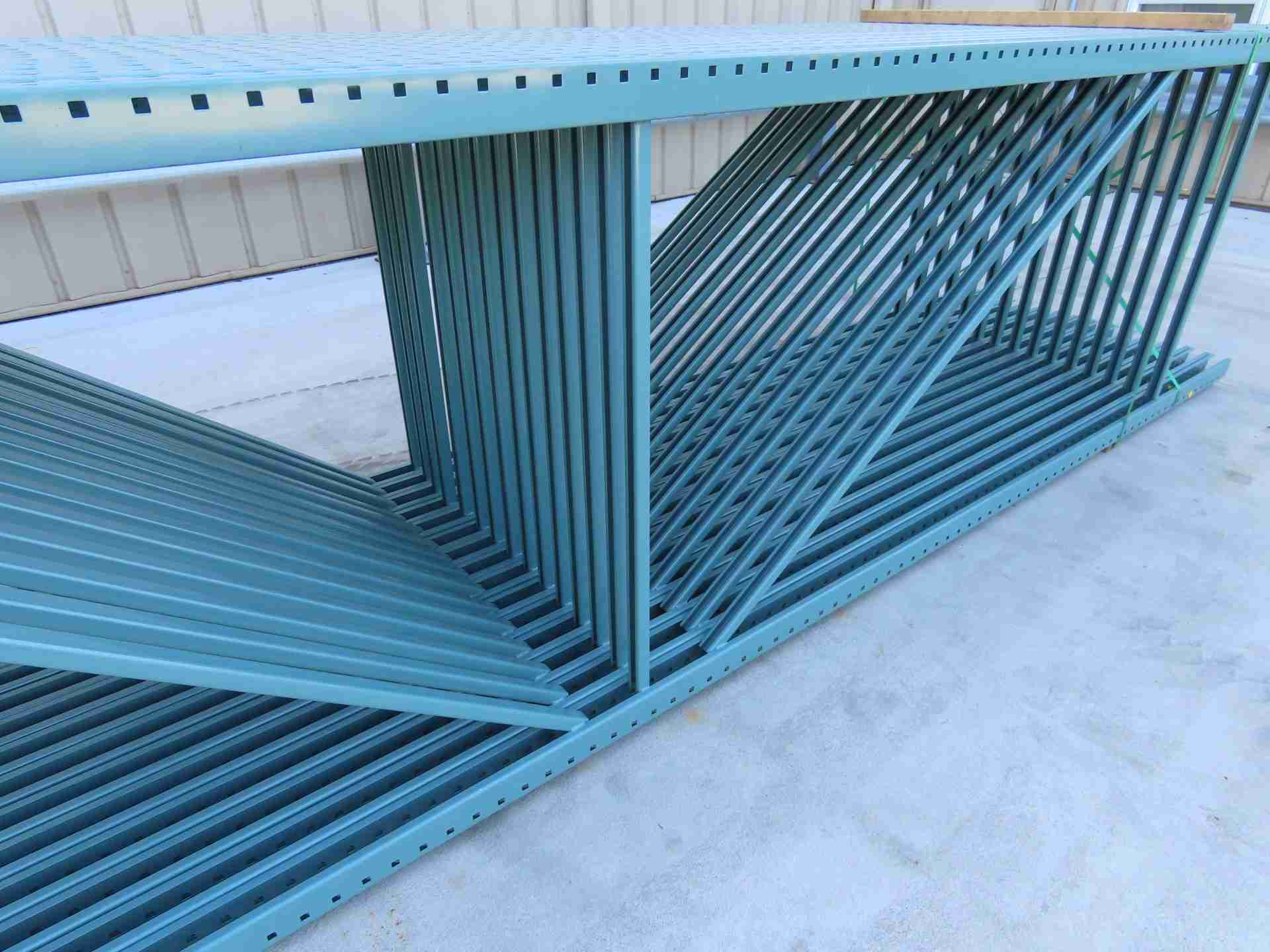
Other Resources
Here is a list of other resources you can review online to learn more:
- Intro to Warehouse Racks & Warehouse Racking Systems – ShipBob
- IIWS Inc. Rack Installation Illinois & Rack Repairs Illinois
- Interlake Mecalux
- Selective Pallet Racking Systems – Container Systems
- Crane Manufacturers Association Of America Inc.
- Illinois Pallet Racking – WPRP
- WERC
- Mustang Material Handling
- Rack Manufacturers Institute
- BMH Equipment LLC
- Teardrop Industrial Shelving Rack
- National Safety Council
- Selective Rack – Raymond West
- Overhead Lifting
- Cantilever Rack Guide: Ordering Cantilever Racking
- International Warehouse Logistics Association
- Warehouse Racking Chicago, IL
- Total Warehouse
- Material Handling Industry
Use This Prompt To Get More Resources With Your Favorite Online AI Tool: Please provide me with a list of online articles with their URLs in a bulleted list that I can read regarding How to Increase Pallet Positions Without Expanding Your Footprint
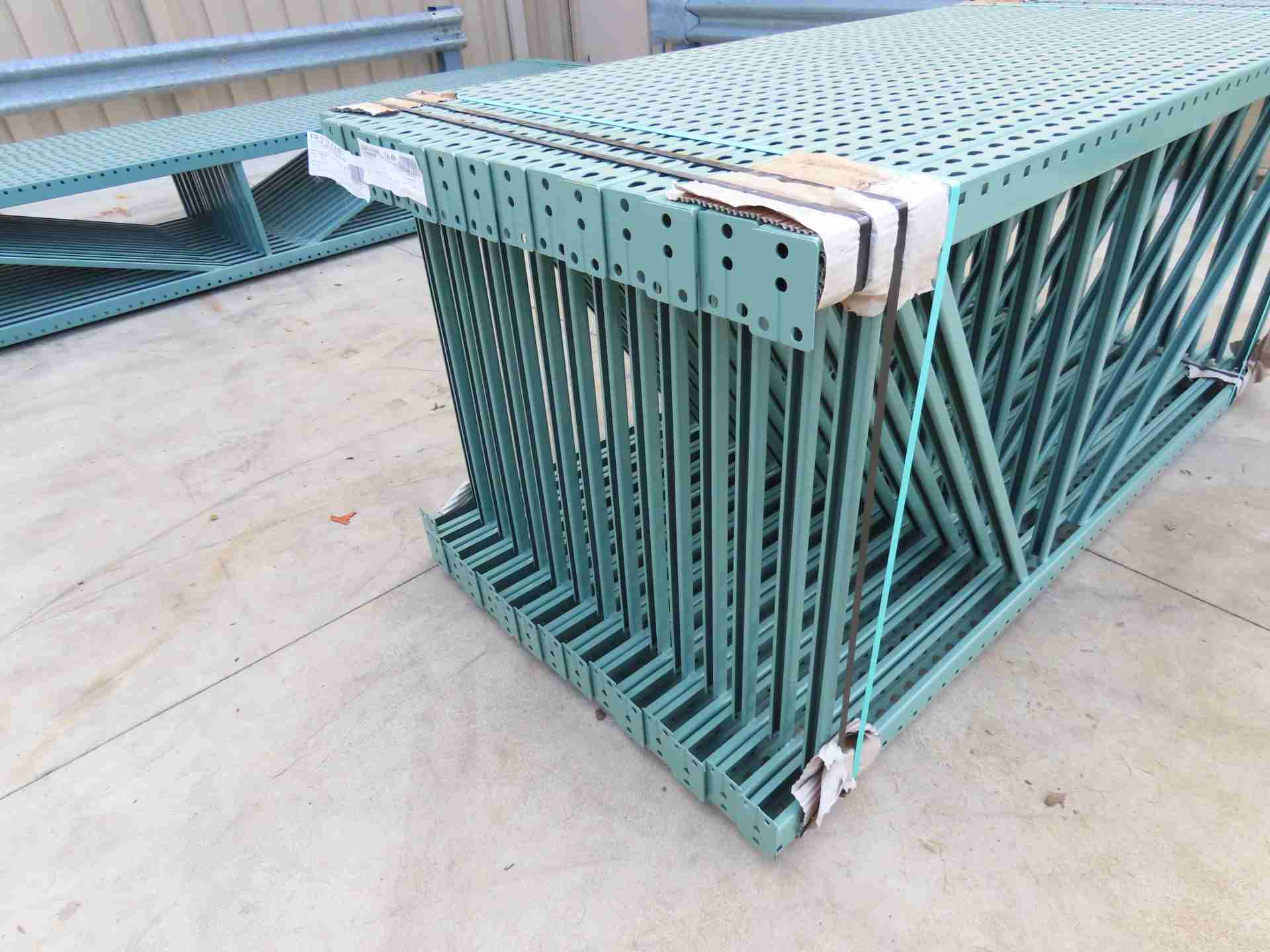
Other Resources
Glossary Terms
How to Increase Pallet Positions Without Expanding Your Footprint – Glossary Of Terms
1. Pallet Position: The designated space or location where a pallet is stored in a warehouse or storage area.
2. Footprint: The total area occupied by a facility, often used in the context of maximizing storage and efficiency.
3. Vertical Storage: Utilizing vertical space in a warehouse by stacking pallets or using shelving systems to increase capacity.
4. Racking Systems: Frameworks used to store pallets, which optimize space and improve accessibility.
5. SKU (Stock Keeping Unit): A unique identifier for each distinct product or item in inventory, crucial for accurate tracking and management.
6. Warehouse Management System (WMS): Software designed to support warehouse functionality and management, enhancing efficiency and order fulfillment.
7. Inventory Turnover: A metric that indicates how often inventory is sold and replaced over a certain period, critical for inventory management.
8. Space Utilization: The measurement of how effectively space is being used in a warehouse or storage area.
9. Pallet Jack: A manual or electric device used to lift and move pallets within a warehouse, essential for efficiency.
10. Cross-Docking: A logistics practice where incoming goods are directly transferred to outgoing shipments, minimizing storage time and space.
11. Density Storage: A storage strategy that maximizes the number of pallets stored per cubic foot of space, focusing on efficient use of volume.
12. FIFO (First In, First Out): An inventory management method that ensures older stock is sold before newer stock, important for perishable goods.
13. LIFO (Last In, First Out): An inventory management practice where the latest stock is sold first, commonly used in industries where products have a limited shelf life.
14. Pallet Configuration: The arrangement of pallets in a storage area, which can affect accessibility and space optimization.
15. Slotting: The process of determining the most efficient placement of products in a warehouse based on factors like demand and size.
16. Load Capacity: The maximum weight that a pallet or racking system can safely support, crucial for safety and efficiency.
17. Modular Storage: A flexible, scalable storage solution that can be adjusted to accommodate varying inventory sizes and types.
18. Picking Efficiency: The speed and accuracy with which items are selected from inventory for shipment, impacting overall productivity.
19. Order Fulfillment: The process of receiving, processing, and delivering orders to customers, requiring efficient use of space and resources.
20. Automated Storage: A technology-driven approach to warehouse storage that utilizes robotics and software for efficiency and space optimization.
21. Pallet Flow Rack: A storage system that uses gravity to move pallets, increasing accessibility while maximizing space.
22. Replenishment: The process of restocking inventory to maintain optimal levels, critical for ensuring sufficient storage capacity.
23. Lean Warehousing: An approach focusing on minimizing waste while maximizing productivity, often achieved through space optimization.
24. Dematic: A brand of automated material handling systems designed to improve warehouse efficiency and maximize space usage.
25. Supply Chain Optimization: Strategies focused on improving the entire supply chain process, including storage space management.
26. Trade-Offs: Decisions made to balance the competing demands of space, cost, and efficiency in warehouse management.
27. SKU Rationalization: The process of evaluating product lines to eliminate underperforming items, freeing up space for more valuable products.
28. Handling Equipment: Tools and machinery used for moving and storing pallets, impacting space efficiency and safety.
29. Staging Area: A dedicated space within a warehouse where goods are temporarily held before being moved to their final storage location.
30. Compact Storage Solutions: Innovative storage techniques designed to maximize limited space, enhancing overall pallet capacity.
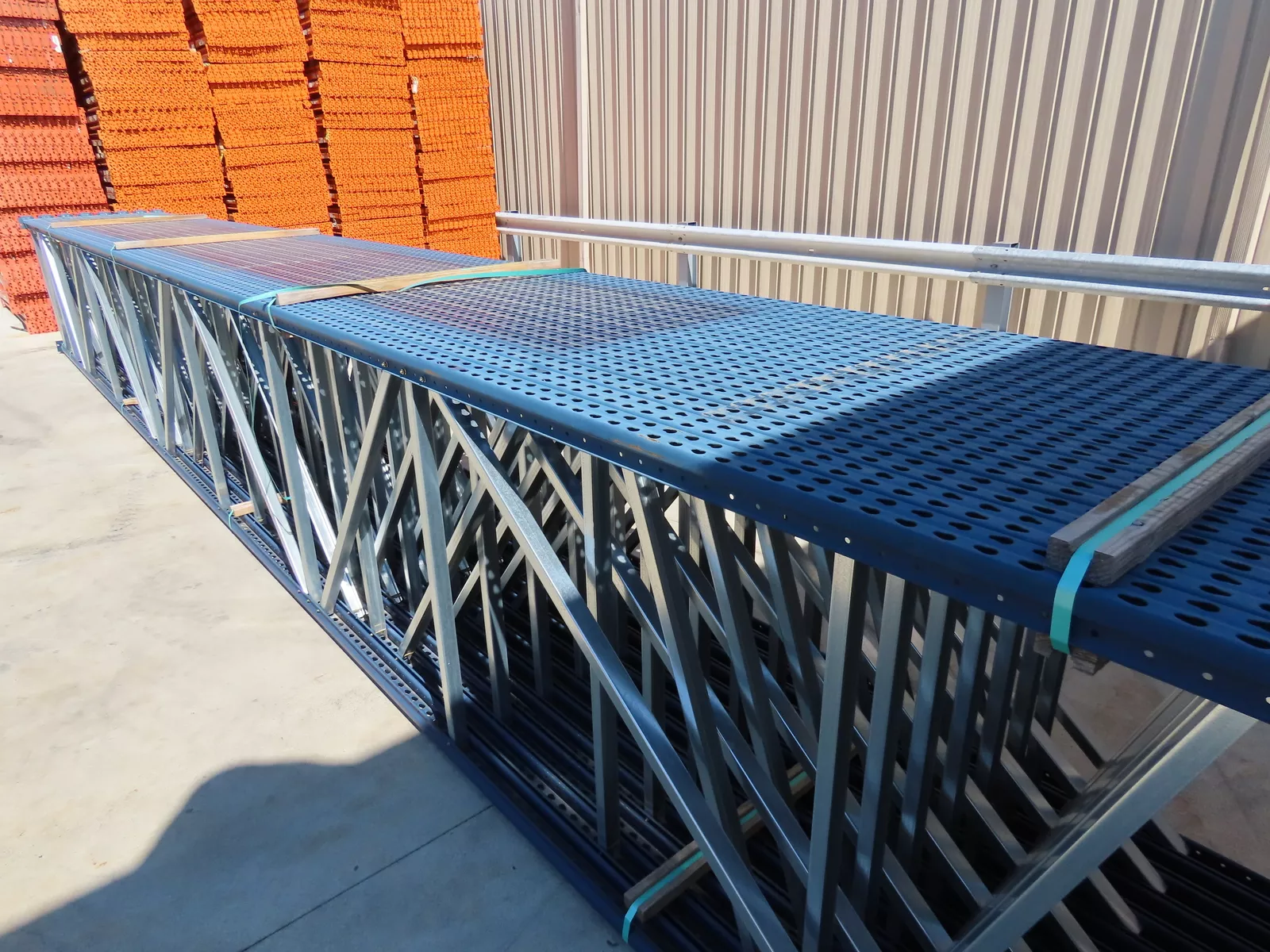
Glossary Of Terms
Other Questions
How to Increase Pallet Positions Without Expanding Your Footprint – Other Questions
If you wish to explore and discover more, consider looking for answers to these questions:
- What are the different types of racking systems and which is best for my operation?
- How much additional pallet capacity can I realistically gain by going vertical?
- What are the structural limits of my building for taller racking systems?
- How do aisle width and forklift type affect pallet positions and throughput?
- What is the typical ROI and payback period for investing in new racking?
- How do I calculate the cost-benefit of reconfiguring vs. expanding my footprint?
- What safety regulations, fire codes, and sprinkler requirements apply to high-density racking?
- How will upgrades affect employee safety and what protective measures are needed?
- How disruptive is installation and how long will reconfiguration take?
- What training programs are most effective for improving pallet organization and safety?
- Which KPIs should I track to measure pallet efficiency before and after changes?
- How do I benchmark pallet utilization and turnover against industry standards?
- What common mistakes should I avoid when retrofitting existing racking?
- How do pallet sizes, loads, and product mix influence racking selection?
- Which inventory management or WMS features directly improve pallet positioning?
- Can automation (AS/RS, conveyors, pick-to-light) be integrated with existing racking?
- What are the maintenance requirements and typical lifecycle costs of racking systems?
- How often should racking be inspected and by whom?
- What are the insurance implications of denser pallet storage?
- How do seismic or regional environmental factors change racking design?
- Are there tax incentives, grants, or financing options for warehouse upgrades?
- How do you optimize layout and picking paths for mixed pallet and case picking?
- What strategies work best for seasonal peaks or fluctuating inventory levels?
- How do you manage perishables or hazardous materials in denser storage?
- What metrics quantify the environmental benefits of maximizing existing space?
- How do you involve frontline staff in design decisions and change management?
- What vendor selection criteria should I use when choosing racking suppliers?
- How do you test proposed configurations before full implementation?
- What are the trade-offs between selective racking, drive-in, push-back, and flow systems?
- How do you ensure compatibility between racking, pallets, and handling equipment?
- What are realistic productivity gains from improved pallet positioning?
- How do you measure picking accuracy improvements after reorganizing racking?
- What contingency plans should be in place during reconfiguration to avoid disruptions?
- How do you scale improvements as business and SKU counts grow?
- Can small or budget-conscious operations implement these strategies effectively?
- What real-world case studies demonstrate the outcomes and lessons learned?
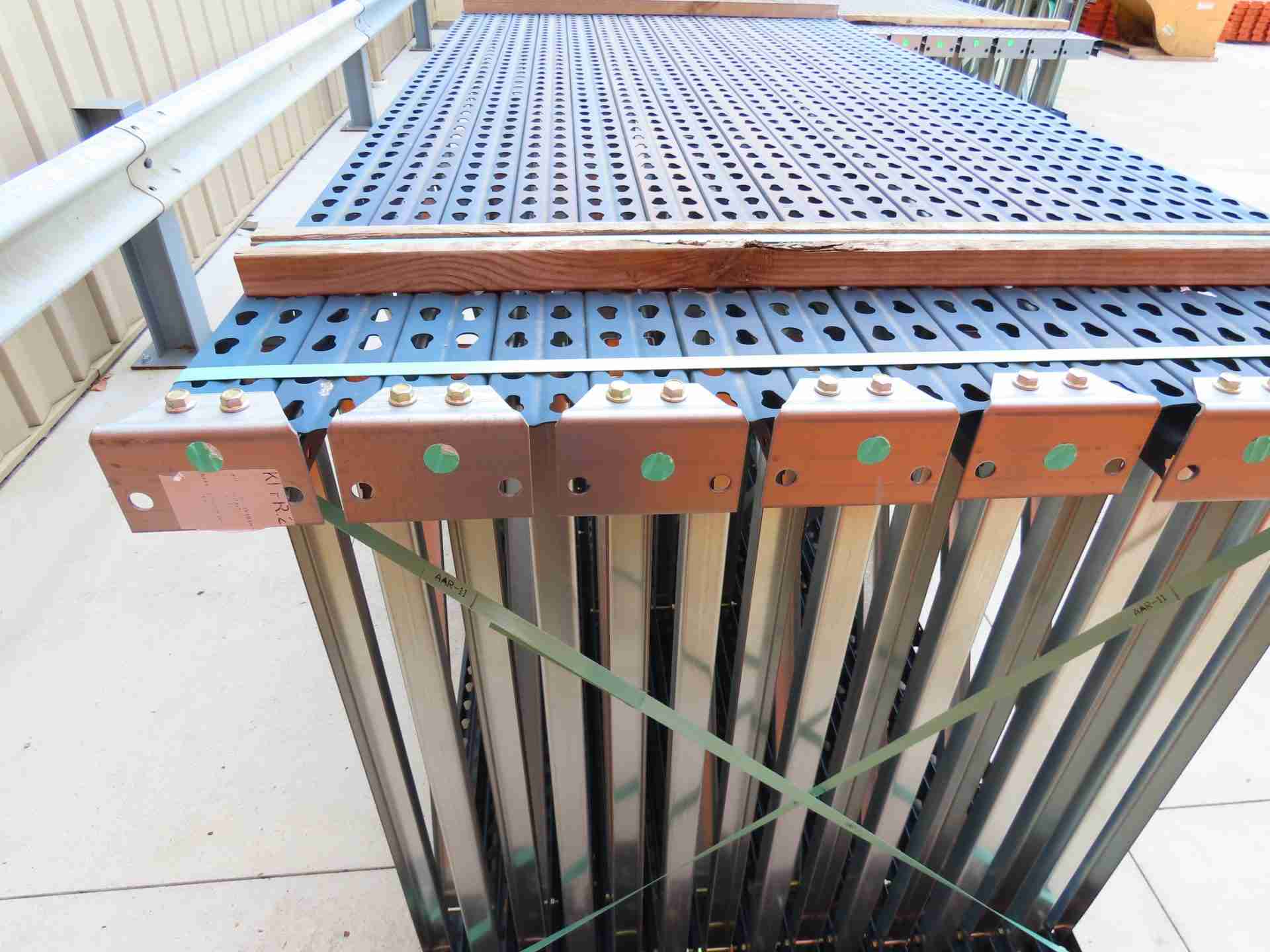
Other Questions
Checklist
How to Increase Pallet Positions Without Expanding Your Footprint – A Checklist
Baseline and Objectives
✅______ Define target increase in pallet positions and timeframe
✅______ Map current floor plan, clear height, and obstruction locations
✅______ Calculate current pallet utilization (positions used / available)
✅______ Identify constraints (fire code, sprinkler clearance, slab capacity, egress)
✅______ Prioritize quick wins vs. capital projects
Racking and Vertical Utilization
✅______ Verify building clear height and allowable top-of-load height
✅______ Confirm slab capacity and rack anchoring requirements
✅______ Select rack types to fit SKU profile (selective, double-deep, push-back, pallet flow, drive-in/through)
✅______ Standardize beam levels to match common load heights
✅______ Use shorter beam spacing for small loads to add extra levels
✅______ Add row spacers, backstops, and column protection where needed
✅______ Evaluate narrow-aisle or very-narrow-aisle options with compatible trucks
✅______ Consider mezzanines or decked levels for non-pallet storage to free pallet bays
Layout and Flow
✅______ Perform slotting by velocity, cube, and weight (ABC or similar)
✅______ Place fast movers in the most accessible zones and lower levels
✅______ Design one-way travel paths to reduce congestion
✅______ Right-size aisle widths by equipment type and traffic
✅______ Minimize travel distance between receiving, storage, and shipping
✅______ Create dedicated fast-pick, overstock, and quarantine areas
✅______ Label aisles, bays, levels, and locations with a consistent schema
Technology and Data
✅______ Implement or optimize WMS/WES for directed putaway and picking
✅______ Use barcodes or RFID for real-time inventory accuracy
✅______ Enable location control (maximum height, weight, and commodity restrictions)
✅______ Use slotting software or rules to recommend optimal locations
✅______ Track travel paths and heat maps to identify bottlenecks
✅______ Consider sensors or cameras for height and load verification
Inventory and Slotting Discipline
✅______ Set min/max and replenishment triggers for pick faces
✅______ Reduce SKU proliferation and retire dead stock
✅______ Standardize pallet sizes and loading patterns
✅______ Right-size packaging to improve cube utilization
✅______ Schedule cycle counts to protect accuracy targets
People and Training
✅______ Train all operators on rack use, load limits, and handling best practices
✅______ Cross-train staff to reduce delays and improve coverage
✅______ Host team workshops to gather frontline layout and flow insights
✅______ Create clear SOPs for putaway, retrieval, replenishment, and damaged goods
✅______ Recognize and share team wins tied to space and efficiency gains
Safety, Compliance, and Ergonomics
✅______ Post rack load signs and aisle clearance standards
✅______ Maintain sprinkler and egress clearances
✅______ Verify safe stacking heights and load overhang rules
✅______ Provide proper equipment for high-level picks (order pickers, reach trucks)
✅______ Review traffic plans and pedestrian zones
Maintenance and Housekeeping
✅______ Inspect racks regularly for damage, plumb, and anchors
✅______ Schedule preventive maintenance for lift equipment
✅______ Repair floors, remove trip hazards, and repaint line markings
✅______ Implement 5S in all zones; assign ownership for each area
✅______ Audit labeling and signage for clarity and completeness
Metrics and Review Cadence
✅______ Inventory turnover
✅______ Pallet position utilization (percentage of total positions used)
✅______ Pick and putaway accuracy
✅______ Order cycle time and dock-to-stock time
✅______ Travel distance per pick and lines per labor hour
✅______ Space cost per pallet and storage density (pallets per sq ft / cubic ft)
✅______ Damage and incident rates
✅______ Equipment downtime
✅______ Weekly review of KPIs with action items and owners
Cost, ROI, and Sustainability
✅______ Compare reconfiguration costs vs. relocation or expansion
✅______ Calculate ROI for rack changes, equipment, and technology
✅______ Reduce waste by repurposing existing equipment where possible
✅______ Improve energy efficiency (LED lighting, sensors) in high-density zones
✅______ Reuse or repair pallets and optimize dunnage
Communication and Community
✅______ Share before-and-after results with the team and stakeholders
✅______ Document standards and lessons learned for future projects
✅______ Benchmark with peer facilities and exchange best practices

Checklist
At RackingWorld, we help guide you through selecting warehouse storage systems and racking.
Be sure to read our other related stories at RackingWorld to learn more about warehouse storage systems.
0 Comments