
Maximizing Efficiency And Safety In Warehouse Storage
By Tom Seest
At RackingWorld, we help guide you through selecting warehouse storage systems and racking.
Be sure to read our other related stories at RackingWorld to learn more about warehouse storage systems.
Structural Racking Vs. Tubular Designs
When you delve into the world of storage solutions, you inevitably come to a fork in the road: Structural Racking vs. Tubular Designs. This isn’t just a mundane choice; it’s a defining moment for businesses, warehouses, and even homes that demand efficient organization. Imagine walking into a facility where every item has a designated spot, everything is easily accessible, and the sheer efficiency is palpable. That’s the magic of racking systems, and the choice of design can mean the difference between chaos and productivity.
On one side, you have Structural Racking. Built like a fortress, these systems are robust, heavy-duty, and made to withstand the rigors of heavy loads. They’re not just racks; they’re a testament to durability and reliability. You get the sense that they’ve been designed by engineers who understand the demands of real-world application. This isn’t just about metal and screws; it’s about trust. A reliable racking system can prevent accidents, save time, and even reduce costs. Investing in structural solutions means investing in peace of mind.
Now, let’s flip the coin to Tubular Designs. Sleeker, lighter, and often more versatile, these systems cater to adaptability. They embody an ingenious mix of functionality and style. Picture a bustling startup that thrives on innovation. Tubular racks allow for rapid reconfiguration, catering to shifting needs and keeping pace with the ever-changing landscape of business. This flexibility can spark creativity and promote a culture of continuous improvement while still maintaining essential structural integrity.
Think about it: both designs have their place in the narrative of effective storage solutions. Choice comes down to individual needs and values. Are you the type who prioritizes heavy-duty resilience, or do you lean towards dynamic adaptability? Your decision not only reflects your operational priorities but also speaks volumes about your commitment to safety, efficiency, and innovation.
Ultimately, the heart of the matter lies in understanding how each system works for you, your team, and the customers you serve. Trust your instincts here; the right racking design can invigorate the flow of work and foster an environment where people feel empowered. It’s more than a choice; it’s a step toward creating a world where organization fuels productivity and potential. It’s about building a future that resonates with activity, interconnectedness, and success.
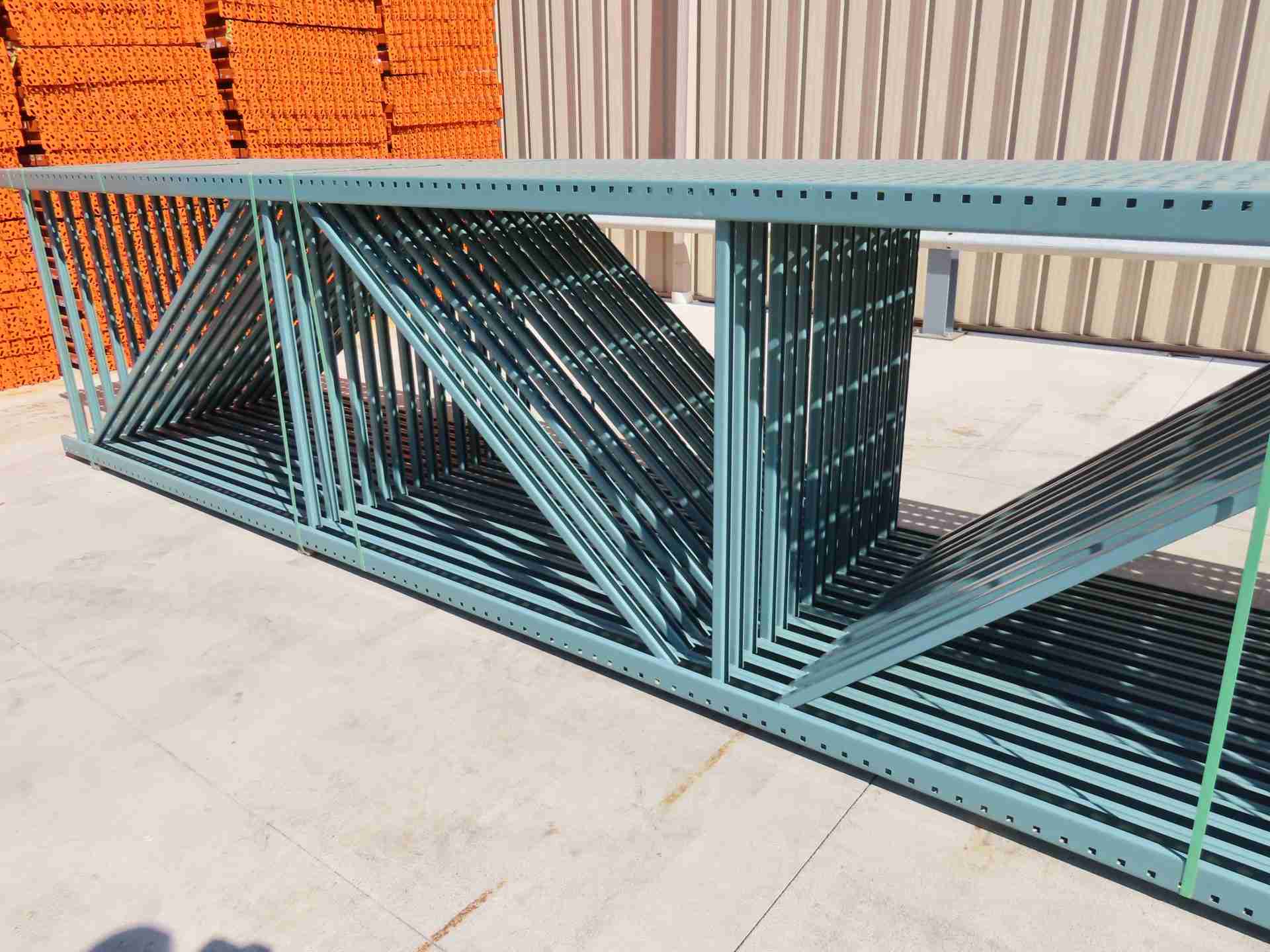
Structural Racking Vs. Tubular Designs
Structural Racking Vs. Tubular Designs
- Structural Racking vs. Tubular Designs presents a crucial choice for businesses and organizations.
- Structural Racking is robust and heavy-duty, designed for durability and reliability.
- Investing in Structural Racking provides peace of mind and helps prevent accidents.
- Tubular Designs are sleeker, lighter, and more versatile, allowing for rapid reconfiguration.
- Tubular racks promote innovation and adaptability as business needs change.
- The choice between the two designs reflects individual priorities around resilience and adaptability.
- The right racking design enhances workflow and fosters an organized, productive environment.
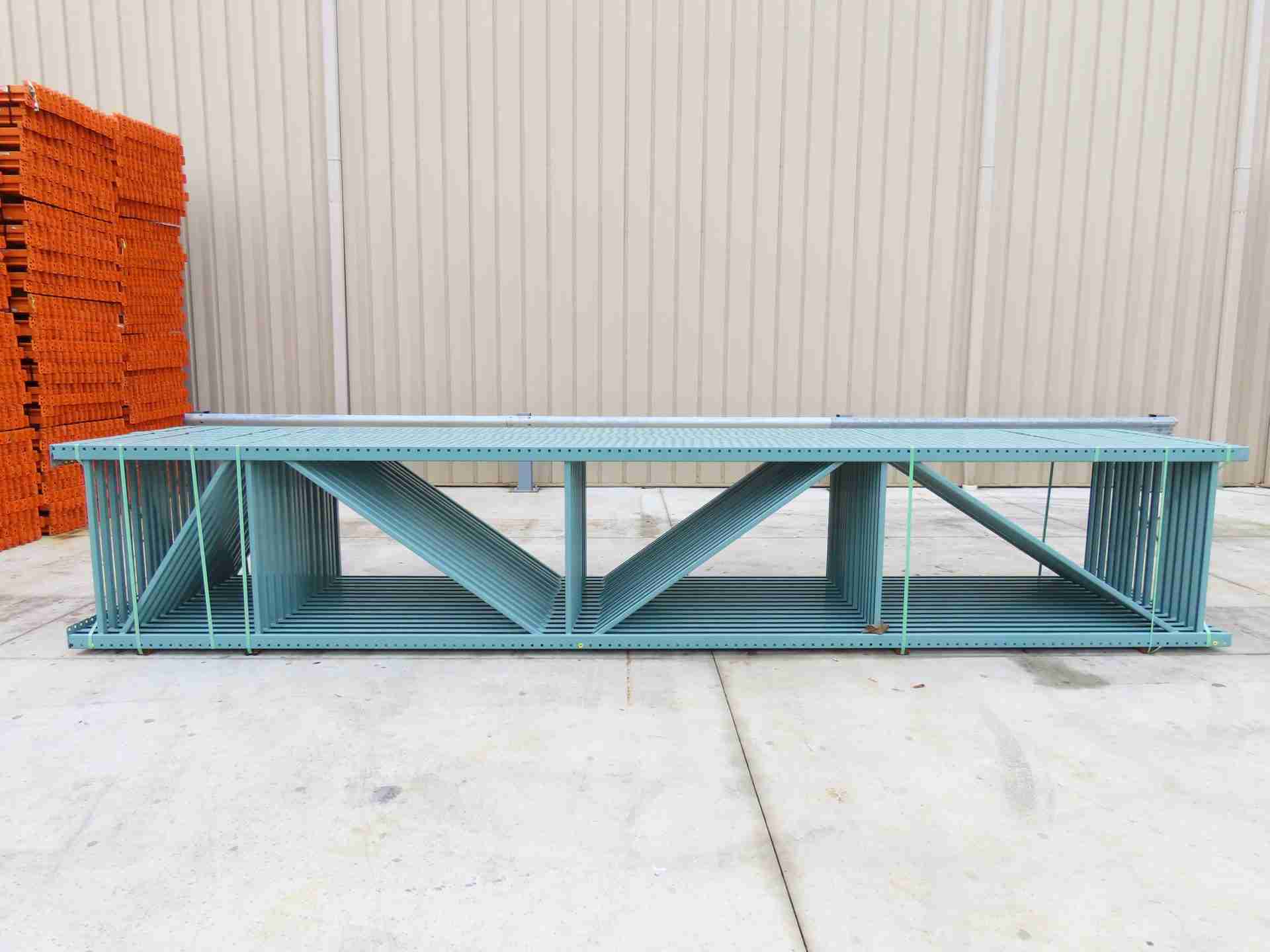
Structural Racking Vs. Tubular Designs
Table Of Contents
- Structural Racking Vs. Tubular Designs
- What Emotional Connections Do You Have with Your Storage Solutions?
- How Do Structural Racking Systems Enhance Your Operational Efficiency?
- In What Ways Do Tubular Designs Provide Safety Benefits for Your Team?
- Which Design Best Fits Your Unique Space and Product Needs?
- How Do You Feel When Your Storage System Fails to Meet Expectations?
- Conclusion
- Other Resources
- Glossary Of Terms
- Other Questions
- Checklist
What Emotional Connections Do You Have with Your Storage Solutions?
When you think about your storage solutions, what else comes to mind besides just racking? It’s easy to underestimate the emotional ties we form with the spaces that house our belongings. Each shelf and bin tells a story, and the connection is deeper than mere organization.
Consider your garage, piled high with memories—old bikes, dusty boxes of childhood toys, trophies that speak of triumphs past. That racking isn’t just a system for holding items; it serves as a shrine of your personal history. It’s a testament to who you are and where you’ve been. Recognizing this can inspire a wave of nostalgia, a gentle reminder of the laughter, love, and even struggles that have shaped you. These connections breathe meaning into the mundane.
For many, the act of organizing a space brings a sense of clarity, akin to clearing away the mental clutter that plagues our minds. Rationally, an organized area can foster productivity, reduce anxiety, and elevate your mood. But what guides you during those moments of decision-making—what to keep and what to let go? The gut instinct kicks in, nudging you towards items that spark joy or serve a deeper purpose, pushing you to confront not just the physical clutter but the emotional weight tied to it.
There are ethical dimensions to consider too—how we store and care for our belongings reflects our values. Using sustainable materials or supporting local storage solutions can resonate with your sense of responsibility to the world and future generations. Every piece of racking you choose can symbolize your commitment to stewardship, both for your possessions and the environment.
And let’s not underestimate the power of community. Sharing your storage journey with others invites dialogue, be it through a sharing of tips or swapping items. It fosters connection and builds a sense of belonging that resonates far beyond a simple garage or attic.
So, the next time you walk into your storage area, ask yourself: what emotional connections do I have with these solutions? They’re not just there to hold your stuff—they’re reflections of your life and values, anchoring you in the narrative you’re weaving and the future you’re building. Embrace that connection, and take action. Invest in those storage solutions that honor your journey.
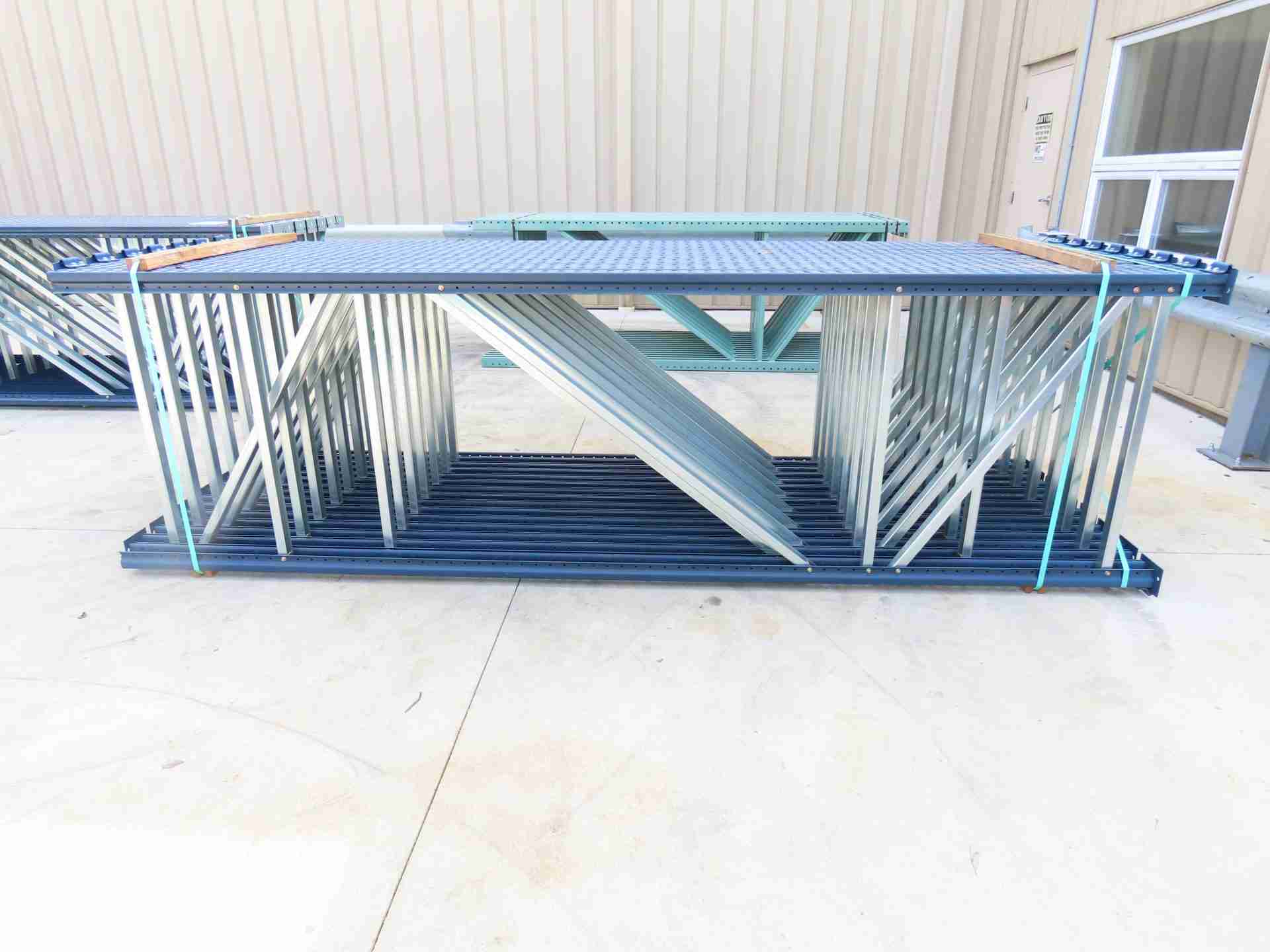
What Emotional Connections Do You Have with Your Storage Solutions?
What Emotional Connections Do You Have with Your Storage Solutions?
- Storage solutions encompass more than just racking; they hold emotional ties to our belongings.
- Garages serve as personal shrines filled with memories, reflecting who we are and our past experiences.
- Organizing spaces can clear mental clutter, promote productivity, and enhance mood.
- Decision-making in organization is guided by gut instinct, focusing on items that spark joy or hold significant meaning.
- Ethical considerations in storage involve using sustainable materials and supporting local solutions, symbolizing a commitment to stewardship.
- Community engagement through sharing storage tips and items fosters connection and belonging.
- Storage solutions are not just functional; they reflect our lives, values, and future aspirations.
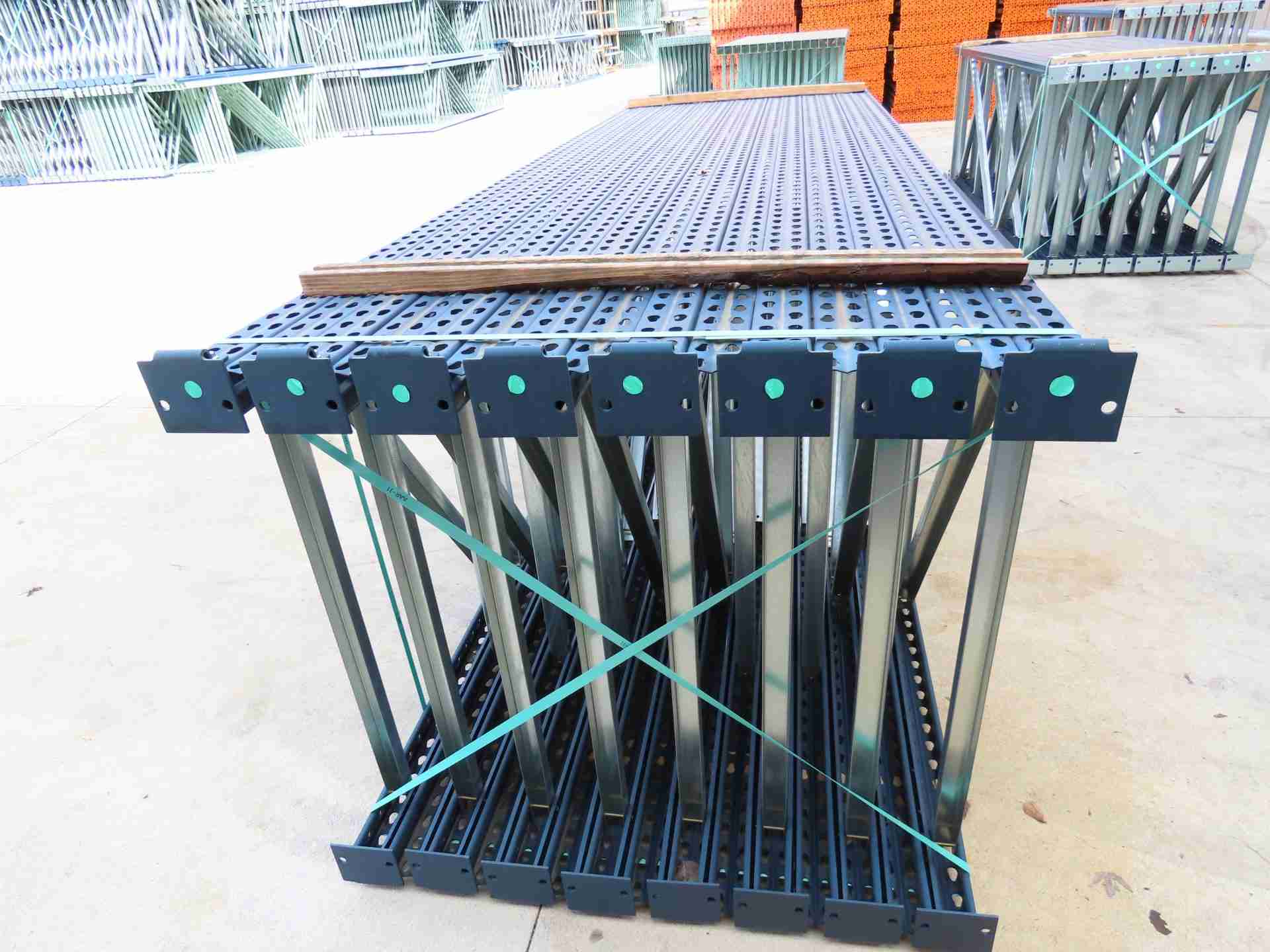
What Emotional Connections Do You Have with Your Storage Solutions?
How Do Structural Racking Systems Enhance Your Operational Efficiency?
When you think of a bustling warehouse, consider the unsung hero behind the scenes: the structural racking system. These steel giants not only hold up products but also uplift the very spirit of efficiency in operations. Imagine the chaos of a disorganized storage space where workers stumble, items are misplaced, and time slips through fingers like grains of sand. Now picture the same space, transformed by robust racking that aligns everything you need for optimal workflow.
At the heart of operational efficiency lies the genius of racking systems. They simplify the way we store, locate, and retrieve products, creating an environment that feels harmonious and purposeful. Emotionally, there’s a sense of relief that washes over a team when they know everything is exactly where it should be. This isn’t just about shelving—it’s about fostering a culture of accountability and dedication. When employees can find what they need seamlessly, they work with confidence, igniting a fire of productivity.
Rationally speaking, a well-structured racking system maximizes storage space, allowing for an impressive inventory turnover that can directly boost your bottom line. Whether it’s heavy-duty steel racks for pallets or more delicate setups for smaller items, the right racking solution enables adaptability in a world that never stands still. Each level and each beam are engineered for strength, ensuring safety during operations—an ethical consideration that goes beyond mere compliance; it’s about valuing the lives and well-being of every worker who steps into that space.
Now, think about the narrative this creates. Each day, team members tell a story: one of collaboration, innovation, and, most importantly, trust. When systems are in place that respect their time and effort, they step up, rising to challenges with enthusiasm. The pride they take in their workspace is palpable.
And let’s not forget the social aspect. A well-organized warehouse invites teamwork, sparking conversations and camaraderie as everyone moves more fluidly, engaged in a shared mission. When efficiency reigns, frustration diminishes, elevating moral across the board.
So, if you want to enhance your operational efficiency, look to those structural racking systems. They’re not just storage solutions; they’re transformative tools that forge stronger teams and drive success, empowering every worker to do what they do best. Embrace it, and watch your operation thrive.
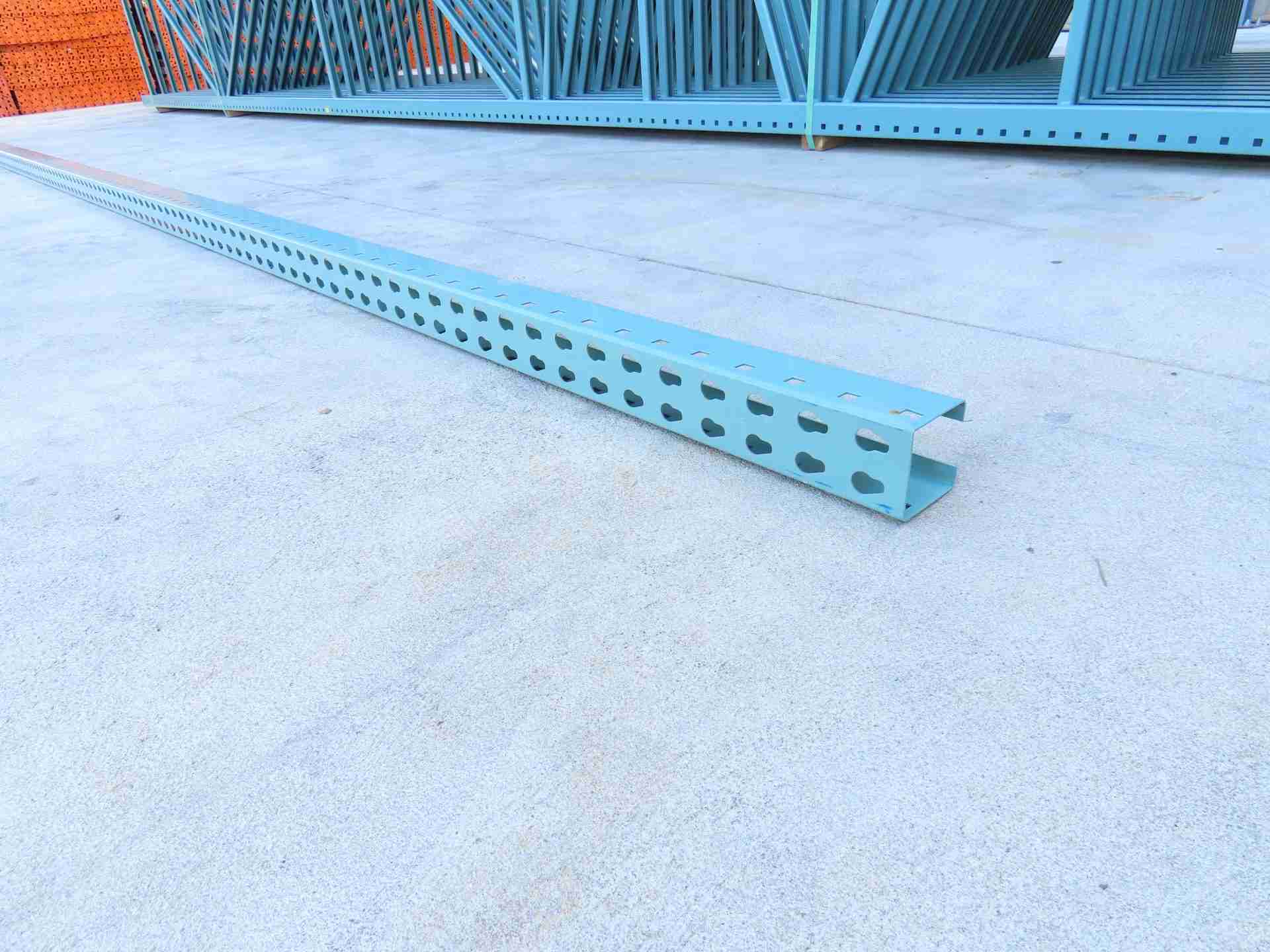
How Do Structural Racking Systems Enhance Your Operational Efficiency?
How Do Structural Racking Systems Enhance Your Operational Efficiency?
- Structural racking systems act as the backbone of warehouse operations, enhancing efficiency.
- A well-organized racking system transforms chaotic storage spaces into efficient workflows.
- Racking systems simplify the storage, location, and retrieval of products, fostering a sense of relief and accountability among workers.
- A good racking system maximizes storage space and improves inventory turnover, positively impacting the bottom line.
- Designed for strength and safety, racking systems prioritize the well-being of workers beyond mere compliance.
- Effective racking systems promote collaboration, innovation, and trust within teams, enhancing overall morale.
- Investing in racking systems not only improves operational efficiency but also empowers workers, leading to a thriving operation.
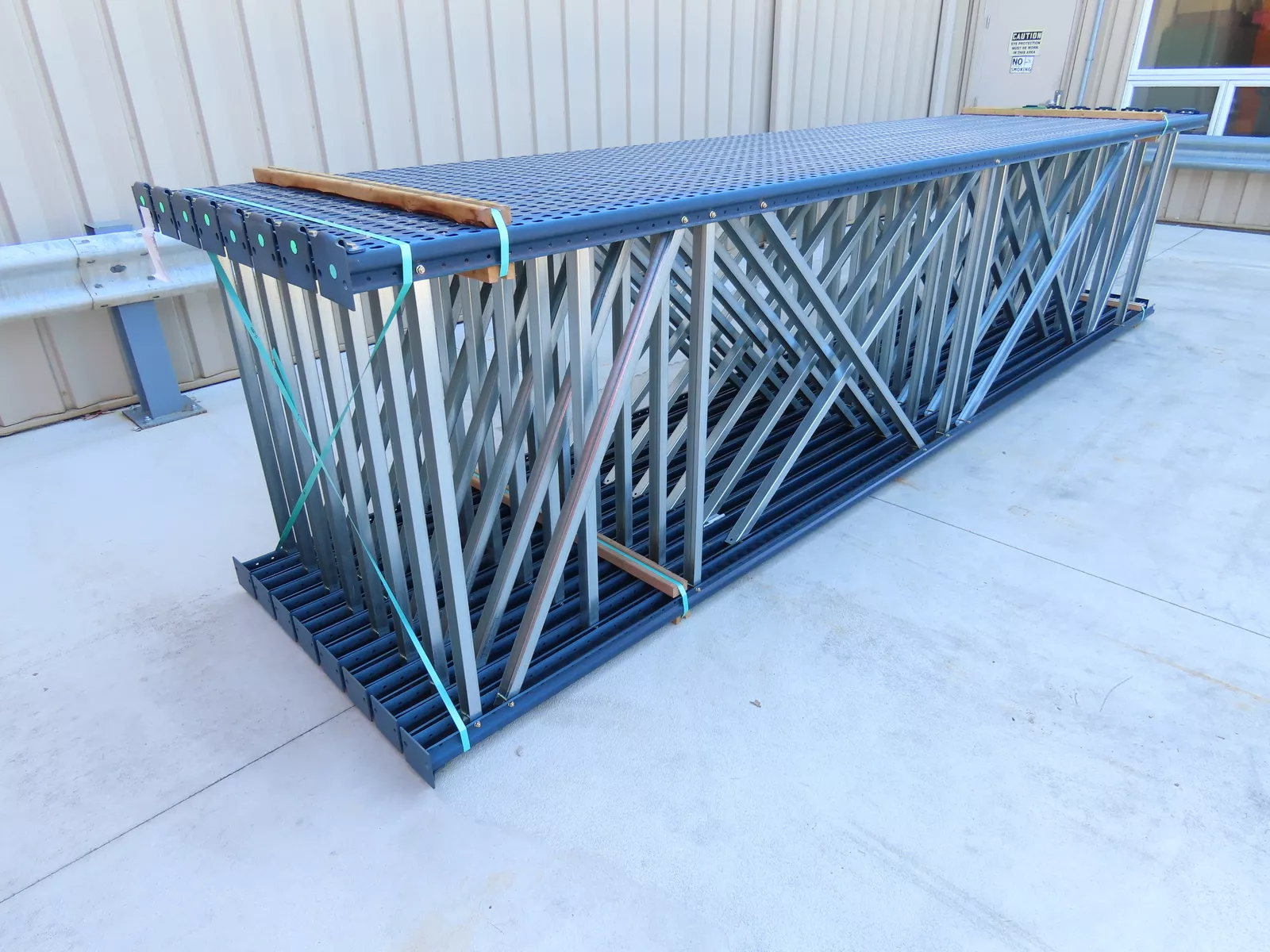
How Do Structural Racking Systems Enhance Your Operational Efficiency?
In What Ways Do Tubular Designs Provide Safety Benefits for Your Team?
When we talk about safety in the workplace, we often think about the big players: heavy machinery, proper gear, and solid training. But what if I told you that the design itself—specifically tubular designs—can offer tremendous safety benefits? Let’s take a moment to break down why these slim, sleek structures can make a world of difference for your team.
First off, let’s dive into the very nature of tubular designs. Racking systems that utilize these cylindrical shapes maximize strength while minimizing bulk. This isn’t just an aesthetic choice. The inherent resilience of tubes allows for superior weight distribution, meaning that when your team loads heavy materials, the risk of collapse or injury decreases significantly. Picture your crew maneuvering around a worksite, confident that their environment is not just functional but fundamentally secure. That’s not just good design; that’s peace of mind.
Emotionally, no one wants to work in fear. Think about the camaraderie built among workers who feel safe with their surroundings. It’s more than a physical space; it’s a culture of trust. When you know your racking doesn’t just hold your tools, but also the safety of your team, every lift, every building project, and every challenging day comes with a little less stress. In a world where toxic work environments fester, fostering a supportive atmosphere can redefine morale.
Now let’s turn to rationality. From an ethical standpoint, investing in tubular designs reflects a commitment to your team’s well-being. It says you value their lives over short-term savings. Sometimes the decision to “go cheap” can have long-term repercussions that not only affect the bottom line but also the trust that your team places in you as a leader. Tubular designs are not just a smart choice; they’re a responsible one.
Finally, consider the narrative these designs create. When your team can point to racking systems that feature thoughtful engineering and innovative safety solutions, it fosters pride in their workspace. Socially, these designs establish an industry standard that others aspire to. The more organizations embrace functional and safe design, the greater the collective contribution to workplace safety.
So, the next time you’re evaluating safety in your operations, take a look at the racking systems around you. Discover how tubular designs can not only maintain your gear but also protect the lifeblood of your workforce. Trust and confidence build from the ground up, and it starts with the integrity of the structures you choose. Choose wisely; your team is counting on it.
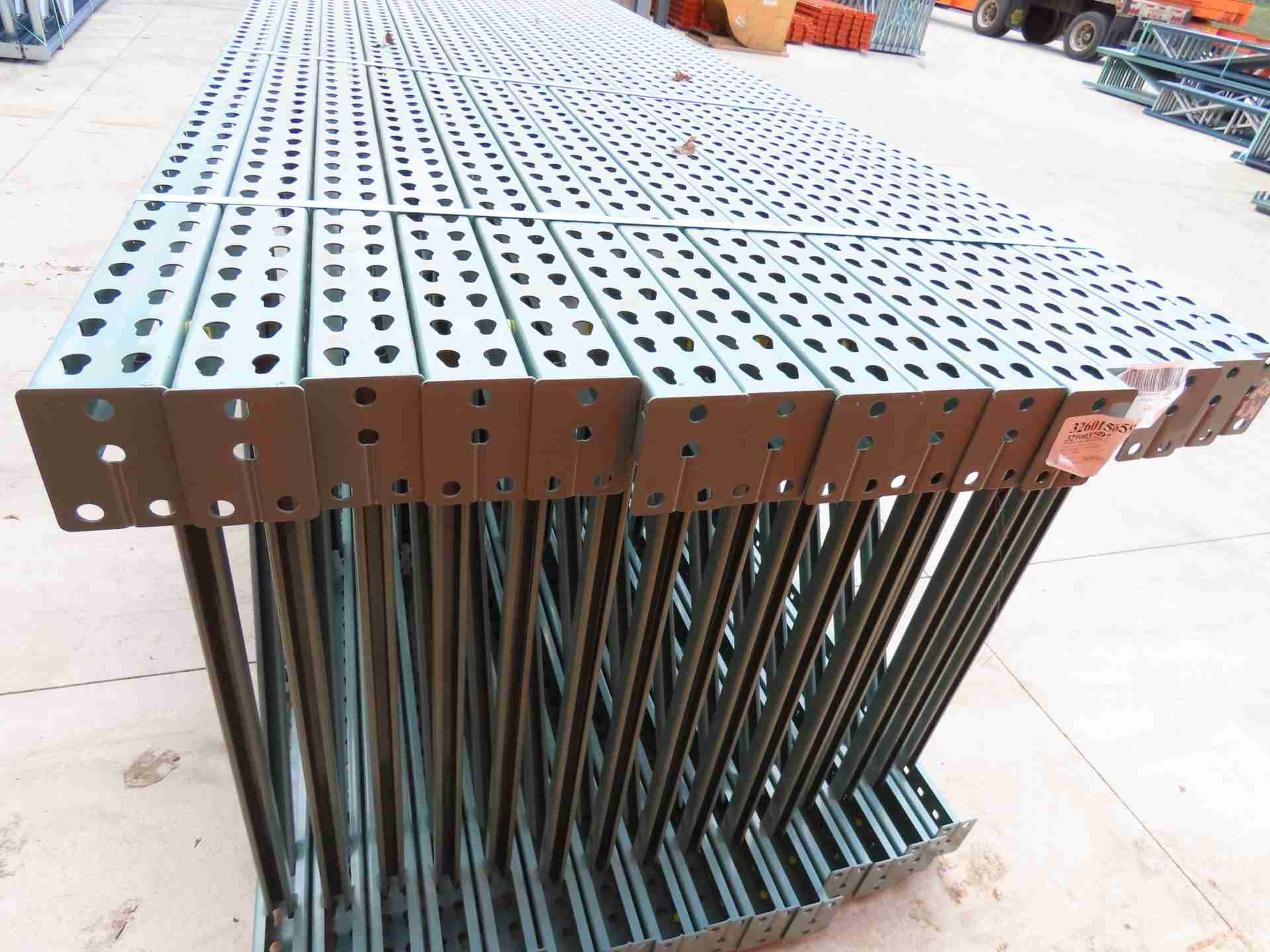
In What Ways Do Tubular Designs Provide Safety Benefits for Your Team?
In What Ways Do Tubular Designs Provide Safety Benefits for Your Team?
- Tubular designs in workplace structures provide significant safety benefits.
- These designs maximize strength while minimizing bulk, ensuring better weight distribution.
- Using cylindrical shapes reduces the risk of collapse or injury on the worksite.
- A safe working environment fosters camaraderie and a culture of trust among workers.
- Investing in tubular designs reflects a commitment to employee well-being and ethical leadership.
- Thoughtful engineering in racking systems increases pride and sets industry safety standards.
- Choosing robust tubular designs enhances operational safety and supports workforce integrity.
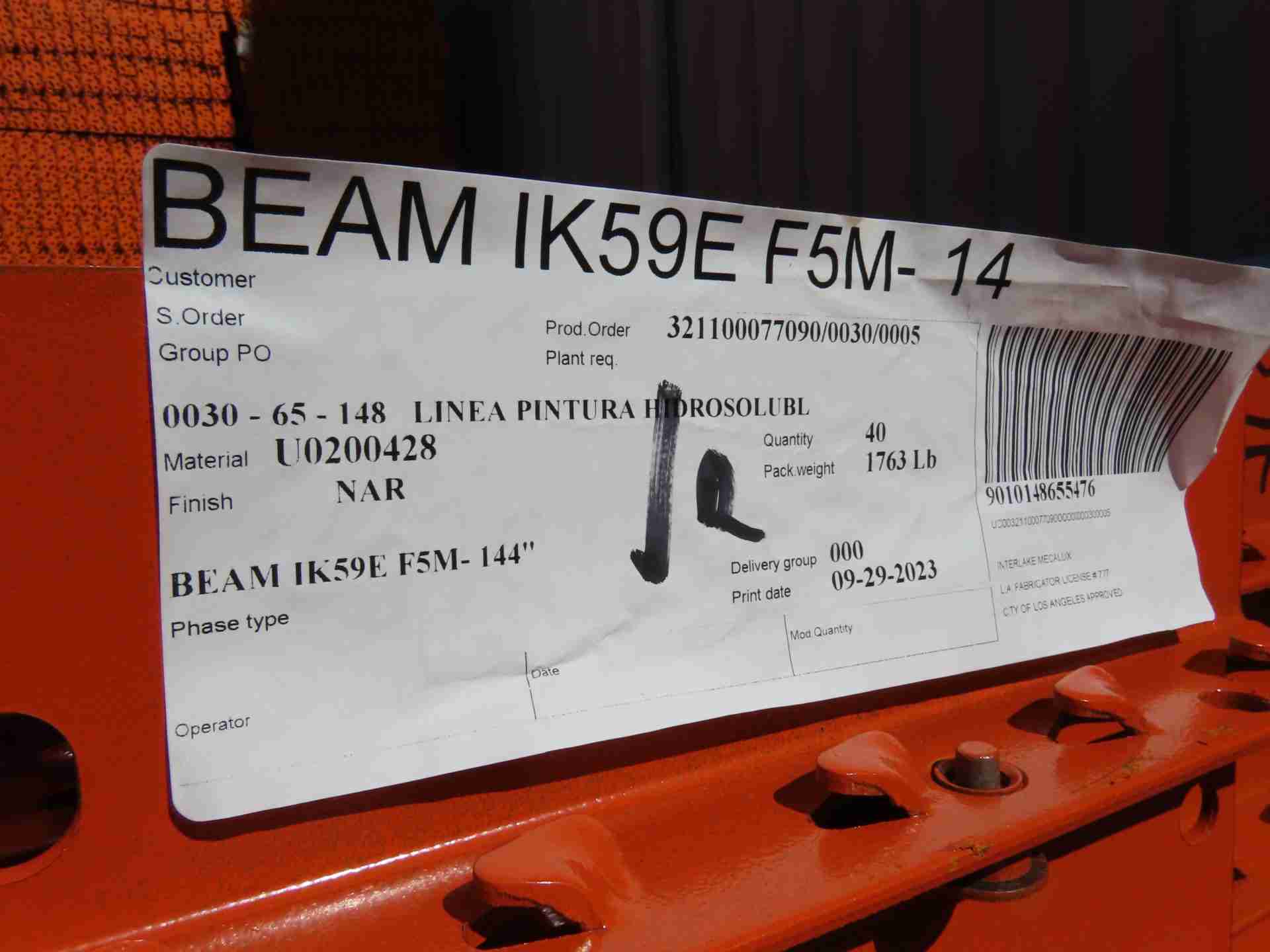
In What Ways Do Tubular Designs Provide Safety Benefits for Your Team?
Which Design Best Fits Your Unique Space and Product Needs?
When it comes to designing your unique space, the choices can feel as overwhelming as they are exciting. You’re not just picking out a few racks or display units; you’re crafting an environment that reflects who you are and what your product represents. It’s a delicate balance of heart, head, and gut, and the stakes couldn’t be higher.
Think about it. Your space is a living, breathing reflection of your vision. When a customer walks in, you want them to feel the essence of your brand resonate through every inch of the room. It’s not merely about aesthetics; it’s about creating an experience that connects emotionally. Whether it’s the warmth of wood or the sleekness of metal racking, these choices create an atmosphere that invites trust and engagement.
On the rational side, consider the functionality of your layout. The right racking can transform chaos into order, making it easier for customers to navigate your offerings. It’s the structure that supports your creativity, ensuring that your vision finds its way into every corner. Think of your layout as a narrative, a flowing story that guides visitors through an experience, highlighting the best of what you have to offer.
Ethically, it’s vital to incorporate sustainable practices into your design choices. Customers appreciate a brand that cares for the planet, and thoughtfully selected materials can enhance your credibility. Choosing eco-friendly racking systems not only benefits your company, but it also earns respect in the community—a silent yet powerful testimony to your values.
Engagement isn’t just limited to aesthetics and practicality; it’s a social endeavor. Seek inspiration from the stories of others who have gone down this path. Each person’s experience offers a nugget of wisdom, a bit of clarity in an ocean of options. Share your experiences, gather feedback, and watch how those conversations foster a deeper connection with your audience.
The design you choose isn’t just about the products you display—it’s about creating a sanctuary for your brand and your consumers. When you take the time to understand your space and what it needs, you can cultivate a space that not only serves its purpose but inspires action. So roll up your sleeves, listen to your heart, engage your intellect, and trust your instincts. Your unique space is waiting for you to bring it to life.
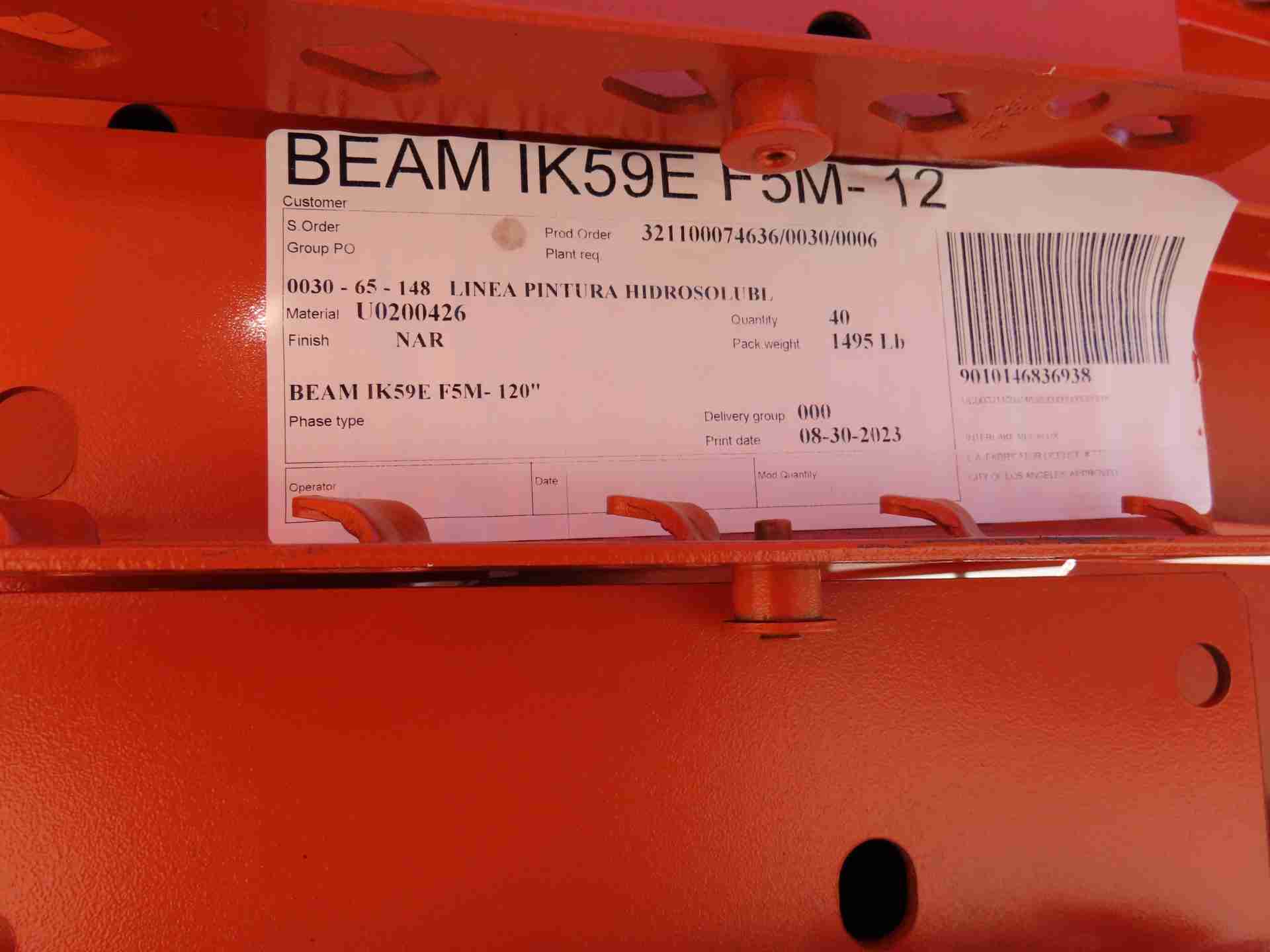
Which Design Best Fits Your Unique Space and Product Needs?
Which Design Best Fits Your Unique Space and Product Needs?
- Designing a unique space involves balancing emotional, rational, and ethical considerations.
- Your space should reflect your brand’s essence and create an emotional connection with customers.
- Functionality is essential; an organized layout helps customers navigate your offerings easily.
- The layout acts as a narrative, guiding visitors through a cohesive experience.
- Sustainable design choices enhance credibility and respect in the community.
- Engagement and inspiration can be drawn from others’ experiences in space design.
- A well-thought-out space serves as a sanctuary for both your brand and your consumers.

Which Design Best Fits Your Unique Space and Product Needs?
How Do You Feel When Your Storage System Fails to Meet Expectations?
Picture this: you’ve invested time, money, and effort into your storage system—racking designed to optimize space and efficiency. You had high hopes, envisioning the seamless flow of work, the satisfaction of a well-organized space, and the pride of a job well done. But when that system falls short, when the racking doesn’t support your goals, it’s more than just a personal frustration; it feels like a betrayal of trust.
At the heart of this disappointment is the emotional weight of putting faith into something that delivers less than promised. Whether it’s an overflowing warehouse or a clutter-strewn garage, that sense of chaos impacts every facet of your life. You can’t help but feel a twinge of anxiety as you navigate through disorder, your productivity slipping through your fingers like grains of sand. It’s not just about losing physical space; it’s the erosion of your confidence in your ability to manage what’s important.
Logically, we know that no system is infallible, yet when expectations are set, our minds create a narrative where efficiency reigns supreme. It’s hard not to feel cheated when you’ve done your homework, analyzed your options, and still find yourself swimming in disarray. Ethical considerations arise, too—should you have trusted that flashy advertisement, or was it simply marketing fluff? Those nagging doubts start creeping in: were you misled, or did you overlook something fundamental?
You’re not alone in this; many share the struggle of wrestling with inadequate racking solutions. There’s a communal understanding in that frustration, a shared experience that binds us together. Whether you’re a small business owner or a homeowner trying to reclaim space, the desire for organization is universal. Your story matters, and so does the call to action—it’s time to rethink our approach, demand accountability, and seek better solutions.
As we reflect on those moments when our storage systems fail us, let’s harness that emotional spark. Let’s channel the instinct for improvement, reach out to experts, and embark on a journey toward reliability in our storage systems. We deserve the peace of mind that comes from knowing our possessions are organized, accessible, and properly stored. Together, we can elevate our expectations and ensure that our racking does what it should—support us in our quest for efficiency and order.
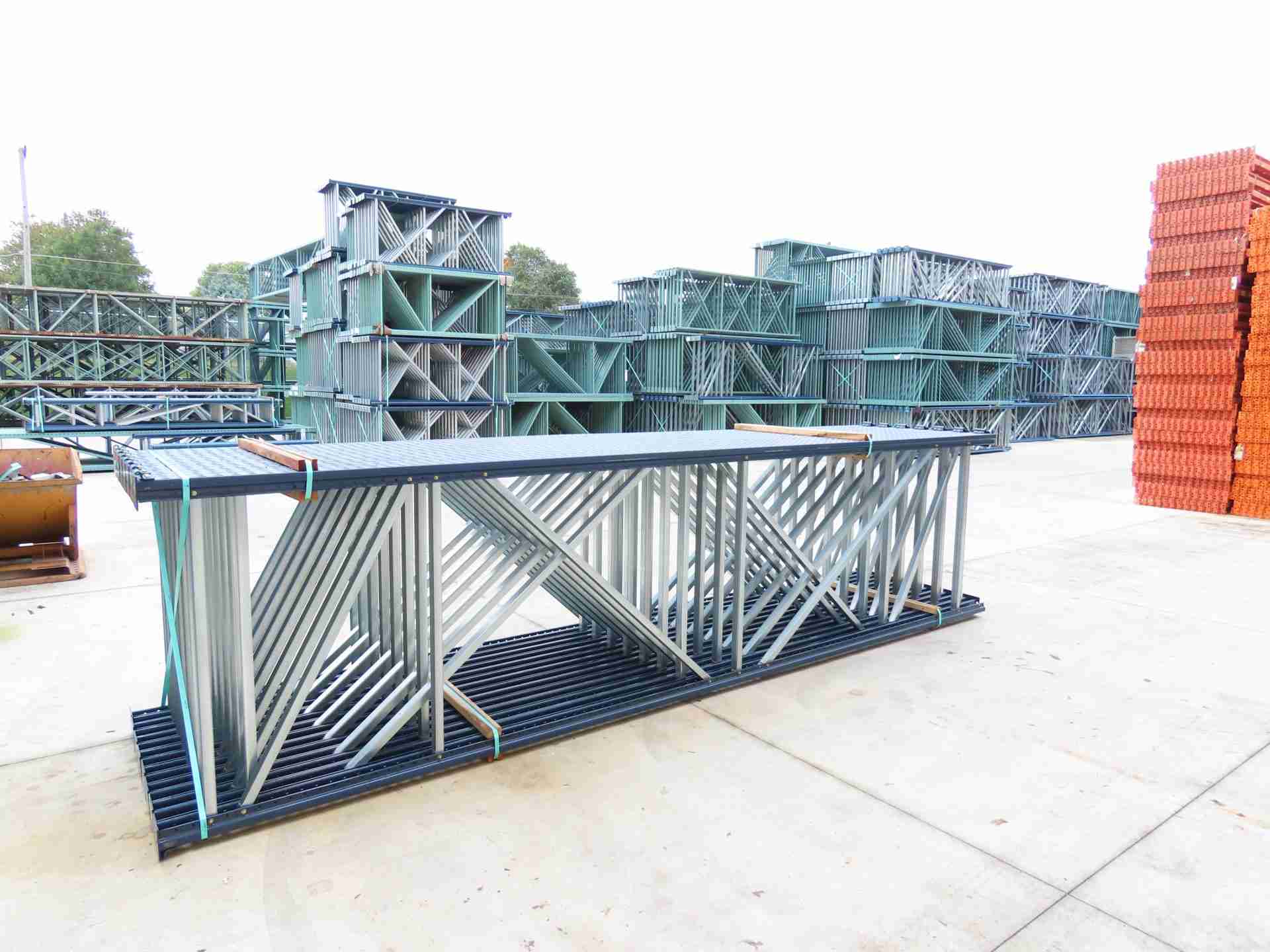
How Do You Feel When Your Storage System Fails to Meet Expectations?
How Do You Feel When Your Storage System Fails to Meet Expectations?
- Investing in storage systems often comes with high hopes for efficiency and organization.
- When storage solutions fall short, it creates feelings of frustration and betrayal.
- The resulting chaos from inadequate racking impacts overall productivity and confidence.
- Expectations can lead to feelings of being misled by marketing and advertisements.
- Many people struggle with inadequate storage solutions, fostering a sense of shared frustration.
- It’s crucial to demand better storage solutions and accountability from providers.
- By seeking expert guidance, we can improve our storage systems and achieve peace of mind.

How Do You Feel When Your Storage System Fails to Meet Expectations?
Conclusion
Choosing the right storage solution—whether it’s structural racking or tubular designs—is more than just a logistical consideration; it’s a personal decision infused with emotion, ethics, and practicality. Imagine stepping into a space that breathes organization, where each item is instantly accessible, sparking not just productivity but also pride. Structural racking stands as a symbol of reliability and strength, built to handle heavy loads with the safety and durability that demonstrate a commitment to both operational efficiency and the well-being of those who work in the space. These robust frameworks foster an environment where trust flourishes—both in the system itself and among your team.
On the flip side, we have tubular designs, which offer a sleek, flexible approach to storage that caters to the ever-evolving needs of modern business. These designs invite creativity and adaptability, allowing teams to shift quickly in a dynamic work environment. They represent a mindset open to innovation—a creative spark that fuels productivity.
However, beyond these practical benefits lies a deeper connection. Storage solutions are more than mere tools; they are reflections of our values and the lives we lead. Each shelf holds history; every box evokes memories. They serve as reminders of our journeys, promoting a sense of belonging and identity. As you evaluate your choices, consider not only your materials but also the stories they tell and the community they build. Ethical choices, such as opting for sustainable materials, extend beyond functionality—rooted in a commitment to both personal responsibility and the health of our planet.
This decision-making process is akin to crafting your narrative, shaping your space to resonate with your vision, its purpose shining through every detail. The racking system you choose should enhance not only organization and safety but also foster connection and camaraderie among your team. When employees trust their environment, they are empowered, and their collective effort can lead to unparalleled success.
Reflect on how failure to meet expectations in these systems can sow seeds of frustration and anxiety. But that’s where the power lies—in learning from those experiences and actively seeking out solutions that align with your aspirations. Whether you’re an entrepreneur looking to scale or a homeowner reclaiming space, let this journey be one of discovery. Elevate your expectations, inspire your team, and embrace storage solutions that truly support the life you wish to create. This isn’t just about finding the right racking; it’s about building a future filled with possibility, efficiency, and connection. Choose wisely—your story deserves it.
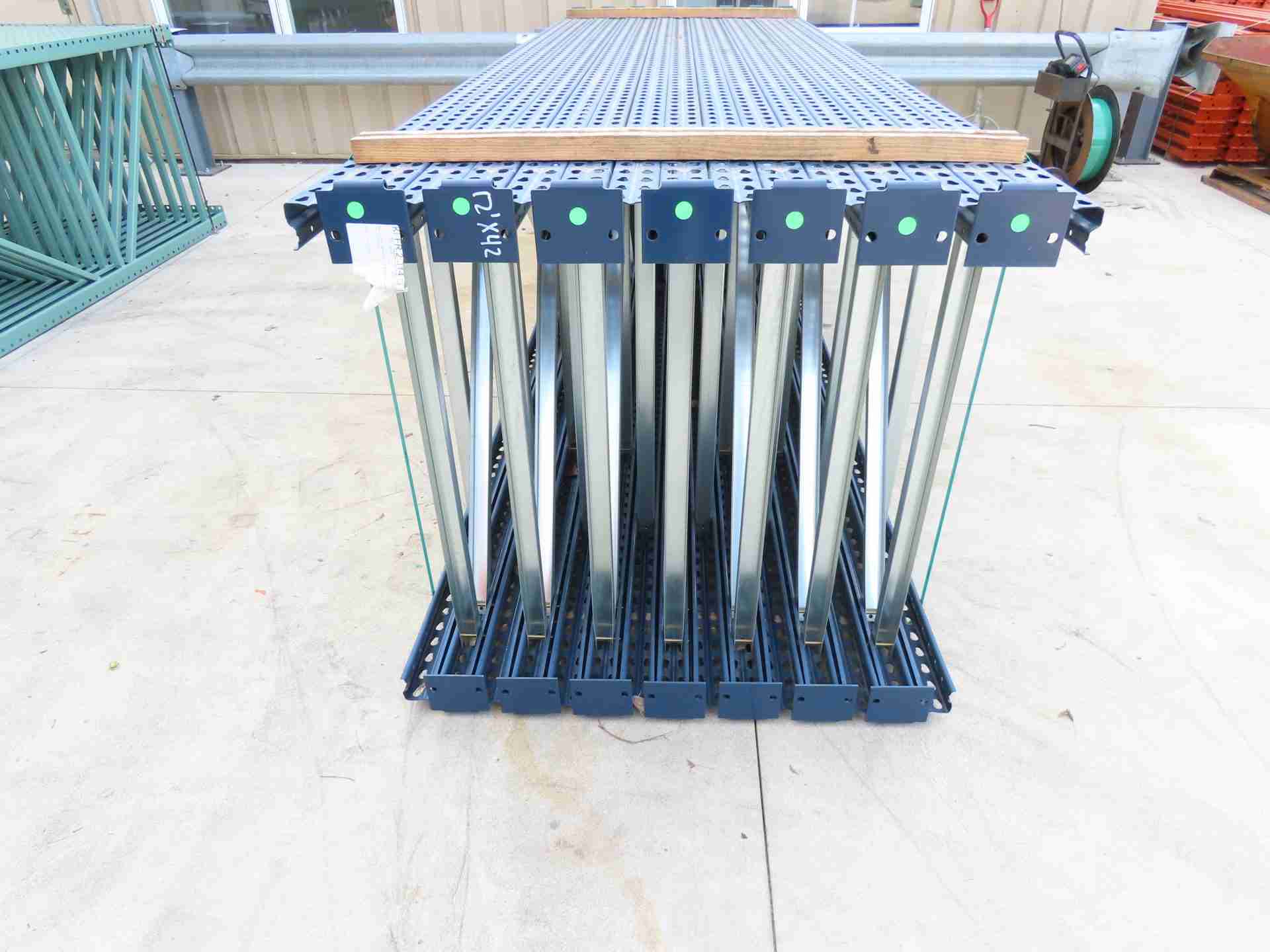
Conclusion
Conclusion:
- Choosing storage solutions involves emotional, ethical, and practical considerations.
- Structural racking symbolizes reliability and safety, promoting operational efficiency and worker well-being.
- These robust systems foster trust within teams and enhance productivity through organization.
- Tubular designs offer flexibility and adaptability, catering to the dynamic needs of modern businesses.
- Storage solutions reflect individual values and histories, promoting a sense of belonging and identity.
- Ethical choices, such as sustainable materials, emphasize personal responsibility and environmental health.
- A thoughtful selection process can empower teams, lead to success, and build a narrative for the future.
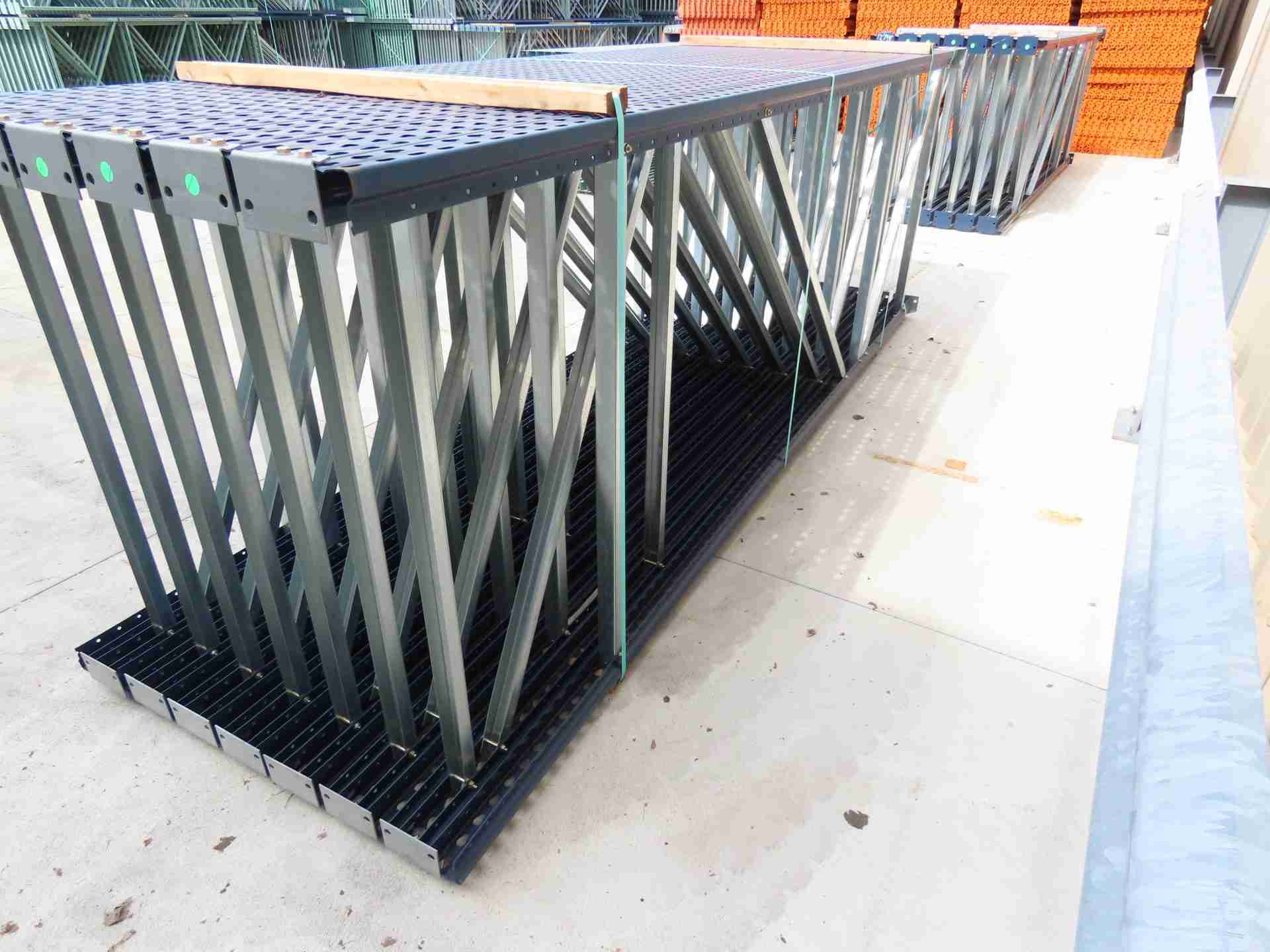
Conclusion
Other Resources
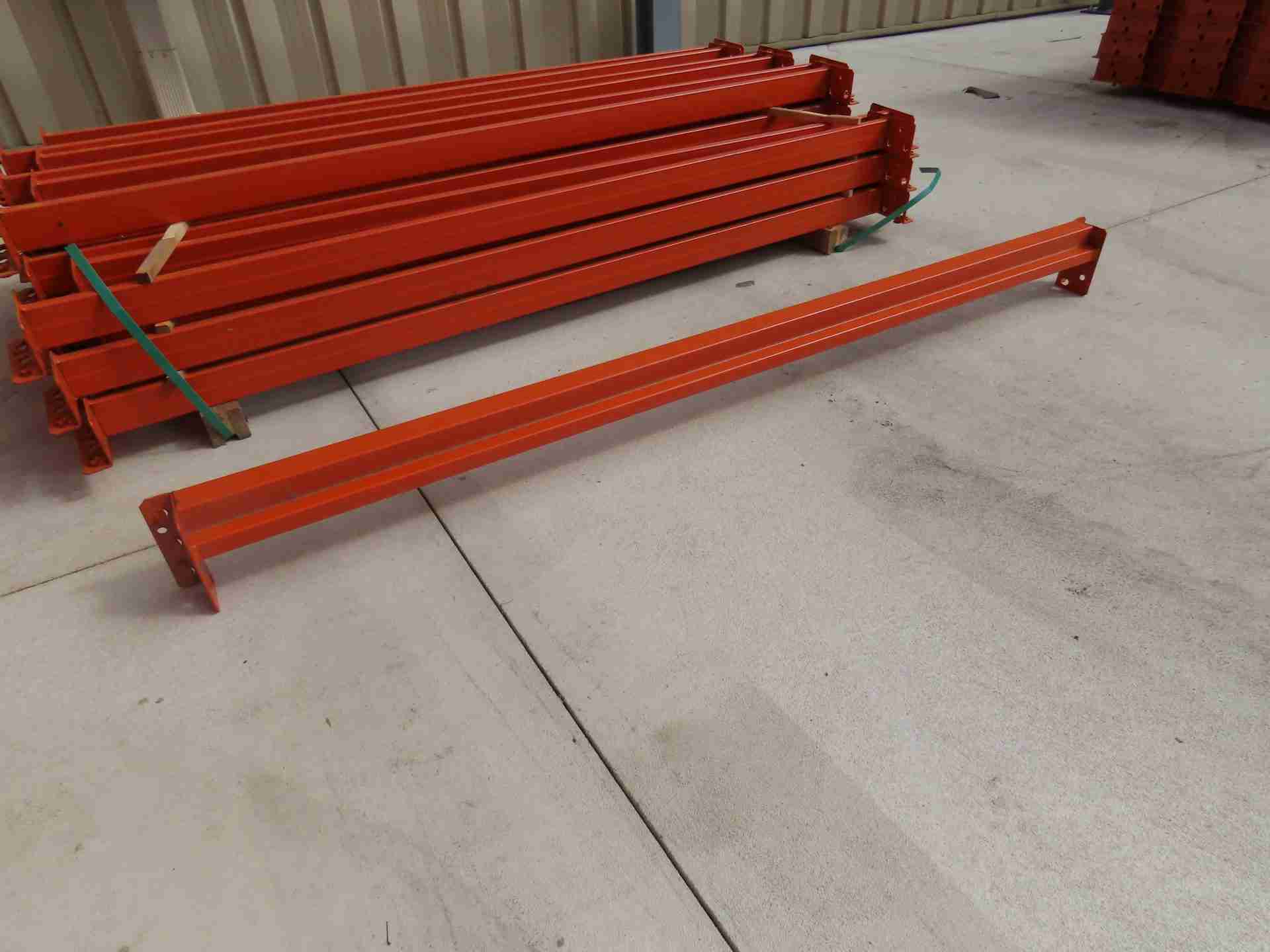
Other Resources
Here is a list of other resources you can review online to learn more:
- Warehouse Storage Racking in Illinois
- Cantilever Rack Configuration & Installation: A Comprehensive Guide – BMH
- MHI
- Warehouse Storage Racks
- Warehouse Racking Chicago, IL
- Selective Racking
- Cantilever Racking Specialists – Get the Right Racks
- Illinois
- Chicago Pallet Racking
- Pallet Racks, Pallet Racking, Pallet Shelves in Stock – ULINE
- Arrow Industrial Sales
- Pallet Racking systems in Illinois and Great Lakes
- Material Handling Industry
- Warehouse Racking Systems: Beginner’s Guide to Rack Systems
- IIWS Inc. Rack Installation Illinois & Rack Repairs Illinois
- Pallet Racking systems in Illinois and Great Lakes
- IWLA
- Teardrop Pallet Rack – Ridg-U-Rak
- American Society of Safety Professionals
Use This Prompt To Get More Resources With Your Favorite Online AI Tool: Please provide me with a list of online articles with their URLs in a bulleted list that I can read regarding Structural Racking Vs. Tubular Designs
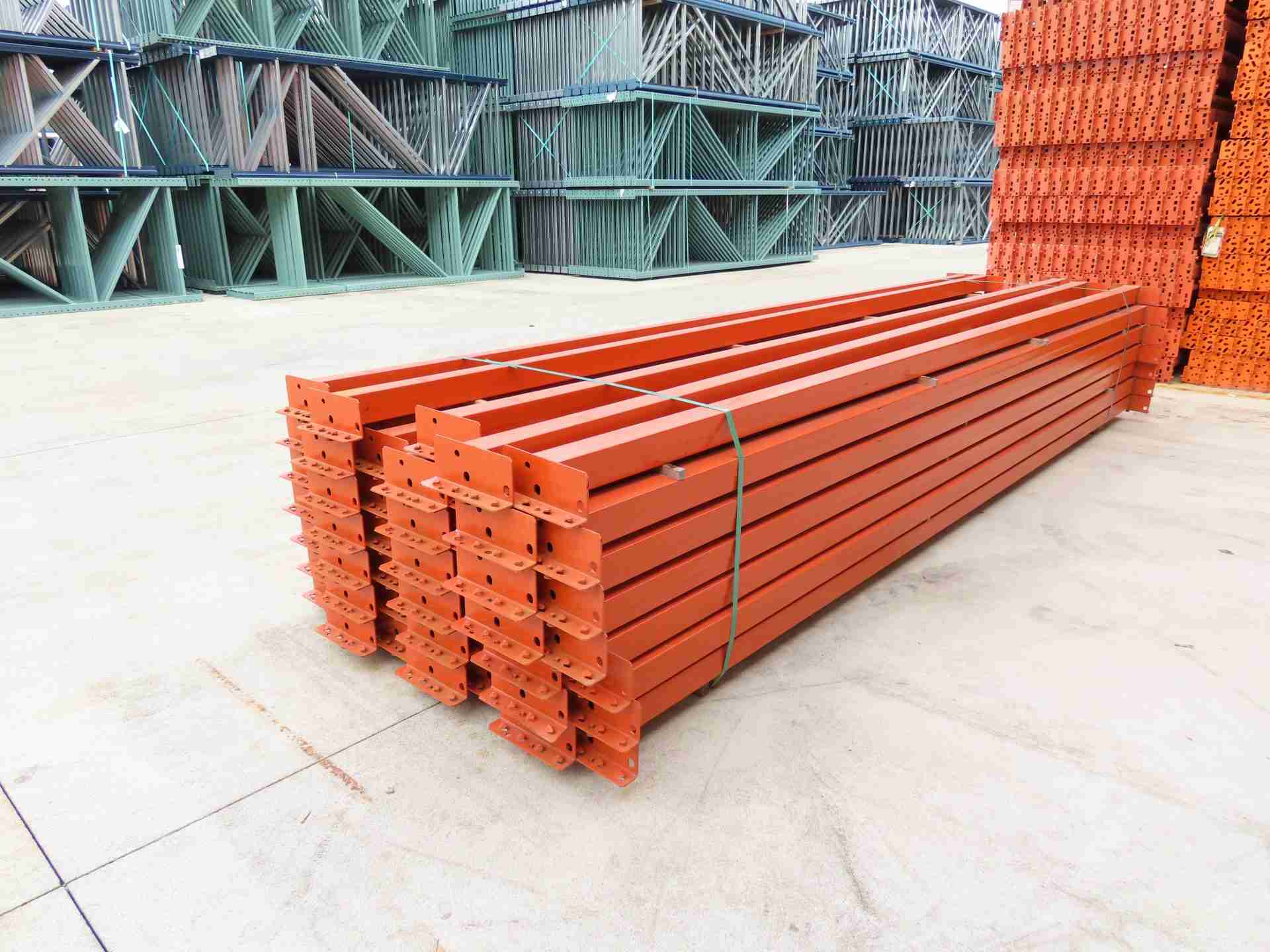
Other Resources
Glossary Terms
Structural Racking Vs. Tubular Designs – Glossary Of Terms
1. Structural Racking: A storage solution characterized by fixed configurations, often made from steel or other robust materials, designed to hold heavy loads.
2. Tubular Design: A racking system constructed using tubular components, which provide flexibility and adaptability in storage arrangements.
3. Load Capacity: The maximum weight that a racking system can safely support without structural failure.
4. Prefab Construction: Racking systems that are pre-manufactured before being assembled on-site, allowing for quicker installation.
5. Modular Design: A racking system designed in sections or modules that can be easily adjusted or expanded based on the storage needs.
6. Stability: The ability of a racking system to resist tipping or collapsing under weight or during movement.
7. Durability: The capacity of a racking system to withstand wear, pressure, and impact over time without significant degradation.
8. Customization: The process of altering racking systems to meet specific storage requirements, including size, shape, and load specifications.
9. Aisle Width: The space between rows of racks, crucial for movement and safety in storage areas.
10. Safety Compliance: Adherence to regulations and standards that ensure racking systems are safe for use and can handle specified loads.
11. Vertical Space Utilization: The effective use of vertical height within a storage area to maximize storage capacity.
12. Accessibility: The ease with which items stored on the racking system can be reached and retrieved, important for operational efficiency.
13. Forklift Compatibility: The design consideration of racking systems to accommodate various types of forklifts for loading and unloading.
14. Weight Distribution: The way weight is spread across a racking system, important for maintaining balance and preventing collapse.
15. Deflection: The degree to which a racking system bends or moves under load, which can affect safety and functionality.
16. Beam Levels: Horizontal support structures on racking systems where items are stored, can be adjusted to different heights.
17. Cross-Bracing: Structural elements that connect vertical and horizontal components of racking to enhance stability.
18. Cost Efficiency: Analysis of the overall value of a racking system concerning its purchasing, operating, and maintenance costs.
19. Material Choice: The selection of materials used to construct racking systems, influencing durability, load capacity, and cost.
20. Installation Time: The duration required to assemble and set up a racking system, often affected by design complexity.
21. Reconfiguration: The ability to adjust the layout of a racking system to accommodate changing storage needs.
22. Compact Storage: Racking designs that maximize space by minimizing the footprint of the storage system without sacrificing capacity.
23. Ergonomics: The study of optimizing the racking design for ease of use and to reduce fatigue and injury for users.
24. Pallet Racking: A specific type of structural racking designed to hold pallets as the primary storage unit.
25. Weight Rating: The classification indicating the maximum loads a racking system can handle, often specified by the manufacturer.
26. Inspection Protocol: Procedures and guidelines set for assessing the safety and functionality of racking systems regularly.
27. Load-Bearing Columns: Vertical supports within a racking system designed to bear the weight of stored items above.
28. Environmental Resistance: The ability of a racking system to withstand specific environmental conditions, such as humidity or temperature extremes.
29. Inventory Management: The systems and processes involved in overseeing storage, tracking items, and optimizing storage space.
30. Long Span Racking: A racking design featuring longer beams for storing bulky items without needing a supporting column.
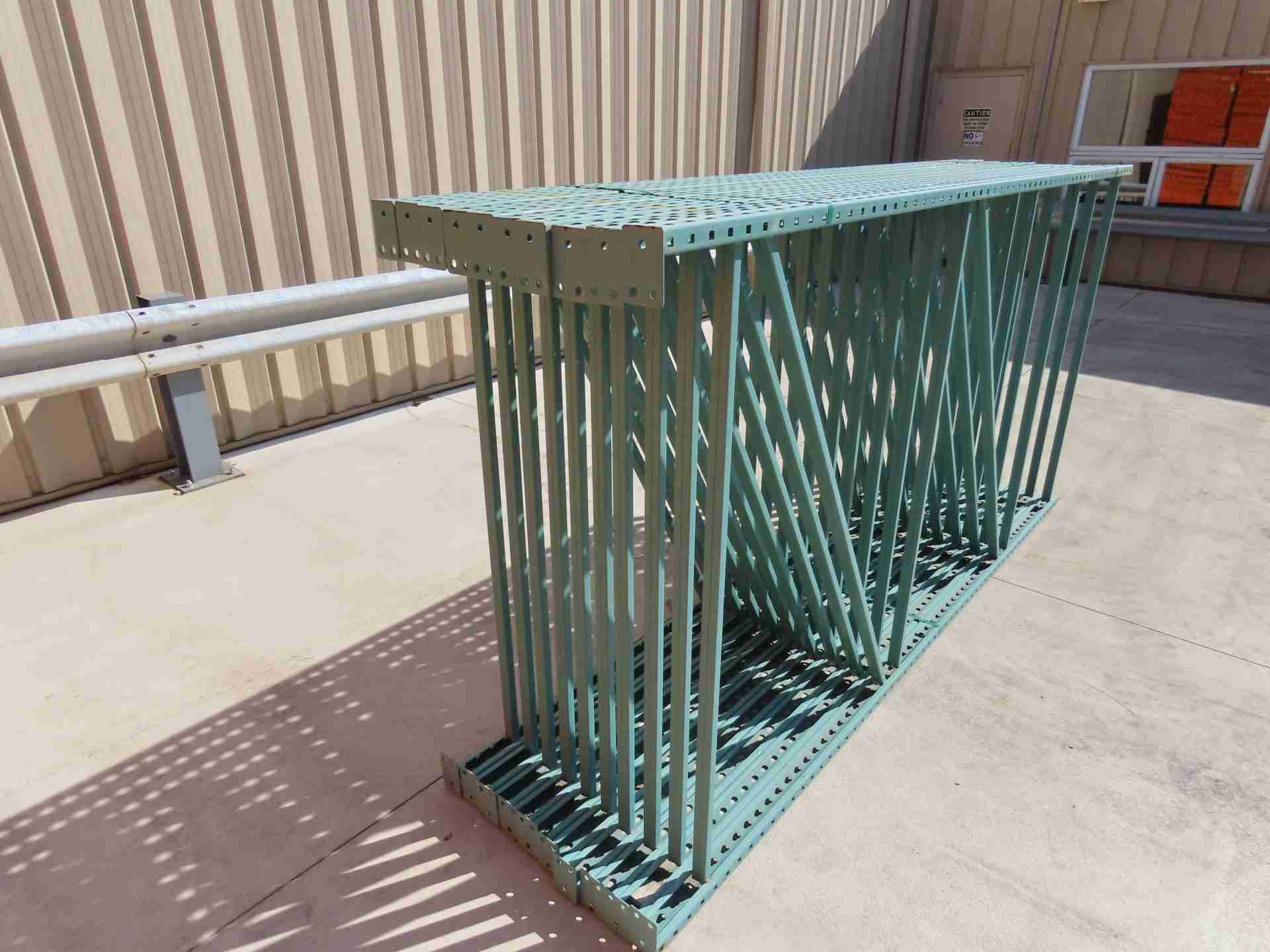
Glossary Of Terms
Other Questions
Structural Racking Vs. Tubular Designs – Other Questions
If you wish to explore and discover more, consider looking for answers to these questions:
- What are the key differences between structural racking and tubular designs?
- What factors should be considered when choosing between structural racking and tubular designs?
- How can I assess the specific needs of my space to determine the best racking solution?
- What environmental considerations should I take into account when selecting storage solutions?
- How do the emotional connections to storage systems impact decision-making?
- What safety certifications should I look for in racking systems?
- How can proper racking systems improve employee morale and productivity?
- What are the long-term cost implications of structural racking versus tubular designs?
- How can I ensure that my storage system is adaptable to future needs?
- What are some common mistakes to avoid when implementing a new racking system?
- Are there any maintenance requirements for structural racking and tubular designs?
- How do local regulations impact warehouse storage design choices?
- What are the best practices for organizing items on racking systems?
- Can a poorly designed racking system lead to legal liabilities?
- How can technology be integrated into racking systems for enhanced efficiency?
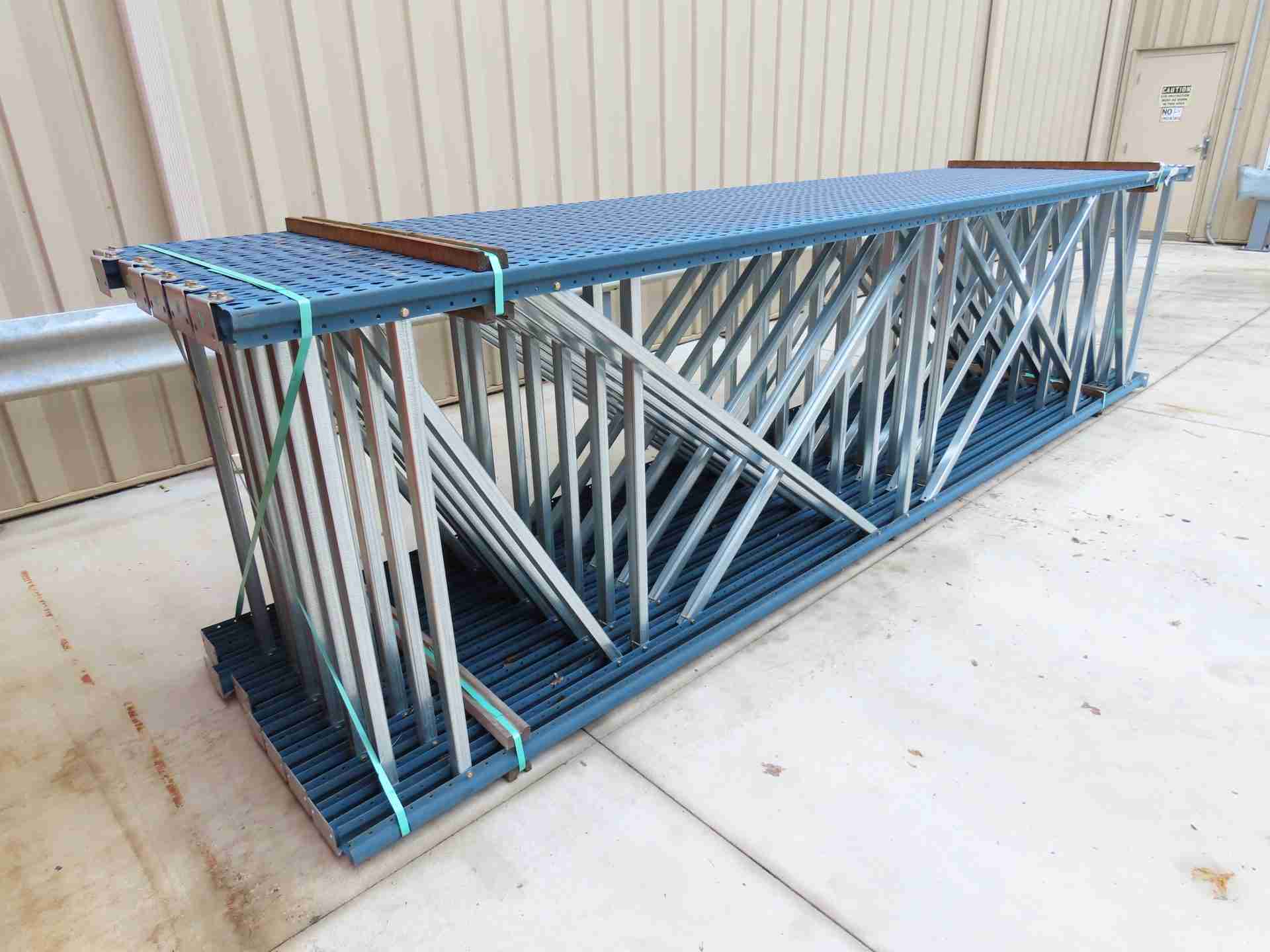
Other Questions
Checklist
Structural Racking Vs. Tubular Designs – A Checklist
Storage Solutions Decision-Making Checklist
Emotional Appeals
_____ Reflect on the stories connected to your belongings: How do they shape your identity?
_____ Consider the emotional impact of a well-organized space: What feelings arise when you think about clarity and peace of mind?
_____ Envision the camaraderie and trust built within your team: How does a secure environment promote a positive workplace culture?
Rational Appeals
_____ Assess your operational needs: What racking system maximizes your space and improves efficiency?
_____ Calculate potential cost savings: How might a robust racking system reduce time wasted in locating items?
_____ Evaluate safety features: Which design mitigates risk and enhances the well-being of your team?
Ethical Appeals
_____ Investigate the sustainability of materials used: Are you supporting eco-friendly practices in your storage solutions?
_____ Reflect on your commitment to your team: How does the choice of racking system show your dedication to their safety and comfort?
_____ Consider the societal impact: What standards are you setting within your industry by choosing responsible designs?
Authority Appeals
_____ Research expert opinions: What are the best practices recommended by industry professionals when selecting racking systems?
_____ Look into case studies: Are there successful businesses or warehouses that exemplify effective storage solutions?
_____ Consult with experienced colleagues: What insights can your team members share about their past successes or failures with racking systems?
Narrative Appeals
_____ Create a vision for your space: How does the right racking system align with the story of your brand or home?
_____ Share your own experiences: What have been your triumphs and challenges in managing storage and organization?
_____ Develop a narrative around your workspace: How can the chosen design elevate your operations and reflect your goals?
Social Appeals
_____ Engage with your community: What tips and ideas can you gather from others who have tackled similar storage challenges?
_____ Foster discussions about organization: How can sharing storage journeys create a sense of belonging among peers?
_____ Collaborate on shared solutions: Are there opportunities to explore joint purchasing or bulk deals with others?
Utilize this checklist to guide your decision-making process when selecting the storage solution that best aligns with your needs and values.
Checklist
At RackingWorld, we help guide you through selecting warehouse storage systems and racking.
Be sure to read our other related stories at RackingWorld to learn more about warehouse storage systems.
0 Comments