
Protecting People And Products: Mastering Rack Safety
By Tom Seest
At RackingWorld, we help guide you through selecting warehouse storage systems and racking.
Be sure to read our other related stories at RackingWorld to learn more about warehouse storage systems.
How to Conduct a Rack Safety Inspection
Conducting a rack safety inspection is more than a routine check—it’s a commitment to the people who make your business thrive. When you walk through your warehouse or storage facility, you’re not just looking at metal and concrete; you’re standing in a place where livelihoods are built, and trust is essential. This is about the safety of your team, the integrity of the racking systems, and the smooth operation of your entire operation.
Start with a thorough visual inspection of the racking. Walk the aisles with purpose. Look for any signs of wear, damage, or misalignment. Bent beams or missing safety clips can spell disaster in a heartbeat. Imagine a scenario where a rack collapses under the weight of inventory simply because a single bolt was overlooked. The gut-wrenching thought of that incident should be enough to ignite your sense of urgency.
Next, check the load capacity signage on each rack. This isn’t just a number; it’s a promise—a promise you need to keep for your team. Ensuring that no one exceeds the designated weight limits is not only a practical decision; it’s an ethical obligation to shield your employees from harm. That moment when you catch a potential hazard at the right time can be the difference between a typical day and a life-altering incident.
Also, engage your team in this process. Foster a culture where safety isn’t just a policy, but a way of life. Invite them to share their observations. Encourage stories about best practices and the lessons learned from near misses. This builds a sense of camaraderie and collective responsibility. When teams band together, they become a force to be reckoned with, capable of keeping their environment as safe as possible.
Lastly, document your findings. Nothing says, “I care,” like a record that shows your dedication to safety. This ain’t just paperwork; it’s your battle plan against accidents and injuries. Your authority in enforcing these inspections can instill confidence across the board—a silent assurance that you’ve got their backs.
So, roll up your sleeves, tighten your bootstraps, and approach that rack inspection like you mean it. Because at the end of the day, it’s not simply about compliance; it’s about creating an environment where people feel valued, safe, and ready to tackle whatever comes next.
How to Conduct a Rack Safety Inspection
How to Conduct a Rack Safety Inspection
- Conducting rack safety inspections demonstrates commitment to employee safety and trust in the workplace.
- Perform a thorough visual inspection for signs of wear, damage, or misalignment in racking systems.
- Check load capacity signage on each rack to ensure weight limits are not exceeded, fulfilling an ethical obligation to protect employees.
- Engage the team in the safety process, promoting a culture of safety through shared observations and experiences.
- Encourage camaraderie and collective responsibility among team members for a safer work environment.
- Document findings to show dedication to safety and create a ‘battle plan’ against accidents and injuries.
- Approach rack inspections seriously to foster a workspace where employees feel valued and safe.

How to Conduct a Rack Safety Inspection
Table Of Contents
- How to Conduct a Rack Safety Inspection
- What Risks Could Arise From Neglecting Rack Safety Inspections?
- How Can Regular Inspections Save Money on Repairs and Liabilities?
- Are Your Employees Aware Of the Importance Of Rack Safety?
- What Ethical Responsibilities Do You Have to Ensure Workplace Safety?
- How Can Proper Inspections Prevent Accidents and Save Lives?
- Conclusion
- Other Resources
- Glossary Of Terms
- Other Questions
- Checklist
What Risks Could Arise From Neglecting Rack Safety Inspections?
Neglecting rack safety inspections might seem like an easy oversight—a five-minute task you can skip for another day. But let’s take a moment to unravel the tangled web of risks spun from that innocent choice. The truth is, failing to keep a watchful eye on racking systems isn’t just a minor hiccup; it’s setting the stage for a disaster that could reverberate through your business, your team, and the very heart of your workplace.
Imagine a day like any other, where everything runs smoothly—packages moving, employees working, the pulse of productivity thriving. Now picture that tranquility shattered by a catastrophic failure of inadequate racking. One mismanaged moment transforms a workplace into a chaos zone, putting lives at risk and costing stakeholders millions. The emotional toll on your crew can’t be understated. It’s not just about dollars lost; it’s about the heartache of seeing colleagues harmed or livelihoods disrupted.
Rationality should stand as your guiding principle here. Regular inspections are your bulwark against vulnerabilities that can lead to disastrous outcomes. An ounce of prevention truly weighs more than a pound of cure. By establishing a rigorous inspection regimen, you’re not only safeguarding tangible assets but offering an invaluable assurance—the knowledge that you care about your people and their safety. It’s a clear-cut way to demonstrate ethical responsibility. You’re saying to your team, “Your well-being matters, and I’m committed to creating an environment where you can thrive without fear.”
Let’s not overlook authority and expertise—countless studies echo the dire consequences of neglect in safety protocols. Industry leaders emphasize the importance of vigilance in preserving workplace integrity. So when you let safety slip through the cracks, you’re not just ignoring a checklist; you’re disregarding the wisdom gleaned from those who have faced the ultimate sacrifices in safety.
On a social level, accountability is contagious. When you prioritize safety, you signal to others that they should too. Imagine the ripple effect—each emphasis on rack safety inspection could inspire diligence in other areas, creating a culture rooted in responsibility.
It takes courage to confront and embrace the sometimes mundane tasks that bolster safety. But there’s a profound connection between how we care for our spaces and how we care for each other, and it’s time we stepped up. Let’s make safety inspections a priority, not just for compliance, but for a future where we all come home safe at the end of the day.

What Risks Could Arise From Neglecting Rack Safety Inspections?
What Risks Could Arise From Neglecting Rack Safety Inspections?
- Neglecting rack safety inspections may appear minor but poses significant risks to workplace safety and integrity.
- A catastrophic racking failure can lead to chaos, endangering lives and costing stakeholders millions.
- The emotional impact of workplace accidents affects employees’ well-being and disrupts livelihoods.
- Regular inspections are crucial for preventing vulnerabilities and demonstrating a commitment to safety.
- Prioritizing safety inspections showcases ethical responsibility and care for employee well-being.
- Neglecting safety protocols disregards the wisdom of industry leaders who emphasize vigilance.
- Promoting a culture of safety can inspire accountability and diligence beyond just rack inspections.
What Risks Could Arise From Neglecting Rack Safety Inspections?
How Can Regular Inspections Save Money on Repairs and Liabilities?
When it comes to keeping your assets in check, there’s no underestimating the power of regular inspections. Picture yourself standing in a dimly lit warehouse, surrounded by towering racking systems, every shelf a potential risk waiting to be unleashed if left unchecked. The truth is, those racks may support your livelihood, but their structural integrity is only as reliable as your commitment to keeping them inspected.
Taking the time to perform routine inspections is not just a practical move; it’s a profound act of stewardship over the resources you’ve worked so hard to build. Each inspection is a chance to catch the little things before they spiral into big problems—cracks in the beams, corrosion, or even improper loading. Ignoring these signs is like ignoring a warning light on your dashboard. Sure, you might save a few bucks in the short term, but when disaster strikes, the financial repercussions will hit like a freight train.
Think about it: you wouldn’t drive a car without regular maintenance, so why risk your business’s safety? Regularly scheduled inspections provide the peace of mind that comes from knowing you’re taking proactive steps to safeguard both your financial investment and your people. These inspections don’t just save money on repairs; they protect you from liabilities that could devastate your organization.
But it goes deeper than just the bottom line. There’s an ethical responsibility we all share when it comes to ensuring a safe working environment. When your team walks through the doors of your facility, they shouldn’t have to worry about potential accidents lurking in the shadows. By prioritizing inspections, you’re sending a powerful message that their well-being matters.
And don’t overlook the social aspect. When your team knows you care enough to look out for their safety, morale skyrockets. They become your eyes and ears, creating a culture where everyone takes pride in maintaining a safe workspace. It’s a sense of community, a recognition that everyone has a stake in this journey.
By investing time and resources into regular inspections, you’re not only saving money; you’re building a legacy rooted in trust, responsibility, and shared success. So, the next time you think about skipping that inspection, remember: what seems like a small oversight today could turn into a monumental failure tomorrow. Don’t just keep up appearances; invest in the heartbeat of your operation.
How Can Regular Inspections Save Money on Repairs and Liabilities?
How Can Regular Inspections Save Money on Repairs and Liabilities?
- Regular inspections are essential for maintaining asset integrity, especially in warehouse environments.
- Inspections allow for early detection of issues like cracks, corrosion, and improper loading that can lead to bigger problems.
- Neglecting inspections may save money in the short term, but can result in severe financial consequences in the long run.
- Routine inspections provide peace of mind, ensuring safety for both financial investments and employees.
- There is an ethical responsibility to maintain a safe working environment for employees, preventing potential accidents.
- Prioritizing safety through inspections boosts team morale and promotes a community culture focused on shared responsibility.
- Investing in regular inspections builds a legacy of trust and responsibility, emphasizing the importance of operational integrity.
How Can Regular Inspections Save Money on Repairs and Liabilities?
Are Your Employees Aware Of the Importance Of Rack Safety?
When we think about the safety of a workplace, we often picture hard hats, safety goggles, or fire extinguishers. But what about the silent giants of your warehouse—the racking systems that hold up everything from heavy machinery to fragile products? It’s all too easy for employees to overlook the importance of rack safety, yet neglecting it can have immediate, life-altering consequences.
Picture this: a warehouse bustling with activity, and an employee, perhaps a new hire, is unaware of the risks posed by improper racking. A simple mistake, like overloading a shelf or failing to secure pallets properly, can lead to catastrophic falls. We owe it to each other—to our teammates, our families, and ourselves—to foster an environment where safety comes first.
Let’s talk about rationality for a moment. According to industry statistics, over 20,000 injuries are reported every year related to warehouse accidents, many of which involve racking failures. These aren’t just numbers; they represent real people, families who depend on them, and dreams that can be shattered in seconds. Understanding and implementing best practices for rack safety isn’t just about compliance; it’s about ensuring that every employee goes home safe at the end of the day.
Ethically, it’s our duty as employers to provide a safe workplace. It reflects our values, our commitment to each individual. It might seem mundane to emphasize the importance of rack safety during a meeting or training session, but those words carry weight. They show that we care enough to prioritize safety over getting the job done quickly.
Now, let’s think about community. When employees recognize the significance of safety in racking, it creates a culture of awareness and responsibility. People begin to look out for one another; they become vigilant, reminding each other, “Hey, that pallet seems heavy. Let’s check the load.” This kind of camaraderie transforms a workplace from just a space where people clock in and out to a community looking after its own.
It’s vital to engage your workforce on this topic. Share stories of near-misses or successes when safety protocols were followed. Make it relatable, not just with statistics, but with real-life narratives. By fostering this connection, you can inspire confidence and action. Employees will feel empowered to speak up, ask questions, and prioritize safety—not just for themselves but for their colleagues, too.
So take a moment to evaluate your approach. Are your employees aware of the importance of rack safety? Don’t wait for an accident to spur a conversation. Start it today, and ensure that every voice is heard, because safety isn’t just a policy; it’s a shared responsibility.
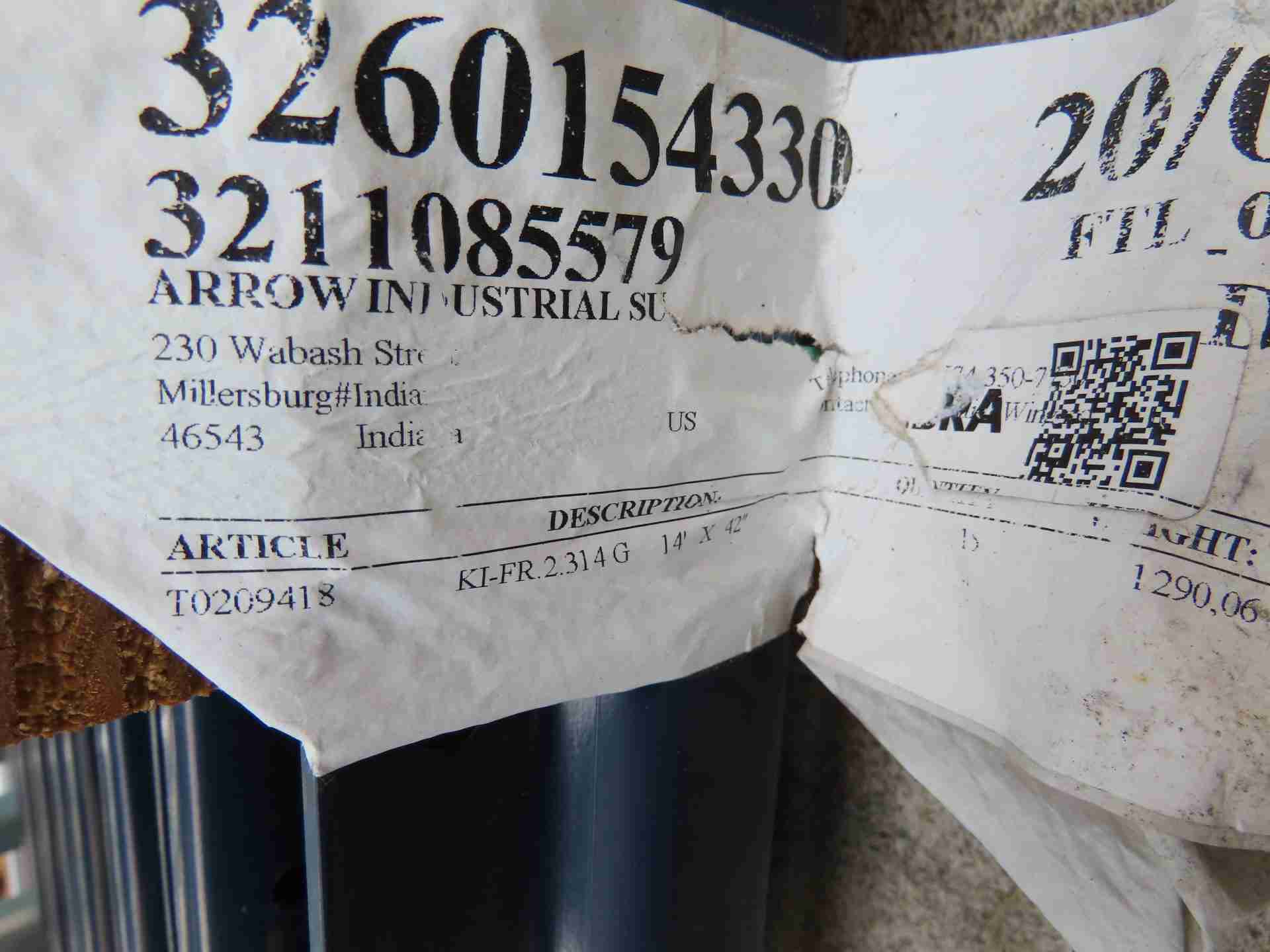
Are Your Employees Aware Of the Importance Of Rack Safety?
Are Your Employees Aware Of the Importance Of Rack Safety?
- Workplace safety often focuses on visible aspects like equipment, but rack safety is equally crucial.
- Neglecting rack safety can lead to severe accidents, such as falls from overloaded or unsecured shelves.
- Over 20,000 warehouse-related injuries occur annually due to rack failures, impacting real lives and families.
- Employers have an ethical duty to ensure a safe working environment, prioritizing safety over speed.
- A culture of safety awareness fosters community, encouraging employees to look out for one another.
- Engaging workers through storytelling about safety can inspire them to be proactive in prioritizing safety.
- It’s essential to evaluate and discuss rack safety proactively, as it is a collective responsibility.
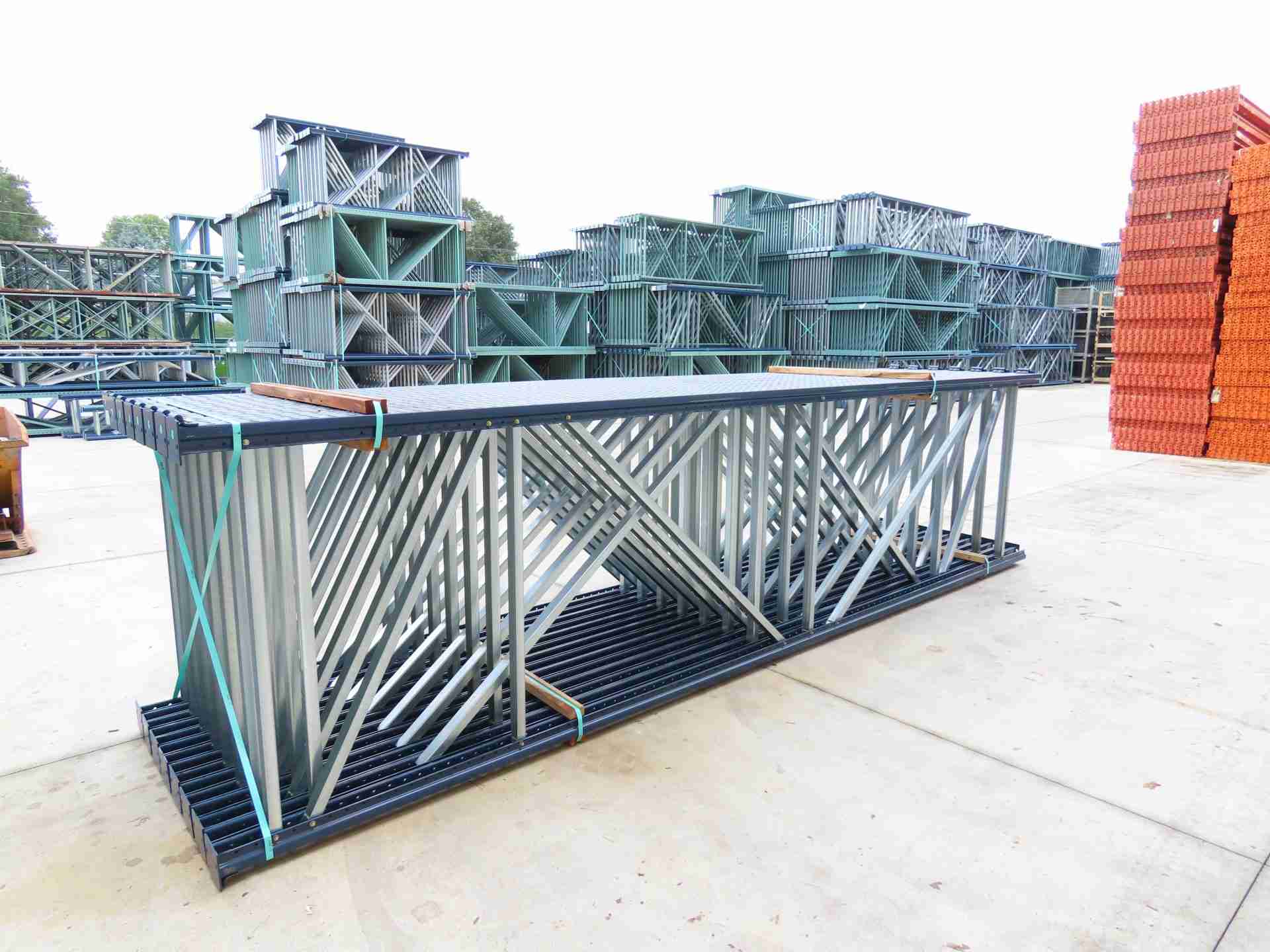
Are Your Employees Aware Of the Importance Of Rack Safety?
What Ethical Responsibilities Do You Have to Ensure Workplace Safety?
When you step into a workplace, you’re entering a world filled with risks and rewards. But let’s get real for a moment: the ethical responsibilities you hold in ensuring safety aren’t just a list of rules—they’re a fundamental part of your character, your values, and ultimately, who you are. Nothing magnifies this responsibility more than watching someone you care about—your colleague, a friend—suffer because safety measures were mishandled or ignored.
Picture this: a hard day’s work. You’ve got equipment racking up in the warehouse, and the clatter of machinery fills the air. Every object, every tool, every piece of equipment should be secured—not just for the sake of regulations, but for the human lives that interact with them daily. When safety protocols are neglected, lives are at stake. That’s not just a statistic; it’s someone’s father, mother, brother, or sister. Are we really willing to cut corners when the cost might be so high?
Now, consider the rational side of the argument. A safe workplace doesn’t just protect your team; it enhances productivity, builds trust, and fosters a culture where everyone feels valued and secure. Workers who trust their environment invest themselves more fully in their roles, showing up ready to give their all rather than dodging hazards. That’s good for morale and even better for the bottom line.
But ethics isn’t just about logic; it’s about heart. In every safety protocol you uphold, you’re making a commitment to collective well-being—a pledge that translates into the safety net for everyone around you. It’s about accountability, community, and shared responsibility. When you advocate for safer conditions, you’re standing up for a higher principle—a sense of duty to one another as human beings playing our part in the grander scheme of things.
This isn’t just about avoiding fines or legal consequences; this is about integrity. Every time you see that racking system loaded to the brim, take a moment to reflect: would you want your loved ones working around here? If the answer is no, then act. Advocate for better safety measures without hesitation. Speak up when you see something amiss, and make your workplace not just a space for productivity, but a sanctuary for growth, security, and trust. When we uphold those ethical responsibilities together, we elevate our entire community, and that is a legacy worth investing in.
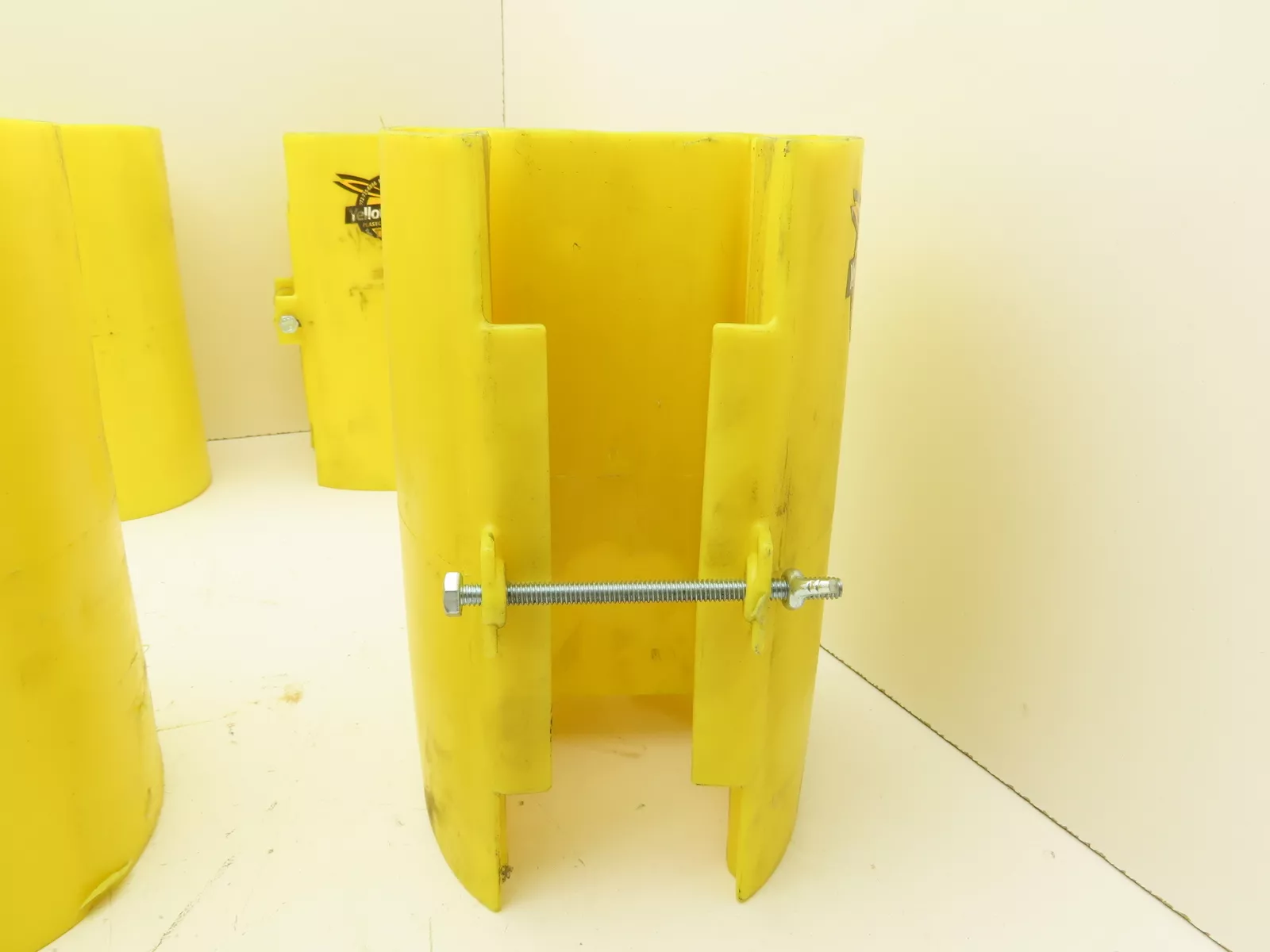
What Ethical Responsibilities Do You Have to Ensure Workplace Safety?
What Ethical Responsibilities Do You Have to Ensure Workplace Safety?
- Entering a workplace involves navigating risks and rewards, highlighting the importance of ethical responsibilities for safety.
- Safety measures are essential for protecting colleagues and loved ones; neglecting them affects real lives.
- A safe workplace enhances productivity, builds trust, and fosters a supportive culture.
- Workers in a secure environment are more invested, boosting morale and benefiting the bottom line.
- Upholding safety protocols reflects accountability, community, and shared responsibility.
- Ethics in safety is about integrity, ensuring the well-being of all workers and their families.
- Advocating for safety creates a positive workplace legacy that prioritizes growth, security, and trust.
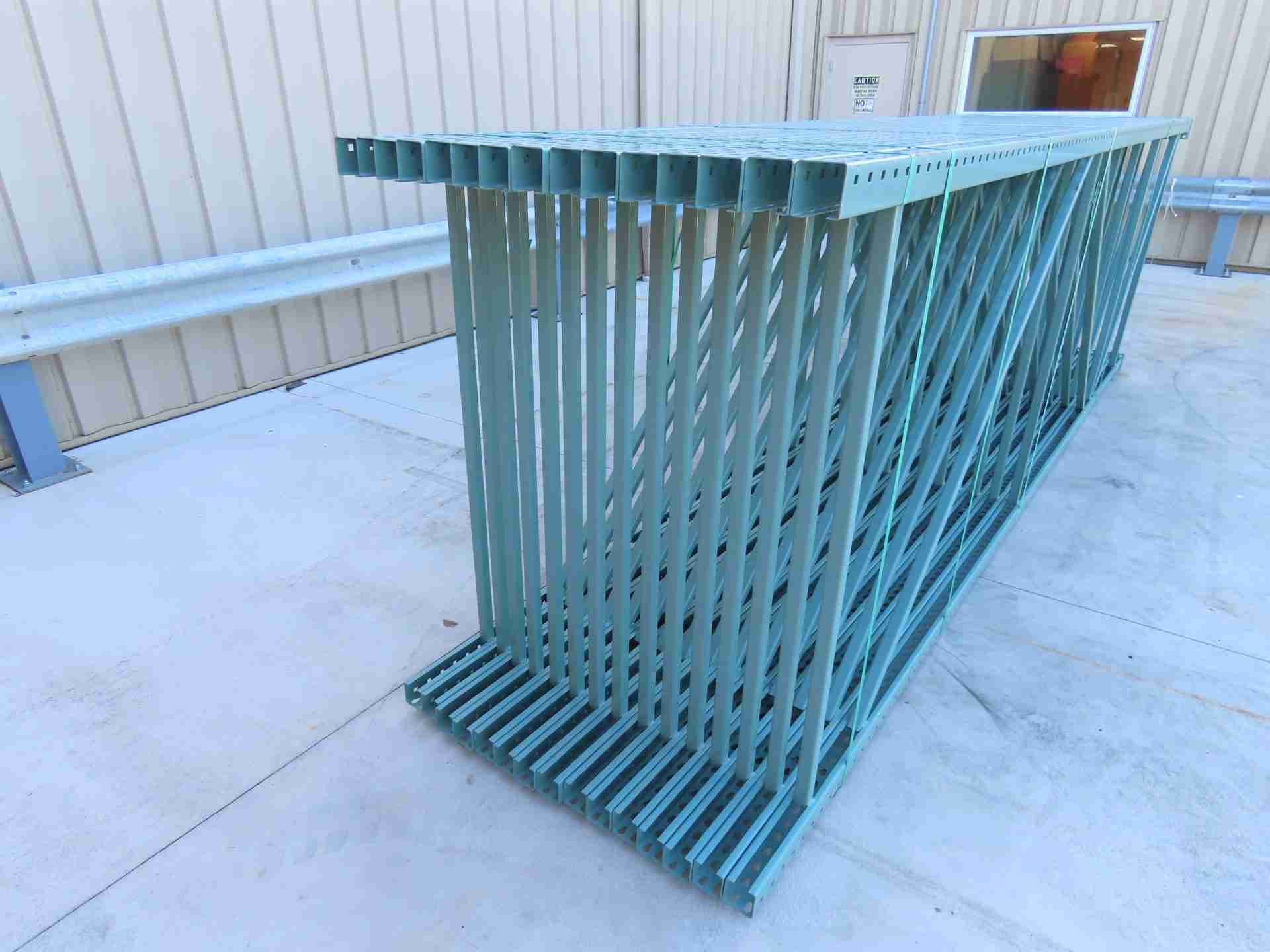
What Ethical Responsibilities Do You Have to Ensure Workplace Safety?
How Can Proper Inspections Prevent Accidents and Save Lives?
When we think about proper inspections, it often feels like just another box to check. But let’s take a moment to unpack what that really means. Imagine a bustling factory floor. The machinery hums along, workers navigate the space, yet hidden beneath that routine is the potential for disaster. Proper inspections—yes, those thorough and sometimes tedious evaluations—are the unsung heroes standing guard between chaos and safety.
Think about it: every racking system, every conveyor belt, every single part of the operation is a gear in a much larger machine. If that gear falters because of a missed detail, we’re not just talking about downtime or lost profit. We’re talking about lives—the lives of workers, families, and communities. An inspection might seem dry on paper, but when it comes to preventing accidents, it’s a lifeline. Imagine the relief of a worried parent, just a little less anxious because inspections caught a potential failure before it could devastate lives.
Rationally, it’s clear that regular inspections yield measurable benefits. Safety records improve, insurance costs reduce, and productivity remains steady. But let’s dig deeper. Every time we neglect the importance of a careful examination, we take a gamble—a gamble that could pay off in complacency or, even worse, cost lives. We know the risks of ignoring these responsibilities, yet somehow, there’s always the pressure of the clock. The truth is, proper inspections save not just money, but invaluable human capital.
Ethically, there’s a moral obligation at play. Workers trust that their employers will prioritize their safety. When those assurances are met with commitment, it fosters a culture of accountability and trust. These inspections become more than simple checks; they become a promise—a silent agreement that, together, we’ll do everything we can to protect each other. That’s a bond of duty that shouldn’t be taken lightly.
The impact of thorough inspections ripples outwards, affecting not only the individual but the entire community. A workplace accident reverberates through families, neighborhoods, and society. So, don’t just look at inspections as a requirement; see them as an opportunity for connection. Let them inspire a culture that prioritizes safety and well-being above all else.
Next time you hear about racking systems or machinery inspections, remember that each assessment is a crucial thread in the fabric of safety, weaving together the lives and futures of countless individuals. In this high-stakes game of life, let’s all be players who prioritize vigilance over vanishing into the shadows of oversight. Because when we shine a light on proper inspections, we’re not just preventing accidents; we’re saving lives.
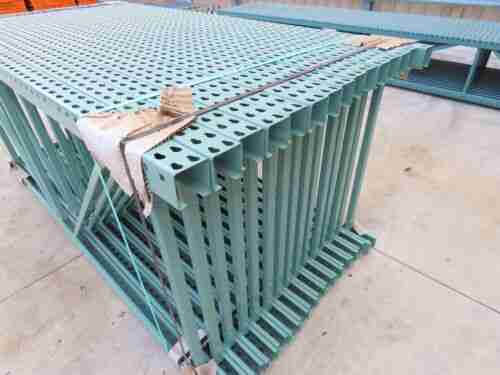
How Can Proper Inspections Prevent Accidents and Save Lives?
How Can Proper Inspections Prevent Accidents and Save Lives?
- Proper inspections are vital for ensuring workplace safety, acting as a safeguard against potential disasters.
- Every component of a factory is interconnected; neglecting inspections can lead to severe consequences, including loss of life.
- Regular inspections contribute to improved safety records, reduced insurance costs, and stable productivity.
- Neglecting inspections presents risks that can have serious ramifications, including jeopardizing human safety.
- There is an ethical duty for employers to prioritize worker safety, fostering a culture of trust and accountability.
- The effects of thorough inspections extend beyond the workplace, impacting families, neighborhoods, and the broader community.
- Inspections should be viewed as an opportunity to enhance safety culture, emphasizing vigilance and responsibility.
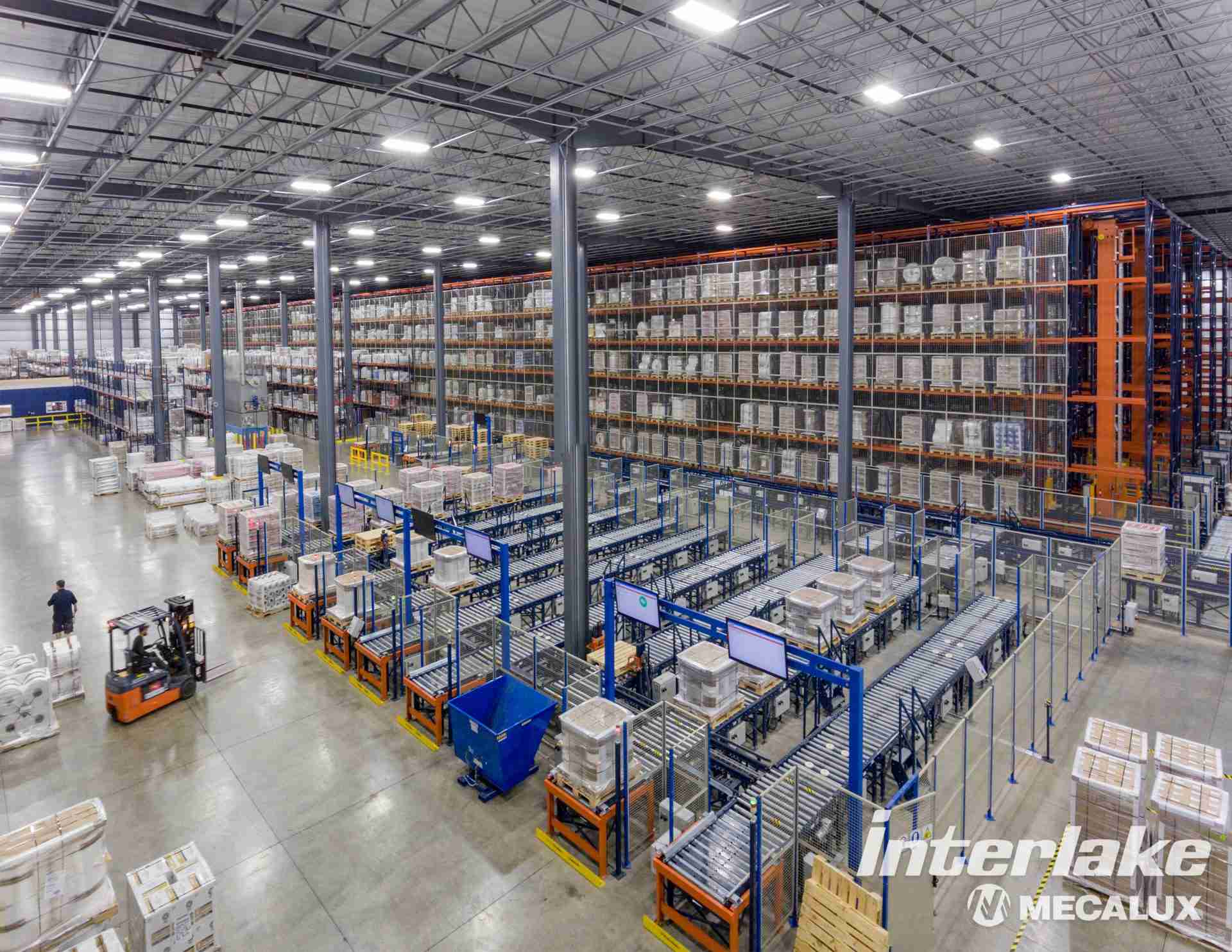
How Can Proper Inspections Prevent Accidents and Save Lives?
Conclusion
In the world of warehousing, each day unfolds like a well-rehearsed routine. Yet beneath the surface, the safety of your crew relies on something that often gets overshadowed—rack safety inspections. This isn’t just about compliance; it’s a deep commitment to your team, your business, and your very community. A thorough inspection is a testament to the value you place on human lives and the integrity of your operations. Picture yourself navigating the aisles filled with racks, your heart heavy at the thought of what neglecting an inspection could mean—maybe even a catastrophe waiting to unfold.
Imagine the gut-wrenching scenario: a racking system fails, sending products crashing down and lives spiraling into chaos. This is not mere speculation; it’s a real risk. Each inspection is a sacred promise—one that says, “I care about your well-being.” It’s more than numbers and protocols; it’s about being part of a collective spirit devoted to ensuring everyone goes home safe each day. The statistics speak volumes, but caring about those numbers implies forging a culture of safety that encourages every member of your team to share responsibility for their environment.
The support of your employees is crucial—engage them, invite their input. This collaboration fosters a community where safety isn’t just a set of rules to memorize, but a living, breathing culture. Each conversation, each shared story of close calls, strengthens the bond between team members and lays down the foundation for a safer workplace.
The wise allocate their time and resources toward regular inspections, realizing that neglect can lead to spiraling costs—both financially and emotionally. An ounce of prevention is worth a pound of cure; this old adage rings true in every warehouse. After all, this is about building a legacy of trust and responsibility within your team.
More than just a chore, every inspection is an opportunity. It’s an opportunity to affirm your ethical obligations and show your team their safety matters. As the leader, your commitment to safety sends ripples through the organization, inspiring accountability among employees.
So, let us roll up our sleeves and prioritize safety inspections—not because we have to, but because we want to uphold a commitment that transcends dollars and cents. Let’s cultivate a space where people feel valued, inspired, and ready to tackle the challenges that lie ahead. In doing so, you’ll safeguard not just products, but the invaluable lives woven into the fabric of your operations.
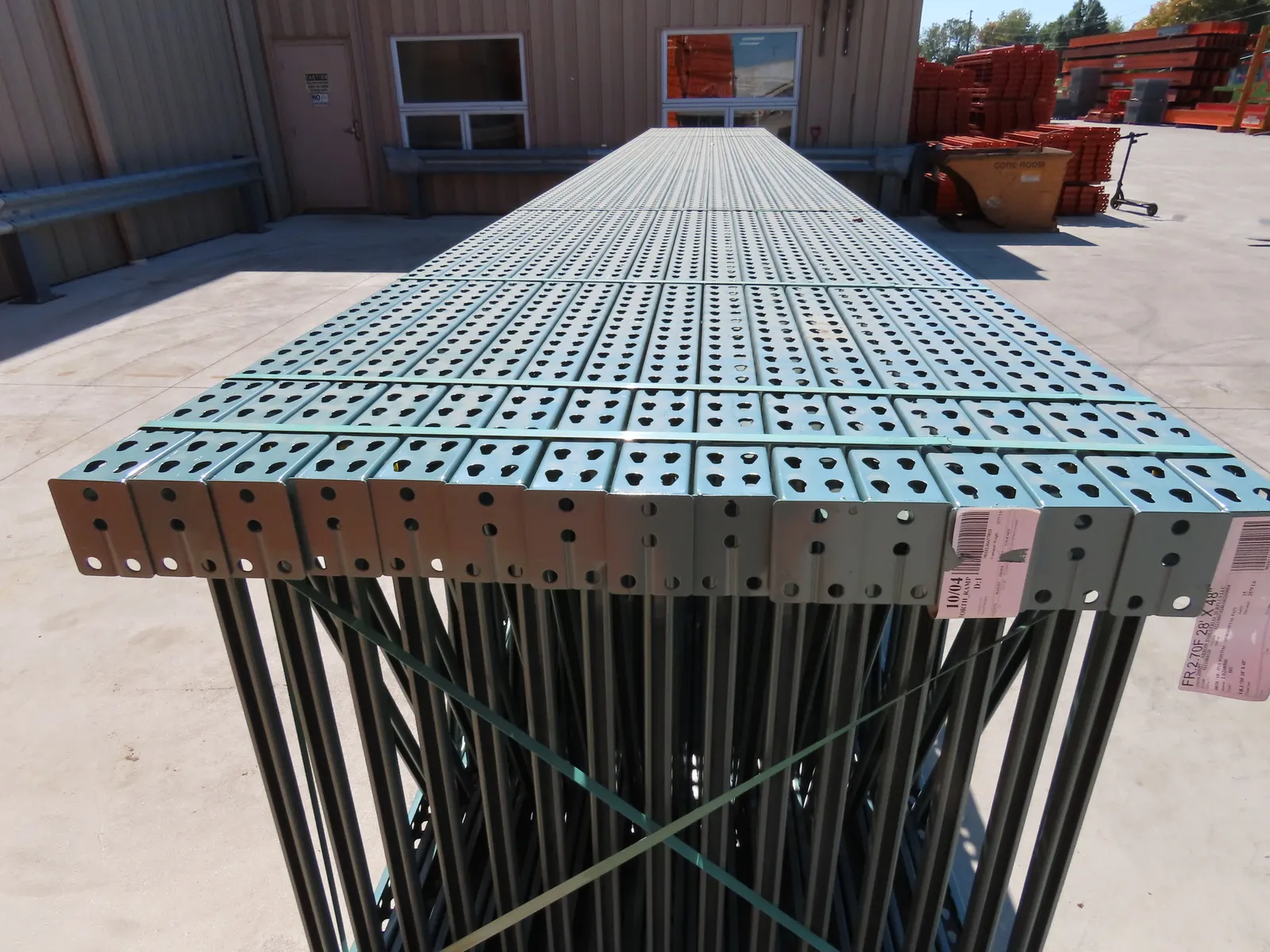
Conclusion
Conclusion:
- Rack safety inspections are essential for ensuring crew safety in warehousing.
- They represent a commitment to the welfare of the team, business, and community.
- Neglecting inspections can lead to catastrophic consequences, jeopardizing lives and operations.
- Conducting regular inspections fosters a culture of safety and shared responsibility among team members.
- Engaging employees in safety discussions builds a community where safety is valued beyond mere compliance.
- Prioritizing inspections is a proactive measure that can prevent financial and emotional costs.
- Each inspection is an opportunity to demonstrate commitment to employee safety and inspire accountability.
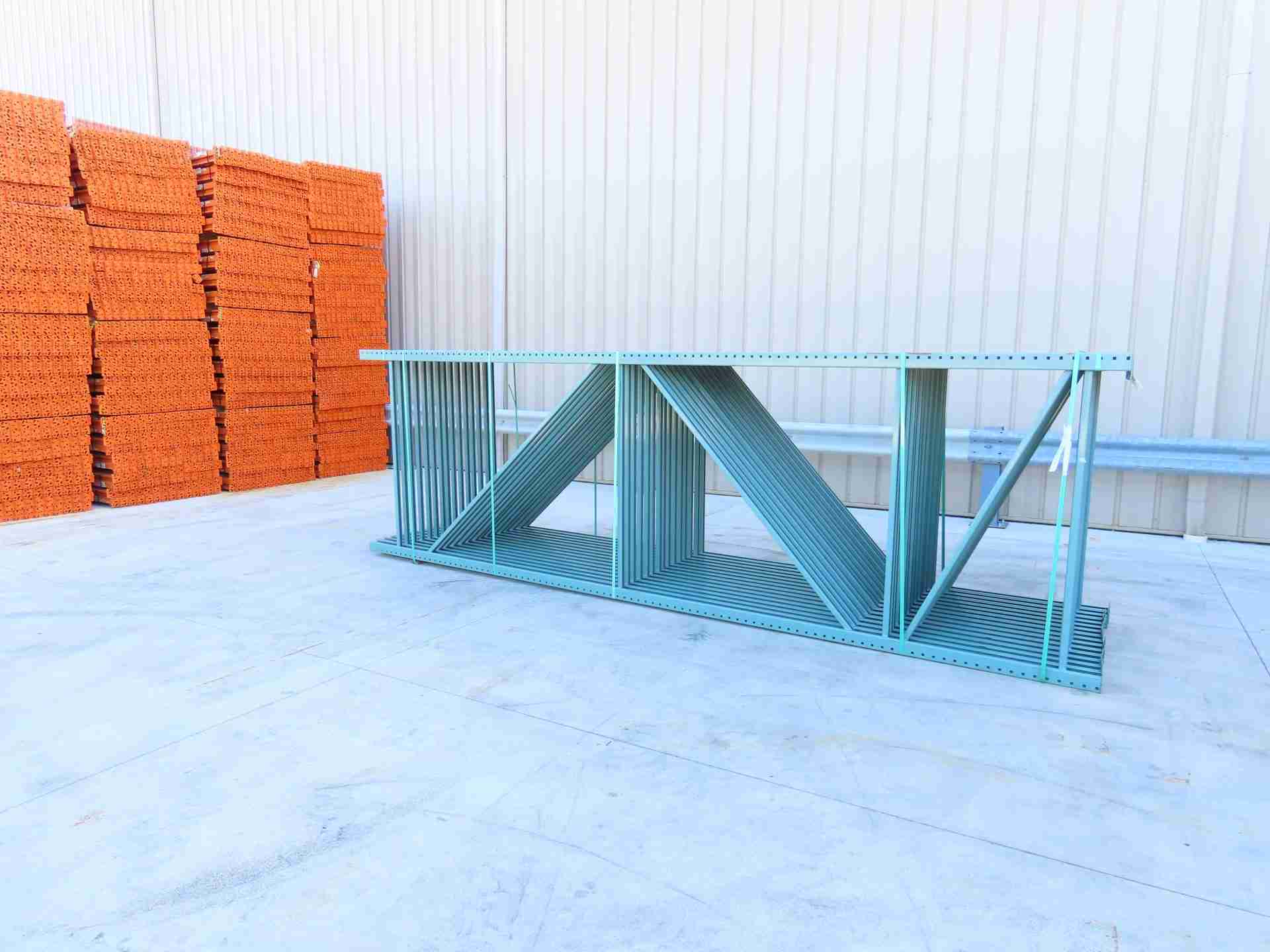
Conclusion
Other Resources
Other Resources
Here is a list of other resources you can review online to learn more:
- SEMA
- New Cantilever Racks and Racking Kits
- The Complete Pallet Rack Guide – Simply Rack
- Warehouse Automation
- Teardrop Industrial Shelving Rack
- Warehouse Racks, Warehouse Racking in Stock – ULINE
- Warehouse Racking Systems: Beginner’s Guide to Rack Systems
- Teardrop Pallet Rack – Ridg-U-Rak
- What is Selective Racking: Understanding Benefits & Options
- IIWS Inc. Rack Installation Illinois & Rack Repairs Illinois
- Wolter
- Teardrop Industrial Shelving Rack
- The Ultimate Pallet Racking Guide – Speedrack West
- Teardrop Uprights
- Used Pallet Rack for Sale in Illinois – American Surplus
- Chicago Pallet Racking
- Mustang Material Handling
- Pallet Racking 101: A Comprehensive Guide & Options Explained
- Cantilever Rack Guide: Ordering Cantilever Racking
- Interlake Mecalux
Use This Prompt To Get More Resources With Your Favorite Online AI Tool: Please provide me with a list of online articles with their URLs in a bulleted list that I can read regarding How to Conduct a Rack Safety Inspection
Other Resources
Glossary Terms
How to Conduct a Rack Safety Inspection – Glossary Of Terms
1. Rack: A structured framework used for storing goods in warehouses, typically made of metal.
2. Inspection: A thorough examination of equipment or systems to ensure safety and compliance with regulations.
3. Load Capacity: The maximum weight that a rack system can safely hold without risk of failure.
4. Vertical Posts: The upright members of a rack that provide structural support for the shelves.
5. Horizontal Beams: The cross members that connect the vertical posts, providing support for loads.
6. Diagonal Bracing: Steel bars installed diagonally to prevent lateral movement and add stability to a rack system.
7. Deflection: The degree to which a beam or rack member bends under load, which should be within safety limits.
8. Forklift Access: The designated areas in a warehouse that allow forklifts to maneuver safely around racks.
9. Pallets: Flat structures used for supporting goods in storage and during transport, often placed on racks.
10. Damage Assessment: The process of evaluating any visible damage to racks that may affect safety.
11. Stability: The ability of a rack to remain upright and support loads without tipping or collapsing.
12. Crossbars: Additional structural supports that connect vertical posts to enhance stability.
13. Height Restrictions: Regulations concerning how tall racks can be based on warehouse specifications and safety standards.
14. Safety Data Sheet (SDS): A document that provides information about handling, storing, and potential hazards of materials stored on racks.
15. Footprint: The ground area occupied by a rack system, which should not inhibit access or safety.
16. Load Distribution: The even spread of weight across the rack to prevent localized stress and potential failure.
17. Anchor Points: Fixed positions used to secure racks to the floor to prevent tipping over.
18. Compliance: Adhering to industry standards and regulations set by safety organizations.
19. Routine Maintenance: Regularly scheduled checks and repairs to ensure rack safety and functionality.
20. Hazard Identification: The process of recognizing potential risks associated with rack systems and their usage.
21. Inspection Checklist: A detailed list of items and criteria to review during a rack inspection.
22. Personnel Training: Programs designed to educate staff on safe rack use, inspection, and maintenance procedures.
23. Signage: Visual indicators posted in storage areas to inform workers about safe rack usage and load limits.
24. Wear and Tear: The natural deterioration of rack components over time due to regular use.
25. Overloading: Placing more weight on a rack than it is designed to handle, which can lead to failure.
26. Safety Culture: The collective commitment of all employees to prioritize safety in all operations, including rack management.
27. Visual Inspection: A preliminary non-intrusive assessment of racks for obvious issues like dents, bends, or missing components.
28. Reporting Procedures: Established guidelines for documenting and communicating safety concerns found during inspections.
29. Emergency Protocols: Pre-defined steps to follow during a safety incident related to rack failure.
30. Post-Inspection Review: A meeting or discussion following an inspection to analyze findings and implement corrective actions.
Glossary Of Terms
Other Questions
How to Conduct a Rack Safety Inspection – Other Questions
If you wish to explore and discover more, consider looking for answers to these questions:
- What specific steps should be taken during a rack safety inspection?
- How often should rack safety inspections be conducted?
- What tools or equipment are needed for a proper rack inspection?
- What are the common signs of racking system failure?
- How can I train employees to understand rack safety better?
- What are the legal implications of neglecting rack safety inspections?
- How should findings from safety inspections be documented?
- What measures can be taken to improve warehouse safety culture?
- What are the financial impacts of rack failures on a business?
- How does rack safety relate to overall workplace safety practices?
- What are some real-life examples of accidents caused by ignored rack safety?
- How can technology assist in improving rack safety inspections?
Other Questions
Checklist
How to Conduct a Rack Safety Inspection – A Checklist
Rack Safety Inspection Checklist
Emotional Appeals
_____ Commit to Safety: Make a personal pledge to prioritize the safety of your coworkers and the integrity of the workspace.
_____ Share Stories: Encourage team members to share personal anecdotes about safety successes or near misses.
Rational Appeals
_____ Conduct a Visual Inspection: Regularly check for structural integrity—look for bent beams, corrosion, and signs of wear.
_____ Review Load Capacity: Ensure load capacity signage is visible and adhered to; verify that no racking systems are overloaded.
_____ Document Findings: Keep a detailed record of inspections and any corrective actions taken.
Ethical Appeals
_____ Promote a Safe Culture: Advocate for a safety-first mentality among all team members; foster an understanding that every individual’s well-being matters.
_____ Engage Your Team: Create opportunities for employees to voice concerns and suggestions about safety practices.
Authority Appeals
_____ Follow Industry Standards: Familiarize yourself with and adhere to regulations and recommendations from safety authorities and industry experts.
_____ Stay Informed: Attend safety training sessions and workshops to enhance your knowledge about best practices.
Narrative Appeals
_____ Visualize Consequences: Imagine the impact of neglecting inspections—think about how an accident could affect your team and their families.
_____ Document Success Stories: Collect and distribute testimonials from employees who have benefited from a proactive safety culture.
Social Appeals
_____ Encourage Team Accountability: Establish a system where team members remind one another of safety practices, fostering camaraderie and collective responsibility.
_____ Create a Safety Committee: Form a team dedicated to ongoing safety initiatives and inspections, ensuring that safety remains a priority at all levels.
Use this checklist as a guide to cultivate a culture of safety and vigilance within your organization. Prioritize inspections, because a commitment to safety is a commitment to every team’s well-being.
Checklist
At RackingWorld, we help guide you through selecting warehouse storage systems and racking.
Be sure to read our other related stories at RackingWorld to learn more about warehouse storage systems.
0 Comments