
Uncovering The Hidden Risks: Safeguarding Your Cantilever Racks
By Tom Seest
At RackingWorld, we help guide you through selecting warehouse storage systems and racking.
Be sure to read our other related stories at RackingWorld to learn more about warehouse storage systems.
Common Defects Found In Used Cantilever Racks
When it comes to used cantilever racks, the old adage “you get what you pay for” rings true. These storage solutions are hard workers, but they’re not invincible. Common defects can sneak their way into these racks, quietly threatening the integrity of your warehouse and the safety of your operations. This is why it’s not just about saving a buck; it’s about ensuring your work environment is as robust and secure as it can be.
First, let’s talk about structural integrity. A great cantilever rack is built to withstand heavy loads, but that doesn’t mean every used rack is up for the challenge. Look for bent arms, cracked bases, or rust, as these signs of wear and tear compromise not only the shelf’s functionality but also the safety of those who rely on it every single day. Imagine the looming disaster of a collapsed rack, sending a cascade of materials crashing down. It’s a business owner’s worst nightmare, and the haunting consequences of compromised safety can’t be ignored.
Then there’s misalignment. This defect often goes unnoticed until it’s too late. A cantilever rack that isn’t properly aligned can lead to uneven weight distribution, creating a precarious storage situation. Think of it this way: would you trust a wobbly table to hold your favorite dish at dinner? In the same vein, your racking system warrants the same scrutiny. It’s about dignity—and that goes for the tools we use just as it does for the people who use them.
In the realm of ethics, honesty in purchase decisions matters. When opting for used racking, ensure a transparent destruction and replacement history from the seller. You’re not just buying metal and bolts; you’re investing in the trust of your team. A strong rack means a strong foundation; people need to know they can lean on it—literally and figuratively.
Lastly, let’s face facts. We live in a world driven by community and collaboration. The stories shared by your fellow warehouse managers can be invaluable. They’ll tell you about the time a defect went unnoticed until it was too late, or how regular inspections saved their business from disaster. Embrace that shared wisdom. Go ahead, connect with your peers, and foster a culture of vigilance. Trust in the process and prioritize the health of your racking—your team will thank you for it.

Common Defects Found In Used Cantilever Racks
Common Defects Found In Used Cantilever Racks
- Used cantilever racks require careful consideration; the principle of “you get what you pay for” applies.
- Common defects like bent arms, cracked bases, and rust can compromise structural integrity and safety.
- Misalignment can lead to uneven weight distribution, creating dangerous storage situations.
- Transparency in the purchase history of used racks is essential for building trust within your team.
- Investing in a strong rack contributes to a safe and reliable work environment.
- Learning from the experiences of other warehouse managers can prevent potential disasters.
- Fostering a culture of vigilance and regular inspections is crucial for maintaining racking systems.

Common Defects Found In Used Cantilever Racks
Table Of Contents
- Common Defects Found In Used Cantilever Racks
- What Unseen Dangers Lurk In Outdated Cantilever Racks?
- How Do I Assess the Safety Of Used Cantilever Racks Effectively?
- What Ethical Risks Come with Purchasing Second-Hand Storage Solutions?
- Can Damaged Cantilever Racks Compromise Workplace Safety Standards?
- How Do I Choose a Reliable Vendor for Used Cantilever Racks?
- Conclusion
- Other Resources
- Glossary Of Terms
- Other Questions
- Checklist
What Unseen Dangers Lurk In Outdated Cantilever Racks?
When you step into a warehouse, the towering cantilever racks may remind you of giants standing guard over valuable inventory. But lurking within these steel structures are unseen dangers that can spell disaster. You don’t need to be a seasoned warehouse manager or a safety inspector to recognize that neglecting old racking systems can lead to catastrophic failures.
Imagine the heart-stopping moment when an overloaded rack suddenly buckles under the weight. The loud crash can instantly transform a productive environment into a chaotic scene of shattered inventory and injured workers. The tragedy doesn’t just affect the bottom line—it impacts lives and livelihoods. The consequences can linger long after the cleanup, leaving scars on the emotional landscape of the workplace. Every on-the-job injury ripples through families and communities, a reminder of the silent risks we choose to overlook.
From a rational standpoint, the math is simple. Outdated racking systems can lead to inefficiencies that cost businesses money. An engineer will tell you that wear and tear weaken the structural integrity of these racks, making them one misstep away from collapse. But it’s not merely about dollars and cents; it’s about accountability. When we use outdated racking, we’re gambling with the safety of our workforce. Each time a worker approaches those towering shelves, they take a risk that no one should have to face.
Ethically, we hold a responsibility to ensure safety in our workplaces. By ignoring the wear and rust of outdated racks, we send a message: profit over people. This narrative doesn’t just sow distrust among employees; it can also tarnish your company’s reputation in the eyes of clients and community alike. A commitment to safety is not just good practice; it’s a powerful statement of values that fosters loyalty.
Socially, consider the long-term impact of safety visibility. A workplace that prioritizes modern, safe racking systems fosters a culture of care and responsibility. Employees feel valued, and there’s a collective understanding that their safety matters more than the daily grind. It’s about cultivating relationships built on trust. When we stand together to confront these unseen dangers, we choose not just to protect our assets but also to honor the people who make our businesses thrive.
Trust in the structures that hold your business up. Don’t wait for a wake-up call; take proactive measures today. Your workforce deserves a safe haven.

What Unseen Dangers Lurk In Outdated Cantilever Racks?
What Unseen Dangers Lurk In Outdated Cantilever Racks?
- Warehouse racking systems pose potential dangers if not properly maintained.
- Neglecting old racks can lead to catastrophic failures, risking both inventory and worker safety.
- Injuries from racking failures affect not just the workplace but also families and communities.
- Outdated racking systems create inefficiencies and threaten the structural integrity, leading to financial losses.
- Using outdated racks compromises workforce safety, turning employee risks into a business accountability issue.
- Prioritizing safety over outdated systems fosters employee loyalty and strengthens corporate reputation.
- A commitment to modern racking systems creates a safer workplace culture, showing employees their value.
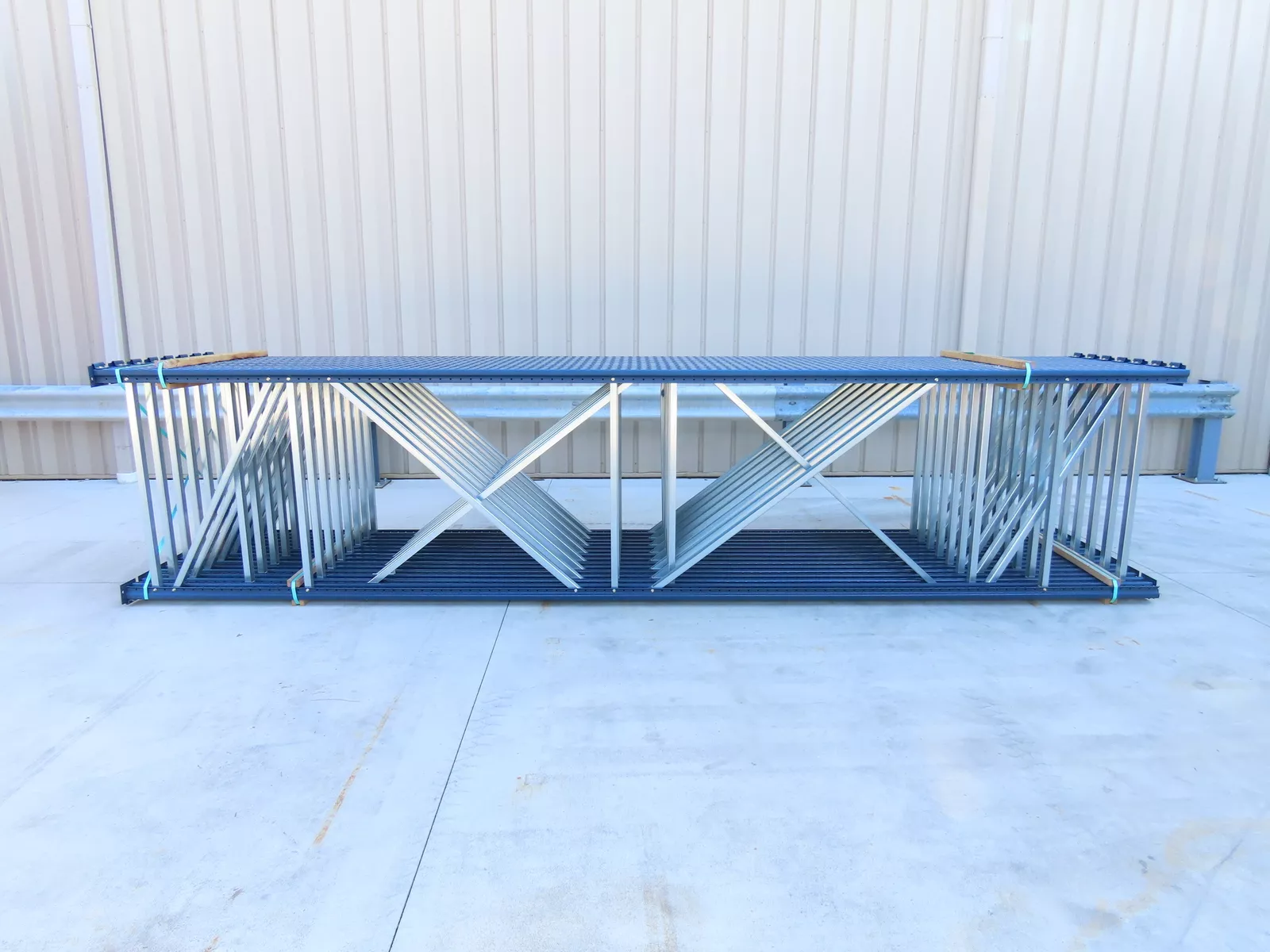
What Unseen Dangers Lurk In Outdated Cantilever Racks?
How Do I Assess the Safety Of Used Cantilever Racks Effectively?
Assessing the safety of used cantilever racks is a process that goes beyond just looking for rust and dents. It’s about ensuring that every piece of racking, at every level, serves its purpose without compromising the lives of those who work around it. Your heart tells you that the people you care for deserve the best. The truth is, a safe workplace doesn’t just protect employees; it fosters trust, loyalty, and a shared sense of responsibility.
From a rational perspective, start with a thorough inspection. Look for structural integrity – any signs of wear, damage, or misalignment could spell disaster. Each cantilever rack should stand tall, straight, and sturdy, ready to hold its load. Use a systematic approach. Employ a checklist to examine every component: beams, uprights, and braces. Each part has a role, and neglecting one can compromise the whole. Remember, racking is only as strong as its weakest link.
Ethically, it’s crucial that safety isn’t taken lightly. Consider what happens if you bypass these checks. An accident could not only harm individuals but could also jeopardize the reputation of your business. When you choose to take safety seriously, you’re not just protecting assets; you’re safeguarding hopes, dreams, and daily routines.
Recognizing authoritative guidelines can bolster your confidence in the assessment process. Research standards set by organizations dedicated to safety in warehousing. You can learn a great deal from experts who have dedicated years to this field. Tap into that knowledge and let their credibility guide your hands as you make decisions that impact lives.
Narratively, think about the stories that could unfold if safety is compromised. Picture the pride in a family’s eyes when a loved one comes home safe from work, or the relief a manager feels when an operation runs smoothly without a hitch. Connecting with these stories drives home why safety is paramount.
Finally, embracing a culture of safety translates to a sense of community among workers. When people feel valued and protected, they’re more invested in their roles. Creating an atmosphere of care and diligence around your racking system promotes unity and raises the standard for everyone.
So, when it comes time to assess that used cantilever rack, remember you’re not just checking boxes; you’re helping to build a safer, more responsible workplace.

How Do I Assess the Safety Of Used Cantilever Racks Effectively?
How Do I Assess the Safety Of Used Cantilever Racks Effectively?
- Assessing the safety of cantilever racks involves more than just checking for rust and dents.
- Thorough inspections should focus on structural integrity, looking for signs of damage or misalignment.
- Utilize a systematic checklist to ensure every component of the racks is examined.
- Safety checks are crucial to prevent accidents and protect business reputation.
- Referencing authoritative safety standards can enhance your confidence during assessments.
- Understanding the personal impact of safety can motivate better practices in the workplace.
- Promoting a culture of safety fosters community, trust, and higher employee investment.

How Do I Assess the Safety Of Used Cantilever Racks Effectively?
What Ethical Risks Come with Purchasing Second-Hand Storage Solutions?
When it comes to purchasing second-hand racking solutions, you might feel like you’re doing the planet a favor—saving money while keeping waste out of landfills. But before you dive headfirst into this perceived win-win, let’s take a moment to consider the ethical risks that come along for the ride. This isn’t just about paying a bit less; it’s about the bigger picture.
Imagine a business trying to cut corners during production each time someone saves a dime on an item. This places pressure on manufacturers to crank out products without regard for quality or worker safety. So, what happens when you snag that second-hand racking system that’s seen better days? You might be inadvertently supporting an industry that prioritizes profit over principles, with corners cut in ways that impact the environment and the people behind the scenes. It’s not just metal and bolts you’re buying; it’s a story laden with potential exploitation.
Now consider the gut-wrenching reality that the items we lovingly refer to as “reclaimed” or “upcycled” often come shrouded in a shadowy past. You can never be too sure where that racking system has been, who manufactured it, or what journey it took before arriving in your hands. Are you bringing home a practical solution, or are you welcoming a relic of negligence and poor labor practices into your life? A little caution goes a long way.
Moreover, think about the social implications. We live in a world that promotes transparency and sustainability, where consumers are increasingly holding brands accountable. By acquiring second-hand racking, you may feel like part of the solution, but if you don’t do your due diligence, you could easily become part of the problem. In a community that prides itself on ethical consumption, wouldn’t it be better to know the origins of your new purchase?
So, before you finalize that purchase, take a moment and reflect. Connect the dots between your wallet, ethics, and the environment. Engage with sellers, ask the hard questions, and seek out brands that align with your values. Every choice you make carries weight, and the world needs more careful consumers willing to make informed decisions. Trust your gut, use your head, and let your heart guide you toward choices that reflect the kind of community you truly want to be a part of.

What Ethical Risks Come with Purchasing Second-Hand Storage Solutions?
What Ethical Risks Come with Purchasing Second-Hand Storage Solutions?
- Purchasing second-hand racking may seem environmentally friendly and cost-effective but comes with ethical risks.
- Cost-cutting by manufacturers can lead to poor product quality and compromised worker safety.
- Buying second-hand supports an industry that might prioritize profit over ethical values.
- Items labeled as “reclaimed” or “upcycled” might have unknown histories and negative production practices.
- Consumers are urged to be cautious and informed about the origins of their purchases.
- Transparency and accountability are vital for ethical consumption in today’s market.
- Engaging with sellers and making informed decisions supports personal and community values.

What Ethical Risks Come with Purchasing Second-Hand Storage Solutions?
Can Damaged Cantilever Racks Compromise Workplace Safety Standards?
When you walk into a warehouse full of towering cantilever racks, you might feel a mix of awe and apprehension. These structures are the backbone of efficient storage, a marvel of engineering crafted to hold heavy loads and facilitate our daily tasks. But what happens when they suffer damage? What once stood firmly capable of lifting our burdens now teeters on the edge of risk.
It’s easy to underestimate the potential dangers associated with damaged racking. We tend to think of danger in dramatic terms—flashing lights, injuries, disasters—but the real threat often lurks in the mundane. A small dent, a bent beam, or a cracked joint can spell disaster from above. Those who work amidst these wilting giants deserve more than our complacency; they deserve our vigilance.
Let’s consider the employee navigating between these racks. Picture Sam, a dedicated worker who knows the ins and outs of that warehouse. He’s got family at home, dreams of a brighter future, and a desire to make a meaningful contribution. But one day, as he retrieves goods from a compromised rack, a cascade of items falls, sending him scrambling for safety. A moment of neglect can transform a life forever—and all it takes is a damaged cantilever rack to set that tragic sequence in motion.
This isn’t just about infrastructure; it’s about people. The ethics of safety standards demand that we all take responsibility for our surroundings. It’s our duty to ensure every beam, every bolt, is in perfect form. There’s authority in this duty, and it’s up to leaders, managers, and employees alike to stand united in prioritizing safety.
So, what do we do? We conduct inspections, champion maintenance, and promote a culture where reporting damage isn’t frowned upon but encouraged. People want to feel secure in their work environments; they want to know that their safety is valued above all else. Embracing a proactive approach to racking can ignite a sense of community, transforming a workplace into a haven of trust and collaboration.
Together, we create a collective force dedicated to safety, ensuring that our warehouses are a place where dreams thrive, not where tragedies unfold. The choice is clear: refuse to compromise, and let’s lift each other up, one rack at a time.

Can Damaged Cantilever Racks Compromise Workplace Safety Standards?
Can Damaged Cantilever Racks Compromise Workplace Safety Standards?
- Warehouse cantilever racks are essential for efficient storage and support heavy loads.
- Damage to these racks can lead to serious risks, often stemming from small imperfections like dents or cracks.
- Workers navigating these environments, like Sam, are more vulnerable to accidents due to compromised racking.
- The safety of employees is a shared responsibility that requires vigilance and proper maintenance.
- It’s crucial to conduct regular inspections and encourage reporting of any damage without stigma.
- A proactive approach to safety fosters a community of trust and collaboration in the workplace.
- Prioritizing safety ensures that warehouses are safe spaces for employees and their aspirations.

Can Damaged Cantilever Racks Compromise Workplace Safety Standards?
How Do I Choose a Reliable Vendor for Used Cantilever Racks?
Navigating the world of used cantilever racks feels a bit like walking through a jungle—thick with options and overgrown with uncertainty. But fear not; choosing a reliable vendor can feel less like a chore when you approach it with the right mindset. It’s about more than just getting a good deal; it’s about finding a partner who understands the artistry and science behind racking systems.
Start with a little heart. Think about the people behind the racking units. These vendors aren’t just businesses; they’re experts with stories, experience, and a genuine desire to help you succeed. You want a company that invests time in understanding your unique needs, one that approaches your project like a tailor fitting a fine suit. Ask yourself: Are they genuinely interested in your operation, or is it just about moving products off their floor?
Then, let’s engage the head. Look for a vendor with a solid track record, one that’s been around long enough to understand the ins and outs of the industry. Seek reviews and testimonials that vouch for the quality of their used cantilever racks. Remember, numbers matter, but so do conversations. Ask for references and don’t be shy about contacting them. Knowledge is power, and when you know you’re dealing with authorities in racking, you can make decisions with confidence.
Now let your gut do some talking. When you communicate with potential vendors, pay attention to their responsiveness and willingness to answer your questions. A reliable vendor will provide clear, honest answers instead of evasive jargon. Trust your instincts; if something doesn’t feel right, listen to that inner voice. Ethical standards should guide your choice, so look for vendors who practice transparency regarding the condition of their racks and any refurbishment processes.
As you embark on this quest, think about the ripple effect your choice can have. A reliable vendor not only impacts your storage efficiency but also influences your team’s morale. A well-organized, safe working environment fosters productivity and pride among workers. When you’re armed with the right cantilever racks, you create an ecosystem where everyone thrives.
Choosing the right vendor is like selecting a sturdy tree to build your shelter. When you connect on these emotional, rational, and ethical levels, you’re not just making a purchase; you’re laying the foundation for future growth. Trust your heart, employ your mind, and listen to your gut—it’ll lead you to a vendor worthy of your partnership.

How Do I Choose a Reliable Vendor for Used Cantilever Racks?
How Do I Choose a Reliable Vendor for Used Cantilever Racks?
- Navigating the used cantilever racks market can be confusing, but selecting the right vendor can simplify the process.
- Choose a vendor who understands both the artistry and science of racking systems and is genuinely interested in your needs.
- Research the vendor’s track record and seek reviews and testimonials to ensure quality and reliability.
- Contact references to gather insights about the vendor’s credibility and customer service.
- Pay attention to vendors’ communication; responsiveness and clear answers are key indicators of reliability.
- Consider the broader impact of your vendor choice on storage efficiency and team morale in your organization.
- Trust your instincts and look for transparency regarding the condition of racks to establish a strong partnership.

How Do I Choose a Reliable Vendor for Used Cantilever Racks?
Conclusion
Cantilever racks stand as modern-day sentinels in our warehouses, essential for efficient storage yet fraught with hidden dangers, especially when they’re pre-loved. It’s not just about saving a few bucks; it’s about protecting lives and ensuring a safe, thriving workplace. The implications of poorly maintained or outdated racking extend beyond a mere financial hit; they can result in catastrophic accidents, shattered inventory, and even harm to dedicated employees. When we overlook these risks, we gamble not only with assets but also with the well-being of those who form the backbone of our operations. Imagine a trusted worker, someone with hopes and dreams, suddenly facing a dangerous situation due to a neglected rack. It’s a stark reminder that safety doesn’t just come from shiny metal; it’s rooted deeply in diligence and care.
Evaluating the safety of these structures needs to move beyond a quick glance; it requires a heartfelt commitment to inspection, transparency, and ethical responsibility. Each beam and brace plays a crucial role, just as every employee brings unique skills to the table. By meticulously checking for structural integrity and alignment, we ensure a culture that values safety and trust—a commitment that permeates through the workforce. Furthermore, partnering with vendors who prioritize quality and transparency isn’t just critical; it’s ethical. When you invest in reliable racking solutions, you are investing in the welfare of your team, in the reputation of your business, and ultimately in the safety of your community.
As you navigate the tangled jungle of used cantilever racks, trust your instincts. The right partner will not only provide sturdy structures but also embody a philosophy of care and responsibility that resonates with your team’s values. The stories shared among fellow warehouse operators are invaluable; they remind us that vigilance can be a collective effort. A culture dedicated to shared safety and ethical practices transforms not just workplaces but also lives. By taking accountability for your racking systems and fostering open communication about safety, you’re enhancing morale and instilling a sense of unity.
In the battle against complacency, let’s make the choice today to ensure our workplaces are not just functional but a safe haven. Together, through diligence and collective responsibility, we can elevate our industry standards and protect the very souls that keep it moving forward. Let’s lift each other up, one rack at a time.

Conclusion
Conclusion:
- Cantilever racks are vital for efficient storage but carry hidden dangers, especially if pre-owned.
- Neglecting safety can lead to catastrophic accidents, financial losses, and employee harm.
- Evaluating safety requires thorough inspections and a commitment to transparency and ethical responsibility.
- Structural integrity and alignment checks foster a culture of safety and trust in the workplace.
- Partnering with vendors who prioritize quality ensures the safety and welfare of employees and the community.
- Vigilance and shared stories among warehouse operators promote a collective effort towards safety.
- Choosing diligence and accountability in racking systems enhances morale and workplace unity.

Conclusion
Other Resources

Other Resources
Here is a list of other resources you can review online to learn more:
- Selective Pallet Racking Systems
- BMH Equipment LLC
- Selective Racking
- Warehouse Storage Racking in Illinois
- Cantilever Rack Configuration & Installation: A Comprehensive Guide – BMH
- Arrow Industrial Sales
- Warehouse Racking Chicago, IL
- Interlake Mecalux
- Pallet Racks, Pallet Racking, Pallet Shelves in Stock – ULINE
- IWLA
- Warehouse Racking System: Powerful Guide to Optimise, 2024
- Rack Manufacturers Institute
- Material Handling Industry
- Selective Racking
- Crane Manufacturers Association Of America Inc.
- National Safety Council
- Cantilever Racking Specialists – Get the Right Racks
- International Warehouse Logistics Association
- Used Teardrop Pallet Rack – American Surplus
- Chicago Pallet Racking
Use This Prompt To Get More Resources With Your Favorite Online AI Tool: Please provide me with a list of online articles with their URLs in a bulleted list that I can read regarding Common Defects Found In Used Cantilever Racks

Other Resources
Glossary Terms
Common Defects Found In Used Cantilever Racks – Glossary Of Terms
1. Cantilever Rack: A storage system designed to hold long or bulky items, featuring vertical columns with arms extending outward.
2. Deflection: The amount of bending or bowing occurring in the arms or columns of the rack under weight, potentially leading to failure.
3. Corrosion: The deterioration of materials, commonly metal, due to chemical reactions with the environment, weakening the rack structure.
4. Warping: The distortion of rack components, often caused by improper loading or exposure to moisture, leading to decreased structural integrity.
5. Nicks: Small cuts or dents in the surface of rack components, which can expose metal to corrosion and weaken the structure.
6. Bending: Permanent deformation of the arms or columns due to excessive load or force, affecting the rack’s load-bearing capacity.
7. Overloading: Placing more weight on a rack than its rated capacity, leading to structural failure or collapse.
8. Instability: A condition where the rack may topple or lean due to poor design, improper installation, or damage.
9. Rust: A form of corrosion that occurs on iron or steel when exposed to moisture and oxygen, compromising the rack’s functionality.
10. Mismatched Components: Using mixing parts that are not compatible with one another, which can lead to improper function and safety hazards.
11. Missing Parts: The absence of essential rack components, such as brackets or arms, reducing the effectiveness of storage and safety.
12. Welding Failure: The separation of welded joints due to stress or poor quality welding, compromising structural strength.
13. Aisle Width: The space between rows of racks, which can become insufficient, leading to reduced access and safety issues.
14. Load Distribution: The evenness with which weight is spread across the rack, which can affect stability and longevity.
15. Upright Damage: Physical harm to the vertical supports of the rack, often due to impact from forklifts or mishandling.
16. Arm Clearance: The distance between the shelf and the arm, which may be inadequate for storage needs and can lead to product damage.
17. Vertical Load Capacity: The maximum weight that a vertical support can safely hold without risk of failure.
18. Horizontal Load Capacity: The maximum weight that the arms can hold without bending or collapsing.
19. Anchor Bolts: Fasteners used to secure the rack to the floor, essential for stability; missing bolts can lead to tipping.
20. Shelf Spacing: The distance between shelves in a rack that may be too wide or narrow, affecting storage efficiency and safety.
21. Structural Integrity: The overall strength and reliability of the rack to support intended loads without failure.
22. Paint Peeling: The flaking or chipping of protective paint coatings that expose the metal beneath to corrosion.
23. Inadequate Inspection: The failure to regularly check racks for damage or wear, leading to potential safety hazards.
24. Load Labeling: Markings that indicate the maximum load capacity; absence or illegibility can lead to overloading.
25. Footprint: The area occupied by the rack on the floor, which should accommodate safe access for handling materials.
26. Safety Bars: Additional supports for the arms that prevent items from sliding off, which may be missing or damaged.
27. Tilt: An angle or lean that occurs when a rack is improperly loaded or installed, affecting stability and safety.
28. Rack Spacing: The arrangement of racks in a facility, which can impact workflow efficiency and safety regulations.
29. Impact Damage: Harm to the rack caused by collisions, often leading to structural weaknesses or failure.
30. Compliance: Adherence to safety standards and regulations, which is vital for the safe operation of cantilever racks.

Glossary Of Terms
Other Questions
Common Defects Found In Used Cantilever Racks – Other Questions
If you wish to explore and discover more, consider looking for answers to these questions:
- What specific inspections should I perform on used cantilever racks?
- How often should I conduct maintenance checks on cantilever racks?
- What are the signs of a high-quality used cantilever rack?
- What safety standards should used cantilever racks meet?
- How can I ensure that the used racks I purchase are not from unethical sources?
- What are some best practices for training employees on rack safety?
- What are the long-term costs associated with using outdated cantilever racks?
- What modifications can be made to improve the safety of used cantilever racks?
- How do I handle a situation where I discover a defect in a cantilever rack after purchase?
- What are some potential legal liabilities associated with using damaged cantilever racks?
- How can I foster a culture of safety in my warehouse environment?
- What are the environmental implications of disposing of old cantilever racks?
- Are there industry standards for the lifespan of cantilever racks?
- What resources are available for learning more about safe racking systems?

Other Questions
Checklist
Common Defects Found In Used Cantilever Racks – A Checklist
Emotional Appeal
_____ Reflect on the safety and well-being of your team. Are you prioritizing their safety?
_____ Visualize the potential consequences of a compromised rack. How would it affect lives in your workplace?
Rational Appeal
_____ Conduct a thorough structural integrity inspection. Are there visible signs of wear, such as bent arms or cracked bases?
_____ Assess the alignment of racks. Is the weight distribution even?
_____ Maintain documentation of inspections and repairs to track the safety status over time.
Ethical Appeal
_____ Ensure transparency in vendor relations. Are the sellers forthcoming about the history and condition of the racks?
_____ Consider the broader implications of your purchase. Are you supporting ethical practices in manufacturing and labor?
Authority Appeal
_____ Research industry standards and guidelines for cantilever racks. Are the practices you’re following aligned with professional recommendations?
_____ Consult with safety experts or engineers regarding your current racking system’s condition and safety measures.
Narrative Appeal
_____ Share personal or colleague experiences regarding equipment failures. How did a lack of diligence impact safety in your workplace?
_____ Build a culture of safety storytelling. Encourage employees to share safety experiences to foster vigilance among the team.
Social Appeal
_____ Engage with other warehouse managers. What insights can they provide about their experiences with used cantilever racks?
_____ Promote a communal approach to safety. How can your team collaborate to improve inspection processes and maintenance?
Utilize this checklist to create a safe and reliable workplace by ensuring your cantilever racks are in optimal condition.

Checklist
At RackingWorld, we help guide you through selecting warehouse storage systems and racking.
Be sure to read our other related stories at RackingWorld to learn more about warehouse storage systems.
0 Comments