
Understanding The Risks And Responsibilities
By Tom Seest
At RackingWorld, we help guide you through selecting warehouse storage systems and racking.
Be sure to read our other related stories at RackingWorld to learn more about warehouse storage systems.
Are You Liable for Failures In Used Rack Installations?
When it comes to industrial racking installations, the stakes are incredibly high—both financially and ethically. If you’re in charge of a warehouse or distribution center, the weight of responsibility rests squarely on your shoulders. It’s not just about moving pallets; it’s about ensuring safety for every worker who walks through your facility. Let’s face facts: racking systems are the backbone of any storage operation, and a failure could mean catastrophic consequences. Yet, how often do we take the time to inspect, test, and understand the very structures holding up our livelihood?
Now, picture yourself in a bustling warehouse. Forklifts are whizzing by, and the hum of productivity fills the air. But deep down, there’s a nagging feeling—what happens if something goes wrong? Those racking systems need constant vigilance, not just from a regulatory standpoint but out of respect for the very people who rely on them daily. The weight of ethics holds as much value as the weight those racks bear. As a leader, you are not just a manager; you are a steward of your employees’ safety.
Let’s examine the numbers. Studies show that accidents related to inadequate or faulty racking can lead to injuries, lost productivity, and costly litigation. The financial implications alone are staggering, but the human cost? That’s immeasurable. Each failure carries not only potential lawsuits but also the guilt of knowing that you could have prevented harm. The reputational damage could ripple through your entire organization, affecting partnerships and consumer trust. In a world where social responsibility and ethical leadership are paramount, can you truly afford to overlook your racking systems?
But what if you could take proactive steps to safeguard your operation and build a culture of safety? By investing time and resources into the maintenance and inspection of your existing racks, you not only enhance stability but also foster a collaborative environment where employees feel valued and protected. Embrace the responsibility, and you will inspire confidence among your workforce.
Ultimately, it’s about more than just racks; it’s about people. By ensuring your installations are secure, you empower your team, bolster team morale, and reinforce a culture of accountability. When you stand your ground against negligence, you create a ripple effect of trust that reverberates throughout your entire organization. It’s not merely about compliance; it’s about commitment—to your people, your business, and the values that hold you all together.

Are You Liable for Failures In Used Rack Installations?
Are You Liable for Failures In Used Rack Installations?
- Industrial racking installations represent high financial and ethical stakes for warehouse and distribution center managers.
- Ensuring safety is critical, as racking systems are the backbone of storage operations; failures can lead to catastrophic consequences.
- Regular inspection and understanding of racking systems are crucial to prevent accidents and ensure worker safety.
- Inadequate or faulty racking can result in injuries, lost productivity, and costly litigation, impacting both financial and human costs.
- Failures in racking safety can lead to lawsuits, guilt for preventable harm, and reputational damage affecting organizational trust.
- Proactive maintenance and inspection of racking systems enhance stability and foster a culture of safety and accountability among employees.
- Prioritizing safety empowers teams, improves morale, and reinforces a commitment to ethical leadership and social responsibility.

Are You Liable for Failures In Used Rack Installations?
Table Of Contents
- Are You Liable for Failures In Used Rack Installations?
- Have You Considered the Ethical Implications Of Using Used Racks?
- What Real Stories Highlight the Dangers Of Improper Rack Setups?
- Are You Confident In Your Knowledge Of Used Rack Safety Standards?
- What Steps Can You Take Now to Protect Your Business From Liability?
- Will Neglecting Rack Safety Impact Your Reputation In the Industry?
- Conclusion
- Other Resources
- Glossary Of Terms
- Other Questions
- Checklist
Have You Considered the Ethical Implications Of Using Used Racks?
When it comes to racking, using second-hand equipment often seems like an easy choice. After all, why invest in brand-new racks when perfectly good ones are readily available at a fraction of the price? But before you make that leap, have you pondered the ethical implications that come with it?
Imagine for a moment the life of one of those used racks. It’s served faithfully in warehouses, sporting facilities, and more. Each dent and scratch tells a story, a history of utility, and perhaps, a layer of neglect. Choosing to repurpose these racks is not just a financial decision; it’s a chance to breathe new life into something that might otherwise be discarded. But therein lies the heart of the matter: what does our decision say about us?
From an ethical standpoint, we step into murky waters. Are we enabling a cycle of waste, simply because it’s convenient? Or are we fostering sustainability by giving a second chance to equipment that deserves it? The rational mind knows that by choosing used racks, you save money, promote recycling, and lessen environmental impact. These racks could collectively reduce landfill waste, but there’s a catch. The responsibility is ours to ensure that these used items are safe and sturdy enough for continued use.
And let’s not overlook the authority we wield as consumers. Our choices send ripples through the market. When we decide to support sustainable practices, we inspire businesses to prioritize ethical sourcing. We can shift the narrative from disposable culture to one centered on conservation and stewardship. Every purchase is an investment in a larger story—a commitment to doing our part for the community and the planet.
Furthermore, when we use repurposed racks, we encourage a collaborative spirit within our circles. How compelling it is to share our stories of sustainability, to gather around the metaphorical campfire and exchange ideas on resourcefulness! Each rack carries potential not just for its new owner but for a community that thrives on shared values.
At the gut level, it’s about connection—between us and the objects we use, and between us and those around us. By being thoughtful with our purchasing decisions, we inspire trust and confidence in the choices we make. Let’s celebrate the road less traveled, to reclaim the value in what many consider “used”—and in doing so, redefine what it means to invest in our future. So, as you ponder your next racking decision, consider the implications deeply. We have the power to sculpt more than just our facilities; we have the power to influence an entire mindset.

Have You Considered the Ethical Implications Of Using Used Racks?
Have You Considered the Ethical Implications Of Using Used Racks?
- Choosing second-hand racks can seem like an easy, cost-effective decision.
- Each used rack has a history, representing utility and a layer of neglect.
- Repurposing racks raises ethical questions about waste and sustainability.
- Using second-hand racks promotes recycling and reduces landfill waste.
- Consumers have the power to influence market practices towards sustainability.
- Repurposed racks can foster community spirit and shared values.
- Thoughtful purchasing decisions can redefine investment in the future.

Have You Considered the Ethical Implications Of Using Used Racks?
What Real Stories Highlight the Dangers Of Improper Rack Setups?
When we think about the dangers of improper rack setups, it’s easy to get lost in the numbers, the safety regulations, and the occasional headlines about workplace accidents. But let’s peel back the layers and dive into the human stories that often get overshadowed by charts and compliance manuals.
Take a moment to consider David, a hardworking warehouse manager whose dedication to his team was as palpable as the sweat on his brow. On one fateful afternoon, after a hectic rush to meet shipment deadlines, David decided to cut corners with the racking system. Laziness disguised as efficiency, he thought. He loosely adjusted the racks without consulting the guidelines or checking for structural integrity. The result? A catastrophic failure that sent hundreds of pounds of equipment crashing to the floor.
Imagine the terror in his heart as his employees ducked for cover, the fear gripping him that his decision—just a momentary lapse in judgment—could have resulted in severe injuries, or worse. That day, David learned firsthand that racking setups are not just about steel beams and weight limits; they are about trust—the trust that every employee places in the systems put in place to ensure their safety.
Now, let’s probe the mind for a moment. From a rational perspective, proper racking isn’t just a nice-to-have; it’s an essential part of a safe working environment. According to industry standards, poorly installed racks account for a significant percentage of workplace injuries. Investing in correct installation is, ultimately, an investment in productivity, morale, and reputation—a no-brainer when you consider the ramifications of negligence.
And then there’s the ethical dimension. Every employer carries a moral responsibility to safeguard their workforce. Each damaged item or injury that occurs due to improper racking setups is a direct failure of that duty. When we overlook safety, we set a dangerous precedent that values expediency over human life—a precedent no company should be willing to tolerate.
Stories like David’s serve as a reminder that we all share a collective responsibility. Each of us—managers, workers, and safety officers—holds a piece of the puzzle. We need to remind ourselves of the stakes involved, not just for our bottom lines but for the lives and families connected to our work. The next time you’re evaluating a setup, remember David, and choose safety over shortcuts. Because in the world of racking, every load and every decision can shape a future—one filled with safety, trust, and solidarity.

What Real Stories Highlight the Dangers Of Improper Rack Setups?
What Real Stories Highlight the Dangers Of Improper Rack Setups?
- Improper rack setups can lead to serious workplace accidents that are often overshadowed by safety regulations and statistics.
- David, a warehouse manager, made a poor decision by rushing adjustments to the racking system without proper checks, leading to a catastrophic failure.
- The incident caused a near-miss situation, highlighting the importance of trust in safety systems among employees.
- Proper racking is essential for creating a safe working environment and preventing workplace injuries.
- Investment in correct racking installations contributes to productivity, workplace morale, and company reputation.
- Employers hold a moral responsibility to ensure the safety of their workforce, as negligence can lead to injuries and damaged items.
- Collective responsibility among all workers, managers, and safety officers is crucial for maintaining safety and preventing shortcuts.
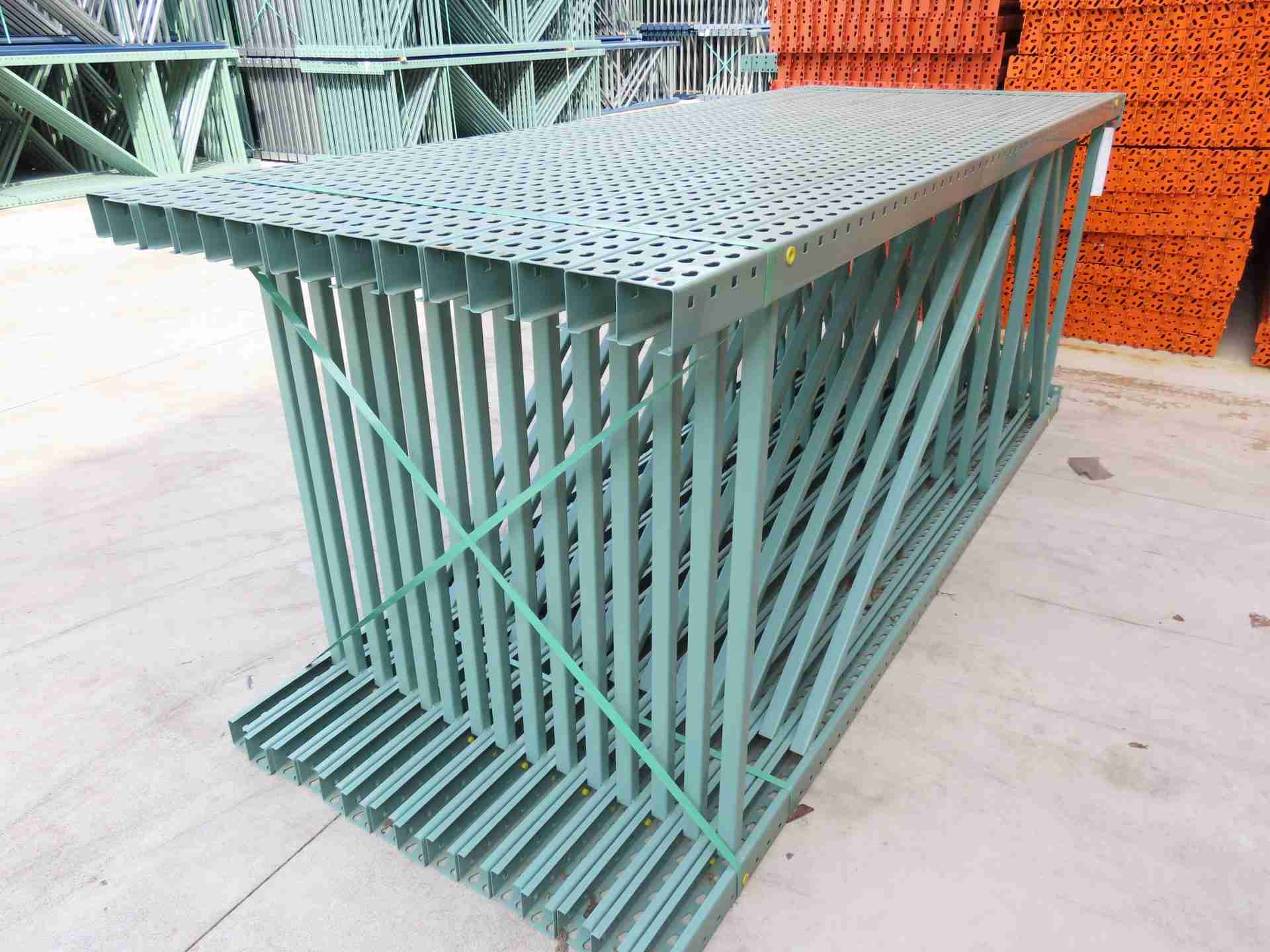
What Real Stories Highlight the Dangers Of Improper Rack Setups?
Are You Confident In Your Knowledge Of Used Rack Safety Standards?
When it comes to used racking systems, it’s easy to think you’ve got everything in hand. However, let’s take a moment to peel back the layer of complacency and dive into the realm of rack safety standards—a realm where knowledge isn’t just power; it’s a lifeline. The truth is, each rack is more than just steel and bolts; it’s the backbone of a thriving operation, cradling hundreds of thousands of dollars’ worth of product. How does that sit with you?
Imagine a bustling warehouse, the steady hum of machinery, the anticipation hanging thick in the air. But underneath that façade, there’s a subtle tension—an unspoken fear that a small oversight could lead to disaster. The emotional weight of a safety incident can be monumental; not only are lives at stake, but reputations, businesses, and families can be irrevocably changed in a heartbeat. That gut feeling tells you that it’s not enough to simply trust your instincts; you need a solid foundation of knowledge regarding those racking systems.
Now, think about the key players in your team. They rely on you for their safety—an ethical responsibility you can’t afford to take lightly. Understanding each aspect of used rack safety standards means you’re not only protecting your monetary investments, but also your most valuable asset: your people. From load capacities to proper installation protocols, this knowledge isn’t just technical jargon; it’s a critical component of your workplace culture.
When you commit to understanding and applying these standards, you’re not only showcasing your leadership; you’re fostering a community of safety and competence. People respect a leader who values informed decision-making. It breeds trust and strengthens bonds within your team, making everyone feel empowered rather than merely compliant.
Sharing the stories of successful rack safety implementations within your industry cultivates a narrative that inspires others to act. When your peers see your unwavering commitment to safety, it creates a ripple effect, spurring a collective culture where everyone holds the line against negligence.
So ask yourself—are you really confident in your knowledge of used racking safety standards? This isn’t just about compliance; it’s about creating a legacy of safety, accountability, and trust. Take the initiative to learn, engage, and empower. Trust isn’t given; it’s earned through knowledge and action.

Are You Confident In Your Knowledge Of Used Rack Safety Standards?
Are You Confident In Your Knowledge Of Used Rack Safety Standards?
- Understanding rack safety standards is crucial in ensuring safety and accountability in warehouse operations.
- Used racking systems serve as the backbone of operations, supporting significant monetary investments.
- Complacency and oversight can lead to devastating consequences, impacting lives, reputations, and businesses.
- Team members rely on leadership for their safety, emphasizing the ethical responsibility to understand safety standards.
- Knowledge about load capacities and installation protocols is essential for fostering a culture of safety.
- Commitment to safety standards enhances leadership credibility and builds trust within the team.
- Sharing successful safety practices encourages a collective culture that prioritizes safety and accountability.

Are You Confident In Your Knowledge Of Used Rack Safety Standards?
What Steps Can You Take Now to Protect Your Business From Liability?
When it comes to protecting your business from liability, the first step isn’t just a checklist; it’s a mindset. Picture this: you’ve built something from the ground up, pouring in late nights, early mornings, and a slice of your heart with every decision made. This isn’t just a business—it’s your legacy. To safeguard what you’ve worked so hard to create, you need to act with intention.
Start by racking your brain for potential risks. What hazards lurk in your everyday operations? Don’t shy away from tough questions. Encourage your team to speak up and share their insights. Involve everyone in identifying weak spots, creating a culture where safety and accountability reign supreme. Remember, a united front is not only smarter but stronger, and it fosters a sense of community that can protect you in tough times.
Next, sharpen your knowledge of regulations and best practices in your industry. This isn’t just about checking boxes; it’s about building a fortress around your operation. Read up on compliance requirements and stay connected with local business networks to ensure you’re in the know. Seek out legal advice that pertains to your specific industry. Don’t just rely on one source; diversify your learning to create a broad understanding of liabilities.
Let’s talk training. Invest in your team—after all, they’re your first line of defense. Offer them training that goes beyond the bare minimum. Equip them to handle situations proactively—wearing the protective armor of knowledge and vigilance. When employees feel empowered, they become your strongest advocates against liability. They’re not just workers; they’re a family, and a strong family looks out for one another.
And what about insurance? It’s not just a safety net; it’s a vital shield. Consult with insurance professionals to tailor a policy that truly fits your business. This isn’t about fear; it’s about foresight. Having the right coverage helps you sleep well at night, knowing you’ve taken every step to keep the hard work you’ve put in well-protected.
Protecting your business is as much about heart as it is about head and gut. It’s about caring for your community, your employees, and ensuring that the legacy you’ve built stands resilient against life’s storms. Take action now, not tomorrow. Because in this journey, the only way forward is together.

What Steps Can You Take Now to Protect Your Business From Liability?
What Steps Can You Take Now to Protect Your Business From Liability?
- Protecting your business starts with a mindset, not just a checklist.
- Identify potential risks in your operations and involve your team in the conversation.
- Create a culture of safety and accountability by encouraging open dialogue.
- Stay informed about industry regulations and best practices for comprehensive protection.
- Invest in team training to empower employees as your first line of defense.
- Consult insurance professionals to tailor a policy that fits your business needs.
- Take action now to protect your business legacy and foster a resilient community.

What Steps Can You Take Now to Protect Your Business From Liability?
Will Neglecting Rack Safety Impact Your Reputation In the Industry?
When it comes to racking systems in a warehouse, neglect is not just a minor oversight; it’s a dangerous gamble that can jeopardize the very foundation of your industry reputation. Imagine this scenario: you’ve built your business brick by brick, each decision carefully calculated, each dollar invested purposefully. Now, picture the avoidable disaster of a racking collapse, sending products tumbling and employees scrambling. The impact isn’t just physical; it ripples through the fabric of your professional legacy.
At the heart of it, neglecting rack safety is an ethical wrong. Every day, your workers trust you to keep them safe while they navigate your aisles. They’re not just cogs in a machine; they are mothers, fathers, friends, and essential members of a community. Failing to protect them is a betrayal that can echo through their lives, and if your employees feel unsafe, it creates a culture of anxiety that seeps into productivity and morale. You’re not just risking toppling shelves; you’re risking the loyalty and wellbeing of those who help your business thrive.
From a rational perspective, the numbers speak for themselves. Incidents related to poor racking safety can lead to costly fines, extended downtime, and skyrocketing insurance premiums, not to mention the inevitable decline in customer trust. Your reputation is woven into your professional relationships. One safety breach can lead customers to question your commitment to quality, prompting them to seek out competitors who prioritize safety and integrity. In this digital age, a single negative review can travel faster than a freight train, tarnishing your hard-earned name.
Socially, we rally around companies that embody care and responsibility. Your reputation is the currency of your industry, and integrity is the coinage that sustains it. Active engagement in safety not only enhances your credibility but can set a standard that influences others in your field. Think about it: would you want to do business with someone known for cutting corners?
In essence, neglecting rack safety isn’t just about structural failure – it’s about the legacy you want to leave behind. Let your commitment to safety resonate not just through your facilities, but across your entire industry. Building a reputation requires more than a foundation of steel; it requires a commitment to the people who make your business possible. Stand tall, invest in safety, and let that integrity shine.

Will Neglecting Rack Safety Impact Your Reputation In the Industry?
Will Neglecting Rack Safety Impact Your Reputation In the Industry?
- Neglecting racking systems in warehouses poses significant risks to safety and company reputation.
- A racking collapse not only causes physical damage but also affects professional legacy and employee wellbeing.
- Employees trust employers to maintain a safe working environment; their safety is a vital ethical responsibility.
- Unsafe conditions can lead to a culture of anxiety, impacting productivity and morale among workers.
- Consequences of poor racking safety can include fines, downtime, increased insurance costs, and loss of customer trust.
- Companies that prioritize safety enhance their credibility and set industry standards, attracting more business.
- A commitment to safety reflects on the legacy of a business, emphasizing the importance of integrity and care for employees.

Will Neglecting Rack Safety Impact Your Reputation In the Industry?
Conclusion
Navigating the world of industrial racking systems isn’t merely a technical endeavor; it’s a profound responsibility that reverberates through every corner of your workplace and beyond. This isn’t just about racks; it’s about people—your employees, their families, and the trust guardianship that rests with you as a leader. Imagine the pulse of a bustling warehouse, where each decision you make keeps the wheels of productivity spinning, but also carries the weight of potential fallout. This is where conscience meets commerce, and neglecting the safety of your racking systems can lead to disastrous consequences—not just financially, but ethically and socially as well.
Consider the stories, like that of David, a manager whose momentary oversight turned a busy afternoon into chaos. Each rack carries the promise of safety and efficiency, but when trust is betrayed through shortcuts, it creates an atmosphere of fear and anxiety. You wear the mantle of authority, not only to guide your team but to safeguard their lives. As the navigator of this sturdy ship, every choice you make echoes throughout the organization, affecting morale, reputation, and ultimately, the bottom line.
Delve into the risks of using second-hand racks without due diligence, not just as a matter of savings, but framed in ethical context. The path of least resistance may lead to a lighter budget, but it can also shatter the reputation you’ve worked tirelessly to build. In this era when corporate responsibility is scrutinized by consumers and peers alike, the onus lies with you to commit not only to compliance but to the values your business espouses. When you lead with integrity, you provide a roadmap for others, shaping not just your enterprise, but the entire industry.
Being intentional about safety and informed decision-making creates a culture of accountability and empowerment. Your workforce, feeling valued and safe, transforms from mere employees to a cohesive family, united against negligence and empowered by shared values. Each investment in knowledge and training strengthens this bond, echoing the ethos that your organization is built on.
Taking the proactive steps now—evaluating risks, deepening your understanding of regulations, and reinforcing training—puts you in a position not just to comply with standards, but to lead the way. In a landscape littered with potential pitfalls, your commitment to safety, community, and ethical responsibility stands as a beacon. This is your narrative, one where every rack, every decision, builds a future grounded in trust, safety, and lasting impact. Choose to lean into this responsibility, and you’ll not only fortify your business but craft a legacy that echoes through generations.

Conclusion
Conclusion:
- The responsibility of managing industrial racking systems extends beyond logistics to employee safety and community trust.
- Every decision in a busy warehouse influences productivity and has potential ramifications for safety and ethics.
- Neglecting safety can lead to serious consequences, affecting morale, reputation, and financial stability.
- Using second-hand racks requires careful consideration, as shortcuts can undermine hard-earned reputations.
- Leading with integrity fosters accountability and empowers employees, transforming them into a cohesive team.
- Proactively evaluating risks and enhancing knowledge equips leaders to not just comply but to set industry standards.
- Embracing responsibility cultivates a legacy centered on trust, safety, and a positive impact on future generations.

Conclusion
Other Resources

Other Resources
Here is a list of other resources you can review online to learn more:
- International Warehouse Logistics Association
- Bradford Systems
- What is Selective Racking: Understanding Benefits & Options
- Cantilever Racking Specialists – Get the Right Racks
- Interlake Mecalux
- Iowa Illinois Warehouse Racking
- Cantilever Rack Guide: Ordering Cantilever Racking
- Selective Racking
- Interlake
- Cantilever Racks Chicago
- Warehousing Education and Research Council: https://www.werc.org/
- Warehouse Automation
- Teardrop Pallet Rack – Ridg-U-Rak
- IWLA
- Overhead Lifting
- Teardrop Uprights
- Used Pallet Rack for Sale in Illinois – American Surplus
- Rack Manufacturers Institute
- Pallet Racking systems in Illinois, Great Lakes
- Selective Racking
Use This Prompt To Get More Resources With Your Favorite Online AI Tool: Please provide me with a list of online articles with their URLs in a bulleted list that I can read regarding Are You Liable for Failures In Used Rack Installations?

Other Resources
Glossary Terms
Are You Liable for Failures In Used Rack Installations? – Glossary Of Terms
1. Liability: Legal responsibility for damage or injury resulting from negligence or breach of duty.
2. Negligence: Failure to take proper care in doing something, which results in damage or injury to another.
3. Rack Installation: The process of assembling and securing storage racks for inventory, equipment, or materials.
4. Used Racks: Pre-owned storage systems that have been previously utilized and may show signs of wear.
5. Safety Standards: Regulations and guidelines established to ensure safe working conditions and prevent accidents.
6. Inspection: A thorough examination of equipment or installations to identify any potential hazards or compliance issues.
7. Maintenance: Regular upkeep and servicing of equipment to ensure safe and efficient operation.
8. Compliance: Adherence to relevant laws, regulations, and standards regarding safety and installation practices.
9. Installation Guidelines: Specific instructions provided by manufacturers on how racks should be installed safely and effectively.
10. Risk Assessment: The process of identifying potential hazards associated with used rack installations and evaluating their risks.
11. Duty of Care: The legal obligation to ensure the safety and well-being of clients and employees during operations.
12. Insurance Coverage: Protection provided by an insurance policy against liabilities and damages arising from accidents.
13. Manufacturer’s Warranty: A guarantee from the manufacturer regarding the quality and safety of the product for a specified period.
14. Training: Programs designed to educate employees on safe handling, installation, and maintenance practices for racks.
15. Personal Injury: Harm or damage inflicted on an individual, potentially leading to liability for the responsible party.
16. Documentation: Records related to the installation, maintenance, and inspection of racks, which can be critical for liability claims.
17. Load Capacity: The maximum weight a rack system can safely support based on its design and condition.
18. Breach of Contract: Failure to fulfill the terms of an agreement, which can lead to legal consequences.
19. Third-Party Liability: Responsibility towards individuals outside the immediate relationship, such as clients or passersby, who may be affected by rack failures.
20. Incident Report: A formal document detailing accidents or failures related to rack systems, important for liability considerations.
21. Regulatory Body: An organization that establishes standards and enforces regulations within an industry, including rack safety.
22. Warranty Disclaimer: A statement denying responsibility for certain issues that may arise with used racks, potentially affecting liability claims.
23. Legal Action: Initiating a lawsuit or legal proceedings due to claims of negligence or failure in installation.
24. Industry Standards: Accepted guidelines developed by professionals and organizations to ensure safety in rack installations.
25. Quality Assurance: Processes and procedures designed to ensure that products meet established quality standards.
26. Preventive Measures: Strategies implemented to minimize the risk of rack failures and associated liabilities.
27. Duty to Warn: The obligation to inform users about potential dangers associated with equipment or installations.
28. Environmental Factors: External conditions, such as temperature and humidity, that can affect the safety and durability of used racks.
29. Contractual Indemnity: An agreement where one party agrees to compensate another for certain damages or losses, often related to liabilities.
30. Expert Testimony: Evidence provided by a qualified individual on matters related to safety standards and maintenance, often used in legal cases.

Glossary Of Terms
Other Questions
Are You Liable for Failures In Used Rack Installations? – Other Questions
If you wish to explore and discover more, consider looking for answers to these questions:
- What are the legal responsibilities of warehouse managers regarding rack safety?
- What are the most common causes of rack system failures in warehouses?
- How can one effectively inspect and maintain used racking systems?
- What specific safety standards should used racks comply with?
- How can managers foster a safety culture among employees?
- What are the financial implications of neglecting rack safety?
- What steps should be taken if an accident occurs due to rack failure?
- How can one ensure that second-hand racks are safe for use?
- What training programs are recommended for employees handling racking systems?
- How do ethical considerations impact decisions about used rack purchases?
- What role does insurance play in protecting against rack-related liabilities?
- What are some real-world examples of accidents caused by improper rack setups?
- How can businesses balance cost-saving measures with safety standards?
- What resources are available for learning about rack safety best practices?
- How can businesses build trust with employees and customers through safety commitments?

Other Questions
Checklist
Are You Liable for Failures In Used Rack Installations? – A Checklist
Emotional Engagement
_____ Reflect on the safety culture you wish to cultivate; what values guide you?
_____ Visualize the impact of your decisions on employees’ well-being and livelihoods.
_____ Share a personal story or anecdote related to workplace safety with your team.
Rational Considerations
_____ Review current regulations and best practices for used racking systems.
_____ Conduct a risk assessment of your warehouse operations.
_____ Gather data on past incidents related to inadequate racking; what lessons can be derived?
Ethical Responsibility
_____ Assess the ethical implications of choosing used racks versus new ones.
_____ Consider the impact of your purchasing decisions on sustainability and community.
_____ What legacy do you wish to create regarding workplace safety and environmental responsibility?
Authority and Knowledge
_____ Verify your knowledge of industry standards concerning rack safety.
_____ Consult with experts in safety compliance to ensure you’re well-informed.
_____ Attend workshops or training sessions focused on used rack safety standards.
Narrative Building
_____ Document stories of safety successes and failures to learn and share with others.
_____ Create a narrative around safety that includes your entire team’s involvement.
_____ Promote tales of proactive safety measures and their positive effects on morale.
Social Impact
_____ Foster a culture of open communication around safety concerns; how can your employees speak up?
_____ Encourage collaboration in identifying potential hazards; consider team brainstorming sessions.
_____ Share your commitment to safety with industry peers; seek best practices and advice.
Action Steps
_____ Schedule regular inspections and maintenance of used rack systems.
_____ Develop a training program focused on safety best practices and the importance of vigilance.
_____ Review and update insurance coverage specific to potential liabilities associated with used racks.
Community and Team Support
_____ Engage your team in discussions about safety; how do they perceive their roles?
_____ Create opportunities for team-building focused on safety practices and responsibilities.
_____ Empower employees with the knowledge and tools to prioritize safety in their daily tasks.
Make a conscious effort to revisit this checklist regularly to ensure the integrity of your used racking systems and the safety of your workplace environment.

Checklist
At RackingWorld, we help guide you through selecting warehouse storage systems and racking.
Be sure to read our other related stories at RackingWorld to learn more about warehouse storage systems.
0 Comments