
Maximizing Efficiency And Impact: The Power Of Pallet Racking In Delivery Hubs
By Tom Seest
At RackingWorld, we help guide you through selecting warehouse storage systems and racking.
Be sure to read our other related stories at RackingWorld to learn more about warehouse storage systems.
How Do Last-Mile Delivery Hubs Leverage Pallet Racking?
When you’re running a last-mile delivery hub, you’re not just moving boxes—you’re moving the heartbeat of town, the stuff that people count on to show up on time. Pallet racking isn’t just some metal shelves gathering dust; it’s the backbone that turns chaos into order. Picture a busy warehouse on a Monday morning: trucks rolling in, packages flying off pallets, hands grabbing the right box in seconds. Without solid pallet racking systems, it’d be a free-for-all, a pile-up of frustration and missed deadlines.
Here’s the straight talk—pallet racking gives you the space and structure to stack smart. It holds pallets steady, easy to reach, saving time and backs in the process. When every second matters and every parcel represents someone’s need or want, that kind of efficiency doesn’t just pay off on paper—it earns trust. The folks waiting on their deliveries don’t think about pallet racking, but they feel its impact when their package arrives on time, every time.
There’s an honest simplicity in how pallet racking supports the flow. It’s about respect for the product, the people handling it, and the place delivery plays in people’s daily lives. You want your warehouse to hum, not groan under the weight of piled-up boxes. Sturdy racks make loading and unloading safer, reducing the risk of injuries that can stop the whole operation cold. It shows you value your crew’s health as much as the customers’ satisfaction.
Ethically, using pallet racking right isn’t just good for business; it’s about responsibility too. You’re running a system where delays or damage ripple out like waves affecting livelihoods, trust, and even the environment. Efficient storage means less waste, fewer mistakes, and a smaller footprint. When last-mile hubs lean into smart pallet racking, they’re making choices that respect resources and people alike.
Beyond the nuts and bolts, these racks connect a community of workers, drivers, and customers. It’s a silent partner in the story of getting life’s essentials from warehouse to doorstep, bridging gaps between distant places and busy lives. It’s not glamorized, but it’s real; it’s what keeps things moving.
If you want a system that stands firm under pressure, keeps your team safe, respects your world, and earns the loyalty of every person waiting on a doorstep, pallet racking is the unspoken hero you build your operations around.

How Do Last-Mile Delivery Hubs Leverage Pallet Racking?
How Do Last-Mile Delivery Hubs Leverage Pallet Racking?
- Pallet racking is essential to organizing busy last-mile delivery hubs, transforming chaos into order and ensuring timely deliveries.
- It provides structured, accessible storage that saves time and reduces physical strain on workers during loading and unloading.
- Efficient pallet racking fosters trust by enabling reliable on-time delivery, impacting customers’ satisfaction.
- Sturdy racks improve safety, minimizing injury risks and supporting the wellbeing of warehouse staff.
- Using pallet racking responsibly reduces waste, errors, and environmental impact, reflecting ethical business practices.
- Pallet racks connect workers, drivers, and customers, serving as a vital, though often unseen, link in the delivery process.
- They are a strong foundation for operations that withstand pressure, prioritize safety, and sustain community trust.
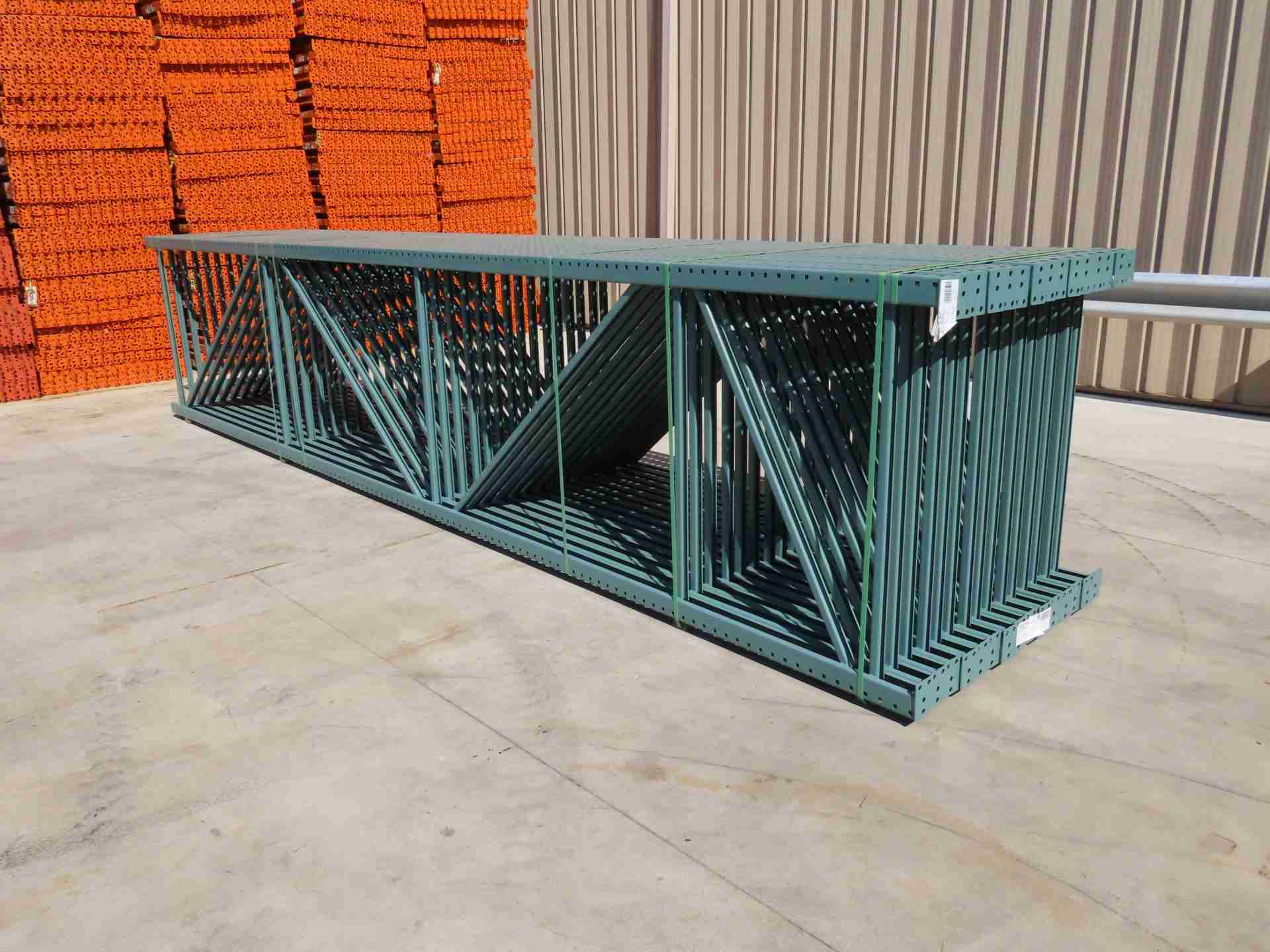
How Do Last-Mile Delivery Hubs Leverage Pallet Racking?
Table Of Contents
- How Do Last-Mile Delivery Hubs Leverage Pallet Racking?
- How Does Pallet Racking Improve Last-Mile Delivery Speed?
- What Cost Savings Come From Using Pallet Racking In Hubs?
- How Does Efficient Racking Reduce Delivery Errors?
- What Ethical Benefits Arise From Streamlined Delivery Systems?
- How Do Delivery Hubs Ensure Safety with Pallet Racks?
- What Stories Highlight Success with Pallet Racking?
- Conclusion
- Other Resources
- Glossary Of Terms
- Other Questions
- Checklist
How Does Pallet Racking Improve Last-Mile Delivery Speed?
Look, when you’re on the ground, hustling to get packages out the door and onto the doorstep in time, every second counts. Pallet racking isn’t just some fancy warehouse upgrade—it’s the backbone of keeping things moving fast and smooth. You stack your goods right, easy to find, easy to grab. No more fishing around like it’s a game of hide-and-seek. Pallet racking puts the right stuff within arm’s reach, cutting down the chaos and the time it takes to load trucks.
There’s a certain peace of mind knowing your inventory is organized, solid, and accessible. It’s about respect—respect for the workers who lift, lift again, and deliver; respect for the customers waiting for their orders to arrive; and respect for your own bottom line, because faster deliveries mean fewer headaches and better business. When that pallet racking system is dialed in, you’re not just moving boxes—you’re moving trust, reliability, and the promise that someone’s day will be a little better because their order showed up on time.
From a common-sense standpoint, clutter slows you down, and wasted time on the clock is money burned. Pallet racking streamlines the whole process. It’s a simple piece of the puzzle that makes your whole operation click. Sure, it takes some upfront planning and muscle to set it up right, but once it’s there, it pays dividends every single delivery day. Think of it as a well-oiled machine: no loose screws, no jams, just efficiency powered by practical, no-nonsense solutions.
This isn’t about tech hype or buzzwords—it’s about real hands-on work and making life easier for the folks in the trenches. When you get that pallet racking system humming, your team moves faster, feels safer, and gets the job done. And customers? They get their packages quicker, with fewer mistakes. That builds loyalty, word-of-mouth, and a sense you’re part of something solid and dependable.
In a business where speed is everything, pallet racking isn’t just storage. It’s your secret weapon for last-mile delivery speed—steady, reliable, and built on good, honest work.
How Does Pallet Racking Improve Last-Mile Delivery Speed?
How Does Pallet Racking Improve Last-Mile Delivery Speed?
- Pallet racking is essential for fast, efficient package handling and delivery, reducing time wasted searching for goods.
- It organizes inventory to be accessible and easy to grab, minimizing chaos and speeding up truck loading.
- Provides peace of mind through solid, organized inventory, respecting workers, customers, and business priorities.
- Helps build trust and reliability by ensuring timely deliveries, improving customer satisfaction and loyalty.
- Streamlines operations by reducing clutter, saving time, and enhancing overall efficiency once properly set up.
- Improves safety, team speed, and accuracy, contributing to better job performance and fewer delivery mistakes.
- Acts as a practical, reliable tool for last-mile delivery speed, grounded in honest, hands-on work rather than hype.
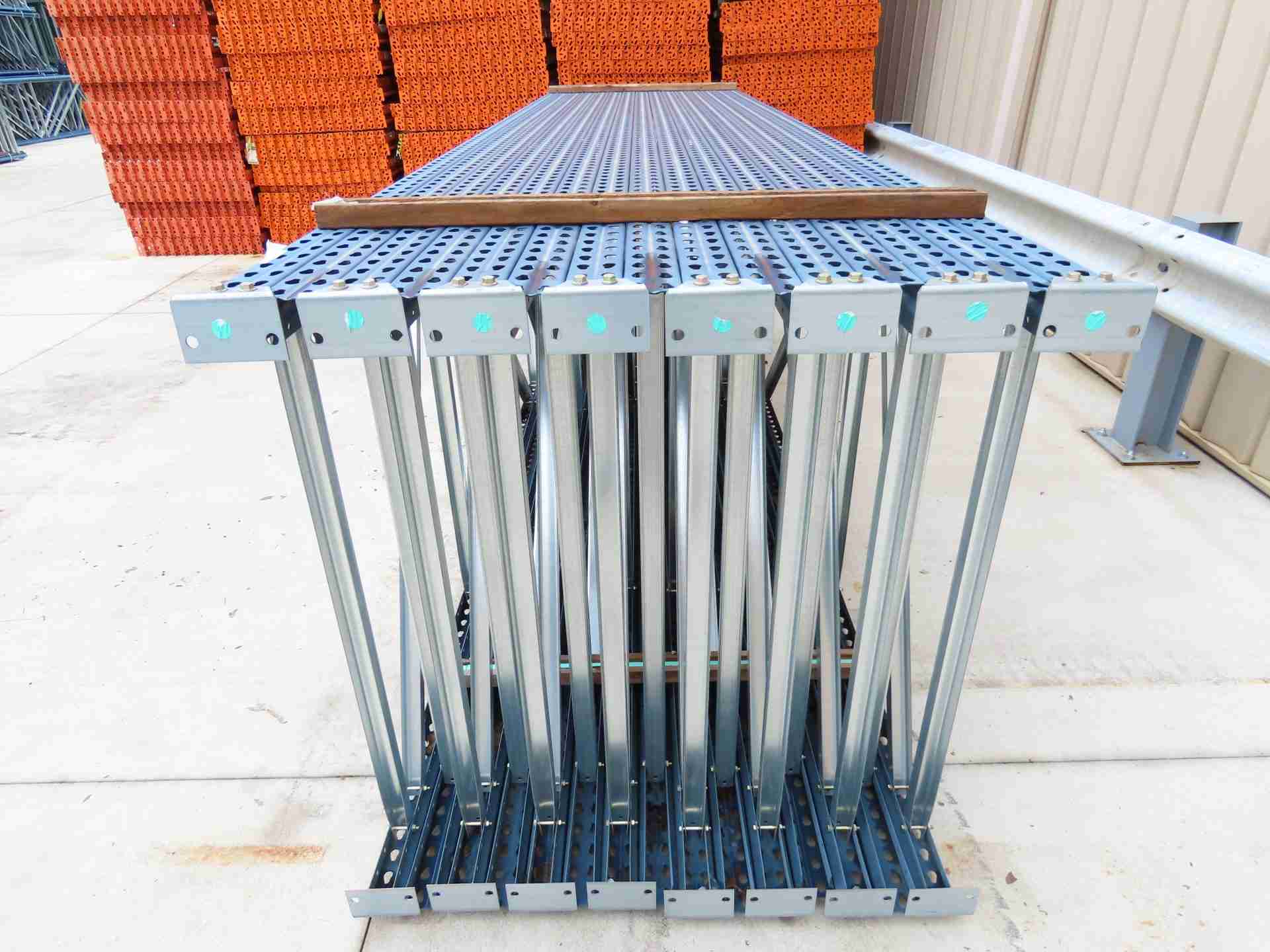
How Does Pallet Racking Improve Last-Mile Delivery Speed?
What Cost Savings Come From Using Pallet Racking In Hubs?
When you’ve spent years in warehouses and hubs, you learn that every inch counts and every minute saved means dollars in the bank. Pallet racking isn’t just a shiny piece of gear—it’s the backbone that turns chaos into order, and that order? Well, that’s where real cost savings start to show up.
First off, pallet racking squeezes more out of your space without breaking the bank building new facilities. Instead of stacking piles of pallets haphazardly, it lets you pile vertically, turning wasted cubic feet into usable storage. That means fewer square feet to heat, cool, and maintain—an immediate hit on your overhead. Fewer forklifts running back and forth means less fuel burned, less wear and tear, and less time lost hunting for that one stubborn pallet sitting in the wrong spot.
It’s not just a physical saving. Pallet racking creates a workflow that respects the people on the floor. When your team can grab what they need without playing hide-and-seek, they’re less likely to hurt themselves or break gear. That’s fewer injury claims, less downtime, and a crew that’s confident in their work. Confidence on the job doesn’t just boost morale—it lifts productivity. When workers trust the system, mistakes drop, and shipping errors shrink, saving customer headaches and your bottom line.
From an ethical standpoint, pallet racking is a smart move too. It helps businesses use existing resources responsibly instead of pushing for constant expansion or energy-intensive solutions. It’s a practical approach that respects the environment and the community by reducing waste and emissions.
Stories from the floor echo the same truth: companies switching to pallet racking in their hubs found their operation running smoother and their costs trimming down like clockwork. When a loading dock isn’t clogged up and products move swiftly, customers notice, loyalty builds, and orders keep rolling in—sound business, plain and simple.
Handled right, pallet racking doesn’t just stack pallets—it stacks savings, safety, and smarts. It’s the kind of everyday tool that quietly earns trust, cuts costs, and keeps the hub humming without fuss. If you’ve been wrestling with cluttered floors and wasted time, it’s time to get serious about pallet racking—your bottom line will thank you.

What Cost Savings Come From Using Pallet Racking In Hubs?
What Cost Savings Come From Using Pallet Racking In Hubs?
- Pallet racking maximizes warehouse space by enabling vertical storage, reducing the need for new facilities and lowering overhead costs.
- It decreases forklift usage, cutting fuel consumption, equipment wear, and time spent searching for misplaced pallets.
- Improves workflow safety by allowing easy access to pallets, reducing injuries, downtime, and equipment damage.
- Enhances worker confidence and productivity, leading to fewer mistakes and shipping errors, benefiting customer satisfaction and profits.
- Supports ethical business practices by optimizing existing resources and minimizing environmental impact through reduced waste and emissions.
- Companies using pallet racking report smoother operations, cost reductions, and improved customer loyalty due to efficient product movement.
- Pallet racking delivers consistent savings, safety, and operational efficiency, helping warehouses overcome clutter and time waste.
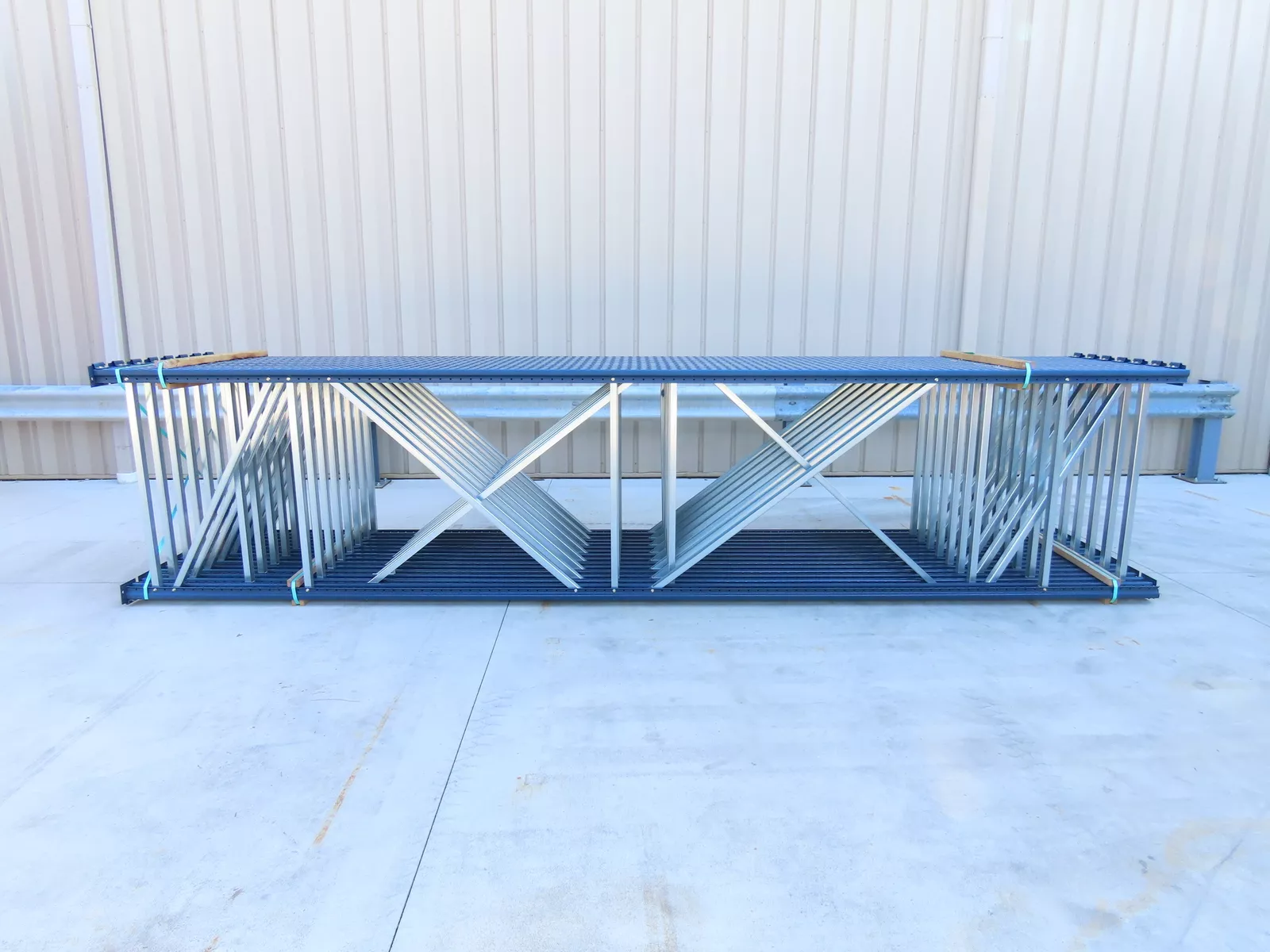
What Cost Savings Come From Using Pallet Racking In Hubs?
How Does Efficient Racking Reduce Delivery Errors?
There’s something satisfying about a well-organized warehouse—like a good toolbox, everything in its place, easy to find when you really need it. Pallet racking, done right, is the backbone of that order. When you stack and store pallets with a clear plan, delivery errors take a nosedive. That’s not just theory or fancy talk; it’s the day-in, day-out truth from floors piled high with boxes.
Think about it: when your pallet racking is chaotic or poorly planned, chances grow that the wrong item gets grabbed, picked, or shipped. It’s the kind of mistake that ramps up frustration—not just for the workers busting their knuckles, but for the customers left waiting. Nobody wants that. Efficient racking cuts through that mess, providing a clear roadmap so every pallet is exactly where it should be, every time.
This isn’t just about saving time; it’s about responsibility. When a company invests in proper pallet racking, it’s saying, “We respect your order, your business, your trust.” That’s an ethical stand right there. Cutting corners might save a buck today, but it costs faith and loyalty tomorrow. And in the world of logistics, trust is a currency that’s tough to build and easy to lose.
On the floor, it’s simple: less error means less hassle. Workers aren’t second-guessing where things go or hustling to fix mistakes after pickers realize they grabbed the wrong load. Efficiency trickles down from good racking design. Clear labels, sturdy shelves, and logical layouts make sure that pallet picks are fast and accurate. The whole team feels it—from the forklift driver who just wants a smooth run to the dispatcher racing against the clock.
Socially, there’s something powerful about a team humming along, knowing their setup won’t steer them wrong. It builds pride. When the pallets line up right, it says the place is run by folks who know their stuff and care about getting things done right—not just fast. That confidence spreads to customers who know they won’t get a swapped order or a late delivery.
So, efficient pallet racking isn’t just about racks and pallets. It’s a quiet promise, a cornerstone for efficiency, honesty, and respect working shoulder to shoulder. It’s how a warehouse earns and keeps its reputation, one correct delivery at a time.
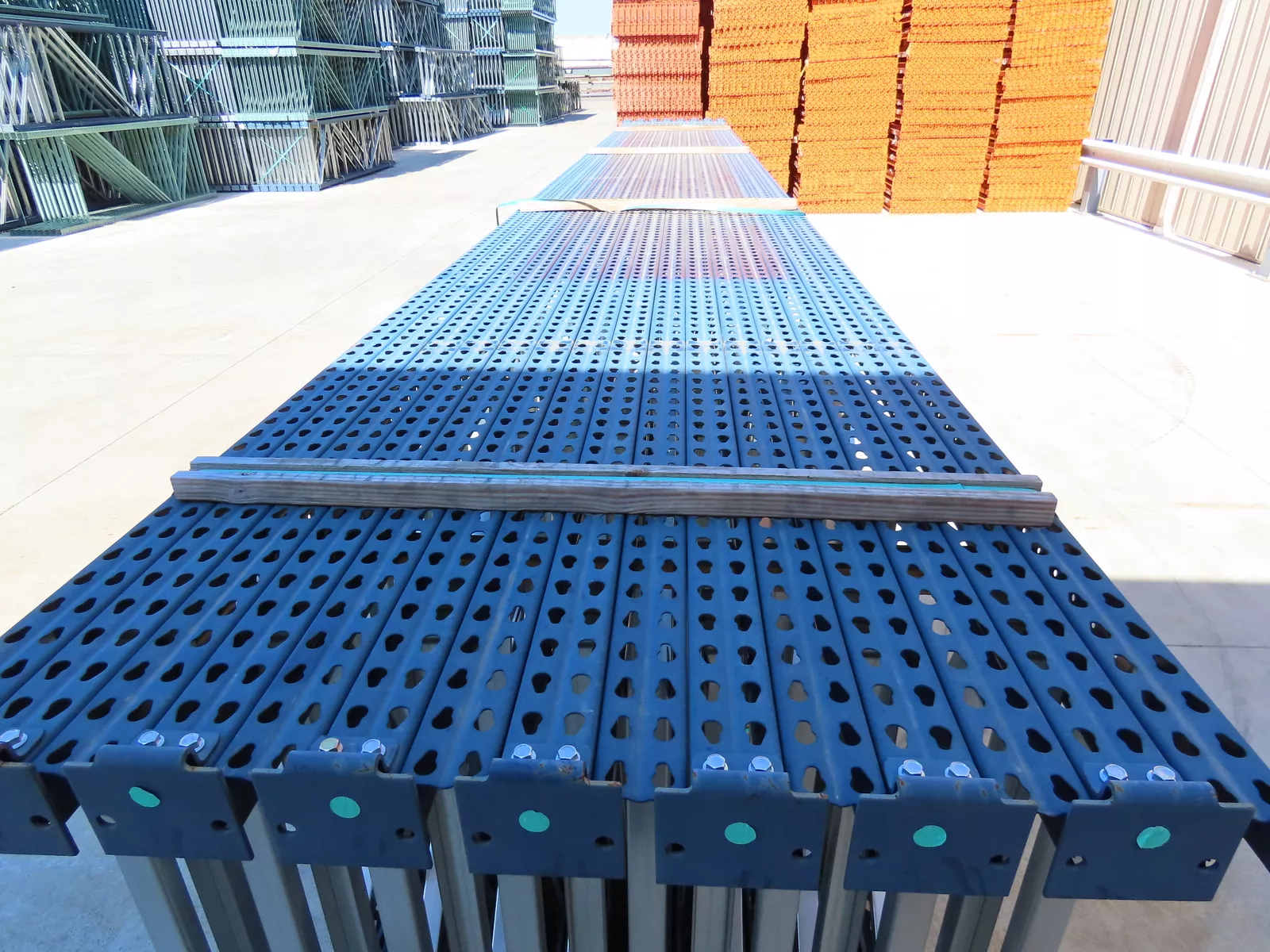
How Does Efficient Racking Reduce Delivery Errors?
How Does Efficient Racking Reduce Delivery Errors?
- Well-organized pallet racking ensures everything is easy to find and reduces delivery errors significantly.
- Poorly planned racking increases the risk of picking and shipping the wrong items, causing frustration for workers and customers.
- Investing in proper pallet racking reflects a company’s respect for orders, customers, and trust, highlighting an ethical commitment.
- Efficient racking reduces mistakes and hassle, allowing workers to pick pallets quickly and accurately with clear labels and logical layouts.
- A well-structured warehouse fosters team pride and confidence, showing expertise and care in operations rather than just speed.
- Proper pallet organization strengthens customer confidence that orders will be correct and delivered on time.
- Efficient pallet racking serves as a foundation for operational efficiency, honesty, respect, and maintaining a warehouse’s reputation.
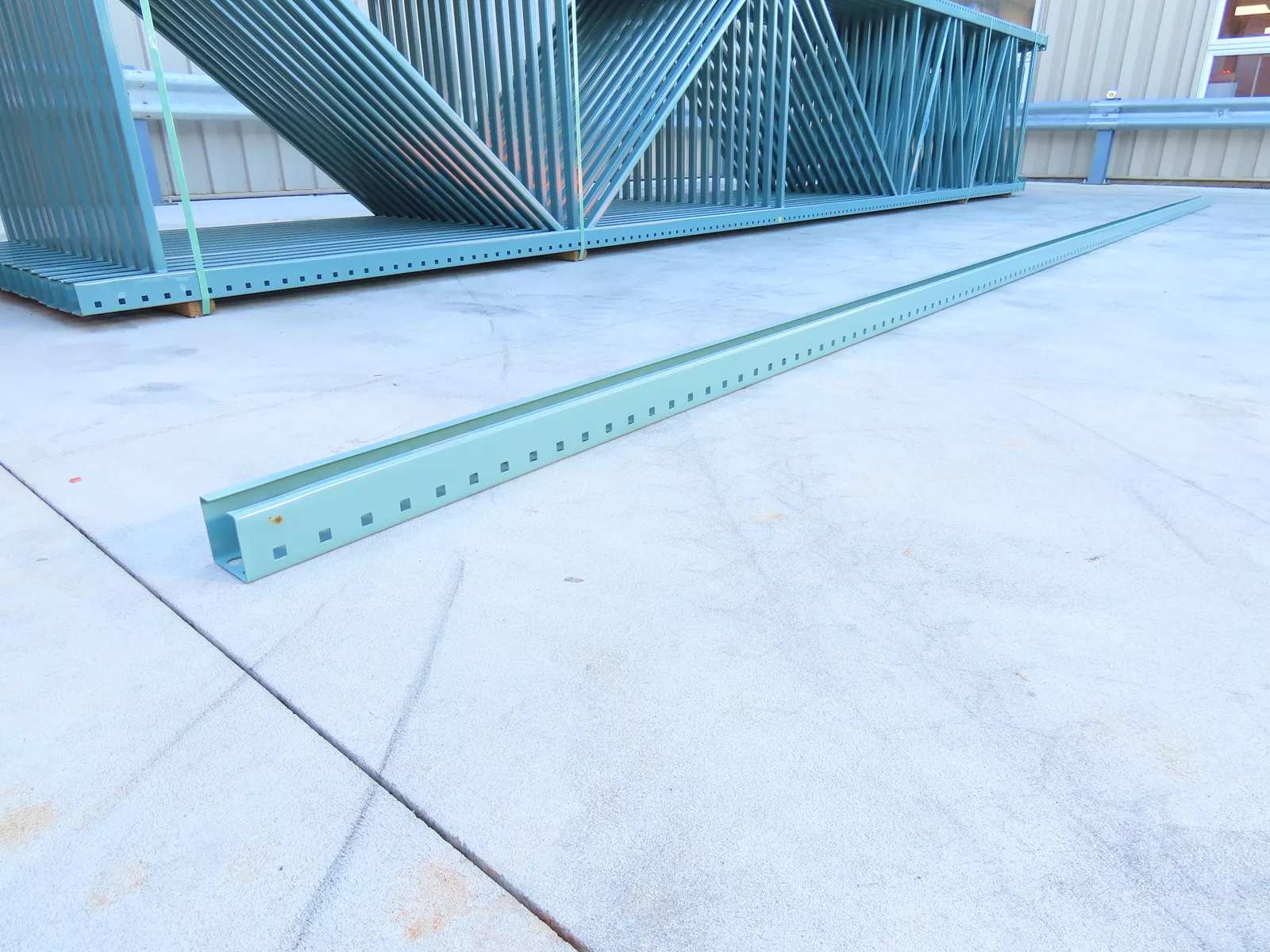
How Does Efficient Racking Reduce Delivery Errors?
What Ethical Benefits Arise From Streamlined Delivery Systems?
You ever stop and think about what really goes into getting a box from one place to another? It’s not just a matter of trucks and routes; it’s about people, time, and fairness — the kind of stuff that usually gets overlooked until it goes sideways. Streamlined delivery systems aren’t just about speed or saving a few bucks. They’re about doing right by everyone involved, from the guy loading the pallet racking at the warehouse to the customer waiting at their front door.
When a delivery system is tight and well-oiled, it means fewer mistakes, less waste, and a whole lot less chaos. Think about it: if pallets, racks, and goods are handled smoothly, there’s less risk someone’s going to get hurt or something’s going to spoil. That’s ethical straight up — caring about worker safety and product quality in a way that’s easy to see and feel. It’s the kind of responsibility that hits the gut, because you know someone in that chain is counting on it not to fail.
Then there’s the trust factor. When your deliveries come on time, unscathed, and without confusion, it tells the world you respect their time and money. That respect fosters loyalty, builds confidence, and sets a standard that says shortcuts aren’t worth cutting corners on. People appreciate that kind of straightforward honesty. It’s not just business talk; it’s about standing behind what you do. That’s where social ethics come in, too — how companies treat communities, support jobs, and keep supply lines honest.
From a practical standpoint, a streamlined delivery system cuts out the fluff and friction, which means fewer headaches, less waste, and clearer accountability. When those pallets stand neat on their racking and roll out right on schedule, it’s a tidy, honest operation. You can’t fake that. It wires a company to do better, not just for profit, but because doing good is good business. When everyone from the warehouse floor to the customer’s porch has a fair shake, that’s when ethics and efficiency shake hands and get the job done right.
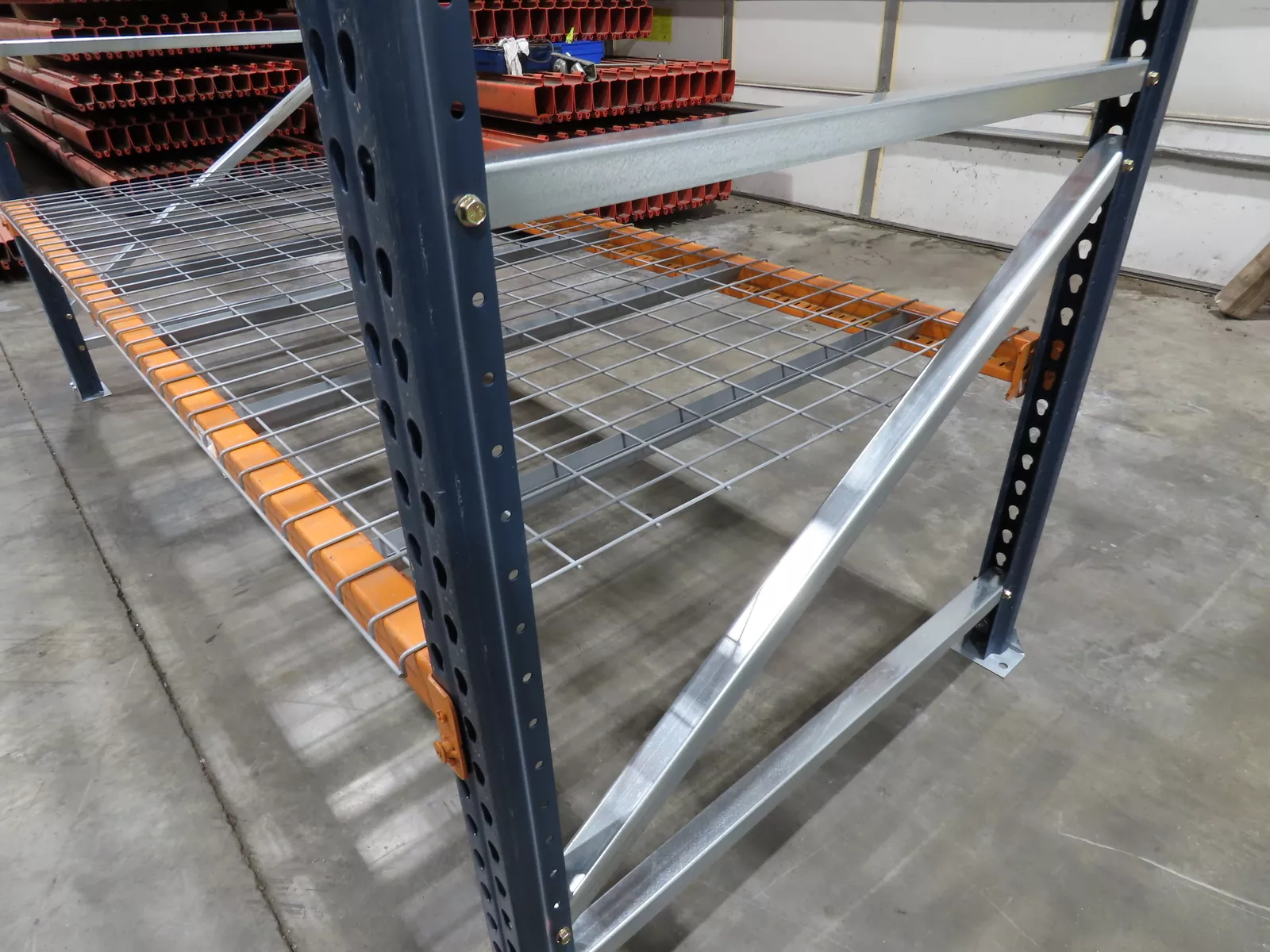
What Ethical Benefits Arise From Streamlined Delivery Systems?
What Ethical Benefits Arise From Streamlined Delivery Systems?
- Delivery systems involve more than trucks and routes; they require attention to people, time, and fairness.
- Efficient delivery reduces mistakes, waste, and chaos, ensuring worker safety and product quality.
- Timely, undamaged deliveries build trust, respect customers’ time and money, and foster loyalty.
- Social ethics in delivery include supporting communities, jobs, and maintaining honest supply lines.
- Streamlined operations minimize friction, headaches, and waste, resulting in clearer accountability.
- A well-organized delivery system promotes ethical responsibility and better business practices.
- Fair treatment from warehouse workers to customers aligns ethics with efficiency to get the job done right.
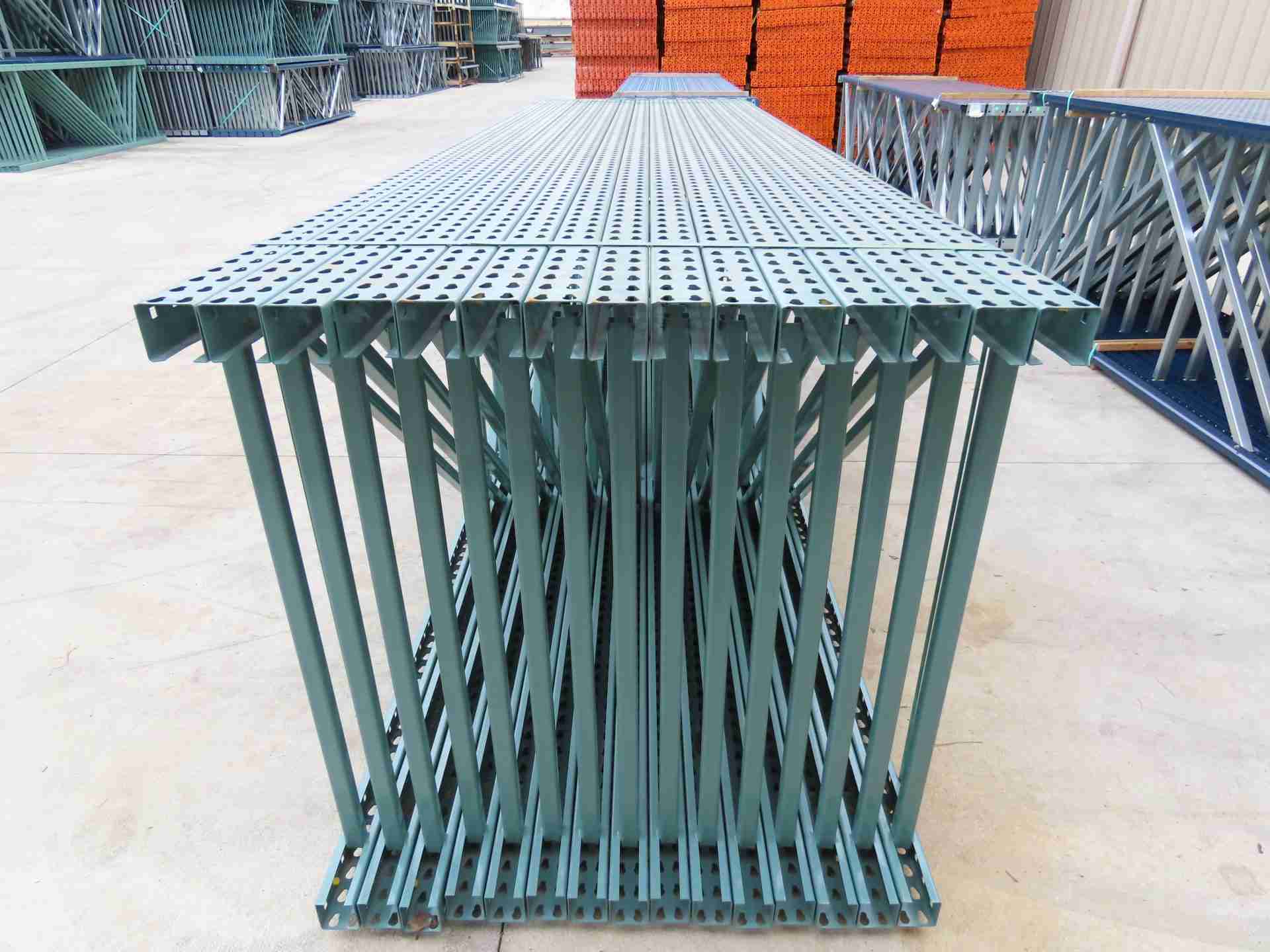
What Ethical Benefits Arise From Streamlined Delivery Systems?
How Do Delivery Hubs Ensure Safety with Pallet Racks?
You walk into any busy delivery hub, and what’s the first thing that hits you? It’s not the hum of forklifts or the shuffle of feet—it’s the rows upon rows of pallet racking, standing tall like silent sentinels. These racks don’t just hold boxes; they hold lives. The folks working here know that a slip-up isn’t just a mess to clean—it’s a risk to wrists, backs, and much worse. Safety with pallet racking is no afterthought; it’s the backbone of every hub’s operation.
From the ground up, these racks are built tough but treated with respect. There’s a whole craft behind ensuring each beam locks in place, every load is balanced just right, and weight limits aren’t a suggestion—they’re gospel. The reason is simple: nobody wants to be the one hearing that awful clang when a rack collapses, the sound sealing a day in the emergency room. Years of hands-on work have shown us that safety isn’t just about rules; it’s about paying attention and taking pride in doing the job right.
It’s more than “follow the manual,” too. Hard hats and high-vis vests only go so far if the pallet racking system beneath your feet is sketchy. Regular inspections, trimming corners never being an option, and immediate fixes when anything looks off—that’s what keeps everyone going home in one piece. And here’s the thing: every driver, loader, and manager has skin in this game. Safety isn’t just a policy—it’s trust earned through every careful action, every double-check, every shared “heads up” on the floor.
There’s a moral weight to it as well. These delivery hubs serve communities, put food on the table, and keep things moving no matter what. When a pallet rack fails, it disrupts more than just inventory; it shakes the very foundation of a team’s well-being and the customers who rely on prompt deliveries. Being ethical about pallet racking safety means protecting people first—with integrity, grit, and an understanding that shortcuts hurt.
So when you see those towering racks loaded with dozens of pallets, think of them as more than metal. They embody countless hours of careful planning, hard lessons learned, and a shared commitment to looking out for each other. That’s the kind of safety that turns warehouses into families and keeps the gears of delivery humming smoothly, day in and day out.
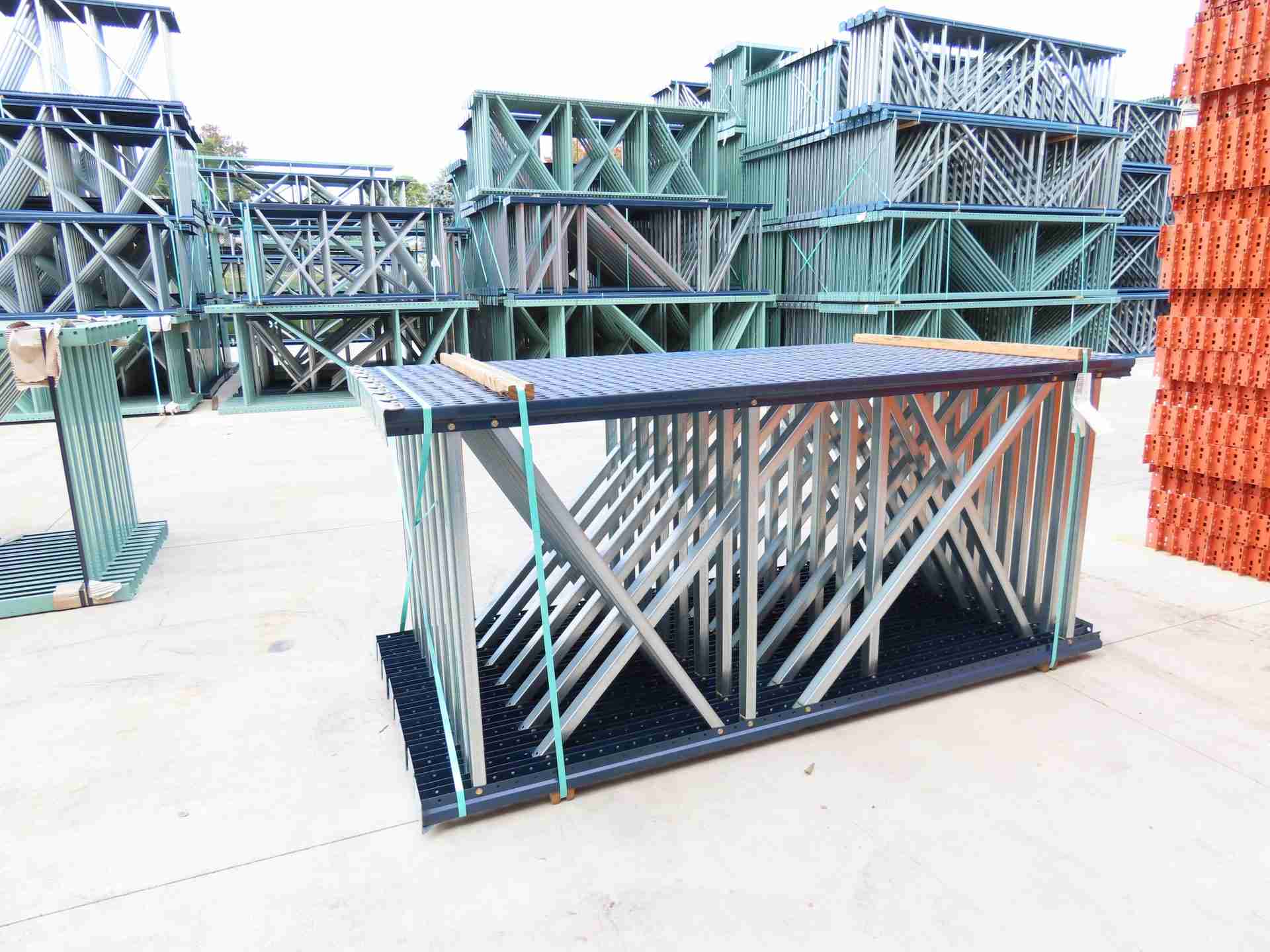
How Do Delivery Hubs Ensure Safety with Pallet Racks?
How Do Delivery Hubs Ensure Safety with Pallet Racks?
- Pallet racking is central to delivery hub operations, representing safety that protects workers from serious injuries.
- Racks are built robustly with precise installation, balanced loads, and strict adherence to weight limits to prevent collapses.
- Safety goes beyond equipment and gear; it requires regular inspections, no shortcuts, and immediate repairs of any issues.
- Every worker, from drivers to managers, shares responsibility for maintaining safe pallet racking practices.
- Ethical safety practices in pallet racking support both the well-being of employees and the reliability of service to communities.
- Failure in pallet racking impacts more than inventory—it affects team morale and customer trust.
- The racks symbolize collective dedication, experience, and mutual care that sustain efficient, safe delivery hub environments.

How Do Delivery Hubs Ensure Safety with Pallet Racks?
What Stories Highlight Success with Pallet Racking?
You ever walk into a warehouse and feel that quiet hum of order? That’s not magic, that’s pallet racking done right. It’s the backbone holding everything steady, the silent partner that turns chaos into calm. There’s a story behind every stacked box and a lesson in every neatly aligned beam—a story of sweat, smart choices, and seeing the value in solid groundwork.
Take the place where a team wrestled with cluttered aisles and slow pick times. Their old system was a headache, like trying to find a needle in a haystack. Then came pallet racking—simple steel shelves that stretched purpose and space. The turnaround? Pick times cut in half, product damage nearly disappeared, and morale shot up because nobody’s dodging collisions or risking injury anymore. It’s practical, sure, but it’s also about respect for the folks on the floor and care for the goods they move. When people see their tools making life easier, they work harder, smarter.
Pallet racking isn’t just about saving space; it’s about accountability and precision. Those racks don’t just hold pallets; they hold up a whole operation. They’re part of an ethical commitment to doing things right—protecting products, workers, and processes. Properly installed, well-maintained pallet racking sends a message that corners aren’t cut and quality matters. That kind of reliability builds trust, whether it’s with customers, partners, or the team putting in the hours day in and day out.
There’s a quiet pride in walking past those rows of pallets, knowing every beam has a purpose, every gap planned. It’s more than metal on metal. It’s about smart planning, patience, and grit coming together to make a difference. The best stories don’t come from flashy equipment but from simple, tough solutions that don’t fail when you need them most. Pallet racking tells that story every day—steady, dependable, and essential.
When you choose pallet racking with real care, you’re not just stacking goods; you’re stacking success. It’s about the heads that see the problem, the hands that build the fix, and the hearts that keep the whole system honest and thriving. That’s the kind of success worth sharing.

What Stories Highlight Success with Pallet Racking?
What Stories Highlight Success with Pallet Racking?
- Pallet racking transforms chaotic warehouses into orderly, efficient spaces by providing stable, well-planned storage solutions.
- Implementing pallet racking significantly improves operations by reducing pick times, minimizing product damage, and enhancing worker safety and morale.
- It represents a commitment to accountability, precision, and ethical operations, protecting products, workers, and processes.
- Proper installation and maintenance of pallet racking reflect a focus on quality and reliability, building trust among customers, partners, and employees.
- Pallet racking embodies smart planning, patience, and resilience, offering simple, durable solutions vital for daily operations.
- The system supports a culture of respect and care for workers and goods, motivating employees to work more effectively.
- Choosing pallet racking thoughtfully leads to sustainable success, driven by problem-solving, collaboration, and dedication.

What Stories Highlight Success with Pallet Racking?
Conclusion
Running a last-mile delivery hub is no cakewalk. It’s a hands-on grind where every inch of space and every tick of the clock counts. Pallet racking may not get the glory, but it’s the sturdy backbone holding this whole operation together—turning what could be a jumbled mess of boxes into a well-oiled machine that delivers not just packages, but trust. When you see those towering racks, know they’re more than metal beams; they’re the silent heroes making sure your parcel shows up on time, intact, and without fail.
Think about the chaos if those pallets were just tossed and scattered. It’d be slow, dangerous, and downright disrespectful to everyone in the chain—the folks loading the trucks, the drivers hustling on tight schedules, and the customers waiting anxiously at home. Pallet racking brings order, safety, and respect into the mix. It maximizes space by stacking smart and stable, cuts down the wasted seconds spent searching for that one stubborn box, and eases the strain on the backs and minds of the crew. No mystery or fluff here, just straightforward common sense that saves time, money, and a whole lot of headaches.
Beyond the practical, there’s a strong ethical core wrapped up in getting this right. Efficient pallet racking means fewer accidents, less damaged goods, and a smaller environmental footprint. It’s about fairness—making sure workers come home safe, customers get what they paid for, and the business runs lean, clean, and honest. When delivery errors plummet, trust grows, and that’s the real currency in this game. Cutting corners might score a quick buck, but it costs loyalty and respect that no warehouse can afford to lose.
Stories from the floor back this up every day—companies wrestling with clutter see their pick times slash in half, morale rise, and mishaps vanish when they invest in solid racking. It’s a no-nonsense fix that gets folks feeling proud and confident in their work. Safety isn’t just a policy slapped on a wall; it’s a shared commitment born from sweat and grit. Those racks hold more than goods; they hold a promise that every link in the delivery chain matters.
So, if you’re running a last-mile hub and want a system that stands up under pressure, honors the hands that keep it moving, respects the earth, and earns the loyalty of every person waiting on their doorstep, pallet racking is the steady, dependable heart you build on. It’s plain, solid, and necessary—the quiet champion behind every on-time delivery.

Conclusion
Conclusion:
- Last-mile delivery hubs rely heavily on pallet racking to organize space efficiently and keep operations running smoothly.
- Pallet racking transforms chaotic piles of boxes into a structured system that saves time and protects goods.
- It enhances safety, reduces physical strain on workers, and speeds up the process of locating and moving packages.
- Efficient pallet racking contributes to fewer accidents, less damaged inventory, and a smaller environmental footprint.
- Proper racking supports fairness and trust by ensuring workers’ safety, accurate deliveries, and honest business practices.
- Companies investing in solid pallet racking see significant improvements in pick times, morale, and reduction in mistakes.
- Pallet racking acts as a dependable foundation that maintains operational integrity and customer loyalty in last-mile delivery.

Conclusion
Other Resources

Other Resources
Here is a list of other resources you can review online to learn more:
- Interlake Mecalux
- Storage Equipment Manufacturers Association
- Illinois Pallet Racking – Storage Solutions
- Storage Equipment Manufacturers’ Association
- The Complete Pallet Rack Guide – Simply Rack
- Warehouse Racks, Warehouse Racking in Stock – ULINE
- Arrow Industrial Sales
- Teardrop Pallet Rack – Ridg-U-Rak
- Warehouse Racking Systems: Beginner’s Guide to Rack Systems
- Warehouse Racking Layout: The Ultimate Guide – Conger
- Crane Manufacturers Association Of America Inc.
- What is Cantilever Racking? – AK Material Handling Systems
- American Society of Safety Professionals
- Wolter
- The Ultimate Pallet Racking Guide – Speedrack West
- Racking World
- New Cantilever Racks and Racking Kits
- Logic Material Handling
- Warehouse Automation
- Warehouse Racking System: Powerful Guide to Optimise, 2024
Use This Prompt To Get More Resources With Your Favorite Online AI Tool: Please provide me with a list of online articles with their URLs in a bulleted list that I can read regarding How Do Last-Mile Delivery Hubs Leverage Pallet Racking?
Other Resources
Glossary Terms
How Do Last-Mile Delivery Hubs Leverage Pallet Racking? – Glossary Of Terms
1. Last-mile Delivery Hub: A facility where goods are received, sorted, and dispatched for final delivery to customers.
2. Pallet Racking: A storage system designed to hold materials on pallets in horizontal rows with multiple levels.
3. Efficiency: The ability to optimize processes to reduce time and costs in handling and delivery.
4. Inventory Management: The process of tracking and controlling stock levels within the delivery hub.
5. Space Utilization: Maximizing the available storage area to hold the highest volume of goods.
6. Load Capacity: The maximum weight a pallet rack can safely support.
7. Accessibility: Ease of reaching stored goods for picking and dispatch.
8. Order Fulfillment: The process of picking, packing, and shipping orders to customers.
9. Slotting: Assigning specific storage locations for products to optimize picking speed.
10. Scalability: The ability to expand or contract storage capacity based on demand.
11. Automated Retrieval: Use of technology systems to pick pallets without manual effort.
12. Cross-docking: Transferring goods directly from inbound to outbound transport with minimal storage.
13. Throughput: The volume of goods processed during a set period.
14. Load Stability: Ensuring goods are securely stored on pallets to prevent damage.
15. Picking Accuracy: Correct selection of items from storage for order assembly.
16. Turnover Rate: Frequency at which stored pallets are moved in and out.
17. Aisle Width: Distance between pallet racks allowing for equipment movement.
18. Forklift Compatibility: Design of racks to accommodate forklift access for loading/unloading.
19. Safety Standards: Regulations ensuring the secure installation and use of racking systems.
20. Modular Design: Racking systems that can be configured or reconfigured easily.
21. Transportation Link: Connection between the delivery hub and final delivery vehicles.
22. Workflow Optimization: Streamlining processes within the hub for faster operations.
23. Load Distribution: Even spreading of goods weight on racks to avoid structural stress.
24. Inventory Visibility: Real-time tracking of stock levels and locations.
25. Picking Zone: Designated areas within racks for high-turnover items.
26. Multi-level Storage: Using vertical space to store pallets in several tiers.
27. Demand Fluctuation: Variations in order volume requiring flexible storage solutions.
28. Just-in-Time Delivery: Coordinating timing to minimize inventory holding.
29. Dock Door Access: Points where freight enters or exits the facility.
30. Material Handling Equipment: Tools such as forklifts and conveyors used to move pallets within the hub.

Glossary Of Terms
Other Questions
How Do Last-Mile Delivery Hubs Leverage Pallet Racking? – Other Questions
If you wish to explore and discover more, consider looking for answers to these questions:
- What types of pallet racking systems are best for last-mile delivery hubs?
- How do you choose the right pallet rack configuration for different product sizes and weights?
- What are the upfront and ongoing costs of installing pallet racking?
- What is the typical ROI and payback period for pallet racking investments?
- How does pallet racking integrate with warehouse management systems and picking technologies?
- What safety standards and regulations apply to pallet racking in my region?
- How often should pallet racks be inspected and by whom?
- What are the common causes of pallet racking failure and how are they prevented?
- How do pallet racking systems affect forklift operation and aisle width requirements?
- Can pallet racking be retrofitted into an existing delivery hub layout without major disruption?
- What training do staff need to safely work with pallet racking?
- How does pallet racking support seasonal surges and peak delivery periods?
- What load capacities should be specified for different rack levels and beams?
- How do you calculate space utilization and storage density gains from racking?
- Which racking options best support mixed SKUs and e-commerce picking profiles?
- How does pallet racking improve order accuracy and reduce picking errors quantitatively?
- What maintenance routines and replacement cycles do racks typically require?
- How compatible are pallet racks with automation solutions (AS/RS, conveyors, vertical lifts)?
- What fire-safety and sprinkler system considerations are required with high racking?
- How are racks anchored to floors, and what foundation requirements exist?
- What are best practices for labeling, signage, and slotting on pallet racking?
- How do racking choices influence worker ergonomics and injury risk?
- What are the environmental and sustainability impacts of using pallet racking?
- Can pallet racking reduce energy consumption in a hub (heating, cooling, lighting)?
- What options exist for modular or mobile racking to support flexible layouts?
- How do pallet racking systems handle returns and reverse logistics flows?
- What warranty, certification, and supplier selection criteria should be considered?
- How long does installation take, and how much does it disrupt operations?
- What are the insurance implications and liability exposures related to racking?
- How do you plan for future scalability and expansion when selecting racking?
- What metrics and KPIs should you track to measure racking performance?
- How do racking strategies differ between urban micro-hubs and large regional hubs?
- What are the costs and benefits of multi-tier mezzanine racking systems?
- How are fragile or temperature-sensitive items accommodated on pallet racks?
- What case studies or benchmarks demonstrate real-world improvements from racking?
- How can pallet racking help reduce product damage during handling and transit?
- What role does racking play in optimizing truck loading and last-mile route efficiency?
- How are pallet racking systems disposed of or recycled at end of life?
Other Questions
Checklist
How Do Last-Mile Delivery Hubs Leverage Pallet Racking? – A Checklist
Goals and Constraints
✅______ Define throughput targets (orders per hour, lines per hour, pallets per hour)
✅______ Set service-level goals (on-time dispatch percentage, cut-off times)
✅______ Map peak volumes and seasonality
✅______ Establish budget, timeline, and permit requirements
Space Planning and Layout
✅______ Measure clear height, column grid, slab thickness/strength, and dock positions
✅______ Design aisle widths to match equipment (forklift, reach, order picker)
✅______ Separate inbound, putaway, pick, stage, and outbound lanes
✅______ Add cross-aisles for flow; mark pedestrian walkways and no-go zones
✅______ Create fast-mover zones near docks to reduce travel time
✅______ Allocate staging for returns, QC, and damage
Rack Strategy and Selection
✅______ Choose rack types by use—selective, double-deep, push-back, pallet flow, drive-in, cantilever
✅______ Verify capacities to ANSI/RMI standards; post load plaques at each aisle
✅______ Select beams and uprights to match pallet weights and dimensions
✅______ Ensure compatibility with pallet types (GMA 48 x 40, Euro, CHEP) and overhang rules
✅______ Specify row spacers, end-of-aisle protectors, column guards, and rack safety clips
✅______ Plan flue spaces and sprinkler clearances per local fire code
Material Handling and Equipment
✅______ Match equipment to rack heights and aisle widths
✅______ Confirm fork length, mast height, turning radius, and camera/laser aids
✅______ Place battery charging and propane storage per code; route power safely
✅______ Stage pallet jacks and carts at pick zones to reduce walk time
Inventory, Slotting, and Labeling
✅______ Build a bin location schema (building–aisle–bay–level–position)
✅______ Slot by velocity, size, and handling needs; dedicate fast-movers to golden-zone heights
✅______ Implement replenishment min/max and pick-face sizing
✅______ Label bays and levels with barcodes; add floor markings and overhead aisle signs
✅______ Enable scan verification at pick, pack, and load
WMS and Data
✅______ Create locations in the WMS; tie to the rack map and travel paths
✅______ Configure putaway and pick rules (FIFO, FEFO, serial, lot)
✅______ Enable cycle counting by location class and velocity
✅______ Provide RF devices with real-time updates and error prompts
Operations and Flow
✅______ Define SOPs for receiving, putaway, replenishment, picking, staging, and loading
✅______ Choose pick methods (batch, wave, cluster, zone) by order profile
✅______ Add QC checkpoints for high-risk SKUs and outbound verification
✅______ Implement dock scheduling and trailer loading sequence rules
Safety and Compliance
✅______ Obtain engineer-stamped rack drawings and permits
✅______ Anchor all racks; verify slab condition and expansion joints
✅______ Post weight limits; prohibit climbing and unauthorized modifications
✅______ Conduct pre-shift and monthly rack inspections; quarantine damaged components
✅______ Keep egress routes clear; maintain flue spaces and sprinkler access
✅______ Train PIT (powered industrial truck) operators; certify and refresh per policy
✅______ Provide fall protection for work above floor level when applicable
✅______ Maintain housekeeping—no pallets in aisles, debris-free floors
Maintenance and Inspections
✅______ Daily: Check for beam deflection, loose anchors, missing clips, and impact damage
✅______ Weekly: Verify labels and signage, guard condition, floor striping, and lighting
✅______ Quarterly: Torque anchors, audit load plaques, and review layout changes
✅______ Document all findings; repair or replace to manufacturer specifications only
Ergonomics and Wellbeing
✅______ Set pick heights in the golden zone; limit manual lifts above shoulders
✅______ Provide lift assists for heavy or awkward items
✅______ Minimize walk distance with optimized pathing and tool placement
✅______ Rotate tasks to reduce repetitive strain
Peak and Contingency Readiness
✅______ Pre-plan overflow locations and temporary racking or floor storage lanes
✅______ Stage spare rack components and guards for quick repairs
✅______ Define surge labor plans and brief, role-specific training modules
✅______ Establish rack impact incident response and area cordon procedures
Ethics and Sustainability
✅______ Reduce touches and damage through better slotting and packaging
✅______ Track shrink wrap, dunnage, and pallet recycling rates
✅______ Optimize energy use (charging schedules, LED lighting, dock seals)
✅______ Publish safety and on-time metrics to promote transparency and trust
Vendor and Change Control
✅______ Select an RMI/ANSI-compliant rack supplier; retain warranties and as-builts
✅______ Keep a change log for any rack reconfiguration; re-certify loads after changes
✅______ Schedule an annual third-party rack audit
Key Metrics to Monitor
✅______ Track dock-to-stock time
✅______ Track pick lines per labor hour
✅______ Track order cycle time and on-time dispatch percentage
✅______ Track mis-ship and damage rates
✅______ Track inventory accuracy percentage (cycle count variance)
✅______ Track space utilization percentage (cubic, not just square footage)
✅______ Track truck dwell time and door turns per day
✅______ Track recordable and lost-time incident rates
✅______ Track cost per order or stop
Documentation to Maintain
✅______ Stamped rack drawings, load calculations, and permits
✅______ Inspection logs and repair records
✅______ Training and certification records
✅______ SOPs for all rack-related tasks
✅______ Emergency procedures and drills log
Go-Live Readiness
✅______ Validate locations and scans end to end from receiving to loading
✅______ Stress-test peak waves and replenishment triggers
✅______ Run a safety walk, signage check, and housekeeping audit
✅______ Capture baseline metrics for post-implementation comparison
Checklist
At RackingWorld, we help guide you through selecting warehouse storage systems and racking.
Be sure to read our other related stories at RackingWorld to learn more about warehouse storage systems.
0 Comments