
Optimizing Efficiency: How Excess Decking Impacts Your Operations
By Tom Seest
At RackingWorld, we help guide you through selecting warehouse storage systems and racking.
Be sure to read our other related stories at RackingWorld to learn more about warehouse storage systems.
Is too Much Decking Slowing Down Your Operations?
Is your warehouse a graveyard of unused decking? Are your operations bogged down with an excess of racking that stands like a monument to inefficiency? It’s time to take a step back and evaluate whether that extensive decking has become a four-legged friend you can’t quite let go of, even as it trips you up.
Picture a bustling warehouse, a place where products zip through like lightning, where every inch is maximized to create order from chaos. Now, imagine this same space constricted, not by inventory shortages, but by too much of a good thing—decks and racks piled high and wide, inadvertently snuffing out the momentum of your operations. Each time a worker hesitates, forced to navigate this maze of unnecessary decking, think of the hours lost, the potential profit slipping through your fingers like grains of sand.
It’s a heart-wrenching reality for many business owners, especially in an era where efficiency is king. You’re not just paying for the decking—you’re paying for the hours your team spends shifting, stacking, and hunting through what should be a streamlined process. Take a moment to breathe and realize: holding onto that surplus may feel secure, but it might be costing you your competitive edge.
Let’s talk ethics for a second. Is it right to weigh down your team with confusion, not to mention the physical risks of working in an overly cramped environment? Every worker deserves to feel safe and empowered in their space. By clearing out unnecessary decking and optimizing your racking systems, you’re making a commitment to their well-being. And you can bet that the bottom line will thank you as morale increases and accidents decrease.
From a societal perspective, businesses that embrace efficiency set a standard for others to follow. They show that it’s possible to innovate while caring for both employees and the product. The ripple effect of a well-organized warehouse reaches beyond your four walls, inspiring others to eliminate waste and rethink operations.
The path to a more efficient operation isn’t just about cutting costs; it’s about clearing the way for creativity and productivity to flourish. Let go of that excess decking, and reclaim the speed and clarity you so deserve. After all, a streamlined process isn’t just good for business—it’s a way to honor the hard work of every single person who steps through your doors each day.
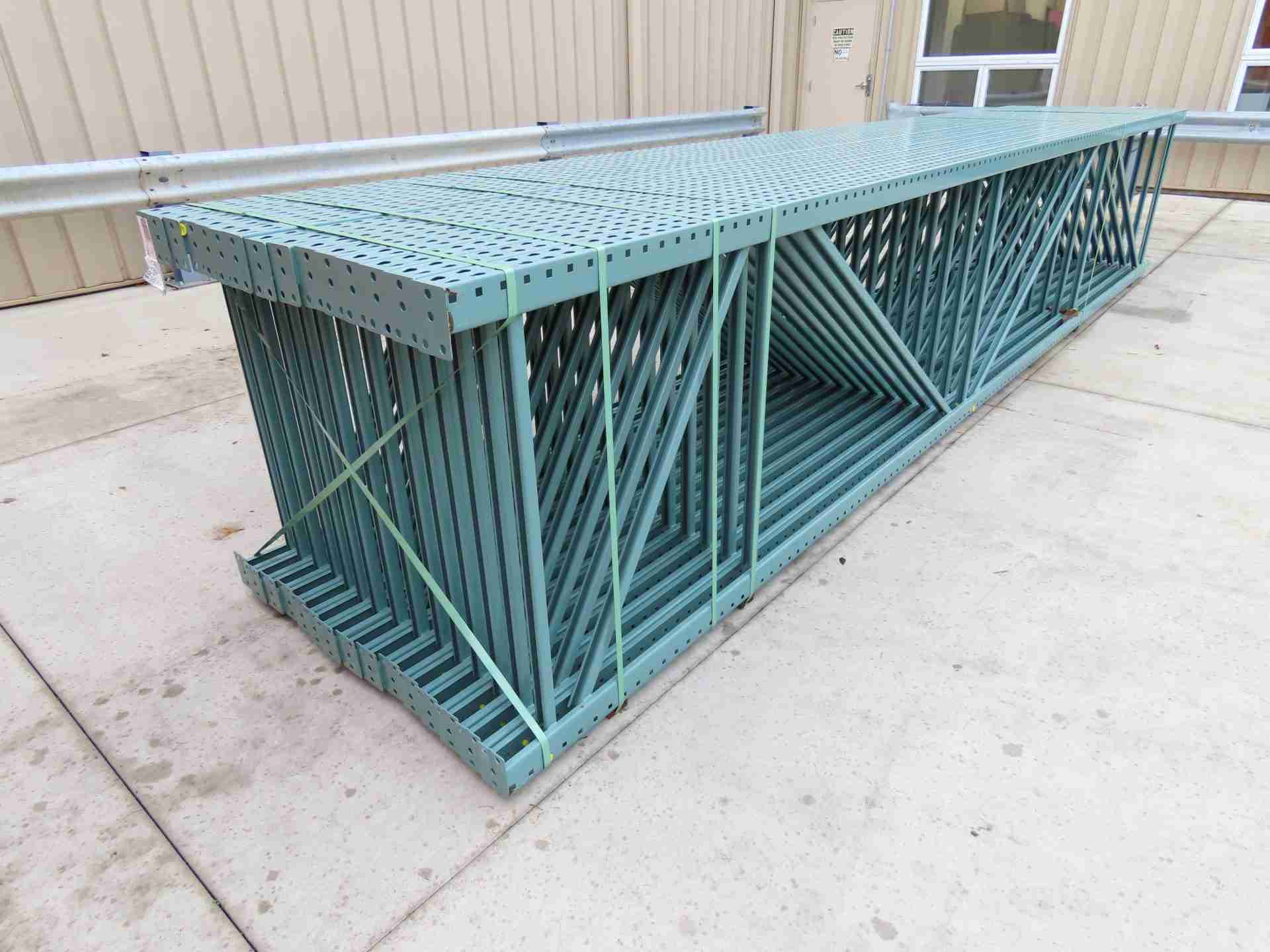
Is too Much Decking Slowing Down Your Operations?
Is too Much Decking Slowing Down Your Operations?
- Assess whether excess decking and racking in your warehouse is hindering operations.
- Visualize a streamlined warehouse that maximizes efficiency and minimizes chaos.
- Excessive racking can lead to lost productivity and potential profits.
- Holding onto surplus decking may feel secure but can cost you competitive edge.
- Prioritize employee safety and morale by decluttering workspace environments.
- Efficient businesses set an example for others, promoting innovation and waste reduction.
- A streamlined process enhances creativity and productivity, benefiting both employees and business outcomes.
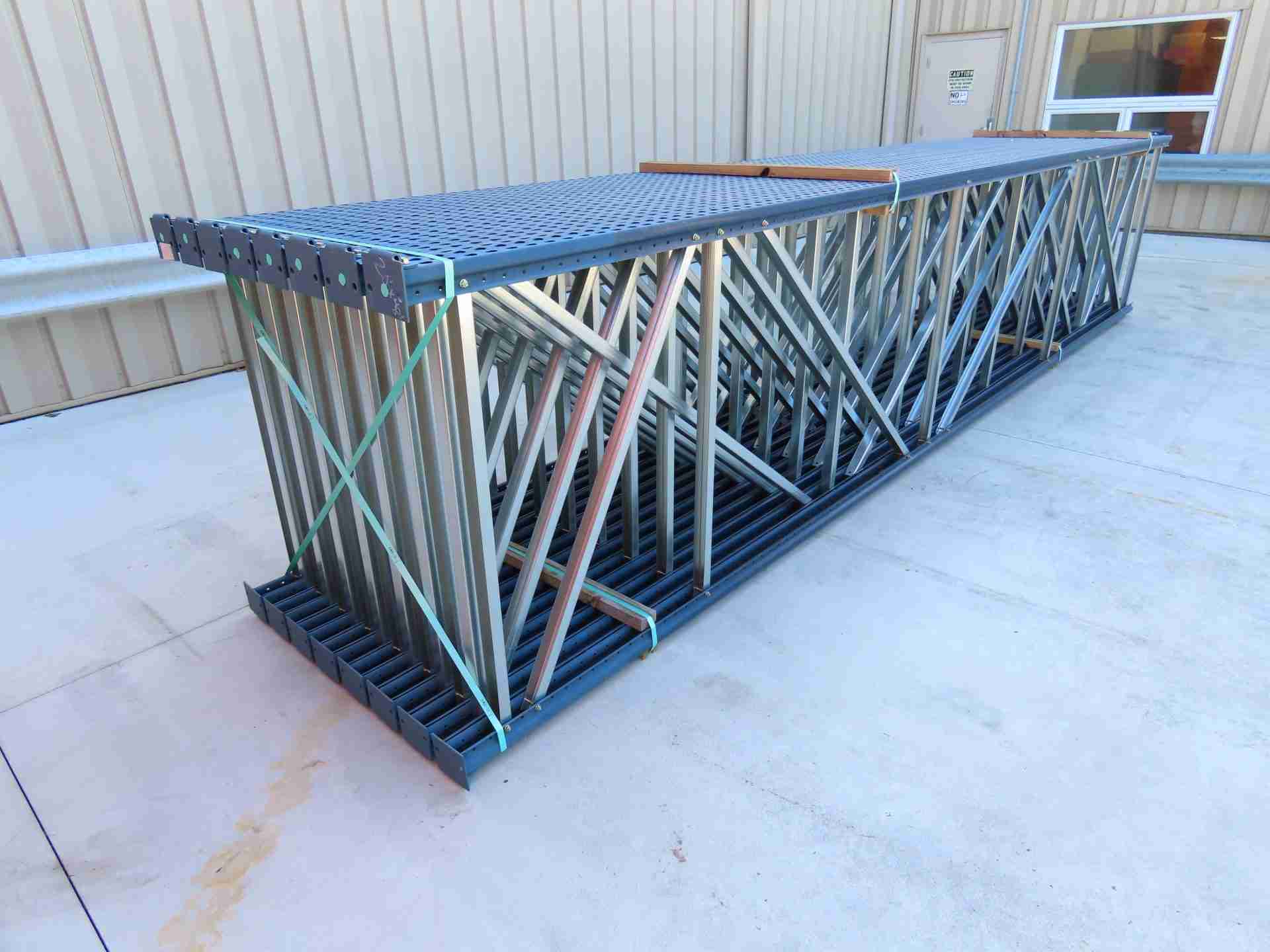
Is too Much Decking Slowing Down Your Operations?
Table Of Contents
- Is too Much Decking Slowing Down Your Operations?
- How Do You Feel About the Impact Of Decking on Your Workflow?
- What Data Supports Your Concerns About Excessive Decking?
- How Do Industry Leaders Manage Decking Without Slowing Operations?
- Can Reducing Decking Lead to Improved Safety for Your Workers?
- What Stories Can You Share About Decking Challenges In Your Workplace?
- Conclusion
- Other Resources
- Glossary Of Terms
- Other Questions
- Checklist
How Do You Feel About the Impact Of Decking on Your Workflow?
When we gather around the idea of decking, it might conjure up images of a life anchored in comfort and leisure. But let’s take a moment to peel back the layers. How does decking truly shape our workflows, our lives? It’s not merely about the aesthetics or the allure of an outdoor escape; it’s about creating a sanctuary—a personal space that fuels our productivity and ignites our creativity.
Let’s start with emotion. Picture the last time you settled into a quiet, sun-kissed corner of your backyard, the gentle breeze ruffling the leaves as you sipped your morning coffee. That moment can redefine your day. When your environment nurtures you, even the most daunting tasks seem less daunting. But it’s more than just a cozy nook. It’s about racking your mind for the next big idea while surrounded by nature. Decking offers a canvas on which thoughts can run free, unfettered by the confines of four walls.
Now, let’s engage our heads. The rational side of this conversation rolls out data: studies show that a well-designed workspace can increase productivity by up to 25%. Decking provides a seamless transition between inside and out, maximizing that flow. Think: fresh air and natural light, both proven stress relievers that can give you an edge in a competitive landscape. The bright rays and natural scenery can invigorate your workflow, fostering a sharper focus and clearer mind.
Ethically, consider this: decking isn’t just a choice about personal comfort—it’s a commitment to your well-being. In a world often defined by constant connection, making time for nature is an act of self-care. You’re not just building a deck; you’re cultivating a lifestyle that values balance, appreciating the environment, and promoting sustainable living.
Socially, we’ve all experienced the joy that comes from gathering friends and family in outdoor spaces. It’s in these shared moments that we build our strongest connections. There’s a reason those laughter-infused backyard barbecues become memories that linger long after the last bite of grilled goodness. Decking doesn’t just support your work—it supports your life.
So, as you contemplate decking, recognize the profound impact it can have on your workflow and overall life experience. Dive in and embrace the opportunity to create a space that fosters productivity, connection, and growth. It’s not just about stepping outside; it’s about stepping up into the life you truly want to live.

How Do You Feel About the Impact Of Decking on Your Workflow?
How Do You Feel About the Impact Of Decking on Your Workflow?
- Decking symbolizes comfort and leisure, but it also influences workflows and creativity.
- A personal space created by decking nurtures productivity and fosters inspiration.
- Emotional benefits include enhanced mood and reduced stress while working outdoors.
- Studies show well-designed workspaces can boost productivity by up to 25%.
- Decking promotes a flow between indoor and outdoor environments, enhancing focus and clarity.
- Investing in decking is a commitment to well-being, promoting a balanced and sustainable lifestyle.
- Outdoor spaces facilitate social connections and create lasting memories with friends and family.

How Do You Feel About the Impact Of Decking on Your Workflow?
What Data Supports Your Concerns About Excessive Decking?
When we think about our outdoor spaces, the allure of a beautifully decked patio often pulls at our heartstrings. It’s that serene escape, the center stage for summer barbecues, family gatherings, and quiet moments with a good book. But lurking beneath that captivating surface are real concerns that demand our attention—especially when it comes to excessive decking.
Consider the data. Research indicates that overextending our decking can lead to detrimental consequences, both for our wallets and our planet. For instance, studies show that nearly 20% of residential decking projects require significant racking issues, where structural integrity is compromised. The moment those charming boards bend and buckle, what was once a cherished sanctuary becomes a liability—both physically and financially. Imagine the emotional toll of a deck collapse during a family event. The aftermath isn’t just a repair bill; it’s the shattering of memories planned in that space, not to mention potential injuries.
Ethically, we owe it to ourselves and future generations to consider the long-term implications of our decisions. The environmental footprint of excessive wood use is staggering, with deforestation creating not only an ecological crisis but also a depletion of natural beauty we hold dear. The data is showing that if we don’t change our approach, we risk losing that connection with nature that outdoor spaces provide.
Take a moment to reflect on your own experiences. Have you ever witnessed the decline of your neighborhood due to overdevelopment? It’s an alarming narrative that resonates across communities. We’ve all seen vibrant tree-lined streets give way to sprawling concrete and vinyl. It’s easy to dismiss these shifts until we find ourselves longing for the natural world to reclaim its space.
As a society, we can turn the tide. By embracing innovative materials and sustainable practices, we can create outdoor environments that honor the balance between beauty and responsibility. Engaging with local builders and sustainable product advocates fosters a sense of connection and community integrity.
We hold the reins, and in making smarter choices about decking, we can forge a future where our outdoor spaces reflect our values—protecting both our environments and our cherished memories. Each conscious decision can ripple out, inviting others to join a movement towards more mindful living, one deck at a time. It’s time to transform our outdoor spaces into true sanctuaries, not just for us but for generations to come.
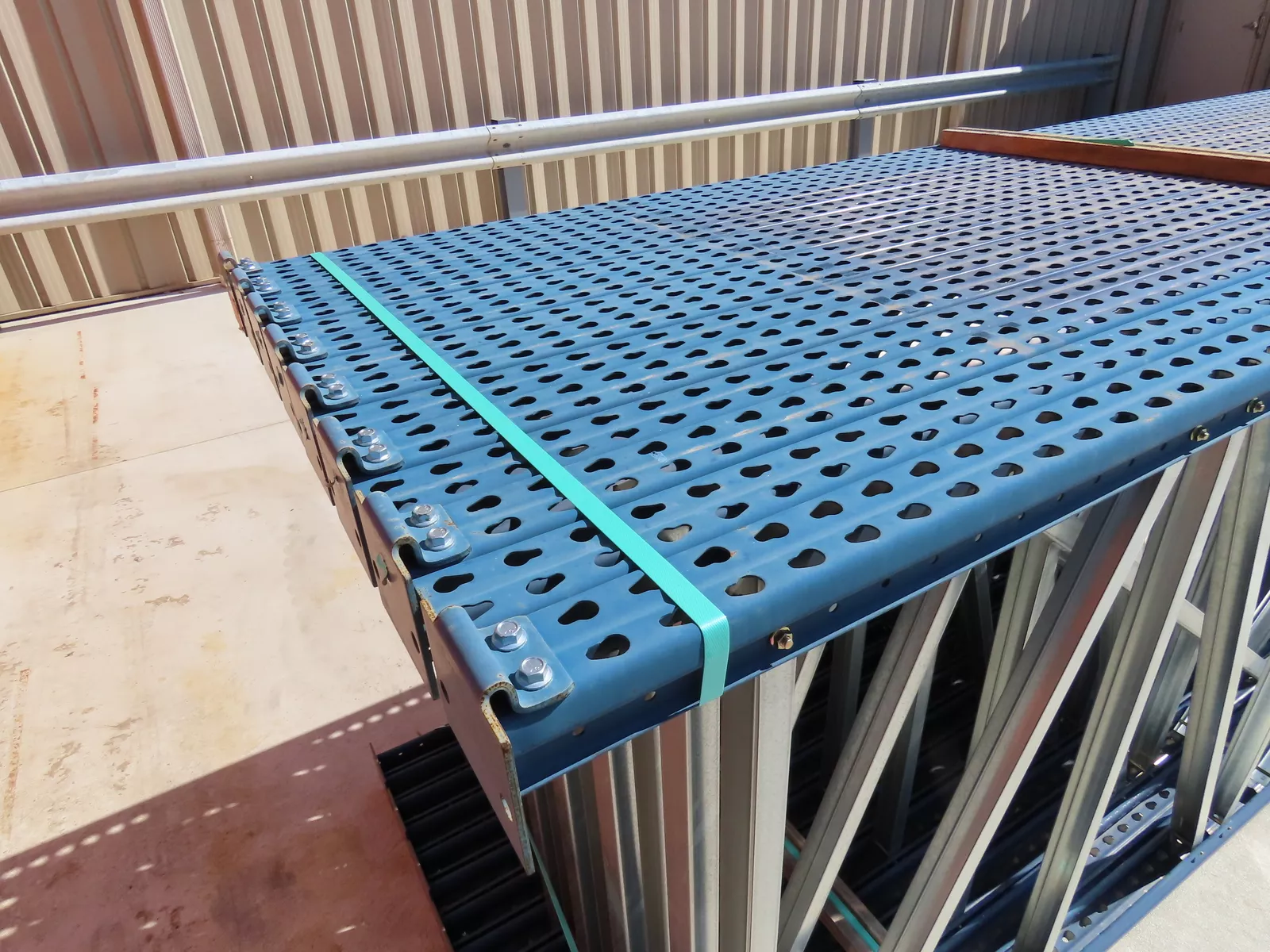
What Data Supports Your Concerns About Excessive Decking?
What Data Supports Your Concerns About Excessive Decking?
- Beautifully decked patios serve as serene escapes for seasonal gatherings and quiet moments.
- Excessive decking presents serious concerns for structural integrity, with 20% of residential projects facing significant racking issues.
- Deck collapses can lead to emotional and financial tolls, shattering planned memories and risking injuries.
- We have an ethical responsibility to consider the long-term environmental impact of decking choices.
- Deforestation due to excessive wood use threatens our connection to nature and leads to ecological crises.
- Embracing innovative materials and sustainable practices can help create balanced and responsible outdoor spaces.
- Conscious decking choices can inspire a community movement towards mindful living, benefiting future generations.

What Data Supports Your Concerns About Excessive Decking?
How Do Industry Leaders Manage Decking Without Slowing Operations?
When you think about the world of decking, consider the men and women behind the scenes—those industry leaders who are not just managing wood and nails, but are crafting solid foundations for communities. They understand that every board they lay is more than just a product; it’s an invitation to connect, to gather, to create memories. Instead of viewing decking as a back-end chore that can stall operations, these leaders turn it into an art form, seamlessly integrating it into their workflow. They know that the key is not merely in the execution of tasks, but in how they manufacture an experience that resonates with both their teams and customers.
Life on the job site can feel like an endless race against time. Yet these leaders instill a sense of purpose that transcends urgency; they racking up successful projects without sacrificing quality or safety. They utilize advanced planning and efficient methodologies, but there’s heart in their strategy. They foster a culture that empowers employees to take ownership of their work, cultivating a sense of pride that goes beyond traditional metrics of success. Workers respond not just to directives but to a collective mission that champions excellence.
But let’s face it: the demands of our modern world can strain even the best of intentions. What set these leaders apart is their ethical commitment to sustainability and community involvement. They understand that decking isn’t an isolated industry, but a part of a broader ecological and social tapestry. By sourcing materials responsibly and supporting local economies, they appeal to not just the heads of decision-makers but also the hearts of consumers.
Through storytelling, these visionaries create a relatable narrative that resonates. A family gathers on a recently completed deck, the sun setting in the background—this image is more than just a finished project; it’s a testament to hard work, dedication, and a commitment to quality that builds trust. The beauty of this connection is both emotional and rational. It grounds their operations in a community-centric ethos that speaks volumes while yielding tangible results.
As we step back and recognize the synergy between operational efficiency and heartfelt community involvement, it’s clear: industry leaders managing decking are not just laying planks; they’re paving pathways to a better tomorrow. Embrace the challenge; build with purpose.

How Do Industry Leaders Manage Decking Without Slowing Operations?
How Do Industry Leaders Manage Decking Without Slowing Operations?
- Industry leaders in decking craft community foundations through their work.
- Each board laid symbolizes an invitation to connect and create memories.
- Decking is approached as an art form, seamlessly integrated into workflows.
- Leaders instill purpose while maintaining quality and safety in project execution.
- They empower employees to take pride in their work, fostering a culture of excellence.
- Commitment to sustainability and community involvement sets these leaders apart.
- Storytelling creates emotional connections, grounding operations in community values.

How Do Industry Leaders Manage Decking Without Slowing Operations?
Can Reducing Decking Lead to Improved Safety for Your Workers?
When we think about workplace safety, it’s easy to leap straight to the heavy machinery or the wild worksite antics that put workers at risk. But let’s take a step back and consider something more fundamental: decking. It might seem innocuous—a layer of material beneath our feet—but reducing decking can have a profound impact on the safety and well-being of our workers.
Imagine a lumberyard or a construction site on a busy day, the chatter of machinery mixing with the rhythm of labor. Workers come together, each relying on the other, yet they navigate a world that presents hidden hazards. Thick layers of decking, while sturdy, can lead to racking—a structural shift that can compromise safety. In removing excess decking, we address potential dangers head-on. It’s about simplifying the environment so that our co-workers can focus on their tasks, reducing potential distractions, and keeping risks to a minimum.
What resonates most is understanding that behind each worker is a story—a family waiting at home, a journey that brought them to this point, aspirations that drive them. Lowering decking isn’t just a practical change; it’s a gesture of care, a commitment to prioritizing the people who make it all happen. We need to see them for who they are: skilled artisans, caregivers, breadwinners. They deserve a space that is not only efficient but also mindful of their safety.
Ethically, our responsibility as leaders and peers lies in fostering environments where workers can thrive without fear. It’s not just about regulations or statistics; it’s about humanity. Reducing decking becomes a manifestation of respect for life—the understanding that complications can lead to ruin in a split second. Every board removed is a step towards greater safety, a narrative of prevention over reaction.
Moreover, this isn’t merely a topic for safety seminars; it’s a crucial conversation in every break room and on-site meeting. When we share these ideas, we build a community, and that’s powerful. It’s about fostering an atmosphere where workers feel valued, their voices heard. Let’s inspire action through understanding; let’s challenge traditions that no longer serve us, using our authority to make informed decisions.
Together, let’s create spaces that prioritize connection and security. We owe it to ourselves, and to each other, to ensure every task is accompanied by a sturdy foundation—not just of wood, but of trust. Because when we invest in safer practices, we’re not just looking out for the individual; we’re safeguarding the future of our workforce, one step at a time.
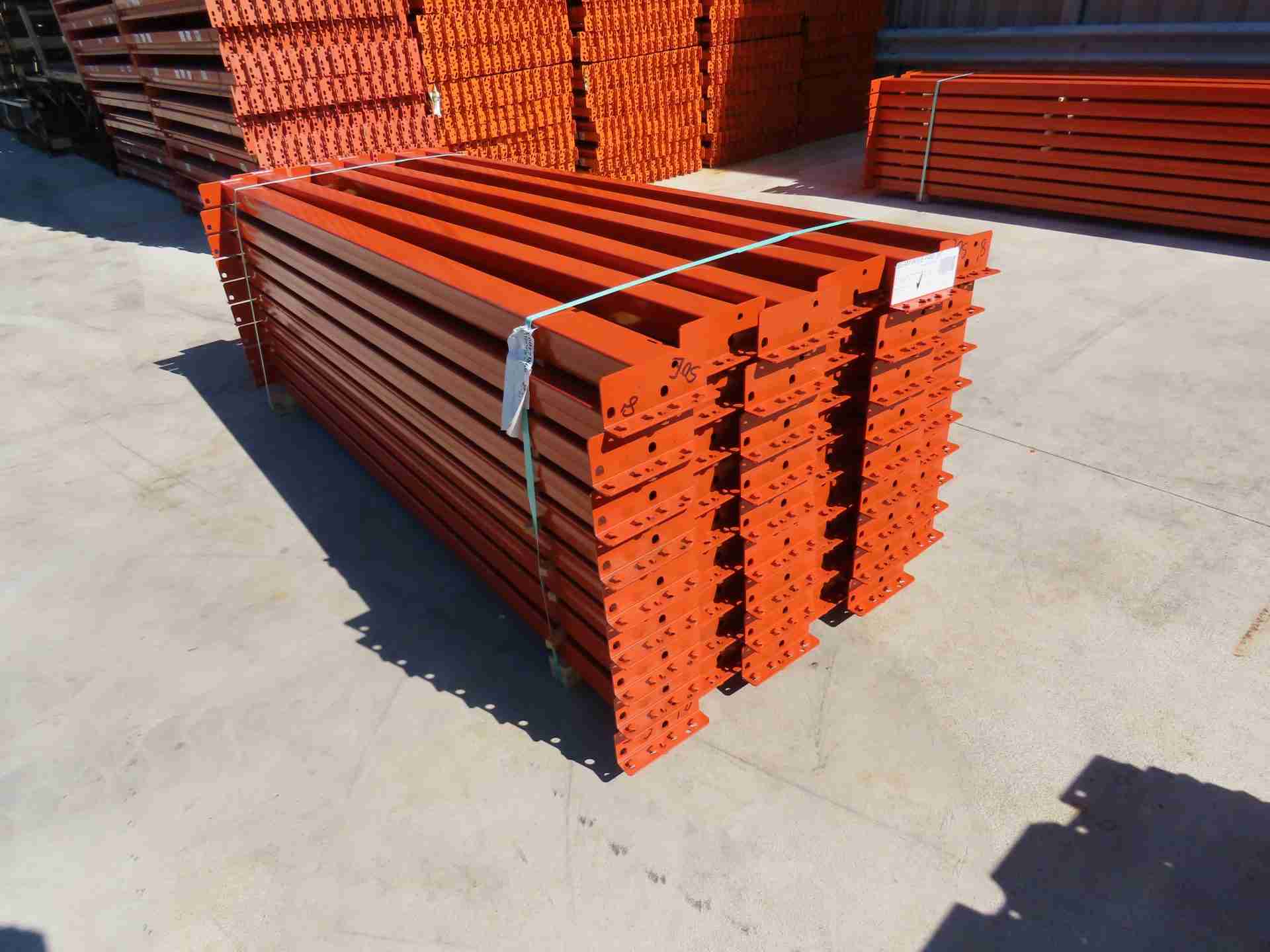
Can Reducing Decking Lead to Improved Safety for Your Workers?
Can Reducing Decking Lead to Improved Safety for Your Workers?
- Workplace safety often focuses on heavy machinery and obvious hazards.
- Decking, a seemingly minor aspect, significantly impacts worker safety and well-being.
- Excessive decking can lead to structural racking, compromising safety.
- Reducing decking simplifies the work environment, minimizing distractions and risks.
- Addressing decking is a commitment to the people behind the work, recognizing their stories and aspirations.
- Leaders have an ethical responsibility to foster safe and supportive work environments.
- Encouraging open dialogues about safety builds community and enhances connection among workers.
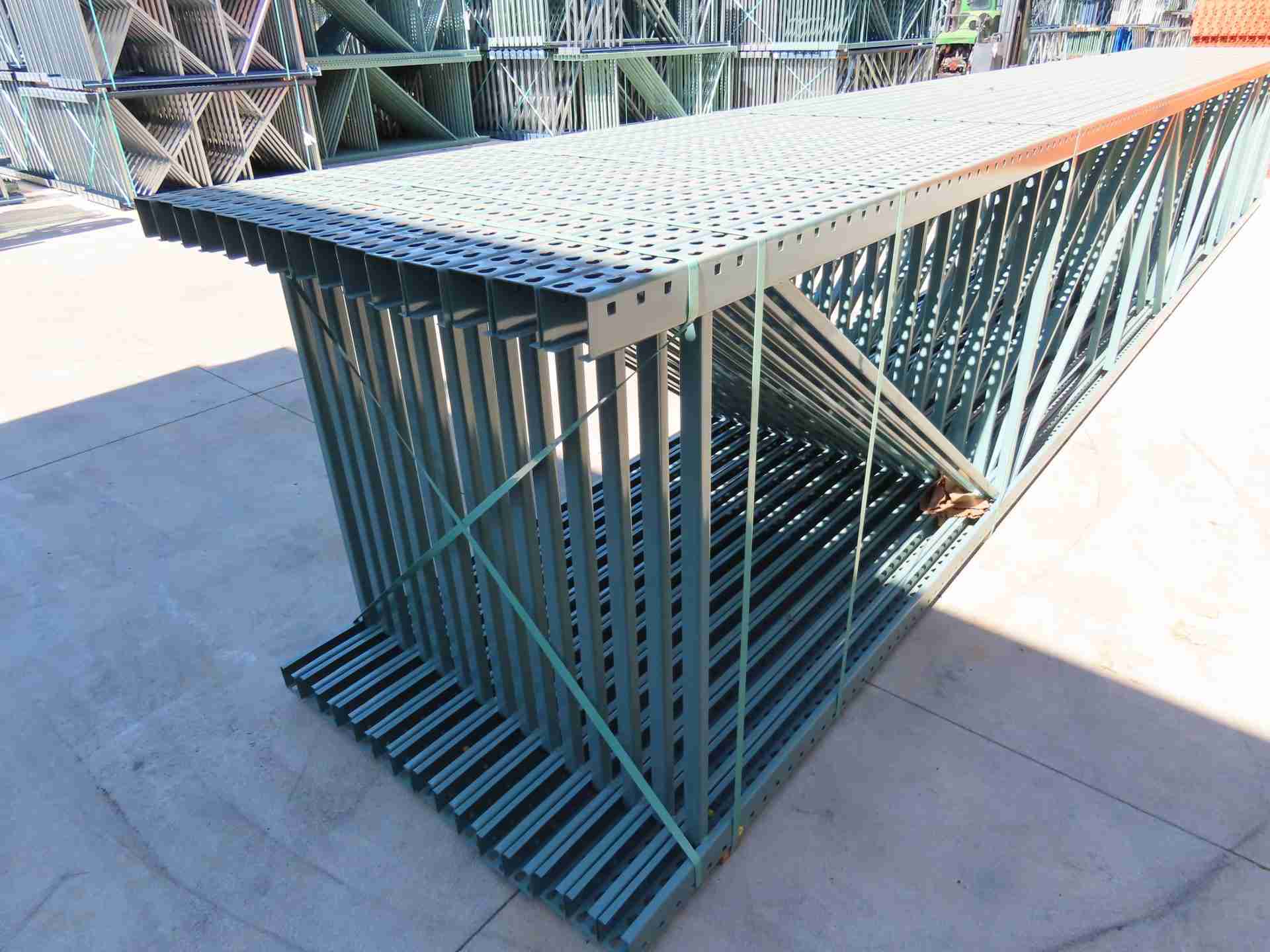
Can Reducing Decking Lead to Improved Safety for Your Workers?
What Stories Can You Share About Decking Challenges In Your Workplace?
When we think of decking, we often picture pristine boards lined along a sunlit patio, a picturesque view from the backyard. But the reality of decking challenges in the workplace can be a far cry from that utopia. It’s an experience many of us can relate to, and the stories that emerge from these challenges carry weight beyond the job site—they connect us on a deeper level.
Consider the moment when a worker encounters warped decking materials. It’s not just wood that’s racked in the sun; it’s the promise of punctuality and quality that rattles. Perhaps you’ve faced that moment too—standing side by side with teammates, feeling the heat rise as deadlines approach and the stakes escalate. The gut punch of knowing you might have to call the client and explain why their deck won’t be ready on time can be staggering. Yet, in that tension lies a connection; it is in those raw moments of uncertainty that camaraderie is forged and the true spirit of teamwork unfolds.
Now let’s engage the head. The rational might tell you that challenges arise from poor planning or inferior materials; it’s easy to find fault in external sources. But the heart of the matter is that these challenges reveal our ability to adapt, to innovate. They serve as a powerful reminder of our industry’s resilience—problems are not just obstacles; they’re the catalysts for remarkable solutions.
And ethically, we owe it to ourselves and our craft to learn from these moments. Sharing stories about difficult jobs can empower others. It’s a way to show up, to lend your voice and your experience to those embarking on similar journeys. They might not be in the same location, but they certainly belong to a shared experience—a reminder that no one is navigating these challenges alone.
Lastly, think about the social impact. When you share your stories, you’re creating a community bound by more than just decking materials. You’re building trust. You’re inviting others to stand together in vulnerability, celebrating victories and learning from defeats. It’s the tales of hardship and triumph that define us, that shape our workplaces, and give meaning to the labor we undertake. So, let’s embrace those racked moments and turn them into the rich narratives that inspire the next generation of builders.

What Stories Can You Share About Decking Challenges In Your Workplace?
What Stories Can You Share About Decking Challenges In Your Workplace?
- Decking challenges in the workplace contrast sharply with idealized images of pristine patios.
- Workers face issues like warped decking materials, affecting deadlines and quality promises.
- Moments of uncertainty can forge camaraderie and highlight the true essence of teamwork.
- Challenges reveal opportunities for adaptation and innovation, showcasing industry resilience.
- Sharing difficult job experiences can empower others in the same field and foster connection.
- Storytelling creates a community that builds trust, celebrating both victories and defeats.
- Embracing and sharing tough experiences can inspire future generations of builders.
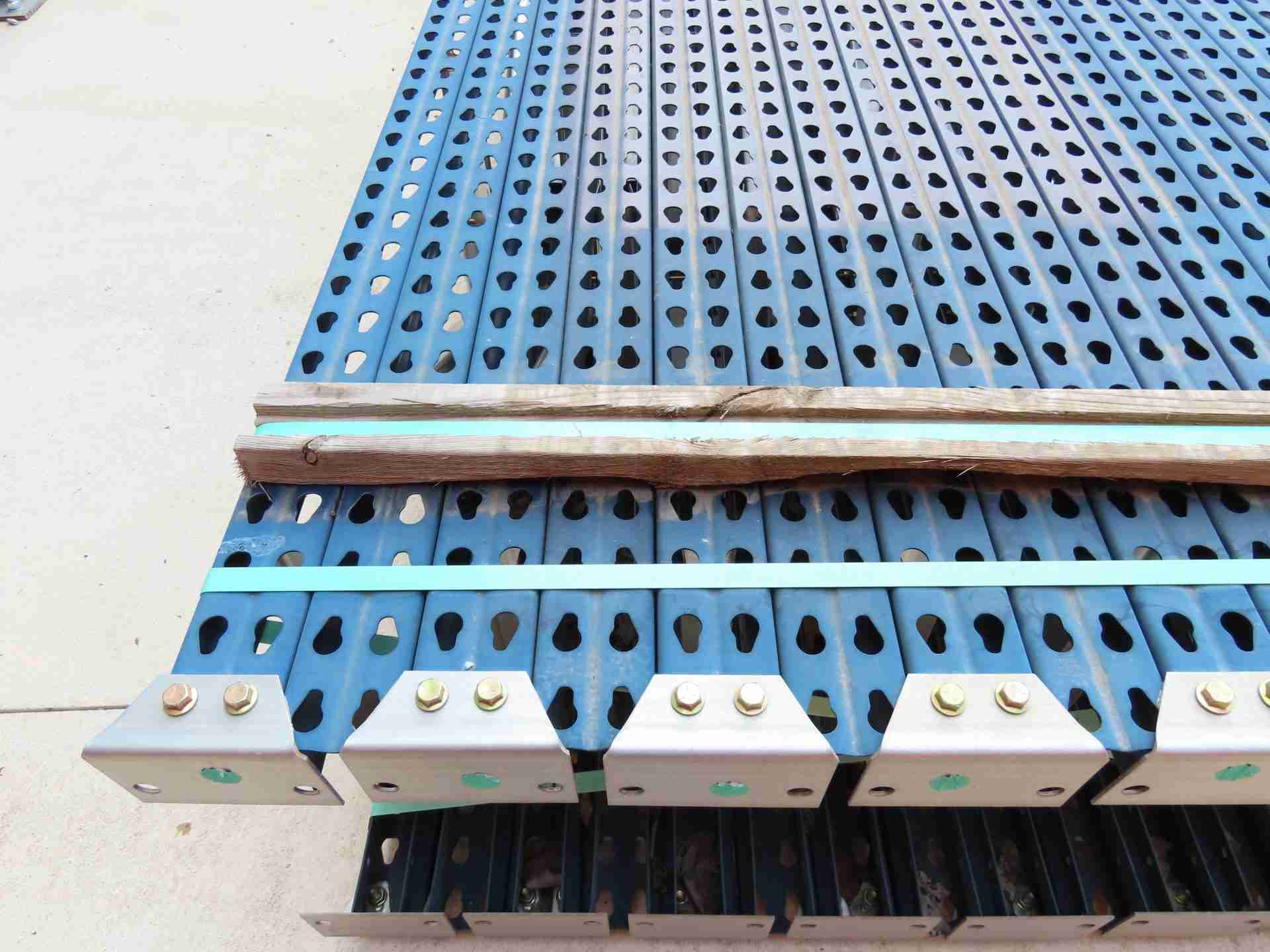
What Stories Can You Share About Decking Challenges In Your Workplace?
Conclusion
Excess decking in your operational space isn’t just about aesthetics; it’s an anchor dragging you down. Imagine walking through a warehouse that resembles a cluttered labyrinth rather than a hive of productivity. Those piles of unused decking not only zap efficiency but also create a culture of confusion and risk. Every moment spent navigating this maze is a moment stolen from potential gains, impacting the morale and safety of your team. Workers shouldn’t be wrestling with unnecessary barriers in their own workspace—they deserve clear paths to success, free from the chaos of excess.
From an ethical standpoint, the choice to remove superfluous decking reflects a commitment to your team’s safety and well-being. We owe it to our workers to cultivate environments that empower and inspire them. Keeping spaces clear and functional is more than a business decision; it’s a profound act of respect for the individuals who contribute their skills and sweat every day.
A well-organized operation doesn’t just benefit your bottom line—it shapes a narrative that sets an example for others in the industry. Companies that prioritize efficiency and worker safety become part of a movement that encourages innovation, inspiring peers to follow suit. Your actions ripple out, influencing how others approach efficiency in their operations, creating a culture of shared values and accountability.
In doing so, you foster not only productivity but also a community spirit. Every decision to streamline operations sends a message: you care about your workers, your product, and the sustainability of your practices. This connection is both rational and emotional—it captures the essence of purpose, turning mundane tasks into meaningful actions that resonate long after they’re completed.
So, as you assess your operations, ponder what unnecessary decking might symbolize—security, comfort, or fear of change. By shedding this excess, you reclaim not just your space but also the speed and clarity that drives efficiency. Embrace the challenge; embrace the responsibility that comes with leadership. The commitment to a more streamlined, safer, and ethical workplace ultimately honors the hard work of every individual contributing to your mission. When you optimize, everyone wins—people, processes, and the community. Together, let’s create environments where safety and efficiency are paramount, paving a future where our workplaces thrive, not just survive.

Conclusion
Conclusion:
- Excess decking in workspaces hinders productivity and creates confusion.
- Unorganized environments negatively impact team morale and safety.
- Removing unnecessary decking is an ethical commitment to worker well-being.
- A well-organized space positively influences industry standards and innovation.
- Streamlining operations fosters a culture of care for workers and sustainability.
- Shedding excess enhances operational speed and clarity, driving efficiency.
- Optimizing workspaces benefits individuals, processes, and the wider community.
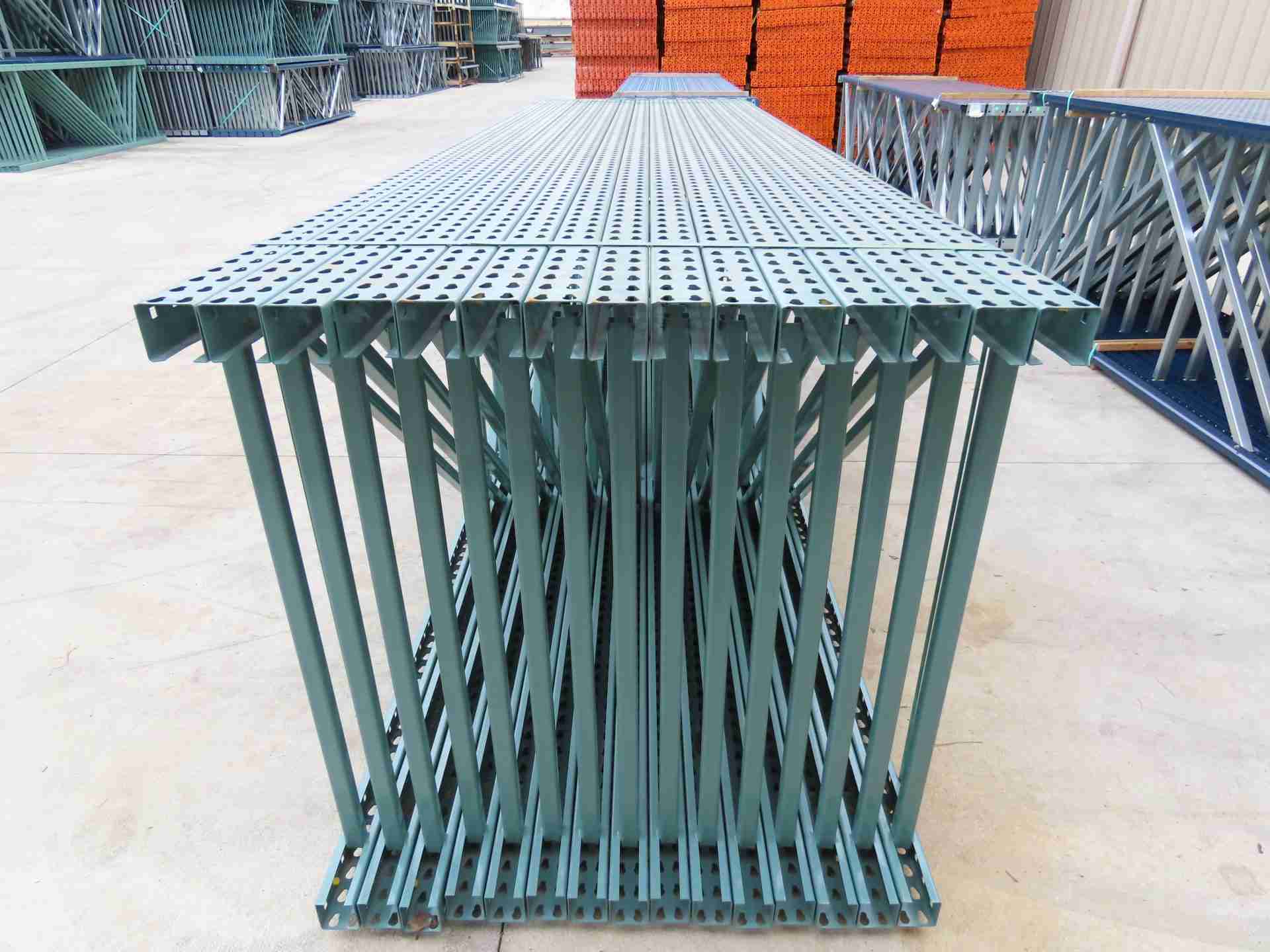
Conclusion
Other Resources
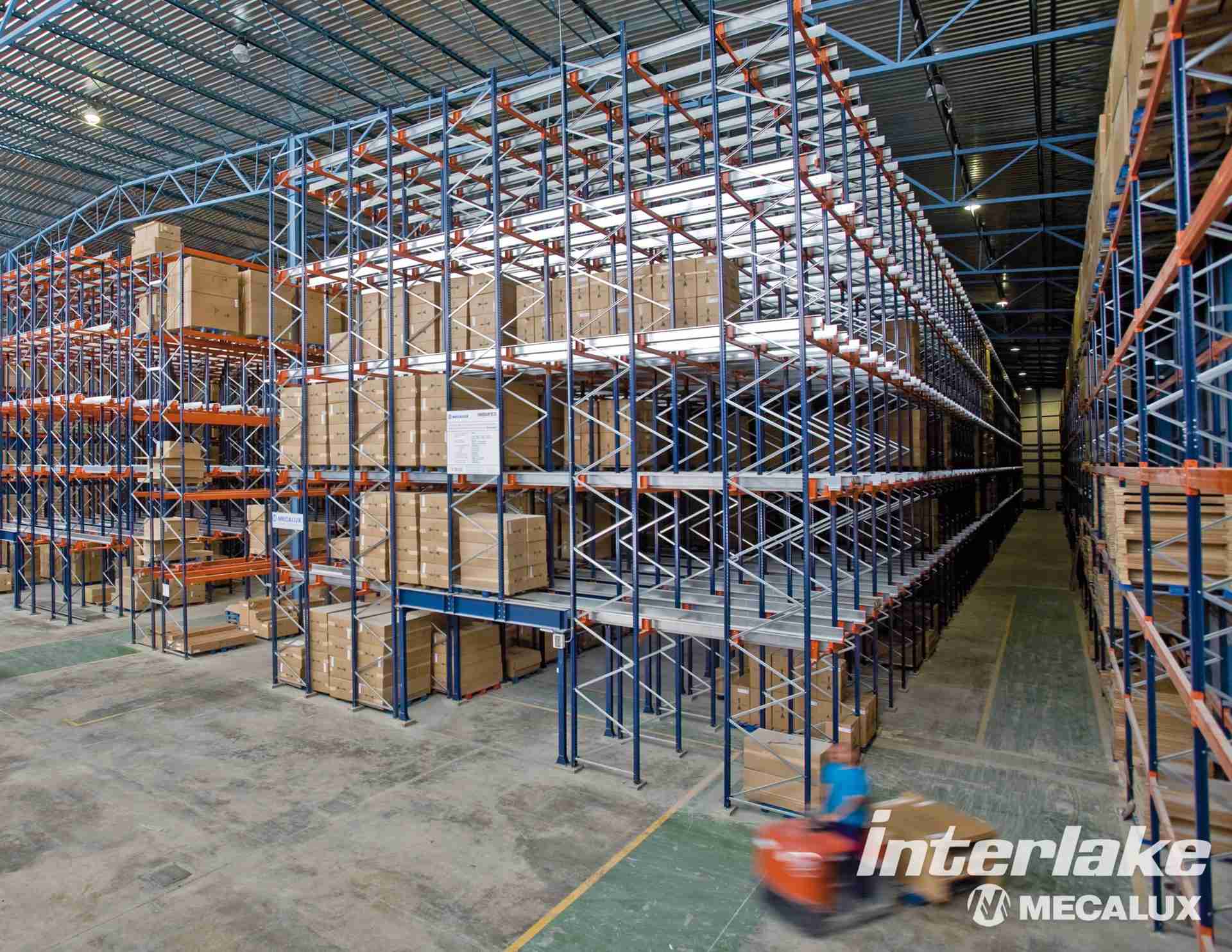
Other Resources
Here is a list of other resources you can review online to learn more:
- Pallet Racking systems in Illinois and Great Lakes
- American Society of Safety Professionals
- What is Selective Racking: Understanding Benefits & Options
- Selective Racking
- Selective Racking
- Selective Pallet Racking Systems
- The Ultimate Pallet Racking Guide – Speedrack West
- What is Selective Pallet Racking
- Chicago Pallet Racking
- MHI
- Warehouse Storage Racks
- Warehousing and Fulfillment
- Rack Manufacturers Institute
- Illinois Pallet Racking – Storage Solutions
- Storage Equipment Manufacturers Association
- Pallet Racking systems in Illinois and Great Lakes
- The Complete Pallet Rack Guide – Simply Rack
- IIWS Inc. Rack Installation Illinois & Rack Repairs Illinois
- Crane Manufacturers Association Of America Inc.
Use This Prompt To Get More Resources With Your Favorite Online AI Tool: Please provide me with a list of online articles with their URLs in a bulleted list that I can read regarding Is too Much Decking Slowing Down Your Operations?
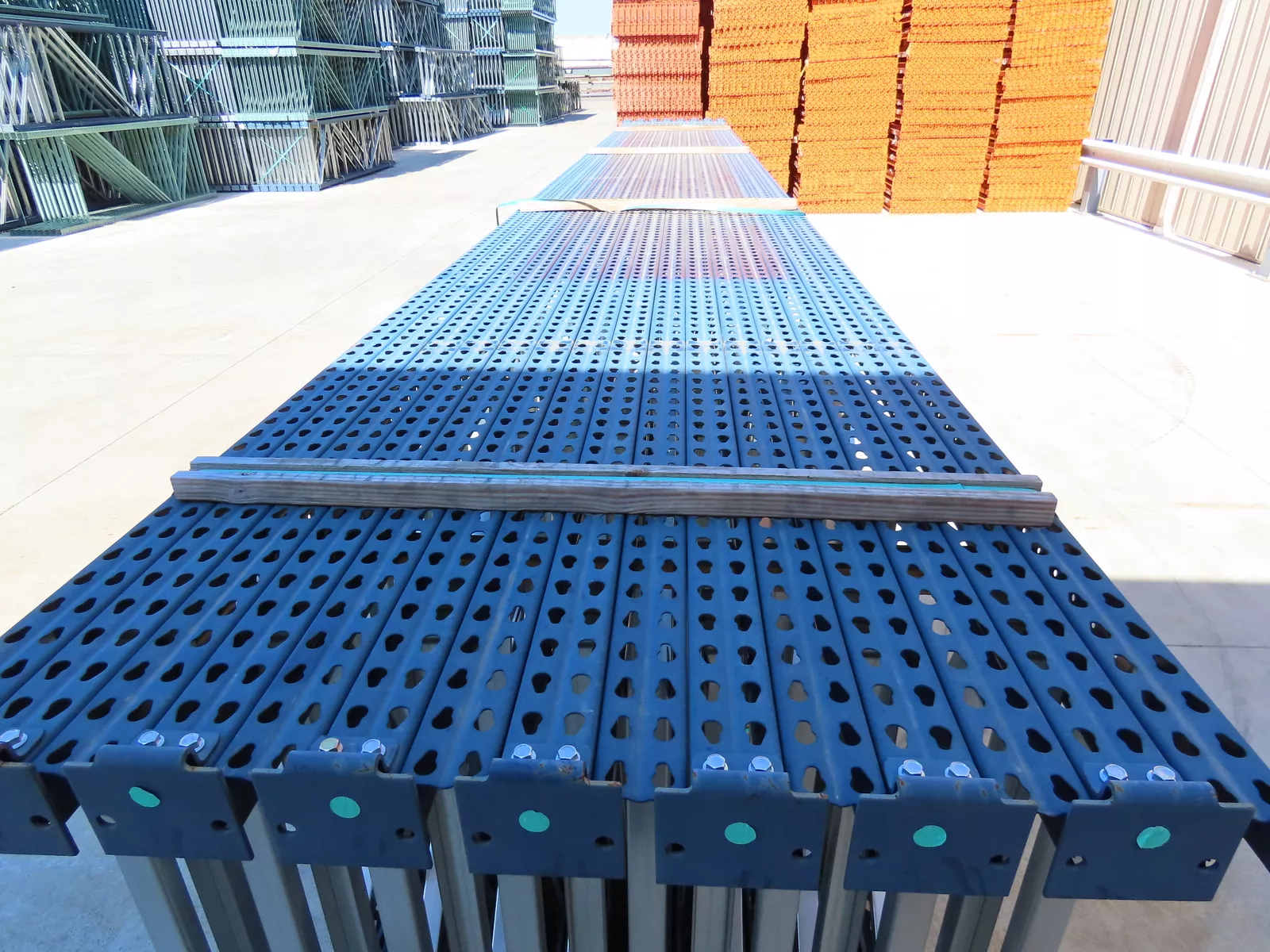
Other Resources
Glossary Terms
Is too Much Decking Slowing Down Your Operations? – Glossary Of Terms
1. Decking: The process of organizing and placing goods on pallets or shelves for storage or transportation.
2. Operations: The daily activities and processes involved in running a business effectively.
3. Efficiency: The ability to achieve maximum productivity with minimum wasted effort or expense.
4. Bottleneck: A point of congestion or blockage in a system that slows down overall operations.
5. Workflow: The sequence of processes through which a piece of work passes from initiation to completion.
6. Inventory: A detailed list or catalog of items, including the quantities of products on hand.
7. Storage Space: The area designated for storing goods and materials.
8. Overstock: Having an excessive quantity of products or materials, leading to inefficiencies.
9. Logistics: The detailed coordination of complex operations involving people, facilities, and supplies.
10. Palletization: The process of placing goods onto pallets for ease of storage and transport.
11. Footprint: The physical space occupied by equipment or products, affecting layout and efficiency.
12. Lead Time: The amount of time taken from the initiation of a process until its completion.
13. Supply Chain: The network between a company and its suppliers to produce and distribute a specific product.
14. Performance Metrics: Measurements used to assess the efficiency and effectiveness of operations.
15. Lean Management: An approach focused on minimizing waste within manufacturing systems while maximizing productivity.
16. Capacity: The maximum amount of work that can be completed in a given time frame or space.
17. Automation: The use of technology to perform tasks without human intervention to increase efficiency.
18. Space Utilization: The effective use of available space in operations to maximize efficiency and reduce costs.
19. Sorting: The process of arranging products or materials to facilitate better workflow and efficiency.
20. Cycle Time: The total time it takes to complete one cycle of a process, from start to finish.
21. Forklift: A powered industrial truck used to lift and move materials over short distances.
22. Distribution: The process of delivering goods from the manufacturer or supplier to the end customer.
23. Lean Inventory: A method of inventory management that aims to keep inventory levels low to reduce waste.
24. Foot Traffic: The number of customers or employees passing through a particular area, influencing layout decisions.
25. Inventory Turnover: A ratio that shows how many times inventory is sold and replaced over a period.
26. SKU (Stock Keeping Unit): A unique identifier for each distinct product and service that can be purchased.
27. Manual Handling: The process of manually lifting, carrying, and placing items, which can lead to inefficiencies.
28. Space Optimization: Strategic arrangement of resources to maximize space and minimize clutter.
29. Workstation: A designated area within a facility where specific tasks or operations are performed.
30. Process Improvement: The proactive task of identifying, analyzing, and improving existing business processes to enhance performance.
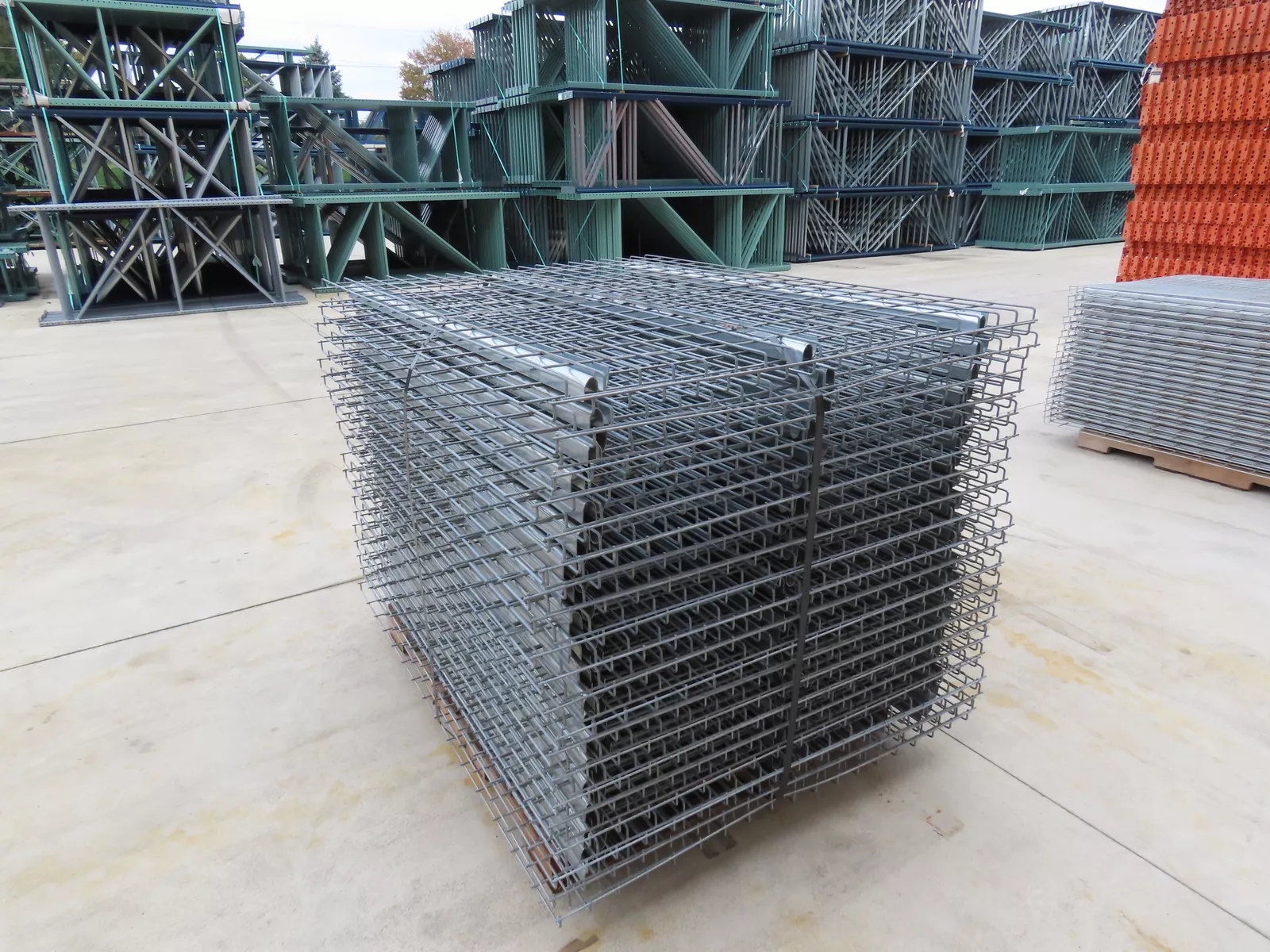
Glossary Of Terms
Other Questions
Is too Much Decking Slowing Down Your Operations? – Other Questions
If you wish to explore and discover more, consider looking for answers to these questions:
- What are the signs that a business has too much decking?
- How can I effectively evaluate my decking needs?
- What are the best practices for optimizing decking in a warehouse?
- What are the potential risks of keeping excess decking?
- How do I create a more efficient workspace with less decking?
- What tools or software can help manage decking inventory?
- How does decking impact employee morale and productivity?
- What is the long-term effect of excessive decking on business operations?
- How can we encourage sustainable practices in decking?
- What role does leadership play in managing decking effectively?
- Are there alternative materials to traditional decking that are more efficient?
- How can employee feedback be incorporated into decking management?
- What are the legal implications of excessive decking in a workplace?
- How can I train my team to adapt to a revised decking system?
- What are some success stories of businesses improving efficiency by reducing decking?

Other Questions
Checklist
Is too Much Decking Slowing Down Your Operations? – A Checklist
Checklist for Optimizing Efficiency in Your Operations: The Decking Dilemma
Emotional Appeals:
_____ Reflect on the impact of excess decking on worker morale. How does clutter affect the team’s spirit and engagement?
_____ Visualize a streamlined workspace. How might it inspire creativity and enhance productivity among your staff?
Rational Appeals:
_____ Analyze the time lost due to navigating excess decking. What percentage of your team’s time is currently spent on inefficient tasks?
_____ Consider data on workspace efficiency. What studies support the claim that optimizing space increases productivity by 25%?
Ethical Appeals:
_____ Evaluate the safety implications of excessive decking. Are workers being put at risk by navigating cramped and cluttered environments?
_____ Reflect on your responsibility to create a workspace that fosters both efficiency and employee well-being. Are you prioritizing their safety and comfort?
Authority Appeals:
_____ Research best practices from industry leaders in managing decking. What strategies do they employ to optimize efficiency without compromising safety?
_____ Compile testimonials or case studies from businesses that have successfully reduced excess decking. What lessons can you learn from their experiences?
Narrative Appeals:
_____ Gather stories from your workforce about their experiences with excessive decking. How have these challenges shaped their view of the operations?
_____ Share moments of camaraderie that arose from overcoming decking-related challenges. How did these experiences strengthen team bonds?
Social Appeals:
_____ Discuss the communal impact of efficient operations. How does optimizing your process set a standard for other businesses in your industry?
_____ Foster a culture of sharing and support among employees. How can sharing stories about decking challenges help build a stronger workplace community?
Utilize this checklist to guide discussions and evaluations in your organization, ultimately leading to a more efficient and healthier operational environment.
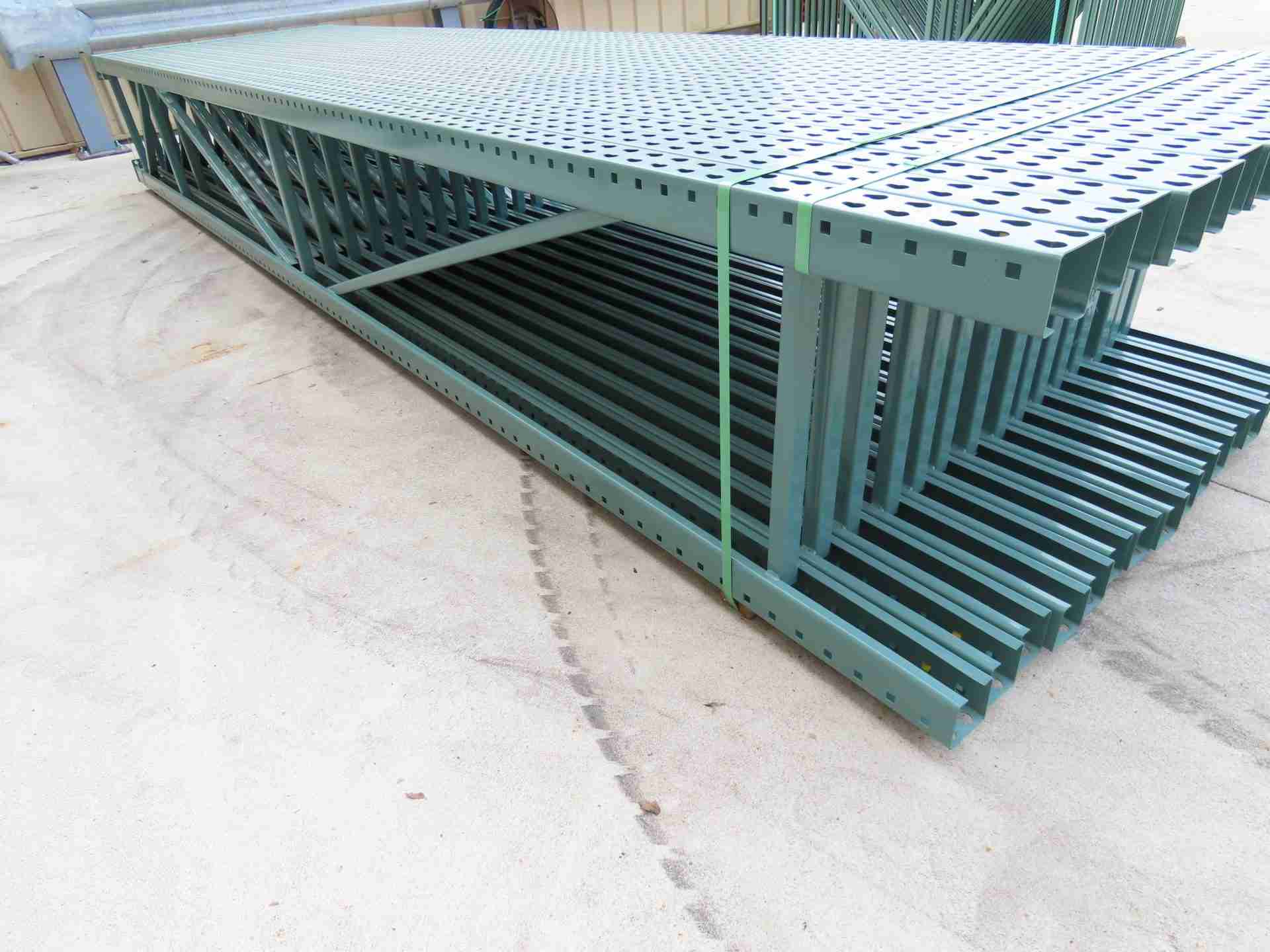
Checklist
At RackingWorld, we help guide you through selecting warehouse storage systems and racking.
Be sure to read our other related stories at RackingWorld to learn more about warehouse storage systems.
0 Comments