
Unlocking The Hidden Potential Of Vertical Storage
By Tom Seest
At RackingWorld, we help guide you through selecting warehouse storage systems and racking.
Be sure to read our other related stories at RackingWorld to learn more about warehouse storage systems.
You’re Probably Underutilizing Your Vertical Storage Space
Imagine walking into a garage, a basement, or even a closet, and feeling a wave of dread wash over you instead of inspiration. Boxes piled sky-high, tools scattered like confetti, and that one camping tent you swore you’d use again but never did, lurking in the shadows. We’ve all been there. But here’s the hard truth: you’re probably underutilizing your vertical storage space.
Let’s face it, we live in a world that encourages us to spread out and consume more space. Yet, what if I told you that the answer to your clutter woes doesn’t lie in a bigger home, but rather in the height of your existing space? Think about how racking systems can revolutionize your environment. They’re not just metal shelves on steroids; they’re your allies in reclaiming control over your belongings and, by extension, your life.
Rationally speaking, utilizing vertical space is a no-brainer. It maximizes that often-overlooked square footage extending from the floor to the ceiling, turning an overwhelming mess into a functional haven. Not only does this organization create a clean and calming space, but it also streamlines your day-to-day activities, drastically reducing that frustrating search for the tool you need precisely when you need it.
Ethically, consider the planet. Keeping our spaces organized means less waste. When everything has its designated place, we’re less likely to buy duplicates of what we already own. Saving money while saving the Earth—now that’s a win in my book.
Socially, think of the connections this can foster. A well-organized space isn’t just about personal satisfaction; it’s an invitation. When friends and family visit, you won’t be hiding the clutter away or apologizing for the chaos. Instead, you’ll create an inviting atmosphere that encourages gatherings and bonding moments, showing them you care enough about your space and their comfort.
As we dig deeper into this journey, remember that it’s not simply about stuff. It’s about creating a sanctuary, fostering clarity, and inspiring confidence. Transforming your vertical storage isn’t just a chore; it’s a chance to elevate not just your belongings, but your entire life. So, take a deep breath and get vertical—it’s time to rise above the clutter!

You’re Probably Underutilizing Your Vertical Storage Space
You’re Probably Underutilizing Your Vertical Storage Space
- Walking into cluttered spaces can invoke feelings of dread instead of inspiration.
- Maximizing vertical storage can help reclaim control over your belongings and environment.
- Utilizing vertical space transforms mess into functional, organized areas.
- A well-organized space simplifies finding items, reducing frustration in daily activities.
- Keeping spaces organized leads to less waste and prevents unnecessary purchases.
- Organized environments foster social connections and create inviting atmospheres for visitors.
- Transforming your storage is not just about organization; it enhances clarity and overall life quality.

You’re Probably Underutilizing Your Vertical Storage Space
Table Of Contents
- You’re Probably Underutilizing Your Vertical Storage Space
- What Emotional Relief Do You Feel When Your Space Is Organized?
- How Does Clutter In Your Home Affect Your Mental Well-Being?
- What Inspiring Stories Have You Heard About Transforming Small Spaces?
- How Can You Ethically Source Materials for Your Vertical Storage?
- How Much Time Could You Save By Optimizing Your Vertical Spaces?
- Conclusion
- Other Resources
- Glossary Of Terms
- Other Questions
- Checklist
What Emotional Relief Do You Feel When Your Space Is Organized?
There’s a unique kind of serenity that washes over you when your space is organized, a feeling that reaches deep into your emotional core. Imagine—stepping into a room where everything has its place, free of clutter, the chaos of yesterday neatly filed away. It’s not just about aesthetics; it’s about peace. The moment you walk through that door, you can almost hear your mind slowing down, the sharp edges of anxiety blurring into gentle curves of calm. You can breathe.
When you think about it, an organized space is more than just neatness. It’s a foundation. A clear space means a clear mind. There’s empirical evidence that emphasizes the psychological benefits of an orderly environment. Research indicates that a tidy workspace significantly boosts productivity and reduces stress. It’s as if the simple act of racking up the clutter physically transforms the mental landscape. When everything is in its rightful place, you free yourself to focus on what truly matters. You chart a path forward, invite creativity in, and find clarity in the daily grind.
The act of organizing is an ethical expression of respect—respect for yourself and for those who share your space. It conveys a message: you care about your environment, and by extension, about the people who enter it. Think of the last time you walked into a well-kept home. You feel the warmth, the invitation, and you instinctively want to connect, to belong. That’s the power of organization; it fosters relationships, encourages conversations, and builds a sense of community.
We all have our stories, our battles with chaos. Picture the toddler’s toys strewn about, the papers spilling off the desk, or the kitchen counter buried in the remnants of last night’s meal prep. It’s all relatable, a testament to everyday life. But there’s something beautiful about overcoming that disarray. Each time we tackle a space, we’re not just tidying up; we’re taking control, reclaiming our narrative.
So, take a moment. Breathe in that crisp air of organization. Let it fill your gut with confidence. When you invite order into your life, you’re investing in your well-being, encouraging not only efficiency but also joy. Grab those boxes, clear that clutter, and watch as the weight lifts. It’s not just about having a clean slate—it’s about building a home for your mind, heart, and spirit. Trust in the process; the emotional relief is waiting on the other side.

What Emotional Relief Do You Feel When Your Space Is Organized?
What Emotional Relief Do You Feel When Your Space Is Organized?
- Organized spaces create a unique sense of serenity and peace.
- A tidy environment helps calm anxiety and fosters clarity of thought.
- Research shows that an orderly workspace enhances productivity and reduces stress.
- Organizing is a form of respect for oneself and others sharing the space.
- Well-kept environments encourage connection, conversation, and community.
- Tackling clutter allows individuals to take control and reclaim their narrative.
- Inviting order into one’s life promotes well-being, joy, and emotional relief.

What Emotional Relief Do You Feel When Your Space Is Organized?
How Does Clutter In Your Home Affect Your Mental Well-Being?
Imagine walking into your home after a long day. You drop your keys, and the moment you cross the threshold, you’re met not with a sanctuary, but a swirl of clutter. Clothes draped over chairs, dishes piled in the sink, random objects racking up in every corner—you feel a weight pressing down on your chest. It’s not just mess; it’s emotional baggage.
Clutter pulls your focus away from the beauty of life that is happening all around you. Psychologists point out that a disorganized home can trigger anxiety and stress. Our brains crave order and clarity, yet all we see are the remnants of yesterday left behind to haunt today. Each item has a story, a past—pieces of you and your journey—but when these pieces multiply, their narrative morphs into chaos, clouding your ability to think, breathe, and enjoy the moment.
It’s not merely an aesthetic issue; it’s an ethical one. By holding onto things we don’t need or love, we often deny ourselves the joy and peace that come with simplicity. Think of everything that could be released into the universe if you chose to let go. Each perfectly racked item flowing out of your home opens up space for new experiences and relationships.
Socially, clutter can influence how we connect with others. When your space is filled with disorder, you may hesitate to invite friends over, fearing judgment or embarrassment. You’re squandering opportunities for connection and joy because of something that could easily be addressed.
Every person has their unique threshold for clutter, but it’s vital to reflect on how it impacts you. Ask yourself—does it energize you or drain you? It’s a simple yet powerful question that can shift your perspective.
Embracing minimalism is hardly about becoming a Spartan in your décor; it’s about inviting peace into daily life. Clearing out the clutter isn’t just an act of cleaning; it’s a declaration of priorities—making room not only for the physical but also for mental well-being. So, if you find yourself racked with similar thoughts, take a step today. Begin small. A single drawer, a tiny corner, anything that allows your heart a chance to breathe. The reward? A home that feels like a refuge, a place where your mind can finally relax and flourish.
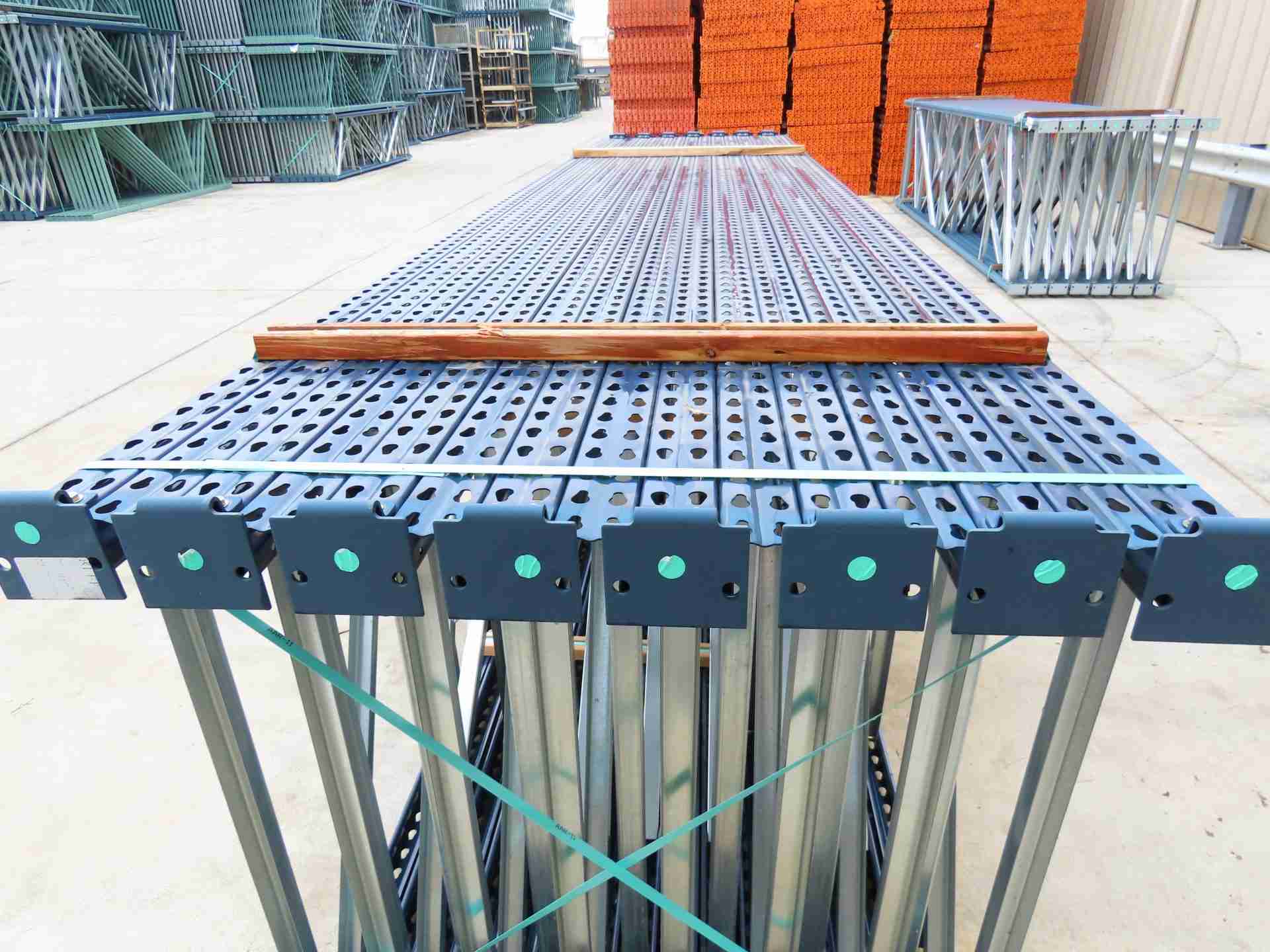
How Does Clutter In Your Home Affect Your Mental Well-Being?
How Does Clutter In Your Home Affect Your Mental Well-Being?
- Clutter creates an overwhelming atmosphere in the home, impacting emotional well-being.
- Disorganized spaces can trigger anxiety and stress, diverting attention from the beauty of life.
- Each item in a cluttered environment carries a story, but excessive clutter morphs narratives into chaos.
- Holding onto unnecessary items can deny joy and peace that comes with simplicity.
- Clutter affects social connections, making individuals hesitant to invite friends over.
- Everyone has a unique threshold for clutter, and self-reflection can help determine its effect on energy levels.
- Embracing minimalism promotes peace and well-being, encouraging individuals to start small in decluttering efforts.

How Does Clutter In Your Home Affect Your Mental Well-Being?
What Inspiring Stories Have You Heard About Transforming Small Spaces?
When it comes to transforming small spaces, the stories that emerge often tug at the heartstrings, leaving us feeling a blend of inspiration and hope. Picture a couple, cramped in their small city apartment, overwhelmed by the chaos of everyday life. The walls, once a canvas for their dreams, now bear the weight of clutter and disorganization. They felt stuck, like a cog in a wheel that just refused to turn. But one fateful afternoon, they decided to take a stand and embarked on a journey of transformation.
With sweat on their brows and a plan in hand, they found themselves racking their brains over how to make the most of what they had. Step by step, they identified pieces of furniture that could serve dual purposes, repurposed forgotten treasures, and adopted a minimalist approach that brought clarity and calm. Through this process, they discovered not just physical space, but emotional space as well—space for love, laughter, and connection.
Their story isn’t just about décor; it’s a testament to resilience and creativity. It reminds us that we all possess the capability to reshape our surroundings, no matter how daunting the task may seem. It’s a narrative that resonates deeply. Each of us has a “small space” in our lives, whether it’s a tiny apartment, a cluttered garage, or even the corners of our minds. The challenge lies in recognizing the potential within those confines.
This couple’s journey sparked a movement in their community, inspiring neighbors to share their own small-space transformations. Suddenly, the barriers that once separated them dissolved, replaced by a camaraderie built on shared experiences and knowledge. Thus, an ethical commitment to support one another emerged—people leaning into each other’s stories, offering advice and encouragement, cultivating a sense of belonging.
The beauty of these small-space transformations is that they serve as a microcosm for larger societal change. Each successful endeavor echoes a truth we can all embrace: we have the power to take control of our spaces and, by extension, our lives. So, the next time you step into a cramped room, consider the stories waiting to unfold within those walls. Tap into that courage, share your vision, and begin your own journey. You might just find that transformation begins with a single step—right where you are.

What Inspiring Stories Have You Heard About Transforming Small Spaces?
What Inspiring Stories Have You Heard About Transforming Small Spaces?
- Transforming small spaces often inspires a blend of hope and motivation.
- A couple in a small city apartment felt stuck amid clutter and disorganization.
- They embarked on a transformation journey by planning and adapting their space.
- Identifying dual-purpose furniture and adopting minimalism helped create emotional space.
- Their story symbolizes resilience and creativity, encouraging others to reshape their surroundings.
- The couple’s journey inspired community camaraderie and support for small-space transformations.
- Success in small spaces reflects the ability to take control of our lives and surroundings.

What Inspiring Stories Have You Heard About Transforming Small Spaces?
How Can You Ethically Source Materials for Your Vertical Storage?
When it comes to vertical storage, the backbone of efficiency is often the racking system. Yet, sourcing those materials ethically can feel like navigating a minefield of choices. Understanding the origins of your racking materials isn’t just about compliance; it’s about being part of a greater narrative that champions ethics and responsibility.
Think of the last time you reached for a tool that felt right in your hand. Now, imagine that same connection when you look at your racking system, knowing each piece is sourced with care. Our environment is woven with stories—each tree cut for lumber, every metal sheet forged in a factory, has its own tale. By choosing ethically sourced materials, you’re supporting communities that share your values. It’s about ensuring that the laborers who extracted those resources did so in safe conditions, earning fair wages.
From a rational standpoint, ethical sourcing can safeguard your business against future supply chain disruptions. Companies that prioritize sustainable practices often enjoy enhanced reputations, leading to stronger customer loyalty. Consumers are increasingly aware of where their products come from, and they favor businesses that take ethical sourcing seriously. Just think of the conversation starter it could be: “Our racking isn’t just functional; it’s a statement of our values.”
When you share your commitment to ethically sourced materials, you forge a bond with your community. The next time you invite a client into your space, imagine the confidence you’ll exude when you explain how your racking system is a product of careful consideration, not mere convenience. It’s about more than just storage; it’s about standing for something larger—environmental stewardship and social responsibility.
Here’s the gut punch: in an age where short-sighted decisions can devastate the planet and its people, taking the time to source materials ethically is an act of courage. It’s a choice to stand against the tide of fast consumption. So when you’re ordering that next racking system, think about the impact your decisions have beyond the warehouse walls. You have the power to inspire change—one shelf at a time. This isn’t just storage; this is your legacy.

How Can You Ethically Source Materials for Your Vertical Storage?
How Can You Ethically Source Materials for Your Vertical Storage?
- The racking system is essential for vertical storage efficiency and ethical sourcing is crucial.
- Understanding the origins of materials promotes ethics and responsibility.
- Ethically sourced materials create a connection with users and support communities with shared values.
- Ethical sourcing protects businesses from supply chain disruptions and enhances reputation.
- Consumers prefer businesses that prioritize ethical sourcing, boosting customer loyalty.
- Commitment to ethical practices fosters community bonds and demonstrates environmental stewardship.
- Sourcing materials ethically is a courageous choice and contributes to a lasting legacy.

How Can You Ethically Source Materials for Your Vertical Storage?
How Much Time Could You Save By Optimizing Your Vertical Spaces?
You ever get that feeling when you step into a room, and it’s like navigating a maze of misplaced memories and overlooked opportunities? Vertical spaces are often the last frontier in our homes, where chaos can reign unchecked. With just a bit of creativity and some savvy racking, we can transform those forgotten corners into efficient sanctuaries.
Imagine this: you walk into your garage—once a dumping ground for half a dozen bicycles, a garden hose, and a hideous old sofa. You’re greeted not by clutter, but by neatly organized shelves that stretch upward, holding your tools, holiday decorations, and those elusive spare tires. Suddenly, you can park your car with ease and find what you need without feeling like you’re on a treasure hunt.
This isn’t just about saving space; it’s about reclaiming your time. How much time do you waste digging through piles of stuff, searching for that one thing you know you have? A smarter use of vertical spaces can cut your search time in half, maybe even more. Think about it—the hours spent in frustration could be spent with your loved ones or pursuing a hobby you’ve sidelined.
And let’s touch on the heart here: our homes should nurture us, not suffocate us under a weight of clutter. When we elevate our belongings—figuratively and literally—we free ourselves to breathe, to create, and to connect. We build environments that reflect who we are instead of who we’ve become amidst the chaos.
Consider the ethical piece: every object we keep has a purpose, a narrative. The time invested in organizing isn’t just about functionality; it’s about honoring those stories—whether it’s the toolbox passed down through generations or that set of vintage comic books you can finally display.
Engaging in this journey is also a social act. When we optimize our spaces, we invite others in. Friends and family aren’t just visitors; they’re part of our lives, and we want to share our best selves with them. An organized home becomes the backdrop for lasting memories.
So, the next time you look up and see that potential above you, remember: optimizing your vertical spaces isn’t a chore—it’s an opportunity to reclaim your time, honor your heart, and invite connection into your life. Get started today, and watch how that simple shift can change everything.

How Much Time Could You Save By Optimizing Your Vertical Spaces?
How Much Time Could You Save By Optimizing Your Vertical Spaces?
- Navigating cluttered spaces can feel like a maze of overlooked opportunities.
- Vertical spaces in homes are often chaotic but can be transformed into organized sanctuaries.
- Example: A cluttered garage can be upgraded to neat shelves for tools and decorations.
- Smart use of vertical space saves time and reduces frustration when searching for items.
- Organized homes promote a nurturing environment that allows for creativity and connection.
- Every object has a story; organizing honors these narratives and their significance.
- Engaging in organization invites social connection and creates a backdrop for lasting memories.

How Much Time Could You Save By Optimizing Your Vertical Spaces?
Conclusion
Navigating clutter can feel like a Sisyphean task—endless and exhausting—but what if I told you that the solution lies not in what’s below your feet, but in the untapped potential soaring above your head? We’re living in a time where time itself seems scarce; we’re all running around, mired in chaos, drowning under the weight of accumulated things. Yet there’s a powerful insight waiting to transform your life: your vertical space is a goldmine of opportunity.
Think about the last time you stepped into a room and were met with disorder. That suffocating feeling isn’t just an inconvenience; it’s an emotional burden that clings to your psyche. When you harness vertical storage, you’re not just clearing out clutter—you’re reclaiming your mental clarity. Research supports what we all intuitively know: an organized space yields a focused mind. With every box elevated, it’s not just your possessions that rise; so does your well-being. You’re not just creating order; you’re fostering a sanctuary where creativity and connection can flourish.
Ethically speaking, this endeavor is about responsibility. Every item you neatly arrange is a story yet to be told, and by lovingly prioritizing what matters, you open the door to new experiences, freeing yourself from the emotional baggage of excess. In a world rife with consumerism, adopting an ethos of minimalism isn’t just liberating; it’s a quiet rebellion against wastefulness. It invites joy back into your home and opens your heart to the relationships that matter most.
Socially, consider the implications of your newfound space. An organized environment transforms the energy of your home, welcoming friends and family spaces where they feel valued and involved. Sharing those moments becomes easier when you’re proud of your surroundings rather than apologizing for them.
Moreover, ethical sourcing of storage solutions reflects your larger values. It’s not just racking up shelves; it’s a commitment to sustainability and community support. Every piece you choose supports a narrative of care, paving the way for your legacy—one that speaks of responsibility, connection, and authenticity.
So let’s get to the heart of it: it’s time to change the narrative of your space. Embrace the challenge of unlocking your vertical potential, and watch how this one decision can ripple through every aspect of your life, beckoning positivity, serenity, and newfound connection to your existence. You hold the key—the choice is yours, and it’s time to rise above the clutter.

Conclusion
Conclusion:
- Navigating clutter can feel overwhelming, but the solution lies in utilizing vertical space.
- Vertical storage not only reduces clutter but also enhances mental clarity and well-being.
- An organized space leads to a focused mind, fostering creativity and connection.
- Embracing minimalism is a responsible choice that liberates from excess and promotes joy.
- An organized home creates a welcoming environment for friends and family, improving social interactions.
- Choosing ethically sourced storage solutions reflects commitment to sustainability and community support.
- Unlocking vertical potential can positively impact various aspects of life, encouraging serenity and connection.

Conclusion
Other Resources

Other Resources
Here is a list of other resources you can review online to learn more:
- WERC
- American Society of Safety Professionals
- What is Cantilever Racking? – AK Material Handling Systems
- The Complete Pallet Rack Guide – Simply Rack
- IWLA
- American Surplus
- Pallet Racking systems in Illinois and Great Lakes
- International Warehouse Logistics Association
- The Ultimate Pallet Racking Guide – Speedrack West
- Teardrop Industrial Shelving Rack
- CA Wire
- Pallet Rack Systems – New and Used Pallet Racking and Shelving Experts
- Arrow Industrial Sales
- Crane Manufacturers Association Of America Inc.
- Heavy-Duty Cantilever Storage Racks
- IIWS Inc. Rack Installation Illinois & Rack Repairs Illinois
- Bradford Systems
- Mustang Material Handling
- Rack Manufacturers Institute
- Illinois
Use This Prompt To Get More Resources With Your Favorite Online AI Tool: Please provide me with a list of online articles with their URLs in a bulleted list that I can read regarding You’re Probably Underutilizing Your Vertical Storage Space

Other Resources
Glossary Terms
You’re Probably Underutilizing Your Vertical Storage Space – Glossary Of Terms
1. Vertical Storage: The utilization of vertical space in a room or area to maximize storage capacity, including shelving, wall-mounted units, and tall cabinets.
2. Shelving Units: Structures composed of horizontal surfaces supported by vertical frameworks, used to hold items in an organized manner.
3. Overhead Storage: Storage solutions placed above eye level, often above cabinets or doorways, providing additional space without occupying floor area.
4. Wall-Mounted Racks: Storage solutions attached to the wall, ideal for items like bikes, tools, or kitchenware, freeing up floor space.
5. Ladder Shelves: A shelving design that features staggered steps resembling a ladder, making items easily accessible while using vertical space effectively.
6. Hooks and Hangers: Wall-mounted or freestanding devices for hanging items such as coats, tools, or bags, optimizing vertical storage areas.
7. Stackable Bins: Containers designed to be stacked vertically, maximizing storage capability while keeping items organized and easily retrievable.
8. Tall Cabinets: Storage units that utilize vertical space for housing a variety of items, from pantry goods to office supplies, with multiple shelves.
9. Cubbies: Divided sections in storage units that allow for organized storage of various items, making it easier to access and categorize belongings.
10. Floating Shelves: Shelves that are mounted directly to a wall without visible supports, providing a minimalist look while utilizing vertical space.
11. Vertical Pantry: A tall, narrow cabinet designed specifically for storing food items, maximizing vertical space in kitchens with limited floor area.
12. Baskets: Woven or wire containers used for organizing smaller items, which can be stored on shelves or hung for efficient space use.
13. Multi-Functional Furniture: Furniture that serves more than one purpose, like a bench with storage underneath, helping maximize vertical and horizontal space.
14. Corner Shelves: Shelving units designed to fit in the corners of a room, effectively utilizing often neglected vertical space.
15. Under-Bed Storage: Systems that allow for storage of items beneath a bed, taking advantage of the otherwise unused vertical space in a bedroom.
16. Ceiling Storage: Space located near the ceiling level that can be used for infrequently used items, often accessed with a ladder or step stool.
17. Modular Storage: Flexible storage solutions composed of interchangeable units that can be arranged to maximize vertical and horizontal space efficiency.
18. Vertical Dividers: Inserts used within cabinets or drawers to organize items vertically, making better use of available height.
19. Pegboards: Wall panels with a grid of holes that allow hooks, shelves, and other storage components to be attached, ideal for tools and craft supplies.
20. Tension Rods: Adjustable rods used in closets or under sinks to create additional hanging space for items like towels or cleaning supplies, taking advantage of vertical dimensions.
21. Rolling Carts: Mobile storage solutions on wheels that can be used in any room, often featuring multiple shelves to build vertical storage capabilities.
22. Ladder Storage: Furniture resembling a ladder structure used as a storage unit, providing vertical shelves to display or store items.
23. Adjustable Shelving: Shelves that can be repositioned at different heights, allowing for customization of space based on the items being stored.
24. Pantry Organization Systems: Structured solutions designed to optimize food storage in kitchens, often featuring vertical stacking options.
25. Vertical Garden: A gardening system that allows for growing plants vertically, saving ground space while utilizing wall or trellis structures.
26. Storage Ottomans: Multifunctional furniture pieces that serve as seats while providing internal storage, effectively maximizing space in living areas.
27. Binders and File Boxes: Organizational tools for storing documents and important papers, which can be stacked or arranged on shelves to use vertical space.
28. Luggage Racks: Furniture designed to store bags and suitcases in an organized manner, keeping them off the floor and utilizing vertical space efficiently.
29. Furniture Risers: Extensions placed under the legs of furniture to increase height, creating additional space underneath for storage purposes.
30. Bicycle Hooks: Specialized hooks attached to walls or ceilings to store bicycles vertically, optimizing space in garages or entryways.

Glossary Of Terms
Other Questions
You’re Probably Underutilizing Your Vertical Storage Space – Other Questions
If you wish to explore and discover more, consider looking for answers to these questions:
- What are some effective methods for maximizing vertical storage space?
- What types of racking systems are available for home use?
- How can vertical storage impact productivity in different areas of life?
- What are the psychological benefits of an organized living space?
- How do you choose the right vertical storage solutions for small spaces?
- What are the environmental benefits of optimizing storage through vertical space?
- How can you involve family members or roommates in organizing shared spaces?
- What common mistakes do people make when organizing their vertical storage?
- Can organizing your space have long-term financial benefits?
- What inspiring examples exist of successful vertical storage transformations?
- How can you maintain an organized vertical storage space over time?
- What tools and resources are recommended for DIY vertical storage solutions?
- How does vertical storage contribute to a home’s overall aesthetic appeal?
- What are the best practices for ethical sourcing of storage materials?
- How much money can you save by reducing clutter and organizing effectively?

Other Questions
Checklist
You’re Probably Underutilizing Your Vertical Storage Space – A Checklist
Vertical Storage Utilization Checklist
Emotional Appeals:
_____ Visualize the peace of an organized space. What feelings does it evoke?
_____ Reflect on your current clutter—how does it affect your emotional well-being?
_____ What memories or experiences can you reclaim by decluttering your space?
Rational Appeals:
_____ List the specific items that occupy your vertical space. Are they necessary?
_____ Calculate the time spent searching for items—how much could you save with organization?
_____ Research effective vertical storage solutions that fit your space and needs.
Ethical Appeals:
_____ Consider the environmental impact of your current clutter. How can organizing reduce waste?
_____ Choose materials for any storage solutions that are ethically sourced. Can you verify their origins?
_____ Decide on items to donate or recycle. What impact can that have on your community?
Authority Appeals:
_____ Seek expert advice or read articles on optimizing vertical storage. What strategies resonate with you?
_____ Reach out to professional organizers for customized tips. Who has successfully transformed their space that you can learn from?
Narrative Appeals:
_____ Write down your personal journey with clutter. What has your experience taught you?
_____ Share inspiring stories of transformation from friends or online communities. How did they achieve their goals?
_____ Create a vision board of what a decluttered space looks like to you.
Social Appeals:
_____ Invite friends or family to help you organize—what can you learn together?
_____ Host a decluttering party. How can you turn this task into a fun social event?
_____ Reflect on how a well-organized space might change your social interactions. Are you more likely to host gatherings?
Action Steps:
_____ Start small: choose one vertical space (a corner, shelf, or closet) to declutter today.
_____ Schedule time each week to address different areas—what’s your plan?
_____ Celebrate your progress—how will you acknowledge each step forward?

Checklist
At RackingWorld, we help guide you through selecting warehouse storage systems and racking.
Be sure to read our other related stories at RackingWorld to learn more about warehouse storage systems.
0 Comments