
Maximizing Efficiency And Organization In Your Warehouse Operations
By Tom Seest
At RackingWorld, we help guide you through selecting warehouse storage systems and racking.
Be sure to read our other related stories at RackingWorld to learn more about warehouse storage systems.
Is Your Warehouse Layout a Chaotic Nightmare for Your Team?
Picture this: your warehouse is bustling with activity. Employees are darting from aisle to aisle, dodging stacks of boxes, and navigating what seems like an endless maze of clutter. It’s like a scene from a chaotic reality show, and your team bears the brunt of the disarray. Now, let’s pause and ask ourselves—what’s the real cost of this chaos? It’s more than just employee frustration; it’s inefficiency, wasted time, and ultimately, lost revenue. If your warehouse layout resembles a chaotic nightmare, it’s time to take action.
The foundation of an efficient warehouse often rests upon something most people overlook: pallet racking. It can be the difference between a disorganized space where goods go missing and a streamlined operation where every item is in its rightful place. Investing in structured pallet racking not only clears the clutter but maximizes your floor space, allowing your team to easily access what they need when they need it.
Imagine walking into your warehouse and seeing everything neatly organized, products perfectly arranged, and employees confidently moving about, knowing exactly where to find everything. That’s the kind of atmosphere that empowers your team, boosts morale, and enhances productivity. It’s not just a dream—it can be your reality with the right layout.
You may think, “I don’t have the budget for that.” But let’s reframe that idea. What is the cost of ongoing inefficiencies? The missed orders, the frustrated customers, the overtime hours piling up? Investing in a solid, organized warehouse layout, including effective pallet racking systems, is not just an expense; it’s an investment in your business’s future and your team’s well-being.
So what’s the first step? Take a close look at your current layout. Are there any bottlenecks? Inefficiencies? Get the input from your team, listen to their challenges, and understand their workflow. They are the ones navigating this chaotic labyrinth daily, after all.
With the right guidance and a clear commitment to improving your space, your warehouse can transition from a chaotic nightmare to a well-oiled machine. Let’s turn that chaos into organized productivity that empowers your team, enhances customer satisfaction, and positions your business for success. Don’t let your warehouse be a nightmare; embrace the evolution towards efficiency today!
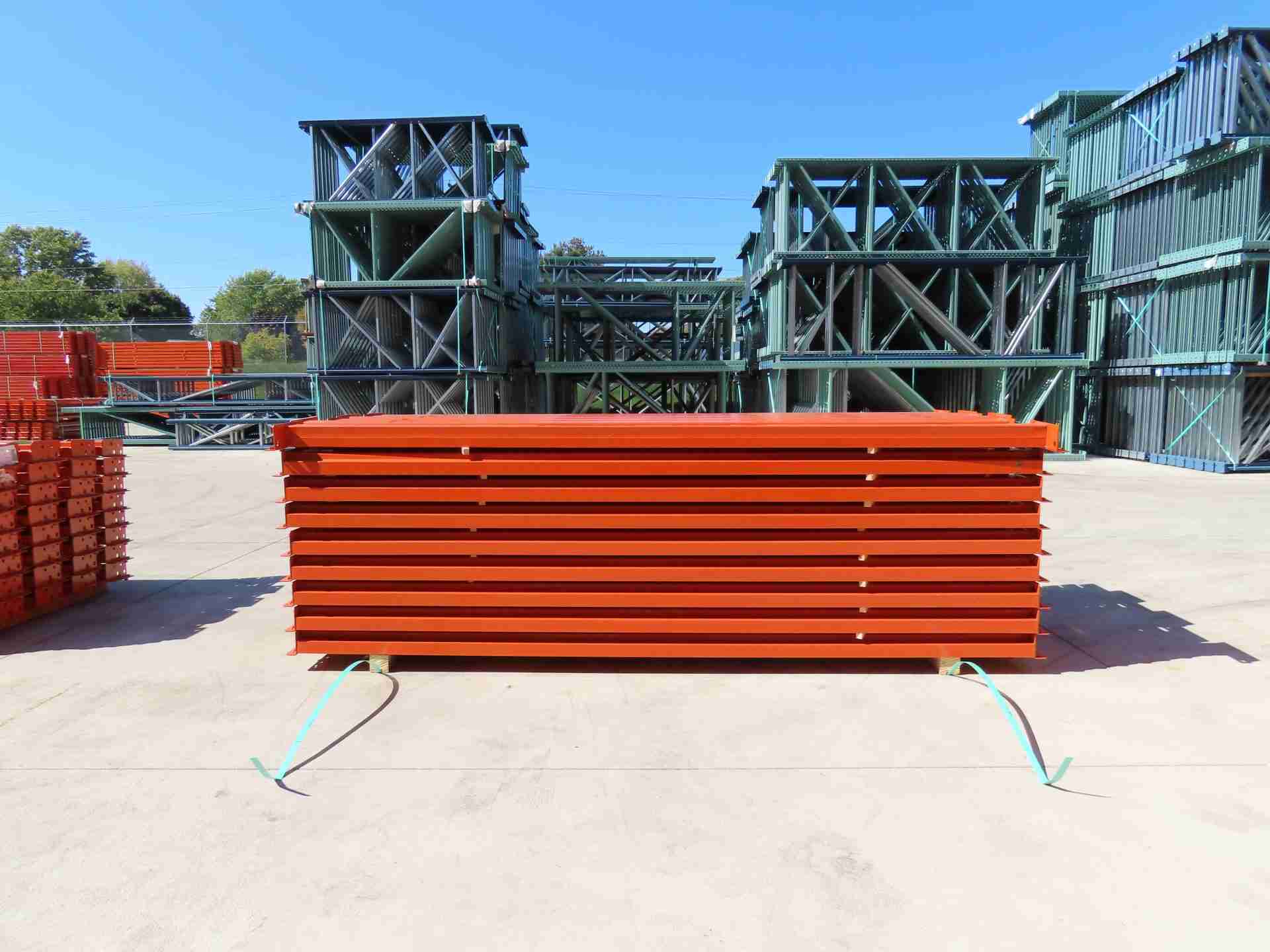
Is Your Warehouse Layout a Chaotic Nightmare for Your Team?
Is Your Warehouse Layout a Chaotic Nightmare for Your Team?
- Warehouse chaos leads to employee frustration, inefficiency, wasted time, and lost revenue.
- Structured pallet racking is essential for organizing a warehouse and maximizing floor space.
- A well-organized warehouse enhances employee morale and productivity.
- Investing in an efficient warehouse layout is crucial to avoid ongoing inefficiencies and customer dissatisfaction.
- Assess current warehouse layout for bottlenecks and inefficiencies with input from employees.
- Commit to improving your warehouse space for better productivity and customer satisfaction.
- Transitioning to an organized setup can significantly benefit your business and team well-being.
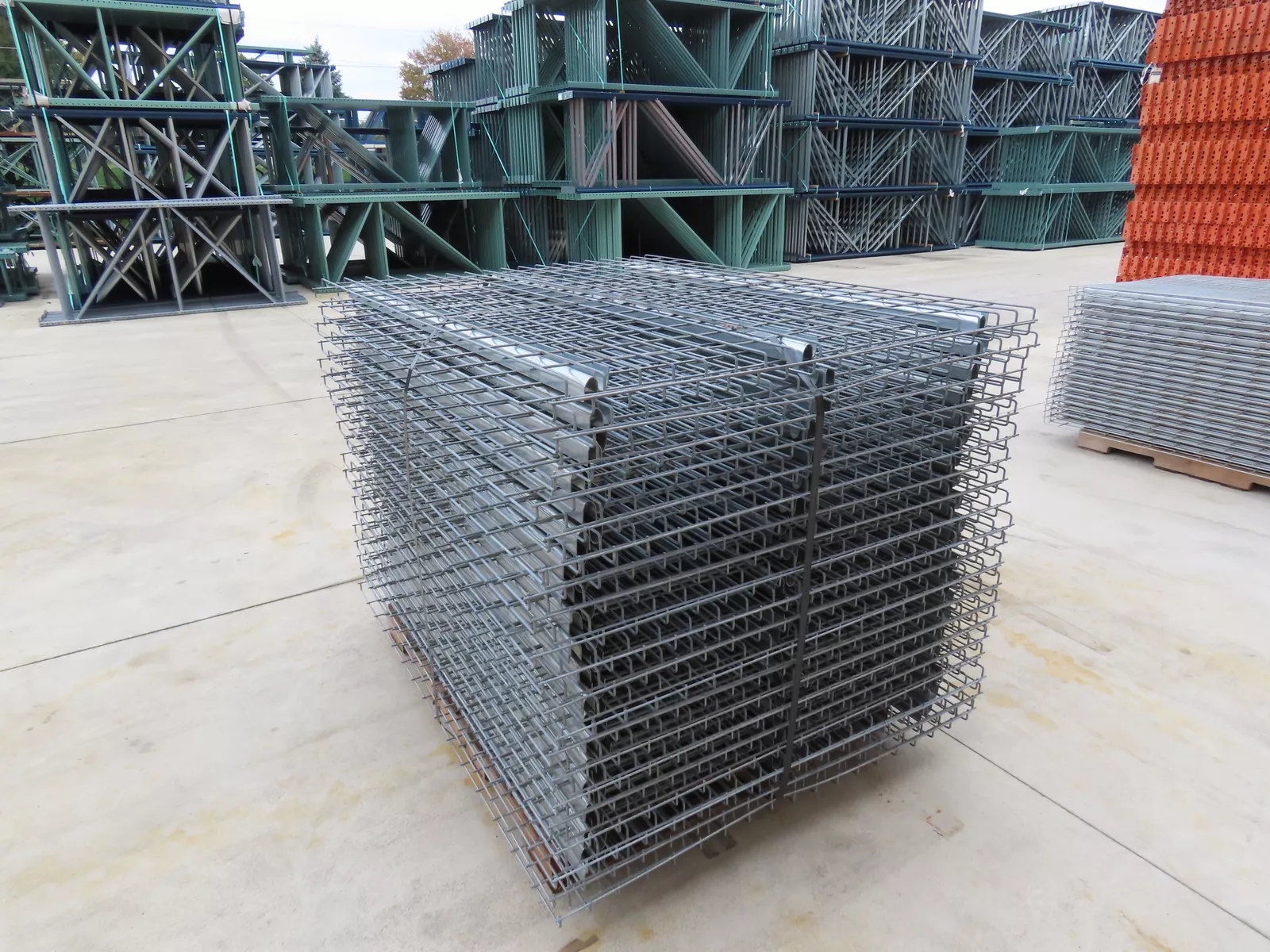
Is Your Warehouse Layout a Chaotic Nightmare for Your Team?
Table Of Contents
- Is Your Warehouse Layout a Chaotic Nightmare for Your Team?
- Is Your Warehouse Layout Causing Inefficiencies In Operations?
- How Can You Identify Bottlenecks In Your Warehouse Layout?
- Are Employees Struggling To Find Items Due To Poor Organization?
- Is Your Current Layout Affecting Order Picking Speed?
- How Can You Assess The Flow Of Goods In Your Warehouse?
- Are Safety Concerns Arising From Your Cluttered Layout?
- Conclusion
- Other Resources
- Glossary Of Terms
- Other Questions
- Checklist
Is Your Warehouse Layout Causing Inefficiencies In Operations?
Is Your Warehouse Layout Causing Inefficiencies in Operations?
You may not realize it, but the layout of your warehouse is a silent partner in your business’s success—or failure. Picture this: a bustling warehouse, workers hustling, orders being filled. But wait! As you observe, there’s chaos in the movement, time wasted in navigating through poorly organized spaces, and a mounting stack of frustrated employees. It’s time to pause and ask yourself: is my warehouse layout causing inefficiencies in operations?
The truth is, your warehouse is more than just a storage area; it’s the heartbeat of your logistics. Whether it’s the strategic placement of pallet racking or clear pathways for easy navigation, every inch counts. Those towering rows of pallet racking can either enhance your storage efficiency or become an obstacle course that slows down productivity. Are you maximizing the space to its fullest potential, or are you leaving money on the table?
Imagine walking into a warehouse designed not just for storage but for optimal workflow. Think about the benefits: reduced pick times, fewer errors, and a positive environment for your team. When your employees can easily navigate from point A to point B, they feel empowered, engaged, and energized. It’s not just about the physical space—it translates to higher morale and lower turnover.
But let’s be real: the task of redesigning your warehouse layout can seem like an overwhelming undertaking. You may ask yourself, “Where do I even start?” Here’s where you take action. Start by conducting an honest assessment of your current layout. Observe the flow of operations; identify bottlenecks in efficiency; take notes on how your pallet racking is currently arranged. Engage with your team—after all, they’re the ones on the front lines. Their insights are invaluable.
But don’t stop there. Enlist the help of warehouse design experts or explore innovative software solutions to map out the ideal layout. This is an investment in your business that will yield tangible results. Improved efficiency means happier customers, and happier customers lead to repeat business.
So, are you ready to transform your operations? Don’t let an inefficient warehouse layout hold you back. Embrace the opportunity to rethink, redesign, and realize the smooth, efficient operation your business deserves. Take action today, and watch your business thrive!

Is Your Warehouse Layout Causing Inefficiencies In Operations?
Is Your Warehouse Layout Causing Inefficiencies In Operations?
- The layout of your warehouse critically impacts your business’s success and operational efficiency.
- Chaotic movement and poor organization in warehouses can lead to wasted time and frustrated employees.
- Strategic placement of storage and pathways can enhance efficiency and productivity.
- A well-designed warehouse promotes optimal workflow, reducing pick times and errors, and improving employee morale.
- Conduct a thorough assessment of your current layout to identify inefficiencies and bottlenecks.
- Engage with employees for insights and consider consulting warehouse design experts or software solutions.
- Investing in a better warehouse layout can lead to happier customers and increased repeat business.
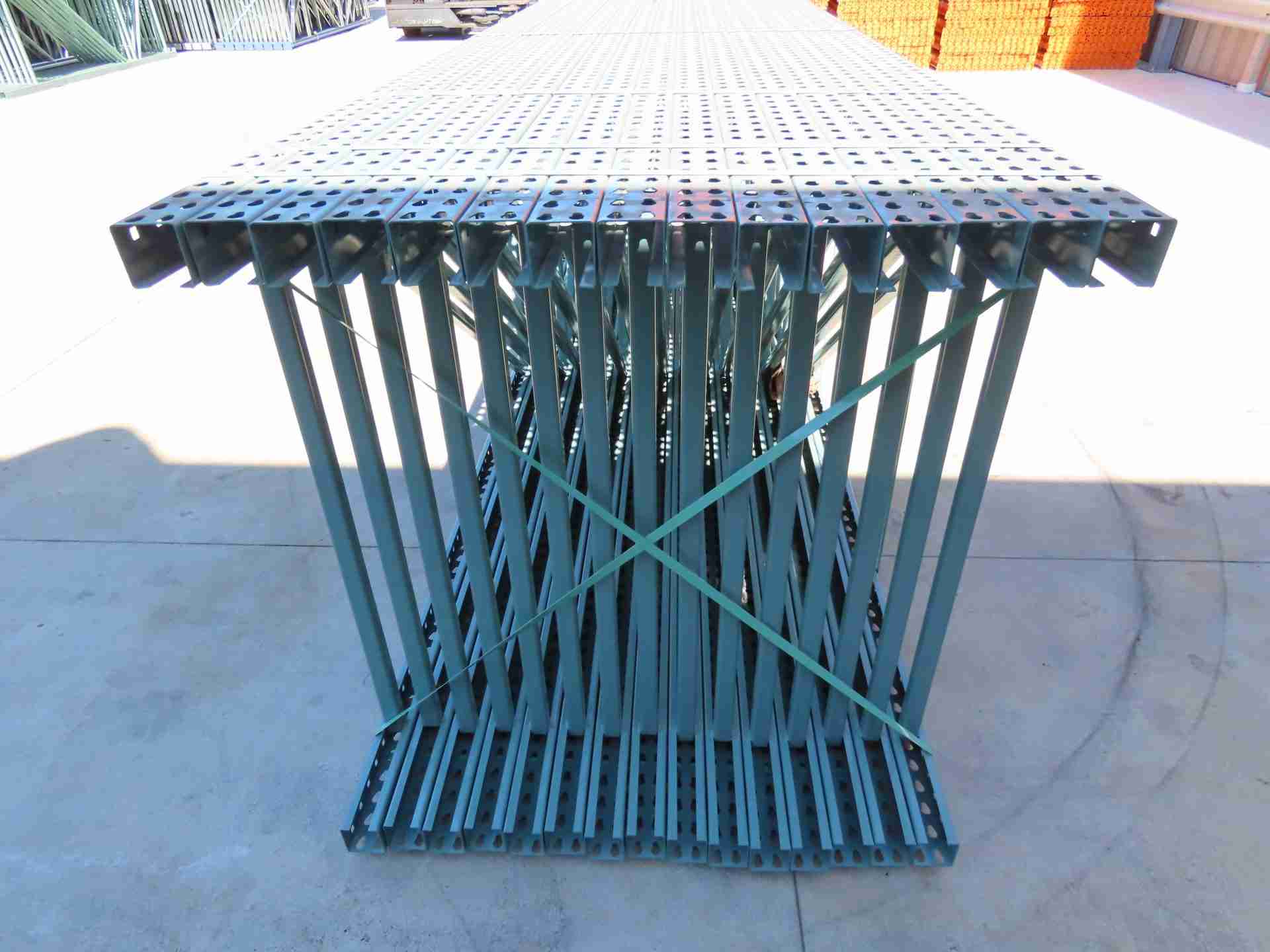
Is Your Warehouse Layout Causing Inefficiencies In Operations?
How Can You Identify Bottlenecks In Your Warehouse Layout?
Imagine walking through your warehouse, surrounded by rows of pallet racking stacked high with goods, but instead of a smooth flow of operations, there’s a sense of chaos and frustration. You might find your team stuck in long lines or scrambling to find items. The key is to recognize and identify those bottlenecks that slow you down and sap your productivity.
First, embrace the power of observation. Spend some time observing your operations in action. Watch how your warehouse team interacts with the pallet racking and various processes. Are they struggling to find necessary items? Are they spending too much time waiting for equipment? Look for patterns of congestion—those areas where workers frequently pause or get caught up in delays. The answer may lie in reorganizing your pallet racking strategy to enhance accessibility and efficiency.
Next, leverage data. You wouldn’t navigate a stormy sea without a compass, and managing your warehouse is no different. Analyze metrics like pick times, order fulfillment rates, and inventory turnover. Tools like warehouse management systems can provide insights into how quickly products move through the space. If certain sections of your pallet racking aren’t moving at the desired pace, it’s time to take action.
Now, engage your team in the conversation. Your workers know the ins and outs of the daily operations better than anyone else. By gathering feedback from them about their experiences, you’ll gain invaluable insights into places where they feel productivity gets bogged down. They might suggest how to rearrange bulk storage or modify the routes taken to pick and pack items. Empathy fosters trust, and establishing this rapport will lead to a more committed team eager to take ownership of a streamlined process.
Finally, don’t shy away from pilot testing changes. Adjust the layout of your pallet racking, perhaps moving high-demand items closer to packing stations, and monitor the results. Small tweaks can often lead to significant improvements. By continually refining your warehouse layout based on feedback and data, you’ll create a dynamic and effective operation that adapts to your growing needs.
Incorporating these strategies will not only inspire confidence among your staff but also improve the bottom line. The goal is to create a seamless flow through your warehouse that transforms bottlenecks into productivity powerhouses. Start today, and watch your efficiency soar!
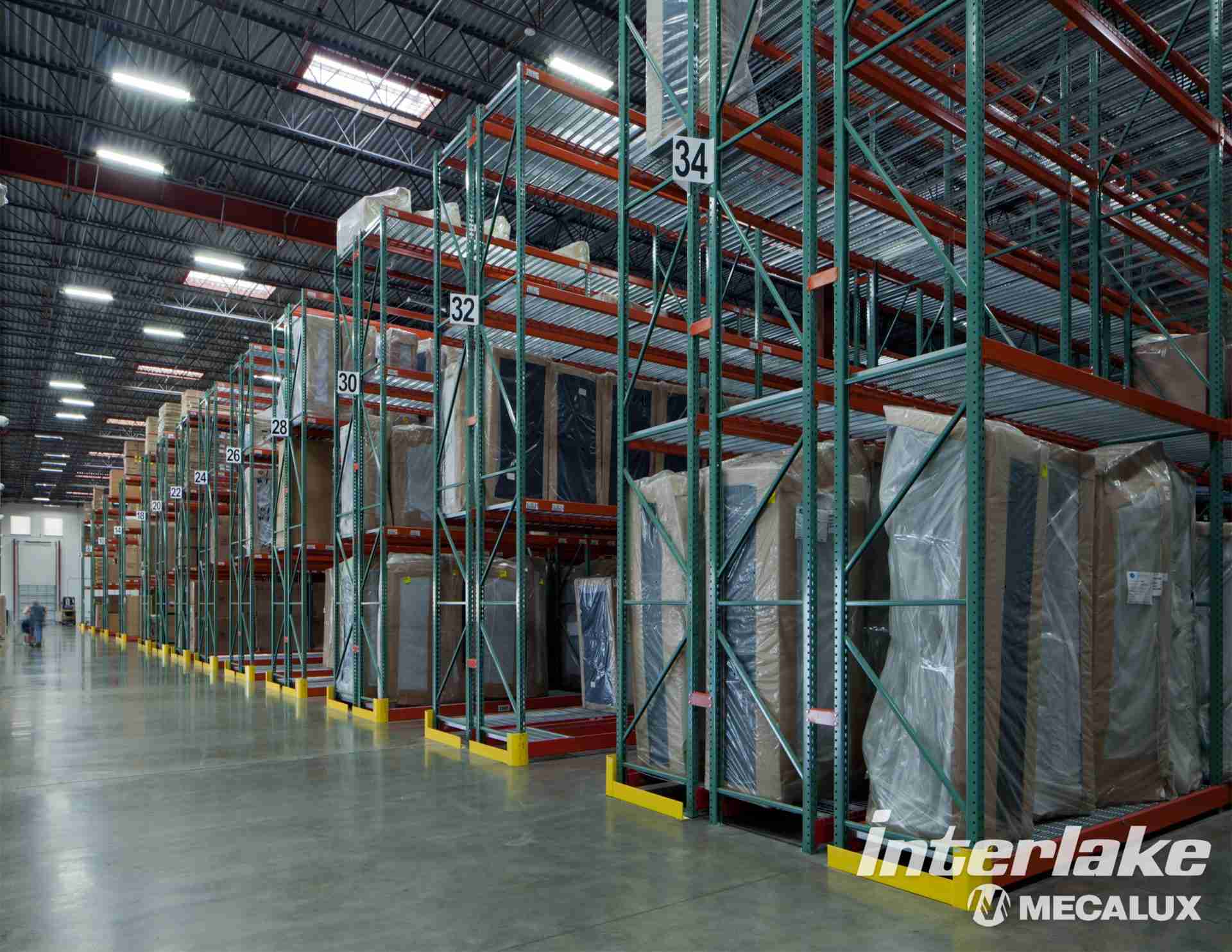
How Can You Identify Bottlenecks In Your Warehouse Layout?
How Can You Identify Bottlenecks In Your Warehouse Layout?
- Recognize and identify bottlenecks in warehouse operations that hinder productivity.
- Embrace observation to understand how teams interact with pallet racking and identify congestion areas.
- Leverage data to analyze metrics such as pick times, order fulfillment rates, and inventory turnover.
- Engage with your team to gather feedback on challenges and potential improvements in processes.
- Establish rapport with staff to foster trust and commitment to a streamlined workflow.
- Pilot test layout changes, such as relocating high-demand items closer to packing stations.
- Continually refine operations based on feedback and data to enhance warehouse efficiency.
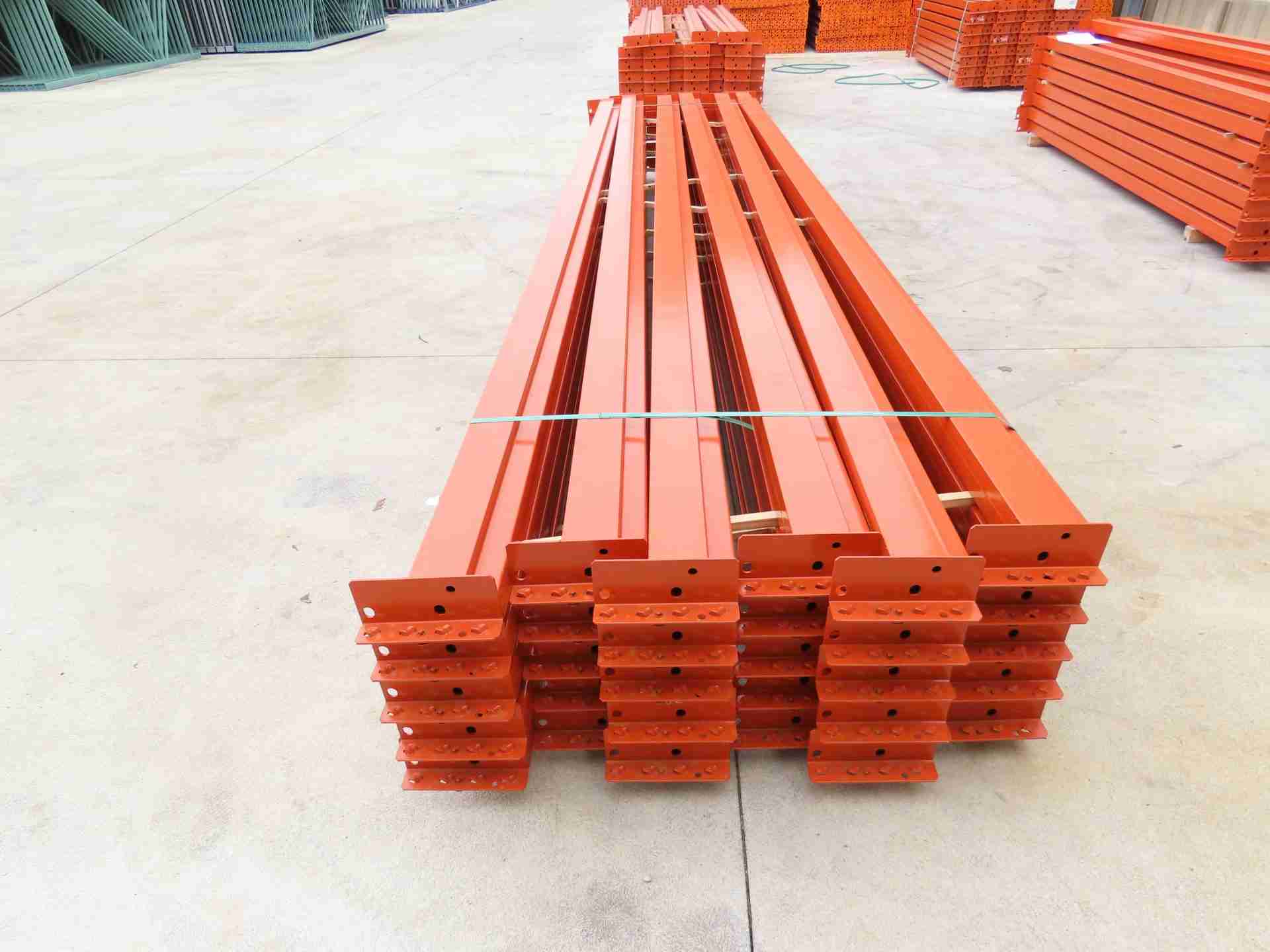
How Can You Identify Bottlenecks In Your Warehouse Layout?
Are Employees Struggling To Find Items Due To Poor Organization?
In today’s fast-paced business environment, efficiency isn’t merely an option; it’s a necessity. Imagine your employees, each day, combing through a chaotic labyrinth of materials and tools, scrambling to locate the items they need to complete tasks. The frustration is palpable, as time ticks away and productivity plunges. This isn’t just a day-to-day annoyance—it’s a direct hit to your bottom line.
Now consider the concept of Pallet Racking. This simple yet effective storage solution can revolutionize your organization. Think about it: a strategic use of pallet racking allows for a better vertical space utilization, freeing up the floor for movement and productivity. When items are neatly stored and easily accessible, your employees can pivot from searching to doing, and that’s where the magic happens.
Why put your team through the daily grind of disorganization? Picture the transformation as your employees shift from frustration to confidence, equipped with a system that not only speeds up their workflow but also enhances their morale. When your team knows where everything is, they can focus on what truly matters—driving results.
Implementing an effective organizational system with pallet racking does more than declutter your space. It signals to your employees that you value their time and efforts. It builds an environment where they can thrive, innovate, and produce—because they spend less time searching for materials and more time adding value. You’ll foster a culture of trust and confidence, and that’s essential for cultivating loyalty and long-term success.
Moreover, your clients will notice the difference. A team that operates seamlessly communicates professionalism and dedication. When you create an organized workplace, you’re not only improving internal processes but also enhancing your overall brand image in the eyes of your customers.
So, the question is: Are you ready to tackle the organization woes that plague your team? With the right tools and mindset, poor organization can be a relic of the past. Embrace the power of pallet racking today and watch your operational headaches dissolve. It’s not just about finding items; it’s about creating an empowered workforce ready to conquer challenges and elevate your business to new heights. Take action now—your team deserves it!
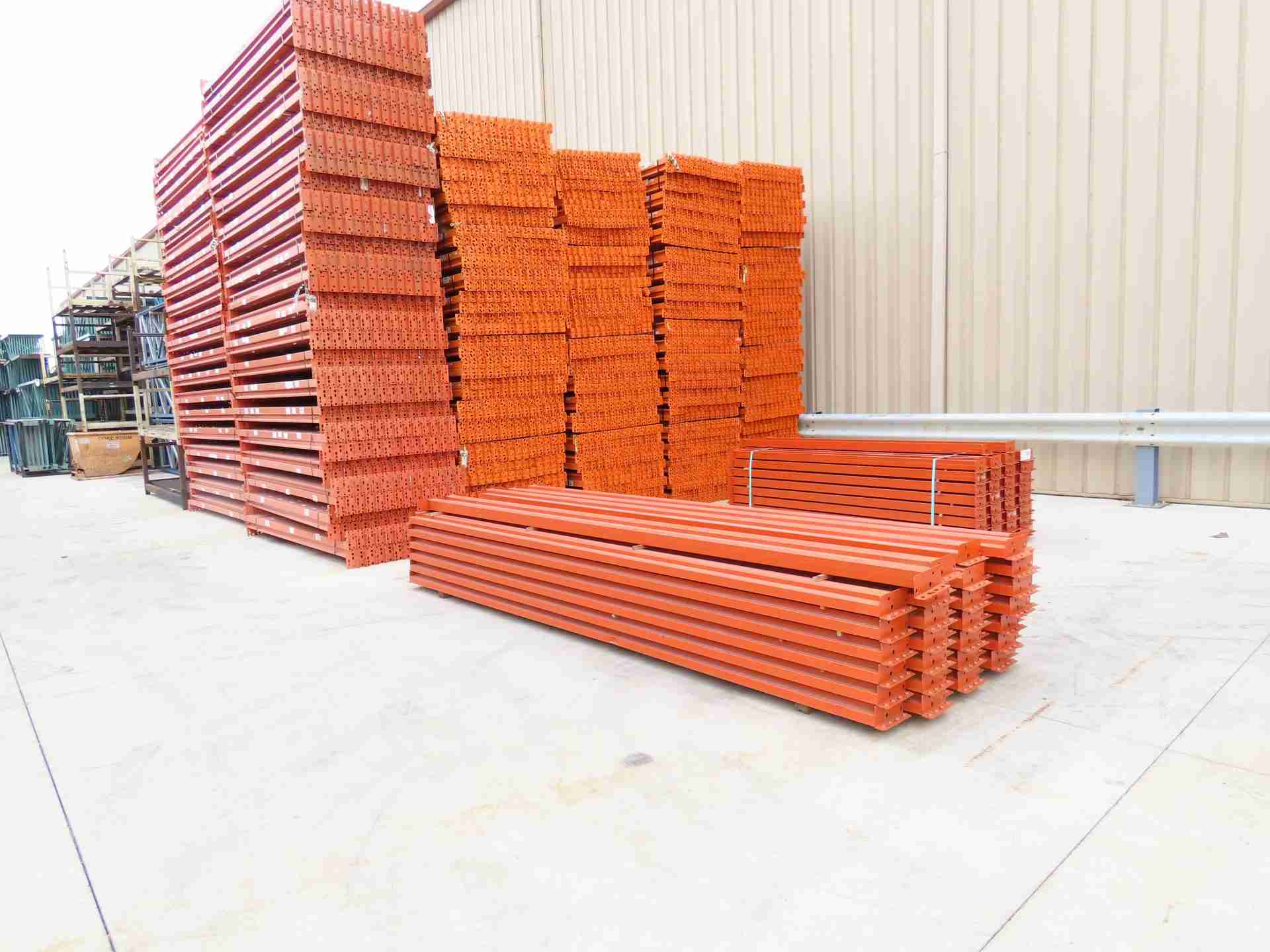
Are Employees Struggling To Find Items Due To Poor Organization?
Are Employees Struggling To Find Items Due To Poor Organization?
- Efficiency is essential in today’s fast-paced business environment.
- Pallet racking serves as an effective storage solution that enhances space utilization.
- Organized storage increases employee productivity by minimizing time spent searching for items.
- Implementing pallet racking boosts team morale and allows employees to focus on results.
- A well-organized workplace demonstrates to employees that their time is valued, fostering trust and loyalty.
- Clients will notice improved operations, which enhances the company’s brand image and professionalism.
- Taking action to implement organizational tools like pallet racking empowers the workforce and drives business success.
Are Employees Struggling To Find Items Due To Poor Organization?
Is Your Current Layout Affecting Order Picking Speed?
Imagine this: you’re standing in your warehouse, surrounded by products and pallets, yet your order picking speed is nowhere near what it should be. Frustrating, isn’t it? The truth is, your layout might be the silent thief stealing your efficiency and profits. One of the common culprits in this scenario is none other than your pallet racking. If not strategically designed, it can create bottlenecks that slow your team down and reduce overall productivity.
Consider the impact of your current racking systems. Are they organized in a way that allows for easy access to fast-moving items? Imagine a seasoned picker navigating an obstacle course just to grab the products they need. With every unnecessary step, not only does time slip away, but you also amplify the risk of mistakes. By optimizing your pallet racking, you could transform that tedious process into a smooth, streamlined operation where your team can pick orders swiftly and accurately.
But let’s get real for a moment. We’re not talking about a one-size-fits-all solution here. Each business is unique, with distinct challenges and requirements. That’s why it’s essential to invest time in assessing your current layout. Are your shelves too high? Are certain products continually buried behind others? As frustrating as it is to admit, the right layout is more than just a nice-to-have; it’s the cornerstone of increasing your order picking speed.
So, how do you start? Begin by conducting a thorough examination of your space. What are the fastest-moving items? Position those in locations that are easily accessible. Next, think about flow. Your pickers should have an unobstructed path from the pallets to the packing area. By taking these simple steps, you can create a layout that not only fosters speed but also empowers your team to focus on what really matters: delivering exceptional service to your customers.
In the world of logistics, every second counts. Don’t let your current layout hold you back from reaching your full potential. Trust in the transformation that a well-thought-out pallet racking system can provide. Make the leap today, and watch as your order picking operations soar to new heights, bringing efficiency and satisfaction back into your business. Your bottom line will thank you!
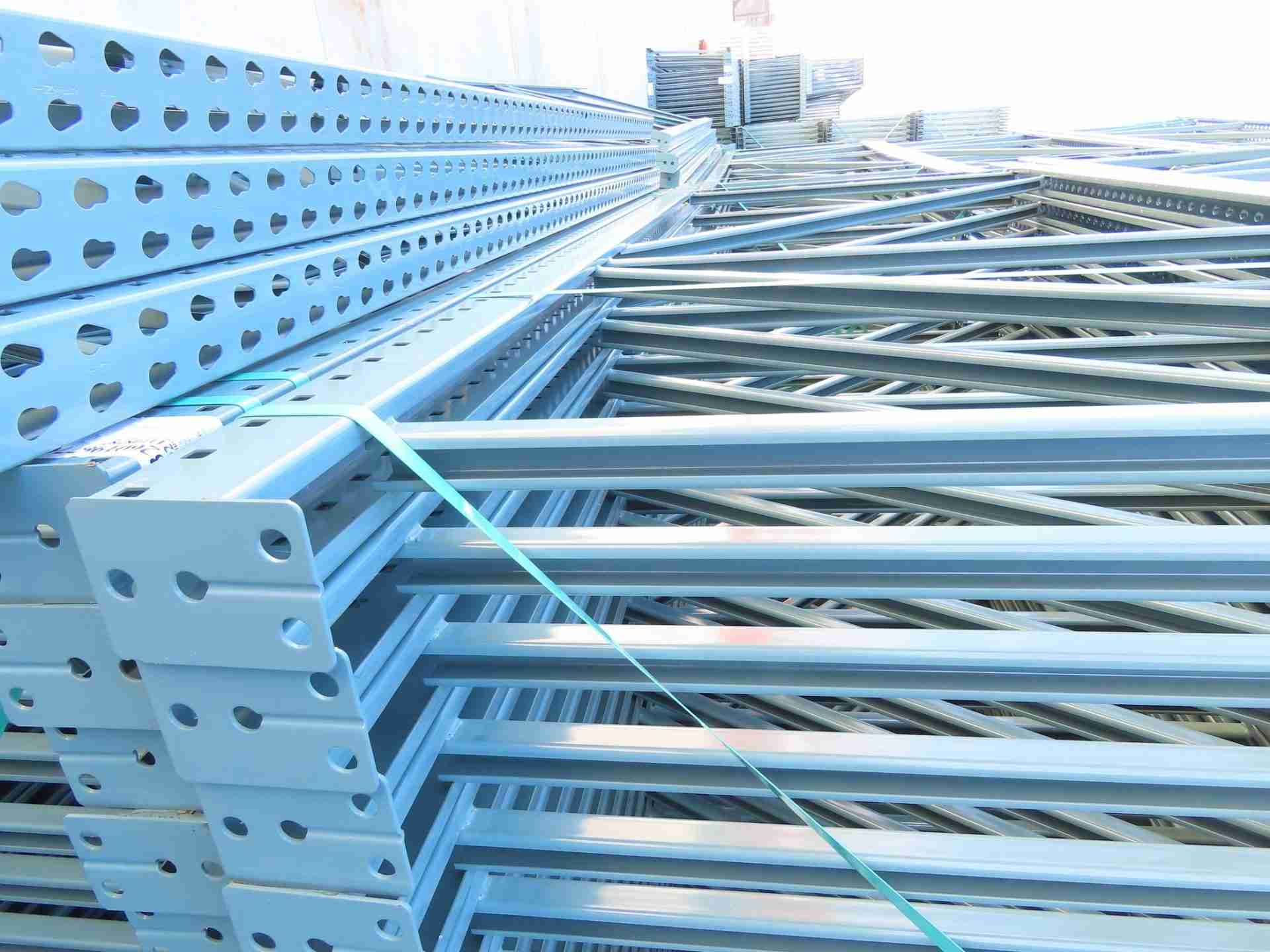
Is Your Current Layout Affecting Order Picking Speed?
Is Your Current Layout Affecting Order Picking Speed?
- Warehouse layout might be causing inefficiencies and reducing profits.
- Pallet racking can create bottlenecks that slow down order picking operations.
- Fast access to fast-moving items is crucial for productivity.
- Optimizing pallet racking leads to a smoother and more accurate order picking process.
- Each business has unique challenges that require a tailored layout solution.
- Assess current layout: Position popular items for easy access and ensure an unobstructed flow.
- A well-thought-out racking system can significantly boost efficiency and customer service.
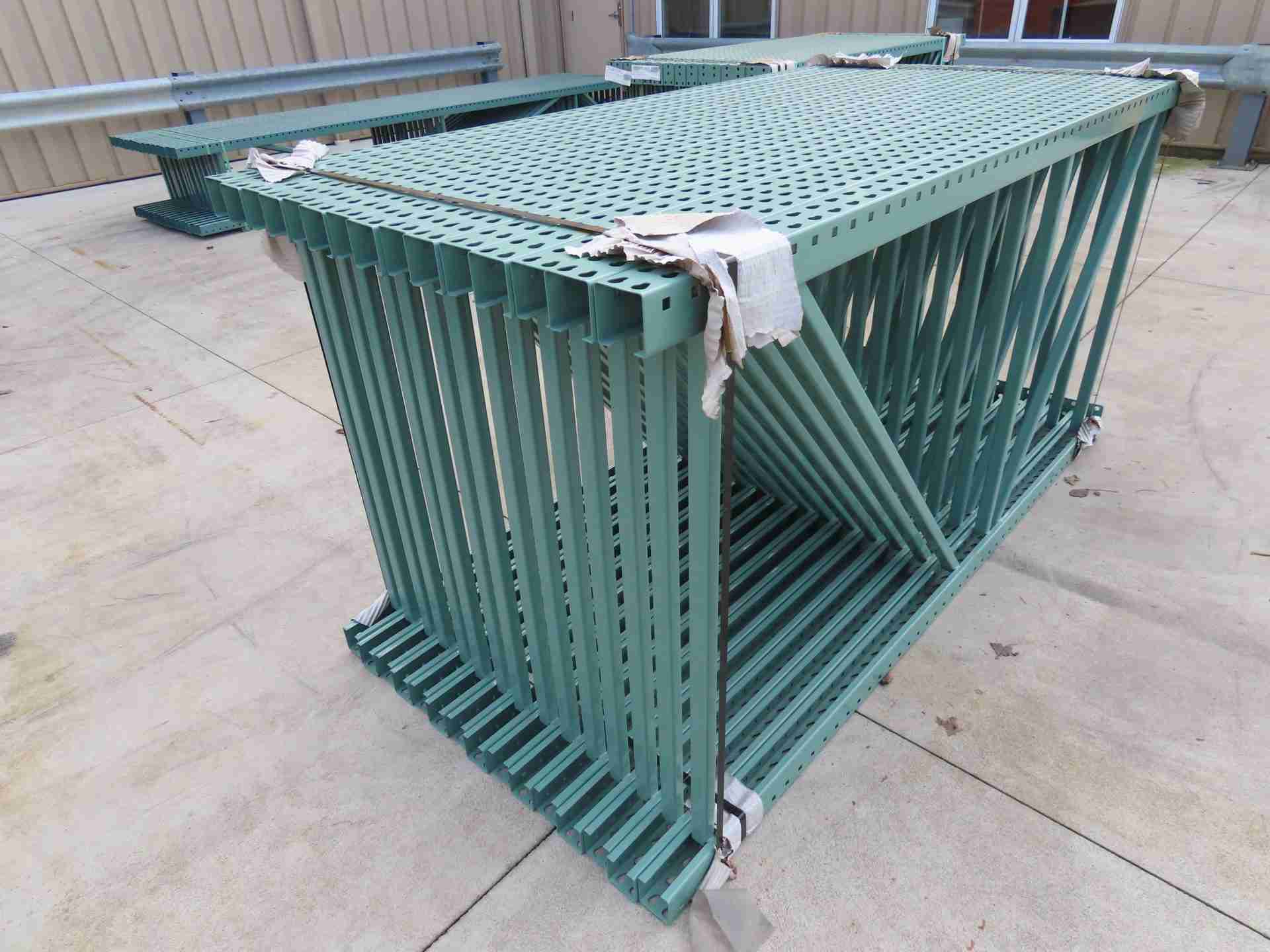
Is Your Current Layout Affecting Order Picking Speed?
How Can You Assess The Flow Of Goods In Your Warehouse?
Every successful warehouse manager knows that the pulse of their operation lies in the flow of goods. It’s not just about cramming products onto your shelves; it’s about understanding how those goods move from the moment they enter your space to when they leave for customer doorsteps. But how can you accurately assess this flow? Let’s dive into some actionable strategies that will elevate your operations.
First, embrace the power of modern technology. Invest in a warehouse management system (WMS) that can track inventory in real-time. This is your secret weapon in gaining visibility over every item in your shelves, from raw materials to finished goods. A good WMS will highlight bottlenecks in your process, allowing you to make informed decisions that improve performance and ultimately your bottom line.
Next, take a closer look at your pallet racking systems. Utilizing well-placed and organized pallet racks can greatly enhance your ability to retrieve goods quickly. Conduct a layout analysis — are your fast-moving items easily accessible? A redesign that optimizes your pallet racking can drastically reduce picking times, boosting productivity and employee morale. Consider experimenting with various configurations, such as FIFO (First In, First Out) or LIFO (Last In, First Out) systems, to find what works best for your warehouse dynamics.
Furthermore, engage with your team. The people on the ground have invaluable insights into the day-to-day challenges faced in your warehouse. Schedule regular check-ins to discuss flow, inefficiencies, and potential solutions. Foster an environment where team members feel empowered to share ideas. After all, positive change often starts with an open dialogue. Their hands-on experience can lead you to solutions that a spreadsheet never could.
Lastly, implement periodic audits. Schedule time to observe the physical movement of goods. Is your layout promoting a natural flow, or are workers navigating a maze? Document any hiccups you encounter. By doing this regularly, you create a cycle of continuous improvement that keeps your warehouse adaptable and efficient.
By incorporating these strategies, you will not only gain valuable insights into the flow of goods but will also foster a culture of efficiency and teamwork. Take pride in your warehouse operation — after all, it’s the unsung hero behind every successful business. Get started with these changes today, and watch as your facility transforms into a well-oiled machine that drives success!
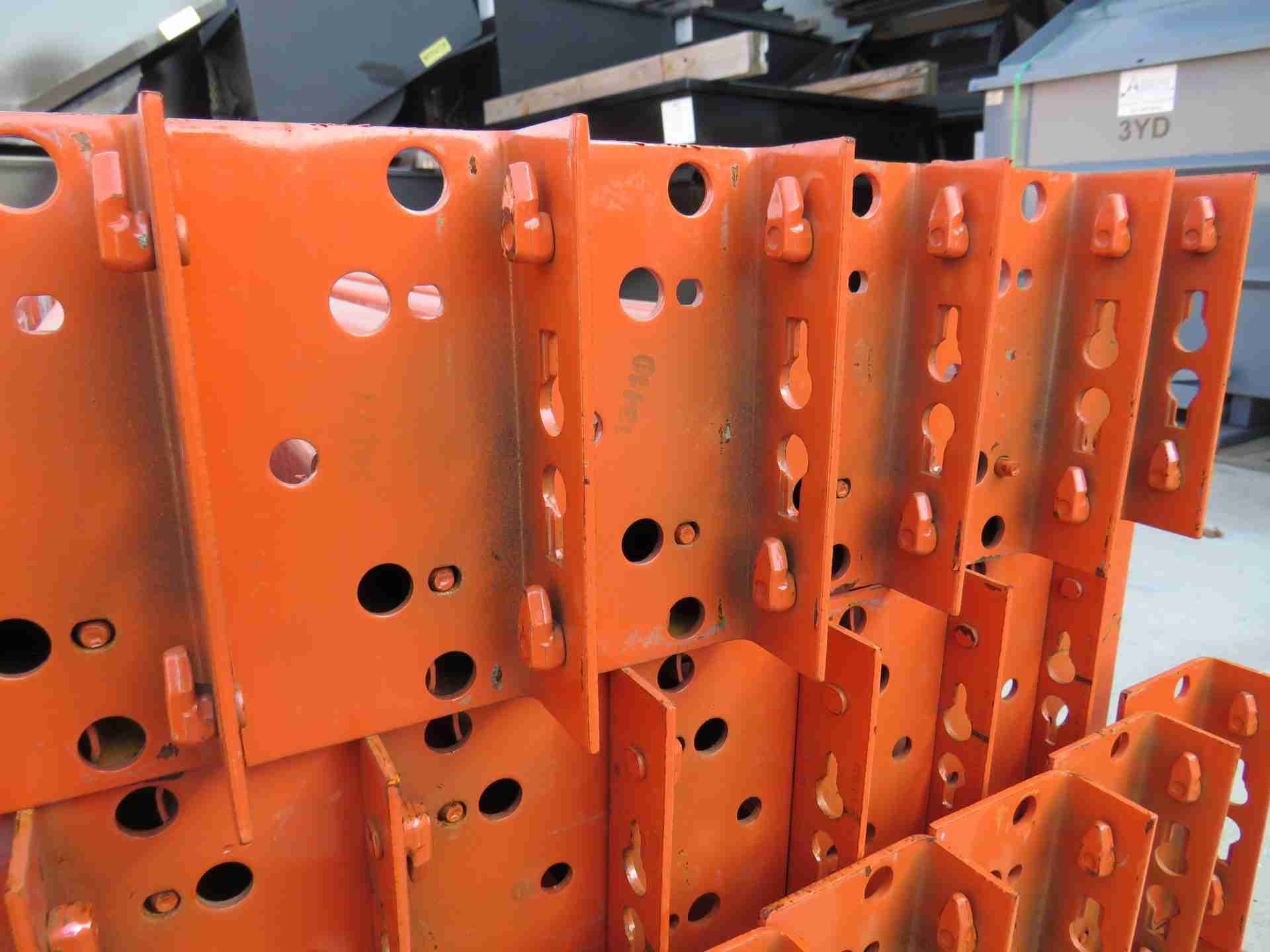
How Can You Assess The Flow Of Goods In Your Warehouse?
How Can You Assess The Flow Of Goods In Your Warehouse?
- Understanding the flow of goods is essential for warehouse management, from entry to customer delivery.
- Invest in a Warehouse Management System (WMS) for real-time inventory tracking and to identify process bottlenecks.
- Optimize pallet racking systems through thoughtful layout analysis to improve accessibility of fast-moving items.
- Engage with your team regularly to discuss flow inefficiencies and brainstorm solutions based on their insights.
- Encourage open dialogue to empower team members and foster positive change within the operation.
- Implement periodic audits to observe the movement of goods and identify areas for continuous improvement.
- By adopting these strategies, you can enhance efficiency and create a responsive warehouse culture driving business success.
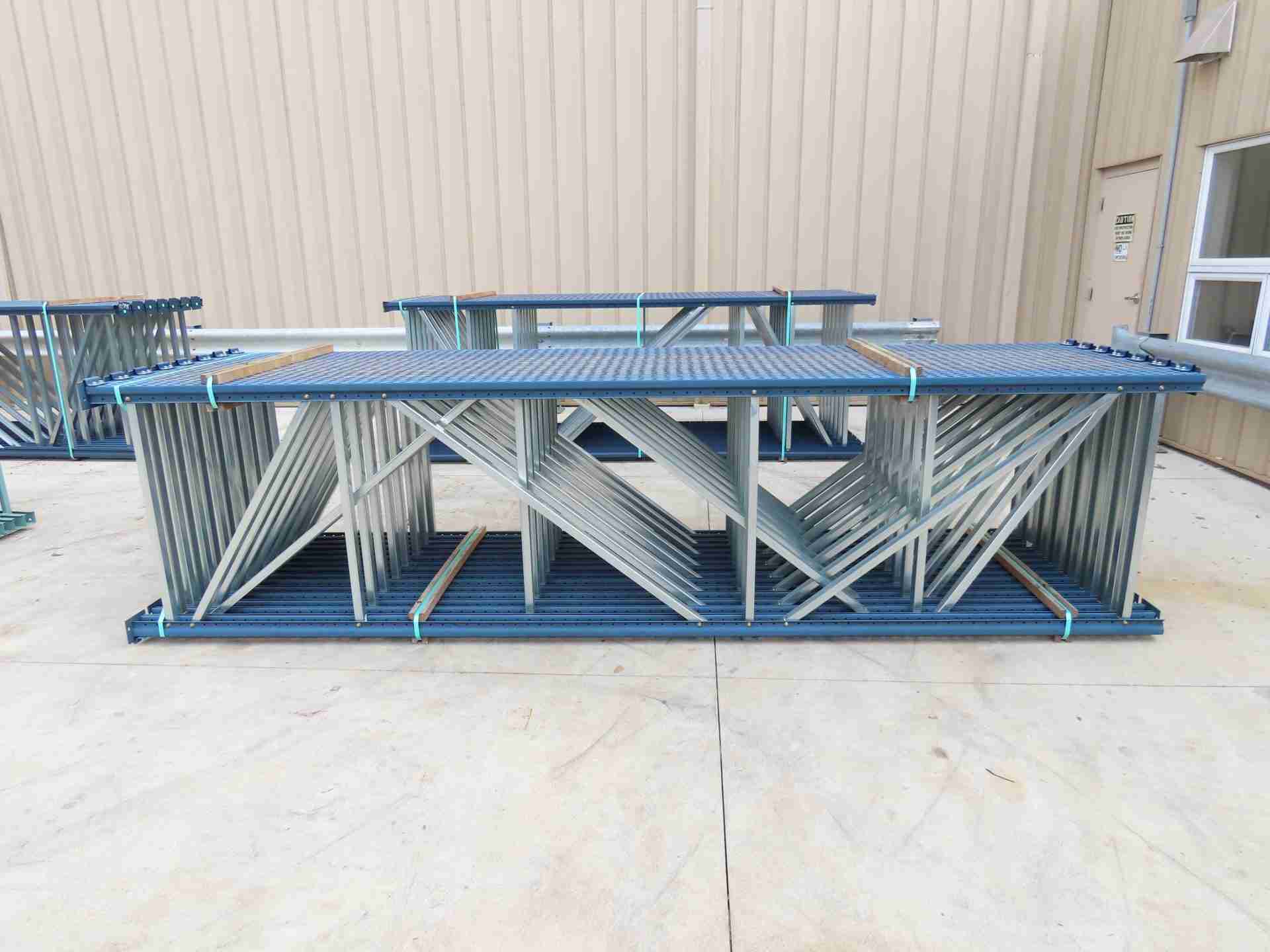
How Can You Assess The Flow Of Goods In Your Warehouse?
Are Safety Concerns Arising From Your Cluttered Layout?
Have you ever walked through a warehouse or storage area and felt that unmistakable pit in your stomach? That nagging feeling that something isn’t quite right? If your space is cluttered, it’s not just a nuisance—it could be a significant safety hazard waiting to happen. When you think of safety, consider this: a well-organized layout can significantly reduce accidents, protect your valuable assets, and enhance employee morale.
Take a moment to envision your operation. Stacks of boxes piled precariously high, equipment scattered willy-nilly, pathways blocked—this chaos doesn’t just impede efficiency; it elevates risk. Injuries from slips, trips, and falls can occur in the blink of an eye. Think about it: in a cluttered space, crucial safety measures like Pallet Racking can’t fulfill their purpose. They’re designed to create organized, accessible layers of storage that streamline operations while keeping your team safe.
Now, picture a different scenario. You walk into a well-structured environment, where Pallet Racking systems are utilized to maximize space and minimize hazard. Every item has its designated place, and pathways are cleared, making it not only safer but more efficient. Employees can easily navigate without the constant anxiety of tripping or stacking safely.
Safety should never be an afterthought. It’s improvised clutter that allows risks to creep in unnoticed, transforming your workspace into a minefield of potential accidents. If you haven’t addressed the issue of clutter, today is the day to take action!
Begin by conducting a thorough assessment of your space. Identify those collision zones and clutter hotspots. What precautions can you take? Could a strategic implementation of Pallet Racking solutions be the key? It’s time to make a shift! Investing in the right infrastructure not only creates a safer environment but signals to your staff that their wellbeing is a priority.
When your team feels secure, they’re more engaged, productive, and willing to contribute to the organization’s mission. You cultivate a culture of safety that strengthens trust and cohesion. So, don’t hesitate. Clear out that clutter today. Transform your layout into a bastion of safety and efficiency, and watch your operation flourish. Safety is your best asset!
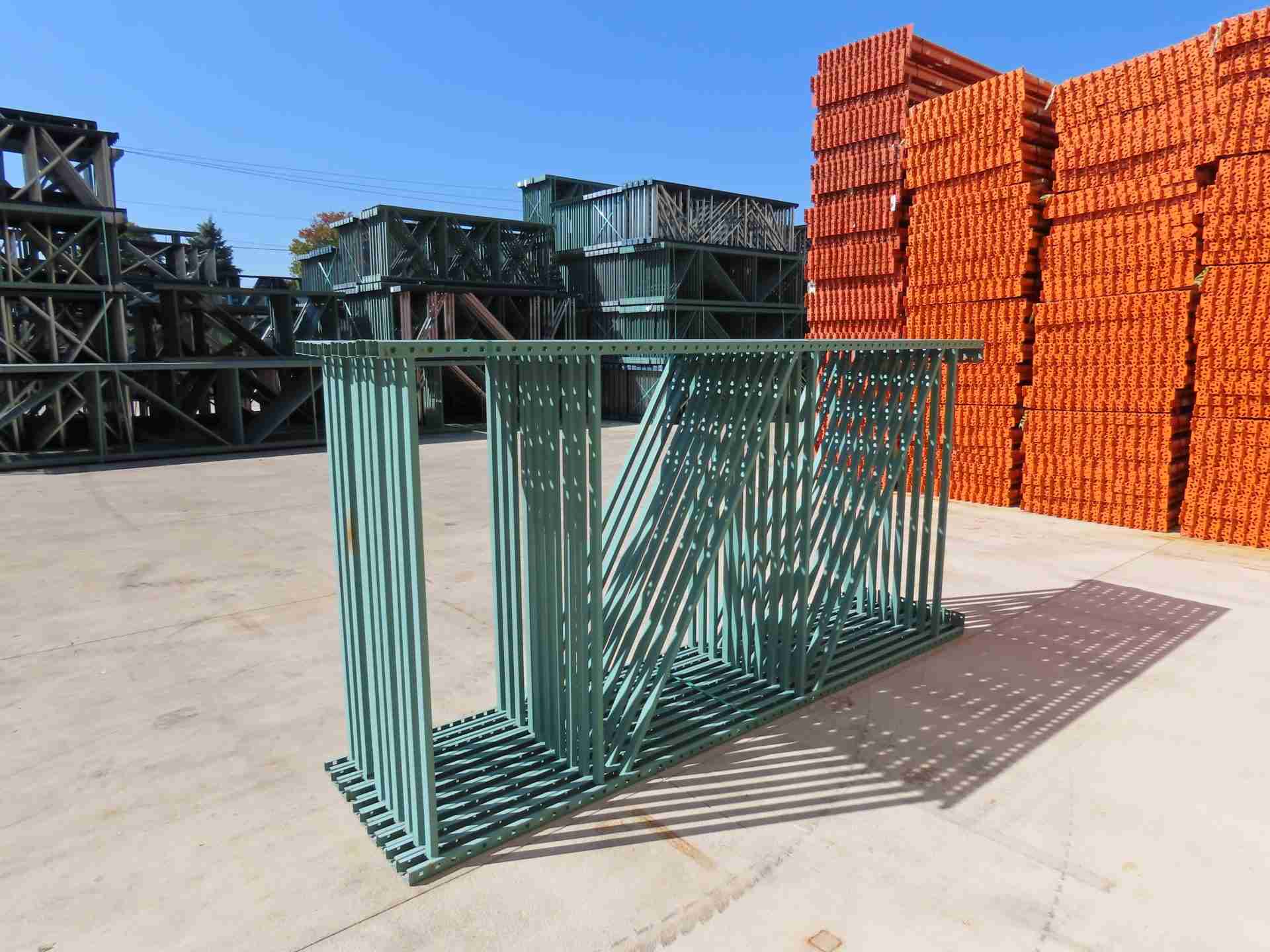
Are Safety Concerns Arising From Your Cluttered Layout?
Are Safety Concerns Arising From Your Cluttered Layout?
- Cluttered spaces can create significant safety hazards and affect employee morale.
- A well-organized layout can significantly reduce accidents and protect assets.
- Disorganized environments elevate risks associated with slips, trips, and falls.
- Pallet Racking systems can streamline operations and enhance safety by creating accessible storage.
- A well-structured workplace minimizes hazards and allows for easier navigation.
- Addressing clutter is crucial for a safe work environment and shows staff that their wellbeing is prioritized.
- A culture of safety leads to increased employee engagement, productivity, and trust within the organization.
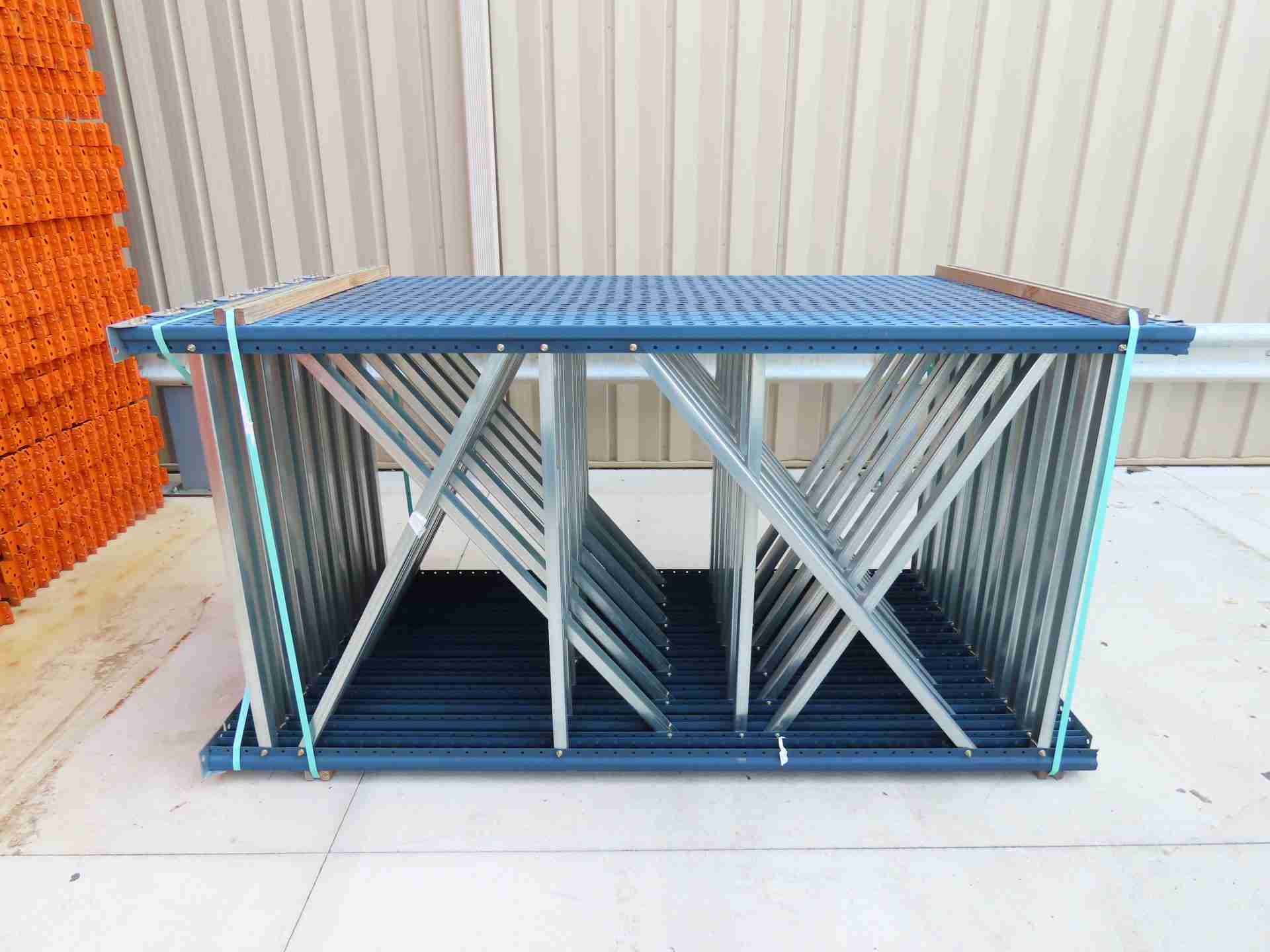
Are Safety Concerns Arising From Your Cluttered Layout?
Conclusion
Conclusion: Transforming Chaos into Order with Arrow Industrial Sales
Your warehouse doesn’t have to be a chaotic nightmare—it can be a streamlined powerhouse of efficiency, where organization reigns and productivity flourishes. As we’ve explored, the core of this transformation lies in your warehouse layout and the effective implementation of pallet racking systems. The consequences of neglecting your warehouse structure are profound: ongoing inefficiency, employee frustration, and lost revenue. The time to take action is now.
Imagine a scenario where your employees walk into a well-organized space, confidently accessing what they need without the stress of navigating clutter. This isn’t just a dream; it’s a tangible reality that can enhance morale, expedite order fulfillment, and improve customer satisfaction. An organized warehouse layout—notably featuring properly arranged pallet racks—can empower your team, transforming them from beleaguered workers to engaged and efficient operators.
Yet, we must face the facts: you may feel the weight of inaction bearing down on you. You might worry about budget constraints or the overwhelming task of redesigning a system that feels too entrenched in its inefficiencies. But consider this: the true cost of disorganization is significantly greater than the investment required to implement change. Delays, errors, and discontent among your team cost your business dearly. It’s time to reframe your perspective and view this not as an expense but an essential investment in your future.
Start by conducting a thorough assessment of your current layout, identifying bottlenecks and inefficiencies. Engage your team—those on the ground understand firsthand the challenges they face. Utilize data from warehouse management systems to gain insights into your operations, allowing you to make informed decisions for improvement. Consider the possibilities that await when you pilot your adjustments, refining your layout over time to reflect a seamless flow of goods.
Don’t wait for chaos to take its toll—take action now. Arrow Industrial Sales is ready to guide you through this vital transition. With expertise and solutions tailored to your needs, we can help you achieve the organized, efficient warehouse your team deserves.
Call us today at (574) 349-6575 to talk about your warehouse challenges and discover how we can partner with you to create an environment rife with productivity and safety. The time for transformation is now—don’t let disorganization dictate your operations any longer. Act swiftly and watch your business advantage soar!
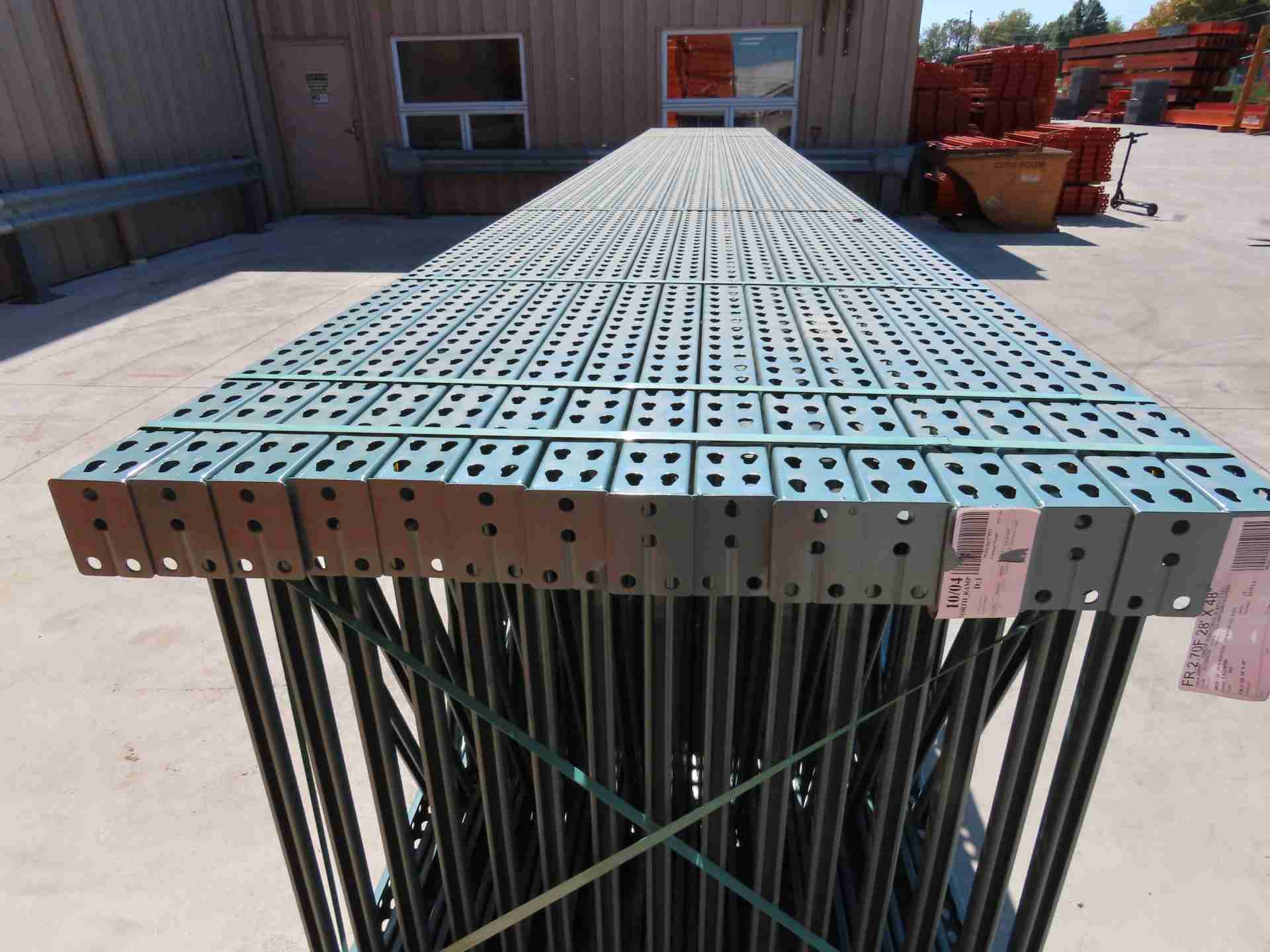
Conclusion
Conclusion:
- Your warehouse can transform from chaos to efficiency with the right layout and pallet racking systems.
- Neglecting warehouse organization leads to inefficiencies, employee frustration, and lost revenue.
- A well-organized space boosts employee morale, order fulfillment, and customer satisfaction.
- The cost of disorganization is greater than the investment needed for change.
- Assess your current layout to identify inefficiencies and engage your team for insights.
- Utilize warehouse management data to make informed improvements and refine your layout over time.
- Arrow Industrial Sales can guide you in transforming your warehouse into a productive environment.
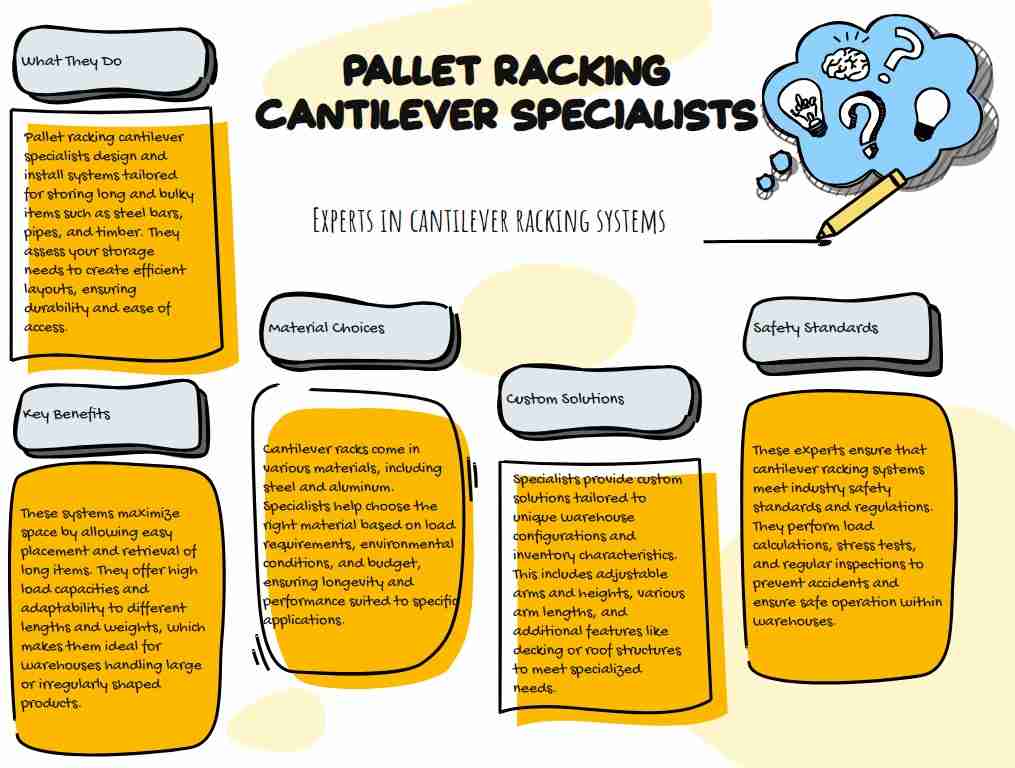
Conclusion
Other Resources
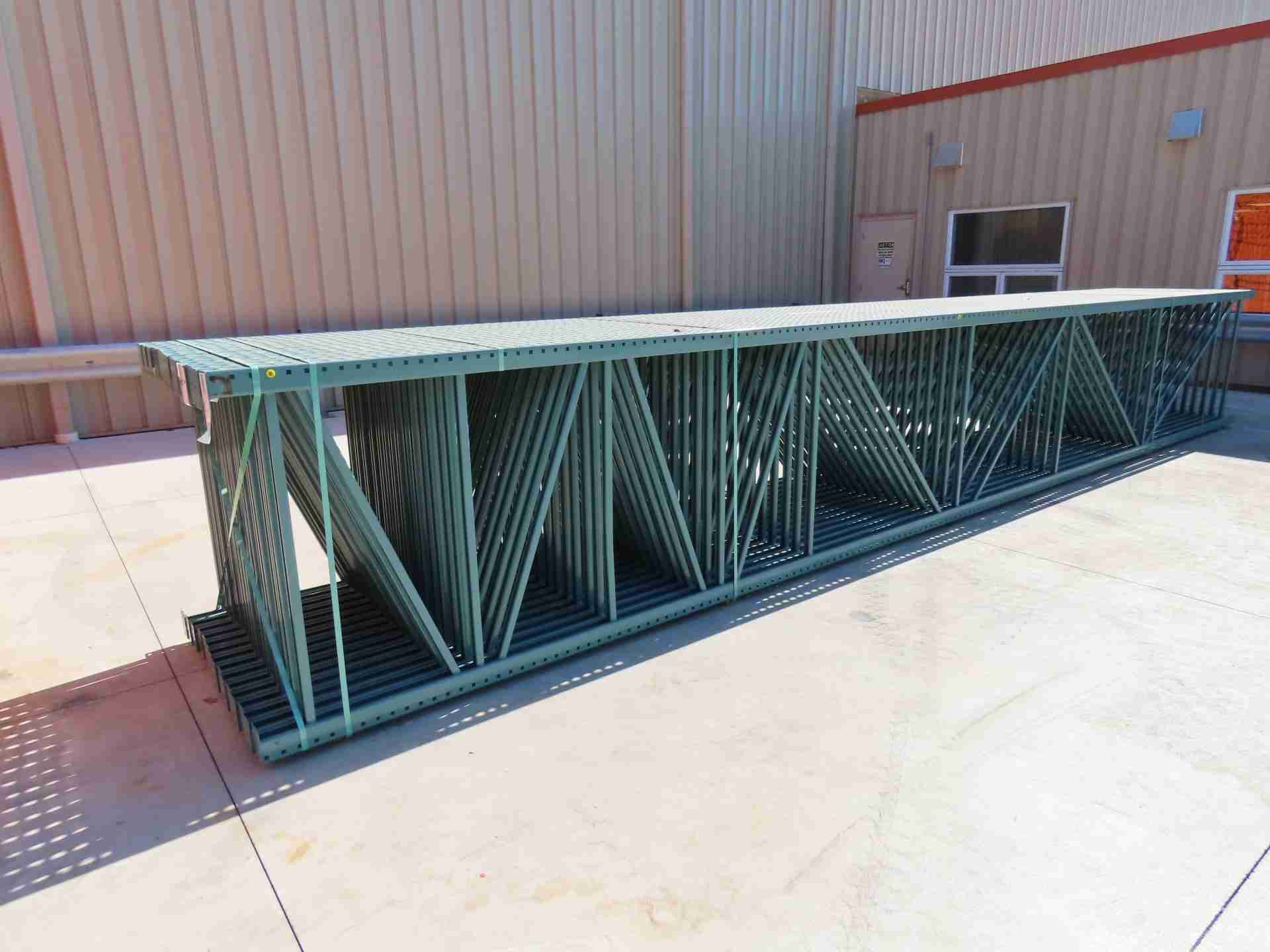
Other Resources
Here is a list of other resources you can review online to learn more:
- Pallet Racks, Pallet Racking, Pallet Shelves in Stock – ULINE
- Interlake
- Total Warehouse
- Crane Manufacturers Association Of America Inc.
- Iowa Illinois Warehouse Racking
- Warehouse Storage Racking in Illinois
- Rack Manufacturers Institute
- Teardrop Industrial Shelving Rack
- Warehouse Racking Systems: Beginner’s Guide to Rack Systems
- American Surplus
Use This Prompt To Get More Resources With Your Favorite Online AI Tool: Please provide me with a list of online articles with their URLs in a bulleted list that I can read regarding Is Your Warehouse Layout a Chaotic Nightmare for Your Team?
Other Resources
Glossary Terms
Is Your Warehouse Layout a Chaotic Nightmare for Your Team? – Glossary Of Terms
1. Aisle Width: The distance between storage racks that determines ease of movement and access for staff and equipment.
2. Stock Keeping Unit (SKU): A unique identifier assigned to an item in inventory, which helps in tracking and managing stock levels.
3. FIFO (First In, First Out): An inventory management practice ensuring that older stock is sold or used before newer stock, crucial for perishable items.
4. LIFO (Last In, First Out): An inventory management strategy where the newest items are processed first, often used for goods that don’t perish.
5. Picking Efficiency: A measure of how quickly and accurately items can be retrieved from storage, impacting overall warehouse productivity.
6. Cross-Docking: A logistics practice where incoming goods are directly transferred to outgoing trucks, reducing storage time and increasing efficiency.
7. Replenishment: The process of restocking inventory to maintain optimal levels, ensuring that items are available when needed.
8. Warehouse Management System (WMS): Software used to optimize warehouse operations including inventory tracking, order fulfillment, and shipping management.
9. Flow Layout: A design that facilitates the smooth movement of goods through the warehouse, minimizing handling and maximizing efficiency.
10. Storage Density: The amount of product that can be stored in a given warehouse space, impacting the organization and flow of goods.
11. Buffer Stock: Extra inventory kept on hand to prevent stockouts due to fluctuations in demand or lead times.
12. Pick-and-Pack: A fulfillment process where items are picked from shelves and packed for shipping, often influencing warehouse layout.
13. Ergonomics: The study of designing workplaces to fit the worker, aiming to reduce strain and improve productivity in a warehouse.
14. Lean Warehousing: An approach that focuses on minimizing waste and maximizing value in warehouse operations.
15. Layout Optimization: The process of arranging storage and work areas in a way that enhances efficiency and workflow.
16. Throughput: The amount of product entering and leaving the warehouse over a specific time period, indicating overall efficiency.
17. SKU Rationalization: The process of analyzing and optimizing the number of SKUs to improve inventory management and reduce complexity.
18. Cycle Counting: A method of regularly counting a portion of inventory to ensure accuracy in stock levels, often used in chaotic environments.
19. Automated Guided Vehicles (AGVs): Robotic systems used to transport goods within a warehouse, enhancing efficiency and reducing labor costs.
20. Picking Zone: A designated area in a warehouse where selected items are gathered for order fulfillment, often based on order frequency.
21. Item Location: The specific place where an item is stored in the warehouse, affecting retrieval efficiency and organization.
22. KPIs (Key Performance Indicators): Metrics used to evaluate the success of warehouse operations, such as order accuracy and picking speed.
23. Safety Stock: Extra inventory kept to safeguard against uncertainties in demand or supply chain disruptions.
24. Modular Storage: A flexible storage system that can be easily reconfigured to fit changing inventory needs.
25. Spaghetti Diagram: A visual representation used to map out the movement of people and materials within the warehouse to identify inefficiencies.
26. Load Dock: An area where goods are loaded and unloaded from trucks, critical for efficient warehouse operations.
27. Inventory Turnover: A ratio that shows how many times inventory is sold and replaced in a given period, indicating operational efficiency.
28. Task Interleaving: A method that combines different warehouse activities (like picking and replenishment) to improve efficiency.
29. Storage Types: Various methods of storing products, including pallet racks, shelving units, and bins, each influencing warehouse layout.
30. Warehouse Zoning: The practice of dividing the warehouse into different areas for specific functions (e. g. , receiving, storage, packing) to streamline processes.

Glossary Of Terms
Other Questions
Is Your Warehouse Layout a Chaotic Nightmare for Your Team? – Other Questions
If you wish to explore and discover more, consider looking for answers to these questions:
- What are some common signs that my warehouse layout is inefficient?
- How can I effectively implement a new warehouse layout?
- What factors should I consider when choosing pallet racking systems?
- How do I measure the effectiveness of my warehouse layout changes?
- What technology can I use to assess warehouse efficiency?
- How often should I reevaluate my warehouse layout?
- What is the impact of warehouse layout on employee satisfaction?
- Are there specific industry standards for warehouse layout design?
- What tools are available for mapping out my warehouse layout?
- How can I engage my team in the warehouse redesign process?
- What are the potential costs involved in reorganizing a warehouse?
- What training is necessary for staff to adapt to a new warehouse layout?
- How can I create clear pathways in my warehouse?
- What safety regulations should I be aware of in my warehouse layout?
Other Questions
Checklist
Is Your Warehouse Layout a Chaotic Nightmare for Your Team? – A Checklist
Checklist: Transform Your Warehouse from Chaos to Efficiency
1. Conduct an Assessment of Current Layout
_____ Identify any bottlenecks in operations.
_____ Observe team movements and interactions with pallet racking.
_____ Use data analytics to track pick times and order fulfillment rates.
2. Gather Team Input
_____ Engage with team members to understand their challenges and workflow.
_____ Encourage staff to share suggestions for improved layout and organization.
3. Evaluate Pallet Racking Systems
_____ Assess the arrangement of pallet racks for accessibility to fast-moving items.
_____ Consider implementing FIFO (First In, First Out) or LIFO (Last In, First Out) configurations.
4. Optimize Inventory Flow
_____ Invest in a warehouse management system (WMS) for real-time tracking.
_____ Conduct layout analysis to determine optimal placement of goods.
5. Implement Organization Strategies
_____ Introduce designated spaces for all items to reduce search time.
_____ Clear pathways to ensure unobstructed movement for staff.
6. Focus on Safety
_____ Identify clutter hotspots and collision zones in your warehouse.
_____ Ensure compliance with safety measures to prevent accidents.
7. Pilot Test Changes
_____ Make small adjustments to the layout and monitor their impact on productivity.
_____ Regularly evaluate results to refine the layout further.
8. Schedule Periodic Audits
_____ Observe the physical flow of goods regularly.
_____ Document any inefficiencies and areas for improvement.
9. Foster a Culture of Continuous Improvement
_____ Schedule regular check-ins with the team to discuss performance and flow.
_____ Encourage innovation and ownership among employees in achieving efficient operations.
10. Invest in Quality Infrastructure
_____ Consider investing in modern pallet racking systems and technology to enhance efficiency.
_____ Prioritize upgrades that improve organization and safety in the warehouse.
Conclusion:
Use this checklist as a guide to revamping your warehouse layout for optimal efficiency, safety, and morale. Don’t let chaos reign—take charge and transform your operations today!
Checklist
At RackingWorld, we help guide you through selecting warehouse storage systems and racking.
Be sure to read our other related stories at RackingWorld to learn more about warehouse storage systems.
0 Comments