
Maximize Efficiency And Minimize Loss With These Proven Warehouse Organization Tips
By Tom Seest
At RackingWorld, we help guide you through selecting warehouse storage systems and racking.
Be sure to read our other related stories at RackingWorld to learn more about warehouse storage systems.
Is Your Team Constantly Searching for Lost Warehouse Items?
Picture this: it’s a busy day at your warehouse. Orders are piling up, the clock is ticking, and your team is sprinting from aisle to aisle, scouring countless shelves, only to find that crucial item—lost in the labyrinth of pallet racking. Sound familiar? If your team spends more time searching for misplaced items than fulfilling orders, it’s time for a change.
The frustration of losing items in a sprawling warehouse is a common challenge many face. You have invested in state-of-the-art pallet racking systems, designed to maximize your space and efficiency. Yet, the chaotic shuffle of employees hunting down products turns that ideal system into a burdensome maze. Every minute spent searching for lost items translates directly to lost revenue, dissatisfied customers, and a demoralized workforce. The good news? You’re not alone. This is a universal pain point for countless businesses, and it can be remedied with some strategic thinking.
Let’s talk about solutions. Implementing an organized inventory management system can be your game changer. Imagine how empowering it would be for your team to have instant access to accurate location data for every item. Automated tracking and smart shelving solutions can eliminate the guesswork involved with pallet racking, turning what once was a chaotic treasure hunt into a streamlined, efficient process. Your team will spend less time searching and more time fulfilling orders, increasing productivity and boosting morale.
Moreover, training your staff on how to properly utilize pallet racking and implement best practices can transform your warehouse operations. A little investment in training goes a long way in fostering a culture of accountability and efficiency. When your team understands the system inside and out, they will not only find items quicker but also take pride in their work, leading to better performance and lower turnover rates.
Isn’t it time to elevate your warehouse operations and rid your team of the headache of searching for lost items? By embracing these strategies, you will foster an environment where efficiency reigns supreme, instilling confidence in your team and ensuring that you meet every customer demand head-on. Take control of your inventory and watch as your warehouse transforms from a frantic search zone into a well-oiled, productive machine.

Is Your Team Constantly Searching for Lost Warehouse Items?
Is Your Team Constantly Searching for Lost Warehouse Items?
- Busy warehouses often face challenges with misplaced items during order fulfillment.
- Employees searching for lost products leads to wasted time, lost revenue, and lowered morale.
- Investing in organized inventory management systems can enhance efficiency and access to location data.
- Automated tracking and smart shelving can streamline warehouse processes, reducing search time.
- Training staff on pallet racking usage improves accountability, efficiency, and job satisfaction.
- Implementing best practices fosters a culture of pride in work and lowers turnover rates.
- Embracing these strategies transforms chaotic warehouses into efficient and productive environments.

Is Your Team Constantly Searching for Lost Warehouse Items?
Table Of Contents
- Is Your Team Constantly Searching for Lost Warehouse Items?
- Is Your Team Struggling To Locate Missing Items In The Warehouse?
- What Systems Do You Have In Place For Tracking Warehouse Inventory?
- How Can Technology Improve The Organization Of Your Warehouse Items?
- Are Your Employees Trained In Proper Inventory Management Techniques?
- What Common Mistakes Lead To Items Being Lost In The Warehouse?
- How Does Employee Communication Impact Item Location Efficiency?
- Conclusion
- Other Resources
- Glossary Of Terms
- Other Questions
- Checklist
Is Your Team Struggling To Locate Missing Items In The Warehouse?
Is Your Team Struggling to Locate Missing Items in the Warehouse?
Is your team constantly facing the frustration of misplaced items in the warehouse? You’re not alone. Many businesses grapple with the chaos that often ensues in warehouses overflowing with inventory. Picture this: pallets stacked high, an intricate maze of inventory and no clear system guiding your team. If it sounds familiar, it’s time to take a hard look at your warehouse organization.
Imagine a streamlined operation where every item, whether it’s a small component or a bulky pallet, is precisely where it’s meant to be. Properly implemented pallet racking can be the game-changer you’ve been searching for. With strategic pallet racking systems in place, you’ll find it’s not just about stacking goods haphazardly; it’s about creating a structured environment that fosters efficiency and clarity.
When your team can immediately locate items without playing a frustrating game of hide and seek, morale soars, productivity skyrockets, and customers experience prompt service. Isn’t that the dream?
Investing in a well-designed pallet racking solution means investing in a system where each item has its designated spot. No more rummaging through piles of inventory or guessing where that critical part is hiding. Imagine the peace of mind knowing that every pallet of goods can be easily tracked and retrieved, all while minimizing the risk of accidents and damage. Your warehouse becomes not just more organized, but a haven of safety and efficiency.
It’s about trust as well. When your team knows where to find what they need, confidence builds. And here’s the kicker – your customers notice. They sense the smooth operation of your business, and they appreciate the fast, reliable service that a well-oiled warehouse provides.
Don’t let disorganization derail your efforts. Take action! Embrace the power of an organized warehouse by investing in pallet racking solutions that work for you. Drawing from the experiences of businesses just like yours, countless operations have transformed their chaos into clarity – and so can yours.
So, ask yourself: are you ready to create a more efficient and effective warehouse? The time to act is now. Your team — and your bottom line — will thank you for it.

Is Your Team Struggling To Locate Missing Items In The Warehouse?
Is Your Team Struggling To Locate Missing Items In The Warehouse?
- Many businesses struggle with misplaced items in chaotic warehouse environments.
- Implementing proper pallet racking can streamline warehouse organization.
- A well-structured inventory system enhances efficiency and clarity among team members.
- Improved organization boosts morale and productivity, leading to better customer service.
- Every item having a designated spot minimizes time wasted searching for goods.
- Organized systems increase safety by reducing the risk of accidents and damage.
- Investing in warehouse organization ultimately benefits both the team and the bottom line.

Is Your Team Struggling To Locate Missing Items In The Warehouse?
What Systems Do You Have In Place For Tracking Warehouse Inventory?
In today’s fast-paced business environment, the efficiency of your warehouse operations can make or break your success. Imagine this: your products are stacked high on reliable pallet racking systems, yet trouble brews behind the scenes. Without an effective inventory tracking system, even the best shelving can turn into a chaotic mess, leading to lost sales, disgruntled customers, and unnecessary headaches. So, what systems do you have in place to keep your inventory in check?
First and foremost, you need a robust system that provides real-time visibility into your warehouse inventory. Gone are the days when pen and paper were acceptable. Today, we have technology at our disposal that can transform your operations. Consider implementing an inventory management software that integrates seamlessly with your existing processes. Whether you’re dealing with high turnover products or a complex, multi-location warehouse, a sophisticated solution can offer you the clarity you need. Not only will this reduce human error, but it will also allow you to optimize your pallet racking by ensuring that the right products are in the right place at the right time.
Think about the pitfalls of manual inventory tracking—a common obstacle many businesses face. Mistakes happen, and counting errors can lead to unnecessary costs. Imagine having real-time data at your fingertips—easily accessible mobile apps or sophisticated barcode systems that eliminate guesswork. Picture the ease of scanning products upon arrival and tracking their journey through your entire warehouse process. This not only provides peace of mind but instills a level of confidence in your operations that enhances trust with your customers.
Moreover, incorporating inventory tracking systems can empower your team. Consider the impact of streamlined processes and accurate tracking on employee morale. Staff will feel more engaged and confident in their roles, knowing they have the tools and the information they need to make informed decisions. This can result in increased productivity and a noticeable uptick in customer satisfaction.
In summary, take a step back and evaluate your current systems. Are they truly serving you? By upgrading to innovative inventory tracking solutions, you’re not merely investing in a system; you’re investing in your future success. Embrace the technology that can organize your pallet racking and ensure that your inventory is always one step ahead of the game. Now is the time to act—optimize your warehouse inventory tracking today and pave the way for unparalleled growth and efficiency in your business.

What Systems Do You Have In Place For Tracking Warehouse Inventory?
What Systems Do You Have In Place For Tracking Warehouse Inventory?
- Warehouse efficiency is crucial for business success in a fast-paced environment.
- An effective inventory tracking system is essential to prevent chaos and lost sales.
- Implement inventory management software for real-time visibility and integration with existing processes.
- Manual tracking can lead to errors; technology offers solutions like mobile apps and barcode systems.
- Real-time data access improves confidence in operations and enhances customer trust.
- Streamlined processes from effective tracking can increase employee morale and productivity.
- Upgrading inventory systems is an investment in future success and overall business growth.

What Systems Do You Have In Place For Tracking Warehouse Inventory?
How Can Technology Improve The Organization Of Your Warehouse Items?
Imagine walking into your warehouse and effortlessly locating every item you need, thanks to intelligent organization that eliminates chaos and maximizes productivity. With the integration of technology, organizing your warehouse can transform from a daunting task into a streamlined operation that runs like a well-oiled machine.
One of the cornerstones of an efficient warehouse system is effective pallet racking. By using advanced software solutions, you can optimize the placement of your pallet racks based on the flow of your inventory. Think about how much more efficient your team could be if they could access a detailed digital layout of your warehouse right from their mobile devices! By leveraging real-time data analytics, you can not only determine which items are sold most frequently but also adjust the positioning of your pallet racking accordingly. This ensures faster retrieval times and less time wasted searching for misplaced items.
Moreover, technology offers solutions like RFID tagging and barcode scanning. These systems not only track inventory but also facilitate instant updates on stock levels. No more cumbersome inventory checks—your processes become seamless. Imagine having the confidence to know that your inventory counts are accurate at any moment. With this level of insight, decision-making reaches new heights, allowing you to respond promptly to market demands and stock fluctuations.
Let’s not forget about the added safety aspect that technology brings to your warehouse organization. Automated systems can propose optimal layout designs that minimize traffic congestion, helping you to create a safer workplace for your employees. This not only fosters a more positive working environment but also enhances productivity as employees can focus on their responsibilities instead of navigating through clutter and congestion.
Investing in warehouse organization technologies is more than just a business decision; it’s a commitment to excellence. You’re not just enhancing your operational efficiency; you’re sending a clear signal to your customers that you value reliability and quality service. When your warehouse operates smoothly, customer satisfaction naturally follows.
So, why not take that first step toward a more organized and technology-driven warehouse? The future awaits, and it’s time to embrace it. You hold the keys to transforming your chaotic inventory into an organized paradise, all while building trust with your clients through consistent and reliable service. Ready to level up your warehouse organization? Let the technology in!

How Can Technology Improve The Organization Of Your Warehouse Items?
How Can Technology Improve The Organization Of Your Warehouse Items?
- Efficient warehouse organization enhances productivity and eliminates chaos.
- Effective pallet racking is crucial for optimizing inventory placement.
- Advanced software allows for real-time access to warehouse layouts via mobile devices.
- Utilizing data analytics helps adjust pallet racking for faster retrieval times.
- RFID tagging and barcode scanning streamline inventory tracking and updates.
- Automated systems improve safety by designing optimal layouts to reduce congestion.
- Investing in technology signals commitment to excellence and improves customer satisfaction.

How Can Technology Improve The Organization Of Your Warehouse Items?
Are Your Employees Trained In Proper Inventory Management Techniques?
In the bustling world of commerce, your inventory isn’t just a collection of goods; it’s the lifeblood of your business. Yet, too often, organizations overlook a vital component that can transform their operations: training their employees in proper inventory management techniques. If your team lacks the know-how, you might as well be tossing dollar bills out with yesterday’s shipping materials.
Imagine this: a chaotic warehouse filled with mismatched Pallet Racking strewn about haphazardly. Your staff spends valuable time searching for items, leading to delayed shipments, unsatisfied customers, and ultimately, a dent in your bottom line. Now, picture a well-organized space where everyone knows exactly where to find each product—efficient, precise, and streamlined. The difference? It starts with training.
Investing in your employees’ knowledge of inventory management techniques invites a sense of empowerment and accountability. When your team understands best practices—from the optimal use of Pallet Racking to tracking stock levels with accuracy—they embrace their roles with a newfound confidence. They become proactive rather than reactive, identifying issues before they spiral out of control.
And let’s be honest: in today’s competitive marketplace, inefficiency is not just a concern; it’s a threat. A single misplaced pallet can set off a chain reaction of delays, lost sales, and frustrated customers. However, when your workforce is trained, they develop an intuitive understanding of systems that help maximize space, improve order accuracy, and reduce waste. This shift goes beyond just numbers on a ledger; it’s about creating a culture of excellence.
Are you ready to take the leap? Start by assessing your current inventory management processes and identifying gaps in your team’s knowledge. Once you pinpoint these areas, you can implement targeted training sessions designed to elevate your operations. Whether it’s through hands-on workshops, online courses, or mentorship opportunities, the options are plentiful.
Don’t leave your inventory management to chance. Equip your employees with the right techniques, including expert insights into effective use of Pallet Racking, and watch your business flourish. Give them the tools they need to succeed because remember, when your team thrives, your bottom line can only improve. It’s time to turn inventory management from a chore into a competitive advantage. Are you ready?

Are Your Employees Trained In Proper Inventory Management Techniques?
Are Your Employees Trained In Proper Inventory Management Techniques?
- Your inventory is essential to your business operations.
- Training employees in inventory management is crucial for efficiency.
- A well-organized warehouse reduces search time and improves shipment speed.
- Empowered employees enhance accountability and proactively address issues.
- Inefficiency poses a significant threat in a competitive marketplace.
- Assess current inventory processes to identify training needs.
- Invest in targeted training sessions to improve inventory management techniques.

Are Your Employees Trained In Proper Inventory Management Techniques?
What Common Mistakes Lead To Items Being Lost In The Warehouse?
Have you ever felt the frustration of losing track of inventory in your warehouse? You’re not alone. A staggering number of businesses face this challenge daily, and many times, the root causes are common mistakes that can easily be avoided. Let’s unravel these missteps together because understanding them is the first step toward transforming your warehouse into a well-oiled machine!
1. Disorganized Pallet Racking Systems
Inadequate or disorganized pallet racking can be a recipe for disaster. When your pallet racking isn’t designed or utilized effectively, finding items becomes a treasure hunt instead of a straightforward task. Ideally, your pallet racking system should be intuitive and accessible, allowing for smooth navigation and quick retrieval of goods. If it’s like a jigsaw puzzle scattered across the warehouse, it’s time for a reevaluation.
2. Inefficient Labeling
Picture this: you’ve got dozens of pallets and countless products, yet your labeling system is inconsistent or, worse, nonexistent. This can lead to confusion, wasted time, and inevitably, lost items. A robust labeling strategy is your best friend in the warehouse. Clear, consistent labels and color codes not only speed up the picking process but also aid in maintaining accurate inventory counts. With a little planning, you can ensure the right item is in the right place—every time.
3. The Human Element
Listen, we’re all human. Mistakes happen. But when it comes to warehouse operations, miscommunication among staff can lead to misplaced items. Regular training sessions can foster a culture of accountability and streamline processes. Engage your team in the importance of organization and communication. Empower them to speak up if something doesn’t seem right—that little nudge might save you from a massive inventory headache down the line.
4. Ignoring Technology
In today’s fast-paced environment, failing to embrace technology can leave your warehouse lagging behind. Inventory management systems, barcoding, and even RFID technology can dramatically enhance accuracy and efficiency. Don’t shy away from investing in the right tools; they can pay off handsomely in savings and lost items regained.
5. Neglecting Regular Audits
Finally, let’s talk about the dreaded “audit.” Many warehouses neglect regular inventory audits, leading to cascading discrepancies over time. Schedule periodic checks and audits for your inventory. It’s not just about counting – it’s about verifying that your practices align with the promise you make to your customers.
By recognizing these common pitfalls, you can transform your warehouse operations, minimize losses, and keep your business thriving. Now, let’s roll up those sleeves and make change happen!

What Common Mistakes Lead To Items Being Lost In The Warehouse?
What Common Mistakes Lead To Items Being Lost In The Warehouse?
- Many businesses struggle with inventory tracking issues in their warehouses.
- Disorganized pallet racking systems can make item retrieval difficult and inefficient.
- Inefficient or nonexistent labeling leads to confusion and lost items.
- Human errors and miscommunication among staff can contribute to misplaced inventory.
- Embracing technology like inventory management systems and barcoding enhances efficiency.
- Regular audits are crucial to prevent discrepancies in inventory counts.
- Addressing these common challenges can lead to improved warehouse operations and reduced losses.

What Common Mistakes Lead To Items Being Lost In The Warehouse?
How Does Employee Communication Impact Item Location Efficiency?
Imagine walking into your warehouse, the sun pouring through the skylights, illuminating neatly organized aisles of pallet racking, each shelf filled with a treasure trove of products, just waiting to be dispatched. Now picture your employees navigating this vast landscape—a maze of merchandise—each with a specific role to play. The efficiency with which they can locate items isn’t just a matter of layout; it’s fundamentally rooted in communication.
Effective employee communication plays a pivotal role in maximising item location efficiency within any warehouse environment. When your team is equipped with clear, consistent, and open channels of communication, every single employee becomes a vital thread in the operational tapestry. Imagine an employee receiving an urgent order for a product stored high up on a pallet racking system. With effective communication, they can quickly consult with a fellow team member about the quickest route to retrieve that item, minimizing delays and streamlining the entire process.
Let’s create a real scenario. A new employee, enthusiastic yet uncertain about their surroundings, struggles to find a critical item located in the depths of your pallet racking system. In an environment with poor communication, this can result in frustration, wasted time, and increased operational costs. However, with a strong emphasis on teamwork and communication protocols in place, that same employee can seek assistance effortlessly, reducing search time and enhancing confidence levels. When employees collaborate and share insights, the entire warehouse operates like a well-oiled machine.
Moreover, fostering an environment that encourages questions and sharing knowledge can lead to innovative strategies for optimizing item location. Why do we see some top-tier companies continuously outperforming their competitors? It’s often because they have invested in empowering their people through regular briefings, training sessions, and incorporating feedback loops—all focused on enhancing communication.
So, what’s the takeaway for your business? Recognizing that employee communication is the backbone of item location efficiency can lead to increased productivity and improved morale within your warehouse. When team members feel informed and connected, they engage more deeply with their tasks, leading to swift resolutions and a seamless flow of operations. By prioritizing communication, you’re not just optimizing item location; you’re investing in your team’s confidence, which ultimately translates into better service and greater success. It’s a win-win, and the time to act is now.

How Does Employee Communication Impact Item Location Efficiency?
How Does Employee Communication Impact Item Location Efficiency?
- Effective employee communication maximizes item location efficiency in warehouses.
- Clear and open communication channels integrate employees into a cohesive operational team.
- Good communication helps employees swiftly locate items, minimizing delays during urgent orders.
- Poor communication can lead to frustration and increased operational costs for new or uncertain employees.
- A collaborative environment encourages knowledge sharing, leading to innovative item location strategies.
- Top companies invest in regular training and feedback loops to enhance communication among employees.
- Prioritizing communication enhances productivity, morale, and ultimately, customer service success.

How Does Employee Communication Impact Item Location Efficiency?
Conclusion
In the dynamic world of warehousing, efficiency isn’t just a goal—it’s a necessity. As we wrap up our exploration of warehouse organization, let’s reflect on the core issues your business may face, the innovative solutions available, and the transformative steps you can take today to elevate your operations.
Chances are, your team has battled the chaos of misplaced items, leading to frustration, decreased productivity, and ultimately, financial losses. But it doesn’t have to be this way. The critical breakdown often lies in disorganized systems, insufficient employee training, and a lack of effective communication—a trifecta that can derail even the most well-intentioned logistics strategy. Yet, as we’ve highlighted, the solution is within your grasp.
Imagine a warehouse where every employee knows exactly where to find their products, thanks to meticulously organized pallet racking and an advanced inventory management system. By investing in effective training, adopting cutting-edge technology, and fostering clear communication, you can transform your warehouse from a chaotic labyrinth into an efficient machine that meets customer needs effectively and swiftly.
Now is the time to act. Every moment your team spends searching for misplaced items is revenue lost. Embrace the opportunity to unlock your warehouse’s full potential! Partner with Arrow Industrial Sales—a leader in providing innovative racking systems and inventory solutions tailored to your specific needs. With their expertise, you’ll not only optimize your operational layout but also create an environment of accountability and pride amongst your team.
But don’t wait! The more you delay, the more your business suffers from inefficiency and lost sales. Speak with a representative from Arrow Industrial Sales today at (574) 349-6575. This call is the first step toward revitalizing your warehouse operations and ensuring you’re equipped to meet the demands of a competitive marketplace.
Consider this not just as a call for help, but as a strategic move towards a more streamlined, efficient, and profitable future. Your team deserves the tools to succeed, and your customers deserve the reliability your business can provide. Let’s make your warehouse work as hard as you do. The time for change is now—make that call!
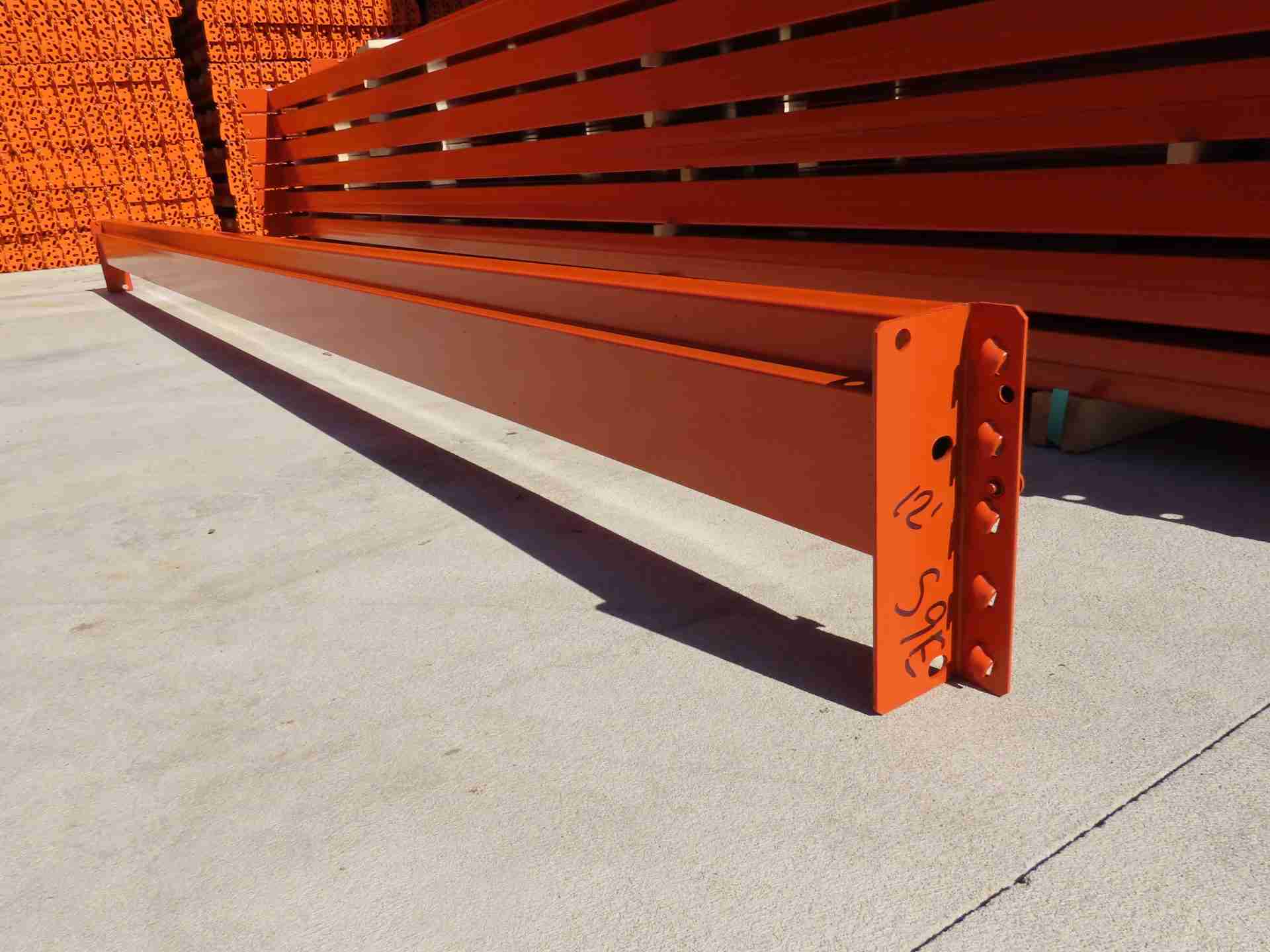
Conclusion
Conclusion:
- Efficiency in warehousing is critical for success and financial sustainability.
- Common issues include misplaced items, poor organization, insufficient training, and ineffective communication.
- Implementing a well-organized pallet racking system and an advanced inventory management solution can alleviate chaos.
- Investing in employee training and adopting new technologies fosters accountability and improves productivity.
- Partnering with Arrow Industrial Sales can help optimize your warehouse operations with tailored racking and inventory solutions.
- Delaying action leads to continued inefficiency and lost sales, prompting the need for immediate change.
- Contact Arrow Industrial Sales to start revitalizing your warehouse for improved efficiency and customer satisfaction.

Conclusion
Other Resources

Other Resources
Here is a list of other resources you can review online to learn more:
- Illinois Pallet Racking – WPRP
- Logic Material Handling
- Selective Rack – Raymond West
- Used Teardrop Pallet Rack – American Surplus
- Mustang Material Handling
- Warehouse Racking Layout: The Ultimate Guide – Conger
- Intro to Warehouse Racks & Warehouse Racking Systems – ShipBob
- Warehouse Racking Chicago, IL
- American Society of Safety Professionals
Use This Prompt To Get More Resources With Your Favorite Online AI Tool: Please provide me with a list of online articles with their URLs in a bulleted list that I can read regarding Is Your Team Constantly Searching for Lost Warehouse Items?

Other Resources
Glossary Terms
Is Your Team Constantly Searching for Lost Warehouse Items? – Glossary Of Terms
1. Inventory: The complete list of items and products stored in a warehouse, including quantities, descriptions, and locations.
2. Warehouse Management System (WMS): Software designed to support and optimize warehouse functionality and distribution center management.
3. SKU (Stock Keeping Unit): A unique identifier for each distinct product and service that can be purchased.
4. Stocktaking: The process of counting and verifying physical inventory to ensure accuracy of recorded stock levels.
5. Locational Labeling: A system of organizing and labeling physical locations within a warehouse to facilitate easy identification and retrieval of items.
6. Barcode: A machine-readable code in the form of a number, usually represented in vertical bars, that is used to track inventory.
7. RFID (Radio Frequency Identification): A technology that uses electromagnetic fields to automatically identify and track tags attached to objects.
8. Pick List: A document that specifies the items to be picked from the warehouse to fulfill a customer order.
9. Order Fulfillment: The complete process from when an order is placed until it is delivered to the customer, including picking, packing, and shipping.
10. Backorder: An item that is temporarily out of stock but is expected to be shipped to the customer once it becomes available.
11. Cycle Counting: An inventory auditing procedure where a small subset of inventory is counted on a specific day.
12. Lost Goods Reporting: A formal process of documenting items that are reported missing or lost in a warehouse setting.
13. Inventory Shrinkage: The loss of inventory due to theft, damage, mismanagement, or administrative errors.
14. Location Accuracy: A measure of how accurately warehouse items are stored and recorded in their designated locations.
15. Item Retrieval: The process of locating and extracting items from storage for shipment or sale.
16. Picking Errors: Mistakes made during the product selection process, resulting in the wrong items being picked.
17. Inventory Turnover: A ratio that shows how many times inventory is sold or used during a period, indicating product demand.
18. Stock Rotation: An inventory management practice ensuring that older stock is sold before newer items, often used in perishable goods.
19. Lead Time: The total time it takes from placing an order to the receipt of the inventory.
20. Automated Storage and Retrieval Systems (AS/RS): Technologies used to automatically place and retrieve items from storage locations.
21. Cross-Docking: A logistics practice where products are received and immediately shipped out, with minimal storage in-between.
22. Inventory Pod: Designated areas within a warehouse that store specific items for easy access and efficiency.
23. Palletization: The process of stacking products onto pallets to facilitate efficient transport and storage.
24. Threshold Stock Level: The minimum stock quantity maintained to avoid supply shortages.
25. Storage Density: A measure of how much inventory can be stored in a given warehouse space, maximizing available area.
26. Audit Trail: A record that allows the tracking of inventory changes over time, including movements and adjustments.
27. Loss Prevention: Strategies and practices aimed at reducing theft, damage, and misuse of inventory.
28. Team Communication: The exchange of information among team members regarding inventory status and retrieval processes.
29. Binning System: A method of organizing inventory using bins or containers to categorize and store items systematically.
30. Inventory Reconciliation: The process of comparing physical inventory counts against recorded inventory levels to identify discrepancies.

Glossary Of Terms
Other Questions
Is Your Team Constantly Searching for Lost Warehouse Items? – Other Questions
If you wish to explore and discover more, consider looking for answers to these questions:
- What are the best inventory management systems for warehouses?
- How can I implement a training program for my staff on pallet racking best practices?
- What technology solutions are available for warehouse organization?
- How can I assess the effectiveness of my current warehouse organization methods?
- What steps can I take to create a culture of accountability in my warehouse team?
- What tools or software can assist with real-time inventory tracking?
- How often should I conduct inventory audits to maintain accuracy?
- What are some effective labeling techniques for warehouse items?
- How can employee communication be improved in a warehouse setting?
- What are some case studies of successful warehouse organization transformations?
- How can we handle and minimize human errors in warehouses?
- What are common pitfalls to avoid in warehouse management?
- How does warehouse organization directly affect customer satisfaction?
- What are some metrics to measure warehouse efficiency?
- How can I foster teamwork among warehouse employees to enhance efficiency?

Other Questions
Checklist
Is Your Team Constantly Searching for Lost Warehouse Items? – A Checklist
Warehouse Organization Checklist: Maximize Efficiency & Minimize Loss
Use this checklist to implement proven warehouse organization strategies that improve efficiency and minimize losses related to lost items:
Inventory Management
1. Implement an Organized Inventory Management System
_____ Evaluate current inventory tracking methods.
_____ Choose software that provides real-time visibility.
2. Utilize Barcode or RFID Technology
_____ Invest in barcode scanners or RFID tagging for accurate tracking.
_____ Train staff on these systems for seamless use.
3. Conduct Regular Inventory Audits
_____ Schedule periodic checks to verify inventory counts.
_____ Evaluate and adjust practices based on audit findings.
Warehouse Layout & Design
4. Optimize Pallet Racking Systems
_____ Assess the current layout for efficiency.
_____ Ensure each item has a designated spot for easy access.
5. Develop a Clear Labeling Strategy
_____ Implement consistent labeling and color-coding.
_____ Ensure labels are easily visible and informative.
Staff Training & Development
6. Train Employees on Inventory Management Techniques
_____ Conduct workshops that focus on effective use of pallet racking and inventory tracking.
_____ Foster a culture of accountability and proactive problem-solving.
7. Enhance Communication Among Staff
_____ Establish clear, consistent communication channels.
_____ Encourage teamwork and the sharing of information.
Technology Integration
8. Adopt Inventory Management Software
_____ Choose software that integrates with existing systems.
_____ Ensure it provides valuable analytics for decision-making.
9. Utilize Mobile Access to Warehouse Layouts
_____ Provide staff with mobile devices or apps for warehouse navigation.
_____ Enable real-time access to inventory data.
Continuous Improvement
10. Evaluate and Adjust Practices Regularly
_____ Hold regular meetings to discuss challenges and solutions.
_____ Stay updated on best practices and emerging technologies in warehouse management.
Safety & Efficiency
11. Design Warehouse for Safety and Efficiency
_____ Assess layout for traffic flow and safety hazards.
_____ Make necessary adjustments to minimize congestion.
By implementing these strategies, you can alleviate the frustration of searching for lost items while enhancing productivity and fostering a positive team environment. Empower your warehouse team with the tools they need to succeed!

Checklist
At RackingWorld, we help guide you through selecting warehouse storage systems and racking.
Be sure to read our other related stories at RackingWorld to learn more about warehouse storage systems.
0 Comments