
Creating Safe And Efficient Aisles For Rack Assembly
By Tom Seest
At RackingWorld, we help guide you through selecting warehouse storage systems and racking.
Be sure to read our other related stories at RackingWorld to learn more about warehouse storage systems.
How to Mark Aisle Widths Before Rack Assembly
Marking aisle widths before racking assembly is more than just a practical task; it’s about laying the groundwork for a safe and efficient workspace. When you take the time to measure and mark each aisle, you’re not just establishing physical boundaries; you’re carving out a breathing space for everyone who will navigate these aisles daily. Imagine a team, buzzing with energy, confidently moving materials with the ease that proper spacing affords. You’re not just creating a warehouse; you’re cultivating a system where productivity meets safety.
Before putting those racks together, gather the crew and share the vision. Each member should understand why these aisles matter—they’re not just lines on the floor; they’re channels of flow. Talk about how the right spacing reduces the risk of collisions, allows for easier maneuvering of forklifts, and creates a more efficient operation. When the crew sees the bigger picture, they’ll feel invested in the process, knowing their safety and productivity are paramount.
Now, let’s put tools to work. Start with a measuring tape—your trusty sidekick—then grab some chalk or tape. Take a moment to measure the width needed not just for the racks but also for any equipment that will traverse those aisles. Racking is about strategic organization; every inch matters. Engaging your crew in this process helps them understand the nuances of the layout. Encourage everyone to participate, creating a sense of ownership. After all, this is their workspace; they are the ones who will feel the benefits or suffer the consequences.
Once you have marked the aisles, step back and appreciate what you’ve done. You’ve paved the way for a safer, more efficient environment. It’s not just about following protocols; it’s about creating an ethical commitment to worker safety and operational excellence. When employees feel secure in their surroundings, it boosts morale and fosters camaraderie.
Finally, don’t just mark and forget. Make it a regular practice to assess the space. Are those aisles still adequate? Is the system working? Regular checks determine whether you are still on track. By prioritizing safety and organization from the very start, you build a foundation that will serve your team well. A solid approach that goes beyond racking—this is about respect, diligence, and connection to the community you’re building.

How to Mark Aisle Widths Before Rack Assembly
How to Mark Aisle Widths Before Rack Assembly
- Marking aisle widths is essential for a safe and efficient workspace.
- Proper spacing creates a conducive environment for team productivity and safety.
- Educating the crew on the importance of aisle markings fosters investment in the process.
- Using tools like measuring tapes and chalk ensures precise aisle measurements.
- Engaging the crew in the marking process creates a sense of ownership and responsibility.
- Regular assessments of the marked aisles ensure continued safety and efficiency.
- This practice builds a foundation of respect, diligence, and community within the workspace.

How to Mark Aisle Widths Before Rack Assembly
Table Of Contents
- How to Mark Aisle Widths Before Rack Assembly
- How Do Different Aisle Widths Impact Efficiency In a Busy Space?
- Are You Following Industry Standards for Aisle Width to Ensure Safety?
- What Stories Illustrate the Importance Of Adequate Aisle Widths?
- Should We Consider Ergonomic Factors When Designing Aisle Widths?
- How Do Customer Experiences Change with Organized Aisle Widths?
- Conclusion
- Other Resources
- Glossary Of Terms
- Other Questions
- Checklist
How Do Different Aisle Widths Impact Efficiency In a Busy Space?
When you step into a bustling space—be it a warehouse, grocery store, or even a bustling library—the width of the aisles creates an invisible dance floor. It sets the rhythm of movement, the pace of productivity, and ultimately, the efficiency of the operations. Picture this: you’re navigating through tight aisles, dodging carts, children, and the occasional wandering adult. Frustration lingers as you jockey for space, your heart racing, and your patience wearing thin. This isn’t merely about personal discomfort; it’s a story that unfolds in every corner of a busy environment.
Aisle width impacts not just our physical journey but our mental clarity. Narrow aisles can lead to increased congestion, confusion, and ultimately, stunted productivity. With racking setups designed for maximum space utilization, it’s vital to balance storage needs with the freedom to move. Think of a congested highway—fewer lanes mean more traffic jams, and increased stress levels. Now imagine wide, flowing pathways that promote smooth transitions and ease of access. This isn’t just a dream; it’s achievable and something we can advocate for in our busy spaces.
Embracing wider aisles is about more than just convenience. It touches that ethical call to create environments where everyone can navigate safely and swiftly. Accessibility shouldn’t be a luxury; it’s a basic human right—whether you’re a tired parent with two toddlers or an elderly person using a walker. Every inch matters, and choosing the right aisle width reflects a community’s values and commitment to inclusivity.
Moreover, consider the ripple effect wider aisles have on social interaction. In spaces with room to breathe, people are more inclined to strike up a conversation, share a smile, or lend a hand. It fosters connections that can uplift us in a world that often feels disconnected. The authority we hold in designing efficient spaces comes with responsibility—the responsibility to enhance not just operational efficiency but the human experience.
Ultimately, when we choose to advocate for thoughtful aisle widths, we’re not just optimizing space; we’re inspiring a culture rooted in respect, efficiency, and connection. So the next time you’re in a busy space, take a moment to notice the aisles. They are more than mere pathways; they are the lifelines of productivity and community, waiting to welcome us to a better, more efficient experience.
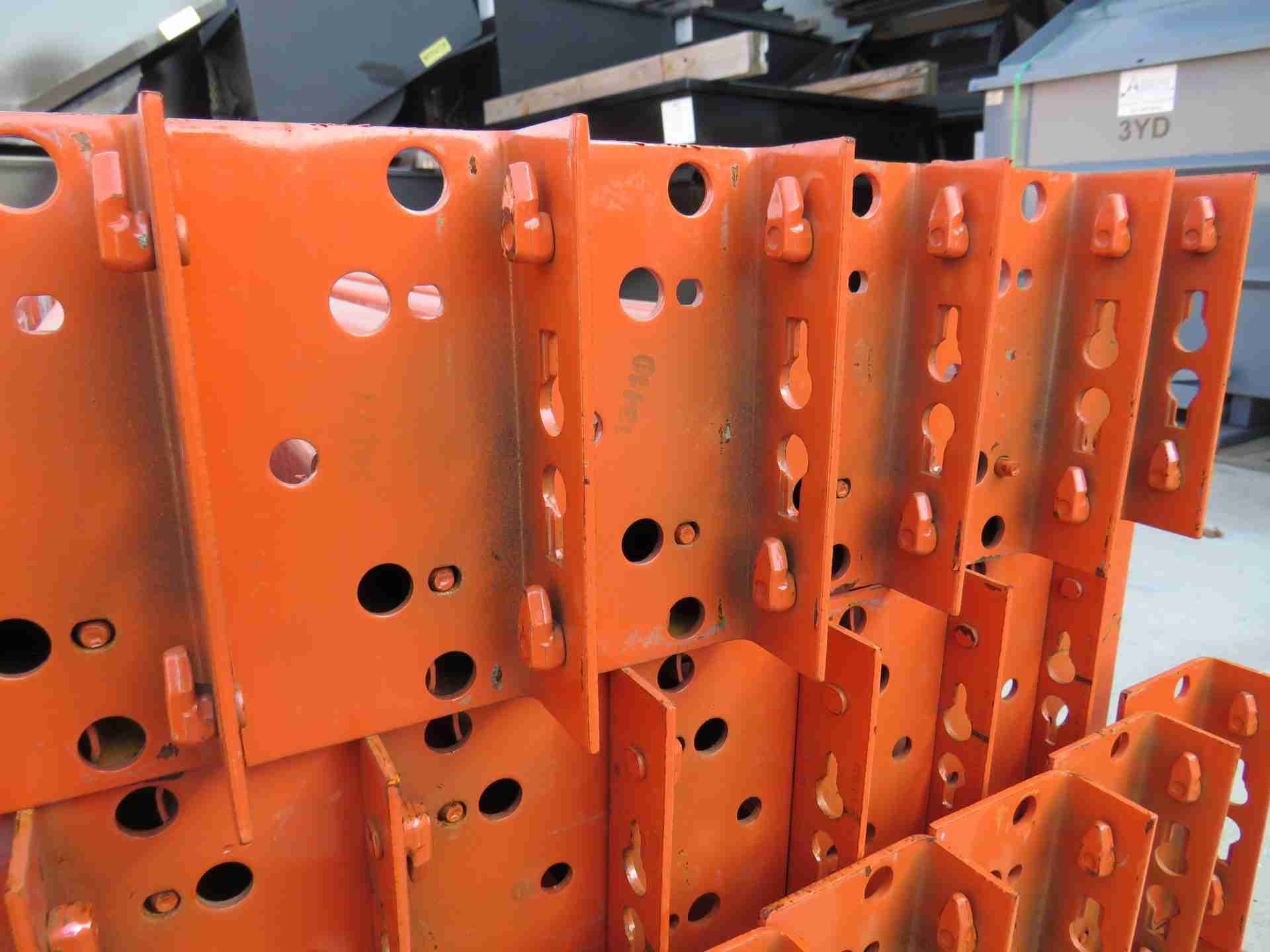
How Do Different Aisle Widths Impact Efficiency In a Busy Space?
How Do Different Aisle Widths Impact Efficiency In a Busy Space?
- Aisle width in busy spaces impacts movement, productivity, and operational efficiency.
- Narrow aisles create congestion, confusion, and can reduce mental clarity and productivity.
- Proper racking setups must balance storage needs with the freedom of movement.
- Wider aisles promote smooth transitions and contribute to reduced stress levels.
- Accessibility in aisle design is a fundamental human right, benefiting diverse groups, including parents and the elderly.
- Wider aisles encourage social interaction, creating opportunities for connection and community building.
- Advocating for thoughtful aisle widths enhances both operational efficiency and the overall human experience.

How Do Different Aisle Widths Impact Efficiency In a Busy Space?
Are You Following Industry Standards for Aisle Width to Ensure Safety?
When it comes to warehouse safety, one often overlooked aspect is aisle width. It may seem like a minor detail in the grand scheme of operations, but the reality is stark: inadequate aisle widths can lead to catastrophic consequences. The truth is, when you’re navigating a bustling warehouse filled with racks of goods and machinery, every inch matters. Racking systems may be designed to maximize storage, but if your aisle widths don’t allow for safe movement, you’re inviting danger into your workplace.
Imagine a scenario where an employee is rushing to fulfill an order, wheeling a pallet jack down a narrow aisle. Suddenly, equipment comes barreling around the corner, and there’s nowhere to go. The heart races, the gut clenches, and in that split second, the stakes soar. Those are the moments that can turn a regular workday into a life-altering event, echoing through families and communities.
From a rational standpoint, following industry standards for aisle widths is not just a regulatory checkbox; it’s a foundational element of a safe work environment. According to OSHA and other safety organizations, various factors dictate the required aisle widths based on the equipment being used and the volume of traffic. Embracing these standards isn’t simply about compliance; it’s about fostering a culture of safety that values every worker.
Moreover, there’s an ethical dimension to this conversation. Employers have a moral obligation to provide their teams with a safe working environment. Assessing and implementing proper aisle widths isn’t just good practice; it’s a commitment to your workforce’s well-being. Each employee deserves to feel secure while performing their duties, knowing that their employer prioritizes their safety.
Sharing stories from your own workplace can also create a powerful connection. Perhaps you have witnessed a close call that could have been avoided with proper aisle spacing, or have experienced firsthand the stress of navigating tight quarters—each personal touch amplifies the issue. When we share these stories, we’re not just discussing numbers; we’re talking about lives.
At the end of the day, it’s about trust and responsibility. Together, let’s advocate for adherence to industry standards. By ensuring appropriate aisle widths, we’re not only protecting our teams; we’re promoting a culture where safety comes first. It’s time to rethink our spaces, create safer environments, and ultimately, allow every worker to return home safe and sound.

Are You Following Industry Standards for Aisle Width to Ensure Safety?
Are You Following Industry Standards for Aisle Width to Ensure Safety?
- Aisle width is a crucial yet often overlooked aspect of warehouse safety.
- Inadequate aisle widths can lead to severe accidents and unsafe working conditions.
- Industry standards for aisle widths, as recommended by OSHA, are essential for safe navigation in warehouses.
- Employers have an ethical obligation to provide a safe working environment for their employees.
- Sharing personal stories about close calls or stressful situations can help emphasize the importance of proper aisle spacing.
- Advocating for adherence to safety standards fosters a culture of safety and responsibility within the workplace.
- Prioritizing aisle width safety ensures that workers can perform their duties without unnecessary risks, promoting well-being..

Are You Following Industry Standards for Aisle Width to Ensure Safety?
What Stories Illustrate the Importance Of Adequate Aisle Widths?
When it comes to warehouse design, the width of aisles often takes a backseat to aesthetics and storage density. Yet, let’s take a moment to understand the profound implications that inadequate aisle widths can have on real lives. Picture this: a mother, navigated by love and responsibility, rushing to pick up a few essential supplies. She’s pushing a cart filled with groceries, her child in tow, when suddenly, she finds herself trapped in a narrow aisle—surrounded by towering racking systems and merchandise too close for comfort. It’s a moment that ignites a sense of urgency, but the tight quarters make it difficult to maneuver.
Now, think about the worker tasked with restocking those shelves. In the hustle and bustle of a busy day, he needs to move quickly and efficiently, but the aisles are too cramped. Every misplaced box could lead to an accident, or worse, an injury. The cost? Not just in dollars and cents, but in trust and safety—a company’s credibility hangs in the balance. When employees feel safe, they’ll perform better, and when they perform better, everyone wins.
Let’s not ignore the ethical responsibility we all share in creating environments where people can thrive. Adequate aisle widths, often seen as a minor detail, are a fundamental aspect of operational ethics. A wider space means more than just convenience; it translates to respect and consideration for every person who walks through those aisles. When we prioritize this, we create a culture of care—a foundation for social responsibility within the community.
Take a step back, and consider this scenario from a broader perspective. Imagine a bustling warehouse that not only meets operational demands but also fosters connection—where customers feel at ease, employees take pride in their work, and families can navigate without fear. Adequate aisle widths are an investment in human experience, a commitment to seamless interaction, and a chance to build a legacy of safety and reliability.
The call to action is clear: advocate for smart design, encourage thoughtful planning, and support policies that emphasize safety over congestion. When we prioritize adequate aisle widths, we’re not just optimizing space; we’re fostering trust and ensuring that every journey—whether for work or grocery shopping—remains a story worth telling. It’s not just about aisles; it’s about people.

What Stories Illustrate the Importance Of Adequate Aisle Widths?
What Stories Illustrate the Importance Of Adequate Aisle Widths?
- Aisle width in warehouse design often overlooked for aesthetics and storage density.
- Narrow aisles pose challenges for shoppers, causing feelings of urgency and difficulty in maneuvering.
- Cramped aisles hinder workers’ efficiency and increase the risk of accidents and injuries.
- Employee safety and trust directly impact company credibility and performance.
- Adequate aisle widths reflect ethical responsibility, promoting respect for all individuals navigating the space.
- Wider aisles foster a positive environment for customers and employees, enhancing their experiences.
- Advocacy for smart design and safety-focused policies is crucial for optimizing warehouse environments.

What Stories Illustrate the Importance Of Adequate Aisle Widths?
Should We Consider Ergonomic Factors When Designing Aisle Widths?
When it comes to designing aisle widths, we often get so caught up in optimizing space and maximizing product display that we forget about the real human beings who navigate through those aisles every day. Imagine a mother pushing a stroller, her child giddy with the promise of a snack, interrupted by the frustration of cramped spaces. Or picture an elderly gentleman, trying to squeeze past towering racks. This isn’t just about convenience; it’s about dignity.
Racking and aisle widths are crucial to creating an environment that’s not only efficient but also compassionate. When we prioritize ergonomic factors in our designs, we acknowledge that our spaces must cater to everyone, from busy parents to disabled individuals. This isn’t merely a logistical consideration; it’s an ethical obligation. Failure to create accessible spaces doesn’t just risk physical discomfort; it can exclude people from enjoying a community hub that should be welcoming to all.
From a rational standpoint, wider aisles promote smoother traffic flow, reducing wait times at checkout and making shopping less stressful. It’s a win-win; shorter queues lead to happier customers, which translates into improved sales for businesses, fostering a connection with the community they serve. Not to mention, the operational efficiency that comes with thoughtful design can drive profits, too.
We’ve all been there—wrestling a cart through a maze of narrow paths, losing patience with every dodge and weaving. It’s about trust, too. Customers are more likely to return to a space that doesn’t feel claustrophobic. When businesses take ergonomic factors into account, they project an image of care and responsibility; they’re saying, “We see you, and we want you to have a good experience.”
Let’s face it: we’re all part of the fabric of our communities. The choices we make, whether we’re designing or shopping, influence others. By fostering spaces that consider the physical realities of our diverse population, we’re not just designing aisles; we’re paving the way to a more inclusive world. Embracing ergonomic factors isn’t merely a matter of compliance; it’s an opportunity to connect, empower, and uplift our neighbors. Let’s choose to create environments that resonate with empathy and respect, where everyone feels valued and understood. Because at the end of the day, a well-designed aisle isn’t just a path through a store; it’s a pathway to a better experience for all.

Should We Consider Ergonomic Factors When Designing Aisle Widths?
Should We Consider Ergonomic Factors When Designing Aisle Widths?
- Aisle widths should prioritize human experience over mere space optimization.
- Designs must accommodate diverse individuals, including parents with strollers and elderly shoppers.
- Wide aisles promote smoother traffic flow, reducing wait times and enhancing customer satisfaction.
- Creating accessible spaces is an ethical obligation and fosters community inclusion.
- Thoughtful design not only improves customer experience but can also boost sales and profits.
- Customers trust businesses that prioritize ergonomics and project care for their well-being.
- Inclusive design choices contribute to a more empathetic and respectful community environment.

Should We Consider Ergonomic Factors When Designing Aisle Widths?
How Do Customer Experiences Change with Organized Aisle Widths?
When it comes to shopping, we often overlook the simple yet profound impact of organized aisle widths on our experiences. Picture yourself in a bustling supermarket, where neatly racked goods line the shelves, and aisle widths offer ample space to maneuver. It’s not just about convenience; it’s about feeling at ease, about navigating the labyrinth of choices without the claustrophobic sensation of being trapped in a crowded room. In every step you take, there’s an undeniable emotional resonance—satisfaction mingles with empowerment as you confidently explore each aisle, guided not just by the products displayed but by the intentional design of the environment around you.
Think for a moment about the person on the other side of those organized racking systems, the one whose job it is to place products within arm’s reach and ensure every shopping visit feels like a breeze. Their work isn’t merely logistical; it’s a commitment to enhancing your experience. When aisle widths are thoughtfully designed, they become a silent guide, inviting us to linger, to explore, and yes, even to connect with those who share our path. This isn’t just about shopping; it’s about creating a community space where connections are made—people stopping to chat, kids racing down the aisles, and families making decisions together.
Now, think about the logic of the situation. Wider aisles foster better customer experiences, leading to higher satisfaction and loyalty. It’s a practical decision that resonates with the bottom line. Retailers who invest in well-organized spaces see tangible benefits: happier customers tend to spend more. So, not only is this about enhancing your visit; it’s a smart business move. When stores prioritize your comfort, they earn your trust.
Yet, there’s an ethical layer here that shouldn’t be ignored: everyone deserves an enjoyable shopping experience, regardless of physical ability. Wider aisles ensure that everyone, including those with mobility challenges, can engage fully with the retail environment. This creates a sense of belonging—a silent promise that no one is left behind.
The evolution of customer experiences begins at the intersection of practicality and empathy. By acknowledging the importance of organized aisle widths, we’re not just redesigning stores; we’re reshaping our communal fabric. Let’s advocate for spaces that welcome, embrace, and inspire, leaving us not just satisfied but uplifted.

How Do Customer Experiences Change with Organized Aisle Widths?
How Do Customer Experiences Change with Organized Aisle Widths?
- Organized aisle widths significantly enhance the shopping experience by providing ample space for navigation.
- Wider aisles reduce feelings of claustrophobia and promote a sense of ease and empowerment while shopping.
- The role of store staff is crucial in creating an enjoyable shopping atmosphere through product placement and organization.
- Thoughtfully designed spaces encourage customer engagement, exploration, and community connections.
- Wider aisles contribute to higher customer satisfaction and loyalty, benefiting retailers financially.
- Accessibility for individuals with mobility challenges is an essential consideration in aisle design, promoting inclusivity.
- The push for organized aisle widths represents a broader commitment to empathy and community in retail environments.

How Do Customer Experiences Change with Organized Aisle Widths?
Conclusion
Marking aisle widths before racking assembly isn’t just an exercise in logistics; it’s a cornerstone for creating a safe, efficient, and thriving workplace. Think about it: every time teams navigate through aisles that have been thoughtfully designed, they aren’t just moving goods—they’re contributing to a culture that prioritizes safety and productivity. This isn’t merely about drawing lines on the floor. It’s about setting the scene for a bustling exchange of ideas, energy, and camaraderie among workers who feel empowered in their environment.
When you engage your crew in the process, explaining the significance of proper aisle spacing, you’re giving them a stake in the operation. They’ll come to see these aisles as pathways to smoother workflows, reduced collision risks, and a more efficient operation. It’s about mutual respect—the kind that nurtures morale while reinforcing a collective commitment to best practices. Each member of your team should feel that their safety matters; that their workplace isn’t just functional, but also a habitat designed with care.
Adequate aisle widths extend far beyond mere compliance with regulations—they reflect an ethical obligation to ensure that every worker can perform their duties without the looming threat of danger. Picture the peace of mind that comes from knowing you can move through your workplace without risking an accident. This isn’t just a thoughtful adjustment; it’s a lifeline for building trust and fostering a sense of community.
Your decision to prioritize aisle widths sends a clear message: you care about the well-being of your workers and the efficiency of your operations. This investment pays dividends, resulting in higher morale and productive interactions. Imagine a work environment where every employee can focus on their tasks rather than navigate the stress of cramped spaces. What’s more, the ripple effects reach into broader social interactions as well. Wider aisles encourage connections, conversations, and a spirit of togetherness that enriches everyone’s experience.
As we dive into this conversation about proper aisle widths, let’s advocate for a culture that values human-centric design. It’s not just about fitting in more racks or optimizing space; it’s about crafting an experience where every person feels valued and respected. So, whether you’re a warehouse manager or a small business owner, remember that every decision about aisle widths isn’t just a practical concern; it’s a powerful statement about who we are as a community. Prioritize this, and you’ll foster not just efficiency, but a larger legacy of safety and connection.

Conclusion
Conclusion:
- Marking aisle widths is crucial for a safe and efficient workplace.
- Thoughtfully designed aisles enhance safety and productivity, contributing to workplace culture.
- Involving employees in the aisle spacing process fosters a sense of ownership and engagement.
- Adequate aisle widths demonstrate a commitment to worker safety beyond mere legal compliance.
- Prioritizing aisle widths enhances morale and promotes more productive interactions among employees.
- Wider aisles facilitate better social interactions and connections among team members.
- Decisions regarding aisle widths reflect a commitment to human-centric design and community values.

Conclusion
Other Resources

Other Resources
Here is a list of other resources you can review online to learn more:
- Material Handling Industry
- Logic Material Handling
- Intro to Warehouse Racks & Warehouse Racking Systems – ShipBob
- Cantilever Rack Guide: Ordering Cantilever Racking
- What is Cantilever Racking? – AK Material Handling Systems
- Shipping Boxes, Packaging Materials, Pallet Racking
- Cantilever Rack Configuration & Installation: A Comprehensive Guide – BMH
- SEMA
- Cantilever Racking Specialists – Get the Right Racks
- Crane Manufacturers Association Of America Inc.
- Interlake
- Cantilever Rack Guide: Ordering Cantilever Racking
- Racking World
- Pallet Racks, Pallet Racking, Pallet Shelves in Stock – ULINE
- Iowa Illinois Warehouse Racking
- NSC
- Selective Racking
- Total Warehouse
- Warehouse Storage Racks
- Storage Equipment Manufacturers’ Association
Use This Prompt To Get More Resources With Your Favorite Online AI Tool: Please provide me with a list of online articles with their URLs in a bulleted list that I can read regarding How to Mark Aisle Widths Before Rack Assembly

Other Resources
Glossary Terms
How to Mark Aisle Widths Before Rack Assembly – Glossary Of Terms
1. Aisle Width: The measured space between two rows of storage racks, allowing for safe and efficient movement of personnel and equipment.
2. Rack Assembly: The process of constructing storage racks using components such as beams, uprights, and connectors.
3. Layout Design: The planning stage where the placement and dimensions of aisles and racks are determined.
4. Measuring Tape: A tool used to accurately measure the dimensions of aisles and the spacing of racks.
5. Chalk Line: A tool used to mark straight lines over distances for guidance in positioning racks and defining aisle widths.
6. Pallet Jack: A manual or electric device used to lift and transport pallets, influencing aisle width requirements.
7. Forklift: A powered vehicle designed to lift and move heavy loads, necessitating specific aisle width for safe operation.
8. Safety Standards: Regulations and guidelines that dictate minimum aisle width requirements to ensure safe operations.
9. Cross-Aisle Space: The area designated for movement between parallel aisles, critical for safety and access.
10. Barrier Tape: A warning tape used to designate an area as off-limits or to mark the edges of aisles during assembly.
11. Floor Markings: Permanent or temporary lines made on the floor to define aisles and pathways.
12. CAD Software: Computer-Aided Design tools that assist in planning and visualizing warehouse layouts.
13. Ergonomics: The study of efficiency in a workplace, influencing aisle dimensions to reduce worker strain and enhance safety.
14. Clearance: The minimum height and width above and between aisles and racks, ensuring safe passage for equipment.
15. Space Utilization: The effective management of available space in a warehouse, influenced by aisle width selection.
16. Load Capacity: The maximum weight that racks and aisles can support, dictating specific design and alignment choices.
17. Traffic Flow: The movement patterns of personnel and vehicles in a warehouse, which must be considered when marking aisles.
18. Safety Signage: Visual indicators placed throughout a warehouse to communicate important information, including aisle usage and restrictions.
19. Accessibility: The ease with which personnel and equipment can navigate aisles and access stored items.
20. Guidelines: Recommended practices or instructions that help ensure aisles are marked correctly and safely.
21. Racking Systems: Structures that hold goods in a warehouse, influencing the necessary aisle dimensions for operation.
22. Assembly Tools: Instruments like wrenches and screwdrivers used in the construction of racks and marking of aisles.
23. Inspection: The process of checking marked aisles for accuracy and compliance with safety regulations before rack assembly.
24. Operational Efficiency: The effectiveness of warehouse processes, often improved by appropriately marked aisles.
25. Inventory Management: The supervision of stock levels and placements that can be affected by aisle configurations.
26. Storage Density: The compactness of storage arrangements, which can impact aisle width decisions.
27. Workplace Safety: Practices and measures taken to ensure the health and safety of workers, including proper aisle width.
28. Lighting: The illumination in a warehouse, which can affect visibility when determining and marking aisles.
29. Environmental Conditions: Factors such as temperature and humidity that may influence material choice for aisle markings.
30. Maintenance: The ongoing care and inspection of warehouse setups, crucial for ensuring marked aisles remain clear and functional.

Glossary Of Terms
Other Questions
How to Mark Aisle Widths Before Rack Assembly – Other Questions
If you wish to explore and discover more, consider looking for answers to these questions:
- What tools are necessary for marking aisle widths effectively?
- What are the industry standards for aisle widths based on different equipment types?
- How can improper aisle widths lead to safety hazards?
- What role do aisle widths play in employee morale and productivity?
- Are there specific regulations or guidelines that need to be followed when designing warehouse aisles?
- How can we assess whether current aisle widths are sufficient for safety and efficiency?
- What are some best practices for engaging employees in the aisle marking process?
- How does aisle width affect accessibility for individuals with disabilities?
- What are the long-term benefits of investing in proper aisle width design?
- How can wider aisles facilitate better customer experiences in retail environments?
- What stories or examples illustrate the impact of aisle width on operational safety?
- How frequently should aisle widths be evaluated and updated?
- What are the ethical considerations related to aisle widths in public spaces?
- How can businesses measure the success of their aisle width designs?
- What challenges might arise when implementing wider aisles in existing layouts?

Other Questions
Checklist
How to Mark Aisle Widths Before Rack Assembly – A Checklist
Aisle Widths Checklist: Building Safe, Efficient, and Inclusive Spaces
Emotional Appeals
_____ Visualize Safety: Picture a bustling workspace where everyone moves confidently without fear of collisions.
_____ Empower Connection: Imagine the social interactions that flourish in spacious, open aisles.
Rational Appeals
_____ Measure for Success: Ensure aisle widths align with industry standards for safety (refer to OSHA guidelines).
_____ Plan for Flow: Evaluate the current traffic patterns; are the aisles facilitating smooth movement and accessibility?
Ethical Appeals
_____ Foster Inclusivity: Advocate for designs that accommodate all individuals, including those with mobility challenges.
_____ Commit to Well-Being: Prioritize employee safety by implementing proper aisle widths that enhance operational excellence.
Authority Appeals
_____ Consult Experts: Gather insights from safety organizations and warehouse design professionals on best practices for aisle widths.
_____ Regular Training: Involve your team in training sessions that emphasize the importance of proper space management.
Narrative Appeals
_____ Share Stories: Discuss incidents from your workplace that showcase the importance of adequate aisle widths for safety and efficiency.
_____ Create a Vision: Develop a narrative around your workspace that highlights the commitment to safety and community.
Social Appeals
_____ Engage the Crew: Involve all team members in the marking process, encouraging ownership and investment in their workspace.
_____ Feedback Loop: Establish a regular check-in with the team to assess aisle effectiveness and encourage sharing of experiences and suggestions.
Regular Assessment
_____ Continuous Improvement: Create a schedule for regular evaluations of aisle widths to ensure ongoing safety and efficiency.
_____ Adapt as Needed: Remain flexible to make changes based on feedback and evolving workplace needs.
This checklist will help cultivate a safer and more efficient environment, ultimately benefiting everyone who navigates through these spaces.

Checklist
At RackingWorld, we help guide you through selecting warehouse storage systems and racking.
Be sure to read our other related stories at RackingWorld to learn more about warehouse storage systems.
0 Comments