
Optimizing Warehouse Storage For Seasonal Shifts
By Tom Seest
At RackingWorld, we help guide you through selecting warehouse storage systems and racking.
Be sure to read our other related stories at RackingWorld to learn more about warehouse storage systems.
How Do Seasonal Changes Affect Your Warehouse Storage Strategies?
As the seasons shift, so too do the demands on your warehouse. Have you ever noticed how your inventory levels dance in rhythm with the drop of autumn leaves or the first blooms of spring? Seasonal changes are more than just a beautiful transformation—they’re a powerful catalyst for reevaluating your storage strategies.
Let’s dig into the heart of the matter. When winter chills your warehouse, you might find that certain products fly off the shelves, while others languish in storage. Conversely, summer heat can prompt a spike in demand for specific goods. This ebb and flow of inventory necessitates a dynamic approach to how you manage your space.
One essential component of optimizing your storage is the strategic use of pallet racking. Imagine this: your warehouse floor is cluttered, your products are haphazardly strewn about, and that leads to frustration—not just for you but for everyone on your team. But with smartly configured pallet racking, you can efficiently utilize your vertical space, allowing for easier access to frequently rotated items while preserving less popular stock for those slower seasons. The result? A streamlined operation that saves time and boosts productivity.
But it’s not just about the physical arrangement. Seasonal changes should also inform your overall inventory management strategy. For instance, as the colder months encourage an uptick in home goods, your warehouse can prepare by increasing the allocation of pallet racking for these items ahead of time. This proactive stance not only helps you maintain a competitive edge but also builds trust with your customers. They’ll know that when they need a product, you’ll have it available—no scrambling required!
Furthermore, consider how advancements in technology, such as inventory management systems, can amplify the effectiveness of your pallet racking and overall storage strategies. These tools can help you predict seasonal trends, manage supplies, and anticipate demand, ensuring you’re never caught off guard.
As you embrace the changing seasons, remember: an engaged and prepared warehouse is the backbone of your business. By leveraging smart storage solutions like pallet racking and keen insights into your inventory, you not only enhance your operational efficiency but also foster a relationship of trust and reliability with your customers. Embrace the seasonal shifts, adapt your strategies, and watch your warehouse—and your business—thrive.

How Do Seasonal Changes Affect Your Warehouse Storage Strategies?
How Do Seasonal Changes Affect Your Warehouse Storage Strategies?
- Seasonal changes impact warehouse inventory levels, requiring reevaluation of storage strategies.
- Winter and summer demand fluctuations necessitate dynamic inventory management approaches.
- Strategic use of pallet racking optimizes vertical space and improves product accessibility.
- Proactively adjusting storage for seasonal goods enhances operational efficiency and customer trust.
- Technology, like inventory management systems, supports accurate demand forecasting and supply management.
- Prepared warehouses are crucial for business success, allowing for increased productivity and reliability.
- Adapting strategies to seasonal shifts fosters growth in both warehouse operations and customer relationships.

How Do Seasonal Changes Affect Your Warehouse Storage Strategies?
Table Of Contents
- How Do Seasonal Changes Affect Your Warehouse Storage Strategies?
- What Are Seasonal Fluctuations In Inventory Demand?
- How Do Temperature Changes Impact Warehouse Storage?
- What Strategies Can Optimize Space During Seasonal Shifts?
- How Can You Predict Seasonal Trends In Inventory?
- What Role Do Seasonal Products Play In Your Warehouse?
- How Do Staff Scheduling Needs Change With The Seasons?
- Conclusion
- Other Resources
- Glossary Of Terms
- Other Questions
- Checklist
What Are Seasonal Fluctuations In Inventory Demand?
Seasonal fluctuations in inventory demand are the familiar ebb and flow of consumer behavior that you’ve experienced year after year, regardless of your industry. Picture this: a vibrant wave of eager customers during the holiday season, rushing to snag their favorite products. Then, almost as quickly as it arrived, that wave recedes, leaving you staring at empty shelves—or worse, overstocked items gathering dust. Understanding these patterns is crucial for any business eager to thrive in today’s competitive landscape.
What drives these seasonal changes? It’s not just about holidays and festivities. Changes in weather, cultural events, and even new product launches can send your inventory demand on a rollercoaster ride. For instance, think about how winter coats fly off the racks as the first snow falls, while sunscreen and beach towels dominate the shelves as summer approaches. The secret to successful inventory management lies in anticipating these shifts and preparing your warehouse—and your mind—accordingly.
Now, let’s talk about pallet racking systems. They play an essential role in how you manage seasonal inventory. A well-structured pallet racking system allows you to adapt quickly to varying inventory levels, maximizing your space and keeping your products organized. Imagine having a flexible layout that can easily accommodate both high-demand seasonal items and your day-to-day staples. When demand spikes, your warehouse becomes a well-oiled machine, allowing you to fulfill orders promptly and keep your customers smiling.
To ride the tides of seasonal demand, it’s essential to plan ahead. Conduct an inventory audit well before peak periods to identify slow-moving items and consider promotional strategies to clear them out. Analyze historical sales data to predict trends, empowering yourself to make data-driven decisions that align your stock levels with customer needs. Collaboration with your suppliers will allow you to replenish popular items efficiently, ensuring you aren’t left high and dry during peak seasons.
Let’s face it: in the world of retail and e-commerce, confidence in your inventory strategy is non-negotiable. Recognizing the impact of seasonal fluctuations equips you with the knowledge to turn potential chaos into opportunity. So, gear up, embrace the rhythm of your market, and let your inventory management practices transform the peaks and valleys into a consistent profit. By doing so, you’re not just reacting to change—you’re mastering it.
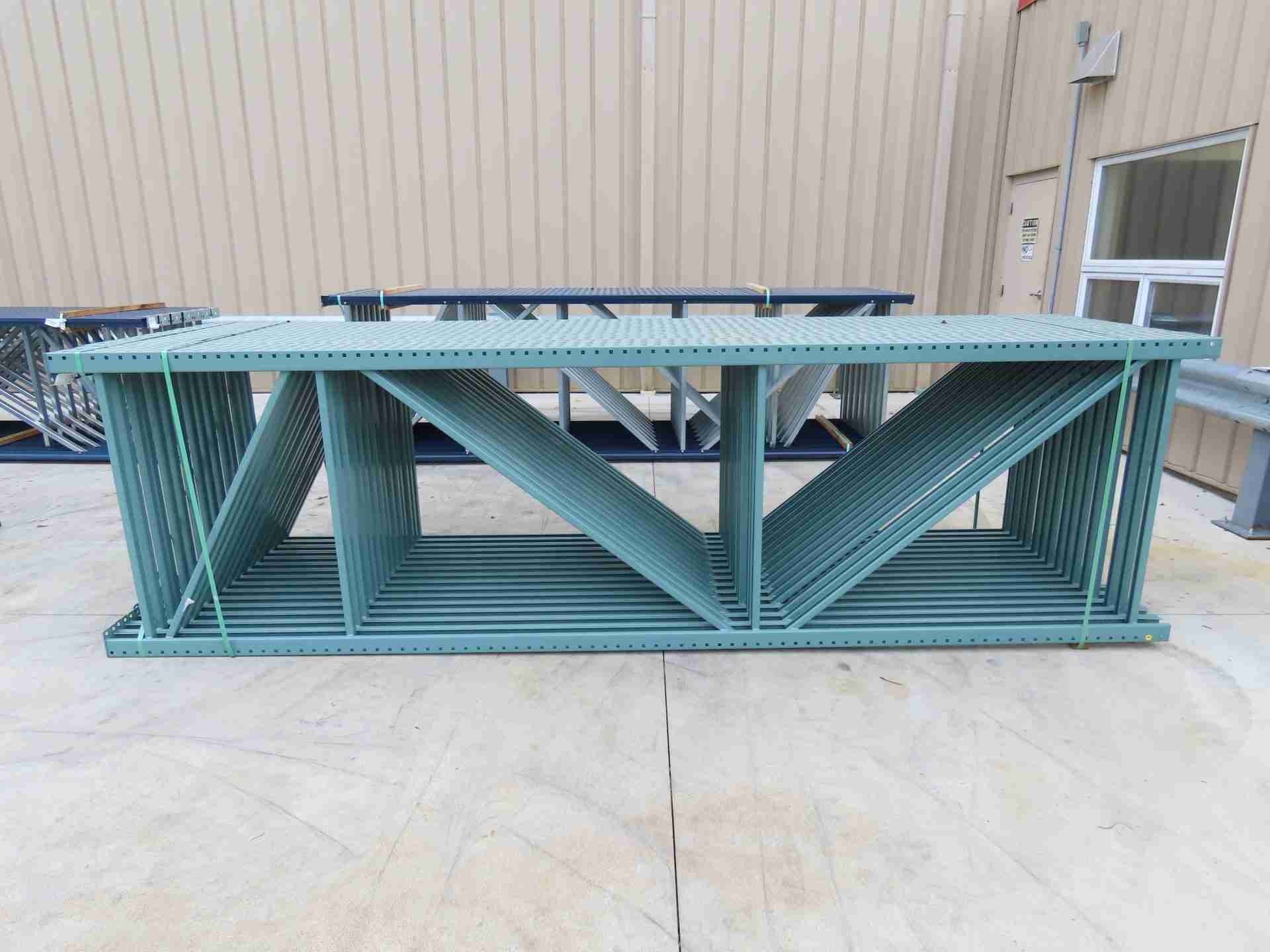
What Are Seasonal Fluctuations In Inventory Demand?
What Are Seasonal Fluctuations In Inventory Demand?
- Seasonal fluctuations in inventory demand reflect changing consumer behavior, influenced by holidays and other factors.
- Weather changes, cultural events, and product launches can significantly impact inventory levels.
- A well-structured pallet racking system enhances inventory management, allowing for quick adaptation to varying demand.
- Planning ahead, including conducting inventory audits, is crucial for managing seasonal demand effectively.
- Analyzing historical sales data helps in predicting trends and aligning stock levels with customer needs.
- Collaboration with suppliers ensures efficient replenishment of popular items during peak seasons.
- Confidence in inventory strategy allows businesses to transform seasonal challenges into consistent profit opportunities.

What Are Seasonal Fluctuations In Inventory Demand?
How Do Temperature Changes Impact Warehouse Storage?
Have you ever walked into a warehouse and felt the difference in temperature from one aisle to the next? It’s more than just a matter of comfort; those temperature variations can have a profound impact on your stored goods. As we navigate the complexities of modern warehousing, understanding how temperature changes influence your pallet racking and inventory becomes imperative.
Let’s envision a scenario. You’ve invested heavily in quality products, carefully arranged on sturdy pallet racking. But what happens when the temperature fluctuates? Your carefully calibrated environment can turn precarious… or even disastrous. For instance, heat can compromise the integrity of certain materials, resulting in warped pallets or damaged goods. Cold temperatures may lead to brittle products poised to shatter at any moment. It’s like playing a game of Jenga; one wrong move can lead to a total collapse.
But fear not! Awareness is the first step toward prevention. By monitoring temperatures within your warehouse, you can implement climate control strategies that align with the needs of your products. Imagine the confidence that comes from knowing your inventory is safe and sound, unaffected by external elements. Investing in temperature-regulating equipment may seem daunting, yet consider the long-term savings—fewer product losses, less waste, and a pristine reputation that attracts customers seeking reliability.
Think about your pallet racking. Are those structures designed to have flexibility in supporting various products that require different temperature conditions? A thoughtful warehouse design acknowledges that not all goods are created equal. It allows for zoning and designated areas where temperature can be controlled more stringently.
Furthermore, transparency is vital. Engage with your customers by informing them about your warehouse practices, which encompass temperature management. When clients know you prioritize product safety, their trust in your operation grows, ultimately leading to stronger relationships and increased loyalty.
As you reflect on the potential dangers of temperature fluctuations, the message is clear: take proactive measures. With the right approach, your warehouse can be an efficient and safe storage hub. It’s time to transform uncertainty into confidence. After all, in the ever-competitive world of logistics, those who pay attention to the details, like temperature control in pallet racking, will be the ones who thrive. So, why wait? Ensure your inventory is as solid as your commitment to excellence.

How Do Temperature Changes Impact Warehouse Storage?
How Do Temperature Changes Impact Warehouse Storage?
- Temperature variations in warehouses can significantly affect stored goods and pallet racking.
- Fluctuating temperatures can lead to material integrity issues, causing warped pallets and damaged items.
- Cold conditions may result in brittle products that could shatter easily, showcasing the importance of stable temperatures.
- Monitoring warehouse temperatures and implementing climate control strategies can safeguard inventory and reduce losses.
- Warehouse design should allow for zoning to accommodate products with different temperature requirements.
- Transparency in temperature management practices strengthens customer trust and fosters loyalty.
- Taking proactive measures in temperature control can transform warehouse operations into efficient and safe environments.

How Do Temperature Changes Impact Warehouse Storage?
What Strategies Can Optimize Space During Seasonal Shifts?
As we shift from one season to the next, the chaos of inventory management can feel overwhelming. Whether you’re a small retailer adjusting your product displays or a warehouse manager facing a seasonal tidal wave of stock, mastering the art of space optimization is vital. Space isn’t just a logistical puzzle; it directly affects your bottom line. So how do we create a seamless transition during these shifts? Let’s dive into some effective strategies that can transform that daunting task into an organized breeze.
First and foremost, consider implementing pallet racking systems that fit your unique needs. Not only do these systems maximize vertical space, often doubling your storage capacity, but they also enable easy access to various products. Think of pallet racking as your trusty partner, not just in terms of storage, but as a dedicated tool designed to streamline your operations—so you can focus on what truly matters: your customers.
Seasonal shifts necessitate flexibility. Consider a rotation plan that modernizes your inventory layout. By adopting a “first in, first out” (FIFO) approach, you can efficiently clear out seasonal stock while ensuring that your shelves are stocked with fresh products. This tactic maximizes sales opportunities and minimizes clearance headaches.
Communication is key. Involve your team in the planning process and encourage them to share ideas. A well-informed team can provide valuable insights into what products need to take priority during transition periods. Not only will this foster a sense of ownership within your team, but the collaboration will lead to a smoother operation overall.
Another indispensable strategy is conducting regular audits of your space. This proactive approach helps identify underutilized areas and allows you to assess whether your current setup, including your pallet racking, aligns with your seasonal strategy. Eliminating clutter and optimizing layout can significantly enhance workflow and reduce the chances of costly mistakes—because in today’s competitive market, every inch counts.
Lastly, consider technology as your ally. Inventory management software can offer visibility into stock levels, helping you anticipate and adjust to seasonal demands effectively. When paired with physical optimizations like pallet racking, you create a holistic strategy for success.
By embracing these strategies, you not only optimize physical space but also nurture an environment that drives productivity and customer satisfaction. Remember, in the world of business, space isn’t just physical—it’s an opportunity waiting to be seized. So as the seasons change, let your strategies shine brighter than ever!

What Strategies Can Optimize Space During Seasonal Shifts?
What Strategies Can Optimize Space During Seasonal Shifts?
- Transitioning between seasons can create challenges in inventory management for both retailers and warehouse managers.
- Implementing pallet racking systems can maximize vertical space and improve access to products.
- Adopt a “first in, first out” (FIFO) approach for inventory to enhance sales opportunities and clear seasonal stock efficiently.
- Encourage team communication and involvement in planning to foster ownership and smooth operations during transitions.
- Regular audits of space can identify underutilized areas and ensure alignment with seasonal strategies.
- Utilize inventory management software for better visibility into stock levels and to manage seasonal demands effectively.
- These strategies not only optimize space but also enhance productivity and customer satisfaction, turning challenges into opportunities.

What Strategies Can Optimize Space During Seasonal Shifts?
How Can You Predict Seasonal Trends In Inventory?
How Can You Predict Seasonal Trends in Inventory?
Predicting seasonal trends in inventory isn’t just a luxury for businesses; it’s a necessity. Just like the rhythm of the seasons, your sales cycle ebbs and flows. Understanding this cycle can mean the difference between thriving during peak times and scrambling to keep up with demand. Let’s break it down together!
First, embrace the power of data. Your sales history is a goldmine waiting to be tapped. Look at past performance over the same periods—holidays, summer sales, back-to-school seasons. What items flew off the shelves? What got left in the dust? This isn’t merely a matter of number crunching; it’s about connecting the dots. For example, if kids’ bicycles are hot sellers each spring, you’ll want to increase those quantities in your Pallet Racking in advance of the season.
Next, stay in tune with market trends. Are there shifts in consumer behavior? Maybe eco-friendly products are taking center stage, or there’s a renewed interest in home fitness equipment. Keeping your finger on the pulse of these trends allows you to anticipate the inventory needs before they hit. You’re not just responding; you’re proactive, strategically positioning your stock to meet the demand head-on!
Don’t underestimate the influence of holidays. Certain times of the year are synonymous with specific products. From seasonal decorations to summer essentials, recognizing these buying patterns means you can impact your inventory levels accordingly. Think ahead! If you know holiday decorations will soon be a frenzy, make sure they’re readily available on your Pallet Racking. This isn’t just stocking a warehouse; it’s about preparing a well-thought-out arsenal to capture every possible sale.
Lastly, interact with your customers. Their feedback can provide insights that raw data might miss. Engage via social media or surveys to understand what they’re excited about. This will help you stock not just what you think they’ll want but what they actually desire. Building trust by showing that you listen will foster loyalty and repeat business, turning customers into steadfast fans.
By employing these strategies—analyzing data, monitoring trends, anticipating holidays, and engaging with your clientele—you’ll be empowered to predict seasonal trends with confidence. Make 2024 your most prepared year yet! Take action today, and turn those predictions into profits!

How Can You Predict Seasonal Trends In Inventory?
How Can You Predict Seasonal Trends In Inventory?
- Predicting seasonal trends in inventory is essential for business success and can prevent shortages during peak times.
- Analyze historical sales data to identify successful products during specific seasons.
- Stay informed about market trends and shifts in consumer behavior to anticipate inventory needs.
- Recognize holiday-related buying patterns to optimize inventory levels for seasonal products.
- Engage with customers through social media and surveys to gain insights beyond raw data.
- Implement strategies such as data analysis, trend monitoring, and customer engagement to predict trends confidently.
- Taking proactive measures now can lead to increased preparedness and profitability in 2024.
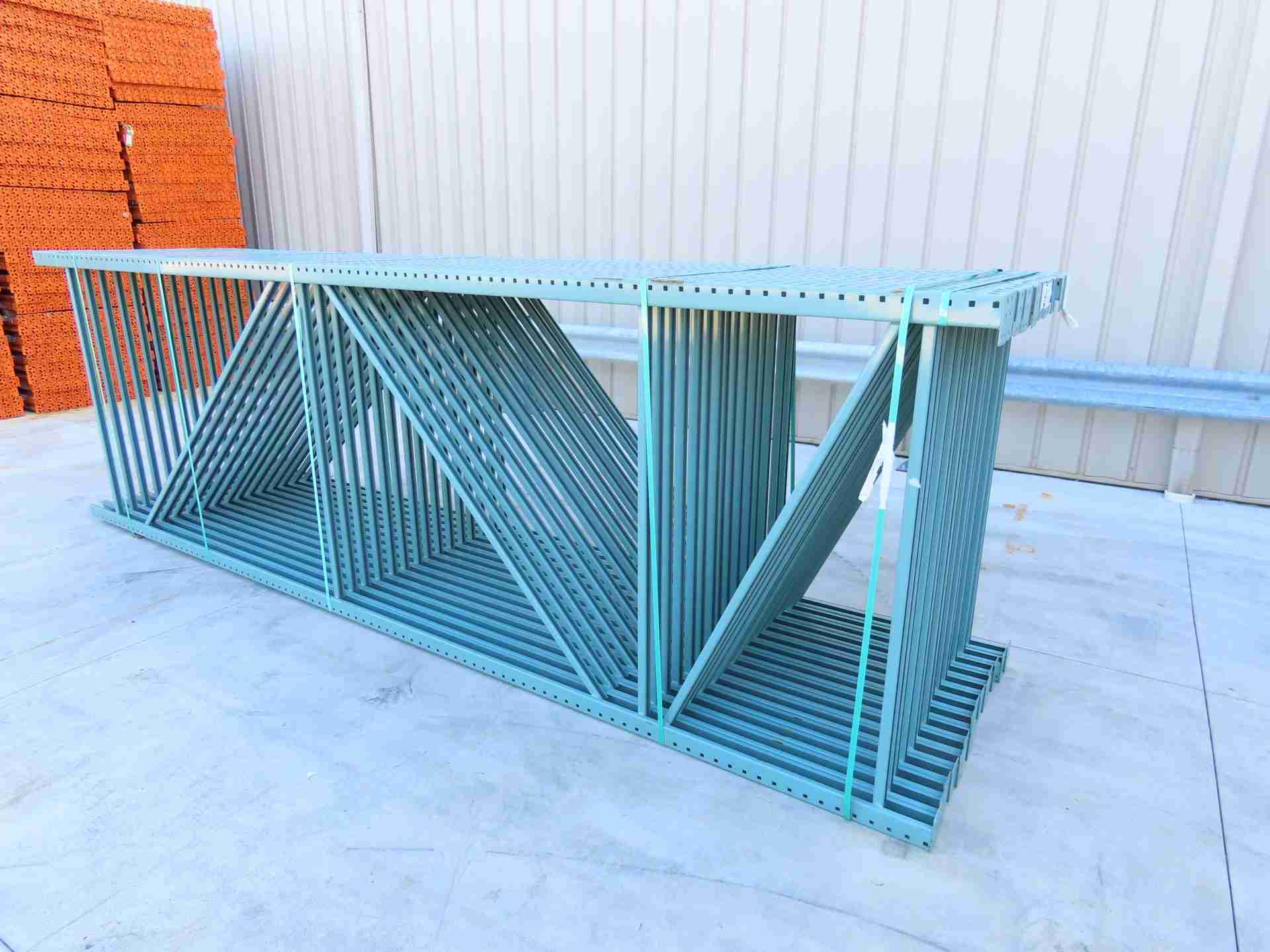
How Can You Predict Seasonal Trends In Inventory?
What Role Do Seasonal Products Play In Your Warehouse?
Imagine stepping into your warehouse, where the rhythm of daily operations dances in tune with the seasons. Each quarter, as the calendar flips, your inventory landscape transforms, accommodating a kaleidoscope of seasonal products that not only meet the evolving demands of your customers but also drive profitability. So, what role do these seasonal offerings really play in your warehouse dynamics? Let’s delve in!
First off, seasonal products are the heartbeat of your revenue streams. They create opportunities to capture heightened consumer interest during key retail peaks—think summer barbecues, holiday shopping frenzies, or even back-to-school necessities. When you effectively plan and manage these products, you set your warehouse up for an influx of orders and a surge in cash flow. Imagine end-of-year financial numbers that reflect not just survival, but thriving, because you strategically stocked up on items that were in demand during those crucial months.
But how do you maximize the space and efficiency of your warehouse to accommodate this seasonal shift? Enter pallet racking! This warehouse staple isn’t just about stacking boxes; it’s your secret weapon for organization and optimization. By utilizing pallet racking, you can easily adapt your space to store seasonal products high and out of the way until they are needed, freeing up valuable floor space for day-to-day inventory. You might not realize it, but the right racking solution facilitates greater flexibility, allowing your operations to pivot as the seasons change.
Moreover, not every season yields the same returns. Understanding the ebb and flow of product demand enables you to make informed decisions about which items to stock when. It cultivates a sharper inventory approach—one that minimizes excess while ensuring your warehouse is a well-oiled machine come peak buying times. This strategic alignment cultivates trust with your customers, as they come to rely on you for timely fulfillment of their seasonal needs.
In essence, seasonal products are not just an addendum to your inventory; they are a cornerstone of operational strategy that can lead to remarkable results. So, if you want to boost your warehouse efficiency, think beyond mundane storage solutions. Embrace the seasonality of your products and leverage pallet racking to create a robust, adaptable inventory system that turns every seasonal opportunity into a path for success. Now is the time to reevaluate your warehouse strategy and watch your profits flow as smoothly as the seasons themselves.

What Role Do Seasonal Products Play In Your Warehouse?
What Role Do Seasonal Products Play In Your Warehouse?
- Seasonal products are essential for driving revenue and capturing consumer interest during key retail peaks.
- Effective planning and management of seasonal inventory can lead to increased orders and cash flow.
- Utilizing pallet racking increases warehouse organization and allows for efficient use of space to accommodate seasonal shifts.
- Pallet racking helps keep seasonal products stored high and out of the way, freeing up space for everyday inventory.
- Understanding product demand fluctuations is critical for optimizing inventory levels and minimizing excess stock.
- Seasonal inventory management builds customer trust through reliable fulfillment of their needs.
- Adapting warehouse strategies by embracing seasonality can enhance efficiency and profitability.

What Role Do Seasonal Products Play In Your Warehouse?
How Do Staff Scheduling Needs Change With The Seasons?
As the seasons change, so too do the demands on your business. Whether you’re running a bustling retail store, a dynamic warehouse, or a cozy café, the rhythm of seasonal shifts can dictate your staffing needs in ways you might not expect. Think of it as a dance; sometimes you’re twirling through the busy hustle of summer sales, while at other times you’re adjusting your steps for the quieter winter months. Understanding this flow can make all the difference in your operation.
Picture this: in the spring and summer, your shop might see an influx of customers eager to enjoy warmer weather. Your staff scheduling needs swell as foot traffic increases. You’ll require more hands on deck to manage the rush, ensuring every customer feels valued and attended to. It’s all about creating an experience that keeps them coming back—your team is your frontline, and their performance can either make or break those busy days.
As we shift into autumn and winter, you’ll notice a contrast. The days grow shorter, and the shopping habits change. Customers may become more deliberate in their purchases, seeking out meaningful gifts rather than frivolous buys. What this means for you is a potential decrease in staff needs during slow periods but an opportunity to harness efficiency when you bring in seasonal products. Here’s where your organization can shine—consider using tools like pallet racking in your warehouse to optimize space, making it easy for your reduced team to find products and fulfill orders without a hitch.
But here’s the crucial part: don’t wait for the season to change before you adapt your staffing. Start analyzing your business patterns now and forecast your needs. Engage with your team—understanding their preferences and availability can lead to a harmonious balance and increased satisfaction on all fronts.
The goal is to cultivate a workforce that’s as adaptable as the seasons themselves. Leaving your scheduling approach static can lead to burnout when you’re understaffed during high demand periods or wasted resources during lulls. A pro-active approach to staffing ensures you have the right people, in the right place, at the right time—each season, every year. Trust your instincts, and lean into the ebb and flow of your operation. A prepared business is a resilient one, ready to tackle whatever the seasons bring your way.

How Do Staff Scheduling Needs Change With The Seasons?
How Do Staff Scheduling Needs Change With The Seasons?
- Seasonal changes significantly impact business staffing needs across various sectors, including retail, warehousing, and cafes.
- Increased customer foot traffic during spring and summer requires more staff to ensure quality service.
- Autumn and winter bring slower shopping periods, necessitating a reassessment of staffing strategies.
- Utilizing efficient storage solutions, like pallet racking, can help manage operations with a reduced team during off-peak times.
- Proactive staffing adjustments should be made by analyzing business patterns and forecasting needs ahead of seasonal shifts.
- Engaging with team members about their preferences enhances scheduling harmony and staff satisfaction.
- A flexible and responsive workforce minimizes burnout during peak seasons and avoids resource wastage during lulls.

How Do Staff Scheduling Needs Change With The Seasons?
Conclusion
Conclusion: Embrace the Seasonal Shift to Optimize Your Warehouse Strategy with Arrow Industrial Sales
As we wrap up this exploration into the crucial impact of seasonal changes on your warehouse storage strategies, it’s evident that adaptability is no longer an option—it’s a necessity. The unique characteristics of each season create distinct challenges and opportunities in managing your inventory, making it imperative for businesses to rethink their approach. At the heart of this transformation lies strategic pallet racking and thoughtful inventory management that not only enhance operational efficiency but also solidify customer trust.
During seasonal fluctuations, understanding your inventory trends is paramount. Ensuring that your storage solutions are prepared for the waves of seasonal demand can directly influence your bottom line. From holiday rushes to summer sales, aligning your products with consumer behavior through smart racking systems cultivates not just a smoother workflow but a more profitable year. Arrow Industrial Sales specializes in tailoring these solutions to fit your specific needs, allowing you to navigate each seasonal shift with confidence.
Moreover, as temperature changes post challenges, implementing climate control and optimizing your racking systems can safeguard your inventory, reducing losses and reinforcing your reputation for reliability. Seasonal products, which can significantly impact your revenue, should be strategically organized to facilitate easy access and quick turnarounds—further evidencing the critical role of effective storage solutions.
But none of this matters if you don’t act! The time for preparation is now. Don’t wait for the seasonal shift to catch you unaware—reach out to Arrow Industrial Sales today. Our expert team is ready to equip you with the tools and strategies you need to thrive. Call us now at (574) 349-6575 to start a conversation about optimizing your warehouse for seasonal changes.
Remember, each changing season is an opportunity; with the right storage solutions, proactive planning, and expert guidance, you can not just keep pace but set the rhythm in your industry. Act with urgency and seize this moment to elevate your warehousing capabilities to unprecedented heights. Your future success is just a phone call away!

Conclusion
Conclusion:
- Adaptability in warehouse storage strategies is essential due to seasonal changes.
- Distinct seasonal characteristics create unique challenges and opportunities for inventory management.
- Strategic pallet racking and inventory management enhance operational efficiency and customer trust.
- Understanding inventory trends during seasonal fluctuations directly influences profitability.
- Climate control and optimized racking systems can safeguard inventory against temperature changes.
- Effective storage solutions enable quick access and turnaround for seasonal products, impacting revenue.
- Contact Arrow Industrial Sales for expert guidance on optimizing warehouse strategies for seasonal changes.

Conclusion
Other Resources

Other Resources
Here is a list of other resources you can review online to learn more:
- Crane Manufacturers Association Of America Inc.
- American Surplus
- Pallet Racking systems in Illinois and Great Lakes
- Interlake
- Mustang Material Handling
- Material Handling Safety
- Overhead Lifting
- Warehouse Storage Racks
- Pallet Racking systems in Illinois and Great Lakes
- CA Wire
Use This Prompt To Get More Resources With Your Favorite Online AI Tool: Please provide me with a list of online articles with their URLs in a bulleted list that I can read regarding How Do Seasonal Changes Affect Your Warehouse Storage Strategies?

Other Resources
Glossary Terms
How Do Seasonal Changes Affect Your Warehouse Storage Strategies? – Glossary Of Terms
1. Seasonality: The fluctuations in demand for products or services that occur at regular intervals due to seasonal patterns.
2. Inventory Management: The process of overseeing and controlling the ordering, storage, and use of products to ensure optimal stock levels.
3. Temperature Control: The regulation of warehouse temperatures to protect products that may be sensitive to heat or cold, especially during extreme seasonal changes.
4. Humidity Levels: The amount of moisture in the air within a warehouse, which can affect the durability and quality of certain products.
5. Logistics: The detailed coordination of complex operations involved in moving goods from suppliers to customers, which can vary seasonally.
6. Space Optimization: The practice of maximizing the effective use of storage space to accommodate fluctuating seasonal inventory levels.
7. Stock Rotation: The method of organizing inventory to ensure that older stock is sold before newer stock to prevent spoilage or obsolescence, particularly relevant for seasonal goods.
8. Forecasting: The process of predicting future demand based on historical data, market trends, and seasonality to adjust storage strategies.
9. Safety Stock: Extra inventory held to prevent stockouts during unexpected demand spikes, often increased during peak seasonal periods.
10. Peak Season: The time of year when demand for certain products is at its highest, requiring adjustments to storage and handling strategies.
11. Off-Peak Season: The period in which demand for products is significantly lower, often resulting in reduced inventory levels and storage costs.
12. Kitting: The process of assembling individual items into ready-to-ship sets or kits, often necessary when preparing for seasonal promotions.
13. FIFO (First In, First Out): An inventory management system in which the oldest stock is sold first, crucial during seasonal changes to minimize losses.
14. LIFO (Last In, First Out): An inventory method where the most recently acquired items are sold first, which can impact cash flow during slow seasons.
15. Demand Planning: The process of aligning inventory levels with expected demand, particularly important for anticipating seasonal shifts.
16. Warehouse Layout: The physical arrangement of storage areas within a warehouse, which may need to be adjusted seasonally to accommodate different product flows.
17. Cross-Docking: A logistics technique that involves unloading products from incoming trucks and loading them directly onto outbound trucks, often used to expedite seasonal inventories.
18. E-commerce Integration: Aligning warehouse strategies with online sales channels, especially important during seasonal shopping events.
19. Short-Term Storage Solutions: Temporary storage options to handle excess inventory during peak seasons, such as renting additional warehouse space.
20. Batch Processing: Grouping items for processing in large quantities to streamline operations during busy seasons.
21. Product Life Cycle: The stages a product goes through from development to decline, influencing storage strategies particularly with seasonal items.
22. Shrinkage: The loss of inventory due to theft, damage, or errors, which can become more pronounced during high-traffic shopping seasons.
23. Order Fulfillment: The complete process of receiving, processing, and delivering customer orders, which often undergoes changes during seasonal peaks.
24. Supplier Relationships: The interactions and agreements with vendors that can fluctuate with seasonal demand and inventory needs.
25. Transportation Management: The planning and coordination of shipping and logistics processes, which can become more complicated during peak seasons.
26. Safety Procedures: Guidelines to ensure the safe operation of warehouse storage that may change with varying seasonal conditions.
27. Material Handling Equipment: Tools and machines used for moving and storing goods in a warehouse, which may require adjustments for seasonal volumes.
28. Automated Storage Systems: Technologies that can enhance efficiency and storage capacity, especially useful during seasonal fluctuations in inventory.
29. Order Lead Time: The time taken between placing an order and receiving it, which can be affected by seasonal demand patterns.
30. Waste Management: The handling of excess or damaged inventory, particularly important in seasonal cycles to minimize costs and waste.

Glossary Of Terms
Other Questions
How Do Seasonal Changes Affect Your Warehouse Storage Strategies? – Other Questions
If you wish to explore and discover more, consider looking for answers to these questions:
- What types of products typically see seasonal demand changes?
- How can businesses effectively forecast seasonal inventory needs?
- What technology is available to assist with warehouse space optimization?
- How do you determine the appropriate pallet racking configuration for different seasons?
- What are the best practices for conducting seasonal inventory audits?
- How can companies maintain customer satisfaction during seasonal fluctuations?
- What training is needed for staff to adapt to seasonal changes in inventory management?
- How can collaboration with suppliers enhance seasonal inventory strategies?
- What role does market research play in predicting seasonal trends?
- How can businesses minimize losses from overstocked items after peak seasons?
- What are the benefits of engaging with customers to forecast demand?
- How can a company prepare its warehouse layout for unexpected surges in demand?

Other Questions
Checklist
How Do Seasonal Changes Affect Your Warehouse Storage Strategies? – A Checklist
Checklist: Optimizing Warehouse Storage for Seasonal Changes
Understanding Seasonal Inventory Fluctuations
1. Analyze Past Sales Data
_____ Review historical sales trends during different seasons.
_____ Identify which products have peak demand.
2. Monitor Market Trends
_____ Stay updated on changes in consumer behavior and preferences.
_____ Identify emerging trends that may affect inventory needs.
3. Engage with Customers
_____ Conduct surveys or polls to gauge customer interests.
_____ Collect feedback on desired products and services.
Inventory Management Strategies
4. Implement Pallet Racking Systems
_____ Utilize vertical space to optimize storage.
_____ Ensure easy access for high-demand seasonal products.
5. Adopt a FIFO Approach
_____ Organize inventory to sell older stock first.
_____ Keep seasonal products in rotation to minimize waste.
6. Conduct Regular Inventory Audits
_____ Identify slow-moving or excess stock.
_____ Adjust replenishment strategies based on seasonal demand.
Proactive Planning and Organization
7. Forecast Seasonal Demand Early
_____ Anticipate the needs of each season based on past data.
_____ Adjust your order quantities ahead of peaks.
8. Utilize Technology Solutions
_____ Leverage inventory management software to track stock levels.
_____ Implement tools for demand forecasting and trend analysis.
9. Create Zoning in the Warehouse
_____ Designate specific areas for seasonal products.
_____ Ensure appropriate temperature control for sensitive items.
Staff Management and Scheduling
10. Analyze Staffing Needs Seasonally
_____ Assess changes in customer traffic throughout the year.
_____ Adjust staffing levels based on anticipated workload.
11. Engage Your Team
_____ Involve staff in planning and strategy discussions.
_____ Gather input on stocking priorities during transitions.
Communication and Customer Relations
12. Communicate Inventory Changes
_____ Inform customers about seasonal stock availability.
_____ Build transparency around inventory management practices.
13. Foster Customer Relationships
_____ Create a loyalty program for repeat customers.
_____ Utilize customer feedback to enhance future inventory decisions.
Continuous Improvement
14. Evaluate Post-Season Performance
_____ Assess the effectiveness of inventory strategies after each season.
_____ Identify areas for improvement to enhance future planning.
15. Stay Flexible and Adaptable
_____ Be ready to pivot strategies based on real-time data and market changes.
_____ Remain open to new technologies and techniques that improve efficiency.
By following this checklist, you can effectively optimize your warehouse storage strategies to adapt to seasonal changes, keeping your inventory efficient and your customers satisfied.

Checklist
At RackingWorld, we help guide you through selecting warehouse storage systems and racking.
Be sure to read our other related stories at RackingWorld to learn more about warehouse storage systems.
0 Comments