
Empowerment Through Rack Safety Education
By Tom Seest
At RackingWorld, we help guide you through selecting warehouse storage systems and racking.
Be sure to read our other related stories at RackingWorld to learn more about warehouse storage systems.
Why Rack Safety Starts with Education
When we think about safety in our workplaces, the mind often skips straight to procedures, checklists, and equipment. But let’s talk about something deeper—something that begins with education. Racking systems, those towering structures in warehouses and storage facilities, hold not only materials but also the responsibility of the workforce that interacts with them. Each member of that workforce deserves more than just a passing reference to safety protocols; they need a foundation of knowledge that empowers them to act wisely and confidently.
Picture this: a bustling warehouse where every worker relies on the integrity of the racking system. One misstep can lead to chaos—spilled contents, injuries, or worse. Education about racking safety isn’t just a checkbox on a training list; it’s a lifeline that connects each person to their environment. It turns mundane tasks into pivotal moments where decisions matter. Each worker should understand the load limits, the importance of proper stacking, and how to identify damage. This isn’t just smart; it’s ethical. Every team member deserves a safe working environment. By prioritizing education, we hold ourselves to a higher standard.
Now think about the stories we all have—those near-misses, the lessons that come hard and fast. Imagine a veteran employee sharing their experience of nearly losing a coworker due to a poorly understood racking system. That story, laden with emotion, resonates with the gut and calls for change. It compels us to ensure that educational tools are available to everyone, creating a culture of safety that isn’t just an obligation but a shared commitment.
Let’s not stop there. Making education accessible fosters a community—a social contract among coworkers. When someone speaks up about a racking concern, it cultivates trust and camaraderie. That simple act of sharing concerns transforms a workforce into a family, where every voice matters and safety is everyone’s responsibility.
Finally, let’s acknowledge the authority that comes from knowledge. A well-informed workforce commands respect and inspires confidence, not just in themselves, but in the entire operation. This trust is vital; it transforms the workplace into a sanctuary of safety and productivity. As we invest in education around racking safety, we’re not just safeguarding structures; we’re strengthening lives, building connections, and paving the way for a brighter future, one warehouse at a time.
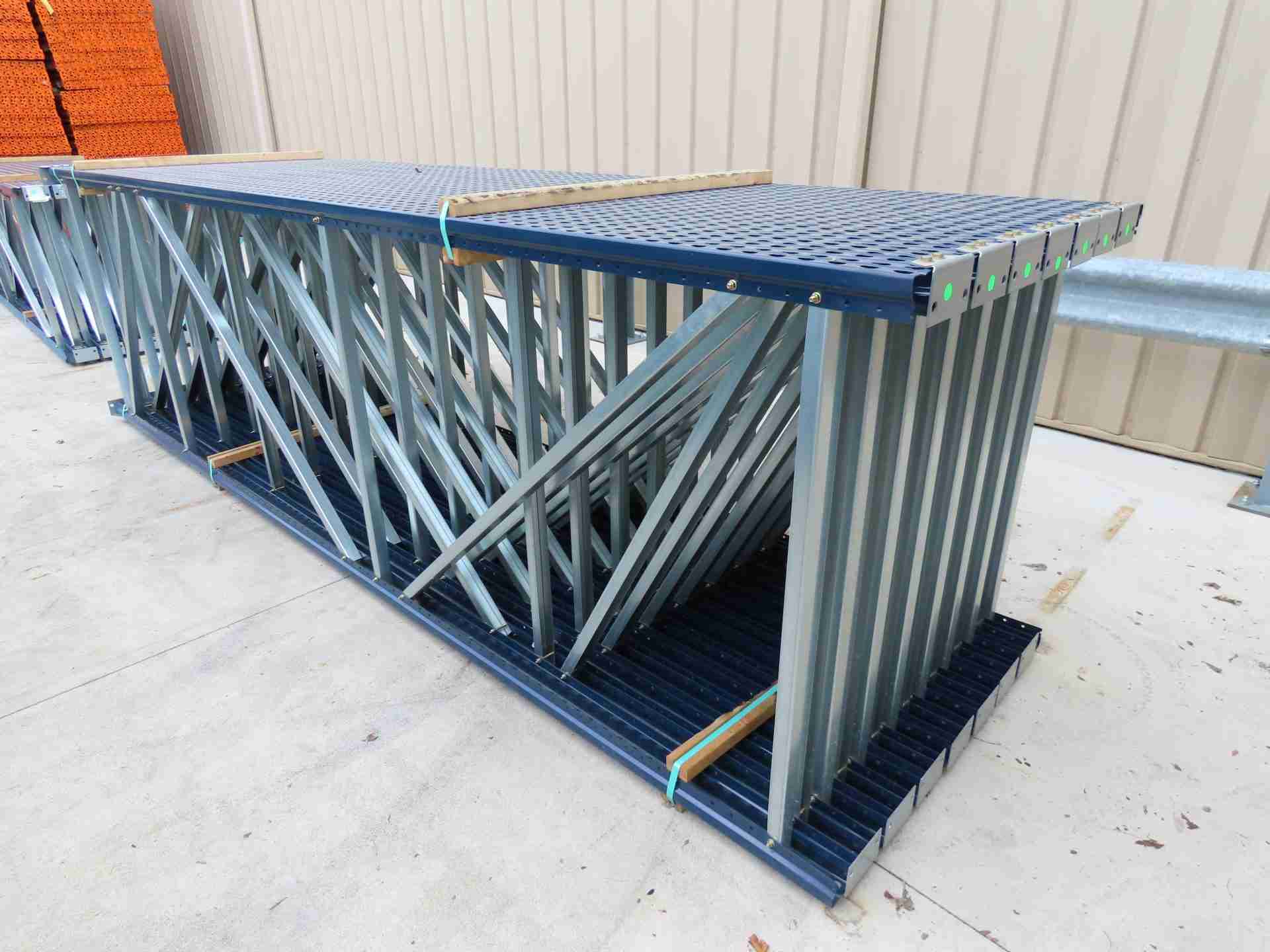
Why Rack Safety Starts with Education
Why Rack Safety Starts with Education
- Safety in the workplace goes beyond procedures and equipment; it starts with education.
- Racking systems in warehouses are critical for both material storage and workforce safety.
- Every worker needs a solid foundation of knowledge to act wisely and confidently regarding racking safety.
- Understanding load limits, proper stacking, and damage identification is essential for preventing chaos and injuries.
- Sharing experiences and near-misses can create a culture of safety and a commitment to education among coworkers.
- Accessible education fosters a sense of community and encourages team members to voice safety concerns.
- A well-informed workforce inspires confidence and respect, transforming the workplace into a safe and productive environment.
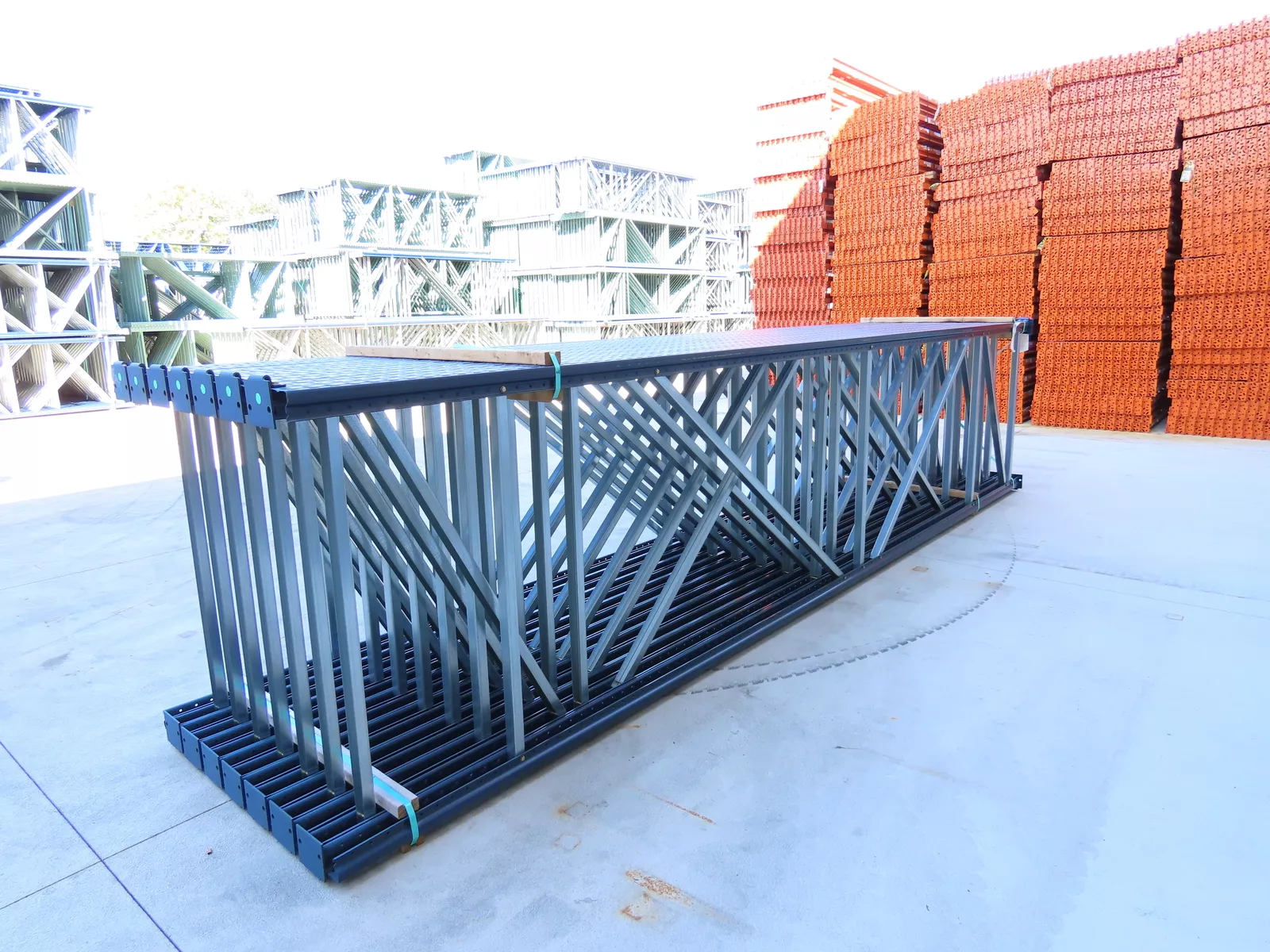
Why Rack Safety Starts with Education
Table Of Contents
- Why Rack Safety Starts with Education
- What Fears Do You Have About Rack Safety In Your Workplace?
- How Can Educating Employees Reduce Accidents and Injuries?
- How Do Authoritative Voices Influence Perceptions Of Safety Training?
- Can Personal Stories Of Safety Breaches Inspire Better Practices?
- How Does Proactive Education Create a Safer Work Environment?
- Conclusion
- Other Resources
- Glossary Of Terms
- Other Questions
- Checklist
What Fears Do You Have About Rack Safety In Your Workplace?
When it comes to racking safety in the workplace, it’s easy to feel a twinge of anxiety. Picture this: a bustling warehouse, employees moving around, the whir of machinery filling the air. Now imagine a rack, towering and heavy with goods, suddenly teetering on the edge. It’s a scenario no one wants to face, yet it’s a lurking fear that can loom large in our minds.
Let’s anchor our thoughts on the emotional aspect for a moment. You might not be the one stacking those heavy boxes, but every time you glance at that racking system, there’s an instinctive worry that creeps in. What if it falls? What if someone gets hurt? These aren’t just idle thoughts – they’re echoes of a world where safety sometimes takes a backseat to productivity. We’re not just talking about property damage here; we’re talking about lives and livelihoods. Each rack holds not just metal and inventory but the potential for serious harm.
Rationally, the concerns become clearer. Statistics show that workplace accidents involving racking systems can lead to injuries and even fatalities. It’s a stark reminder that every unsteady load, every improperly secured item, poses a risk to your team. Implementing robust safety protocols, conducting regular inspections, and ensuring proper training aren’t just good practices; they’re essential. After all, the cost of ignoring these steps doesn’t just hit your bottom line – it impacts everyone who counts on coming home safe at the end of the day.
Ethically, we have a duty of care to our teams. They trust us to create an environment where they can perform their jobs without fear. It’s more than compliance; it’s about showing that we value each individual’s well-being. When you prioritize rack safety, you’re building a culture where employees feel respected and empowered to speak up about potential hazards.
Socially, consider the conversations brewing among your peers. A company known for its commitment to safety attracts top talent and fosters loyalty. People want to work in environments where they feel protected, where racking systems don’t just hold boxes but uphold a standard of care and respect.
So, let’s not let fear intimidate us. Instead, let’s harness it to inspire action. Embrace a culture of safety and vigilance, ensuring that those towering racks of inventory don’t become the stuff of nightmares but serve as foundations for success and security. It’s time to transform anxiety into proactive engagement, making our workplaces safer for everyone involved. Together, we can build a future where racking systems inspire confidence rather than fear.

What Fears Do You Have About Rack Safety In Your Workplace?
What Fears Do You Have About Rack Safety In Your Workplace?
- Racking safety in warehouses raises concerns about potential accidents and injuries.
- Emotional worries persist regarding the stability of racking systems and their impact on employee safety.
- Statistics highlight that workplace accidents related to racking systems can result in severe consequences.
- Implementing safety protocols, regular inspections, and proper training is crucial for preventing accidents.
- It is ethically important to create a safe environment where employees feel valued and protected.
- A commitment to safety can enhance a company’s reputation, attracting top talent and fostering employee loyalty.
- Transforming fear into proactive engagement promotes a culture of safety and security in the workplace.

What Fears Do You Have About Rack Safety In Your Workplace?
How Can Educating Employees Reduce Accidents and Injuries?
When we think about the workplace, we often picture a bustling environment filled with dedicated individuals striving for excellence. But behind every successful operation lies an unseen foundation: the commitment to education and training. Investing in employee education on safety isn’t just smart; it’s essential for fostering a responsible and thriving work culture. It’s about more than just guidelines printed on paper—it’s about instilling a mindset that prioritizes well-being.
Imagine a racking system filled with heavy materials. It stands tall, sturdy and seemingly foolproof. But neglecting proper training on how to load, load correctly, and secure those items can lead to a disaster, not just for the individual but for the entire team. An accident doesn’t just have a financial cost; it shatters confidence, alters lives, and disrupts the fabric of a community. When employees know how to navigate these risks—when they are educated about the potential hazards—suddenly that risky environment transforms into a haven of safety and collaboration.
Education isn’t just a checkbox on a compliance form; it’s a narrative that empowers employees. It reaches deep into the very essence of who they are. When they understand the ‘why’ behind the procedures, they develop an innate sense of responsibility. This isn’t about avoiding accidents in some detached, corporate manner; it’s about creating an emotional investment in one another’s safety. Each member of the workforce becomes a guardian of their peers. It’s about fostering a culture where everyone looks out for one another, bound by mutual respect and shared well-being.
By prioritizing education, businesses showcase their ethical commitment to their employees. They convey the message that every individual is valued—that their lives, families, and futures matter. This ethical stance enhances trust, promising that every employee is equipped to face challenges head-on, knowing they are supported and prepared.
Let’s face it: a workforce that operates with knowledge, vigilance, and determination makes for a productive environment. It’s not just about metrics and productivity; it’s about creating a robust community. And what could be more gratifying than knowing you’re contributing to a workplace that truly cares? When education on safety flows through the veins of your organization, it breeds confidence and morale, transforming reluctant compliance into a shared mission—a camaraderie built on trust and purpose.
So, when we talk about educating employees, we’re not just discussing policy, we’re igniting a movement that values every life in the workspace as both a right and a responsibility.

How Can Educating Employees Reduce Accidents and Injuries?
How Can Educating Employees Reduce Accidents and Injuries?
- The workplace thrives on a foundation of education and training essential for safety and well-being.
- Proper training on safety procedures prevents disasters and fosters a collaborative environment.
- Education empowers employees by helping them understand the importance of safety protocols.
- Employees develop a sense of responsibility and become guardians of their peers’ safety.
- Prioritizing education enhances trust and demonstrates an ethical commitment to employee well-being.
- A knowledgeable workforce contributes to a productive and supportive community.
- Educating employees ignites a movement that values each individual’s life as both a right and a responsibility.
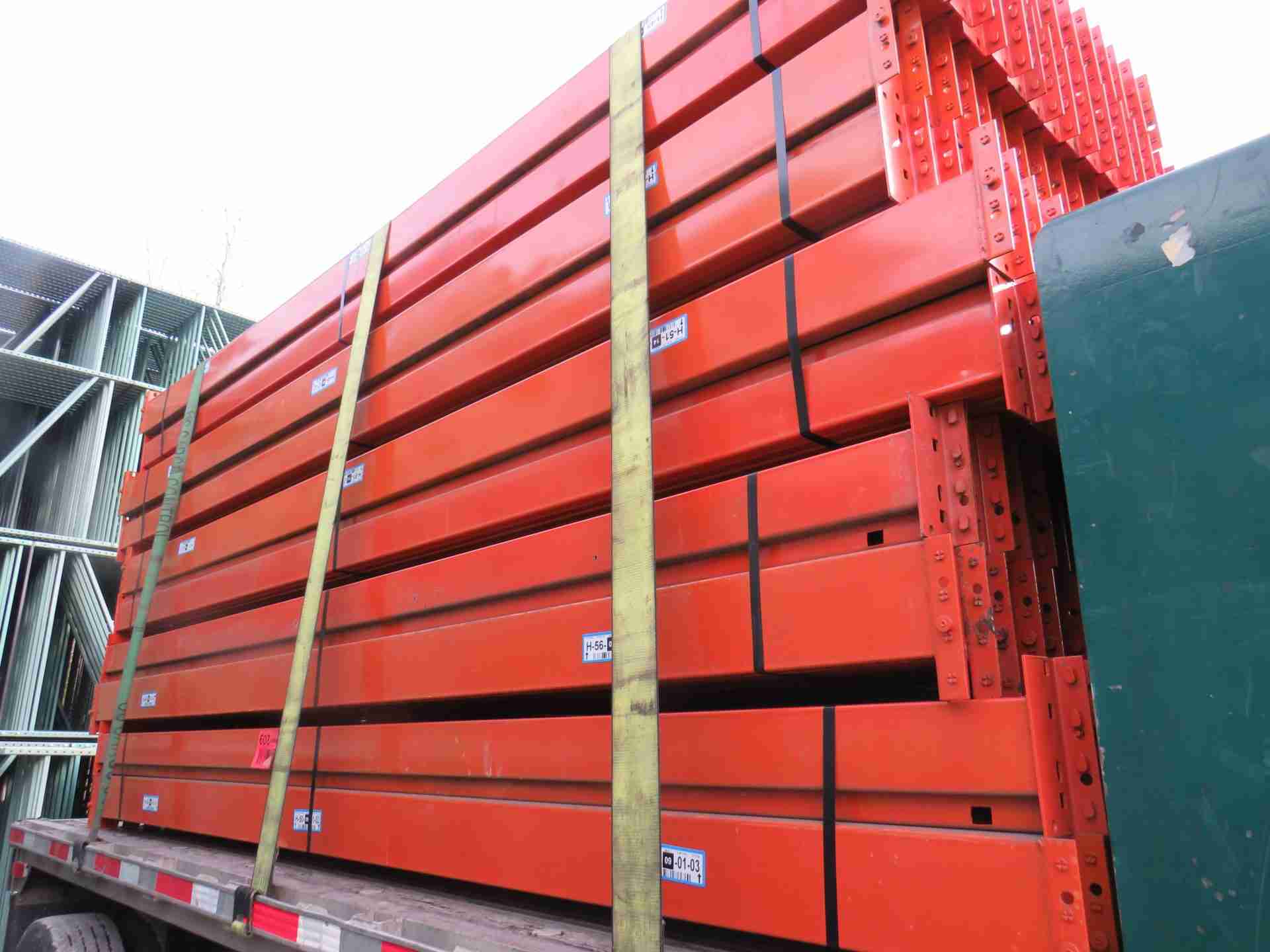
How Can Educating Employees Reduce Accidents and Injuries?
How Do Authoritative Voices Influence Perceptions Of Safety Training?
When it comes to safety training, the voices we listen to matter. They shape our understanding of risks and responsibilities—racking our minds with what is at stake. Imagine a seasoned veteran sharing harrowing tales of near-misses or life-altering accidents, their words loaded with hard-earned wisdom. This isn’t just about teaching techniques; it’s about weaving stories that resonate with the gut. Each narrative is a reminder that safety isn’t a luxury—it’s a necessity.
Consider the authority figures in your world—those in hard hats, uniforms, or lab coats—whose expertise guides the conversation. Their credentials and experiences instill a sense of confidence in their teachings. When they speak, their voices ring with authenticity, making their recommendations hard to ignore. It’s not mere rhetoric; it’s a lifeline they’re extending, urging us to take the lessons to heart not just for ourselves, but for our coworkers, families, and communities.
We live in a world brimming with risks, and our decisions can have real, lasting impacts. When authoritative figures advocate for safety measures, they aren’t just ticking boxes—they are molding culture and fostering a sense of accountability. Their moral obligation to protect lives resonates deeply, appealing to our ethical instincts. The safer we make our spaces, the stronger we become as a collective, united in purpose.
As we engage in safety training, we aren’t just absorbing information—we are crafting connections with our peers. Mutual experiences, shared responsibilities, and known risks create a social fabric that strengthens our commitment to safeguarding each other. When we commit to safety as a community, we amplify the impact of those authoritative voices, turning individual endeavors into a united front.
So, the next time you’re presented with safety training, listen closely. Feel the urgency in each story, the weight of expertise guiding you like a guiding star. Embrace the challenges ahead, knowing that every precaution taken is a step towards a safer tomorrow. These voices aren’t just authority figures; they are our allies, rooting for our success and survival in a world that demands our attention. The choice is clear: Take action. Engage and embody the lessons of safety, ensuring we all come home at the end of the day.
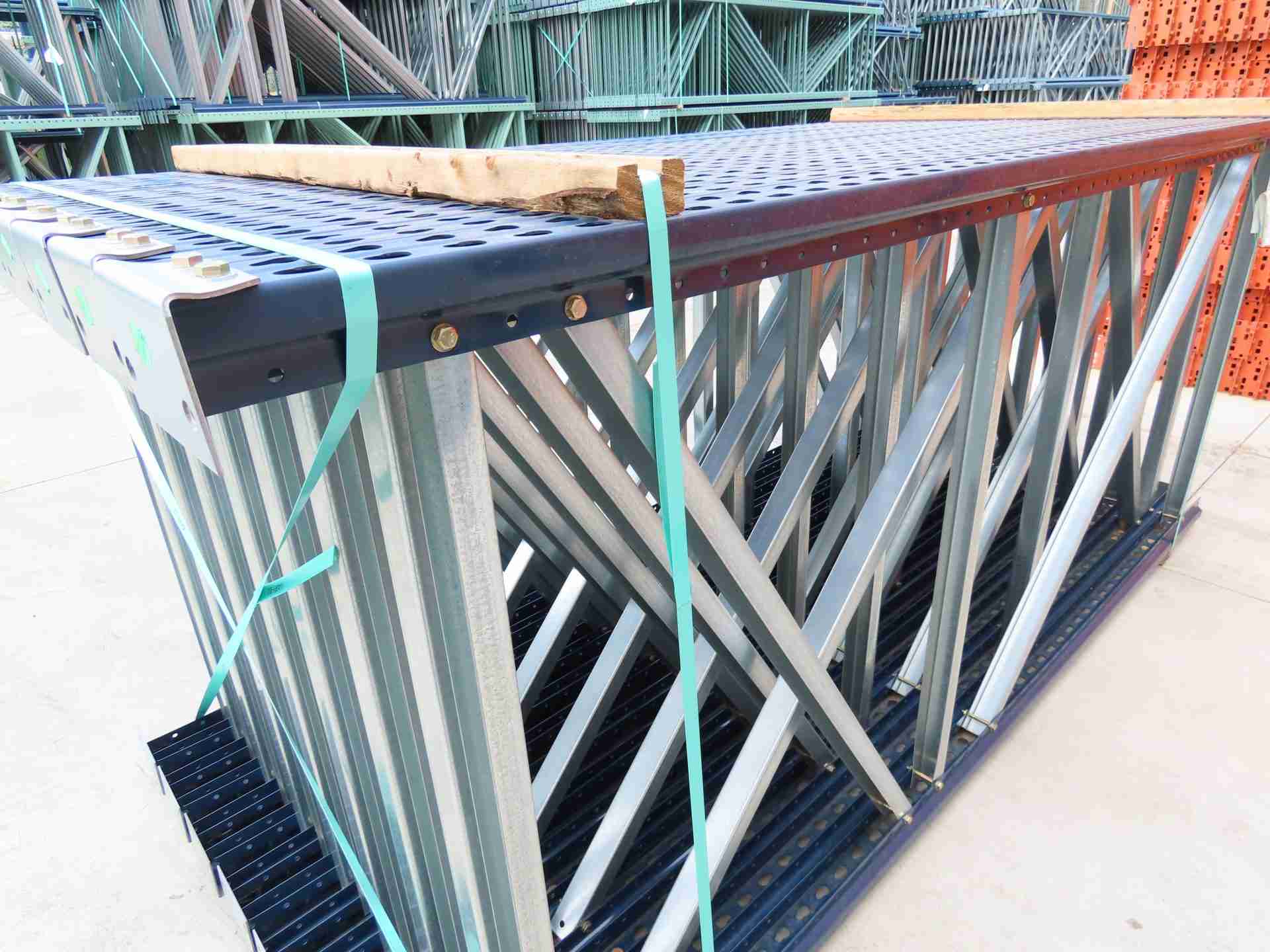
How Do Authoritative Voices Influence Perceptions Of Safety Training?
How Do Authoritative Voices Influence Perceptions Of Safety Training?
- The voices in safety training shape our understanding of risks and responsibilities.
- Experienced individuals share stories that highlight the necessity of safety through lived experiences.
- Authority figures in safety, such as those in uniforms or lab coats, lend credibility to safety teachings.
- These figures emphasize moral obligations to protect lives and foster a culture of accountability.
- Safety training helps create connections among peers, strengthening our commitment to protecting each other.
- Safety training is more than information; it’s about uniting efforts for a collective cause.
- Engaging in safety training is crucial for personal and community well-being, urging proactive safety measures.
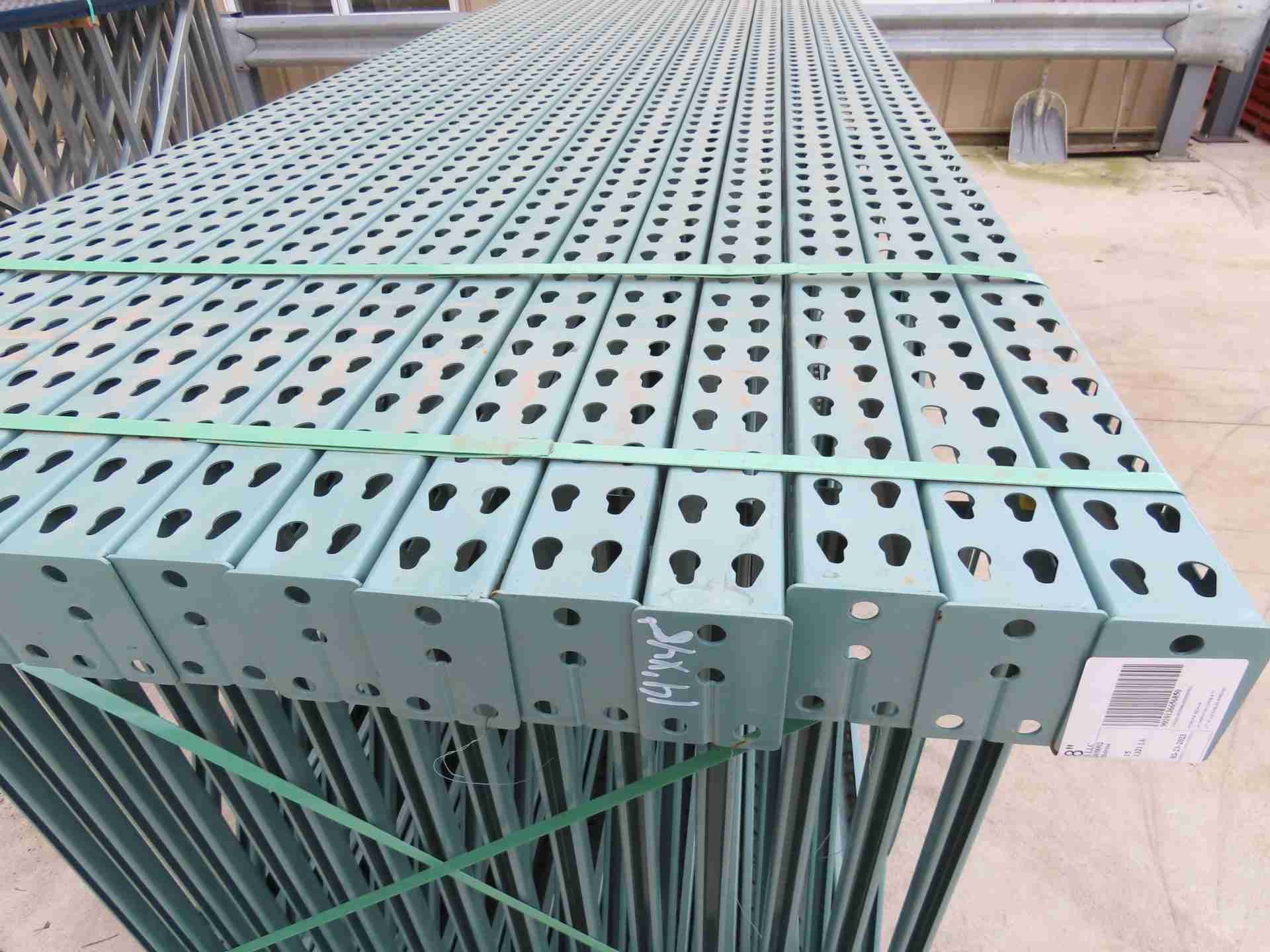
How Do Authoritative Voices Influence Perceptions Of Safety Training?
Can Personal Stories Of Safety Breaches Inspire Better Practices?
When we think of safety breaches, we often picture cold statistics and impersonal reports. But what if we peeled back those layers and saw the real, raw stories behind the numbers? A single breach can turn a workplace into a battlefield, leaving scars that linger long after the incident. Imagine a father, just trying to provide for his family, who slips on a wet floor due to a lack of warning signs. The fracture of his arm becomes more than a physical injury—it becomes a reminder of carelessness, a symbol of a system that failed him. This is more than a cautionary tale; it’s a wake-up call.
Safety isn’t just a policy; it’s a culture. When personal accounts of breaches emerge, they resonate deeply with the heart. We connect because these stories are not merely about procedures gone wrong; they reflect our inherent vulnerabilities and shared experiences. We’ve all dropped the ball at one point or another, whether at work, home, or in our communities. Yet, when we hear about those who faced the consequences—through loss, injury, or near misses—we are invited to reflect on our own practices. Is there something we could do better?
Rationally, the statistics will tell us that safety breaches are costly—money lost, time wasted, lives impacted. But emotionally, those stories pull on our heartstrings, urging us to take action not out of fear, but out of a sense of responsibility for one another. Stories have the power to inspire change; they galvanize us to enforce protocols, to look twice at that racking system that’s been in place for years, or to install that warning sign before another accident might happen. It’s about pride in our work, feeling confident that we play a part in creating a safer environment.
We owe it to ourselves and those around us to listen to these narratives. When we foster a dialogue around personal safety breaches, we build a community that is not just reactive but proactive. Let’s celebrate those who share their experiences; they embody the courage we need to acknowledge vulnerabilities and inspire better practices. Their narratives help bridge the gap between knowledge and action—stirring us into motion and setting the stage for a safety culture that prioritizes care and vigilance over complacency. It’s time we took these stories to heart, let them resonate, and forge a path toward a more secure and responsible workplace for all.
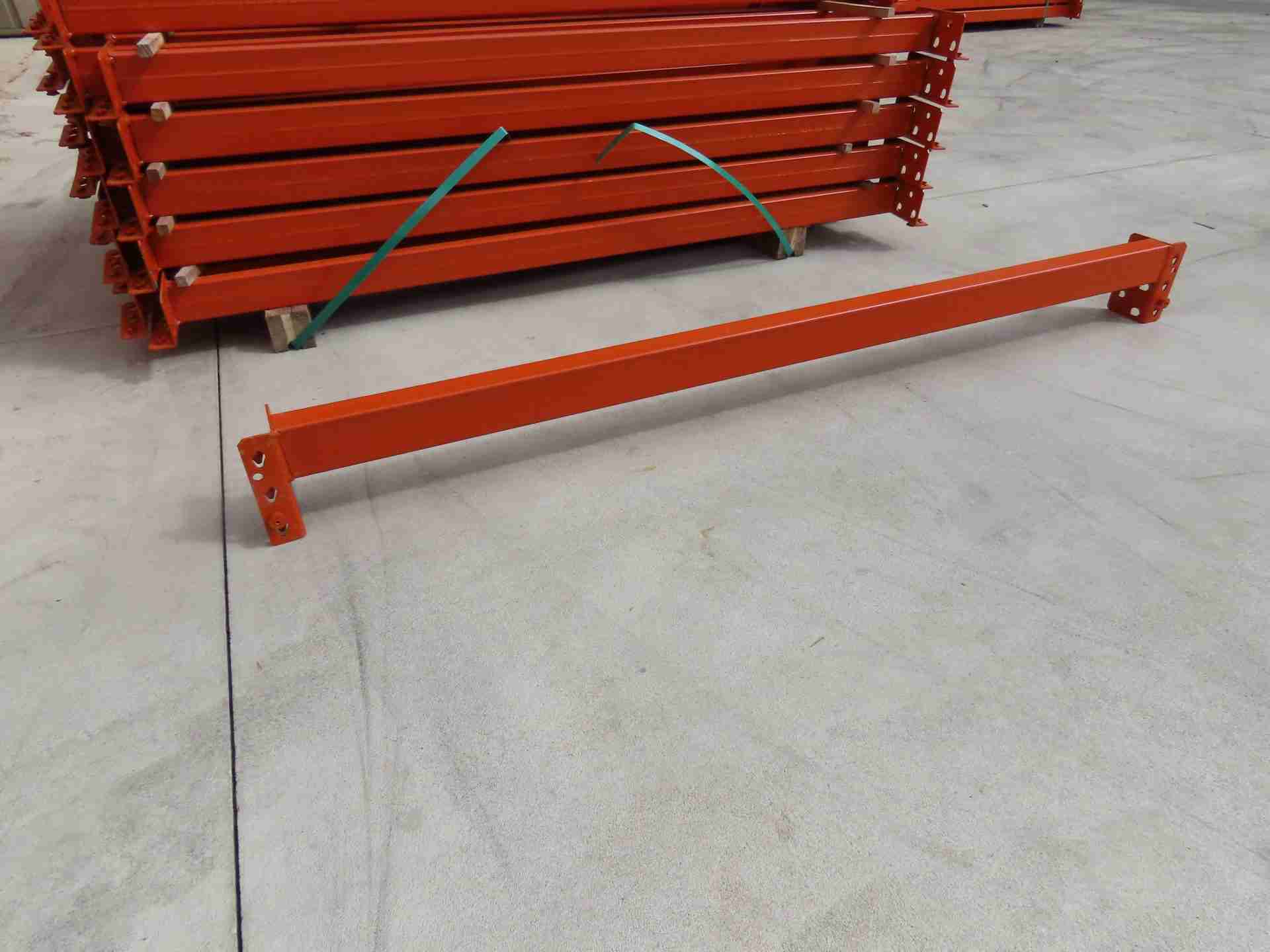
Can Personal Stories Of Safety Breaches Inspire Better Practices?
Can Personal Stories Of Safety Breaches Inspire Better Practices?
- Safety breaches are often viewed as impersonal statistics, but they hide real human stories behind the numbers.
- A single incident can have lasting emotional and physical consequences, affecting individuals and their families.
- Personal accounts of safety breaches resonate deeply, highlighting shared vulnerabilities and experiences.
- Hearing about the consequences of safety failures prompts reflections on our own practices and responsibilities.
- Statistics demonstrate the financial and personal costs of safety breaches, but emotional narratives inspire action.
- Fostering dialogue about safety breaches creates a proactive community focused on care and vigilance.
- Sharing these narratives bridges the gap between knowledge and action, promoting a culture of safety and responsibility.
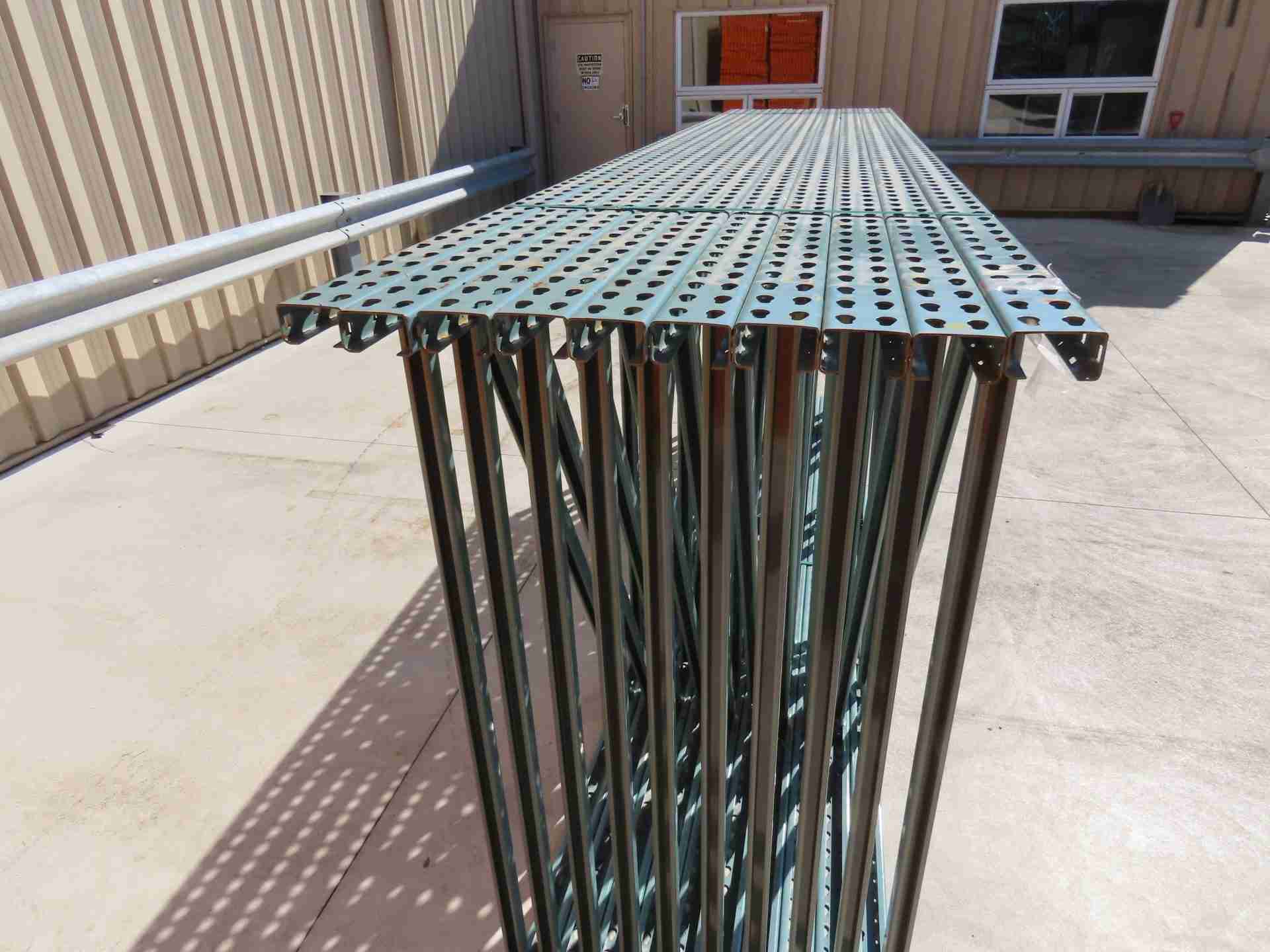
Can Personal Stories Of Safety Breaches Inspire Better Practices?
How Does Proactive Education Create a Safer Work Environment?
In the bustling life of work, where the hum of machinery and the chatter of coworkers mingle, creating a safe environment shouldn’t feel like it’s racking up a list of regulations to comply with. Instead, it should be a shared commitment among everyone involved—a culture born from proactive education. Safety, my friends, isn’t just about wearing hard hats and steel-toed boots; it’s about fostering a mindset where every employee feels empowered to speak up and act.
Imagine walking into a workplace where everyone feels like they belong, where each team member is trained not just in their specific job tasks but also in recognizing hazards, understanding their legal rights, and knowing how to intervene if they see something amiss. This approach nurtures an ethical obligation to protect one another—a principle that goes beyond mere compliance. When workers know they are armed with knowledge and are encouraged to stay vigilant, it creates a bond rooted in trust. You’re not just clocking in; you’re part of something greater than yourself, a community committed to looking after its own.
Let’s give this some real-world context. Think about the last time a coworker pointed out a safety concern. Maybe it was a frayed wire, a slippery floor, or improper lifting techniques. Did you feel a surge of appreciation, or even pride, for that person? When proactive education equips individuals with the skills to speak up, it’s like injecting a dose of bravery into the bloodstream of the workplace. Leaders may enact policies and procedures, but they need the workforce to embody commitment to those principles every day.
And here’s the gut-punch: accidents don’t just happen when you least expect them; they often occur when awareness is lacking. They ripple through lives, affecting not just the injured, but families, friends, and entire communities. Preventing these mishaps isn’t just a box to check; it’s a solemn duty we owe to ourselves and each other. By investing in proactive training programs, we’re not just preventing accidents; we’re nurturing a culture of care that echoes back to the kitchen tables and living rooms of our employees.
So, when the call comes to engage in proactive education, it’s not just a ticket to compliance. It’s a promise—a promise to cultivate a safe haven for all, where knowledge reigns supreme and vigilance becomes second nature. It’s time to take pride in the choice to be proactive, knowing it contributes to a secure tomorrow for everyone in the workforce.
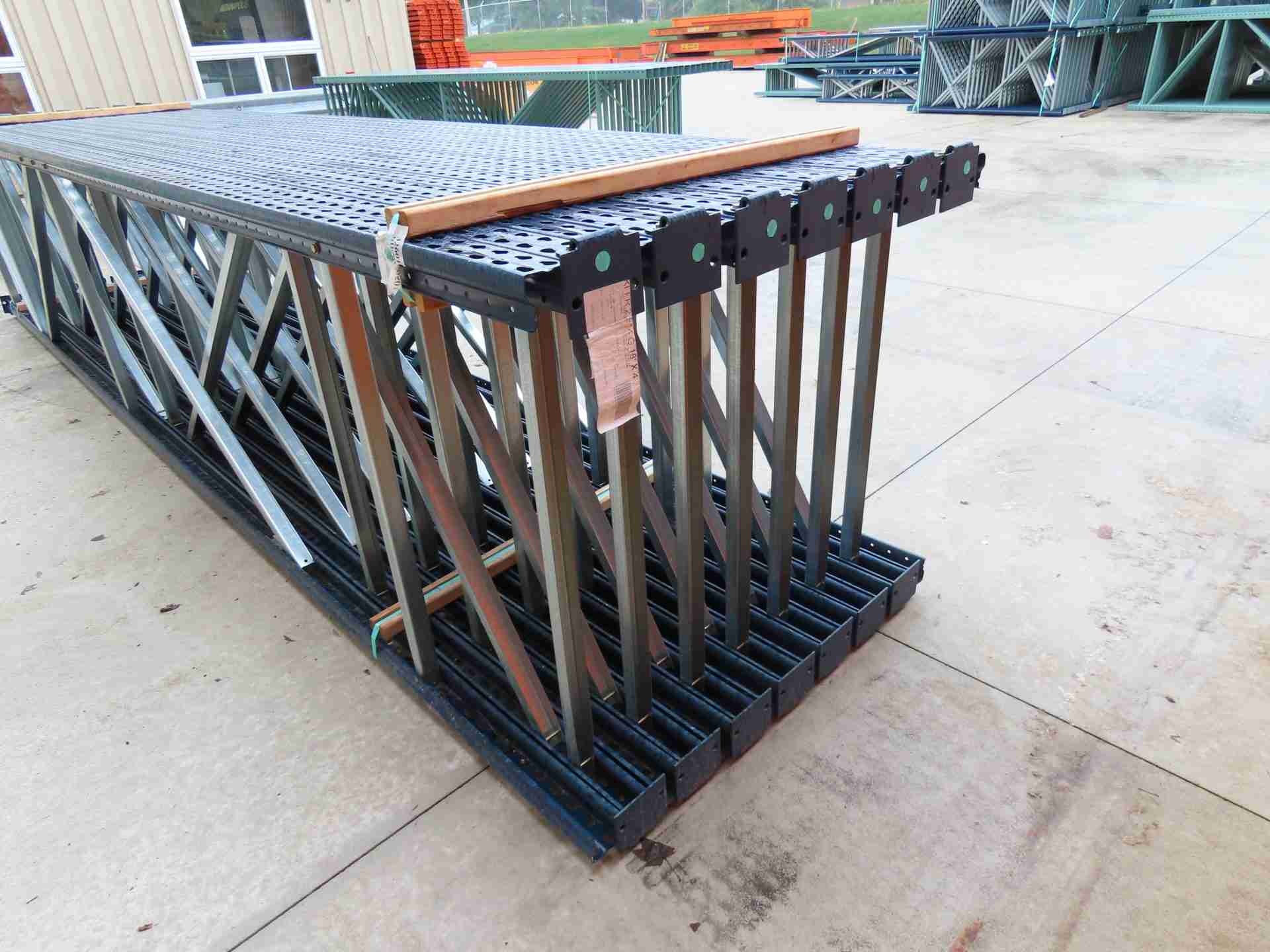
How Does Proactive Education Create a Safer Work Environment?
How Does Proactive Education Create a Safer Work Environment?
- Creating a safe work environment requires a shared commitment and proactive education, not just adherence to regulations.
- Safety is about fostering a culture where employees feel empowered to voice concerns and act accordingly.
- Training should include hazard recognition, legal rights, and intervention techniques beyond specific job tasks.
- An ethical obligation to protect one another promotes a bond of trust within the workforce.
- Proactive education instills bravery and encourages workers to point out safety concerns.
- Accidents often occur from a lack of awareness, impacting individuals and their communities.
- Investing in training programs nurtures a culture of care that contributes to a secure future for all employees.
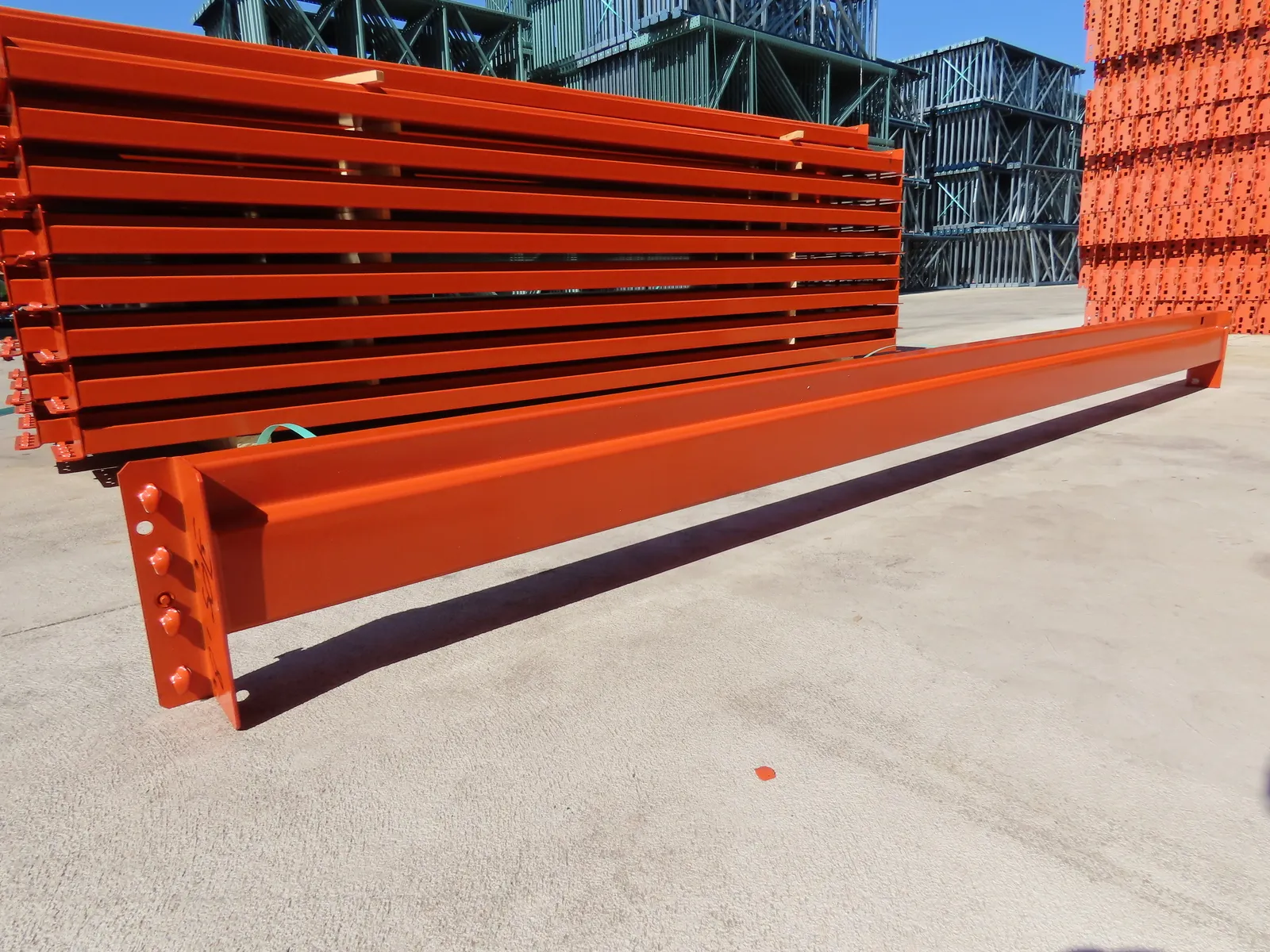
How Does Proactive Education Create a Safer Work Environment?
Conclusion
Rack safety begins and ends with education. It’s the bedrock of a workplace culture where safety isn’t just a regulation, but a collective responsibility. Picture yourself in a busy warehouse, surrounded by towering racking systems—each poised with potential risk. Every worker, from the newbie to the veteran, needs to feel empowered with knowledge that safeguards lives and livelihoods. Education transforms a routine task into a critical decision-making moment. When employees understand the load limits and proper stacking techniques, they become vigilant guardians of their environment.
But why stop at knowledge? This shared understanding fosters a sense of community—a family atmosphere where coworkers look out for one another. It’s about trust, the social contract that assures every voice matters and concerns won’t be silenced. When safety becomes a common dialogue rather than an edict, it invites camaraderie, making everyone an active participant in maintaining a safe workspace.
The emotional weight of personal stories adds depth to this commitment. Think of a colleague sharing a near-miss incident—it’s not just a cautionary tale; it’s an invitation to reflect on our own practices and vulnerabilities. These narratives resonate with each of us, sparking the desire to create proactive change instead of waiting for an accident to serve as a wake-up call.
Rationally, the statistics around workplace accidents involving racking systems are alarming. Ignoring safety training isn’t just irresponsible; it can lead to real tragedies and affected lives. Therefore, the ethical imperative is clear: we owe it to our colleagues to cultivate a safe environment where each person feels valued. It’s not just about compliance; it’s about instilling a culture that prioritizes well-being.
Harnessing the authority of experienced voices in safety training reinforces this message. Their insights create a foundation of respect that encourages everyone to take safety seriously—not just for their sake, but for their coworkers, families, and the future.
Ultimately, investing in education isn’t merely about reducing injuries; it’s about building a future where safety is woven into the very fabric of the workplace. A well-informed workforce stands strong as a community, ready to face challenges head-on. By committing to rack safety through proactive education, we’re not just protecting structures; we’re empowering lives and fostering a shared vision for security and safety, ensuring everyone goes home at the end of the day knowing they are part of something significant.
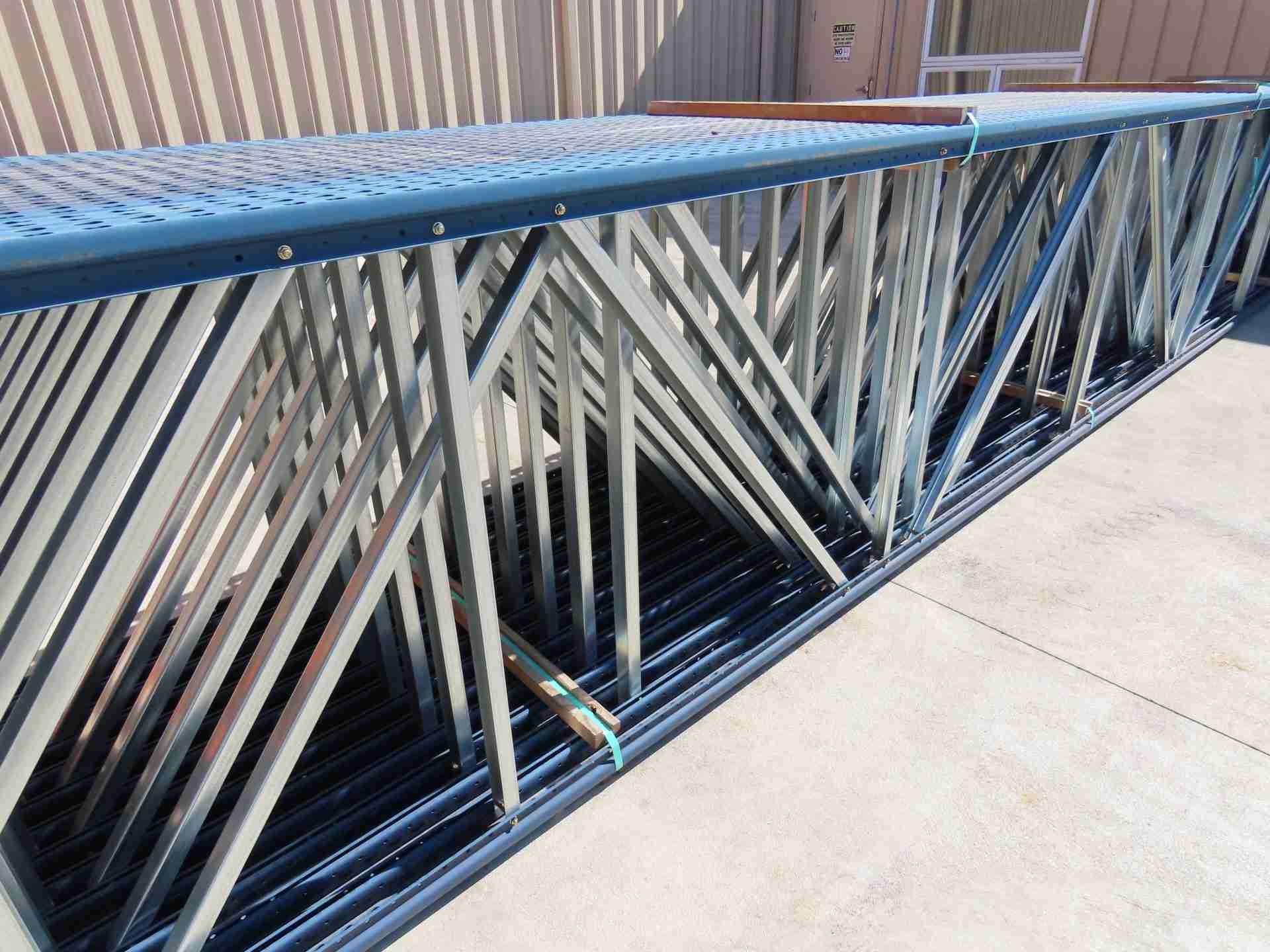
Conclusion
Conclusion:
- Rack safety is rooted in education, fostering a culture where safety is a collective responsibility.
- Empowering all workers with safety knowledge transforms routine tasks into critical decisions.
- A sense of community develops when safety becomes a common dialogue among coworkers.
- Personal stories of near-miss incidents encourage reflection and proactive change in safety practices.
- Workplace accidents involving racking systems highlight the necessity of safety training to prevent tragedies.
- Experienced voices in safety training reinforce respect and encourage commitment to safety for all.
- Investing in education builds a future where safety is integral to workplace culture and protects lives.
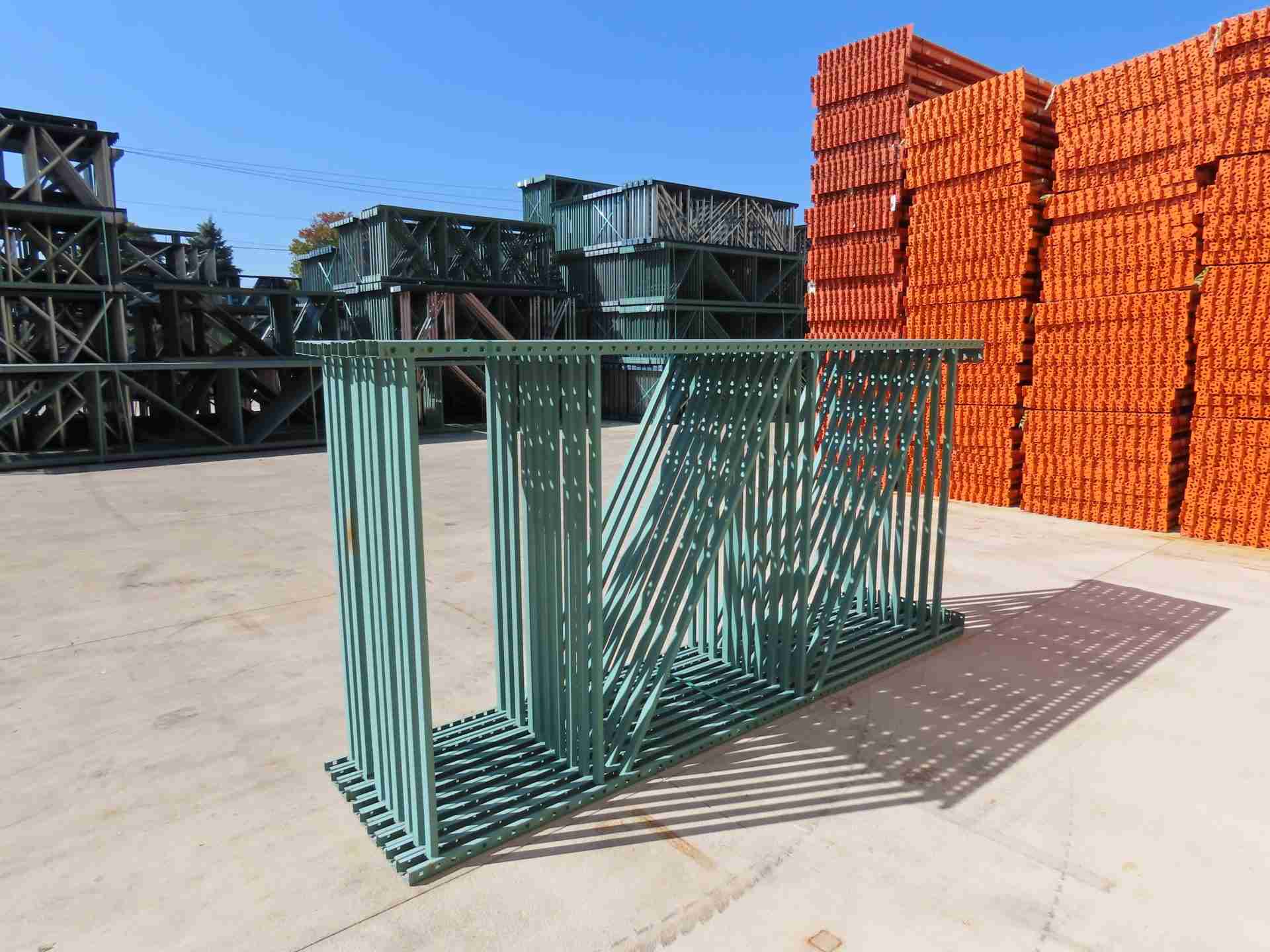
Conclusion
Other Resources
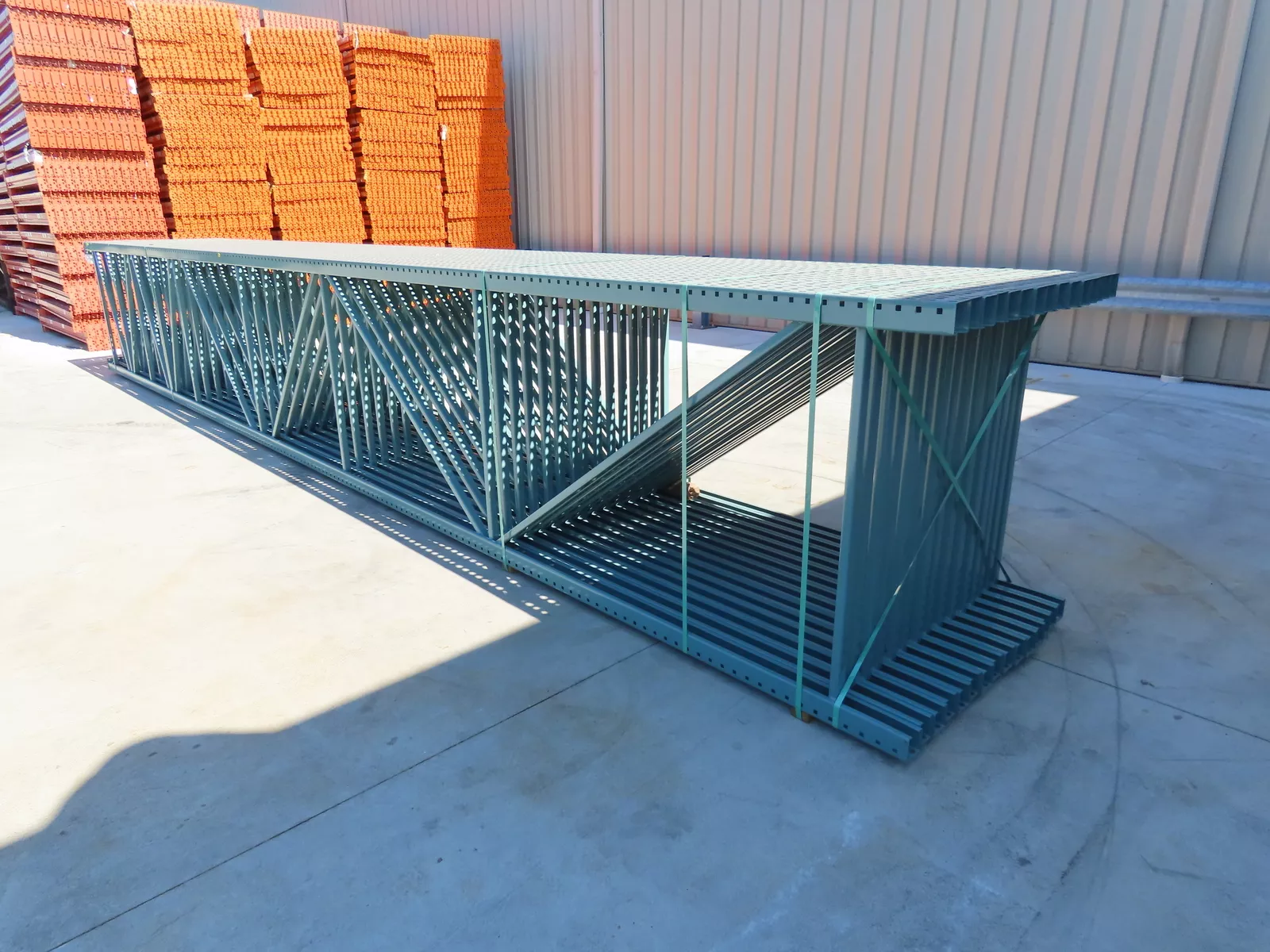
Other Resources
Here is a list of other resources you can review online to learn more:
- Material Handling Safety
- Pallet Racking 101: A Comprehensive Guide & Options Explained
- CA Wire
- Pallet Rack Systems – New and Used Pallet Racking and Shelving Experts
- American Surplus
- Cantilever Racking Specialists – Get the Right Racks
- Pallet Racking systems in Illinois, Great Lakes
- SEMA
- Rack Manufacturers Institute
- Warehouse Racking Chicago, IL
- Teardrop Uprights
- Warehouse Racks, Warehouse Racking in Stock – ULINE
- Logic Material Handling
- The Complete Pallet Rack Guide – Simply Rack
- Pallet Racking systems in Illinois and Great Lakes
- Cantilever Racks Chicago
- Chicago Pallet Racking
- What is Cantilever Racking? – AK Material Handling Systems
- Shipping Boxes, Packaging Materials, Pallet Racking
- Illinois Pallet Racking – WPRP
Use This Prompt To Get More Resources With Your Favorite Online AI Tool: Please provide me with a list of online articles with their URLs in a bulleted list that I can read regarding Why Rack Safety Starts with Education
Other Resources
Glossary Terms
Why Rack Safety Starts with Education – Glossary Of Terms
1. Rack Safety: The practice of ensuring safe use and loading of racks in warehouses and storage facilities to prevent accidents.
2. Education: The process of providing knowledge and training on proper safety protocols regarding rack usage.
3. Training: Instruction designed to enhance skills and understanding related to rack safety techniques and best practices.
4. Compliance: Adhering to regulations and industry standards that govern safe operations of racking systems.
5. Inspection: The systematic examination of racks to identify potential hazards or maintenance needs.
6. Load Capacity: The maximum weight a rack can safely support without risk of failure or collapse.
7. Palletization: Organizing goods on pallets in a way that maximizes safety and space efficiency on racks.
8. Material Handling: The movement, protection, storage, and control of materials within a facility, impacting rack safety.
9. Hazard Identification: The process of recognizing potential risks associated with rack use.
10. Ergonomics: Designing tasks and spaces to fit the physical capabilities of workers to minimize injury risk.
11. Forklift Safety: Guidelines for operating forklifts safely around racking systems to prevent accidents.
12. Weight Distribution: The practice of evenly distributing weight across racks to maintain balance and stability.
13. Safety Protocols: Established procedures that outline the steps to take in order to maintain a safe working environment.
14. Incident Reporting: The process of documenting accidents or near-misses to improve safety practices.
15. Safety Culture: The collective attitudes and behaviors of employees towards safety in the workplace.
16. Signage: Visual aids that communicate safety rules and guidelines specific to rack areas.
17. Protective Equipment: Gear such as helmets, gloves, and vests worn to enhance safety while working near racks.
18. Risk Assessment: An evaluation of potential hazards associated with rack systems and their operations.
19. Training Sessions: Organized meetings focused on teaching employees about proper rack safety and handling.
20. Warehouse Management: The strategic control of warehouse operations, including rack organization and employee training.
21. Best Practices: Recommended methods or techniques known to yield superior results in rack safety.
22. Emergency Procedures: Plans established to address incidents that may arise from rack misuse or failure.
23. Safety Audits: Comprehensive evaluations of equipment and practices to ensure compliance with safety regulations.
24. Staff Involvement: Engaging employees in safety discussions and practices to foster a proactive safety environment.
25. Racking Systems: Frameworks designed for supporting goods in warehouses, subject to safety regulations and guidelines.
26. Load Securing: Techniques used to stabilize items on racks to prevent shifting or falling.
27. Workplace Policies: Company-defined rules governing the safe use of racks and related safety procedures.
28. Continuous Improvement: An ongoing effort to enhance safety practices and training regarding rack use.
29. Behavior-Based Safety: An approach focusing on modifying employee behavior to promote a safer working environment.
30. Emergency Response Team: A designated group responsible for managing safety emergencies related to rack safety incidents.
Glossary Of Terms
Other Questions
Why Rack Safety Starts with Education – Other Questions
If you wish to explore and discover more, consider looking for answers to these questions:
- What are the most common safety protocols for racking systems?
- How can companies create a culture of safety in the workplace?
- What specific training programs are effective for educating employees on racking safety?
- What role do managers play in promoting rack safety education?
- How can employees effectively communicate safety concerns about racking systems?
- What are the legal implications of ignoring rack safety education?
- How can personal stories be effectively integrated into safety training programs?
- What metrics can be used to measure the effectiveness of safety education?
- What should be included in a comprehensive racking safety inspection checklist?
- How do different types of racking systems affect safety considerations?
- What resources are available for ongoing education in rack safety?
- How can technology be utilized to enhance racking system safety training?
- What strategies can be implemented to engage employees in ongoing safety discussions?
Other Questions
Checklist
Why Rack Safety Starts with Education – A Checklist
Rack Safety Education Checklist
Heart Appeals:
_____ Share a personal safety story: Encourage team members to speak about their experiences or near-misses related to rack safety.
_____ Foster a team culture: Host monthly safety meetings where employees can voice concerns and suggest improvements.
_____ Recognize safety advocates: Appreciate and celebrate employees who proactively address safety issues, emphasizing community care.
Head Appeals:
_____ Understand the risks: Educate employees on statistics related to rack safety injuries and risks.
_____ Review safety protocols: Ensure all employees are familiar with the latest safety procedures and equipment usage guidelines.
_____ Conduct regular training sessions: Schedule ongoing training sessions focusing on proper loading, stacking techniques, and damage identification.
Gut Appeals:
_____ Instill a sense of responsibility: Encourage employees to take ownership of safety and remind them they are each guardians of their coworkers’ well-being.
_____ Practice proactive engagement: Promote a workspace where employees routinely check each other’s adherence to safety practices.
_____ Create safety buddy systems: Pair up employees to ensure they hold each other accountable for safety compliance.
Ethical Appeals:
_____ Emphasize the duty of care: Remind employees that creating a safe work environment is an ethical responsibility toward their teammates.
_____ Highlight the importance of open communication: Encourage voicing of safety concerns without fear of repercussions.
_____ Maintain transparency: Regularly share insights into safety incidents and improvements to uphold trust and integrity.
Authority Appeals:
_____ Involve experts: Invite safety professionals to provide training and share their experiences with safety incidents and best practices.
_____ Use authoritative materials: Distribute safety manuals and guidelines authored by recognized experts to reinforce learning.
_____ Model best practices: Ensure that higher management participates in safety training and adheres to safety protocols, setting a standard for all employees.
Narrative Appeals:
_____ Collect impactful stories: Gather and share compelling anecdotes from employees or industry experts about the effects of ignoring safety protocols.
_____ Create a safety storytelling initiative: Implement a platform for employees to narrate and discuss safety challenges and successes.
_____ Develop a “Safety Champion” series: Spotlight employees who have made significant contributions to workplace safety through their stories and actions.
Social Appeals:
_____ Build a safety-first community: Promote engagement in safety initiatives as a collective effort, reinforcing social bonds among employees.
_____ Start team competitions: Encourage teams to create safety improvement plans with rewards for the most effective strategies.
_____ Share success stories: Regularly highlight improvements and positive changes resulting from collective safety efforts, reinforcing community pride.
Checklist
At RackingWorld, we help guide you through selecting warehouse storage systems and racking.
Be sure to read our other related stories at RackingWorld to learn more about warehouse storage systems.
0 Comments