
Maximizing Efficiency Through Strategic Warehouse Audits
By Tom Seest
At RackingWorld, we help guide you through selecting warehouse storage systems and racking.
Be sure to read our other related stories at RackingWorld to learn more about warehouse storage systems.
What Is The Right Way to Perform Regular Warehouse Audits?
Imagine walking through your warehouse, a well-oiled machine that runs with precision. You know exactly where every item is stored, and your team flows like a streamlined river, moving goods in and out effortlessly. The secret to achieving this level of efficiency? Regular warehouse audits. While it may sound tedious, these audits are your golden ticket to maintaining order and maximizing productivity.
So, how do you get started on this transformative journey? First, lay the groundwork by establishing a clear audit schedule. Choose a frequency that works for your operation—monthly, quarterly, or even annually. Consistency is key here. Think of your pallet racking systems as the backbone of your inventory. By scheduling audits, you can pinpoint any inefficiencies in their layout or utilization, ensuring that they are not just standing there collecting dust, but actively contributing to your efficiency.
Next, gather your team for some preparation. Communicate the purpose and importance of these audits. A united front will foster an atmosphere of accountability and collaboration. Each member of your staff holds pieces of invaluable information that can lead to breakthroughs in streamlined processes. Encourage them to take ownership. A team that feels empowered is a team that performs at its best.
During the audit, don’t just focus on the numbers. Dive into the nitty-gritty details. Inspect your pallet racking meticulously. Are your loads balanced? Is there enough space for easy access? These visuals not only keep inventory organized but play a crucial role in safety. You wouldn’t want a dangerously stacked load compromising the safety of your team.
Once the audit is complete, analyze the data and create an action plan. Identify patterns of inefficiency, areas for improvement, and successful strategies worth repeating. Regular audits provide insights that are not just about what is lacking, but also what is thriving in your warehouse. Celebrating these successes fosters a culture of continuous improvement.
Finally, follow up. Implement the changes and evaluate their effectiveness in the next audit. You’ll be surprised at how simple practices bolster trust and confidence in your operations. The cycle of review and reassessment builds a fortress of reliability within your warehouse systems.
Regular warehouse audits aren’t merely a check-list activity; they are a strategic move toward excellence. Embrace them, and watch as your warehouse transforms into a beacon of productivity and safety. Your future self—and your employees—will thank you.
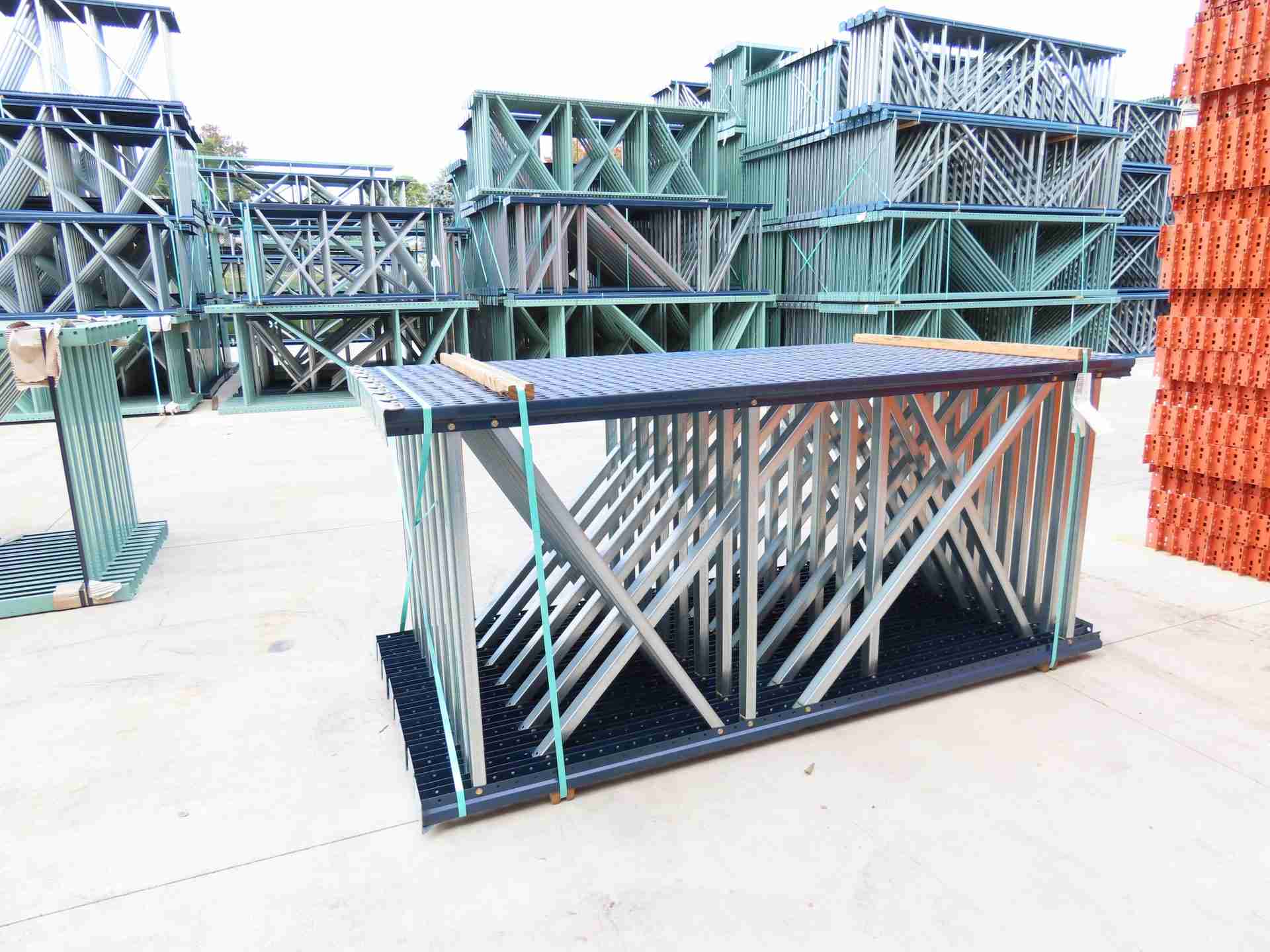
What Is The Right Way to Perform Regular Warehouse Audits?
What Is The Right Way to Perform Regular Warehouse Audits?
- Regular warehouse audits are essential for maintaining order and maximizing productivity.
- Establish a clear audit schedule (monthly, quarterly, or annually) for consistency and efficiency.
- Communicate the importance of audits to your team to foster accountability and collaboration.
- Engage your team members as they hold valuable insights that can lead to improved processes.
- Inspect details during the audit, focusing on pallet racking for safety and efficiency.
- Analyze data post-audit to create action plans identifying inefficiencies and successful strategies.
- Implement changes and follow up in the next audit to build reliability and trust in operations.
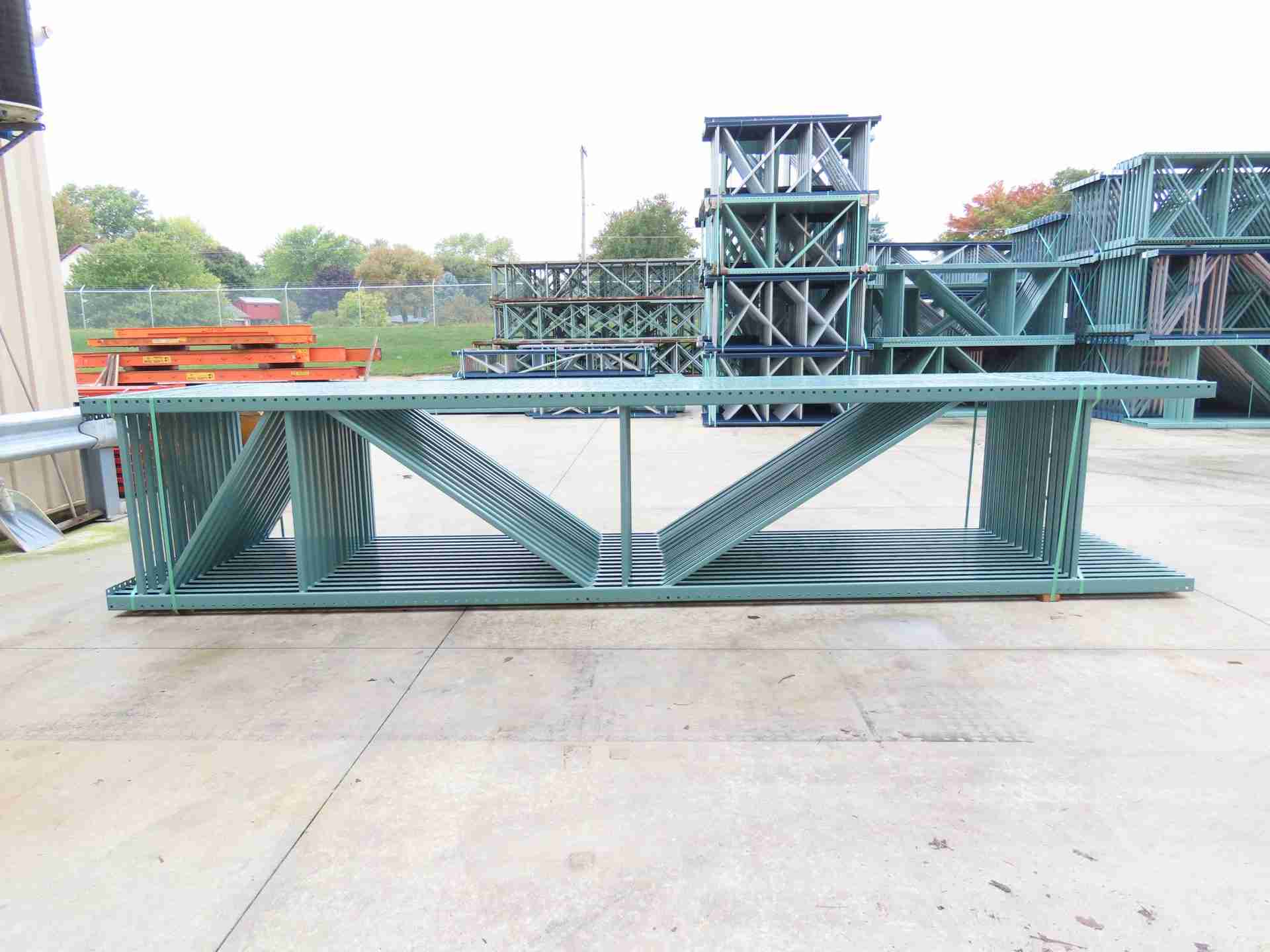
What Is The Right Way to Perform Regular Warehouse Audits?
Table Of Contents
- What Is The Right Way to Perform Regular Warehouse Audits?
- What Are The Key Benefits Of Performing Regular Warehouse Audits?
- How Often Should Warehouse Audits Be Conducted For Effectiveness?
- What Steps Should Be Followed To Conduct A Thorough Warehouse Audit?
- What Common Issues Are Identified During Warehouse Audits?
- How Can Technology Enhance The Auditing Process In Warehouses?
- What Metrics Should Be Tracked During A Warehouse Audit?
- Conclusion
- Other Resources
- Glossary Of Terms
- Other Questions
- Checklist
What Are The Key Benefits Of Performing Regular Warehouse Audits?
If you’re looking to enhance your warehouse operations, let’s talk about a secret weapon that’s often overlooked: regular warehouse audits. Imagine navigating through your inventory without wondering where everything is, or worse, discovering that items are misplaced, underutilized, or—heaven forbid—lost entirely! By committing to routine audits, you can unlock a treasure chest of benefits that will not only optimize your facility but also instill a sense of confidence in your team and your operations.
First and foremost, regular warehouse audits enable you to maintain a clear line of sight on your assets, especially when it comes to essential components like pallet racking. It’s easy to forget about older racks or to overlook how efficient they are in supporting your inventory needs. An audit ensures that your pallet racking system is not just functional, but efficient and safe—protecting your products, your staff, and your bottom line.
But it doesn’t stop there. Imagine reducing operational costs significantly. By identifying and addressing inefficiencies uncovered through an audit, you can streamline processes and eliminate wasteful practices. This could mean redistributing space more effectively or even upgrading your pallet racking to fit modern inventory demands. Every saved dollar finds its way to your profit margins, and your business can flourish.
Let’s also talk about enhancing compliance and safety. Regular audits foster a culture of accountability. When your team knows they’ll be held accountable for their workspace—think about equipment checks and safety protocols—they’re more likely to perform at their best. A well-audited warehouse is not just a safe warehouse; it’s an empowered one.
Additionally, these audits help you stay ahead of mistakes—before they can snowball into costly missteps. Think of an audit as a health checkup for your warehouse. The earlier you catch potential issues, the easier they are to remedy, allowing for a more agile response to unexpected problems.
Finally, let’s not forget the customer experience. An organized, well-functioning warehouse translates directly to better service. It means timely deliveries, accurate orders, and happy clients. When your performance improves, your reputation shines, and the referrals will flow.
So, if you’re ready to embrace the transformative power of regular warehouse audits, know that the benefits are clear. It’s time to take action. After all, when you invest in your warehouse’s health, you’re investing in the future success of your business!
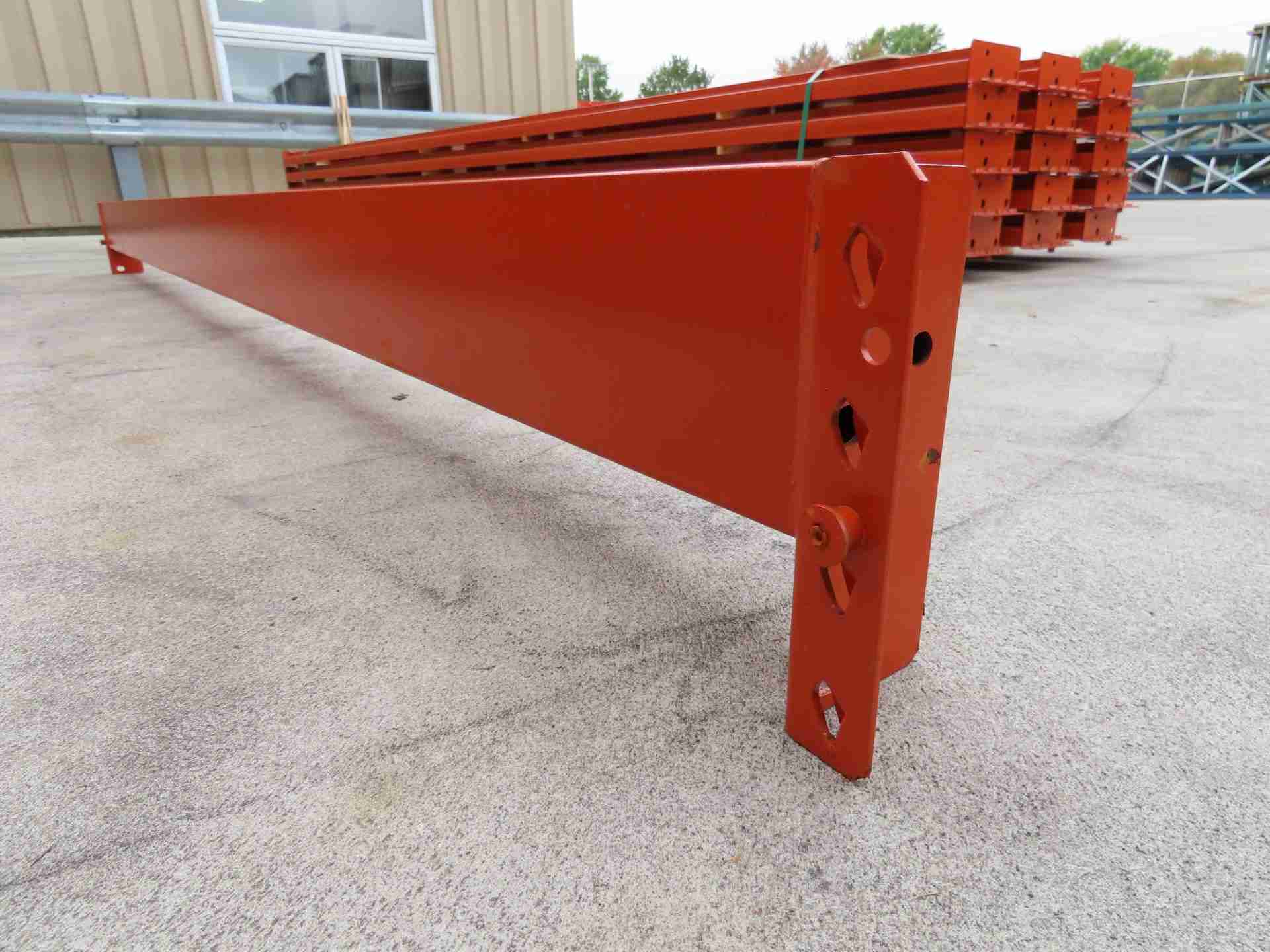
What Are The Key Benefits Of Performing Regular Warehouse Audits?
What Are The Key Benefits Of Performing Regular Warehouse Audits?
- Regular warehouse audits enhance operational efficiency and organization.
- Maintain a clear oversight of inventory and pallet racking systems for safety and functionality.
- Identify and address inefficiencies to reduce operational costs and improve profit margins.
- Foster a culture of accountability, improving compliance and safety among team members.
- Proactively catch potential issues before they escalate into costly mistakes.
- Improve customer experience through better service and timely, accurate deliveries.
- Investing in regular audits supports the long-term success of your warehouse and business.
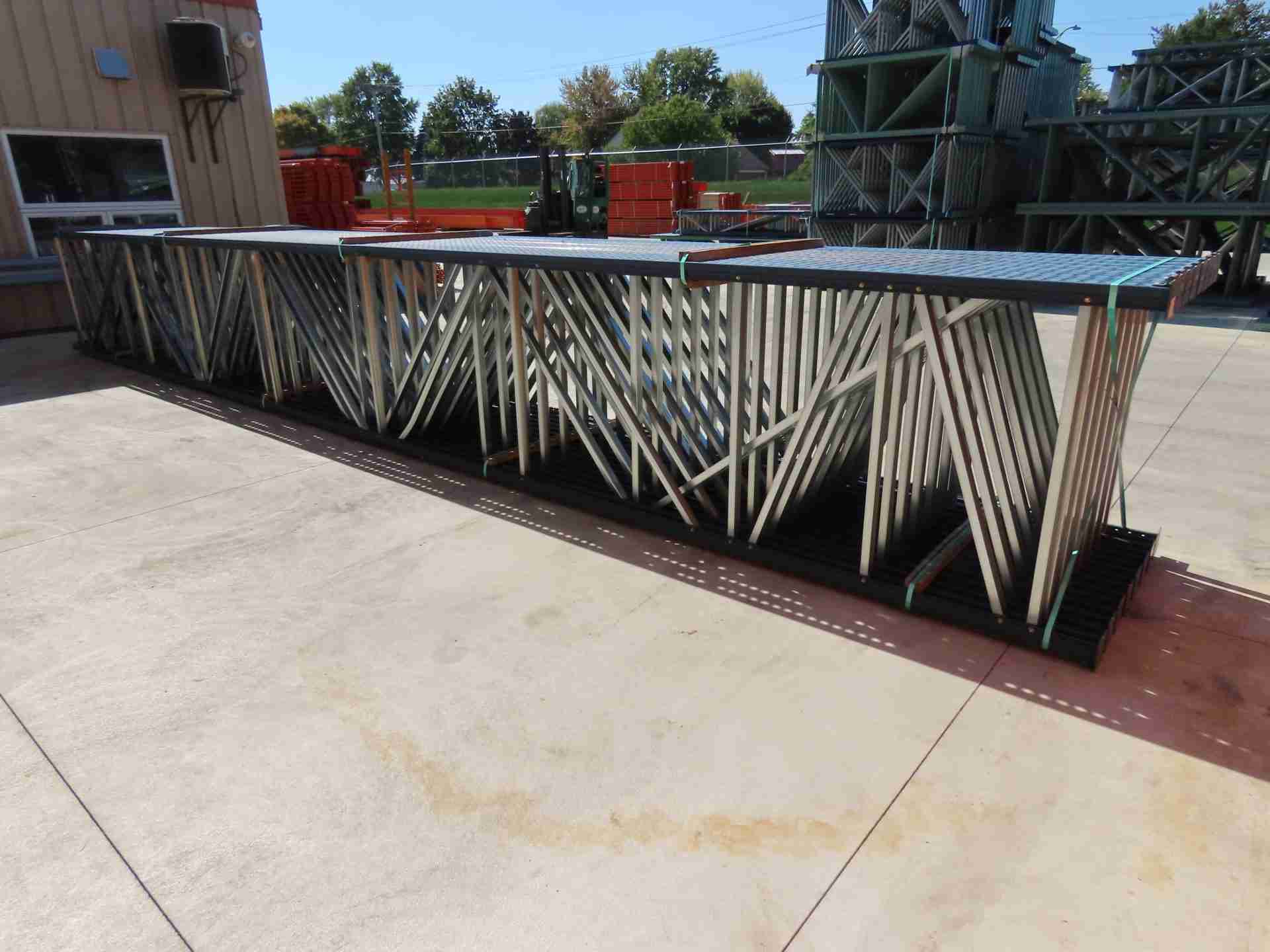
What Are The Key Benefits Of Performing Regular Warehouse Audits?
How Often Should Warehouse Audits Be Conducted For Effectiveness?
When it comes to ensuring an effective warehouse operation, the frequency of audits can make all the difference. Warehouse audits aren’t just a formality; they are the backbone of operational excellence. Think of them as your secret weapon, ensuring that every item stored and every pallet racking system is serving its purpose to the fullest. So, how often should you conduct these crucial evaluations?
Let’s face it: in the hustle and bustle of daily operations, it’s easy for processes to become lax. The stacks of merchandise on your pallet racking might look organized at first glance, but without routine checks, issues can bubble beneath the surface. Maybe a few boxes have been misplaced, or an outdated process has crept back into your routine. Regular audits shine a spotlight on these hidden issues, allowing you to address them before they grow into costly problems.
For most businesses, conducting a comprehensive audit every three to six months is a solid rule of thumb. This frequency allows you to stay in tune with the demands and changes in inventory flow, technology, and customer requirements. However, during peak seasons—or if your inventory turnover is high—monthly audits are advisable. This proactive approach not only safeguards against errors but also cultivates a culture of accountability and diligence among your staff.
You might be wondering: can I automate this process? While technology can provide valuable insights, the human touch is irreplaceable. Engaging your team in the audit process fosters a sense of ownership and pride in their work. Moreover, it encourages communication about operational challenges they may face, leading to real-time solutions.
Remember, the goal of these audits isn’t just compliance; it’s about continuous improvement and boosting your bottom line. An organized, efficient warehouse contributes to faster order processing, happier customers, and fewer costly returns—advantages that propel your business forward.
So, how often should you conduct warehouse audits? The answer is intimately connected to your operation’s size, complexity, and distribution frequency. Set a schedule that aligns with your business needs, and don’t shy away from adjusting it as circumstances change. Embrace the audit process, and watch your warehouse transform into a finely-tuned machine, ready to meet any challenge that comes your way. After all, a little diligence today can lead to significant savings and success tomorrow.
How Often Should Warehouse Audits Be Conducted For Effectiveness?
How Often Should Warehouse Audits Be Conducted For Effectiveness?
- Regular warehouse audits are essential for operational excellence and identify underlying issues.
- Conduct audits every three to six months as a standard practice for most businesses.
- In peak seasons or with high inventory turnover, consider monthly audits to prevent errors.
- While technology aids the auditing process, team engagement is crucial for ownership and communication.
- Audits focus on continuous improvement, enhancing order processing, customer satisfaction, and reducing returns.
- Audit frequency should align with the size, complexity, and distribution needs of your operation.
- Adjust your audit schedule as necessary to adapt to changing business circumstances for optimal performance.

How Often Should Warehouse Audits Be Conducted For Effectiveness?
What Steps Should Be Followed To Conduct A Thorough Warehouse Audit?
When it comes to optimizing your warehouse operations, conducting a thorough audit is paramount. Picture this: your warehouse is well-organized, your inventory is accurately tracked, and your team works like a well-oiled machine. It’s not just a dream — it’s entirely within reach. By following a structured approach, you can transform your warehouse from a chaotic storage space into a streamlined operation. Here’s how to ensure your audit delivers remarkable results.
1. Establish Clear Objectives
Before diving in, take a moment to define what you want to achieve with the audit. Are you aiming to improve efficiency, enhance safety, or reduce costs? Setting clear goals ensures every team member is aligned and engaged in the process. Trust me, a defined purpose paves the way for a focused and purposeful audit.
2. Inventory Every Asset
This is where the magic begins. Go through each section of your warehouse, including Pallet Racking systems, and account for every single item. This critical step not only helps eliminate discrepancies but also uncovers items that may have been sitting idle for too long. An up-to-date inventory empowers you to make informed decisions about restocking and promotions, ensuring you’re maximizing every asset.
3. Evaluate Warehouse Layout
Next, take a hard look at your warehouse layout. Your Pallet Racking configuration should maximize space and facilitate quick, easy access to popular items. If your aisles are clogged and your storage areas are overwhelmed, it’s time to rethink your setup. Remember, a well-planned layout minimizes the time spent on picking and packing, driving higher productivity levels!
4. Analyze Processes and Workflows
Once you’ve mapped out your inventory and layout, it’s time to scrutinize your workflows. Engage your employees in discussions about their day-to-day operations. They often have invaluable insights into inefficiencies or obstacles they face. Empower your team to contribute ideas, fostering a culture of collaboration and continuous improvement.
5. Implement Changes and Monitor Progress
Finally, don’t let your audit gather dust! Implement the recommendations and changes identified during your analysis — but don’t stop there. Set up a system to monitor progress, ensuring the changes are making a difference over time. Regular audits establish a cycle of accountability and improvement, turning your warehouse into a powerhouse of efficiency.
By following these steps, you’ll not only conduct a thorough warehouse audit but also cultivate an environment of trust and confidence among your team. With a commitment to continuous improvement, there’s no limit to what your warehouse can achieve. So roll up your sleeves and get ready to transform your operations!

What Steps Should Be Followed To Conduct A Thorough Warehouse Audit?
What Steps Should Be Followed To Conduct A Thorough Warehouse Audit?
- Conducting a thorough audit is essential for optimizing warehouse operations.
- Establish clear objectives to focus the audit on improving efficiency, safety, or reducing costs.
- Inventory every asset in the warehouse to eliminate discrepancies and make informed decisions.
- Evaluate the warehouse layout to ensure it maximizes space and facilitates quick access to items.
- Analyze processes and workflows by engaging employees for insights on inefficiencies.
- Implement changes suggested by the audit and establish a system to monitor progress.
- Commit to continuous improvement to cultivate trust and maximize warehouse efficiency.
What Steps Should Be Followed To Conduct A Thorough Warehouse Audit?
What Common Issues Are Identified During Warehouse Audits?
When it comes to optimizing operations in your warehouse, the audit process can be a game-changer. Many business owners often find themselves in one of two camps: either they dread the thought of opening the proverbial can of worms or they see it as an invaluable opportunity for growth. Guess what? Whichever camp you find yourself in, understanding common issues identified during warehouse audits can transform your outlook—and your bottom line.
One of the top culprits is often pallet racking. Yes, those seemingly innocuous structures that hold your stock can become a headache if not managed properly. Poorly installed or overloaded pallet racking not only creates a safety hazard but can lead to significant inventory loss. Imagine waking up one morning only to discover that your racking system, sagging under the weight of its burden, has collapsed. It’s a nightmare nobody wants to face, and yet it happens more often than you think. Regular audits shine a spotlight on these critical areas, ensuring your inventory is stored safely and efficiently.
Now, let’s not overlook organization—or lack thereof. A chaotic warehouse can lead to misplaced items and ultimately dissatisfied customers. During an audit, visual organization systems like labeling and zoning are scrutinized. Is everything easily accessible? Are the pathways clear? If you can’t answer these questions affirmatively, you may be leaving money on the table. An organized warehouse means faster picking times and happier customers. And who doesn’t want that?
Another frequent issue that emerges from audits is the management of inventory turnover. Are you sitting on excess stock that’s practically gathering dust? This isn’t just bad for your finances; it can also hinder your operational fluidity. Audits force you to confront hard truths about your inventory, helping you make informed decisions that can bring immediate improvements.
Operational inefficiencies, from outdated technology to inadequate training, often rear their heads during audits as well. Think of your warehouse as a finely-tuned machine; if one part of it is off, the whole operation can sputter. Addressing these issues head-on empowers your team and encourages a culture of continuous improvement—all necessary ingredients to achieve chocolate-chip cookie perfection in your processes!
So, buckle up! When you commit to understanding and addressing these common issues unearthed in warehouse audits, you’re not just optimizing your space; you’re setting the stage for success by laying a solid foundation for your business’s future. Ready to transform your operations? Let’s get started!

What Common Issues Are Identified During Warehouse Audits?
What Common Issues Are Identified During Warehouse Audits?
- The audit process can significantly optimize warehouse operations.
- Business owners often have mixed feelings about warehouse audits, either dreading or embracing them as growth opportunities.
- Pallet racking can pose safety hazards and inventory loss if not managed properly, with regular audits helping to ensure safety and efficiency.
- Organization is crucial; chaotic warehouses can lead to misplaced items and dissatisfied customers.
- Warehouse audits assess visual organization systems to improve accessibility and streamline operations.
- Inventory turnover management is vital; audits can reveal excess stock issues and promote informed decision-making.
- Addressing operational inefficiencies during audits fosters continuous improvement and enhances overall business performance.
What Common Issues Are Identified During Warehouse Audits?
How Can Technology Enhance The Auditing Process In Warehouses?
Imagine walking into a warehouse, the smell of fresh goods, the sheer scale of operations unfolding around you. Yet amidst this bustling environment lies the heartbeat of efficiency—an effective auditing process. Now, what if I told you that technology can not only streamline this process but also unlock the true potential of your warehouse operations?
Let’s begin with the backbone of storage solutions: pallet racking. The efficiency of pallet racking systems is crucial for maintaining order and optimizing space. These systems have traditionally relied on manual counting and inspections, which, let’s face it, is not only time-consuming but also rife with potential for human error. Enter technology! Through the integration of digital tools such as automated inventory management systems, QR coding, and RFID tagging, you can elevate your auditing process to a whole new level.
Imagine scanning a pallet with a handheld device and having all its information at your fingertips—stock levels, order history, and even expiration dates—displayed in real-time. It’s like having a personal assistant for each item on your pallet racking. This transformative approach not only saves time but also enhances precision, ensuring your audits are not just more efficient but also more accurate.
Moreover, utilizing cloud-based software can enable you to track patterns in warehouse operations. You’ll gain insights into stock turnover rates, peak activity times, and even detect discrepancies in real-time. Picture the peace of mind you’ll have, knowing that you can access vital auditing data from anywhere, at any time, right from your smartphone or tablet. This level of connectivity not only fosters an agile response to unexpected inventory changes but enhances the collaboration between teams.
Let’s not overlook the importance of compliance and regulatory needs. Your auditing process must keep pace with the ever-evolving standards within your industry. Implementing technology ensures that your warehouse remains above board, bolstering your reputation as a reliable partner.
So, are you ready to embrace the transformation? By integrating advanced technology into your auditing process, you can reclaim valuable time, cut costs, and enhance your overall operation. Take that leap! Your warehouse deserves the best tools for success, and technology might just be the game-changer you’ve been waiting for. Connect with us today to discover how we can help you enhance your auditing process and unleash the power of your pallet racking systems!

How Can Technology Enhance The Auditing Process In Warehouses?
How Can Technology Enhance The Auditing Process In Warehouses?
- Efficient auditing processes are key to optimizing warehouse operations, even in busy environments.
- Traditional pallet racking systems rely on manual counting, which is time-consuming and prone to human error.
- Technology, like automated inventory management systems, QR coding, and RFID tagging, can enhance auditing efficiency and accuracy.
- Real-time information access through handheld devices streamlines inventory management (e.g., stock levels, order history).
- Cloud-based software allows tracking of warehouse operation patterns, providing insights into stock turnover rates and discrepancies.
- Compliance with evolving industry standards is crucial; technology helps maintain regulatory requirements.
- Integrating advanced technology in auditing can save time, cut costs, and improve overall operational efficiency.

How Can Technology Enhance The Auditing Process In Warehouses?
What Metrics Should Be Tracked During A Warehouse Audit?
When it comes to an effective warehouse audit, the metrics you track can make all the difference between a thriving operation and one that’s struggling to keep up. Think of your warehouse as the beating heart of your business; when it’s functioning optimally, everything else falls into place. So, let’s dive into some critical metrics you can’t afford to overlook, starting with your pallet racking.
Pallet racking is more than just where you store your goods; it’s the backbone of your inventory management. Just like a sturdy foundation supports a building, efficient pallet racking systems enable you to maximize storage space while ensuring quick and easy access to your products. During your audit, evaluate the utilization rate of your pallet racking. Is it being optimized? Are there unused or underused areas that could be better utilized? The answer could significantly impact your operational efficiency.
Next, let’s turn our focused gaze to inventory accuracy. A staggering percentage of businesses suffer from discrepancies between what’s recorded and what’s physically present. Tracking the accuracy not only saves you money but also boosts customer satisfaction. If you can ensure that orders are fulfilled correctly and swiftly, you’re building trust with your customers, which is invaluable.
Then there’s your order fulfillment rate—an essential metric that speaks volumes about your operations. This assesses how well you’re meeting customer demands and timelines. A high fulfillment rate indicates that your processes are streamlined, and your team is working cohesively. Of course, during the audit, don’t shy away from assessing your picking and packing times. The quicker your team can pick, pack, and ship, the happier your customers will be.
Don’t forget about safety metrics! Audit your accident and incident reports, and measure how effectively your employees are adhering to safety protocols. A culture of safety doesn’t just keep the workforce secure; it fosters engagement and trust among your team members. After all, happy employees contribute to a more productive environment.
Lastly, examine your operating costs per order. Are you spending too much on overtime labor or inefficient practices? Streamlining these costs could unlock additional profit margins, enhancing your bottom line without sacrificing service quality.
Every warehouse audit is an opportunity to fine-tune your operations and positively impact your bottom line. By focusing on these pivotal metrics—especially your pallet racking and overall inventory management—you can ensure your warehouse is not just surviving but thriving. Now, roll up those sleeves and get ready to transform your operations!

What Metrics Should Be Tracked During A Warehouse Audit?
What Metrics Should Be Tracked During A Warehouse Audit?
- Metrics play a critical role in the effectiveness of warehouse audits, influencing operational success.
- Pallet racking serves as the backbone of inventory management; optimize usage for efficiency.
- Evaluate the utilization rate of pallet racking to identify underused areas that could enhance efficiency.
- Ensure inventory accuracy to minimize discrepancies, save costs, and improve customer satisfaction.
- The order fulfillment rate is essential for assessing operational performance in meeting customer demands.
- Safety metrics, including accident reports, are crucial for fostering a secure and engaged workforce.
- Examine operating costs per order to identify inefficiencies and potential profit margin enhancements.
What Metrics Should Be Tracked During A Warehouse Audit?
Conclusion
When it comes to maintaining an efficient warehouse, regular audits are not just a procedure—they are a strategic necessity, the lifeline that keeps your operations running smoothly. Imagine walking into your warehouse and immediately spotting areas of improvement, inefficiencies, and even hidden hazards that could otherwise derail your business. This is the power a thorough and consistent auditing process brings to your team and operations. At Arrow Industrial Sales, we understand that your warehouse is the backbone of your business, and that five-star efficiency hinges on your ability to critically assess it.
As we’ve explored in this article, implementing a clear audit schedule—be it monthly, quarterly, or annually—can significantly enhance the organization and functionality of your warehouse. From optimizing your pallet racking layout to ensuring the proper handling and storage of inventory, every facet of your operation can benefit from regular reviews. Not to mention, fostering team involvement in the audit process can promote accountability, boost morale, and encourage a culture of continuous improvement.
But it doesn’t stop there. Regular audits unlock unprecedented benefits in operational cost savings, compliance with safety protocols, and improvements in customer satisfaction. Avoiding costly missteps and ensuring your employees work in a safe environment not only enhances your operational efficiency but also strengthens your business’s reputation.
However, time is of the essence. Each moment you delay in conducting these critical assessments is a potential revenue lost. Don’t let inefficiencies snowball into monumental issues that could cost you dearly in customer trust and operational capability. Embrace the urgency for transformative action now! At Arrow Industrial Sales, we specialize in guiding you through this process, providing you with the tools and expertise needed to turn your warehouse into a fortified bastion of productivity.
So, as you stand on the brink of optimizing your warehouse operations, remember this—regular audits are your golden ticket. They are not merely a chore; they are an opportunity to refine your processes, empower your team, and safeguard your bottom line. We encourage you to take action now. Don’t wait for problems to arise—call Arrow Industrial Sales at (574) 349-6575 today to learn how our solutions can help you maximize efficiency and transform your warehouse into a well-oiled machine. Your future selves—and your team—will be grateful for the proactive measures you take today!
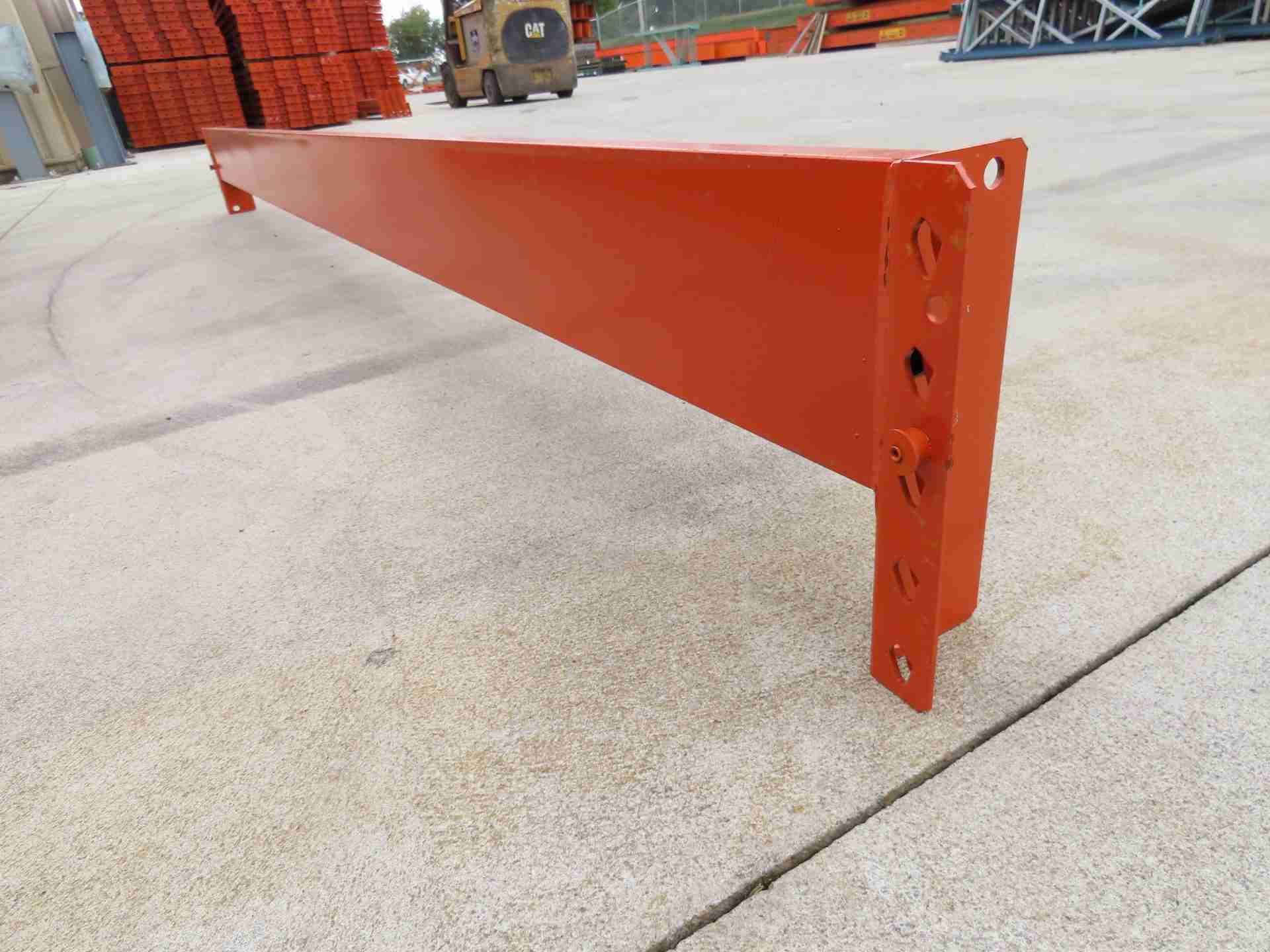
Conclusion
Conclusion:
- Regular audits are essential for maintaining an efficient warehouse and ensuring smooth operations.
- Thorough auditing helps identify areas of improvement, inefficiencies, and hidden hazards.
- Implementing a clear audit schedule (monthly, quarterly, or annually) can enhance warehouse organization and functionality.
- Regular reviews optimize pallet racking layout and improve inventory handling and storage.
- Involving the team in the audit process promotes accountability, boosts morale, and fosters a culture of continuous improvement.
- Regular audits lead to operational cost savings, safer work environments, and better customer satisfaction.
- Act promptly to avoid inefficiencies and strengthen your business’s reputation—contact Arrow Industrial Sales for expert guidance.
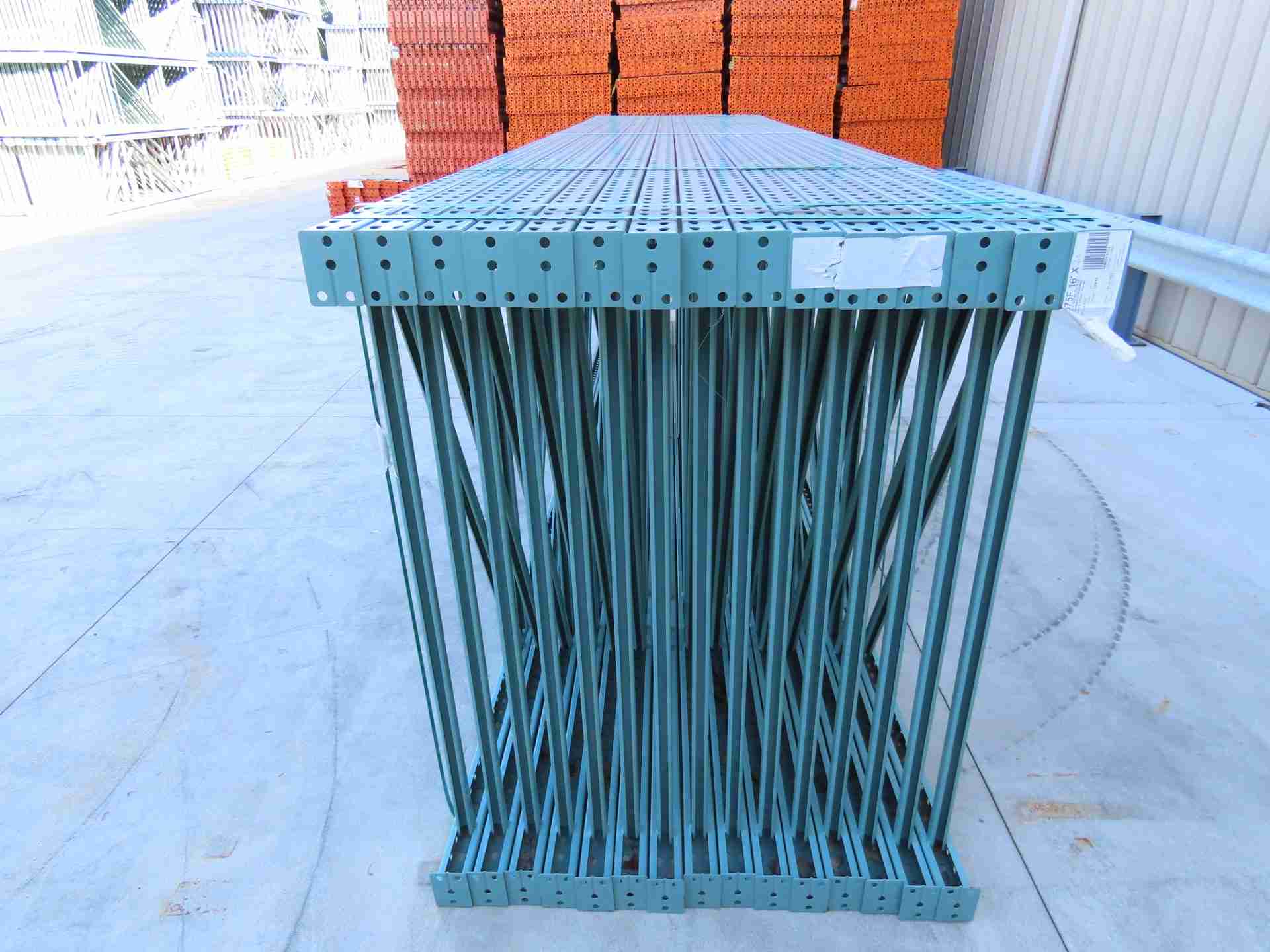
Conclusion
Other Resources

Other Resources
Here is a list of other resources you can review online to learn more:
- IIWS Inc. Rack Installation Illinois & Rack Repairs Illinois
- American Society of Safety Professionals
- Material Handling Safety
- International Warehouse Logistics Association
- CA Wire
- What is Cantilever Racking? – AK Material Handling Systems
- IIWS Inc. Rack Installation Illinois & Rack Repairs Illinois
- Selective Racking
- Warehouse Racking Systems: Beginner’s Guide to Rack Systems
- Cantilever Rack Guide: Ordering Cantilever Racking
Use This Prompt To Get More Resources With Your Favorite Online AI Tool: Please provide me with a list of online articles with their URLs in a bulleted list that I can read regarding What Is The Right Way to Perform Regular Warehouse Audits?

Other Resources
Glossary Terms
What Is The Right Way to Perform Regular Warehouse Audits? – Glossary Of Terms
1. Audit: A systematic examination of warehouse processes, inventory, and records to ensure accuracy and compliance.
2. Inventory: A detailed list of goods and materials held in stock, essential for assessing warehouse performance.
3. Cycle Count: A method of inventory auditing where a small portion of the inventory is counted on a specific schedule to ensure accuracy.
4. Compliance: Adherence to laws, regulations, and internal policies related to warehouse operations and safety standards.
5. Accuracy: The degree to which inventory records match the actual physical count, critical for effective inventory management.
6. Variance: The difference between recorded inventory levels and actual physical counts, indicating potential issues.
7. Safety Stock: Extra inventory kept on hand to safeguard against variability in demand or supply chain disruptions.
8. Process Mapping: Documenting the workflow of warehouse operations to identify improvement opportunities during an audit.
9. Key Performance Indicators (KPIs): Metrics used to evaluate the success of warehouse operations, such as order fulfillment rate and inventory turnover.
10. SOP (Standard Operating Procedure): Documented guidelines outlining the standard methods for performing tasks in the warehouse to ensure consistency.
11. Root Cause Analysis: A systematic approach to identifying the underlying causes of inventory discrepancies discovered during an audit.
12. FIFO (First-In, First-Out): An inventory management strategy where the oldest stock is sold or used first, crucial for perishable goods.
13. LIFO (Last-In, First-Out): An inventory approach where the most recently acquired items are sold first, impacting cost assessment and inventory flow.
14. Shrinkage: The loss of inventory due to theft, errors, or damage, which must be monitored and minimized during audits.
15. Traceability: The ability to track the history of inventory through its lifecycle, important for audits and quality control.
16. Physical Inventory: A complete count of all items in the warehouse, usually performed periodically to validate records.
17. Warehouse Management System (WMS): Software that helps manage warehouse operations, inventory, and auditing processes efficiently.
18. Stock Keeping Unit (SKU): A unique identifier for each product in the inventory, essential for tracking and auditing purposes.
19. Receiving Inspection: The process of checking and verifying incoming inventory against purchase orders to ensure accuracy.
20. Order Fulfillment: The process of receiving, processing, and delivering orders to customers, often evaluated in audits.
21. Bin/Bay: Storage locations within the warehouse designated for specific items, crucial for inventory organization.
22. Palletization: The practice of stacking and storing goods on pallets for easier handling and shipping, often assessed in audits.
23. Warehouse Layout: The physical arrangement of storage areas, workspaces, and aisles designed for optimal efficiency and safety.
24. Stock Rotation: The practice of regularly moving older stock to the front and newer stock to the back to minimize spoilage.
25. Audit Trail: A chronological record of changes made to inventory records, important for tracking discrepancies and ensuring accountability.
26. Forecasting: The process of predicting future inventory needs based on historical data, influencing stock levels assessed during audits.
27. Quality Control: Measures taken to ensure that the products stored in the warehouse meet certain quality standards.
28. Product Lifecycle: The stages a product goes through from acquisition to sale, important for understanding inventory turnover.
29. Process Improvement: Efforts made to enhance warehouse operational efficiency and accuracy based on audit findings.
30. Training: Programs designed to educate warehouse staff on best practices and standards to help maintain compliance and improve audit outcomes.
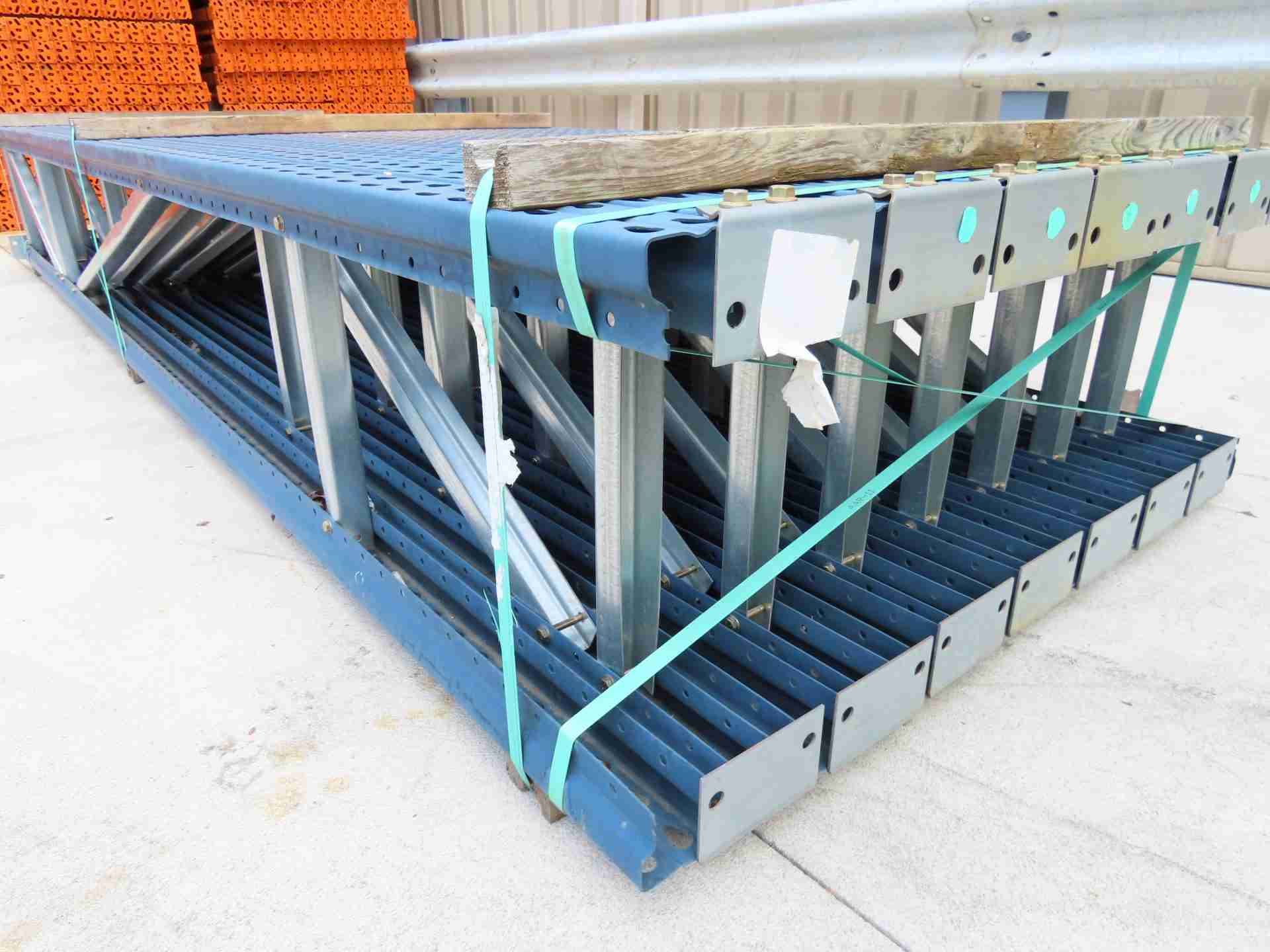
Glossary Of Terms
Other Questions
What Is The Right Way to Perform Regular Warehouse Audits? – Other Questions
If you wish to explore and discover more, consider looking for answers to these questions:
- What tools or software are recommended for conducting warehouse audits?
- How can I train my staff effectively for the auditing process?
- What are the best practices for documenting audit findings?
- How do I determine the right frequency for auditing in my specific warehouse?
- What steps should I take if I identify significant issues during an audit?
- How can I measure the long-term impact of warehouse audits on my operations?
- What role does management play in the auditing process?
- How can I leverage employee feedback to improve audit effectiveness?
- What are some industry-specific compliance issues to consider during audits?
- How do I prioritize areas for improvement identified during audits?
- What is the cost-benefit analysis of performing regular warehouse audits?
- How can technology assist in tracking audit metrics over time?
- Are there any legal regulations or standards that impact warehouse auditing?
- What should be included in a comprehensive audit report?
- How can audits influence customer satisfaction and retention rates?

Other Questions
Checklist
What Is The Right Way to Perform Regular Warehouse Audits? – A Checklist
Regular Warehouse Audit Checklist
Preparation for Audit:
1. Establish Clear Objectives:
_____ Define the goals (e. g. , efficiency, safety, cost reduction).
2. Schedule Audits:
_____ Decide on the frequency (monthly, quarterly, or annually).
_____ Prepare the schedule and communicate it to the team.
3. Assemble the Audit Team:
_____ Gather a team with clear roles and responsibilities.
_____ Communicate the audit’s purpose and importance.
Conducting the Audit:
4. Inventory Count:
_____ Perform a thorough count of all items in the warehouse.
_____ Use tools such as inventory management systems, QR codes, or RFID tagging.
5. Evaluate Warehouse Layout:
_____ Check the arrangement of pallet racking.
_____ Ensure easy access to frequently used items and clear pathways.
6. Inspect Pallet Racking:
_____ Assess the condition and configuration of pallet racking.
_____ Look for any signs of overload or damage.
Analyzing Processes:
7. Analyze Workflows:
_____ Review operational processes with team input.
_____ Identify bottlenecks or inefficiencies in current workflows.
8. Monitor Safety Metrics:
_____ Review accident reports and safety protocol adherence.
_____ Ensure employees are following safety measures.
Post-Audit Actions:
9. Create an Action Plan:
_____ Document issues identified and suggest improvements.
_____ Set priorities for implementing changes.
10. Follow Up:
_____ Schedule a review of implemented changes during the next audit.
_____ Evaluate the effectiveness of changes and foster continuous improvement.
Metrics to Track:
11. Inventory Accuracy:
_____ Compare recorded inventory with physical counts.
12. Order Fulfillment Rate:
_____ Track how well customer orders are filled on time.
13. Pallet Racking Utilization:
_____ Assess the efficiency of space use within racking systems.
14. Operating Costs per Order:
_____ Analyze costs associated with fulfilling orders.
Additional Considerations:
15. Use Technology:
_____ Consider implementing digital tools to enhance audit efficiency (automated systems, cloud-based software).
16. Celebrate Successes:
_____ Acknowledge improvements and successes to motivate the team.
By following this checklist, you can ensure your warehouse audits are comprehensive, effective, and focused on continuous improvement, ultimately leading to a safer, more efficient operation.
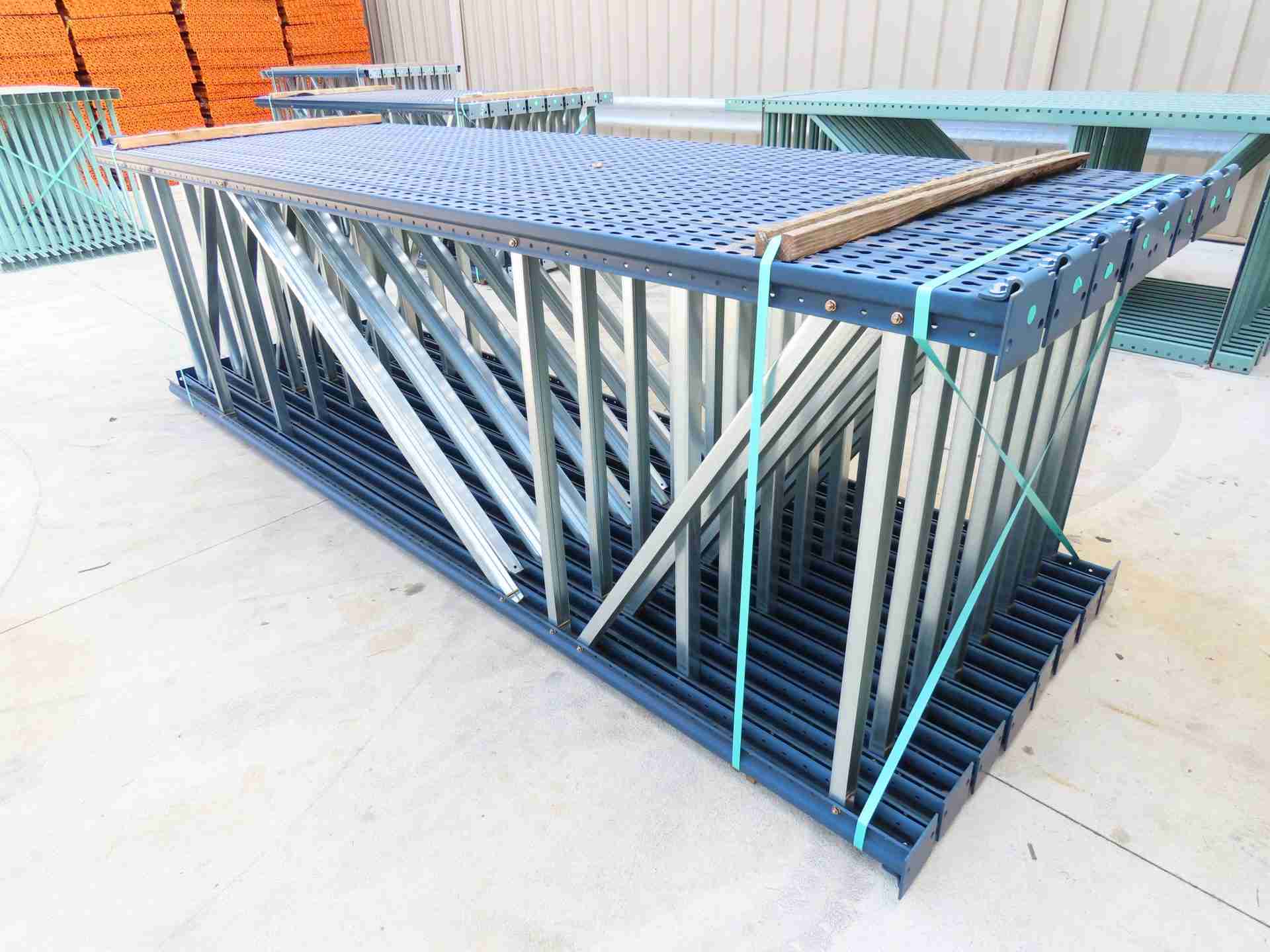
Checklist
At RackingWorld, we help guide you through selecting warehouse storage systems and racking.
Be sure to read our other related stories at RackingWorld to learn more about warehouse storage systems.
0 Comments