
Mastering Inventory Control: Overcoming Mismanagement Fears
By Tom Seest
At RackingWorld, we help guide you through selecting warehouse storage systems and racking.
Be sure to read our other related stories at RackingWorld to learn more about warehouse storage systems.
How Do You Combat The Fear Of Inventory Mismanagement?
Inventory mismanagement can feel like a shadow lurking over your business, ready to pounce at the slightest miscalculation. But let’s shine a light on that looming fear and turn it into a powerful catalyst for growth. It all begins with understanding that these insecurities are common. You’re not alone in feeling the weight of those endless aisles of products or the looming deadlines of orders to fulfill. Embracing the challenge of inventory management not only protects your assets but also enhances your reputation as a reliable provider.
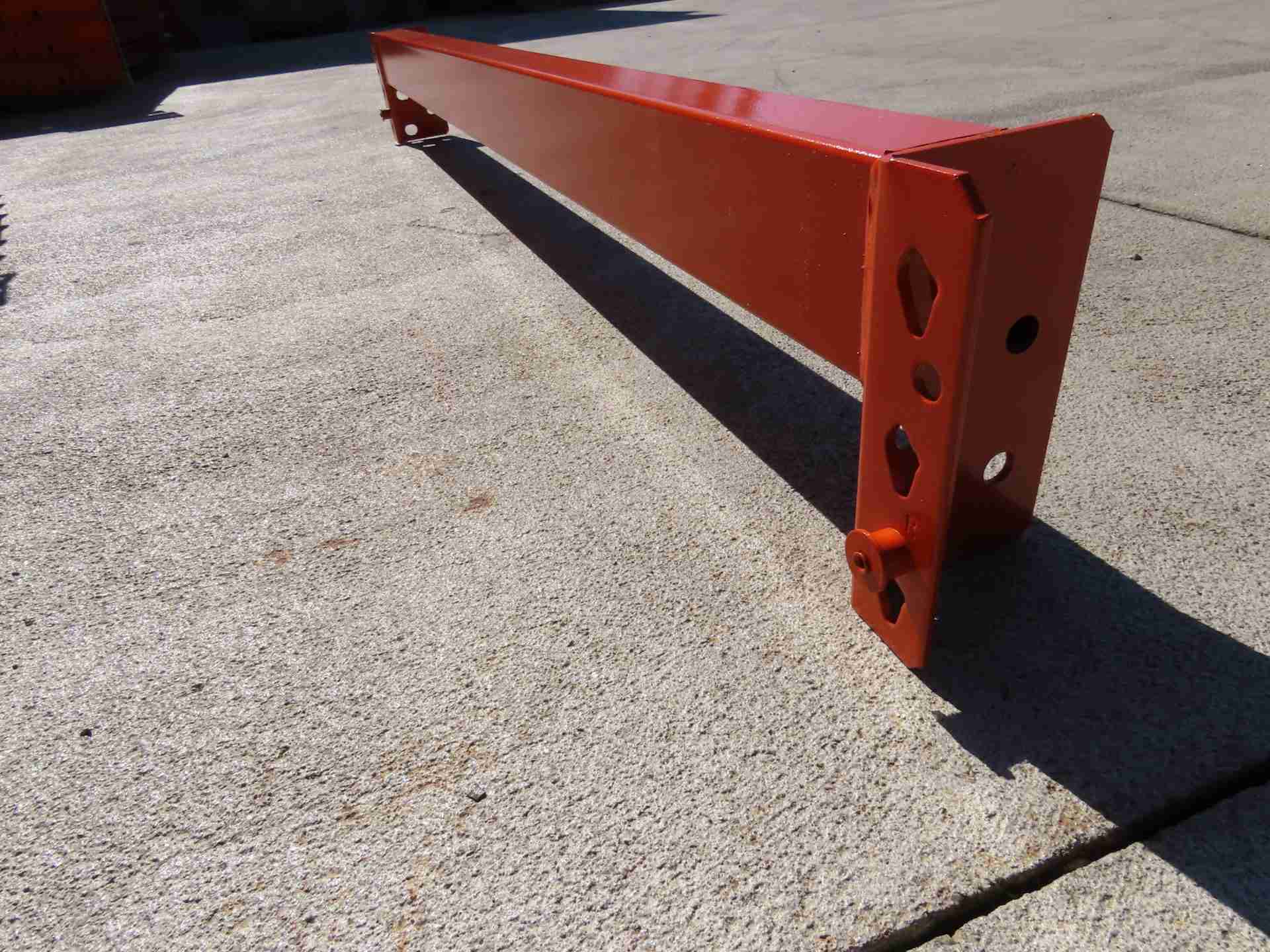
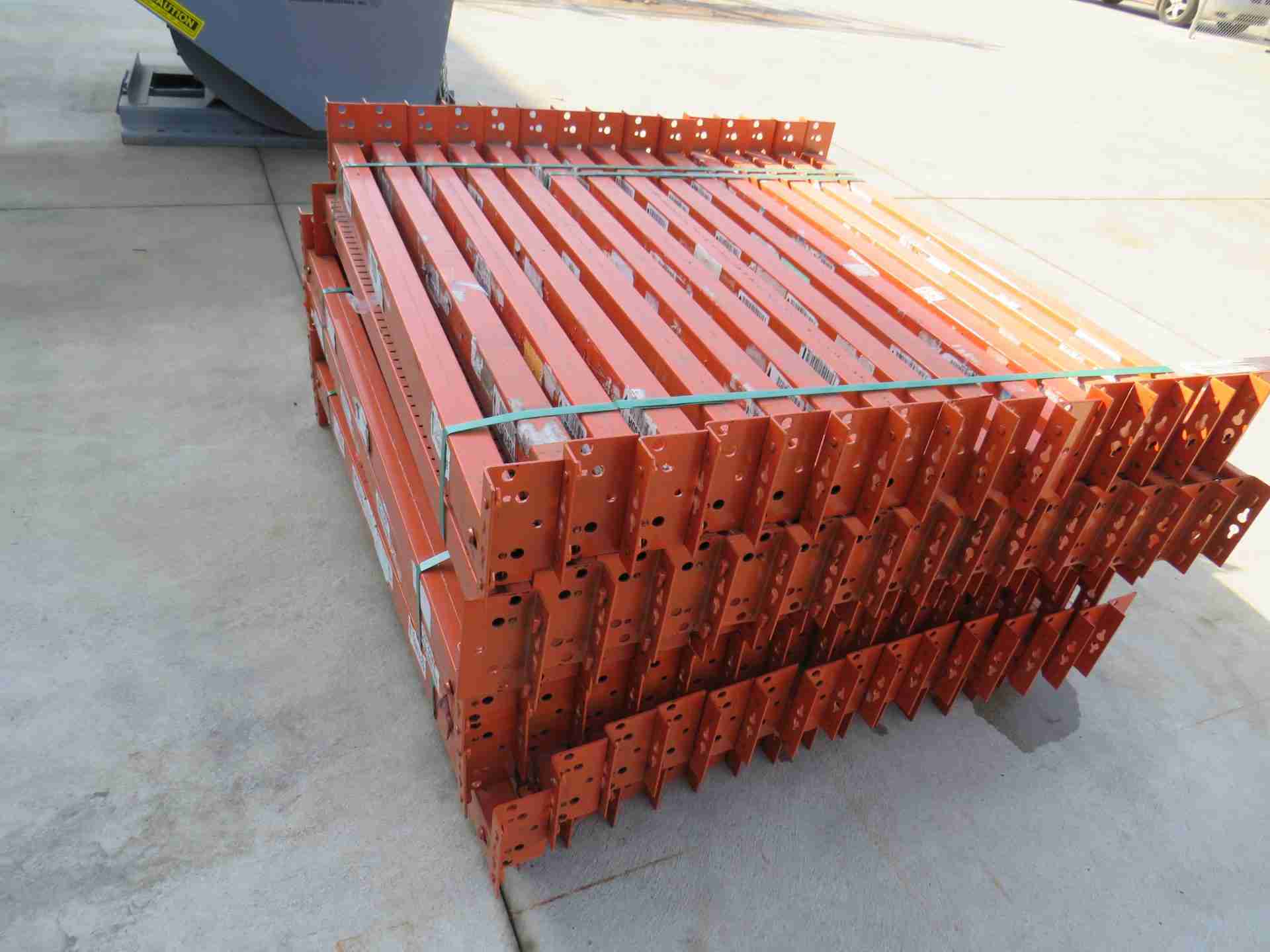
First, consider investing in organized systems like pallet racking. These systems are not merely metal frameworks; they are the backbone of efficient inventory management, allowing you to maximize your space and streamline accessibility. Imagine walking into your warehouse and seeing everything meticulously stored and easy to reach. Pallet racking can transform chaos into order, which is vital for preventing mishaps that lead to stockouts or overstocking—two common nightmares.
Next, equip yourself with a robust inventory management software. Automating your inventory processes empowers you. Integrate technology that provides real-time insights into your stock levels, forecasts demand, and alerts you to discrepancies. When you have accurate data at your fingertips, you can make informed decisions instead of relying on gut feelings. This confidence translates into better customer service, ensuring that you always have the right products available when customers need them.
Moreover, foster a culture of continuous improvement within your team. Encourage open communication about inventory levels, shelf lives, and market trends. When your staff is aware of the stakes and strategies, they step up—taking ownership and acting proactively to avoid issues before they arise. This sense of collective responsibility fosters trust and motivation within your team, further shielding your business from the hazards of mismanagement.
Lastly, never underestimate the power of training. Equip your employees with the knowledge and skills they need to handle inventory wisely. A well-trained team is an engaged team, one that sees challenges as opportunities rather than threats. Encourage a mindset shift that embraces accountability and innovation.
Taking proactive steps not only combats the fear of mismanagement but transforms it into a mantra of confidence—proving that you are an expert in your field, prepared to tackle any inventory challenge that may come your way. Remember, it’s not just about managing inventory; it’s about mastering your market.
How Do You Combat The Fear Of Inventory Mismanagement?
How Do You Combat The Fear Of Inventory Mismanagement?
- Inventory mismanagement can lead to significant challenges, but addressing it can drive growth.
- Feeling overwhelmed by inventory is common; embracing management practices enhances reliability.
- Invest in organized systems like pallet racking to maximize space and streamline accessibility.
- Utilize robust inventory management software for real-time insights, demand forecasting, and discrepancy alerts.
- Encourage a culture of continuous improvement and communication within your team regarding inventory management.
- Provide training to employees to transform challenges into opportunities and promote accountability.
- Proactive inventory management fosters confidence and positions your business as an expert in the market.

How Do You Combat The Fear Of Inventory Mismanagement?
Table Of Contents
- How Do You Combat The Fear Of Inventory Mismanagement?
- What Are The Common Causes Of Inventory Mismanagement?
- How Can Accurate Forecasting Help Reduce Inventory Fear?
- What Role Does Technology Play In Inventory Management?
- How Can Regular Audits Prevent Inventory Mismanagement?
- What Strategies Can Businesses Use To Streamline Inventory Processes?
- How Do Training And Education Impact Inventory Management Success?
- Conclusion
- Other Resources
- Glossary Of Terms
- Other Questions
- Checklist
What Are The Common Causes Of Inventory Mismanagement?
When it comes to the lifeblood of your business, inventory management plays a pivotal role. Yet, mismanagement in this area can lead to disastrous consequences, from excess stock gathering dust in your warehouse to stockouts that leave customers frustrated. Let’s dive into the common pitfalls that can turn your organized system into a chaotic mess.
One major culprit of inventory mismanagement is poor tracking. Many businesses underestimate the importance of a robust tracking system. Imagine a scenario where your pallet racking is meticulously organized, but without a reliable system to monitor stock levels, you could easily lose track of what you have on hand. This lack of visibility not only inflates your carrying costs but also diminishes your ability to respond to market demand.
Another factor to consider is inaccurate forecasting. Arming yourself with an understanding of market trends is essential. Relying on guesswork or outdated data can leave you with either too much or too little inventory. Picture yourself on a busy sales day, only to find the shelves bare because you didn’t anticipate demand. Conversely, overstocked shelves can lead to wasted resources and lost profits. Nobody wants to watch their products age and depreciate while their cash flow suffers.
Next, we must address lead time delays. If your suppliers are unreliable or your logistics are lacking, you could find yourself in a tough spot. Inconsistent delivery schedules can disrupt your entire operation, leaving you scrambling to meet customer demands. It’s essential to build strong relationships with suppliers and streamline your logistics to prevent these issues from arising.
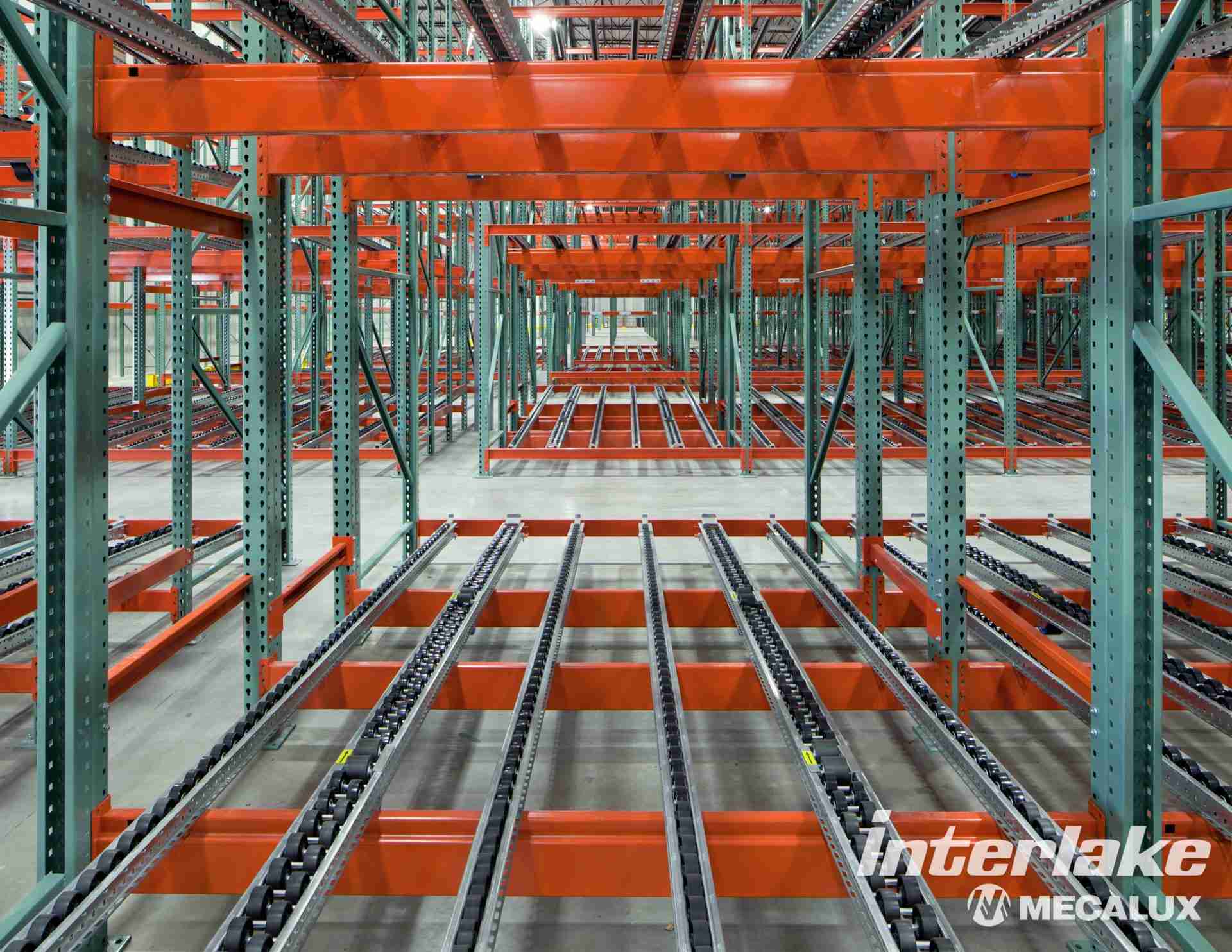
Additionally, neglecting the physical organization of your warehouse can lead to chaos. Even with an excellent tracking system, if your pallet racking isn’t set up to maximize efficiency, workers may waste valuable time searching for products. A well-structured storage solution allows easy access and faster fulfillment, directly impacting your bottom line.
Lastly, do not overlook the impact of staff training. Without properly trained personnel, even the best systems can fall apart. Employees need to be proficient in inventory management techniques to minimize errors. Invest in training programs to empower your staff.
In recognizing these common causes of inventory mismanagement, you equip yourself with the knowledge to take proactive measures. Trust in the process and start refining your operations today. Your bottom line—and your customers—will thank you!

What Are The Common Causes Of Inventory Mismanagement?
What Are The Common Causes Of Inventory Mismanagement?
- Inventory management is crucial for business success, but mismanagement can lead to excess stock or stockouts.
- Poor tracking systems can result in loss of visibility and inflated carrying costs, affecting market responsiveness.
- Inaccurate forecasting can lead to overstock or stockouts, negatively impacting sales and cash flow.
- Lead time delays from unreliable suppliers or logistics can disrupt operations and customer service.
- Neglecting warehouse organization can cause inefficiencies, wasting time and affecting fulfillment speed.
- Staff training is essential; untrained employees can undermine effective inventory systems.
- Proactively addressing these issues can enhance operations and improve customer satisfaction and profitability.
What Are The Common Causes Of Inventory Mismanagement?
How Can Accurate Forecasting Help Reduce Inventory Fear?
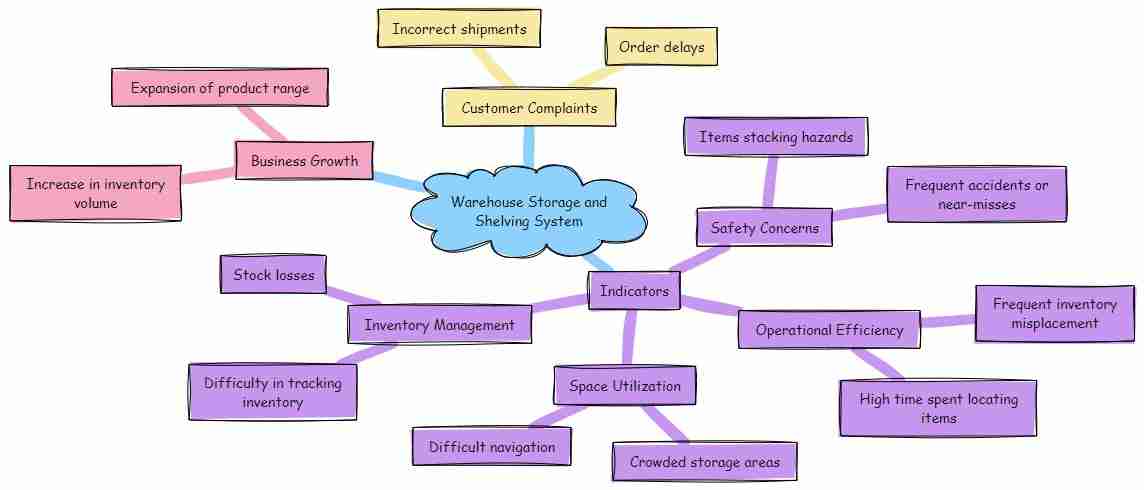
Imagine walking through your warehouse, surrounded by rows of pallet racking stacked high with products. Each shelf represents a decisive moment in your business strategy—an investment of time, money, and trust. But here’s the catch: without precise forecasting, that trust can quickly turn into anxiety. The fear of overstock or stockouts can loom over businesses like a dark cloud, stifling potential and stalling growth.
Accurate forecasting isn’t just a buzzword; it’s your secret weapon in the battle against inventory fear. Think about it. When you have a crystal-clear understanding of what you need, when you need it, and how much to stock, you cut through the chaos. You eliminate guesswork and embrace data-driven decisions that pave the way for confidence and clarity. This approach transforms your pallet racking from a cluttered source of worry into an organized, efficient system that fully serves your operations.
It’s all about connection—connecting with your market trends, customer behaviors, and seasonal shifts. By harnessing analytical tools that track these variables, you gain insights that empower your business decisions. Rather than scrambling at the last minute to meet demand or being left with a backlog of unsold goods, you can proactively manage your inventory. Reduced stress translates to improved morale within your team, creating a positive ripple effect that touches every corner of your business.
Picture a scenario where you anticipate customer demand with laser-like precision. A surge in interest for a particular product? No need to panic—your accurate forecasting has already ensured that your pallet racking holds just the right amount of stock for those busy days. The overflow of excess inventory that once haunted your balance sheet starts to disappear. Instead, you focus on turning over your products efficiently, maximizing profitability, and shrinking your operating costs.
In a world defined by uncertainty, equip yourself with the power of accurate forecasting. Trust in your ability to make informed decisions that allow you to sleep soundly at night, knowing your inventory levels are well-managed. Embrace the change, invest in your forecasting processes, and watch as your once-timid thoughts about stock turn into confidence. This proactive approach will not only tame your inventory fears but also set your business on the path toward sustained success. Don’t let fear run your operation; let confidence drive your decisions.

How Can Accurate Forecasting Help Reduce Inventory Fear?
How Can Accurate Forecasting Help Reduce Inventory Fear?
- Walking through a warehouse filled with pallet racking symbolizes business strategy and investment.
- Without precise forecasting, businesses risk anxiety over overstock or stockouts, hindering growth.
- Accurate forecasting acts as a vital tool for making data-driven decisions, enhancing clarity and confidence.
- Understanding market trends, customer behaviors, and seasonal shifts helps improve inventory management.
- Proactive inventory management reduces stress and enhances team morale, benefiting the entire business.
- Accurate forecasting allows for anticipation of customer demand, optimizing stock levels and profitability.
- Investing in forecasting processes transforms management practices, paving the way for sustained success.
How Can Accurate Forecasting Help Reduce Inventory Fear?
What Role Does Technology Play In Inventory Management?
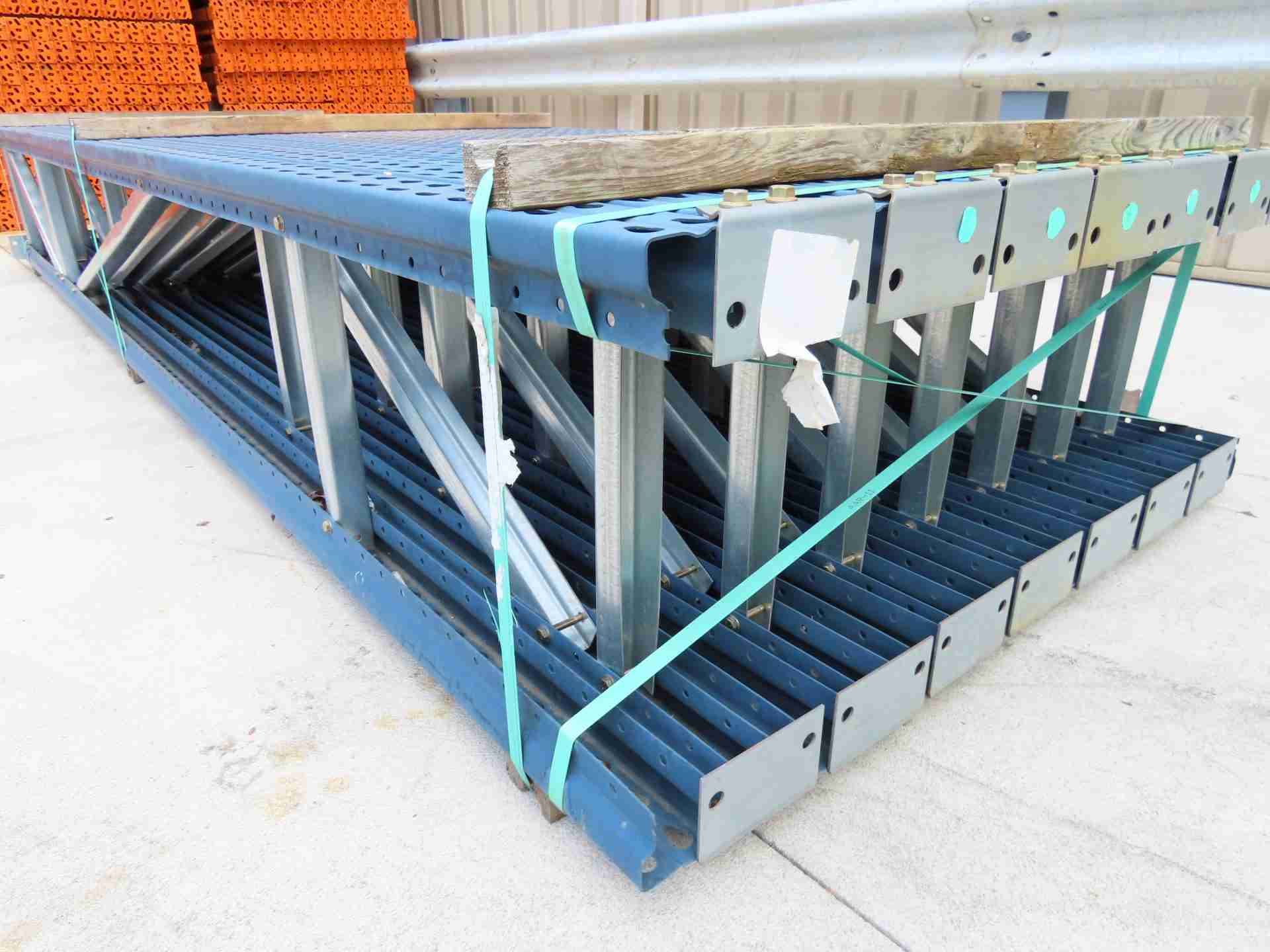
In today’s fast-paced business world, where every second counts and every resource is precious, technology isn’t just a nice-to-have; it’s an absolute must-have in your inventory management arsenal. Imagine walking through your warehouse and seeing rows upon rows of pallet racking, each unit perfectly stocked and accounted for. The days of panic-picking from disorganized shelves are long gone, replaced by the seamless efficiency that only technology can bring.
Let’s face it: managing inventory can feel overwhelming. Multiple SKUs, seasonal fluctuations, and the constant threat of shortage or overstock can keep you up at night. But here’s the good news: technology offers powerful solutions that demystify this complex landscape. Automated inventory management systems help you track stock levels in real-time, significantly reducing the risk of costly mistakes. No longer do you have to rely on outdated spreadsheets or guesswork.
Picture this: with a simple scan of a barcode on your pallet racking, your inventory management system updates instantly. You know precisely what’s in stock, what needs to be reordered, and what’s at risk of obsolete—eliminating the dreaded stockouts or excessive holding costs. It’s not just convenience; it’s about reclaiming your time and focusing on what really matters—growing your business.
But let’s not overlook analytics. Technology doesn’t just help with organization; it offers insights that can drive your decisions. With comprehensive data tracking, you can identify trends, forecast demand seasonally, and even recognize your best-selling items. This kind of informed decision-making is what separates the successful businesses from the rest.
Of course, implementing technology doesn’t have to be a daunting task. Many solutions seamlessly integrate into your existing processes, enhancing your current operations rather than disrupting them. Whether it’s an intuitive software platform or mobile apps that allow you to manage inventory on the go, the right technology can make all the difference.
So, if you’re still managing inventory the old-fashioned way, ask yourself: how much could you gain by leveraging technology? The shift toward a more efficient, reliable inventory management approach is not just an option; it’s an essential move. Invest in technology today, and watch your business thrive with organized, optimized inventory management that positions you for lasting success. Don’t just manage your inventory—master it!

What Role Does Technology Play In Inventory Management?
What Role Does Technology Play In Inventory Management?
- Technology is an essential component of effective inventory management in today’s fast-paced business environment.
- Automated inventory management systems allow real-time tracking, helping to reduce mistakes and reliance on outdated methods.
- Barcode scanning updates inventory instantly, providing clarity on stock levels, reorder needs, and potential obsolescence.
- Data analytics facilitate informed decision-making by identifying trends and forecasting seasonal demand.
- Implementation of technology can enhance existing processes without causing disruption to current operations.
- Adopting technology in inventory management is crucial for improving efficiency and gaining a competitive edge.
- Investing in the right technology can lead to organized and optimized inventory management, fostering business growth.
What Role Does Technology Play In Inventory Management?
How Can Regular Audits Prevent Inventory Mismanagement?
Picture this: Your warehouse is a well-oiled machine, every corner filled with well-organized pallet racking systems, and your inventory is not only visible but accountable. Now, imagine the opposite scenario—chaos reigns, stock levels are fluctuating wildly, and valuable goods are vanishing without a trace. Which scenario sounds more appealing to you? The truth is that regular audits can be the powerhouse that keeps your inventory mismanagement at bay, driving your business toward success.
When you invest time and resources in regular inventory audits, you’re not just ticking a box—you’re creating a safety net for your entire operation. Think of these audits as a health check for your inventory. Just as a doctor monitors vital signs, careful audits reveal any discrepancies in your pallet racking systems, allowing you to take immediate action. By pinpointing problems before they escalate, you safeguard not just your assets but your reputation. After all, trust is earned in the marketplace.
The beauty of an audit lies in its ability to foster accountability. Imagine empowering your team with clear visibility into what’s on the shelves. When everyone understands their role and sees the importance of maintaining organized pallet racking systems, they are more likely to embrace a culture of continuous improvement. Engaged employees take ownership, making them your best allies in the fight against mismanagement.
Regular audits also help to pinpoint trends, like identifying slow-moving products that could be taking valuable space in your racking systems. It’s not just about counting items; it’s about strategizing based on what the numbers tell you. You can make optimized decisions on how to scale up or pare down your inventory, ensuring that your stock aligns seamlessly with customer demand.
Finally, let’s talk about peace of mind. Knowing your inventory is in check allows you to focus your energy—and creativity—on what truly matters: growing your business. So, don’t let chaos rule your pallet racking systems. Embrace the power of regular audits and take decisive action to prevent inventory mismanagement. The confidence that springs from a well-managed inventory can be a game changer. Invest in audits, and watch your operation transform from potential chaos into a symphony of efficiency. It’s not just an audit; it’s an opportunity waiting to be seized.

How Can Regular Audits Prevent Inventory Mismanagement?
How Can Regular Audits Prevent Inventory Mismanagement?
- Regular inventory audits maintain an organized and efficient warehouse environment.
- Audits serve as health checks, revealing discrepancies in inventory before they escalate.
- Empower employees with visibility and accountability, fostering a culture of continuous improvement.
- Identifying trends through audits helps strategize inventory management effectively.
- Audits allow for optimized decisions on scaling inventory according to customer demand.
- Regular audits provide peace of mind, enabling focus on business growth and creativity.
- Investing in audits transforms potential chaos into a well-managed operation.

How Can Regular Audits Prevent Inventory Mismanagement?
What Strategies Can Businesses Use To Streamline Inventory Processes?
In the fast-paced world of inventory management, efficiency isn’t just a luxury—it’s a necessity. Businesses that embrace streamlined inventory processes not only save time and resources but also create a more agile environment that can adapt to changing market demands. So, what strategies can you implement to achieve this?
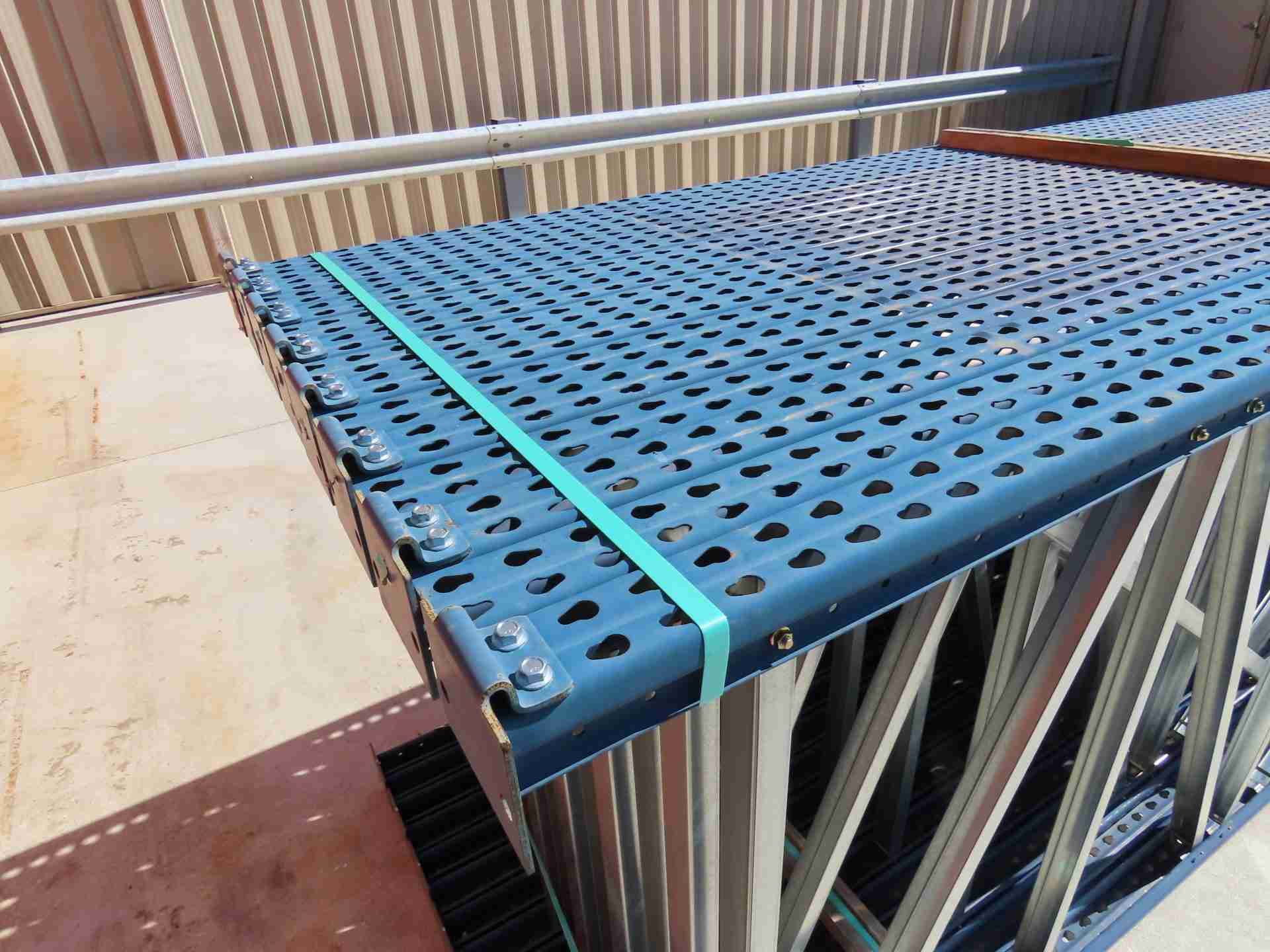
First on the list is the power of Pallet Racking systems. Visualize your inventory organized neatly on sturdy racks, maximizing vertical space while facilitating easy access. By adopting a robust pallet racking setup, you not only reduce clutter but also minimize the time employees spend searching for products. Imagine your team effortlessly locating items, which translates to faster order fulfillment and increased customer satisfaction.
Next, implement a robust inventory management software solution. With technology at your side, you can track inventory levels in real-time, forecast needs based on historical data, and automate re-ordering processes. Picture waking up to an automated alert that seamlessly adjusts your orders even before stocks run low. This kind of proactive management not only mitigates risk but also fosters trust with your customers, who come to rely on your consistent availability.
Another critical strategy is to adopt the ABC analysis method, where items are categorized based on their importance. By identifying your high-value products that contribute the most to your bottom line, you can prioritize their stock levels and operational attention. This strategy helps channel resources efficiently and focuses efforts where they’ll yield the most significant results.
Don’t overlook the value of regular audits. By routinely assessing your inventory, you can identify slow-moving items and unnecessary excess. Imagine the relief of knowing exactly what you have on hand, avoiding unnecessary overstocking, and freeing up your cash flow.
Communication is equally vital. Foster a culture where team members can share insights about inventory challenges. Often, those on the front lines will have innovative ideas about how to improve processes. Encourage this exchange, as your team’s collective wisdom is a goldmine waiting to be tapped.
Lastly, consider collaborating with suppliers. Building strong relationships can lead to better terms and more flexible ordering schedules, helping you manage your cash flow effectively while ensuring you’re stocked with what you need when you need it.
In this journey toward streamlining your inventory processes, remember that every little step counts. It’s about making smart choices that lead to smoother operations, happier customers, and a healthier bottom line. Take action now—your future self will thank you!

What Strategies Can Businesses Use To Streamline Inventory Processes?
What Strategies Can Businesses Use To Streamline Inventory Processes?
- Efficiency in inventory management is essential for adapting to market demands.
- Pallet racking systems optimize vertical space and improve access, reducing clutter and search times.
- Robust inventory management software enables real-time tracking, forecasting, and automated re-ordering.
- ABC analysis helps prioritize high-value products, channeling resources effectively.
- Regular audits identify slow-moving items, prevent overstocking, and enhance cash flow.
- Encouraging team communication fosters innovative ideas for improving processes.
- Collaborating with suppliers can lead to better terms and flexible ordering schedules.
What Strategies Can Businesses Use To Streamline Inventory Processes?
How Do Training And Education Impact Inventory Management Success?
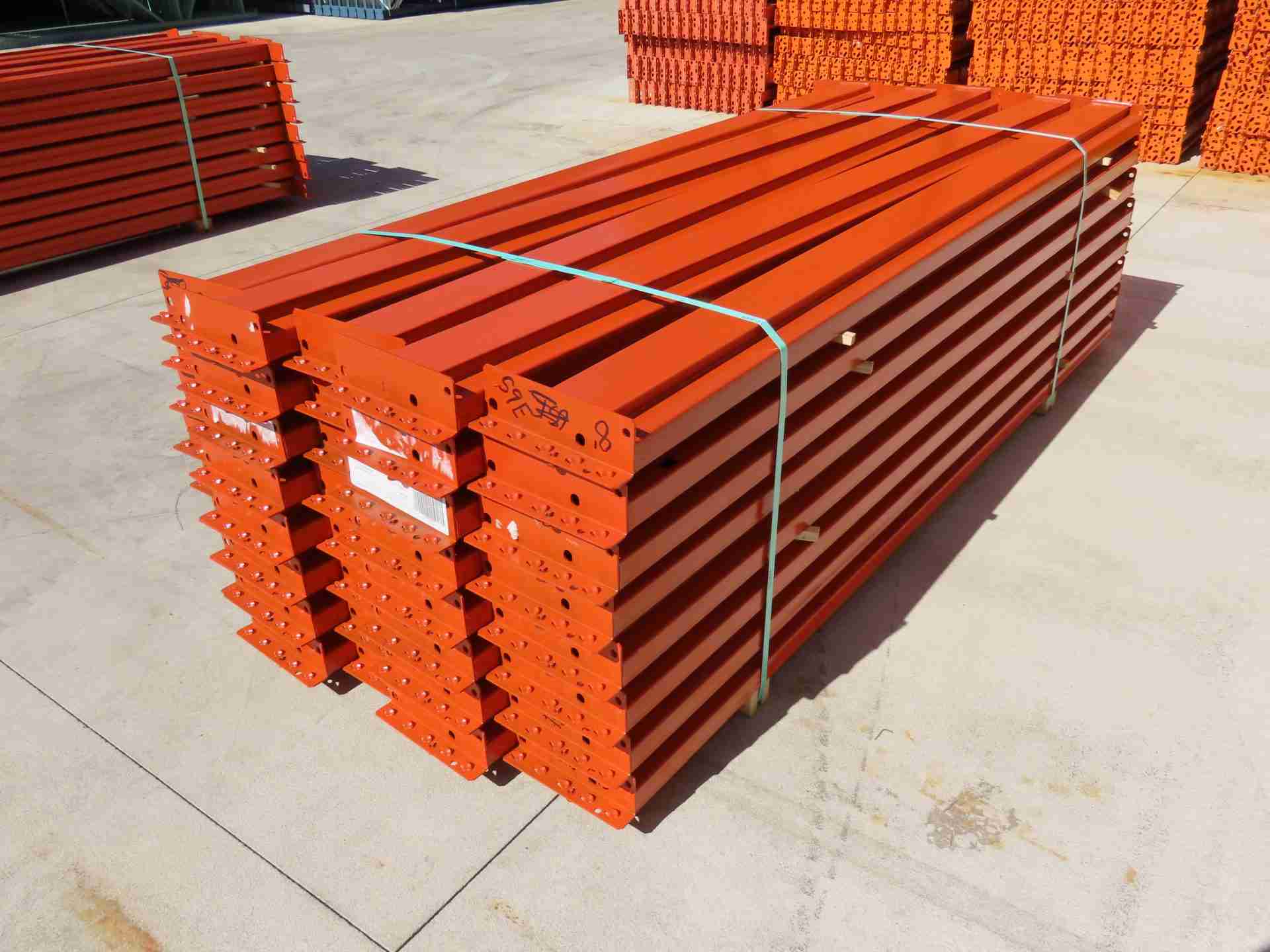
Imagine walking into a warehouse that feels like a well-oiled machine, every pallet racking system humming in sync with your business goals. This isn’t merely a pipes-and-connections scenario; it’s a manifestation of effective training and education at play. Trust me, the difference between chaos and an efficient operation often hinges on the knowledge and skills of your team.
Think about it: an untrained workforce can turn even the most sophisticated inventory systems into a headache. If your employees lack the foundational skills to leverage essential tools like pallet racking, you’re not just risking disorganization; you’re inviting frustration and inefficiency into your operations. On the flip side, when your team is well-versed in the latest inventory management practices, they become empowered problem-solvers, transforming potential pitfalls into streamlined processes.
Training isn’t merely a box to check off on your organizational to-do list. It’s an investment in your brand’s future. With structured training programs, you’ll cultivate a culture of continuous improvement, where everyone understands the importance of inventory accuracy, stock rotation, and—yes—how to effectively utilize the right pallet racking solutions. Your staff won’t just feel confident handling tasks; they’ll take pride in their work, driving overall productivity upwards. And let’s be honest—when your team thrives, your customers feel the impact too.
By prioritizing education, you’re effectively laying a solid foundation for operational excellence. Consider the possibilities: fewer stockouts, minimized overstock situations, and heightened customer satisfaction. All thanks to a team that knows the ins and outs of inventory management. Moreover, a trained workforce is agile, ready to adapt to changing market conditions and customer demands. Their decision-making becomes sharper, their execution smoother.
Embrace the reality: your inventory management success doesn’t solely depend on sophisticated tools and technology. It’s equally about fostering a workforce equipped with the knowledge to wield these tools effectively. So, assess your current training programs. What areas can you enhance? How can you ensure your team is well-prepared to meet the challenges ahead? A commitment to ongoing education not only builds trust within your organization but also empowers you to take decisive actions toward lasting success.
Your journey towards exceptional inventory management begins with the people you entrust to manage it. Invest in their training; watch the transformation unfold.
How Do Training And Education Impact Inventory Management Success?
How Do Training And Education Impact Inventory Management Success?
- Effective training and education create a well-organized warehouse aligned with business goals.
- An untrained workforce can disrupt sophisticated inventory systems, leading to disorganization and inefficiency.
- Well-trained employees become empowered problem-solvers, improving operational processes.
- Structured training programs foster a culture of continuous improvement and enhance staff confidence.
- Prioritizing education lays a foundation for operational excellence, reducing stockouts and increasing customer satisfaction.
- A trained workforce is agile, adapting quickly to market changes and improving decision-making.
- Successful inventory management relies not only on tools and technology but also on a knowledgeable workforce.

How Do Training And Education Impact Inventory Management Success?
Conclusion
Conclusion: Mastering Inventory Management for Business Success
In the ever-evolving landscape of business, the fear of inventory mismanagement looms large, yet it can be transformed into a powerful driver of growth and efficiency. No longer should you view inventory as a cumbersome burden. Instead, embrace it as the backbone of your operational success. By tackling the common pitfalls of inventory mismanagement through organized systems, technology adoption, and continuous team training, you empower your business to thrive rather than merely survive.
At the heart of effective inventory management lies the necessity of a solid organizational framework, like pallet racking systems. This not only maximizes your storage capacity but also infuses order into what might otherwise become chaos. Coupling these systems with real-time tracking software provides the insights needed to navigate the complexities of fluctuating stock levels. No more guesswork, no more panic—just informed decision-making that enhances customer satisfaction and positions your business as a reliable provider.
Additionally, fostering a culture of continual improvement among your team is critical. When your workforce is engaged and well-trained, they are motivated to take ownership of your inventory processes. Regular communication, in conjunction with comprehensive training programs, empowers your staff to become proactive problem solvers, effectively transforming potential challenges into opportunities for growth.
Speaking of opportunities, it’s essential to act now. The ongoing evolution of technology offers tools that revolutionize inventory management, from analytics that reveal essential trends to automated systems that safeguard against shortages. Regular audits and thorough training will ensure that your systems remain relevant and efficient.
Time is of the essence! Delaying action on these vital strategies could mean missed opportunities, dissatisfied customers, and spiraling costs. Don’t allow fear to govern your operations. Instead, eliminate chaos with structured approaches and effective communication, positioning your business for lasting success.
For invaluable insights and tailored solutions to your inventory challenges, call Arrow Industrial Sales at (574) 349-6575 today. Our team is standing by to empower you with the tools necessary to master your inventory, safeguard your bottom line, and ultimately drive your business forward. Don’t let mismanagement hold you back; take control and secure a prosperous future for your operations today!

Conclusion
Conclusion:
- Inventory mismanagement can hinder business growth but can be transformed into a driver of efficiency.
- View inventory as an essential component of operational success rather than a burden.
- Implement organized systems, technology, and continuous team training to overcome inventory challenges.
- Utilize solid organizational frameworks and real-time tracking software for effective inventory management.
- Foster a culture of continual improvement and proactive problem-solving within your team.
- Leverage ongoing technological advancements like analytics and automated systems to optimize inventory management.
- Act promptly to implement these strategies to avoid lost opportunities and increased costs; contact Arrow Industrial Sales for support.

Conclusion
Other Resources
Other Resources
Here is a list of other resources you can review online to learn more:
- American Society of Safety Professionals
- CMMA
- WERC
- Chicago Pallet Racking
- Warehousing Education and Research Council: https://www.werc.org/
- Shipping Boxes, Packaging Materials, Pallet Racking
- Interlake Mecalux
- Material Handling Safety
- Illinois
- Wolter
Use This Prompt To Get More Resources With Your Favorite Online AI Tool: Please provide me with a list of online articles with their URLs in a bulleted list that I can read regarding How Do You Combat The Fear Of Inventory Mismanagement?

Other Resources
Glossary Terms
How Do You Combat The Fear Of Inventory Mismanagement? – Glossary Of Terms
1. Inventory Management: The process of overseeing and controlling the ordering, storage, and use of products to ensure the right amount is available at the right time.
2. Stockout: A situation where inventory is depleted, leading to an inability to fulfill customer orders, resulting in lost sales and customer dissatisfaction.
3. Overstock: The scenario where more inventory is purchased than needed, leading to excess stock that can incur holding costs and potential obsolescence.
4. Just-in-Time (JIT): An inventory strategy that focuses on reducing inventory carrying costs by ordering goods only as they are needed for production or sales.
5. Safety Stock: Extra inventory held to mitigate the risk of stockouts caused by uncertainties in supply and demand.
6. ABC Analysis: A method for categorizing inventory based on its importance, with ‘A’ items being the most valuable and closely monitored, and ‘C’ items being the least.
7. Lead Time: The total time from placing an order to receiving the inventory, which affects stock levels and planning.
8. Demand Forecasting: The practice of estimating future customer demand using historical data and market analysis to guide inventory purchases.
9. Cycle Counting: A process of regularly counting a portion of inventory to verify accuracy without having to do a complete inventory check.
10. Inventory Turnover: A metric that indicates how many times inventory is sold and replaced in a given timeframe, reflecting sales performance and inventory efficiency.
11. Warehouse Management System (WMS): A software solution that helps manage inventory in warehouses, improving accuracy and efficiency.
12. Net Inventory: The total value of inventory excluding any returns, damages, or obsolescence, providing a clear view of stock worth.
13. First-In, First-Out (FIFO): An inventory valuation method where the oldest inventory items are sold first, minimizing the risk of stock becoming obsolete.
14. Last-In, First-Out (LIFO): An inventory accounting method where the most recently acquired inventory is sold first, affecting cost of goods sold and taxes.
15. Markdown: A reduction in the selling price of goods to stimulate sales, often used to clear out overstock.
16. Vendor Managed Inventory (VMI): A supply chain initiative where the supplier takes responsibility for managing inventory levels for their products at the retailer’s location.
17. Perpetual Inventory: An ongoing inventory recording system that continuously updates inventory counts as transactions occur.
18. Stock Keeping Unit (SKU): A unique identifier for each distinct product and service that can be purchased, enabling easier tracking and management.
19. Inventory Audit: A systematic examination of inventory records and actual stock levels to ensure accuracy and detect discrepancies.
20. Carrying Cost: The total cost of holding inventory, including storage, handling, and insurance costs, impacting profitability.
21. Demand Planning: The process of forecasting future customer demand to better align inventory levels with expected sales.
22. Purchasing Strategy: The plan for acquiring inventory that considers factors like quantity, timing, and cost to optimize stock levels.
23. Backorder: An order for a product that cannot be filled when a customer requests it, typically due to insufficient stock, which can affect customer satisfaction.
24. Inventory Shrinkage: The loss of inventory due to theft, damage, or errors, impacting profitability and reporting accuracy.
25. Obsolete Inventory: Stock that is no longer sellable or relevant due to changes in market demand or product relevance, often requiring write-offs.
26. Supplier Relationships: The connections and partnerships established with suppliers to ensure timely delivery and quality of inventory.
27. Inventory Replenishment: The process of restocking inventory to maintain optimal levels, ensuring products are available for customers.
28. Consignment Inventory: A model where suppliers retain ownership of the inventory until it is sold, reducing financial risk for retailers.
29. Gross Margin Return on Investment (GMROI): A metric that evaluates the profitability of inventory by comparing gross profit to the investment in inventory.
30. Cross-Docking: A practice in logistics where incoming inventory is directly transferred to outbound shipping with minimal storage time, improving efficiency.
These terms and concepts collectively help individuals and businesses understand and combat the fear associated with inventory mismanagement.
Glossary Of Terms
Other Questions
How Do You Combat The Fear Of Inventory Mismanagement? – Other Questions
If you wish to explore and discover more, consider looking for answers to these questions:
- What are the key benefits of using pallet racking systems?
- How do I choose the right inventory management software for my business?
- What are some best practices for forecasting demand accurately?
- How can I improve communication within my inventory management team?
- What types of training programs are most effective for inventory management?
- How often should businesses conduct inventory audits?
- What tools can assist in implementing an effective ABC analysis?
- How do I build strong relationships with suppliers for better inventory management?
- What are some common signs of inventory mismanagement to look out for?
- What technologies are emerging in the field of inventory management?
Other Questions
Checklist
How Do You Combat The Fear Of Inventory Mismanagement? – A Checklist
Checklist: Mastering Inventory Control and Combating Mismanagement Fears
1. Organize Your Warehouse:
_____ Invest in robust pallet racking systems.
_____ Maximize vertical space and ensure easy access.
_____ Maintain a clean and organized warehouse layout.
2. Implement Inventory Management Software:
_____ Choose software that provides real-time stock level insights.
_____ Set up alerts for discrepancies and reorder levels.
_____ Utilize analytical tools to forecast demand.
3. Foster a Culture of Communication:
_____ Encourage open dialogue about inventory levels and issues.
_____ Train your team on the importance of accountability.
_____ Share market trends and inventory management strategies.
4. Invest in Employee Training:
_____ Develop structured training programs on inventory management.
_____ Educate staff on utilizing technology and tools effectively.
_____ Reinforce the significance of accurate inventory documentation.
5. Conduct Regular Inventory Audits:
_____ Schedule routine audits to assess stock levels accurately.
_____ Identify slow-moving and excess products.
_____ Analyze audit results to make informed decisions on inventory adjustments.
6. Utilize Accurate Forecasting Techniques:
_____ Analyze historical data to forecast future demand.
_____ Adjust inventory levels based on seasonal trends.
_____ Avoid guesswork by using data-driven decision-making methods.
7. Collaborate with Suppliers:
_____ Build strong relationships to ensure reliable delivery schedules.
_____ Negotiate better terms for flexible ordering.
_____ Streamline logistics to enhance inventory flow.
8. Adopt ABC Analysis for Inventory Prioritization:
_____ Classify inventory based on value and importance.
_____ Focus resources on high-value items.
_____ Regularly review and adjust categorization as necessary.
9. Embrace Technology Integration:
_____ Identify and implement applicable technology solutions.
_____ Train employees on the new systems.
_____ Evaluate and adapt technology solutions regularly.
10. Commit to Continuous Improvement:
_____ Seek feedback from employees on inventory processes.
_____ Analyze operational metrics to find areas for enhancement.
_____ Stay informed on industry trends and best practices in inventory management.
By following this checklist, you will be better equipped to combat inventory mismanagement fears and enhance your overall inventory control. Remember, mastery of inventory management not only improves operational efficiency but also strengthens your market position.
Checklist
At RackingWorld, we help guide you through selecting warehouse storage systems and racking.
Be sure to read our other related stories at RackingWorld to learn more about warehouse storage systems.
0 Comments