
Maximizing Space And Sales: The Strategic Approach
By Tom Seest
At RackingWorld, we help guide you through selecting warehouse storage systems and racking.
Be sure to read our other related stories at RackingWorld to learn more about warehouse storage systems.
How Home Improvement Stores Manage Oversized Inventory
When you walk into a home improvement store, you see the hustle and bustle of DIY enthusiasts, weekend warriors, and the occasional contractor in search of their next big project. But behind this vibrant activity lies an intricate dance of logistics—it’s the art of managing oversized inventory that keeps the gears turning smoothly.
Ever stopped to think about the racking systems that hold those towering stacks of lumber or rows of patio furniture? It seems so simple, yet it’s a marvel of engineering, designed to optimize space while safeguarding these hefty items. Each piece of inventory isn’t just a product; it’s a potential transformation waiting to happen in someone’s home. That lumber might become a deck where a family gathers for summer barbecues. Those bags of concrete could turn into the foundation of a new life chapter.
But let’s be real; managing oversized inventory isn’t just about physical space; it’s about understanding human nature. We want to know that we’re creating something worthwhile. Each product represents potential—a promise of a new kitchen, a beautiful garden, or even a fort built under a happy parent’s watchful eye. The staff at these stores aren’t just salespeople; they’re guides in a journey toward improvement. Connecting customers with the right materials empowers them to realize their visions, and that’s something to be proud of.
Now, let’s talk numbers. Oversized inventory can be a weighty concern for any business. Profit margins shrink when warehouses bulge with items that don’t move quickly. But smart inventory management doesn’t just facilitate sales; it builds trust. When you know a store is stocked with what you need, you’re more likely to return. It cultivates a relationship—like a handshake between friends who understand each other’s needs.
And then there’s the ethical side. Home improvement stores often engage in practices that minimize waste, ensuring that any unsold items are repurposed or donated rather than tossed away. When you buy from a company that aligns with your values, you’re not just making a purchase; you’re joining a community that cares about sustainability and giving back.
So, next time you wander through those aisles filled with towering racks of possibility, remember the unseen effort and care that goes into managing that inventory. It’s not just about stuff; it’s about dreams, connections, and the belief that, with the right tools, we can all build something beautiful.
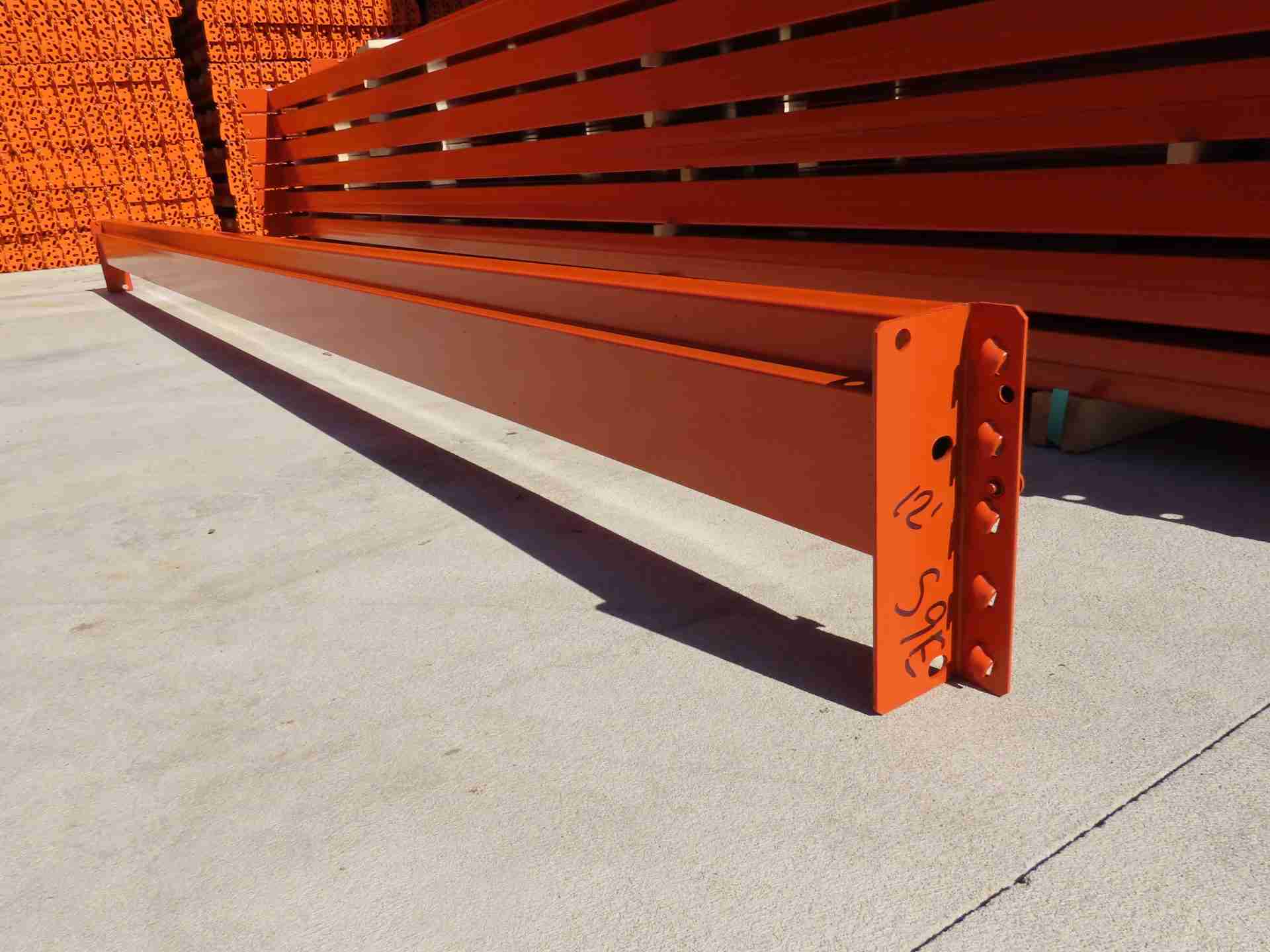
How Home Improvement Stores Manage Oversized Inventory
How Home Improvement Stores Manage Oversized Inventory
- Home improvement stores are bustling with DIY enthusiasts and contractors managing oversized inventory.
- Racking systems are engineered to optimize space and safeguard heavy items like lumber and patio furniture.
- Every piece of inventory represents potential transformations in homes, such as decks and foundations.
- Staff members act as guides, connecting customers with materials to help realize their improvement visions.
- Effective management of oversized inventory is crucial for maintaining profit margins and building customer trust.
- Home improvement stores engage in ethical practices that minimize waste by repurposing or donating unsold items.
- Managing inventory thoughtfully fosters dreams, connections, and a belief in the ability to create something beautiful.

How Home Improvement Stores Manage Oversized Inventory
Table Of Contents
- How Home Improvement Stores Manage Oversized Inventory
- What Challenges Do Home Improvement Stores Face with Large Inventory?
- How Do Efficient Inventory Strategies Benefit Customers and Stores?
- Are There Ethical Concerns When Dealing with Oversized Inventory?
- What Role Do Technology and Analytics Play In Inventory Management?
- How Do Stores Foster Trust with Customers In Inventory Availability?
- Conclusion
- Other Resources
- Glossary Of Terms
- Other Questions
- Checklist
What Challenges Do Home Improvement Stores Face with Large Inventory?
When you walk into a home improvement store, you might be captivated by the towering racking systems that cradle thousands of items, each waiting for its moment to shine in a customer’s home renovation story. Yet behind this vibrant display of potential lies a complex landscape fraught with challenges. This isn’t just about lumber and paint; it’s about creating an experience, one that mirrors the dreams and aspirations of every customer who steps through the door.
Take a moment to consider the sheer volume of inventory. With a staggering variety of products, from tools to tiles, each category begs the question: How do you keep everything organized, accessible, and current? There’s a delicate balance here—too much inventory can drown a store in excess, leading to a cluttered display that confounds even the most seasoned DIYers. Conversely, a shortage can spell disappointment, leaving that ambitious homeowner without the perfect shade of paint or the right kind of screws. It’s a tightrope walk, one that demands acute attention to detail and a keen understanding of consumer needs.
Emotionally, this process can feel like an endless juggle. Store managers are not just overseeing products but are engaging with the hopes and dreams tied to renovation. Each interaction, each customer question, requires a personal touch—a connection built on trust. People don’t just want items; they crave solutions that will turn their visions into reality. That transforms how employees view their roles, as they become guides in a journey many take only once in a lifetime.
Rationally, this complexity leads to significant costs. Overstock can quickly become a drain on resources, while frequent inventory turnover may necessitate heightened logistical precision. It ensures that not only are the most popular items stocked but that the less sought-after ones don’t linger like unwelcome guests. A smart inventory strategy is an ethical obligation; it respects both the business’s bottom line and the customer’s time.
Socially, the implications extend even deeper. A community thrives on shared experiences, and a well-managed store becomes a hub for knowledge exchange. Employees wield expertise like a badge of honor, transforming customer transactions into conversations. This connection fosters loyalty and positions the store not solely as a place to buy, but as a companion in life’s ongoing renovations.
In a world filled with options, home improvement retailers face a unique challenge: to remain a trusted partner, enabling dreams—one shelf, one item at a time. That’s the heart of the matter.

What Challenges Do Home Improvement Stores Face with Large Inventory?
What Challenges Do Home Improvement Stores Face with Large Inventory?
- Home improvement stores display an extensive variety of products for renovation.
- Managing inventory effectively is crucial to avoid clutter and shortages.
- Store managers must engage with customer dreams and aspirations during interactions.
- Employees play a vital role as guides in customers’ unique renovation journeys.
- Effective inventory management involves significant costs and logistical precision.
- Well-managed stores foster community connections and knowledge exchange.
- Retailers aim to be trusted partners in helping customers fulfill their renovation dreams.

What Challenges Do Home Improvement Stores Face with Large Inventory?
How Do Efficient Inventory Strategies Benefit Customers and Stores?
When you walk into a store, what do you see? Racking systems that hold the promise of your favorite products, neatly arranged and easy to find. This every-day convenience speaks volumes about the unseen work behind the scenes. Efficient inventory strategies don’t just benefit the businesses they serve; they create a ripple effect that touches every customer who steps through those doors.
Consider the mom juggling a toddler and a shopping list. She doesn’t have time to wander through aisles looking for the one snack her child will actually eat. When inventory systems are well-managed, those products stick out like a beacon of hope, ready to be grabbed and tossed into the cart. This isn’t just efficient; it’s empathetic. Stores that prioritize their inventory strategies show they understand the hustle of daily life and are dedicated to making shopping a seamless experience.
But it goes deeper than just convenience. Think about the trust built between a store and its patrons. When a business consistently carries what you need, it becomes a reliable partner in your life. That builds confidence. You know that when that craving for your favorite cereal hits, you won’t face the dreaded empty shelf. This reliability is the bedrock of a lasting relationship between consumers and sellers.
Moreover, efficient inventory strategies resonate with our ethical responsibilities as consumers. Choosing businesses that manage their stock well promotes sustainability. Unused stock often leads to waste, but when stores optimize their inventory, they contribute to a healthier planet—one where products don’t just sit and collect dust. This sense of shared purpose makes shopping feel like a collective endeavor, one where every choice matters.
On a social level, when inventory is well-organized, it doesn’t just promote sales; it fosters community. It invites new customers to return and encourages local loyalty. Imagine walking into a store where you’re greeted by the familiar sight of beloved products. You feel welcome, valued, and part of something bigger than a simple transaction. It’s a relationship built on respect, understanding, and reliability.
So the next time you grab that box of cereal off the shelf, remember that it’s not just a product—it’s a testament to efficient inventory strategies benefiting everyone involved. It’s about making life just a little easier for you and that dedicated team of workers behind the scenes, committed to creating the best shopping experience possible.
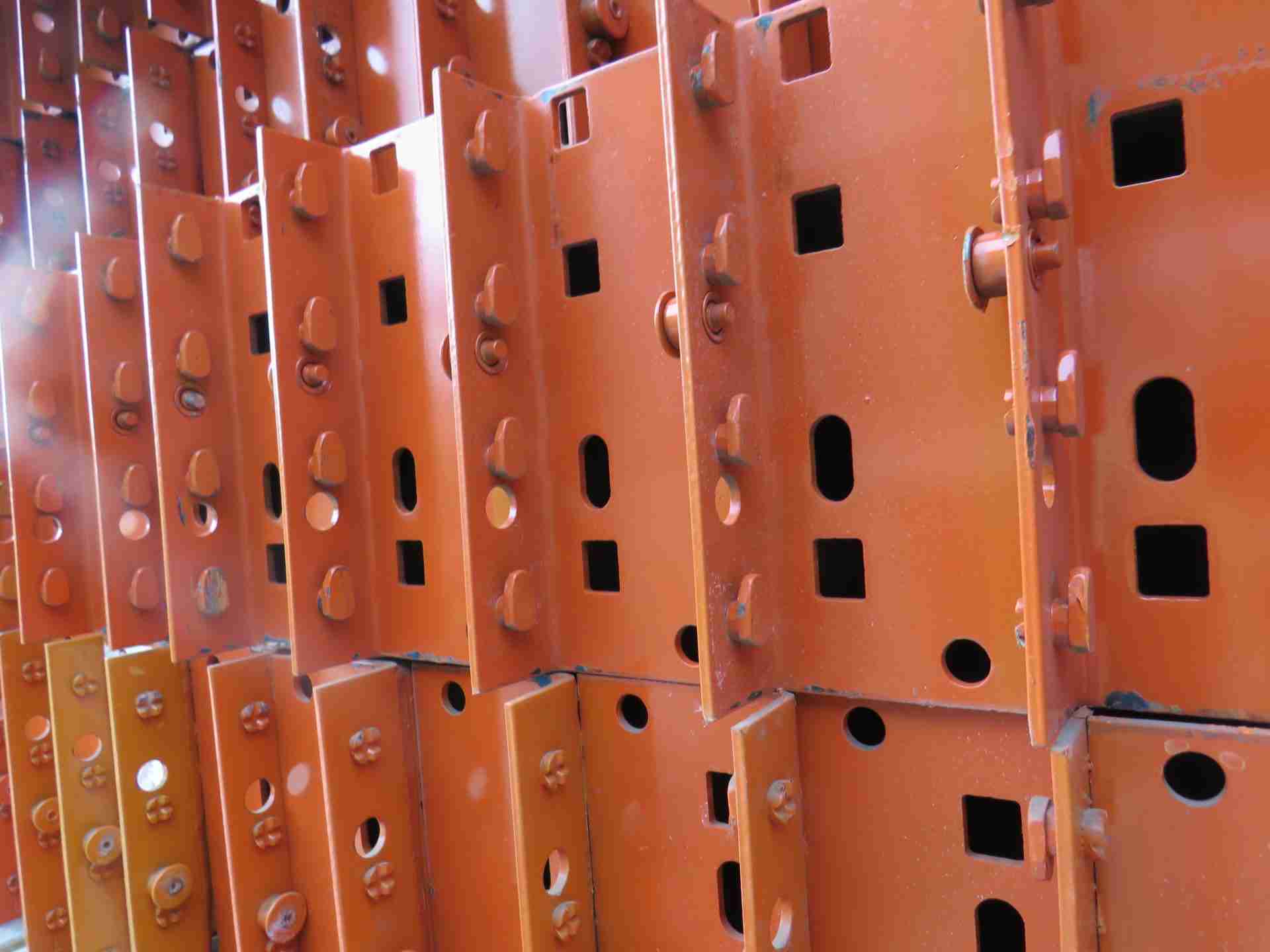
How Do Efficient Inventory Strategies Benefit Customers and Stores?
How Do Efficient Inventory Strategies Benefit Customers and Stores?
- Store racking systems facilitate easy access to favorite products, enhancing customer convenience.
- Efficient inventory strategies support businesses and positively affect every customer.
- Well-managed inventory helps busy shoppers find desired items quickly, demonstrating empathy.
- Consistent product availability fosters trust between customers and stores, building lasting relationships.
- Effective inventory management promotes sustainability by reducing wasted stock and contributing to a healthier planet.
- Organized inventory encourages community loyalty and fosters a welcoming shopping environment.
- Shopping experiences reflect efficient inventory strategies, benefiting customers and supporting hardworking staff.

How Do Efficient Inventory Strategies Benefit Customers and Stores?
Are There Ethical Concerns When Dealing with Oversized Inventory?
When facing the conundrum of oversized inventory, it’s not just about the numbers or the profits that loom overhead; it’s about people. Picture a warehouse, filled to the brim with products that are just waiting to be sold, but those racks—solid, cold steel—massively symbolize unsold dreams, unfulfilled needs, and maybe even underestimated relationships. Every item isn’t merely stock; it’s a story. Behind each oversized box, there are people whose livelihoods depend on sales, employees who feel the ripple effect of excess inventory, and customers who may be left wanting.
Ethical concerns swirl around oversized inventory like a storm cloud looming over a sunlit day. It’s easy to focus solely on the economic implications, but consider the broader impact. When brands end up with excess stock, they might be tempted to resort to strategies like deep discounting or, worse, disposal. This not only devalues the brand but also perpetuates a throwaway culture that many are increasingly wary of. The emotional toll is significant—workers lose their jobs, communities can suffer economically, and consumers may feel duped.
Rationality demands we find solutions that not only prioritize profit but also uplift people. Innovations in inventory management—like improved forecasting or just-in-time production—can mitigate the surplus problem without resorting to ethical compromises. These methods can truly optimize operations while keeping the human element in focus, creating a space where companies can responsibly handle excess goods without neglecting their societal obligations.
Moreover, there’s an inherent authority in the call for sustainability. Embracing ethical practices in inventory management isn’t merely a trend; it’s a movement rooted in accountability. Brands that take the high road foster trust with their customers, making them more likely to return time and again, knowing they support operations that care about the ethical stance they take.
This isn’t just about oversized inventory—it’s about resizing our responsibility. When we tackle the issue thoughtfully and empathetically, we can repurpose the conversation around inventory from one of mere excess to one of opportunity. Imagine a world where that oversized stock is transformed into donations, reinvigorated partnerships, or even community outreach. Let’s not overlook the interconnectedness we share, fostering a spirit of mutual aid and understanding as we navigate the ups and downs of business. This isn’t just business; it’s our shared humanity at play. And it’s time to embrace it.

Are There Ethical Concerns When Dealing with Oversized Inventory?
Are There Ethical Concerns When Dealing with Oversized Inventory?
- Oversized inventory represents not just numbers but the stories and livelihoods of people, including employees and customers.
- Excess stock can lead brands to unethical practices like deep discounting or disposal, damaging brand value and contributing to a throwaway culture.
- The emotional fallout from surplus inventory affects workers, communities, and consumers, highlighting the need for responsible solutions.
- Innovative inventory management strategies, such as improved forecasting and just-in-time production, can address surplus ethically.
- Adopting sustainable practices in inventory management builds trust with customers and aligns with accountability and ethics.
- Tackling oversized inventory thoughtfully can transform challenges into opportunities for donations, partnerships, and community outreach.
- Overall, addressing inventory issues is a shared responsibility that emphasizes our interconnectedness and humanity.

Are There Ethical Concerns When Dealing with Oversized Inventory?
What Role Do Technology and Analytics Play In Inventory Management?
In today’s fast-paced world, the role of technology and analytics in inventory management goes beyond mere numbers; it’s about building a bridge between the heart of a business and its operational backbone. Imagine a bustling warehouse, racking lined with products ready for action, yet behind the scenes, an intricate dance of data is at play, ensuring every item is precisely where it needs to be.
Technology empowers businesses to turn chaos into order. It allows managers to track stock levels in real time, forecast demand with chilling accuracy, and adjust to shifting trends faster than ever before. This isn’t just about having the right goods at the right time; it’s about reducing waste, saving money, and ultimately providing the customer with what they want before they even know they want it. And that’s the kind of efficiency that resonates not just with the bottom line but also with the soul of the brand.
Consider the human side of this equation. When a company effectively manages inventory, it’s not just optimizing operations; it’s taking care of its people. Employees feel the pressure of empty shelves and delayed deliveries. But with robust analytics lining the path toward smarter decisions, businesses can alleviate that tension, creating a workplace where workers don’t just survive the day but thrive. They become part of something bigger, contributing to an ecosystem that’s both ethical and efficient.
Authority figures in the industry have embraced these advancements, offering a wealth of insights that underscore the importance of integrating technology into inventory processes. Companies that harness data analytics not only enhance their operational efficiency but foster an environment of trust. Stakeholders, customers, and team members alike can believe in a system that works seamlessly, supported by solid data rather than gut feelings.
The heart of successful inventory management beats in rhythm with the pulse of the modern consumer. Think about a beloved local shop that uses innovative tools to track inventory and adapt to its community’s needs. That connection makes customers feel valued. It’s not just about the transaction; it’s about cultivating relationships based on reliability and transparency. When technology and analytics come together, they turn inventory management into a powerful story—one where every item has its place, and every choice impacts lives.
So, let’s embrace technology not as a cold, mechanical force, but as a vital ally, guiding us toward smarter decisions, deeper connections, and a future where businesses can succeed without sacrificing their values. Trust in that journey, for it’s one worth taking.

What Role Do Technology and Analytics Play In Inventory Management?
What Role Do Technology and Analytics Play In Inventory Management?
- Technology and analytics enhance inventory management by linking operational practices with business core values.
- Real-time stock tracking and accurate demand forecasting enable businesses to minimize waste and costs while meeting customer needs.
- Effective inventory management supports employee well-being, reducing pressures related to stock shortages and delays.
- Data analytics fosters trust among stakeholders, creating a belief in the efficiency of the system.
- Successful inventory management focuses on the consumer’s needs, enhancing customer relationships through transparency and reliability.
- Integration of technology in inventory processes transforms management into a narrative where every product and decision matters.
- Embracing technology as a partner leads to informed decisions and a business culture that upholds values while achieving success.

What Role Do Technology and Analytics Play In Inventory Management?
How Do Stores Foster Trust with Customers In Inventory Availability?
When you walk into a store, what’s the first thing you notice? The racks lined with products, right? Those racking systems are more than just metal frames; they’re part of a promise—a testament to a brand’s commitment to having what you need when you need it. Imagine wandering into a store only to find empty shelves. It’s disheartening, isn’t it? This is where trust plays a pivotal role in shaping your shopping experience.
A savvy retailer knows that inventory isn’t just about what fills the racking; it’s about knowing your customers. When a store consistently stocks the items you rely on, it builds a bridge of trust. You start to believe that they understand your needs, that they’re not just filling space but instead listening and responding to your preferences. That’s a powerful connection, especially when life gets busy, and you need a reliable partner in your shopping journey.
Stores that create this experience don’t just rely on luck or guesswork; they use data and analytics to gauge what items are most important to their customers. This approach saves you time and effort. You walk in, and there it is—exactly what you came for. This blend of emotional resonance and rational planning nurtures a loyalty that transcends mere transactions. You find yourself returning, not just out of habit, but out of respect for a relationship built on reliability.
Now, let’s talk ethics. In an age where many businesses prioritize profits over people, a commitment to transparency in inventory practices is refreshing. When stores communicate openly about supply chain issues or backorders, it elevates their authority and fosters a deeper respect. Customers appreciate honesty. When you hear, “We’re experiencing delays, but we’re working hard to fix it,” it reassures you that they’re putting in the effort.
Moreover, consider the social aspect. When you discuss your favorite store with friends, recommending a place that always has what you need, you’re not just sharing a shopping tip; you’re part of a community. This word-of-mouth connection fosters trust, encouraging others to explore that same reliable space.
So, next time you find yourself navigating those racking systems, remember: it’s not just about what’s on the shelves; it’s about a commitment to being there for you. The heart of retail thrives on trust, and when stores get it right, it feels less like shopping and more like coming home.

How Do Stores Foster Trust with Customers In Inventory Availability?
How Do Stores Foster Trust with Customers In Inventory Availability?
- Racking systems represent a brand’s commitment to providing customers with essential products.
- Trust is crucial for a positive shopping experience, especially when shelves are consistently stocked.
- Understanding customer needs builds a reliable connection between stores and shoppers.
- Data and analytics help retailers stock popular items, saving time for customers.
- Transparent inventory practices enhance customer respect and loyalty.
- Word-of-mouth recommendations build community trust in stores that consistently meet needs.
- The shopping experience can feel more like home when stores prioritize customer relationships.

How Do Stores Foster Trust with Customers In Inventory Availability?
Conclusion
Home improvement stores are more than just places to buy tools and supplies; they are the lifeblood of countless dreams and aspirations. When you step inside, the organized chaos of towering racking systems teems with potential—each item a stepping stone toward creating a better home, a new life, or a cherished memory. Behind this vibrant scene operates a delicate ballet of inventory management, a pursuit that aligns head, heart, and gut into a cohesive experience that transforms mere transactions into personal journeys.
This orchestrated effort is vital. Oversized inventory presents both challenges and opportunities, weighing heavily on the shoulders of retailers. They must find a way to balance the needs of the consumer with the inefficiencies of stock—too much leads to waste and lost profits; too little results in missed opportunities and disappointed shoppers. An efficient inventory management system does more than streamline operations; it builds trust. A store that consistently has your favorite brand of paint on the shelf is more than a place to shop; it’s a reliable partner in your home improvement endeavors. It’s about fostering loyalty—when you know a store understands and anticipates your needs, you’re more likely to return, forming a bond rooted in shared values.
Ethically, the stakes rise when considering unsold inventory. Many retailers are now committed to sustainable practices, repurposing or donating excess stock to combat waste. When you choose to shop at these stores, you’re not just making a purchase; you are engaging in a movement toward responsible consumption. This connection strengthens community ties and reinforces a shared commitment to bettering our environment.
The role of technology in this equation cannot be understated. Advanced analytics inform decision-making, ensuring the right products are always available. It’s an empathetic approach to retail—knowing that a busy mom juggling a toddler shouldn’t waste precious moments searching for an elusive item. Efficiency is a kindness that can transform a mundane chore into a seamless experience.
At the end of the day, every aisle, every rack, every item tells a story. Those towering stacks of lumber aren’t just materials; they represent potential transformations. So next time you walk through the doors of a home improvement store, remember: you’re not just shopping. You’re participating in a much larger narrative—one that champions creativity, connection, and the dreams we all hold dear. It’s a partnership rooted in trust, sustainability, and the boundless possibilities of home improvement.

Conclusion
Conclusion:
- Home improvement stores serve as vital spaces for realizing dreams and aspirations in home improvement.
- Each item in the store represents a potential step toward a better life or cherished memory.
- Effective inventory management balances consumer needs with stock efficiency, fostering trust and loyalty.
- Retailers must manage oversized inventory carefully to avoid waste and disappointed customers.
- Sustainable practices, such as repurposing unsold inventory, strengthen community ties and promote responsible consumption.
- Technology and advanced analytics improve decision-making, ensuring product availability and enhancing the shopping experience.
- Every item in a home improvement store tells a story, reflecting creativity, connection, and the possibilities of transformation.

Conclusion
Other Resources

Other Resources
Here is a list of other resources you can review online to learn more:
- Teardrop Industrial Shelving Rack
- IWLA
- Illinois Pallet Racking – WPRP
- Pallet Rack Systems – New and Used Pallet Racking and Shelving Experts
- Warehouse Storage Racking in Illinois
- Interlake Mecalux
- Material Handling Industry
- Cantilever Rack Configuration & Installation: A Comprehensive Guide – BMH
- Intro to Warehouse Racks & Warehouse Racking Systems – ShipBob
- Cantilever Racks Chicago
- Overhead Lifting
- Interlake Mecalux
- Bradford Systems
- The Ultimate Pallet Racking Guide – Speedrack West
- Total Warehouse
- Cantilever Rack Guide: Ordering Cantilever Racking
- CA Wire
- Cantilever Rack Guide: Ordering Cantilever Racking
- Used Pallet Rack for Sale in Illinois – American Surplus
- WERC
Use This Prompt To Get More Resources With Your Favorite Online AI Tool: Please provide me with a list of online articles with their URLs in a bulleted list that I can read regarding How Home Improvement Stores Manage Oversized Inventory

Other Resources
Glossary Terms
How Home Improvement Stores Manage Oversized Inventory – Glossary Of Terms
1. Oversized Inventory: Large or bulky items that require special handling and storage techniques in retail environments.
2. Warehouse Management: The process of overseeing and controlling warehouse operations, including storage and inventory of oversized items.
3. Logistics: The detailed organization and implementation of complex operations, particularly the movement and storage of large inventory.
4. Inventory Turnover: A ratio indicating how frequently inventory is sold and replaced over a period, crucial for oversized items that may take longer to sell.
5. Stock Keeping Unit (SKU): A unique identifier for each distinct product, used to track inventory levels and sales.
6. Planogram: A visual representation of a store’s layout designed to maximize space and optimize the display of oversized items.
7. Safety Regulations: Rules and guidelines that ensure safe handling and storage of large inventory to prevent accidents and injuries.
8. Receiving Dock: A designated area where oversized inventory arrives and is processed before being moved to storage.
9. Forklift: A powered industrial vehicle used to lift and move oversized inventory around the warehouse or store.
10. Space Optimization: Techniques used to make the best use of available storage space for oversized items, such as vertical storage or custom racking.
11. Custom Racking: Shelving systems designed to accommodate the specific dimensions and weight of oversized inventory.
12. Inventory Forecasting: The process of predicting future inventory needs based on historical data, trends, and seasonal demand.
13. Backorder: A situation where an item is out of stock, but customers can still place an order for it to be fulfilled later.
14. Product Demerchandising: The process of strategically reducing the display of oversized items to make room for more popular or faster-selling products.
15. Shrinkage: Loss of inventory due to theft, damage, or errors, which can significantly impact oversized item stock levels.
16. Cross-Docking: A logistics practice where incoming oversized inventory is directly transferred to shipping without lengthy storage periods.
17. Inventory Management System: Software that helps retailers track and manage their stock levels, orders, and sales of oversized items.
18. Logistics Partnerships: Collaborations with external companies that assist in the transportation and storage of oversized inventory.
19. Lead Time: The period from ordering oversized inventory to its delivery, which can affect stock availability.
20. Bulk Storage: An approach to storing oversized items in large quantities, typically used in warehouses.
21. Customer Service Training: Instruction provided to staff on how to effectively assist customers with oversized inventory inquiries and purchases.
22. Pallets: Flat transport structures used to support large quantities of goods, allowing easier movement and storage of oversized inventory.
23. Stock Replenishment: The process of restocking shelves with oversized items to ensure availability for customers.
24. Floor Plan: The layout of a retail space, designed to strategically position oversized inventory for optimal customer access and visibility.
25. Seasonal Inventory: Oversized items that are specific to certain times of the year, requiring special management during peak seasons.
26. Handling Equipment: Tools such as dollies and lifts used to manipulate and transport oversized inventory safely.
27. Inventory Audits: Regular checks to assess the accuracy of stock levels, including oversized items, and identify discrepancies.
28. E-commerce Integration: The process of connecting online sales platforms with physical stores for managing oversized inventory orders.
29. Return Policy: Guidelines that dictate how customers can return oversized items, influencing inventory levels.
30. Sales Forecasting: The method of predicting future sales trends for oversized inventory, helping to plan procurement and storage needs.

Glossary Of Terms
Other Questions
How Home Improvement Stores Manage Oversized Inventory – Other Questions
If you wish to explore and discover more, consider looking for answers to these questions:
- What specific inventory management techniques do home improvement stores use?
- How do customer preferences influence inventory decisions?
- What sustainability practices are implemented in inventory management?
- How do seasonal changes affect inventory management strategies?
- What technologies are most effective in inventory tracking?
- How can a store effectively reduce excess inventory costs?
- How do supply chain issues impact inventory availability?
- What role do employee training and engagement play in inventory management?
- How can stores measure customer satisfaction related to inventory availability?
- What strategies can stores employ to manage backorders effectively?

Other Questions
Checklist
How Home Improvement Stores Manage Oversized Inventory – A Checklist
Checklist for Building Trust and Efficient Inventory Management in Home Improvement Stores
Emotional Appeals:
_____ Reflect on how your shopping experience contributes to your home transformation or personal project.
_____ Consider how each product represents a dream or aspiration you wish to fulfill.
_____ Think about the interactions with store staff and how they guide you in your journey toward improvement.
Rational Appeals:
_____ Evaluate how effective inventory management can save you time and effort while shopping.
_____ Assess the importance of having consistent availability of essential items to avoid disruptions in your projects.
_____ Investigate how technology and analytics can enhance the accuracy and efficiency of inventory management.
Ethical Appeals:
_____ Support stores that prioritize sustainability and minimize waste through responsible inventory practices.
_____ Inquire about a store’s commitment to repurposing or donating unsold items rather than disposing of them.
_____ Reflect on the ethical implications of your shopping choices and how they align with your personal values.
Authority Appeals:
_____ Research and follow industry leaders who advocate for best practices in inventory management.
_____ Look for stores that utilize data analytics to inform inventory decisions, enhancing operational efficiency and customer satisfaction.
_____ Seek certifications or endorsements from ethical organizations that highlight a store’s commitment to responsible practices.
Narrative Appeals:
_____ Share your personal stories of successful renovations or projects that started with a visit to a home improvement store.
_____ Connect with others about their experiences and how reliable inventory management played a role in their projects.
_____ Encourage storytelling within your community about favorite products and the impact they’ve had on home improvement journeys.
Social Appeals:
_____ Engage with local community forums or social media groups to discuss shopping experiences and trusted stores.
_____ Recommend home improvement stores that consistently meet inventory needs to your friends and family.
_____ Foster a sense of community by sharing information about stores that prioritize effective inventory management and customer care.
Use this checklist to enhance your awareness and prioritization of key factors affecting your shopping experiences and encourage reliable and ethical practices within your community.

Checklist
At RackingWorld, we help guide you through selecting warehouse storage systems and racking.
Be sure to read our other related stories at RackingWorld to learn more about warehouse storage systems.
0 Comments