
An Overview Of How Do You Design an Efficient Pallet Racking Layout
By Tom Seest
At RackingWorld, we help guide you through selecting warehouse storage systems and racking.
Be sure to read our other related stories at RackingWorld to learn more about warehouse storage systems.
How Do You Design an Efficient Pallet Racking Layout?
When it comes to designing an efficient pallet racking layout for your warehouse, there are several key factors to consider in order to maximize storage capacity and streamline operations.
First and foremost, it is essential to carefully assess your warehouse space and take detailed measurements. This will allow you to determine the optimal placement of pallet racking units to make the most of the available square footage. By stacking pallets vertically and utilizing wall space effectively, you can create a layout that allows for easy access to inventory while minimizing wasted space.
Another important aspect to consider is the flow of goods through your warehouse. By strategically positioning pallet racking units in a way that optimizes the movement of products from receiving to shipping, you can increase efficiency and reduce the time it takes to fulfill orders. For example, placing high-demand items closer to the shipping area can help expedite the picking and packing process, saving valuable time and resources.
Additionally, it is crucial to consider the size and weight of your inventory when designing your pallet racking layout. By selecting the appropriate racking system for your specific needs, you can ensure that it can safely and securely hold all of your products without risking damage or collapse. For example, if you deal with heavy-duty items, you may want to invest in heavy-duty pallet racking systems that are designed to handle large loads.
Furthermore, recent advancements in technology have made it easier than ever to optimize warehouse layout and storage solutions. The use of automated systems, such as robotic pallet movers and inventory management software, can help streamline operations and improve overall efficiency. By leveraging these cutting-edge tools, you can stay ahead of the competition and adapt to the ever-changing demands of the modern marketplace.
Designing an efficient pallet racking layout requires careful planning, attention to detail, and a thorough understanding of your warehouse operations. By taking the time to assess your space, consider the flow of goods, and select the right racking system for your needs, you can create a layout that maximizes storage capacity, improves productivity, and ultimately boosts your bottom line. So, don’t wait any longer – start designing your optimized pallet racking layout today and watch your warehouse operations soar to new heights.
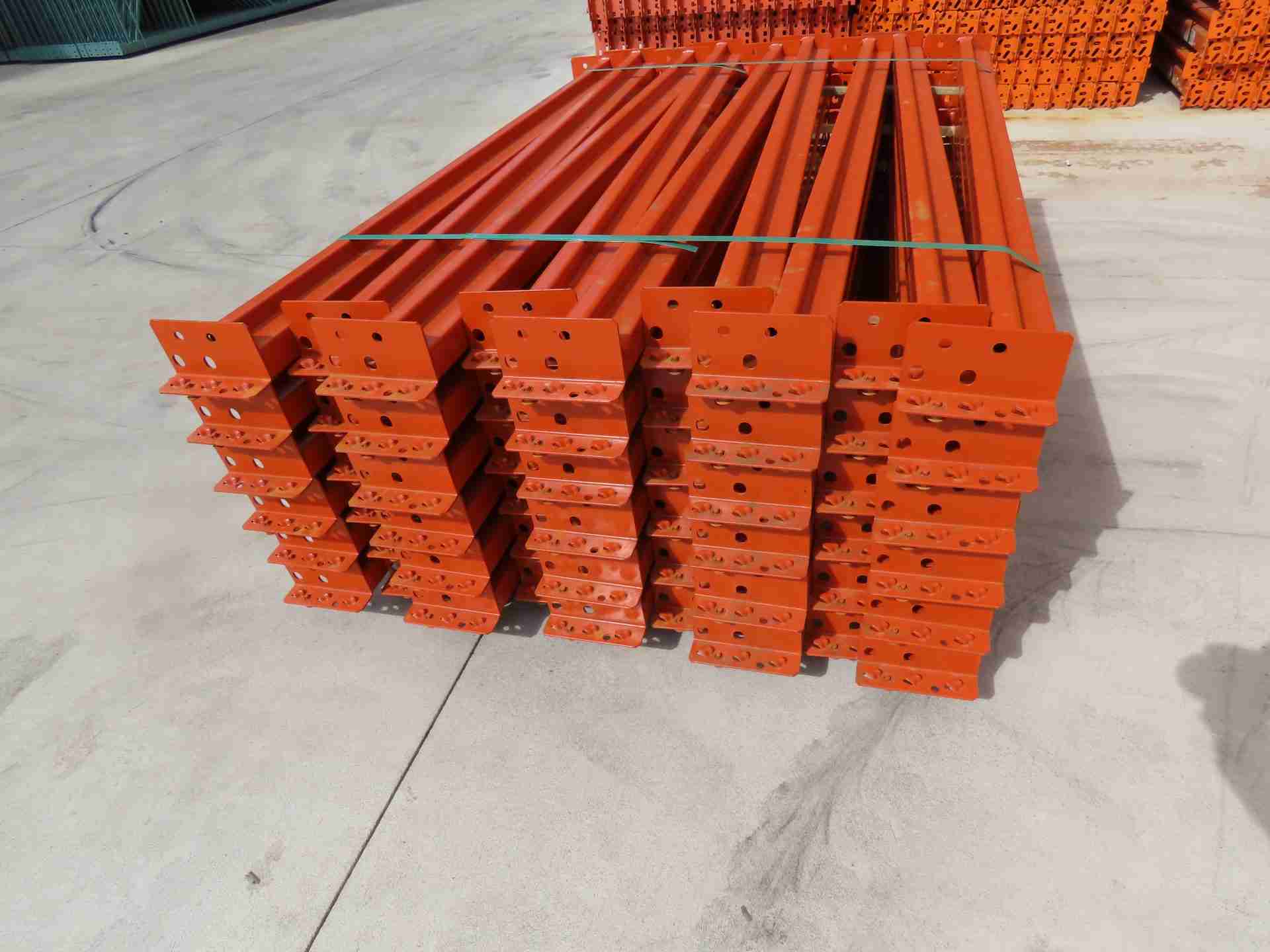
How Do You Design an Efficient Pallet Racking Layout?
How Do You Design an Efficient Pallet Racking Layout?
- Carefully assess warehouse space and take detailed measurements.
- Stack pallets vertically and utilize wall space effectively.
- Strategically position pallet racking units to optimize flow of goods.
- Consider size and weight of inventory when selecting racking system.
- Utilize automated systems and technology for optimal efficiency.
- Plan layout with attention to detail and understanding of warehouse operations.
- Start designing optimized pallet racking layout today for improved productivity.

How Do You Design an Efficient Pallet Racking Layout?
Table Of Contents
- How Do You Design an Efficient Pallet Racking Layout?
- How to Maximize Pallet Racking Storage and Maintain Accessibility?
- Is There a Recommended Pallet Racking Layout for Workflow Efficiency?
- What Are Common Mistakes to Avoid When Designing Pallet Racking?
- How Important Is Safety In The Design Of a Pallet Racking Layout?
- Are There Software Tools Available to Help with Pallet Racking Design?
- How Do You Determine The Right Pallet Racking System for Your Space?
- Conclusion
- Other Resources
- Glossary Of Terms
- Other Questions
- Checklist
How to Maximize Pallet Racking Storage and Maintain Accessibility?
When it comes to maximizing pallet racking storage and maintaining accessibility in your warehouse, there are several key strategies to keep in mind. By implementing these tactics, you can make the most of your available space while ensuring that your inventory is easily accessible for efficient fulfillment processes.
One of the first steps to optimizing pallet racking storage is to carefully plan the layout of your warehouse. By strategically placing your pallet racks in a way that maximizes vertical space and utilizes all available square footage, you can increase storage capacity without sacrificing accessibility. For example, using narrow aisle pallet racking systems can help you make the most of tight spaces while still allowing forklifts to maneuver around with ease.
In addition to proper layout planning, it’s important to regularly review and adjust your inventory management practices to ensure that items are stored in the most efficient way possible. This may involve reorganizing pallet racks, reevaluating picking processes, or implementing new technology to track inventory levels and movement. By staying proactive and continually optimizing your storage systems, you can prevent bottlenecks and ensure that products are always within reach when needed.
Another key aspect of maximizing pallet racking storage is to invest in high-quality racks and accessories that are specifically designed for your warehouse’s needs. For example, adjustable pallet racking systems can be customized to fit different product sizes and weight capacities, allowing you to store a wide range of items without overloading shelves or risking damage. Additionally, accessories like pallet supports, wire decking, and safety bars can help secure loads and prevent accidents, improving overall efficiency and productivity.
When it comes to maintaining accessibility in your warehouse, regular maintenance and safety measures are essential. Be sure to inspect pallet racks for any signs of wear or damage, and make repairs or replacements as needed to prevent accidents and ensure stability. It’s also important to train employees on proper loading and unloading procedures to minimize the risk of injuries and damage to inventory.
By implementing these strategies for maximizing pallet racking storage and maintaining accessibility, you can optimize your warehouse operations and improve overall efficiency. By investing in quality racks, planning for growth, and staying proactive with inventory management, you can create a streamlined and productive warehouse environment that supports your business goals.

How to Maximize Pallet Racking Storage and Maintain Accessibility?
How to Maximize Pallet Racking Storage and Maintain Accessibility?
- Plan the layout of your warehouse strategically to maximize vertical space and utilize all available square footage.
- Consider using narrow aisle pallet racking systems to make the most of tight spaces.
- Regularly review and adjust inventory management practices for efficient storage.
- Invest in high-quality racks and accessories designed specifically for your warehouse’s needs.
- Maintain regular maintenance and safety measures to prevent accidents and ensure stability.
- Train employees on proper loading and unloading procedures to minimize risk of injuries and damage.
- By implementing these strategies, you can optimize warehouse operations and improve overall efficiency.
How to Maximize Pallet Racking Storage and Maintain Accessibility?
Is There a Recommended Pallet Racking Layout for Workflow Efficiency?
When it comes to maximizing workflow efficiency in your warehouse, having a well-thought-out pallet racking layout is crucial. The right layout can not only optimize space utilization but also streamline the movement of goods, ultimately leading to increased productivity and cost savings.
While there is no one-size-fits-all solution when it comes to pallet racking layouts, there are some recommended layouts that can help improve workflow efficiency. One such layout is the selective racking system, which allows for easy access to individual pallets and is ideal for warehouses with a high variety of SKUs. Another popular layout is the drive-in racking system, which maximizes storage capacity by allowing forklifts to drive directly into the rack system to retrieve pallets.
In order to determine the best pallet racking layout for your warehouse, it is important to consider factors such as the size and weight of your products, the frequency of access to different SKUs, and the layout of your warehouse. By taking these factors into account, you can design a layout that is tailored to your specific needs and can help improve workflow efficiency.
One recent trend in pallet racking layouts is the use of automation technology to further enhance efficiency. With advancements in robotics and artificial intelligence, warehouses can now automate processes such as pallet retrieval and storage, leading to faster turnaround times and reduced labor costs. By incorporating automation technology into your pallet racking layout, you can further optimize workflow efficiency and stay ahead of the competition.
Having a recommended pallet racking layout is essential for maximizing workflow efficiency in your warehouse. By choosing the right layout for your specific needs and incorporating automation technology where applicable, you can streamline operations, increase productivity, and ultimately improve your bottom line. Don’t let a subpar pallet racking layout hold your warehouse back – invest in a layout that works for you and watch your efficiency soar.

Is There a Recommended Pallet Racking Layout for Workflow Efficiency?
Is There a Recommended Pallet Racking Layout for Workflow Efficiency?
- Having a well-thought-out pallet racking layout is crucial for maximizing workflow efficiency in your warehouse.
- The right layout can optimize space utilization, streamline goods movement, and lead to increased productivity and cost savings.
- Recommended layouts include selective racking systems for easy access to individual pallets and drive-in racking systems for maximizing storage capacity.
- Factors to consider when determining the best pallet racking layout include product size and weight, frequency of access to SKUs, and warehouse layout.
- Automation technology is a recent trend in pallet racking layouts, improving efficiency through processes such as pallet retrieval and storage.
- By choosing the right layout and incorporating automation technology, warehouses can increase productivity, reduce labor costs, and stay competitive.
- Investing in a recommended pallet racking layout tailored to your needs can help streamline operations, increase efficiency, and improve your bottom line.

Is There a Recommended Pallet Racking Layout for Workflow Efficiency?
What Are Common Mistakes to Avoid When Designing Pallet Racking?
When it comes to designing pallet racking systems, there are several common mistakes that can easily be avoided with proper planning and attention to detail. Avoiding these mistakes can save you time, money, and headaches in the long run.
One common mistake to avoid is failing to properly account for the weight of your inventory. It’s important to know exactly how much weight your pallet racking system needs to support in order to avoid overloading the shelves, which can lead to accidents and damage to your product. Take the time to calculate the weight of your inventory and choose a pallet racking system that can safely accommodate it.
Another common mistake is failing to consider the layout of your warehouse when designing your pallet racking system. It’s important to think about how your employees will be moving around the warehouse, as well as how your inventory will flow through the space. Failing to consider these factors can result in inefficiencies and bottlenecks that can slow down your operations.
Additionally, failing to properly maintain your pallet racking system can also lead to problems down the line. Regular inspections and maintenance are crucial to ensuring that your pallet racking system remains safe and functional. Neglecting to do so can result in damage to your inventory, as well as potential safety hazards for your employees.
Finally, one of the biggest mistakes to avoid when designing pallet racking systems is failing to invest in quality materials and installation. Cutting corners on materials or installation may save you money in the short term, but it can result in costly repairs and replacements in the future. It’s important to invest in high-quality materials and work with experienced professionals to ensure that your pallet racking system is built to last.
There are several common mistakes to avoid when designing pallet racking systems. By taking the time to properly plan, consider the layout of your warehouse, maintain your system, and invest in quality materials, you can avoid costly problems and ensure that your pallet racking system serves your business well for years to come.

What Are Common Mistakes to Avoid When Designing Pallet Racking?
What Are Common Mistakes to Avoid When Designing Pallet Racking?
- Failure to properly account for the weight of inventory.
- Not considering the layout of the warehouse.
- Inadequate maintenance of the pallet racking system.
- Not investing in quality materials and installation.

What Are Common Mistakes to Avoid When Designing Pallet Racking?
How Important Is Safety In The Design Of a Pallet Racking Layout?
When it comes to designing a pallet racking layout, safety should always be a top priority. A poorly designed layout can not only result in damage to your inventory but also pose serious risks to the safety of your employees. In fact, according to the Occupational Safety and Health Administration (OSHA), inadequate storage can lead to accidents such as falls, struck-by incidents, and collapses. This not only puts your employees at risk but can also result in costly fines and legal issues for your business.
To ensure the safety of your warehouse and employees, it is crucial to consider safety measures when designing your pallet racking layout. This includes ensuring that the racking system is properly installed and secured, as well as taking into account factors such as load capacity, aisle width, and access to emergency exits. By carefully planning the layout of your pallet racking system, you can mitigate the risk of accidents and create a safer working environment for your employees.
In addition to ensuring the safety of your employees, a well-designed pallet racking layout can also improve efficiency and productivity in your warehouse. By optimizing the layout of your racking system, you can maximize the use of space, reduce the time it takes to pick and store items, and streamline your overall operations. This can ultimately lead to cost savings and increased profitability for your business.
For example, by implementing a drive-in racking system, you can minimize aisle space and maximize storage capacity, allowing you to store more inventory in a smaller footprint. This can help you make the most of your warehouse space and improve the overall efficiency of your operations. Additionally, by using safe pallet racking accessories such as pallet supports and column guards, you can protect your inventory and prevent accidents that could result in costly damage.
Safety should always be a top priority when designing a pallet racking layout. By taking the time to carefully plan and implement safety measures, you can create a safer working environment for your employees and reduce the risk of accidents in your warehouse. Not only does this protect your employees and inventory, but it can also improve efficiency and productivity in your operations. So when designing your pallet racking layout, remember that safety is not just important – it’s essential.

How Important Is Safety In The Design Of a Pallet Racking Layout?
How Important Is Safety In The Design Of a Pallet Racking Layout?
- Designing a pallet racking layout requires prioritizing safety to avoid damage to inventory and risks to employee safety.
- Inadequate storage can lead to accidents such as falls, struck-by incidents, and collapses, resulting in fines and legal issues.
- Safety measures when designing a layout include proper installation, load capacity, aisle width, and access to emergency exits.
- Optimizing the layout can improve efficiency and productivity by maximizing space, reducing picking time, and streamlining operations.
- Drive-in racking systems can minimize aisle space and maximize storage capacity, while accessories like pallet supports and column guards can prevent accidents and damage.
- Creating a safer working environment through careful layout planning can protect employees and improve overall operations.
- Remember that safety is essential when designing a pallet racking layout, as it not only protects employees and inventory but also enhances efficiency and productivity.

How Important Is Safety In The Design Of a Pallet Racking Layout?
Are There Software Tools Available to Help with Pallet Racking Design?
When it comes to designing pallet racking systems, having the right tools can make all the difference. Fortunately, there are a number of software options available that can help streamline the design process and ensure that your storage solution is both efficient and effective.
One popular software tool for pallet racking design is AutoCAD. This powerful program allows users to create detailed 2D and 3D models of their storage systems, enabling them to visualize and optimize their layout before any physical work begins. With AutoCAD, users can easily experiment with different configurations, adjust dimensions, and incorporate important factors such as load capacity and safety regulations.
Another great option is Warehouse Blueprint, a user-friendly software specifically designed for warehouse layout and design. This tool allows users to create accurate floor plans, calculate storage capacity, and even generate reports to help with decision-making. With Warehouse Blueprint, you can quickly and easily create a customized pallet racking design that meets your specific needs and requirements.
For those looking for a more advanced solution, there are also software tools available that utilize artificial intelligence and machine learning to optimize pallet racking designs. These cutting-edge programs can analyze data and create layouts that maximize storage capacity, minimize aisle space, and improve overall efficiency. By harnessing the power of AI, businesses can ensure that their pallet racking systems are not only well-designed but also highly optimized for their unique operations.
In today’s fast-paced business environment, having access to the right tools can give you a competitive edge. By utilizing software tools for pallet racking design, you can save time, reduce costs, and ultimately create a more efficient and productive warehouse. With the ability to generate detailed models, analyze data, and optimize layouts, these software tools can help you design a storage solution that meets your needs both now and in the future.
So why struggle with outdated methods and guesswork when you can harness the power of technology to create the perfect pallet racking system for your business? Invest in the right software tools today and take your warehouse design to the next level.

Are There Software Tools Available to Help with Pallet Racking Design?
Are There Software Tools Available to Help with Pallet Racking Design?
- AutoCAD is a popular software tool for pallet racking design, allowing users to create detailed 2D and 3D models.
- Warehouse Blueprint is a user-friendly software specifically designed for warehouse layout and design purposes.
- Advanced software tools utilize artificial intelligence and machine learning to optimize pallet racking designs.
- Software tools can help businesses save time, reduce costs, and increase overall efficiency in warehouse operations.
- By using software tools, businesses can generate detailed models, analyze data, and optimize layouts to meet specific needs and requirements.
- Investing in the right software tools can give businesses a competitive edge and improve warehouse design processes.
- Harness the power of technology to create the perfect pallet racking system for your business and take warehouse design to the next level.

Are There Software Tools Available to Help with Pallet Racking Design?
How Do You Determine The Right Pallet Racking System for Your Space?
When it comes to selecting the right pallet racking system for your space, there are several key factors to consider. The first step is to assess the size and layout of your warehouse or storage facility. Are you working with limited vertical space or do you have the opportunity to utilize high ceilings for vertical storage? Understanding the dimensions of your space will help you determine whether a selective, drive-in, or push-back racking system is the most appropriate.
Additionally, it’s important to take stock of the types of products you will be storing. Are they bulky and irregularly shaped, or are they uniform in size and weight? This will impact the type of racking system you choose, as some are better suited for heavy-duty items while others are designed for smaller, more fragile products.
Another consideration is the flow of products in and out of your facility. If you have a high turnover rate and need quick access to all stored items, a selective racking system may be best. However, if you are looking to maximize storage capacity and are willing to sacrifice some accessibility, a drive-in or push-back system may be more suitable.
Current events, such as the rise of e-commerce and the shift towards automation in warehouses, can also play a role in your decision-making process. With more customers shopping online and expecting quick delivery times, having an efficient and organized pallet racking system is essential for meeting demand and staying competitive in the market.
Ultimately, the key to determining the right pallet racking system for your space is to carefully evaluate your unique needs and goals. By considering factors such as warehouse layout, product type, flow of goods, and industry trends, you can make an informed decision that will optimize storage space, improve efficiency, and enhance overall productivity.
Selecting the right pallet racking system is a critical decision for any business looking to maximize its storage capabilities and streamline operations. By taking into account the size and layout of your space, the types of products you will be storing, the flow of goods, and current industry trends, you can make a strategic choice that will benefit your business in the long run.

How Do You Determine The Right Pallet Racking System for Your Space?
How Do You Determine The Right Pallet Racking System for Your Space?
- Assess the size and layout of your warehouse or storage facility.
- Determine the types of products you will be storing.
- Consider the flow of products in and out of your facility.
- Take into account current events and industry trends.
- Carefully evaluate your unique needs and goals.
- Optimize storage space, improve efficiency, and enhance productivity.
- Make a strategic choice that will benefit your business in the long run.

How Do You Determine The Right Pallet Racking System for Your Space?
Conclusion
Are you tired of wasting valuable warehouse space and struggling to find a pallet racking layout that works for your business? Look no further! Designing an efficient pallet racking layout is crucial for maximizing storage capacity, streamlining operations, and ultimately boosting your bottom line. By carefully assessing your warehouse space, strategically positioning pallet racking units, and considering the flow of goods throughout your facility, you can create a layout that optimizes space utilization and improves efficiency.
But why stop there? With recent advancements in technology, such as automated systems and inventory management software, you can take your warehouse operations to the next level. By leveraging cutting-edge tools, you can stay ahead of the competition and adapt to the ever-changing demands of the modern marketplace.
However, safety should always be a top priority when designing your pallet racking layout. Inadequate storage can lead to accidents and costly fines, putting your employees and inventory at risk. By carefully planning the layout of your racking system and implementing safety measures, you can create a safer working environment while improving efficiency and productivity.
So why wait? Don’t let a subpar pallet racking layout hold your business back. Take action now and start designing your optimized pallet racking layout today. Call Arrow Industrial Sales at (574) 349-6575 to get the expert guidance and information you need to create a layout that maximizes storage capacity, improves productivity, and sets you up for success. Don’t miss out on this opportunity to optimize your warehouse operations and watch your efficiency soar to new heights. Make the call today!

Conclusion
Conclusion:
- Designing an efficient pallet racking layout is crucial for maximizing storage capacity, streamlining operations, and boosting your bottom line.
- By strategically positioning pallet racking units and considering the flow of goods, you can optimize space utilization and improve efficiency.
- Recent advancements in technology like automated systems and inventory management software can take your warehouse operations to the next level.
- Safety should always be a top priority when designing your pallet racking layout to avoid accidents and costly fines.
- Take action now and start designing your optimized pallet racking layout today with the expert guidance from Arrow Industrial Sales.
- Don’t miss out on the opportunity to optimize your warehouse operations and improve efficiency by calling (574) 349-6575.
- Make the call to Arrow Industrial Sales today and watch your efficiency soar to new heights!.

Conclusion
Other Resources

Other Resources
Here is a list of other resources you can review online to learn more:
- “Pallet Racking (Selective Storage Racks)”
- “Pallet Racking Systems”
- “Maximize Your Warehouse Efficiency Pallet Racking Guide”
- “Do Pallet Racking Systems Integrate with Automated …”
- “Pallet Racking Systems: Optimizing Warehouse Efficiency …”
- “How to Implement Industrial Racking Systems in Your …”
- “Automated Pallet Racking Systems”
- “Inventory Automation Manufacturer Steel Automatic …”
- “Celebrating 10 Years!”
- “Manufacturing Machinery World September 2021”
- “Machinery Update | Issue 3 | May / June 2022”
- “DoD BAA issued for pre-release”
- “(PDF) Case studies on innovation for competitive enterprises”
- “IETF-Show_Catalogue.pdf”
- “Annual Report 2010”
- “The ‘Made in Germany’ Champion Brands”
Other Resources
Glossary Terms
How Do You Design an Efficient Pallet Racking Layout? – Glossary Of Terms
1. Pallet Racking: A storage system designed to support goods stored on pallets, optimizing vertical and horizontal space in a warehouse.
2. Aisle Width: The space between racks that allows for safe and efficient movement of forklifts and personnel.
3. Beam: The horizontal support structure in a pallet racking system where pallets rest.
4. Upright Frame: The vertical components of a pallet racking system, providing the primary support structure.
5. Decking: Materials like wire mesh or wooden planks placed on beams to create a shelf for non-palletized items.
6. Load Capacity: The maximum weight a racking system can safely support per shelf or bay.
7. Bay: The space occupied by a single pallet horizontally along the racking system, typically framed by two upright frames.
8. Back-to-Back Racking: A racking layout where two rows of pallets are placed back to back to optimize storage density.
9. Drive-In Racking: A system that allows forklifts to drive directly into the bay, designed for high-density storage.
10. Selective Racking: A common racking system where each pallet can be accessed without moving others, emphasizing flexibility.
11. Double-Deep Racking: A layout where pallets are stored two deep, increasing storage density but requiring deeper forklift reach.
12. Cantilever Racking: A racking system with arms projecting from columns, ideal for long or bulky items like lumber or pipes.
13. Push-Back Racking: A high-density storage system where pallets are loaded from the front and pushed back on inclined rails.
14. Pallet Flow Racking: A type of racking that uses gravity rollers to move pallets forward, facilitating first-in, first-out (FIFO) inventory management.
15. Foot Plate: The base of an upright frame that distributes the weight of the load to the floor.
16. Bracing: Diagonal or horizontal supports that increase the stability of a racking system.
17. Load Distribution: The spread of weight across beams and frames to ensure even stress and prevent failure.
18. Safety Clip/Lock: Devices used to secure beams to uprights, preventing accidental dislodgment.
19. Clear Height: The vertical distance from the floor to the lowest overhead obstruction, crucial for calculating storage capacity.
20. Slotting: The process of organizing inventory to maximize picking efficiency and storage utilization.
21. Pick Face: The area of a racking system where goods are picked for orders, designed for easy access.
22. Horizontal Load Beam: Another term for ‘Beam’, emphasizing its load-bearing role in the racking system.
23. Forklift Clearance: The space required for a forklift to operate safely within the racking aisles.
24. Span: The distance between two uprights, determining the width of a bay.
25. SKU: Stock Keeping Unit, a unique identifier for each product, crucial for inventory management.
26. Pallet: A flat platform used for stacking, storing, and transporting goods, commonly made of wood or plastic.
27. Vertical Beam: Another term for ‘Upright Frame’, focusing on its vertical structure role.
28. Seismic Zone Considerations: Design adjustments accounting for earthquake activity to ensure racking stability and safety.
29. Dynamic Storage: Storage solutions like Push-Back and Pallet Flow Racking that dynamically manage inventory movement.
30. Warehouse Management System (WMS): Software that helps in managing warehouse operations, including inventory tracking, layout optimization, and workflow.
These terms and their descriptions should help you navigate the essential considerations and components in designing an efficient pallet racking layout.

Glossary Of Terms
Other Questions
How Do You Design an Efficient Pallet Racking Layout? – Other Questions
If you wish to explore and discover more, consider looking for answers to these questions:
- What are the specific key factors to consider when designing an efficient pallet racking layout?
- How do you accurately assess warehouse space and take detailed measurements for pallet racking?
- What strategies can be used to optimize the flow of goods through a warehouse?
- How do you select the appropriate racking system based on the size and weight of inventory?
- What advancements in technology can help optimize warehouse layout and storage solutions?
- What are some examples of automated systems that can streamline warehouse operations?
- How can a well-designed pallet racking layout improve overall warehouse efficiency and productivity?
- What are some tips for maximizing pallet racking storage while maintaining accessibility?
- How often should inventory management practices be reviewed and adjusted?
- What are some high-quality racks and accessories that can improve pallet racking efficiency?
- What safety measures and regular maintenance steps should be taken to maintain pallet racking accessibility?
- Are there recommended pallet racking layouts that enhance workflow efficiency?
- What factors should be considered to determine the best pallet racking layout for a specific warehouse?
- How does automation technology impact pallet racking design and efficiency?
- What are common mistakes to avoid when designing a pallet racking system?
- Why is it important to account for the weight of inventory when designing pallet racking?
- What are the consequences of not properly maintaining a pallet racking system?
- Why is it essential to invest in quality materials and professional installation for pallet racking systems?
- How important is safety in the design of a pallet racking layout?
- What safety regulations and guidelines should be considered in pallet racking design?
- Are there specific pallet racking accessories that enhance safety and security?
- What software tools are available to help with pallet racking design?
- How does AutoCAD assist in designing pallet racking systems?
- What features does Warehouse Blueprint offer for warehouse layout and design?
- How can AI and machine learning optimize pallet racking designs?
- What factors should be considered when selecting the right pallet racking system for a specific space?
- How do current events and industry trends impact the choice of pallet racking systems?

Other Questions
Checklist
How Do You Design an Efficient Pallet Racking Layout? – A Checklist
Assess Warehouse Space
_____ Take Detailed Measurements: Measure the dimensions of your warehouse, including ceiling height and available square footage.
_____ Sketch the Layout: Create a floor plan highlighting key areas such as receiving, storage, and shipping.
_____ Identify Obstructions: Note any permanent fixtures like columns or machinery that may affect racking placement.
Optimize Vertical Space
_____ Stack Vertically: Utilize ceiling height to stack pallets vertically.
_____ Use Wall Space: Consider wall-mounted racking options to maximize storage.
Plan the Flow of Goods
_____ Strategic Positioning: Position high-demand items closer to shipping areas.
_____ Map Out Aisle Paths: Ensure that there are clear paths for movement of forklifts and staff.
_____ Identify Bottlenecks: Look for any potential bottlenecks in your current flow and aim to eliminate them.
Select the Appropriate Racking System
_____ Inventory Size and Weight: Match racking systems to your inventory’s size and weight requirements.
_____ Heavy-Duty Items: Use heavy-duty pallet racking for large loads.
_____ Adjustable Racks: Opt for adjustable systems for flexibility.
_____ Specialized Systems: Consider drive-in or push-back racking for specific needs.
Implement Technology Solutions
_____ Automated Systems: Utilize robotic pallet movers and automated storage systems.
_____ Inventory Management Software: Integrate software to track inventory levels and movements.
Regular Review and Adjustments
_____ Inventory Management Practices: Routinely reassess inventory storage systems.
_____ Layout Adjustments: Adjust the layout as needed to ensure efficiency.
Maintenance and Safety
_____ Inspect Regularly: Perform routine inspections for wear, damage, and stability.
_____ Train Employees: Ensure employees are trained in proper loading and unloading procedures.
_____ Safety Accessories: Use pallet supports, wire decking, and safety bars to secure loads.
Recommended Layouts
_____ Selective Racking: For high SKU variety and easy access.
_____ Drive-In Racking: To maximize storage capacity.
_____ Automated Layouts: Use automation to streamline operations further.
Avoid Common Mistakes
_____ Weight Calculations: Accurately calculate the weight to avoid overloading.
_____ Layout Consideration: Plan for efficient employee and inventory movement.
_____ Regular Maintenance: Keep up with inspections and repairs.
_____ Quality Investment: Use high-quality materials and professional installation.
Safety Considerations
_____ OSHA Guidelines: Follow Occupational Safety and Health Administration (OSHA) guidelines.
_____ Proper Installation: Ensure racking systems are professionally installed and secure.
_____ Emergency Access: Design layouts with ample access to emergency exits.
Utilize Software Tools
_____ AutoCAD: Create 2D and 3D models to visualize and optimize your layout.
_____ Warehouse Blueprint: Design accurate floor plans and storage capacities.
_____ AI Tools: Use cutting-edge software for data analysis and layout optimization.
Determine the Right System for Your Space
_____ Warehouse Dimensions: Maximize vertical and horizontal space effectively.
_____ Product Characteristics: Choose racking systems based on product size and weight.
_____ Flow of Products: Choose systems that complement the turnover rate and product flow.
Feel free to download and print this checklist to guide you in designing an efficient pallet racking layout for your warehouse!

Checklist
At RackingWorld, we help guide you through selecting warehouse storage systems and racking.
Be sure to read our other related stories at RackingWorld to learn more about warehouse storage systems.
0 Comments