
Maximize Efficiency: Factors for Your Pallet Racking System
By Tom Seest
At RackingWorld, we help guide you through selecting warehouse storage systems and racking.
Be sure to read our other related stories at RackingWorld to learn more about warehouse storage systems.
What Factors to Consider When Choosing a Pallet Racking System?
When it comes to choosing a pallet racking system, there are several key factors to consider to ensure you’re getting the right system for your needs. First and foremost, you need to think about the size and weight of the items you’ll be storing on the racks. This will determine the type of racking system you need, whether it’s selective pallet racking, cantilever racking, or drive-in racking.
Another important factor to consider is the layout of your warehouse or storage facility. You’ll need to take into account the available space and how you can best utilize it with your chosen racking system. This includes considering things like aisle width and height clearance to maximize storage capacity.
Durability and load capacity are also key considerations when choosing a pallet racking system. You’ll want to make sure that the system you choose can safely support the weight of your stored items without compromising safety. Look for systems that are made from high-quality materials and have been tested for strength and durability.
Ease of installation and maintenance is another factor to keep in mind. You’ll want a racking system that is easy to assemble and can be adjusted or expanded as needed. Additionally, consider the ease of access to your stored items and whether the system allows for efficient loading and unloading of pallets.
Cost is always a consideration when choosing any type of storage solution. While you don’t want to skimp on quality when it comes to pallet racking, you also don’t want to overspend on features you don’t need. Compare pricing and features of different racking systems to find the best value for your budget.
Lastly, safety should be a top priority when choosing a pallet racking system. Look for systems that come with safety features such as locking mechanisms, safety pins, and load capacity labels. Make sure your employees are properly trained on how to use the racking system safely to prevent accidents or injuries.
There are several key factors to consider when choosing a pallet racking system. By taking into account the size and weight of your items, the layout of your facility, durability and load capacity, ease of installation and maintenance, cost, and safety features, you can select the right system for your storage needs. Remember, investing in a quality pallet racking system now can save you time and money in the long run.
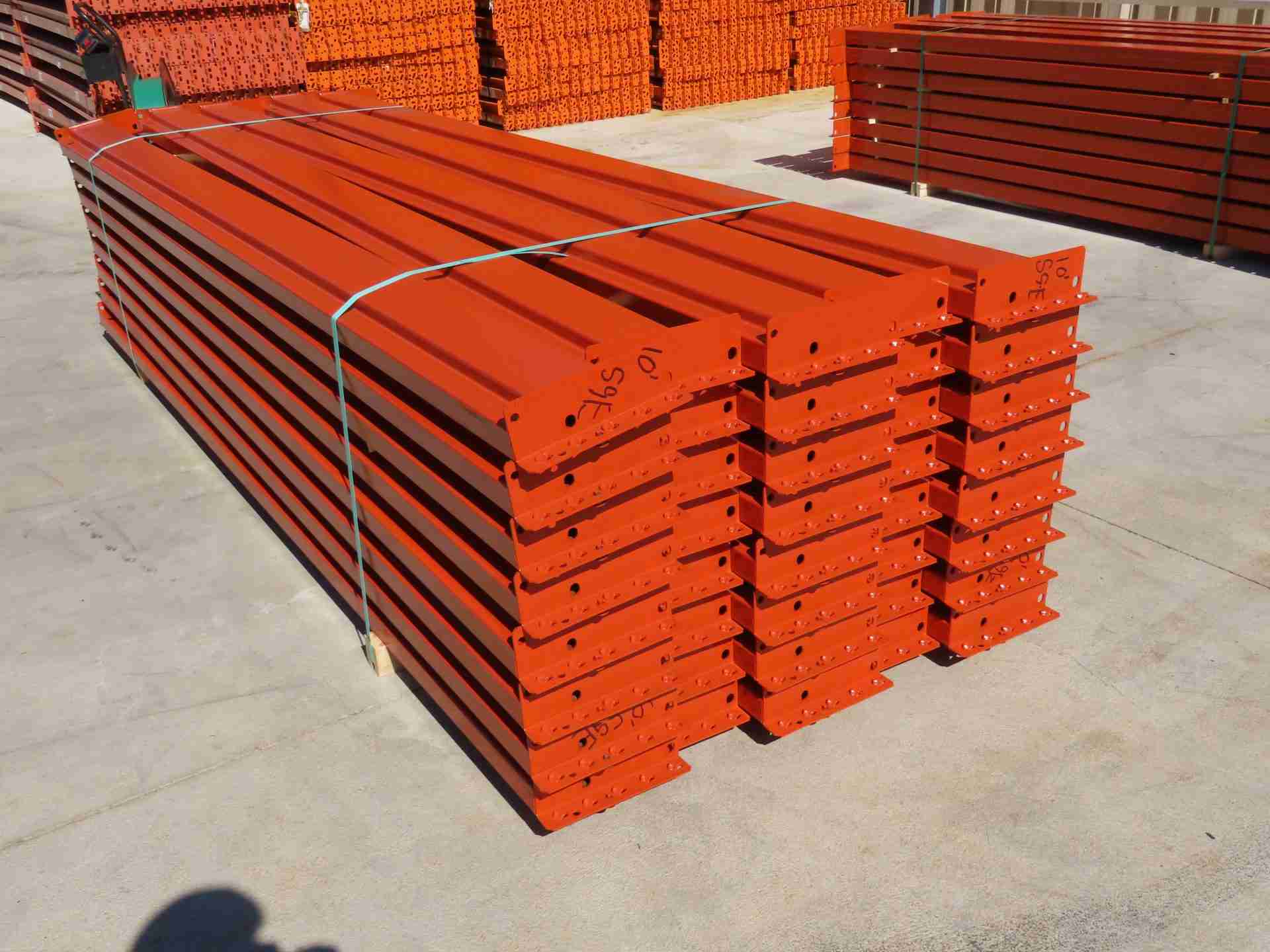
What Factors to Consider When Choosing a Pallet Racking System?
What Factors to Consider When Choosing a Pallet Racking System?
- Consider the size and weight of items for storage.
- Take into account the layout of your warehouse.
- Ensure durability and load capacity of the system.
- Consider ease of installation and maintenance.
- Compare cost and features of different systems.
- Check for safety features in the system.
- Invest in a quality pallet racking system for long-term benefits.
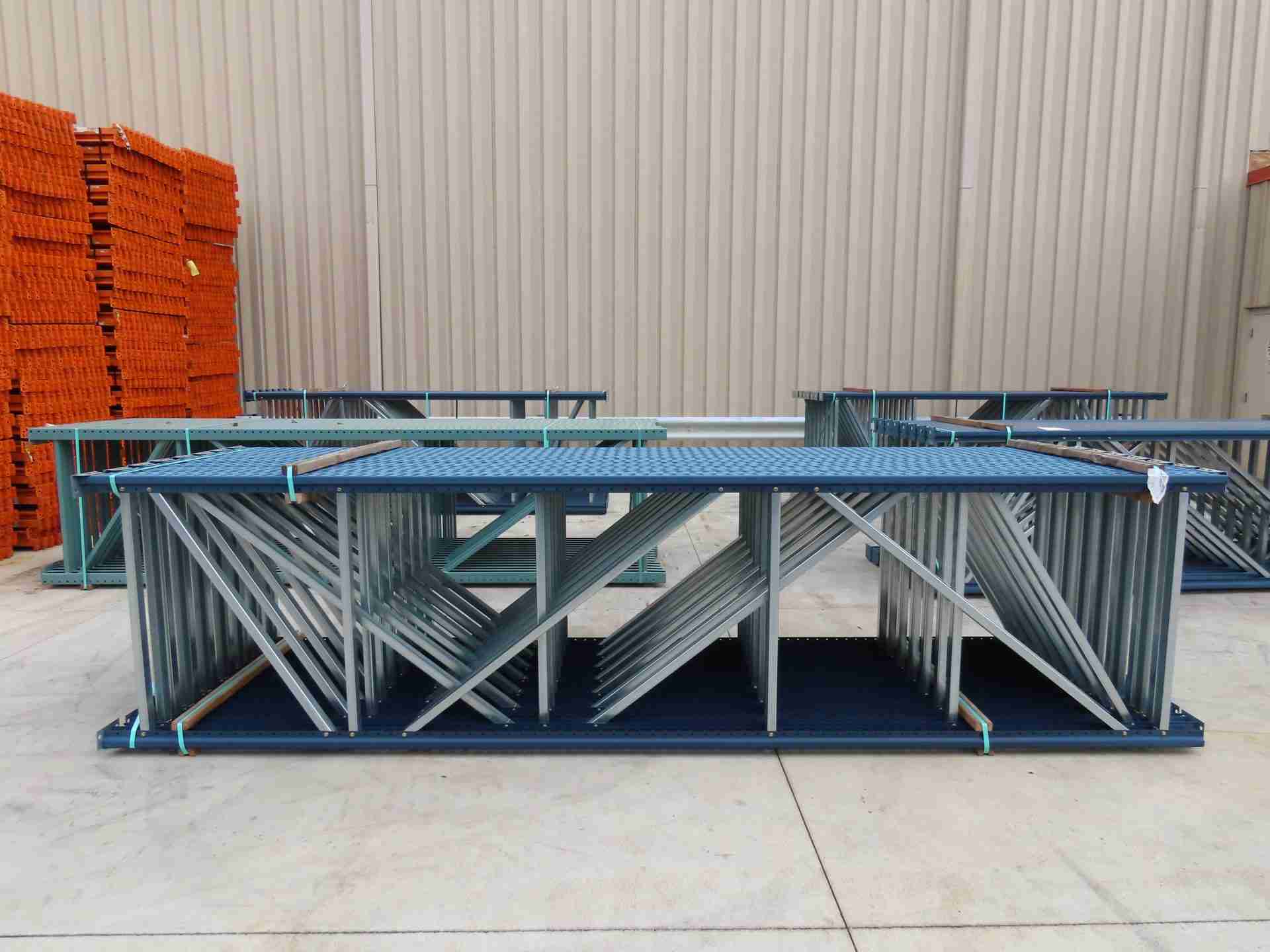
What Factors to Consider When Choosing a Pallet Racking System?
Table Of Contents
- What Factors to Consider When Choosing a Pallet Racking System?
- How Much Space Do I Have Available For The Racking Installation?
- What Type Of Material Handling Equipment Will Be Used With The System?
- Are There Any Seismic Or Safety Regulations That Need To Be Met?
- Have I Considered Future Expansion And Scalability Of The System?
- What Level Of Customization Or Adjustability Do I Need For The System?
- What Are The Different Types Of Pallet Racking Systems Available?
- How Much Weight Can Each Type Of Pallet Racking System Support?
- What Is The Best Layout For Maximizing Space In A Warehouse?
- What Are The Maintenance Requirements For A Pallet Racking System?
- Conclusion
- Other Resources
- Glossary Of Terms
- Other Questions
- Checklist
How Much Space Do I Have Available For The Racking Installation?
So, you’re thinking about installing some racking in your warehouse, huh? Smart move. Racking can help you maximize your storage space and keep things organized. But before you start ordering racks left and right, there’s one important question you need to ask yourself: How much space do you actually have available for the installation?
I get it – you’re eager to get those racks up and start reaping the benefits. But rushing into things without considering your space limitations can lead to a lot of headaches down the road. Trust me, I’ve seen it happen before. So, let’s take a step back and figure out exactly how much space you have to work with.
First things first, you need to measure the dimensions of your warehouse or storage facility. This means taking into account the length, width, and height of the space where you plan to install the racking. Don’t just eyeball it – break out the tape measure and get some accurate numbers. You’ll thank yourself later.
Next, consider any obstacles or constraints that could affect your racking installation. Are there support columns, doors, windows, or other structures that might get in the way? You’ll need to plan around these obstacles to ensure that your racking system fits seamlessly into the space.
It’s also important to think about how much clearance you need around the racks. You want to make sure that there’s enough space for forklifts or other equipment to maneuver safely. Plus, leaving some room for employees to move around comfortably is always a good idea.
Another key factor to consider is the layout of your space. Are you planning to install racking in a single row, back-to-back, or in a combination of configurations? Each layout will require a different amount of space, so it’s important to think about how you want to organize your storage area.
Once you have a clear understanding of your space limitations, you can start looking at racking options that will fit your needs. Remember, it’s better to be realistic about your space constraints from the get-go rather than trying to squeeze in racks that don’t quite fit.
So, take the time to measure, plan, and evaluate your space before diving into the world of racking installation. Trust me, it’ll save you a lot of time, money, and headaches in the long run.
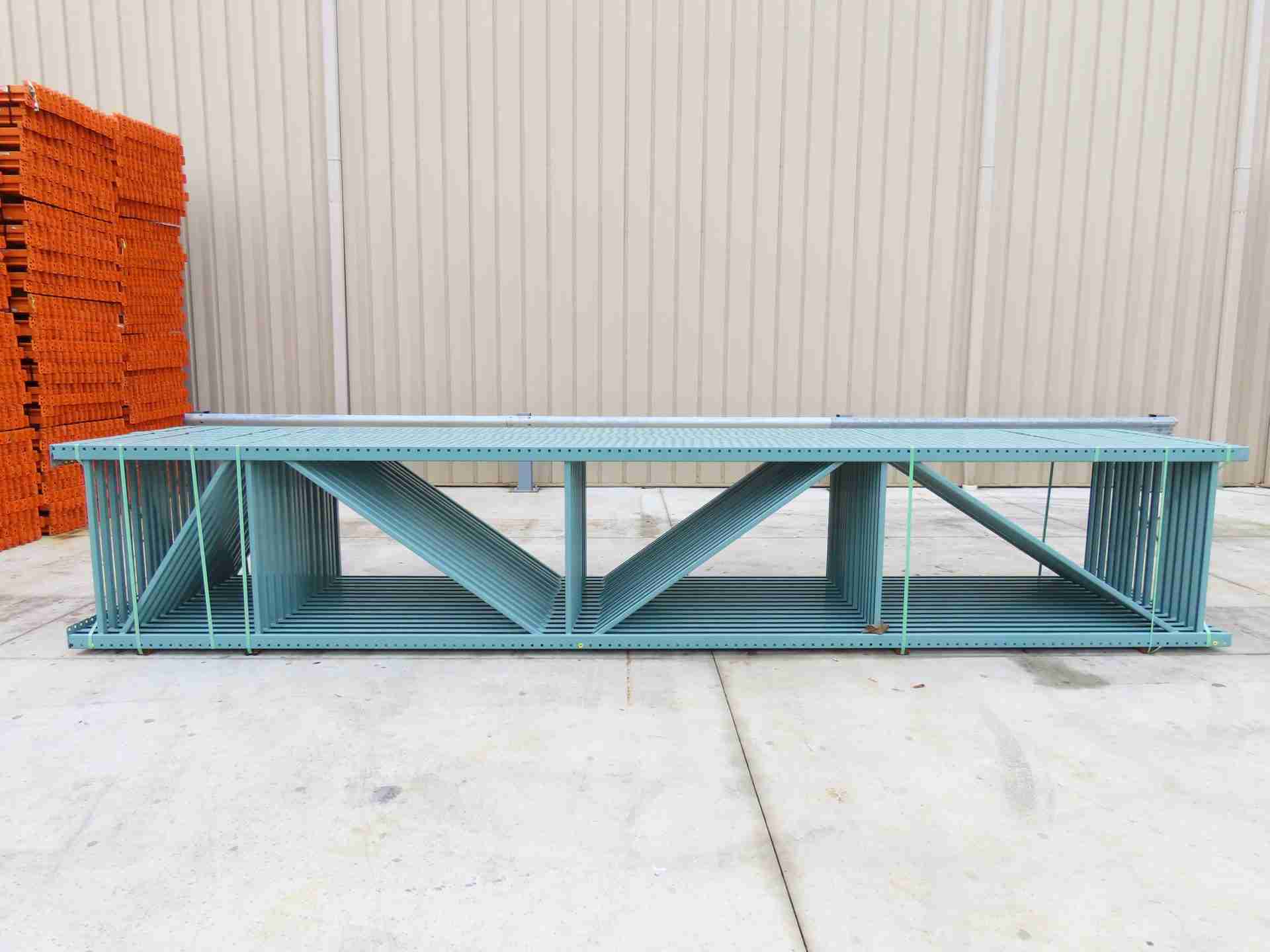
How Much Space Do I Have Available For The Racking Installation?
How Much Space Do I Have Available For The Racking Installation?
- Racking can help maximize storage space and keep things organized.
- Important question: How much space is available for installation?
- Measure warehouse dimensions accurately (length, width, height).
- Consider obstacles or constraints that may affect installation.
- Think about clearance needed around racks for equipment maneuvering.
- Consider layout options for racking installation.
- Be realistic about space constraints when choosing racking options.
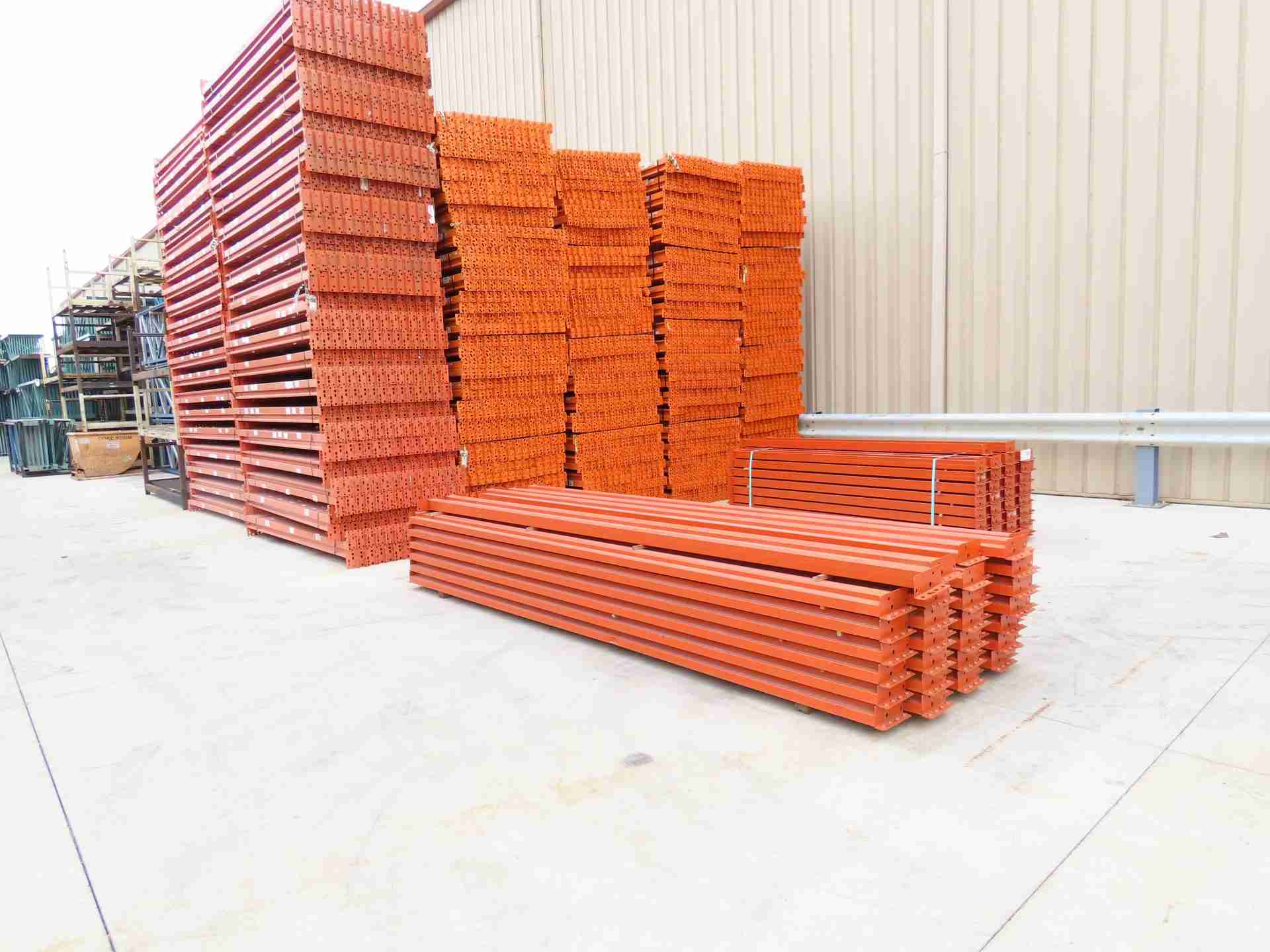
How Much Space Do I Have Available For The Racking Installation?
What Type Of Material Handling Equipment Will Be Used With The System?
When considering the type of material handling equipment that will be used with the system, it’s important to take into account a variety of factors. The type of material being handled, the layout of the facility, and the volume of materials being moved all play a crucial role in determining the most suitable equipment for the task.
For example, if you’re dealing with heavy or bulky items, you’ll likely need a forklift or pallet jack to transport them safely and efficiently. These types of equipment provide the necessary strength and stability to handle heavy loads without compromising worker safety.
On the other hand, if you’re dealing with smaller items or require more precise movement, a conveyor belt or automated guided vehicle (AGV) might be the better option. These types of equipment can streamline the material handling process by automating repetitive tasks and reducing the risk of human error.
In addition to the type of material being handled, the layout of the facility will also influence the choice of equipment. For example, if you’re working in a tight space with limited maneuverability, a narrow aisle forklift or stacker might be more suitable than a traditional forklift. These compact machines are designed to navigate narrow aisles and tight corners, making them ideal for use in confined spaces.
Similarly, the volume of materials being moved will also impact the selection of material handling equipment. If you’re dealing with a high volume of materials that need to be moved quickly, a conveyor system or automated sorting system might be the best choice. These systems can handle large volumes of materials with minimal human intervention, increasing efficiency and reducing the risk of errors.
Overall, the type of material handling equipment used with the system will depend on a variety of factors, including the type of material being handled, the layout of the facility, and the volume of materials being moved. By carefully considering these factors and selecting the most suitable equipment for the task, you can streamline the material handling process and improve overall productivity in your facility.
What Type Of Material Handling Equipment Will Be Used With The System?
What Type Of Material Handling Equipment Will Be Used With The System?
- Consider the type of material being handled, facility layout, and volume of materials.
- Heavy or bulky items may require a forklift or pallet jack for safe transport.
- Smaller items or precise movement may be better handled with a conveyor belt or AGV.
- Facility layout can influence equipment choice, such as narrow aisle forklifts for tight spaces.
- High volume of materials may benefit from conveyor systems or automated sorting systems.
- Selection of equipment should be based on factors such as material type, layout, and volume.
- Careful consideration of these factors can streamline material handling and improve productivity.
What Type Of Material Handling Equipment Will Be Used With The System?
Are There Any Seismic Or Safety Regulations That Need To Be Met?
When it comes to building structures, there are always regulations and standards that need to be followed to ensure the safety of those who will be using them. This is especially true when it comes to seismic activity and the potential for earthquakes.
In many areas around the world, there are specific seismic regulations that need to be met in order to ensure that buildings can withstand the forces of an earthquake. These regulations will vary depending on the location and the level of seismic activity in the area. Some regions may require buildings to be built to withstand certain levels of seismic force, while others may have more lenient regulations.
In addition to seismic regulations, there are also safety regulations that need to be followed when constructing buildings. These regulations cover a wide range of factors, including fire safety, accessibility for people with disabilities, and structural integrity.
Fire safety regulations are particularly important when it comes to building structures. These regulations dictate things like the type of materials that can be used in a building, the placement of fire alarms and sprinkler systems, and the accessibility of fire exits. By following these regulations, builders can help to ensure that people are safe in the event of a fire.
Accessibility regulations are another important factor to consider when constructing a building. These regulations help to ensure that buildings are accessible to everyone, including those with disabilities. This means things like ramps for wheelchairs, accessible bathrooms, and elevators in multi-story buildings.
Finally, structural integrity is a key factor when it comes to safety regulations for building structures. This includes things like making sure that buildings are able to withstand high winds, heavy snow loads, and other potential stressors. By following these regulations, builders can help to ensure that their structures are safe for occupants.
Overall, there are a variety of seismic and safety regulations that need to be met when constructing buildings. By following these regulations, builders can help to ensure the safety of those who will be using the structures in the future. It may require extra effort and resources, but the peace of mind knowing that a building is safe and secure is well worth it.
Are There Any Seismic Or Safety Regulations That Need To Be Met?
Are There Any Seismic Or Safety Regulations That Need To Be Met?
- Seismic regulations are crucial for ensuring buildings can withstand earthquakes.
- Regulations vary by location and level of seismic activity.
- Safety regulations cover fire safety, accessibility, and structural integrity.
- Fire safety regulations dictate materials, alarms, and fire exits.
- Accessibility regulations ensure buildings are accessible to all, including those with disabilities.
- Structural integrity regulations ensure buildings can withstand stressors like high winds.
- Following regulations is essential for ensuring the safety of building occupants.
Are There Any Seismic Or Safety Regulations That Need To Be Met?
Have I Considered Future Expansion And Scalability Of The System?
When planning for the future of any system, it’s essential to consider its potential for expansion and scalability. Just like a growing business or a bustling city, a well-designed system should have room to grow and adapt to changing needs over time.
One of the key questions to ask yourself when evaluating the scalability of a system is whether it can handle increased workload or user traffic without experiencing significant performance issues. Think about how your system will cope with a larger volume of data, transactions, or interactions as it grows. Will it be able to handle the increased demand without slowing down or crashing?
Another important factor to consider is whether the system is flexible enough to evolve and integrate new technologies as they emerge. Technology is constantly evolving, and what works today may not be sufficient tomorrow. By designing your system with scalability in mind, you can future-proof it against obsolescence and ensure that it can adapt to new requirements and opportunities as they arise.
It’s also crucial to think about how easy it will be to scale the system as needed. Will it require significant downtime, cost, or effort to add more resources or increase capacity? Look for ways to make scaling seamless and cost-effective, such as using cloud services, virtualization, or modular components that can be added or upgraded easily.
Furthermore, consider the impact of scalability on your budget and resources. As your system grows, so too will the costs associated with maintaining, supporting, and expanding it. Make sure you have a plan in place to budget for and manage these expenses effectively, so they don’t become a barrier to growth.
Ultimately, thinking about future expansion and scalability is about being proactive and prepared for whatever the future may hold. By taking the time to evaluate and plan for these considerations now, you can ensure that your system is ready to grow and adapt to the demands of tomorrow. So ask yourself: have I considered the future scalability of my system? If not, now may be the time to start.
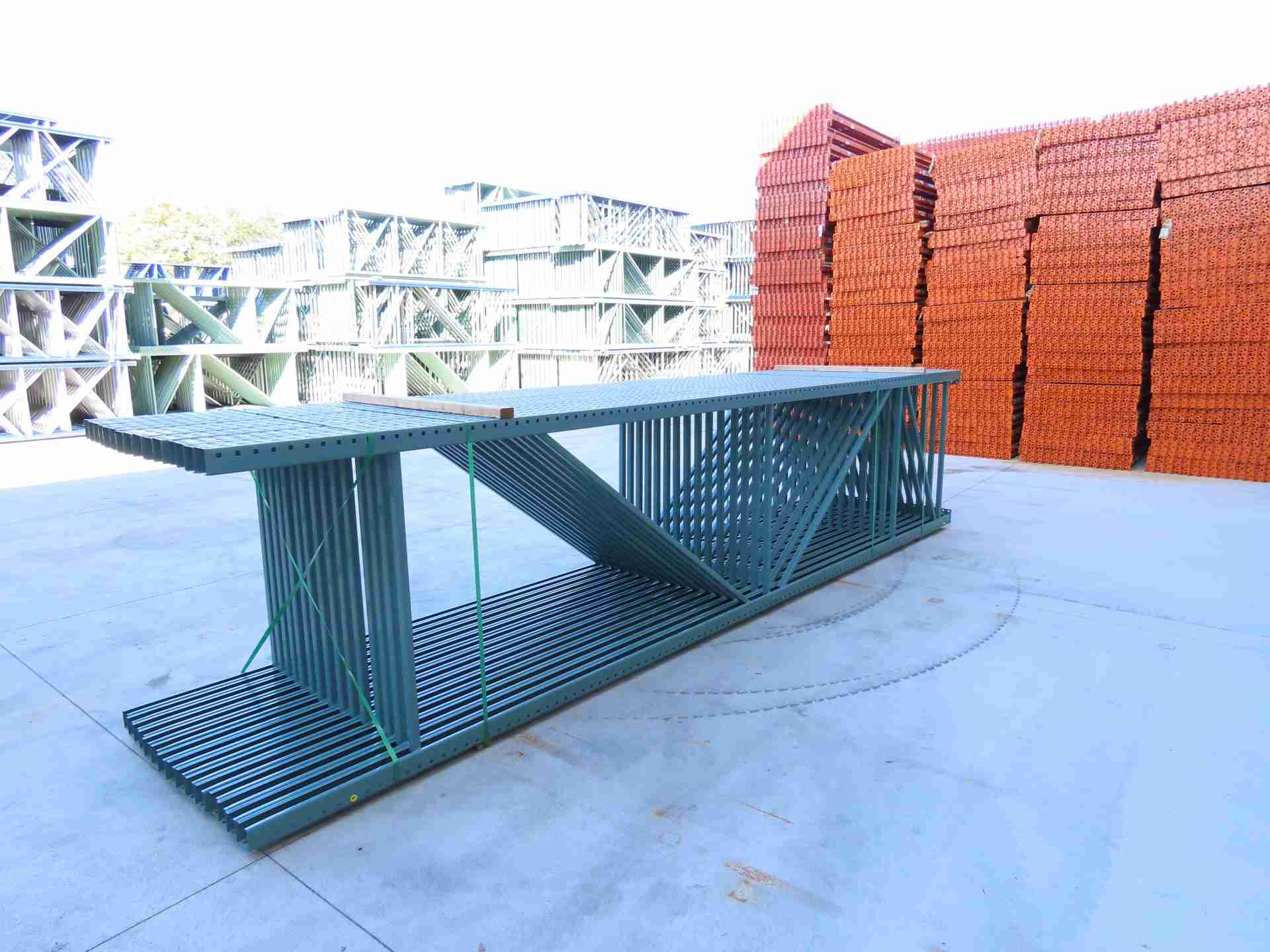
Have I Considered Future Expansion And Scalability Of The System?
Have I Considered Future Expansion And Scalability Of The System?
- When planning for the future of any system, it’s essential to consider its potential for expansion and scalability.
- A well-designed system should have room to grow and adapt to changing needs over time, similar to a growing business or a bustling city.
- Key questions to ask when evaluating scalability include whether the system can handle increased workload or user traffic without performance issues.
- Another important factor is whether the system is flexible enough to evolve and integrate new technologies as they emerge.
- Consider how easy it will be to scale the system as needed, aiming for seamless and cost-effective methods such as using cloud services or modular components.
- Think about the impact of scalability on your budget and resources as costs associated with maintaining and expanding the system will also grow.
- Being proactive and prepared for future demands by evaluating and planning for scalability ensures the system is ready to grow and adapt to tomorrow’s needs.
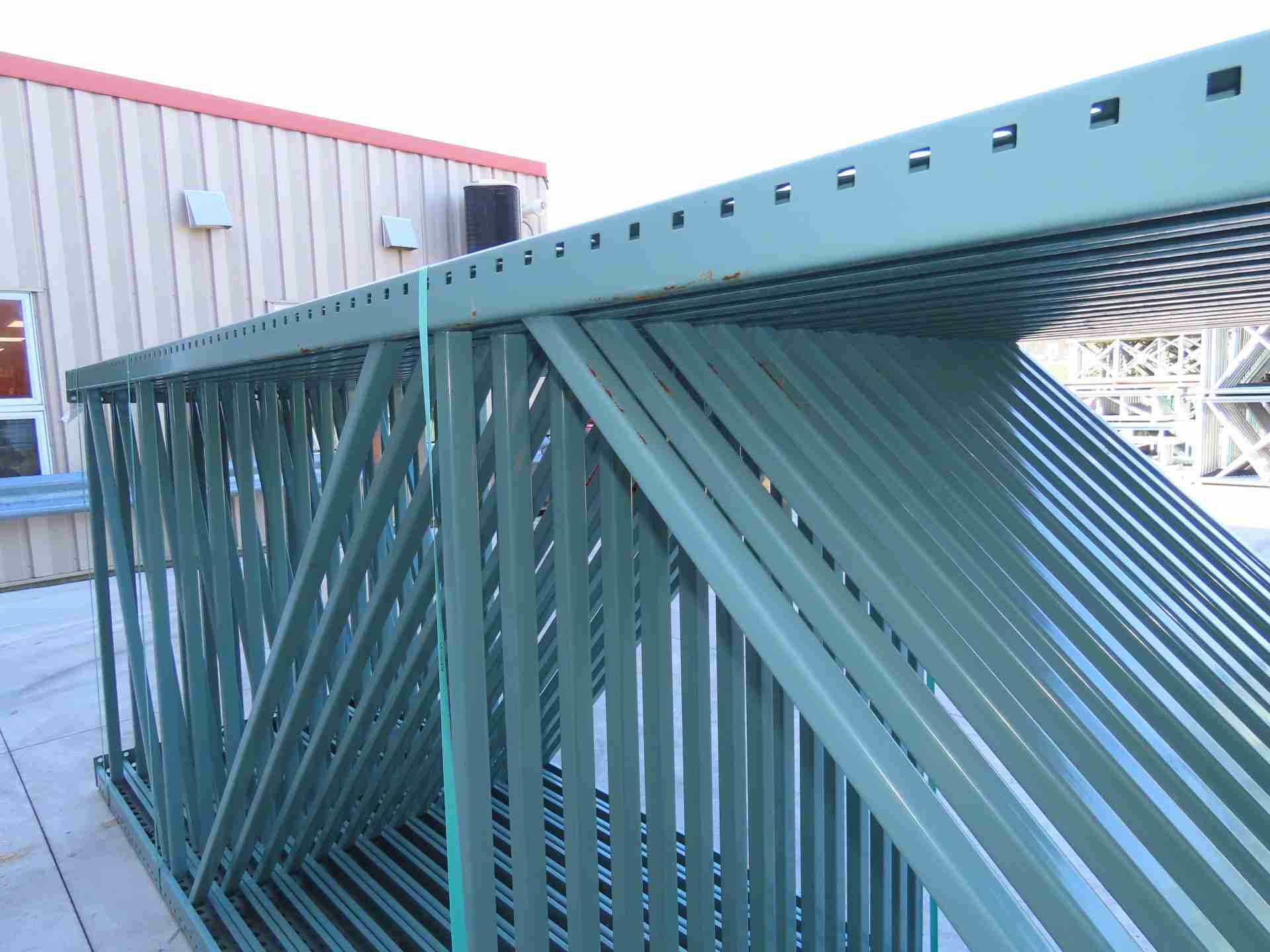
Have I Considered Future Expansion And Scalability Of The System?
What Level Of Customization Or Adjustability Do I Need For The System?
When it comes to choosing a system for your needs, one of the crucial factors to consider is the level of customization or adjustability required. This is especially important if you have specific preferences or unique requirements that must be met.
Some systems offer a high level of customization, allowing you to tailor the settings and features to suit your individual needs. These systems often come with a range of options for adjusting everything from the display settings to the speed and power of the system.
On the other hand, some systems may have limited customization options, with only basic settings that can be adjusted. While this may be sufficient for some users, it may not be suitable for those who require more specific adjustments or customization.
Before choosing a system, it’s essential to consider how much flexibility you need in terms of customization and adjustability. Think about your specific requirements and preferences, and consider whether the system you are considering can meet those needs.
If you require a high level of customization, look for a system that offers a wide range of options for adjusting the settings and features. This will allow you to tailor the system to your individual needs and ensure that it meets your requirements.
Alternatively, if you only need basic adjustments, a system with limited customization options may be sufficient. Consider how important it is for you to be able to adjust the settings and features of the system and choose accordingly.
Ultimately, the level of customization or adjustability you need for the system will depend on your specific requirements and preferences. It’s essential to consider this factor carefully when choosing a system to ensure that it meets your needs and provides you with the flexibility you require.
When considering the level of customization or adjustability needed for a system, it’s crucial to think about your specific requirements and preferences. Whether you need a high level of customization or just basic adjustments, choosing a system that meets your needs will ensure that you get the most out of your investment.
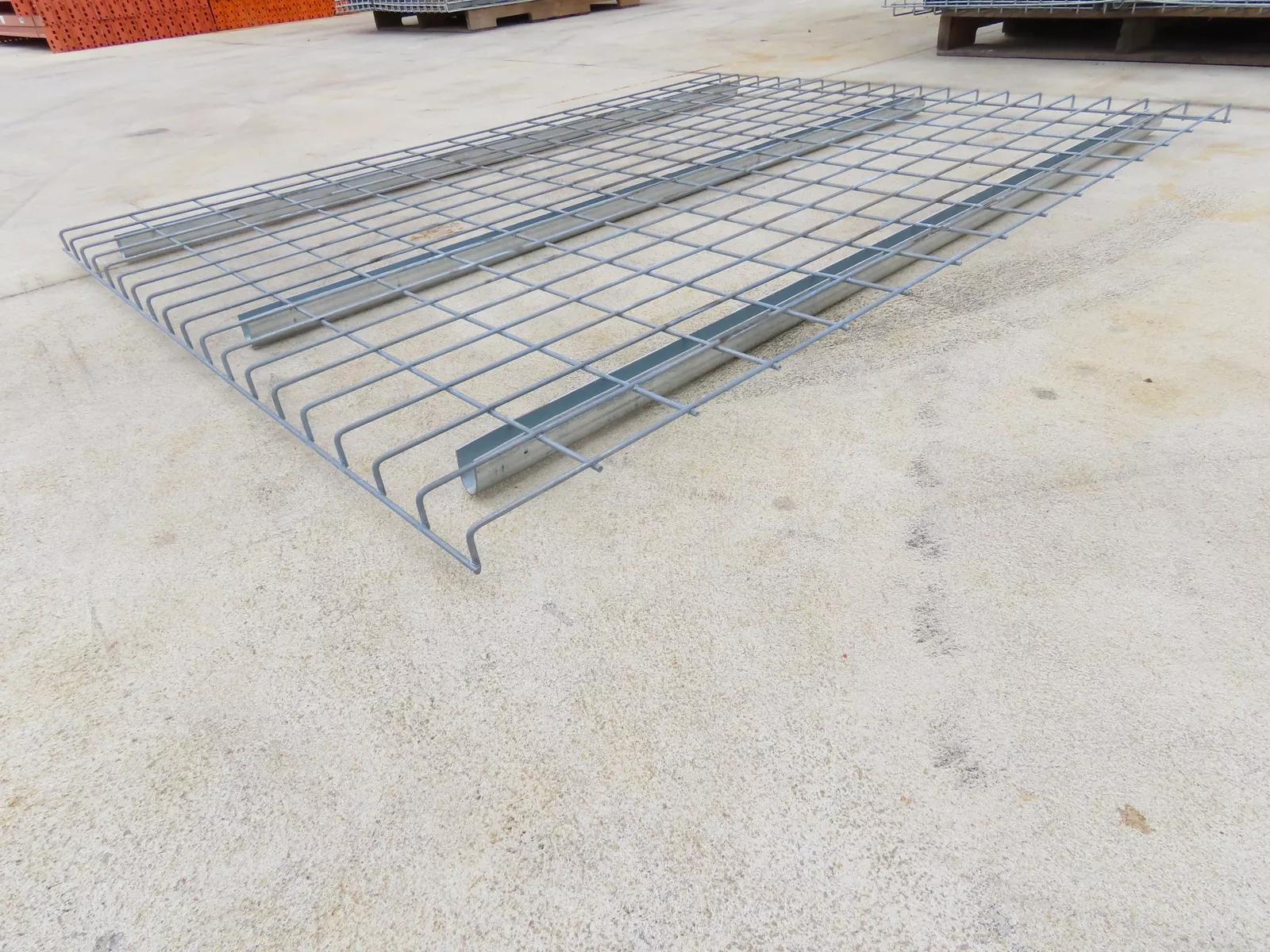
What Level Of Customization Or Adjustability Do I Need For The System?
What Level Of Customization Or Adjustability Do I Need For The System?
- Consider the level of customization or adjustability required for your needs.
- Some systems offer high customization options while others have limited settings.
- Think about your specific requirements before choosing a system.
- If you need high customization, look for a system with a wide range of options.
- For basic adjustments, a system with limited customization may be sufficient.
- Choose a system that meets your needs and preferences for best results.
- Consider your requirements carefully to get the most out of your investment.
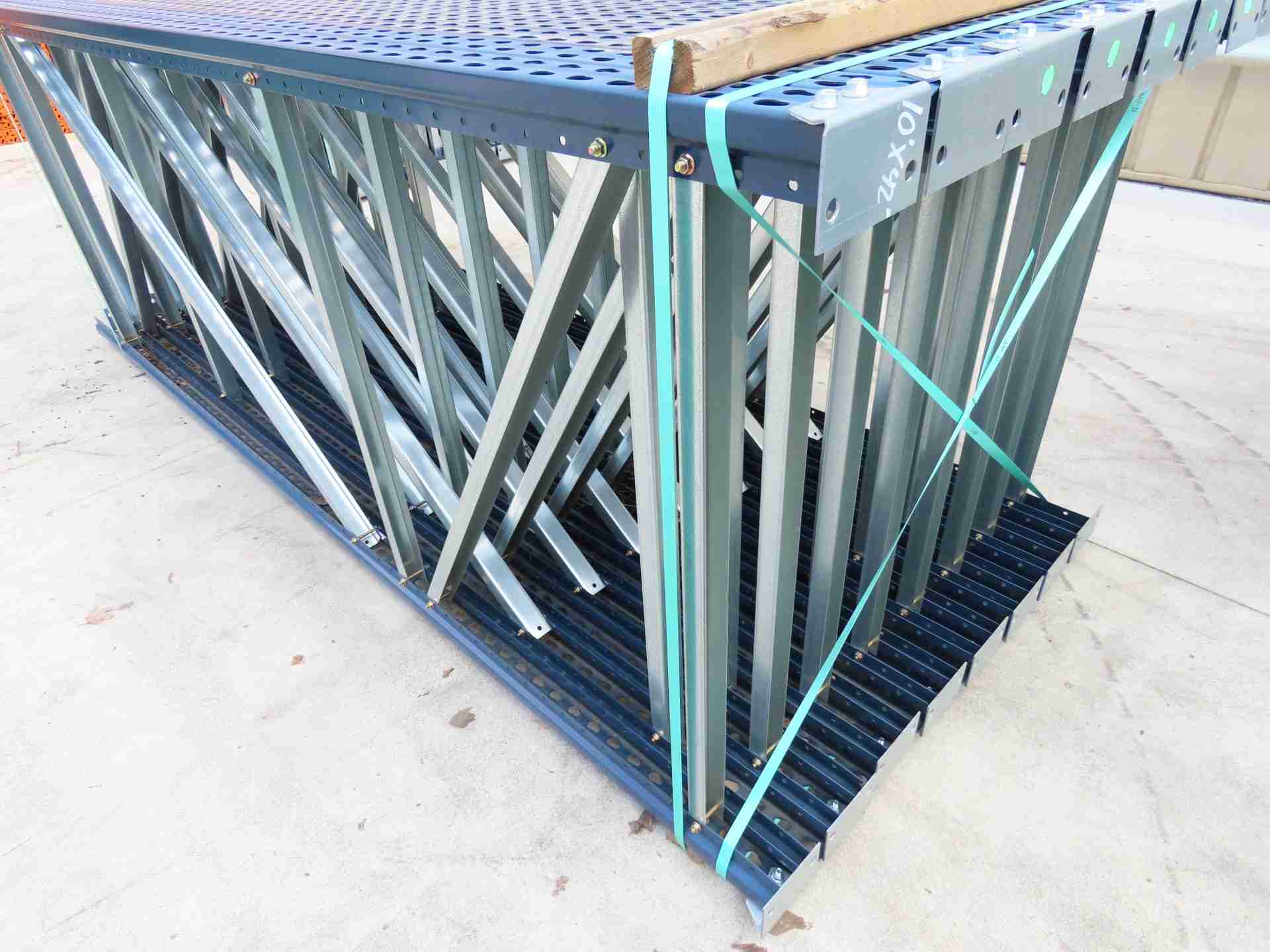
What Level Of Customization Or Adjustability Do I Need For The System?
What Are The Different Types Of Pallet Racking Systems Available?
When it comes to storing and organizing goods in a warehouse or distribution center, pallet racking systems play a crucial role. These systems provide a framework to stack pallets and maximize storage space, allowing for efficient inventory management.
There are several different types of pallet racking systems available, each with its own unique features and benefits. Let’s take a closer look at some of the most common options:
1. Selective Pallet Racking: This is the most common type of pallet racking system and is ideal for warehouses where quick and easy access to individual pallets is important. With selective racking, each pallet is accessible from the aisle, making it easy to pick and restock items as needed.
2. Drive-In Pallet Racking: Drive-in racking is a high-density storage solution that allows forklifts to drive directly into the rack structure to retrieve pallets. This type of racking is best suited for storing large quantities of the same SKU and can help maximize available space in the warehouse.
3. Push Back Pallet Racking: Push back racking is a dynamic storage system that uses gravity-fed carts to push pallets back along inclined rails. As new pallets are loaded onto the system, they push existing pallets back, allowing for high-density storage without the need for aisles.
4. Pallet Flow Racking: Pallet flow racking is a gravity-fed system that uses rollers or wheels to move pallets along inclined lanes. This type of racking is ideal for FIFO (first in, first out) inventory management, as it ensures that the oldest inventory is always picked first.
5. Cantilever Racking: Cantilever racking is designed to store long, bulky, or irregularly shaped items such as lumber, pipe, or furniture. The open-front design of cantilever racks allows for easy access and retrieval of materials, making them ideal for warehouses with non-standard inventory.
Each type of pallet racking system has its own set of advantages and considerations, depending on the specific needs of the warehouse or distribution center. By understanding the different types of pallet racking available, businesses can choose the system that best meets their storage and operational requirements. Ultimately, the goal is to maximize efficiency, optimize space, and ensure smooth operations in the warehouse.
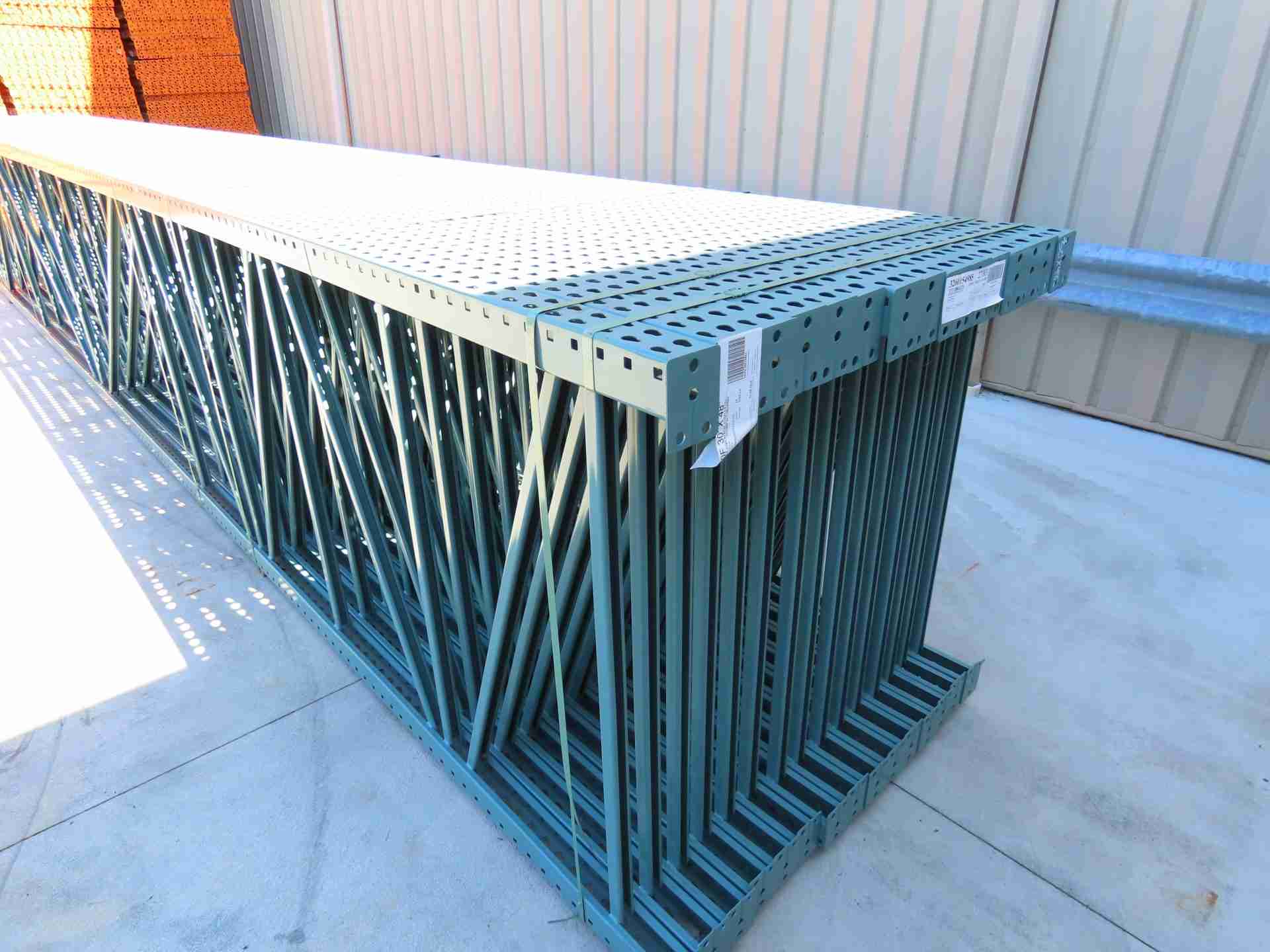
What Are The Different Types Of Pallet Racking Systems Available?
What Are The Different Types Of Pallet Racking Systems Available?
- Selective Pallet Racking: Ideal for quick and easy access to individual pallets.
- Drive-In Pallet Racking: High-density storage solution for large quantities of the same SKU.
- Push Back Pallet Racking: Dynamic system for high-density storage without aisles.
- Pallet Flow Racking: FIFO system for efficient inventory management.
- Cantilever Racking: Designed for storing long, bulky, or irregularly shaped items.
- Each type has its advantages and considerations based on specific needs.
- Choosing the right system helps maximize efficiency and optimize space in the warehouse.

What Are The Different Types Of Pallet Racking Systems Available?
How Much Weight Can Each Type Of Pallet Racking System Support?
When it comes to pallet racking systems, one of the most important factors to consider is how much weight they can support. Different types of pallet racking systems have varying weight capacities based on their design and materials.
One of the most common types of pallet racking systems is selective pallet racking. This type of system typically supports up to 3,000 pounds per pallet position, making it ideal for storing a wide range of goods and materials. Selective pallet racking is versatile and easy to access, allowing for efficient inventory management.
Another popular option is drive-in pallet racking, which can support even higher weights. Drive-in pallet racking systems are designed to maximize storage space by allowing forklifts to drive into the racks to deposit and retrieve pallets. These systems can support up to 10,000 pounds per pallet position, making them ideal for storing heavy or bulky items.
If you need to store extremely heavy loads, pushback pallet racking systems may be the best option. Pushback systems can support up to 3,000 pounds per pallet position and are designed to maximize storage density. By using inclined rails and carts, pushback pallet racking allows for multiple pallets to be stored in each bay, increasing storage capacity and efficiency.
For especially large or bulky items, pallet flow racking systems are an excellent choice. These systems use gravity to move pallets along rollers, allowing for easy access and efficient inventory management. Pallet flow racking systems can support up to 3,000 pounds per pallet position, making them ideal for storing heavy items that need to be rotated frequently.
Finally, if you need to store long or irregularly-shaped items, cantilever pallet racking systems are the way to go. Cantilever systems can support up to 10,000 pounds per arm and are designed to hold items that are difficult to store on traditional pallet racking systems. With adjustable arms and easy access, cantilever pallet racking is a versatile and efficient storage solution.
The weight capacity of each type of pallet racking system varies based on its design and materials. Selective pallet racking, drive-in pallet racking, pushback pallet racking, pallet flow racking, and cantilever pallet racking all have different weight capacities, making them suitable for a wide range of storage needs. When choosing a pallet racking system, it is important to consider the weight of the items you need to store and select a system that can support the necessary weight to ensure safe and efficient storage.
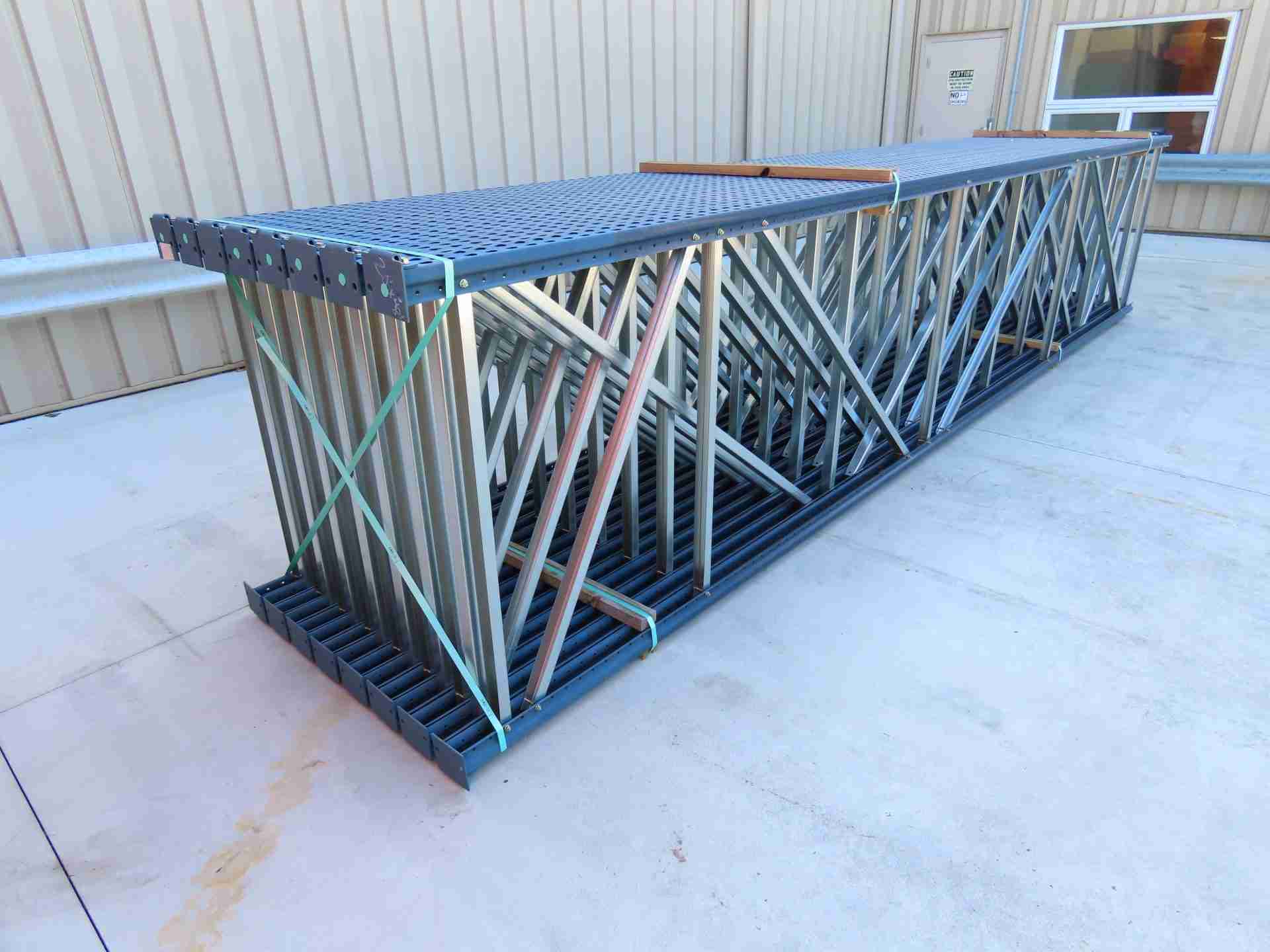
How Much Weight Can Each Type Of Pallet Racking System Support?
How Much Weight Can Each Type Of Pallet Racking System Support?
- Weight capacity is a crucial factor to consider in pallet racking systems.
- Selective pallet racking can support up to 3,000 pounds per pallet position.
- Drive-in pallet racking systems can support up to 10,000 pounds per pallet position.
- Pushback pallet racking systems can support up to 3,000 pounds per pallet position.
- Pallet flow racking systems can support up to 3,000 pounds per pallet position.
- Cantilever pallet racking systems can support up to 10,000 pounds per arm.
- Choosing the right pallet racking system is essential for safe and efficient storage.
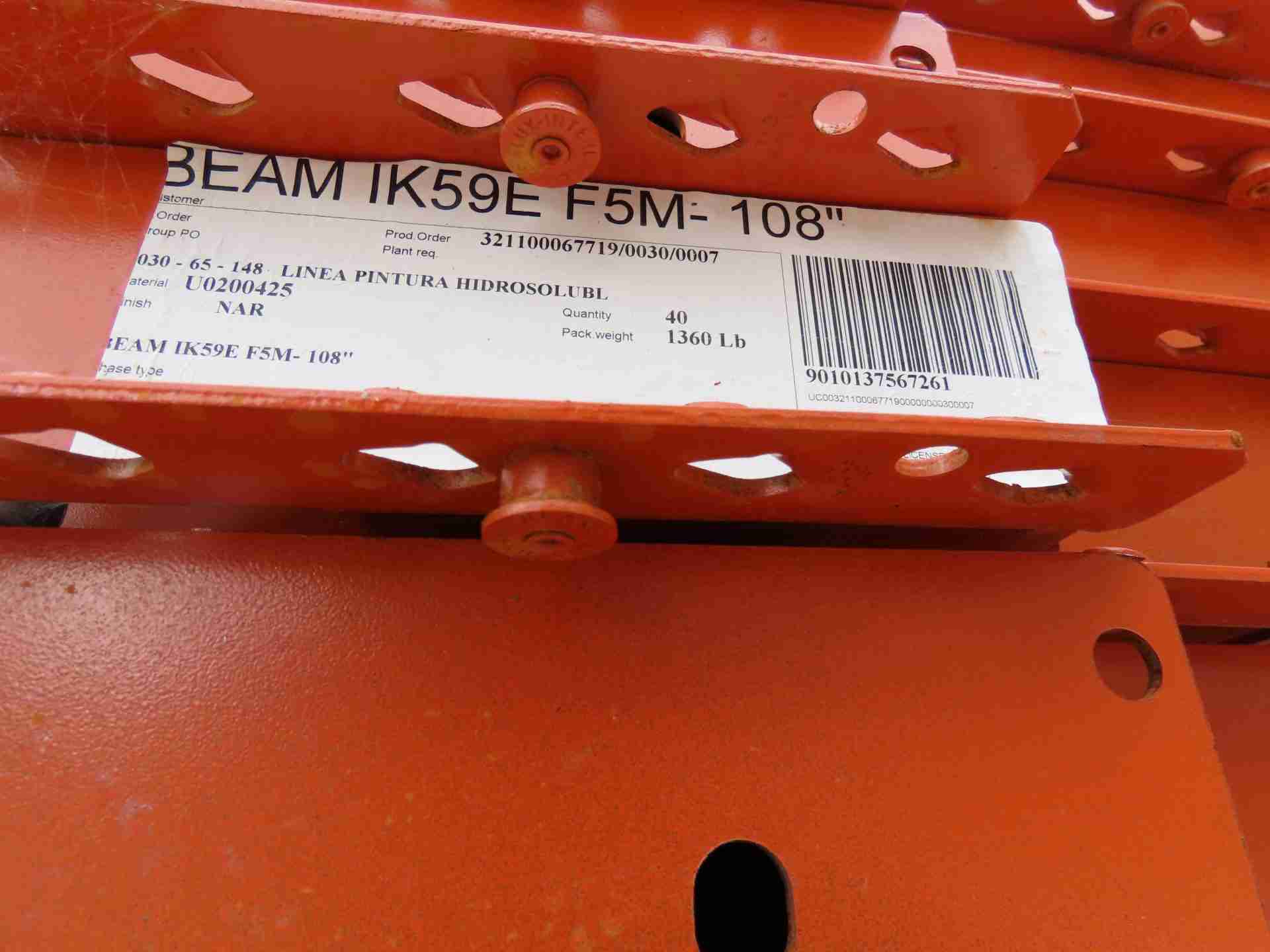
How Much Weight Can Each Type Of Pallet Racking System Support?
What Is The Best Layout For Maximizing Space In A Warehouse?
When it comes to maximizing space in a warehouse, layout is key. The most efficient layout will not only make the most of the available square footage, but it will also improve workflow and make it easier for employees to do their jobs.
One of the most common layouts for maximizing space in a warehouse is the use of racking systems. By utilizing vertical space with tall shelving units, businesses can store more inventory without taking up valuable floor space. This allows for more efficient use of the warehouse’s footprint and keeps everything organized and easily accessible.
Another important factor in maximizing space is the layout of aisles and walkways. By strategically placing aisles throughout the warehouse, businesses can ensure that employees can move around easily and quickly. This can help reduce congestion and streamline workflows, ultimately leading to a more productive and efficient operation.
In addition to racking systems and aisle layout, businesses should also consider the placement of equipment and machinery in the warehouse. By carefully positioning these items, businesses can ensure that they are easily accessible and do not interfere with the flow of goods throughout the facility. This can help reduce downtime and improve overall productivity.
One often overlooked aspect of space maximization in a warehouse is the use of mezzanine levels. By adding a second level to the warehouse, businesses can effectively double their storage space without expanding the footprint of the building. This can be particularly useful for businesses that have limited space but need to store a large amount of inventory.
Ultimately, the best layout for maximizing space in a warehouse will depend on the specific needs and constraints of the business. By carefully considering factors such as racking systems, aisle layout, equipment placement, and mezzanine levels, businesses can create a layout that maximizes space while also improving workflow and efficiency.
The key to maximizing space in a warehouse is to carefully plan and optimize the layout of the facility. By considering factors such as racking systems, aisle layout, equipment placement, and mezzanine levels, businesses can make the most of their available space and create a more efficient and productive operation.
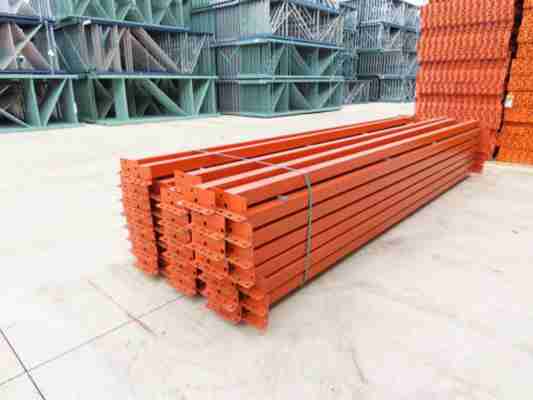
What Is The Best Layout For Maximizing Space In A Warehouse?
What Is The Best Layout For Maximizing Space In A Warehouse?
- The most efficient layout will make the most of available square footage and improve workflow.
- Utilizing racking systems for vertical storage maximizes space without taking up floor space.
- Strategic aisle placement allows for easy movement of employees and reduces congestion.
- Proper positioning of equipment ensures accessibility and does not interfere with workflow.
- Using mezzanine levels can effectively double storage space without expanding the building.
- Consideration of racking systems, aisle layout, equipment placement, and mezzanine levels is key to maximizing space.
- Optimizing the warehouse layout is essential for creating a more efficient and productive operation.
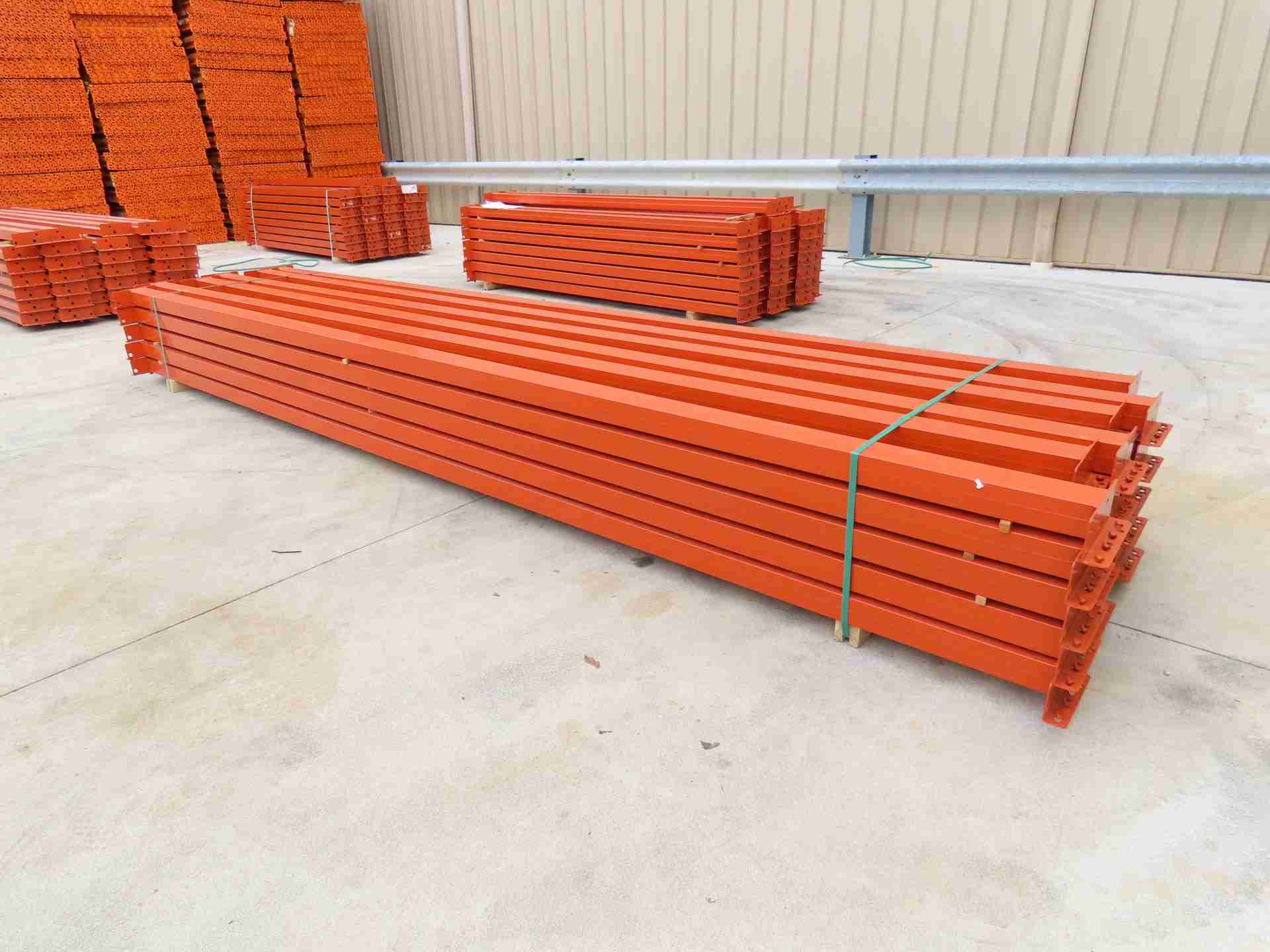
What Is The Best Layout For Maximizing Space In A Warehouse?
What Are The Maintenance Requirements For A Pallet Racking System?
So you’re the proud owner of a pallet racking system, huh? Congratulations, my friend. You’ve just invested in a piece of equipment that’s going to make your warehouse operations run smoother than a well-oiled machine. But wait, before you go and pat yourself on the back too hard, let’s talk about the maintenance requirements for this bad boy.
First things first, you gotta keep an eye on those pallets. Yeah, I know, you’ve got bigger fish to fry than monitoring the condition of your pallets, but let me tell you, neglecting those babies can lead to disaster. Make sure they’re in good shape, not damaged or broken, and stacked properly. Trust me, a collapsing pallet is nobody’s idea of a fun time.
Next up, check those beams and uprights. These are the backbone of your pallet racking system, so you need to make sure they’re not showing any signs of wear and tear. Look for any dents, bends, or corrosion, and address them pronto. A weak beam or upright is a disaster waiting to happen.
Don’t forget about the aisle space either. You need to keep those aisles clear and tidy at all times. Any debris or obstacles can not only impede your efficiency but also pose a safety risk. So break out that broom and keep things spick and span.
And let’s talk about weight distribution. It’s crucial that you’re not overloading your shelves. Each beam and upright is rated for a certain weight capacity, so make sure you’re not exceeding it. Trust me, you don’t want to be the guy responsible for a collapsed racking system.
Last but not least, regular inspections are a must. You wouldn’t buy a car and never get the oil changed, would you? Same goes for your pallet racking system. Schedule routine inspections to check for any issues and address them before they become major problems.
So there you have it, my friend. The maintenance requirements for your pallet racking system may not be the most exciting topic, but trust me, it’s vital to keeping your operations running smoothly. So roll up those sleeves, grab a broom, and get to work. Your pallet racking system will thank you.

What Are The Maintenance Requirements For A Pallet Racking System?
What Are The Maintenance Requirements For A Pallet Racking System?
- Monitor the condition of pallets to prevent disasters.
- Check beams and uprights for signs of wear and tear.
- Keep aisle spaces clear and tidy to avoid safety risks.
- Avoid overloading shelves and stick to weight capacity limits.
- Schedule routine inspections to address issues before they become major problems.
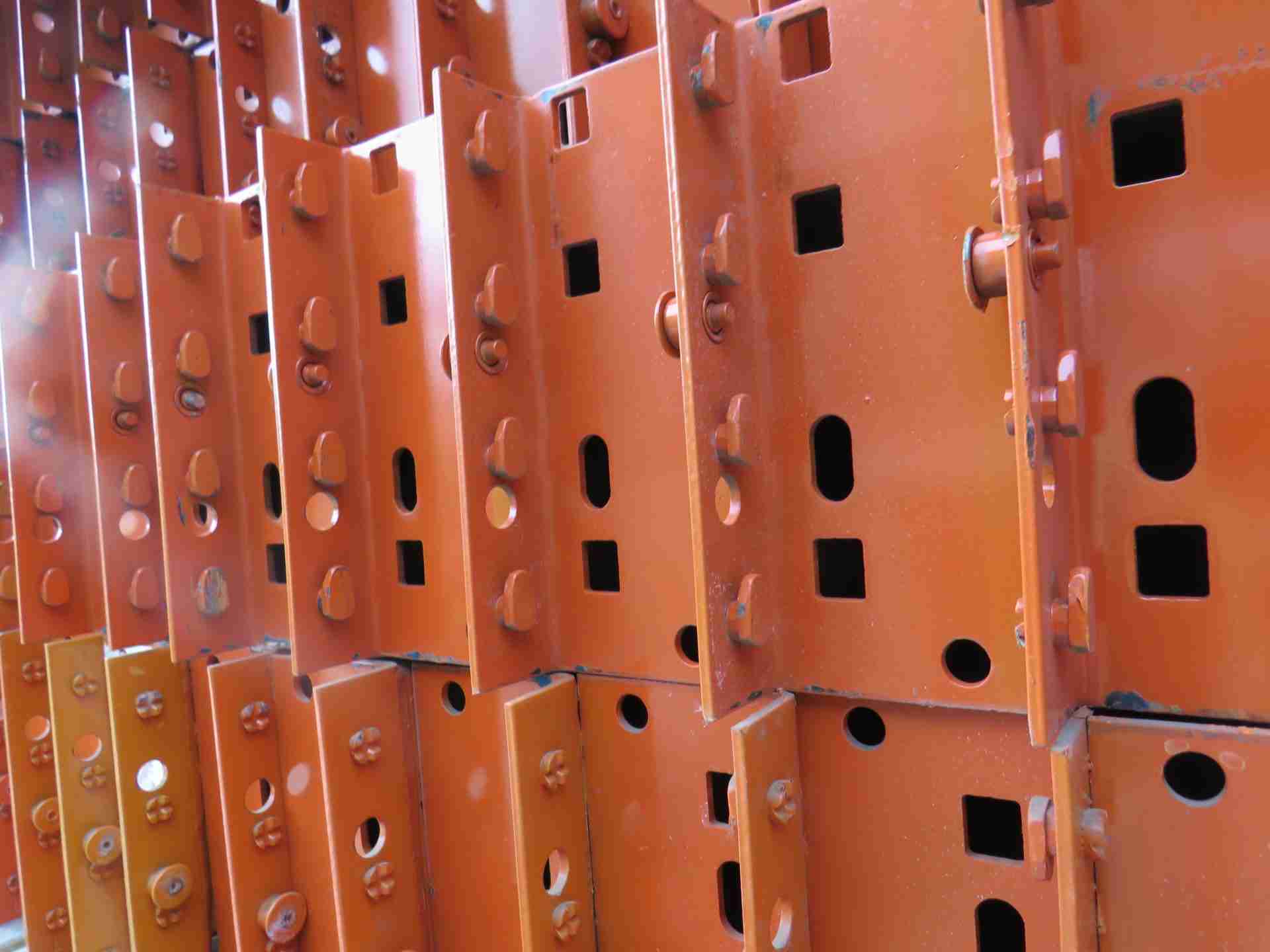
What Are The Maintenance Requirements For A Pallet Racking System?
Conclusion
Choosing the right pallet racking system for your warehouse is no walk in the park. There are countless factors to consider, from the size and weight of the items you’ll be storing to the layout of your facility, durability, maintenance requirements, cost, and safety features. But fear not, my friend. By taking the time to carefully evaluate these factors and select the system that meets your needs, you can maximize efficiency, optimize space, and ensure smooth operations in your warehouse.
Remember, investing in a quality pallet racking system now can save you time and money in the long run. So take the time to measure your space, consider the type of material handling equipment you’ll be using, ensure you meet any seismic or safety regulations, think about future expansion and scalability, and determine the level of customization or adjustability you need.
And don’t forget about maintenance – keep an eye on those pallets, beams, and aisle spaces, distribute weight properly, and conduct regular inspections to prevent any issues from arising.
Ultimately, the goal is to create a system that not only meets your current storage needs but also has the flexibility to adapt to future requirements. By considering all of these factors, you can select the best pallet racking system for your warehouse and set yourself up for success in the long haul. So, roll up your sleeves, grab that tape measure, and get to work – your pallet racking system is waiting for you.
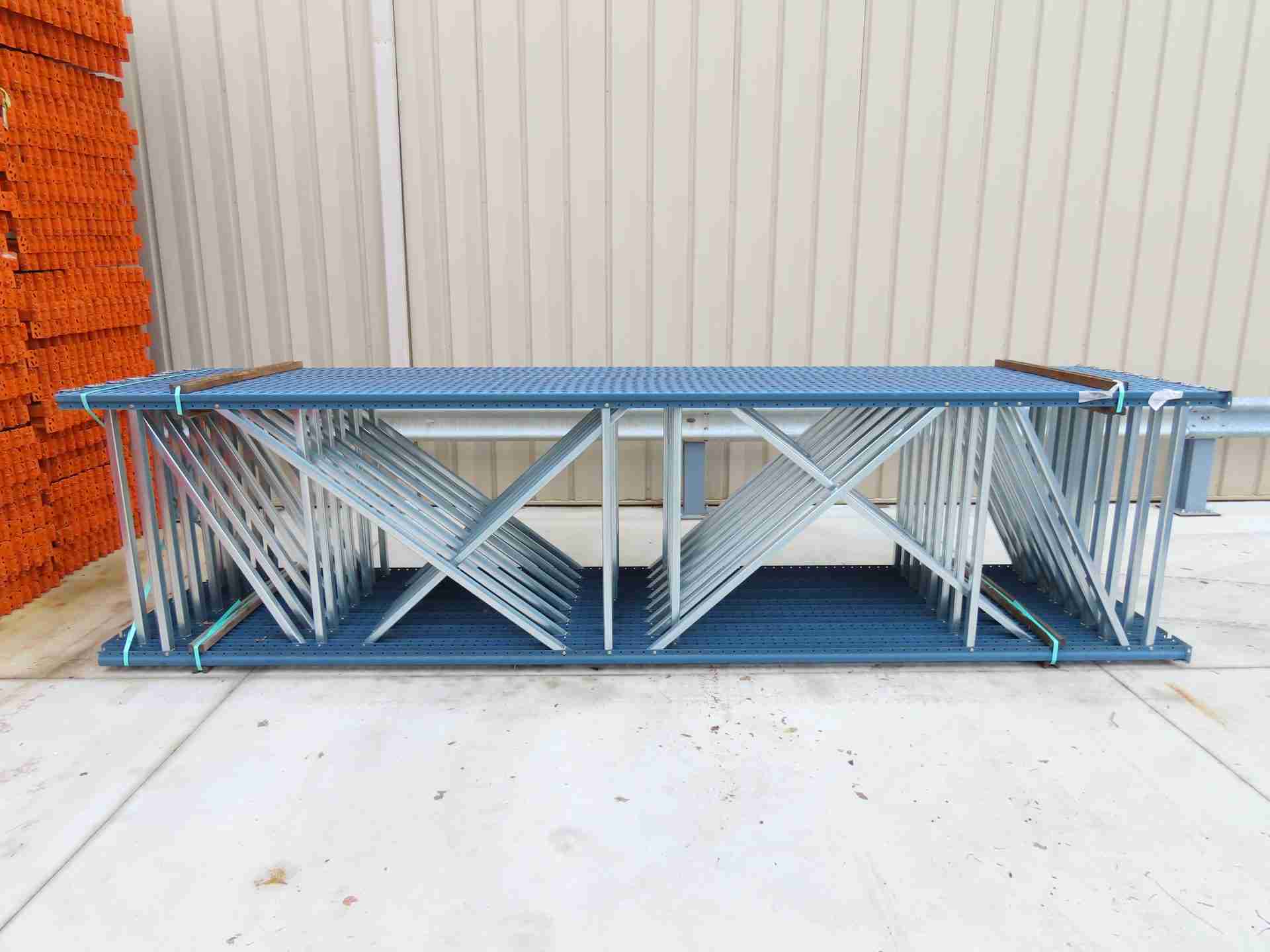
Conclusion
Conclusion:
- Choosing the right pallet racking system for your warehouse is essential.
- Evaluate factors such as size, weight, layout, durability, maintenance, cost, and safety features.
- Investing in quality pallet racking system now can save time and money in the long run.
- Measure space, consider material handling equipment, seismic and safety regulations, future expansion, and customization needs.
- Regular maintenance is key to prevent issues from arising.
- Create a system that meets current storage needs and can adapt to future requirements.
- Select the best pallet racking system to set yourself up for success in the long haul.
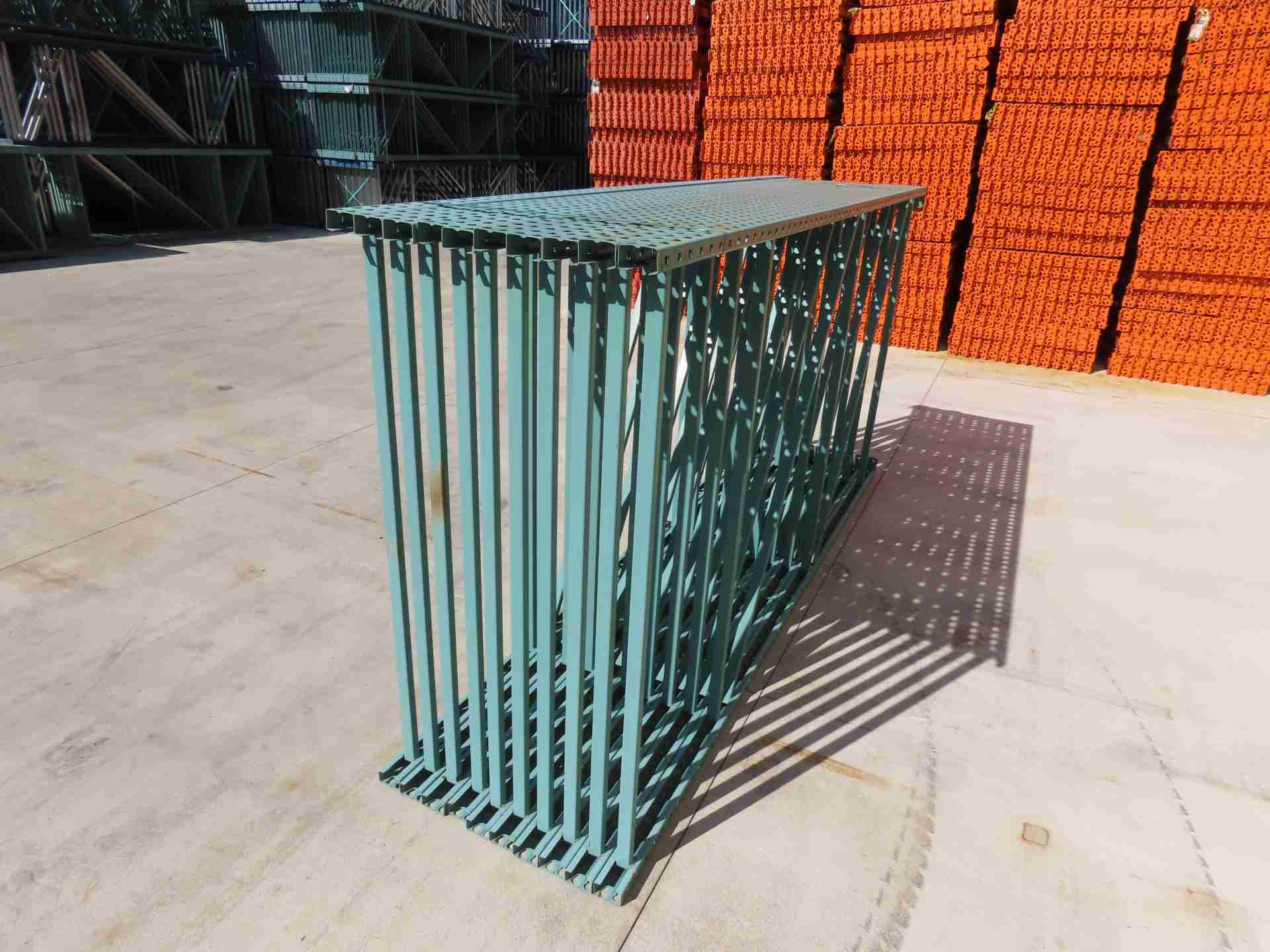
Conclusion
Other Resources
Other Resources
Here is a list of other resources you can review online to learn more:
- “Warehouse Racking Layout: The Ultimate Guide”
- “Warehouses: industrial racking risks and prevention …”
- “4 great options for optimizing your warehouse racking layout”
- “Push-Back Pallet Racking”
- “Warehouse Layout & Design: What You Need to Know …”
- “Working Building Columns into Your Pallet Rack Design”
- “Types of Warehouse Racking: Differences & Benefits”
- “Handling Equipment and Storage Structures”
Other Resources
Glossary Terms
What Factors to Consider When Choosing a Pallet Racking System? – Glossary Of Terms
Sure! Here is a glossary of 30 terms relevant to choosing a pallet racking system, along with their descriptions:
1. Load Capacity: The maximum weight a pallet racking system can safely hold per shelf or rack section.
2. Vertical Clearance: The height available in a warehouse from the floor to the ceiling or other overhead structures for installing racking systems.
3. Aisle Width: The required space between rows of pallet racks, influencing forklift maneuverability and storage density.
4. Pallet Type: The specific kind of pallet (e. g. , wood, plastic, Euro, Australian) used in racking systems, impacting design requirements and load distribution.
5. Rack Configuration: The layout and design of racking units, such as single-deep or double-deep configurations, which affect storage volume and accessibility.
6. Forklift Compatibility: Compatibility of the racking system with the types of forklifts or other material handling equipment used in the warehouse.
7. Seismic Considerations: Structural requirements and modifications needed to ensure racking systems are safe in regions prone to earthquakes.
8. Durability: The longevity and wear-resistance of racking system materials, often determined by construction quality and environmental conditions.
9. Adjustability: The ability to modify shelf heights and configurations to accommodate varying load sizes and shapes over time.
10. Safety Features: Built-in or add-on features such as pallet stops, safety pins, and netting that reduce the risk of accidents and injuries.
11. Space Utilization: How efficiently the racking system uses available floor and vertical space, impacting overall storage density.
12. Accessibility: The ease with which stored items can be accessed, picked, or placed, considering the layout and design of the racking system.
13. Installation Time: The duration and complexity of setting up the pallet racking system, which can affect initial deployment and operational disruption.
14. Design Flexibility: The racking system’s ability to be reconfigured or expanded as storage needs change.
15. Material: The type of material used in the construction of racks, typically steel, which influences strength, weight, and durability.
16. Cost: The total expenses associated with purchasing, installing, and maintaining the pallet racking system.
17. Compliance: Adherence to relevant industry standards, safety regulations, and local building codes.
18. Load Distribution: How weight is evenly spread across the racking system to ensure stability and prevent structural failures.
19. Static vs. Dynamic Systems: Static systems are fixed in place, whereas dynamic systems, like flow racks, facilitate item movement and rotation.
20. Beam Capacity: The weight each horizontal beam in the racking system can support.
21. Upright Frames: The vertical supports of the racking system, critical to overall structural integrity.
22. Shelving: The flat surfaces within racks where pallets or items are placed, can be solid or wire mesh.
23. Decking: Additional surfaces or platforms used to support non-standard pallet sizes or smaller items within the racking system.
24. Pick Rate: The speed at which items can be retrieved from the racking system, important for operations with high turnover.
25. Climate Suitability: The racking system’s suitability for the specific environmental conditions of the warehouse, such as humidity and temperature.
26. Maintenance Requirements: The frequency and type of maintenance needed to ensure the racking system remains safe and functional over time.
27. Footplates: Baseplates that distribute the load from the racking system to the floor, enhancing stability and preventing floor damage.
28. Cross Bracing: Structural components that improve the stability and rigidity of the racking system.
29. Plumbness: The vertical alignment of the racking system to ensure it stands straight and stable, preventing leaning or collapse.
30. Back-to-Back Rack Spacers: Devices used to maintain the proper distance and alignment between racks installed back-to-back, promoting stability and safety.
These terms and their descriptions provide a comprehensive reference for understanding key considerations when choosing a pallet racking system.
Glossary Of Terms
Other Questions
What Factors to Consider When Choosing a Pallet Racking System? – Other Questions
If you wish to explore and discover more, consider looking for answers to these questions:
- What are the benefits and drawbacks of different pallet racking systems?
- How do pallet racking systems impact warehouse safety?
- What guidelines should be followed during the installation process?
- How can I optimize the layout for different types of inventory?
- What additional features or accessories should I consider for my pallet racking system?
- How does the cost of different pallet racking systems compare?
- What training is necessary for employees to safely use pallet racking systems?
- Can pallet racking systems be adapted for temporary or seasonal storage needs?
- What are common issues that can arise with pallet racking systems and how can they be prevented?
- How do environmental factors, such as temperature and humidity, affect pallet racking systems?
- What are the leading brands or providers of pallet racking systems?
- How do pallet racking systems integrate with warehouse management software?
- What sustainability practices can be applied to pallet racking systems?
- How often should pallet racking systems be inspected for maintenance and safety?
- What insurance considerations should be taken when installing pallet racking systems?
Other Questions
Checklist
What Factors to Consider When Choosing a Pallet Racking System? – A Checklist
Pallet Racking System Checklist
1. Size and Weight of Items
_____ Determine the size and weight of the items you will be storing.
_____ Select the type of racking system: selective pallet racking, cantilever racking, or drive-in racking.
2. Warehouse Layout
_____ Measure the dimensions (length, width, height) of your warehouse or storage area.
_____ Consider any obstacles (support columns, doors, windows).
3. Space Utilization
_____ Plan aisle width and height clearance for optimal storage capacity.
_____ Consider adding mezzanine levels for additional storage space.
4. Durability and Load Capacity
_____ Check the material quality of the racking system.
_____ Ensure the system’s load capacity matches your storage needs.
5. Ease of Installation and Maintenance
_____ Choose a racking system that is easy to assemble and expandable.
_____ Plan for regular inspections and maintenance of beams, uprights, aisles, and shelving.
6. Cost
_____ Compare different racking systems based on features and pricing.
_____ Choose a system that delivers the best value without compromising on quality.
7. Safety Features
_____ Look for safety mechanisms: locking mechanisms, safety pins, load capacity labels.
_____ Ensure employees are trained in proper racking system usage.
8. Material Handling Equipment
_____ Identify the type of equipment needed: forklifts, pallet jacks, conveyor belts, AGVs.
_____ Ensure compatibility with your layout and racking system.
9. Seismic and Safety Regulations
_____ Check for local seismic regulations relevant to your area.
_____ Ensure compliance with fire safety, accessibility, and structural integrity regulations.
10. Future Expansion and Scalability
_____ Plan for future growth in storage needs.
_____ Consider modular designs that can be easily expanded and upgraded.
11. Customization and Adjustability
_____ Evaluate how much flexibility you require for adjusting settings and features.
_____ Cross-check if the system allows for necessary customizations.
12. Types of Pallet Racking Systems
_____ Selective Pallet Racking: For easy access to individual pallets.
_____ Drive-In Racking: For dense storage, limited to the same SKU.
_____ Push Back Racking: For high-density storage, using gravity-fed carts.
_____ Pallet Flow Racking: For FIFO inventory management with rollers or wheels.
_____ Cantilever Racking: For long, bulky items.
13. Weight Capacity
_____ Verify the maximum weight each type of racking system can support per pallet or arm.
_____ Ensure compatibility with the weight of your stored items.
14. Maintenance Requirements
_____ Regular inspections for beams, uprights, and pallets.
_____ Consistent cleaning of aisles to avoid debris.
_____ Proper stacking and weight distribution on shelves.
By systematically checking off these factors, you can ensure you choose the right pallet racking system that meets your storage needs efficiently and safely.
Checklist
At RackingWorld, we help guide you through selecting warehouse storage systems and racking.
Be sure to read our other related stories at RackingWorld to learn more about warehouse storage systems.
0 Comments