
Optimizing Warehouse Safety with Industrial Racks
By Tom Seest
At RackingWorld, we help guide you through selecting warehouse storage systems and racking.
Be sure to read our other related stories at RackingWorld to learn more about warehouse storage systems.
How Do Industrial Racks Contribute to Warehouse Safety?
Industrial racks play a vital role in maintaining warehouse safety, but their importance is often overlooked. These heavy-duty structures help organize and store goods efficiently, maximizing storage space and reducing clutter. But it’s not just about keeping things neat and tidy. Industrial racks contribute to warehouse safety in several key ways.
First and foremost, industrial racks provide a sturdy and reliable storage solution for heavy and bulky items. By keeping these items off the floor and properly secured on racks, the risk of accidents and injuries caused by falling objects is significantly reduced. This not only protects workers but also prevents damage to the goods being stored.
In addition to preventing accidents, industrial racks help improve overall warehouse organization. By providing designated storage areas for different types of items, racks make it easier for workers to locate and access the items they need quickly and efficiently. This not only increases productivity but also reduces the risk of trips, falls, and other accidents that can occur when items are haphazardly stored on the floor.
Industrial racks also play a crucial role in fire safety. By keeping combustible materials off the floor and properly stored on racks, the risk of fire spreading quickly throughout the warehouse is greatly minimized. Additionally, industrial racks can be equipped with fire suppression systems to further enhance fire safety measures in the warehouse.
Furthermore, industrial racks help to optimize space utilization in the warehouse, making it possible to store more items in a smaller footprint. This not only saves money on storage costs but also reduces the risk of overcrowding and congestion in the warehouse, which can lead to accidents and injuries.
Overall, industrial racks are an essential component of warehouse safety. From preventing accidents and injuries to improving organization and fire safety, these heavy-duty structures play a critical role in maintaining a safe and efficient work environment. So next time you’re in a warehouse, take a moment to appreciate the humble industrial rack – it may not be the most glamorous piece of equipment, but it certainly plays a vital role in keeping things running smoothly.

How Do Industrial Racks Contribute to Warehouse Safety?
How Do Industrial Racks Contribute to Warehouse Safety?
- Industrial racks play a vital role in maintaining warehouse safety.
- They help organize and store goods efficiently, maximizing storage space.
- Industrial racks provide a sturdy and reliable storage solution for heavy and bulky items.
- They help improve overall warehouse organization and increase productivity.
- Industrial racks play a crucial role in fire safety by minimizing the risk of fire spreading quickly.
- They help optimize space utilization, saving money on storage costs.
- Industrial racks are essential for preventing accidents and injuries in warehouses.

How Do Industrial Racks Contribute to Warehouse Safety?
Table Of Contents
- How Do Industrial Racks Contribute to Warehouse Safety?
- What Are The Benefits Of Using Industrial Racks In A Warehouse?
- How Do Industrial Racks Help In Organizing Warehouse Inventory?
- What Safety Features Should Be Considered When Using Industrial Racks?
- How Do Industrial Racks Maximize Warehouse Storage Space?
- How Do Industrial Racks Prevent Accidents And Injuries In Warehouses?
- What Safety Features Do Industrial Racks Typically Have?
- Do Industrial Racks Help Prevent Workplace Accidents?
- How Do Industrial Racks Optimize Warehouse Organization?
- What Are The Benefits Of Using Industrial Racks For Storage?
- Can Industrial Racks Help Reduce Ergonomic Injuries In Warehouses?
- How Do Industrial Racks Impact Overall Warehouse Efficiency?
- What Should Businesses Consider When Selecting Industrial Racks?
- Conclusion
- Other Resources
- Glossary Of Terms
- Other Questions
- Checklist
What Are The Benefits Of Using Industrial Racks In A Warehouse?
When it comes to running a warehouse efficiently, industrial racks are an essential tool to have in your arsenal. These sturdy shelving units provide a number of benefits that can help streamline your operations and maximize your storage space.
One of the primary advantages of using industrial racks in a warehouse is their ability to optimize vertical space. By utilizing overhead storage with tall racks, you can make the most of your warehouse’s cubic footage and store more inventory without taking up additional floor space. This not only allows you to keep your goods organized and easily accessible, but also helps free up room for other activities within the warehouse.
Industrial racks also offer improved safety and protection for your inventory. By keeping items off the floor and properly stored on stable shelving units, you can reduce the risk of damage or loss due to accidents or mishandling. This not only helps protect your valuable assets, but also creates a safer working environment for your employees by preventing clutter and potential hazards.
In addition, industrial racks can enhance the efficiency of your warehouse operations. With a well-organized shelving system in place, you can easily locate and access products when needed, reducing the time it takes to fulfill orders and improving overall productivity. This can ultimately lead to faster turnaround times, increased customer satisfaction, and a more profitable bottom line for your business.
Furthermore, industrial racks are highly versatile and customizable to meet your specific storage needs. Whether you need heavy-duty pallet racking for large, bulky items or adjustable shelving for smaller products, there are a wide range of rack options available to suit your requirements. This flexibility allows you to design a storage solution that works best for your warehouse layout and inventory management processes.
Overall, the benefits of using industrial racks in a warehouse are clear. From maximizing storage space and improving safety to enhancing efficiency and customization, these essential shelving units provide a solid foundation for optimizing your warehouse operations and achieving success in your business endeavors. So don’t overlook the importance of investing in quality industrial racks for your warehouse – your bottom line will thank you.

What Are The Benefits Of Using Industrial Racks In A Warehouse?
What Are The Benefits Of Using Industrial Racks In A Warehouse?
- Industrial racks optimize vertical space in warehouses.
- They help keep inventory organized and easily accessible.
- Racks improve safety by keeping items off the floor.
- They enhance warehouse efficiency by reducing order fulfillment times.
- Racks are versatile and customizable to meet specific storage needs.
- Using industrial racks leads to increased customer satisfaction.
- Investing in industrial racks is essential for maximizing warehouse operations.

What Are The Benefits Of Using Industrial Racks In A Warehouse?
How Do Industrial Racks Help In Organizing Warehouse Inventory?
Have you ever wandered through a warehouse and marveled at the precision and order of the inventory? It’s not a happy accident – it’s the result of careful planning and the use of industrial racks.
Industrial racks are essential tools for organizing warehouse inventory. By providing a designated space for each item, these racks help maximize storage capacity and improve overall efficiency. Without industrial racks, warehouses would quickly descend into chaos, making it nearly impossible to locate and retrieve items in a timely manner.
One of the key benefits of industrial racks is their ability to optimize vertical space. By stacking items on shelves or racks, warehouses can make the most of their available square footage. This not only allows for more products to be stored in a smaller area but also makes it easier for workers to access and retrieve items without wasting time searching through disorganized piles.
In addition to maximizing storage capacity, industrial racks also help improve inventory management. By assigning specific locations for each item, warehouses can easily track the quantity and location of their products. This makes it simpler to keep track of inventory levels, reduce the risk of stockouts, and streamline the replenishment process. With industrial racks, warehouses can implement a first-in, first-out (FIFO) inventory management system, ensuring that older items are used or sold before newer ones.
Furthermore, industrial racks can help enhance workplace safety. By keeping items organized and off the floor, warehouses can reduce the risk of accidents and injuries caused by falls or misplaced objects. Racks can also be secured to prevent tipping or collapsing, providing a stable and secure storage solution for valuable inventory.
Overall, industrial racks play a crucial role in the success of warehouse operations. They provide a structured and efficient way to store, manage, and retrieve inventory, ultimately improving productivity and profitability. So the next time you find yourself marveling at the organization of a warehouse, take a moment to appreciate the unsung heroes behind the scenes – the industrial racks that make it all possible.

How Do Industrial Racks Help In Organizing Warehouse Inventory?
How Do Industrial Racks Help In Organizing Warehouse Inventory?
- Industrial racks are essential tools for organizing warehouse inventory.
- They maximize storage capacity and improve efficiency.
- Industrial racks optimize vertical space in warehouses.
- They help improve inventory management by assigning specific locations for each item.
- Industrial racks enhance workplace safety by keeping items organized and off the floor.
- They play a crucial role in the success of warehouse operations.
- Industrial racks provide a structured and efficient way to store, manage, and retrieve inventory.
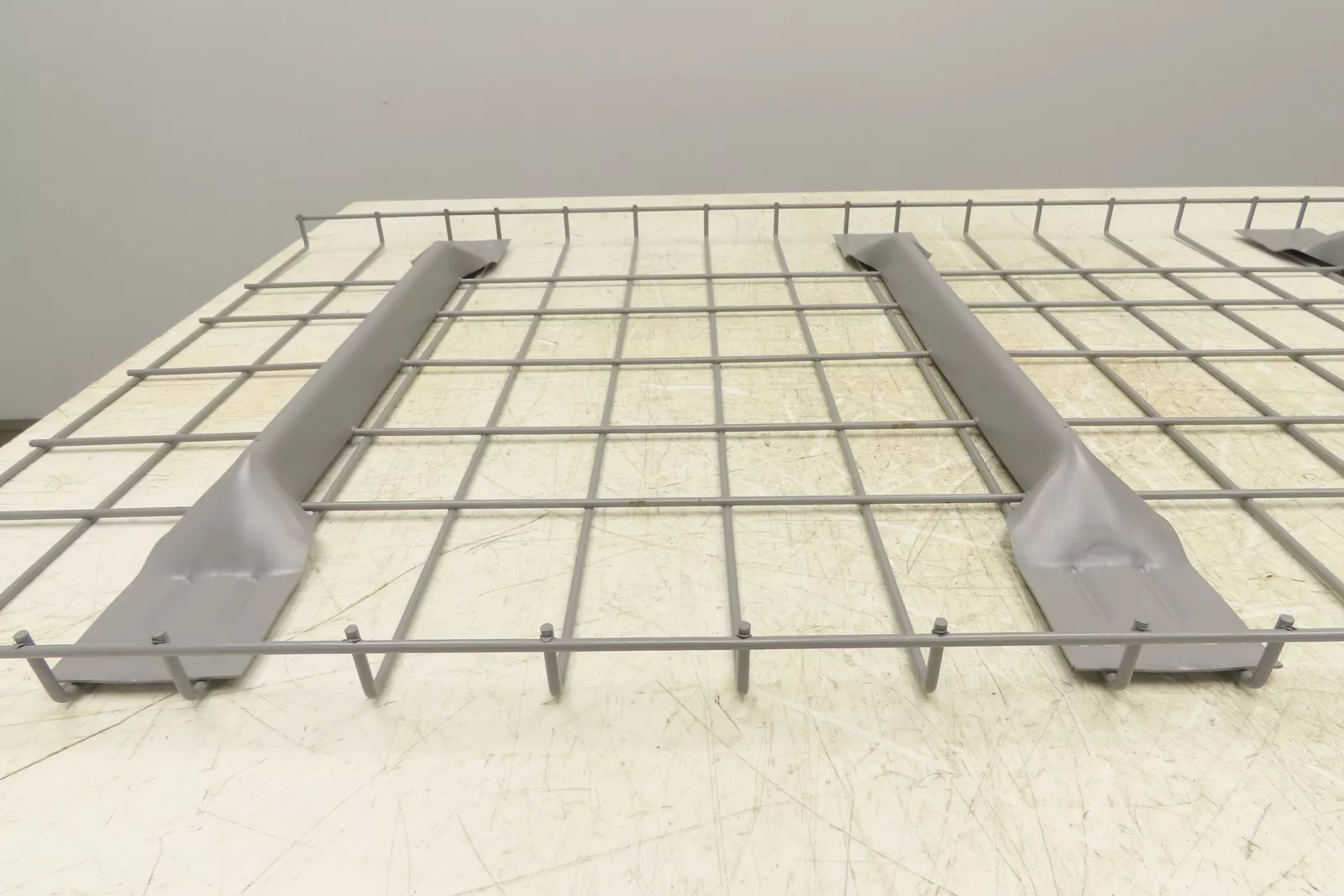
How Do Industrial Racks Help In Organizing Warehouse Inventory?
What Safety Features Should Be Considered When Using Industrial Racks?
When it comes to working with industrial racks, safety should always be the top priority. These racks are designed to hold heavy loads and play a crucial role in keeping warehouses organized and efficient. But if not used properly, they can pose serious risks to both workers and the products being stored.
One of the most important safety features to consider when using industrial racks is proper installation. Racks should be securely anchored to the floor or walls to prevent them from tipping over. It’s also crucial to ensure that racks are level and evenly loaded to prevent them from collapsing.
Another key safety feature is regular inspections and maintenance. Racks should be checked frequently for signs of damage or wear, such as rust, corrosion, or bent beams. Any damaged racks should be immediately repaired or replaced to avoid accidents.
In addition, it’s essential to train employees on how to safely use industrial racks. Workers should be taught how to properly load and unload racks, as well as how to recognize and report any potential hazards. By providing thorough training, employers can help prevent accidents and injuries in the workplace.
Finally, it’s important to invest in high-quality racks that are designed to meet safety standards. Look for racks that have been tested and certified by reputable organizations, such as the Rack Manufacturers Institute (RMI). These racks are more likely to withstand heavy loads and provide reliable performance over time.
Overall, safety should always come first when working with industrial racks. By ensuring proper installation, conducting regular inspections, providing employee training, and investing in quality racks, you can create a safe and efficient workplace for everyone involved. Remember, a little extra caution today can prevent a major disaster tomorrow.

What Safety Features Should Be Considered When Using Industrial Racks?
What Safety Features Should Be Considered When Using Industrial Racks?
- Always prioritize safety when working with industrial racks.
- Proper installation is crucial – racks should be securely anchored and evenly loaded.
- Regular inspections and maintenance are essential to prevent accidents.
- Train employees on safe rack usage and how to recognize potential hazards.
- Invest in high-quality racks that meet safety standards.
- Safety first mentality contributes to a safe and efficient workplace.
- A little caution today can prevent major disasters tomorrow.

What Safety Features Should Be Considered When Using Industrial Racks?
How Do Industrial Racks Maximize Warehouse Storage Space?
When it comes to maximizing storage space in a warehouse, industrial racks are a game-changer. These heavy-duty storage solutions are like the unsung heroes of the warehouse world, quietly and efficiently making the most of every square inch of available space.
One of the key ways industrial racks maximize warehouse storage space is by utilizing vertical space. Instead of cluttering the floor with stacks of boxes and pallets, industrial racks allow you to stack items high, making the most of the often underutilized space above your head. By going vertical, you can double or even triple your storage capacity without adding any square footage to your warehouse.
Another way industrial racks help maximize storage space is by allowing for better organization and accessibility. With items neatly stacked on racks, it’s easy to see and access inventory quickly and efficiently. No more wasting precious time searching for items buried in a pile on the floor. Industrial racks help keep your warehouse organized, which not only saves time but also reduces the risk of damage to items due to careless handling.
Industrial racks are also highly customizable, allowing you to tailor your storage solution to meet the specific needs of your warehouse. Whether you need heavy-duty racks for storing large, bulky items or specialized racks for odd-shaped inventory, there is a solution for every storage challenge. By utilizing the right combination of industrial racks, you can make the most of your warehouse space, maximizing storage capacity while ensuring everything is stored in a safe and secure manner.
In addition to improving storage capacity and organization, industrial racks also help optimize workflow in the warehouse. By keeping inventory neatly organized and easily accessible, industrial racks help streamline picking, packing, and shipping processes. This means faster turnaround times for orders and better overall efficiency in your warehouse operations.
Ultimately, industrial racks are a simple yet powerful tool for optimizing warehouse storage space. By going vertical, staying organized, and customizing your storage solution, you can make the most of every square inch of your warehouse, improving efficiency, productivity, and overall profitability. So the next time you’re looking to maximize storage space in your warehouse, don’t overlook the unsung hero of the warehouse world – industrial racks.

How Do Industrial Racks Maximize Warehouse Storage Space?
How Do Industrial Racks Maximize Warehouse Storage Space?
- Industrial racks maximize storage space by utilizing vertical space.
- Racks allow for better organization and accessibility of inventory.
- They are highly customizable to meet specific warehouse needs.
- Racks help optimize workflow by streamlining processes.
- Industrial racks are a simple yet powerful tool for optimizing storage space.
- They improve efficiency, productivity, and profitability in the warehouse.
- Don’t overlook industrial racks when looking to maximize storage space.

How Do Industrial Racks Maximize Warehouse Storage Space?
How Do Industrial Racks Prevent Accidents And Injuries In Warehouses?
Industrial racks play a crucial role in maintaining the safety and efficiency of warehouses. These sturdy structures are designed to store and organize heavy items, reducing clutter and creating more space for workers to move around safely. But it’s not just about organization – industrial racks also play a key role in preventing accidents and injuries in warehouses.
One of the main ways industrial racks prevent accidents is by reducing the risk of items falling and causing harm to workers. When items are stored haphazardly on the floor or on unstable shelves, there is a higher chance of them toppling over and injuring someone. Industrial racks provide a secure and stable location for items to be stored, reducing the risk of accidents caused by falling objects.
Furthermore, industrial racks help to keep walkways and work areas clear and free from obstacles. By utilizing vertical storage space, warehouses can make better use of their square footage and keep aisles clear for workers to move around safely. This reduces the risk of tripping and falling accidents, which can be common in cluttered or disorganized work environments.
Industrial racks also help to improve the overall organization of a warehouse, making it easier for workers to locate and access items quickly and efficiently. When items are stored in a designated location on a rack, workers don’t have to sift through piles of clutter to find what they need. This not only saves time and improves productivity, but it also reduces the risk of injuries caused by bending, reaching, or straining to access items that are stored in hard-to-reach locations.
Additionally, industrial racks can be equipped with safety features such as guard rails, back stops, and aisle protectors to further reduce the risk of accidents in warehouses. These added protections help to prevent items from falling off shelves, keep workers safe from moving equipment like forklifts, and create clear pathways for workers to navigate through the warehouse.
Industrial racks play a critical role in maintaining the safety of warehouses and preventing accidents and injuries. By providing a secure and organized storage solution, industrial racks help to reduce the risk of falling objects, keep work areas clear and free from obstacles, improve overall organization, and provide additional safety features to protect workers. Investing in quality industrial racks is not just about improving efficiency – it’s also about keeping workers safe on the job.
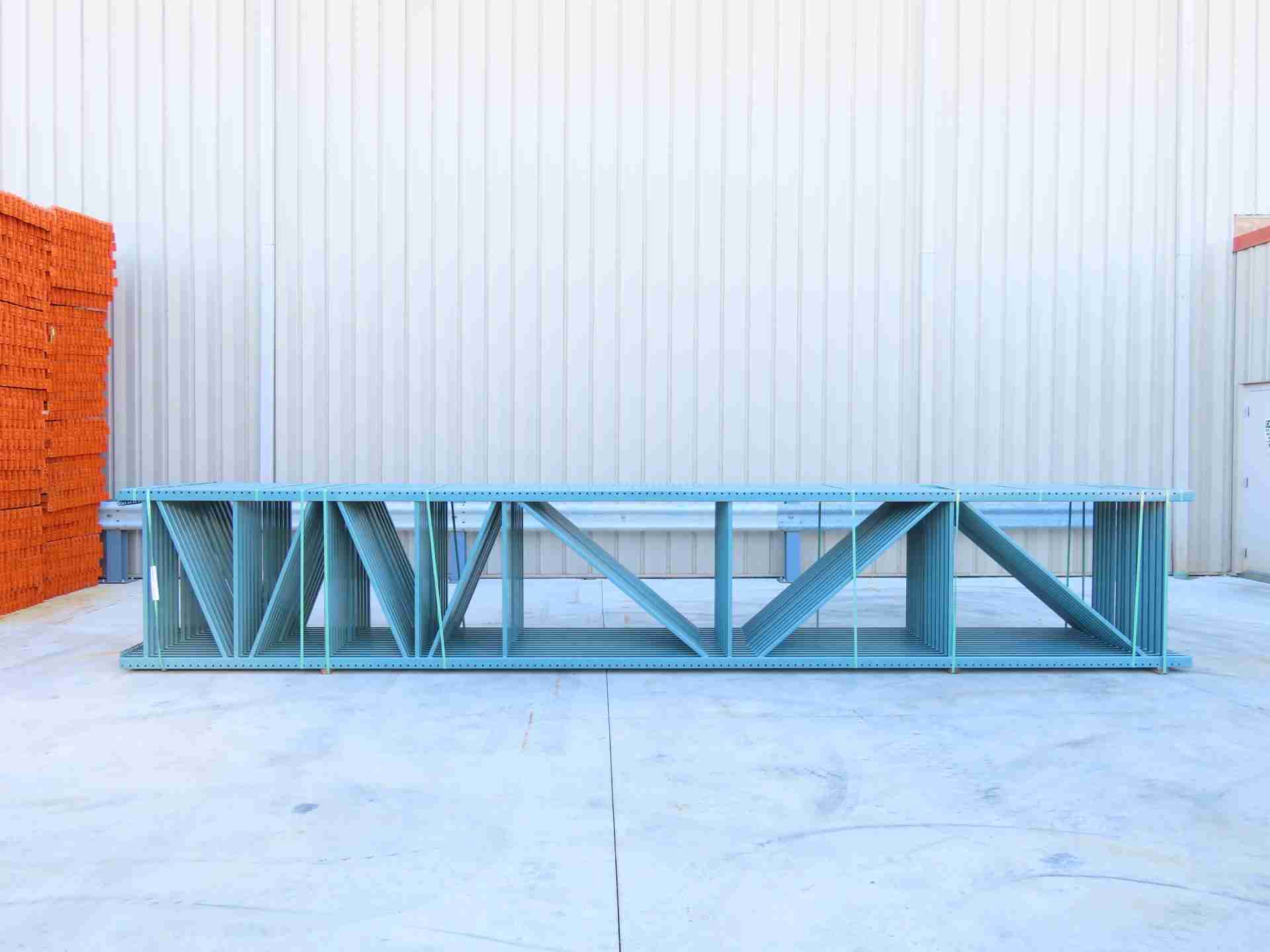
How Do Industrial Racks Prevent Accidents And Injuries In Warehouses?
How Do Industrial Racks Prevent Accidents And Injuries In Warehouses?
- Industrial racks maintain safety and efficiency in warehouses.
- Sturdy structures store heavy items, reduce clutter, and create space for workers.
- Prevent accidents by reducing the risk of items falling and causing harm.
- Keep walkways clear and free from obstacles by utilizing vertical storage space.
- Improve organization by providing designated storage locations for easy access.
- Equipped with safety features like guard rails and aisle protectors to enhance safety.
- Play a critical role in maintaining safety, preventing accidents, and protecting workers.

How Do Industrial Racks Prevent Accidents And Injuries In Warehouses?
What Safety Features Do Industrial Racks Typically Have?
When it comes to industrial racks, safety is a top priority. These heavy-duty storage systems are designed to hold large amounts of inventory or materials, so it’s essential that they have proper safety features in place to prevent accidents and injuries.
One of the most important safety features of industrial racks is their ability to withstand heavy loads. These racks are typically made of durable materials such as steel or aluminum, and are designed to support a specific weight capacity. This ensures that the racks won’t collapse or buckle under the weight of the items stored on them, reducing the risk of accidents.
Another important safety feature of industrial racks is their stability. These racks are often designed with reinforced bases or anchoring systems to prevent them from tipping over or collapsing. This is especially important in facilities where forklifts or other heavy machinery are used to move materials, as an unstable rack could pose a serious safety hazard.
Many industrial racks also come equipped with safety bars or mesh panels to prevent items from falling off the shelves. These features help to keep the work environment organized and reduce the risk of items accidentally falling and causing injury to employees.
In addition to these physical safety features, many industrial racks also come with warning labels or signage to alert employees to potential hazards. This helps to ensure that everyone in the facility is aware of the proper safety precautions to take when working around the racks.
Regular inspections and maintenance are also important safety features of industrial racks. By regularly checking for signs of wear and tear, damage, or improper loading, companies can prevent accidents before they happen and ensure that their racks are in good working condition.
Overall, industrial racks are designed with safety in mind. By incorporating features such as weight capacity limits, stability supports, safety bars, warning labels, and regular maintenance, companies can help to create a safe work environment for their employees and reduce the risk of accidents or injuries.

What Safety Features Do Industrial Racks Typically Have?
What Safety Features Do Industrial Racks Typically Have?
- Industrial racks are designed with safety as a top priority.
- Racks are made of durable materials to withstand heavy loads.
- Stability features such as reinforced bases prevent tipping over.
- Safety bars and mesh panels prevent items from falling off shelves.
- Warning labels alert employees to potential hazards.
- Regular inspections and maintenance help prevent accidents.
- Overall, industrial racks are designed to create a safe work environment.

What Safety Features Do Industrial Racks Typically Have?
Do Industrial Racks Help Prevent Workplace Accidents?
Industrial racks are a common sight in many workplaces, from warehouses to manufacturing plants. These heavy-duty storage systems are designed to hold and organize large quantities of materials, tools, and products. But can they also help prevent workplace accidents?
The short answer is yes, industrial racks can play a significant role in reducing the risk of accidents in the workplace. Here’s how:
First and foremost, industrial racks help to keep work areas clean and organized. When materials and tools are stored properly on racks, it reduces the chances of clutter and debris accumulating on the floor. This, in turn, minimizes the risk of tripping and slipping hazards for employees moving around the workspace.
Additionally, industrial racks are designed to support heavy loads safely. By utilizing racks to store heavy items, employees can avoid the strain and potential injuries that can come from trying to lift and carry heavy objects manually. This is especially important in industries where employees are regularly handling large and bulky items.
Another way that industrial racks help prevent workplace accidents is by providing clear labeling and organization of materials. When items are stored on racks in a logical and systematic manner, it reduces the likelihood of employees having to search through piles of materials to find what they need. This not only saves time but also decreases the risk of employees being injured by falling or shifting materials.
Furthermore, industrial racks can be customized to fit specific storage needs, such as the size and weight of materials being stored. This ensures that items are stored securely and safely, reducing the risk of items falling or collapsing from overloaded racks.
Industrial racks can be a valuable tool in promoting workplace safety and preventing accidents. By keeping work areas clean and organized, supporting heavy loads safely, providing clear labeling and organization of materials, and customizing storage solutions to fit specific needs, industrial racks can help create a safer work environment for employees.
So the next time you’re walking through a warehouse or manufacturing plant and see those towering racks filled with materials, remember that they’re not just for storage – they’re also playing a crucial role in keeping employees safe on the job.

Do Industrial Racks Help Prevent Workplace Accidents?
Do Industrial Racks Help Prevent Workplace Accidents?
- Industrial racks help keep work areas clean and organized, reducing clutter and debris on the floor.
- They support heavy loads safely, preventing strain and potential injuries from manual lifting.
- Racks provide clear labeling and organization of materials, minimizing the risk of employees searching through piles of materials.
- They can be customized to fit specific storage needs, ensuring items are stored securely and safely.
- Industrial racks promote workplace safety and help prevent accidents by creating a safer work environment.
- They play a crucial role in reducing the risk of tripping, slipping, and injuries in industries handling large and bulky items.
- Racks are not just for storage but also contribute significantly to keeping employees safe on the job.

Do Industrial Racks Help Prevent Workplace Accidents?
How Do Industrial Racks Optimize Warehouse Organization?
Industrial racks play a crucial role in optimizing warehouse organization by maximizing the use of vertical space. In a busy warehouse setting, every square inch counts, and industrial racks are like the superheroes of storage solutions, efficiently holding and organizing products with precision and ease.
Think of industrial racks as the unsung heroes of warehouse operations. They are the silent sentinels that stand tall, holding the weight of the world on their sturdy shoulders. Without them, chaos would reign supreme, and the costly inefficiencies of a disorganized warehouse would be the norm.
By utilizing industrial racks, warehouses can neatly stack and store products in a systematic manner, allowing for easier inventory management and retrieval. This means that workers can quickly locate items when needed, reducing the time spent searching through cluttered shelves and aisles. Efficiency is the name of the game in warehouse operations, and industrial racks are the winning ticket.
Furthermore, industrial racks help to increase storage capacity without the need for additional square footage. By going vertical, warehouses can optimize their use of space and store more products within the same footprint. This not only saves money on costly expansions or relocations but also improves overall efficiency by consolidating inventory in a more condensed area.
Another benefit of industrial racks is their versatility. With a wide range of sizes and configurations available, warehouses can customize their storage solutions to fit their specific needs. From heavy-duty pallet racks to cantilever racks for long and bulky items, there is a rack for every type of product imaginable. This adaptability ensures that warehouses can maximize their storage potential and increase productivity in the process.
Moreover, industrial racks promote safety in the workplace by securely storing products off the ground and out of harm’s way. By reducing clutter and creating designated storage areas, the risk of accidents and injuries is greatly minimized. This not only protects valuable inventory but also safeguards the well-being of warehouse employees.
Industrial racks are the unsung heroes of warehouse organization, quietly optimizing space, maximizing storage capacity, and promoting efficiency and safety in the workplace. Without them, the chaos of disorganization would reign supreme, and warehouses would struggle to meet the demands of a fast-paced industry. So, the next time you walk past a towering row of industrial racks, take a moment to appreciate the crucial role they play in keeping the wheels of commerce turning smoothly.

How Do Industrial Racks Optimize Warehouse Organization?
How Do Industrial Racks Optimize Warehouse Organization?
- Industrial racks optimize warehouse organization by maximizing vertical space.
- They efficiently hold and organize products, aiding in inventory management.
- Industrial racks increase storage capacity without the need for more space.
- They come in a wide range of sizes and configurations for customization.
- Racks promote safety by securely storing products and reducing clutter.
- Industrial racks are essential for promoting efficiency and productivity in warehouse operations.
- Without industrial racks, the chaos of disorganization would reign in warehouses.

How Do Industrial Racks Optimize Warehouse Organization?
What Are The Benefits Of Using Industrial Racks For Storage?
When it comes to storing items in a warehouse or industrial setting, the importance of organization cannot be overstated. This is where industrial racks come into play, offering a wide range of benefits for businesses looking to optimize their storage space.
One of the key benefits of using industrial racks for storage is their ability to maximize vertical space. By utilizing the full height of your warehouse, you can increase storage capacity without taking up additional floor space. This can be especially beneficial for businesses operating in smaller facilities or looking to expand their inventory without relocating.
In addition to maximizing space, industrial racks also help to improve organization and efficiency. With designated shelves and compartments, it is easier to keep track of inventory and locate specific items quickly. This can streamline operations and reduce the time spent searching for products, ultimately improving productivity and reducing costs.
Furthermore, industrial racks provide a safer storage solution compared to stacking items on the floor or in unstable piles. By securely storing items on shelves, you can reduce the risk of accidents and injuries caused by falling objects. This not only creates a safer work environment for employees but also helps to protect valuable inventory from damage.
Another benefit of using industrial racks for storage is their versatility. With a variety of rack types available, including pallet racks, cantilever racks, and shelving units, businesses can choose the option that best fits their needs. Whether storing heavy machinery or smaller items, there is a rack solution to accommodate a wide range of products.
Additionally, industrial racks are durable and long-lasting, making them a cost-effective storage solution in the long run. Constructed from materials such as steel or aluminum, these racks are built to withstand heavy loads and frequent use. This means businesses can invest in industrial racks with confidence, knowing they will provide reliable storage for years to come.
The benefits of using industrial racks for storage are plentiful. From maximizing space and improving organization to enhancing safety and durability, industrial racks offer a practical and efficient storage solution for businesses of all sizes. By investing in industrial racks, businesses can optimize their storage space and streamline operations, ultimately leading to increased productivity and profitability.

What Are The Benefits Of Using Industrial Racks For Storage?
What Are The Benefits Of Using Industrial Racks For Storage?
- Industrial racks maximize vertical space.
- Improve organization and efficiency.
- Provide a safer storage solution.
- Offer versatility with a variety of rack types available.
- Industrial racks are durable and long-lasting.
- Cost-effective storage solution in the long run.
- Optimize storage space and streamline operations.

What Are The Benefits Of Using Industrial Racks For Storage?
Can Industrial Racks Help Reduce Ergonomic Injuries In Warehouses?
In the fast-paced world of warehousing, the importance of safety and efficiency cannot be overstated. One of the key components to achieving both of these goals is the use of industrial racks. These sturdy shelving units not only provide ample storage space for goods and materials, but they can also play a crucial role in reducing ergonomic injuries among warehouse workers.
Ergonomic injuries, such as strains, sprains, and repetitive motion injuries, are all too common in warehouse environments where workers are often required to lift, carry, and handle heavy loads. These injuries not only cause pain and discomfort for the workers, but they can also lead to lost productivity and increased costs for employers. By implementing the use of industrial racks, warehouse managers can help to mitigate the risk of these types of injuries.
One of the main benefits of industrial racks is that they allow for better organization and proper storage of materials. This means that workers no longer have to strain themselves by lifting heavy items from the floor or reaching high shelves to retrieve goods. Instead, they can easily access items at a comfortable height, reducing the risk of overexertion and injury.
Furthermore, industrial racks can also help to improve workflow and efficiency in the warehouse. By keeping materials organized and easily accessible, workers can move more quickly and efficiently throughout the facility. This not only reduces the risk of injuries caused by rushing or trying to keep up with a fast-paced environment, but it also helps to increase overall productivity and accuracy.
In addition to reducing ergonomic injuries, industrial racks can also help to create a safer working environment overall. By keeping materials properly stored and secured, the risk of tripping hazards and accidents is greatly reduced. This means fewer lost work days due to injuries and fewer costs associated with workers’ compensation claims.
Overall, the use of industrial racks in warehouses can have a significant impact on reducing ergonomic injuries and improving overall safety and efficiency. By investing in these sturdy shelving units, warehouse managers can help to create a work environment that is not only more comfortable for their employees, but also more productive and cost-effective for their business. So, the next time you’re thinking about ways to improve safety and efficiency in your warehouse, consider the benefits of industrial racks. Your workers will thank you, and your bottom line will too.

Can Industrial Racks Help Reduce Ergonomic Injuries In Warehouses?
Can Industrial Racks Help Reduce Ergonomic Injuries In Warehouses?
- Industrial racks are key components in achieving safety and efficiency in warehousing.
- They help reduce ergonomic injuries such as strains, sprains, and repetitive motion injuries.
- Industrial racks provide better organization and storage of materials, reducing the risk of overexertion and injury.
- They improve workflow and efficiency by keeping materials organized and easily accessible for workers.
- Industrial racks create a safer working environment by reducing tripping hazards and accidents.
- Investing in industrial racks can significantly reduce ergonomic injuries and improve overall safety and efficiency in warehouses.
- By using industrial racks, warehouse managers can create a productive and cost-effective work environment.

Can Industrial Racks Help Reduce Ergonomic Injuries In Warehouses?
How Do Industrial Racks Impact Overall Warehouse Efficiency?
When it comes to maximizing efficiency in a warehouse, the importance of industrial racks cannot be overstated. These heavy-duty storage solutions are essential in keeping inventory organized, accessible, and safe.
One of the key ways industrial racks impact overall warehouse efficiency is by optimizing the use of space. By utilizing vertical storage with high-quality racks, warehouses can make the most of their available square footage. This means more products can be stored in a smaller area, reducing the need for additional warehouse space and ultimately lowering costs.
Furthermore, industrial racks help improve inventory management by providing a designated space for each item. This makes it easier for workers to locate and retrieve products quickly and accurately, saving time and reducing the risk of errors. With the right organizational system in place, the chances of misplaced or lost items are significantly reduced, leading to smoother operations and increased productivity.
In addition to aiding in organization and space optimization, industrial racks also contribute to workplace safety. By securely storing heavy or bulky items on durable racks, the risk of accidents or injuries caused by falling objects is minimized. This not only protects employees but also prevents damage to inventory and equipment, reducing downtime and potential liability issues.
Another way industrial racks impact overall warehouse efficiency is by facilitating better workflow. With items stored in a systematic and accessible manner, workers can move products more efficiently from storage to picking stations or packing areas. This streamlined process helps fulfill orders faster, meet customer deadlines, and ultimately boost customer satisfaction.
Moreover, industrial racks play a crucial role in supporting automation and technology integration within a warehouse. With properly designed racks that can accommodate conveyor systems, robotic pickers, or other automated equipment, warehouses can achieve higher levels of efficiency and accuracy in their operations. This modernization not only increases productivity but also ensures the warehouse is equipped to meet the demands of a rapidly evolving industry.
Industrial racks are a fundamental component of a well-organized and efficient warehouse. From optimizing space and inventory management to improving workplace safety and workflow, these heavy-duty storage solutions are integral to the overall success of any warehouse operation. By investing in high-quality industrial racks and implementing effective storage solutions, warehouses can enhance their efficiency, productivity, and competitiveness in today’s fast-paced business environment.
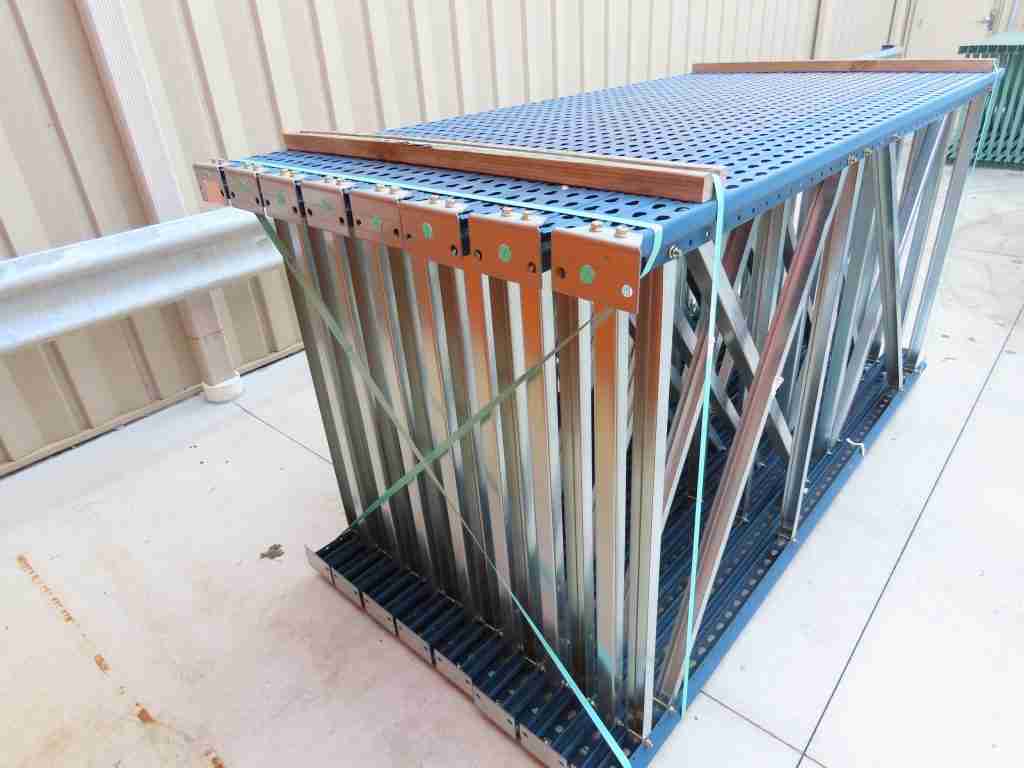
How Do Industrial Racks Impact Overall Warehouse Efficiency?
How Do Industrial Racks Impact Overall Warehouse Efficiency?
- Industrial racks optimize the use of space in warehouses, allowing for more products to be stored in a smaller area and reducing the need for additional space.
- They improve inventory management by providing designated spaces for each item, making it easier for workers to locate and retrieve products quickly and accurately.
- Industrial racks contribute to workplace safety by securely storing heavy or bulky items, minimizing the risk of accidents and injuries caused by falling objects.
- They facilitate better workflow by storing items in a systematic and accessible manner, allowing workers to move products more efficiently from storage to picking or packing areas.
- Industrial racks support automation and technology integration by accommodating conveyor systems, robotic pickers, and other automated equipment, leading to higher efficiency and accuracy in warehouse operations.
- By investing in high-quality industrial racks and effective storage solutions, warehouses can enhance their efficiency, productivity, and competitiveness in today’s fast-paced business environment.
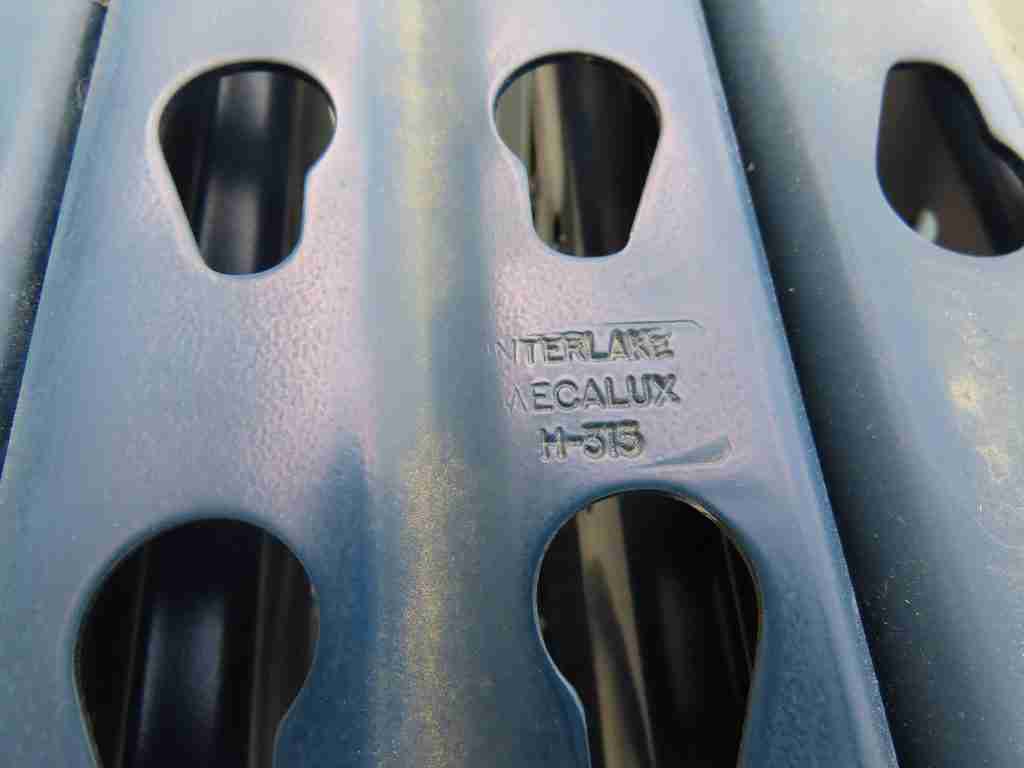
How Do Industrial Racks Impact Overall Warehouse Efficiency?
What Should Businesses Consider When Selecting Industrial Racks?
When it comes to selecting industrial racks for your business, there are a few key factors to consider in order to ensure you are making the best choice for your specific needs. Industrial racks are a crucial component in keeping your warehouse organized and efficient, so it’s important to choose the right ones for your space.
First and foremost, you’ll want to consider the weight capacity of the industrial racks you are considering. Different racks are designed to hold different amounts of weight, so it’s important to know how much weight your products or materials will be placing on the racks. This will help you avoid any issues with overloading the racks and causing damage or safety hazards in your warehouse.
Next, you’ll want to think about the size and dimensions of the industrial racks. Make sure you measure the available space in your warehouse and choose racks that will fit comfortably without taking up too much space. It’s also important to consider the height of the racks, as you’ll want to make sure they are tall enough to maximize your vertical storage space without being too tall to access easily.
Durability is another important factor to consider when selecting industrial racks. You’ll want to choose racks that are made from high-quality materials that can withstand the wear and tear of daily use. Look for racks that are made from strong metals like steel or aluminum, as these materials will be able to support heavy loads and withstand the rigors of a busy warehouse environment.
Additionally, you may want to consider the flexibility of the industrial racks you are considering. Some racks are adjustable, allowing you to customize the layout to fit your specific storage needs. This can be helpful if you have products of varying sizes or if you need to reconfigure your warehouse layout in the future.
Finally, don’t forget to consider the cost of the industrial racks. While it’s important to choose racks that are durable and high-quality, you’ll also want to make sure they fit within your budget. Compare prices from different suppliers and consider the long-term value of the racks before making a decision.
By taking these factors into consideration, you can ensure that you choose industrial racks that will meet your needs and help keep your warehouse running smoothly and efficiently. Remember, the right industrial racks can make a big difference in the organization and productivity of your business, so choose wisely.
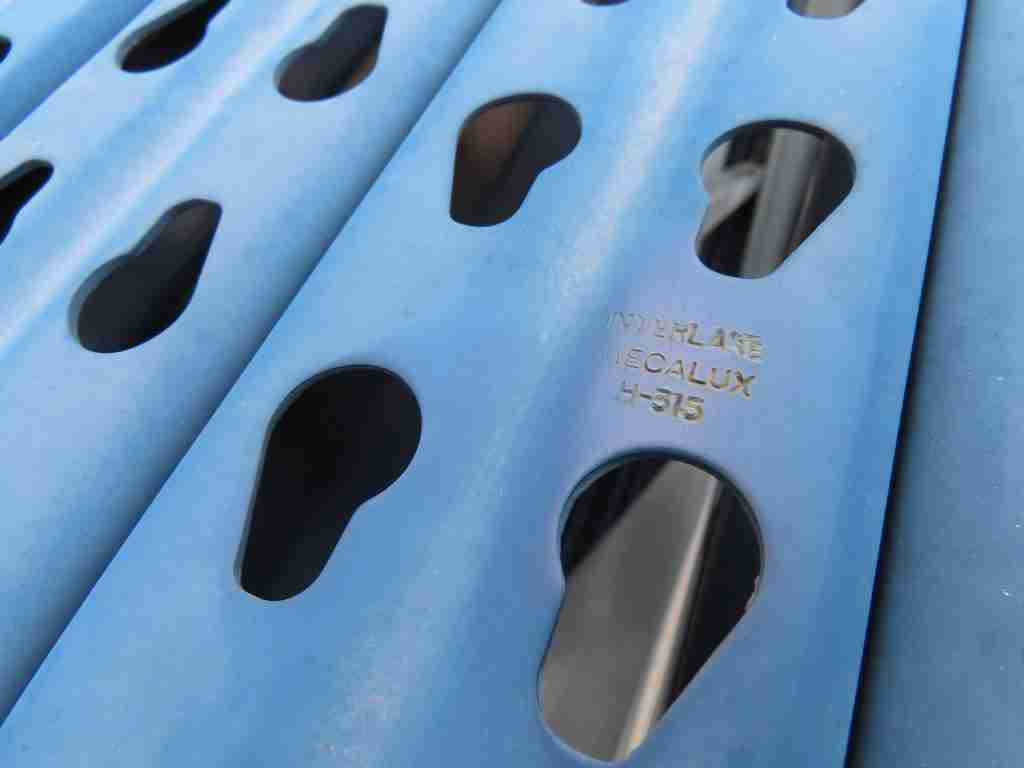
What Should Businesses Consider When Selecting Industrial Racks?
What Should Businesses Consider When Selecting Industrial Racks?
- Consider the weight capacity of the industrial racks.
- Think about the size and dimensions of the racks.
- Ensure durability by choosing high-quality materials.
- Look for flexibility in rack design for customization.
- Take into account the cost of the industrial racks.
- Ensure the racks fit within your budget.
- Choose industrial racks that will meet your needs and help keep your warehouse organized and efficient.
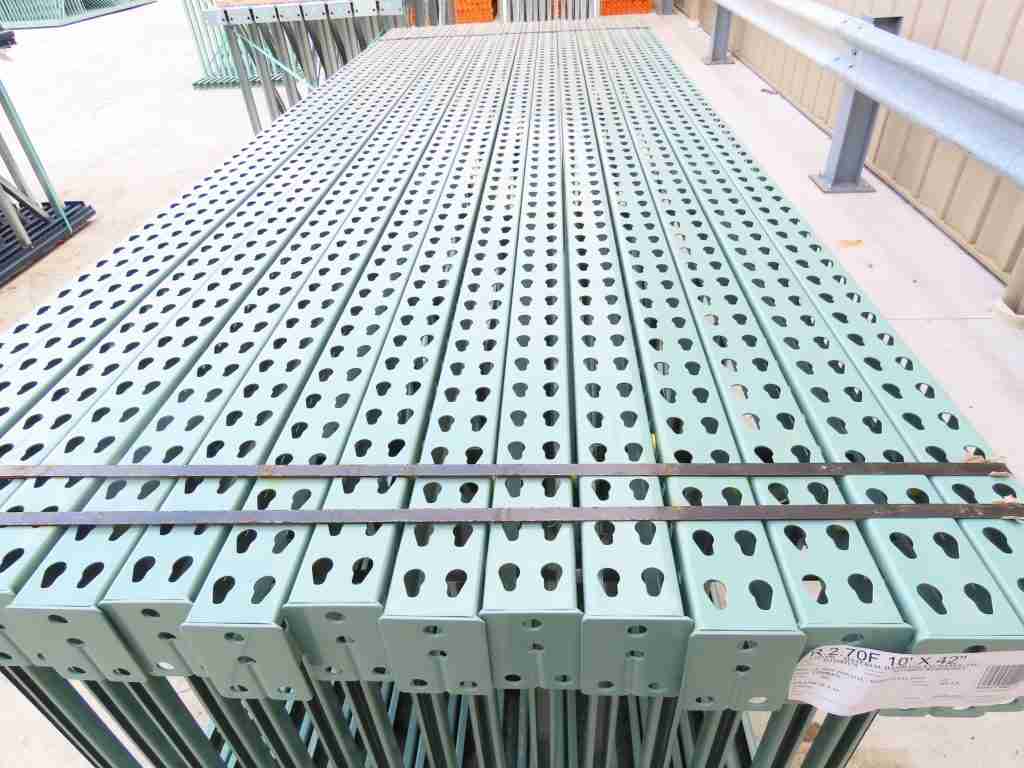
What Should Businesses Consider When Selecting Industrial Racks?
Conclusion
In conclusion, industrial racks are the unsung heroes of warehouse safety and efficiency. By providing a secure and organized storage solution for heavy and bulky items, industrial racks help prevent accidents and injuries caused by falling objects. They also contribute to overall warehouse organization, making it easier for workers to locate and access items quickly and efficiently. Industrial racks play a crucial role in fire safety by keeping combustible materials off the floor and minimizing the risk of fire spreading throughout the warehouse. With the ability to optimize space utilization, industrial racks make it possible to store more items in a smaller footprint, saving on storage costs and reducing the risk of overcrowding and congestion. By investing in high-quality industrial racks and considering factors such as weight capacity, size, durability, flexibility, and cost, businesses can select the right racks to meet their specific storage needs. Overall, the use of industrial racks is key to maintaining a safe, organized, and efficient work environment in warehouses. Remember, the humble industrial rack may not be glamorous, but it certainly plays a vital role in keeping operations running smoothly and employees safe on the job.

Conclusion
Conclusion:
- Industrial racks help prevent accidents and injuries by providing secure storage for heavy items.
- They contribute to overall warehouse organization, making it easier for workers to access items.
- Industrial racks play a crucial role in fire safety by keeping combustible materials off the floor.
- They optimize space utilization, allowing for more items to be stored in a smaller footprint.
- Businesses should consider factors such as weight capacity, size, durability, flexibility, and cost when selecting industrial racks.
- Industrial racks are essential for maintaining a safe, organized, and efficient work environment in warehouses.
- Despite not being glamorous, industrial racks play a vital role in keeping operations running smoothly and employees safe.

Conclusion
Other Resources
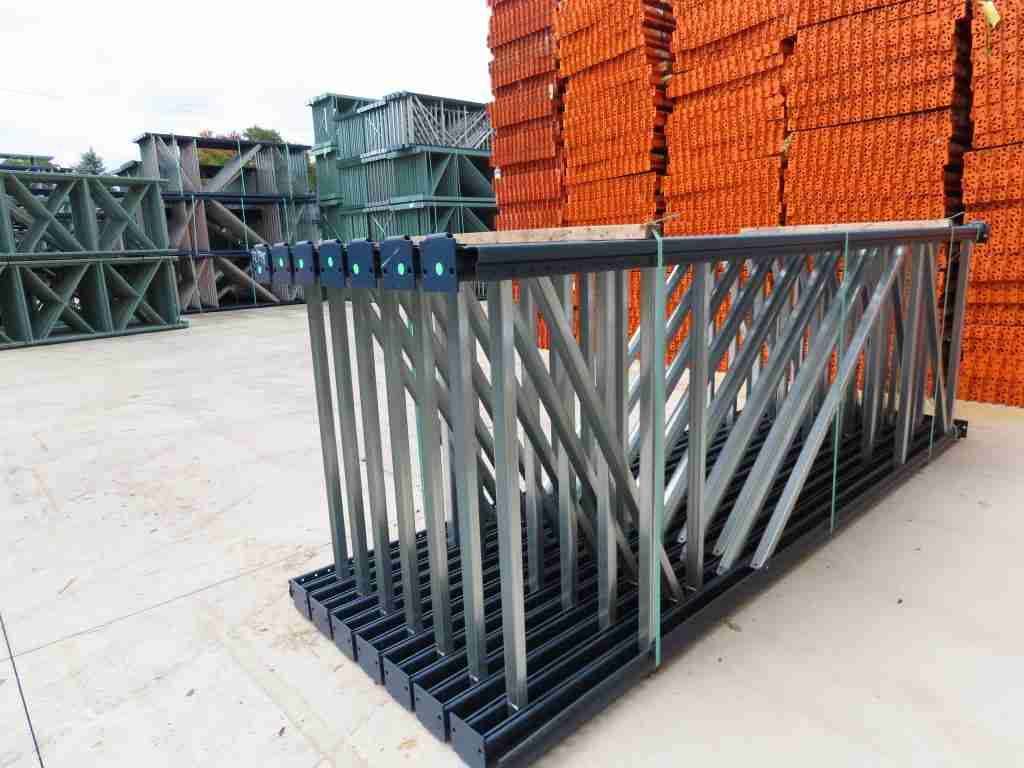
Other Resources
Here is a list of other resources you can review online to learn more:
- Warehouse Racking Safety: Risks & Prevention Measures: This article discusses the potential risks of industrial racking and provides preventive measures. It covers common hazards like overloading of racks, use of damaged or mismatched racks, and improperly installed or assembled racks.
- Understanding Industrial Rack Requirements for Warehouses: This guide explores the importance of industrial racks in warehouses, discusses the top options in the market, and delves into how to meet the Occupational Safety and Health Administration (OSHA) requirements for warehouse racking.
- What Are The Key Benefits Of Using Industrial Racks In Warehouses: This article highlights how industrial racks improve safety in the warehouse by keeping inventory off the floor and stored in a secure and stable manner.
- How to Implement Industrial Racking Systems in Your Warehouse: This article emphasizes that properly designed and installed racking systems ensure that goods are stored securely, reducing the risk of accidents such as falls or collapses.
These articles should provide a good starting point for your research.

Other Resources
Glossary Terms
How Do Industrial Racks Contribute to Warehouse Safety? – Glossary Of Terms
Here is a glossary of 30 terms related to understanding how industrial racks contribute to warehouse safety:
1. Industrial Rack: A storage framework used to hold materials in a warehouse, designed to improve space utilization and organization.
2. Pallet Rack: A type of industrial rack specifically designed to hold pallets, optimizing storage for bulk items.
3. Load Capacity: The maximum weight a rack can safely hold, which is critical for preventing overloading and collapses.
4. Beam: Horizontal components of a rack that support shelves or pallets, crucial for maintaining stability.
5. Upright Frame: The vertical structure of a rack system, providing essential support and bearing the brunt of vertical loads.
6. Cross-bracing: Diagonal supports that enhance stability and reduce swaying in rack systems.
7. Back Guard: A safety feature that prevents items from falling off the back of a pallet rack, protecting workers and reducing product damage.
8. Wire Decking: Metal grids placed on beams that provide additional support and improve air circulation and fire safety.
9. Column Protector: Devices fitted to the bottom of rack uprights to safeguard against impact damage from forklifts.
10. Safety Clip: A locking device that ensures beams stay securely attached to the uprights, preventing accidental disengagement and collapses.
11. Load Distribution: The even spread of weight across a rack’s structure to enhance stability and prevent overloading specific points.
12. Rack Inspection: The regular examination of racks for signs of damage or wear, essential for ongoing safety.
13. Forklift: A vehicle used to lift and transport materials in a warehouse, integral to rack-based storage and retrieval.
14. Aisle Width: The space between racks that accommodates vehicles and personnel, critical for safe and efficient movement.
15. Rack Repair Kit: A set of tools and components used to fix minor damages to racks, helping to maintain safety standards.
16. Seismic Protection: Structural reinforcements that enhance a rack’s ability to withstand earthquakes, particularly crucial in seismic zones.
17. Anti-collapse Mesh: Protective mesh installed on the back of racks to prevent falling items, enhancing safety.
18. Rack Labels: Identification tags that indicate load capacities and aisle numbers, aiding in organization and safety management.
19. Impact Resistance: The ability of a rack structure to withstand collisions and impacts without significant damage.
20. Push-back Racking: A type of racking system that allows multiple pallets to be stored on a single lane, optimizing space and accessibility.
21. Cantilever Rack: A racking system with arms extending from a single vertical column, ideal for storing long, bulky items like pipes and lumber.
22. Selective Racking: A common type of racking that allows access to every pallet stored, crucial for quick retrieval and inventory turnover.
23. Drive-in Racking: Racks designed to allow forklifts to enter the structure, maximizing storage density for bulk goods.
24. Pallet Stop: Bars or stops at the back of racks that prevent pallets from being pushed off, enhancing safety.
25. Overhead Safety Bars: Bars placed above walkways and work areas to prevent items from falling onto personnel, boosting overhead safety.
26. Rack Utilization: The extent to which storage racks are effectively used, balancing capacity and accessibility for safety and efficiency.
27. Modular Design: Rack systems that can be easily expanded or modified, allowing adjustments for improved safety and utility.
28. Rack Sway: Lateral movement of racks, which can be minimized with proper installation and bracing to ensure stability.
29. Storage Density: The volume of goods stored per unit area, optimized by good racking systems to enhance space use and safety.
30. Pallet Positioning: The proper placement of pallets within the rack to ensure even load distribution and prevent tipping or collapse.
Understanding and applying these terms can significantly contribute to maintaining a safe and efficient warehouse environment through the effective use of industrial racking systems.
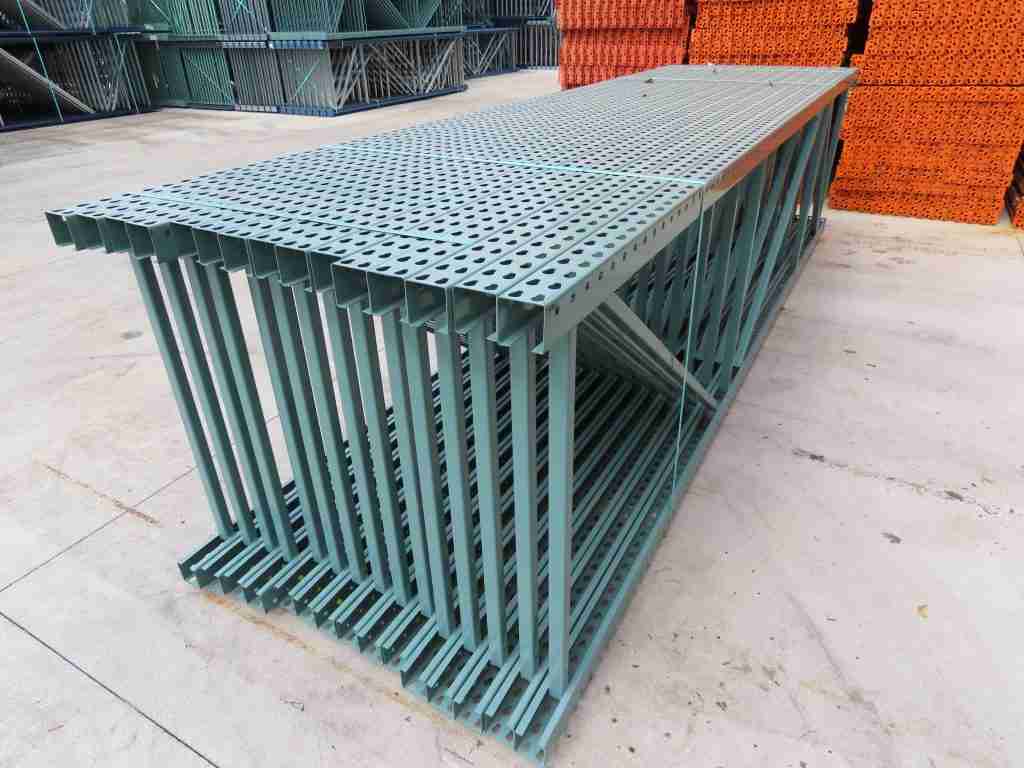
Glossary Of Terms
Other Questions
How Do Industrial Racks Contribute to Warehouse Safety? – Other Questions
If you wish to explore and discover more, consider looking for answers to these questions:
- What are the different types of industrial racks available for warehouses?
- How often should industrial racks be inspected and maintained?
- Can industrial racks be customized for specific storage needs?
- What training should be provided to employees for using industrial racks safely?
- How do you properly install industrial racks to ensure safety?
- What are some common signs of wear and tear to look for in industrial racks?
- Are there any industry standards or certifications for industrial racks?
- How do industrial racks compare to other storage solutions in terms of cost and efficiency?
- What role do industrial racks play in fire safety and prevention in a warehouse?
- How can industrial racks contribute to faster order fulfillment and increased productivity?
- What are the potential risks associated with overloading industrial racks?
- What is the typical lifespan of a well-maintained industrial rack system?
- How do industrial racks integrate with automated warehouse systems?
- What are the environmental benefits of using industrial racks in warehousing?
- How do industrial racks help in managing inventory levels and stock rotation?
Other Questions
Checklist
How Do Industrial Racks Contribute to Warehouse Safety? – A Checklist
General Safety
_____ Secure all industrial racks to the floor or walls to prevent tipping.
_____ Ensure that the racks are level and evenly loaded.
_____ Regularly inspect racks for signs of damage such as rust, corrosion, or bent beams.
_____ Look for racks that are certified by reputable organizations like the Rack Manufacturers Institute (RMI).
Preventing Accidents and Injuries
_____ Keep heavy and bulky items off the floor and properly secured on racks.
_____ Regularly clear walkways and work areas to reduce the risk of trips and falls.
_____ Use safety bars, guard rails, and mesh panels to prevent items from falling off shelves.
_____ Train employees on proper loading and unloading techniques for industrial racks.
_____ Provide personal protective equipment (PPE) for employees handling heavy loads.
Fire Safety
_____ Store combustible materials properly on racks to minimize fire risks.
_____ Equip industrial racks with fire suppression systems if necessary.
Optimizing Space and Organization
_____ Utilize vertical space by using tall racks to store more items.
_____ Organize inventory by assigning specific locations for different items.
_____ Implement a First-In, First-Out (FIFO) inventory management system.
_____ Ensure racks are customizable to meet specific storage needs, such as adjustable shelving or heavy-duty pallet racking.
Ergonomics and Employee Well-being
_____ Store frequently accessed items at waist height to minimize bending and reaching.
_____ Use ergonomic tools and equipment for lifting and transporting heavy items.
_____ Monitor employee health and safety to prevent ergonomic injuries such as strains or sprains.
Efficiency and Workflow
_____ Keep inventory easily accessible to improve picking, packing, and shipping processes.
_____ Label racks and shelves clearly to reduce time spent searching for items.
_____ Ensure that the layout of racks supports efficient workflow and easy movement through the warehouse.
_____ Consider the integration of automation and conveyor systems to enhance warehouse operations.
Periodic Review and Maintenance
_____ Conduct regular safety audits to identify and address hazards.
_____ Schedule routine maintenance for industrial racks to ensure structural integrity.
_____ Update training programs periodically to reflect best safety practices.
By following this checklist, you can optimize your warehouse safety and efficiency with the effective use of industrial racks. This will not only help protect your employees and inventory but also improve your overall operational productivity.
Checklist
At RackingWorld, we help guide you through selecting warehouse storage systems and racking.
Be sure to read our other related stories at RackingWorld to learn more about warehouse storage systems.
0 Comments