
Unlocking The Key Differences In Racking Systems
By Tom Seest
At RackingWorld, we help guide you through selecting warehouse storage systems and racking.
Be sure to read our other related stories at RackingWorld to learn more about warehouse storage systems.
How Do Selective Racking Systems Differ From Drive-In Rack Systems?
If you’ve ever spent time in a warehouse, you’ve likely noticed the sheer volume of products being stored and organized. And if you’ve ever peeked behind the scenes, you may have seen the intricate shelving systems that keep everything in its place.
Two popular shelving systems you may have seen are selective racking systems and drive-in rack systems. While they both serve the same purpose of maximizing storage space, they do so in different ways.
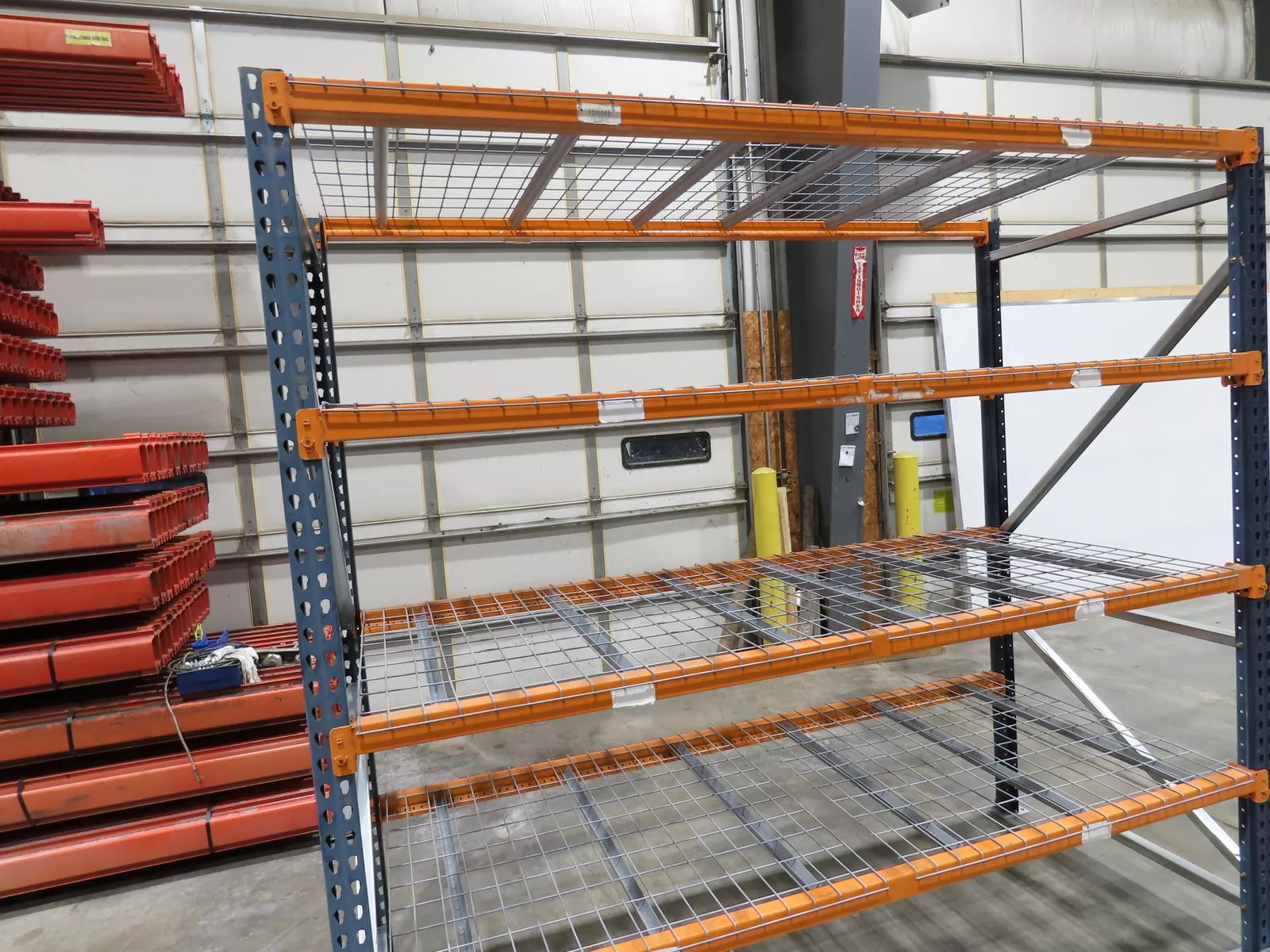
Selective racking systems are like your high school locker – each product has its own designated spot. This type of shelving allows for easy access to each individual item, as there is no need to move other products out of the way to reach a specific one. Selective racking systems are great for businesses that have a large variety of products and need quick and easy access to each item. However, this convenience comes at a cost – selective racking systems typically require more aisles, which means less overall storage space compared to drive-in rack systems.
On the other hand, drive-in rack systems are like packed subway cars during rush hour – you have to move a few things around to get to where you need to be. In this type of shelving, products are stored on rails that extend deep into the rack. This allows for more storage space as products can be packed tightly together without the need for aisles between each row. Drive-in rack systems are a great option for businesses that have a large quantity of the same product and do not require frequent access to each individual item. However, accessing products in a drive-in rack system can be slower and more labor-intensive compared to a selective racking system.
So, how do these two shelving systems differ? It all comes down to access and storage efficiency. Selective racking systems provide quick and easy access to individual items but require more aisles, while drive-in rack systems maximize storage space by packing products tightly together but require more effort to access each item.
In the fast-paced world of warehousing, choosing the right shelving system can make a big difference in efficiency and productivity. Whether you opt for a selective racking system or a drive-in rack system will depend on the specific needs of your business – but one thing’s for sure, both systems play a crucial role in keeping warehouses running smoothly.
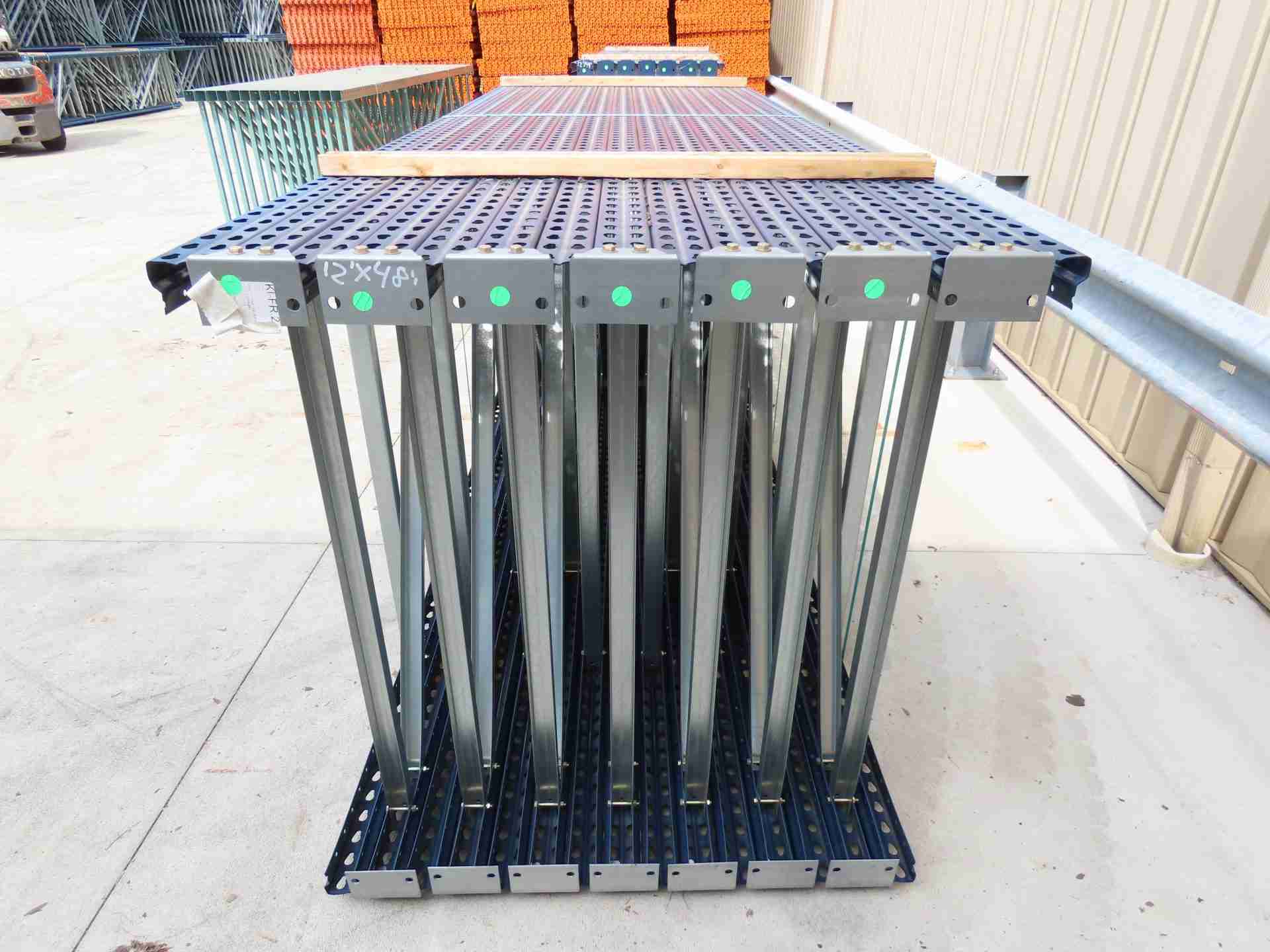
How Do Selective Racking Systems Differ From Drive-In Rack Systems?
How Do Selective Racking Systems Differ From Drive-In Rack Systems?
- Selective racking systems are like high school lockers, with each product having its own designated spot for easy access.
- Selective racking systems are ideal for businesses with a large variety of products that require quick and easy access to each item.
- Drive-in rack systems are packed tightly together without aisles between rows, maximizing storage space.
- Drive-in rack systems are suitable for businesses with a large quantity of the same product that do not require frequent access to individual items.
- Selective racking systems provide quick access to individual items but require more aisles, while drive-in rack systems require more effort to access each item.
- The choice between selective racking systems and drive-in rack systems depends on the specific needs of the business.
- Both shelving systems are essential for warehouse efficiency and productivity.
How Do Selective Racking Systems Differ From Drive-In Rack Systems?
Table Of Contents
- How Do Selective Racking Systems Differ From Drive-In Rack Systems?
- Which System Is More Suitable For High Turnover Inventory?
- How Do Selective Racks Optimize Accessibility To Each Pallet?
- What Are The Advantages Of Drive-In Racks For Storing Bulk Items?
- Which System Offers Better Flexibility For Warehouse Layout Changes?
- Conclusion
- Other Resources
- Glossary Of Terms
- Other Questions
- Checklist
Which System Is More Suitable For High Turnover Inventory?
When it comes to managing high turnover inventory, the key is efficiency and accuracy. You need a system that can keep up with the fast pace of items coming in and out, while also ensuring that everything is accounted for correctly.
One option for managing high turnover inventory is a barcode system. This system involves assigning a unique barcode to each item in your inventory. When items are received or shipped out, they are scanned using a handheld device, which automatically updates your inventory system in real time. This can help streamline the process of tracking inventory, reduce human error, and improve overall accuracy.
Another option is a radio frequency identification (RFID) system. RFID technology uses radio waves to track items in your inventory. Each item is assigned a unique RFID tag, which can be scanned from a distance using RFID readers. This can be especially useful for high turnover inventory, as it allows for quick and accurate tracking of items without the need for manual scanning.
Both barcode and RFID systems have their advantages and disadvantages when it comes to managing high turnover inventory. Barcode systems are generally more cost-effective and easier to implement, making them a popular choice for many businesses. However, they do require line-of-sight scanning, which can be a limitation in certain environments.
On the other hand, RFID systems offer the advantage of being able to track items without direct line of sight, which can be beneficial for high turnover inventory that is constantly moving in and out of storage. However, RFID technology can be more expensive to implement and maintain, which may be a barrier for some businesses.
Ultimately, the best system for managing high turnover inventory will depend on the specific needs and constraints of your business. Consider factors such as the volume of inventory, the frequency of turnover, and your budget when deciding which system is right for you. Whichever system you choose, the most important thing is to prioritize accuracy and efficiency to ensure that your inventory is well-managed and accounted for.
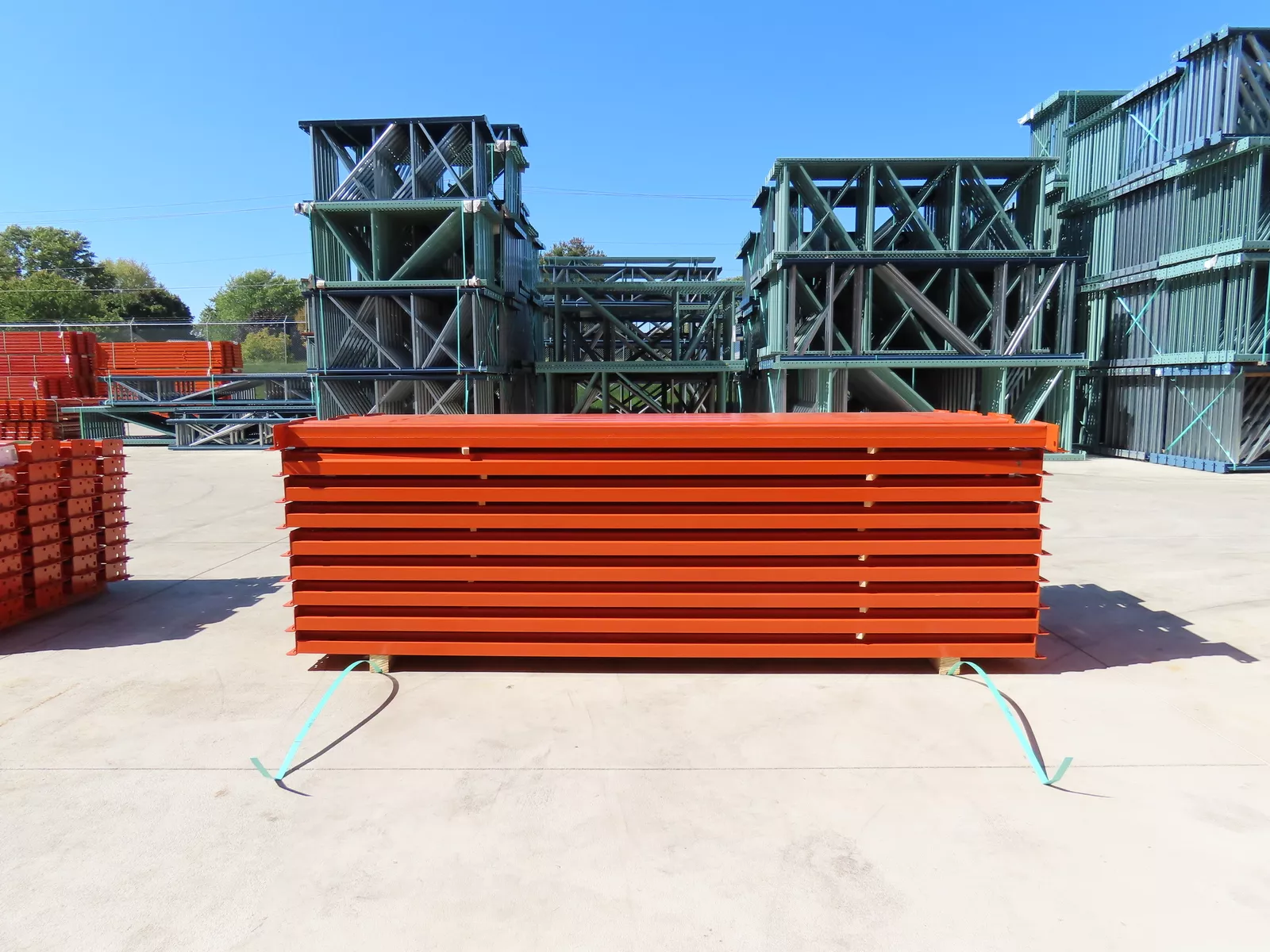
Which System Is More Suitable For High Turnover Inventory?
Which System Is More Suitable For High Turnover Inventory?
- The key to managing high turnover inventory is efficiency and accuracy.
- One option is a barcode system, which assigns a unique barcode to each inventory item and updates the system in real time through scanning.
- Another option is an RFID system, using radio waves to track items with unique RFID tags that can be scanned from a distance.
- Barcode systems are cost-effective and easy to implement but require line-of-sight scanning.
- RFID systems allow for tracking without direct line of sight but can be more expensive to implement and maintain.
- The best system depends on the specific needs and constraints of the business, considering factors like volume, turnover frequency, and budget.
- Prioritize accuracy and efficiency in managing high turnover inventory to ensure proper management and accountability.
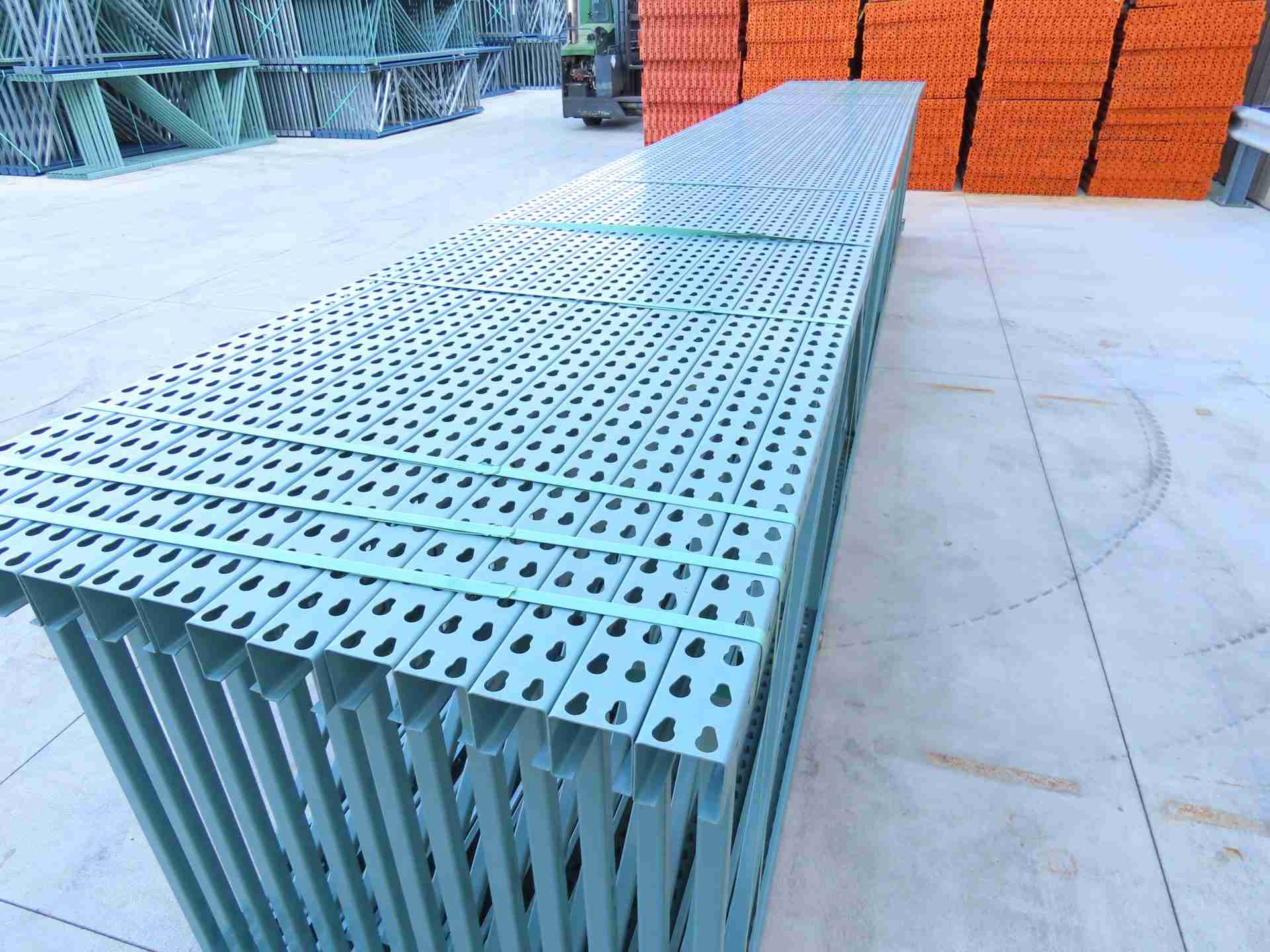
Which System Is More Suitable For High Turnover Inventory?
How Do Selective Racks Optimize Accessibility To Each Pallet?
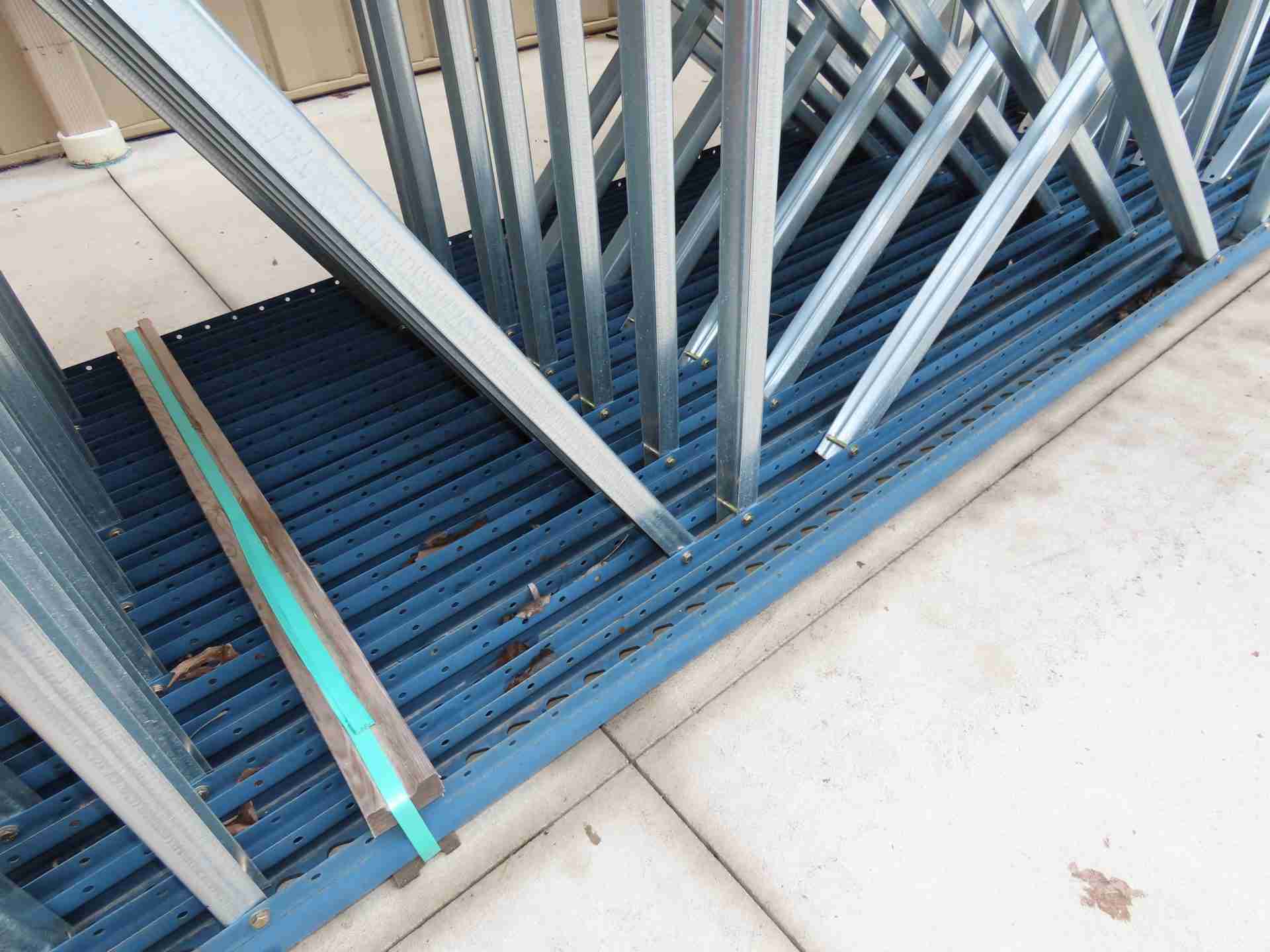
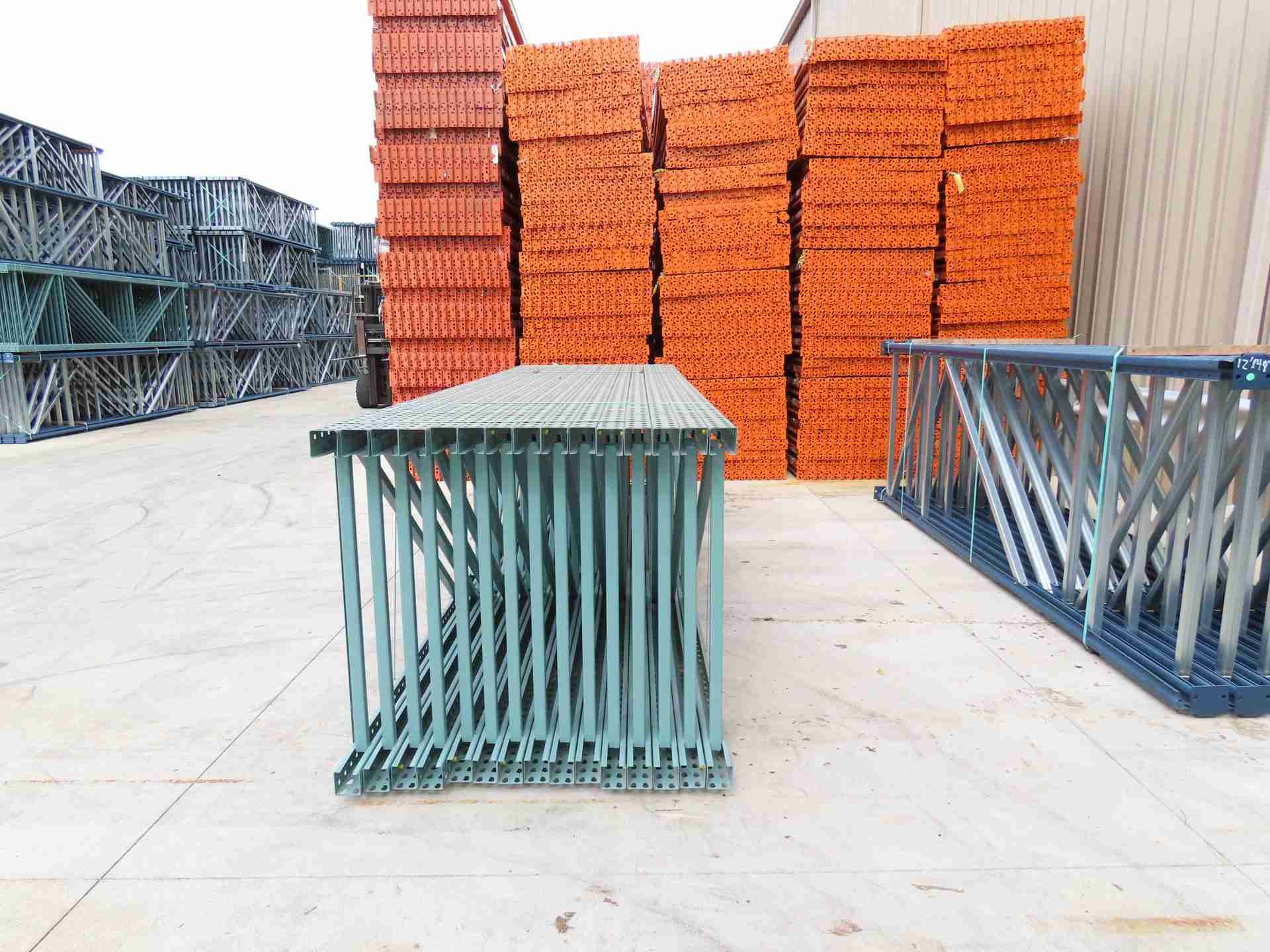
When it comes to maximizing storage space and efficiency in a warehouse, selective racks play a crucial role. These racks are designed to optimize accessibility to each pallet, ensuring that items can be easily stored and retrieved as needed.
One of the key ways selective racks achieve this is through their thoughtful design. With selective racks, each pallet is individually accessible, allowing for quick and easy access to any item in the warehouse. This means that workers can efficiently retrieve items without having to move other pallets out of the way, saving time and reducing the risk of damage to goods.
Selective racks also make use of vertical space in the warehouse, allowing for more efficient use of available space. By stacking pallets vertically, selective racks allow for greater storage capacity without sacrificing accessibility. This is particularly beneficial for warehouses with limited floor space, as it allows them to store more items without having to expand the physical footprint of the warehouse.
Another key feature of selective racks that optimizes accessibility is their adjustability. Selective racks can be easily adjusted to accommodate different pallet sizes and weights, ensuring that each pallet is stored securely and efficiently. This flexibility allows warehouses to easily adapt to changing storage needs, ensuring that items can be stored and retrieved with ease.
In addition to their design and adjustability, selective racks also offer other benefits that optimize accessibility. For example, selective racks can be equipped with accessories such as wire decks, which help to prevent items from falling through the racks and ensure that items are stored securely. This reduces the risk of damage to goods and ensures that items can be easily accessed when needed.
Overall, selective racks play a crucial role in optimizing accessibility to each pallet in a warehouse. Their thoughtful design, adjustability, and other features make them an essential tool for maximizing storage space and efficiency. By investing in selective racks, warehouses can ensure that items are stored and retrieved with ease, saving time and money in the process.
How Do Selective Racks Optimize Accessibility To Each Pallet?
How Do Selective Racks Optimize Accessibility To Each Pallet?
- Selective racks are designed to optimize accessibility to each pallet in a warehouse.
- Each pallet is individually accessible, allowing for quick and easy access to any item.
- Selective racks make use of vertical space, allowing for more efficient storage capacity.
- They can be easily adjusted to accommodate different pallet sizes and weights.
- Selective racks can be equipped with accessories like wire decks to prevent items from falling through.
- They help reduce the risk of damage to goods and ensure easy access to stored items.
- Investing in selective racks can save time and money by maximizing storage space and efficiency.
How Do Selective Racks Optimize Accessibility To Each Pallet?
What Are The Advantages Of Drive-In Racks For Storing Bulk Items?
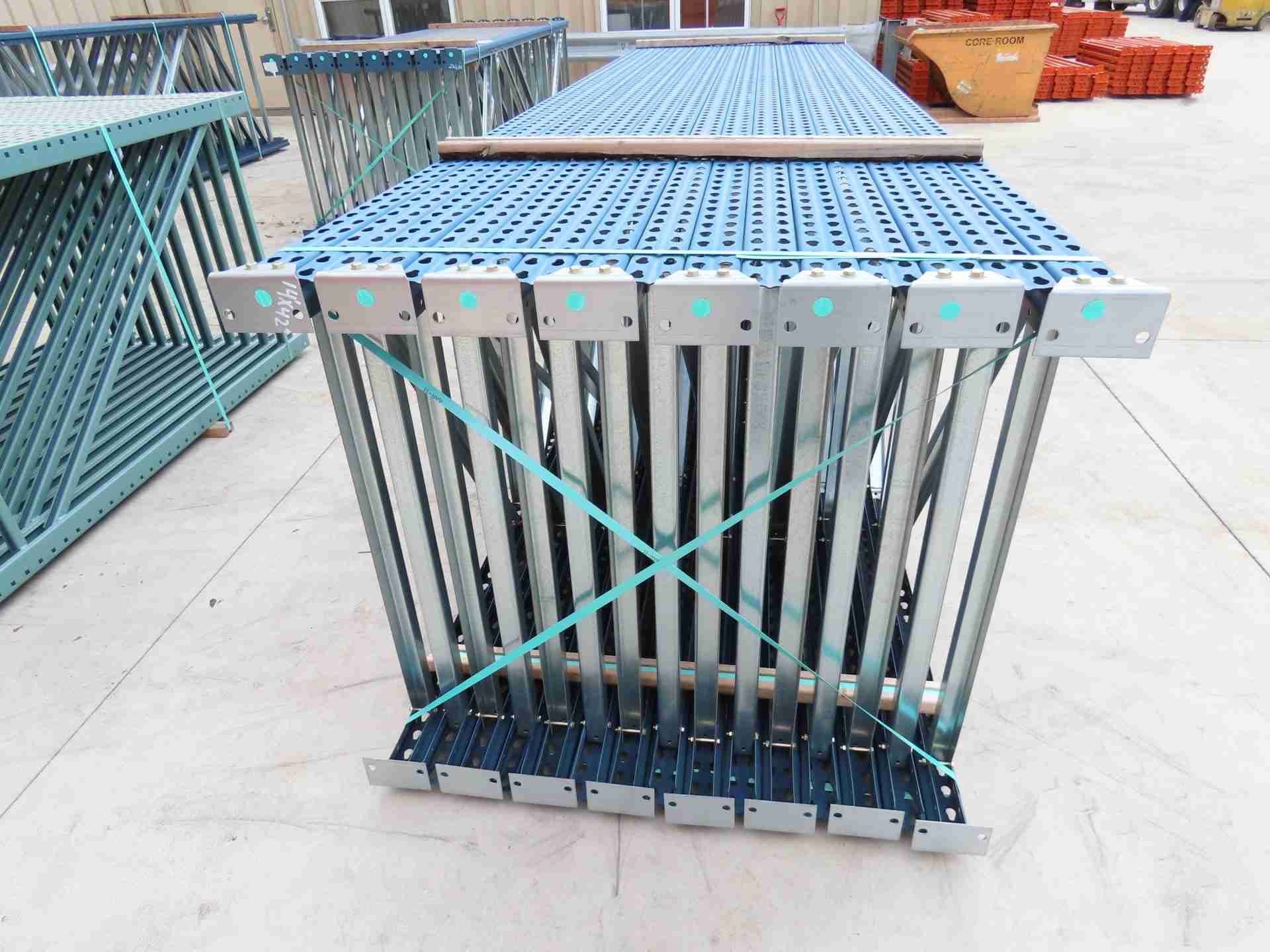
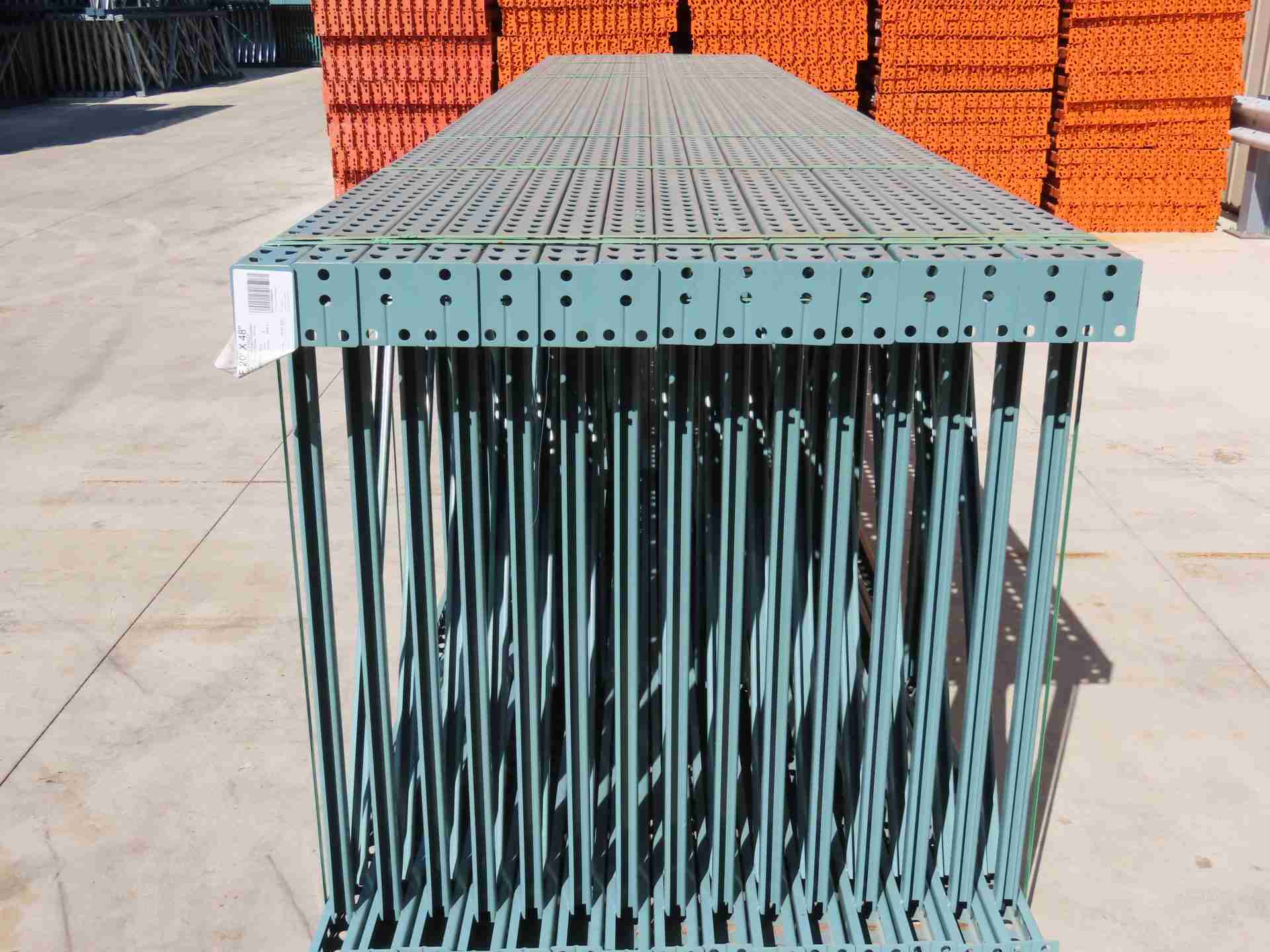
Drive-in racks are an incredibly efficient way to store bulk items in a warehouse or storage facility. These racks allow for easy access to large quantities of the same product, making it ideal for businesses that need to store and retrieve items quickly and efficiently.
One of the main advantages of drive-in racks is their space-saving design. By utilizing vertical space and allowing forklifts to drive directly into the rack system, businesses can maximize their storage capacity without taking up more floor space. This is crucial for businesses that need to store large quantities of items but have limited warehouse space.
Additionally, drive-in racks are perfect for storing items that have a long shelf life or do not require frequent access. Because the racks are designed to store items in a last-in, first-out (LIFO) manner, businesses can easily rotate their inventory and ensure that older items are used first. This helps to prevent waste and ensures that products are used in a timely manner.
Another advantage of drive-in racks is their versatility. These racks can be customized to fit the specific needs of a business, including different sizes, configurations, and load capacities. This flexibility allows businesses to create a storage solution that works best for their unique needs, whether they are storing large, heavy items or smaller, lighter products.
In addition, drive-in racks are incredibly durable and sturdy. Made from high-quality materials like steel, these racks can withstand the weight of heavy items and the wear and tear of constant use. This durability ensures that businesses can rely on their drive-in racks for years to come, without having to worry about repairs or replacements.
Furthermore, drive-in racks are easy to install and maintain. Because they are designed forklift access, businesses can quickly set up their rack system and start using it right away. And with minimal components and moving parts, these racks require little maintenance, saving businesses time and money in the long run.
Overall, drive-in racks are an excellent storage solution for businesses that need to store bulk items efficiently and effectively. With their space-saving design, versatility, durability, and ease of installation, these racks provide a cost-effective way to maximize storage capacity and improve warehouse organization. Whether you’re storing pallets of products or bulk materials, drive-in racks are a smart choice for businesses looking to streamline their storage processes.
What Are The Advantages Of Drive-In Racks For Storing Bulk Items?
What Are The Advantages Of Drive-In Racks For Storing Bulk Items?
- Drive-in racks are an incredibly efficient way to store bulk items in a warehouse or storage facility.
- Space-saving design allows for maximizing storage capacity without taking up more floor space.
- Perfect for storing items with long shelf life or low access frequency, using last-in, first-out (LIFO) rotation system.
- Customizable to fit specific business needs, including different sizes, configurations, and load capacities.
- Made from high-quality materials like steel, ensuring durability and reliability for years to come.
- Easy to install and maintain, with minimal components and moving parts, saving time and money.
- An excellent storage solution for businesses looking to streamline storage processes and improve warehouse organization.
What Are The Advantages Of Drive-In Racks For Storing Bulk Items?
Which System Offers Better Flexibility For Warehouse Layout Changes?
In the world of warehouse design, there is a constant need for flexibility. As businesses grow and change, their storage needs evolve as well. When it comes to choosing a system that offers the best flexibility for warehouse layout changes, there are two main contenders: pallet racking and automated storage and retrieval systems (AS/RS).
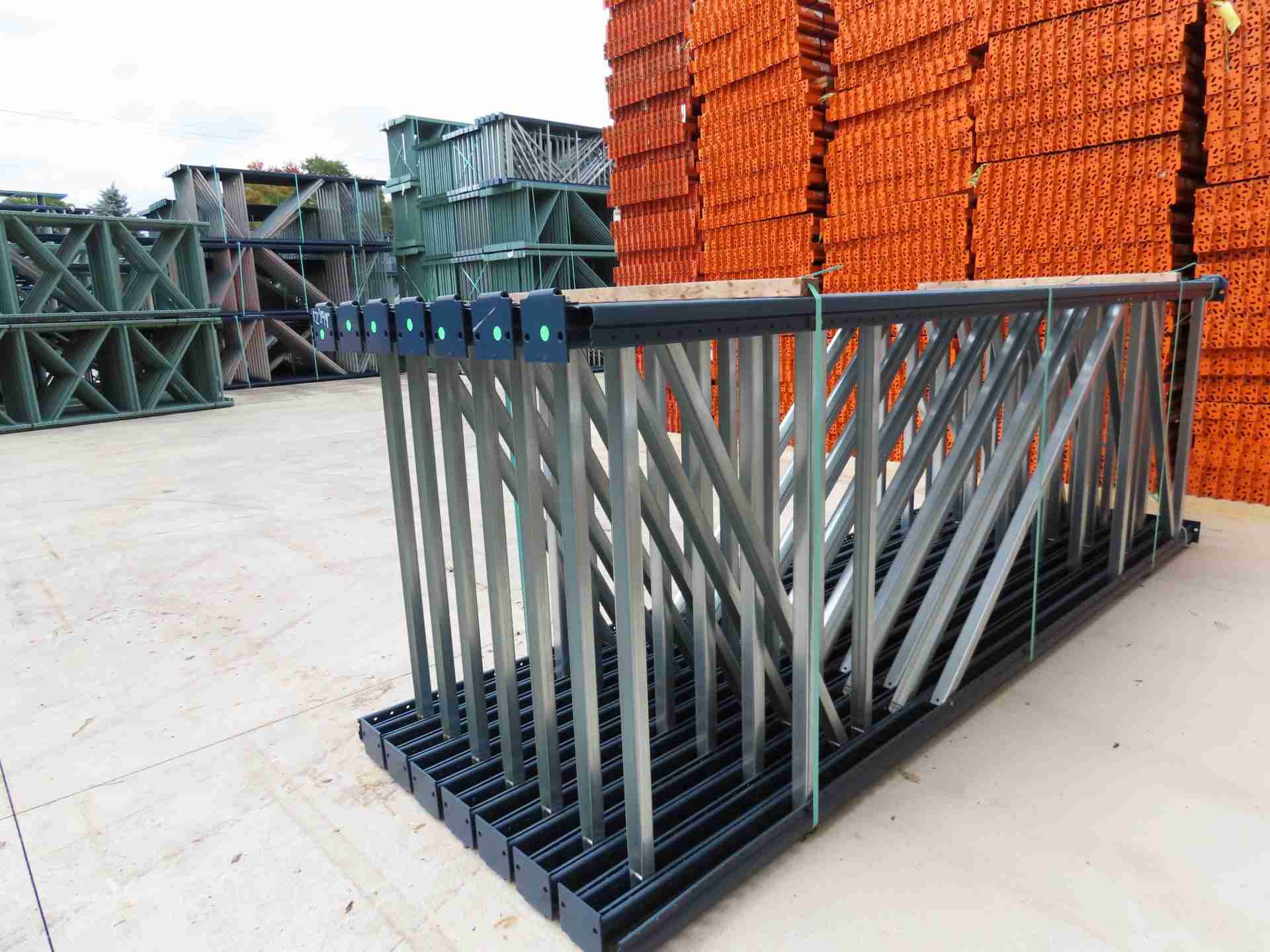
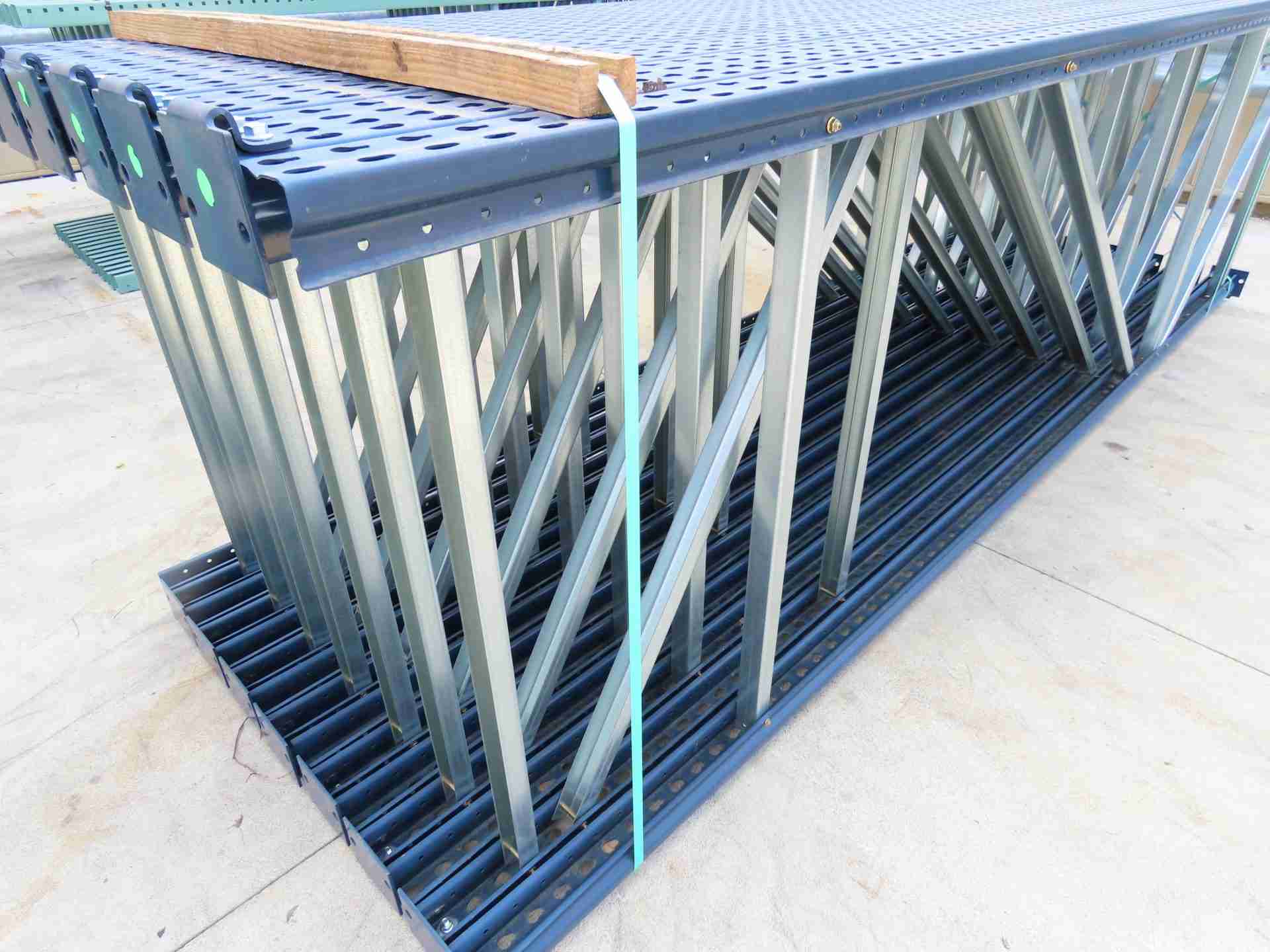
Pallet racking, a tried and true method of warehouse storage, offers a great deal of flexibility when it comes to layout changes. With a variety of different configurations available, including selective, drive-in, and push-back racking, businesses can easily adjust their storage setup to accommodate changing inventory levels or the addition of new products. Pallet racking systems can also be easily expanded or reconfigured without major disruptions to operations, making them a popular choice for warehouses looking to adapt to changing circumstances.
On the other hand, AS/RS systems offer a different type of flexibility. These automated systems use robotic technology to quickly and efficiently move pallets of goods in and out of storage locations. While AS/RS systems can be more expensive to implement than traditional pallet racking, they offer benefits in terms of space utilization and labor efficiency. Additionally, AS/RS systems can easily accommodate changes in warehouse layout by simply reprogramming the software that controls the robots, allowing for quick adjustments without the need for physical changes to the storage system.
So, which system offers better flexibility for warehouse layout changes? It ultimately depends on the specific needs and priorities of the business. For companies that value cost-effectiveness and ease of reconfiguration, pallet racking may be the best choice. However, for businesses looking to maximize storage space and streamline operations, an AS/RS system could offer the flexibility needed to adapt to changing demands.
The key to successful warehouse layout changes lies in finding the right balance between cost, efficiency, and adaptability. Whether choosing pallet racking or an AS/RS system, it’s important to carefully evaluate the needs of the business and select a storage solution that can grow and change along with the company. By choosing the right system for their specific needs, businesses can ensure that their warehouse layout remains flexible and adaptable for years to come.
Which System Offers Better Flexibility For Warehouse Layout Changes?
Which System Offers Better Flexibility For Warehouse Layout Changes?
- Pallet racking offers flexibility with different configurations.
- Pallet racking systems can be easily expanded or reconfigured.
- AS/RS systems use robotic technology for efficient movement of goods.
- AS/RS systems offer benefits in space utilization and labor efficiency.
- Choice between pallet racking and AS/RS depends on specific needs.
- Key to successful warehouse layout changes is finding balance between cost, efficiency, and adaptability.
- Choosing the right system ensures warehouse layout remains flexible and adaptable.
Which System Offers Better Flexibility For Warehouse Layout Changes?
Conclusion
In conclusion, the world of warehouse shelving systems offers a plethora of options, each with its own unique advantages and disadvantages. Selective racking systems provide quick and easy access to individual items, making them ideal for businesses with a large variety of products. On the other hand, drive-in rack systems maximize storage space by packing products tightly together, making them a great option for businesses with a large quantity of the same product.
When it comes to managing high turnover inventory, barcode and RFID systems can help streamline the process of tracking inventory and improve overall accuracy. Both systems have their own advantages and limitations, so businesses must carefully consider their specific needs and constraints before making a decision.
Selective racks optimize accessibility to each pallet by their thoughtful design, vertical space utilization, and adjustability. On the other hand, drive-in racks are incredibly efficient for storing bulk items due to their space-saving design, versatility, durability, and ease of maintenance.
Regarding flexibility for warehouse layout changes, pallet racking systems offer adaptability through various configurations and easy expansion options. On the other hand, AS/RS systems provide flexibility through robotic technology and quick adjustments in storage locations.
Ultimately, the key to successful warehouse operations lies in choosing the right shelving system that meets the specific needs and priorities of the business. Whether opting for a selective racking system, a drive-in rack system, barcode or RFID systems, or pallet racking versus AS/RS systems, businesses must carefully evaluate their requirements to ensure a smooth and efficient operation. By investing in the right system, warehouses can maximize storage space, optimize accessibility, streamline inventory management, and adapt to changing demands with ease.
Conclusion
Conclusion:
- Selective racking systems provide quick and easy access to individual items, ideal for businesses with a large variety of products.
- Drive-in rack systems maximize storage space by packing products tightly together, great for businesses with a large quantity of the same product.
- Barcode and RFID systems can help streamline tracking inventory and improve accuracy.
- Selective racks optimize accessibility, vertical space utilization, and adjustability.
- Drive-in racks are efficient for storing bulk items, space-saving, versatile, durable, and easy to maintain.
- Pallet racking systems offer adaptability through various configurations and easy expansion options.
- AS/RS systems provide flexibility through robotic technology and quick adjustments in storage locations.
Conclusion
Other Resources
Other Resources
Here is a list of other resources you can review online to learn more:
- “Selective Racking: A versatile storage solution that …”
- “Advantages and disadvantages of selective storage systems”
- “Drive-In vs. Pallet Flow vs. Selective Racking Systems”
- “Selective Pallet Racking – Economical Rack – 100% SKU …”
- “Pallet Racking (Selective Storage Racks)”
- “Pallet Racking”
- “Pallet Racking Systems: Six Benefits”
- “Ridg-U-Rak: Pallet Rack | Storage Rack | Slotted Pallet Rack …”
Other Resources
Glossary Terms
How Do Selective Racking Systems Differ From Drive-In Rack Systems? – Glossary Of Terms
1. Selective Racking System : A storage system designed to allow individual access to each pallet stored, ideal for operations requiring easy product retrieval and high selectivity.
2. Drive-In Racking System : A high-density storage system where forklifts enter the storage lane to place and retrieve pallets, used for large quantities of similar items with low selectivity.
3. Pallet Racking : A storage method that uses racks to support pallets of products, allowing for efficient storage and retrieval within warehouses.
4. Storage Density : The amount of storage space occupied by products within a given floor area, with drive-in racking systems offering higher density compared to selective racking systems.
5. First-In-First-Out (FIFO) : Inventory management strategy where the first items stored are the first to be retrieved. Selective racking systems typically support this method well.
6. Last-In-First-Out (LIFO) : Inventory management strategy where the last items stored are the first to be retrieved, commonly associated with drive-in racking systems.
7. Aisle Space : The space between racks that allows for forklift movement, often more extensive in selective racking systems for easy access.
8. Forklift : A vehicle with lifting forks used to pick up and transport pallets, essential for both selective and drive-in racking systems.
9. Load Capacity : The maximum weight a racking system can support, important for both selective and drive-in systems to ensure safety and stability.
10. Bay : The horizontal storage space between two vertical uprights in a racking system, providing the framework for pallet storage.
11. SKU (Stock Keeping Unit) : A unique identifier for each product in inventory. Selective racking systems are advantageous for operations with a high number of SKUs.
12. Pick Faces : Locations at which items are picked or retrieved. Selective racking systems provide numerous pick faces, improving product accessibility.
13. Pallet Flow : The movement and organization of pallets through a storage system, essential for efficient warehouse operations.
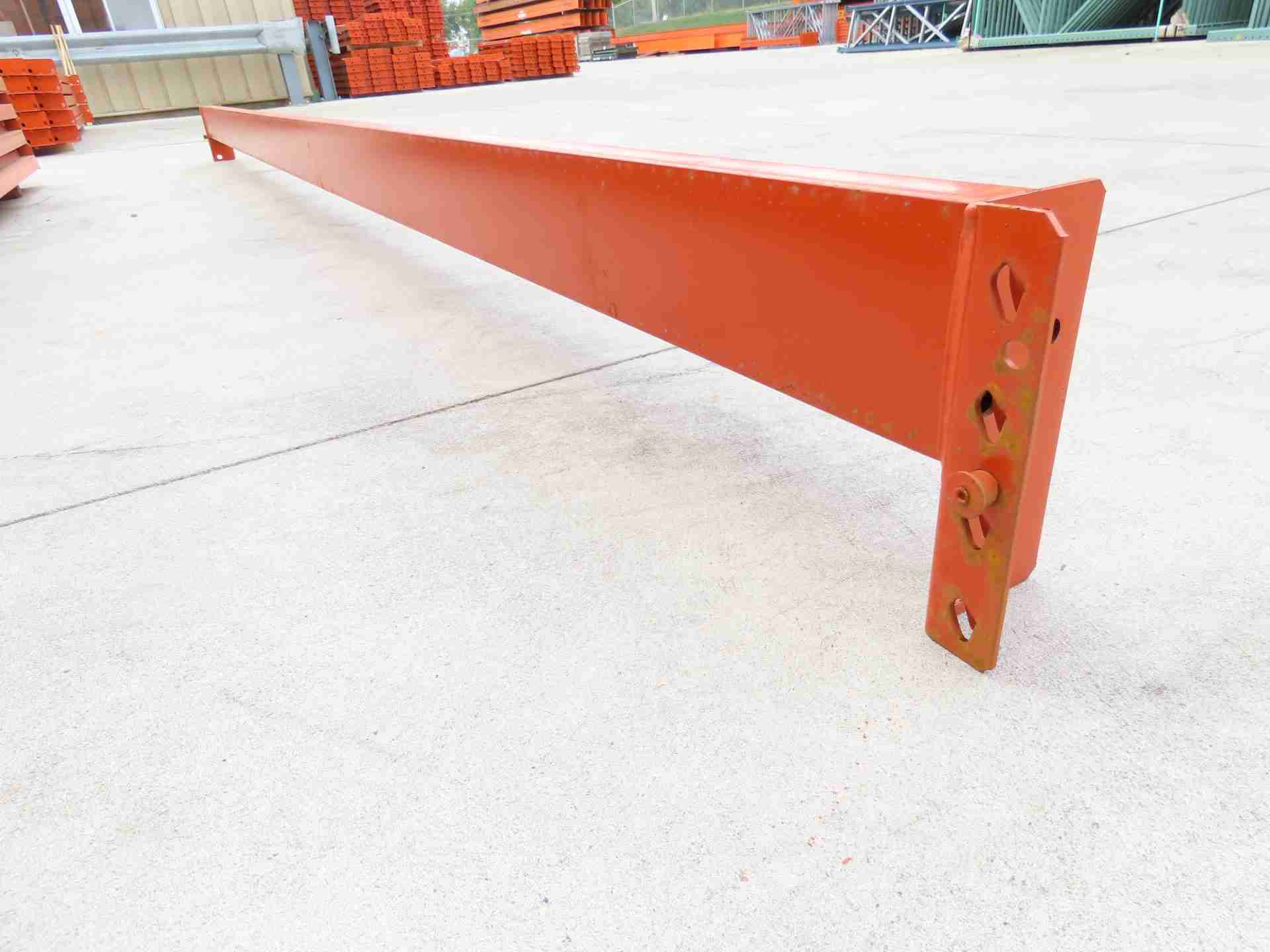
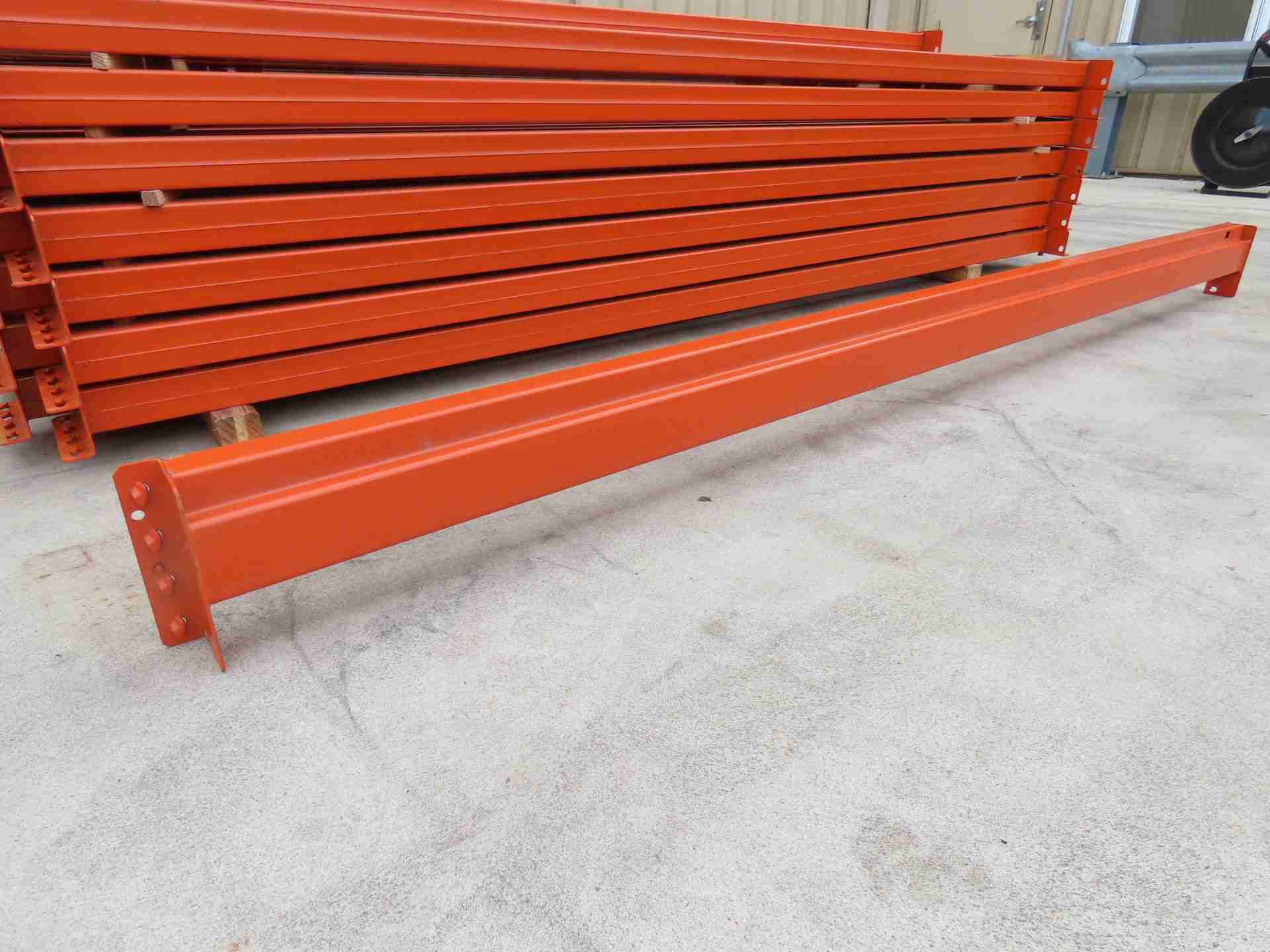
14. Beam : The horizontal component that connects the upright frames in a racking system, supporting the weight of the stored pallets.
15. Upright Frame : The vertical structural component in a racking system that supports the beams and overall structure.
16. Rack Depth : The distance from the front to the back of a rack, important in drive-in racking systems which have greater depth for higher storage density.
17. Accessibility : The ease with which items can be retrieved from storage; selective racking systems offer higher accessibility compared to drive-in systems.
18. Operational Efficiency : The effectiveness of warehouse operations, which can be influenced by the type of racking system used.
19. Cross Beam : Another term for the horizontal beams in a racking system, crucial for supporting pallet loads.
20. Clear Height : The distance from the floor to the lowest overhead obstruction, impacts the design and placement of racking systems.
21. Back-to-Back Racking : Configuration where two rows of selective racking are placed back-to-back, increasing storage efficiency while maintaining selectivity.
22. Tunnel Aisle : An open aisle that allows forklifts to drive through in a drive-in racking system, facilitating easier access to stored items.
23. Cantilever Racking : A type of racking used for storing long, bulky items. Not typically used in drive-in or selective racking systems but important in specialty storage.
24. Conveyor System : Automated systems used to transport goods within a warehouse, often complementing selective racking systems for efficient material handling.
25. Safety Enclosures : Protective barriers and fencing around racking systems to enhance safety for warehouse personnel.
26. Rack Protector : Guarding systems placed at the base of racking uprights to prevent damage from forklifts.
27. Warehouse Management System (WMS) : Software that supports daily warehouse operations, including inventory tracking and racking system management.
28. Support Bars : Components placed between beams to provide additional support for pallets, used in both selective and drive-in racking systems.
29. Boltless Design : Racking systems that do not rely on bolts for assembly, often quicker to install and adjust, and commonly found in selective racking systems.
30. Modularity : The ability to easily add, remove, or adjust components of a racking system, providing flexibility in warehouse configurations.

Glossary Of Terms
Other Questions
How Do Selective Racking Systems Differ From Drive-In Rack Systems? – Other Questions
If you wish to explore and discover more, consider looking for answers to these questions:
- What are the key differences between selective racking systems and drive-in rack systems?
- Which racking system provides better storage efficiency?
- How do selective racking systems optimize accessibility to individual items?
- What are the installation and maintenance costs for selective racking systems versus drive-in rack systems?
- Which racking system is more suitable for businesses with a large variety of products?
- What are the safety considerations for using selective racking systems and drive-in rack systems?
- How does the size and weight of products affect the choice between selective and drive-in racking systems?
- Which system is more suitable for high turnover inventory?
- What are the advantages and disadvantages of barcode systems and RFID systems for inventory management?
- How do drive-in racks maximize storage space?
- What are the benefits of using drive-in racks for bulk storage items?
- What factors should be considered when customizing drive-in racks?
- What is the difference between last-in, first-out (LIFO) and first-in, first-out (FIFO) inventory management methods?
- Which racking system offers better versatility and adaptability for changing warehouse dimensions?
- What are the advantages of automated storage and retrieval systems (AS/RS) compared to traditional racking systems?
- How can businesses decide whether to use pallet racking or AS/RS systems?

Other Questions
Checklist
How Do Selective Racking Systems Differ From Drive-In Rack Systems? – A Checklist
Understanding the Basics
_____ Identify the type of products your business stores.
_____ Determine the frequency and ease of access required for these products.
_____ Assess available warehouse floor and vertical space.
Selective Racking Systems
_____ Offers individual access to each product.
_____ Ideal for businesses with a diverse product range.
_____ Requires more aisles, reducing overall storage density.
_____ Best suited for high turnover inventory.
_____ Flexible and adjustable to accommodate different pallet sizes and weights.
_____ Enhances accessibility with minimal risk of product damage.
Drive-In Rack Systems
_____ Designed to store large quantities of the same product.
_____ Maximizes storage space by reducing the need for aisles.
_____ Operates on a last-in, first-out (LIFO) basis.
_____ Suitable for items with long shelf life.
_____ More labor-intensive and slower to access individual items.
_____ Durable, versatile, and can handle heavy loads effectively.
Managing High Turnover Inventory
_____ Consider barcode systems for cost-effectiveness and ease of implementation.
_____ Requires line-of-sight scanning.
_____ Evaluate RFID systems for quick and accurate tracking.
_____ No direct line of sight needed.
_____ Higher implementation and maintenance costs.
Optimizing Accessibility with Selective Racks
_____ Each pallet is directly accessible without moving others.
_____ Stacks pallets vertically to utilize more space.
_____ Easily adaptable for different product sizes and weights.
_____ Additional accessories can enhance functionality and safety.
Advantages for Bulk Items with Drive-In Racks
_____ Excellent space-saving due to vertical design and lack of aisles.
_____ Effective for ensuring older stock is used first.
_____ Customizable to specific storage needs.
_____ Easy installation and low maintenance requirements.
Flexibility for Warehouse Layout Changes
_____ Pallet Racking:
_____ Easy to expand or reconfigure.
_____ Multiple configuration options available.
_____ Automated Storage and Retrieval Systems (AS/RS):
_____ High space utilization and labor efficiency.
_____ Requires reprogramming for layout changes.
_____ Typically more expensive upfront.
Final Considerations
_____ Balance cost, efficiency, and adaptability to choose the right system.
_____ Analyze the specific needs and constraints of your business.
_____ Ensure the chosen system can grow and adapt as your business evolves.
By following this checklist, businesses can make informed decisions about which racking systems to implement in their warehouses, ensuring optimal storage efficiency and accessibility.
Checklist
At RackingWorld, we help guide you through selecting warehouse storage systems and racking.
Be sure to read our other related stories at RackingWorld to learn more about warehouse storage systems.
0 Comments