
Optimizing Your Pallet Racks For Industry Success
By Tom Seest
At RackingWorld, we help guide you through selecting warehouse storage systems and racking.
Be sure to read our other related stories at RackingWorld to learn more about warehouse storage systems.
Are There Any Industry-Specific Recommendations for Pallet Racks?
When it comes to choosing pallet racks for your business, it’s important to consider any industry-specific recommendations that may apply. Different industries have unique needs and requirements when it comes to storage solutions, so it’s crucial to take these factors into account when selecting pallet racks.
For example, in the food and beverage industry, where cleanliness and sanitation are top priorities, it’s important to choose pallet racks that are resistant to corrosion and easy to clean. Stainless steel pallet racks are a popular choice in this industry because they are durable, hygienic, and easy to maintain.
In the automotive industry, where heavy and bulky parts need to be stored efficiently, it’s important to choose pallet racks that can support heavy loads and withstand the wear and tear of daily use. Heavy-duty pallet racks with reinforced steel frames are often the best choice for this type of application.
In the retail industry, where inventory turnover is high and space is limited, it’s important to choose pallet racks that maximize storage capacity and make it easy to access and organize inventory. Mobile pallet racks that can be moved and reconfigured as needed are a popular choice in retail settings because they allow for greater flexibility and efficiency.
In the pharmaceutical industry, where precise inventory management and tracking are essential, it’s important to choose pallet racks that can be easily integrated with inventory management systems and barcode scanning technology. Pallet flow racks, which use gravity to move pallets along rollers, are a popular choice in this industry because they allow for efficient picking and restocking of inventory.
Overall, when selecting pallet racks for your business, it’s important to consider the specific needs and requirements of your industry. By choosing pallet racks that are tailored to your industry’s unique challenges and opportunities, you can ensure that your storage solution is efficient, cost-effective, and designed to help your business succeed. So, do your homework, ask the right questions, and make a decision that will keep your operations humming along smoothly. Your business will thank you for it.

Are There Any Industry-Specific Recommendations for Pallet Racks?
Are There Any Industry-Specific Recommendations for Pallet Racks?
- Consider industry-specific recommendations when choosing pallet racks for your business.
- Food and beverage industry: choose stainless steel pallet racks for cleanliness and sanitation.
- Automotive industry: opt for heavy-duty pallet racks with reinforced steel frames for storing heavy and bulky parts.
- Retail industry: use mobile pallet racks to maximize storage capacity and facilitate easy access to inventory.
- Pharmaceutical industry: choose pallet flow racks for precise inventory management and tracking with barcode scanning technology.
- Select pallet racks tailored to your industry’s unique needs and requirements for efficient and cost-effective storage solutions.
- Ensure your storage solution is designed to help your business succeed by considering industry-specific challenges and opportunities.

Are There Any Industry-Specific Recommendations for Pallet Racks?
Table Of Contents
- Are There Any Industry-Specific Recommendations for Pallet Racks?
- What Are The Best Pallet Rack Options For Warehouses?
- How Can Pallet Racks Be Customized For Different Industries?
- What Are The Safety Considerations When Using Pallet Racks?
- How Can Pallet Rack Maintenance Be Optimized For Efficiency?
- How Can I Maximize Storage Space With Pallet Racks?
- What Are The Safety Considerations When Using Pallet Racks?
- How Do I Choose The Right Pallet Rack For My Business Needs?
- What Are The Benefits Of Using Adjustable Pallet Racks?
- Conclusion
- Other Resources
- Glossary Of Terms
- Other Questions
- Checklist
What Are The Best Pallet Rack Options For Warehouses?
When it comes to maximizing space and efficiency in a warehouse, choosing the right pallet rack system is crucial. There are several options available, each with their own unique advantages.
One popular choice is selective pallet racking, which is versatile and easy to install. This type of rack allows for direct access to each pallet, making it ideal for warehouses with a high turnover of inventory. Selective pallet racking is also customizable, allowing you to adjust shelf heights to accommodate different sized pallets.
Another great option is drive-in pallet racking, which is perfect for warehouses with high-density storage needs. This system allows forklifts to drive directly into the racks to retrieve pallets, maximizing space utilization. Drive-in pallet racking is best suited for warehouses with a large quantity of the same product, as it operates on a last-in, first-out (LIFO) basis.
For warehouses with a need for quick access to pallets, push back pallet racking is a fantastic choice. This system utilizes carts that slide along rails to push pallets to the front of the rack as new ones are added. Push back pallet racking offers high density storage while still allowing for easy access to inventory.
Cantilever pallet racking is ideal for storing long or bulky items, such as lumber or piping. This system features arms that extend from the main frame, creating open shelves for easy loading and unloading. Cantilever pallet racking is durable and versatile, making it a great option for warehouses with non-standard inventory.
For warehouses that require both pallet and carton storage, a combination of pallet flow and carton flow racking may be the best solution. Pallet flow racking operates on a first-in, first-out (FIFO) basis, with pallets sliding along rollers for easy access. Carton flow racking is similar, but is designed for smaller items stored in boxes or cartons. By combining these two systems, warehouses can maximize space and efficiency for both types of inventory.
Overall, the best pallet rack option for a warehouse will depend on its unique needs and layout. By carefully considering factors such as inventory turnover, storage space, and access requirements, warehouse managers can select the best system to optimize their operations. So whether it’s selective, drive-in, push back, cantilever, or a combination of systems, choosing the right pallet rack can make all the difference in a warehouse’s success.

What Are The Best Pallet Rack Options For Warehouses?
What Are The Best Pallet Rack Options For Warehouses?
- Selective pallet racking is versatile and customizable, allowing for direct access to each pallet.
- Drive-in pallet racking is perfect for high-density storage needs, operating on a last-in, first-out basis.
- Push back pallet racking is ideal for quick access to inventory, utilizing sliding carts along rails.
- Cantilever pallet racking is durable and versatile, suitable for storing long or bulky items.
- A combination of pallet flow and carton flow racking is great for warehouses needing both pallet and carton storage.
- The best pallet rack system will depend on the warehouse’s specific needs, such as inventory turnover and space requirements.
- Choosing the right pallet rack system can greatly impact a warehouse’s efficiency and success.

What Are The Best Pallet Rack Options For Warehouses?
How Can Pallet Racks Be Customized For Different Industries?
Pallet racks are a versatile storage solution that can be customized to meet the specific needs of various industries. From automotive to food and beverage, the design and configuration of pallet racks can be tailored to optimize storage space, improve efficiency, and ensure safety in any workplace.
In the automotive industry, where space is often limited and storage needs are complex, pallet racks can be customized to accommodate the storage of large and heavy automotive parts. By utilizing heavy-duty beams and uprights, as well as specialized accessories such as cantilever arms and drum racks, automotive manufacturers can maximize their storage capacity and make it easier to access parts quickly during the production process.
In the food and beverage industry, where cleanliness and organization are paramount, pallet racks can be customized with wire decking or mesh shelving to prevent dust and debris buildup, as well as to allow for better airflow around perishable goods. Additionally, specialized accessories such as carton flow racks or gravity flow racks can be incorporated to facilitate the easy picking and restocking of food products, helping to streamline operations and reduce the risk of contamination.
For industries that require the storage of hazardous materials, pallet racks can be customized with spill containment features, such as drip pans or sump trays, to prevent leaks and spills from causing damage to the warehouse floor or posing a safety hazard to workers. Additionally, pallet racks can be equipped with safety accessories such as guard rails, bollards, and safety netting to protect employees and equipment from accidents and injuries.
In the retail industry, where fast-moving consumer goods need to be stored and displayed efficiently, pallet racks can be customized with additional shelves, dividers, and signage to create organized displays that make it easier for customers to find and purchase products. By customizing pallet racks in this way, retailers can enhance the customer shopping experience and increase their sales potential.
Overall, the customization options for pallet racks are virtually endless, allowing businesses in any industry to create a storage solution that meets their unique needs and challenges. By working with a knowledgeable and experienced supplier, businesses can design and implement a customized pallet rack system that maximizes storage space, improves efficiency, and ensures the safety of employees and products.

How Can Pallet Racks Be Customized For Different Industries?
How Can Pallet Racks Be Customized For Different Industries?
- Pallet racks are a versatile storage solution that can be customized to meet the specific needs of various industries.
- In the automotive industry, pallet racks can be customized to accommodate the storage of large and heavy automotive parts using heavy-duty beams, uprights, and specialized accessories.
- In the food and beverage industry, pallet racks can be customized with wire decking or mesh shelving to prevent dust and debris buildup and improve airflow around perishable goods.
- For industries storing hazardous materials, pallet racks can be customized with spill containment features and safety accessories to prevent leaks and accidents.
- In the retail industry, pallet racks can be customized with additional shelves, dividers, and signage to create organized displays for better customer shopping experiences.
- The customization options for pallet racks are virtually endless, allowing businesses in any industry to create a storage solution that meets their unique needs.
- By working with knowledgeable suppliers, businesses can design and implement customized pallet rack systems that maximize storage space, improve efficiency, and ensure safety.

How Can Pallet Racks Be Customized For Different Industries?
What Are The Safety Considerations When Using Pallet Racks?
When it comes to using pallet racks, safety should always be the number one priority. These storage systems are designed to optimize space and efficiency in warehouses, but they can also pose potential hazards if not used properly. Here are some key safety considerations to keep in mind when working with pallet racks.
First and foremost, it’s important to ensure that the pallet racks are installed correctly. This means following the manufacturer’s guidelines and recommendations for assembly and placement. Improperly installed racks can easily collapse under the weight of the stored goods, causing serious injury or damage.
Next, it’s crucial to regularly inspect the pallet racks for any signs of damage or wear. This includes checking for bent or broken components, loose bolts, or rust and corrosion. Any damaged racks should be immediately repaired or replaced to prevent accidents.
Another important safety consideration is proper loading of the racks. Each rack has a specific weight capacity that should not be exceeded. Overloading the racks can cause them to collapse, putting workers at risk. It’s also important to distribute the weight evenly and stack the pallets securely to prevent them from falling.
In addition, it’s essential to train all employees on the safe use of pallet racks. This includes proper lifting techniques, how to stack items correctly, and how to recognize and report any safety hazards. Regular training and refresher courses can help prevent accidents and injuries in the workplace.
Furthermore, it’s important to keep the area around the pallet racks clear and organized. Clutter and debris can create tripping hazards and make it difficult to access the racks safely. Make sure aisles are clear and that emergency exits are easily accessible at all times.
Lastly, always use the appropriate safety equipment when working with pallet racks. This may include hard hats, steel-toed boots, gloves, and other protective gear. It’s also a good idea to have a first aid kit nearby in case of accidents.
Safety should always be the top priority when using pallet racks. By following these key considerations and staying vigilant, you can help prevent accidents and create a safe working environment for all employees. Remember, a safe workplace is a productive workplace.

What Are The Safety Considerations When Using Pallet Racks?
What Are The Safety Considerations When Using Pallet Racks?
- Ensure pallet racks are correctly installed following manufacturer’s guidelines.
- Regularly inspect racks for damage or wear and repair or replace as needed.
- Properly load racks within weight capacity to prevent collapse.
- Train employees on safe use of pallet racks and proper lifting techniques.
- Keep area around racks clear and organized to prevent tripping hazards.
- Use appropriate safety equipment such as hard hats and gloves.
- Remember safety is the top priority to prevent accidents and create a safe working environment.

What Are The Safety Considerations When Using Pallet Racks?
How Can Pallet Rack Maintenance Be Optimized For Efficiency?
Pallet rack maintenance is crucial for ensuring the safety and efficiency of your warehouse operations. Neglecting regular maintenance can lead to costly repairs, damaged inventory, and even worker injuries. To optimize pallet rack maintenance for efficiency, it’s important to follow a few key steps.
First and foremost, it’s essential to establish a regular inspection schedule. This involves conducting visual checks of your pallet racks on a weekly or monthly basis to look for signs of damage or wear. Look out for bent beams, loose bolts, or missing safety pins. By catching these issues early on, you can address them before they escalate into bigger problems.
Another important aspect of pallet rack maintenance is proper load management. Overloading your racks can cause them to buckle or collapse, leading to serious consequences. Make sure to adhere to the manufacturer’s weight limits and guidelines for your specific racks. Additionally, using pallet supports, wire decking, or other accessories can help distribute weight more evenly and prevent damage to your racks.
Regular cleaning is also key to maintaining the integrity of your pallet racks. Dust, debris, and other particles can accumulate on the racks, causing them to corrode or deteriorate over time. By keeping your racks clean and free of clutter, you can extend their lifespan and prevent unnecessary damage.
In addition to regular inspections and cleaning, it’s important to invest in high-quality rack protection products. This includes items such as column guards, end aisle protectors, or rack safety nets. These products can help prevent damage from forklift collisions, pallet impacts, or other accidents that can occur in a busy warehouse environment.
Lastly, don’t underestimate the power of employee training when it comes to pallet rack maintenance. Make sure your staff is educated on how to properly use and care for the racks, as well as how to identify potential safety hazards. By empowering your team with the knowledge and tools they need, you can create a culture of safety and accountability in your warehouse.
Optimizing pallet rack maintenance for efficiency involves establishing a regular inspection schedule, managing loads properly, keeping racks clean, investing in rack protection products, and providing thorough employee training. By following these steps, you can ensure the safety and longevity of your pallet racks, ultimately leading to a more efficient and productive warehouse operation.
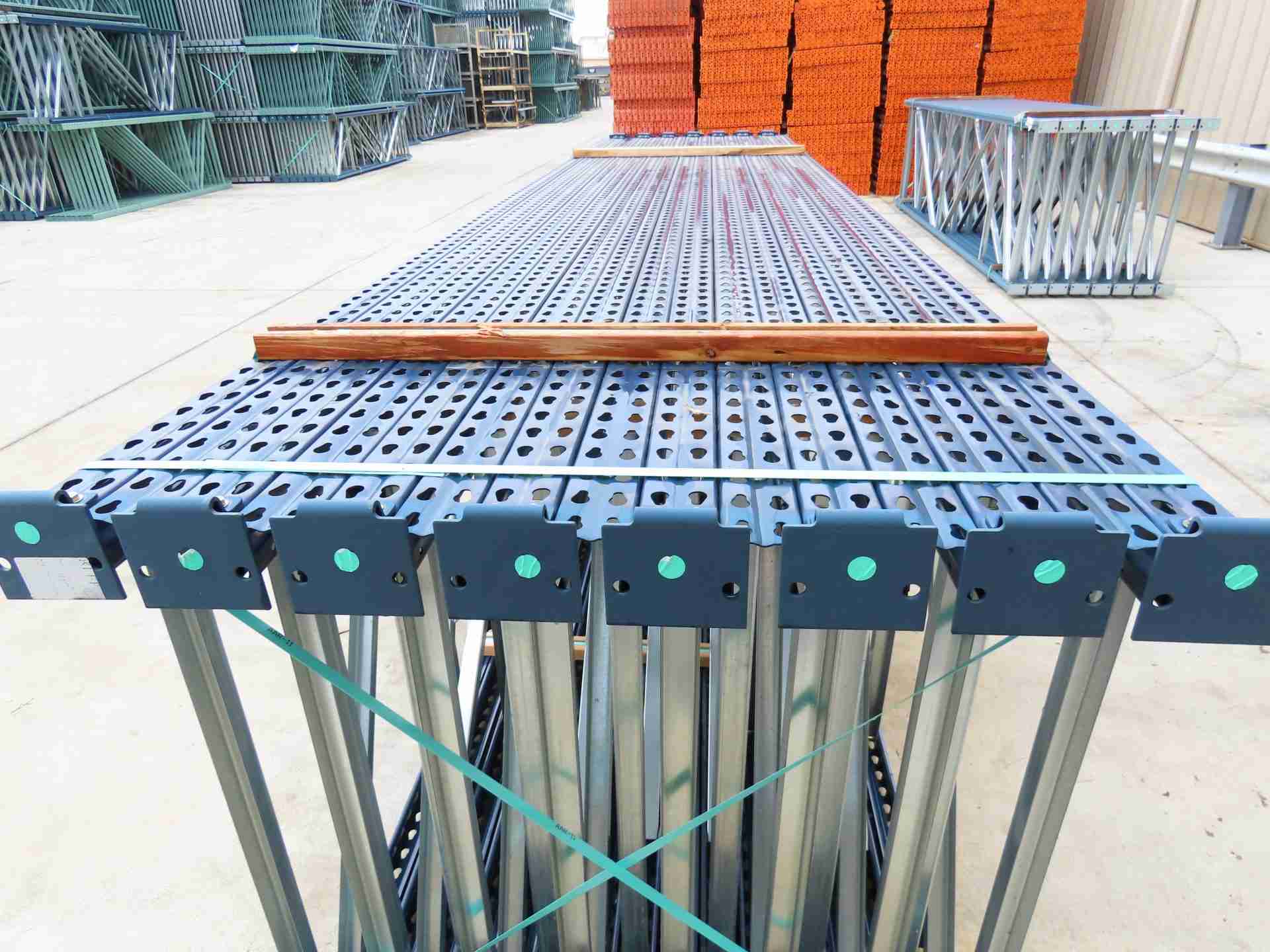
How Can Pallet Rack Maintenance Be Optimized For Efficiency?
How Can Pallet Rack Maintenance Be Optimized For Efficiency?
- Establish a regular inspection schedule to catch signs of damage early on.
- Properly manage loads to prevent overloading and collapse.
- Regularly clean racks to prevent corrosion and deterioration.
- Invest in high-quality rack protection products to prevent damage from accidents.
- Provide thorough employee training on proper rack usage and safety.
- Follow manufacturer’s weight limits and guidelines for specific racks.
- Create a culture of safety and accountability in the warehouse.

How Can Pallet Rack Maintenance Be Optimized For Efficiency?
How Can I Maximize Storage Space With Pallet Racks?
It’s no secret that running out of storage space can be a nightmare for any business. A cluttered warehouse not only looks unprofessional but can also slow down operations and hurt your bottom line. That’s where pallet racks come in – they’re a game-changer when it comes to maximizing storage space and keeping your warehouse organized.
So, how can you make the most of your pallet racks to ensure you’re getting the most bang for your buck? Here are a few tips to help you make the most out of your storage space.
First and foremost, make sure you’re using the right type of pallet rack for your needs. There are several different types of pallet racks available, including selective racks, drive-in racks, push back racks, and more. Each type has its benefits and drawbacks, so it’s crucial to choose the right one based on your specific storage requirements.
Next, be strategic in how you organize your pallet racks. Consider the flow of your warehouse operations and arrange your racks accordingly. For example, place frequently accessed items near the front of the warehouse for easy access, while keeping less frequently accessed items towards the back.
Utilize vertical space by stacking pallets high. Make sure to adjust the height of your pallet racks based on the size of your inventory and the capacity of your forklifts. This will help you maximize your storage space without sacrificing safety.
Consider using accessories like wire decking, pallet supports, and wall ties to increase the efficiency of your pallet racks. These accessories can help prevent inventory from falling through the racks, provide additional support for heavy loads, and keep your racks securely in place.
Regularly maintain your pallet racks to ensure they’re in good working condition. Inspect them for damage, make any necessary repairs, and keep them clean and organized. This will help extend the life of your racks and ensure they continue to function effectively.
By following these tips, you can make the most of your pallet racks and maximize your storage space. With a little planning and organization, you can transform your cluttered warehouse into a well-oiled machine that’s efficient and productive. So roll up your sleeves, put on your work boots, and get ready to make the most of your pallet racks. Your business will thank you for it.

How Can I Maximize Storage Space With Pallet Racks?
How Can I Maximize Storage Space With Pallet Racks?
- Choose the right type of pallet rack for your needs.
- Strategically organize your pallet racks based on warehouse operations.
- Utilize vertical space by stacking pallets high.
- Use accessories like wire decking and pallet supports to increase efficiency.
- Regularly maintain your pallet racks to ensure they are in good condition.
- Inspect for damage, make repairs, and keep clean and organized.
- Transform your cluttered warehouse into an efficient and productive space.

How Can I Maximize Storage Space With Pallet Racks?
What Are The Safety Considerations When Using Pallet Racks?
When it comes to using pallet racks in a warehouse or storage facility, safety should always be the top priority. Across the country, thousands of workers are injured each year due to accidents involving pallet racks. This is why it’s crucial to take the necessary precautions to ensure the safety of yourself and those around you.
One of the key safety considerations when using pallet racks is ensuring they are properly installed. Pallet racks should be set up according to the manufacturer’s instructions and any local regulations or codes. This means ensuring they are securely anchored to the floor, have proper bracing and are at the correct height and weight capacity.
Another important safety consideration is loading the racks correctly. It’s essential to distribute the weight evenly across the shelves and not overload them. Exceeding the weight capacity of the racks can lead to collapses, putting everyone in the vicinity at risk. Always follow the weight capacity guidelines provided by the manufacturer and never try to stack pallets higher than recommended.
Regular inspections are also crucial for maintaining the safety of pallet racks. Inspect the racks for any signs of damage, such as bent or broken beams, missing or damaged connectors, or rust. Any damaged racks should be taken out of service immediately and repaired or replaced before further use.
In addition to regular inspections, it’s important to train employees on proper safety procedures when using pallet racks. This includes teaching them how to properly load and unload pallets, how to navigate around the racks safely, and what to do in case of an emergency. By ensuring all employees are trained and aware of the potential hazards associated with pallet racks, you can help prevent accidents and injuries from occurring.
Lastly, it’s essential to keep the area around the pallet racks clear and organized. Cluttered aisles and workspaces can increase the risk of accidents, such as trips, slips, and falls. Make sure there is enough space for workers to maneuver around the racks safely and keep emergency exits clear at all times.
When it comes to using pallet racks, safety should always be the top priority. By following proper installation procedures, loading guidelines, conducting regular inspections, providing thorough training, and keeping the area clear and organized, you can help create a safe working environment for yourself and your colleagues. Remember, safety is everyone’s responsibility, so always stay vigilant and proactive when it comes to using pallet racks.

What Are The Safety Considerations When Using Pallet Racks?
What Are The Safety Considerations When Using Pallet Racks?
- Properly install pallet racks according to manufacturer’s instructions.
- Ensure racks are securely anchored, braced, and at correct weight capacity.
- Load racks correctly by distributing weight evenly and not overloading.
- Regularly inspect racks for damage and take damaged racks out of service.
- Train employees on proper safety procedures for using pallet racks.
- Keep area around pallet racks clear and organized to prevent accidents.
- Remember safety is everyone’s responsibility when using pallet racks.

What Are The Safety Considerations When Using Pallet Racks?
How Do I Choose The Right Pallet Rack For My Business Needs?
When it comes to choosing the right pallet rack for your business needs, there are a few key factors to consider. First and foremost, you need to think about the size and weight of the items you will be storing on the rack. Different pallet racks are designed to handle different capacities, so it’s important to choose one that can safely and efficiently hold your products.
Next, consider the layout of your warehouse or storage area. Some pallet racks are better suited for high ceilings or narrow aisles, while others are designed for easy access and quick retrieval. Take into account the space you have available and how you plan to organize your inventory when selecting a pallet rack system.
Another important consideration is the durability and longevity of the pallet rack. You want to invest in a rack that will last for years to come and withstand daily wear and tear. Look for racks made from high-quality materials, such as steel or aluminum, that are built to handle heavy loads and constant use.
In addition, think about the flexibility and adjustability of the pallet rack system. You may need to reconfigure your storage space or expand your inventory in the future, so it’s important to choose a rack that can easily be modified to meet your changing needs.
It’s also a good idea to consider the safety features of the pallet rack. Look for racks that have features such as safety pins, locking mechanisms, and reinforced bracing to prevent accidents and injuries in the workplace.
Finally, don’t forget to factor in your budget when choosing a pallet rack system. While it’s important to invest in a high-quality rack that meets your needs, you also want to make sure you’re getting a good value for your money. Compare prices and features from different manufacturers to find the best option for your business.
Ultimately, choosing the right pallet rack for your business needs requires careful consideration and planning. By taking into account factors such as size and weight capacity, layout, durability, flexibility, safety features, and budget, you can find a pallet rack system that will help you maximize your storage space and improve efficiency in your warehouse or storage facility.

How Do I Choose The Right Pallet Rack For My Business Needs?
How Do I Choose The Right Pallet Rack For My Business Needs?
- Consider size and weight capacity of items for storage.
- Take into account warehouse layout and space available.
- Ensure durability and longevity of the pallet rack.
- Check for flexibility and adjustability of the rack system.
- Look for safety features like pins, locking mechanisms, and bracing.
- Factor in budget when choosing a pallet rack system.
- Choose a rack that meets your needs for efficient storage.

How Do I Choose The Right Pallet Rack For My Business Needs?
What Are The Benefits Of Using Adjustable Pallet Racks?
When it comes to storing inventory in a warehouse or distribution center, efficiency is key. And one of the best ways to maximize space and streamline operations is by using adjustable pallet racks.
One of the main benefits of adjustable pallet racks is their versatility. These racks can be easily adjusted to accommodate different-sized pallets, making them a great option for warehouses that need to store a variety of products. This flexibility allows for easier organization and accessibility, ultimately saving time and increasing productivity.
Additionally, adjustable pallet racks offer better use of vertical space in a warehouse. By stacking pallets vertically, businesses can maximize their storage capacity without taking up valuable floor space. This not only helps to keep the warehouse organized and clutter-free, but it also allows for more efficient picking and restocking processes.
Another advantage of adjustable pallet racks is their durability. Made from high-quality materials like steel, these racks are built to withstand heavy loads and constant use. This durability not only ensures the safety of stored inventory but also reduces the likelihood of costly damage to the racks themselves.
Furthermore, adjustable pallet racks are designed to be easily installed and reconfigured. This means that warehouses can adapt to changing inventory needs without having to invest in new storage solutions. Whether a business is expanding its product line or reorganizing its warehouse layout, adjustable pallet racks can be quickly adjusted to meet the new requirements.
In addition to their practical benefits, adjustable pallet racks can also help businesses save money in the long run. By maximizing storage space and increasing efficiency, these racks can help reduce operational costs and improve overall profitability. This makes them a smart investment for any warehouse looking to optimize its operations.
Overall, the benefits of using adjustable pallet racks are clear. From their versatility and space-saving design to their durability and cost-effectiveness, these racks offer a range of advantages for businesses looking to streamline their warehouse operations. So if you’re in need of a storage solution that can adapt to your changing needs, adjustable pallet racks may be just what you’re looking for.

What Are The Benefits Of Using Adjustable Pallet Racks?
What Are The Benefits Of Using Adjustable Pallet Racks?
- Adjustable pallet racks are versatile and can accommodate different-sized pallets.
- They maximize vertical space in a warehouse, optimizing storage capacity.
- These racks are durable, made from high-quality materials like steel.
- Easy to install and reconfigure, allowing for quick adjustments to changing inventory needs.
- Help businesses save money in the long run by reducing operational costs and improving profitability.
- Offer a range of advantages for streamlining warehouse operations.
- Smart investment for any warehouse looking to optimize its operations.

What Are The Benefits Of Using Adjustable Pallet Racks?
Conclusion
In conclusion, choosing the right pallet racks for your business is crucial for maximizing space, efficiency, and safety in your warehouse or storage facility. Different industries have unique needs when it comes to storage solutions, so its important to consider industry-specific recommendations when selecting pallet racks. Whether you are in the food and beverage industry, automotive industry, retail industry, or pharmaceutical industry, there are pallet rack options available to meet your specific needs. By tailoring your pallet racks to your industrys challenges and opportunities, you can ensure that your storage solution is efficient, cost-effective, and designed to help your business succeed.
When it comes to selecting the best pallet rack options for warehouses, there are several choices available, each with their own unique advantages. From selective pallet racking to drive-in pallet racking to push back pallet racking, there are options to suit high turnover inventory, high-density storage needs, quick access requirements, and more. By carefully considering factors such as inventory turnover, storage space, and access requirements, warehouse managers can select the best system to optimize their operations.
Customizing pallet racks for different industries is essential for meeting specific needs and challenges. From automotive to food and beverage to pharmaceuticals to retail, pallet racks can be tailored to optimize storage space, improve efficiency, and ensure safety. By incorporating specialized features such as wire decking, carton flow racks, and safety accessories, businesses can create a storage solution that meets their unique requirements.
Safety is paramount when using pallet racks in a warehouse or storage facility. By following proper installation procedures, loading guidelines, conducting regular inspections, providing thorough training, and keeping the area clear and organized, you can help prevent accidents and injuries from occurring. Remember, safety is everyones responsibility, so always prioritize safety when using pallet racks.
Finally, maximizing storage space with pallet racks involves choosing the right type of rack, organizing strategically, utilizing accessories, maintaining the racks, and being proactive in making the most of your storage solution. By following these tips, you can transform your cluttered warehouse into an efficient and productive space that meets your business needs.
In conclusion, pallet racks are a versatile and essential storage solution for businesses looking to optimize their warehouse operations. By choosing the right pallet racks, customizing them for specific industries, prioritizing safety, and maximizing storage space, businesses can create a storage solution that is efficient, cost-effective, and designed for success. So do your homework, follow best practices, and make the most of your pallet racks to help your business thrive. Your warehouse will thank you.

Conclusion
Conclusion:
- Choosing the right pallet racks for your business is crucial for maximizing space, efficiency, and safety in your warehouse or storage facility.
- Consider industry-specific recommendations when selecting pallet racks.
- There are pallet rack options available for different industries such as food and beverage, automotive, retail, and pharmaceutical.
- Warehouse managers can select the best pallet rack system by considering factors like inventory turnover, storage space, and access requirements.
- Customizing pallet racks for different industries is essential for meeting specific needs and challenges.
- Safety is paramount when using pallet racks, follow proper installation procedures, conduct regular inspections, and prioritize safety.
- Maximizing storage space with pallet racks involves choosing the right type of rack, organizing strategically, utilizing accessories, maintaining the racks, and being proactive in making the most of your storage solution.

Conclusion
Other Resources

Other Resources
Here is a list of other resources you can review online to learn more:
- “Rayonnage métallique – Mezzanine industrielle – Rack | BR …”
- “Industries”
- “Plateforme & Stockage industriel I Paris & Île de France”
- “Plateformes et Mezzanines I Stockage industriel I BR …”
- “Applications Food & Pharmaceutical”

Other Resources
Glossary Terms
Are There Any Industry-Specific Recommendations for Pallet Racks? – Glossary Of Terms
1. Back-to-Back Racking: A configuration where two rows of pallet racks are positioned back-to-back to maximize storage density.
2. Beam: The horizontal component of a pallet rack that supports the pallets. It typically connects to uprights.
3. Cantilever Rack: A type of racking optimized for storing long, bulky, or irregularly shaped items such as pipes, lumber, or metal profiles.
4. Capacity: The maximum load that a pallet rack system can safely hold. Calculated based on factors such as beam strength, upright load limits, and spacing.
5. Decking: Material placed on the beams of a pallet rack to provide a flat, solid surface for storing products. Common materials include wire mesh, wood, or steel.
6. Drive-In Rack: A high-density racking system that allows forklifts to drive directly into the bays to retrieve or place pallets.
7. Dynamic Racking: Racking systems that incorporate moving parts, such as rollers, to facilitate inventory rotation based on FIFO (First In, First Out) or LIFO (Last In, First Out) principles.
8. End-of-Aisle Protector: Safety barriers installed at the ends of aisles to protect racking from forklift impacts.
9. FIFO (First In, First Out): Inventory management method in which the oldest stock is used first, often used in industries like food and pharmaceuticals.
10. Rack Safety Netting: Protective netting installed along the sides and back of pallet racks to prevent items from falling.
11. Load Beam: Another term for the horizontal component of a pallet rack that supports the weight of stored items.
12. LIFO (Last In, First Out): Inventory management method where the most recently stored items are used first, often used in storage of non-perishable goods.
13. Mezzanine: A raised platform, supported by racking systems, used to create additional floor space for storage or operations.
14. Pallet Support Bar: A metal bar placed between the beams to offer additional support for pallets, particularly useful for weak or damaged pallets.
15. Push-Back Rack: A type of dynamic racking where pallets are stored on carts that move along inclined rails, allowing multiple pallets to be stored deep but quickly accessed.
16. Row Spacer: Devices used to maintain uniform spacing between rows of pallet racks, enhancing stability and alignment.
17. Seismic Bracing: Reinforcements designed to enhance the structural integrity of pallet racks in earthquake-prone areas.
18. Selective Racking: The most common type of pallet racking, providing direct access to every pallet, often used in warehouses needing flexibility and high SKU variability.
19. Shuttle System: A semi-automated storage and retrieval system where a robotic shuttle moves pallets within a racking structure.
20. SKU (Stock Keeping Unit): A unique identifier for each distinct product in inventory, important for inventory control and management within racking systems.
21. Slotted Angle Rack: A versatile racking system with adjustable shelves and brackets used for various storage needs, often lighter-duty than pallet racks.
22. Span: The distance between two load-bearing points within a rack system; crucial for determining load capacities and stability.
23. Sprinkler Clearance: The required space between stored items and fire suppression systems, necessary for compliance with fire safety codes.
24. Structural Racking: Made from hot-rolled steel, this robust form of racking is designed for heavy-duty applications and high impact resistance.
25. Tear Drop Design: A common design for pallet rack beams, where the end plates resemble a teardrop shape for easy installation and adjustment.
26. Upright Frame: The vertical support structure of a pallet rack, consisting of posts and bracing.
27. Wire Mesh Decking: Durable, metal grid panels used as decking for pallet racks, providing good visibility and airflow while supporting heavy loads.
28. Safety Clips/Pins: Components used to secure beams to uprights, preventing accidental dislodgment and enhancing safety.
29. Weight Capacity Chart: A guide provided by manufacturers that indicates the load limits for various racking configurations and components.
30. Zoning: The process of dividing a warehouse into designated areas for specific types of storage, improving organization and efficiency.
These terms and descriptions should provide a solid foundation for understanding the industry-specific recommendations and considerations for pallet racking systems.

Glossary Of Terms
Other Questions
Are There Any Industry-Specific Recommendations for Pallet Racks? – Other Questions
If you wish to explore and discover more, consider looking for answers to these questions:
- What are the specific industry recommendations for pallet racks in sectors other than food and beverage, automotive, retail, and pharmaceutical?
- How can selective pallet racking be customized for different types of warehouses?
- What are the key differences between selective, drive-in, push back, cantilever, and pallet flow racks?
- How can pallet racks improve inventory management and operational efficiency?
- What are the common pitfalls to avoid when selecting pallet racks for a new warehouse?
- What kind of regular inspections are required for maintaining pallet racks?
- Are there any environmentally friendly options for pallet racks?
- How can businesses train their staff to use pallet racks safely and efficiently?
- What additional accessories can enhance the usability of pallet racks in different industries?
- How do pallet racks integrate with modern warehouse management systems (WMS) and technologies?
- What are the long-term cost implications of investing in different types of pallet racks?
- How do geography and climate impact the choice of materials for pallet racks?
- What are the key signs that a pallet rack needs immediate replacement or repair?
- What are some of the latest innovations in pallet racking systems?

Other Questions
Checklist
Are There Any Industry-Specific Recommendations for Pallet Racks? – A Checklist
General Considerations
_____ Identify Industry-Specific Needs: Determine the unique storage requirements of your industry.
_____ Compliance: Ensure compliance with industry regulations and standards.
_____ Storage Capacity: Assess the volume and type of items to be stored.
Food & Beverage Industry
_____ Material Choice: _____ Opt for corrosion-resistant materials such as stainless steel.
_____ Cleanliness: _____ Choose easy-to-clean racks.
_____ Consider wire decking to prevent dust and debris accumulation.
_____ Airflow: _____ Ensure proper ventilation for perishable items.
Automotive Industry
_____ Heavy-Duty Racks: _____ Select racks with reinforced steel frames.
_____ Weight Capacity: _____ Verify that the racks can support heavy and bulky items.
_____ Accessibility: _____ Ensure racks accommodate large automotive parts for easy access.
Retail Industry
_____ Space Utilization: _____ Use mobile racks for better flexibility.
_____ Accessibility: _____ Allocate easily accessible space for high turnover items.
_____ Organization: _____ Utilize additional shelves, dividers, and signage for organized displays.
Pharmaceutical Industry
_____ Precision in Inventory: _____ Integrate with inventory management systems and barcode technology.
_____ Efficient Systems: _____ Consider pallet flow racks for efficient picking and restocking.
_____ Hygiene: _____ Select racks that are easy to clean and resistant to contamination.
Safety Considerations
_____ Proper Installation: _____ Follow manufacturer guidelines for installation and anchoring.
_____ Load Capacity: _____ Do not exceed the manufacturer’s recommended weight limits.
_____ Regular Inspections: _____ Schedule inspections and address any signs of damage immediately.
_____ Employee Training: _____ Provide training on proper usage and safety procedures.
_____ Safety Equipment: _____ Use appropriate safety gear like hard hats and gloves.
_____ Clutter-Free Space: _____ Keep aisles and areas around racks clear of debris.
Maintenance Optimization
_____ Inspection Schedule: _____ Regularly inspect racks for bent beams, loose bolts, and corrosion.
_____ Load Management: _____ Ensure proper distribution of weight.
_____ Cleaning: _____ Keep racks free from dust and debris.
_____ Protection Products: _____ Invest in column guards and rack safety nets.
Choosing the Right Rack
_____ Inventory Needs: _____ Assess the size and weight of items to be stored.
_____ Warehouse Layout: _____ Consider available vertical space and aisle width.
_____ Durability: _____ Choose high-quality materials for long-term use.
_____ Flexibility: _____ Opt for adjustable racks for future reconfiguration needs.
_____ Safety Features: _____ Look for racks with safety pins and locking mechanisms.
_____ Budget: _____ Compare prices and features to find a cost-effective solution.
Benefits of Adjustable Pallet Racks
_____ Versatility: _____ Easily adjustable to fit different pallet sizes.
_____ Space Utilization: _____ Better vertical space usage.
_____ Durability: _____ Built to withstand heavy and constant use.
_____ Ease of Installation: _____ Quick to install and reconfigure.
_____ Cost Efficiency: _____ Saves money by maximizing storage and increasing efficiency.
By adhering to this checklist, you can effectively optimize your pallet rack system tailored for your industry-specific requirements, thereby enhancing storage efficiency, safety, and productivity.

Checklist
At RackingWorld, we help guide you through selecting warehouse storage systems and racking.
Be sure to read our other related stories at RackingWorld to learn more about warehouse storage systems.
0 Comments