
Discover The Essential Pallet Rack Varieties
By Tom Seest
At RackingWorld, we help guide you through selecting warehouse storage systems and racking.
Be sure to read our other related stories at RackingWorld to learn more about warehouse storage systems.
What Are The Main Types Of Pallet Racks Available?
When it comes to storing and organizing materials in a warehouse, the main types of pallet racks available can make a big difference in efficiency and safety. Let’s take a look at some of the most common types of pallet racks used in warehouses today.
One popular type of pallet rack is the selective rack. These racks are versatile and allow for easy access to each individual pallet stored on them. Selective racks are ideal for warehouses where different types of products need to be easily accessible at all times. They are also great for FIFO (First In, First Out) inventory management systems.
Drive-in racks are another common type of pallet rack used in warehouses. These racks are designed for storing large quantities of the same type of product. Drive-in racks allow forklifts to drive directly into the rack system, making it easy to load and unload pallets. This type of rack is often used for storing seasonal products or items that have a long shelf life.
Cantilever racks are ideal for storing long, bulky items such as lumber, pipes, or furniture. These racks have arms that extend out from the main frame, allowing for easy access to each item stored on them. Cantilever racks are a great solution for warehouses that need to store oversized items in an organized manner.
If you need to maximize your vertical storage space, consider using push back racks. These racks are designed to store multiple pallets deep, allowing you to make the most of your warehouse’s height. Push back racks are ideal for warehouses that need to store large quantities of the same product and want to minimize wasted space.
For warehouses with limited floor space, mobile racks are a great solution. These racks are mounted on wheels, allowing them to be easily moved and reconfigured as needed. Mobile racks are ideal for warehouses that need to maximize their storage capacity but also require flexibility in their layout.
These are just a few of the main types of pallet racks available for warehouses. Each type has its own advantages and is best suited for specific storage needs. By choosing the right type of pallet rack for your warehouse, you can maximize your storage space, improve efficiency, and ensure the safety of your employees.

What Are The Main Types Of Pallet Racks Available?
What Are The Main Types Of Pallet Racks Available?
- Selective racks: versatile, easy access, ideal for different products and FIFO systems.
- Drive-in racks: for storing large quantities of same product, forklifts can drive in.
- Cantilever racks: for long, bulky items like lumber, pipes, furniture.
- Push back racks: maximize vertical storage space, store multiple pallets deep.
- Mobile racks: mounted on wheels, easily moved for limited floor space.
- Each type has advantages for specific storage needs.
- Choosing right pallet rack maximizes storage space, improves efficiency, ensures safety.

What Are The Main Types Of Pallet Racks Available?
Table Of Contents
- What Are The Main Types Of Pallet Racks Available?
- What Are The Benefits Of Selective Pallet Racks?
- How Do Drive-In Pallet Racks Differ From Push-Back Racks?
- What Are The Advantages Of Structural Pallet Racks?
- Why Choose Pallet Flow Racks Over Other Types?
- What Factors Should Be Considered When Selecting Pallet Racks?
- What Materials Are Pallet Racks Typically Made From?
- How Do Pallet Racks Differ In Terms Of Design And Construction?
- What Are The Weight And Size Capacities Of Different Pallet Racks?
- How Do You Choose The Right Pallet Rack System For Your Needs?
- What Safety Measures Should Be Taken When Using Pallet Racks?
- Conclusion
- Other Resources
- Glossary Of Terms
- Other Questions
- Checklist
What Are The Benefits Of Selective Pallet Racks?
Selective pallet racks offer a myriad of benefits that make them an essential tool for any warehouse or distribution center looking to maximize efficiency and organization.
One of the biggest advantages of selective pallet racks is their versatility. These racks allow for easy access to each individual pallet, making it simple to locate and retrieve specific items quickly. This accessibility is crucial in a fast-paced warehouse environment where time is of the essence. With selective pallet racks, workers can easily pick, pack, and ship items without wasting valuable time searching for the right product.
Another benefit of selective pallet racks is their ability to maximize storage space. By utilizing vertical space efficiently, these racks allow warehouses to store a large quantity of goods in a relatively small footprint. This not only helps businesses make the most of their available space but also reduces the need for additional storage solutions, saving money in the long run.
Selective pallet racks also offer unmatched flexibility when it comes to storage solutions. These racks can be easily adjusted and reconfigured to accommodate different types of products and changing inventory levels. This adaptability is essential for businesses that experience fluctuating demand or frequently update their product offerings.
In addition to their versatility and efficiency, selective pallet racks also improve workplace safety. By organizing and streamlining the storage of goods, these racks help prevent clutter and reduce the risk of accidents caused by falling or misplaced items. This creates a safer work environment for employees and minimizes the chance of costly inventory damage.
Furthermore, selective pallet racks are designed to withstand heavy loads, making them a durable and long-lasting storage solution. With proper maintenance and care, these racks can provide years of reliable service, offering a solid return on investment for businesses looking to optimize their storage capabilities.
Ultimately, the benefits of selective pallet racks extend beyond simple storage solutions. By improving organization, efficiency, and safety in the warehouse, these racks help businesses increase productivity, reduce operational costs, and enhance overall workflow. With their combination of versatility, space-saving design, and durability, selective pallet racks are a valuable asset for any warehouse or distribution center looking to streamline operations and maximize efficiency.

What Are The Benefits Of Selective Pallet Racks?
What Are The Benefits Of Selective Pallet Racks?
- Selective pallet racks offer easy access to individual pallets, allowing for quick retrieval of specific items.
- Maximize storage space by utilizing vertical space efficiently.
- Provide unmatched flexibility for different types of products and changing inventory levels.
- Improve workplace safety by organizing and streamlining storage of goods.
- Designed to withstand heavy loads, making them a durable storage solution.
- Help businesses increase productivity, reduce operational costs, and enhance overall workflow.
- Valuable asset for any warehouse or distribution center looking to maximize efficiency.

What Are The Benefits Of Selective Pallet Racks?
How Do Drive-In Pallet Racks Differ From Push-Back Racks?
Drive-in pallet racks and push-back racks are both popular choices for efficiently storing large quantities of inventory in a warehouse setting. However, these two systems operate in slightly different ways, each with its own set of advantages and considerations.
First, let’s look at drive-in pallet racks. These racks are designed for storing pallets in a dense configuration, with multiple pallets deep and high. The design of drive-in racks allows forklifts to drive directly into the rack system to pick and place pallets, hence the name. This design maximizes storage space by eliminating aisles between each rack, making it a great option for warehouses looking to store a large quantity of the same SKU.
On the other hand, push-back racks operate on a last-in, first-out (LIFO) inventory management system. These racks use a series of nested carts that are loaded with pallets and pushed back along inclined rails. When a new pallet is loaded into the system, it pushes the existing pallets back, allowing for easier access to the last pallet loaded. Push-back racks are a good option for warehouses looking to store multiple SKUs in the same rack system, as they allow for better selectivity compared to drive-in racks.
While both drive-in and push-back racks are designed for high-density storage, there are some key differences to consider when choosing between the two systems. Drive-in racks are more suitable for warehouses with a large quantity of the same SKU and a lower turnover rate, as accessing pallets can be more time-consuming due to the need to drive into the rack system. Push-back racks, on the other hand, offer better selectivity and easier access to pallets, making them a better option for warehouses with multiple SKUs and a higher turnover rate.
Additionally, the structural requirements of drive-in and push-back racks differ. Drive-in racks are typically more cost-effective due to their simpler design, while push-back racks require a more robust structure to support the weight of the nested carts and pallets. Considerations such as available space, budget, and inventory turnover rate should all be taken into account when choosing between drive-in and push-back racks.
Both drive-in pallet racks and push-back racks offer unique advantages for warehouse storage solutions. Understanding the differences between these two systems can help warehouse managers make an informed decision based on their specific needs and requirements. Whatever system you choose, maximizing storage space and efficiency should always be top of mind.

How Do Drive-In Pallet Racks Differ From Push-Back Racks?
How Do Drive-In Pallet Racks Differ From Push-Back Racks?
- Drive-in pallet racks designed for dense configuration.
- Drive-in racks allow forklifts to drive directly into the system.
- Push-back racks operate on a last-in, first-out system.
- Push-back racks use nested carts pushed back along inclined rails.
- Drive-in racks are better for same SKU with lower turnover.
- Push-back racks offer better selectivity and easier access.
- Considerations include space, budget, and inventory turnover rate.
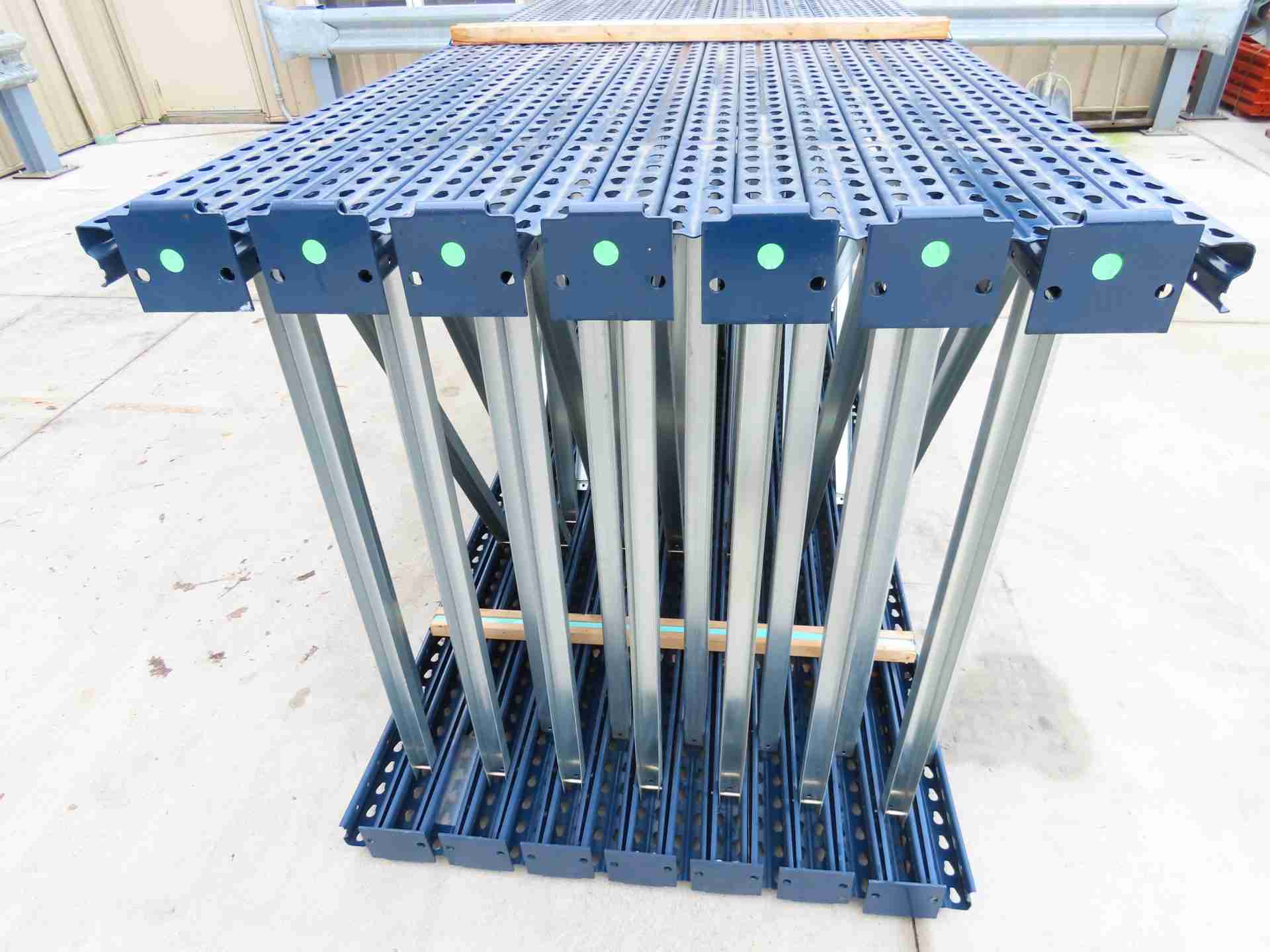
How Do Drive-In Pallet Racks Differ From Push-Back Racks?
What Are The Advantages Of Structural Pallet Racks?
Structural pallet racks have become a staple in warehouses and distribution centers across the globe for a multitude of reasons. One of the biggest advantages of these sturdy storage solutions is their durability. Made from heavy-duty steel, structural pallet racks are built to last, able to withstand the wear and tear of a bustling warehouse environment.
This durability translates to cost savings in the long run. By investing in structural pallet racks, companies can rest assured that their storage system will hold up under the pressure of heavy loads and constant use, reducing the need for frequent replacements or repairs. This not only saves money but also minimizes downtime and ensures a more efficient operation overall.
Another key advantage of structural pallet racks is their versatility. With a variety of sizes and configurations available, companies can customize their storage system to meet their specific needs. Whether storing small parts or bulky items, structural pallet racks can be tailored to fit any space and maximize storage capacity. This flexibility allows businesses to optimize their warehouse layout and make the most of their available space, increasing efficiency and productivity.
Structural pallet racks are also known for their strength and stability. With the ability to support heavy loads, these racks provide a secure and reliable storage solution for a wide range of products. This added peace of mind is invaluable in a warehouse setting where safety is a top priority. By investing in structural pallet racks, companies can ensure that their inventory is stored safely and securely, reducing the risk of accidents or damage.
Additionally, structural pallet racks are easy to install and maintain. With simple assembly and minimal maintenance required, companies can quickly set up their storage system and keep it running smoothly with minimal effort. This streamlined process saves time and resources, allowing businesses to focus on other aspects of their operation without worrying about their storage solution.
The advantages of structural pallet racks are numerous and far-reaching. From their durability and versatility to their strength and ease of installation, these storage solutions offer a host of benefits for companies looking to streamline their warehouse operations. By investing in structural pallet racks, businesses can enhance their storage capabilities, improve efficiency, and ultimately increase their bottom line.

What Are The Advantages Of Structural Pallet Racks?
What Are The Advantages Of Structural Pallet Racks?
- Durability: Made from heavy-duty steel, structural pallet racks are built to last in a busy warehouse environment.
- Cost savings: Investing in structural pallet racks can reduce the need for frequent replacements or repairs, saving money and minimizing downtime.
- Versatility: With a variety of sizes and configurations available, companies can customize their storage system to meet specific needs.
- Strength and stability: Structural pallet racks can support heavy loads, providing a secure storage solution for a wide range of products.
- Easy to install and maintain: Simple assembly and minimal maintenance required for structural pallet racks make them quick and efficient to set up and operate.
- Streamlined process: Saves time and resources, allowing businesses to focus on other aspects of their operation.
- Enhanced storage capabilities: Investing in structural pallet racks can improve efficiency and increase the bottom line for companies.

What Are The Advantages Of Structural Pallet Racks?
Why Choose Pallet Flow Racks Over Other Types?
When it comes to warehouse storage solutions, pallet flow racks stand out as a top choice for many businesses. But why are these racks preferred over other types of storage systems?
One key reason is efficiency. Pallet flow racks allow for easy access to inventory, as pallets flow seamlessly from the loading side to the unloading side. This means that workers can quickly retrieve and restock items, leading to a more streamlined operation and increased productivity. In contrast, other storage systems may require more manual labor or time-consuming processes to access goods.
Another advantage of pallet flow racks is their space-saving design. By utilizing gravity to move pallets along rollers or wheels, these racks maximize vertical storage space and can often fit more inventory in a smaller footprint. This is especially important for warehouses with limited space or those looking to optimize their storage capacity.
Additionally, pallet flow racks are known for their ability to improve inventory control and organization. With a first-in, first-out (FIFO) system, goods are automatically rotated based on their arrival date, ensuring that older items are used before newer ones. This helps prevent product spoilage or obsolescence and eliminates the need for manual tracking or sorting.
Durability is another factor to consider when choosing warehouse storage solutions, and pallet flow racks excel in this area. Made from high-quality materials like steel or aluminum, these racks are built to withstand heavy loads and constant use. This results in a longer lifespan and fewer maintenance costs compared to other storage systems that may require more frequent repairs or replacements.
Finally, safety is a top priority in any warehouse environment, and pallet flow racks are designed with this in mind. With features like stoppers, brakes, and lane dividers, these racks help prevent accidents and minimize the risk of damage to both inventory and equipment. This peace of mind is invaluable for businesses looking to prioritize worker well-being and maintain a secure work environment.
The many benefits of pallet flow racks make them a superior choice for warehouse storage solutions. Their efficiency, space-saving design, inventory control capabilities, durability, and safety features set them apart from other types of storage systems and make them a wise investment for any business looking to improve their warehouse operations.

Why Choose Pallet Flow Racks Over Other Types?
Why Choose Pallet Flow Racks Over Other Types?
- Efficiency: Pallet flow racks allow for easy access to inventory, leading to streamlined operations and increased productivity.
- Space-saving design: Utilizing gravity to move pallets maximizes vertical storage space.
- Improved inventory control: Pallet flow racks use a first-in, first-out system to prevent product spoilage and obsolescence.
- Durability: Made from high-quality materials, pallet flow racks are built to withstand heavy loads and constant use.
- Safety features: Pallet flow racks are designed with stoppers, brakes, and lane dividers to prevent accidents and damage.
- Longer lifespan: Pallet flow racks have fewer maintenance costs compared to other storage systems.
- Overall benefits: Pallet flow racks are a superior choice for warehouse storage solutions, offering efficiency, space-saving design, inventory control capabilities, durability, and safety features.

Why Choose Pallet Flow Racks Over Other Types?
What Factors Should Be Considered When Selecting Pallet Racks?
Hey there, folks! So, you’re in the market for some pallet racks, huh? Well, let me tell you, there are a few key factors you’ll want to consider before making your selection. Pallet racks might just seem like a bunch of metal shelves, but trust me, they can make a huge difference in the efficiency and safety of your operation.
First off, you’ll want to think about the size and weight of the items you’ll be storing on these racks. Are you dealing with small, lightweight items, or are you working with hefty, oversized materials? Make sure you choose pallet racks that are designed to handle the weight and dimensions of your goods. It’s always better to err on the side of caution and opt for racks with a higher weight capacity than you think you’ll need.
Next up, consider the layout of your warehouse or storage space. Are you working with limited floor space or dealing with odd angles and corners? Take measurements and make sure the pallet racks you choose can fit into your space efficiently. You don’t want to end up with racks that are too big or too small for your area, causing wasted space and potential safety hazards.
Another important factor to consider is the accessibility of your goods. Do you need easy access to each pallet, or are you okay with stacking items on top of each other? Think about how often you’ll need to retrieve items from the racks and choose a design that fits your workflow. Options like selective racks, drive-in racks, or push-back racks offer different levels of accessibility, so pick the one that suits your needs best.
Of course, safety should always be a top priority when selecting pallet racks. Look for racks that are made from durable materials and have reliable construction. Check for features like sturdy base plates, safety pins, and proper load distribution to ensure that your racks can withstand heavy use without risking collapse. It’s also a good idea to regularly inspect and maintain your racks to prevent accidents and keep your employees safe.
Selecting the right pallet racks for your operation is a decision that shouldn’t be taken lightly. Consider factors like size, weight capacity, layout, accessibility, and safety to ensure that you choose the best option for your needs. With the right pallet racks in place, you can maximize storage space, improve efficiency, and create a safer working environment for everyone involved. So, do your research, measure twice, and make an informed choice – your business will thank you!

What Factors Should Be Considered When Selecting Pallet Racks?
What Factors Should Be Considered When Selecting Pallet Racks?
- Consider the size and weight of the items you’ll be storing.
- Think about the layout of your warehouse or storage space.
- Consider the accessibility of your goods.
- Make safety a top priority when selecting pallet racks.
- Regularly inspect and maintain your racks to prevent accidents.
- Maximize storage space, improve efficiency, and create a safer working environment.
- Choose the best option for your needs by considering size, weight capacity, layout, accessibility, and safety.

What Factors Should Be Considered When Selecting Pallet Racks?
What Materials Are Pallet Racks Typically Made From?
Pallet racks, like many other industrial storage systems, are typically made from sturdy materials that can withstand the weight and pressure of heavy loads. The most common materials used in the construction of pallet racks are steel, aluminum, and wood.
Steel is by far the most popular material for pallet racks due to its strength and durability. Steel racks are able to support heavy loads without bending or warping, making them ideal for warehouses and distribution centers where large quantities of goods need to be stored. Steel racks can also be easily customized to fit specific storage needs, making them a versatile option for a variety of industries.
Aluminum is another material that is sometimes used in the construction of pallet racks. While not as strong as steel, aluminum racks are lightweight and corrosion-resistant, making them a good choice for environments where rust or other forms of damage might be a concern. Aluminum racks are often used in food storage facilities, pharmaceutical warehouses, and other clean-room environments where hygiene is a top priority.
Wood is the traditional material used for pallet racks, and while it is not as durable as steel or aluminum, it is still a popular choice for many businesses. Wood racks are often used in smaller warehouses or retail settings where aesthetics are important, as they can be easily painted or stained to match the surrounding decor. Wood racks are also a cost-effective option for businesses on a budget, as they are generally less expensive than steel or aluminum racks.
In addition to these materials, some pallet racks are also constructed from a combination of materials, such as steel frames with wooden shelves. These hybrid racks offer the strength and durability of steel with the aesthetic appeal of wood, making them a popular choice for businesses looking for a balance between form and function.
Overall, the materials used in the construction of pallet racks will largely depend on the specific needs of the business and the environment in which the racks will be used. Steel racks are the go-to choice for heavy-duty storage needs, while aluminum and wood racks are better suited for lighter loads or specialized environments. Whatever material is chosen, it is important to ensure that the pallet racks are properly installed and maintained to ensure the safety and efficiency of the workspace.

What Materials Are Pallet Racks Typically Made From?
What Materials Are Pallet Racks Typically Made From?
- Steel is the most popular material for pallet racks due to its strength and durability.
- Steel racks can support heavy loads without bending, ideal for warehouses and distribution centers.
- Aluminum racks are lightweight and corrosion-resistant, suitable for clean-room environments.
- Wood racks are a traditional choice, often used in smaller warehouses or retail settings.
- Some racks are made from a combination of materials, such as steel frames with wooden shelves.
- The choice of material depends on the specific needs of the business and environment.
- Proper installation and maintenance are crucial for the safety and efficiency of pallet racks.
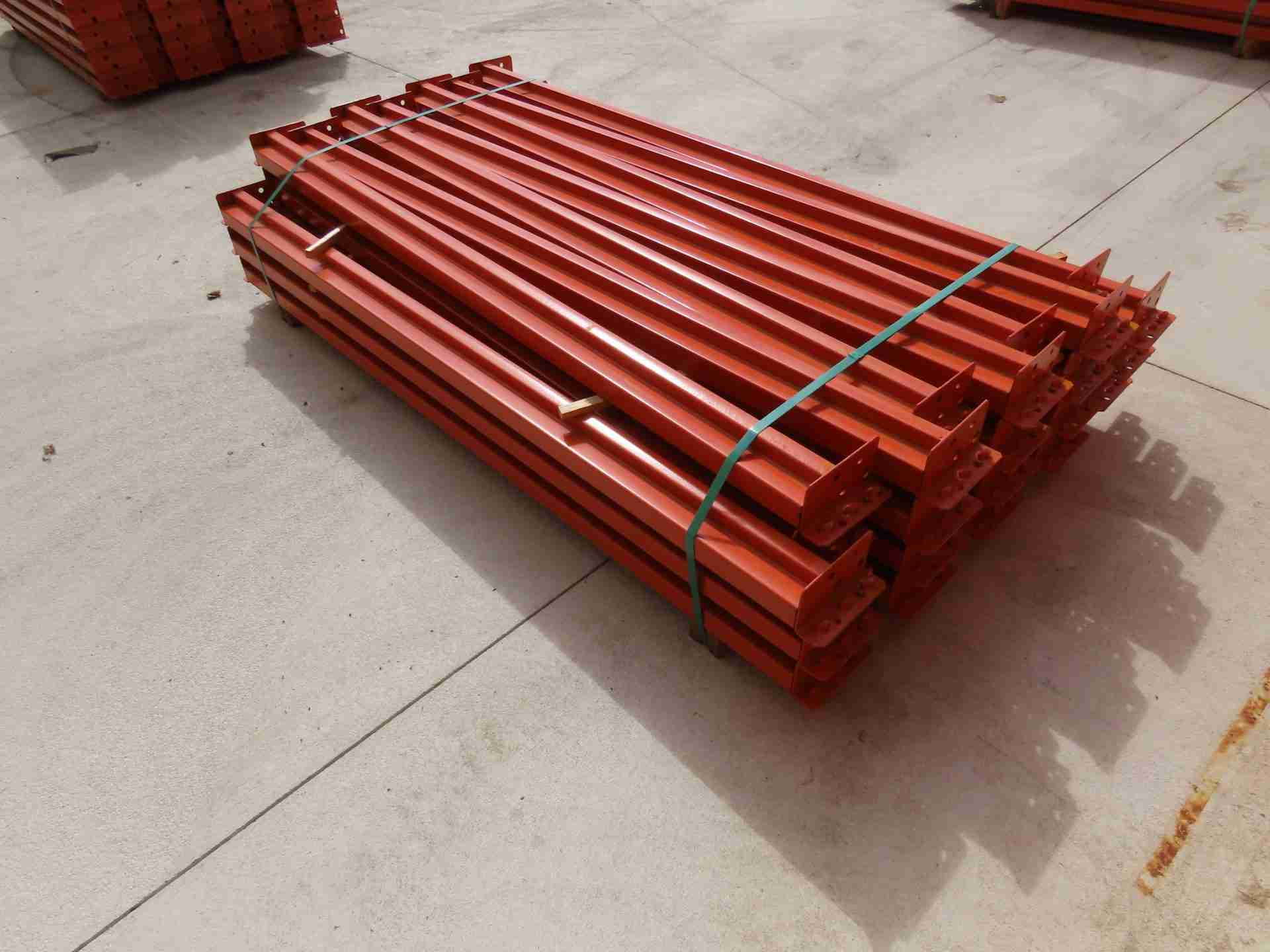
What Materials Are Pallet Racks Typically Made From?
How Do Pallet Racks Differ In Terms Of Design And Construction?
When it comes to pallet racks, not all designs are created equal. The design and construction of pallet racks play a crucial role in their durability, efficiency, and safety. Let’s take a closer look at how pallet racks differ in terms of design and construction.
One of the key differences in pallet rack design is the type of beam connector used. Some pallet racks use boltless beam connectors, which allow for quick and easy installation without the need for tools. These types of racks are often used in warehouses where flexibility and ease of assembly are important.
On the other hand, pallet racks with bolted beam connectors offer increased stability and load-bearing capacity. The bolts secure the beams to the uprights, providing a stronger connection that can withstand heavier loads. While these racks may take longer to assemble, they are ideal for storing heavy items or pallets that require extra support.
Another important factor to consider is the style of upright frame used in the pallet rack. Teardrop upright frames are one of the most popular designs due to their versatility and ease of reconfiguration. The teardrop-shaped cutouts on the uprights allow for quick and hassle-free beam adjustment, making it simple to customize the rack to suit changing storage needs.
Cantilever pallet racks, on the other hand, are designed specifically for storing long, bulky items such as lumber, pipes, or carpet rolls. These racks feature arms that extend out from the uprights, allowing for easy access to stored items without the need for vertical supports. Cantilever racks are ideal for warehouses or storage facilities that handle oversized or irregularly shaped items.
In terms of construction, pallet racks are typically made from steel for maximum strength and durability. The gauge of the steel used in the construction of the racks can vary, with heavier gauge steel providing increased load-bearing capacity. Additionally, some pallet racks feature welded components for added stability and rigidity.
Ultimately, the design and construction of pallet racks play a significant role in their performance and longevity. When selecting a pallet rack for your warehouse or storage facility, consider factors such as beam connectors, upright frame style, and construction materials to ensure that you choose a rack that meets your specific needs. By selecting the right pallet rack for your space, you can increase efficiency, maximize storage capacity, and ensure the safety of your stored items.

How Do Pallet Racks Differ In Terms Of Design And Construction?
How Do Pallet Racks Differ In Terms Of Design And Construction?
- Some pallet racks use boltless beam connectors for quick and easy installation.
- Racks with bolted beam connectors offer increased stability and load-bearing capacity.
- Teardrop upright frames allow for quick and hassle-free beam adjustment.
- Cantilever pallet racks are designed for storing long, bulky items.
- Pallet racks are typically made from steel for maximum strength and durability.
- Heavier gauge steel provides increased load-bearing capacity.
- Consider factors such as beam connectors, upright frame style, and construction materials when selecting a pallet rack.

How Do Pallet Racks Differ In Terms Of Design And Construction?
What Are The Weight And Size Capacities Of Different Pallet Racks?
Pallet racks come in a variety of sizes and weight capacities to accommodate different storage needs and space constraints. The weight and size capacities of pallet racks are crucial factors to consider when selecting the right rack for your warehouse or storage facility.
One of the most common types of pallet racks is the selective pallet rack, which typically has a weight capacity ranging from 2,500 to 3,000 pounds per pair of beams. These racks are ideal for storing a wide range of products and can be easily adjusted to accommodate different pallet sizes.
For heavier items or larger pallets, there are options like drive-in pallet racks, which have a weight capacity of up to 3,000 pounds per pallet position. These racks are designed to maximize storage space by allowing forklifts to drive directly into the rack system to load and unload pallets.
Cantilever racks are another popular choice for storing long and bulky items, such as lumber or piping. These racks have weight capacities of up to 20,000 pounds per arm and are available in various sizes to fit your specific storage needs.
If you have limited space but need to store a large number of pallets, push back pallet racks may be the solution for you. These racks have weight capacities of up to 3,000 pounds per pallet position and allow for multiple pallets to be stored deep within the rack system.
For especially heavy or oversized items, there are heavy-duty pallet racks that can support weight capacities of up to 10,000 pounds per shelf. These racks are typically used in industrial settings where extra durability and strength are required.
It’s important to note that the weight and size capacities of pallet racks can vary depending on the specific manufacturer and design of the rack. Before purchasing a pallet rack, be sure to carefully assess your storage needs and consult with a qualified professional to determine the best rack for your space.
The weight and size capacities of different pallet racks can vary widely, so it’s important to choose the right rack for your specific storage needs. Whether you need to store heavy items, bulk items, or a combination of both, there is a pallet rack out there that can meet your requirements. Choose wisely, and your storage solutions will be as strong and durable as they need to be.

What Are The Weight And Size Capacities Of Different Pallet Racks?
What Are The Weight And Size Capacities Of Different Pallet Racks?
- Pallet racks come in a variety of sizes and weight capacities to accommodate different storage needs and space constraints.
- Weight and size capacities of pallet racks are crucial factors to consider when selecting the right rack for your warehouse or storage facility.
- Selective pallet racks have a weight capacity ranging from 2,500 to 3,000 pounds per pair of beams, ideal for storing various products and adjustable for different pallet sizes.
- Drive-in pallet racks are designed for heavier items or larger pallets, with a weight capacity of up to 3,000 pounds per pallet position, maximizing storage space by allowing for direct forklift access.
- Cantilever racks, suitable for long and bulky items, have weight capacities of up to 20,000 pounds per arm, available in various sizes to fit specific storage needs.
- Push back pallet racks are ideal for limited space storage, with weight capacities of up to 3,000 pounds per pallet position, allowing for deep storage of multiple pallets.
- Heavy-duty pallet racks, with weight capacities of up to 10,000 pounds per shelf, are used for especially heavy or oversized items in industrial settings requiring extra durability and strength.

What Are The Weight And Size Capacities Of Different Pallet Racks?
How Do You Choose The Right Pallet Rack System For Your Needs?
So, you find yourself in need of a pallet rack system. But with so many options out there, how do you choose the right one for your specific needs? It can be a daunting task, I know. But fear not, I’m here to lend a helping hand.
First things first – take a good look at your warehouse space. How much room do you have to work with? Are there any obstacles or obstructions that may limit the size or layout of your pallet racks? It’s important to take these factors into consideration when selecting a system that will fit your space like a glove.
Next, consider what you’ll be storing on your pallet racks. Are you dealing with heavy-duty items that require sturdy, dependable racks? Or perhaps you’re looking to store smaller, lighter items that can be housed on more economical rack systems. Understanding the weight and size of your inventory will help determine the type of pallet rack system that will best suit your needs.
Another important factor to consider is accessibility. How often will you need to access your inventory? If you’ll be frequently retrieving items from your pallet racks, you may want to opt for a system that allows for easy pick and pack capabilities. On the other hand, if your items will be stored for longer periods of time, you may prioritize maximizing space efficiency over accessibility.
Additionally, think about how you’ll be using your pallet rack system in the long run. Are you looking for a system that can grow and adapt with your business? If so, you may want to consider adjustable rack systems that can be easily reconfigured as your needs change. Alternatively, if you have a more fixed layout in mind, a static rack system may be a better fit.
Lastly, don’t forget about safety. Ensuring that your pallet rack system is installed correctly and in accordance with all safety regulations is paramount. Look for systems that are designed to withstand heavy loads and provide ample protection against potential hazards.
Selecting the right pallet rack system for your needs requires careful consideration of your space, inventory, accessibility requirements, future plans, and safety concerns. Take the time to thoroughly evaluate your options and don’t be afraid to seek advice from experts in the field. With a little research and planning, you’ll be well on your way to finding the perfect pallet rack system for your warehouse operation.

How Do You Choose The Right Pallet Rack System For Your Needs?
How Do You Choose The Right Pallet Rack System For Your Needs?
- Consider the size and layout of your warehouse space.
- Determine the weight and size of items you’ll be storing.
- Think about how often you’ll need to access your inventory.
- Consider if you need a system that can grow and adapt with your business.
- Ensure that the rack system meets all safety regulations.
- Choose between adjustable or static rack systems depending on your needs.
- Take the time to thoroughly evaluate your options and seek advice from experts in the field.

How Do You Choose The Right Pallet Rack System For Your Needs?
What Safety Measures Should Be Taken When Using Pallet Racks?
When working with pallet racks, safety should always be the top priority. These towering structures are essential for the efficient storage of goods in warehouses and distribution centers, but they can also pose serious risks if not used properly.
One of the most important safety measures to take when using pallet racks is to ensure they are properly installed and maintained. It’s crucial to have them installed by professionals who follow the manufacturer’s guidelines and recommendations. This will help prevent accidents such as collapses or falls that can result in serious injuries or even fatalities.
Regular inspections of pallet racks are also essential to ensure their structural integrity. Look out for any signs of damage, such as bent or rusted beams, loose bolts, or missing braces. If any issues are found, they should be addressed immediately to prevent potential accidents.
Proper loading of pallet racks is another key safety measure. Always follow the weight limitations specified by the manufacturer and distribute the load evenly across the beams. Avoid overloading racks as this can lead to structural failure and accidents.
When loading and unloading goods from pallet racks, always use appropriate equipment such as forklifts or pallet jacks. Avoid overreaching or climbing on the racks as this can cause them to become unstable and collapse.
Organizing the warehouse or distribution center is also important for safety when using pallet racks. Keep aisles clear of debris and obstacles to prevent trip hazards. Label racks properly to indicate weight capacities and loading instructions.
Training employees on safe practices when working with pallet racks is crucial to prevent accidents. Make sure they understand how to properly load and unload goods, as well as how to recognize signs of damage or instability in the racks.
In case of an emergency, it’s important to have a clear evacuation plan in place. Make sure employees know where emergency exits are located and how to safely evacuate the building in case of a fire or other disaster.
By following these safety measures when using pallet racks, you can help prevent accidents and create a safe work environment for everyone in the warehouse or distribution center. Remember, safety is everyone’s responsibility, so always prioritize it in your daily operations.

What Safety Measures Should Be Taken When Using Pallet Racks?
What Safety Measures Should Be Taken When Using Pallet Racks?
- Always ensure pallet racks are properly installed and maintained.
- Regularly inspect racks for damage and address issues immediately.
- Properly load racks following weight limitations and distribution guidelines.
- Use appropriate equipment when loading and unloading goods.
- Organize the warehouse to prevent trip hazards and label racks appropriately.
- Train employees on safe practices when working with pallet racks.
- Have a clear evacuation plan in case of emergencies.

What Safety Measures Should Be Taken When Using Pallet Racks?
Conclusion
In conclusion, choosing the right pallet rack for your warehouse can significantly impact efficiency and safety. With various types of pallet racks available, such as selective racks, drive-in racks, cantilever racks, push back racks, and mobile racks, you can tailor your storage solution to meet your specific needs. Selective pallet racks offer easy access to individual pallets and maximize storage space, while drive-in racks are ideal for storing large quantities of the same product. Cantilever racks are great for oversized items, and push back racks help maximize vertical storage space.
When deciding between drive-in and push-back racks, consider factors like SKU quantity and turnover rate to determine which system best suits your needs. Structural pallet racks offer durability, versatility, strength, and stability, making them a reliable option for many businesses. Meanwhile, pallet flow racks provide efficiency, space-saving designs, inventory control, durability, and safety features that set them apart from other storage systems.
When selecting pallet racks, factors like size, weight capacity, layout, accessibility, and safety are crucial to ensure you choose the best option for your needs. Materials like steel, aluminum, and wood provide different advantages and suit various environments. Differences in design and construction, such as beam connectors, upright frames, and materials, impact the performance and longevity of pallet racks. Understanding weight and size capacities of different types of pallet racks is essential to ensure you select a system that meets your specific storage needs.
Lastly, safety should always be a top priority when using pallet racks. Proper installation, regular inspections, appropriate loading techniques, employee training, organizational practices, and emergency plans are critical safety measures to prevent accidents and create a secure work environment. By prioritizing safety and selecting the right pallet rack system for your needs, you can maximize storage space, efficiency, and safety in your warehouse or distribution center. So take your time, assess your options, and make an informed decision – your business will thank you!

Conclusion
Conclusion:
- Choosing the right pallet rack for your warehouse impacts efficiency and safety.
- Types of pallet racks include selective, drive-in, cantilever, push back, and mobile racks.
- Selective racks offer easy access and maximized storage space.
- Drive-in racks are ideal for large quantities of the same product.
- Cantilever racks are great for oversized items, while push back racks maximize vertical storage space.
- Factors like SKU quantity and turnover rate help determine the best rack system for your needs.
- Prioritizing safety, proper installation, and regular inspections are crucial for a secure work environment.

Conclusion
Other Resources

Other Resources
Here is a list of other resources you can review online to learn more:
- 7 Pallet Racking Types [Pros/Cons, How to ID Them, and More!]: This article from Conger Industries Inc. provides a comprehensive guide on the main types of pallet racking systems, their pros, cons, costs, and applications. It also provides answers to top pallet racking questions.
- The Complete Pallet Rack Guide – Simply Rack: This guide provides a complete overview of all types of new and used pallet racking. It explains the basic components of pallet racks, including the upright frames and the shelf beams.
- Types of Pallet Racking: differences and advantages: This article discusses the two major types of racking: selective storage systems (or with direct access) and compact storage systems.
- Determine the Right Types of Pallet Racks for Your Warehouse: This article discusses how a pallet racking system can solve many efficiency problems by reducing clutter, increasing warehouse capacity, and maximizing employee productivity.
- Pallet Rack Guide For Beginners | AK Material Handling: This guide provides an overview of the three primary components of a pallet rack system: frames, beams, and wire decks.
These resources should provide a good starting point for your research on the main types of pallet racks. Happy researching!

Other Resources
Glossary Terms
What Are The Main Types Of Pallet Racks Available? – Glossary Of Terms
Here’s a glossary of terms related to the main types of pallet racks available:
1. Adjustable Pallet Racking (APR): A versatile and popular racking system where the height of the beams can be adjusted. Suitable for storing a wide range of goods.
2. Selective Pallet Racking: The most common type of pallet racking, offering direct access to every pallet, making it ideal for warehouses with a wide variety of products.
3. Drive-In Racking: High-density storage solution where forklifts drive into the racking structure to pick up and deposit pallets. Used in environments with a large quantity of similar products.
4. Drive-Through Racking: Similar to drive-in racking, but allows access from both ends, facilitating a first-in, first-out (FIFO) inventory system.
5. Push-Back Racking: A dynamic storage system that uses nested carts to hold pallets and allows for higher storage density. Pallets are loaded from the front and pushed back.
6. Pallet Flow Racking: Utilizes inclined tracks and a system of rollers to allow pallets to flow forward. Ideal for FIFO inventory management.
7. Cantilever Racking: Designed to store long, bulky items like pipes and lumber. It has protruding arms on which goods are placed, rather than traditional shelves.
8. Double-Deep Racking: Increases storage density by storing two pallets deep instead of one. Requires specialized forklifts for access.
9. Mobile Pallet Racking: Pallet racks mounted on mobile bases that can be moved along tracks, offering high-density storage and improving space utilization.
10. Shuttle Racking: Uses a remote-controlled shuttle to move pallets within the racking system, optimizing space and allowing for automatic inventory management.
11. Stacking Frames: Portable racks that can be stacked on top of each other, providing a flexible and mobile storage solution.
12. VNA Racking (Very Narrow Aisle): Maximizes floor space by making aisles narrower, with specialized forklifts designed to operate in such environments.
13. Dynamic Racking: Combines elements like gravity rollers and electric shuttles to automate the movement of pallets within the racking system.
14. Pallet Shuttle System: An advanced, semi-automated solution that uses shuttles to move goods in deep storage tunnels, maximizing efficiency and space utilization.
15. Carton Flow Racking: Designed for storing small items, using a gravity feed rear-loading system to keep items front and center.
16. Double Pallet Racks: Racks designed to hold two pallets per shelf, increasing storage capacity and requiring special handling equipment.
17. Teardrop Pallet Racking: Features a tear-shaped hole pattern into which the beams lock, making it easy to adjust and install.
18. Pallet Racking Accessories: Additional components such as pallet supports, safety bars, and wire decking that enhance racking utility and safety.
19. Pallet Racking Beams: Horizontal bars that support the pallets, available in various lengths and load capacities.
20. Pallet Racking Uprights: Vertical components that form the frame of the racking system, supporting the beams and overall structure.
21. Pallet Support Bars: Bars placed on the beams to provide additional support for pallets, increasing stability.
22. Wire Decking: A mesh surface placed over beams to create a flat and stable platform, improving safety and versatility.
23. Load Capacity: The maximum weight that a pallet rack can safely hold. Essential for ensuring safety and compliance.
24. Aisle Width: The horizontal distance between rows of pallet racks, affecting forklift accessibility and space utilization.
25. Pallet Stops: Safety features that prevent pallets from being pushed off the back of the rack.
26. Seismic Racks: Racks designed to withstand seismic activity, ensuring safety in earthquake-prone areas.
27. Safety Clips: Devices used to secure beams to uprights, preventing accidental dislodging.
28. Column Guards: Protective barriers placed around the racking uprights to prevent damage from forklift collisions.
29. Rack Protection: Various components, such as corner guards and safety netting, used to protect the racking system and stored goods.
30. Warehouse Layout: The strategic arrangement of pallet racks within a warehouse to optimize space, workflow, and safety.
This glossary covers a broad range of terms related to pallet racks, aiming to provide a comprehensive overview of key concepts and components in the field.

Glossary Of Terms
Other Questions
What Are The Main Types Of Pallet Racks Available? – Other Questions
If you wish to explore and discover more, consider looking for answers to these questions:
-
- What are the specific advantages and disadvantages of each type of pallet rack mentioned?
- How does the cost of different pallet racks compare to each other?
- Are there any industry-specific recommendations for pallet racks?
- How do environmental factors, such as temperature or humidity, affect the choice of pallet racks?
- Can pallet racks be customized for specific needs or special requirements?
- What are the common maintenance practices for ensuring the longevity of pallet racks?
- What are the potential risks and challenges associated with each type of pallet rack?
- How does pallet rack installation differ for various types of racks, and what are best practices?
- Are there any regulatory or compliance issues to consider when choosing pallet racks?
- What training is required for employees to safely use different types of pallet racks?
- How does the design of a pallet rack system influence warehouse workflow and productivity?
- What innovative pallet rack solutions are trending in the industry?
- How do different pallet rack systems impact inventory management techniques?
- Are there environmentally-friendly options when it comes to choosing pallet racks?
- What are the key signs that a pallet rack may need repair or replacement?

Other Questions
Checklist
What Are The Main Types Of Pallet Racks Available? – A Checklist
Pallet Rack Selection
1. Warehouse Space Assessment:
_____ Measure the available floor space.
_____ Identify any obstacles or obstructions.
_____ Consider ceiling height for vertical storage potential.
2. Inventory Analysis:
_____ Determine the size and weight of items to be stored.
_____ Classify items by SKU to understand storage density needs.
_____ Consider any special storage requirements, such as temperature control or cleanliness.
3. Accessibility Needs:
_____ Determine if easy access to each pallet is necessary.
_____ Assess the frequency of item retrieval.
_____ Decide between FIFO (First In, First Out) or LIFO (Last In, First Out) inventory systems.
4. Pallet Rack Types:
_____ Selective Racks for easy access and versatility.
_____ Drive-In Racks for high-density storage of homogenous items.
_____ Cantilever Racks for long, bulky items like lumber or pipes.
_____ Push Back Racks to maximize vertical space.
_____ Mobile Racks for flexibility and limited floor space.
_____ Structural Racks for heavy-duty and durable needs.
_____ Pallet Flow Racks for FIFO inventory systems and enhanced efficiency.
5. Future Requirements:
_____ Consider future scalability.
_____ Opt for adjustable racks if anticipating storage needs will change.
Safety Measures
1. Installation:
_____ Ensure racks are installed by qualified professionals.
_____ Follow manufacturer guidelines for installation.
_____ Use proper anchoring and leveling to stabilize the racks.
2. Regular Inspections:
_____ Inspect racks for structural damage, such as bent beams or loose bolts.
_____ Conduct routine maintenance checks.
3. Proper Loading:
_____ Follow manufacturer weight capacity guidelines.
_____ Distribute loads evenly across beams.
_____ Avoid overloading any shelf or section of the rack.
4. Equipment Use:
_____ Use appropriate equipment like forklifts or pallet jacks for loading/unloading.
_____ Train operators on safe equipment handling methods.
5. Warehouse Organization:
_____ Keep aisles and walkways clear of debris.
_____ Label racks with weight capacities and loading instructions.
_____ Use safety pins and clips to secure loads.
6. Employee Training:
_____ Train staff on safe loading/unloading practices.
_____ Educate employees on recognizing and reporting damage.
7. Emergency Preparedness:
_____ Develop a clear evacuation plan.
_____ Train employees on emergency procedures.
_____ Conduct regular emergency drills.
Material Considerations
1. Material Types:
_____ Steel for heavy-duty, high-capacity needs.
_____ Aluminum for lightweight and corrosion-resistant requirements.
_____ Wood for aesthetic purposes or light-duty storage.
2. Customization:
_____ Determine if hybrid materials (e. g. , steel frame with wooden shelves) meet your needs.
_____ Ensure material chosen aligns with specific industry or environmental requirements.
By following this checklist, you can ensure that your pallet rack selection and safety practices will meet the unique needs of your warehouse, optimizing both storage efficiency and workplace safety.
Checklist
At RackingWorld, we help guide you through selecting warehouse storage systems and racking.
Be sure to read our other related stories at RackingWorld to learn more about warehouse storage systems.
0 Comments