
Protecting Your Store And Customers: Essential Post Protectors
By Tom Seest
At RackingWorld, we help guide you through selecting warehouse storage systems and racking.
Be sure to read our other related stories at RackingWorld to learn more about warehouse storage systems.
Why You Need Post Protectors At Every Aisle End
In the bustling world of retail, where every aisle tells a story and every product reaches out to its future owner, the end of those aisles often gets overlooked—until disaster strikes. Picture this: a dedicated employee, armed with a cart full of freshly stocked goods, maneuvers down the aisle, eager to serve customers while keeping the store organized. Suddenly, a careless shopper sprints around the corner, and before you know it, the whole scene unravels. The cart tips, shelves tremble, and racking shakes like a scene from a disaster movie. Not only does the merchandise suffer, but so does the employee’s morale and, ultimately, the customer experience.
This is where post protectors come into play. Think of them as unsung heroes, standing guard at each aisle end, like a trusty sentry protecting your investments. From a rational standpoint, each protector is a cost-effective solution designed to absorb impacts, preventing costly damage to both your racking systems and goods. Would you rather spend your budget replacing broken items and repairing shelves, or invest in safeguards that create a seamless shopping environment?
Ethically, it’s our duty to protect employees who hustle tirelessly in the background, ensuring your shopping experience is smooth and pleasant. They deserve a safe working environment, free from hazards caused by avoidable accidents. By adding post protectors to aisle ends, you send a message that you value their safety, cultivating a culture of care that resonates throughout your company.
Sharing stories can be powerful. Consider a store that faced frequent losses due to collisions at aisle ends. After installing post protectors, not only did they reduce damage, but employees reported feeling more secure in their roles, resulting in increased productivity and a happier atmosphere. Imagine walking through a store where everyone feels confident and involved—there’s a certain magic in that.
Now, don’t overlook the social aspect. Customers notice when a business invests in safety. They see post protectors and perceive a commitment to care and professionalism. It reinforces the idea that this is a place where they can shop with ease, without the risk of rogue carts knocking over displays. So, take that step. Equip your aisles with post protectors. It’s not just a business decision; it’s a pledge to your staff and your customers, creating an environment where everyone thrives.
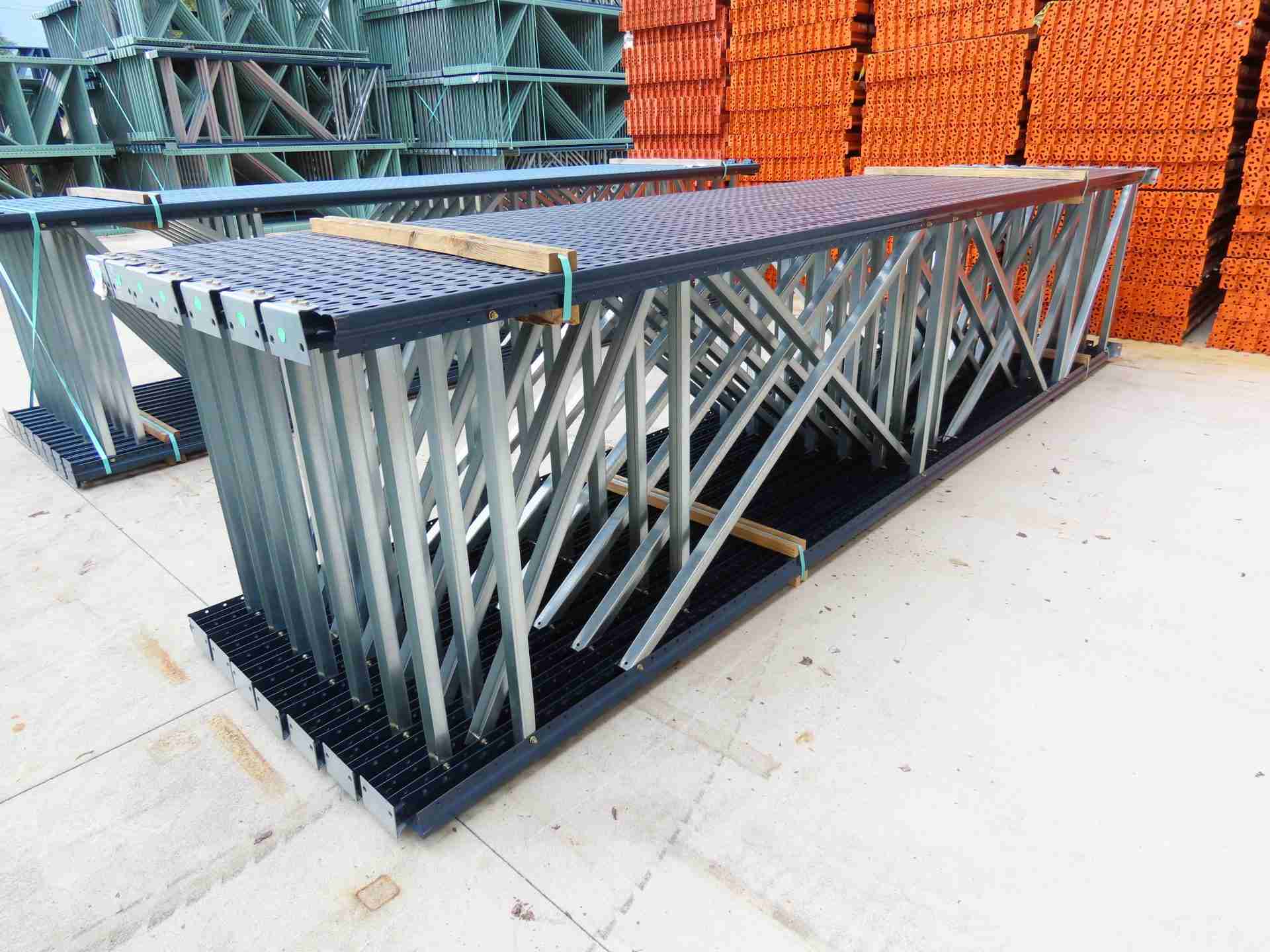
Why You Need Post Protectors At Every Aisle End
Why You Need Post Protectors At Every Aisle End
- The retail environment can experience chaos when mishaps occur, impacting employees and customer experience.
- Post protectors serve as protective barriers at aisle ends, absorbing impacts and preventing damage.
- Investing in post protectors is more cost-effective than continually replacing damaged items and repairing shelves.
- Providing a safe working environment for employees signifies care and promotes morale and productivity.
- After implementing post protectors, a store reported reduced damage and increased employee satisfaction.
- Customers appreciate when a business prioritizes safety, which enhances their shopping experience.
- Equipping aisles with post protectors is both a business and a ethical decision that benefits staff and customers alike.
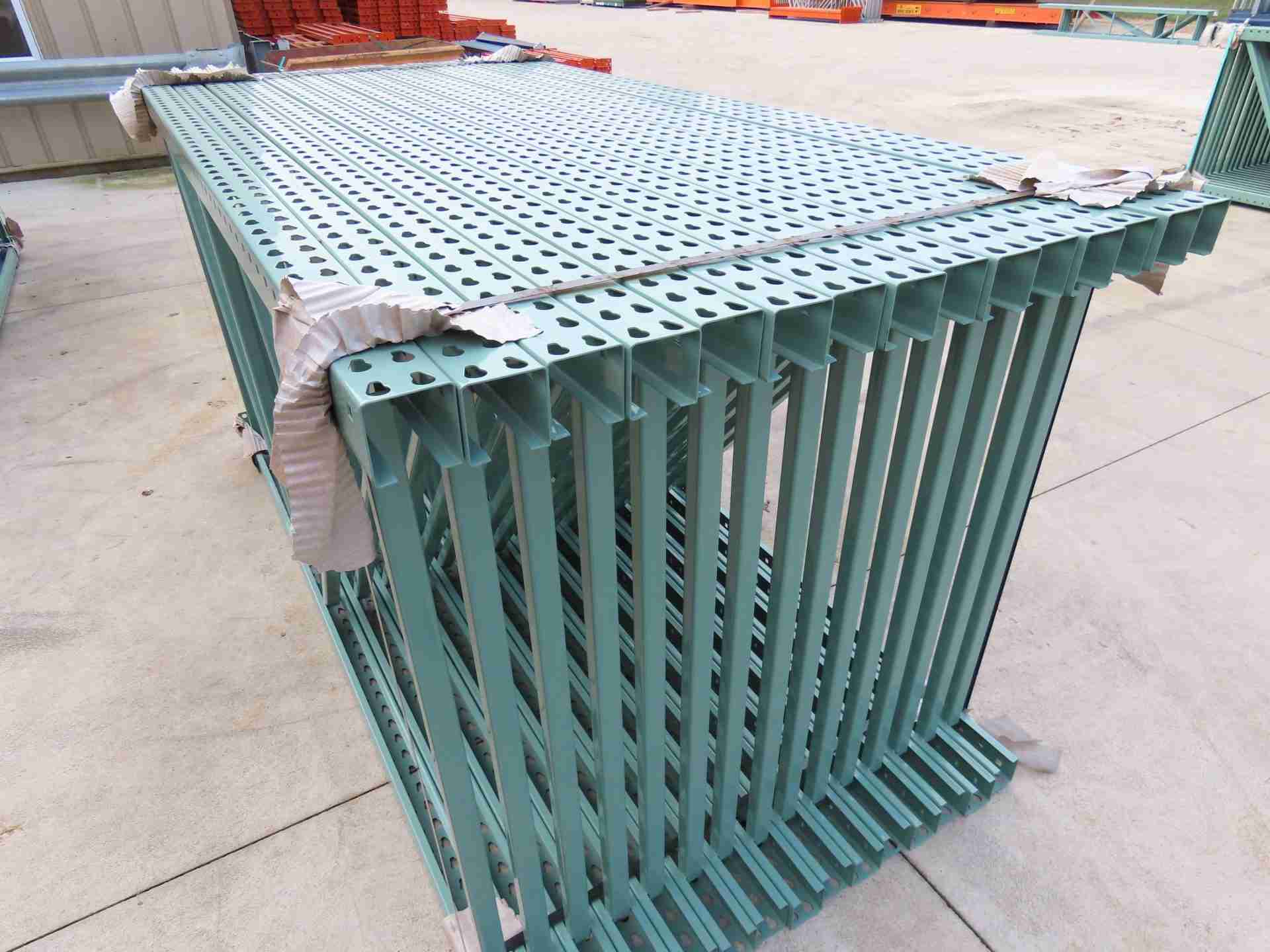
Why You Need Post Protectors At Every Aisle End
Table Of Contents
- Why You Need Post Protectors At Every Aisle End
- What Are the Emotional Costs Of Damaged Inventory Due to Collisions?
- How Do Post Protectors Improve Safety for All In Your Facility?
- Could Post Protectors Save Your Business From Costly Liability Claims?
- How Have Other Companies Benefited From Installing Post Protectors?
- What Ethical Responsibility Do You Have to Ensure Workplace Safety?
- Conclusion
- Other Resources
- Glossary Of Terms
- Other Questions
- Checklist
What Are the Emotional Costs Of Damaged Inventory Due to Collisions?
When it comes to the world of inventory management, the toll of damaged goods isn’t always measured in dollars and cents. Imagine a bustling warehouse where each box, each piece of equipment, represents countless hours of labor, hopes, and dreams. Then, picture a collision — perhaps a fork-truck miscalculation or a careless moment during racking operations. The aftermath? A cascade of emotions ripples through the workforce.
For the employee who painstakingly stocked those shelves, a sense of loss can seep in, as if a piece of their pride has been shattered right alongside that fragile inventory. They know they’re part of a collective effort, and when something goes awry, it feels personal. It’s not just about material loss; it’s about a bond formed through shared dedication. The racking they meticulously organized now displays gaps, an unsettling reminder of what once was and what could have been.
While the financial implications are significant, consider the ethical responsibility lies deeper. Each damaged item represents a commitment to customers — families waiting for that carefully crafted product to arrive intact. Ill-timed collisions can send ripples through the supply chain, impacting vendors and clients alike. It’s crucial to cultivate an environment where attention to safety, precision, and vigilance is paramount; it’s about more than just profit margins; it’s about preserving trust.
Rationally, the data speaks volumes: companies that minimize operational mishaps see heightened employee satisfaction and improved customer loyalty. There’s a tangible connection between safeguarding inventory and protecting the emotional fabric of the workforce. It’s about empowerment — equipping staff with the resources, training, and authority to prevent damage before it happens, not merely to react to it.
The emotional costs of damaged inventory extend far beyond the warehouse. It’s about community and the collective heartbeat of a team striving for excellence. Each damaged item serves as a reminder that our actions – or inactions – carry weight. Let’s use these lessons as fuel, driving home the importance of vigilance and care in our daily operations. When we forge resilient practices and foster compassion in our workplaces, we’re not only protecting inventory but also nurturing the very spirit that keeps us united. It’s a call to action for all of us, to embrace responsibility, champion the collective, and ensure that every precious item on our racking remains a source of pride.
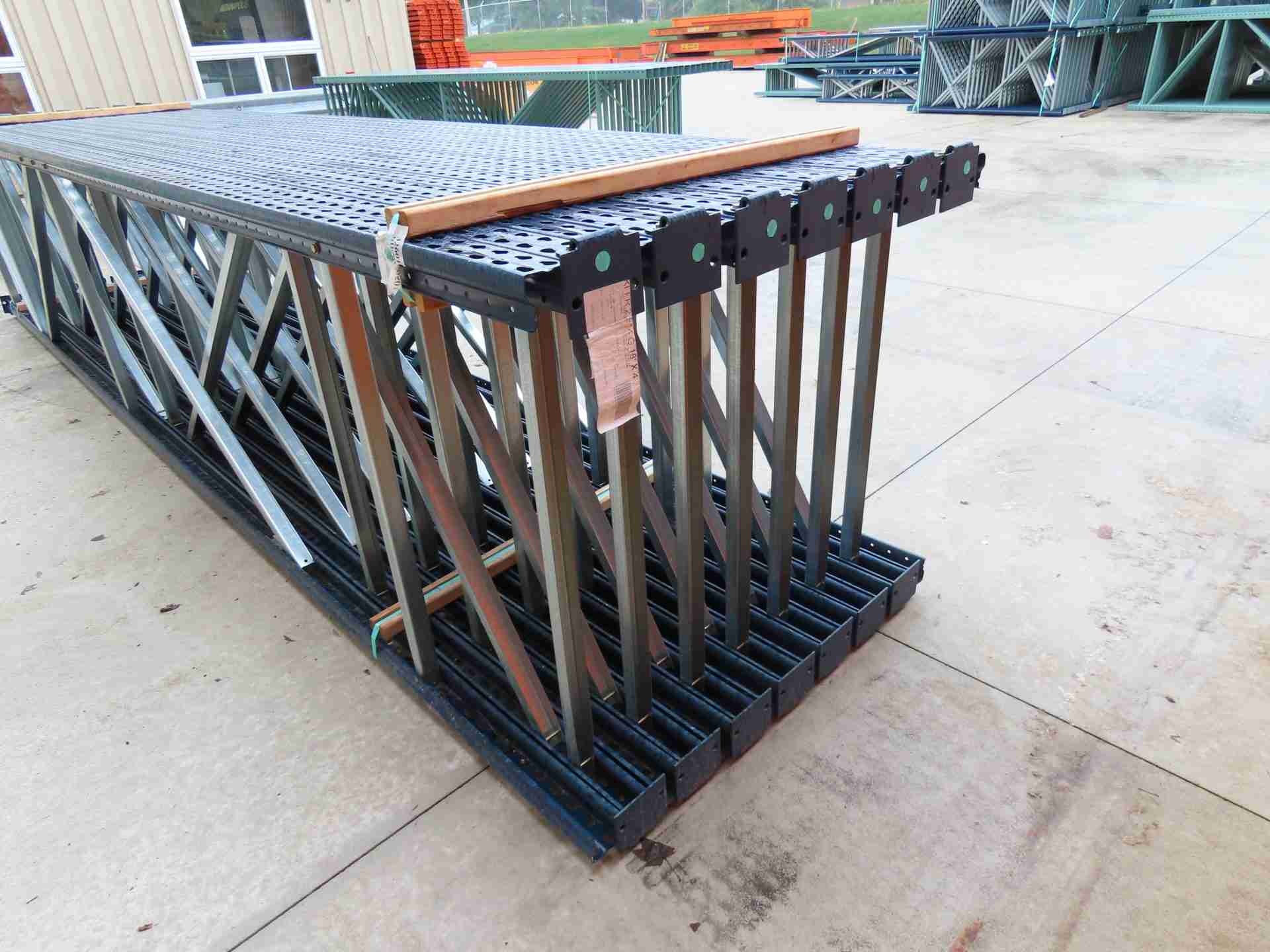
What Are the Emotional Costs Of Damaged Inventory Due to Collisions?
What Are the Emotional Costs Of Damaged Inventory Due to Collisions?
- The impact of damaged goods in inventory management extends beyond financial loss, affecting emotions and morale.
- Employees feel a personal sense of loss when inventory they worked hard on is damaged, highlighting their dedication.
- Every damaged item undermines the commitment made to customers, affecting the entire supply chain.
- Prioritizing safety, precision, and vigilance is essential for maintaining trust and integrity in operations.
- Reducing operational mishaps leads to higher employee satisfaction and customer loyalty.
- Empowering staff with resources and training helps prevent damage, fostering a proactive culture.
- Emotional costs emphasize the importance of community and teamwork in striving for excellence within operations.
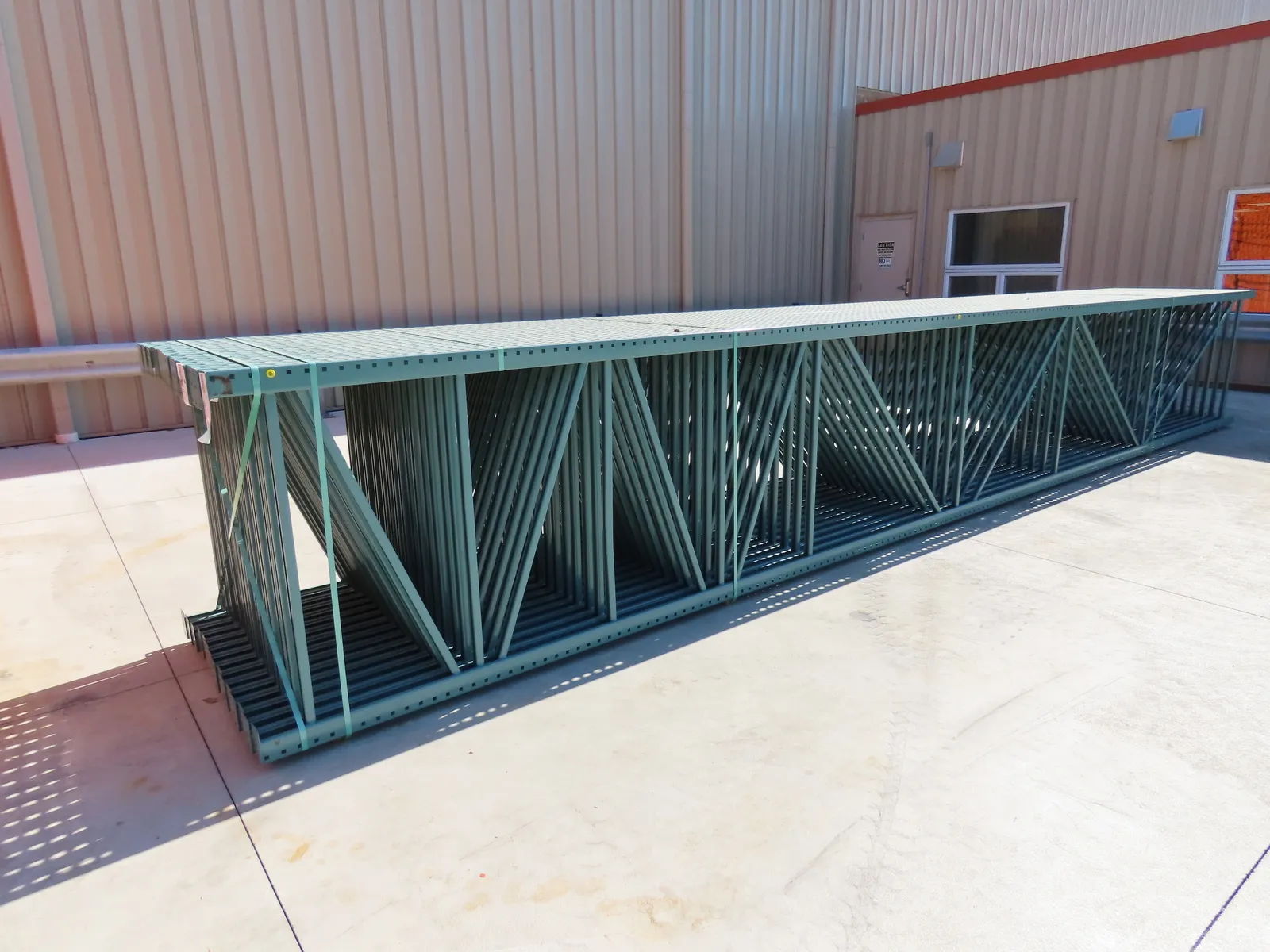
What Are the Emotional Costs Of Damaged Inventory Due to Collisions?
How Do Post Protectors Improve Safety for All In Your Facility?
In the hustle and bustle of a facility, where machinery whirs and workers dart about like bees in a hive, the unseen hazards may be lurking just out of sight. Enter post protectors—those unsung heroes that quietly stand guard, safeguarding both people and property. Every day, in facilities filled with racking systems that tower high and heavy, these sturdy protectors take the hit, ensuring that accidents don’t disrupt the rhythm of productivity or, worse yet, lead to injury.
Picture a worker diligently loading pallet after pallet, lost in the flow of the task. Suddenly, a forklift zips by, and in that split second, a collision could happen. But with post protectors in place, that moment of chaos transforms into a non-event. These steadfast barriers absorb the impact, keeping fragile structures intact and enhancing safety for everyone involved. It’s a simple yet powerful solution that turns potential disaster into mere inconvenience—a peace of mind for workers and operators alike.
When you step into a facility fitted with these protectors, you immediately sense the culture of care that permeates the environment. It whispers of a shared commitment—not just to productivity but to the well-being of every person who crosses that threshold. The ethics of safety run deep; it’s about valuing human life, about ensuring that every team member returns home safe after a hard day’s work. When you invest in post protectors, you’re not just protecting your equipment; you’re investing in the lives of your people.
Moreover, there’s an undeniable authority in the systems we choose to implement in our facilities. Research shows that environments with robust safety measures significantly reduce injury rates, leading to lower insurance costs and improved morale. Employees feel valued when they notice that their safety is prioritized, creating a ripple effect of trust and loyalty.
That’s not just good business; it’s good ethics. Now, think about your role in this narrative. You have the power to champion safety, taking the steps necessary to minimize risks for your team. By fostering this environment, you weave a fabric of security that encourages open communication and a collective approach to safety.
So, as you contemplate the scope of your facility, remember this: Post protectors aren’t just barriers; they are a commitment—a promise that safety isn’t optional but fundamental. It’s a testament to your values, your responsibility, and your tenacity in making the workplace a sanctuary for all.
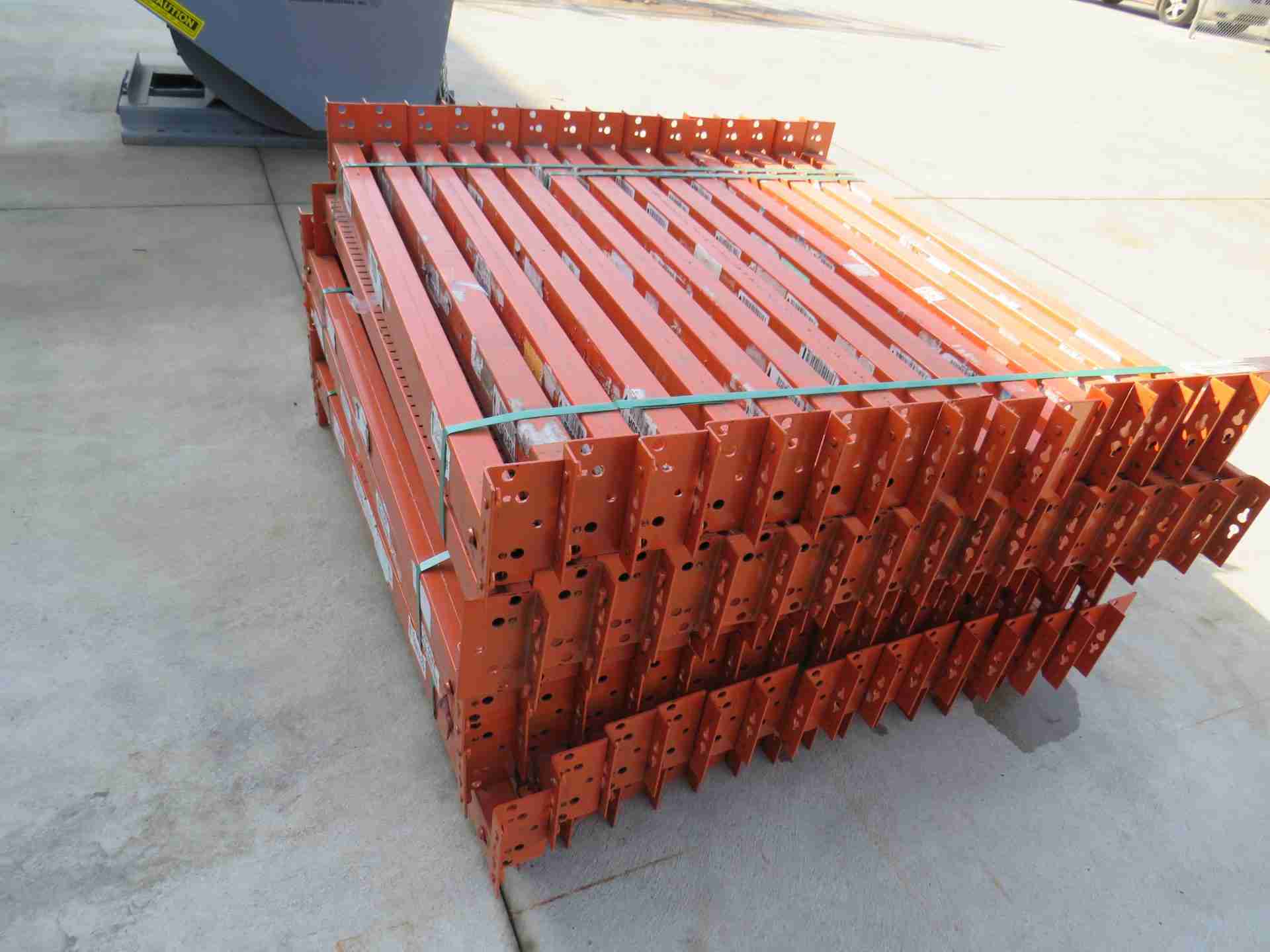
How Do Post Protectors Improve Safety for All In Your Facility?
How Do Post Protectors Improve Safety for All In Your Facility?
- In busy facilities, unseen hazards can pose significant risks to workers and property.
- Post protectors serve as essential barriers, absorbing impacts and preventing accidents.
- They enhance safety, allowing workers to focus on their tasks without the fear of collisions.
- Facilities with post protectors reflect a culture of care and a commitment to employee well-being.
- Investing in post protectors not only protects equipment but also prioritizes the safety of team members.
- Robust safety measures lead to reduced injury rates, lower insurance costs, and improved employee morale.
- Post protectors symbolize a commitment to safety, reflecting organizational values and responsibility.

How Do Post Protectors Improve Safety for All In Your Facility?
Could Post Protectors Save Your Business From Costly Liability Claims?
When you step onto a bustling warehouse floor, the sights and sounds can be as mesmerizing as they are chaotic. It’s a world of racking systems, moving forklifts, and, unfortunately, potential hazards lurking at every corner. Imagine a hard-working employee navigating this landscape, only to encounter an unprotected post. Suddenly, what was once a simple task turns into a costly liability claim—and just like that, your livelihood is on the line.
Picture this: You’ve poured your heart and soul into building your business. Early mornings, late nights, all-nighters fueled by coffee and grit. You’ve earned the sweat on your brow and the respect of your community. Now, imagine the devastation if that hard work crumbles due to a preventable accident, spurred by a lack of precaution. Post protectors may seem like simple pieces of hardware, but they serve as your frontline defense against not just physical damage, but catastrophic financial setbacks. They safeguard the very essence of your business, protecting your employees and preserving your reputation.
Let’s get real—every day in business is a balancing act. There’s the drive to maximize efficiency while ensuring safety, and it can feel like you’re juggling flaming torches. Investing in post protectors is not just a financial decision; it’s a testament to your values. It shows your team that you care about their well-being, fostering a culture of safety that resonates far beyond the walls of your warehouse. It communicates that you are not merely focused on profits, but on the people who contribute to your success.
Think of the stories you hear from industry leaders—a tragic accident leading to irreversible consequences, or the relief of an owner who put safety first and avoided disaster. Listening to these narratives not only fuels your gut instinct to protect your business; it also adds emotional weight to a grounded rationale. By spending a relatively small amount on post protectors, you’re investing in peace of mind—a safety net for everyone who walks through your doors.
In our interconnected world, word travels fast. Businesses that prioritize safety foster trust, not just among employees but also within the community. When you lead with integrity and responsibility, you’re not just protecting your assets; you’re crafting a reputation that will resonate for years to come. So, step up and take an action that counts—because when it comes to safety and liability, taking the proper precautions isn’t just good practice; it’s a moral imperative.
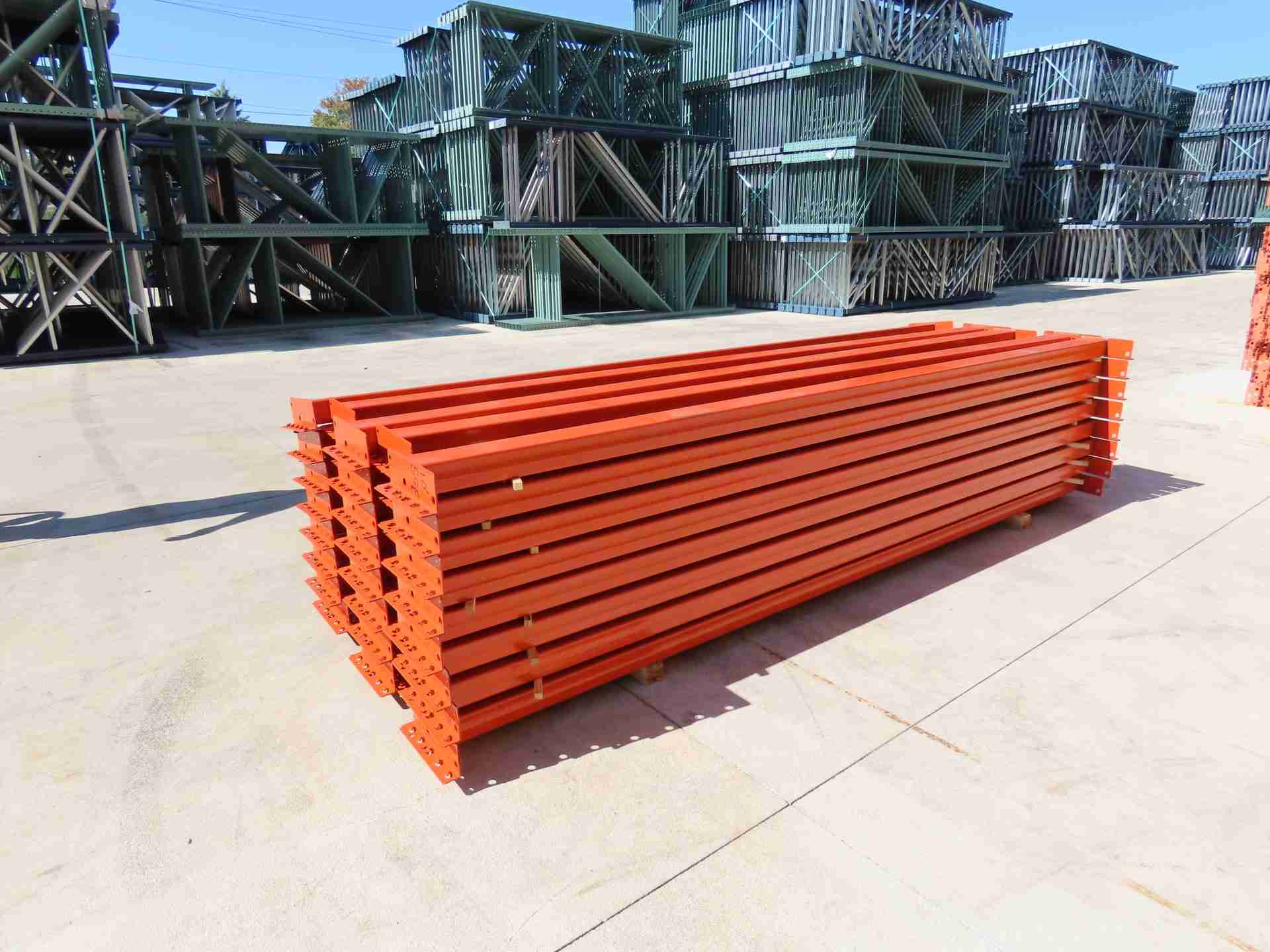
Could Post Protectors Save Your Business From Costly Liability Claims?
Could Post Protectors Save Your Business From Costly Liability Claims?
- Warehouse environments can be chaotic, filled with potential hazards.
- Unprotected posts pose significant risk, turning simple tasks into costly liability claims.
- Post protectors are essential as they safeguard both employees and business reputation.
- Investing in safety equipment, like post protectors, reflects a company’s values and concern for employee well-being.
- Prioritizing safety not only protects physical assets but also fosters a culture of trust and community support.
- Real-world stories from the industry highlight the importance of preventative safety measures.
- Taking precautions is not just a financial decision; it is a moral responsibility for business leaders.
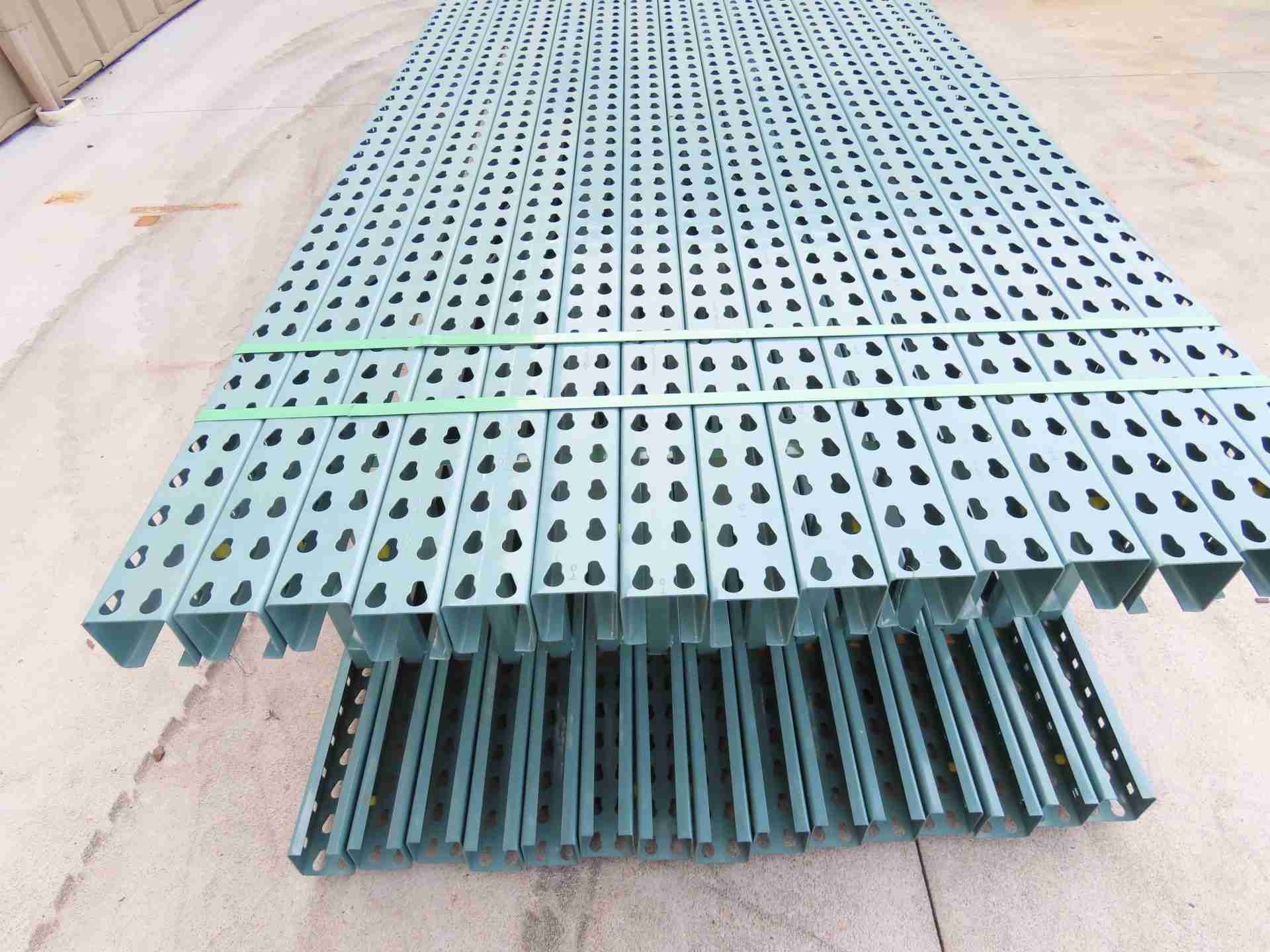
Could Post Protectors Save Your Business From Costly Liability Claims?
How Have Other Companies Benefited From Installing Post Protectors?
When we think about the unsung heroes of the industrial world, we often overlook the little things that make a big difference. Amidst the clatter of machinery and the hustle of daily operations, post protectors stand as silent sentinels, guarding against the relentless racking that can wreak havoc in warehouses and facilities. It’s not just about protecting physical structures; it’s about preserving the livelihood of those who depend on them.
Consider a mid-sized logistics company in the heart of an urban hub. Their operations were thriving until a catastrophic accident involving a rogue forklift left a gaping hole in their wall, causing delays and a loss of trust among their clients. It was a wake-up call—one that prompted them to rethink their approach to safety and durability. They invested in post protectors, and what followed was nothing short of a renaissance for their operations. These seemingly small additions not only shielded their racking systems but also fostered a renewed sense of confidence among their employees. Workers felt empowered, knowing their environment was more secure, which translated into boosted morale and productivity.
Beyond the immediate financial advantages, there’s a genuine ethical responsibility that companies take on when they prioritize safety. By implementing post protectors, organizations signal that they care for their team, their clients, and their community. One company showcased this philosophy by hosting a safety awareness week, highlighting not only how post protectors preserve assets but also how they protect lives. It resonated deeply within the community, stirring emotions and fostering loyalty that extended far beyond mere transactions.
The narrative continues to unfold as more companies share their stories of transformation through these humble safeguards. A manufacturing firm faced with the constant threat of equipment damage and worker safety found its footing after installing post protectors. With less time spent on repairs and more on production, they could innovate and grow—creating jobs and boosting the local economy.
As you consider whether to install post protectors in your own operations, reflect on what it means for your team’s safety, your bottom line, and the larger community you serve. It’s not just about defense; it’s about progress and making choices that align with your values. It’s about building a legacy of safety, trust, and resilience. So let’s embrace these small yet impactful changes, recognizing that every step forward leads us toward a brighter, safer future for all.
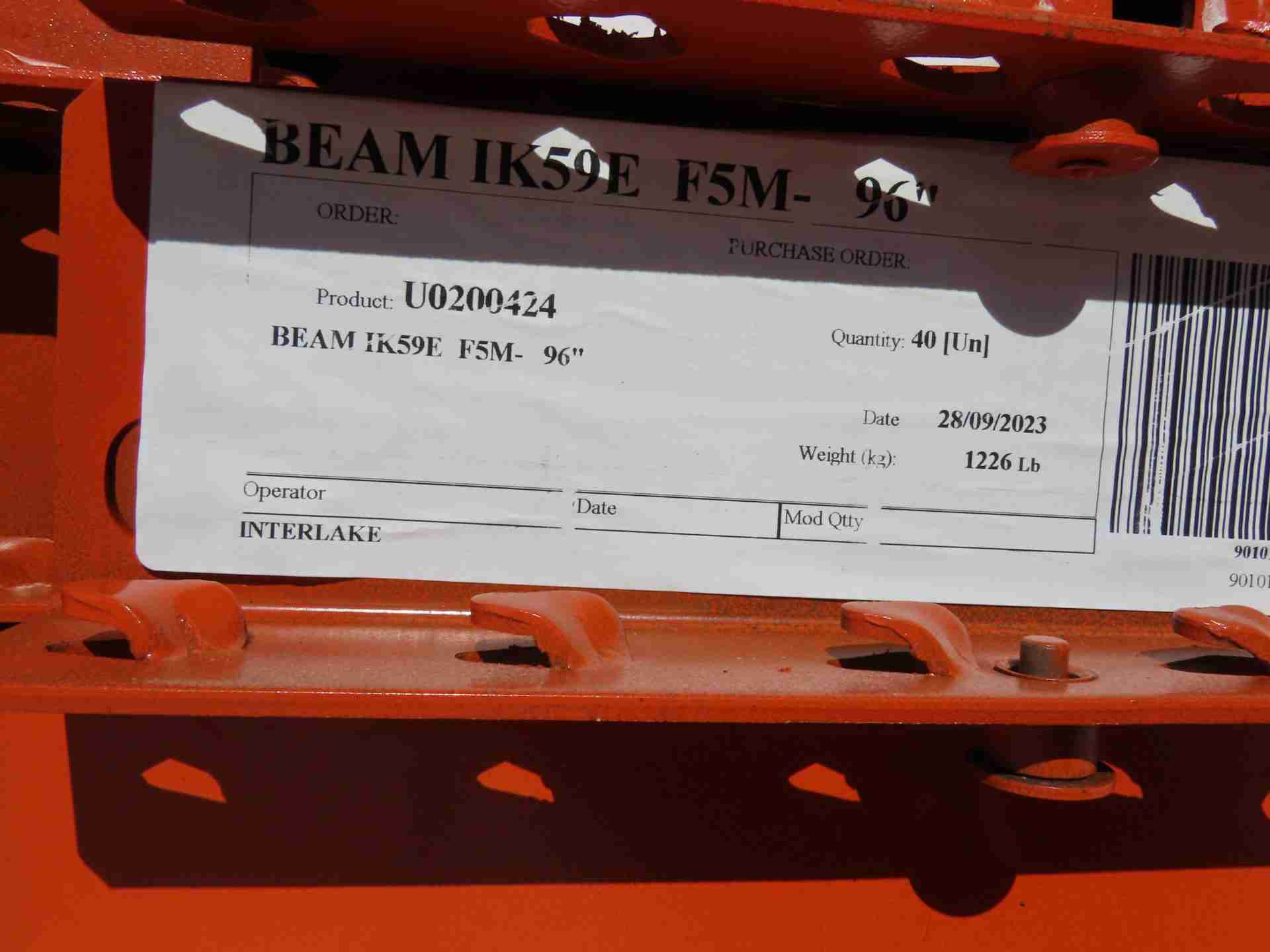
How Have Other Companies Benefited From Installing Post Protectors?
How Have Other Companies Benefited From Installing Post Protectors?
- Post protectors act as essential safeguards in warehouses and facilities, preventing damage from equipment.
- A logistics company faced operational setbacks after a forklift accident, prompting them to improve safety measures.
- Investing in post protectors revitalized the company’s operations, boosting employee confidence and morale.
- Prioritizing safety through post protectors demonstrates a company’s ethical responsibility to its team and community.
- A safety awareness week highlighted the importance of post protectors in preserving assets and protecting lives.
- Companies have shared success stories of transformation and growth after installing post protectors.
- Implementing post protectors aligns with values of safety, trust, and resilience, contributing to a brighter future.
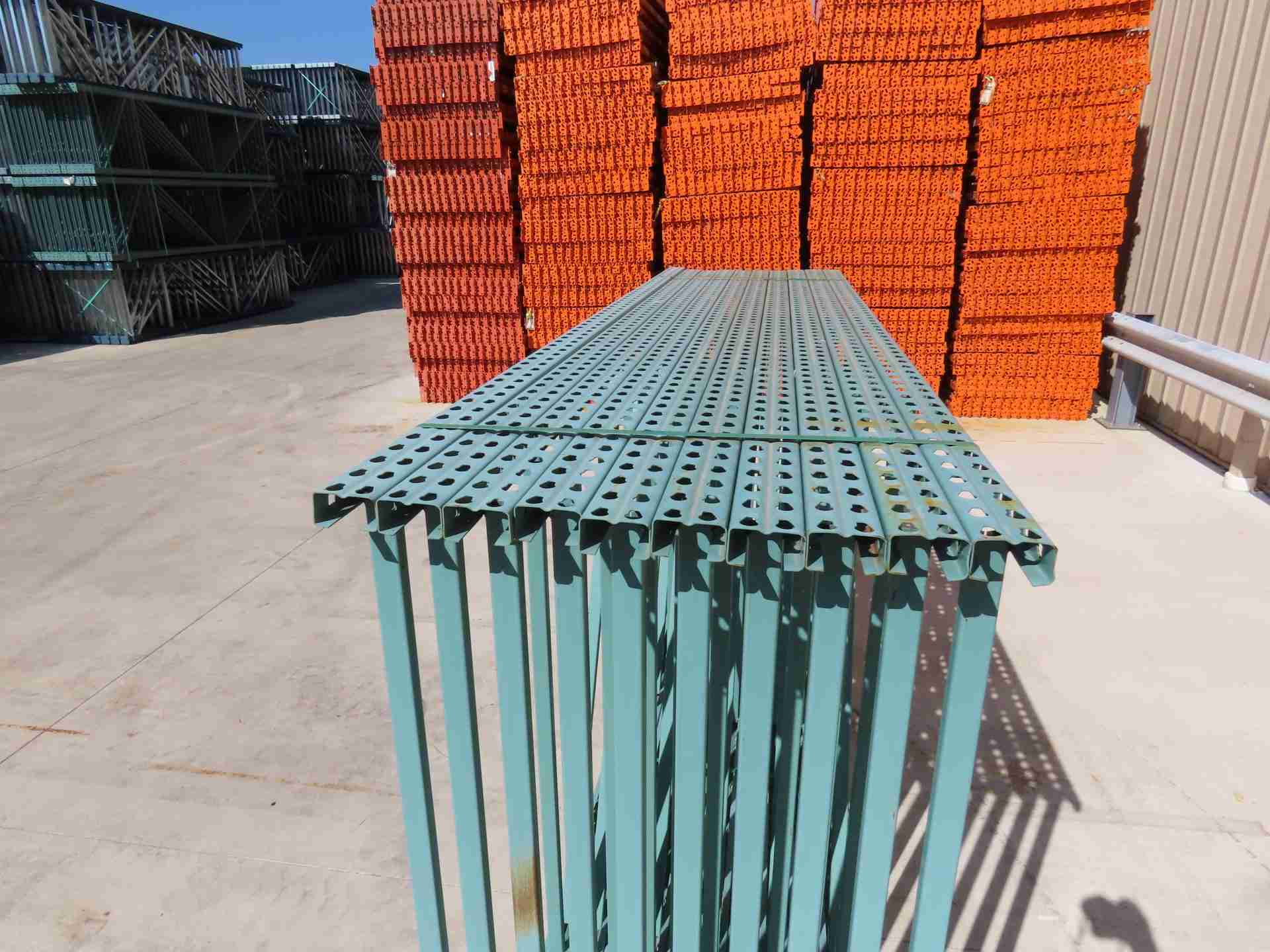
How Have Other Companies Benefited From Installing Post Protectors?
What Ethical Responsibility Do You Have to Ensure Workplace Safety?
When we step into our workplaces, we’re not just clocking in for a paycheck; we’re entering a space woven together by the hands of camaraderie, trust, and a shared commitment to safety. Each morning, millions of individuals fasten their boots, don safety gear, and prepare to meet their responsibilities. Yet, that responsibility extends far beyond the confines of a job description. It wraps around the very heart of who we are as colleagues, friends, and human beings.
Think about it: what does it mean to work side by side with someone? It’s more than just a split-second nod or an exchanged grin in the breakroom; it’s an unspoken pact to look out for one another. When we see someone struggling on a racking system or ignoring the safety signs posted around the warehouse, we must step in. Not just as co-workers, but as advocates for a culture that prioritizes life and safety above all else. If you don’t speak up, whose fault is it if something goes wrong?
The ethics of workplace safety aren’t just cut-and-dry regulations; they’re the firm foundation upon which trust is built. If you’re in a leadership position, your authority carries weight—your actions dictate the workplace culture. Empower your team to voice their concerns without fear of reprimand. Create a climate where safety is as ingrained as each task on the to-do list. Doing so transforms the workplace, not just into a space of productivity, but one where human lives are honored and valued.
Now, let’s ponder a scenario: You’re finishing a long shift. It’s tempting to rush out the door, but then you notice a co-worker struggling to adjust the racking system. You have a choice. You can walk away and let them handle it—or you can take a moment to lend a hand. That single act, though simple, reverberates through every corner of your workplace. It establishes a culture of care, turning weary shifts into moments of shared responsibility.
Ultimately, workplace safety is not solely a top-down mandate; it’s a shared moral code. It’s about forging connections that ensure everyone goes home safe and sound. By standing together and championing safety, we uphold our ethical responsibility, honor our peers, and nurture a community where everyone thrives. Let’s inspire that confidence, giving rise to a legacy of safety that extends beyond the walls of our workplaces and into the lives we touch.
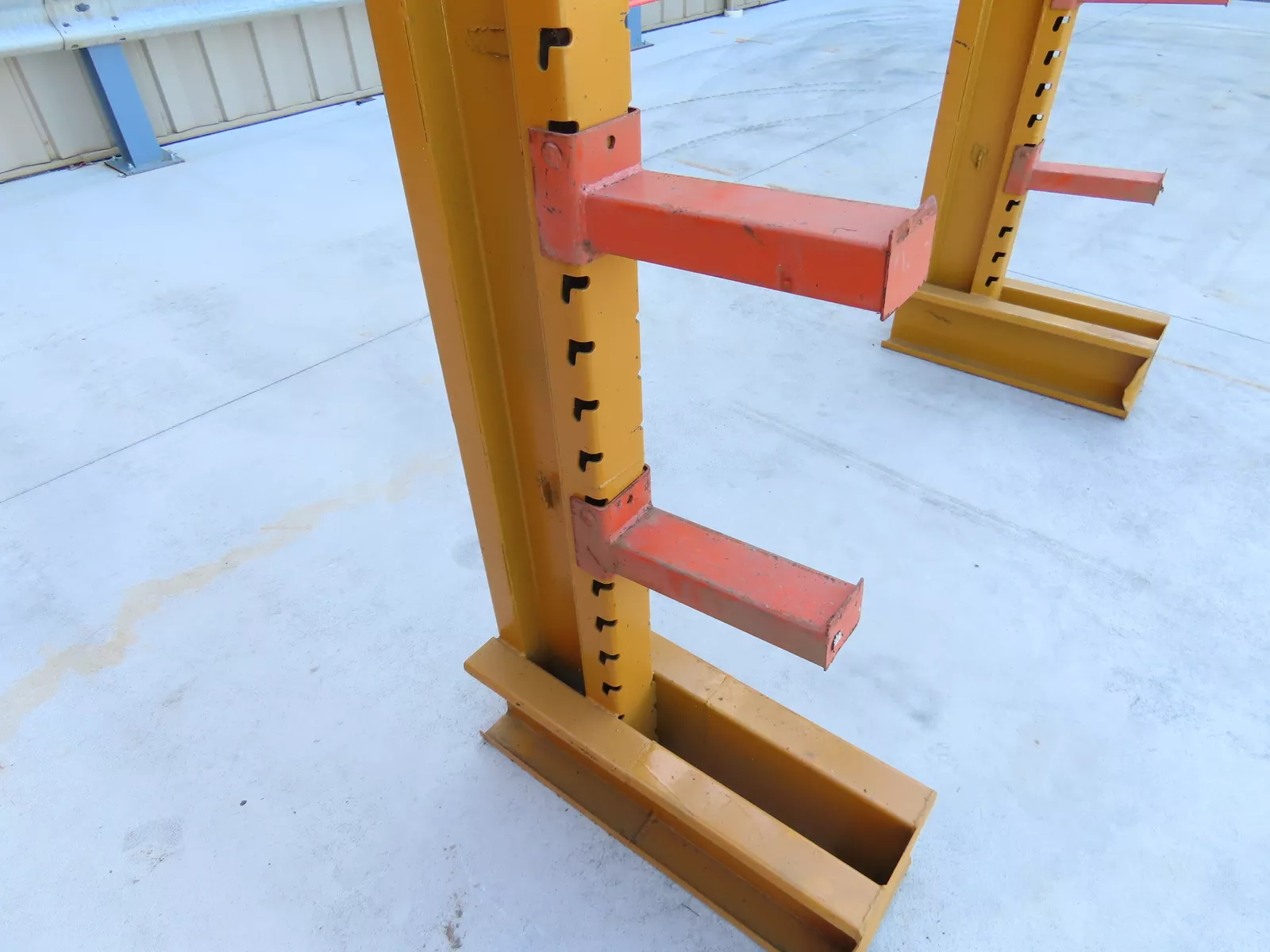
What Ethical Responsibility Do You Have to Ensure Workplace Safety?
What Ethical Responsibility Do You Have to Ensure Workplace Safety?
- Workplaces are built on camaraderie, trust, and a shared commitment to safety.
- Responsibility at work extends beyond job descriptions to caring for one another.
- Working together involves an unspoken pact to look out for each other’s safety.
- Workplace safety is rooted in ethical practices that build trust among colleagues.
- Leaders should empower their teams to voice safety concerns without fear of repercussions.
- Small acts of kindness, like helping a co-worker, foster a culture of care and shared responsibility.
- Championing safety creates a community focused on well-being, ensuring everyone goes home safe.

What Ethical Responsibility Do You Have to Ensure Workplace Safety?
Conclusion
In the heart of retail, where every aisle offers a glimpse into a curated world of products, one critical element stands sentinel—post protectors. These sturdy bastions, often overlooked, play a pivotal role in safeguarding not only the merchandise but the people who keep the wheels of commerce turning. Consider the dynamic scene: an employee gracefully navigating the aisles, a cart filled with anticipation, yet one careless moment could unleash chaos. The sight of tumbling shelves and compromised morale is all too familiar, yet it’s a scenario entirely avoidable with the right preventive measures.
From a practical standpoint, post protectors represent a smart investment. They absorb impacts, acting as a buffer that preserves both your racking infrastructure and your precious goods. Investing in these guardians means saying no to costly repairs and yes to maintaining a smooth, shopper-friendly experience. But it extends far beyond mere economics; it relates deeply to ethics. We have a solemn duty to protect our employees—those hard-working individuals who ensure that customers leave with smiles. By placing safety first, we declare our commitment to their well-being.
The emotional weight of damaged goods transcends dollars and cents. Each collision leaves scars that go beyond physical objects, impacting the morale and spirit of a workforce. A culture of care, supported by the installation of post protectors, nurtures a thriving atmosphere where team members feel secure and valued. Companies that have embraced this practice often report not just reduced damage but enhanced employee satisfaction and productivity—creating a workplace where confidence breeds success.
Moreover, there’s a compelling social dimension. Customers are acutely aware of a company’s safety measures. When they see post protectors, they perceive a business dedicated to a safer shopping environment, fostering trust and loyalty. This isn’t just a business decision; it’s a statement of values extending beyond the four walls of a store.
In the end, embracing post protectors isn’t simply about enhancing safety; it’s about crafting a safe, engaging space where employees and customers flourish together. You have the power to champion this change. Equip your stores and facilities with these unsung allies, affirming your commitment to safety, integrity, and a brighter future for all. This is not just good business; it’s a moral imperative that resonates with every heartbeat in your establishment. Welcome the change, and as you do, consider the ripple effect—positive for your people, your customers, and your community at large.
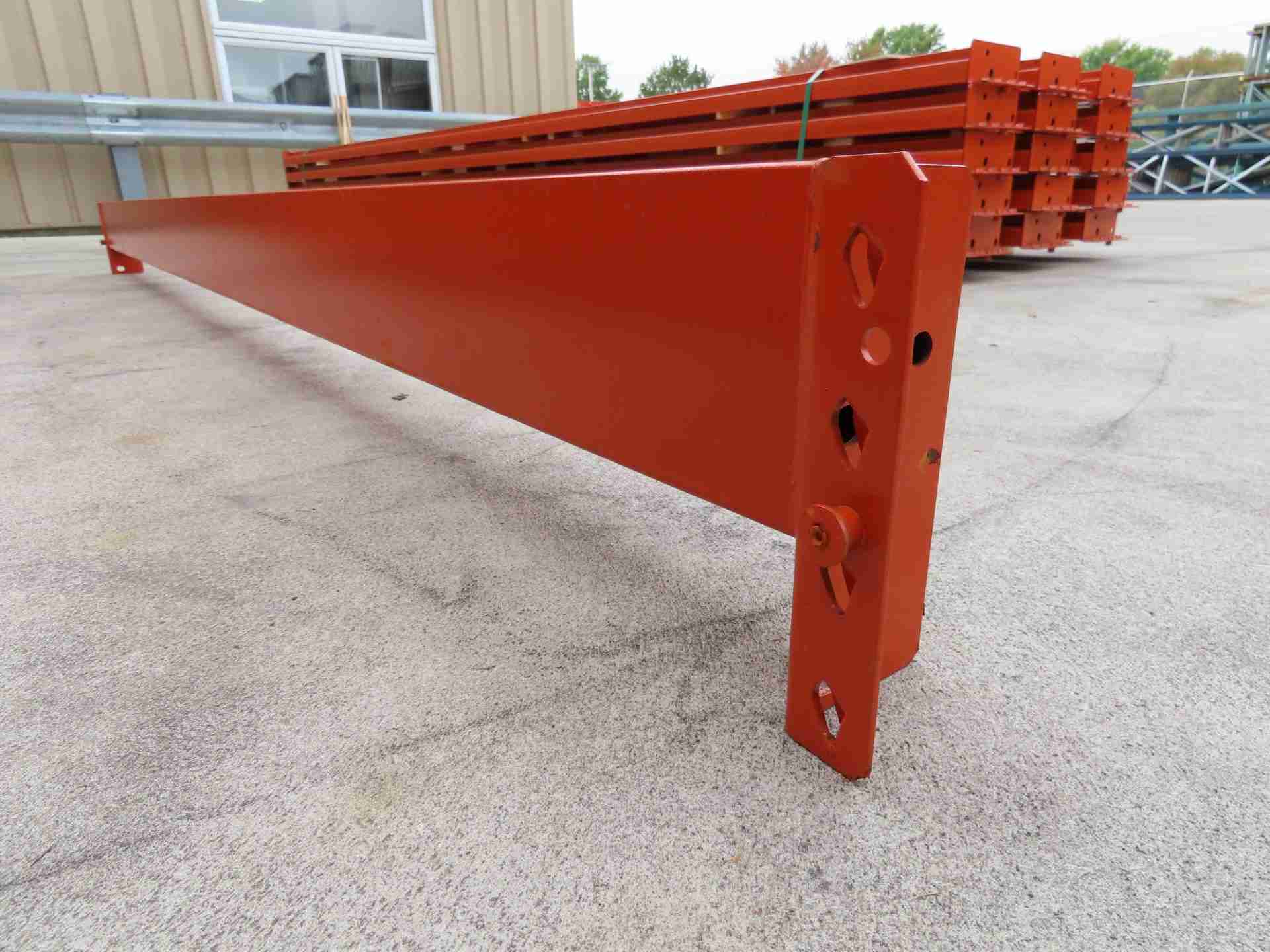
Conclusion
Conclusion:
- Post protectors are essential for safeguarding merchandise and ensuring employee safety in retail environments.
- These protective installations absorb impacts, preserving the integrity of racking systems and goods, thus preventing costly repairs.
- Investing in post protectors reflects a company’s commitment to employee well-being and creates a safer workplace culture.
- Damage to goods not only has financial implications but also affects employee morale and overall workplace spirit.
- Companies that utilize post protectors experience increased employee satisfaction and productivity, fostering a thriving work environment.
- Customers notice safety measures like post protectors, which enhances their perception of a brand, building trust and loyalty.
- Embracing post protectors positively impacts employees and customers, creating a safe space and demonstrating moral responsibility in business practices.
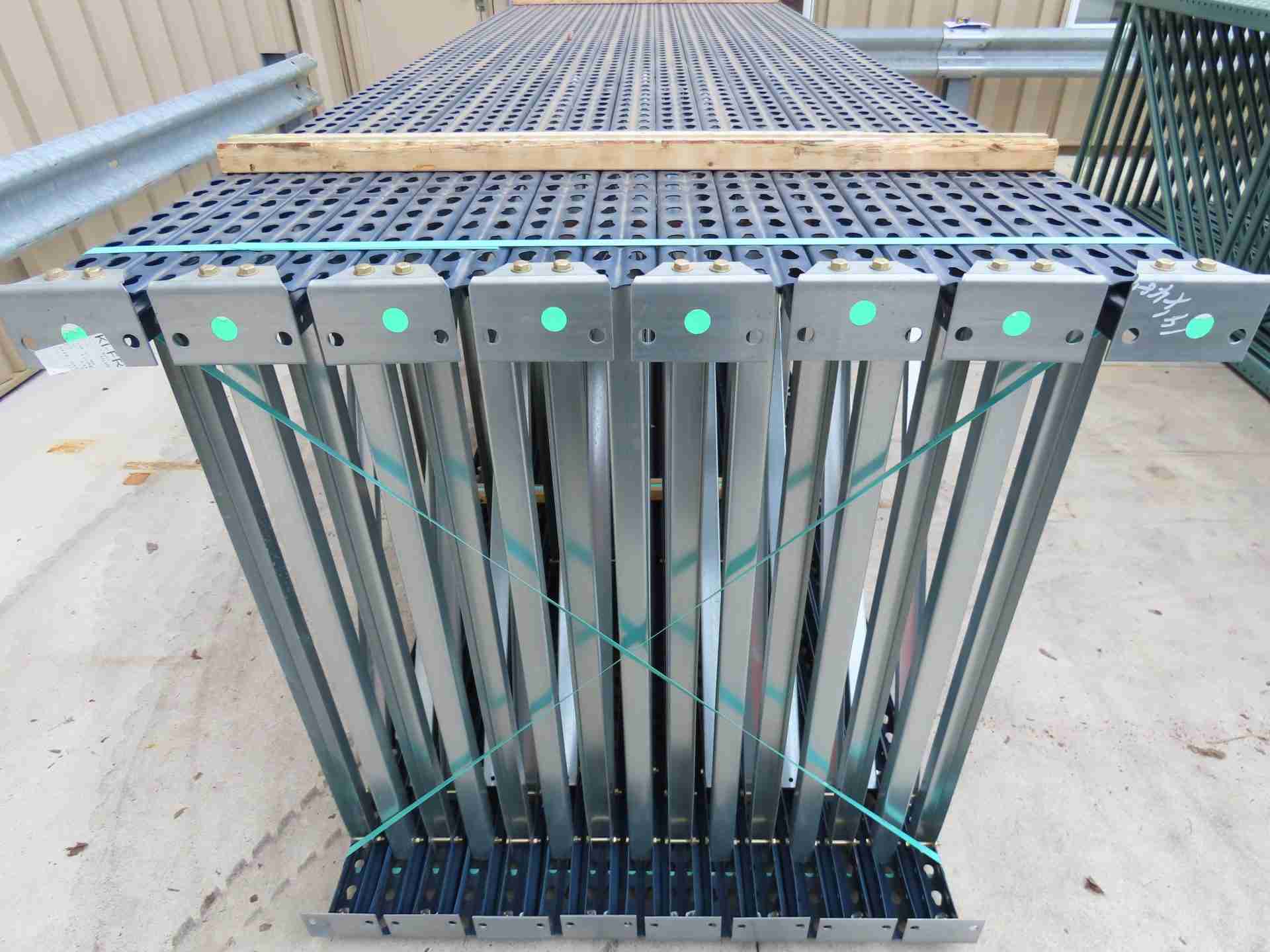
Conclusion
Other Resources
Other Resources
Here is a list of other resources you can review online to learn more:
- Total Warehouse
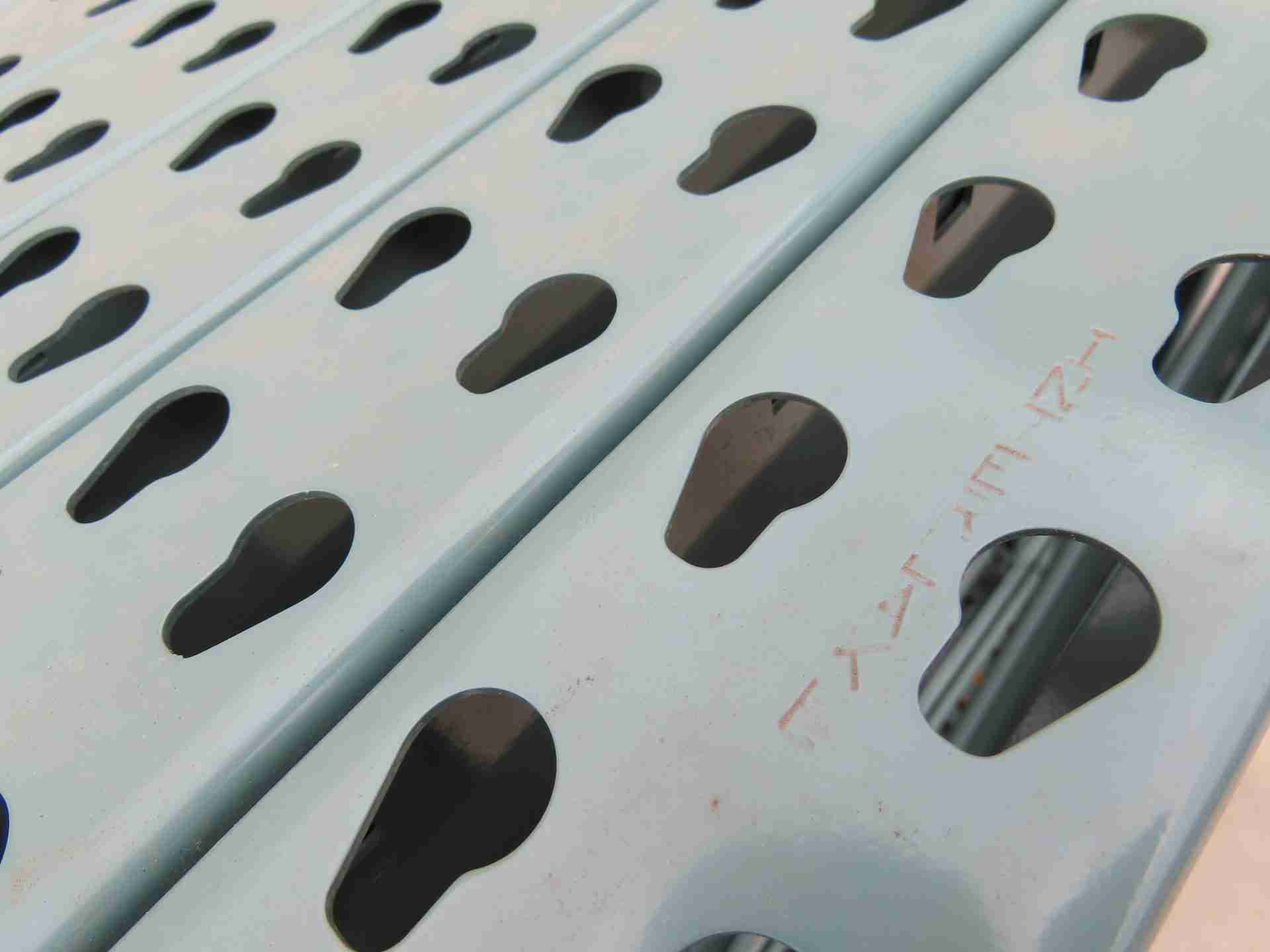
- Teardrop Industrial Shelving Rack
- IIWS Inc. Rack Installation Illinois & Rack Repairs Illinois
- ASSP
- Material Handling Industry
- Warehouse Racking Chicago, IL
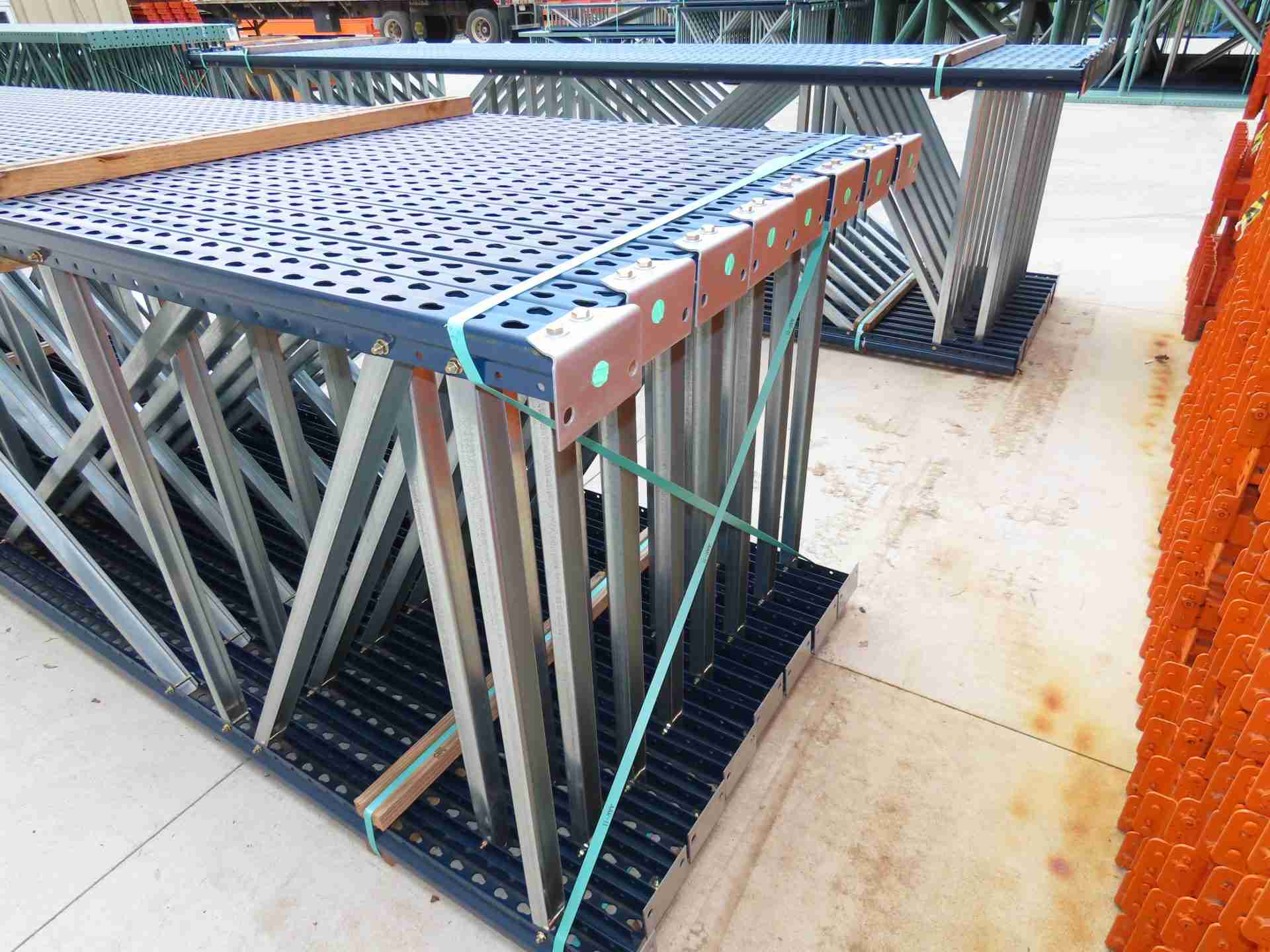
- Teardrop Pallet Rack – Ridg-U-Rak
- Teardrop Pallet Rack – Ridg-U-Rak
- Shipping Boxes, Packaging Materials, Pallet Racking
- Cantilever Rack Configuration & Installation: A Comprehensive Guide – BMH
- Selective Racking
- Pallet Racking 101: A Comprehensive Guide & Options Explained
- Warehouse Racking Layout: The Ultimate Guide – Conger
- National Safety Council
- Used Teardrop Pallet Rack – American Surplus
- BMH
- Material Handling Safety
- Cantilever Racking Specialists – Get the Right Racks
- BMH Equipment LLC
- Teardrop Industrial Shelving Rack
Use This Prompt To Get More Resources With Your Favorite Online AI Tool: Please provide me with a list of online articles with their URLs in a bulleted list that I can read regarding Why You Need Post Protectors At Every Aisle End
Other Resources
Glossary Terms
Why You Need Post Protectors At Every Aisle End – Glossary Of Terms
1. Post Protectors: Devices designed to shield structural posts from damage caused by vehicles or foot traffic.
2. Aisle End: The area at the termination of a shopping aisle or lane, often adjacent to a major walkway.
3. Impact Resistance: The ability of a post protector to absorb and withstand collisions without sustaining damage.
4. Durability: The capacity of post protectors to endure wear and tear over time, ensuring longevity.
5. Collision Prevention: Strategies or devices like post protectors aimed at avoiding accidents that can lead to property damage.
6. Traffic Flow: The movement of shoppers or vehicles through an area, often influenced by the layout and protective features present.
7. Safety Compliance: Adhering to regulations and standards that ensure the safety of structures and individuals in a commercial space.
8. Material Composition: The materials used to manufacture post protectors, which can affect their strength and effectiveness.
9. Installation: The process of setting up post protectors, often requiring specific tools and techniques for proper placement.
10. Maintenance: Routine checks and repairs necessary to keep post protectors functioning effectively and looking good.
11. Visibility: The ease with which post protectors can be seen, crucial for alerting shoppers to potential hazards.
12. Cost-effectiveness: An evaluation of the financial implications of installing post protectors versus the potential costs of damages.
13. Brand Image: The perception of a business that can be positively influenced by a safe and well-maintained environment.
14. Damage Control: Measures taken to minimize the impact of incidents resulting in damage to property or products.
15. Customization: The ability to modify post protectors to fit specific design or functional needs of a space.
16. Design Aesthetics: The visual appeal of post protectors that can complement the overall décor of an area.
17. Foot Traffic: The volume of pedestrians moving through a particular space, influencing the likelihood of impacts on posts.
18. Vehicle Encroachment: Instances where a vehicle unintentionally enters an area designated for pedestrian traffic, increasing the risk of collisions.
19. Safety Features: Additional components of post protectors designed to enhance user safety.
20. Signage: Visual indicators placed near post protectors to inform shoppers of potential hazards.
21. Protective Barrier: A physical separation created by post protectors to prevent direct contact with vulnerable structures.
22. Shock Absorption: The ability of post protectors to absorb energy from impacts, reducing the force transferred to posts.
23. Accident Rates: Statistics that measure the frequency of incidents occurring in specific areas, highlighting the need for protective measures.
24. Space Utilization: The effective use of an area, which can be optimized by strategically placing post protectors.
25. Compliance Standards: Guidelines and regulations that dictate the necessary safety features in public commercial spaces.
26. Installation Location: Specific areas designated for placing post protectors based on traffic patterns and potential risk.
27. Return on Investment (ROI): A calculation to assess the financial benefits gained from investing in post protectors versus costs incurred from damages.
28. Protective Coating: A finishing that can be applied to post protectors for enhanced resistance to environmental damage.
29. Accessibility: The ease with which shoppers can navigate spaces, influenced by the positioning of post protectors.
30. Emergency Protocols: Procedures in place to manage situations that could lead to damage or safety risks, underscoring the importance of post protectors.

Glossary Of Terms
Other Questions
Why You Need Post Protectors At Every Aisle End – Other Questions
If you wish to explore and discover more, consider looking for answers to these questions:
- What are the specific benefits of installing post protectors in a retail environment?
- How do post protectors contribute to employee morale?
- What are the financial implications of not using post protectors?
- Can the installation of post protectors help reduce overall insurance costs?
- What types of post protectors are most effective for different environments?
- How do post protectors impact customer perception of safety?
- What are common misconceptions about post protectors?
- How can we measure the effectiveness of post protectors in preventing damage?
- What training is necessary for employees regarding safety and the use of post protectors?
- How do post protectors fit into overall safety regulations and standards?
- Have there been case studies showing the long-term effects of post protectors on safety and cost savings?
- What steps should a company take before installing post protectors?
- Are there alternative safety measures that can complement the use of post protectors?
- What is the process for maintaining and inspecting post protectors?
Other Questions
Checklist
Why You Need Post Protectors At Every Aisle End – A Checklist
Checklist for Implementing Post Protectors in Your Facility
Emotional Appeals
_____ Reflect on the pride you take in your workspace and the bonds formed with your team.
_____ Consider how a safer environment enhances employee morale and confidence.
_____ Visualize the positive atmosphere when employees feel secure and valued.
Rational Appeals
_____ Assess the cost-effectiveness of investing in post protectors versus the expenses of damaged inventory.
_____ Review safety statistics that demonstrate a reduction in accidents and improved productivity after installing post protectors.
_____ Calculate potential savings from reduced liability claims and insurance premiums.
Ethical Appeals
_____ Acknowledge your duty to provide a safe working environment for all employees.
_____ Evaluate the impact of accidents on both your team and the reputation of your business.
_____ Establish a culture of care that prioritizes safety as a moral imperative.
Authority Appeals
_____ Research industry standards and practices that endorse the use of safety equipment like post protectors.
_____ Consult safety inspectors or professionals who can validate the importance of implementing protective measures.
_____ Look into case studies from other companies that have benefitted from post protectors.
Narrative Appeals
_____ Share stories within your team about past accidents and the emotional toll they took.
_____ Create a narrative around a safer workplace and its impact on the community and colleagues.
_____ Relate success stories from businesses that experienced transformation after investing in post protectors.
Social Appeals
_____ Foster an environment where colleagues support and advocate for each other’s safety.
_____ Promote teamwork by encouraging employees to speak up about safety concerns.
_____ Engage with customers and the community to build a reputation as a business that values safety and care.
Action Steps
_____ Schedule a safety assessment of your facility to identify high-risk areas.
_____ Set a budget for the installation of post protectors and related safety measures.
_____ Plan an educational session for employees about safety practices and the importance of post protectors.
Checklist
At RackingWorld, we help guide you through selecting warehouse storage systems and racking.
Be sure to read our other related stories at RackingWorld to learn more about warehouse storage systems.
0 Comments