
Crafting A Comprehensive Rack Installation Plan
By Tom Seest
At RackingWorld, we help guide you through selecting warehouse storage systems and racking.
Be sure to read our other related stories at RackingWorld to learn more about warehouse storage systems.
What to Include In a Rack Installation Scope Of Work
When diving into the details of a rack installation scope of work, it’s not just about steel and bolts; it’s about vision, commitment, and the untold sweat that goes into every connection. Racking is the backbone of operations that power industries, from manufacturing plants to data centers. It’s the unsung hero that ensures everything has its place, supporting not only heavy loads but also the dreams of those who rely on the system to function smoothly.
Begin with a clear description of the project scope. Detail the dimensions and load specifications, as this isn’t just a technical necessity—it shows that you’re taking the time to understand the unique needs of the business. Establishing parameters ensures that expectations are met and safety standards upheld; it’s about doing right by every person who walks through that facility, trusting that their well-being is a priority.
Next, include timelines. Projects can be daunting, but breaking them down into manageable phases transforms an overwhelming task into a series of achievable goals. Your stakeholders want to see progress, and outlining a timeline fosters camaraderie and shared purpose. It’s a promise that you’re in this together, every step of the way.
Don’t shy away from detailing the roles of your team members, either. This isn’t just about hierarchy; it’s about showing that you value expertise and collaboration. Each person plays a vital part in the success of the installation, creating a sense of community. Highlighting their contributions helps establish trust and assures stakeholders that knowledgeable hands are at the helm.
Lastly, emphasize compliance and safety protocols. Yes, rules can feel cumbersome, but they’re there for a reason: to protect lives and secure investments. In a world where shortcuts can lead to catastrophic failures, your commitment to safety isn’t just a box to check; it’s a badge of honor. Show your clients that you are not merely here to install racks, but to create a safe haven for innovation and growth.
When you craft a scope of work with these elements, you’re not just assembling a document; you’re sculpting a foundation for a partnership. You’re telling a story of strength, reliability, and shared success—one rack at a time. Embrace this opportunity to inspire confidence and action, knowing your commitment to excellence will echo in every corner of that installation.

What to Include In a Rack Installation Scope Of Work
What to Include In a Rack Installation Scope Of Work
- Racking installations involve not just technical skills but also vision, commitment, and effort.
- Start with a clear project scope that includes dimensions and load specifications to address unique business needs.
- Establishing parameters ensures safety standards are met and builds trust in the facility’s operations.
- Break down timelines into manageable phases to promote progress and foster a sense of shared purpose among stakeholders.
- Detail team member roles to highlight expertise and collaboration, building community within the project team.
- Emphasize compliance and safety protocols as a commitment to protecting lives and securing investments.
- A well-crafted scope of work is not just a document but a foundation for partnership, inspiring confidence and action.

What to Include In a Rack Installation Scope Of Work
Table Of Contents
- What to Include In a Rack Installation Scope Of Work
- What Emotional Impact Could a Well-Installed Rack Have on Operations?
- How Can Precise Installation Procedures Save Time and Money?
- What Stories Illustrate the Importance Of Proper Rack Installations?
- How Can Connecting with Industry Standards Enhance Installation Trust?
- What Potential Risks Arise From Poorly Defined Installation Scopes?
- Conclusion
- Other Resources
- Glossary Of Terms
- Other Questions
- Checklist
What Emotional Impact Could a Well-Installed Rack Have on Operations?
Racking isn’t just about practicality; it’s about the pulse of an operation. Picture the scene: a bustling warehouse, employees hustling to meet demanding timelines, and an efficient racking system working seamlessly in the background. The emotional impact of a well-installed rack can be profound—it’s more than metal and beams; it’s the backbone of productivity. When your team trusts their environment, they bring their best selves to work, fostering an energy that ripples through every corner of the facility.
Let’s engage the heart here. Imagine a worker’s relief as they pull an item from a well-organized racking system—no frustration, no searching through chaos, just a smooth, seamless experience. In those moments of ease, employees feel valued and respected. They take pride in their work, knowing they’re part of a well-oiled machine where their contributions matter. It’s a feeling of belonging, an essential thread that weaves together the fabric of a cohesive team.
Now, let’s appeal to the head. Research shows that organized spaces lead to higher efficiency and productivity. A well-installed racking system not only streamlines operations but also significantly reduces time wasted on locating products. This isn’t just about speed; it’s about precision and planning. Companies thrive when they can trust their systems, and that trust leads directly to the bottom line. It’s sound reasoning: invest wisely in your infrastructure, and watch your profits soar.
The ethical side is equally compelling. A well-implemented racking system signifies a commitment to safety and quality. It demonstrates a company’s responsibility to protect its employees, ensuring they work in an environment that prioritizes their wellbeing. When leadership takes these steps, they forge a culture of respect and integrity—a beacon of ethical operation that inspires loyalty among the workforce.
Let’s not forget the social aspect. When racking systems are installed thoughtfully, it cultivates an environment where collaboration flourishes. Employees can easily share ideas and solutions, fostering a sense of community that makes a workplace feel less like a job and more like a shared mission.
So, the next time you walk through a facility, look deeper. A well-installed racking system isn’t just functional; it’s a powerful catalyst for morale, efficiency, and connection. Embrace this imperative, and watch as your operations transform, lifting everyone involved to new heights.

What Emotional Impact Could a Well-Installed Rack Have on Operations?
What Emotional Impact Could a Well-Installed Rack Have on Operations?
- Racking systems play an essential role in enhancing operational efficiency within bustling warehouses.
- A well-organized racking system boosts employee morale by providing an easy and stress-free work experience.
- Employees feel valued and respected in an organized environment, fostering a sense of belonging and teamwork.
- Research indicates that organized spaces lead to higher efficiency, productivity, and time savings in locating products.
- A commitment to quality and safety is reflected in the implementation of efficient racking systems, promoting employee wellbeing.
- Thoughtfully designed racking systems encourage collaboration, creating a community-driven workplace culture.
- A well-installed racking system serves as a catalyst for morale, efficiency, and meaningful connections in the workplace.

What Emotional Impact Could a Well-Installed Rack Have on Operations?
How Can Precise Installation Procedures Save Time and Money?
When it comes to any project—whether it’s fitting out a high-rise office, setting up a renewable energy system, or refurbishing a community center—precise installation procedures can be the unsung heroes. Think about it: every screw tightened just right, every bolt secured with precision—these aren’t just tedious steps; they’re the foundation of success. They save time and money, which are two resources we all hold dear.
Imagine a crew on a job site, the air thick with tension as they scramble to fix errors that could have been avoided. Time is ticking, and costs are spiraling out of control, leaving everyone frustrated. Now, envision a different scene—one where the installation flows seamlessly, as if the project has been choreographed. That’s the power of precision. It’s like racking a game plan; a well-thought-out strategy can make all the difference, turning potential chaos into a symphony of efficiency.
From the hearts of those doing the work to the minds of the decision-makers, everyone benefits when procedures are clear and exacting. You’re not just saving pennies on the bottom line; you’re investing in a culture of excellence that fosters pride in workmanship. Consider how uplifting it is when a team finishes ahead of deadline, leaving time to tackle new challenges rather than scramble to fix avoidable mistakes. It’s these moments that ignite passion, that make your work feel meaningful, that cultivate a sense of camaraderie amongst coworkers.
And let’s talk about the ethical implications. When companies prioritize precise installation procedures, they aren’t just enhancing their own profits; they’re contributing to a reputation of reliability and quality. This kind of integrity attracts top talent and builds a loyal customer base. It says, “We care, and we deliver.”
Now think about the broader social impact. When companies harness efficiency, they lower costs—ultimately benefiting the community. Lower installation costs can lead to affordable housing, better infrastructure, and services that uplift everyone.
Precision in installation isn’t just a procedural detail; it’s a commitment to excellence, a handshake between heart, head, and gut. When you adopt these procedures, you’re not merely completing a task; you’re honoring those who will stand in the spaces you’ve helped create. And that, my friends, is a legacy worth building.

How Can Precise Installation Procedures Save Time and Money?
How Can Precise Installation Procedures Save Time and Money?
- Precise installation procedures are crucial for the success of any project, from high-rise offices to community centers.
- Meticulous attention to detail in installation saves time and money, which are valuable resources.
- A seamless installation process transforms potential chaos into efficient operations, benefiting everyone involved.
- Clear and exact procedures foster a culture of excellence and pride in workmanship among teams.
- Prioritizing precision enhances a company’s reputation for reliability and quality, attracting top talent and loyal customers.
- Efficiency in installation lowers costs, benefiting the broader community through affordable housing and improved infrastructure.
- Embracing precision is a commitment to excellence and leaves a meaningful legacy for future generations.

How Can Precise Installation Procedures Save Time and Money?
What Stories Illustrate the Importance Of Proper Rack Installations?
When it comes to racking installations, the stakes are higher than many realize. Picture this: a warehouse bustling with activity, products flying off shelves, and employees rushing to keep pace. Now, imagine the sudden crash of improperly installed racks collapsing under the strain of their own weight. It’s a nightmare scenario, but it’s not just about broken equipment or lost inventory. It’s about the safety of the hardworking individuals who populate these spaces every day.
A few years back, in a facility not unlike countless others, a simple oversight during a racking installation led to a disaster. Workers were performing their usual duties when without warning, a heavily-loaded racking system buckled. Fortunately, no one was seriously hurt, but the moment forever changed the way that company viewed safety and efficiency. They learned the hard way that skimping on proper installation wasn’t just a cost-cutting measure; it was a grave risk to their employees and their bottom line.
Proper racking installations aren’t merely recommended; they’re imperative. Consider the emotional impact of a workplace accident: shattered lives and families grappling with loss, all because of avoidable mistakes. No one wants to be the person responsible for that kind of heartbreak, right? Ethically speaking, we owe it to our peers to create safe work environments. Those neatly lined rows of racking should stand as symbols of security and support, not danger and chaos.
From a rational standpoint, effective racking installations can actually save money in the long run. When racks are correctly bolted down and tested, the chance of damage decreases significantly, leading to fewer replacements and repairs. It’s an investment in safety that pays off in dividends of productivity and peace of mind.
Socially, we are all part of an intricate web of responsibility. Each of us has a role to play, whether we’re business owners, installers, or employees. Advocating for proper racking practices fosters a culture of safety and respect, one that elevates everyone involved. Just as we wouldn’t hesitate to pull a friend back from danger, we must stand up for proper installations in our workplaces.
So, let’s embrace these stories not just as cautionary tales, but as motivation. Proper racking installations can bolster our safety, our livelihoods, and ultimately our sense of community. By prioritizing proper racking, we are not just ensuring stability in our warehouses; we are safeguarding lives.

What Stories Illustrate the Importance Of Proper Rack Installations?
What Stories Illustrate the Importance Of Proper Rack Installations?
- Improperly installed racking systems can lead to dangerous collapses, risking both equipment and employee safety.
- A past incident in a warehouse demonstrated the severe consequences of overlooking proper racking installation.
- Proper installation is essential for workplace safety, as accidents can have emotional and familial repercussions.
- Investing in correct racking installations saves money by reducing the need for repairs and replacements.
- There is a shared responsibility among owners, installers, and employees to advocate for safe racking practices.
- Cautionary tales about racking failures should motivate a cultural shift towards prioritizing safety and support.
- Prioritizing proper racking installations helps ensure stability in warehouses and protects lives within the community.

What Stories Illustrate the Importance Of Proper Rack Installations?
How Can Connecting with Industry Standards Enhance Installation Trust?
When you walk into a room filled with expertly installed racking, you’re witnessing more than just a collection of beams and shelves. You’re experiencing the culmination of standards, ethics, and expertise that defines an industry. Connecting with industry standards isn’t just about compliance; it’s about building trust, one bolt and beam at a time.
Think of a family-owned business down the street, producing handcrafted furniture. They don’t simply nail wood together; they adhere to standards that ensure every piece is safe, functional, and built to last. Similarly, when installers align their work with industry benchmarks, they’re declaring to their clients, “I care about your safety and satisfaction.” This dedication resonates deeply, forging a bond between the installer and the community.
From a rational perspective, industry standards serve as a roadmap. They eliminate guesswork and provide a clear blueprint that guides installers through the complex process of setting up safe and durable structures. Imagine the confidence one feels when they know that the racking systems in their warehouse are backed by rigorous standards. Your mind can rest easy—not just because the racking looks good, but because it meets the high expectations that come with being part of a respected industry.
Let’s not forget the ethical dimension at play here. Standards are born from shared values within an industry—values that prioritize safety, business integrity, and accountability. When you see an installer reference these standards, you’re witnessing a commitment to doing what’s right, even when no one is watching. This authenticity invites you to trust them, transforming mere transactions into meaningful relationships.
And socially, connecting with standards creates a community. Installers that embrace these guidelines are part of a broader conversation, sharing insights and innovations that can lead to better practices. This creates a ripple effect—not just for their business, but for everyone who interacts with it, from clients to colleagues.
So, next time you come across racking being installed—whether in a warehouse or your neighbor’s garage—pause for a moment. Appreciate the craftsmanship, the attention to detail. Recognize that behind each piece lies a commitment to standards that enhance your trust. This is about more than just installations; it’s about creating safer, more reliable spaces where we all can thrive. Let’s embrace that.

How Can Connecting with Industry Standards Enhance Installation Trust?
How Can Connecting with Industry Standards Enhance Installation Trust?
- Expertly installed racking exemplifies industry standards, ethics, and expertise.
- Connecting with industry standards builds trust between installers and clients.
- Like handcrafted furniture, standards ensure safety, functionality, and durability.
- Industry standards serve as a roadmap for safe and reliable structure installation.
- Ethical commitments foster accountability and integrity among installers.
- Connecting with standards promotes community and shared practices within the industry.
- Recognizing craftsmanship in installations enhances trust and safety in our spaces.
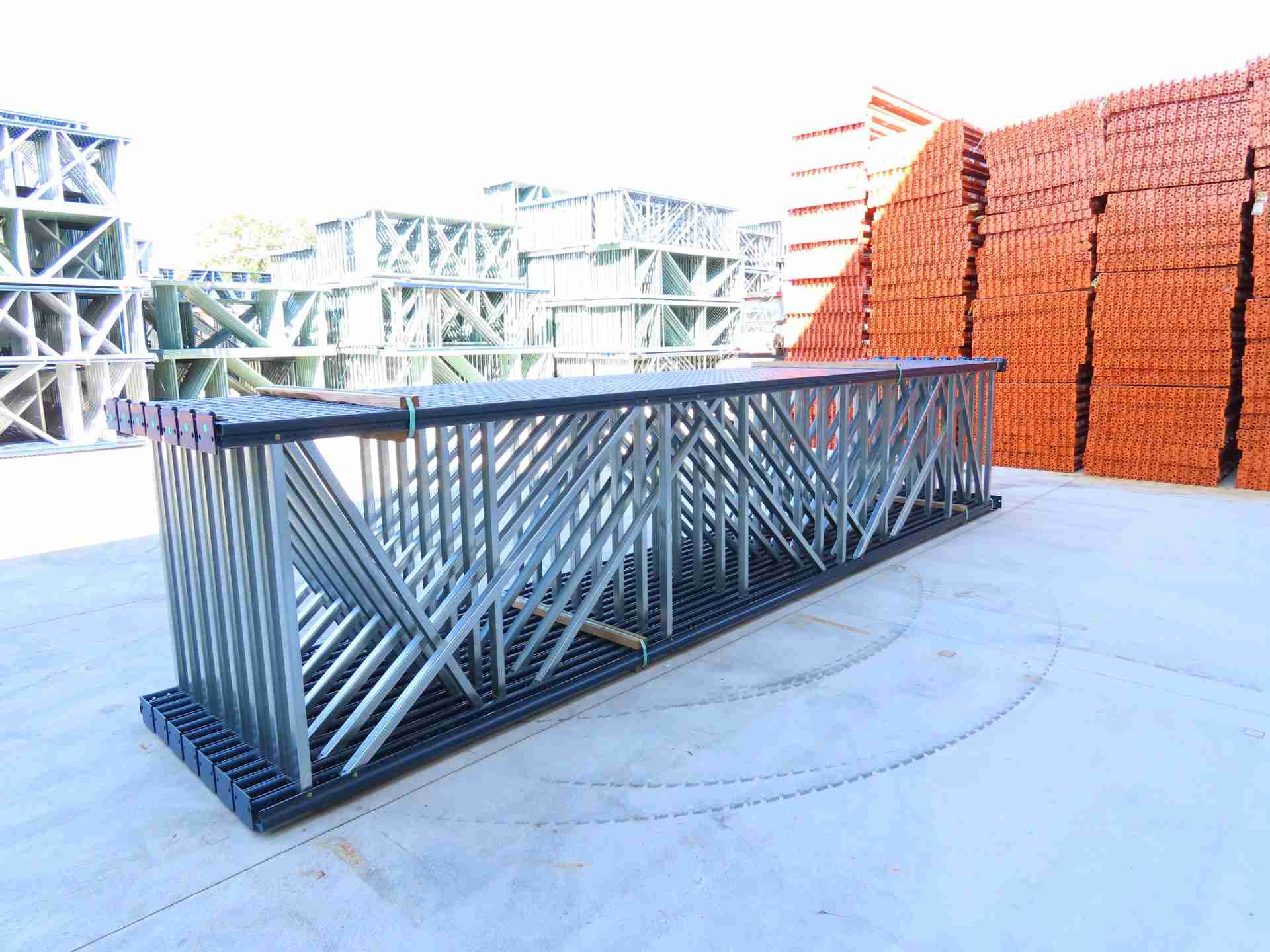
How Can Connecting with Industry Standards Enhance Installation Trust?
What Potential Risks Arise From Poorly Defined Installation Scopes?
When installation scopes are poorly defined, the stakes rise higher than the towers we erect. Picture a hardworking crew, eager to tackle a project that promises to elevate their community. As they map out plans, they realize the blueprint lacks clarity. What ensues is no mere inconvenience—it’s a domino effect of risk that can cascade through budgets, timelines, and lives.
At its core, poorly defined installation scopes are a ticking bomb. When the racking systems intended to support a structure are not adequately specified, the foundation of that project hangs in an unsettling balance. Imagine the weight of uncertainty pressing down on those workers, driving them to mix and match components without a real understanding of what’s necessary. It’s not just about beams and bolts; it’s about trust—trust in the integrity of the project and trust in the competency of each individual on the crew.
The emotional plight of the crews goes beyond mere duty. These are people striving to build something meaningful, yet when miscommunication reigns, it leads to frustration and fear. How would you feel if your hard work went to waste because the parameters were unclear? The gut tells us that we want to be part of something that stands tall and proud—not a fleeting shadow due to a lack of foresight.
Let’s talk numbers. Rationally, a poorly defined scope leads to inflated costs—projects drag on, budgets double, and resources dissipate like dust in the wind. Consider the ripple effect on local economies and families depending on these jobs. A single mistake isn’t just an error; it could put food on the table or send a kid to college.
Ethical implications arise too. A lack of clarity doesn’t just jeopardize materials and time, it can lead to unsafe conditions. An ethical contractor wouldn’t send their team into a situation shrouded in ambiguity—this is a call to responsibility, a demand for accountability.
Communities thrive on connections between those who build and those who rely on those structures. When we neglect proper planning, we fracture that bond. Let every worker feel the pride of creating with purpose. Let every project rise on a strong, defined foundation, unshakeable in its promise. Embrace the responsibility of clear communication and defined scopes, and let’s build not just structures, but legacies that endure.

What Potential Risks Arise From Poorly Defined Installation Scopes?
What Potential Risks Arise From Poorly Defined Installation Scopes?
- Poorly defined installation scopes heighten risks in project execution.
- Clarity in project blueprints is essential to avoid a domino effect on budgets and timelines.
- Unclear specifications lead to uncertainty and compromise the integrity of the work.
- Miscommunication causes emotional distress and frustration among the crews.
- Poorly defined scopes inflate costs, extending project timelines and impacting local economies.
- Ambiguous conditions can create unsafe work environments, raising ethical concerns.
- Clear communication fosters community bonds and allows workers to take pride in their contributions.

What Potential Risks Arise From Poorly Defined Installation Scopes?
Conclusion
Rack installations aren’t just about placing shelves; they’re about creating foundations that support not just materials, but dreams. Think about the countless hours, sweat, and dedication that go into ensuring that every beam, bolt, and connection is secure. It’s the unseen backbone of every operation, whether it’s a bustling warehouse or a high-tech data center. When you’ve got a well-crafted rack system, it’s more than just functional—it’s a lifeline that nurtures productivity and trust.
To start, a clear scope of work serves as both a blueprint and a commitment to those who rely on it. Detailing dimensions and load capacities isn’t merely a technical formality; it shows a keen understanding of the unique needs at hand. It communicates a promise to uphold safety standards, fostering trust and respect in every corner of the facility. Then there are timelines. They transform the seemingly insurmountable into achievable milestones, uniting every team member with a shared purpose and sense of accomplishment.
Don’t overlook the people involved. A project can’t come together without showcasing each team member’s expertise. Acknowledging their roles ensures a sense of community, reinforcing that every individual brings value to the collective. Safety protocols, often seen as hurdles, are in truth our safeguards—our ethical shield. Treating safety as non-negotiable not only protects lives but cultivates a culture of integrity, earning respect and loyalty from all workers involved.
Now, let’s touch on the heart of the matter: the emotional impact of a well-installed rack isn’t just efficiency—it’s about the spirits it lifts. Picture a worker retrieving an item with ease, completely at ease in their environment. These moments matter. They build pride, connection, and belonging. A strong rack installation means higher productivity, but it also instills trust—the very essence of any successful operation.
As we look at the precision involved in both planning and executing these installations, remember that exact procedures mitigate mistakes that can spiral into financial disasters and create unsafe situations. A well-defined scope of work doesn’t just simplify the process; it constructs a legacy of excellence that inspires confidence in everyone involved.
In the end, investing in proper rack installations isn’t just about the bottom line; it’s about creating safe, thriving spaces for communities and fostering relationships that extend beyond walls. Each installation should stand as a testament to our commitment to excellence, ensuring that not only do we build structures, but we reinforce the very foundations of teamwork, trust, and community. This is about honoring every life touched by our labor—because every bolt holds a promise. Let’s keep building on it.

Conclusion
Conclusion:
- Rack installations form essential foundations that support materials and aspirations in various operations.
- A clear scope of work acts as a blueprint, ensuring safety standards and fostering trust among stakeholders.
- Timelines turn projects into achievable milestones, uniting team members with shared goals.
- Each team member’s expertise is valuable, reinforcing a sense of community and collective effort in projects.
- Safety protocols are ethical safeguards, protecting lives and cultivating integrity, respect, and loyalty among workers.
- The emotional impact of installations boosts morale, pride, and belonging, contributing to overall productivity and trust.
- Investing in rack installations creates safe environments and strengthens community relationships, reflecting a commitment to excellence.

Conclusion
Other Resources

Other Resources
Here is a list of other resources you can review online to learn more:
- Teardrop Industrial Shelving Rack
- Interlake
- Selective Rack – Raymond West
- Pallet Racking systems in Illinois, Great Lakes
- Cantilever Rack Guide: Ordering Cantilever Racking
- WERC
- Chicago Pallet Racking
- Shipping Boxes, Packaging Materials, Pallet Racking
- Interlake Mecalux
- Warehouse Racks, Warehouse Racking in Stock – ULINE
- Total Warehouse
- Warehouse Storage Racking in Illinois
- Used Pallet Rack for Sale in Illinois – American Surplus
- BMH Equipment LLC
- ASSP
- Mustang Material Handling
- Warehousing and Fulfillment
- Illinois Pallet Racking – WPRP
- Teardrop Pallet Rack – Ridg-U-Rak
- Racking World
Use This Prompt To Get More Resources With Your Favorite Online AI Tool: Please provide me with a list of online articles with their URLs in a bulleted list that I can read regarding What to Include In a Rack Installation Scope Of Work

Other Resources
Glossary Terms
What to Include In a Rack Installation Scope Of Work – Glossary Of Terms
1. Rack Installation: The process of setting up physical infrastructure required for mounting servers and networking equipment.
2. Scope of Work: A detailed outline of the tasks, deliverables, and responsibilities related to the rack installation project.
3. Site Survey: An evaluation of the installation location to assess space, power availability, and cooling requirements.
4. Load Capacity: The maximum weight that the rack can safely hold, typically specified in kilograms or pounds.
5. Rack Units (U): A measurement unit for vertical space in a rack, where one unit equals 1. 75 inches of height.
6. Power Distribution Unit (PDU): A device used to distribute electrical power to multiple servers or devices within the rack.
7. Cable Management: Strategies and tools used to organize and secure cables to prevent clutter and ensure airflow.
8. Cooling Solutions: Systems, including fans or air conditioning, designed to regulate the temperature within the rack.
9. Mounting Hardware: Components like screws, brackets, and rails used to secure equipment within the rack.
10. Environmental Controls: Systems that monitor and adjust temperature, humidity, and airflow around the rack.
11. Access Control: Security measures taken to restrict or permit entry to the rack installation area.
12. Documentation: Records that include equipment specifications, installation plans, and maintenance procedures.
13. Project Timeline: A schedule outlining the key milestones and completion dates for the installation process.
14. Quality Assurance: Procedures implemented to ensure the rack installation meets specified standards and requirements.
15. Testing Protocols: Methods used to verify that installed equipment is functioning correctly after installation.
16. Networking Equipment: Devices such as switches, routers, and firewalls that provide connectivity and communication.
17. Installation Team: The group of professionals responsible for executing the rack installation project.
18. Safety Standards: Guidelines that ensure the installation process minimizes risk and protects personnel and equipment.
19. Compliance Requirements: Regulations and standards that must be adhered to during the installation process, often dictated by industry or local laws.
20. Integration: The process of combining installed hardware with existing systems and infrastructure.
21. Maintenance Plan: A strategy outlining how to care for and troubleshoot the rack and equipment after installation.
22. Customer Acceptance Criteria: The standards that must be met for the customer to accept the completed installation.
23. Redundancy: An approach to design that ensures system reliability by having backup components or pathways.
24. Contingency Plans: Prepared strategies for addressing potential issues or delays that could arise during installation.
25. Budget: The financial plan for the installation project, including estimates for labor, materials, and potential contingencies.
26. Change Order: A document that records any modifications to the original scope of work after the agreement is signed.
27. Inventory Management: The process of tracking materials and equipment to ensure that the installation has all necessary components.
28. End-of-Life Plan: A strategy for the future disposal or recycling of equipment at the end of its operational life.
29. Site Preparation: The actions taken to prepare the installation area, such as clearing space and ensuring stability.
30. Training: Instruction provided to users or IT staff on the operation and maintenance of newly installed equipment.

Glossary Of Terms
Other Questions
What to Include In a Rack Installation Scope Of Work – Other Questions
If you wish to explore and discover more, consider looking for answers to these questions:
- What specific factors should be considered when assessing load specifications for rack installations?
- How can teams effectively collaborate during a rack installation project?
- What are common safety protocols that must be followed during rack installations?
- What consequences can arise from neglecting compliance and safety standards?
- How does employee morale relate to the efficiency of a racking system?
- What are the best practices for maintaining a racking system after installation?
- What types of training are necessary for effective rack installation?
- How can companies measure the ROI of investing in high-quality racking systems?
- What industry standards should installers be familiar with?
- What role does communication play in preventing installation errors?
- How can technology assist in improving rack installation processes?
- What are some case studies highlighting the success of proper rack installations?
- What steps can be taken to prevent miscommunication during the installation process?
- What types of equipment are essential for a successful rack installation?
- How can businesses effectively evaluate potential contractors for rack installations?

Other Questions
Checklist
What to Include In a Rack Installation Scope Of Work – A Checklist
Rack Installation Scope of Work Checklist
Emotional Appeals
_____ Visualize Success: Envision how a well-installed racking system enhances workplace morale and productivity.
_____ Share the Journey: Create a narrative that highlights team contributions and their importance in the installation process.
_____ Prioritize Safety: Reflect on the emotional impact of a safe work environment for your team.
Rational Appeals
_____ Define Project Scope: Clearly outline dimensions and load specifications to ensure understanding and meet expectations.
_____ Establish Timelines: Break down the project into manageable phases, fostering a sense of accomplishment.
_____ Detail Team Roles: Specify individual responsibilities to enhance accountability and collaboration among team members.
Ethical Appeals
_____ Commit to Compliance: Emphasize adherence to safety and industry standards as a business priority.
_____ Promote Safe Practices: Recognize the ethical responsibility to protect workers and promote a culture of integrity.
_____ Encourage Transparency: Ensure open communication about project parameters and any potential risks associated with poor definitions.
Authority Appeals
_____ Reference Industry Standards: Use established guidelines to enhance trust and credibility in the installation process.
_____ Engage Experts: Highlight the input of industry professionals to reinforce the reliability of your approach.
_____ Showcase Success Stories: Share case studies or testimonials that illustrate the positive impact of well-executed installations.
Narrative Appeals
_____ Tell Cautionary Tales: Use stories of past installation failures to highlight the importance of careful planning and execution.
_____ Celebrate Installations: Narrate success stories that showcase the emotional and practical benefits of effective installations.
_____ Inspire Action: Create a storyline that empowers everyone involved to take pride in their roles during installations.
Social Appeals
_____ Build Community: Foster a collaborative environment by encouraging teamwork and open dialogue among stakeholders.
_____ Cultivate Ownership: Help team members feel invested in the project outcomes to encourage commitment and effort.
_____ Recognize Contributions: Acknowledge and celebrate individual and team efforts publicly to strengthen relationships and morale.
Use this checklist to ensure a comprehensive approach to your rack installation project, addressing emotional, rational, ethical, authoritative, narrative, and social aspects to create a foundation for success.

Checklist
At RackingWorld, we help guide you through selecting warehouse storage systems and racking.
Be sure to read our other related stories at RackingWorld to learn more about warehouse storage systems.
0 Comments