
Uncovering The Hidden Risks Of Inadequate Warehouse Training
By Tom Seest
At RackingWorld, we help guide you through selecting warehouse storage systems and racking.
Be sure to read our other related stories at RackingWorld to learn more about warehouse storage systems.
Could Your Neglect Of Proper Warehouse Training Be Endangering Staff?
The Hidden Dangers of Neglecting Warehouse Training
Imagine walking through a bustling warehouse, where the hum of activity fills the air and products shift seamlessly from one area to the next. Now, picture that same warehouse filled with workers who lack proper training. Suddenly, the vibrant environment morphs into a dangerous minefield. Neglecting staff training in even the most basic operations can have devastating consequences, not only for your workforce but for your business’s bottom line as well.
Pallet racking systems, often regarded as the backbone of inventory storage, can become perilous if employees aren’t equipped with the knowledge to navigate them. Unsecured pallets could easily topple over, causing injury, disruption, and damaging the very goods that your company relies on. Is it worth risking the health of your team for the sake of saving time on training? Let’s face it: in a world driven by profit margins, the cost of neglecting safety can eclipse any short-term financial gains.
You might be thinking, “We’ll get to it later” or “We’ve always managed just fine.” But safety isn’t a side note; it’s paramount. Every incident, no matter how small, could set off a chain reaction that complicates operations, leads to legal troubles, and erodes the trust of your employees. Each hour of training you skimp on today is an hour of unpreparedness tomorrow. Wouldn’t you rather have a proactive, confident team rather than one that walks on eggshells?
The connection between adequate training and a thriving workplace is undeniable. When employees feel secure in their environment, they’re also more productive. Consider investing time into comprehensive training modules that include essential topics such as pallet racking safety, hazard recognition, and equipment handling. Make safety an integral part of your culture—it earns you loyalty and reduces turnover.
So, what can you do today? Start by assessing your current training programs and engaging your staff in open dialogues about safety practices. Offer insights on the importance of proper techniques around pallet racking and other critical operations. Your commitment to employee safety will resonate beyond the warehouse walls: it’ll reflect your brand’s values and build a legacy of trust and reliability.
Instead of wondering if your negligence might be costing you more than you know, take swift action. Invest in training today; your employees—and your bottom line—will thank you.

Could Your Neglect Of Proper Warehouse Training Be Endangering Staff?
Could Your Neglect Of Proper Warehouse Training Be Endangering Staff?
- Neglecting warehouse training transforms a productive environment into a dangerous setting.
- Inadequate knowledge of pallet racking systems can lead to injuries, disruptions, and damage to goods.
- Prioritizing safety over saving time on training is crucial for protecting employees and profits.
- Every minor incident can escalate into significant operational issues, including legal troubles and loss of employee trust.
- Comprehensive training increases employee productivity and creates a secure workplace environment.
- Assess existing training programs and foster communication with employees about safety practices.
- Investing in staff training reflects the company’s values and promotes a legacy of trust and reliability.
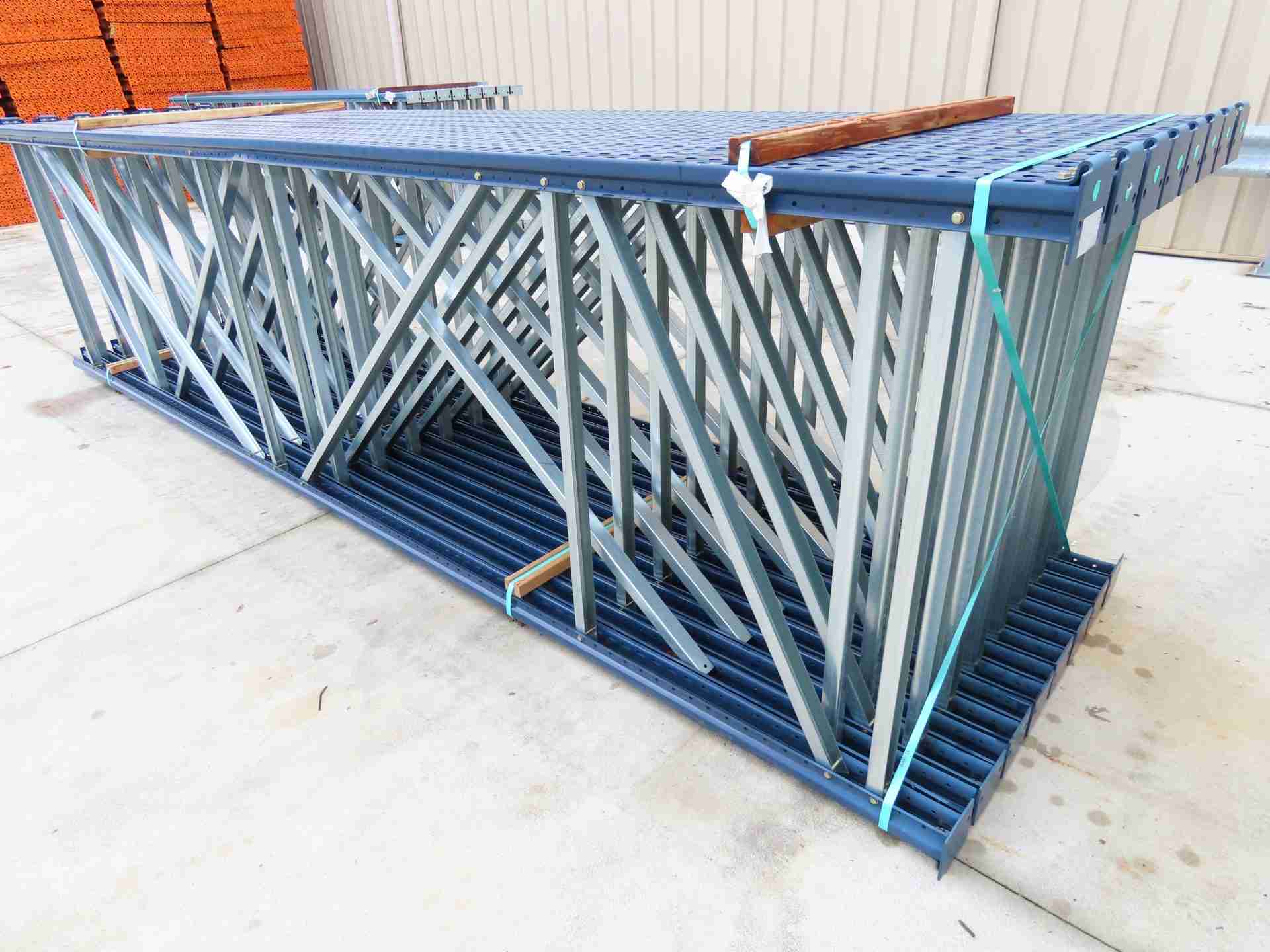
Could Your Neglect Of Proper Warehouse Training Be Endangering Staff?
Table Of Contents
- Could Your Neglect Of Proper Warehouse Training Be Endangering Staff?
- What Are The Risks Of Inadequate Warehouse Training?
- How Does Poor Training Impact Safety?
- What Essential Skills Should Warehouse Staff Learn?
- How Can Training Reduce Workplace Accidents?
- What Are The Signs Of Insufficient Training In Warehouses?
- How Often Should Warehouse Training Be Updated?
- Conclusion
- Other Resources
- Glossary Of Terms
- Other Questions
- Checklist
What Are The Risks Of Inadequate Warehouse Training?
In today’s fast-paced logistics environment, the warehouse is the heartbeat of your operations. Yet, far too often, companies neglect a crucial element that makes this heartbeat strong: adequate training for their employees. You might think, “What’s the worst that can happen?” Well, let’s break it down.
Imagine a warehouse full of towering pallet racking—each layer a testament to your business’s potential. Now envision a scenario where an untrained staff member mishandles these structures, leading to a collapse that could not only ruin inventory but might also injure employees. The risk isn’t just physical; it extends to morale, productivity, and your bottom line. When your team lacks the necessary skills to handle equipment and processes, you’re gambling with lives, assets, and reputation.
Have you ever tried to rely on a team that isn’t confident in what they’re doing? They hesitate, they second-guess, and they waste precious time orchestrating tasks that should flow seamlessly. Inadequate training can foster a cycle of inefficiency that not only derails daily operations but also leads to increased operational costs. Each misstep can rack up unnecessary expenses—damaged goods, increased labor hours, and even compliance penalties if regulations regarding safety and training are neglected.
Consider the long-term effects: High turnover rates often plague warehouses when employees feel overwhelmed and unsupported. If you don’t invest in their education and growth, you’re going to spend a fortune recruiting and training new team members. This cycle disrupts not just your workflow but also the relationships you’ve built with your clients who depend on you for timely deliveries and flawless service.
But here’s where you can shift the narrative—make warehouse training your competitive advantage. By embracing robust training programs, you send a clear message: your workforce is valued, their safety is paramount, and operational excellence is the standard. This commitment not only protects your business from the downsides of negligence, but it engenders trust among your team, which translates into enhanced productivity and morale.
Don’t fall into the trap of underestimating the importance of stable pallet racking and properly trained employees. Invest wisely in training. Equip your staff with the knowledge and skills they need, and watch your warehouse transform from a liability into a powerhouse of efficiency and safety. Remember, in the world of logistics, it isn’t just about how much you have—it’s about how well you handle it. Let’s take the right steps today to ensure a safer, more efficient tomorrow!
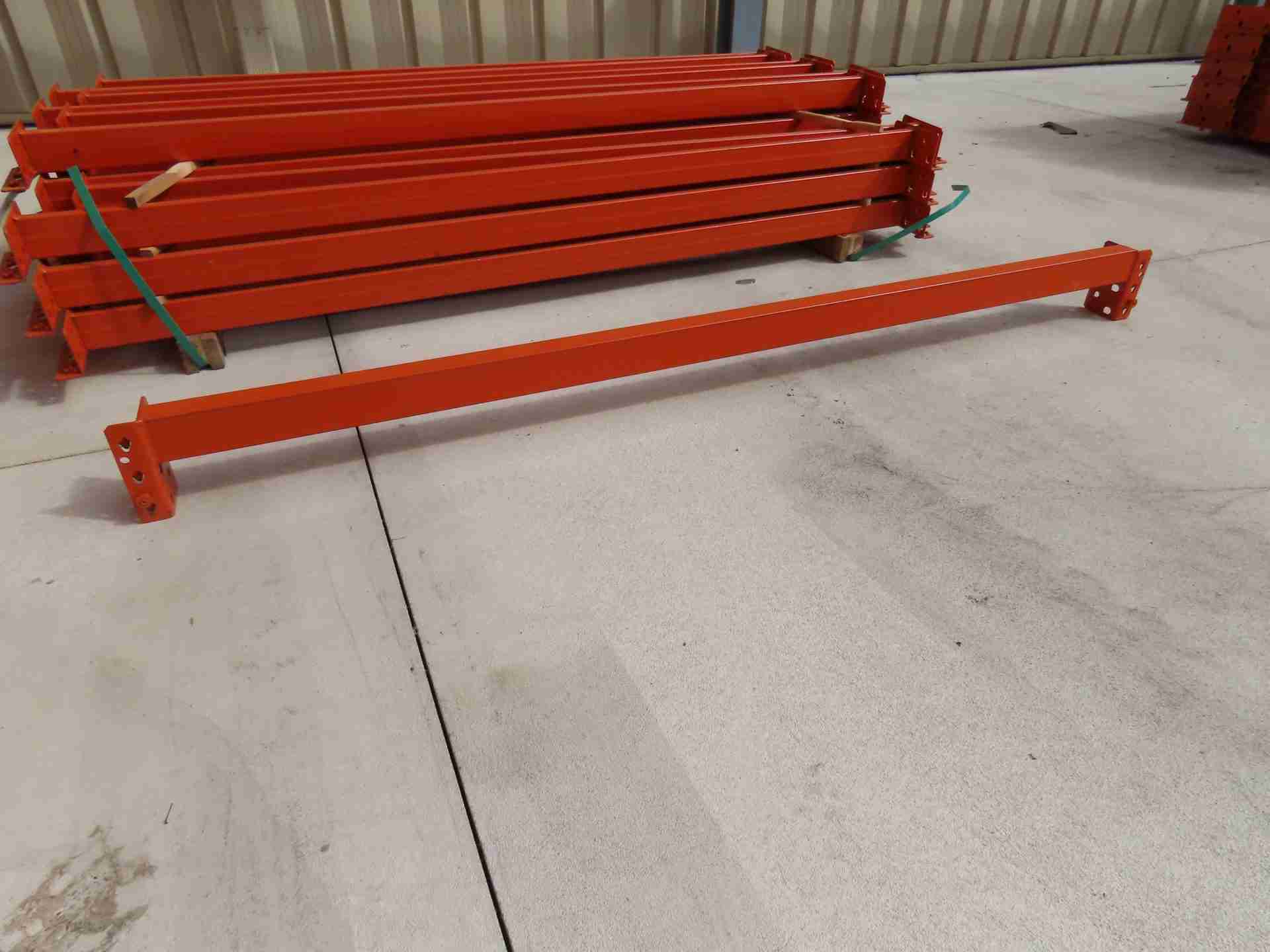
What Are The Risks Of Inadequate Warehouse Training?
What Are The Risks Of Inadequate Warehouse Training?
- The warehouse is crucial to logistics operations, but often lacks adequate employee training.
- Untrained staff can cause accidents, leading to inventory loss, injuries, and lower morale.
- Lack of confidence in untrained teams results in wasted time and decreased productivity.
- Inadequate training increases operational costs due to damage, extra labor, and compliance penalties.
- High turnover rates can occur when employees feel overwhelmed and unsupported without proper training.
- Investing in employee training fosters trust, enhances productivity, and improves morale.
- Effective warehouse management is about skillful handling, not just the volume of resources managed.

What Are The Risks Of Inadequate Warehouse Training?
How Does Poor Training Impact Safety?
Imagine stepping into a warehouse where pallets teeter precariously on racking, threatening to topple at any moment. It’s a scene reminiscent of a circus gone wrong, where the acrobats of logistics are at risk every day. Yet, this is not just a nightmare scenario—it’s a reality faced by many businesses that overlook the fundamental importance of proper training. When it comes to pallet racking safety, a solid foundation of knowledge and skill is non-negotiable.
Consider this: every year, countless accidents occur in warehouses due directly to insufficient training. Employees may not understand the proper techniques for loading and unloading pallet racking, or worse, they may not be aware of the hazards involved. Without comprehensive training, the very systems designed to streamline operations become lurking dangers, leading not only to injury but also to costly downtime and diminished morale.
Envision your team, expertly maneuvering through the warehouse, confidently handling equipment, and ensuring every pallet is secured safely in the racking system. This situation is entirely achievable with the right training programs in place. When employees are equipped with the knowledge of best practices—how to evaluate the structural integrity of pallet racking, the importance of proper weight distribution, and the necessary protocols for using forklifts—they not only protect themselves but create a culture of safety that benefits everyone.
It’s crucial to recognize the direct correlation between thorough training and the overall safety of your facility. A well-trained staff is like a well-oiled machine, minimizing risks and fostering a proactive attitude towards safety. You’re not just investing in training; you’re cultivating an environment of trust and accountability that resonates throughout your organization. Empowering employees with this knowledge encourages them to take ownership of their roles, resulting in fewer accidents and a more productive workplace.
Moreover, poor training can lead to expensive ramifications—financial losses due not only to injuries but also increased insurance rates and potential legal issues. In contrast, strong, safety-focused training programs can substantially lower these risks, saving your company money and reputation in the long run.
Don’t let your pallet racking warehouse become a stage for mishaps and misfortune. Prioritize safety through comprehensive training, and watch your workplace transform into a hub of efficiency and security, where your employees feel valued and protected. Your commitment to training today lays the groundwork for a safer tomorrow.
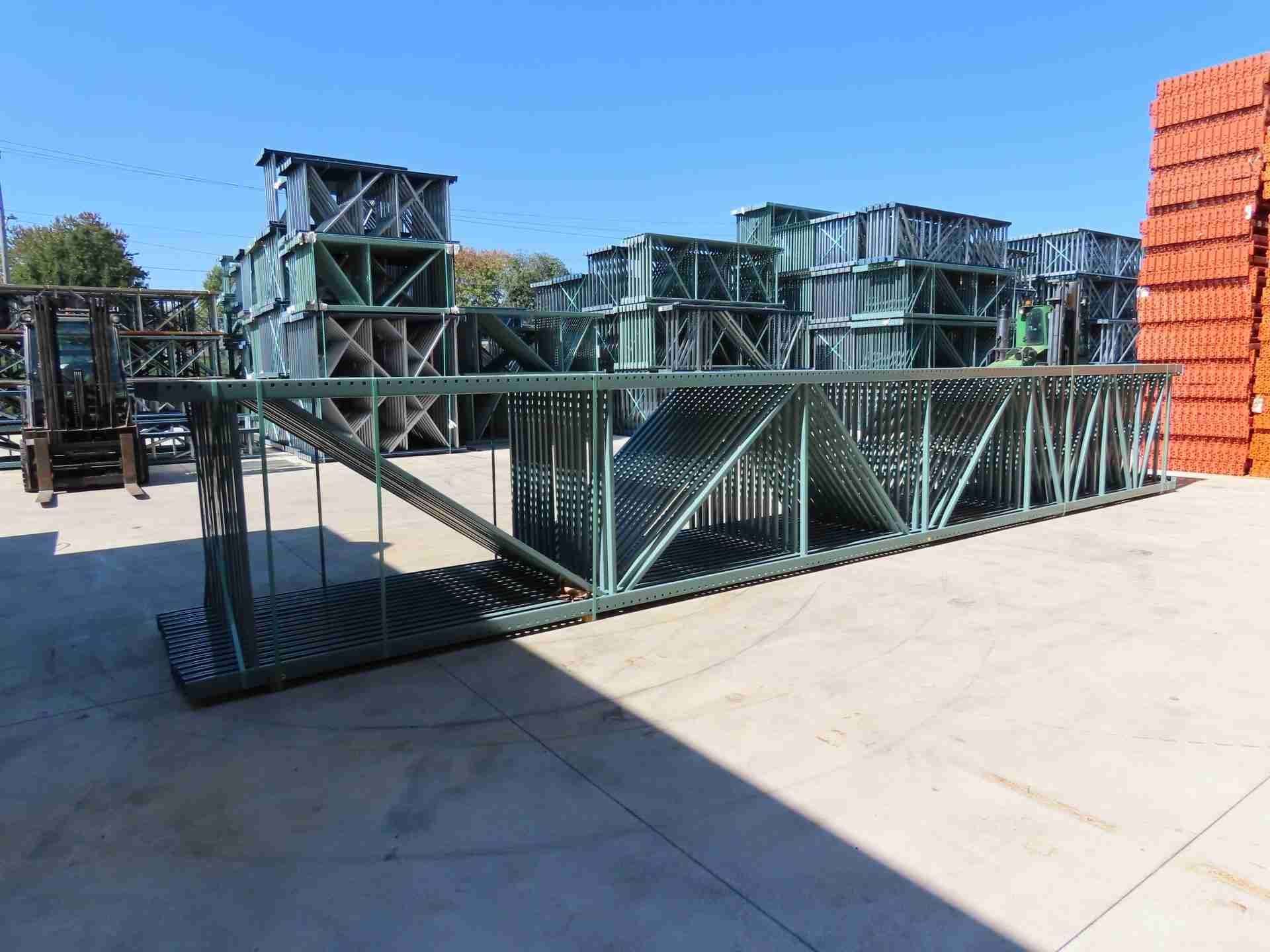
How Does Poor Training Impact Safety?
How Does Poor Training Impact Safety?
- Many businesses face safety risks due to insufficient training in pallet racking.
- Accidents in warehouses occur annually due to a lack of understanding of proper loading and unloading techniques.
- Comprehensive training can turn potential hazards into streamlined operations, reducing injury risks.
- Proper training programs empower employees with knowledge on evaluating structural integrity and weight distribution.
- A well-trained staff fosters a proactive safety culture, minimizing risks and enhancing productivity.
- Poor training can result in financial losses, including increased insurance rates and legal issues.
- Prioritizing safety through effective training transforms workplaces into efficient and secure environments.
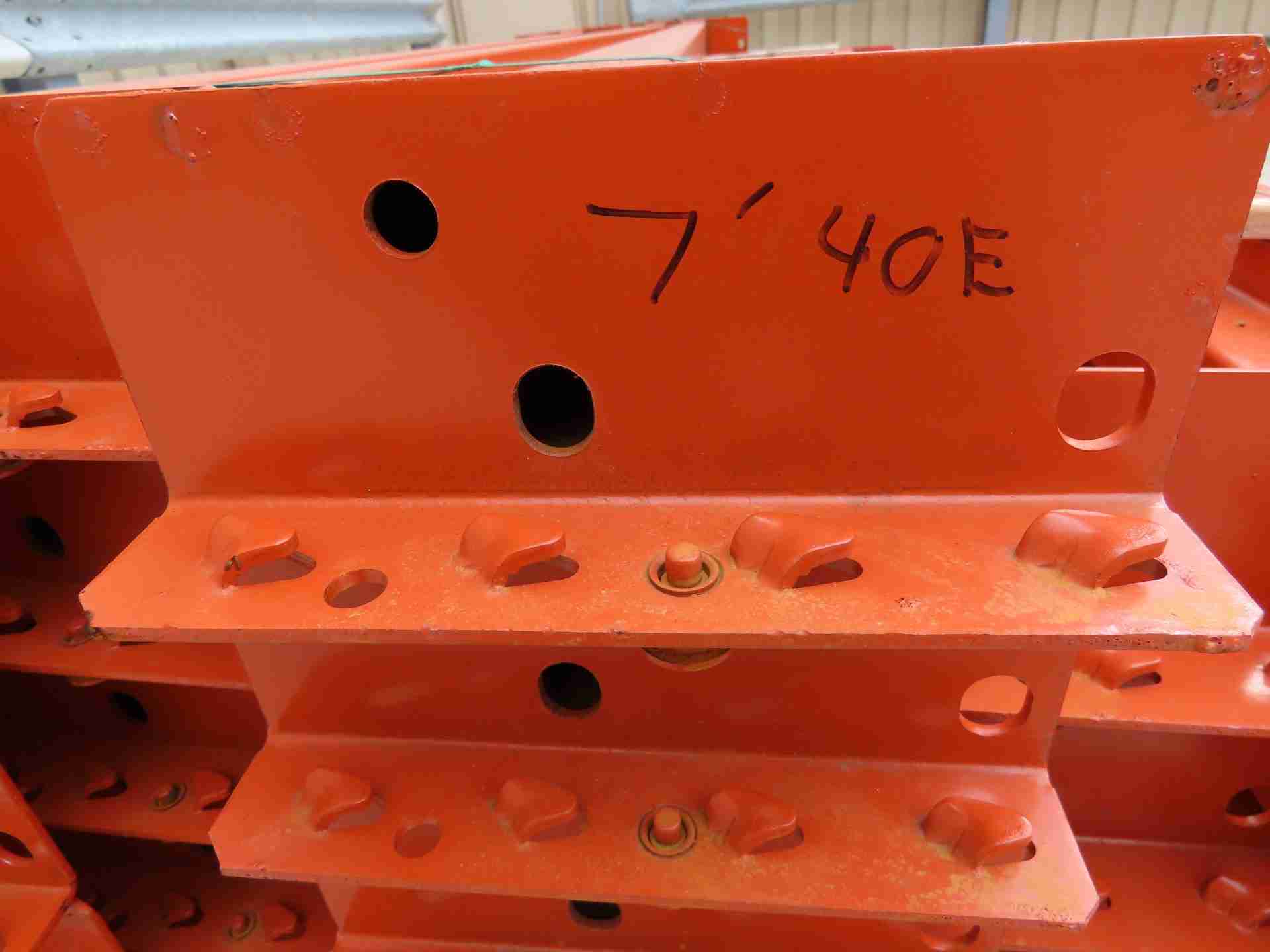
How Does Poor Training Impact Safety?
What Essential Skills Should Warehouse Staff Learn?
In today’s fast-paced world, the backbone of every thriving supply chain rests within the sturdy walls of a well-organized warehouse. If you’re in the warehouse industry, or managing one, understanding the essential skills your staff should possess is a critical factor that can make or break your operational efficiency. It’s not just about moving boxes; it’s about cultivating a workforce that operates with precision, confidence, and a bit of enthusiasm.
First and foremost, let’s talk about safety. Safety practices may seem basic, but they are the bedrock of a successful warehouse. Staff should be well-versed in handling equipment and understanding safety protocols. When every member of your team feels secure and knowledgeable about their surroundings, you’ll witness not just a reduction in accidents but a boost in morale.
Next, consider the importance of inventory management. A warehouse is essentially a complex ecosystem of products and supplies. Employees must master skills like inventory tracking, understanding stock levels, and utilizing Inventory Management Systems (IMS). This not only prevents stockouts but also promotes efficient use of pallet racking, ensuring that every item is easy to find and accessible when needed. Imagine a scenario where your staff navigates the aisles fluidly, optimizing every square foot of vertical space—now, that’s a well-oiled machine at work!
Moreover, effective communication and teamwork cannot be overlooked. In a warehousing environment, collaboration is key. Staff should work seamlessly with one another, and that means honing interpersonal skills. When communication flows smoothly, potential issues can be spotted before they snowball into bigger challenges, leading to streamlined operations and happier customers.
Finally, embrace technology. The modern warehouse is increasingly becoming automated. Enhancing digital skills through training programs equips your staff to handle emerging technologies like robotics and warehouse management systems. Empowered employees will not only boost efficiency but will also foster an atmosphere of innovation and adaptability.
Ultimately, investing in your staff’s skill set will pay dividends in terms of productivity and satisfaction. Create an environment that encourages continuous learning, and watch as your team transforms into a powerhouse of efficiency. When your warehouse staff is equipped with these essential skills, you’re not merely running a warehouse; you’re building a community of confident operators ready to tackle the challenges of today’s logistics landscape.
So, roll up your sleeves and start equipping your team with the essentials. The future success of your warehouse depends on it!
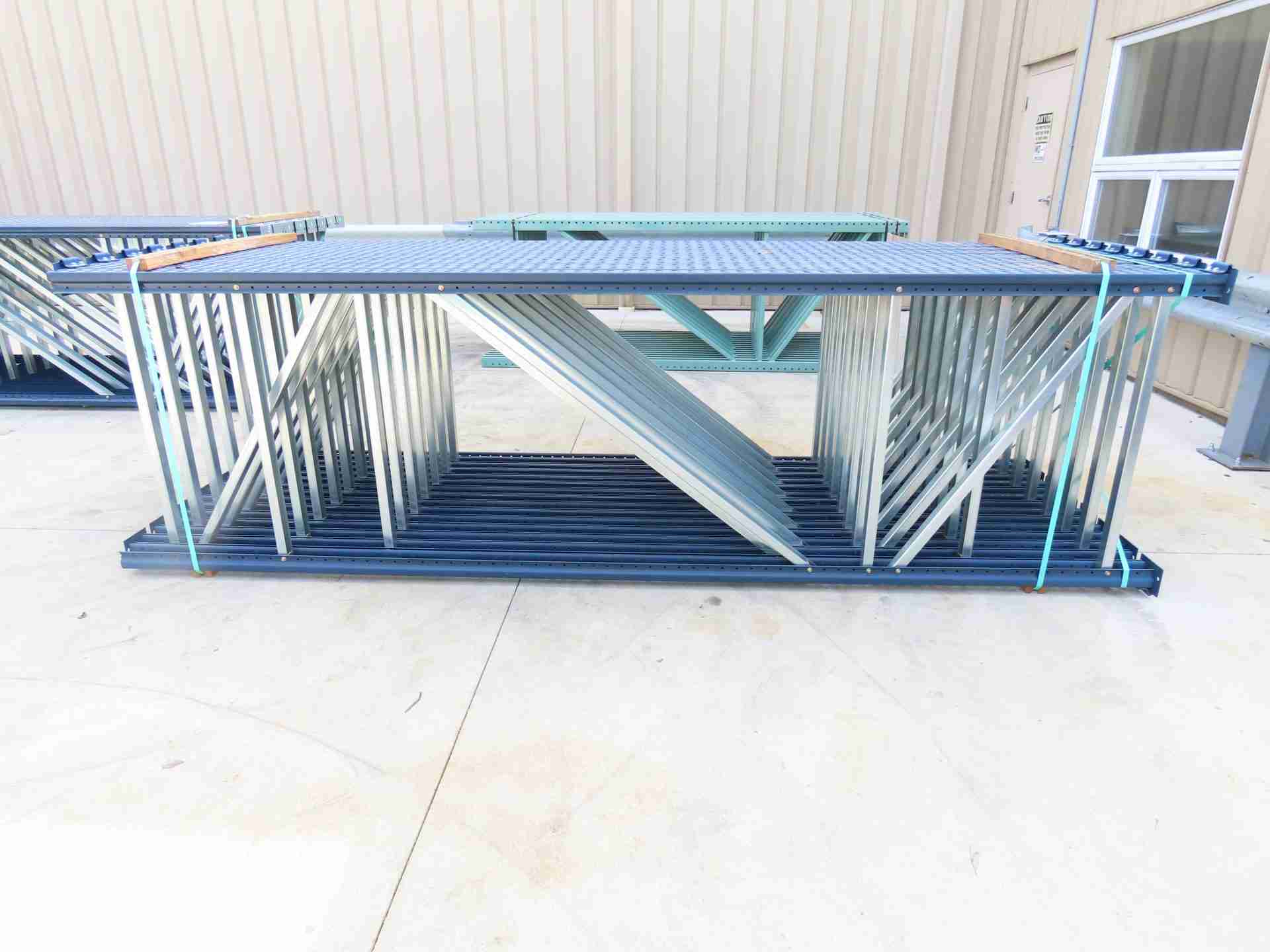
What Essential Skills Should Warehouse Staff Learn?
What Essential Skills Should Warehouse Staff Learn?
- A well-organized warehouse is essential for a thriving supply chain and operational efficiency.
- Safety practices are fundamental; staff should be trained in handling equipment and safety protocols to reduce accidents and improve morale.
- Inventory management skills are crucial, including inventory tracking and understanding stock levels, to prevent stockouts and optimize space.
- Effective communication and teamwork enhance collaboration and help identify potential issues before they escalate.
- Embracing technology through training programs enables staff to handle automation and emerging technologies, fostering innovation.
- Investing in staff skills leads to increased productivity and satisfaction within the warehouse environment.
- Creating a culture of continuous learning empowers employees and prepares them for the challenges of the logistics landscape.

What Essential Skills Should Warehouse Staff Learn?
How Can Training Reduce Workplace Accidents?
Imagine walking into a bustling warehouse filled with the hum of activity and the shuffling of employees, each engaged in their tasks. Now, picture those same employees navigating around several towering pallet racking systems. It’s a vibrant scene, but without the right training, it can quickly turn into a recipe for disaster. So, how can training help turn this vivid environment into a bastion of safety?
First and foremost, knowledge is power. When employees receive comprehensive training on the proper handling of pallet racking, they’re armed with the skills to perform their jobs effectively—and safely. Understanding how to navigate the intricacies of these storage systems, including weight limits and load distribution, is paramount. Missteps caused by ignorance can lead to serious accidents—something we all want to avoid.
Consider this: When your team knows how to inspect the pallet racking for any signs of wear and tear, they become proactive rather than reactive. Safety checks become second nature, leading to a culture of vigilance and accountability. Employees who are trained don’t just follow instructions; they advocate for one another, ensuring that everyone is on board with the importance of safety. This collective consciousness nurtures a workplace atmosphere where accidents are considerably fewer.
Moreover, a well-structured training program fosters confidence. With each session, your workers become increasingly adept at their roles, knowing they can rely on a solid foundation of skills and knowledge. This self-assurance translates into cautious, calculated movements when dealing with heavy loads and intricate racking systems. The fear of accidents diminishes, allowing your team to focus on the tasks at hand rather than worrying about potential mishaps.
Let’s not overlook the ripple effect that effective training can have on morale. When team members feel safe, valued, and knowledgeable, they’re more likely to be engaged and motivated. They take pride in their work and, in turn, bring that energy to their daily routines. This engagement not only boosts productivity but creates a sense of camaraderie—an essential ingredient for a thriving workplace.
Investing in training is not merely a checkbox; it’s a commitment to your team’s safety and productivity. By prioritizing education around pallet racking and general safety practices, you’re not just reducing workplace accidents. You’re building a resilient, empowered workforce ready to face any challenges that come their way. Trust the process, and watch stress levels drop as safety rises to the forefront of your company culture.
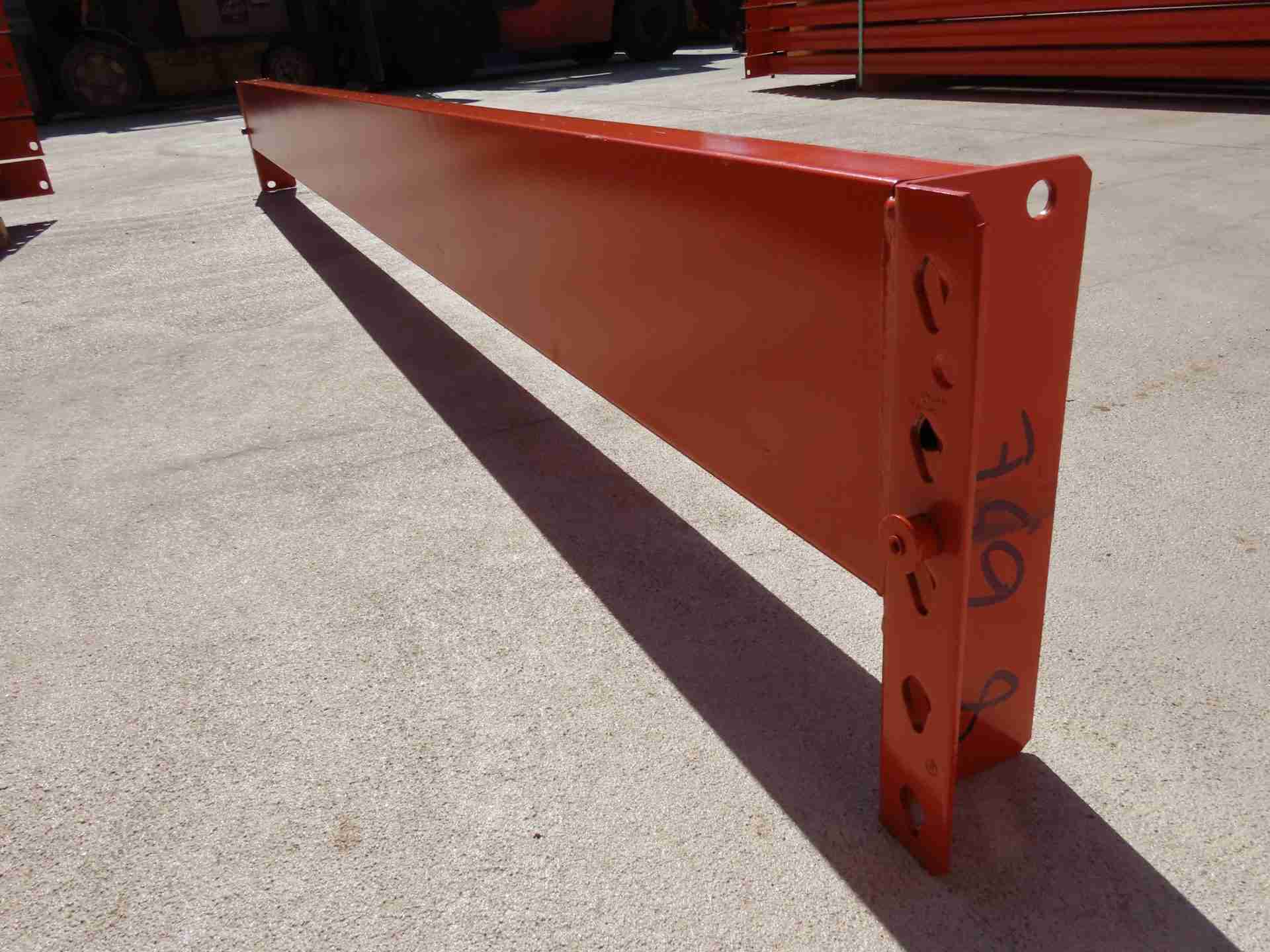
How Can Training Reduce Workplace Accidents?
How Can Training Reduce Workplace Accidents?
- The bustling warehouse environment requires proper training to ensure safety around pallet racking systems.
- Comprehensive training equips employees with essential skills for effective handling and safety protocol.
- Knowledge of inspections for wear and tear promotes a culture of vigilance and accountability among staff.
- Well-structured training fosters confidence, allowing employees to navigate heavy loads with caution.
- Effective training positively impacts morale, resulting in motivated and engaged team members.
- Investing in training is a commitment to reducing workplace accidents and enhancing productivity.
- Prioritizing safety education builds a resilient workforce ready to tackle challenges.
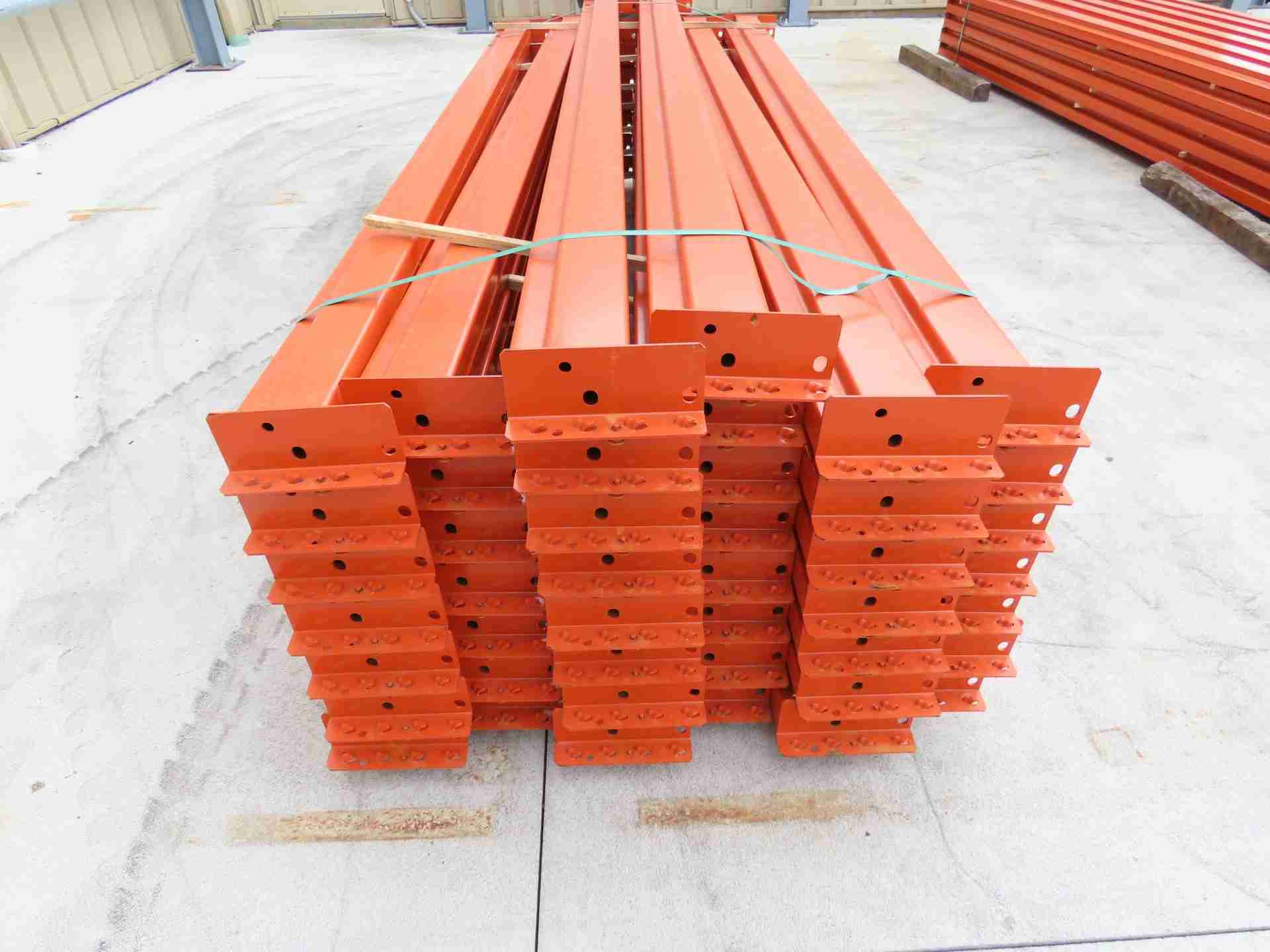
How Can Training Reduce Workplace Accidents?
What Are The Signs Of Insufficient Training In Warehouses?
##
Every warehouse is a bustling ecosystem where efficiency and productivity should reign supreme. Yet, there’s a silent adversary at play: insufficient training. Recognizing the signs can save you time, money, and headaches down the line.
1. Declining Productivity: If you observe that your team is consistently falling behind schedule, it might not just be an overloaded workload. It could point to a fundamental lack of training. When employees are unsure about the best practices for operating equipment like pallet racking, for instance, they can waste precious minutes fumbling or asking questions that should already be answered through proper training.
2. Increased Accidents and Incidents: Safety is paramount in any warehouse environment. If you notice a surge in accidents—be it minor collisions or serious injuries—it’s a glaring indicator of insufficient training. Employees who don’t have a thorough understanding of safety protocols and equipment operation are more likely to make mistakes. Proper training ensures that every team member is equipped to handle their environment safely and efficiently.
3. Frequent Errors in Inventory Management: When stock discrepancies increase or items are frequently misplaced, it’s not merely a clerical issue. This could stem from insufficient training on inventory systems and practices. A well-trained team understands how to navigate the ins and outs of pallet racking operations, ensuring that product flow is seamless and accurate.
4. Low Morale and Engagement: Inadequately trained staff often feel overwhelmed and unsupported, leading to disengagement. If you’re noticing a lack of enthusiasm or increased turnover among your warehouse staff, it could be a symptom of inadequate investment in their development. An empowered employee is a motivated one. By providing comprehensive training, you foster an environment of confidence and commitment.
5. Poor Customer Satisfaction: When orders are consistently delayed or incorrect, customer satisfaction plummets. Insufficiently trained employees often lack the skills required to meet demands reliably. Investing in training doesn’t just benefit your staff; it enhances the experience you provide to your clients, leading to lasting relationships and repeat business.
The signs may be subtle, but they are unmistakably important. By acknowledging and addressing these issues early, you can transform your warehouse from a place of confusion to a hub of efficiency. Imagine a team that works like a well-oiled machine, every member confident in their role, and every pallet in its rightful place. It’s more than a dream—it’s a necessity for your success!
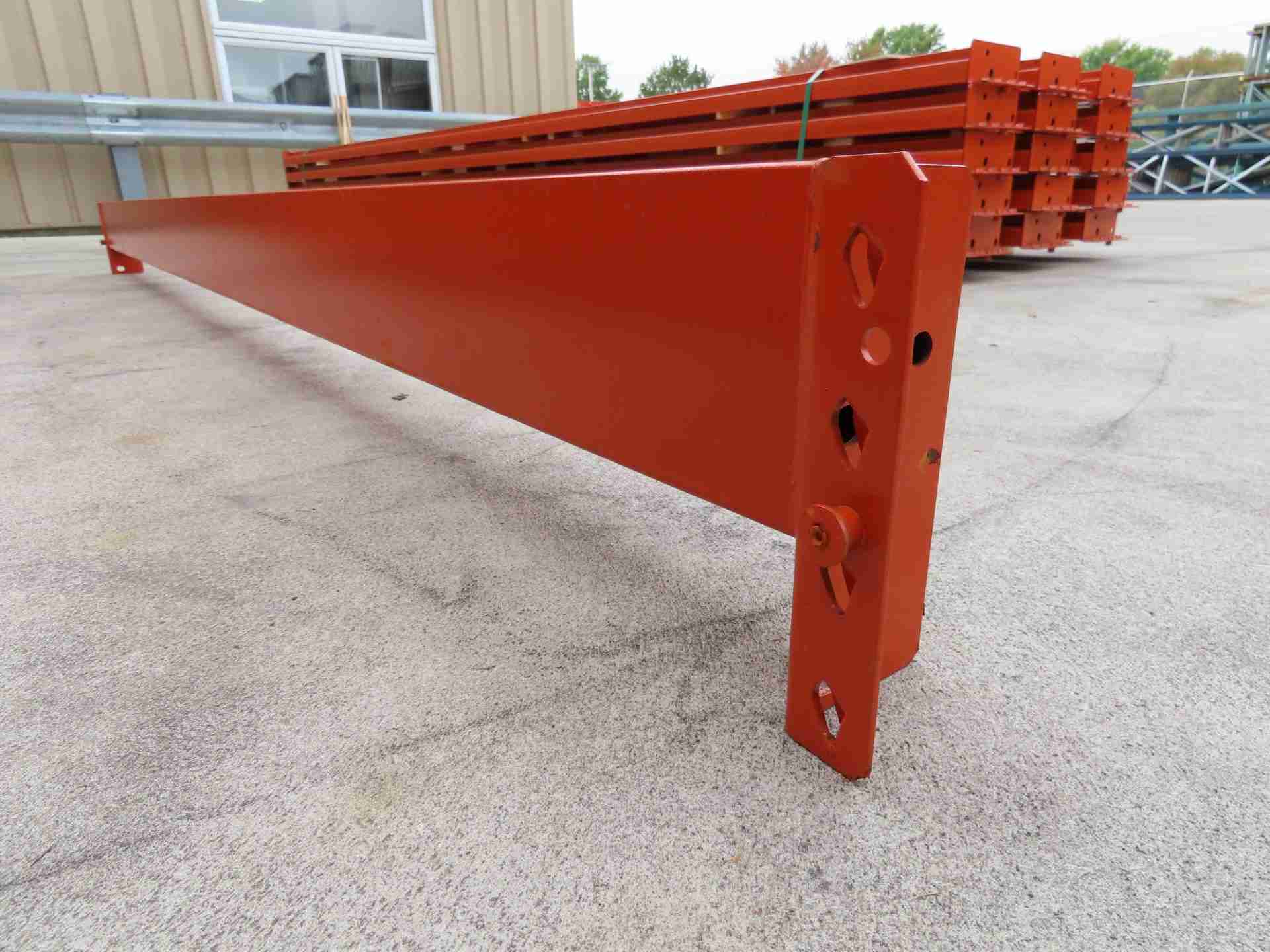
What Are The Signs Of Insufficient Training In Warehouses?
What Are The Signs Of Insufficient Training In Warehouses?
- Bustling Warehouse Ecosystem: Warehouses need efficiency and productivity to thrive, but insufficient training can hinder performance.
- Declining Productivity: A team consistently behind schedule may indicate a lack of training, leading to time lost on operational uncertainties.
- Increased Accidents: A rise in accidents signals inadequate training in safety protocols, increasing the risk of employee mistakes.
- Frequent Inventory Errors: Stock discrepancies may result from inadequate training on inventory systems, disrupting product flow.
- Low Employee Morale: Poorly trained staff may feel overwhelmed, leading to disengagement and higher turnover rates.
- Poor Customer Satisfaction: Delayed or incorrect orders due to insufficient skills result in decreased customer satisfaction and potential loss of business.
- Transforming the Warehouse: Addressing training issues can turn warehouses into efficient operations, enhancing employee confidence and productivity.
What Are The Signs Of Insufficient Training In Warehouses?
How Often Should Warehouse Training Be Updated?
In the fast-paced world of warehousing, keeping your team well-trained is as critical as any piece of equipment on your floor, like your trusty pallet racking. After all, the efficiency and safety of your operation rest on the shoulders of well-informed employees who are confident in their roles. But you may be asking yourself: how often should warehouse training be updated? Let’s break it down in a way that feels relatable and actionable.
First, consider that the landscape of warehousing is constantly evolving. New technologies emerge, compliance regulations shift, and even safety standards undergo changes that can render your previous training outdated. Regularly updating training ensures that your employees are not only aware of these changes but are also adept at utilizing new tools and techniques. Think about how quickly your inventory management software might change or how pallet racking systems can adapt for enhanced storage efficiency. If your team isn’t trained on the latest advancements, you could be risking both productivity and safety.
Implement a semi-annual training review to keep things fresh and relevant. This doesn’t mean you must throw your entire staff into a massive training session every six months. Instead, take the time to gather feedback from your team on what they feel they need to know more about. This practice fosters engagement, creating a connection between employees and management, and transforming training into a collaborative endeavor rather than a top-down mandate. Plus, it shows your team that you value their insights and experiences.
Furthermore, don’t underestimate the significance of a culture centered on continuous learning. When employees see that training isn’t just a one-off event but an ongoing conversation, they feel more invested in their work. This is critical in a warehouse setting where errors can lead to costly mistakes—or worse, injuries.
Lastly, embrace technology to facilitate training updates. Online platforms and eLearning modules can provide easier access to information, allowing employees to train at their own pace while still covering essential topics like proper lifting techniques or emergency procedures.
Look, you want a warehouse full of trained, confident employees who are knowledgeable not just about the equipment but also best practices surrounding safety and efficiency. Updating training regularly builds a foundation of trust, ensuring everyone is skilled and safe—making your operations smoother than ever. So, roll up your sleeves, put the wheels in motion, and prioritize continuous training today!
How Often Should Warehouse Training Be Updated?
How Often Should Warehouse Training Be Updated?
- Keeping warehouse teams well-trained is essential for operational efficiency and safety.
- The warehousing industry is constantly evolving with emerging technologies and new compliance regulations.
- Regularly updating training helps employees stay informed and capable of using the latest tools and techniques.
- Implement a semi-annual training review to gather team feedback on training needs.
- Foster a culture of continuous learning to enhance employee investment and minimize errors.
- Utilize technology, such as online platforms and eLearning modules, to make training more accessible.
- Prioritize continuous training to ensure a skilled, knowledgeable, and safe workforce.
How Often Should Warehouse Training Be Updated?
Conclusion
Conclusion: Prioritize Training for a Safe and Efficient Warehouse
In the fast-paced world of warehousing, every decision you make has the potential to directly impact the safety and efficiency of your operations. As we’ve explored, neglecting proper warehouse training isn’t just an oversight; it’s a ticking time bomb that can jeopardize not only the well-being of your workforce but also the stability of your bottom line. Imagine your bustling warehouse—now, envision the chaos that can ensue if employees lack the necessary skills and knowledge to handle equipment, navigate safety protocols, and maintain productive workflows. The connection between comprehensive training and operational success is irrefutable.
A well-trained workforce is your first line of defense against accidents, inefficiencies, and costly mistakes. By investing in ongoing training programs that cover essential skills, safety practices, and modern technologies, you cultivate a culture of confidence and accountability. This culture not only safeguards your employees but also enhances productivity, morale, and ultimately customer satisfaction. Think about the costs associated with hiring and training new employees due to high turnover rates resulting from inadequate training. A proactive approach to continuous education can save you those expenses while fostering loyalty and dedication among your staff.
Moreover, as the logistics landscape evolves with new technology and updated safety standards, your training programs must adapt to stay relevant. This isn’t a ‘set it and forget it’ scenario—regularly updating your training ensures that your employees stay skilled, knowledgeable, and aware of their environment. Not only will this safeguard against potential mishaps, but it will also position your organization as a leader in safety and efficiency within your sector.
Now is the time for action. Don’t wait until an incident occurs or until productivity takes a nosedive. Call Arrow Industrial Sales at (574) 349-6575 today for tailored warehouse training solutions that prioritize your employees’ safety and operational excellence. This is more than a call to action; it’s an urgent invitation to take control of your warehouse environment, reduce potential risks, and ensure a prosperous future for both your workforce and your business. Investing in your team’s training is not just a responsible business practice—it’s an investment in your company’s very survival in today’s competitive market. Act now, and set the foundation for a thriving, safe, and efficient workspace. The safety and productivity of your team depend on it!

Conclusion
Conclusion:
- Neglecting warehouse training can jeopardize workforce safety and operational stability.
- A well-trained workforce reduces accidents, inefficiencies, and costly mistakes.
- Investing in ongoing training fosters a culture of confidence, accountability, and employee morale.
- Continuous education helps retain employees and reduces costs associated with high turnover.
- Training programs must be regularly updated to reflect new technologies and safety standards.
- Proactive training positions your organization as a leader in safety and efficiency.
- Take action now to enhance safety, reduce risks, and ensure business success through training.
Conclusion
Other Resources

Other Resources
Here is a list of other resources you can review online to learn more:
- What is Selective Pallet Racking
- Logic Material Handling
- Illinois Pallet Racking – Storage Solutions
- SEMA
- Teardrop Uprights
- Selective Pallet Racking Systems
- Iowa Illinois Warehouse Racking
- Chicago Pallet Racking
- Intro to Warehouse Racks & Warehouse Racking Systems – ShipBob
Use This Prompt To Get More Resources With Your Favorite Online AI Tool: Please provide me with a list of online articles with their URLs in a bulleted list that I can read regarding Could Your Neglect Of Proper Warehouse Training Be Endangering Staff?
Other Resources
Glossary Terms
Could Your Neglect Of Proper Warehouse Training Be Endangering Staff? – Glossary Of Terms
1. Warehouse Training: Programs designed to educate employees on safe and efficient practices specific to warehouse operations.
2. Forklift Safety: Guidelines and procedures to ensure the safe operation of forklifts within the warehouse to prevent accidents.
3. PPE (Personal Protective Equipment): Clothing and equipment worn by warehouse staff to minimize exposure to hazards (e. g. , helmets, gloves, safety shoes).
4. Hazard Identification: The process of recognizing and assessing potential dangers within the warehouse environment.
5. Accident Prevention: Strategies and measures aimed at reducing the likelihood of accidents occurring in the workplace.
6. Material Handling: Techniques and guidelines for the safe movement of goods and materials within the warehouse.
7. Emergency Procedures: Established protocols to follow in case of emergencies, such as fires, chemical spills, or severe accidents.
8. Safety Audit: A systematic review of warehouse practices to identify potential hazards and ensure compliance with safety regulations.
9. Ergonomics: The study of designing equipment and workspaces to fit the needs of workers, reducing strain and injury risk.
10. Training Program: A structured curriculum aimed at providing warehouse employees with necessary skills, knowledge, and safety practices.
11. Risk Assessment: The process of evaluating the potential risks that could cause harm to employees or property in the warehouse.
12. Signage: Visual indicators placed throughout the warehouse to communicate safety warnings or instructions to staff.
13. Incident Report: A document that details any workplace accidents or near misses, used for analysis and prevention.
14. Load Capacity: The maximum weight or volume that equipment (like shelves or forklifts) can safely handle without risk of failure.
15. Fire Safety: Guidelines and practices aimed at preventing fire hazards and ensuring safe evacuation in case of fire.
16. Training Compliance: Adherence to required regulations and standards for training within the warehouse environment.
17. Warehouse Layout: The design and organization of the warehouse space, which impacts workflow, safety, and efficiency.
18. Shipping and Receiving: The processes involved in the handling of goods entering and leaving the warehouse, critical for inventory management.
19. Warehouse Management System (WMS): Software applications designed to support warehouse or distribution center management by optimizing inventory and operations.
20. Injury Statistics: Data collected regarding employee injuries within the warehouse, often used to improve safety training and practices.
21. Behavior-Based Safety: An approach focusing on employee behavior as a critical factor in maintaining a safe work environment.
22. Training Modules: Individual units or segments of a broader training program, each focusing on specific safety or operational skills.
23. Shift Handover: The process of transferring information and responsibilities between warehouse staff at the end of a work shift.
24. Incident Command System (ICS): A standardized approach to managing emergency situations in a structured manner.
25. Compliance Training: Instruction designed to ensure that employees adhere to legal and regulatory standards in the workplace.
26. Inventory Control: Practices and techniques used to manage and track inventory levels effectively in the warehouse.
27. Warehouse Safety Culture: The collective attitudes, beliefs, and behaviors regarding safety exhibited by employees in the warehouse.
28. Job Safety Analysis (JSA): A process used to identify and control hazards associated with specific job tasks within the warehouse.
29. Continuous Improvement: Ongoing efforts to enhance warehouse processes, safety measures, and training programs for better outcomes.
30. Accident Investigation: The process of determining the causes of workplace accidents to prevent future occurrences through analysis and corrective actions.
Glossary Of Terms
Other Questions
Could Your Neglect Of Proper Warehouse Training Be Endangering Staff? – Other Questions
If you wish to explore and discover more, consider looking for answers to these questions:
- What are the specific safety protocols that should be included in warehouse training?
- How can I measure the effectiveness of my warehouse training programs?
- What are the legal implications of having inadequate training in a warehouse setting?
- What technologies can aid in improving warehouse training and safety?
- How can I engage employees in the development of training programs?
- What elements should a comprehensive training module include?
- How do I assess the current knowledge level of my warehouse staff?
- Are there industry standards or certifications for warehouse training?
- What roles are critical for leading warehouse training efforts?
- How can I create a culture of continuous learning in my warehouse?
- What types of accidents are most common due to insufficient training?
- How often should refresher courses be conducted for warehouse staff?
- What budget considerations should I have for warehouse training programs?
- Can cross-training employees improve safety and efficiency in the warehouse?
- What are the best practices for training new employees in the warehouse?

Other Questions
Checklist
Could Your Neglect Of Proper Warehouse Training Be Endangering Staff? – A Checklist
Warehouse Training Safety Checklist
Enhance workplace safety and efficiency in your warehouse by following this comprehensive checklist, designed to ensure all staff members are adequately trained.
1. Initial Training for New Employees
_____ Conduct comprehensive safety orientation.
_____ Provide training on pallet racking safety and handling.
_____ Introduce employees to equipment operation protocols (e. g. , forklifts).
2. Ongoing Training and Updates
_____ Schedule semi-annual training reviews.
_____ Gather feedback from staff on training needs.
_____ Update training materials regularly to reflect new technologies and regulations.
3. Safety Protocols Emphasis
_____ Ensure all workers understand hazard recognition and safety protocols.
_____ Conduct regular safety drills (emergency procedures, evacuation, etc. ).
_____ Educate staff on the importance of wearing personal protective equipment (PPE).
4. Skill Development
_____ Provide training on inventory management systems.
_____ Teach effective communication and teamwork skills.
_____ Empower employees with digital skills for modern warehousing technologies.
5. Regular Assessments
_____ Evaluate employee performance and understanding of safety measures.
_____ Monitor productivity levels and identify areas where training is lacking.
_____ Implement a mentoring system for ongoing support and skill development.
6. Safety Checks and Maintenance
_____ Establish routine equipment inspections (including pallet racking).
_____ Train employees on how to report unsafe conditions or equipment issues.
_____ Document all safety incidents and training sessions for review and improvement.
7. Employee Engagement
_____ Foster open dialogue about safety practices and concerns.
_____ Encourage a culture of accountability where employees look out for one another.
_____ Recognize and reward adherence to safety practices and participation in training.
8. Management Commitment
_____ Ensure leadership is actively involved in training and safety culture.
_____ Allocate resources for ongoing training and safety improvements.
_____ Promote safety as a core company value.
9. Legal and Compliance Awareness
_____ Keep updated on local and federal safety regulations.
_____ Ensure training methods align with compliance requirements.
_____ Periodically review the company’s training policies for compliance.
By regularly completing this checklist, you will not only enhance the safety of your warehouse environment but also foster a culture of continuous learning and improvement among your employees. Remember, investing in training is investing in the future of your warehouse operations!
Checklist
At RackingWorld, we help guide you through selecting warehouse storage systems and racking.
Be sure to read our other related stories at RackingWorld to learn more about warehouse storage systems.
0 Comments