
Expert Tips For Warehouse Shelving Maintenance
By Tom Seest
At RackingWorld, we help guide you through selecting warehouse storage systems and racking.
Be sure to read our other related stories at RackingWorld to learn more about warehouse storage systems.
What Steps Should You Take to Maintain Your Warehouse Shelving?
Maintaining your warehouse shelving is not just about aesthetics—it’s a crucial commitment to safety, efficiency, and cost management. At the heart of every efficient warehouse is a well-organized system, and when it comes to maximizing space, nothing surpasses the effectiveness of pallet racking. Here’s how to ensure your shelving stands firm under the weight of your operations.
1. Regular Inspections:
Start with a diligent routine of inspections. Schedule weekly checks of your pallet racking systems to identify wear and tear. Look for bent frames, loose bolts, or damaged pallets that could jeopardize safety. A recent incident in a Virginia warehouse, where improper pallet alignment led to a catastrophic collapse, highlights the necessity of such vigilance. If you spot issues, address them immediately rather than waiting for another busy season. Preventative maintenance is always cheaper than accident recovery.
2. Training and Awareness:
Invest in the training of your staff to recognize potential hazards related to pallet racking. Create a culture of safety by educating your team on how to load shelves correctly, handle merchandise properly, and adhere to weight limits. Providing engaging training sessions can also double as a team-building exercise—an opportunity to boost morale while instilling important practices. This approach can prevent accidents and ensure compliance with industry safety standards, which are becoming increasingly scrutinized.
3. Cleaning and Upkeep:
Regular cleaning can prevent the accumulation of dust and debris that could affect the structural integrity of your shelving. Implement a systematic cleaning schedule that aligns with your operational hours. Use this time to check all components of your pallet racking systems. For instance, if you notice excessive grime on the beams, this could signify issues with airflow or humidity, which can lead to long-term damage to your goods and shelving.
4. Upgrading and Adjustments:
As your business grows or changes environment, your needs will likely evolve as well. Is your pallet racking optimized for the current inventory? Is it time to expand or reconfigure your shelving units? Keeping abreast of trends, such as transitioning towards automation in warehousing, can drive efficiencies that might necessitate an upgrade of your existing systems. Engaging with warehouse management software can provide insights into optimizing your layout and inventory management.
Investing time and resources in your warehouse shelving maintenance will pay dividends in enhanced productivity, safety, and operational efficiency. Your pallet racking isn’t just a fixture; it’s a key player in your logistical flow, and treating it with the care it deserves will yield long-term profits.
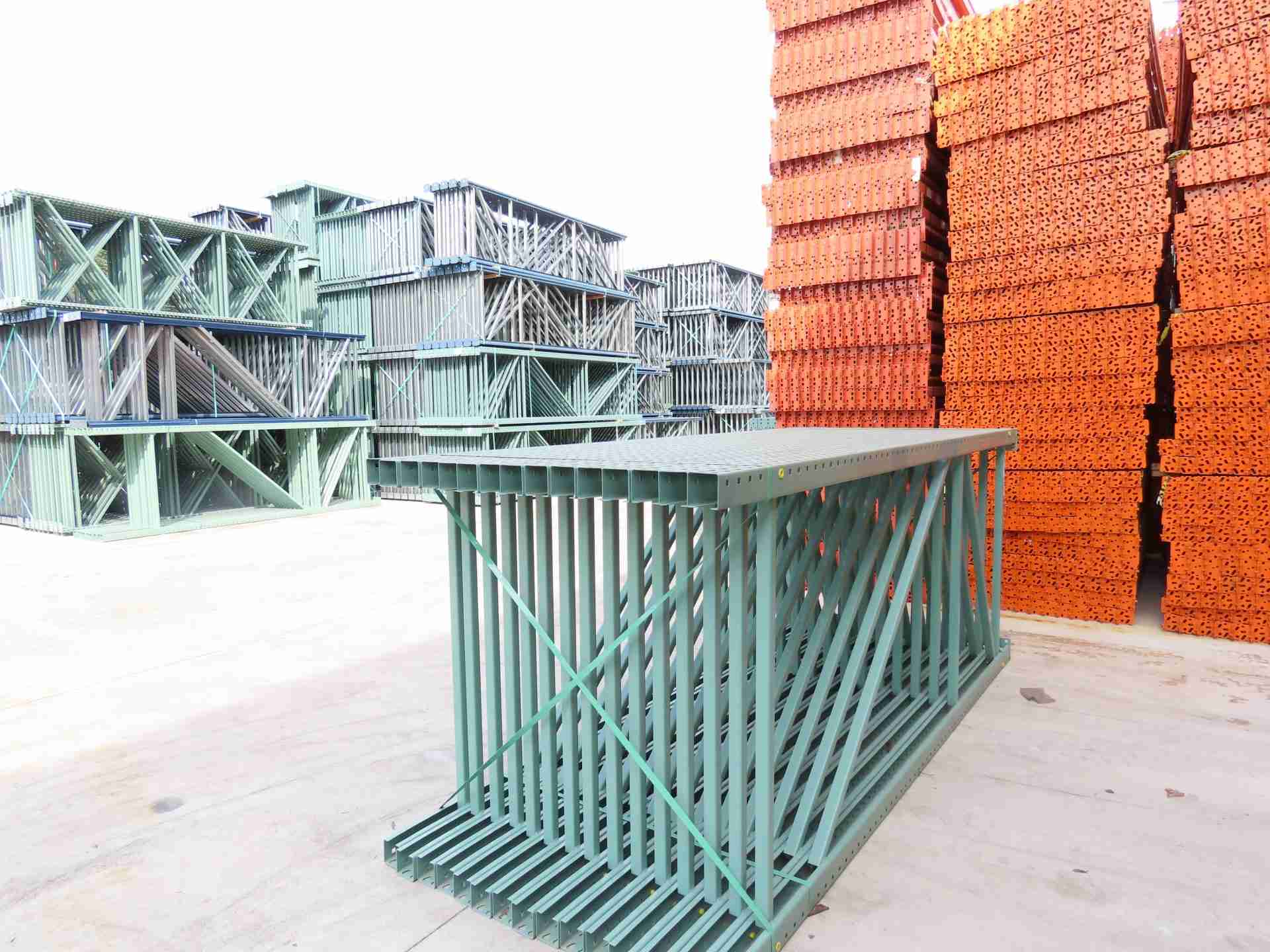
What Steps Should You Take to Maintain Your Warehouse Shelving?
What Steps Should You Take to Maintain Your Warehouse Shelving?
- Importance of Maintenance: Warehouse shelving maintenance is essential for safety, efficiency, and cost management.
- Regular Inspections: Schedule weekly inspections for pallet racking to identify wear and tear, addressing issues immediately to prevent accidents.
- Training and Awareness: Invest in staff training to recognize hazards, load shelves correctly, and adhere to weight limits, fostering a culture of safety.
- Cleaning and Upkeep: Implement a cleaning schedule to remove dust and debris that can affect structural integrity; inspect components during cleaning.
- Upgrading and Adjustments: Reassess pallet racking layout and configurations as business needs evolve; consider automation trends for efficiency.
- Long-term Benefits: Investing in shelving maintenance enhances productivity, safety, and operational efficiency.
- Strategic Asset: View pallet racking as a crucial element of logistical flow that deserves care for long-term profits.
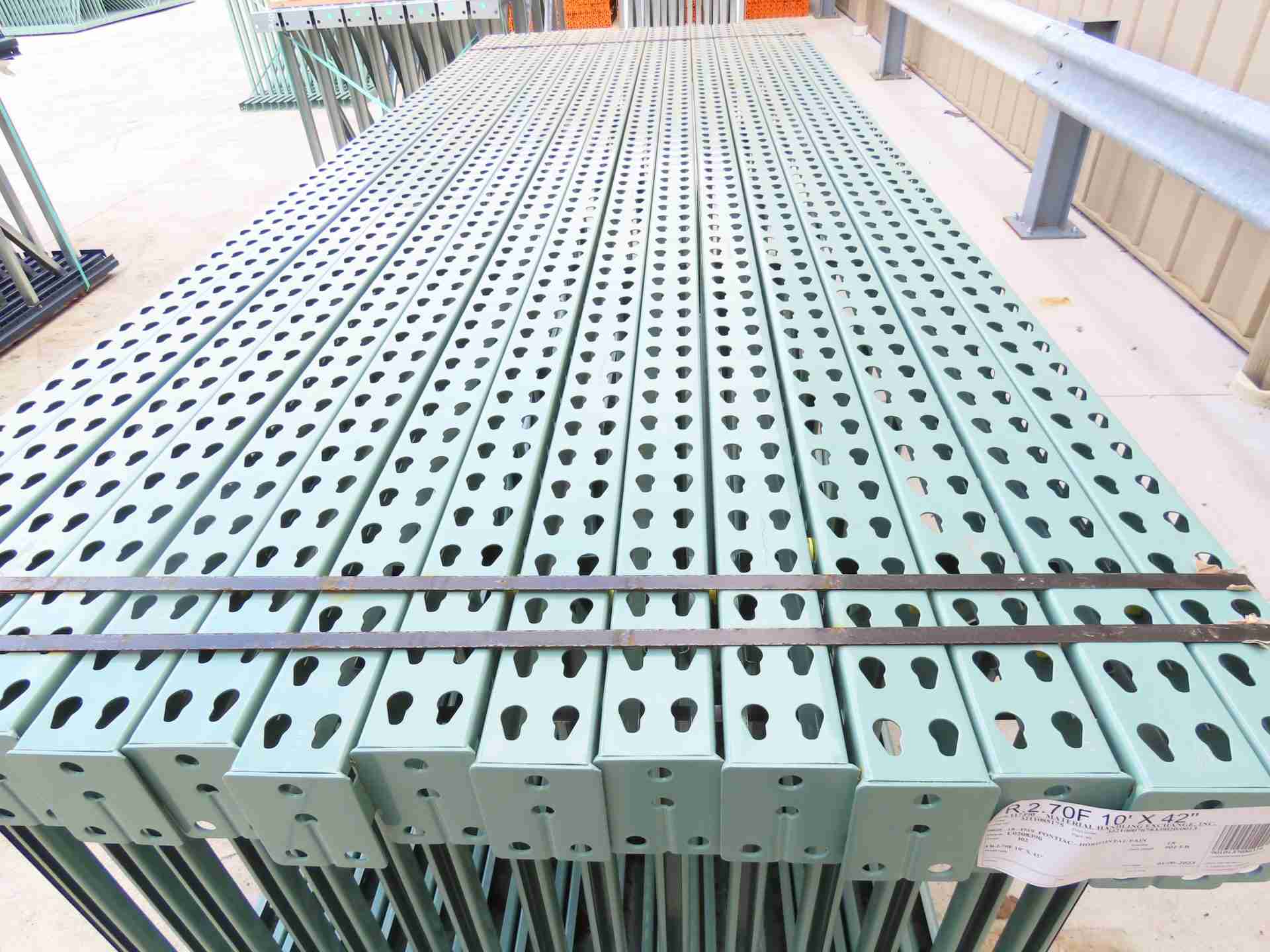
What Steps Should You Take to Maintain Your Warehouse Shelving?
Table Of Contents
- What Steps Should You Take to Maintain Your Warehouse Shelving?
- What Are The Best Practices For Cleaning Warehouse Shelving?
- How Often Should Warehouse Shelving Be Inspected?
- What Tools Are Needed For Shelving Maintenance?
- How Can I Prevent Rust And Corrosion On Metal Shelving?
- What Weight Limits Should I Consider For My Shelving?
- How Do I Organize Items On Warehouse Shelving Efficiently?
- Conclusion
- Other Resources
- Glossary Of Terms
- Other Questions
- Checklist
What Are The Best Practices For Cleaning Warehouse Shelving?
Cleaning warehouse shelving isn’t just a chore; it’s a crucial part of maintaining efficiency, safety, and the longevity of your assets. In today’s fast-paced logistics environment, neglecting maintenance can lead to costly disruptions. Implementing best practices in cleaning your warehouse shelving translates directly to higher productivity and less downtime—something every savvy business owner strives for.
1. Establish a Regular Cleaning Schedule
Just like your supply chain needs to run like a well-oiled machine, your cleaning regime should be systematic. Depending on your warehouse’s volume and the types of goods stored, create daily, weekly, or monthly cleaning tasks. Imagine the difference a clean pallet racking system makes when your employees can easily access inventory. A weekly deep clean of your pallet racking, including a thorough inspection for damage, can help you catch potential issues before they snowball.
2. Use the Right Tools and Supplies
Invest in high-quality cleaning supplies that are suitable for the materials used in your shelving units. For example, if your pallet racking is steel, utilize non-corrosive cleaners that won’t cause harm. Heavy-duty brooms, dusters, and industrial vacuum cleaners can effectively remove debris and dust buildup—common culprits in warehouse environments. It might cost more upfront, but think of it as an investment in your infrastructure.
3. Train Your Staff
You wouldn’t leave your marketing strategy to chance; similarly, cleaning should be done with purpose. Educate your team on the best cleaning practices. Not only will this ensure compliance with health regulations, especially important in light of recent global events highlighting sanitation, but it also empowers employees. Equip them with knowledge about how to handle specific challenges—like stains or spills. When your staff understands the importance of proper cleaning techniques, you bolster morale and efficiency.
4. Conduct Regular Inspections
Cleaning isn’t just about maintaining appearances; it’s about safety too. After cleaning begins, inspection should follow. Routine checks can reveal not just cleanliness, but also structural integrity within your pallet racking systems. Look for signs of wear or damage that can lead to catastrophic failures. After all, an ounce of prevention is worth a pound of cure; staying proactive can save your bottom line.
5. Adapt and Evolve with Industry Standards
Just as market trends change, so too should your cleaning protocols. Stay informed about guidelines specific to your industry, especially in light of new safety measures being adopted post-pandemic. Embrace innovation, whether it’s cleaning technologies or eco-friendly products that align with current sustainability trends.
Remember, a clean warehouse isn’t just visually appealing—it’s a strategic advantage that propels your business toward operational excellence.

What Are The Best Practices For Cleaning Warehouse Shelving?
What Are The Best Practices For Cleaning Warehouse Shelving?
- Cleaning warehouse shelving is essential for maintaining efficiency, safety, and asset longevity.
- Establish a regular cleaning schedule tailored to your warehouse’s volume and inventory type.
- Invest in high-quality cleaning supplies appropriate for the materials of your shelving units.
- Train staff on effective cleaning practices to ensure compliance with health regulations and improve efficiency.
- Conduct regular inspections to assess cleanliness and structural integrity, preventing potential failures.
- Adapt cleaning protocols to stay aligned with changing industry standards and safety measures.
- A clean warehouse provides a strategic advantage, enhancing operational excellence.
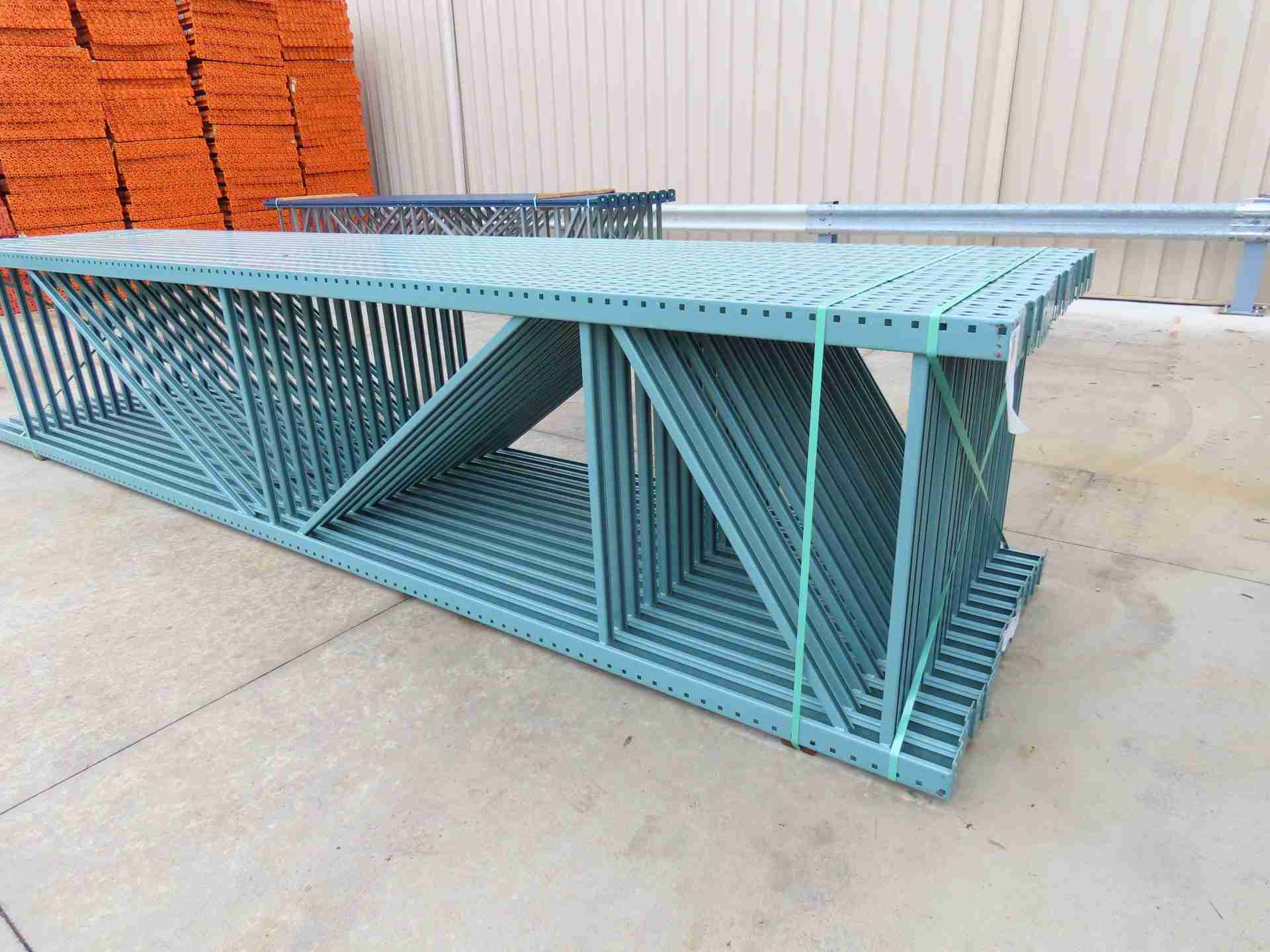
What Are The Best Practices For Cleaning Warehouse Shelving?
How Often Should Warehouse Shelving Be Inspected?
If you’re operating a warehouse, it’s not just about packing and shipping goods. Your shelving, specifically pallet racking, is the backbone of your inventory management system. An inspection of your warehouse shelving should be as routine as checking your email—frequent and methodical. But how often should you really perform these inspections?
First and foremost, let’s address the importance of regular inspections. In an industry where safety is paramount, overlooking shelving condition can lead to catastrophic consequences, including workplace injuries, inventory loss, and substantial financial repercussions. Just look at reports from various industries that emphasize the rise in warehouse accidents, particularly in sectors adjusting to the surge in e-commerce demands. The last thing you want is a damaged pallet racking system collapsing under pressure, especially when your operations depend on it.
So, how frequently should you schedule these inspections? The golden rule to follow is a minimum of once a month, but your approach should truly be tailored to your specific warehouse environment. For organizations with heavy traffic and high inventory turnover, weekly inspections may be more appropriate. Consider implementing a quick weekly check-in on key areas of your pallet racking system: look for signs of wear, damage or misalignment. A recent study of distribution centers revealed that proactive, short-term inspections reduced serious incidents by over 30%.
In addition to your frequent checks, you should also establish a more thorough inspection strategy at least twice a year. During these detailed inspections, hire professionals to assess the structural integrity of your pallet racking and surrounding shelving systems. These experts can provide crucial insights that your on-the-ground workers might miss—think of it as a health checkup for your racking system.
Also, don’t forget to keep an eye on current events and regulatory changes. Recently, new safety regulations have emerged in response to the rapid growth of e-commerce. Your inspections should align with these evolving standards to ensure compliance and protect your assets.
Your warehouse should not be a lottery ticket where luck keeps operations running smoothly. Regular inspections of your pallet racking are essential to not only safeguard your inventory but also to create a safe working environment. By committing to a clear inspection schedule, you will maintain your warehouse’s efficiency and ultimately contribute to your bottom line. After all, a solid foundation is the beginning of every successful operation.

How Often Should Warehouse Shelving Be Inspected?
How Often Should Warehouse Shelving Be Inspected?
- Regular inspections of warehouse shelving, particularly pallet racking, are crucial for effective inventory management.
- Frequent inspections help prevent catastrophic consequences such as workplace injuries, inventory loss, and financial repercussions.
- A minimum of once-a-month inspections is recommended, but frequency should be adjusted based on warehouse traffic and inventory turnover.
- For high-traffic warehouses, consider weekly inspections to check for signs of wear, damage, or misalignment.
- Conduct thorough inspections at least twice a year with professionals assessing the structural integrity of shelving systems.
- Stay updated on current events and regulatory changes related to warehouse safety to ensure compliance.
- Regular inspections promote a safe working environment and maintain warehouse efficiency, contributing to overall success.
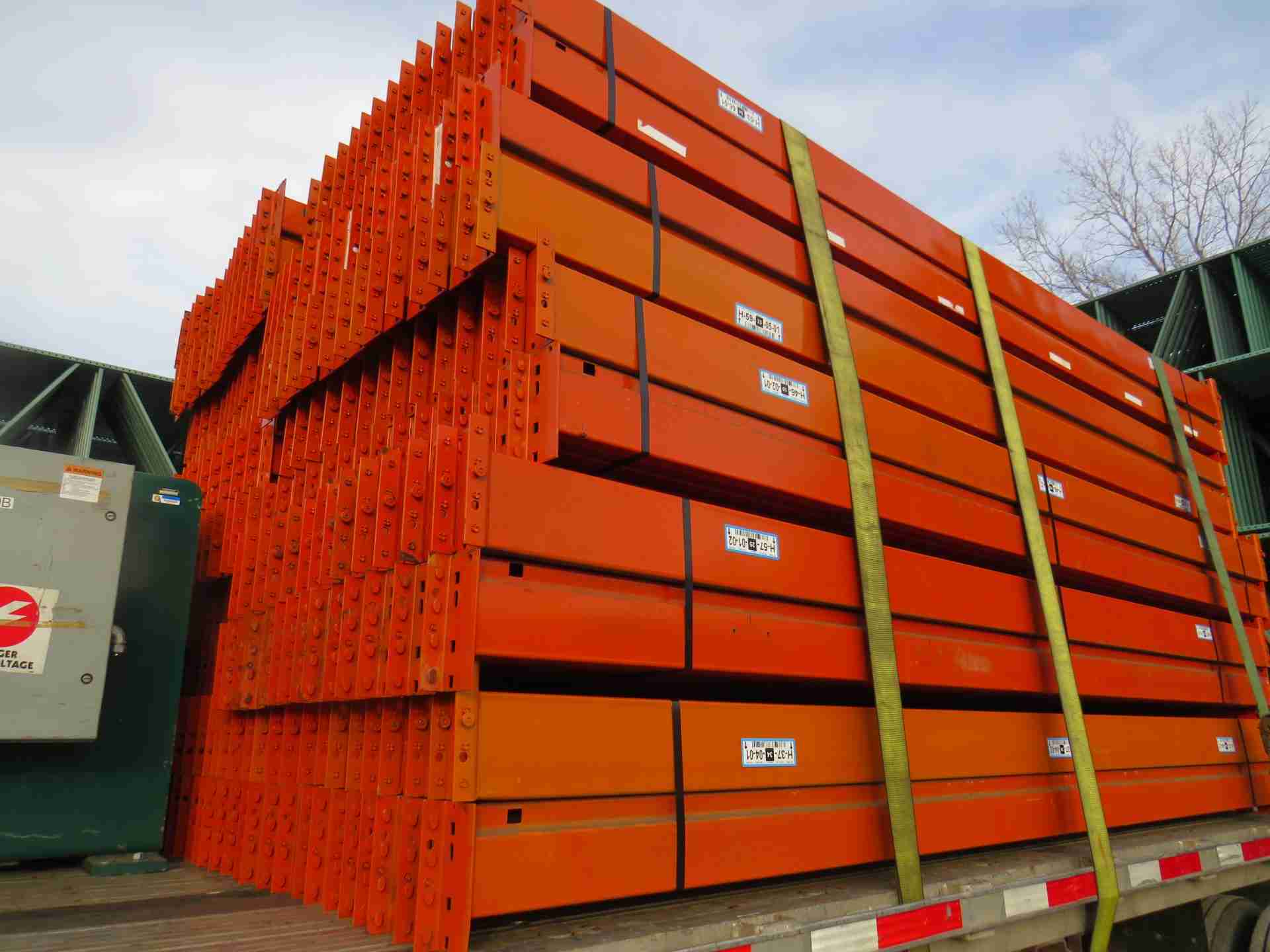
How Often Should Warehouse Shelving Be Inspected?
What Tools Are Needed For Shelving Maintenance?
When it comes to maintaining your storage systems, particularly with pallet racking, having the right tools at your disposal is crucial. It’s not just about keeping your shelves tidy; it’s about fortifying the very backbone of your logistical operation while maximizing efficiency. In today’s fast-paced environment, with supply chains struggling to catch up post-pandemic, your storage solution’s integrity is more important than ever.
First and foremost, let’s talk about inspection tools. A solid maintenance regime starts with a detailed inspection of your pallet racking setup. Use a laser measurement tool to ensure that your racks are level and secure. A small investment here can save you from catastrophic failures down the road that could cost you not just product but reputational damage as well.
Next up, you’ll need basic hand tools. A set of socket wrenches is essential for tightening bolts and making adjustments on the fly. Likewise, a good-quality screwdriver set will be irreplaceable for periodic inspections of guardrails and safety devices. Remember, the safety of your staff hinges, quite literally, on these seemingly minor elements.
Additionally, don’t overlook the importance of cleaning tools. A broom and a vacuum cleaner are all you need to maintain a debris-free environment. Dust and debris can accumulate around pallet racking, leading to unsightly and potentially hazardous situations. Periodically clearing out these areas isn’t merely about aesthetics; it ensures that any hazards are mitigated, contributing to a safer work environment.
Let’s not forget about labeling tools. Accurate labeling of shelves and materials can significantly enhance inventory management and warehouse organization. A label maker can make this task easy and efficient. In an era where inventory shortages and shipping delays have hit many businesses hard, having an organized storage system isn’t just a luxury—it’s a necessity.
Finally, don’t underestimate the power of technology. Inventory management software integrated with your shelving system can streamline the entire process. While advancements in AI and automation are making headlines — think of companies like Amazon utilizing advanced algorithms — you can achieve a level of efficiency in your operation that was previously unattainable with just a few tools.
In summary, achieving a robust shelving maintenance regime is not about one big tool but rather a cohesive kit that includes inspection tools, hand tools, cleaning supplies, labeling techniques, and smart technology. As you navigate through disrupted market conditions, keeping your pallet racking in top shape is one strategy that puts you ahead of the competition. Embrace this opportunity, because effective maintenance today means fewer headaches tomorrow.

What Tools Are Needed For Shelving Maintenance?
What Tools Are Needed For Shelving Maintenance?
- Maintaining storage systems, especially pallet racking, is crucial for logistical efficiency.
- Use inspection tools, such as laser measurement tools, to ensure racks are level and secure.
- Basic hand tools, like socket wrenches and screwdrivers, are essential for adjustments and safety inspections.
- Cleaning tools, including a broom and vacuum, help maintain a debris-free environment to reduce hazards.
- Labeling tools, such as label makers, enhance inventory management and warehouse organization.
- Technology, like inventory management software, streamlines operations and improves efficiency.
- A cohesive maintenance kit that integrates various tools can give companies a competitive edge in disrupted markets.
What Tools Are Needed For Shelving Maintenance?
How Can I Prevent Rust And Corrosion On Metal Shelving?
When it comes to protecting your investment in metal shelving, especially in heavy-duty applications like pallet racking, taking proactive measures against rust and corrosion is essential. Metal shelving is designed for heavy loads, but it also faces wear and tear from moisture, chemicals, and temperature fluctuations. With the right strategies, you can extend the life of your shelving and maintain its impressive appearance.
1. Choose Quality Materials:
Not all metal shelving is created equal. Opt for galvanized steel or powder-coated finishes, which offer a superior layer of protection against rust. For instance, if you’re equipping your warehousing facility with pallet racking, selecting materials that are resistant to moisture can save you hundreds in replacement costs down the line. Recent supply chain disruptions have made quality sourcing more important than ever; don’t skimp on materials just to save a buck.
2. Implement Proper Maintenance:
Routine maintenance is crucial. Regularly inspect your metal shelving for signs of wear. If you discover any scratches or chips in the protective coating, take immediate action to seal them with a rust-inhibiting primer or paint. This may seem like a small step, but preventing moisture intrusion can add years to the life of your pallet racking.
3. Control Environmental Factors:
Managing the environment can have a big impact on corrosion rates. Keep your storage area dry and well-ventilated. If you’re in a high-humidity region, consider using dehumidifiers or moisture-absorbing agents to reduce dampness. Remember the recent floods in various parts of the country; businesses that integrate moisture control systems into their storage strategies are better positioned to protect their assets.
4. Utilize Protective Liners:
Installing protective mats or liners can create a buffer between your metal shelving and any potential rust-causing agents. Anti-corrosive pads or liners not only protect against spills but also contribute to an overall safer workspace. Many companies overlook this simple yet effective tactic, and it can make a world of difference.
5. Educate Your Team:
Finally, ensure that everyone who interacts with the shelving is aware of its care requirements. Hosting training sessions about proper handling, placement, and preventative measures can lead to a dramatic decrease in damage.
By investing in quality materials, maintaining your equipment, and creating a supportive environment, you can keep your metal shelving, especially pallet racking, looking pristine and functioning optimally. Rust and corrosion don’t stand a chance against a proactive approach!
How Can I Prevent Rust And Corrosion On Metal Shelving?
How Can I Prevent Rust And Corrosion On Metal Shelving?
- Choose Quality Materials: Select galvanized steel or powder-coated finishes for superior rust protection; avoid compromising on quality to save costs.
- Implement Proper Maintenance: Regularly inspect metal shelving for damage; seal any scratches with rust-inhibiting primer or paint to prevent moisture intrusion.
- Control Environmental Factors: Keep storage areas dry and well-ventilated; consider dehumidifiers in high-humidity regions to protect shelving.
- Utilize Protective Liners: Install anti-corrosive pads or liners to create a buffer against rust-causing agents and spills.
- Educate Your Team: Provide training on proper handling and care requirements to reduce damage to the shelving.
- Proactive Approach: Invest in quality materials and maintenance to extend the life and appearance of metal shelving.
- Importance of Moisture Control: Businesses with integrated moisture control systems are better positioned to protect their assets against rust and corrosion.
How Can I Prevent Rust And Corrosion On Metal Shelving?
What Weight Limits Should I Consider For My Shelving?
When selecting shelving for your space—be it a warehouse, garage, or retail store—understanding weight limits is crucial. Improper weight management can lead not just to inventory loss, but also to safety hazards that could endanger your workforce or customers. Real-life scenarios abound where neglecting these limits has proven disastrous. For instance, a recent incident in a major retail store highlighted the consequences of ignoring proper shelving weight guidelines. A sagging shelf ultimately collapsed, sending dozens of items crashing down and resulting in both injuries and substantial fines.
Now, how do you determine the right weight limits for your shelving? First and foremost, you need to consider the type of shelving in question. For heavy-duty applications, you might want to explore Pallet Racking systems, which are engineered to handle immense loads—sometimes upwards of 2,000 pounds per shelf. Understanding how different materials and designs contribute to weight capacity is foundational. For instance, steel shelving might have a higher capacity compared to traditional wood shelving, making it indispensable in environments where heavy-duty storage is the norm.
But don’t stop at weight capacity alone—think about the distribution of that weight. For example, a shelf designed for pallets may excel when those pallets are evenly distributed across its surface. Stacking heavy items on one side could culminate in disaster, as uneven weight distribution can warp the shelving and ultimately lead to catastrophic failure. A recent ruling in a warehouse safety case underscored the importance of load distribution, linking it directly to the injuries sustained by workers when heavy loads weren’t spaced properly on shelving.
To make an informed decision, check the manufacturer’s specifications and any applicable safety codes such as those from the Occupational Safety and Health Administration (OSHA). These guidelines provide a useful barometer for understanding what your shelving can reasonably support—and what it can’t.
Moreover, consider your industry’s current trends. For instance, with the rise of e-commerce, warehouses are increasingly under pressure to accommodate larger inventory loads. This mandates a reevaluation of storage systems, including the integration of advanced Pallet Racking solutions that can optimize both space and weight distribution effectively.
In summary, assessing weight limits is not just about preventing losses; it’s about creating an efficient and safe environment for operations. By focusing on the right shelving systems and adhering to weight limits, you ensure not only compliance but also the smooth functionality of your business.
What Weight Limits Should I Consider For My Shelving?
What Weight Limits Should I Consider For My Shelving?
- Understanding weight limits for shelving is crucial in warehouses, garages, or retail stores.
- Improper weight management can lead to inventory loss and safety hazards for workers and customers.
- Real-life incidents, like collapsing shelves, illustrate the severe consequences of neglecting weight guidelines.
- Consider the type of shelving, with heavy-duty options like Pallet Racking systems able to hold over 2,000 pounds per shelf.
- Weight distribution is essential; uneven distribution can cause shelves to warp and fail.
- Check manufacturer specifications and safety codes, such as OSHA, for guidance on weight limits.
- Reevaluate storage systems in light of industry trends, especially with the growth of e-commerce.
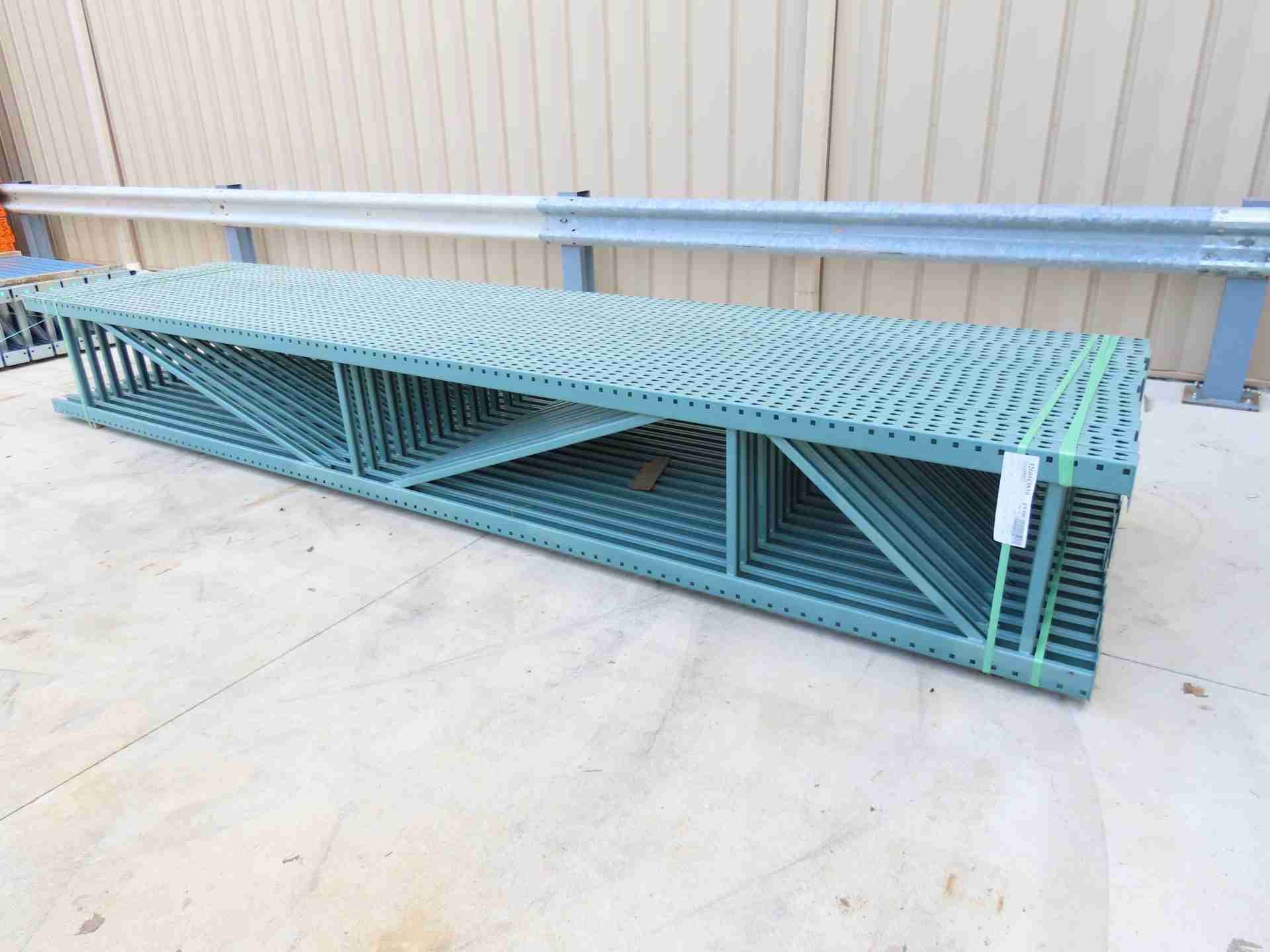
What Weight Limits Should I Consider For My Shelving?
How Do I Organize Items On Warehouse Shelving Efficiently?
When it comes to organizing items on warehouse shelving efficiently, the secret lies in strategic planning and an understanding of modern practices that drive productivity. In today’s fast-paced world, optimizing your space isn’t just a luxury—it’s essential. With supply chain disruptions and increasing demand for rapid fulfillment, the ability to efficiently store and access your inventory can distinguish a successful operation from one that struggles to keep up.
First and foremost, understanding your shelving systems is crucial. Take Pallet Racking, for example. This versatile storage solution allows for high-density storage while keeping your items easily accessible. When using pallet racking, it’s vital to categorize your items based on their turnover rates. Fast-moving items should be placed at eye level or in the most accessible locations, reducing the time employees spend searching for frequently sold products. By leveraging the 80/20 rule—where 20% of your inventory drives 80% of your sales—you can streamline your layout effectively.
For instance, let’s consider a seasonal retail distribution center. During peak shopping seasons, such as the upcoming holiday rush, having a well-organized warehouse makes all the difference. By utilizing pallet racks to store holiday-themed products closer to the shipping area, you can significantly reduce picking time, thus ensuring timely deliveries. Implementing best practices during these peak times can also mitigate any potential delays caused by current global supply chain issues.
Another effective technique is the “first in, first out” (FIFO) method, ensuring that older stock is sold before newer stock. This is particularly pertinent in industries like food and pharmaceuticals, where expiration dates are critical. Properly labeling and organizing your items on the racking systems not only minimizes waste but also aligns with regulatory requirements—ensuring compliance while maximizing efficiency.
It’s also worth noting that technology plays a pivotal role in modern warehouses. Consider integrating warehouse management systems (WMS) to track inventory levels in real-time. This can help you make informed decisions about reordering and stocking, which is essential in light of fluctuating demand due to ongoing economic uncertainties.
Ultimately, the key to organizing warehouse shelving efficiently is a blend of strategic placement, informed technology use, and adaptability to current events. You’re not just storing items; you’re creating a streamlined process that enhances your bottom line. Embrace these principles today and watch your operational efficiency soar.
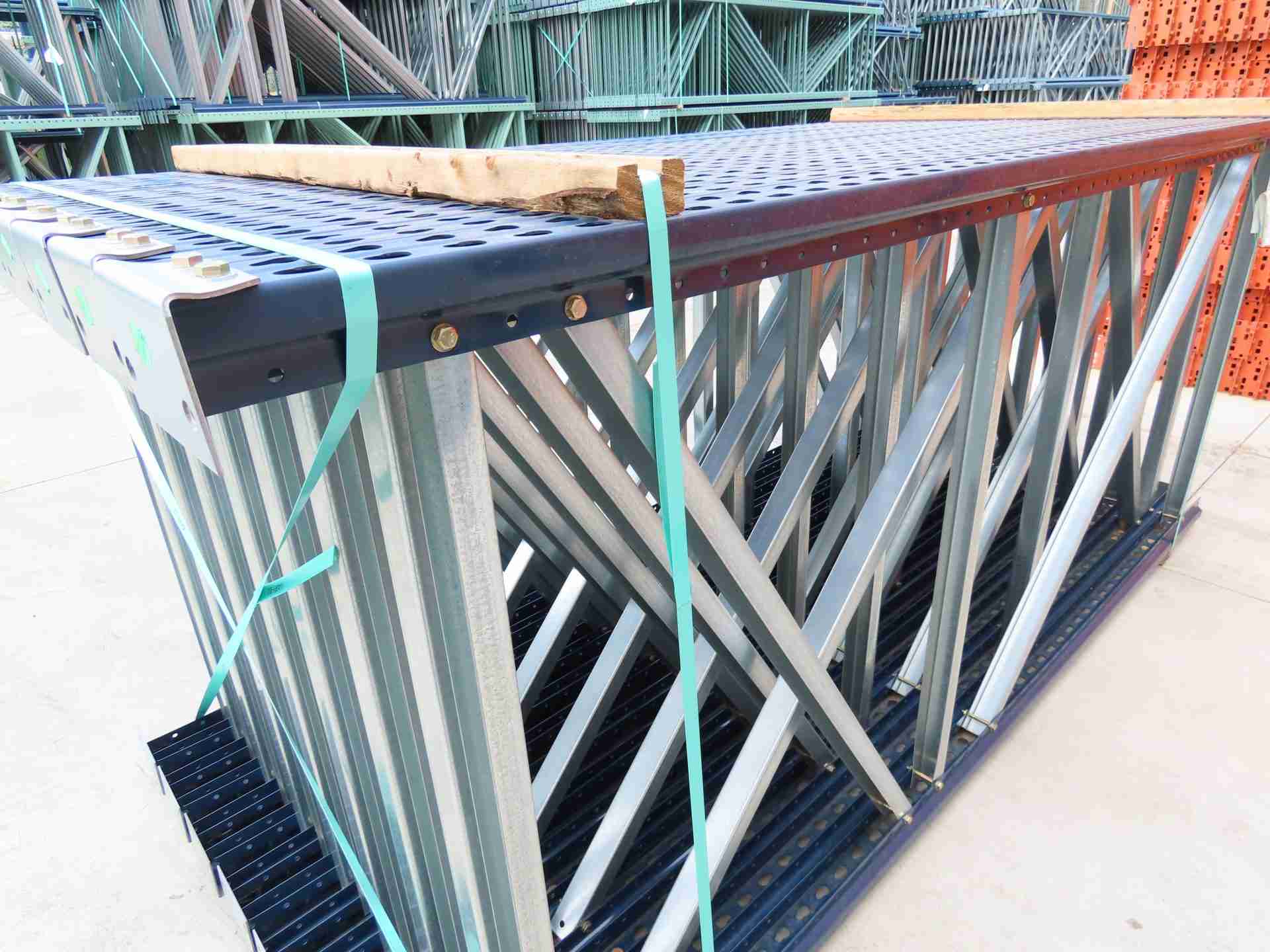
How Do I Organize Items On Warehouse Shelving Efficiently?
How Do I Organize Items On Warehouse Shelving Efficiently?
- Efficient warehouse shelving organization relies on strategic planning and modern practices.
- Understanding shelving systems, like pallet racking, is essential for high-density, accessible storage.
- Items should be categorized based on turnover rates, placing fast-moving items at eye level.
- The 80/20 rule can help streamline the layout by focusing on the most impactful inventory.
- Organizing seasonal items, such as holiday products, close to shipping areas can reduce picking time.
- Implementing the FIFO method is crucial for industries with critical expiration dates, such as food and pharmaceuticals.
- Utilizing technology, like warehouse management systems (WMS), aids in real-time inventory tracking and informed decision-making.
How Do I Organize Items On Warehouse Shelving Efficiently?
Conclusion
In the rapidly evolving landscape of warehousing, maintaining an organized and functional shelving system is essential—not just for aesthetics, but for safety and operational efficiency. As you navigate the competitive pressures of modern logistics, don’t overlook the critical importance of regular maintenance for your pallet racking systems. By committing to a rigorous inspection routine, investing in staff training, and ensuring a clean work environment, you’ll significantly reduce risks associated with inventory management while enhancing productivity.
First and foremost, make regular inspections a non-negotiable aspect of your operations. Schedule weekly checks to spot any signs of wear and tear, and address issues promptly before they escalate into costly accidents. Remember the alarming example from a Virginia warehouse where neglect led to catastrophic collapse—a stark reminder that preventative maintenance is a fraction of the cost of recovery.
Training your team not only builds a culture of safety but empowers your employees to recognize potential hazards. This initiative fosters teamwork while adhering to industry standards, ultimately shielding your operation from compliance risks. Coupled with a consistent cleaning and upkeep schedule, you create an environment that promotes safety and efficiency.
Think about upgrading your shelving solutions to rainbow the dynamic needs of your growing business. In today’s warehouse environment, where automation and advanced technologies are becoming the norm, your pallet racking should reflect these shifts. Engage with modern inventory management systems to optimize your layout and stock handling capabilities.
But the time to act is now! Don’t wait until a small issue snowballs into a major catastrophe. With heightened scrutiny on safety and efficiency as businesses rush to adapt to the surges in e-commerce, understanding and implementing robust maintenance practices can set you apart from competitors.
At Arrow Industrial Sales, we’re here to provide you with the tools, resources, and expert consultations you need to implement effective maintenance strategies for your warehouse shelving systems. Don’t leave your safety and efficiency to chance; take the initiative to protect your investments today. Call Arrow Industrial Sales at (574) 349-6575 now and get the information you need to secure your warehouse tomorrow. Remember, the cost of inaction is far greater than the effort required to stay ahead. Your warehouse isn’t just storage—it’s a foundation for your success. Let’s build it right together!

Conclusion
Conclusion:
- Maintaining an organized shelving system is essential for safety and operational efficiency in warehousing.
- Regular inspections of pallet racking systems should be scheduled weekly to identify and address wear and tear.
- Training staff on safety and hazard recognition fosters a culture of safety and compliance.
- A consistent cleaning schedule contributes to a safe and efficient work environment.
- Upgrading shelving solutions can help meet the dynamic needs of a growing business and support automation trends.
- Implementing robust maintenance practices can provide a competitive advantage in the evolving landscape of logistics.
- Contact Arrow Industrial Sales for tools and resources to improve warehouse efficiency and safety.
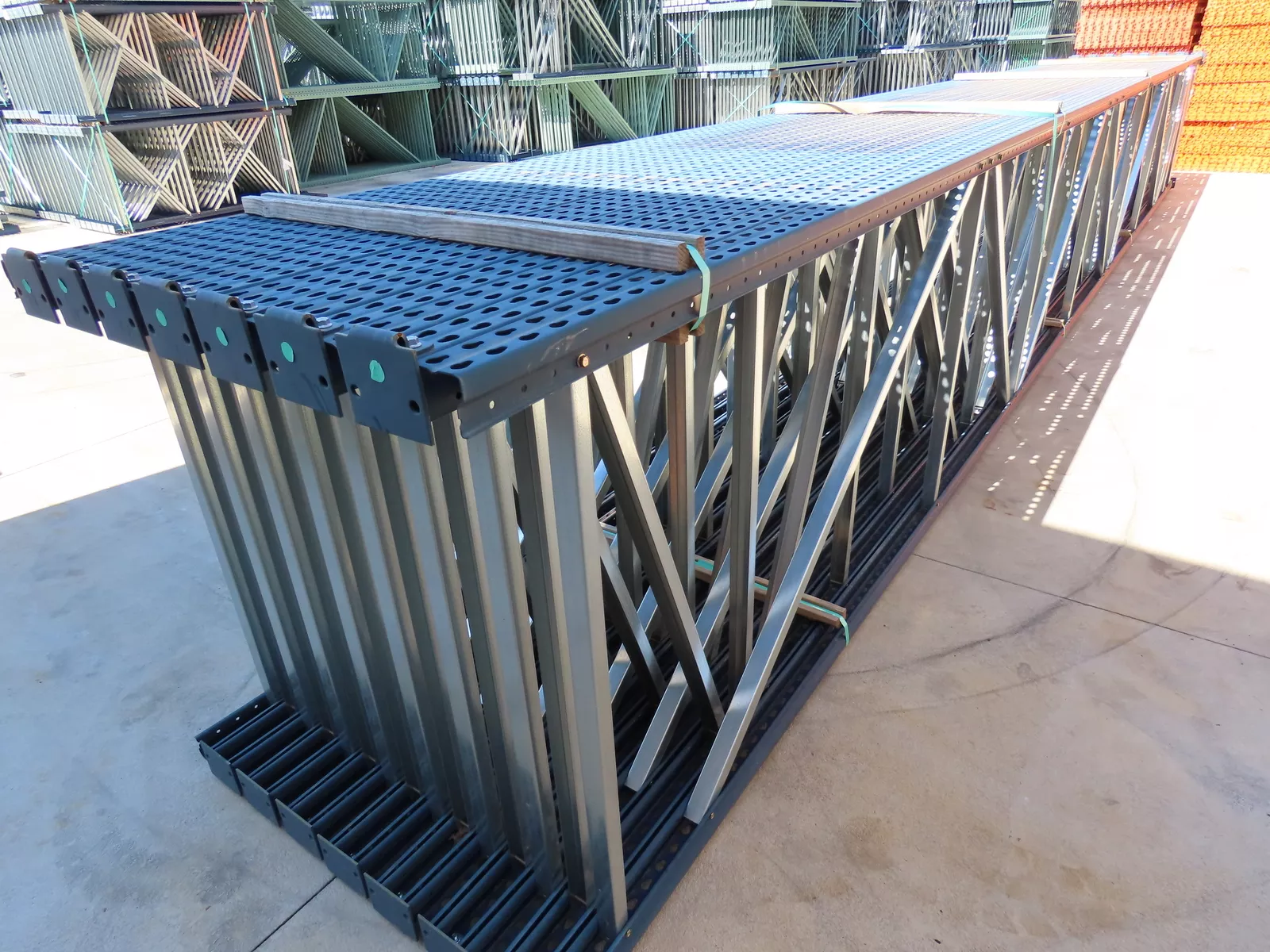
Conclusion
Other Resources
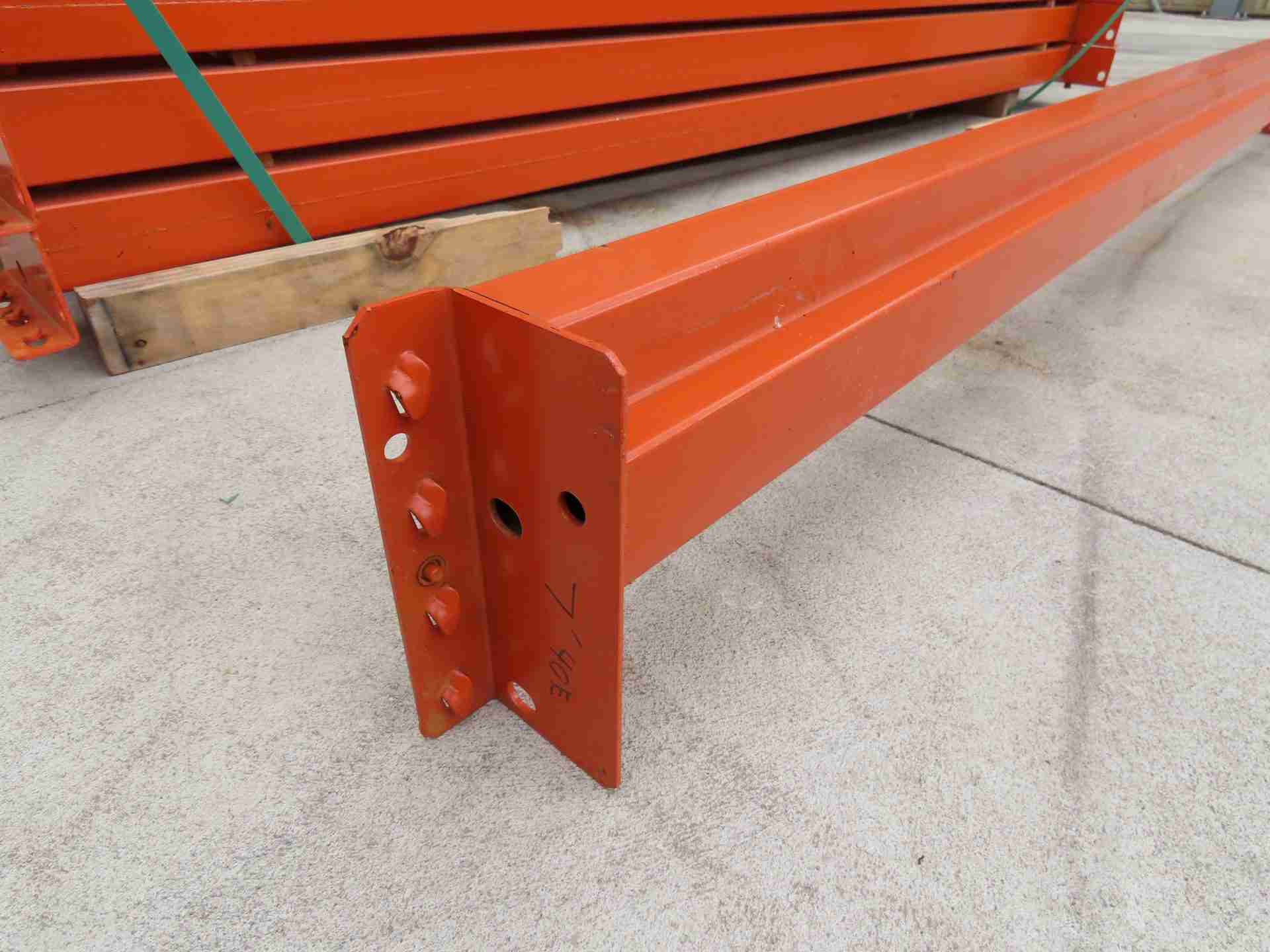
Other Resources
Here is a list of other resources you can review online to learn more:
- The Complete Pallet Rack Guide – Simply Rack
- Pallet Rack Systems – New and Used Pallet Racking and Shelving Experts
- Total Warehouse
- Interlake Mecalux
- Selective Pallet Racking Systems – Container Systems
- Material Handling Safety
- Cantilever Rack Configuration & Installation: A Comprehensive Guide – BMH
- What is Selective Pallet Racking
- Logic Material Handling
- Pallet Racking systems in Illinois, Great Lakes
Use This Prompt To Get More Resources With Your Favorite Online AI Tool: Please provide me with a list of online articles with their URLs in a bulleted list that I can read regarding What Steps Should You Take to Maintain Your Warehouse Shelving?
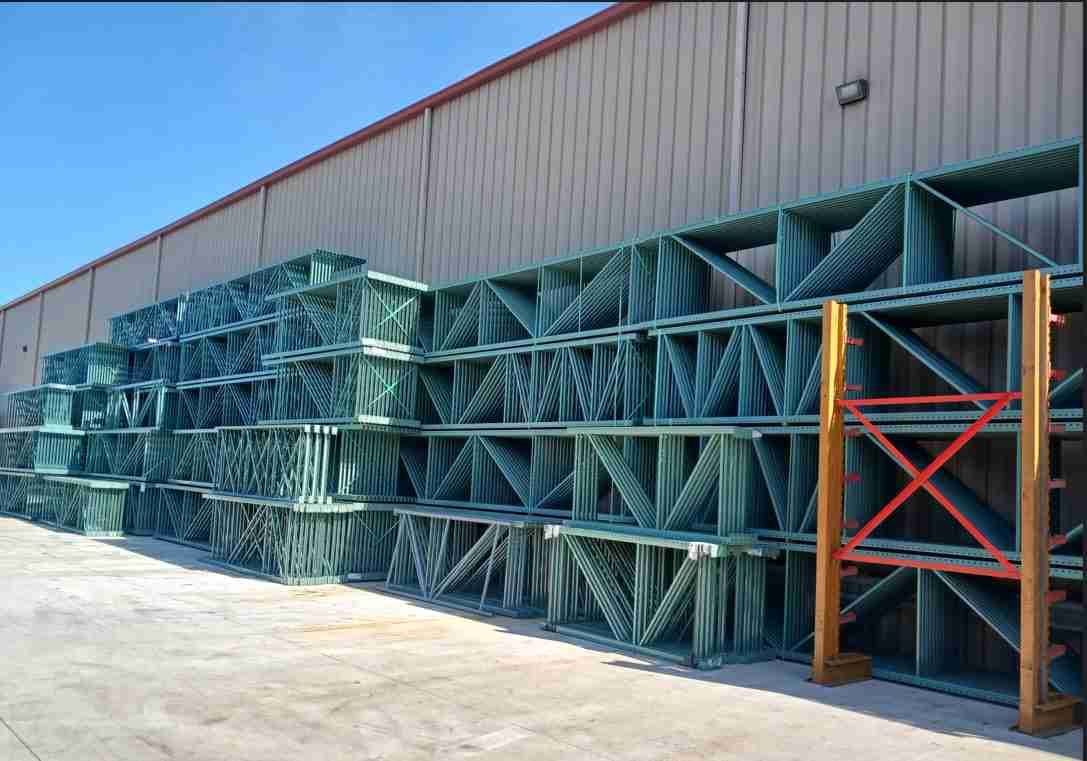
Other Resources
Glossary Terms
What Steps Should You Take to Maintain Your Warehouse Shelving? – Glossary Of Terms
1. Shelving Unit: A structure made up of horizontal surfaces (shelves) supported by vertical frames, used for storing goods.
2. Inventory Management: The process of overseeing and controlling the ordering, storage, and use of goods, which includes monitoring shelf space.
3. Load Capacity: The maximum weight that a shelving unit can safely support, crucial for preventing damage or accidents.
4. Regular Inspections: Scheduled checks of shelving units to identify wear, damage, or misalignment, ensuring safety and functionality.
5. Cleaning Procedures: Specific methods used to clean shelving units, often involving dusting and sanitizing to maintain hygiene.
6. Alignment: The correct positioning of shelves to ensure even weight distribution and maximize storage efficiency.
7. Repairs and Maintenance: Actions taken to fix any damage or wear to shelving units, including replacements of parts or repainting.
8. Safety Standards: Regulations and best practices that govern the safety of shelving units to protect workers and inventory.
9. Clearance: The space allowed between shelves, which is essential for accessible storage and to prevent accidents.
10. Labeling Systems: A method of identifying contents on a shelf, often involving tags or barcodes to streamline inventory management.
11. Weight Distribution: The careful placement of items on shelves to prevent overloading and ensure stability.
12. Seasonal Adjustments: Changes made to shelving arrangements or inventory levels based on seasonal sales patterns.
13. Pallet Racking: A specific type of shelving designed to hold pallets of products, often adjustable to accommodate different heights.
14. Vertical Space Utilization: Making effective use of the height of the warehouse by optimizing shelf placement for storage capacity.
15. Accessibility: How easily items can be reached on the shelves, influencing operational efficiency and safety.
16. Welding: A method of permanently joining metal components, commonly used in constructing heavy-duty shelving units.
17. Load Barriers: Devices installed on shelves to prevent items from falling, enhancing safety during storage.
18. Condensation Management: Techniques implemented to protect shelves and stored items from moisture build-up, often crucial in colder climates.
19. Binning: Organizing smaller items into bins on shelves for easier access and retrieval, which can improve workflow.
20. Overstocking: The act of placing too many items on a shelf, often leading to safety hazards and inefficiencies.
21. Safety Nets: Protective barriers installed around shelving systems to catch falling items and enhance warehouse safety.
22. Ergonomics: The study of how workers interact with shelving units, aiming to improve safety and efficiency in reaching for items.
23. Emergency Procedures: Guidelines established for responding to accidents involving shelving, ensuring safety and minimizing injury.
24. Vertical Load: The weight applied downward on shelving units, a crucial factor in ensuring load capacity is not exceeded.
25. Inspectors: Personnel responsible for examining shelving units regularly to ensure compliance with safety standards.
26. Spacers: Materials used to separate items on shelves, which can help prevent movements and improve organization.
27. Structural Integrity: The capability of a shelving unit to hold its shape and function safely over time, often assessed during inspections.
28. Damage Assessment: The process of evaluating shelves for signs of wear, which informs maintenance or replacement needs.
29. Structural Supports: Components added to shelving systems to enhance their strength and stability, especially for high-load areas.
30. Maintenance Log: A record-keeping system that tracks inspections, repairs, and maintenance actions for shelving units, enhancing accountability.
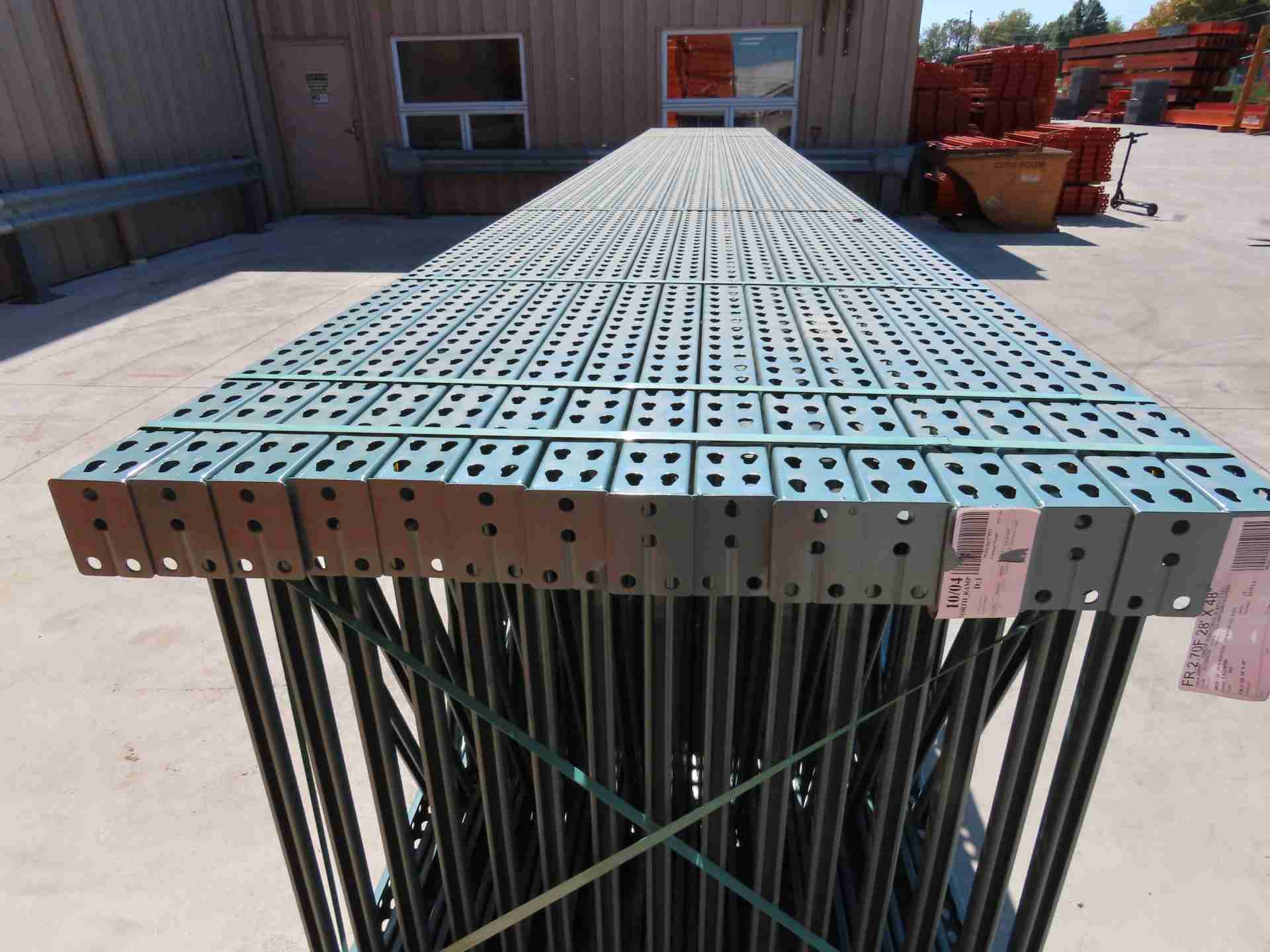
Glossary Of Terms
Other Questions
What Steps Should You Take to Maintain Your Warehouse Shelving? – Other Questions
If you wish to explore and discover more, consider looking for answers to these questions:
- What are the common signs of wear and tear on warehouse shelving?
- How can I automate the maintenance checks for warehouse shelving?
- What are the safety regulations related to warehouse shelving?
- What training programs are available for warehouse staff on shelving maintenance?
- How do I choose the right shelving material for my specific needs?
- What are the long-term benefits of regular shelving maintenance?
- How does climate affect the maintenance of warehouse shelving?
- What are the cost implications of neglecting shelving maintenance?
- How often should cleaning supplies be replenished for optimal shelf maintenance?
- What is the best way to document shelving inspections and maintenance tasks?
- Are there specific cleaning products recommended for different types of shelving materials?
- How can I improve employee compliance with shelving maintenance procedures?
- What should I know about shelf weight distribution and its importance?
- What are the latest trends in warehouse shelving systems technology?
- How can I assess and improve warehouse layout for better shelving efficiency?

Other Questions
Checklist
What Steps Should You Take to Maintain Your Warehouse Shelving? – A Checklist
Regular Inspections
_____ Schedule weekly inspections of pallet racking systems.
_____ Look for bent frames, loose bolts, and damaged pallets.
_____ Address identified issues immediately—don’t wait for busy seasons.
Training and Awareness
_____ Invest in staff training for loading shelves and handling merchandise properly.
_____ Educate the team on weight limits and safety standards.
_____ Create an engaging training program that doubles as a team-building exercise.
Cleaning and Upkeep
_____ Establish a cleaning schedule (daily, weekly, or monthly).
_____ Use appropriate cleaning supplies suitable for shelving materials.
_____ Schedule routine cleans that include inspections for damage and structural integrity.
Upgrading and Adjustments
_____ Evaluate shelving needs based on inventory changes and business growth.
_____ Consider implementing warehouse management software for optimization insights.
_____ Stay informed on industry trends and technological advancements.
Best Practices for Cleaning
_____ Ensure staff are trained in cleaning techniques and proper usage of cleaning tools.
_____ Conduct inspections during cleaning to check for wear or damage.
_____ Keep up-to-date with evolving industry standards for cleanliness.
Tools for Maintenance
_____ Acquire inspection tools (e. g. , laser measurement tools).
_____ Ensure availability of basic hand tools: socket wrenches, screwdrivers.
_____ Equip staff with cleaning tools: heavy-duty brooms, industrial vacuums.
_____ Utilize label makers for shelf organization.
Preventing Rust and Corrosion
_____ Choose high-quality galvanized steel or powder-coated shelving materials.
_____ Regularly inspect for scratches or chips and seal promptly.
_____ Control environmental factors: keep areas dry and well-ventilated.
Understanding Weight Limits
_____ Determine shelving type and understand its weight capacity.
_____ Ensure a proper distribution of weight on shelves to avoid sagging.
_____ Consult manufacturer’s specifications and compliance guidelines (e. g. , OSHA).
Organizing Items Efficiently
_____ Categorize items based on turnover rates; fast movers at eye level.
_____ Use the FIFO method to manage inventory efficiently.
_____ Consider implementing a Warehouse Management System (WMS) for tracking inventory.
Conclusion
_____ Review and update this checklist regularly to adapt to new operational needs and industry trends.
_____ Embrace a culture of ongoing training, safety, and maintenance to ensure warehouse efficiency and safety.
By following this checklist, you can maximize the effectiveness and longevity of your warehouse shelving systems, ensuring a safer and more efficient work environment.

Checklist
At RackingWorld, we help guide you through selecting warehouse storage systems and racking.
Be sure to read our other related stories at RackingWorld to learn more about warehouse storage systems.
0 Comments