
Maximizing Efficiency, Safety, And Sustainability In Warehouse Racking
By Tom Seest
At RackingWorld, we help guide you through selecting warehouse storage systems and racking.
Be sure to read our other related stories at RackingWorld to learn more about warehouse storage systems.
What Every Warehouse Operator Should Know About Racking
When it comes to running a warehouse, there’s one thing that can make or break your operation: racking. This fundamental foundation doesn’t just hold boxes; it supports livelihoods, families, and dreams. As a warehouse operator, understanding the ins and outs of racking is akin to knowing the spine of a well-crafted book—get it wrong, and the whole tale crumbles.
Think about it. Each shelf, each beam, and every pallet represents a choice— a choice to be efficient, organized, and safe. The heart of a well-managed warehouse beats strongest when racking is done right. When your teammates know they can trust the structures around them, they’ll feel more confident doing their jobs, reducing anxiety and fostering a culture of productivity. Emotional well-being isn’t just a bonus; it’s essential for a thriving work environment where people take pride in their roles.
From a rational perspective, the correct racking system maximizes space and minimizes risk. Choosing the right type—be it selective, drive-in, or flow racking—can transform a chaotic warehouse into a well-oiled machine. Imagine saving hours each week just by knowing exactly where everything is. When you think about the costs — labor, time, and even potential injury — the numbers add up. Smart choices in racking directly impact the bottom line, allowing for growth and innovation.
Ethically, there’s a responsibility that comes with racking. A stable and designed structure fosters a culture of care. It reduces workplace accidents and ensures that your people go home just as they arrived. If something goes wrong, would you be able to sleep at night knowing you didn’t take the time to evaluate the safety and sustainability of your racking? The weight of that decision should guide you toward leadership that prioritizes the well-being of every worker.
Narratively, every warehouse has a story, and racking is a pivotal chapter. It’s a tale of efficiency, safety, and mutual respect. Engaging in conversations about racking, sharing experiences, and learning from one another fosters connection. When we prioritize a strong racking system, we invite confidence—not just in our infrastructure but in the entire team.
So, dive in and embrace the wisdom of racking. It’s more than metal and wood; it’s a commitment to excellence, safety, and community.

What Every Warehouse Operator Should Know About Racking
What Every Warehouse Operator Should Know About Racking
- Racking is a critical component of warehouse operations, impacting productivity and safety.
- Every element of racking represents a decision to enhance efficiency, organization, and employee safety.
- A well-implemented racking system boosts team confidence and fosters a productive work culture.
- The right type of racking maximizes space, minimizes risk, and improves operational efficiency.
- Choosing appropriate racking can lead to significant savings in labor, time, and mitigation of injury risks.
- Ethical responsibility in racking ensures workplace safety and reflects care for employee well-being.
- Engaging discussions about racking build connections and enhance overall warehouse performance.

What Every Warehouse Operator Should Know About Racking
Table Of Contents
- What Every Warehouse Operator Should Know About Racking
- What Are the Safety Risks Of Improper Racking Setups?
- How Can Efficient Racking Optimize Your Warehouse Space?
- What Best Practices Improve Racking Maintenance and Longevity?
- How Do You Select the Right Racking System for Your Specific Needs?
- What Ethical Considerations Come Into Play with Warehouse Design?
- Conclusion
- Other Resources
- Glossary Of Terms
- Other Questions
- Checklist
What Are the Safety Risks Of Improper Racking Setups?
When it comes to warehouse safety, improperly set up racking systems are not just a minor inconvenience; they pose serious risks that can impact lives, livelihoods, and the very backbone of our industries. Imagine a bustling warehouse, the air thick with anticipation, people moving swiftly, and machines humming. Now picture that same scene disrupted by a racking collapse. Suddenly, what once felt like a well-oiled machine devolves into chaos, and the cost of carelessness comes crashing down—not just in dollars, but in injuries, and even fatalities.
Improper racking setups can lead to catastrophic outcomes. Every year, numerous workplace accidents occur due to inadequately secured racks, leading to items tumbling from heights, striking employees, and resulting in debilitating injuries. It’s not just a statistic; it’s someone’s loved one, someone’s friend, or a hardworking individual who was just doing their job. This is an ethical problem we must confront. We owe it to ourselves, our colleagues, and our families to ensure a safe working environment.
From a rational standpoint, investing in proper racking systems is not just about compliance; it’s about creating a culture of safety and responsibility. The costs of injury, lost productivity, lawsuits, and reputational damage can skyrocket faster than you can say “safety audit.” By prioritizing solid racking practices, we can prevent these dangers and foster a workplace where everyone feels valued and secure.
Consider the narrative of a warehouse manager who implemented rigorous checks on their racking systems. Their commitment paid off when they averted a potential disaster that could have left their team reeling. This isn’t just a story; it’s a call to action. Everyone has a role in ensuring safety, and it starts with understanding the risks associated with improper racking setups.
Socially, we’re all bound together in this workplace ecosystem. When we neglect safety, we fracture the trust that binds us. A safe workplace fosters teamwork and boosts morale, while a hazardous environment breeds anxiety and mistrust among workers.
It’s about more than just avoiding accidents; it’s about creating a community where people can thrive, challenge themselves, and go home safe each day. Engage in the conversation about racking safety. Invest not just in systems but in a culture committed to the well-being of everyone involved. The stakes are too high for us to ignore.

What Are the Safety Risks Of Improper Racking Setups?
What Are the Safety Risks Of Improper Racking Setups?
- Improperly set up racking systems pose serious risks, potentially impacting lives and industries.
- Racking collapses can disrupt warehouse operations, leading to chaos and significant consequences.
- Numerous workplace accidents arise from inadequately secured racks, resulting in injuries and fatalities.
- Investing in proper racking systems promotes a culture of safety and responsibility.
- Ignoring safety can lead to skyrocketing costs related to injuries, lawsuits, and reputational damage.
- A commitment to rigorous checks on racking systems can prevent potential disasters in the workplace.
- A safe workplace enhances teamwork and morale, while neglecting safety fosters anxiety and mistrust.

What Are the Safety Risks Of Improper Racking Setups?
How Can Efficient Racking Optimize Your Warehouse Space?
When it comes to optimizing your warehouse space, efficient racking is the unsung hero that often goes unnoticed. Picture this: a bustling warehouse where every square inch counts, a place where the pulse of commerce beats loud and clear. Each rack in your warehouse isn’t merely a metal frame; it’s a promise—a commitment to efficiency, productivity, and ultimately, success.
Imagine walking into a facility where the first thing that greets you isn’t just an echo of machinery but is instead a symphony of order. Shadows give way to light as items are systematically stored within carefully designed racking systems. Your products are organized in a way that not only saves space but makes retrieval a breeze. This isn’t just about tidiness; it’s about reclaiming valuable hours wasted under the chaos of disarray. It’s about knowing that every moment spent searching for a misplaced pack of screws is a moment lost—lost to inefficiency and frustration.
But let’s dig deeper. The head understands the numbers: a well-planned racking solution can exponentially increase storage capacity without the need for expensive expansions. With each level of your racking system filling the air with possibilities, you’re not just stacking goods; you’re stacking the odds in your favor. When products are accessible, turnover rates soar and customer satisfaction skyrockets, aligning your operation with the pulse of demand in today’s fast-paced economy.
Now, let’s connect this to something deeper. Think about the faces behind the scenes—your team, striving to meet targets and fulfill requests. Efficient racking reduces the physical demands of their job, minimizing the risk of workplace injuries and fostering a culture of safety. This matters. It’s about respecting the hard work and dedication that your people put in every day. It’s about dignity in labor, giving your workforce the tools they need to do their best—not just for the company, but for themselves.
Even beyond efficiency and safety, there’s a community aspect to effective racking. When everyone in your warehouse understands the layout, and when every item has its proper place, it cultivates a sense of teamwork and shared purpose. Colleagues can rely on one another, leading to a natural flow that resonates within the organization.
In investing in efficient racking, you’re not just enhancing your operational capabilities; you’re building a foundation of trust and performance that resounds through every aisle. So, as you consider your investment, think of it not just as a cost, but as an opportunity to transform your warehouse into a well-oiled machine, poised for growth and success.

How Can Efficient Racking Optimize Your Warehouse Space?
How Can Efficient Racking Optimize Your Warehouse Space?
- Efficient racking is crucial for optimizing warehouse space and enhancing productivity.
- Well-organized storage systems eliminate chaos, saving time and reducing retrieval frustrations.
- A strategic racking solution can significantly increase storage capacity without costly expansions.
- Accessible products lead to higher turnover rates and improved customer satisfaction.
- Efficient racking minimizes physical strains on workers, promoting safety and dignity in labor.
- A clear racking layout fosters teamwork and a shared purpose among warehouse staff.
- Investing in racking is an opportunity to transform a warehouse into an efficient, growth-oriented operation.

How Can Efficient Racking Optimize Your Warehouse Space?
What Best Practices Improve Racking Maintenance and Longevity?
When it comes to maintaining racking systems, it’s surprising how often the basics are sidelined in the hustle of day-to-day operations. Think of racking as the unsung hero of efficiency in warehouses and distribution centers — a workhorse that endures the weight of countless goods. But without regular attention, even the sturdiest racking can lose its strength. So what best practices can breathe life into these essential structures and extend their longevity?
First off, fostering a culture of safety is paramount. When workers engage with the racking systems, they should be trained to spot potential issues — like misalignments or wear and tear — before they escalate. This isn’t just about compliance; it’s about nurturing an environment where everyone feels responsible. Engaging your team to report problems creates a social fabric of vigilance, resulting in collective pride and ownership over the workspace. Trust that when you promote this ethos, it grounds a sense of responsibility and accountability among your crew.
Next, regular inspections become your compass. Setting a routine schedule for maintenance checks is not merely a checkbox on a to-do list but a vital commitment to preserving the integrity of your infrastructure. During these checks, think about the big picture. What are the long-term costs of neglect? Repairs may seem like an inconvenience, but leaving issues unattended can snowball into extensive downtime and hefty financial burdens. The rational decision here is clear — proactive maintenance saves time and resources in the long run.
Implementation of a preventive maintenance plan is the heart of racking longevity. Every facility has unique needs, and customizing a plan that aligns with your specific operations creates a roadmap for sustainability. Knowing the precise wear points of your racking due to shifting loads or environmental factors is crucial. This level of understanding fosters confidence in your operations and keeps your racking in peak condition.
Finally, invest in quality materials and don’t skimp on installation. A strong foundation is built on high standards. Sloppy installation can create problems down the line, leading to costly repairs and accidents. The ethical choice here is clear: prioritize safety and longevity over short-term savings.
Keeping your racking robust isn’t merely about equipment; it’s a pledge to your employees and customers. Every time you check a beam or tighten a bolt, you’re valuing safety, security, and trust. You’re not just maintaining racking; you’re enhancing the backbone of loyalty and efficiency in your operations.

What Best Practices Improve Racking Maintenance and Longevity?
What Best Practices Improve Racking Maintenance and Longevity?
- Basic maintenance of racking systems is often overlooked in daily operations.
- Racking is essential for warehouse efficiency; neglect can weaken even the sturdiest structures.
- Fostering a safety culture is crucial; training workers to identify potential issues promotes responsibility.
- Regular inspections are essential; they help to prevent long-term costs associated with neglected repairs.
- Implementing a customized preventive maintenance plan ensures sustainability and addresses unique facility needs.
- Investing in quality materials and proper installation is critical for safety and long-term integrity.
- Maintaining racking is a commitment to safety and trust in operations, enhancing loyalty and efficiency.

What Best Practices Improve Racking Maintenance and Longevity?
How Do You Select the Right Racking System for Your Specific Needs?
Choosing the right racking system isn’t just about fitting a few metal shelves in a warehouse; it’s about creating a foundation for your operation, a lifeline for your productivity. It’s like picking a home for your inventory—one that must be sturdy enough to weather the storms of busy seasons and flexible enough to adapt as your needs evolve. Let’s dive into what you really need to consider when making this essential choice.
First off, think about your specific needs. Are you storing heavy pallets of goods, or delicate items that require careful handling? Each product type demands a different racking approach. You don’t want to stack your business on a rickety structure that can’t handle the weight. That gut feeling—knowing what you need to secure your assets—is vital. Trust your instincts, but also look at the numbers. Calculate your space, your inventory turnover rate, and your future growth. Make no mistake, a well-thought-out design isn’t just a luxury—it’s a necessity.
Then, there’s the ethical part. Your choice affects your employees and the environment. A well-optimized racking system doesn’t just enhance productivity; it also keeps your workforce safe. Employees shouldn’t have to navigate a maze of misplaced items or worry about that precariously balanced box on the top shelf. Think of the connection you’re fostering not just with the product but with your team. Their comfort and safety in the workplace translate to efficiency that benefits everyone.
Now, let’s pivot to the authority of the brands you’re considering. Look into the companies that manufacture racking systems. Are they reputable? Have they been around long enough to weather economic shifts? Trust is built on time and track record. If they’re backed by real-world testimonials and case studies from businesses like yours, you’re looking at a safer bet.
Finally, don’t underestimate the power of community. Engage with others in your industry—ask them about their experiences and what decisions led them to success. Their stories can guide your own journey, helping you weave your own narrative of growth and stability.
Selecting the right racking system is more than a mere choice; it’s an investment in the heart of your operation. Make informed decisions, listen to your instincts, and cultivate a safe, efficient environment for all involved. That’s how you turn a simple storage solution into a powerhouse of productivity.

How Do You Select the Right Racking System for Your Specific Needs?
How Do You Select the Right Racking System for Your Specific Needs?
- Choosing a racking system is essential for creating a solid foundation for your operations and productivity.
- Consider your specific needs based on the type of items you store, whether heavy pallets or delicate products.
- Calculate your space, inventory turnover rate, and potential growth to make informed design choices.
- A well-optimized racking system improves productivity and ensures employee safety in the workplace.
- Research the reputation and track record of racking system manufacturers for reliability and trustworthiness.
- Engage with industry peers to learn about their experiences and decisions related to racking systems.
- Selecting the right racking system is a crucial investment that enhances operational efficiency and safety.

How Do You Select the Right Racking System for Your Specific Needs?
What Ethical Considerations Come Into Play with Warehouse Design?
When we think about warehouse design, racking systems often come to mind—those towering shelves filled with boxes and goods, more functional than fabulous. But let’s hit the brakes for a moment and consider the ethics that underpin this essential industry. Designing a warehouse isn’t strictly a numbers game; it’s about creating an environment that respects people and the planet.
Take a moment to imagine the workers who navigate those narrow aisles filled with racking: the single parents trying to make ends meet, the students paying off loans, or the skilled tradespeople looking for stability. Design decisions directly impact their daily experiences—think about safety, accessibility, and comfort. A poorly designed space can lead to fatigue and injury, while a thoughtful layout promotes efficiency and well-being. When you prioritize the human element, you’re truly investing in the heart of your operation.
On a rational level, ethical warehouse design is a smart business move. Companies that adopt sustainable practices—such as energy-efficient lighting or materials—aren’t just warmer and fuzzier; they’re often more cost-effective in the long haul. A well-planned space reduces waste and enhances productivity, which means happier employees and a better bottom line. It’s about marrying smart economics with social responsibility.
But let’s not forget the ethical implications rooted in authority and compliance. There are regulations in place that mandate safe working conditions and limit environmental impact. Ignoring these isn’t just ethically questionable—it can be ruinously costly. Ignoring what’s right doesn’t just betray the workforce; it invites scrutiny and backlash from consumers striving to support companies that share their values.
Consider the broader narrative, too, of community connection. Well-designed warehouses don’t just serve a purpose—they can become pillars within their communities. They provide jobs, foster innovation, and encourage economic growth. When businesses listen to their workers and the communities they serve, they cultivate trust that transcends transactions.
Remember, warehouse design is more than just putting things on racks; it’s a profound opportunity to create spaces that uplift, inspire, and respect everyone involved—from the creators to the consumers. So, when you’re drafting blueprints or placing orders, ask yourself: Are you building not just a warehouse, but a place of purpose? That’s a legacy worth striving for.

What Ethical Considerations Come Into Play with Warehouse Design?
What Ethical Considerations Come Into Play with Warehouse Design?
- Warehouse design involves more than just functional racking systems; it should also respect people and the planet.
- Design decisions impact workers’ experiences, influencing their safety, accessibility, and comfort in the workspace.
- Thoughtful layouts can reduce fatigue and injury while promoting efficiency and employee well-being.
- Sustainable practices in warehouse design, such as energy-efficient materials, can lead to long-term cost savings.
- Compliance with regulations on safety and environmental impact is crucial to avoid ethical and financial repercussions.
- Well-designed warehouses can strengthen community ties by providing jobs and fostering economic growth.
- Warehouse design is an opportunity to create meaningful spaces that uplift all stakeholders—workers, consumers, and communities.

What Ethical Considerations Come Into Play with Warehouse Design?
Conclusion
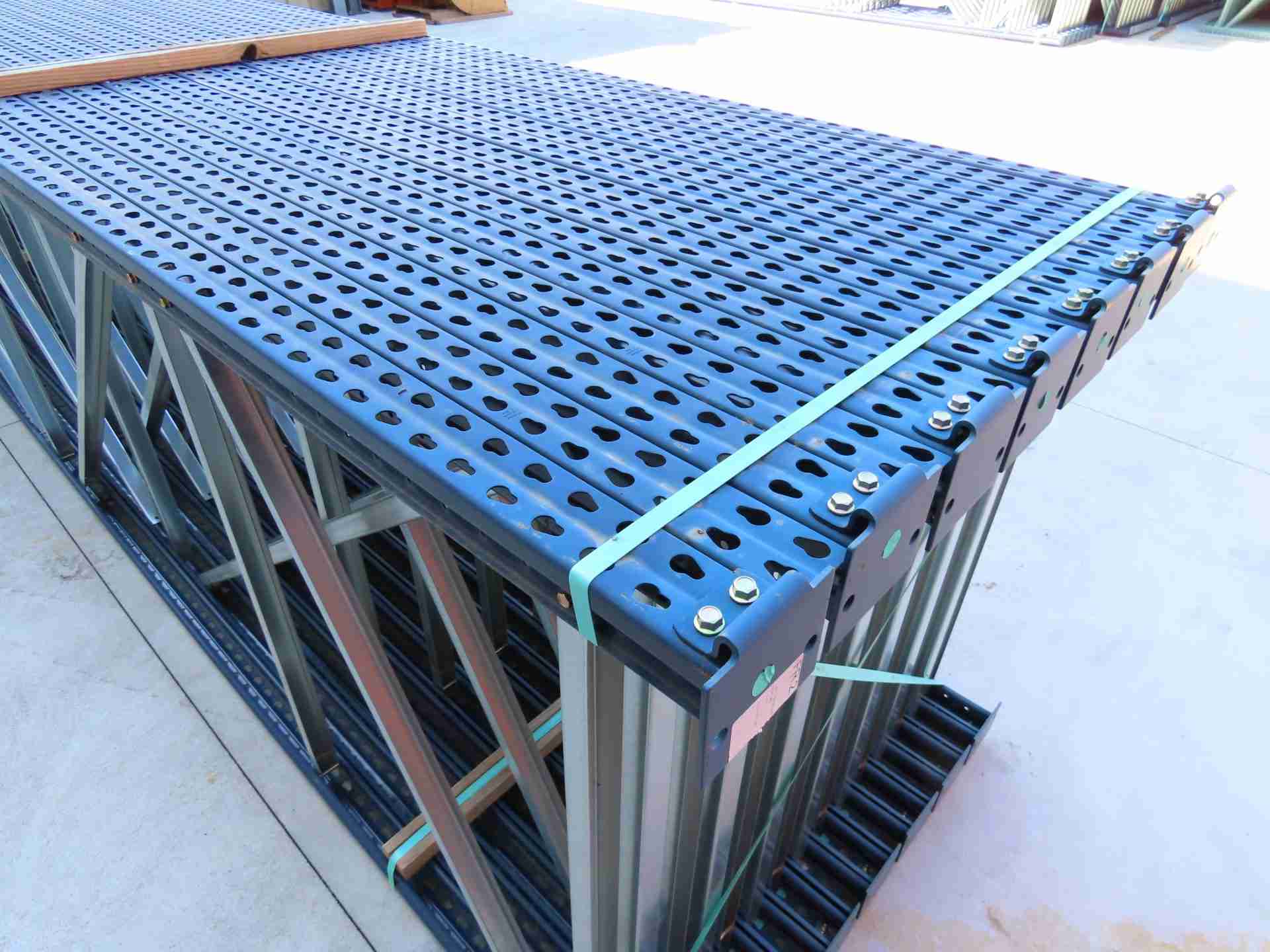
Racking systems in warehouses are more than mere storage solutions; they are the backbone of operational efficiency, safety, and sustainability. Think of racking as the arteries of your warehouse, channeling everything from heavy pallets to fragile items, and if they’re not set up correctly, the potential risks can be catastrophic. A warehouse bustling with activity is a vibrant ecosystem, but if it suffers from improper racking, that vibrancy can quickly degenerate into chaos—think racking collapses leading to injuries, lost wages, or worse. That gut-wrenching feeling of knowing that safety protocols were neglected weighs heavy on a leader’s conscience.
Investing in the right racking system is a logical choice that positively impacts the bottom line. Efficient racking maximizes space and time, improving inventory retrieval while minimizing workplace accidents. It’s not just about avoiding injuries; it’s about fostering a culture of care and respect for every individual working within those walls. When everyone knows the racking system is dependable, anxiety decreases, and productivity flourishes. This connection extends to the community; safe, well-designed warehouses can uplift an entire local economy, creating jobs and trust.
Now, let’s dig into the ethical responsibilities tied to racking systems. Each decision made should reflect a commitment to safety, integrity, and sustainability. A warehouse that prioritizes safe racking sends a message to its employees and customers: their wellbeing is paramount. It’s about ensuring a space where individuals can feel valued, where teamwork thrives, and where everyone can contribute to their fullest potential.
The wisdom involved in choosing or maintaining racking systems shouldn’t just stem from operational advantages but also from a desire to leave a positive legacy. Every bolt tightened and beam adjusted signals a promise to employees: “You matter to us.” The conversation around racking isn’t merely about metal frames; it’s about community, responsibility, and growth. So, as you strategize for the future, embrace the complexities of racking with the knowledge that it’s a commitment to excellence and wellbeing for all involved. Let’s not just fill warehouses with products; let’s fill them with purpose.
Conclusion
Conclusion:
- Racking systems are crucial for operational efficiency, safety, and sustainability in warehouses.
- Improper racking can lead to catastrophic risks, including injuries and financial losses.
- Investing in efficient racking maximizes space and time while reducing workplace accidents.
- A reliable racking system fosters a culture of care, reducing anxiety and boosting productivity.
- Well-designed racking systems contribute to community wellbeing by creating jobs and trust.
- Choosing racking systems reflects ethical responsibilities regarding safety, integrity, and sustainability.
- Strategic racking decisions can lead to a positive legacy and demonstrate care for employee wellbeing.

Conclusion
Other Resources

Other Resources
Here is a list of other resources you can review online to learn more:
- Shipping Boxes, Packaging Materials, Pallet Racking
- Storage Equipment Manufacturers Association
- Used Pallet Rack for Sale in Illinois – American Surplus
- Warehouse Storage Racks
- Arrow Industrial Sales
- American Society of Safety Professionals
- Teardrop Pallet Rack – Ridg-U-Rak
- Warehouse Racks, Warehouse Racking in Stock – ULINE
- Selective Rack – Raymond West
- International Warehouse Logistics Association
- IIWS Inc. Rack Installation Illinois & Rack Repairs Illinois
- Mustang Material Handling
- Logic Material Handling
- Warehouse Racking Systems: Beginner’s Guide to Rack Systems
- BMH Equipment LLC
- NSC
- Storage Equipment Manufacturers’ Association
- Interlake Mecalux
- Warehouse Automation
Use This Prompt To Get More Resources With Your Favorite Online AI Tool: Please provide me with a list of online articles with their URLs in a bulleted list that I can read regarding What Every Warehouse Operator Should Know About Racking

Other Resources
Glossary Terms
What Every Warehouse Operator Should Know About Racking – Glossary Of Terms
1. Racking: A system of storage shelving used to hold materials in a warehouse efficiently.
2. Pallet: A flat transport structure that supports goods and facilitates their movement with forklifts.
3. Shelves: Horizontal surfaces used in racking systems to store items, available in various configurations.
4. Load Capacity: The maximum weight a racking system can safely support.
5. Safety Regulations: Guidelines set by authorities to ensure safe operation and construction of racking systems.
6. Vertical Space: The height in a warehouse that can be utilized for storage, often maximized with racking.
7. Aisle Width: The space between rows of racks, critical for maneuverability of equipment and safety.
8. FIFO (First In, First Out): A method of inventory management ensuring that older stock is used or sold first.
9. LIFO (Last In, First Out): An inventory management approach where the most recently stored items are accessed first.
10. Beam Level: The horizontal bars in a racking system that support the shelves or pallets.
11. Column: Vertical supports that provide stability to racking systems.
12. Crossbars: Braces used between uprights in a racking system to enhance stability.
13. Forklift: A powered industrial truck used to lift and move materials in a warehouse.
14. Rack Inspection: Regular assessments of racking systems to identify wear and ensure safety compliance.
15. Load Beam: A beam specifically designed to hold pallets and distribute weight evenly.
16. End Frame: The outermost vertical structure of a racking system, providing strength and support.
17. Row Spacing: The distance between rows of racks that allows access and storage.
18. Access Height: The maximum height that items can be stored to ensure they can be retrieved safely.
19. Push Back Racking: A racking type enabling pallets to be stored and retrieved from the same aisle, maximizing space efficiency.
20. Selective Racking: A widely used racking system allowing easy access to any pallet stored.
21. Drive-In Racking: A high-density storage solution where forklifts drive into the rack to load or unload pallets.
22. Mobile Racking: A racking system mounted on wheels, allowing for adjustable aisle widths and space optimization.
23. Pallet Rack: A specific type of racking designed to hold pallets and facilitate their storage and retrieval.
24. Weight Distribution: The manner in which weight is spread across the racks to prevent collapse and ensure stability.
25. Inventory Management: The systematic control over the ordering, storage, and use of goods in a warehouse.
26. Safety Locators: Markers placed on the floor or racks to enhance visibility and guide safe operational practices.
27. Compliance: Adherence to industry standards and safety regulations governing warehouse operations.
28. Optimization: The process of maximizing storage and operational efficiency within a warehouse environment.
29. Racking Design: The layout and construction of racking systems tailored to specific storage needs.
30. Material Handling: The process of moving, protecting, storing, and controlling materials throughout the manufacturing and distribution cycle.

Glossary Of Terms
Other Questions
What Every Warehouse Operator Should Know About Racking – Other Questions
If you wish to explore and discover more, consider looking for answers to these questions:
- What types of racking systems are most commonly used in warehouses?
- How can I assess the safety of my current racking system?
- What are the legal regulations regarding warehouse racking safety?
- How do I train employees on safe racking practices?
- What are the costs associated with installing a new racking system?
- How do climate and environmental factors affect racking systems?
- What are common mistakes to avoid when setting up racking?
- How often should racking systems be inspected and maintained?
- What is the role of technology in modern racking solutions?
- How can I effectively manage the inventory of a racked warehouse?
- What should I consider when choosing a racking supplier?
- What are the long-term benefits of investing in high-quality racking systems?
- How can improper racking impact customer satisfaction?
- What metrics should I track to evaluate racking efficiency?
- How does racking efficiency relate to overall warehouse productivity?

Other Questions
Checklist
What Every Warehouse Operator Should Know About Racking – A Checklist
Warehouse Racking Success Checklist
Emotional Appeals
_____ Connection: Reflect on how your racking choices affect the lives of your team and their families. Are you fostering pride and safety in their workplace?
_____ Community: Engage with your team about racking systems and share experiences. How can you build a culture of mutual respect and teamwork?
Rational Appeals
_____ Space Optimization: Evaluate your current racking system’s effectiveness in maximizing storage and minimizing retrieval time. Are you making the most of your space?
_____ Cost Analysis: Consider the long-term costs of improper racking vs. the investment in a quality system. What are the potential savings in labor, injury prevention, and productivity?
Ethical Appeals
_____ Safety First: Assess your racking for risks that could lead to accidents. Have you prioritized the well-being of your workers in your design and maintenance strategies?
_____ Sustainability: Think about environmentally-friendly practices in your racking system. Are you choosing materials and designs that are good for the planet?
Authority Appeals
_____ Choose Wisely: Research reputable manufacturers of racking systems. What are their credentials? Are there successful case studies that can guide your decision?
_____ Regular Inspections: Implement a routine for racking assessments. Is there an authority figure or team responsible for upholding maintenance standards?
Narrative Appeals
_____ Share Stories: Document and discuss your racking system success stories within your organization. What narratives inspire your colleagues to prioritize safety and efficiency?
_____ Future Vision: Envision where you want your warehouse to be in five years. How does your racking system play a role in that growth narrative?
Social Appeals
_____ Team Training: Initiate training sessions for staff on racking safety and organization. Are your employees equipped with the knowledge to contribute to a safer work environment?
_____ Community Engagement: Connect with other warehouse operators in your industry. What best practices have they implemented? How can you enhance local workplace culture together?
Use this checklist to evaluate and enhance your warehouse racking practices, ensuring that every choice supports not only efficiency but also the safety and well-being of your workforce.

Checklist
At RackingWorld, we help guide you through selecting warehouse storage systems and racking.
Be sure to read our other related stories at RackingWorld to learn more about warehouse storage systems.
0 Comments